Successfully copied to clipboard!
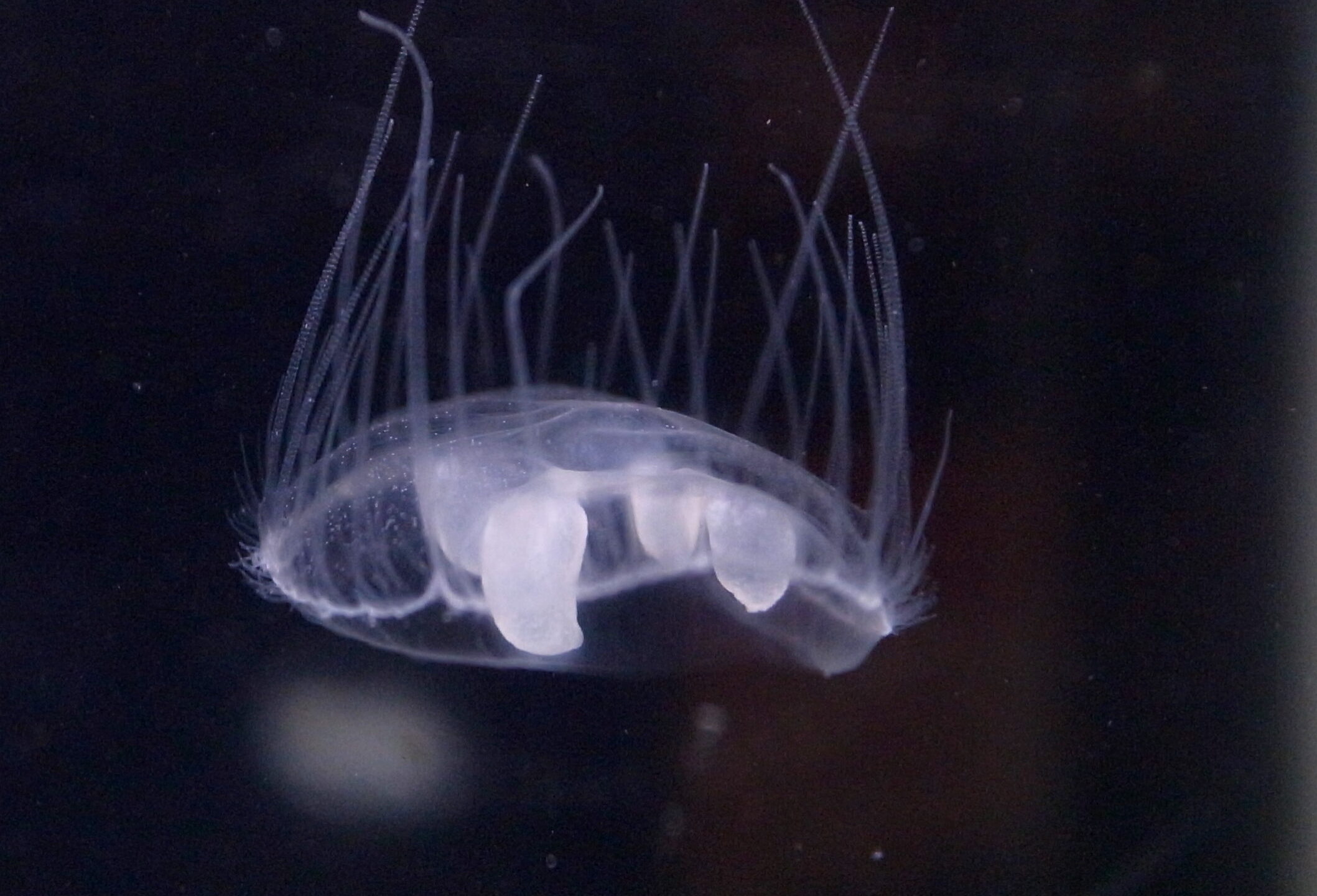
Freshwater Jellyfish
Experience the dazzling dance of tiny water wonders!
Let’s Explore
Overview
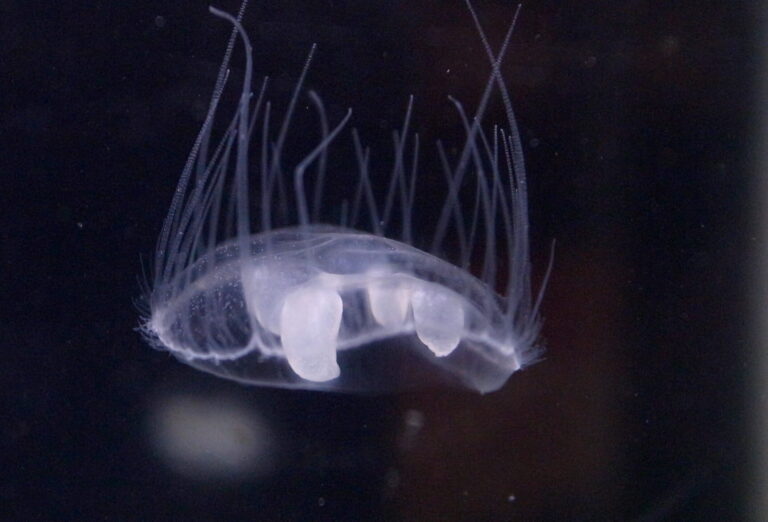
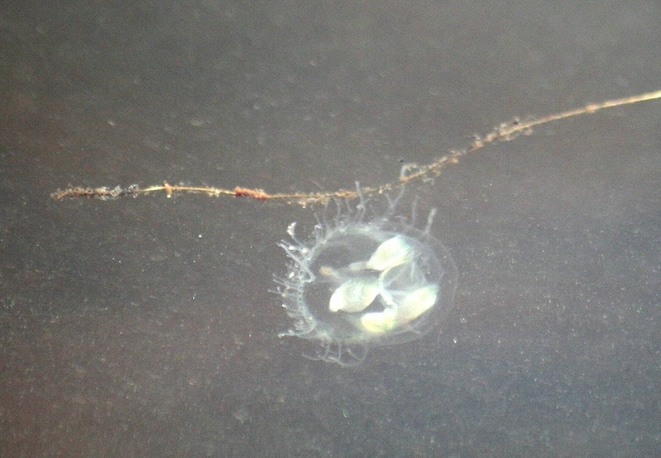
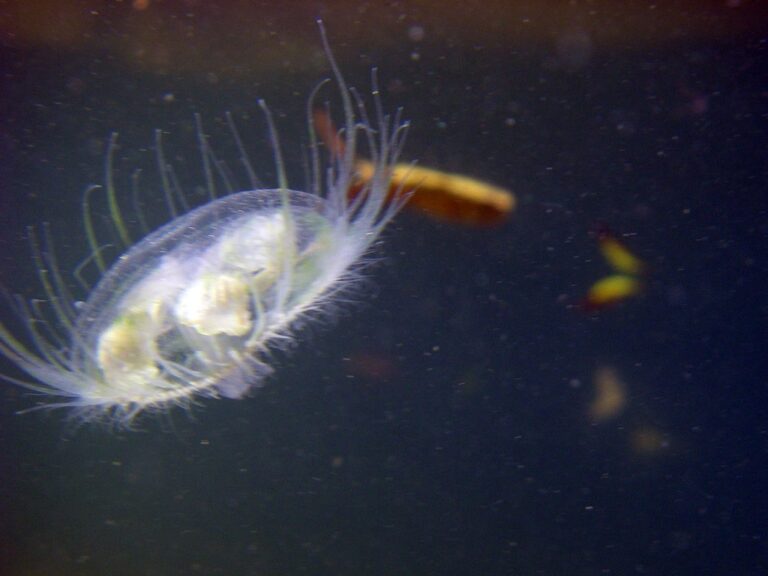
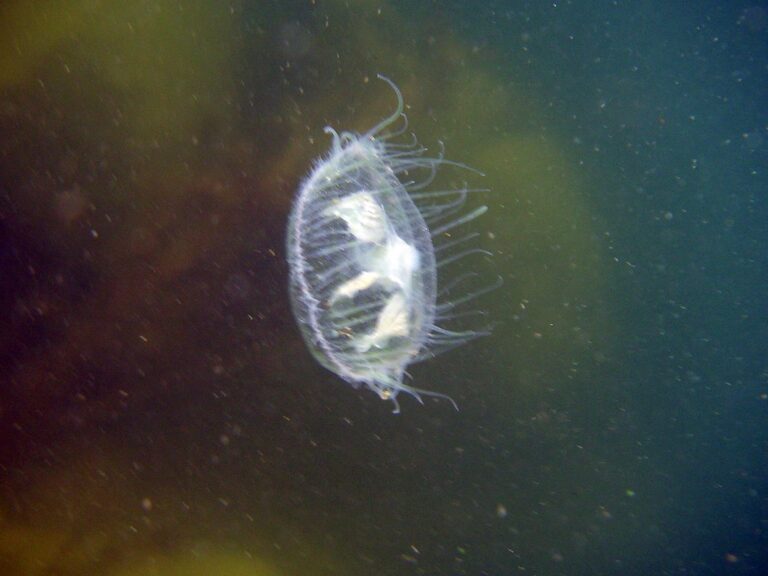
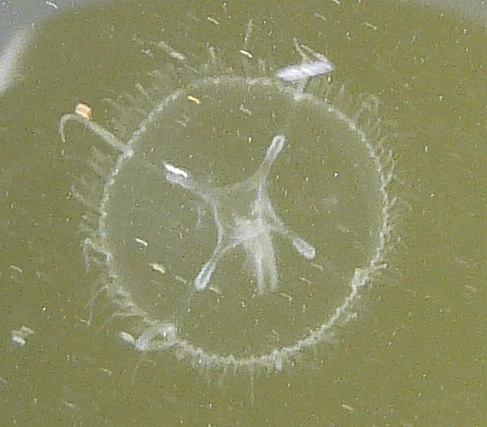
Freshwater jellyfish, known scientifically as Craspedacusta sowerbyi, are remarkable little creatures that swim in lakes and ponds across Africa. These jellyfish belong to the invertebrate class Hydrozoa and can reach an average size of up to 1 inch wide, making them quite small in the grand oceanic scheme.
These jellyfish possess a soft, bell-shaped body that pulsates as they move through the water, creating a magical dance in their habitat. Their bodies contain special cells called cnidocytes that help them catch tiny aquatic animals and plankton for a tasty snack.
Freshwater jellyfish live for about 2 to 3 months, making their short lives a swift adventure. They reproduce by releasing tiny larval forms called planulae, which eventually settle down and develop into adult jellyfish, continuing their fantastic journey through the water.

Where can you find a Freshwater Jellyfish in the wild?
What does a Freshwater Jellyfish eat?
How big can a Freshwater Jellyfish grow?
How long does a Freshwater Jellyfish typically live?
What is the conservation status of the Freshwater Jellyfish?
What are the main threats to the Freshwater Jellyfish?
Fun facts
Freshwater jellyfish can change their color slightly based on their environment, which helps them blend in and avoid hungry fish.


These tiny creatures have been around for millions of years, and they can still create quite a spectacular sight when they gather in big groups, forming what looks like a moving art installation!
When freshwater jellyfish feel threatened, they can contract their bodies rapidly, allowing them to shoot away from danger in a speedy escape.
Freshwater jellyfish have a very interesting way to eat. They use their stinging cells to catch their food, and it is like hosting a tiny underwater dinner party where all the food comes to them!
They reproduce by producing tiny larvae called planulae that swim away to settle down and start the cycle of life again, making them little explorers of their watery world!
Scientists believe freshwater jellyfish can survive changing environments by going into a kind of hibernation if conditions become unfriendly, allowing them to come back to life when things get better.
These jellyfish help keep lakes and ponds healthy by eating small creatures, like pesky mosquito larvae, making them little helpers in their ecosystem!
Despite their jelly-like appearance, freshwater jellyfish can use their bodies to make small movements that help them swim against slight currents, showing they are not just passive drifters!
When a freshwater jellyfish stings its prey, it delivers venom that paralyzes the target. This means it can have lunch without too much effort!
Though they only live for a few months, freshwater jellyfish make the most of their time, performing their graceful dances for all to enjoy!
Photos





The Basics


explore more
Amphibians
Arachnids
Birds
Cats
Crustaceans
Fish
Fish Pet Guide
Gastropods
Insects
Invertebrates
Mammals
Pet Fish
Pet Rodents
Plants
Reptiles
Roundworms
Sea Slugs