Successfully copied to clipboard!
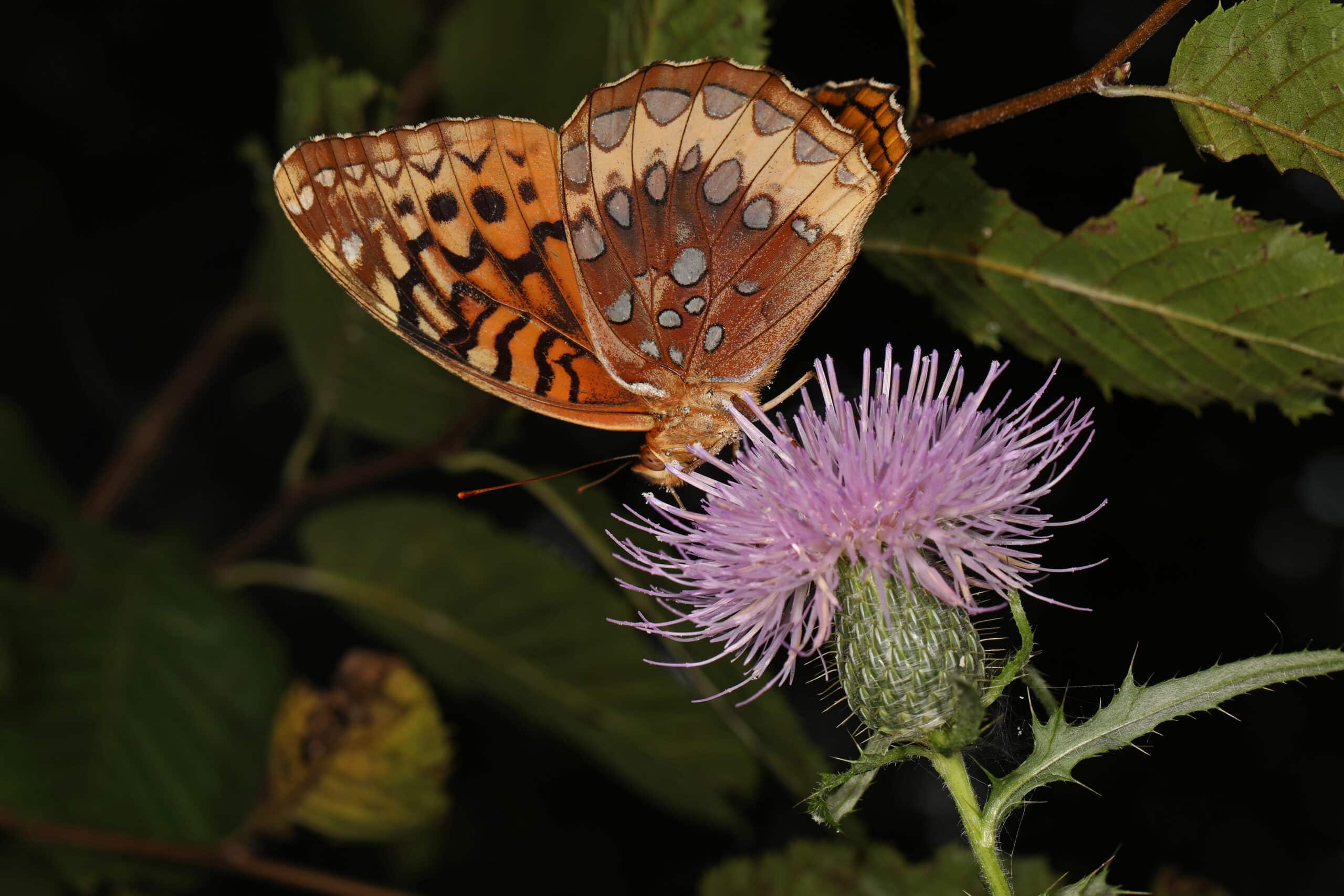
Fritillary Butterfly
Uncover the magical life cycle of a colorful flier!
Let’s Explore
Overview
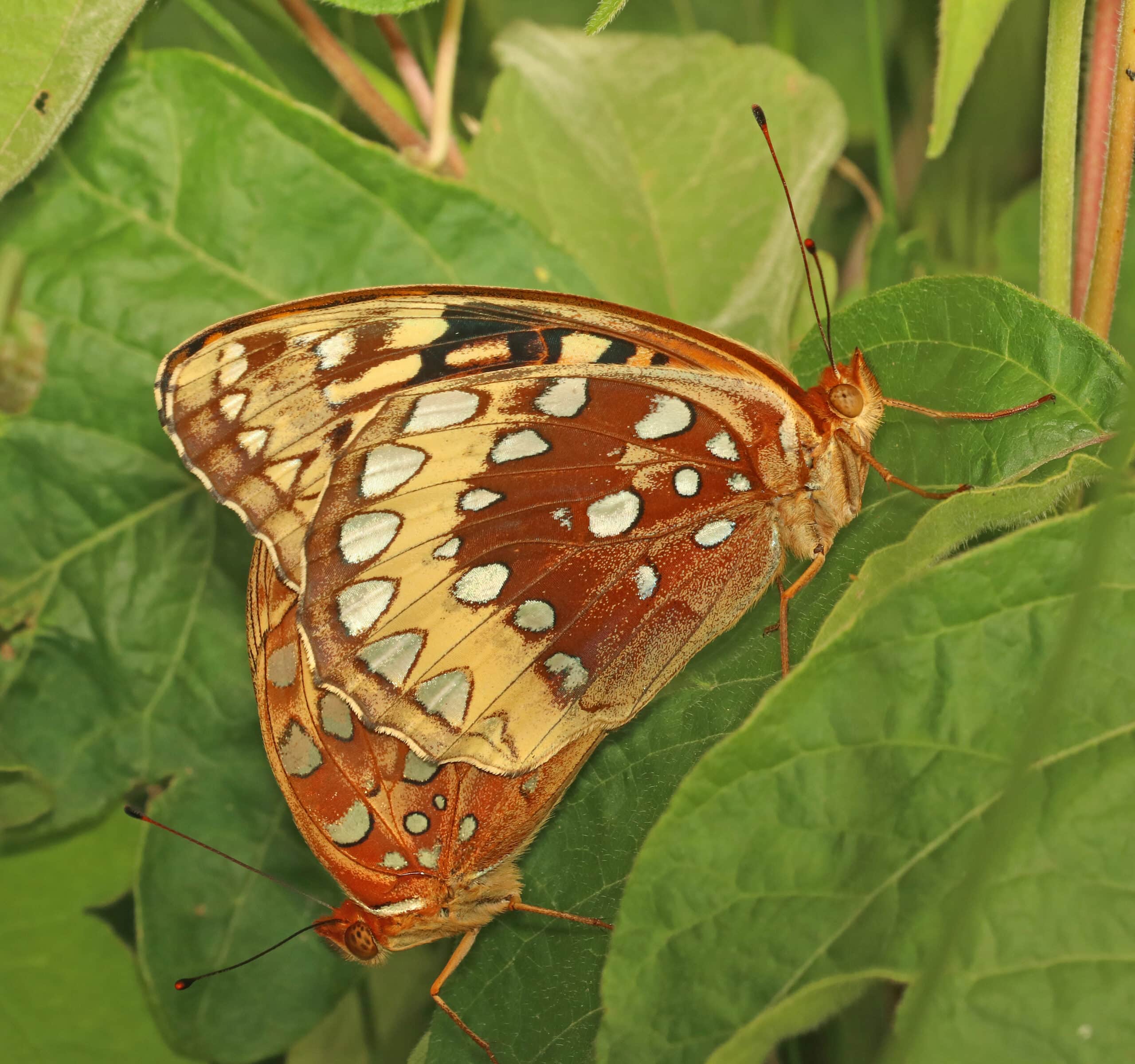
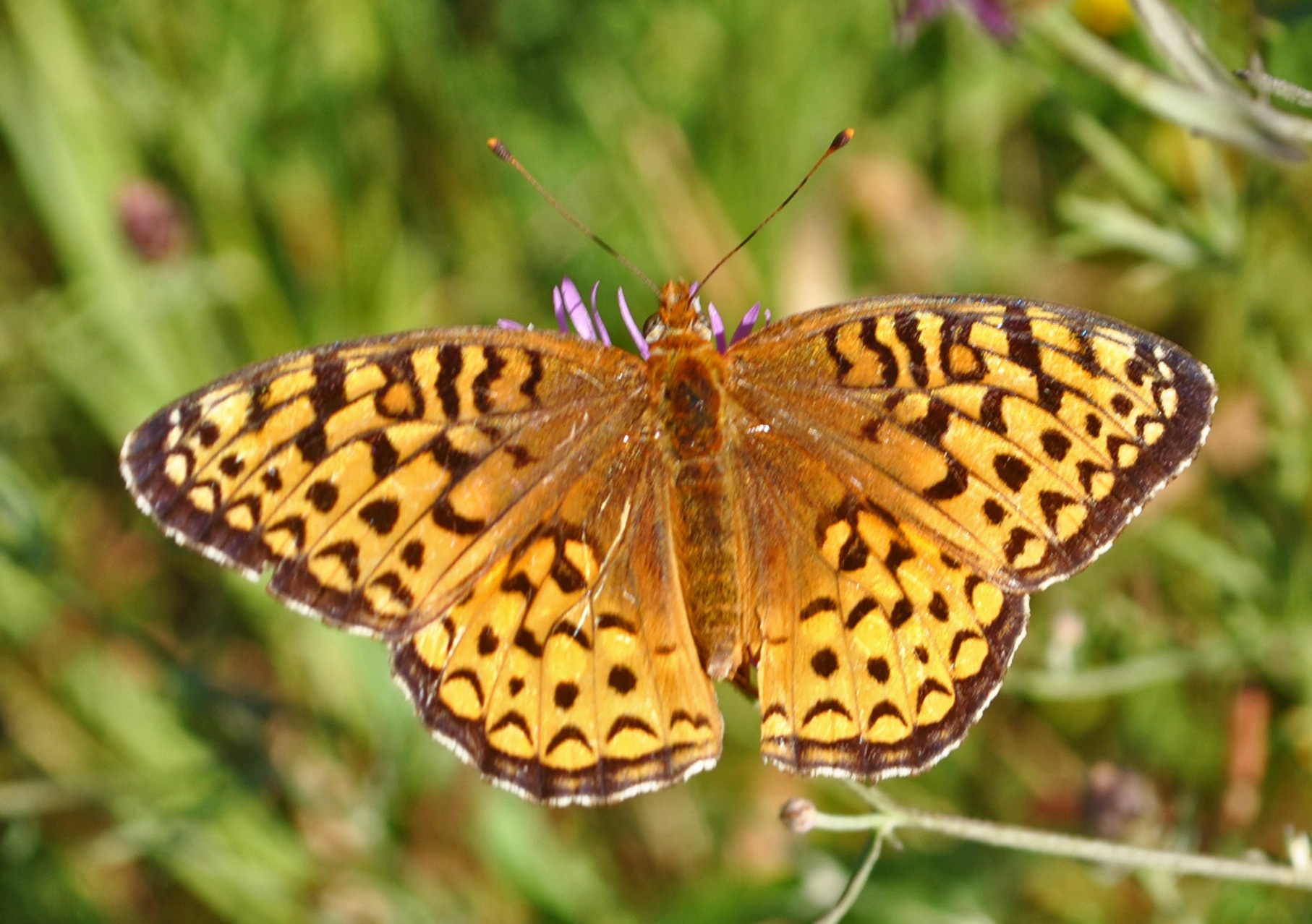
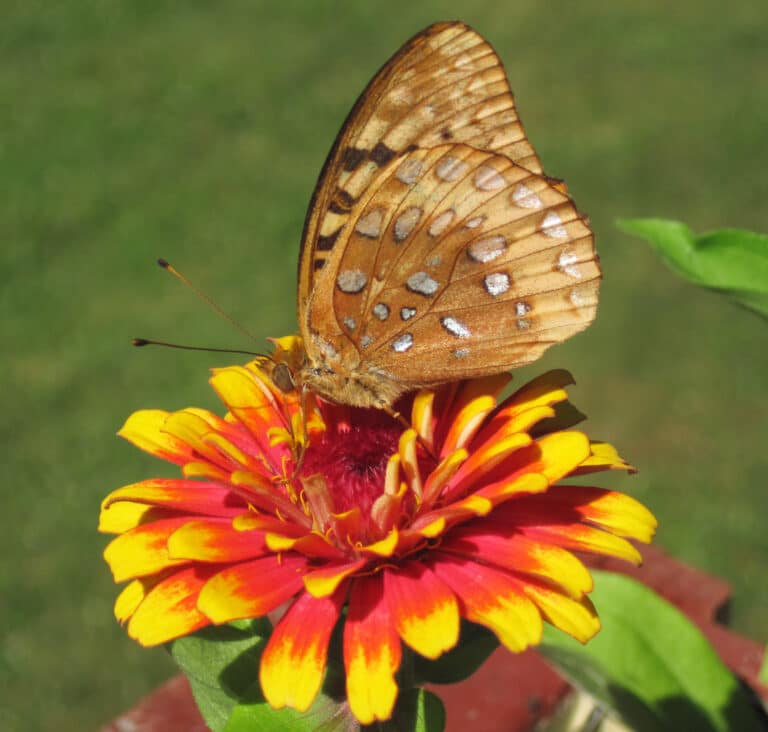
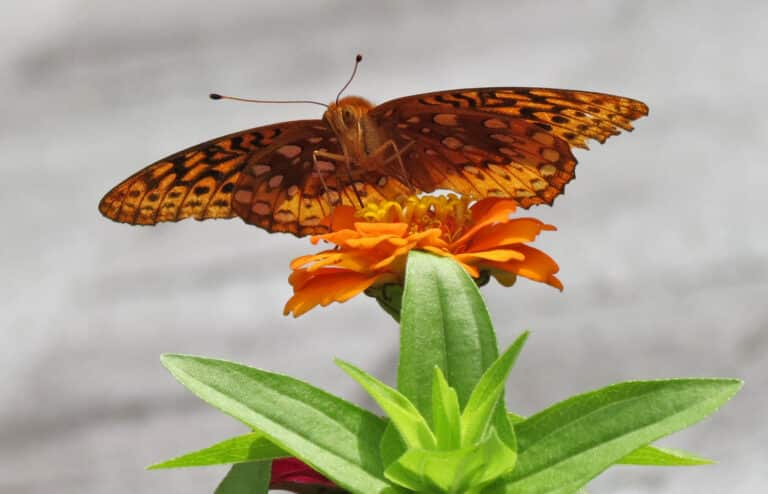
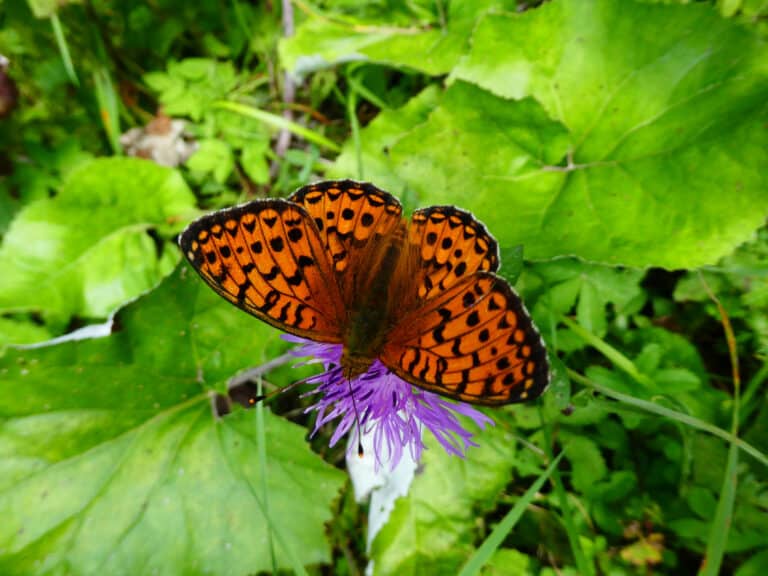
The Fritillary Butterfly is a delightful insect that flutters across North America, often bringing smiles to those who watch it. These beautiful creatures belong to the scientific family Nymphalidae and can stretch their wings from 2 to 4 inches wide!
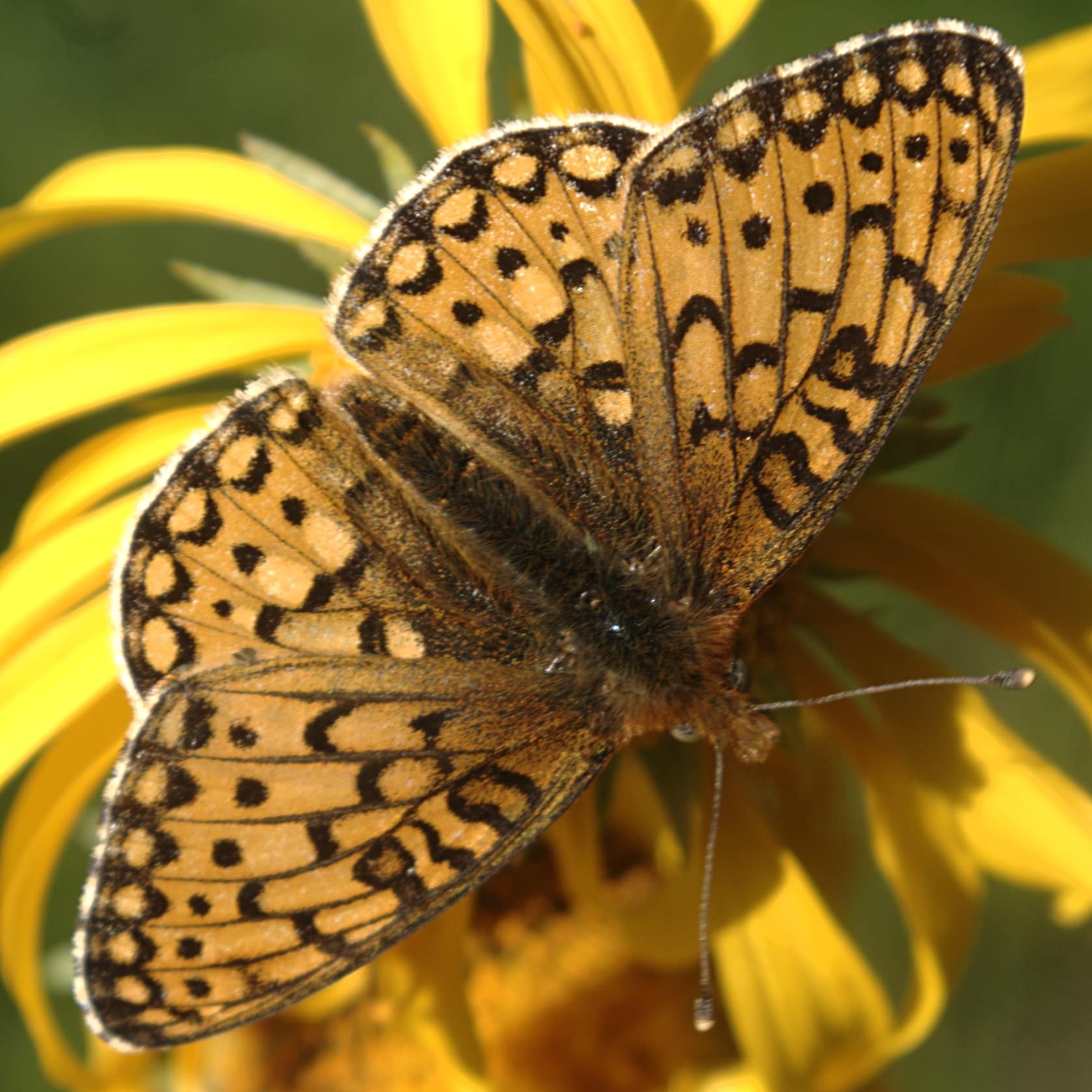
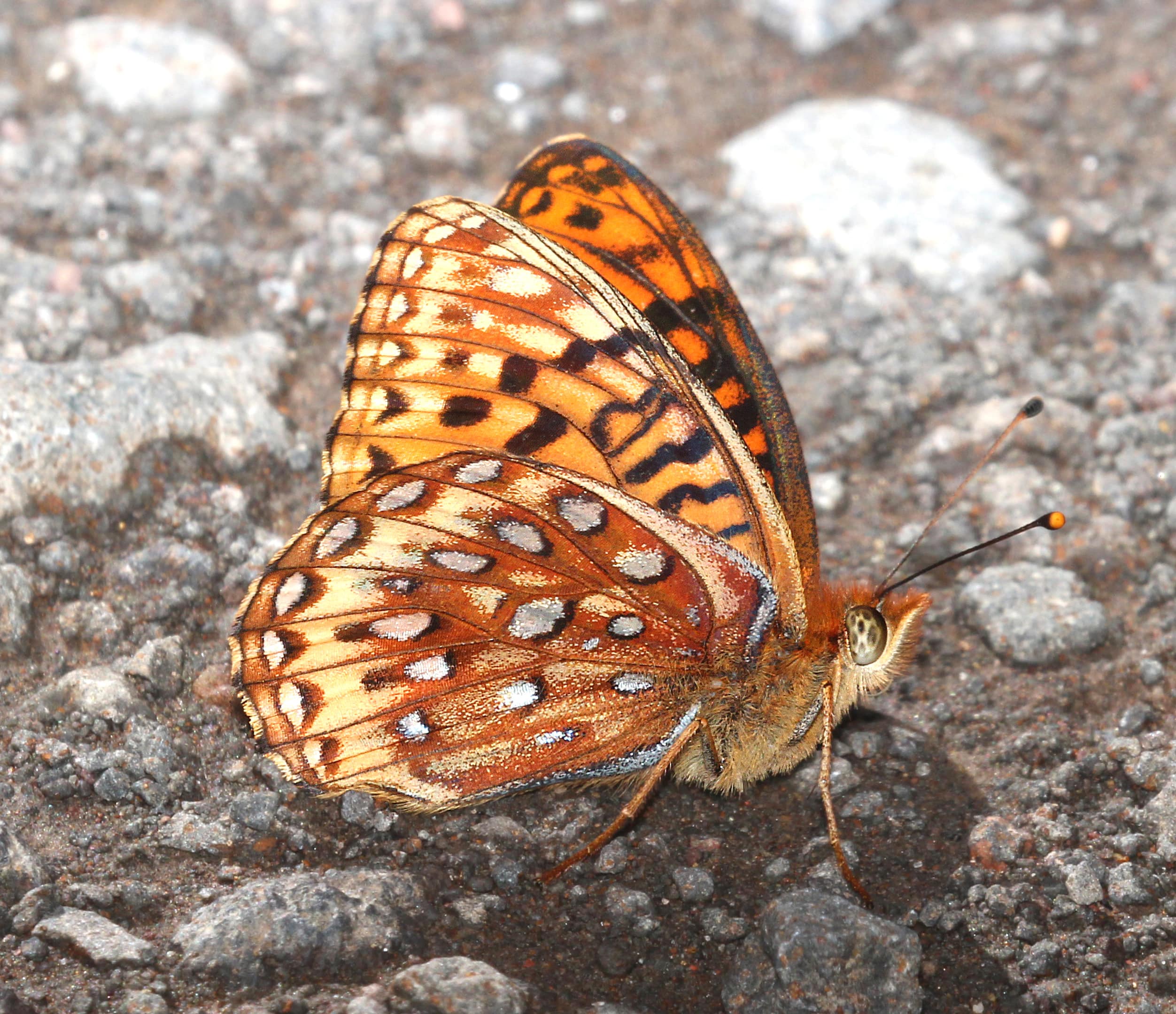
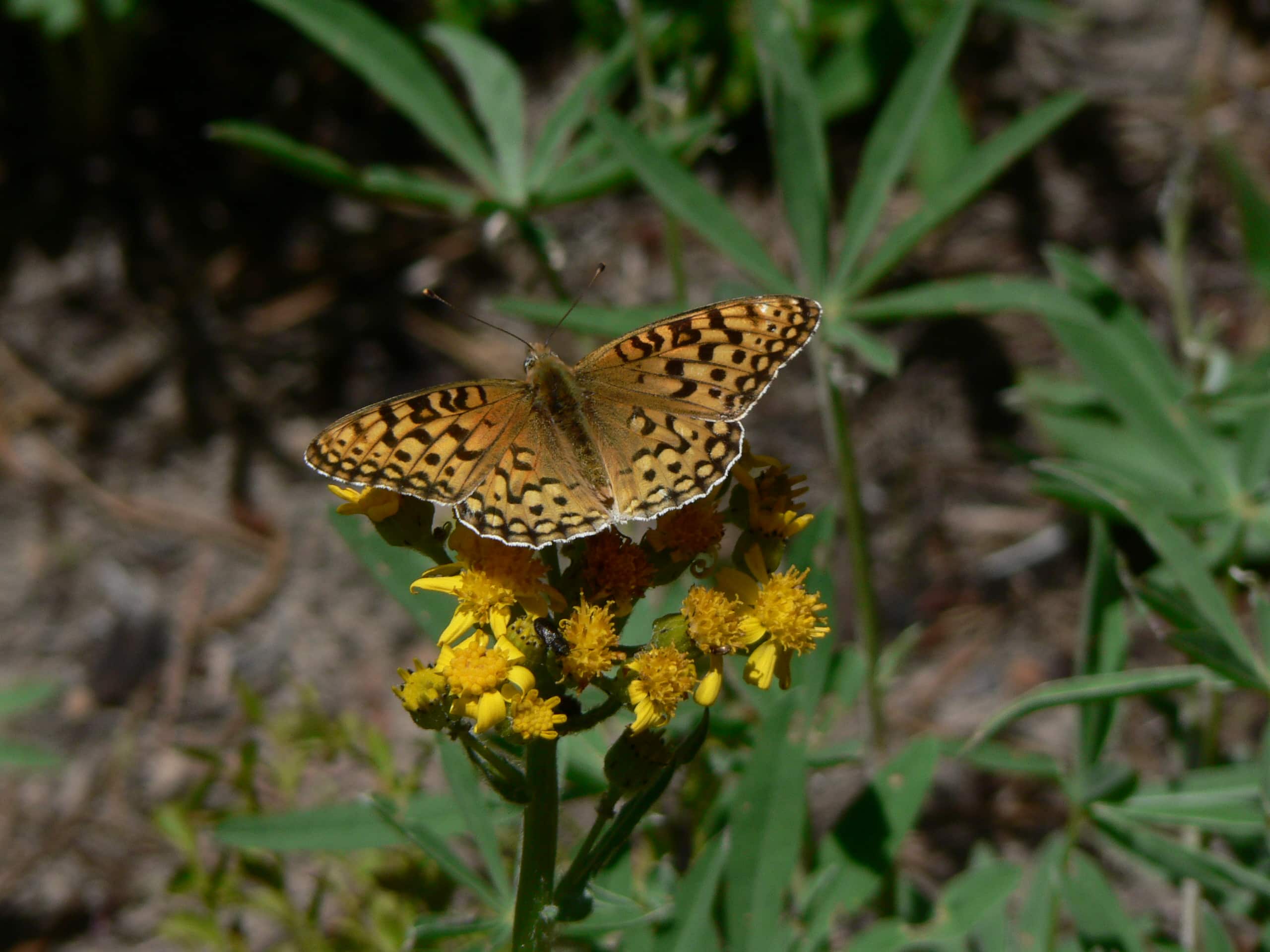
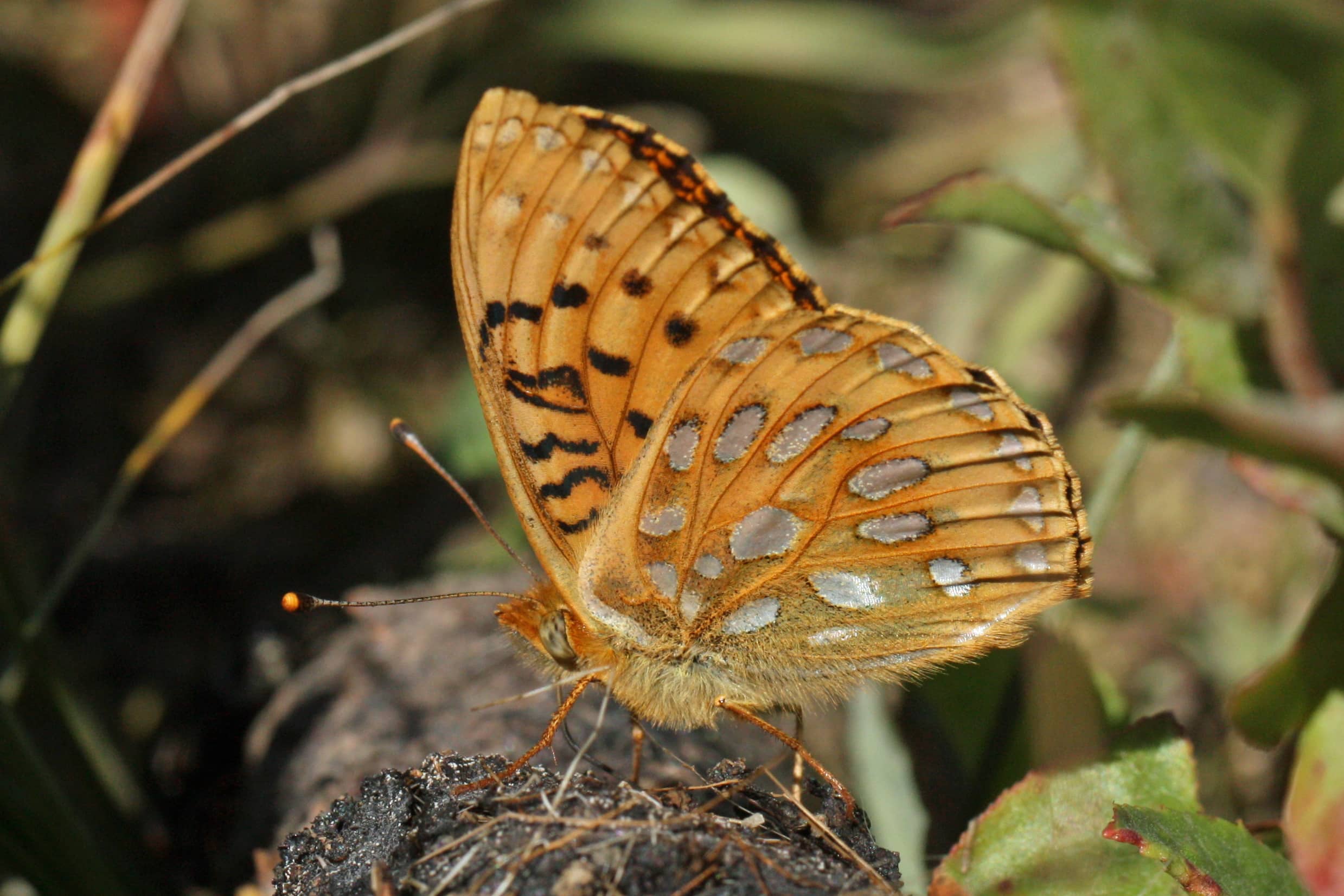
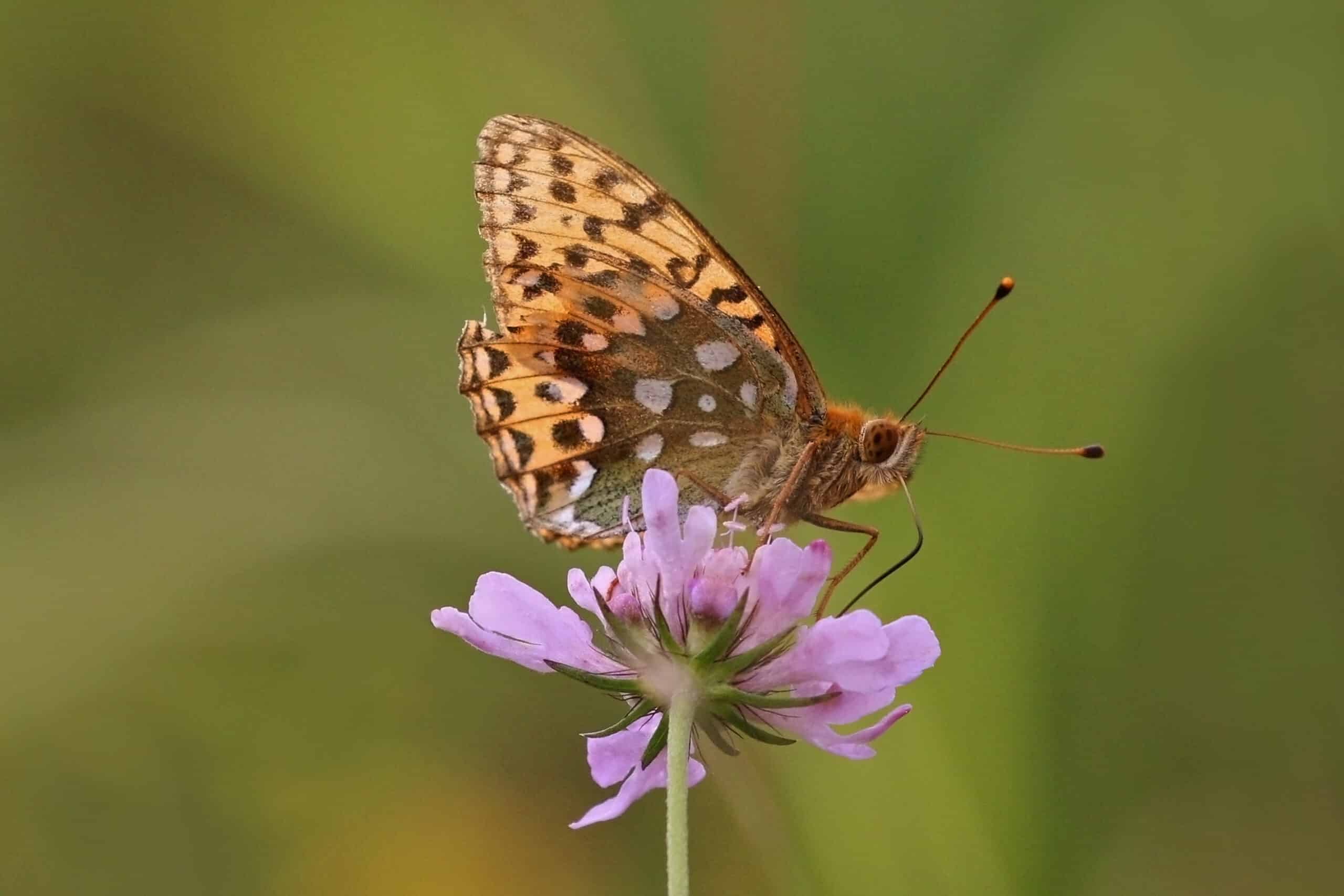
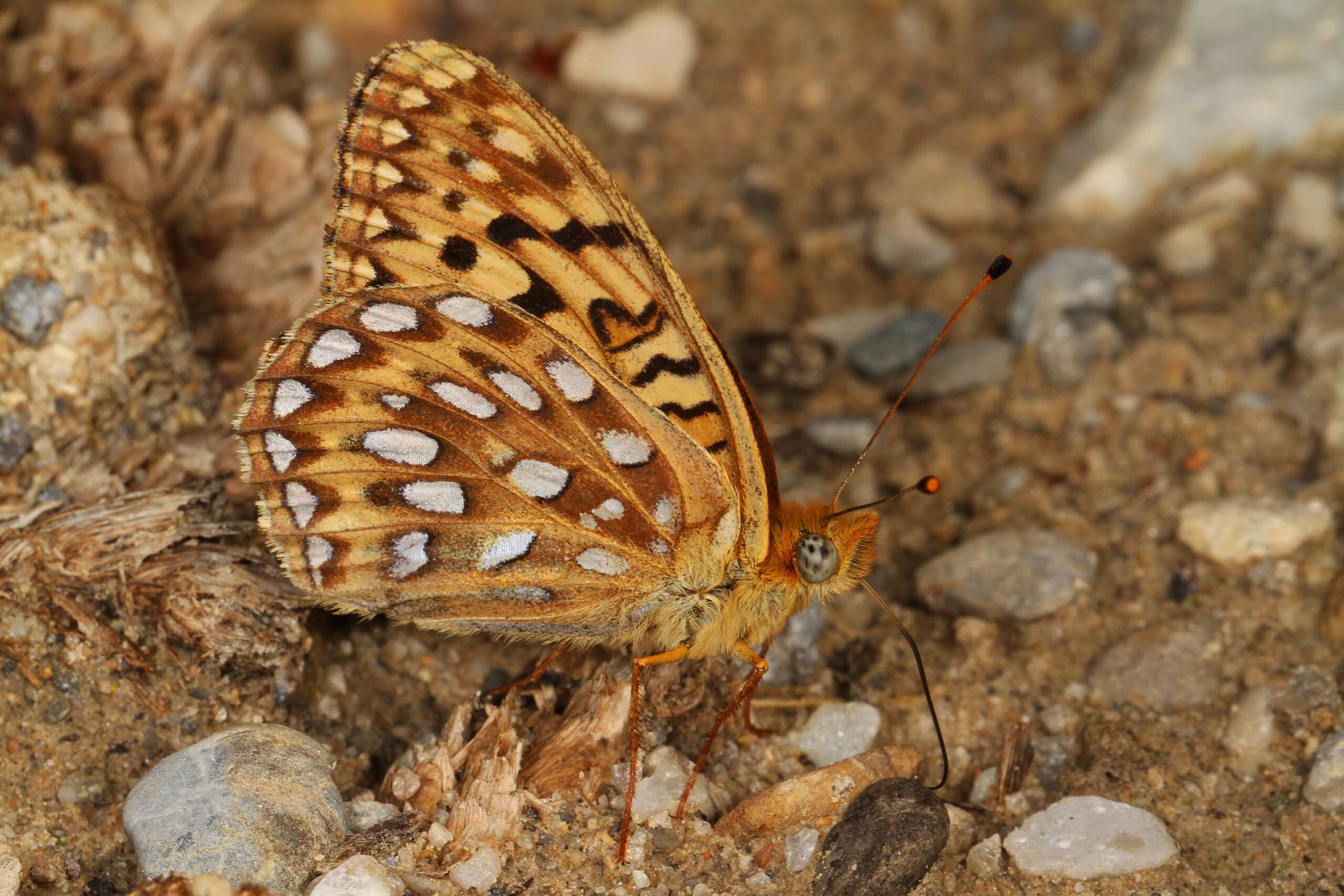
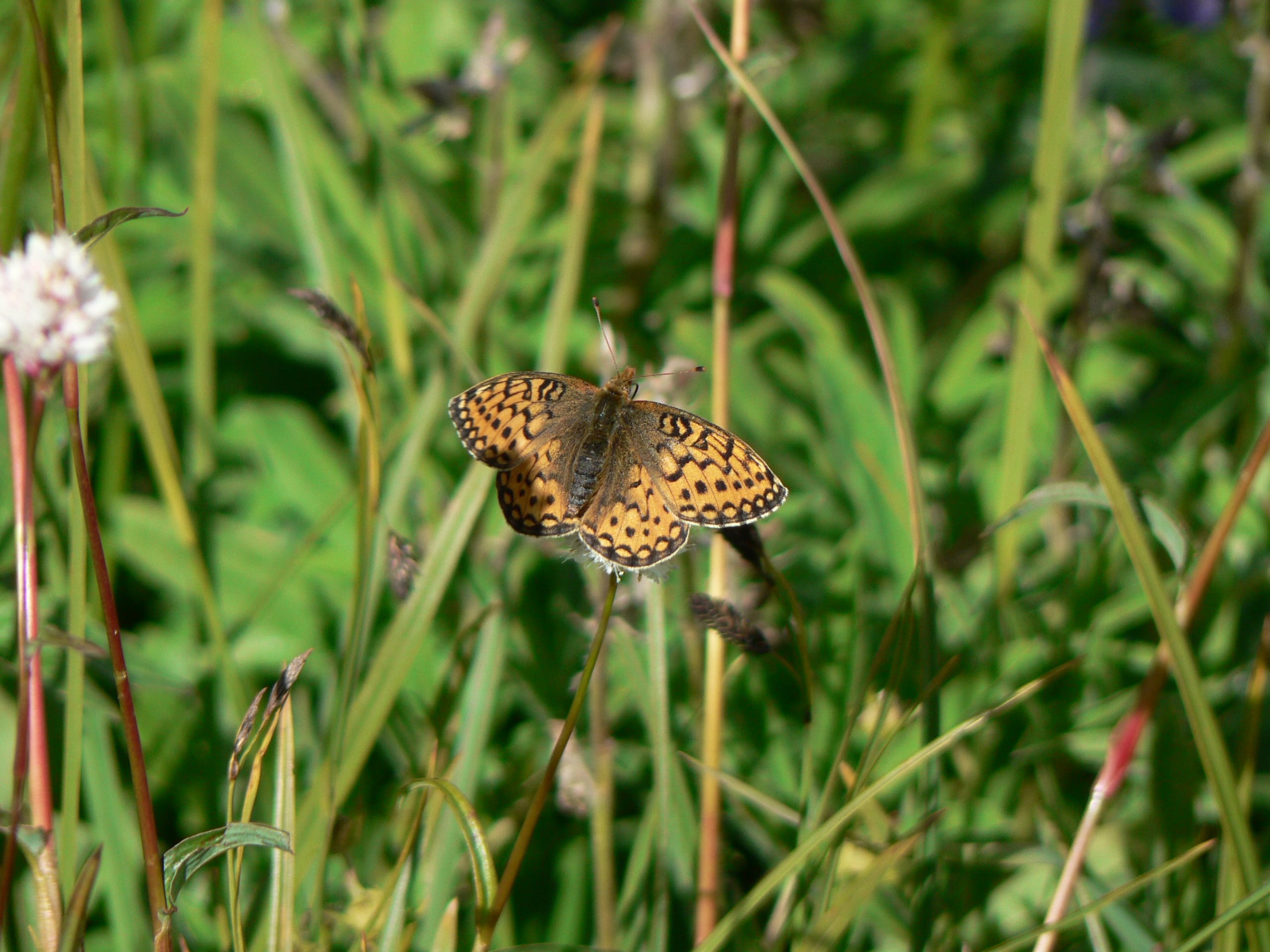
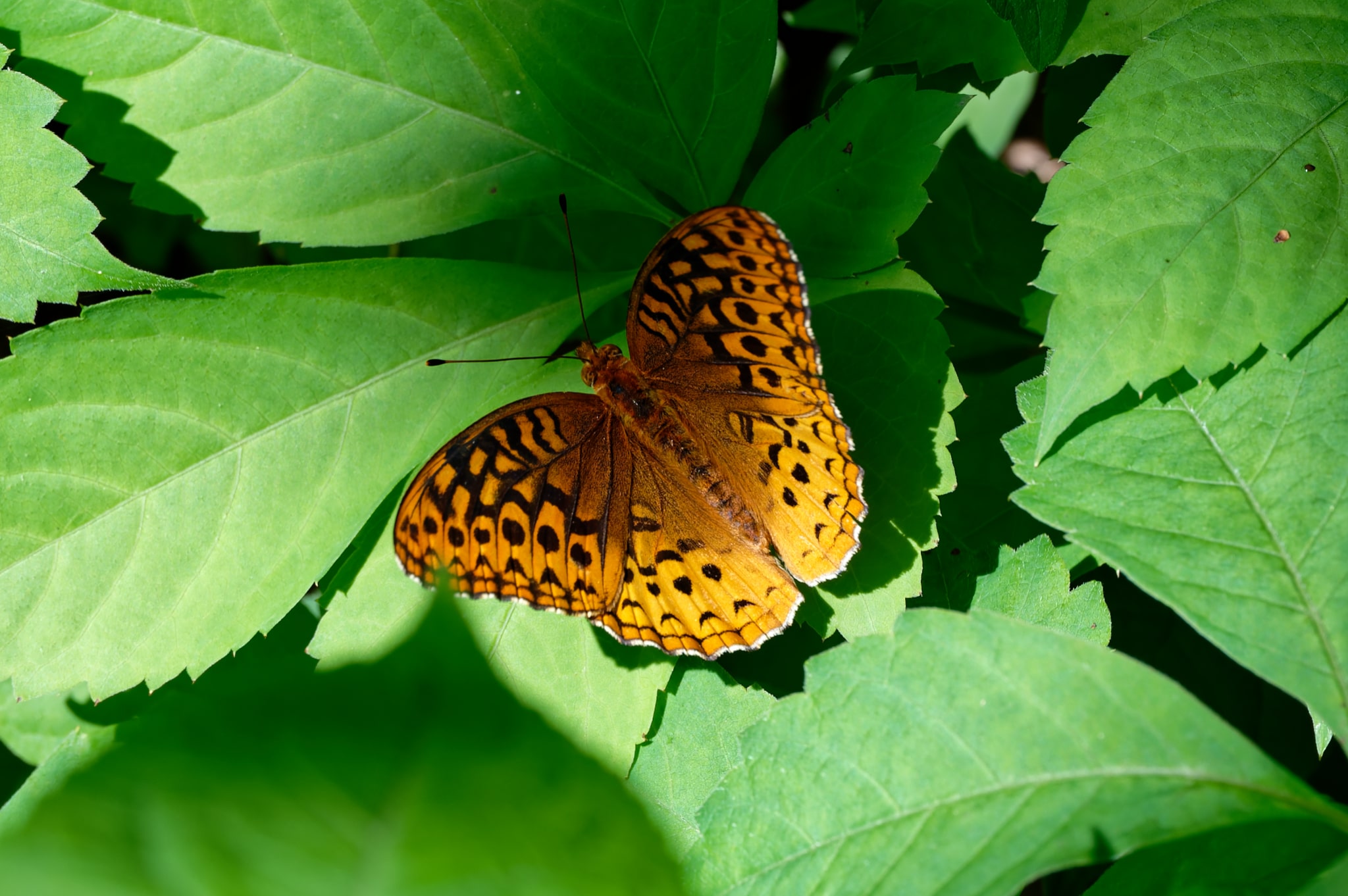
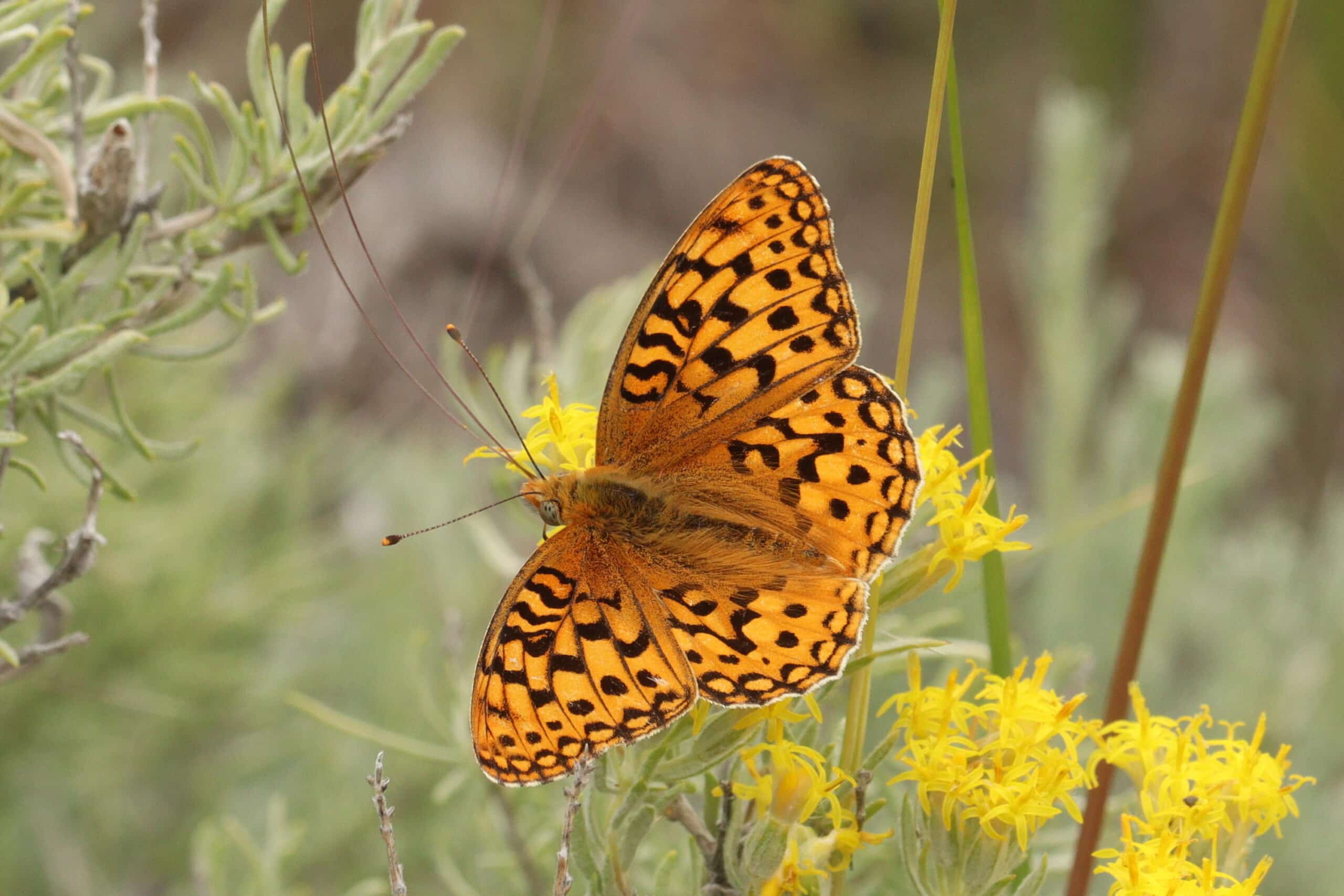
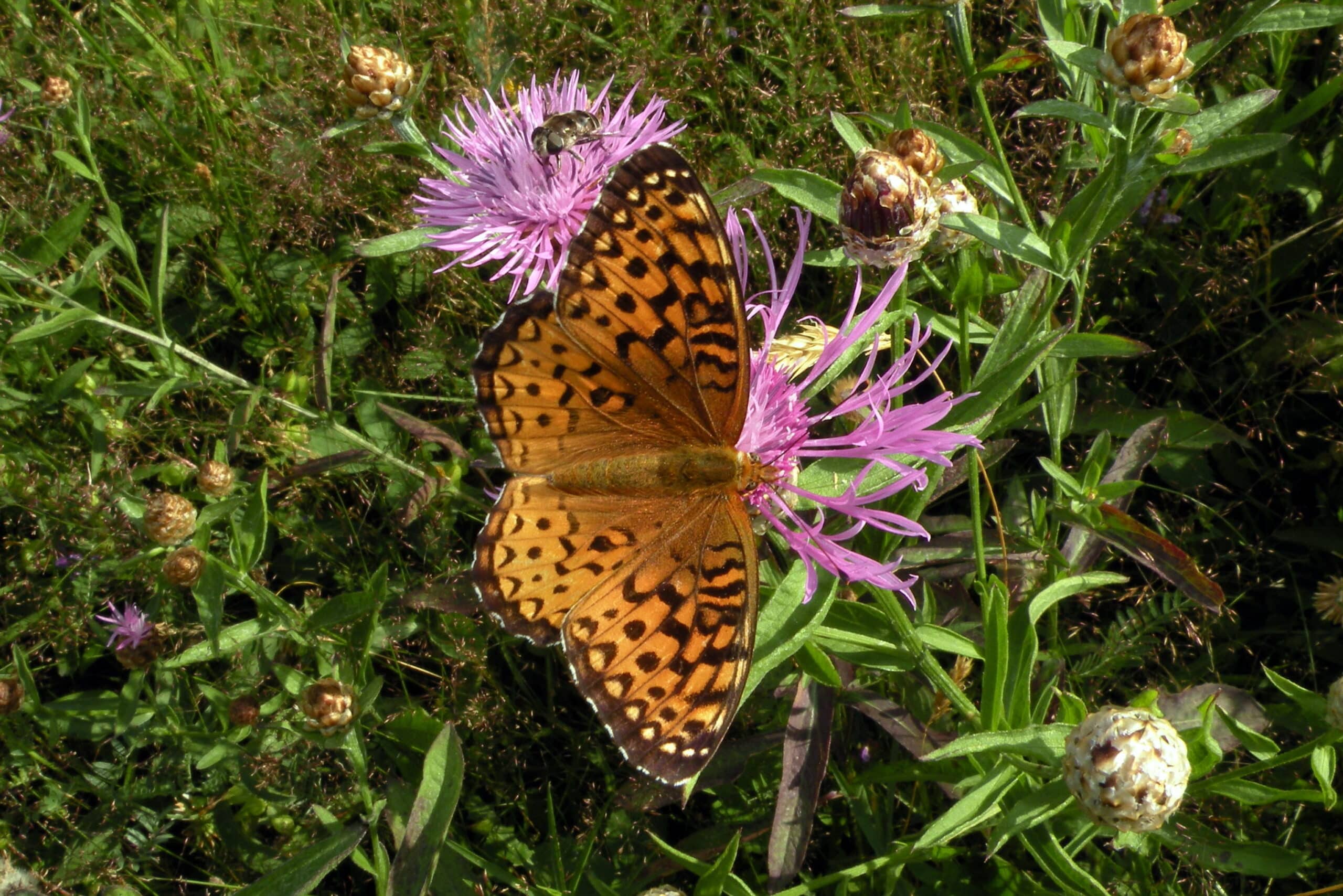
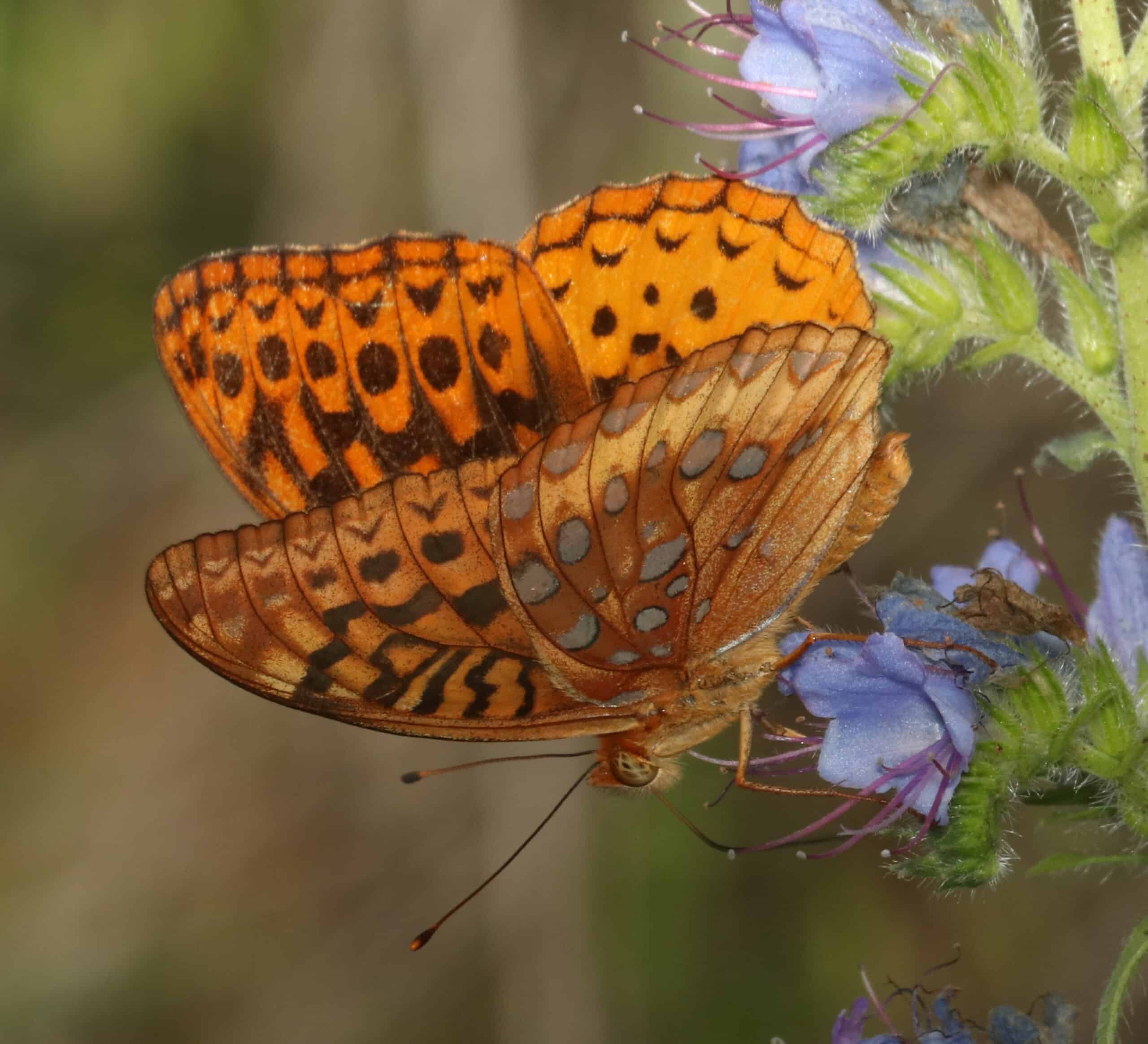
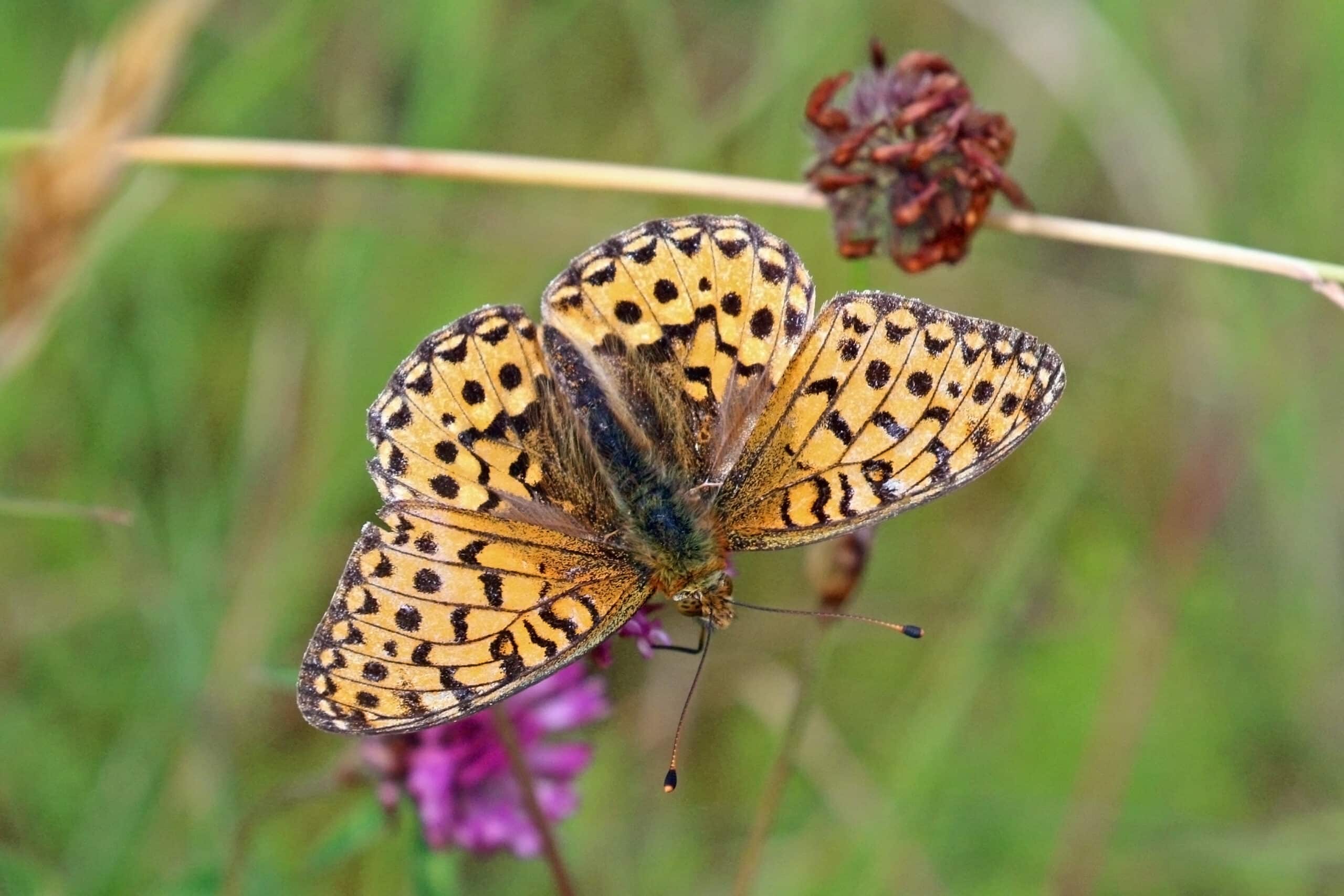
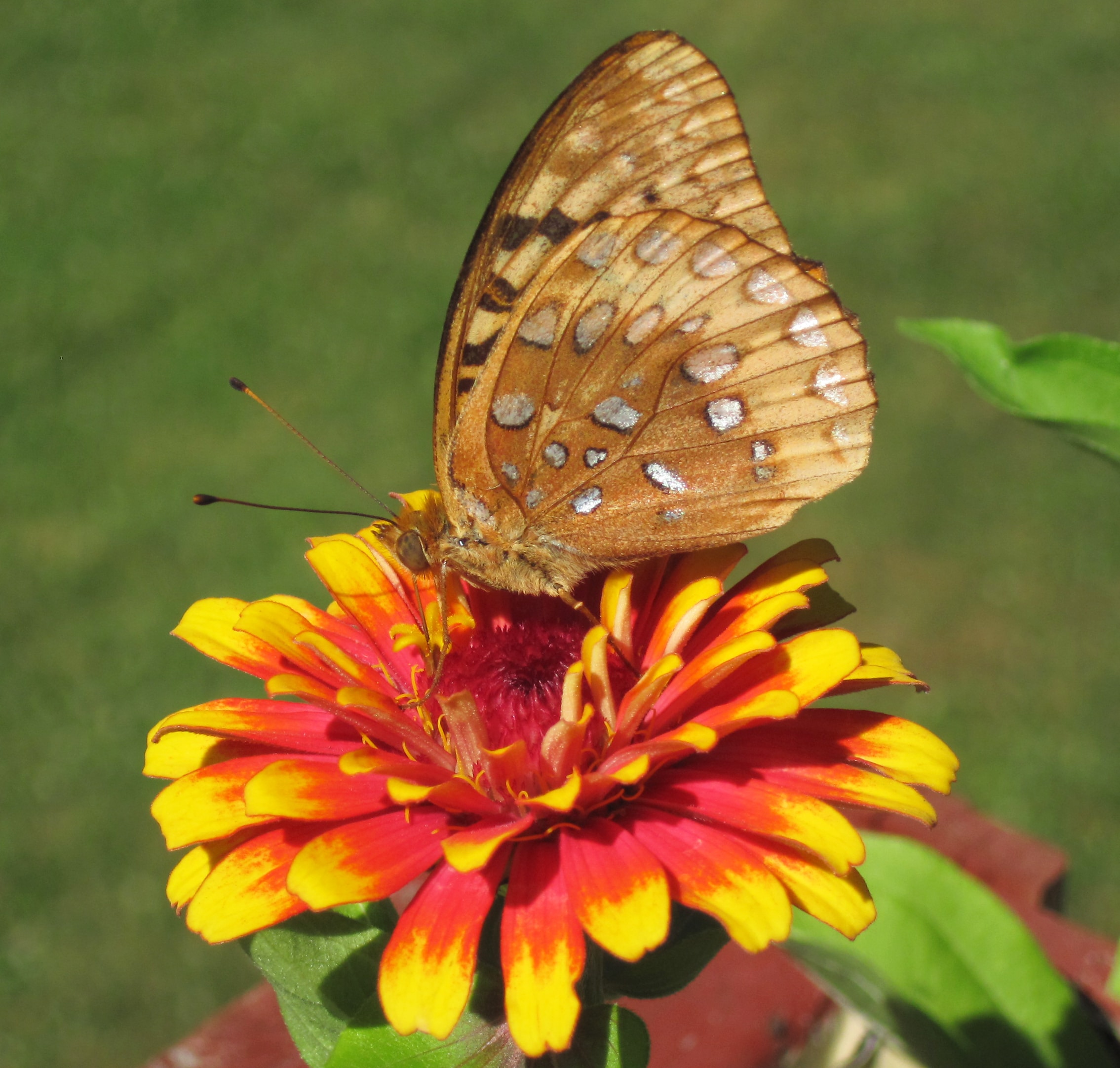
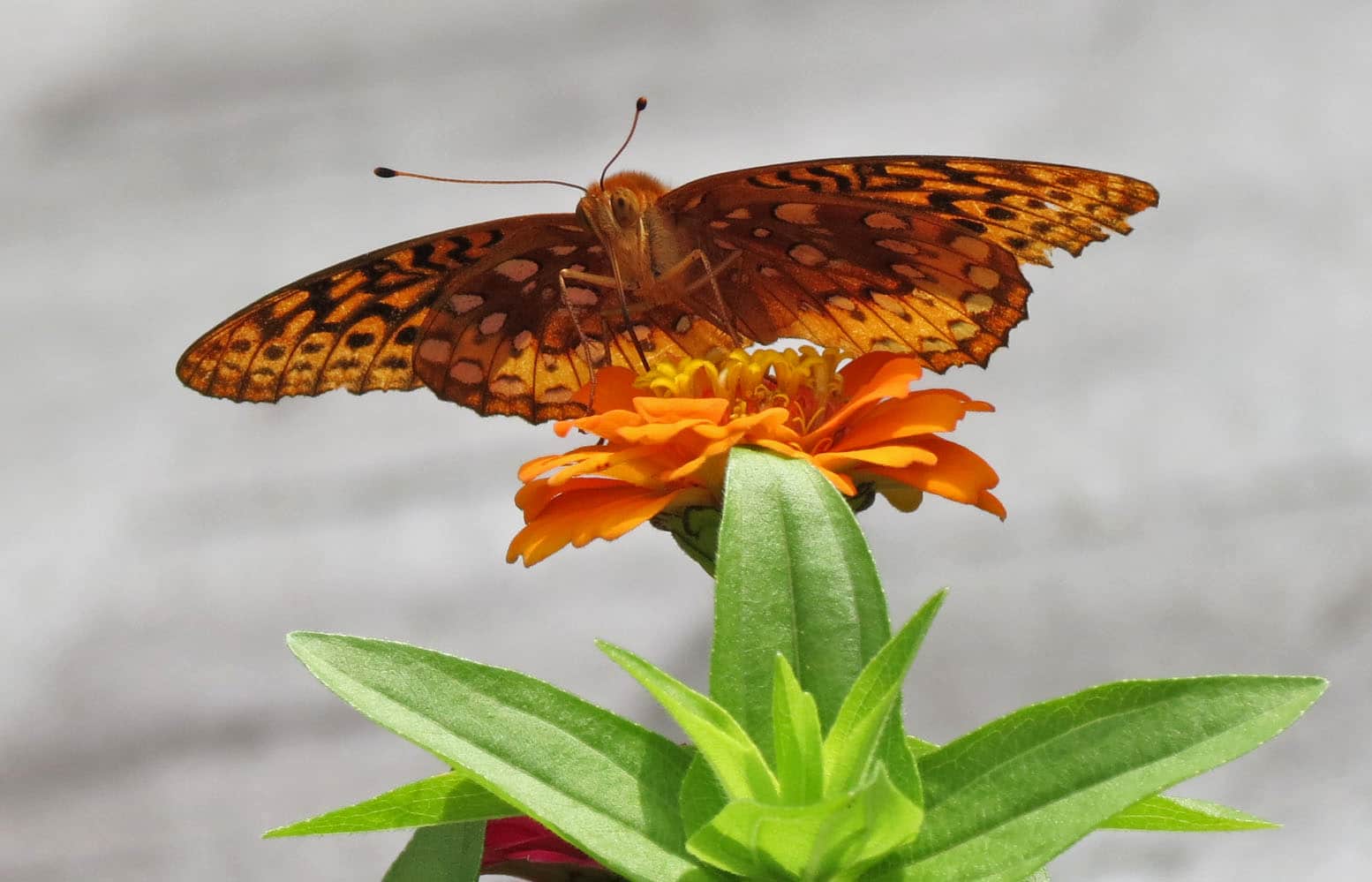
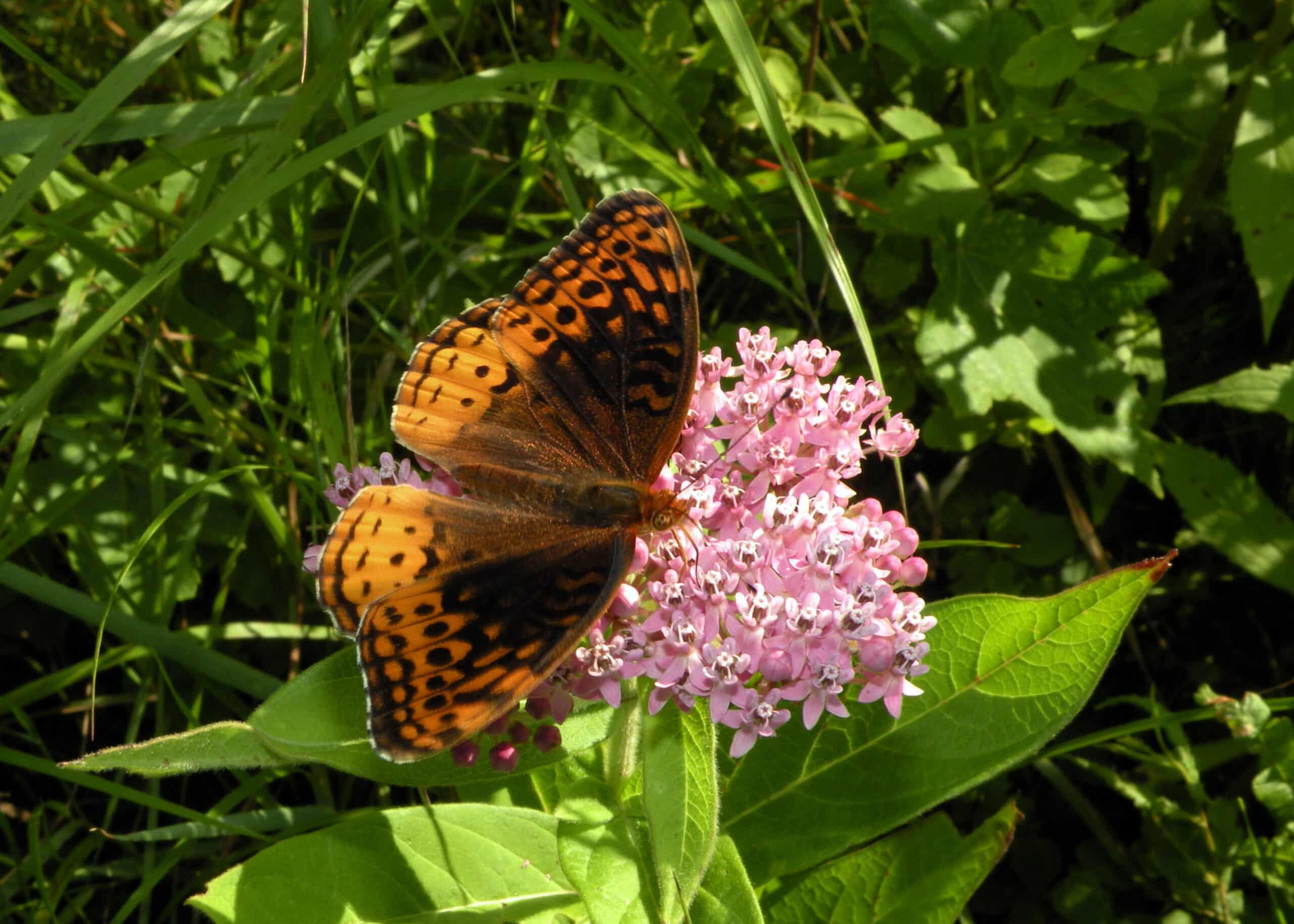
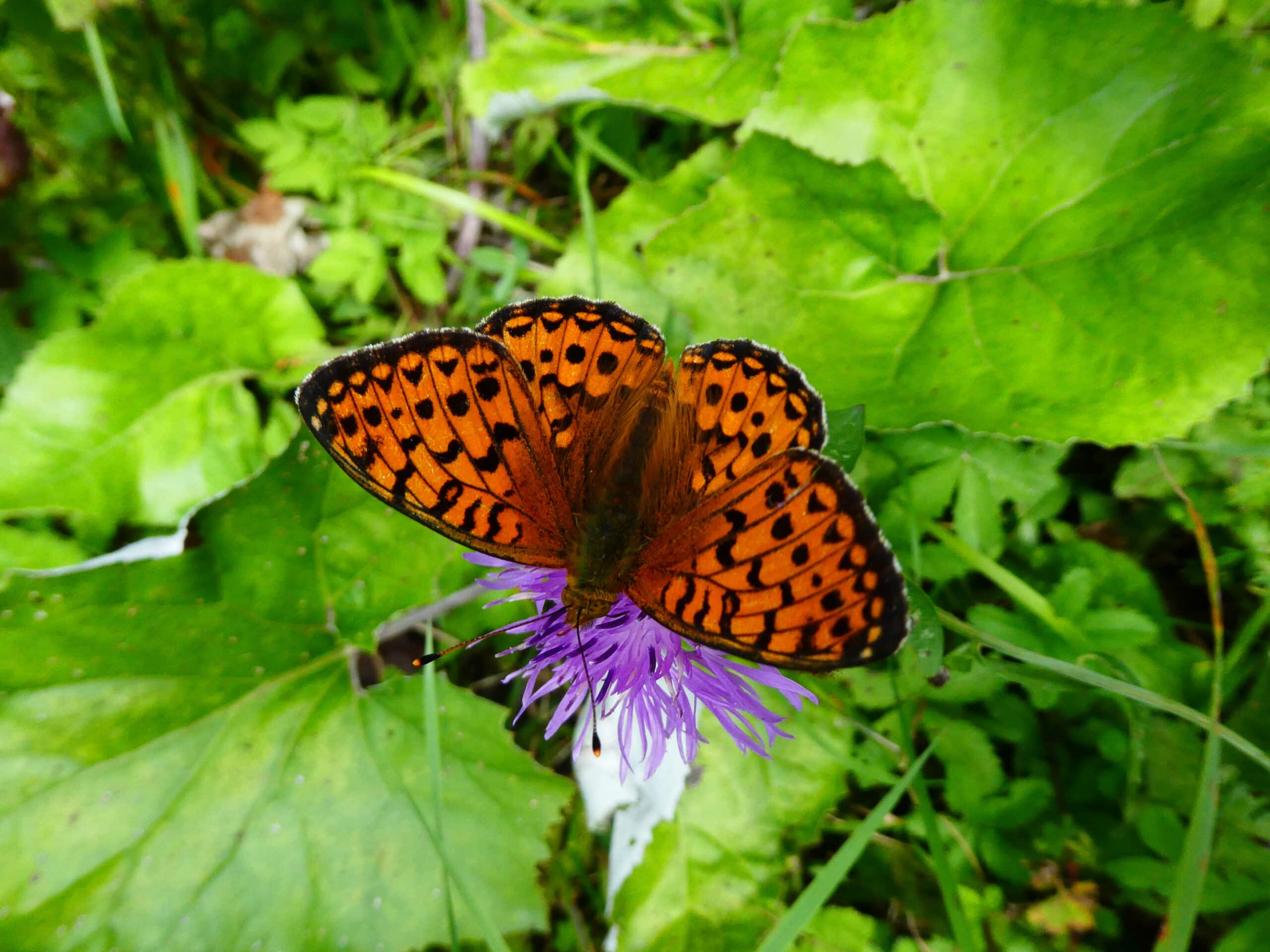
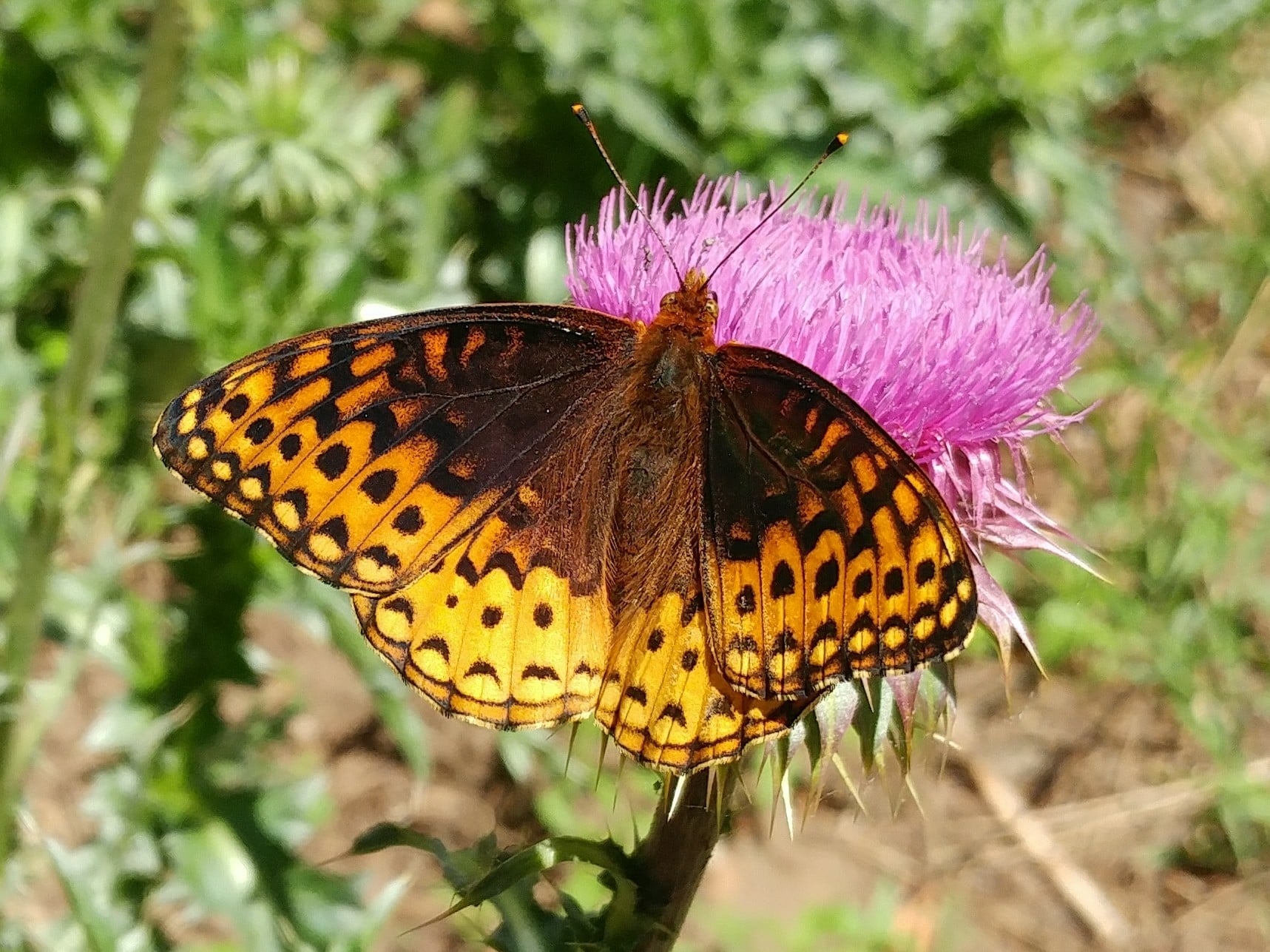
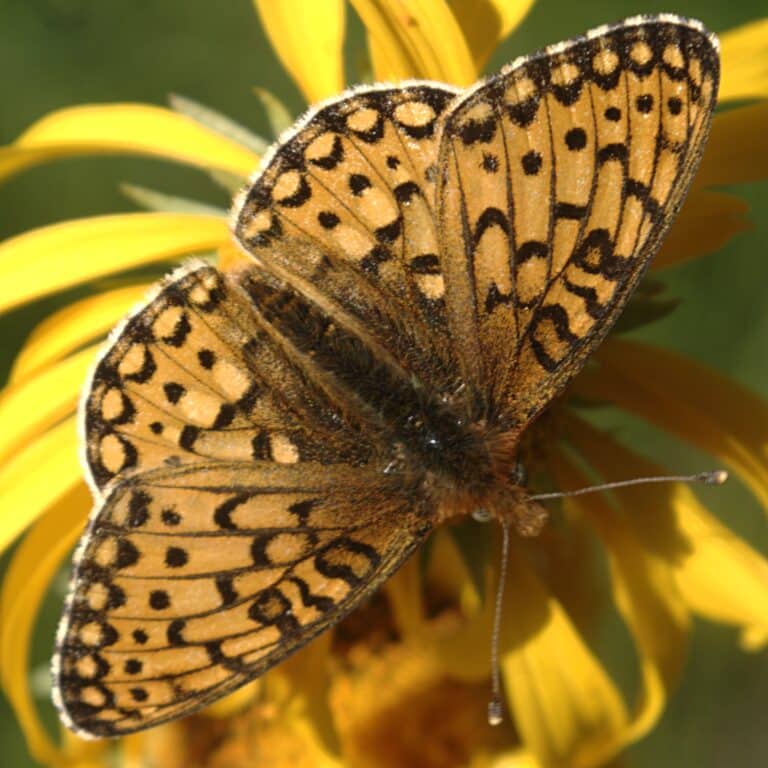
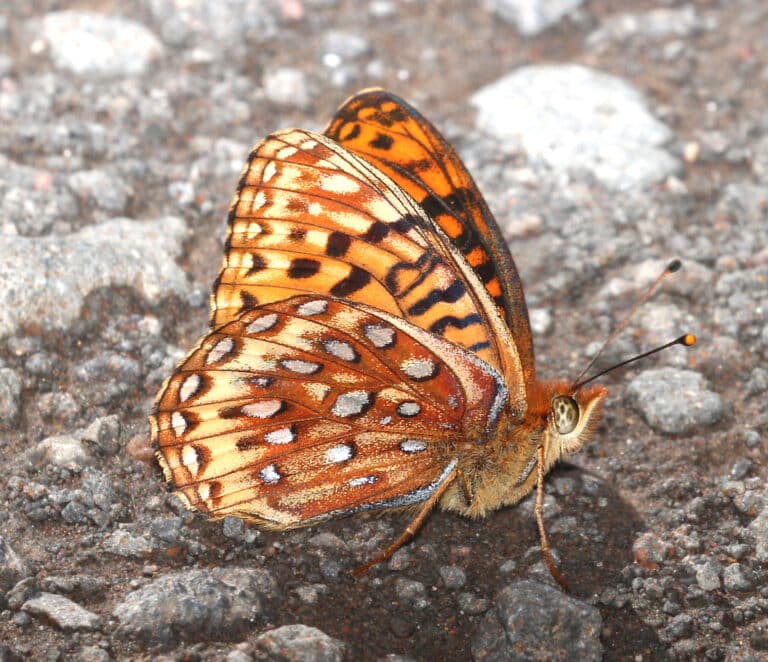
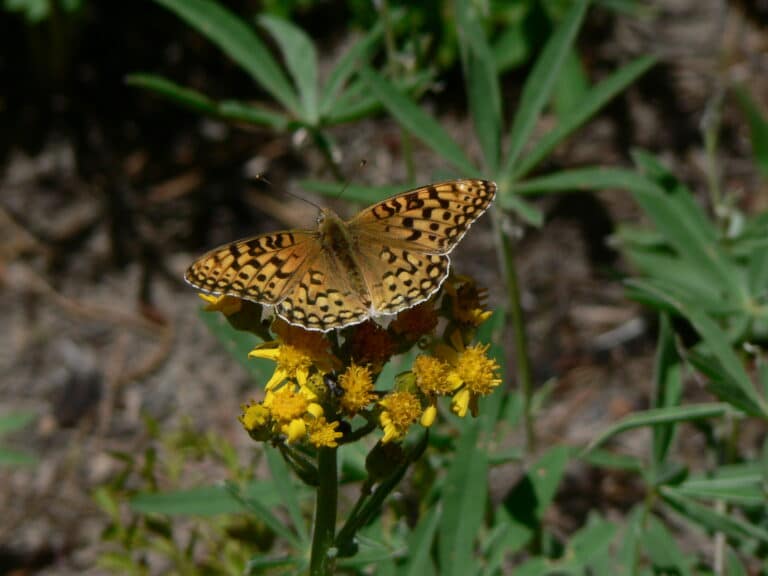
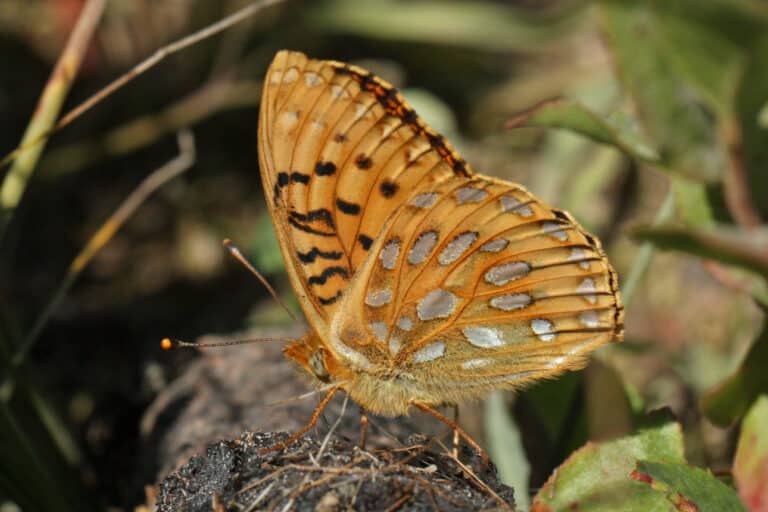
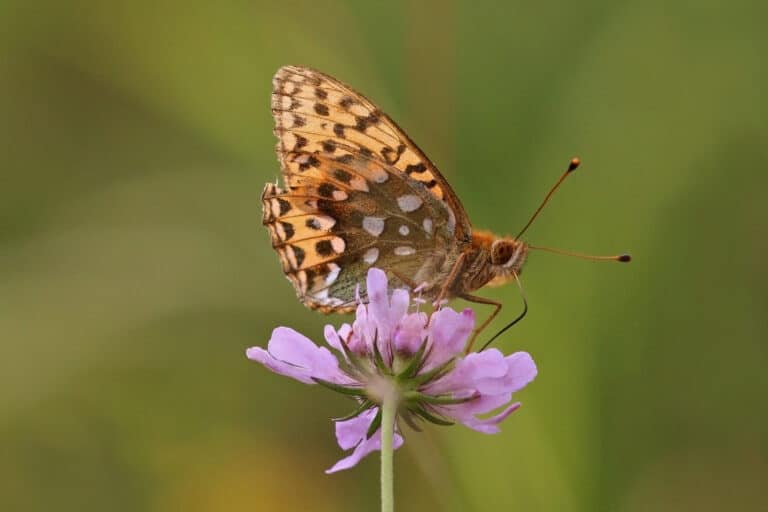
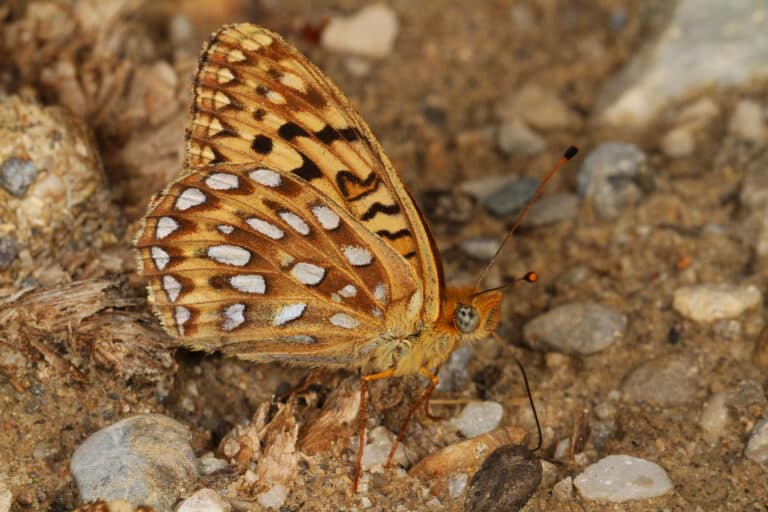
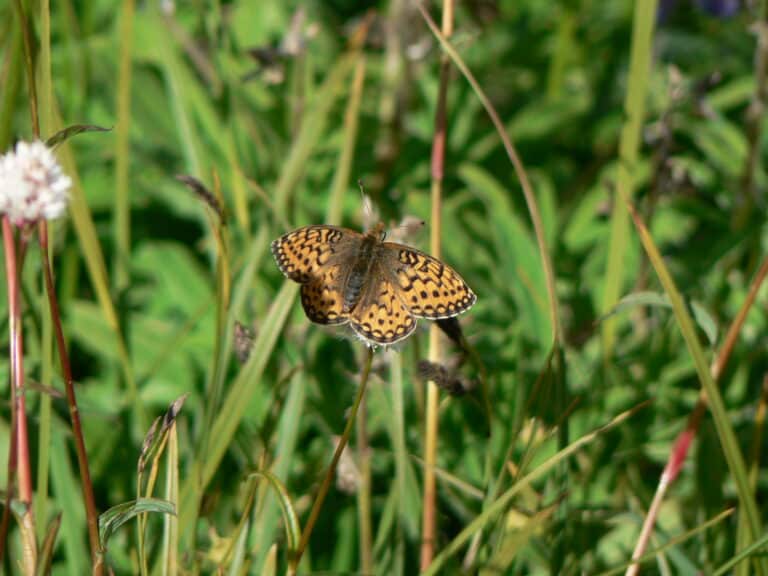
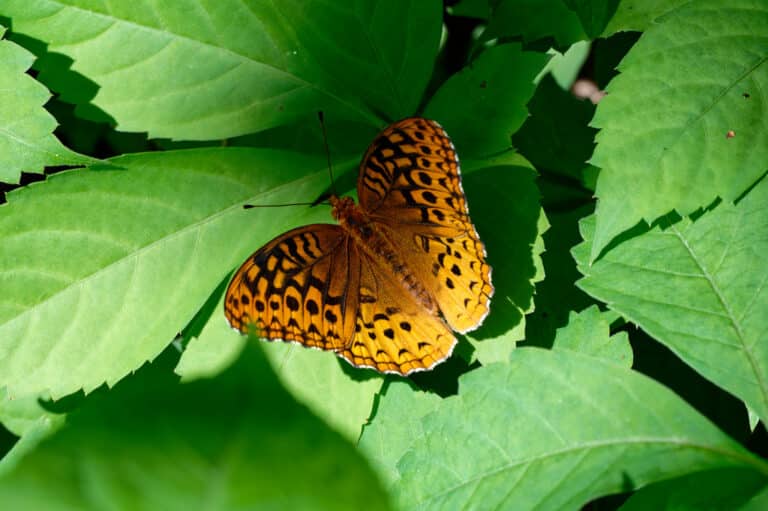
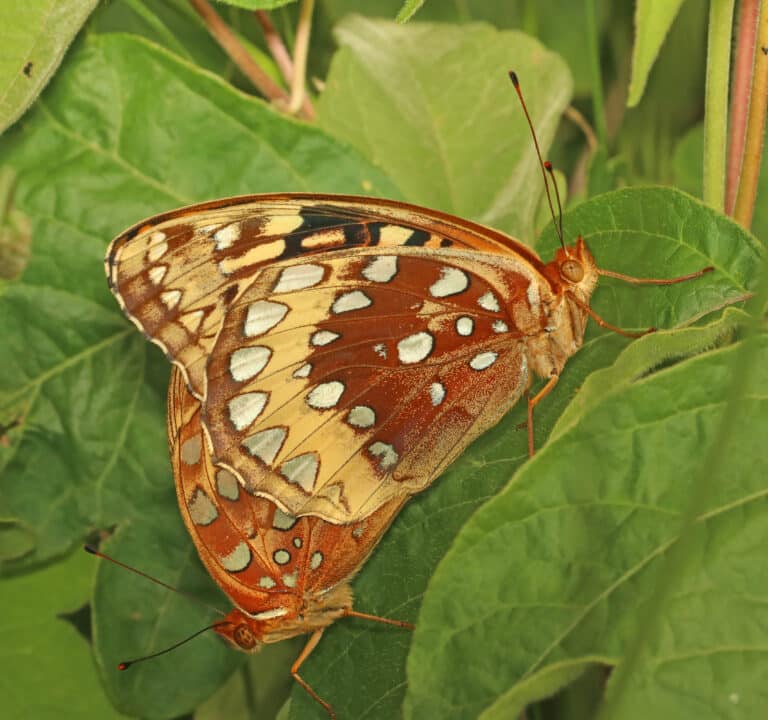
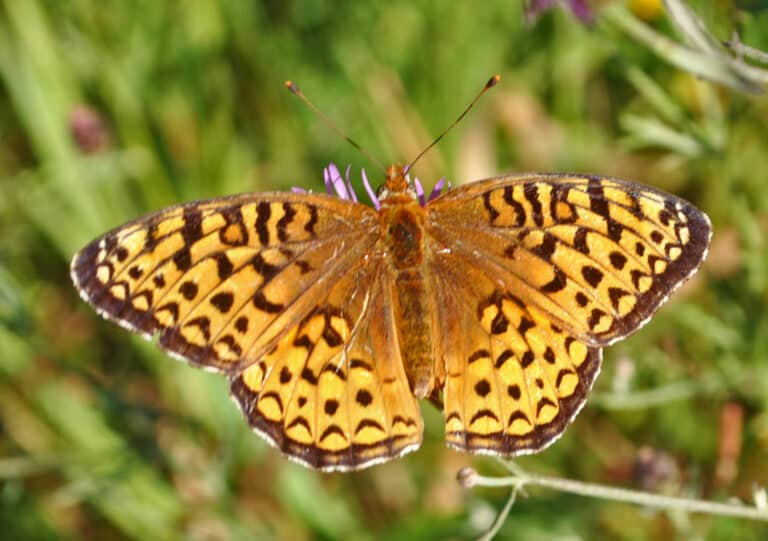
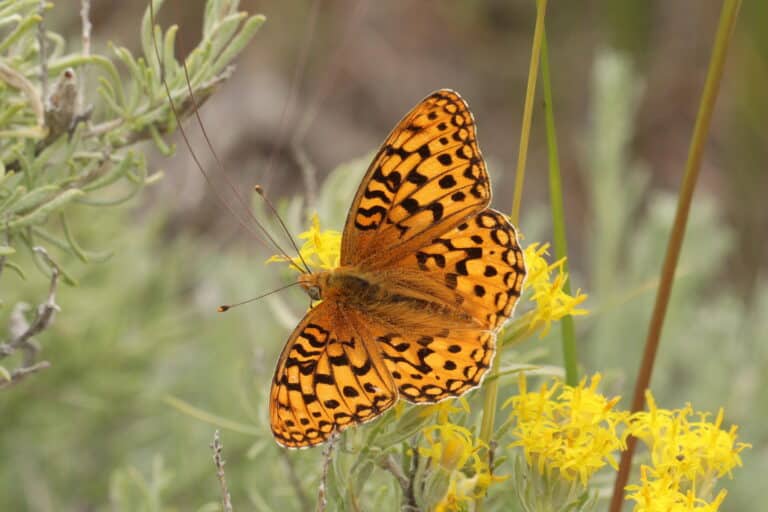
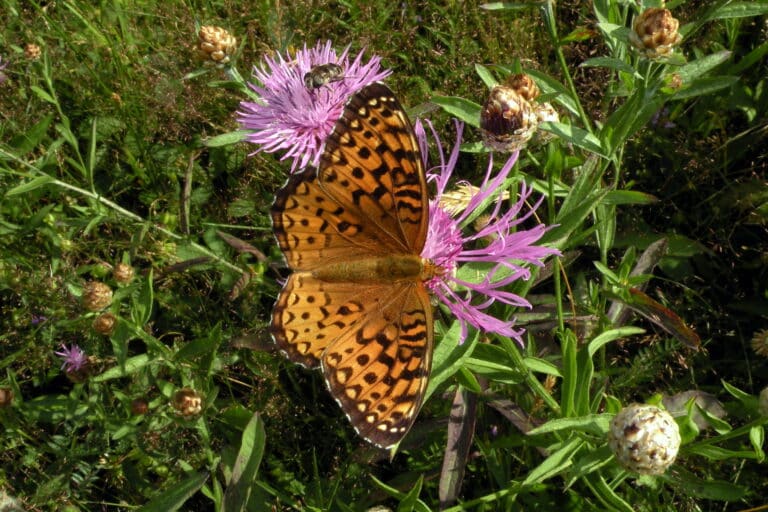
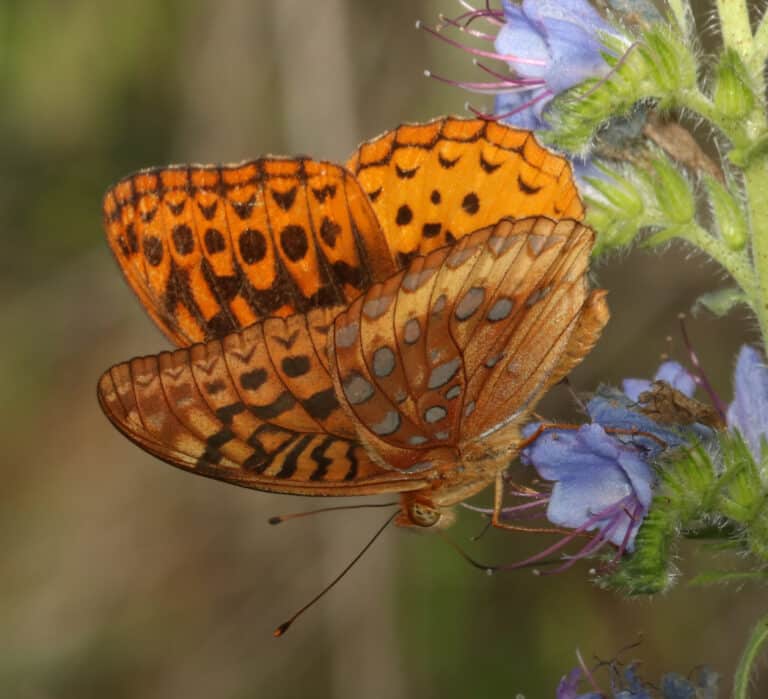
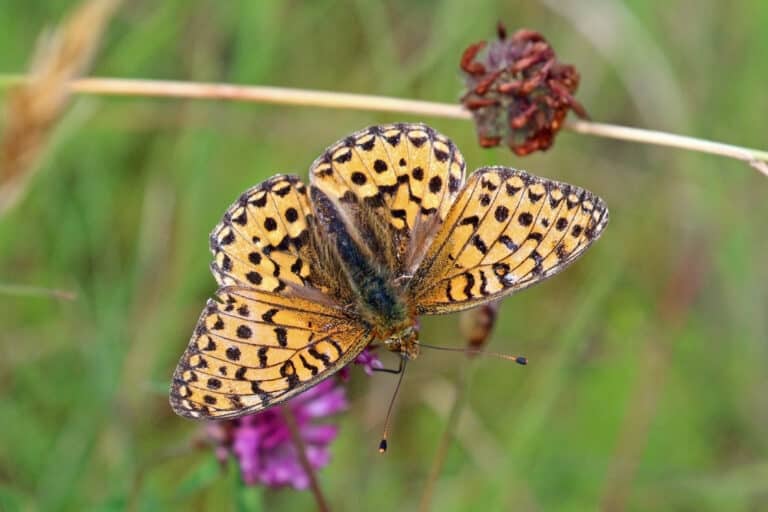
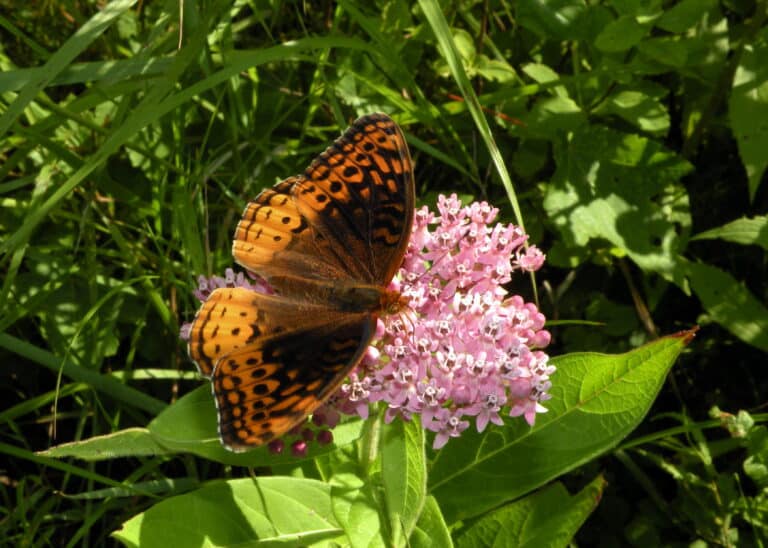
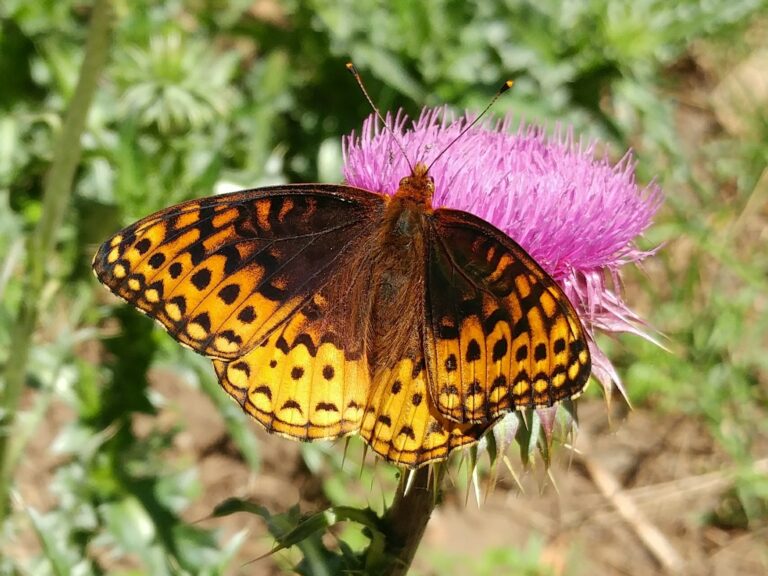
With their vibrant orange and black patterns, Fritillary Butterflies have a style all their own. They love to sip nectar from flowers, which gives them the energy to zip around gardens and meadows.
Fritillary Butterflies also play a significant role in the ecosystem. By pollinating flowers, they help plants grow and produce seeds, making life more colorful for everyone involved!
These butterflies live for about a year, which may seem short, but they make the most of their time. They spend their days basking in the sun and dancing from flower to flower, creating a lively spectacle for anyone who stops to watch.
Fritillary Butterflies undergo a remarkable transformation through their life cycle. They start as tiny eggs, hatch into caterpillars, and eventually emerge as stunning butterflies, showcasing nature’s magic!
Next time you see a Fritillary Butterfly fluttering by, remember how special it is. These enchanting insects brighten up our world one sip of nectar at a time!

Where can you find a Fritillary Butterfly in the wild?
What does a Fritillary Butterfly eat?
How big can a Fritillary Butterfly grow?
How long does a Fritillary Butterfly typically live?
What is the conservation status of the Fritillary Butterfly?
What are the main threats to the Fritillary Butterfly?
Fun facts
Fritillary Butterflies use their bright colors as a clever trick to ward off predators. Their orange and black wings signal danger, telling hungry birds that they might not taste very good.


These butterflies can sense the world with tiny hairs on their wings. These hairs pick up scents and help them find food and mates from far away.
A female Fritillary Butterfly can lay up to 500 eggs! That means she can fill a small patch with potential little butterflies, making her a busy mom!
When it gets cold, Fritillary Butterflies don't just stay inactive; they go into a special state called diapause. This means they pause their development until spring arrives, keeping them safe from winter's chill.
You might catch a Fritillary Butterfly doing a butterfly dance! They often flap their wings rapidly and then glide gracefully, showcasing their colorful wings as they put on a little show for everyone watching.
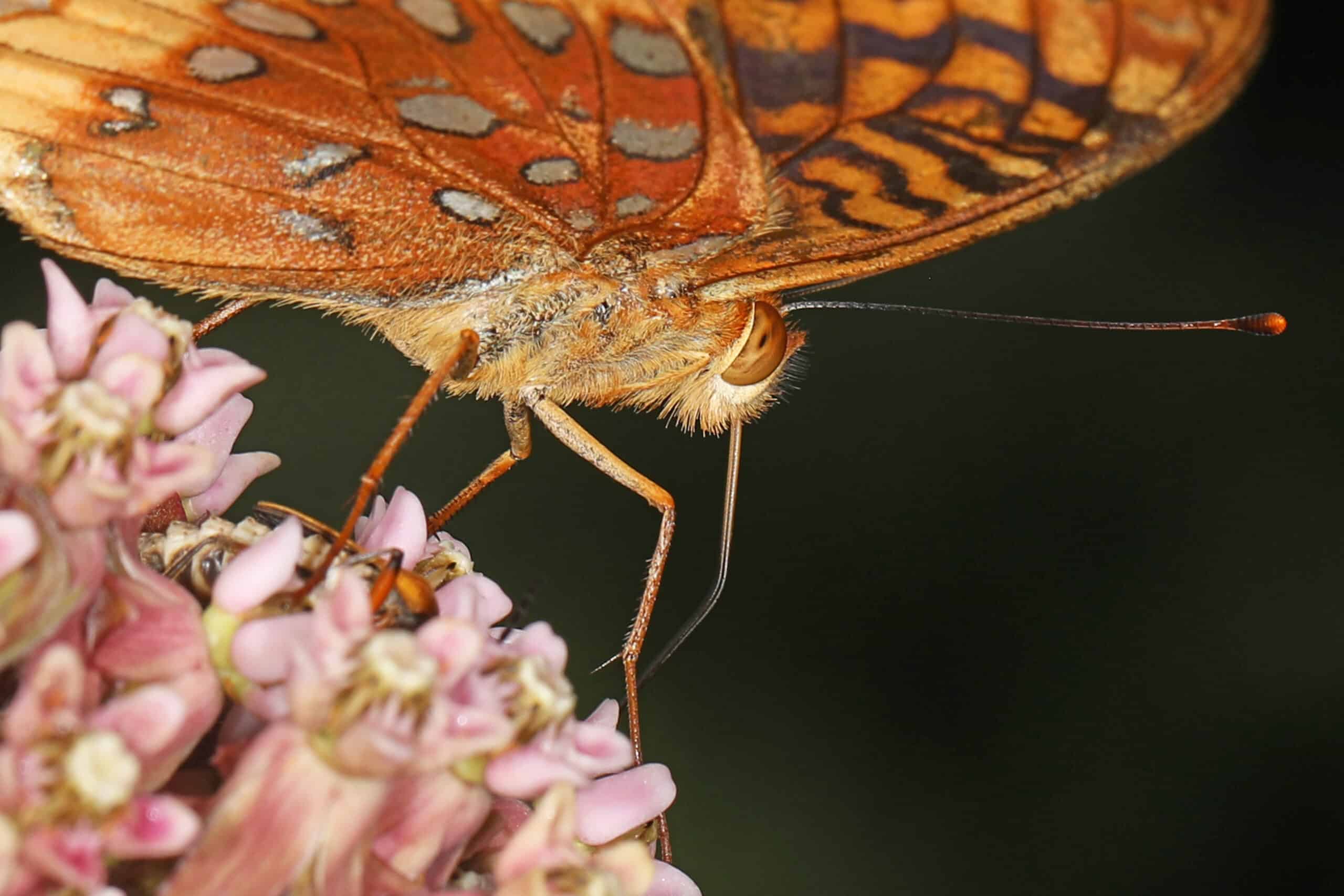
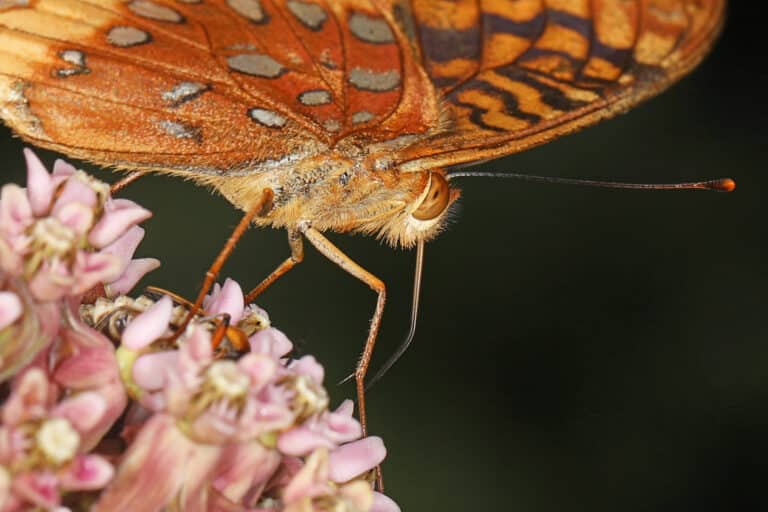
These butterflies have a unique way of drinking nectar. They use their long tongue, called a proboscis, which works like a straw to sip up sweet nectar from flowers!
Fritillary Butterflies sometimes play hide-and-seek with nature! When resting, they can fold their wings to blend in with flowers and leaves, making it tougher for predators to spot them.
In some places, Fritillary Butterflies enjoy munching on violets during their caterpillar stage. They carefully choose specific plants that provide them with the best nutrition.
These butterflies don’t just flit around aimlessly; they know how to navigate! They can fly in straight lines or loop around flowers like they are dancing in a grand ballet.
Fritillary Butterflies enjoy the company of others! They often gather in groups, creating a colorful spectacle as they flit joyfully from flower to flower together.
Photos





The Basics


explore more
Amphibians
Arachnids
Birds
Cats
Crustaceans
Fish
Fish Pet Guide
Gastropods
Insects
Invertebrates
Mammals
Pet Fish
Pet Rodents
Plants
Reptiles
Roundworms
Sea Slugs