Successfully copied to clipboard!
Fruit Fly
Uncover the tiny heroes driving big discoveries in science!
Let’s Explore
Overview
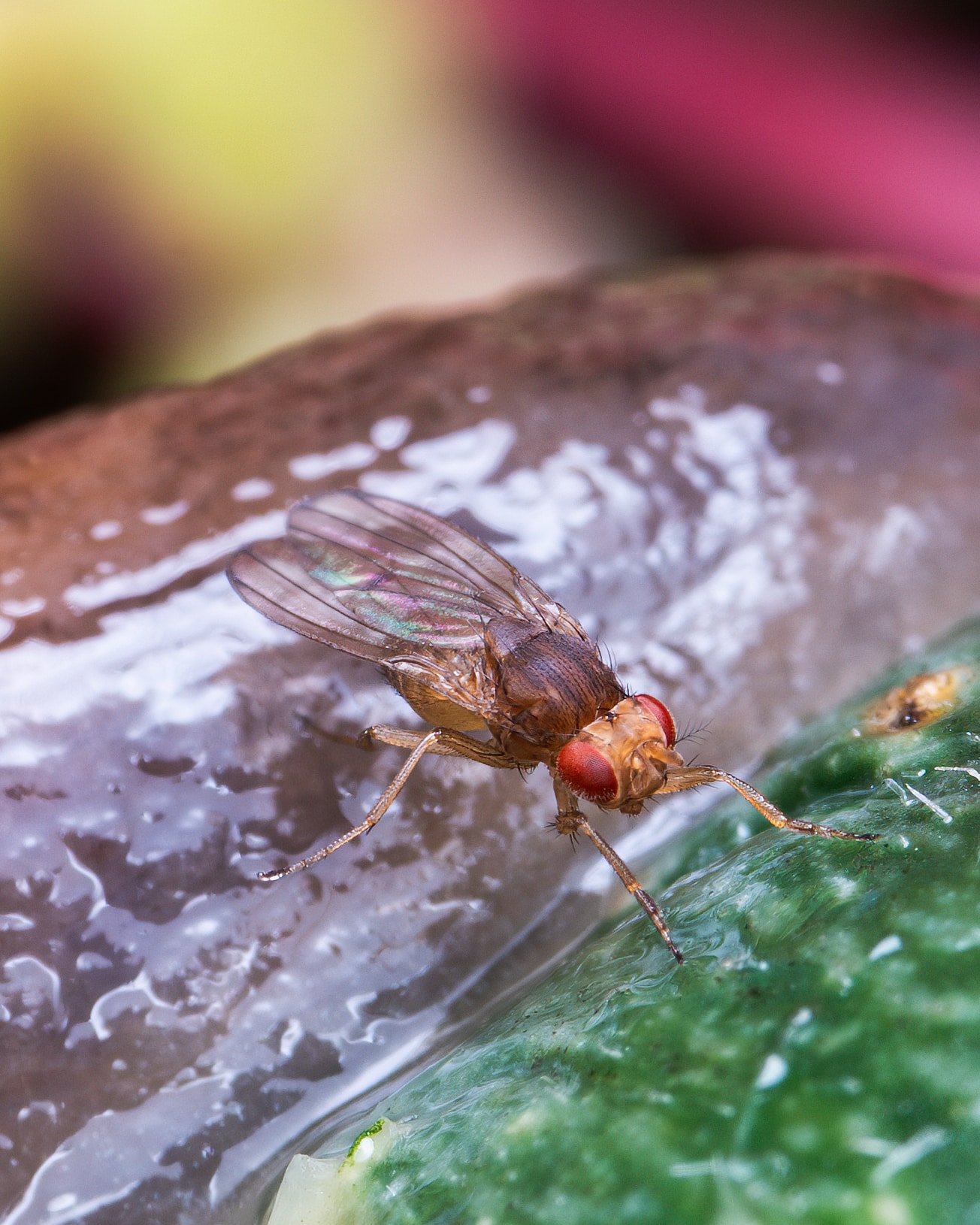
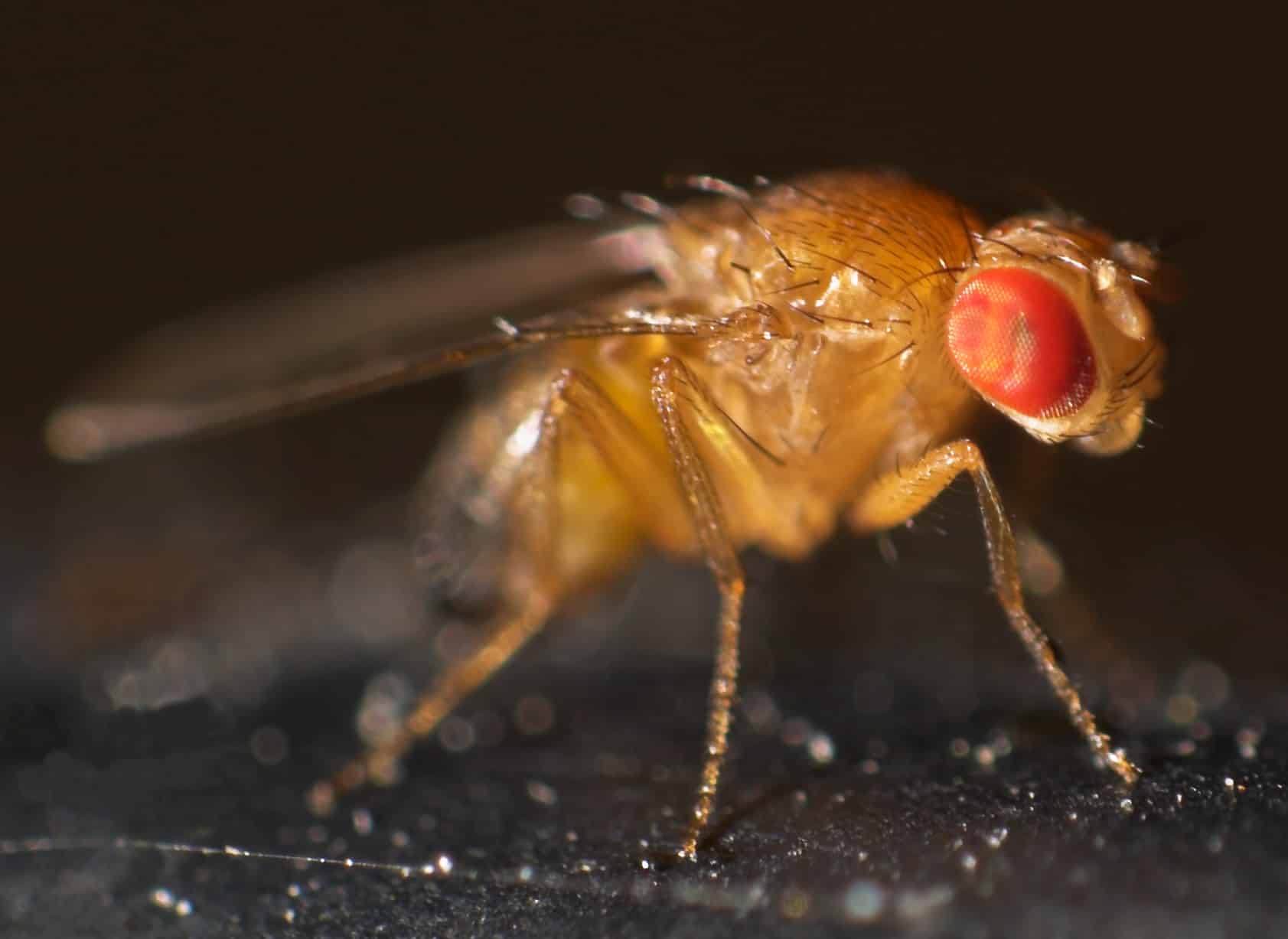
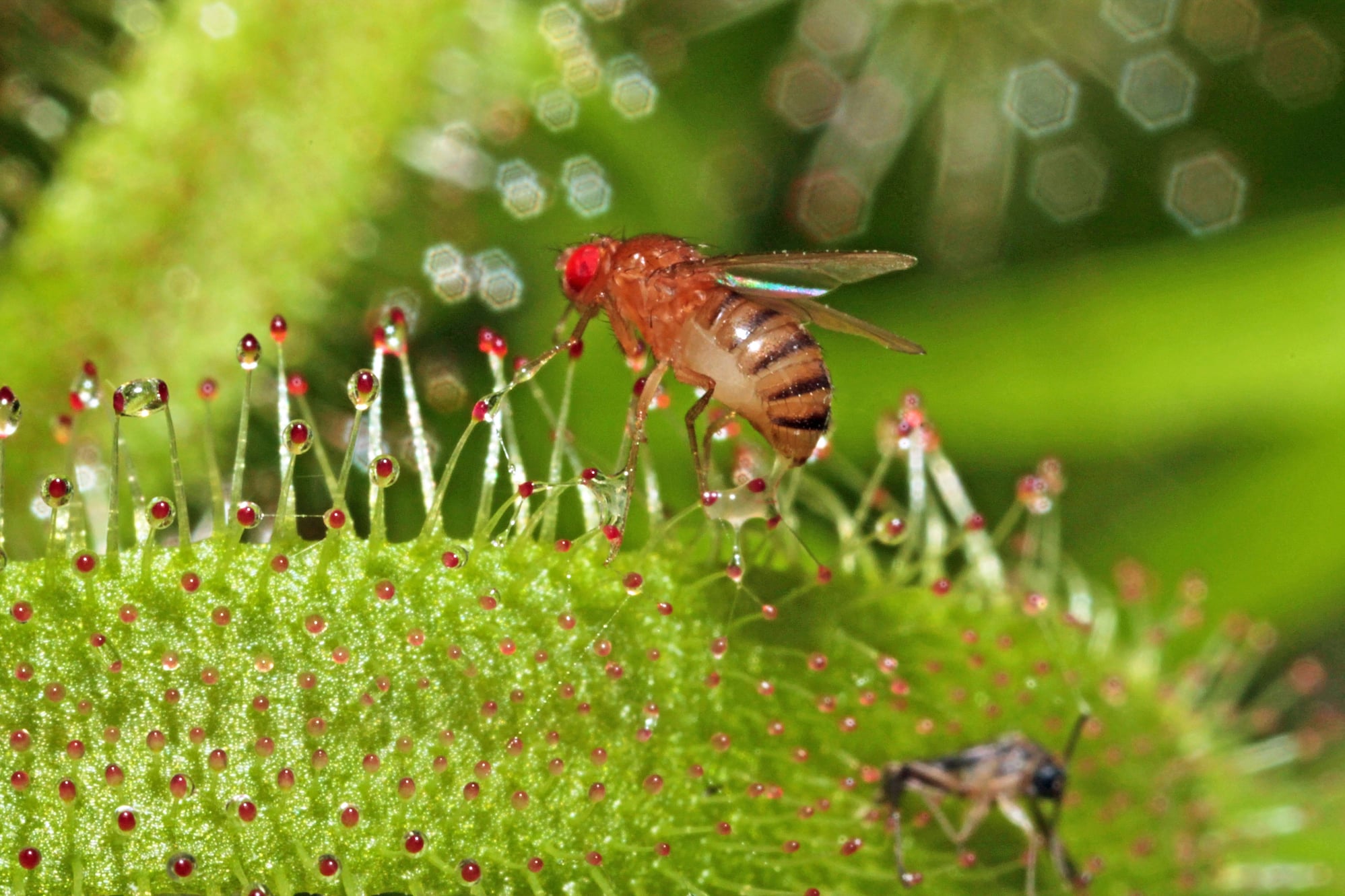
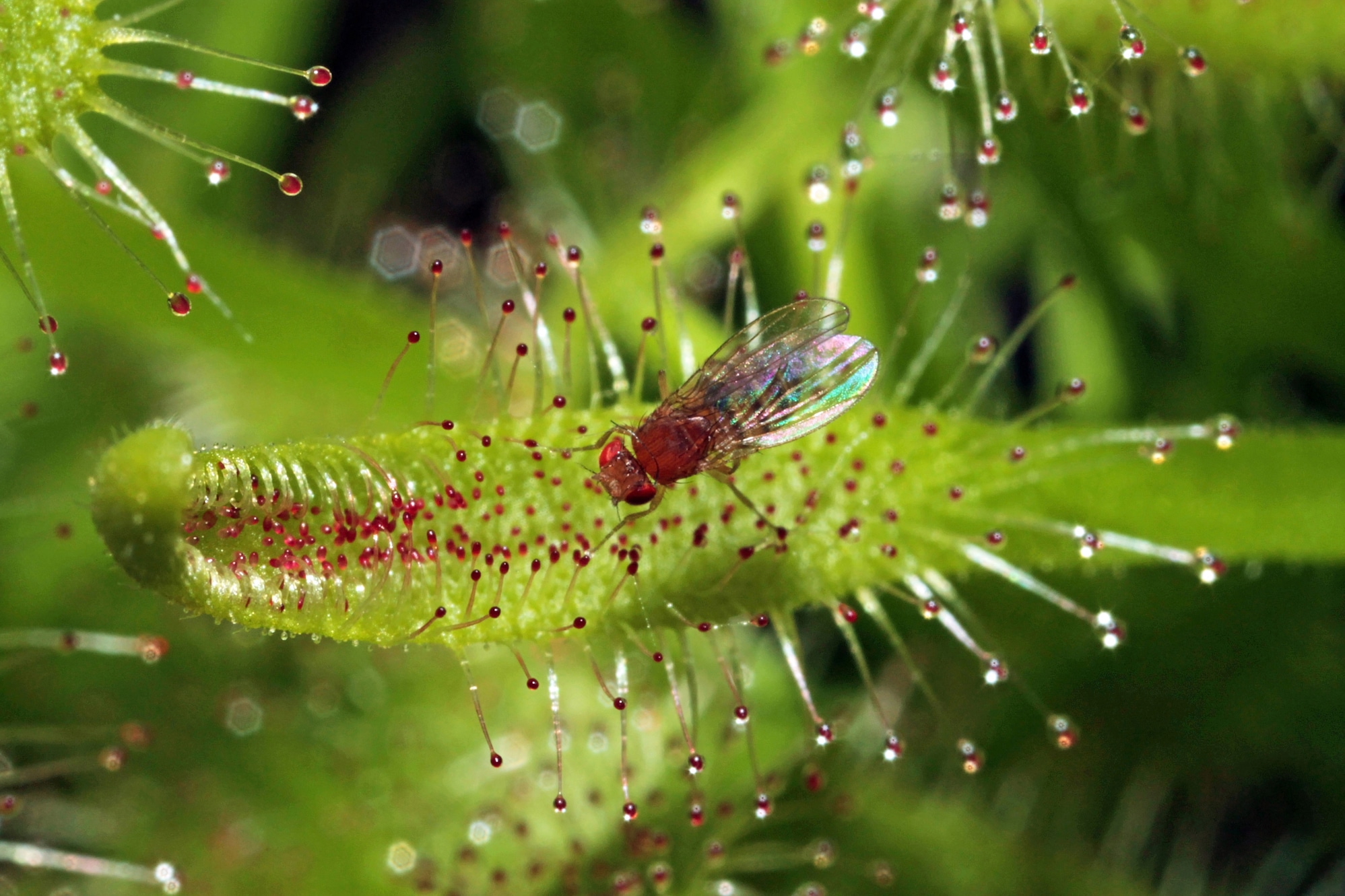
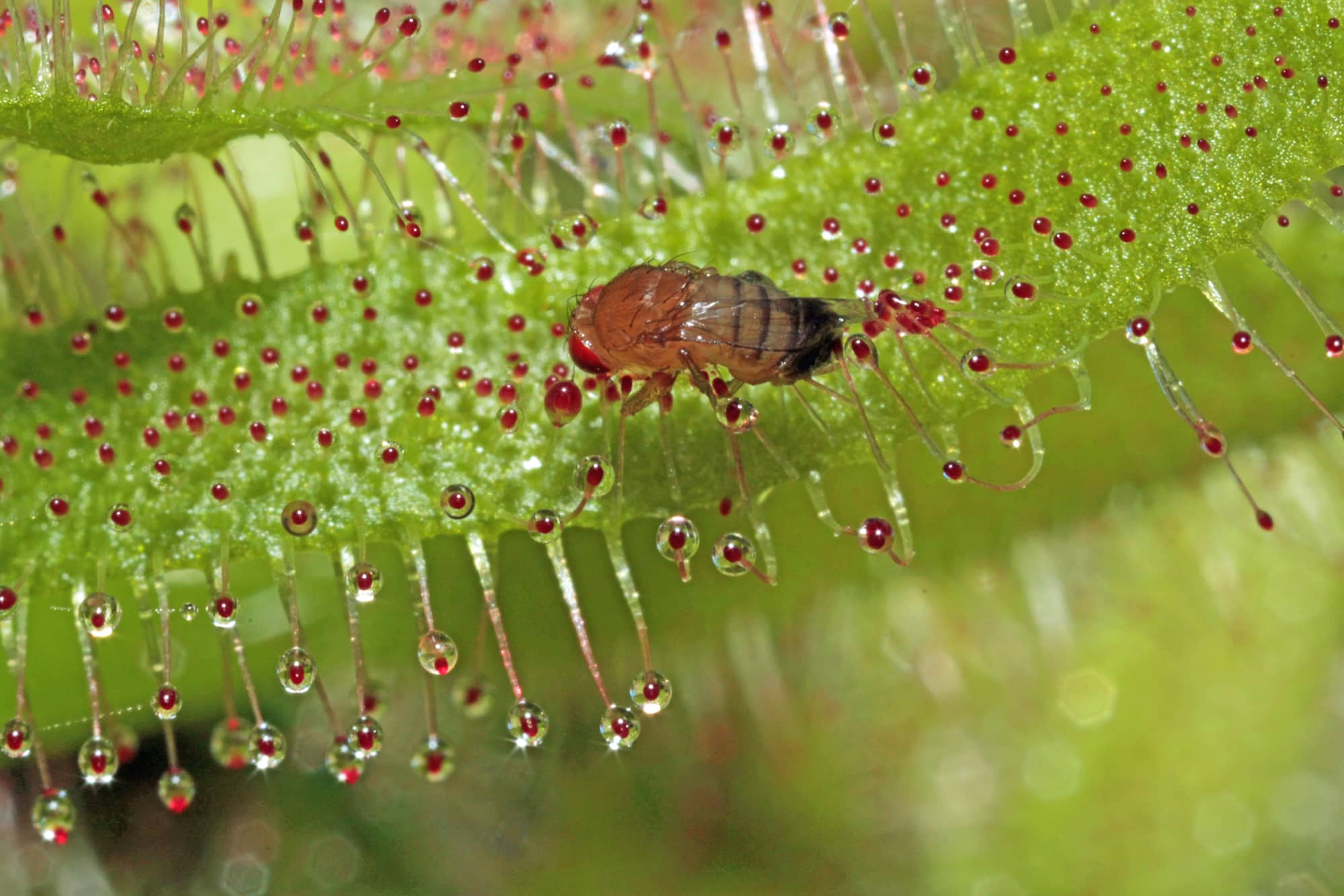
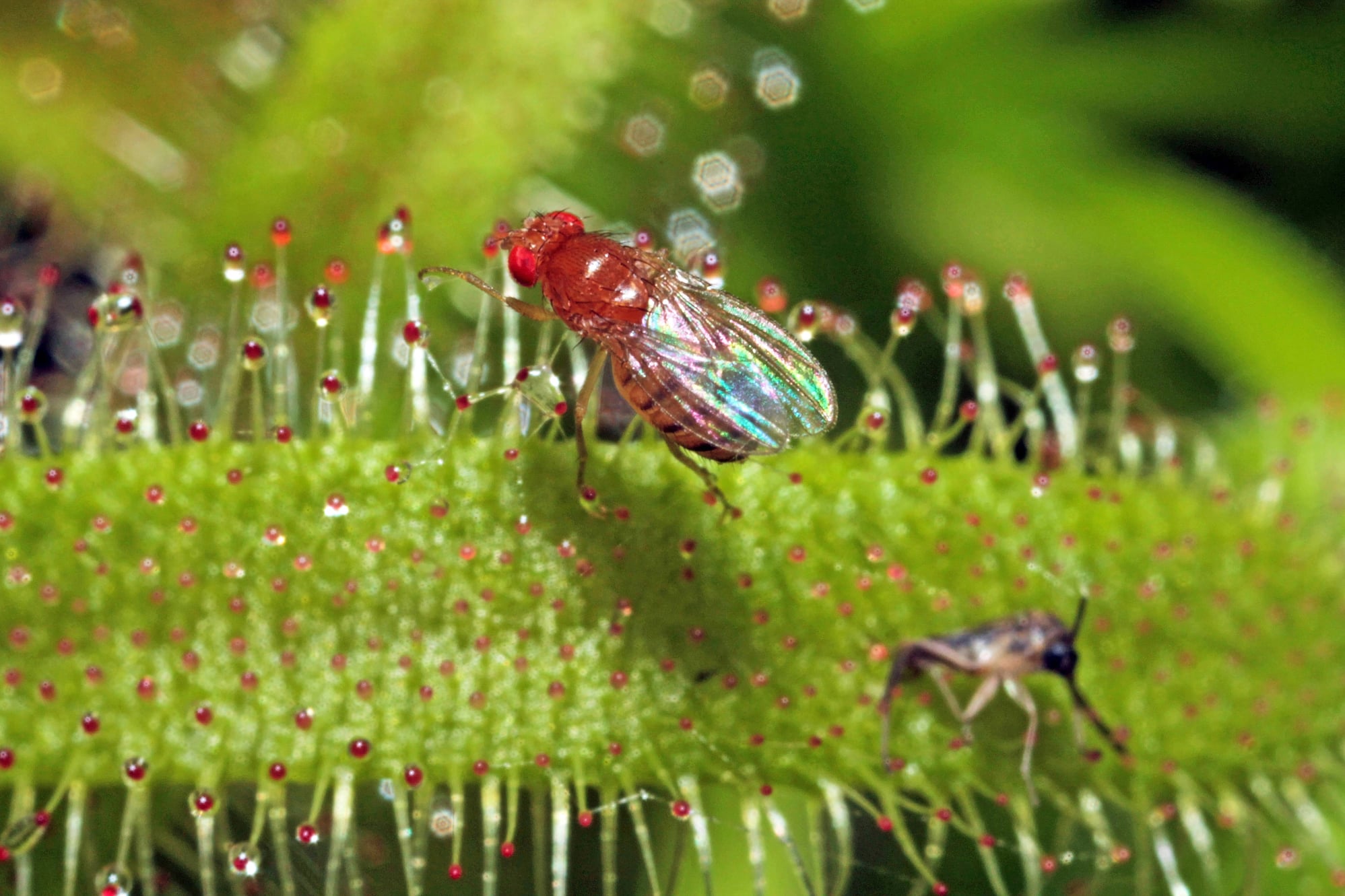
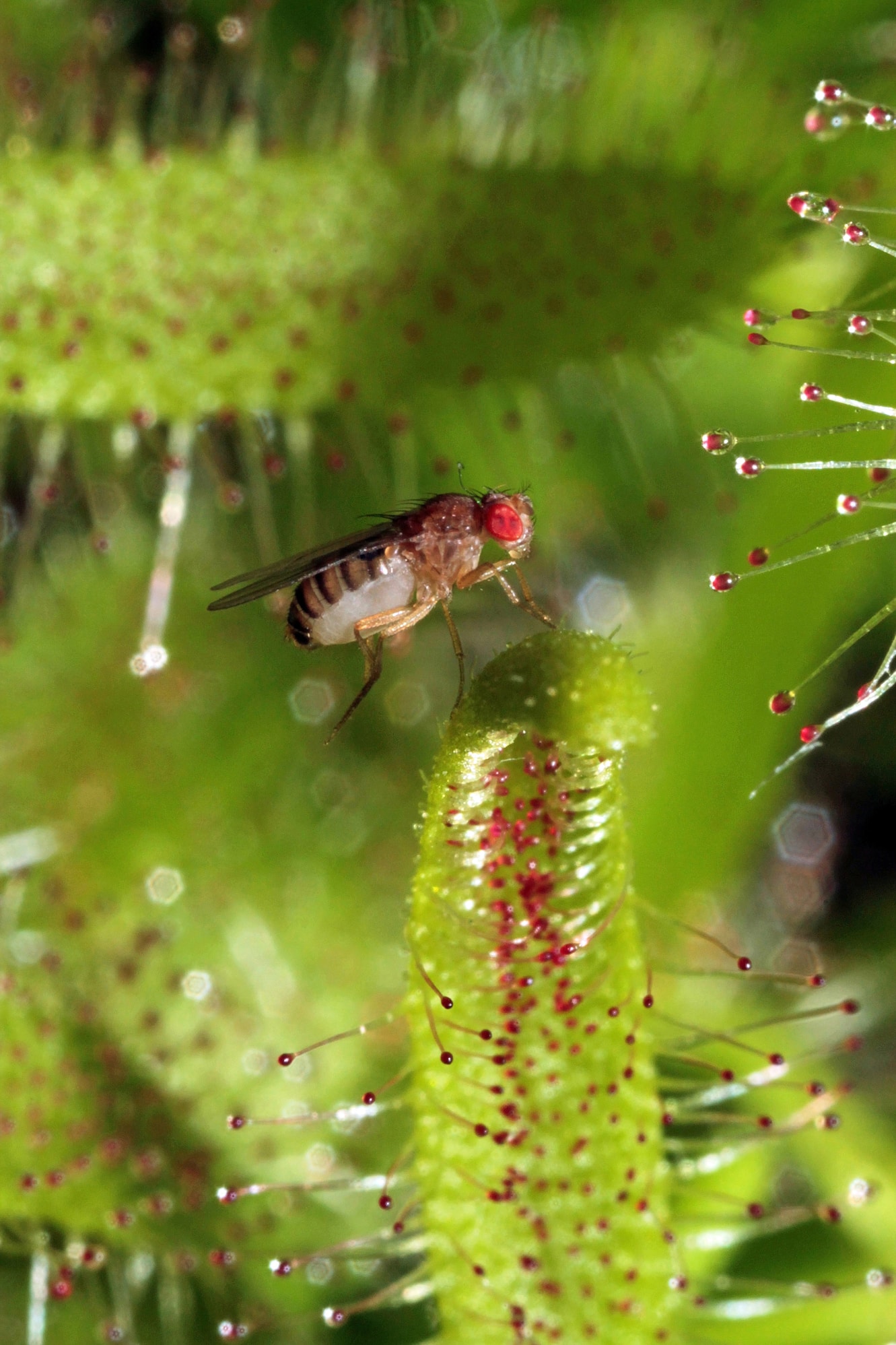
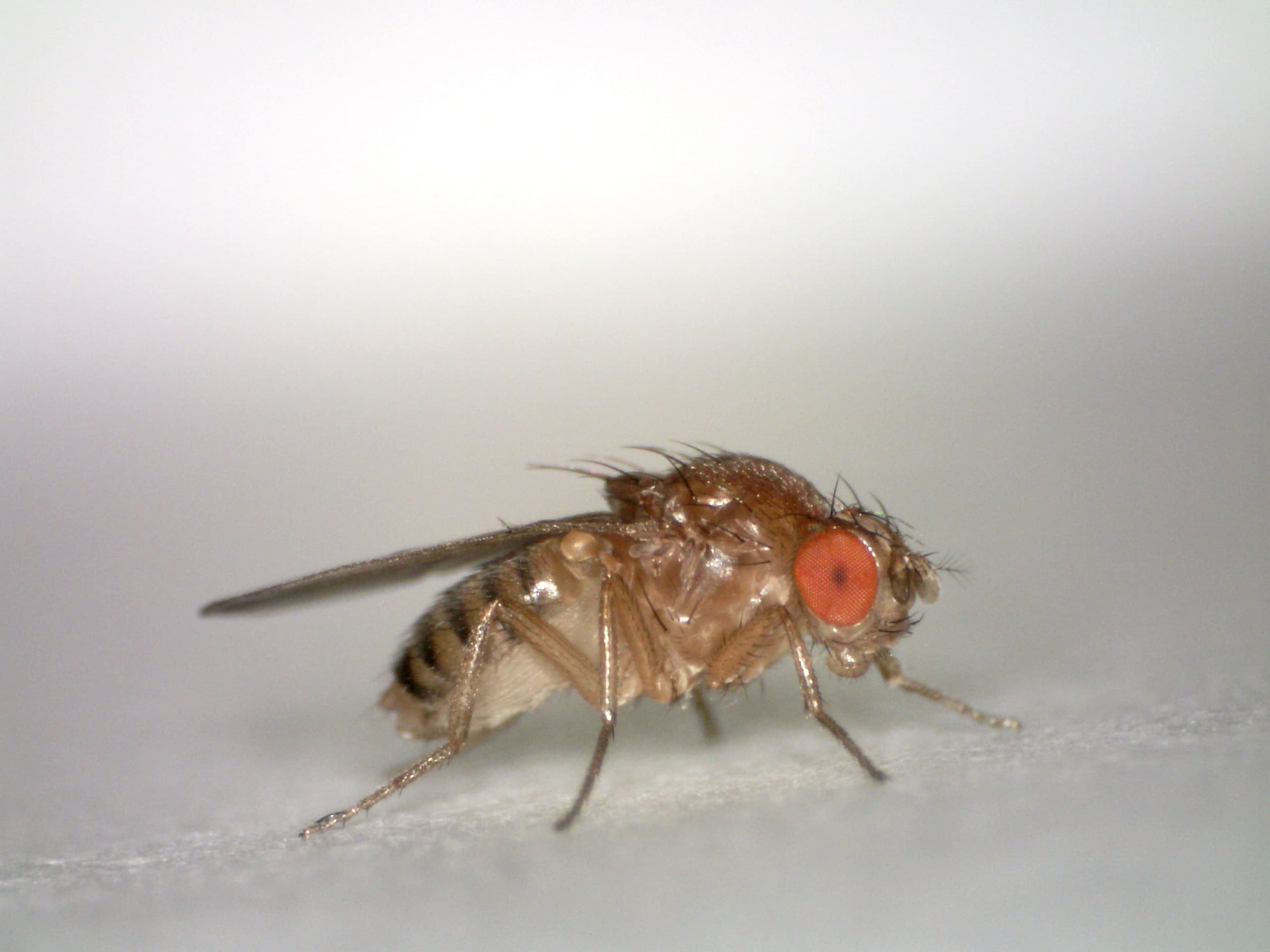
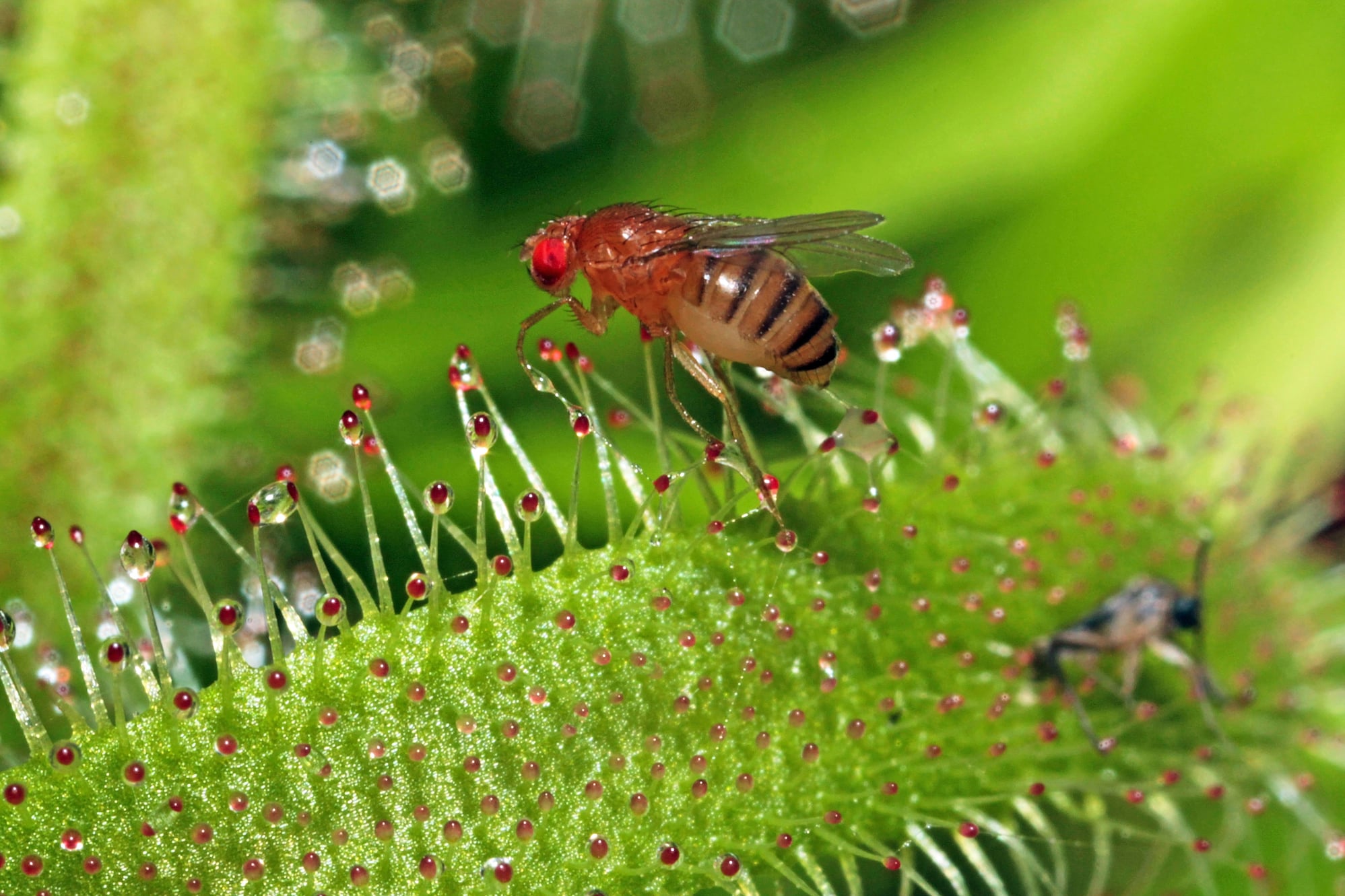
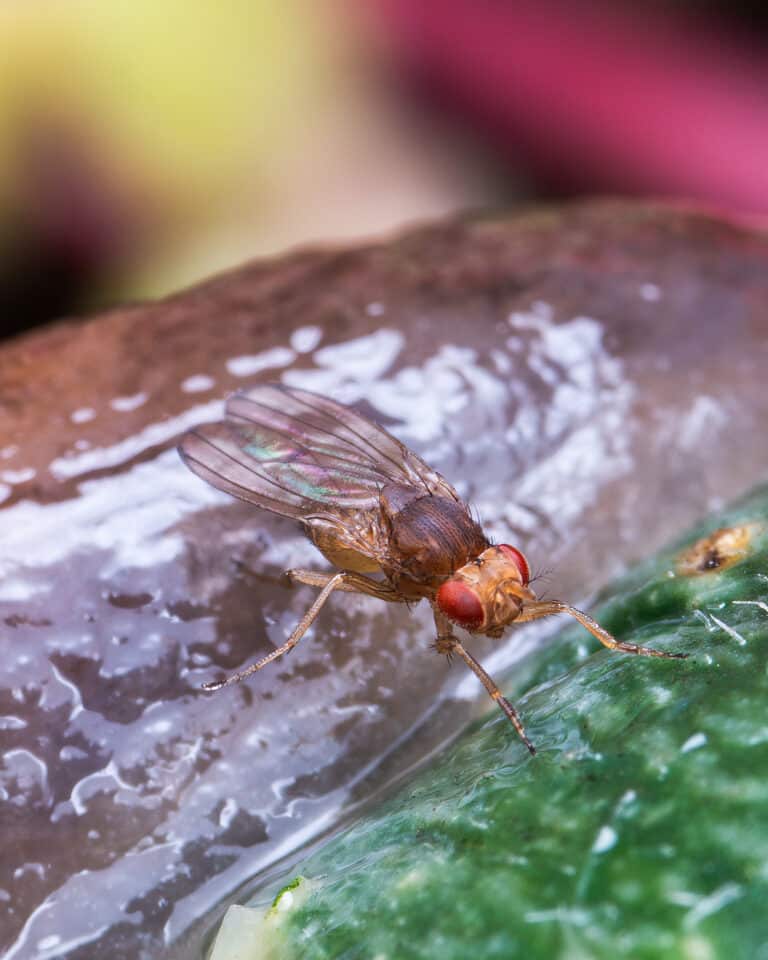
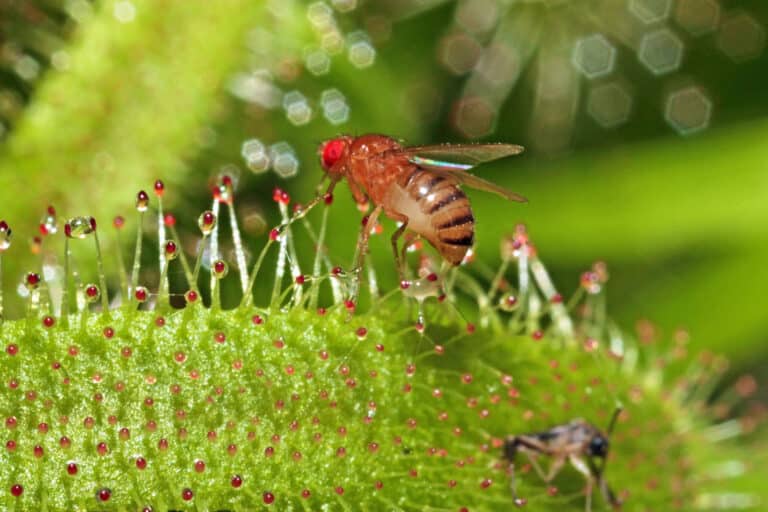
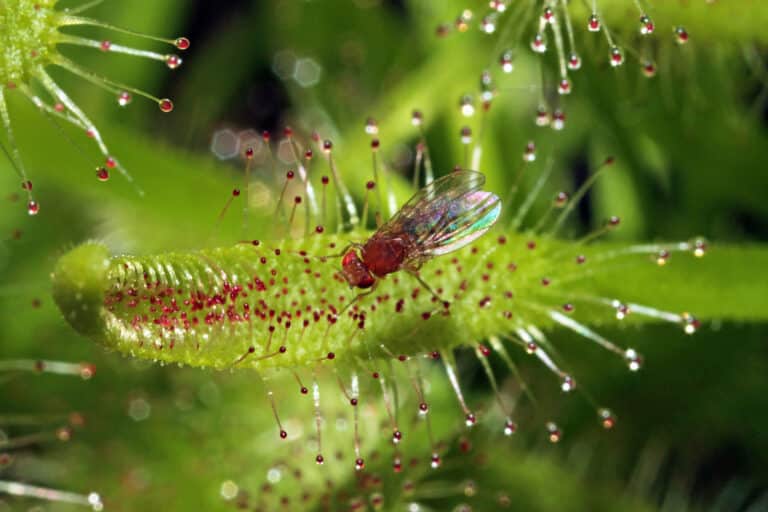
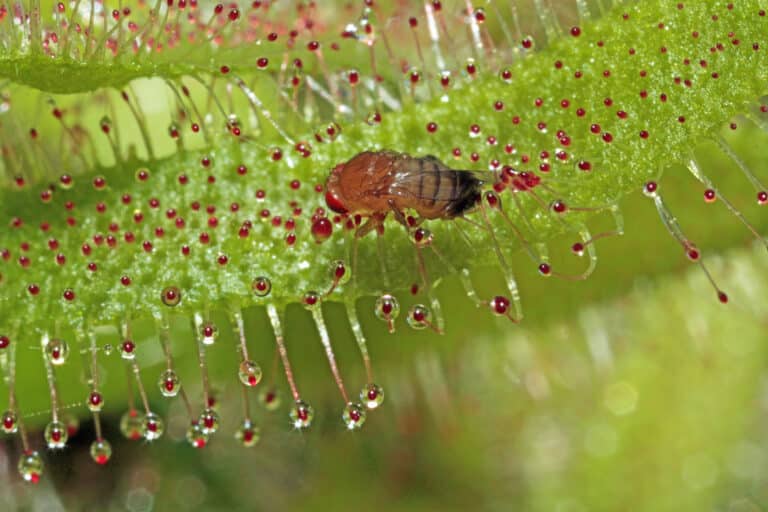
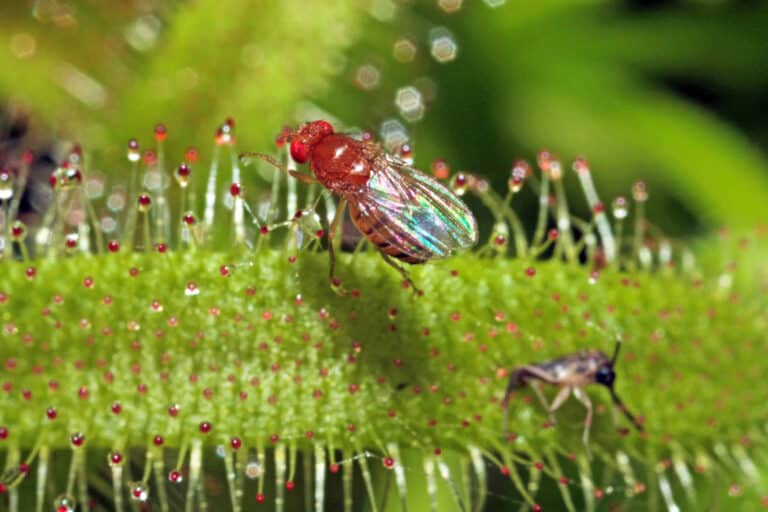
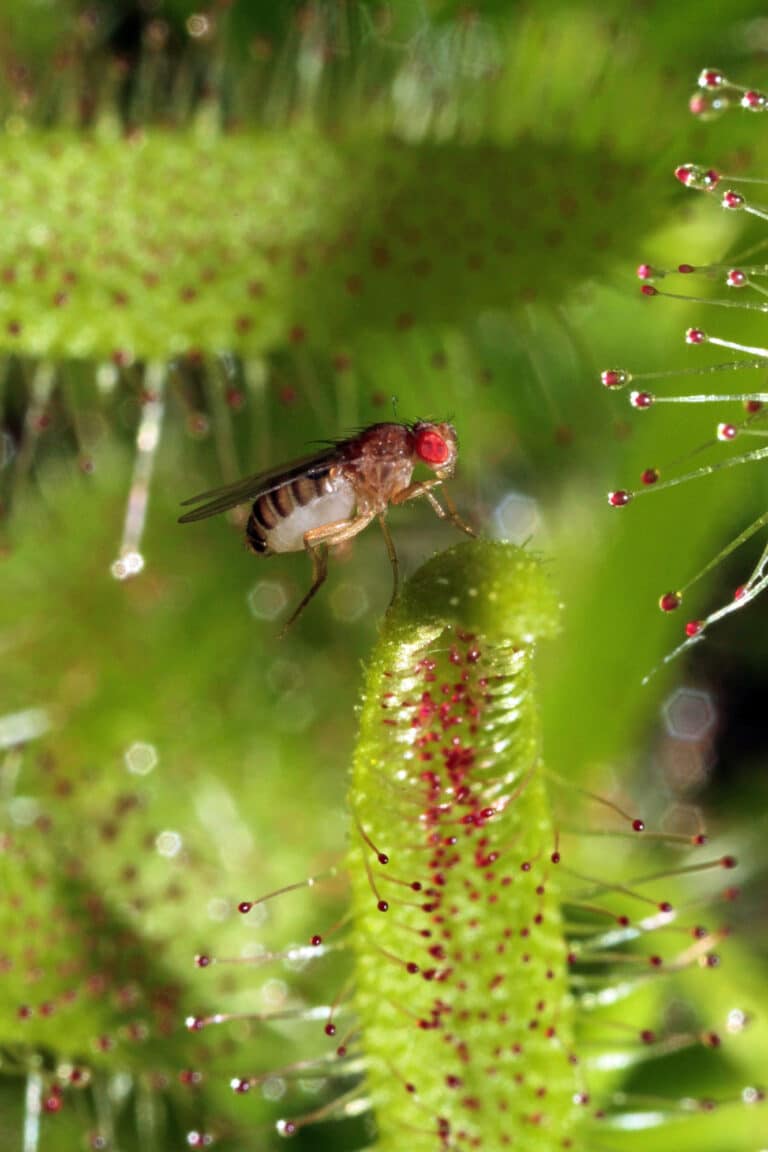
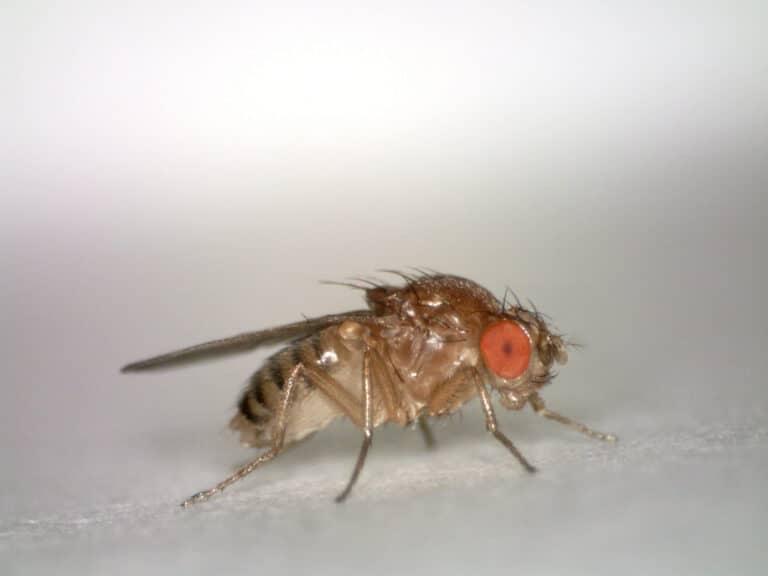
The fruit fly, known scientifically as Drosophila melanogaster, is a tiny yet mighty creature. These little insects belong to the order Diptera and are part of the remarkable class of invertebrates called Insecta.
Fruit flies measure just 3 to 4 millimeters in length, which is smaller than a penny! They buzz around kitchens and gardens, drawn to ripe fruit and decaying plant matter, where they enjoy their favorite snacks of fruit, yeast, and fungi.
Despite their short lifespan of 30 to 50 days, fruit flies pack a lot of fun in those days! They undergo a rapid life cycle, going from egg to adult in about a week, which means a fruit fly family can grow quickly!
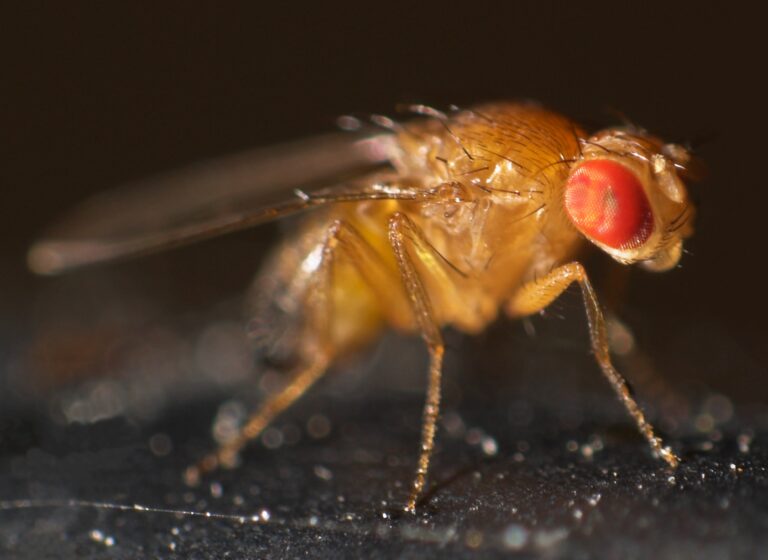
Fruit flies have a special talent for sensing smells. Their big, bright eyes help them sniff out their favorite flavors from a distance. They use their keen sense of smell to find food and potential mates!
Scientists love studying fruit flies because they are so easy to care for and breed in a lab. These little superheroes of science have contributed to major discoveries about genetics and behavior, making them true stars of the science world!
So the next time you see a fruit fly buzzing around your kitchen, remember, it’s more than just a pesky bug—it’s a scientific marvel on a mission!

Where can you find a Fruit Fly in the wild?
What does a Fruit Fly eat?
How big can a Fruit Fly grow?
How long does a Fruit Fly typically live?
What is the conservation status of the Fruit Fly?
What are the main threats to the Fruit Fly?
Fun facts
Fruit flies can recognize the smell of their favorite foods from over 30 meters away, making their noses super sharp!


These tiny insects can lay up to 500 eggs in just a few days! That’s like having a life-sized fruit fly family reunion in no time.
Instead of singing, fruit flies communicate using dance! They perform little moves to impress potential mates, like tiny boogie dancers.
Fruit flies have special taste sensors on their feet. When they walk on something tasty, they can taste it right away without even taking a bite!
These colorful insects love to play hide-and-seek! They sometimes hide among ripe fruits and then pop out to surprise you when you least expect it.
Scientists use fruit flies to study how living things grow and develop. Their quick life cycle helps researchers discover amazing facts about genetics!
Fruit flies can see all around them because their eyes are made up of thousands of tiny lenses. Each lens helps them spot danger or delicious snacks!
These busy bugs can fly at speeds up to 8 kilometers per hour (5 miles per hour), making them little rocket flies buzzing around your kitchen!
Fruit flies show surprising emotions. They can get excited when they find food or scared when they feel threatened, just like us!
Some fruit flies have a unique ability to survive without food for weeks by entering a sleepy state called a 'state of torpor'—kind of like their own version of napping for a long time!
Photos





The Basics


explore more
Amphibians
Arachnids
Birds
Cats
Crustaceans
Fish
Fish Pet Guide
Gastropods
Insects
Invertebrates
Mammals
Pet Fish
Pet Rodents
Plants
Reptiles
Roundworms
Sea Slugs