
Successfully copied to clipboard!
Garden Spider
Uncover the magical world of garden web-weavers!
Let’s Explore
Overview
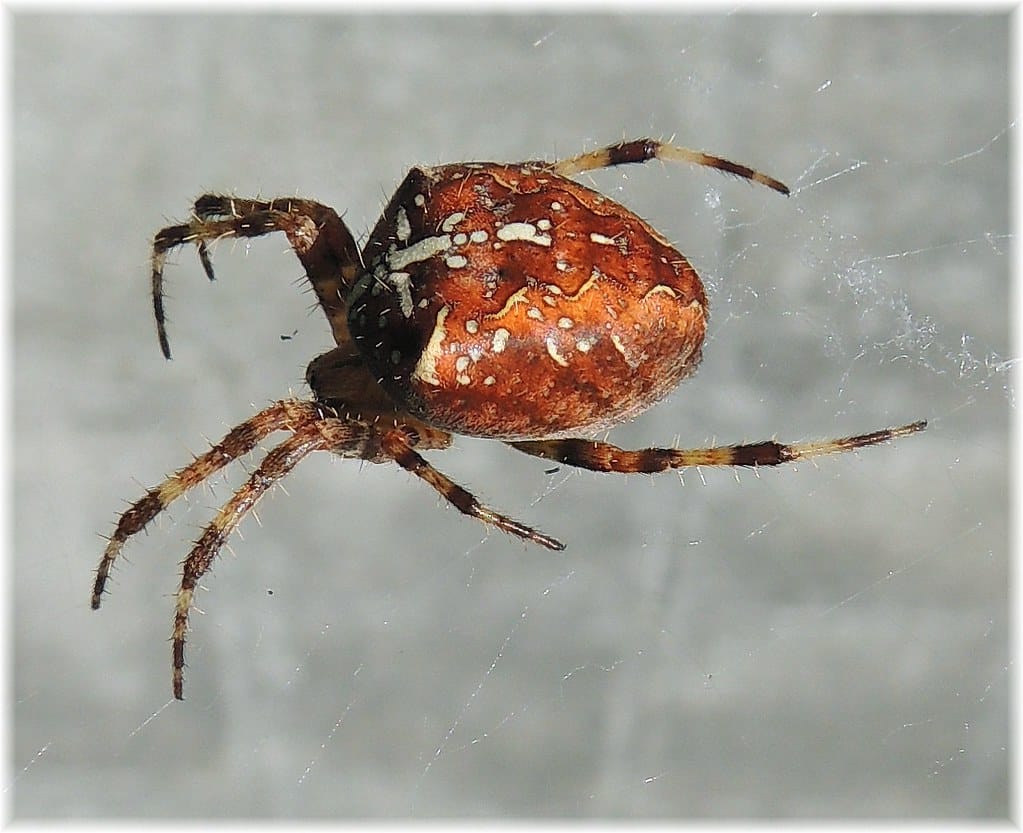
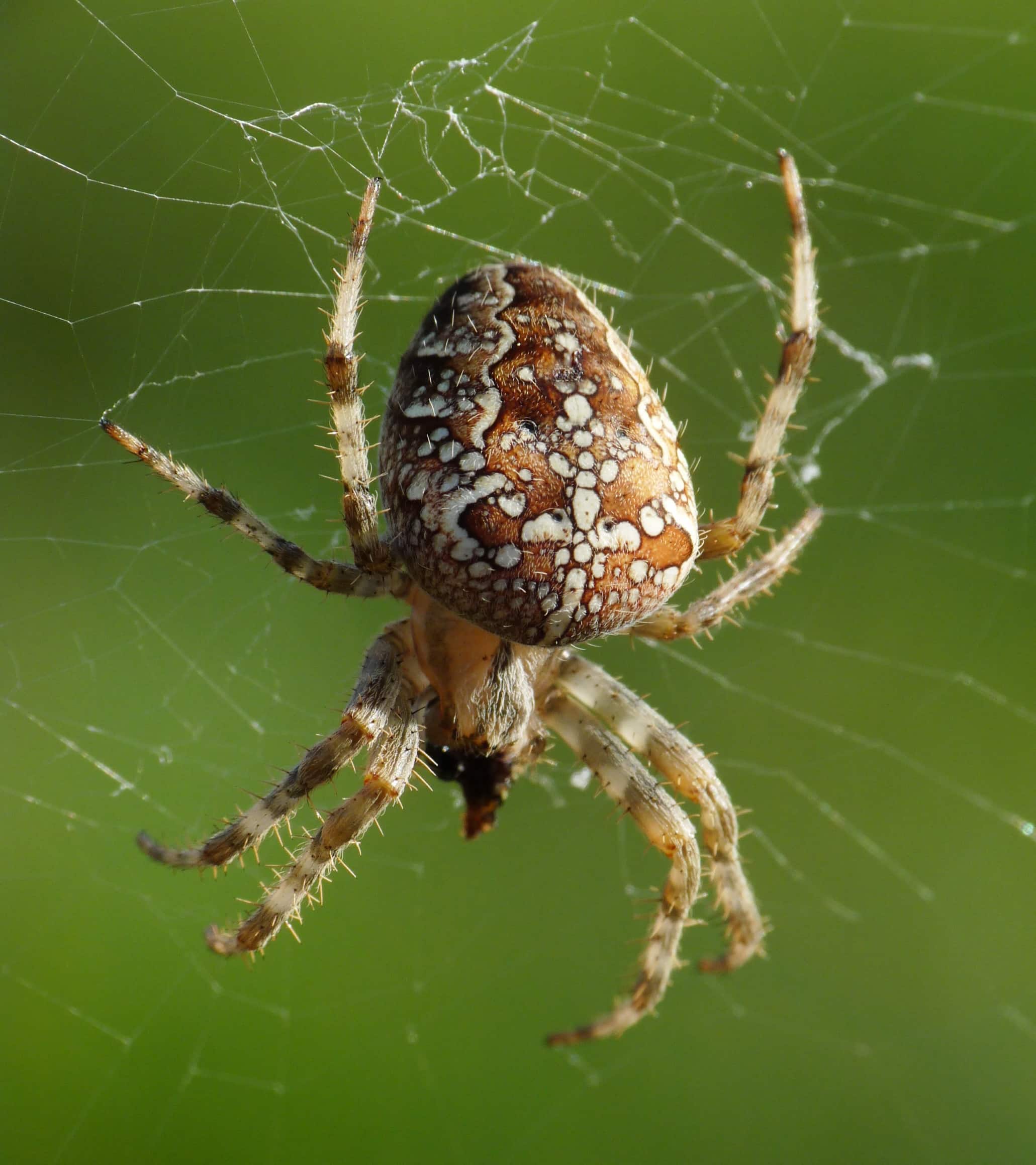
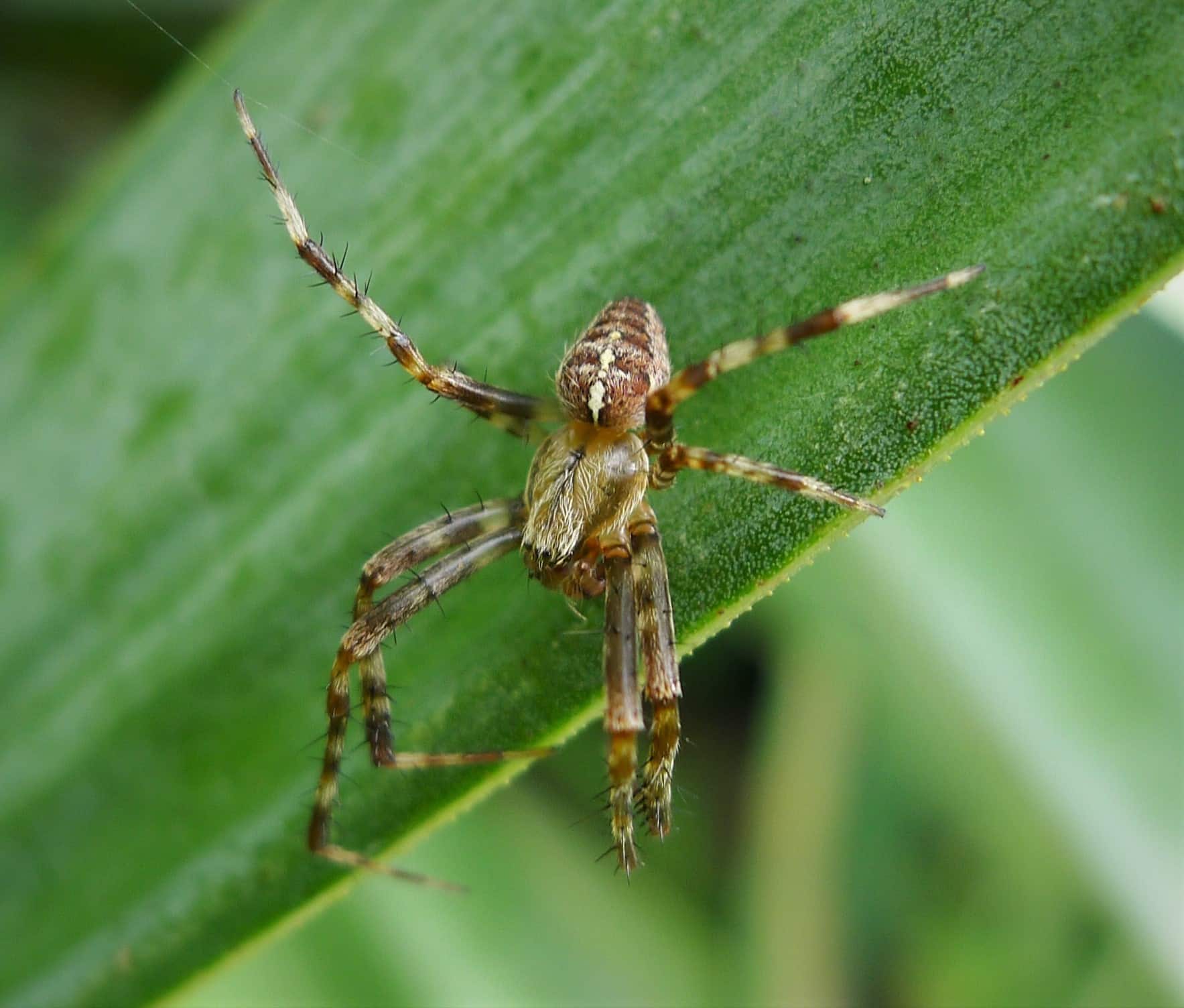
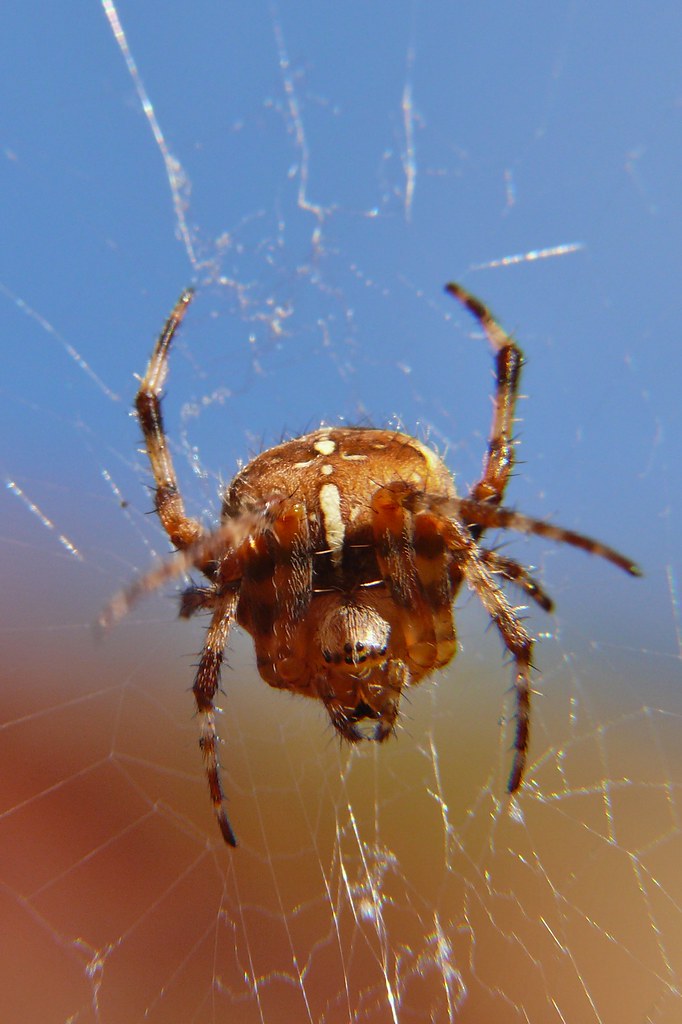
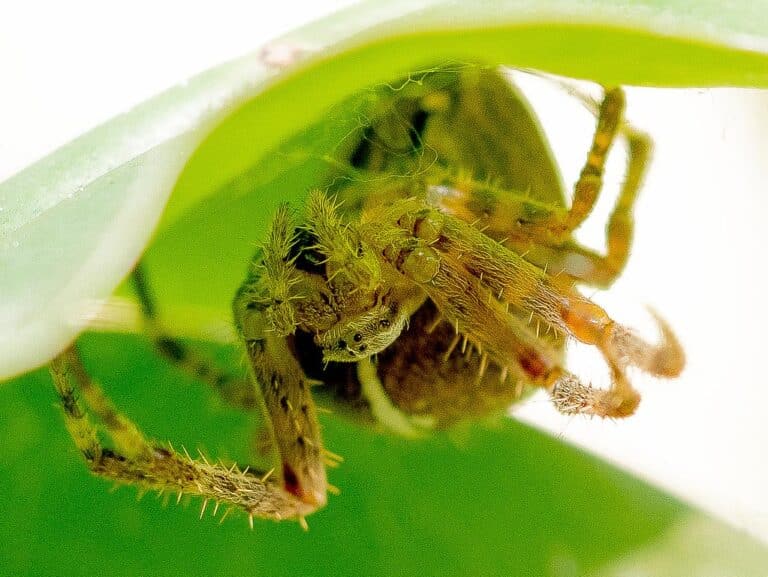
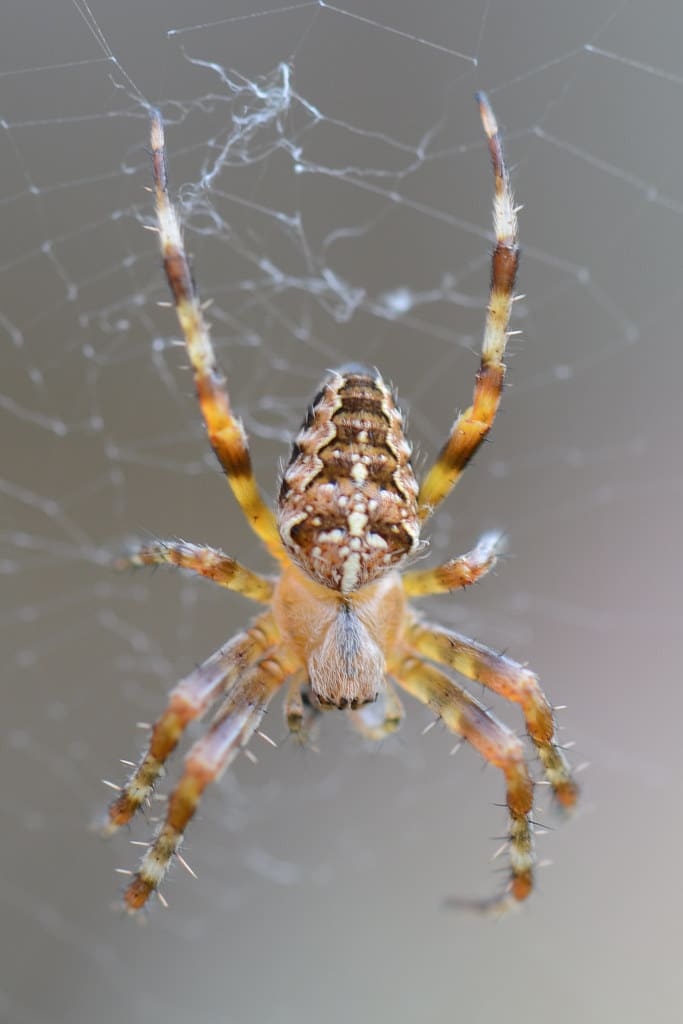
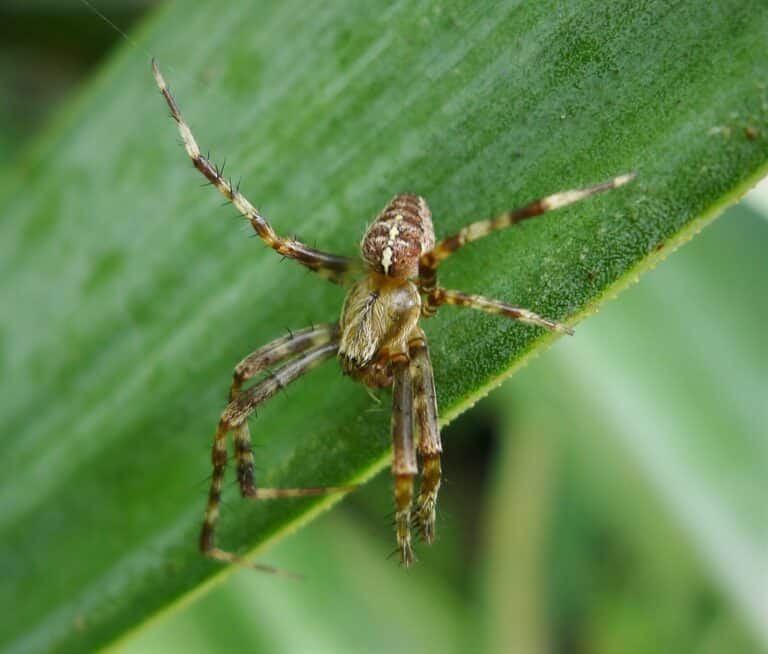
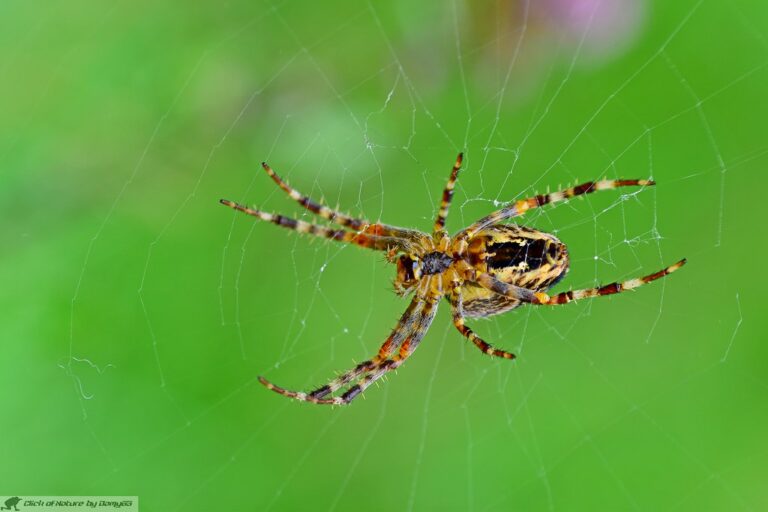
The Garden Spider is an amazing creature that can often be found in backyards and gardens across Europe. This eight-legged wonder measures between 0.5 to 1 inch long, making it a small but mighty predator in the world of insects.
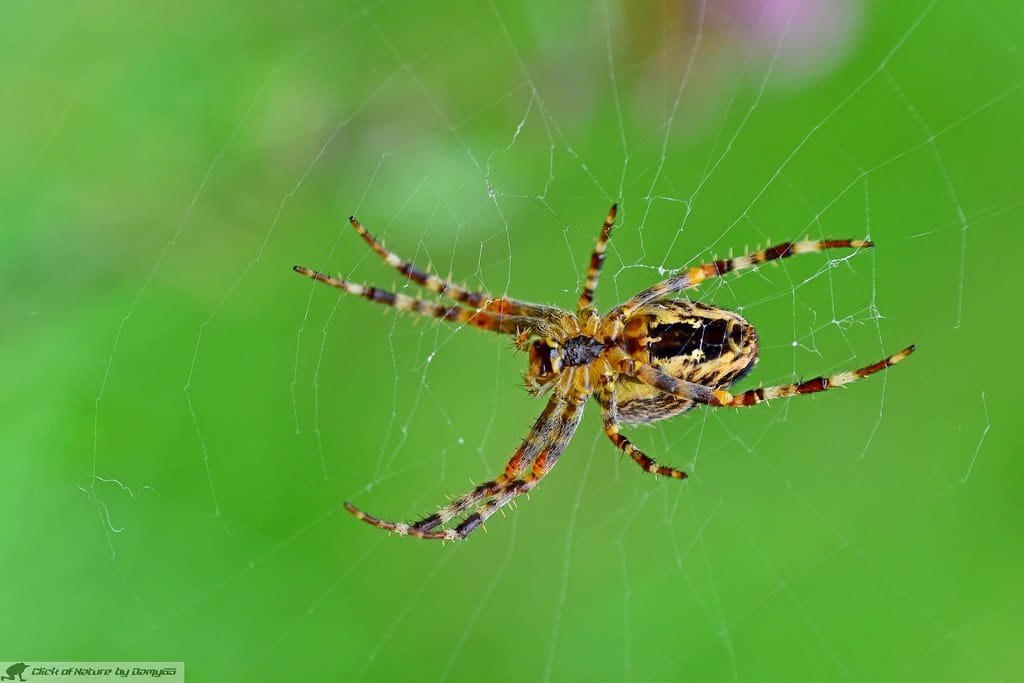
Garden Spiders belong to the class Arachnida, which means they are related to scorpions and ticks. They spin beautiful webs that can catch unsuspecting insects, which they then munch on for lunch—talk about a real web-slinger!
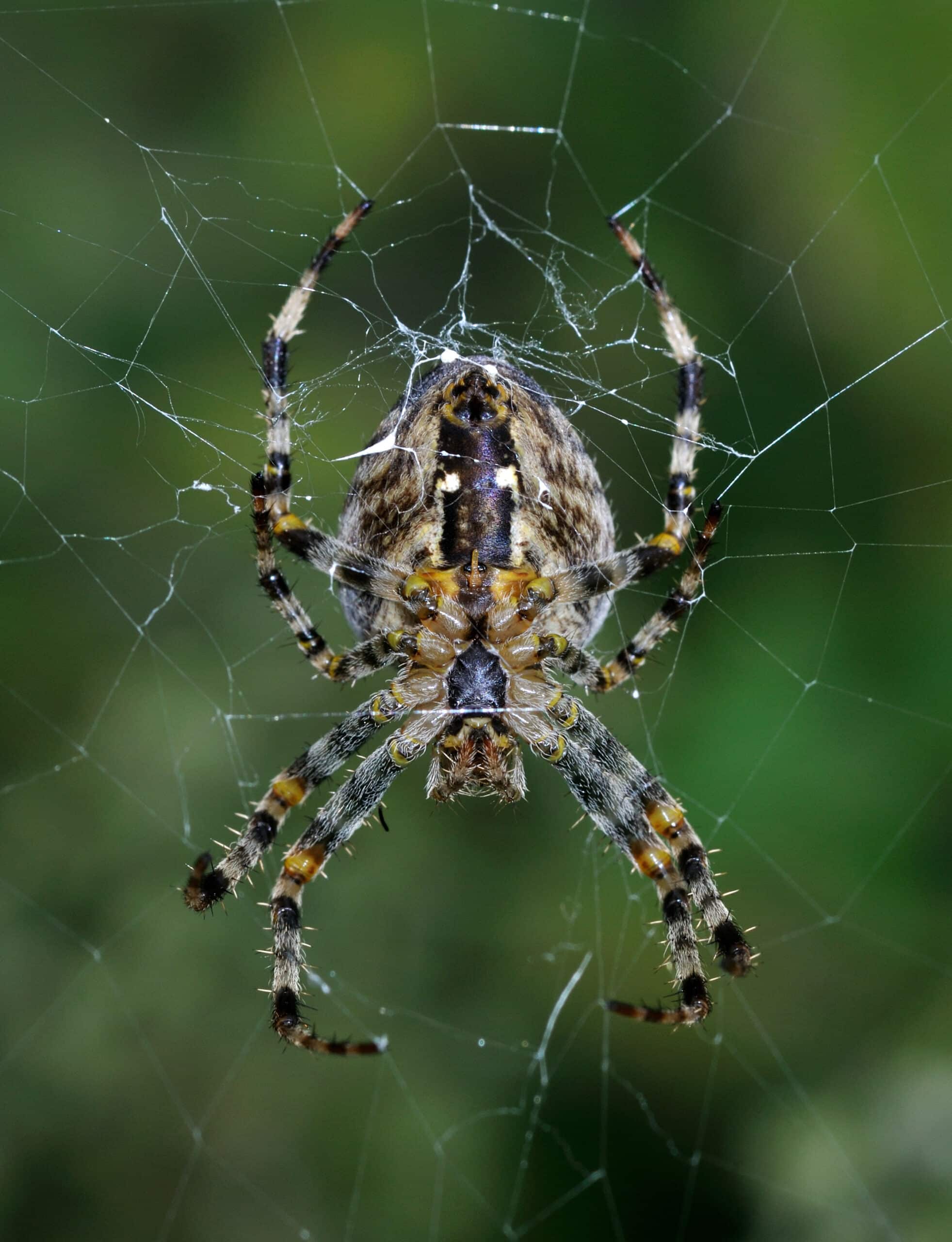
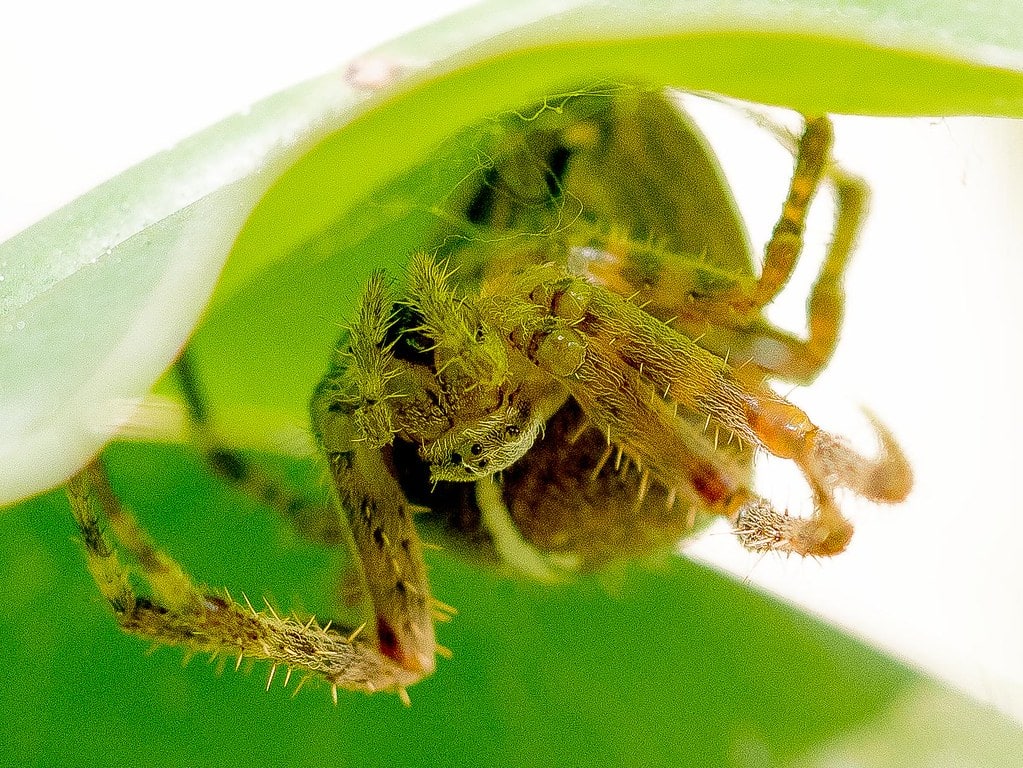
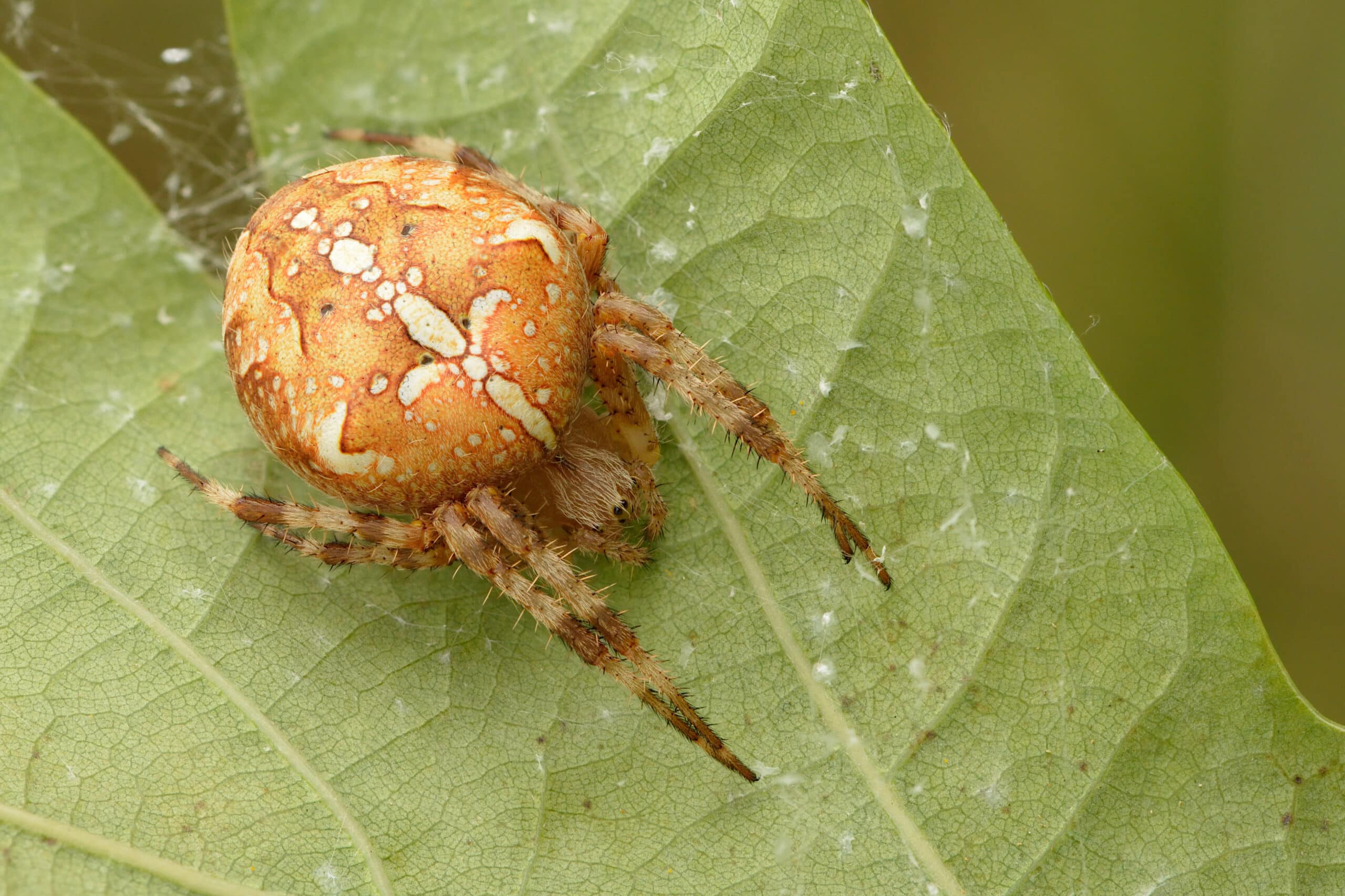
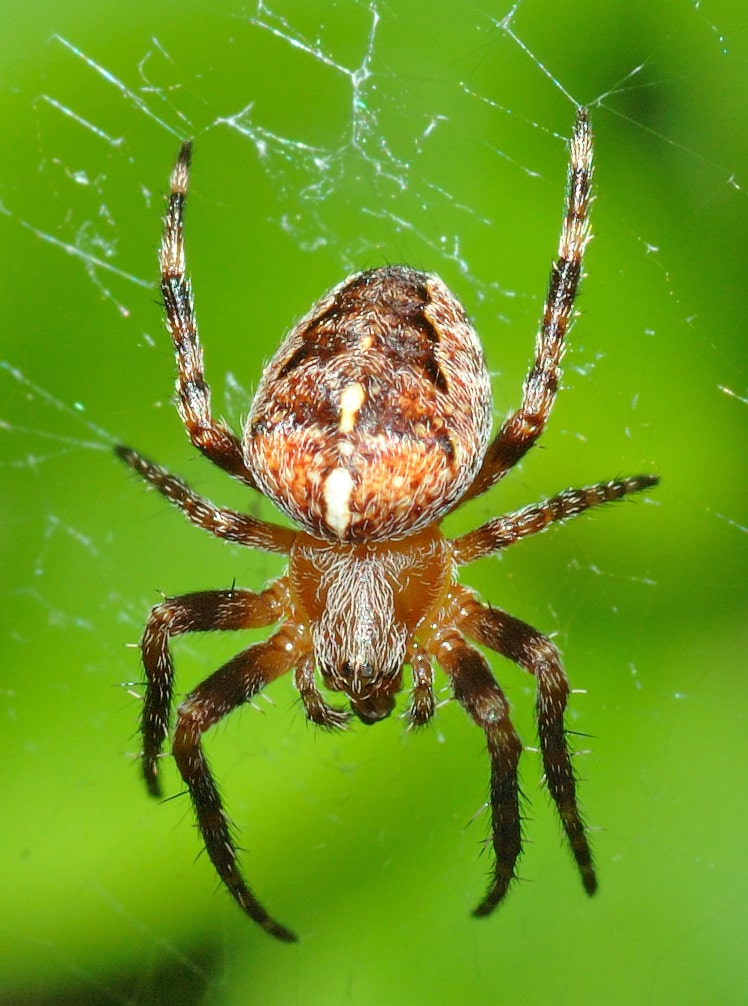
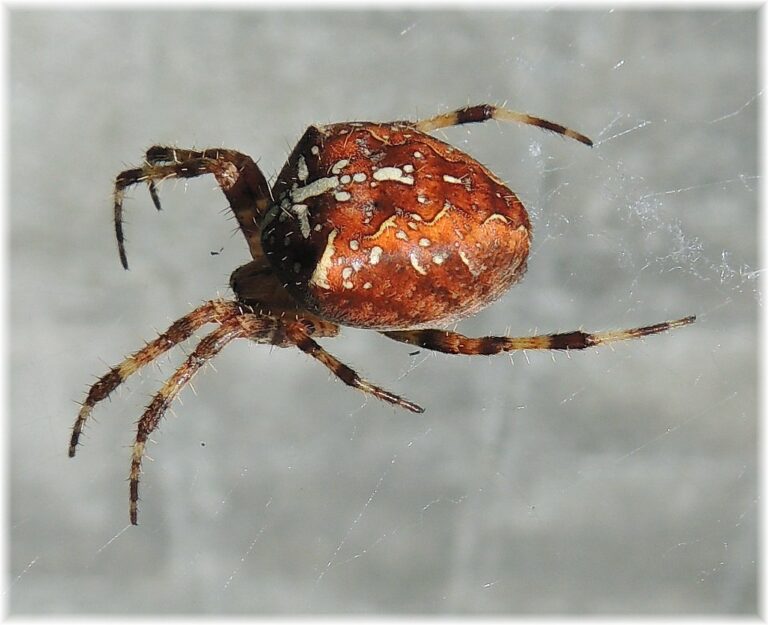
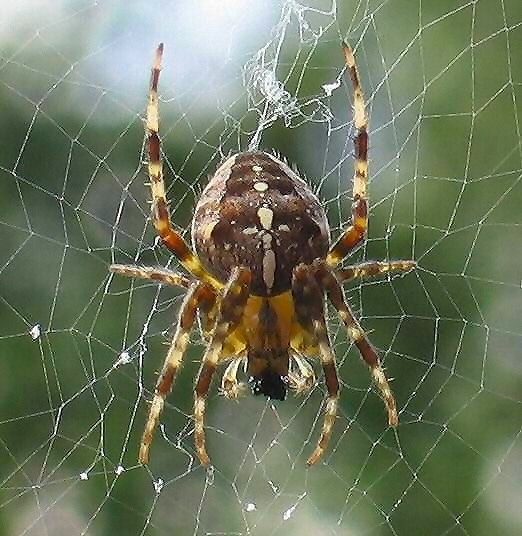
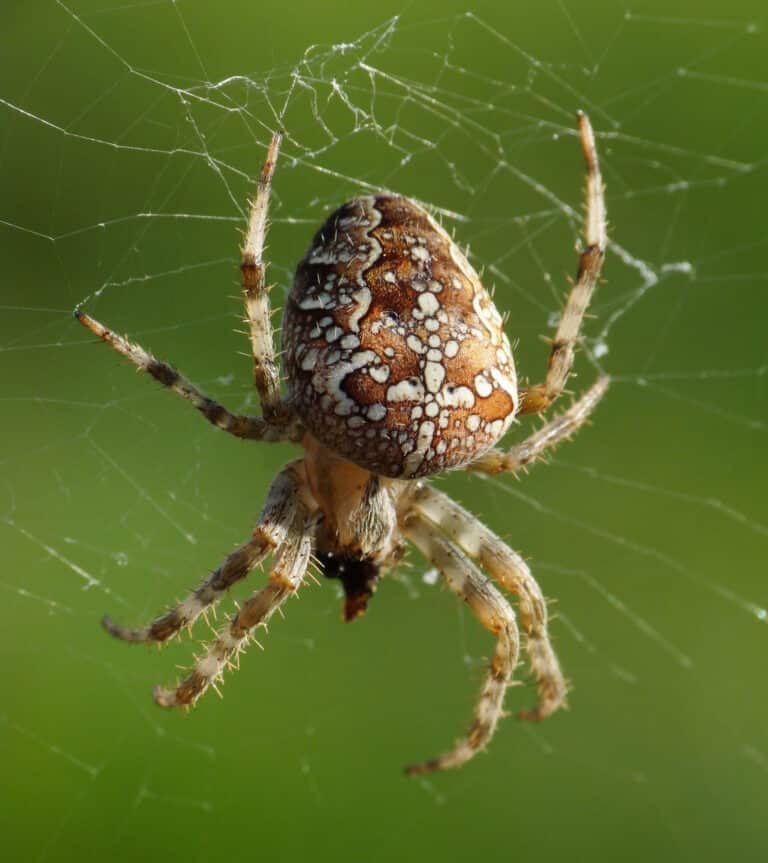
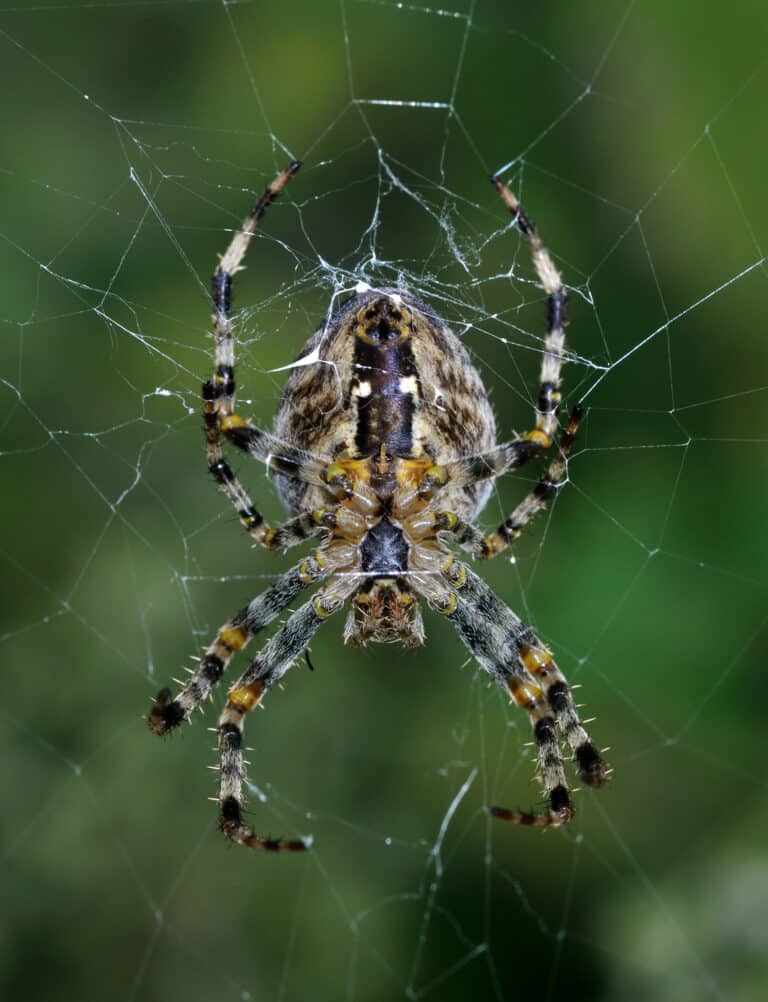
These clever spiders have a unique appearance, often sporting a round, bulbous body with colorful patterns. Their bright colors help them blend into flowers and foliage, allowing them to sneak up on their prey like sneaky ninjas of the garden.
Garden Spiders eat a diet primarily made up of insects. They use their sticky webs to trap their meals, showcasing their spectacular spinning skills as they create intricate designs that can be over a foot wide.
These tiny acrobats have a short lifespan of about one year. During this time, they work hard to catch food, grow, and complete their life cycle, making every day count in their garden adventures!

Where can you find a Garden Spider in the wild?
What does a Garden Spider eat?
How big can a Garden Spider grow?
How long does a Garden Spider typically live?
What is the conservation status of the Garden Spider?
What are the main threats to the Garden Spider?
Fun facts
Garden Spiders can change color depending on their surroundings, allowing them to blend into flowers and leaves like tiny ninjas in camouflage.


These spiders can quickly spin a web that is stronger than a steel thread of the same diameter, making them top-notch architects in the insect world!
When threatened, Garden Spiders can perform a cool trick called 'bungee jumping.' They drop from their web and swing away to find safety!
Garden Spiders can detect vibrations in their webs, allowing them to know when a tasty meal is caught or when danger is lurking nearby.
After mating, female Garden Spiders sometimes eat the males. This might sound scary, but it's a way for them to gain energy to produce more spiderlings!
These crafty spiders often rebuild their webs every night, ensuring their dining area is always fresh and ready for new captures.
Garden Spiders can eat insects up to three times their size, making them fierce little predators when they're hungry!
Even though they are helpful in controlling bug populations, some people mistakenly think all spiders are harmful. Garden Spiders are friendly neighbors that keep gardens healthy!
Garden Spiders communicate through tiny vibrations in their silk threads, letting their friends and family know when they find food or need help.
Did you know that young Garden Spiders often balloon away from their homes? They release silk strands and let the wind carry them to new spots where they can build their webs!
Photos


The Basics


explore more
Amphibians
Arachnids
Birds
Cats
Crustaceans
Fish
Fish Pet Guide
Gastropods
Insects
Invertebrates
Mammals
Pet Fish
Pet Rodents
Plants
Reptiles
Roundworms
Sea Slugs