
Successfully copied to clipboard!
Ghost Crab
Uncover the speedy sandy scavengers hiding in plain sight!
Let’s Explore
Overview
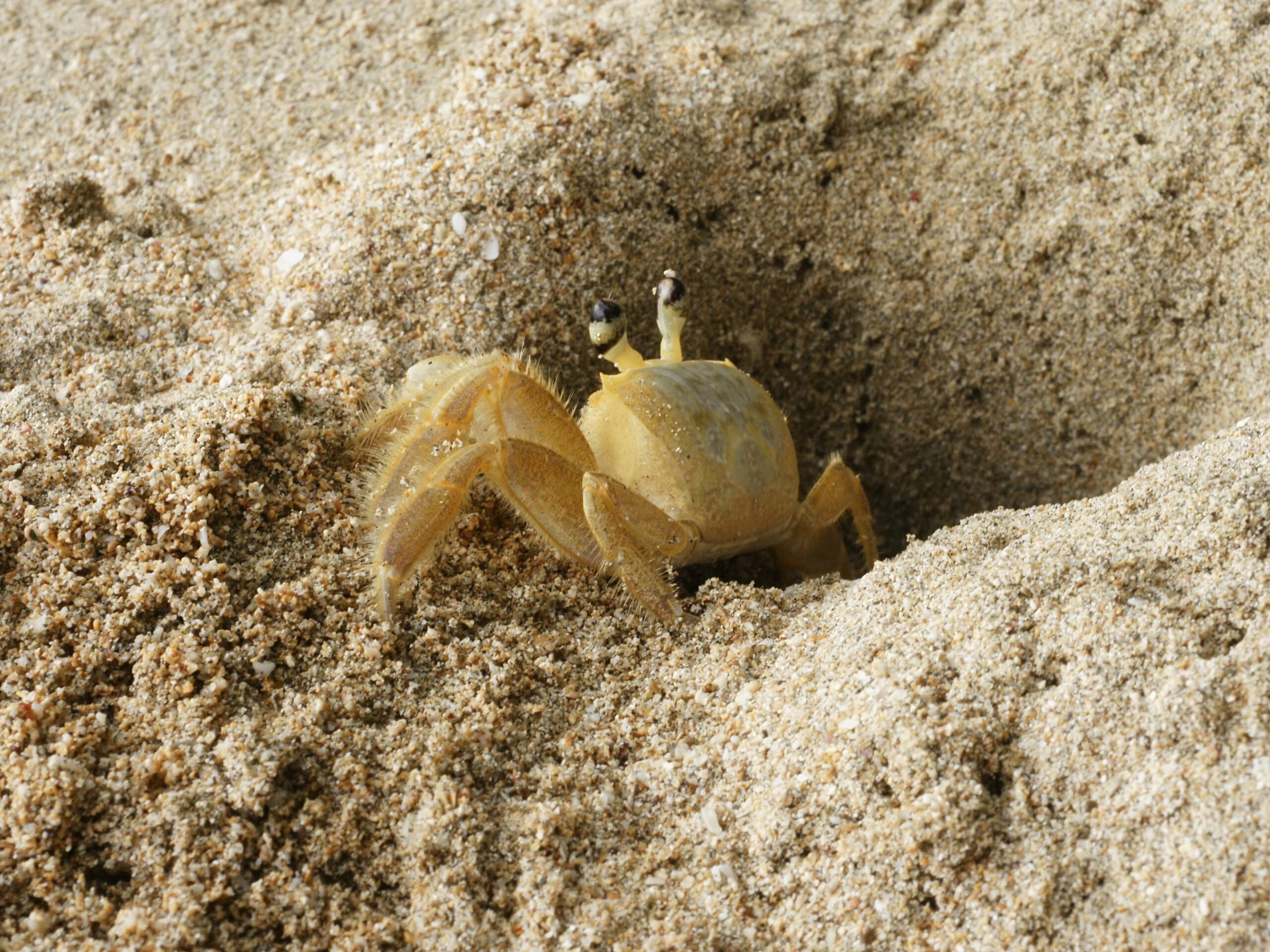
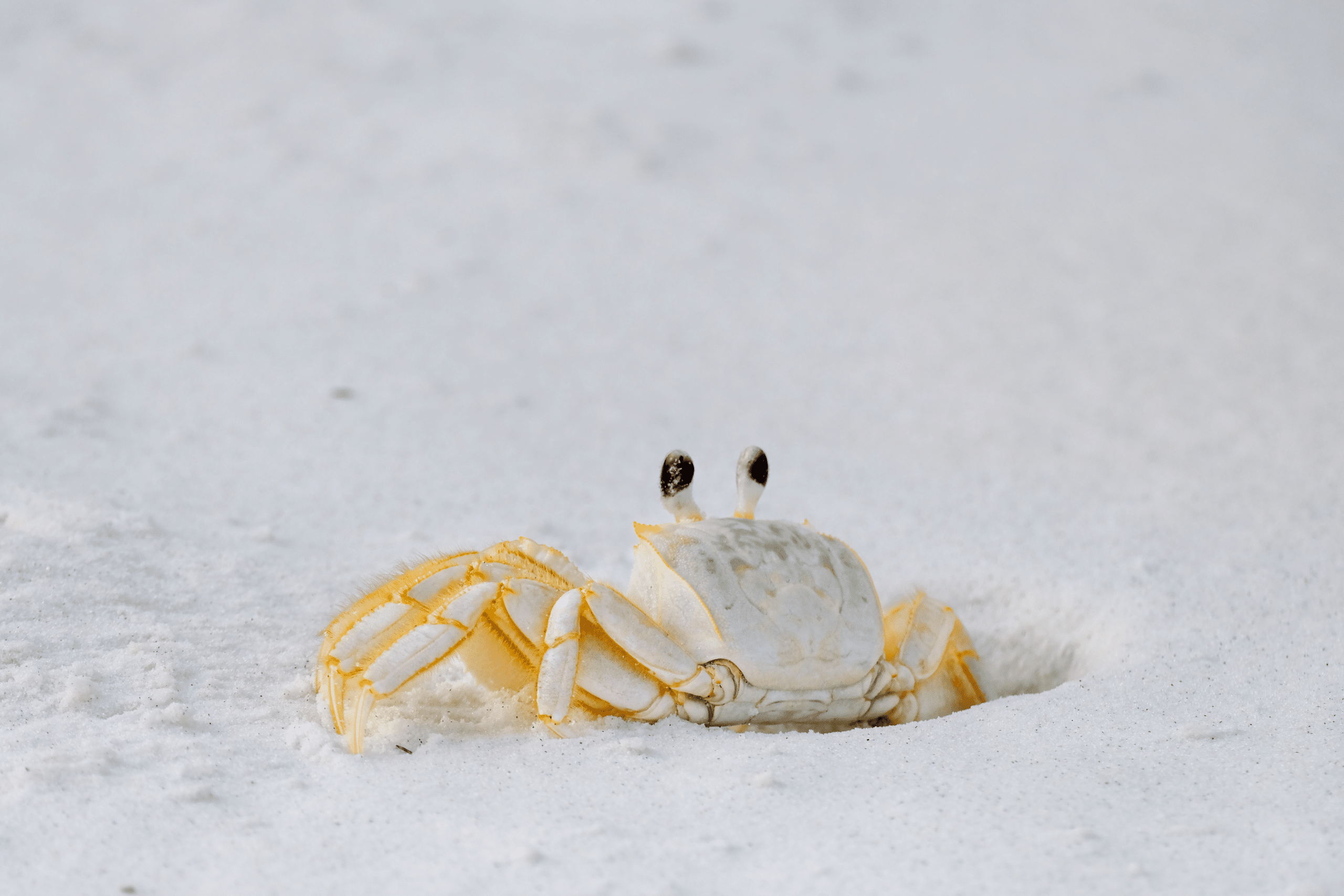
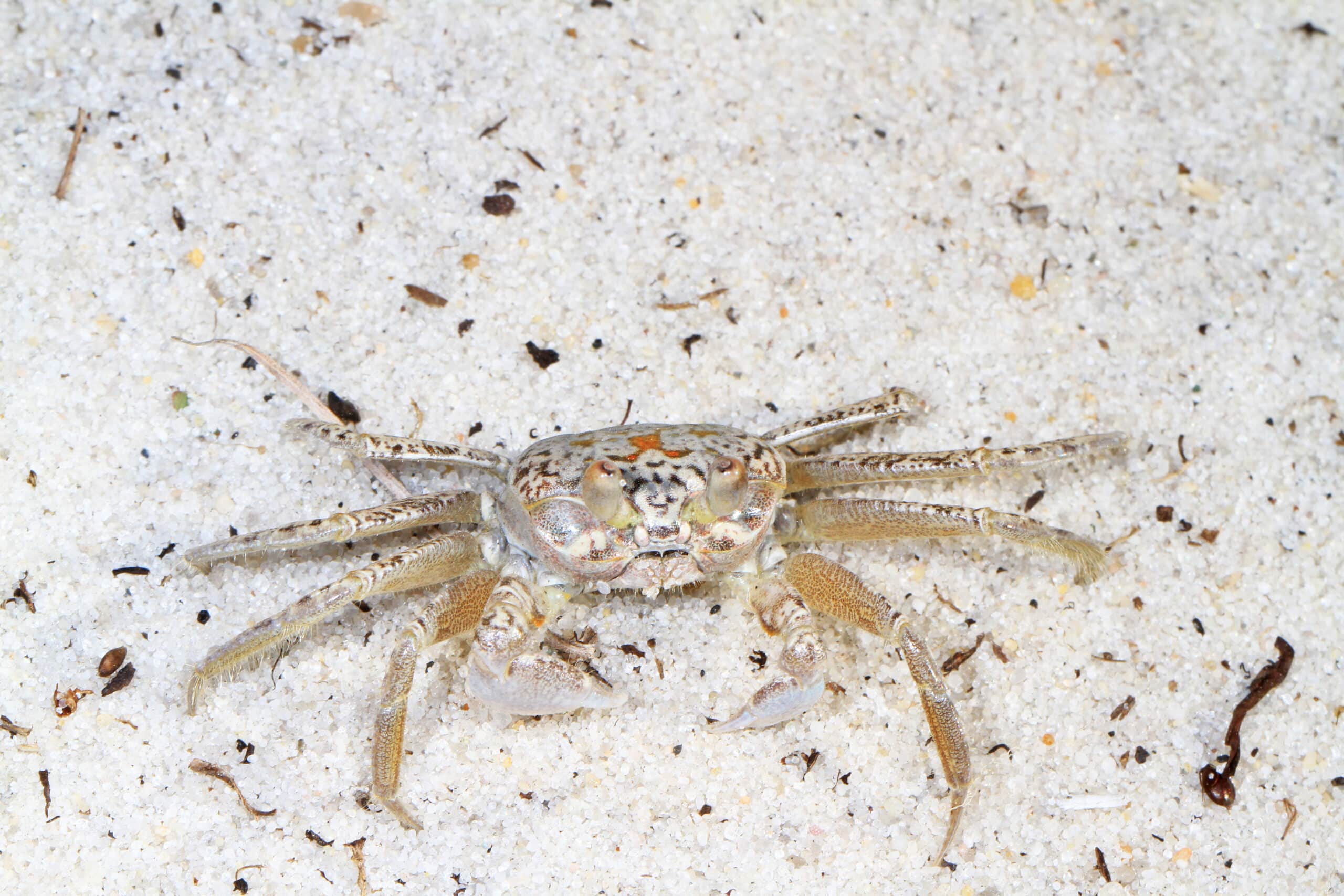
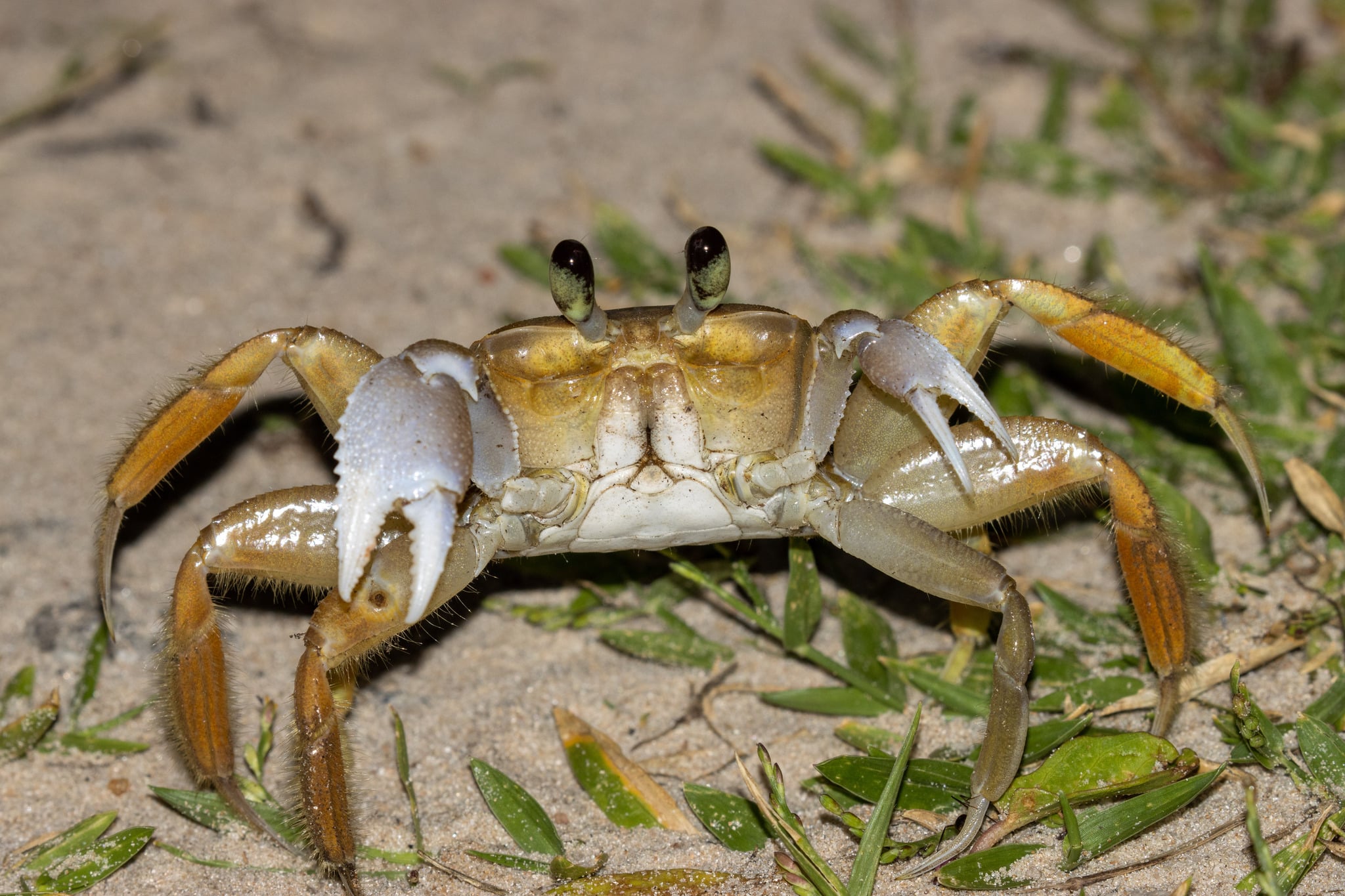
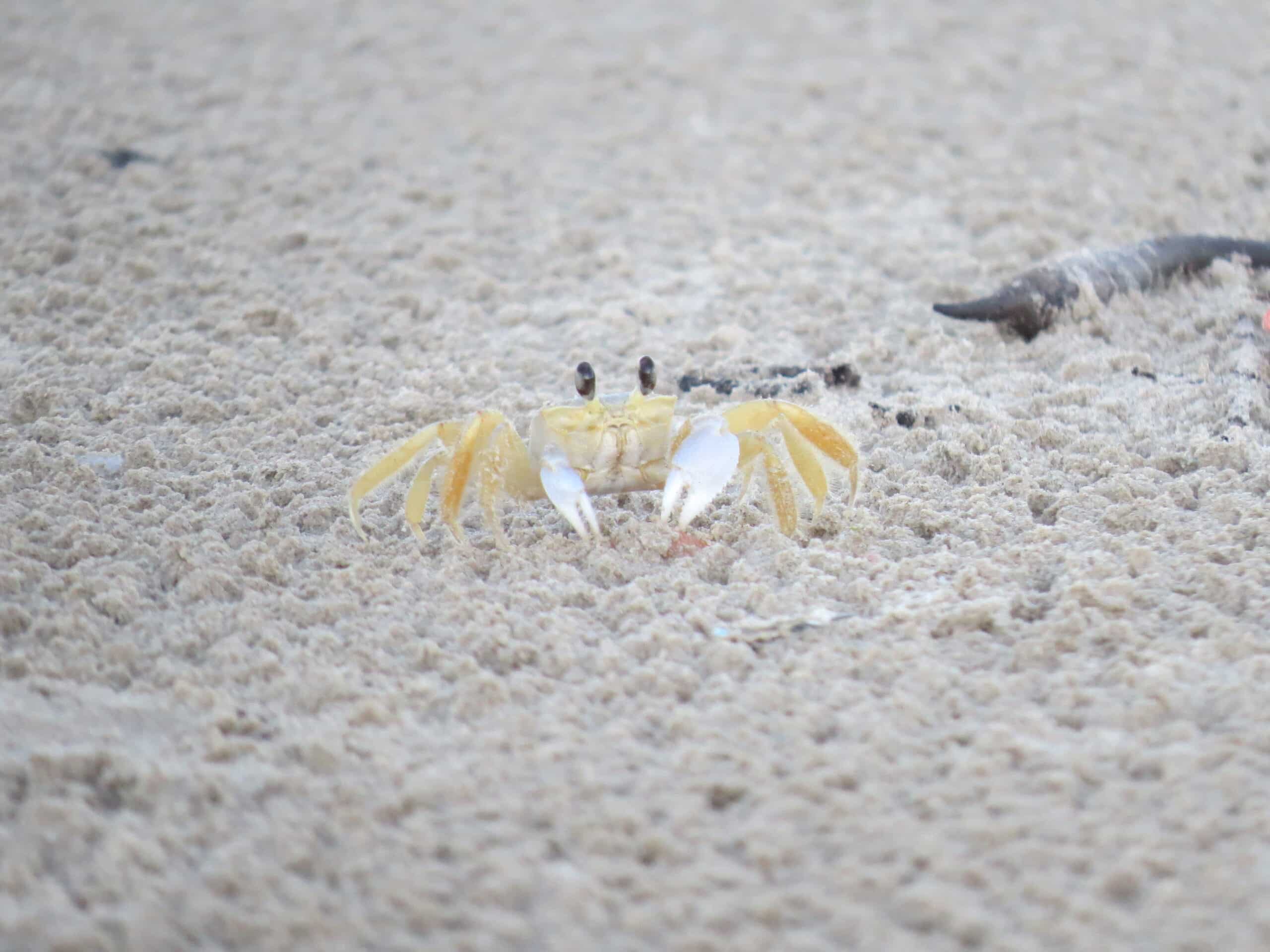
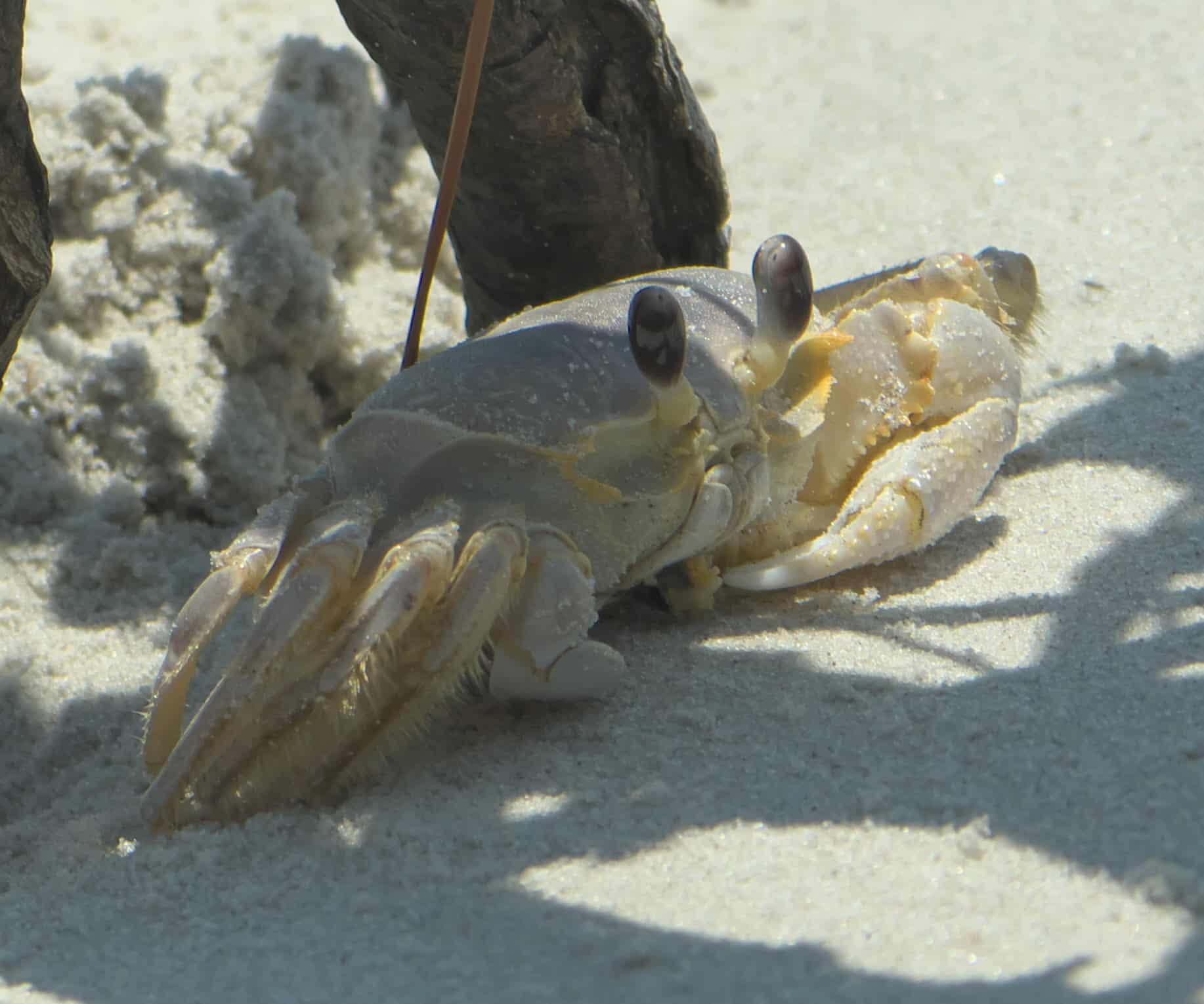
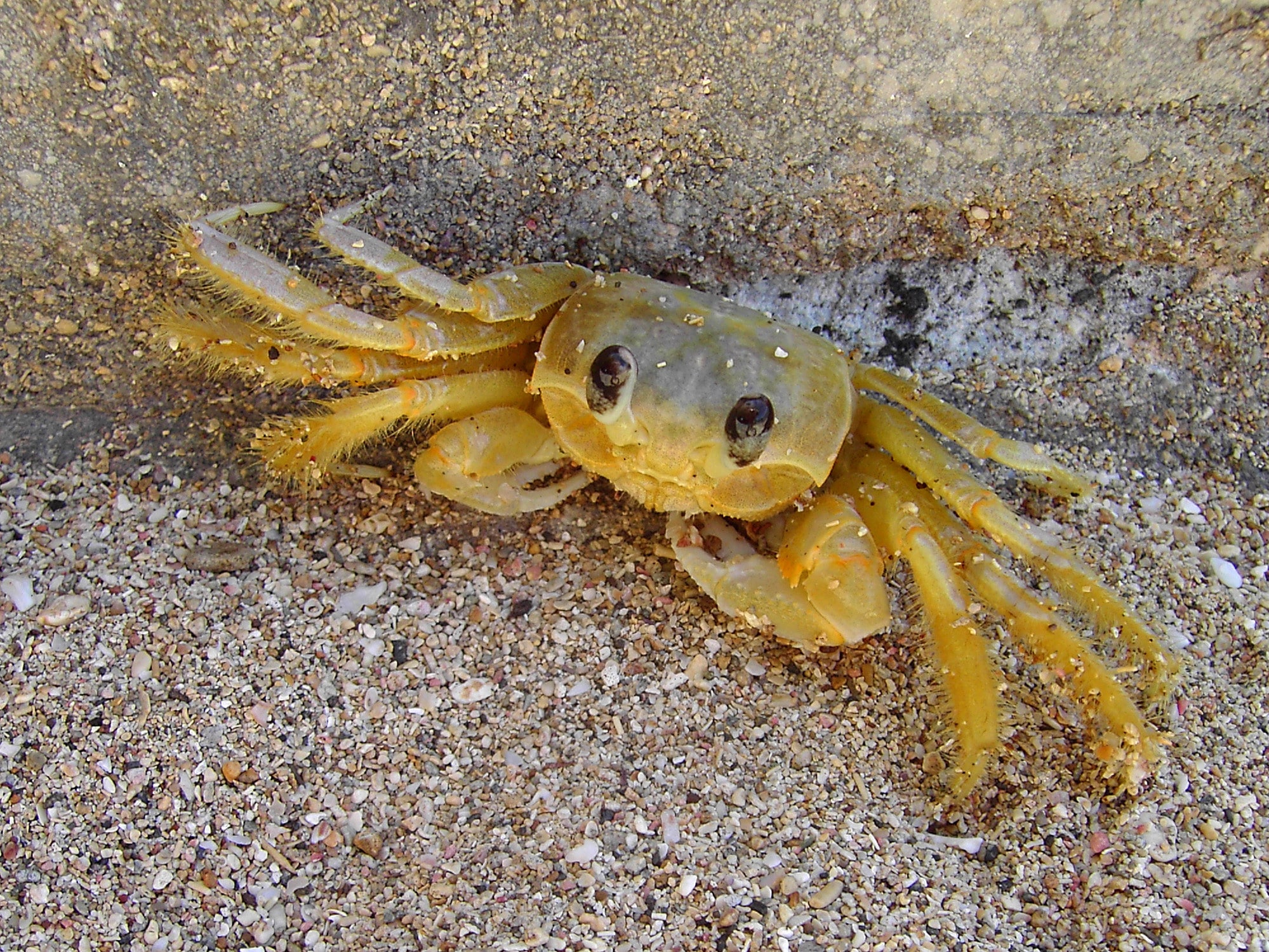
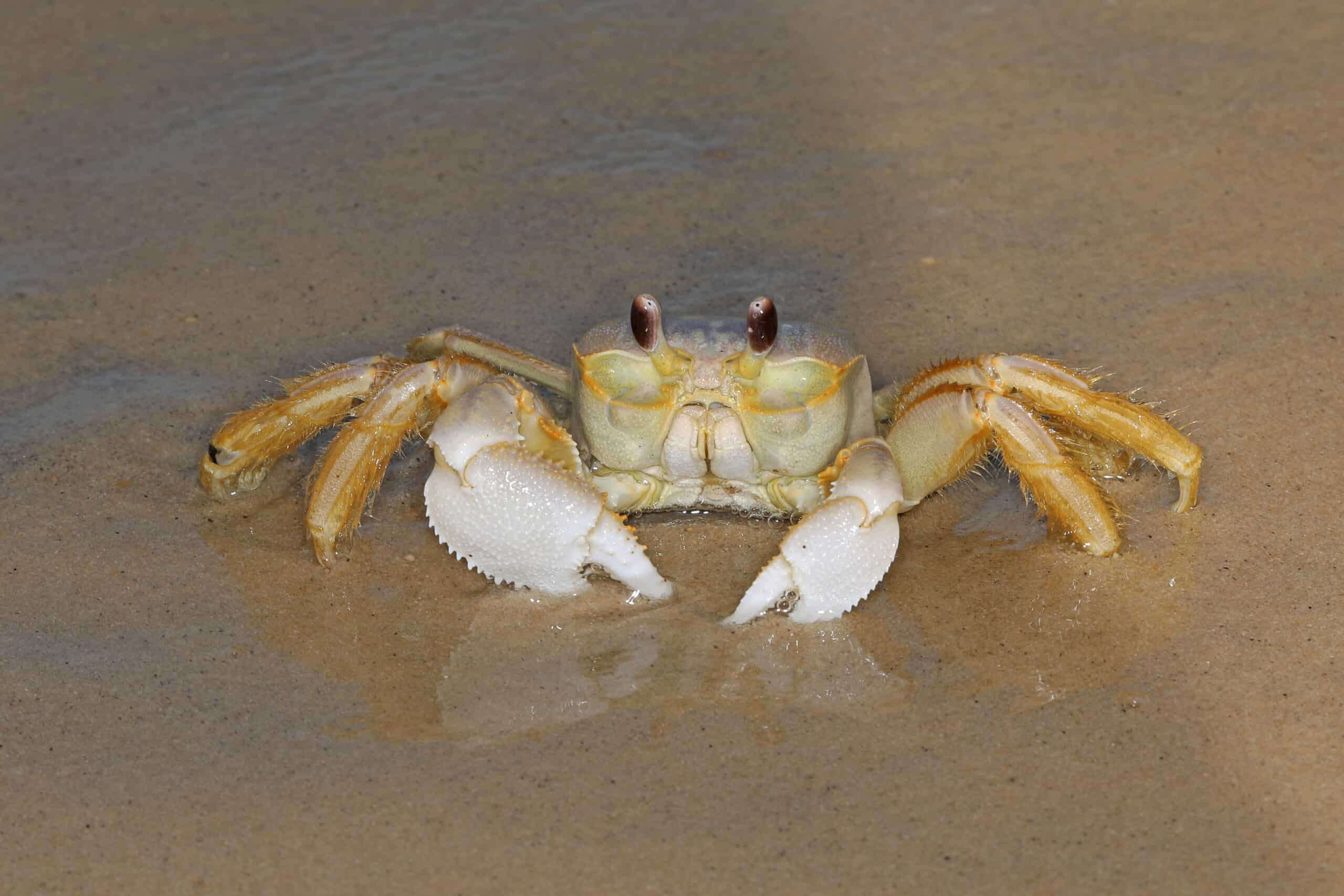
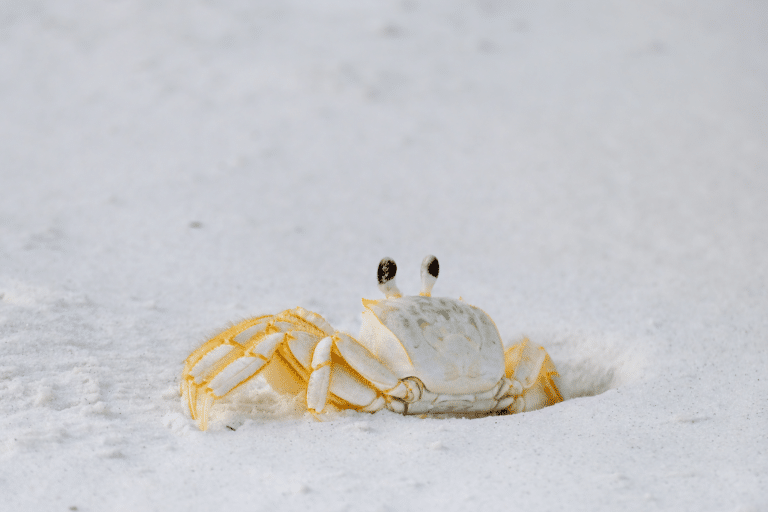
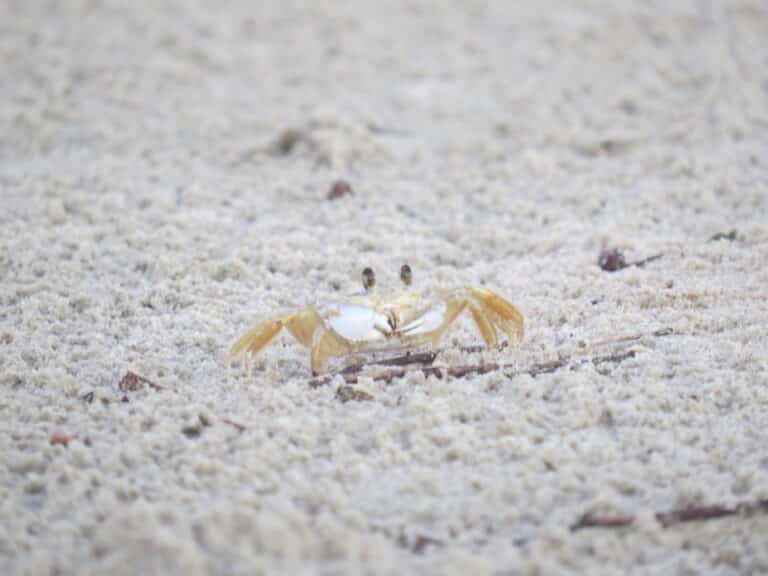
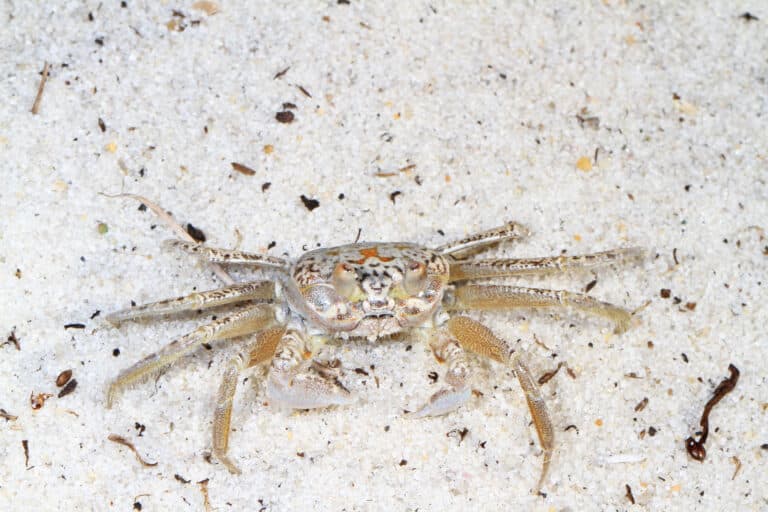
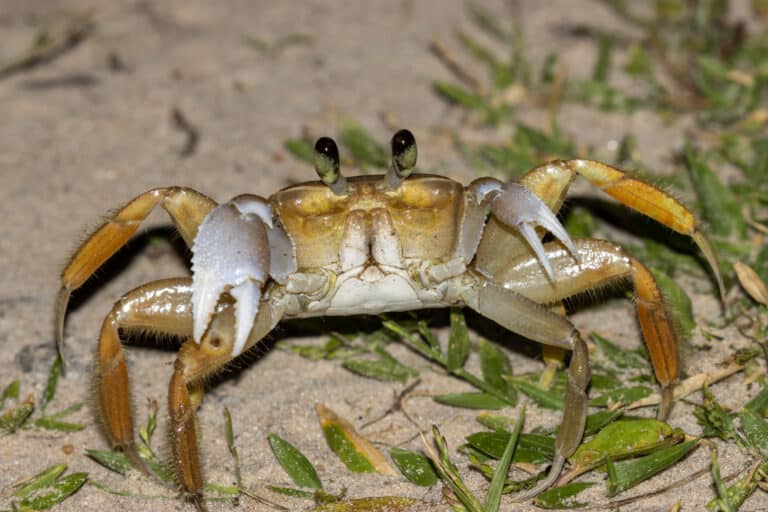
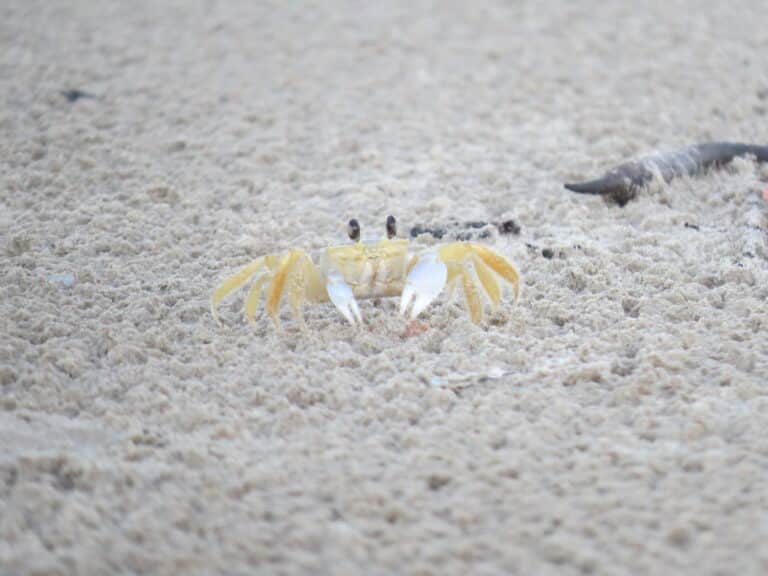
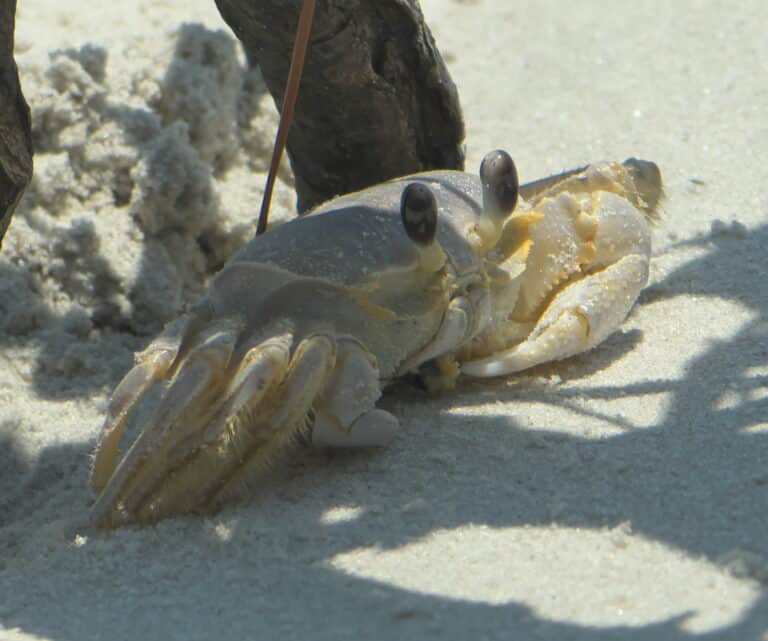
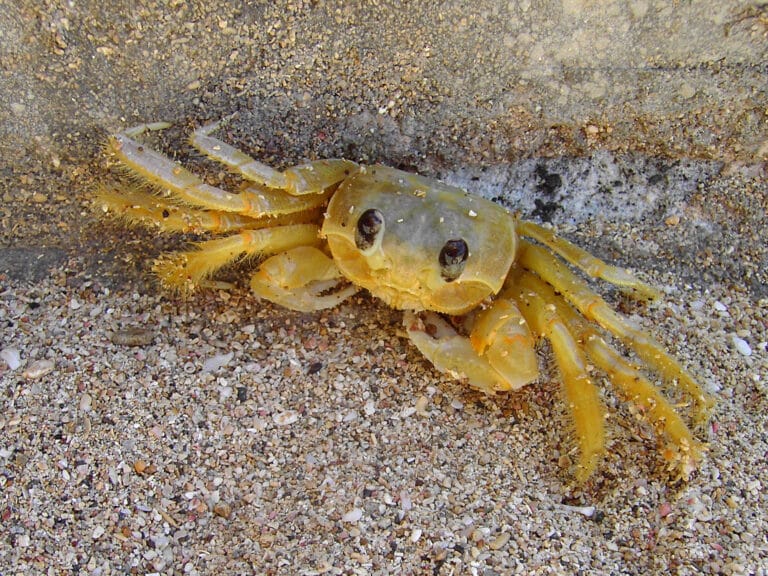
Ghost crabs are incredible little creatures that scuttle along sandy beaches and make you wonder where they came from! Their scientific name is Ocypode quadrata, and they belong to the group called Malacostraca in the animal kingdom.
These playful crustaceans typically measure between 1.5 to 2 inches wide. With their long legs, they can zoom across the sand like they are in a race, making beachgoers smile as they dash and hide!
Ghost crabs love to munch on a variety of tasty snacks! Their diet includes algae, detritus, and small animals, making them nature's clean-up crew while also enjoying a good meal at the same time!
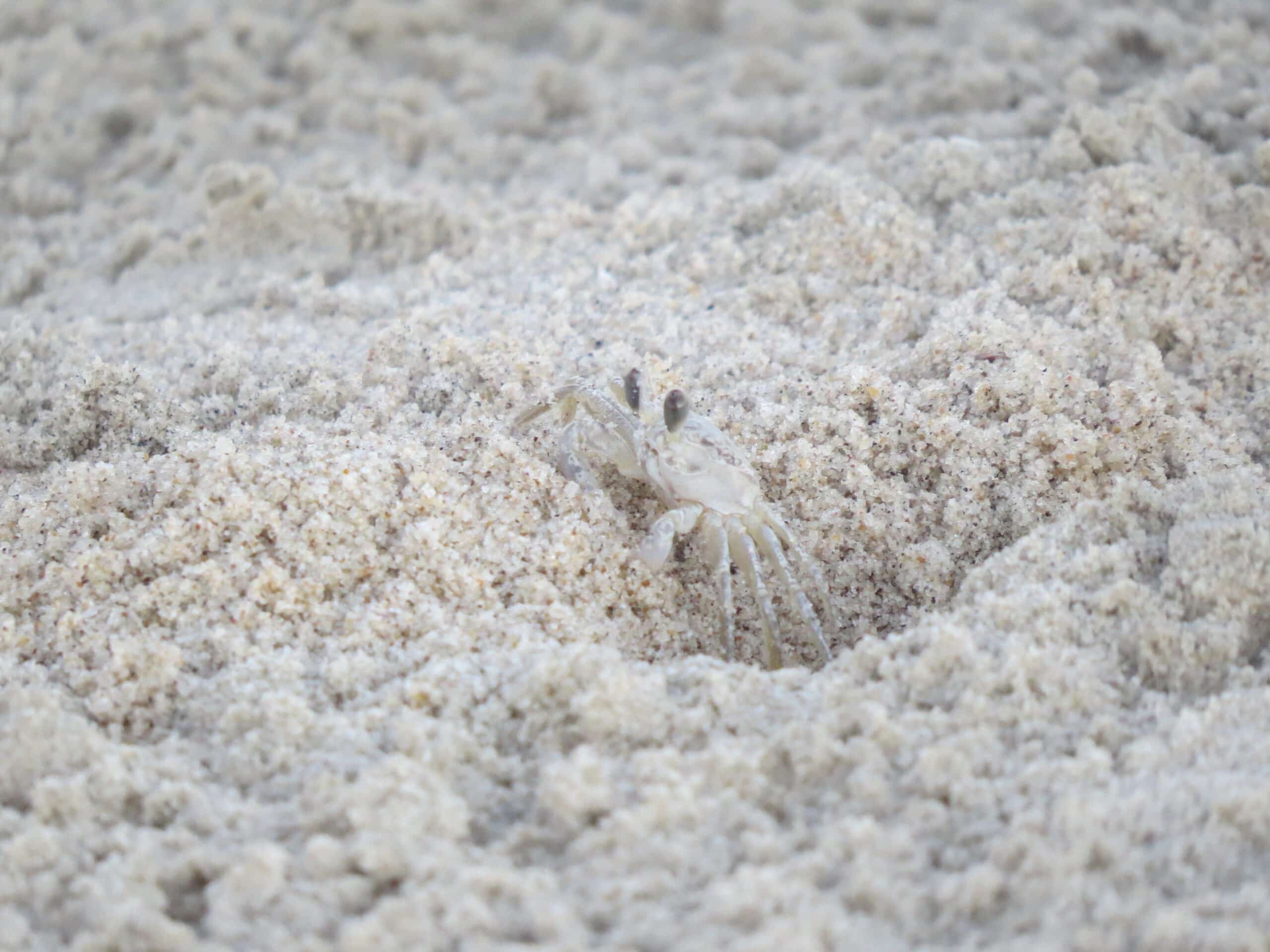
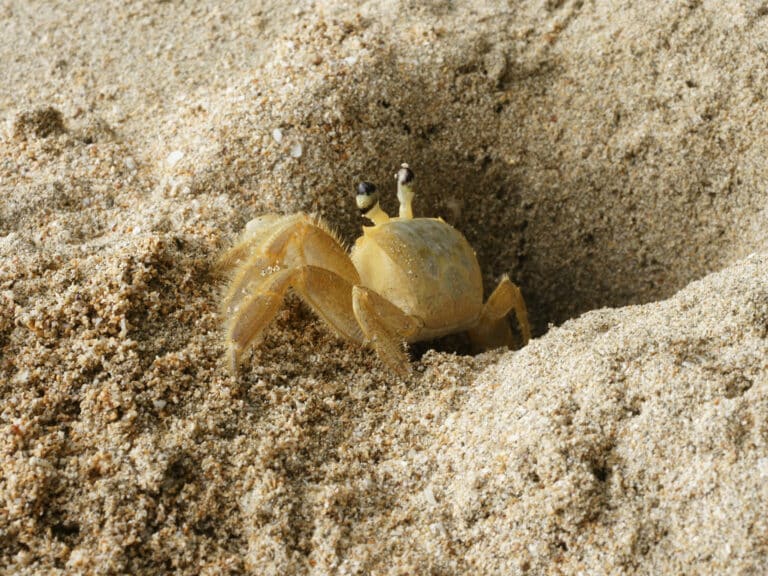
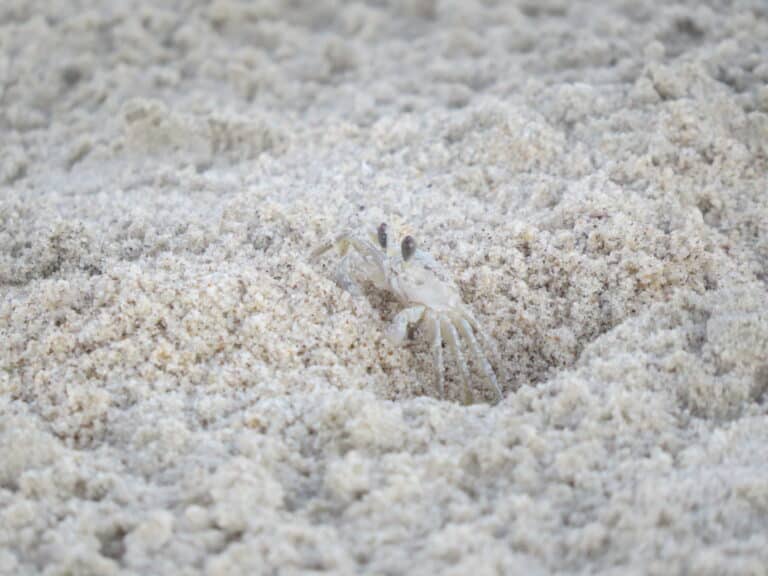
You can find ghost crabs mainly in oceans, where they dig burrows in the sand for shelter. They get their name because witnesses often spot them just before they vanish into a hole, like playful ghosts in the night!
These clever crabs have a lifespan of 3 to 4 years. They show their playful side as they engage in little dances on the beach, waving their claws like they are having a celebration!
So, if you're ever at the beach, look out for the ghost crab doing the crab walk and remember, there's a whole world of fascinating little creatures under your feet!

Where can you find a Ghost Crab in the wild?
What does a Ghost Crab eat?
How big can a Ghost Crab grow?
How long does a Ghost Crab typically live?
What is the conservation status of the Ghost Crab?
What are the main threats to the Ghost Crab?
Fun facts
Ghost crabs can sprint at speeds of up to 10 kilometers per hour (6.2 miles per hour), making them some of the fastest little critters on the beach!


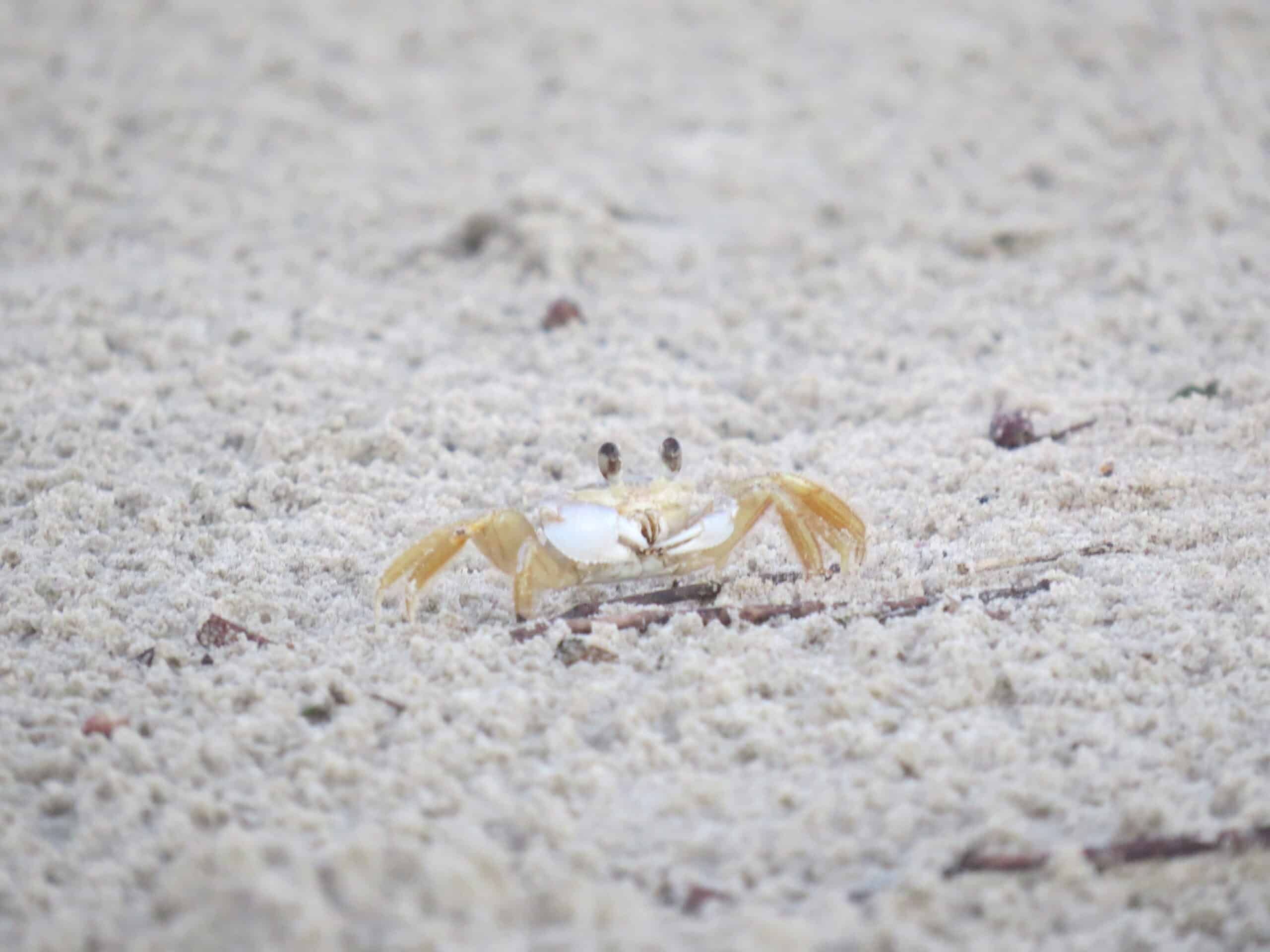
To communicate with each other, ghost crabs wave their claws in the air, performing a little dance that looks like they are trying to signal their friends from a distance.
These clever crustaceans can quickly change color to match their sandy surroundings, helping them blend in and dodge predators like a superhero wearing a disguise!
Ghost crabs build elaborate burrows that can be more than 1 meter (3.3 feet) deep, providing them with a cozy home and protection from the hot sun and curious predators.
These crabs play an essential role in the beach ecosystem by scavenging, which means they help clean up debris and recycle nutrients, making the beach a better place for all!
Ghost crabs have a unique way of eating - they often use their pincers to toss sand and silt, sifting through it to find tasty bits hiding underneath!
During their courting rituals, male ghost crabs impress females by showing off their size, waving their big claws around like they are in an intense arm wrestling match!
A group of ghost crabs is called a 'cast', and when they gather together, it looks like a sandy dance party where everyone is having a great time!
Ghost crabs have compound eyes that provide them with a 360-degree view. This helps them spot potential predators without turning their heads!
When ghost crabs feel threatened, they do not just run away; they also play dead for a moment, hoping that their attacker will lose interest in their crabby antics!
Photos

The Basics


explore more
Amphibians
Arachnids
Birds
Cats
Crustaceans
Fish
Fish Pet Guide
Gastropods
Insects
Invertebrates
Mammals
Pet Fish
Pet Rodents
Plants
Reptiles
Roundworms
Sea Slugs