
Successfully copied to clipboard!
Giant Clam
Uncover the ocean's gentle giants with colorful shells!
Let’s Explore
Overview
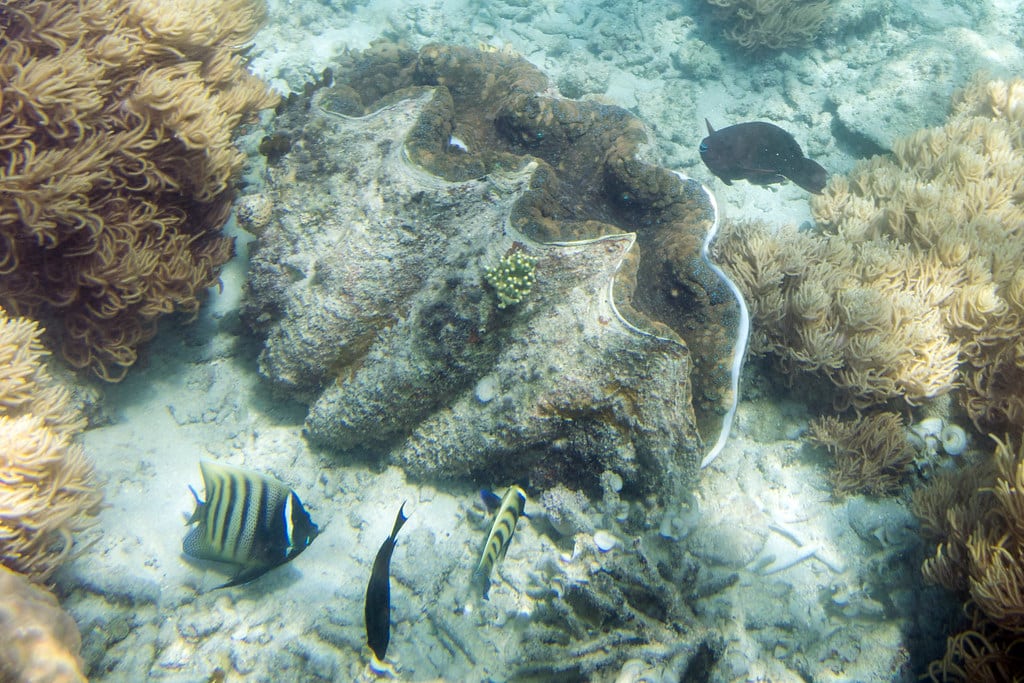
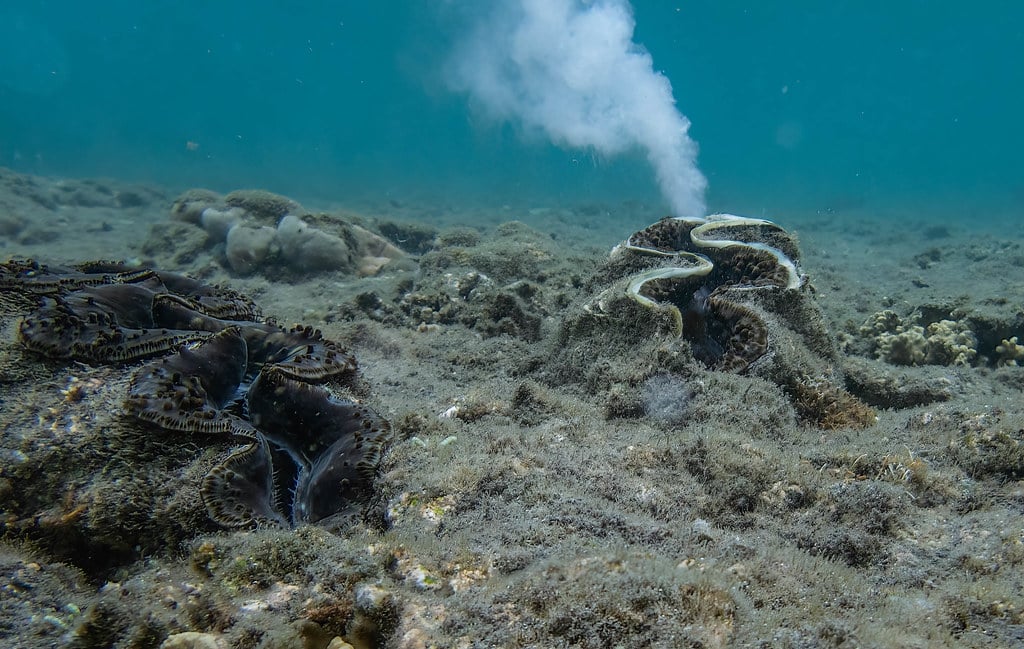
The Giant Clam is one of the largest living mollusks in the ocean, reaching an average size of about 1.2 meters (4 feet) in length. This impressive invertebrate belongs to the Bivalvia class, which means it has a two-part shell that protects its soft body inside.
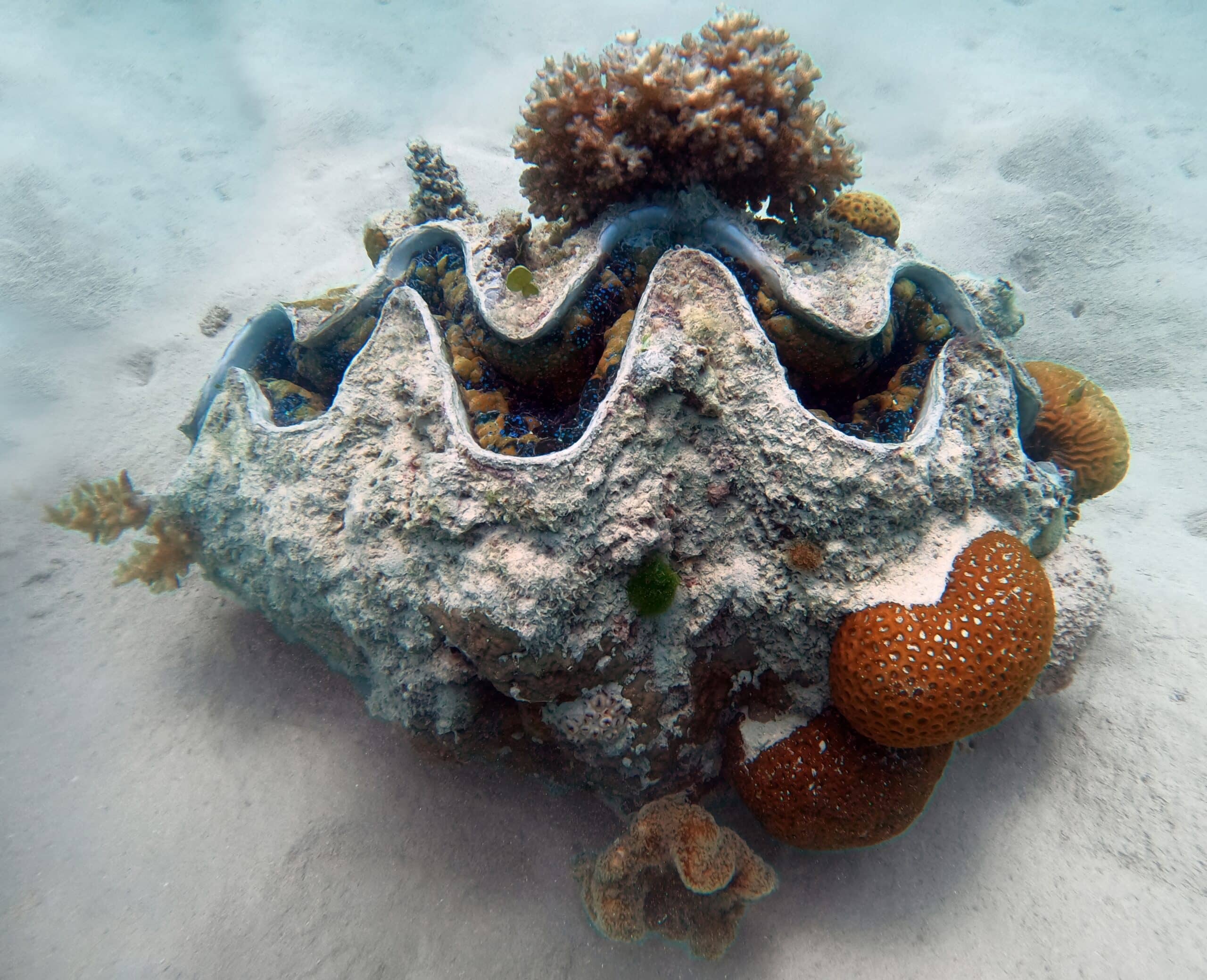
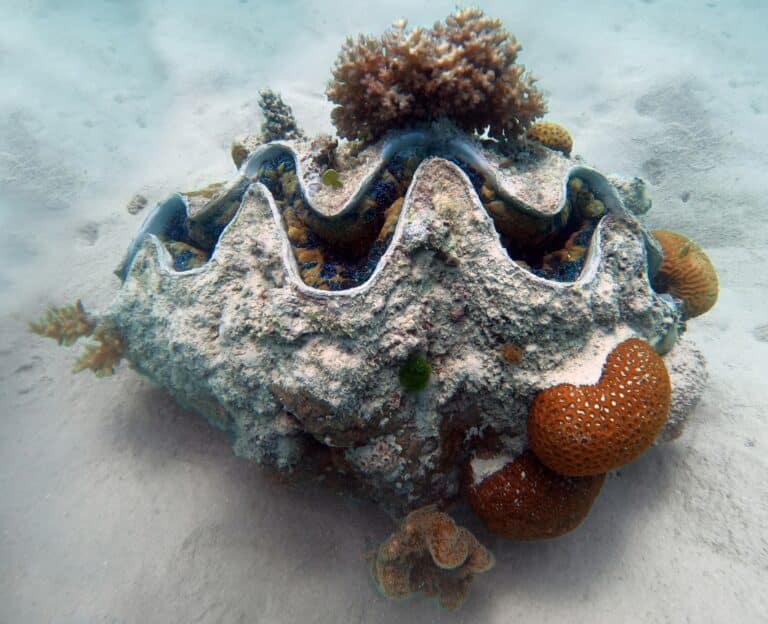
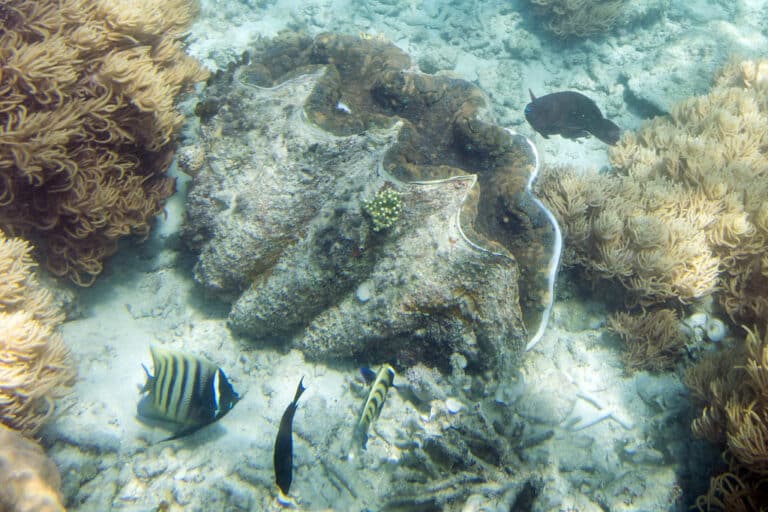
Giant Clams spend their lives in warm coastal waters, often nestled on coral reefs. They open their enormous shells to bask in sunlight, allowing special algae called zooxanthellae to live inside them. This friendly algae helps the clam by providing energy through photosynthesis, making the clam quite the green machine!
These clams have a remarkable lifespan, living up to 100 years or more. Just think of all the birthday parties a Giant Clam could celebrate in its life! Their strength and size make them a real superstar of the underwater world.
Giant Clams love to munch on a diet of algae and tiny floating creatures known as plankton. Their gills filter the water, letting them capture their food like nature's very own vacuum cleaner!
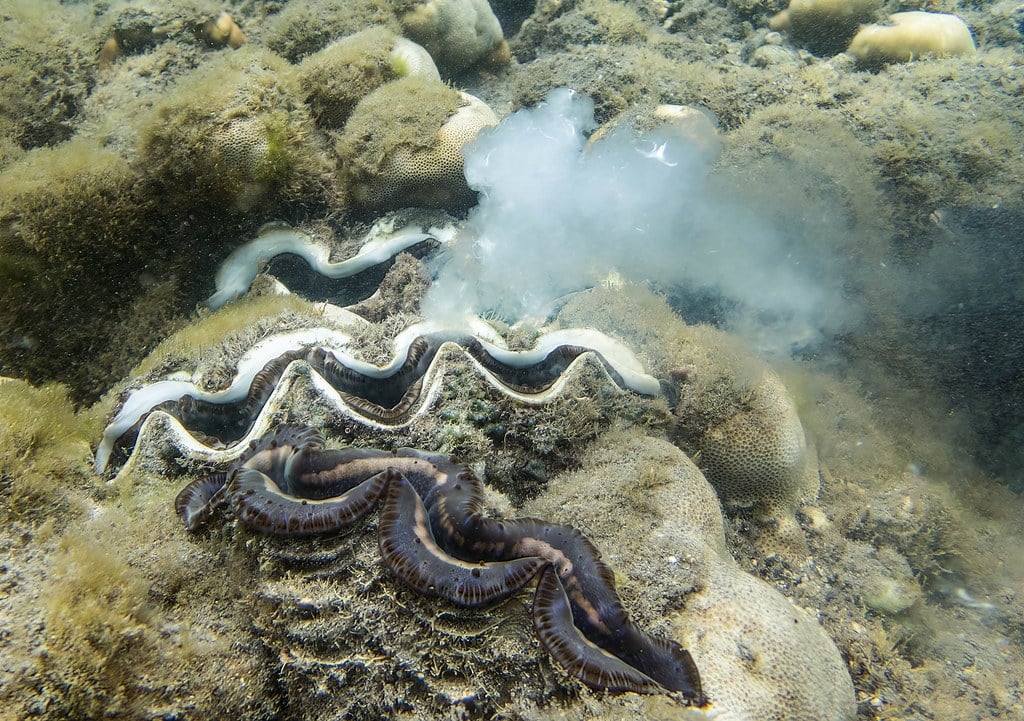
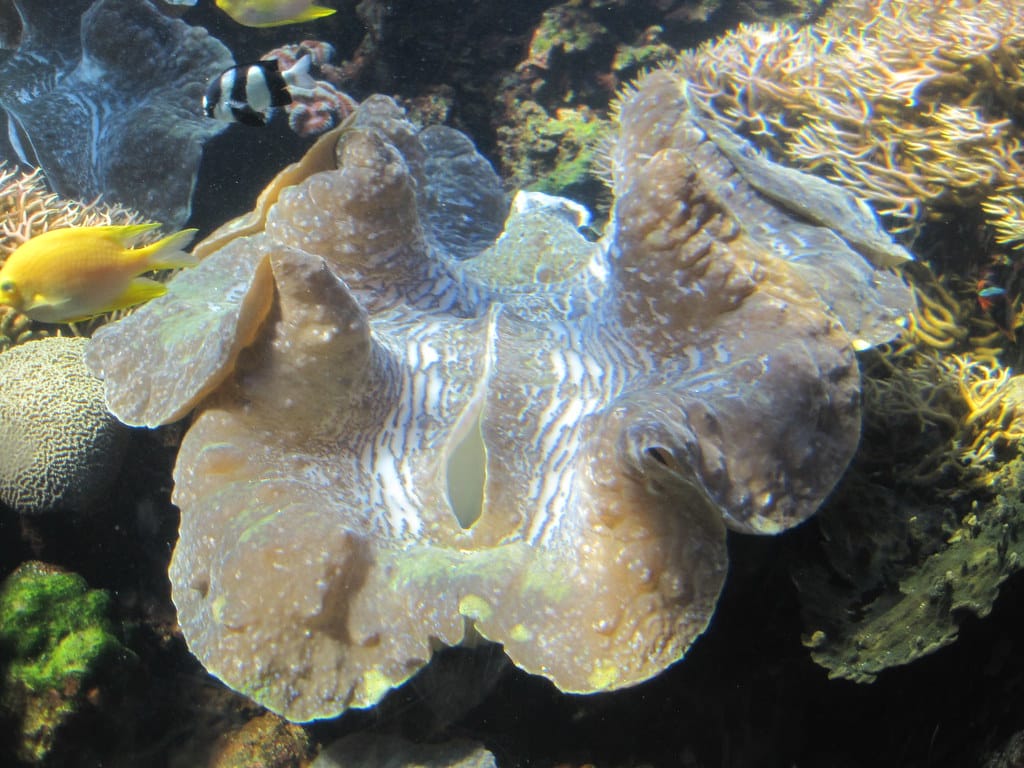
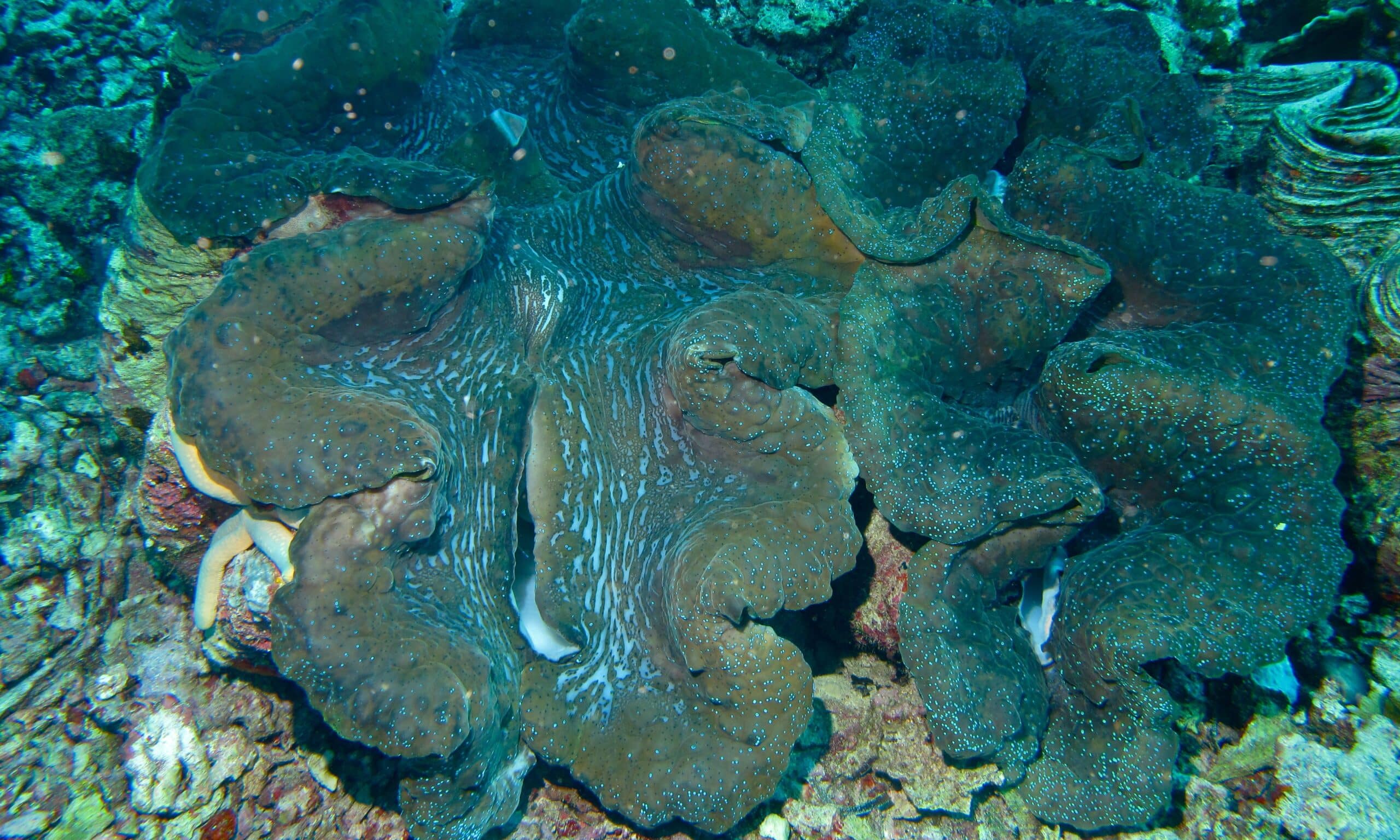
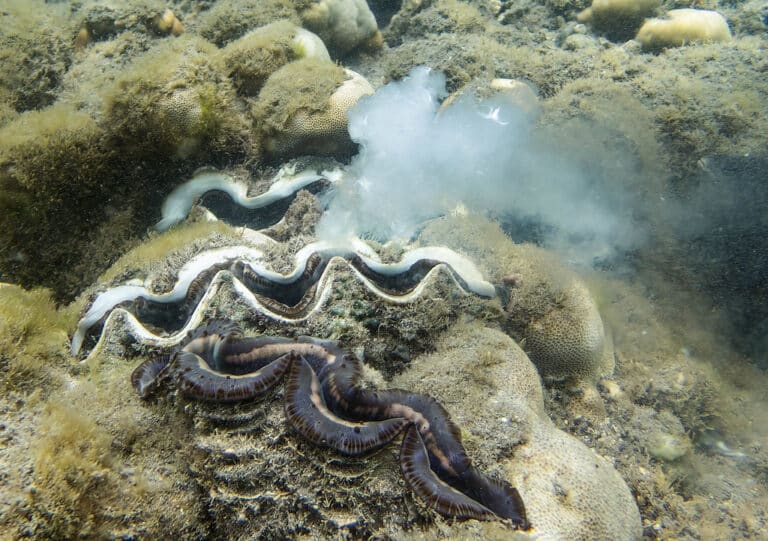
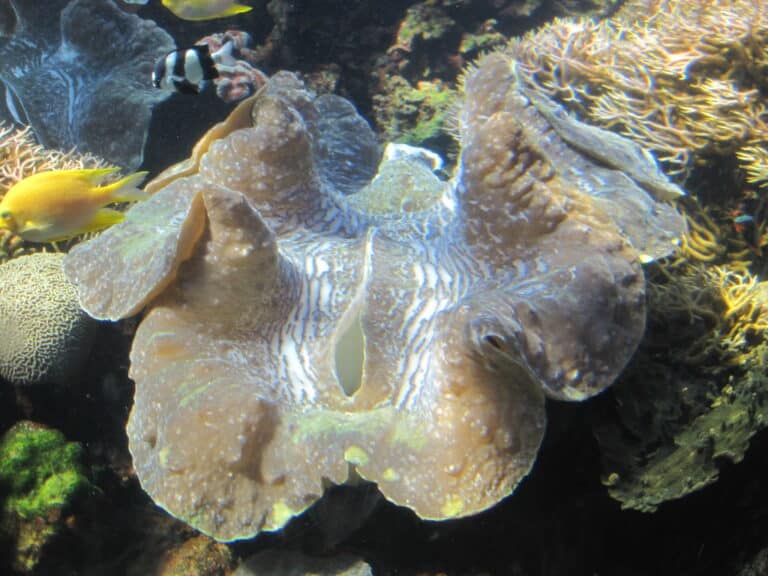
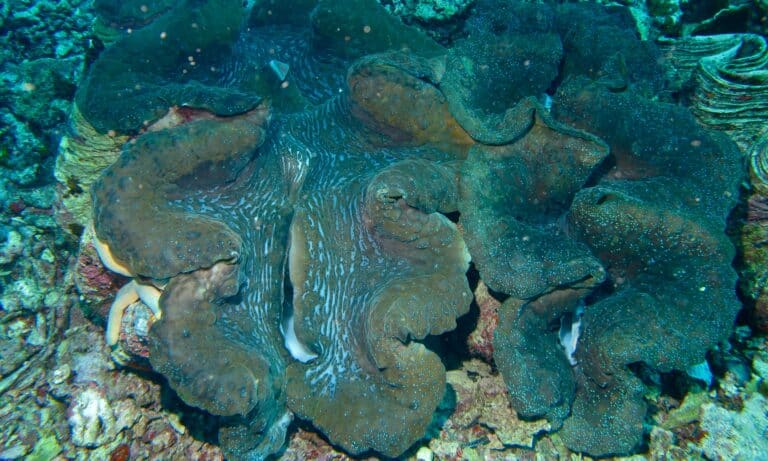
Besides their size and longevity, Giant Clams are known for their beautiful, colorful shells, which can range from blue to green to brown. These vibrant shells can attract the attention of divers and underwater photographers, making them a must-see for ocean enthusiasts!
With their fascinating biology and importance in coral reef ecosystems, Giant Clams are truly a marvel of the marine world. They prove that sometimes, bigger really is better, especially when it comes to clams!

Where can you find a Giant Clam in the wild?
What does a Giant Clam eat?
How big can a Giant Clam grow?
How long does a Giant Clam typically live?
What is the conservation status of the Giant Clam?
What are the main threats to the Giant Clam?
Fun facts
Giant Clams can weigh as much as a small car, with some individuals reaching over 200 kilograms (440 pounds)!


These clams can live for up to 100 years, celebrating birthdays underwater while growing larger each year.
Giant Clams are like nature’s green machines. They grow special algae inside their bodies called zooxanthellae that helps them make food through sunlight!
Some Giant Clams can display bright colors like blue, green, and purple. Their colorful shells attract divers and photographers looking for stunning underwater pictures.
When Giant Clams open their shells, they can filter up to 200 liters (53 gallons) of water every day, acting like giant vacuum cleaners of the ocean!
Even though they look tough, young Giant Clams are tiny and vulnerable. They must hide from hungry fish and sea turtles until they grow strong and big enough to protect themselves.
A Giant Clam can sense light and even respond by opening or closing its shell. This helps them adjust to sunlight levels for their algae friends inside!
Sometimes, Giant Clams team up with tiny fish like clownfish. These fish help clean the clam’s shell while getting protection in return!
Giant Clams have a mouth located in the middle of their bodies, but they do not have a tongue or teeth. They trap their food using a sticky layer inside their shells instead.
Some believe that Giant Clams can be up to 300 years old! These epic clams would have seen so many changes in the ocean over their long, fascinating lives.
Photos



The Basics


explore more
Amphibians
Arachnids
Birds
Cats
Crustaceans
Fish
Fish Pet Guide
Gastropods
Insects
Invertebrates
Mammals
Pet Fish
Pet Rodents
Plants
Reptiles
Roundworms
Sea Slugs