Successfully copied to clipboard!
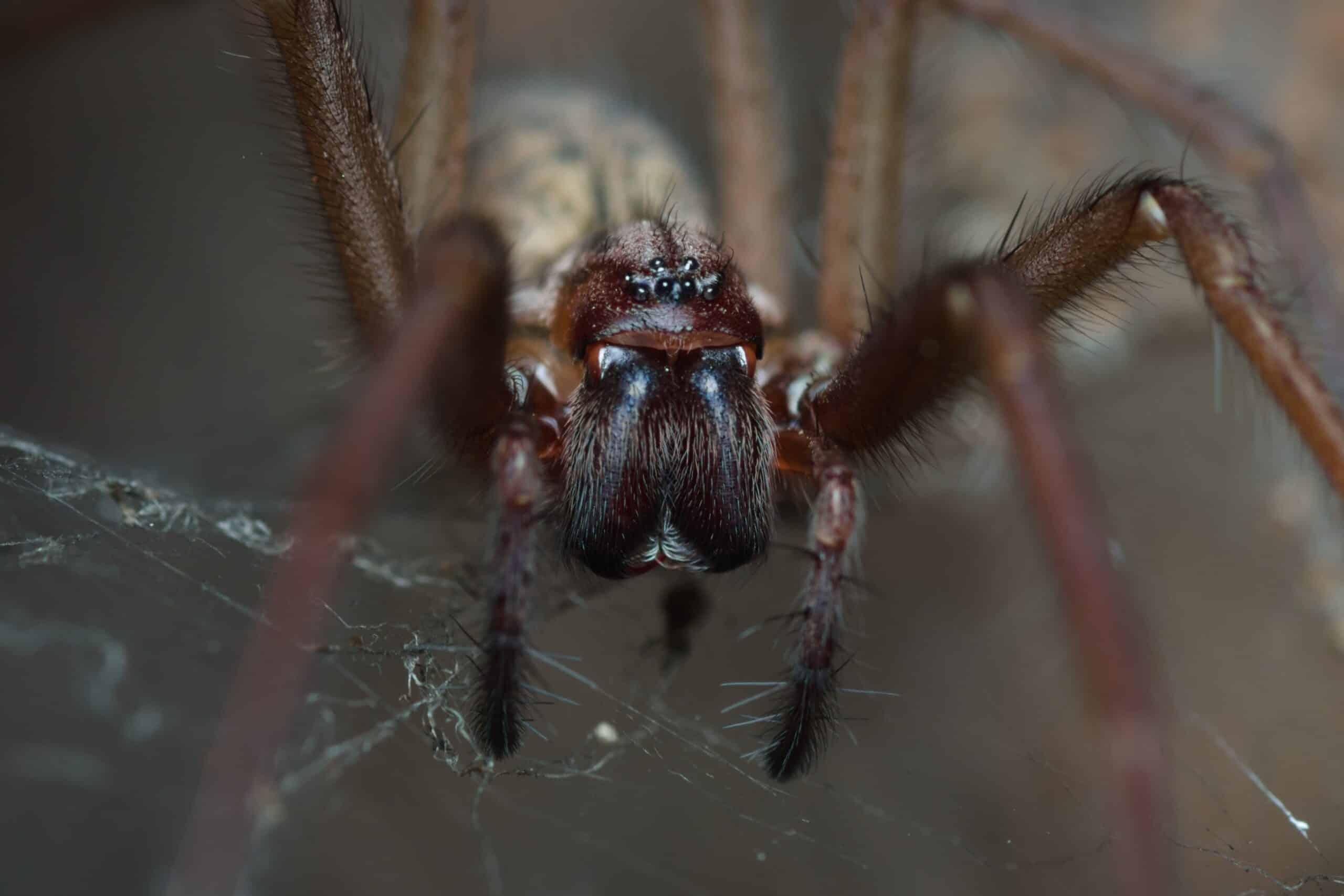
Giant House Spider
Meet the tiny heroes that spin magic in our homes!
Let’s Explore
Overview
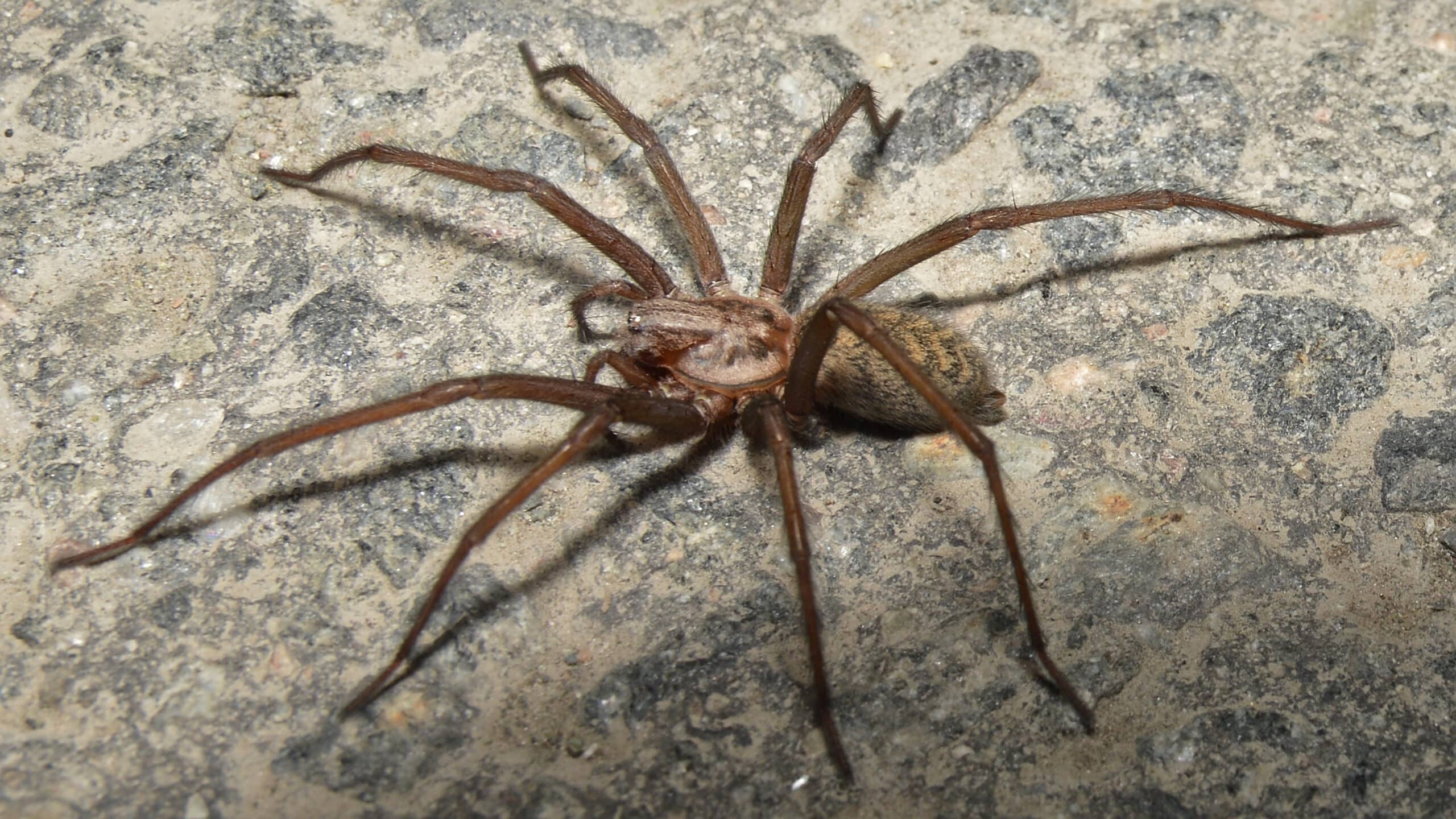
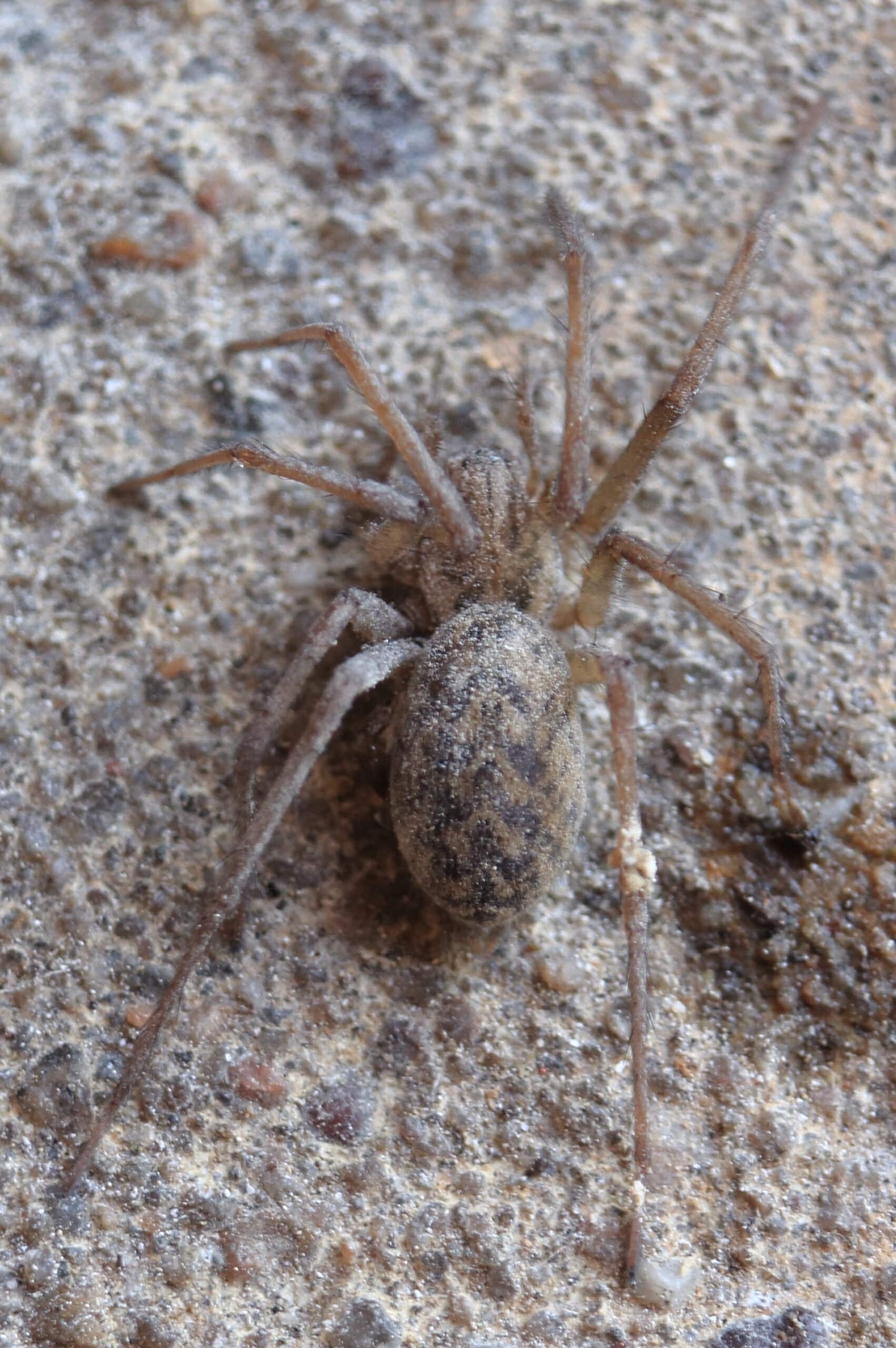
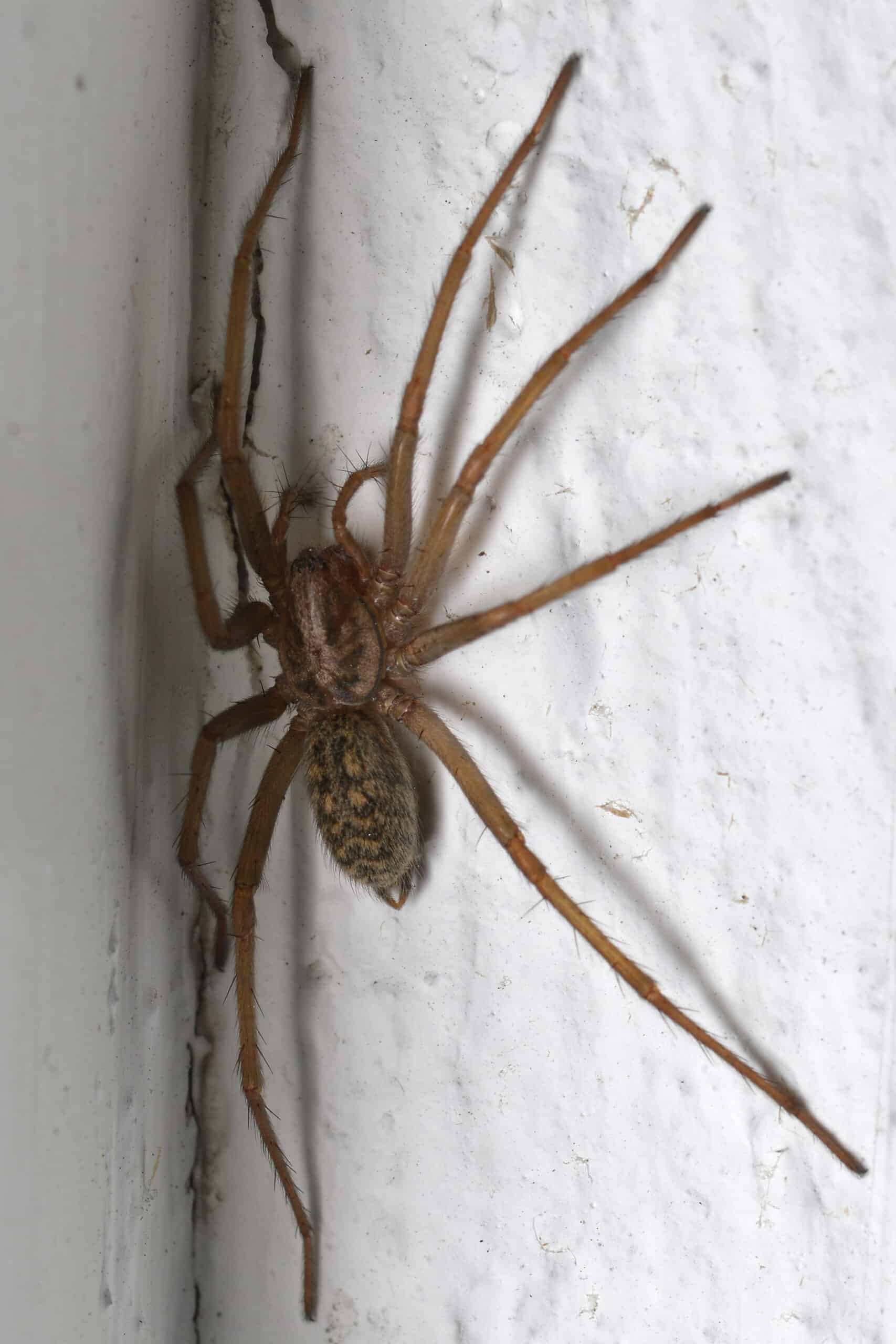
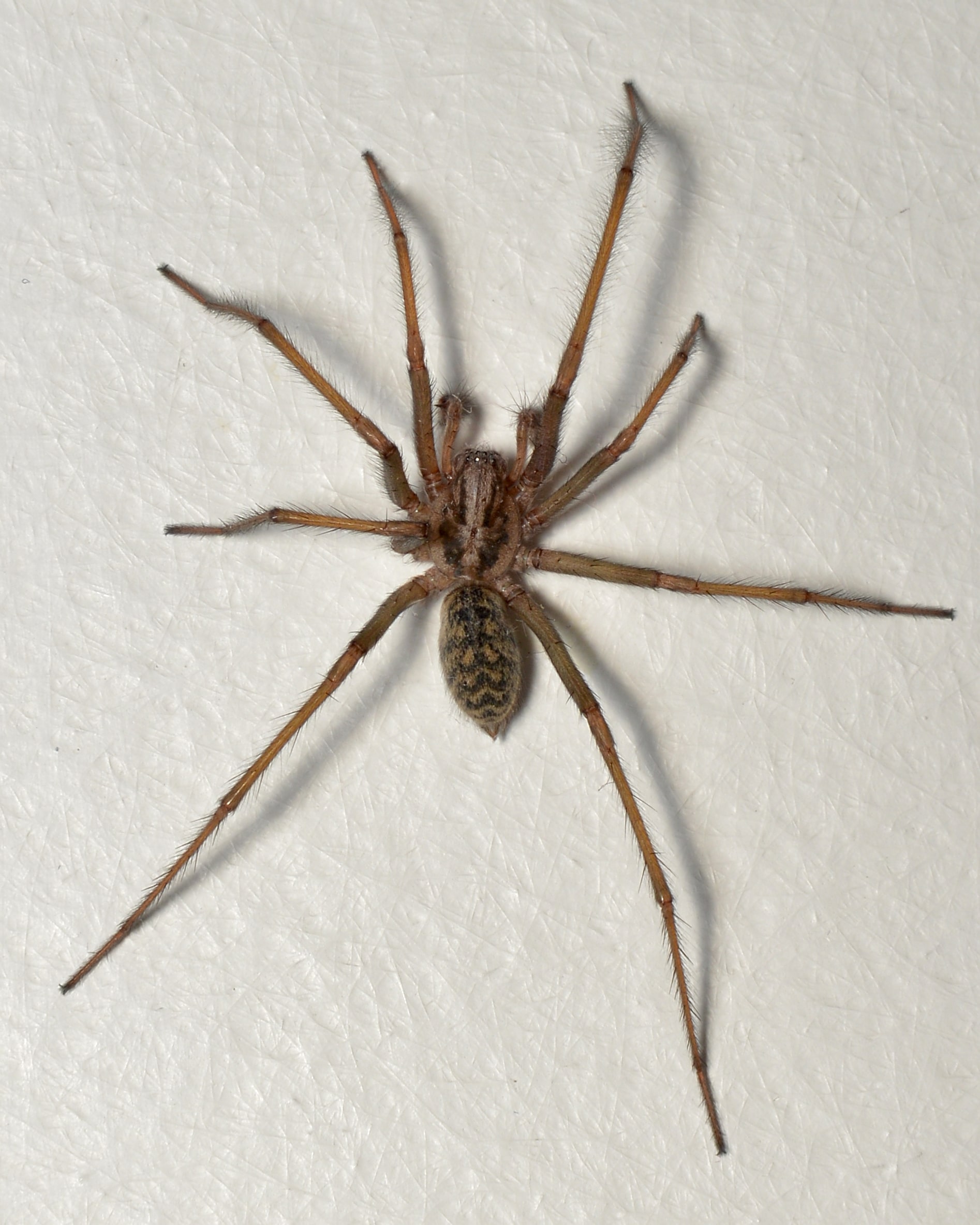
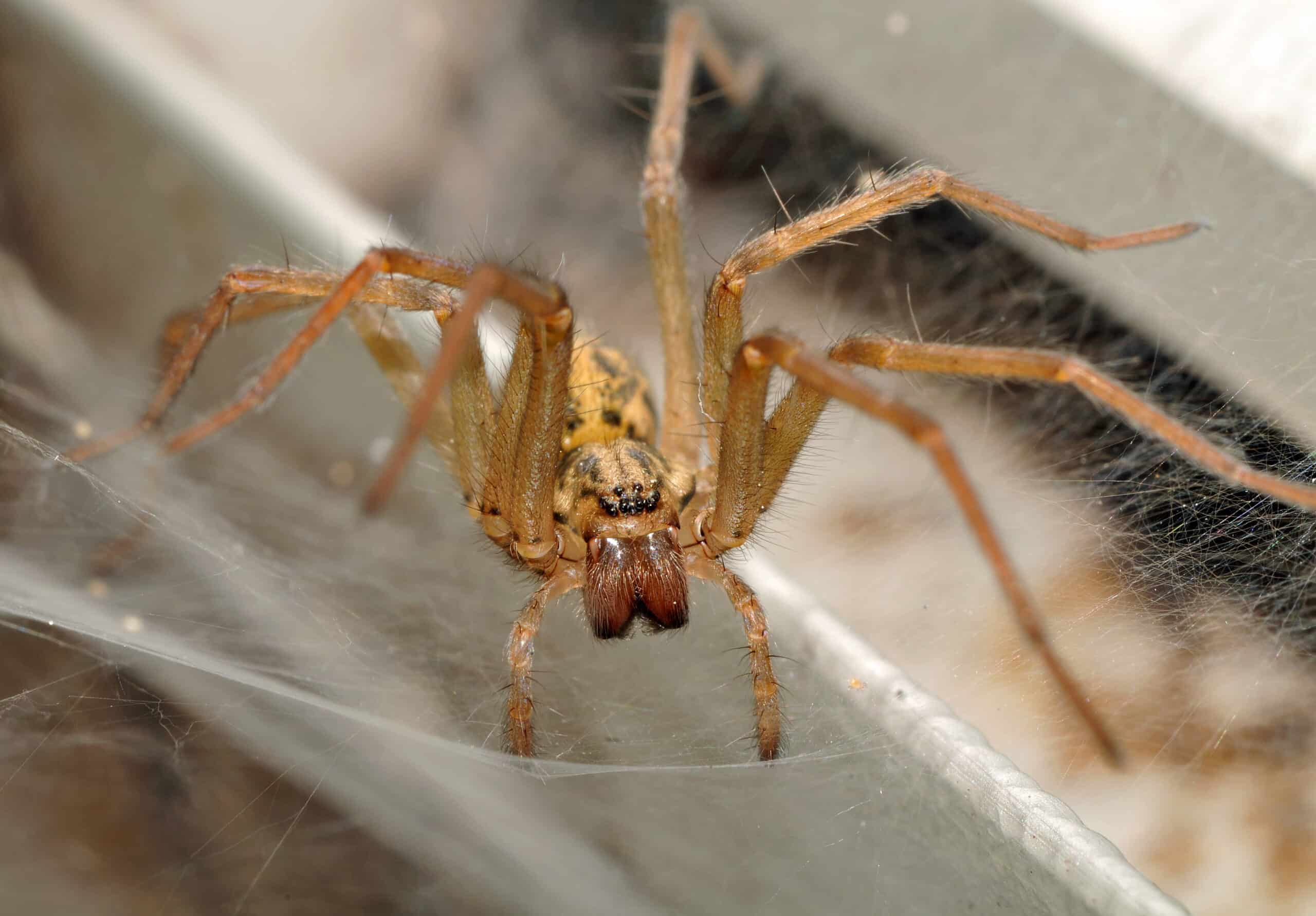
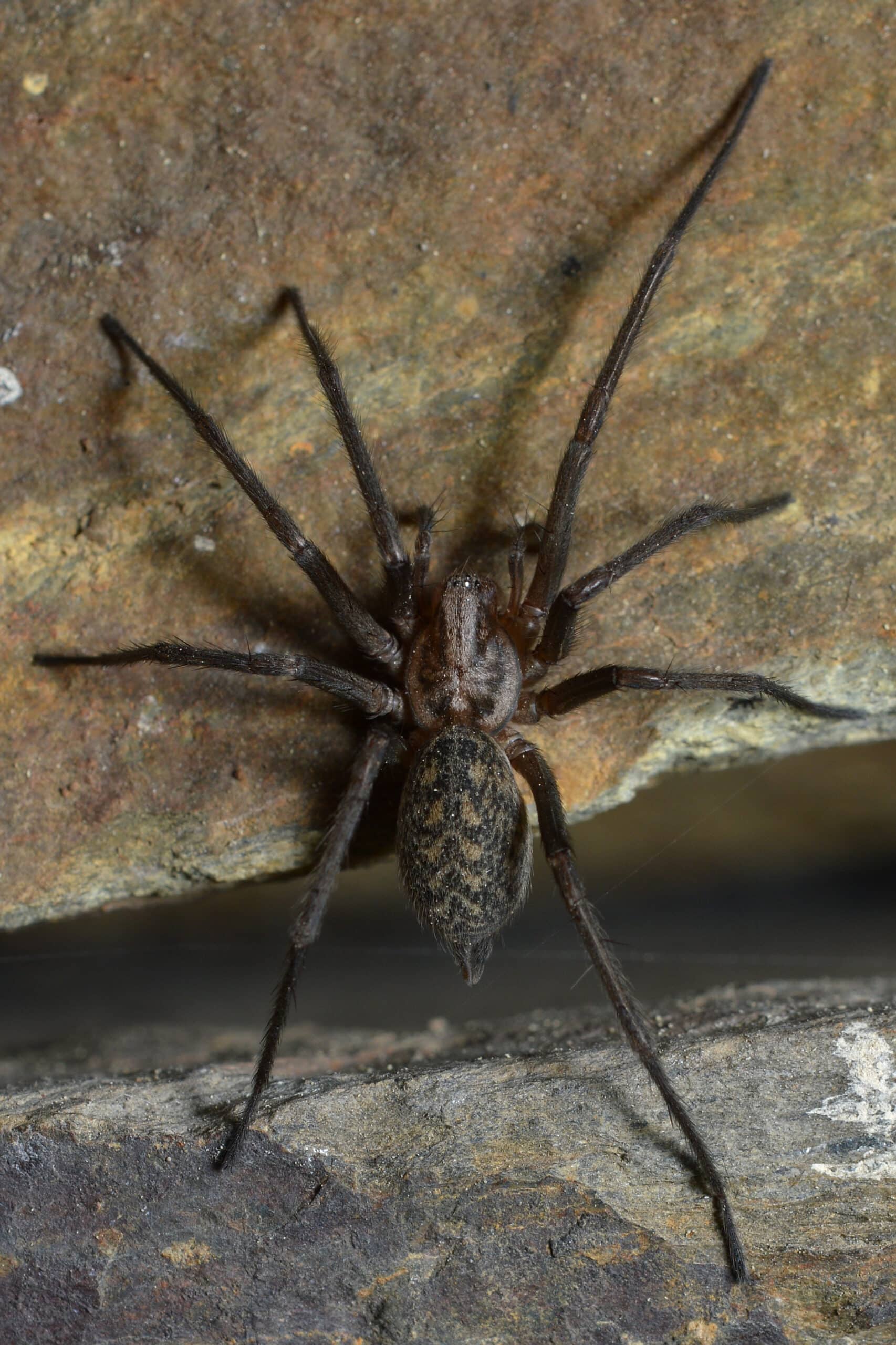
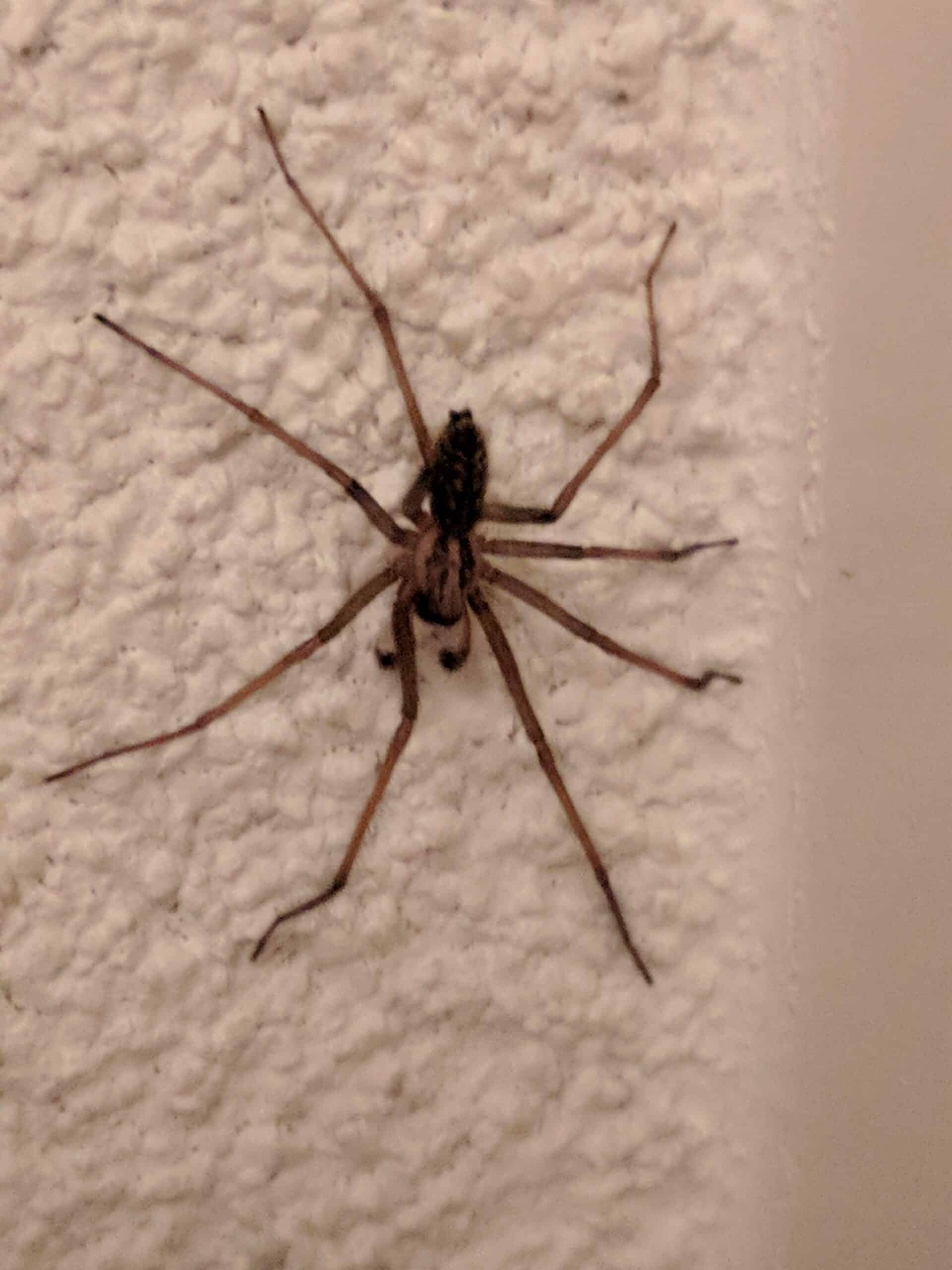
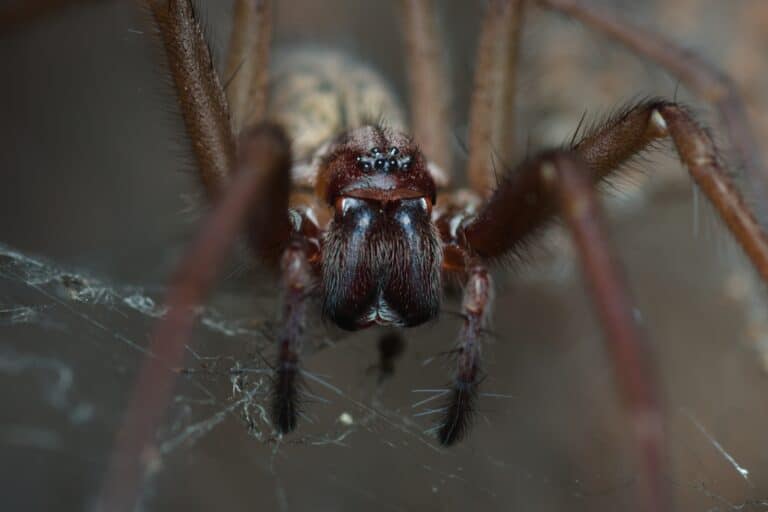
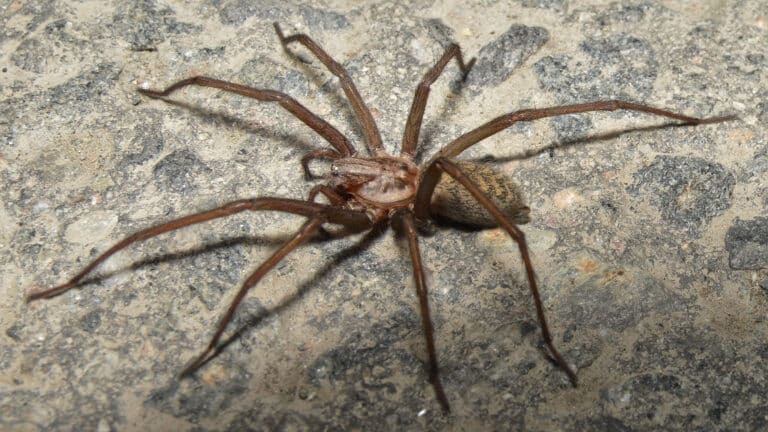
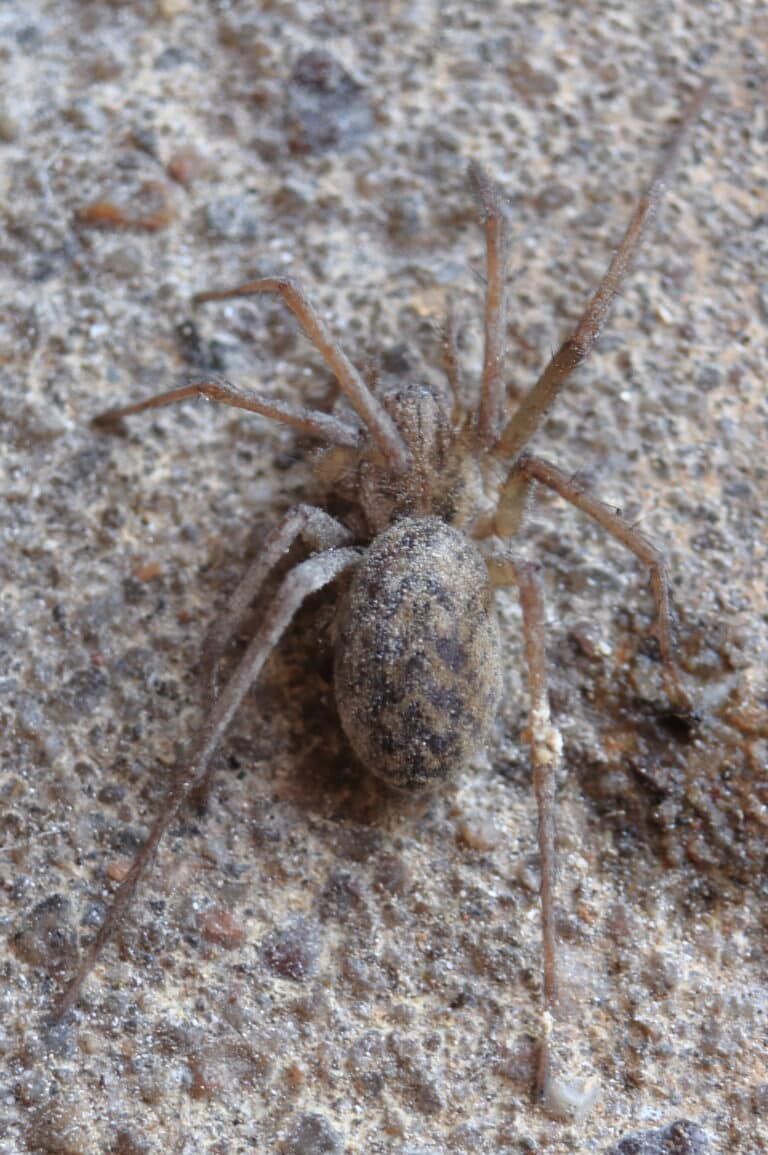
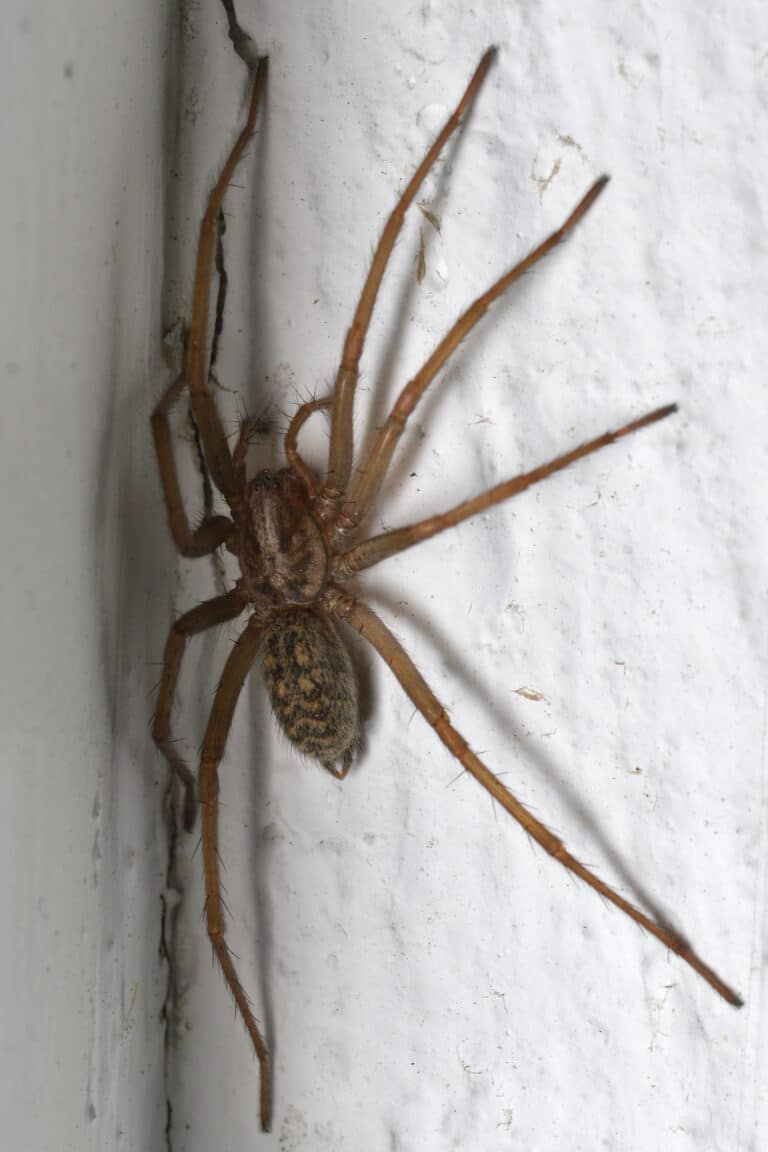
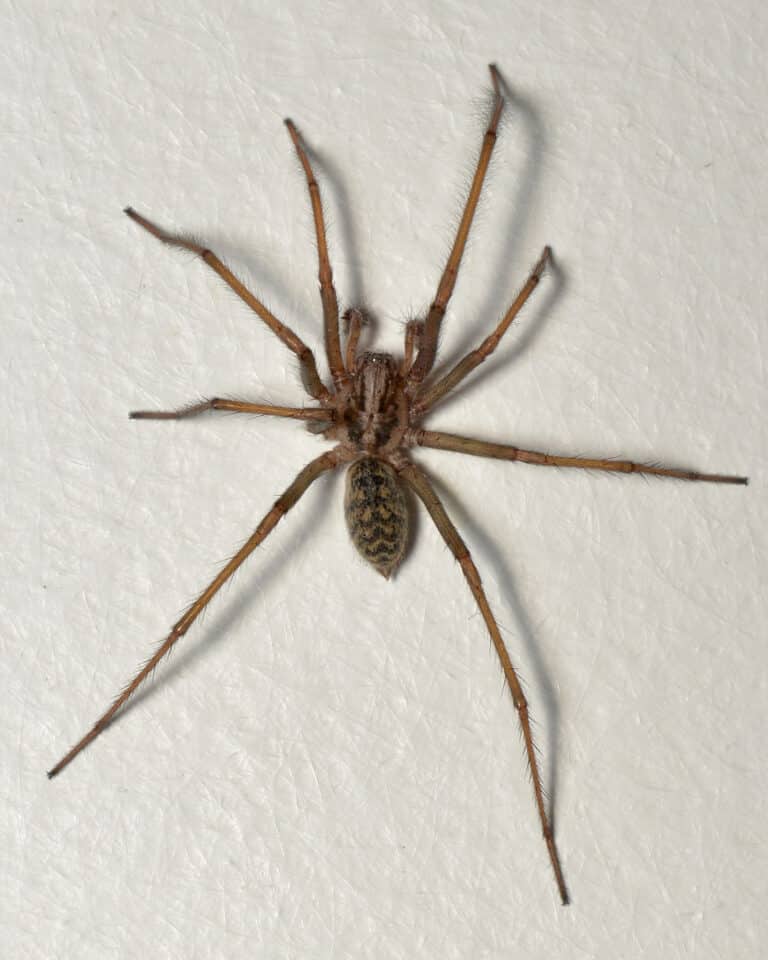
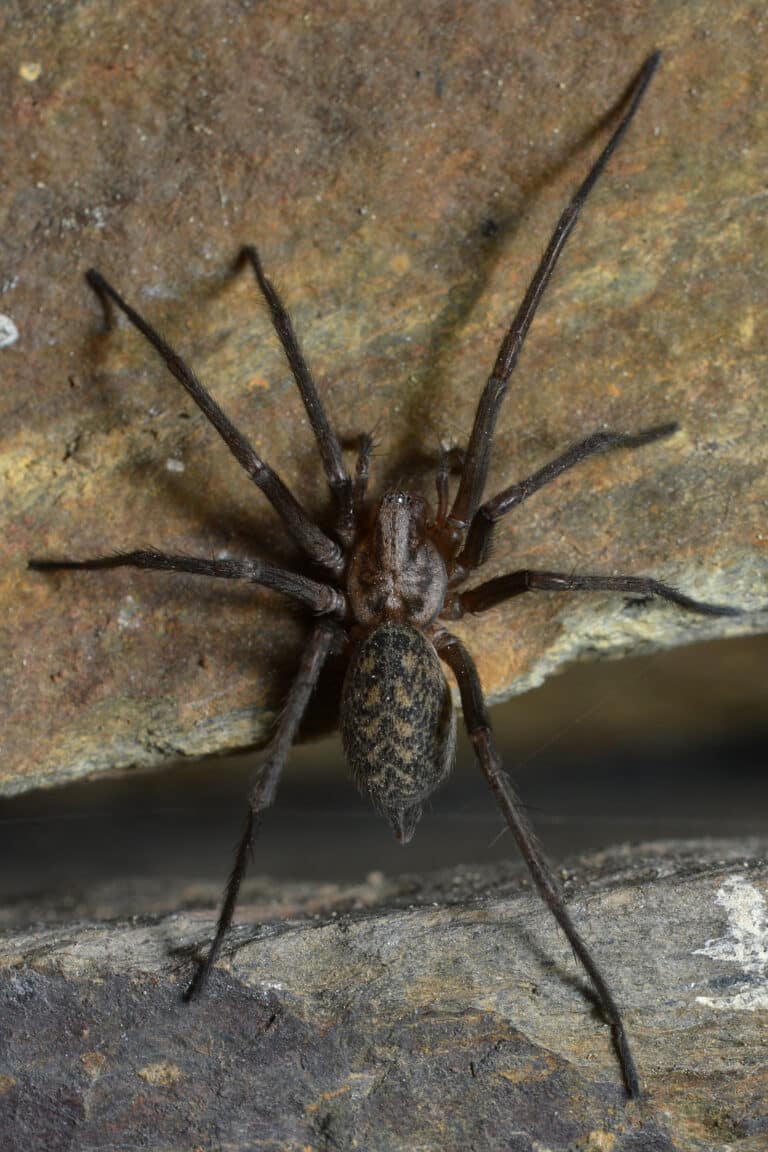
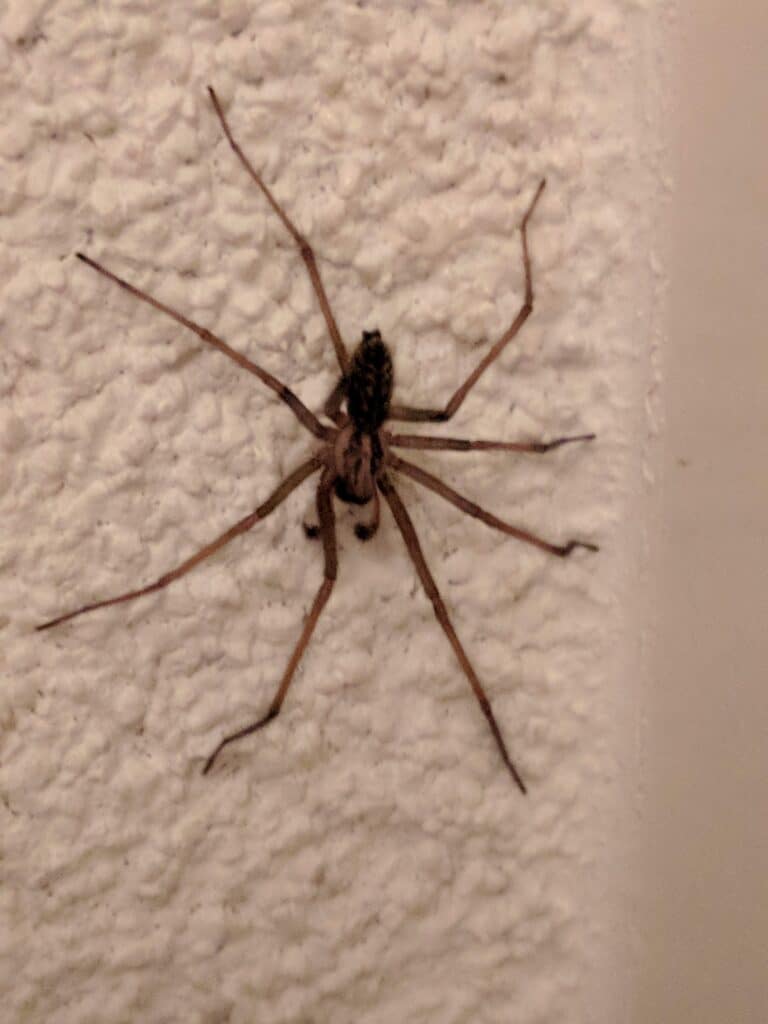
The Giant House Spider is a remarkable arachnid that calls Europe home. With a leg span averaging 4 to 5 inches, these eight-legged wonders are some of the largest spiders on the continent!
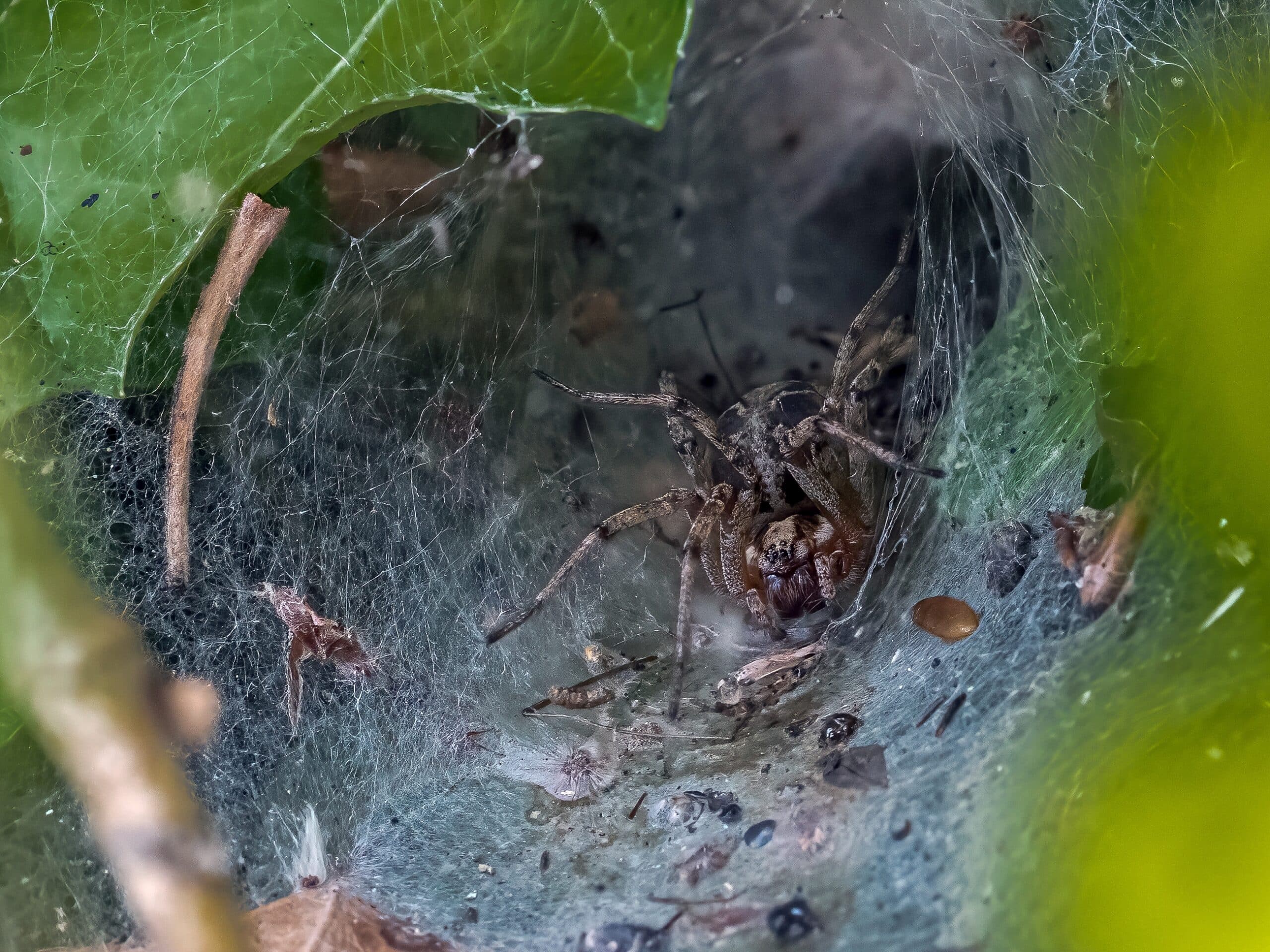
Giant House Spiders belong to the scientific class Arachnida, which includes all spiders, scorpions, and ticks. They are members of the family Agelenidae, often known as funnel-web spiders due to the shape of their webs.
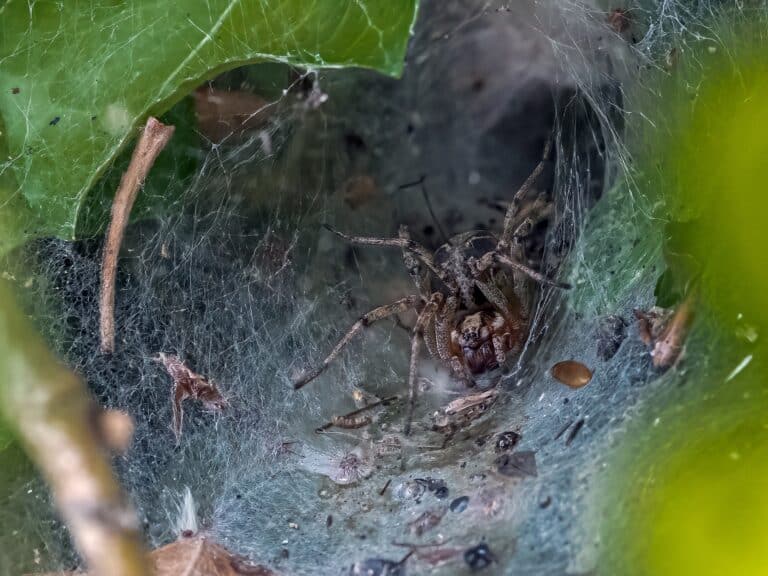
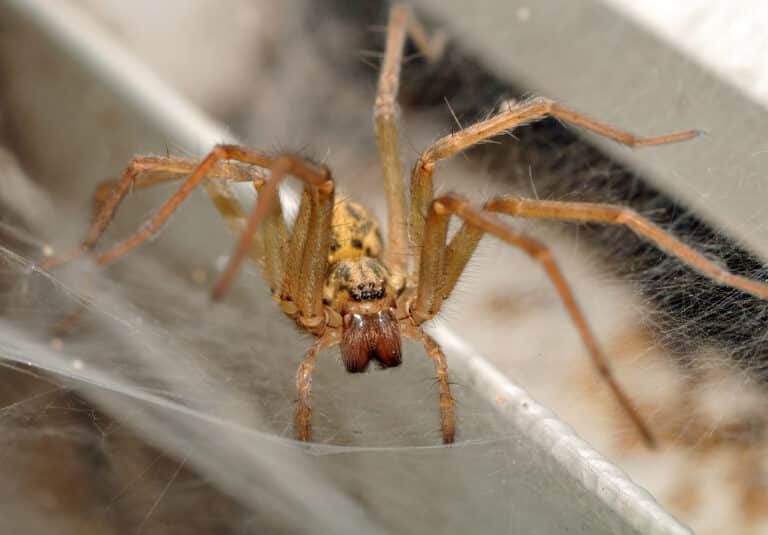
These spiders feast mainly on insects, making them excellent helpers in controlling pest populations. Instead of spinning sticky webs, they create funnel-shaped webs where they hide, ready to pounce on unsuspecting dinner guests!
With a lifespan of 2 to 3 years, Giant House Spiders prefer dark corners of homes and gardens. They play a vital role in the ecosystem, always ready to catch those pesky bugs that might bother you.
Some people might find spiders a bit scary, but Giant House Spiders are mostly harmless to humans. They help keep our living spaces tidy by snacking on insects, proving that not all creepy crawlies are bad!
So next time you see a Giant House Spider, remember that it is just a friendly neighbor doing its part to help out in your home. Embrace the wonders of nature and let these little heroes work their magic!

Where can you find a Giant House Spider in the wild?
What does a Giant House Spider eat?
How big can a Giant House Spider grow?
How long does a Giant House Spider typically live?
What is the conservation status of the Giant House Spider?
What are the main threats to the Giant House Spider?
Fun facts
Giant House Spiders can run surprisingly fast, reaching speeds of up to 2 feet per second, which is like a tiny superhero escaping a giant!


These spiders can sense vibrations through their webs, which helps them know when an insect gets caught, kind of like a spider alarm system!
During mating season, male Giant House Spiders perform a unique dance to woo females, turning every encounter into a wild dance party!
Giant House Spiders have hairy bodies that help them detect air movements, enhancing their ability to catch fast-moving bugs sneaking around.
These spiders can survive short trips underwater, allowing them to escape predators or damp situations by holding their breath!
In very dark places, Giant House Spiders can find themselves spinning some of the largest webs measuring over a foot in diameter, making them the true architects of creepy corners!
Female Giant House Spiders carry their baby spiderlings on their backs until those tiny critters are ready to venture out on their own, showcasing their caring nature!
These spiders often eat their own webs to recycle the silk, turning it into protein for new webs, making them eco-friendly builders!
Giant House Spiders have a great sense of smell, allowing them to detect pheromones, which helps in finding partners for mating!
Some people believe that if a Giant House Spider visits your home, it brings good luck, making them not just creepy crawlies but also symbols of positive energy!
Photos





The Basics


explore more
Amphibians
Arachnids
Birds
Cats
Crustaceans
Fish
Fish Pet Guide
Gastropods
Insects
Invertebrates
Mammals
Pet Fish
Pet Rodents
Plants
Reptiles
Roundworms
Sea Slugs