Successfully copied to clipboard!
Giant Wood Moth
Experience the magic of the world's giant moths!
Let’s Explore
Overview
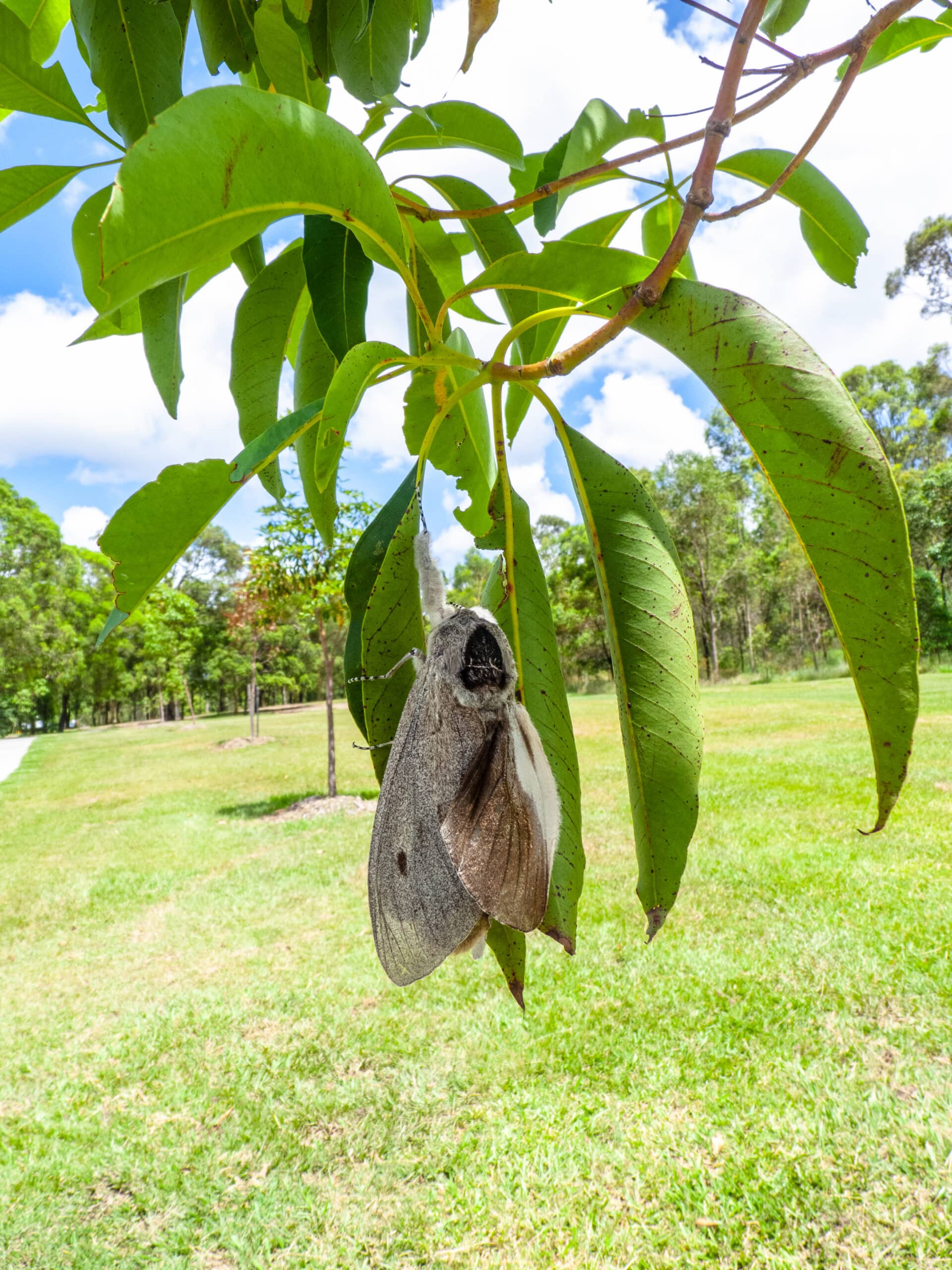
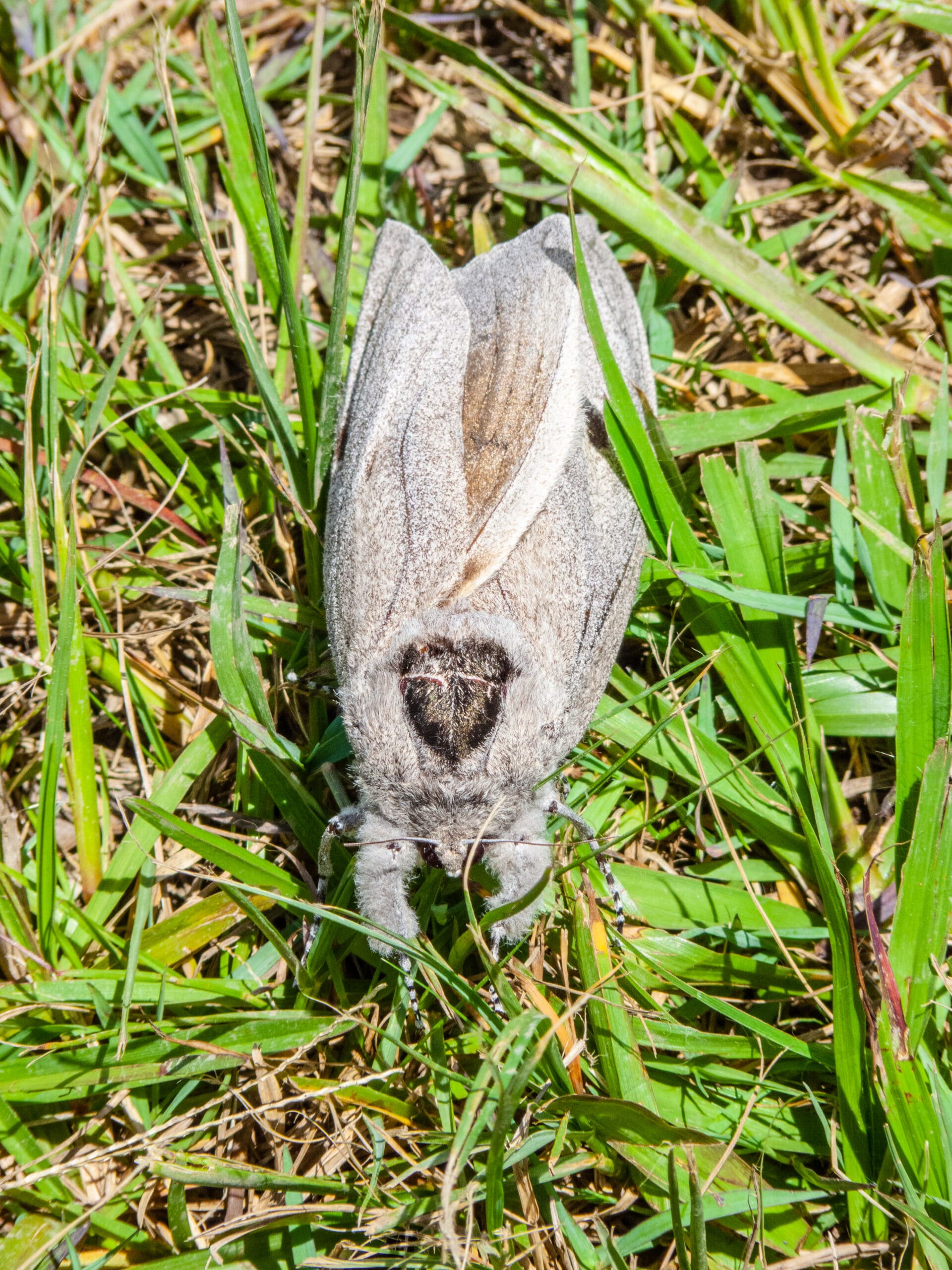
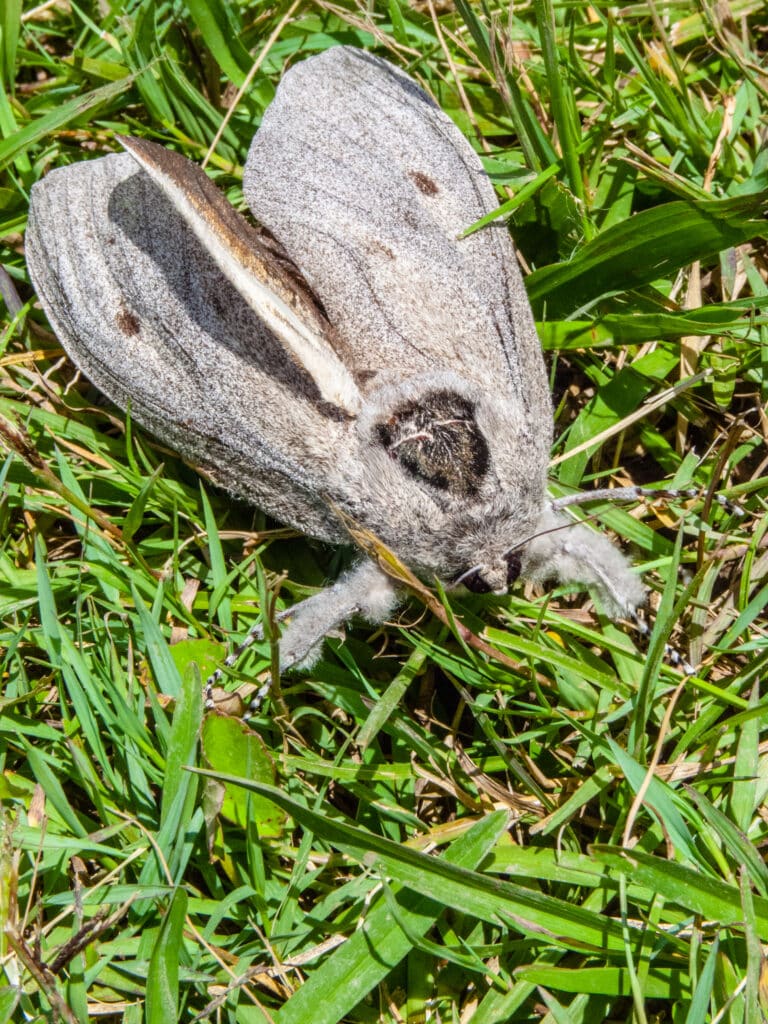
The Giant Wood Moth is one of the largest moths in the world, boasting an impressive wingspan of up to 9 inches. This giant flutterer belongs to the insect family known as Cossidae and calls Oceania its home.
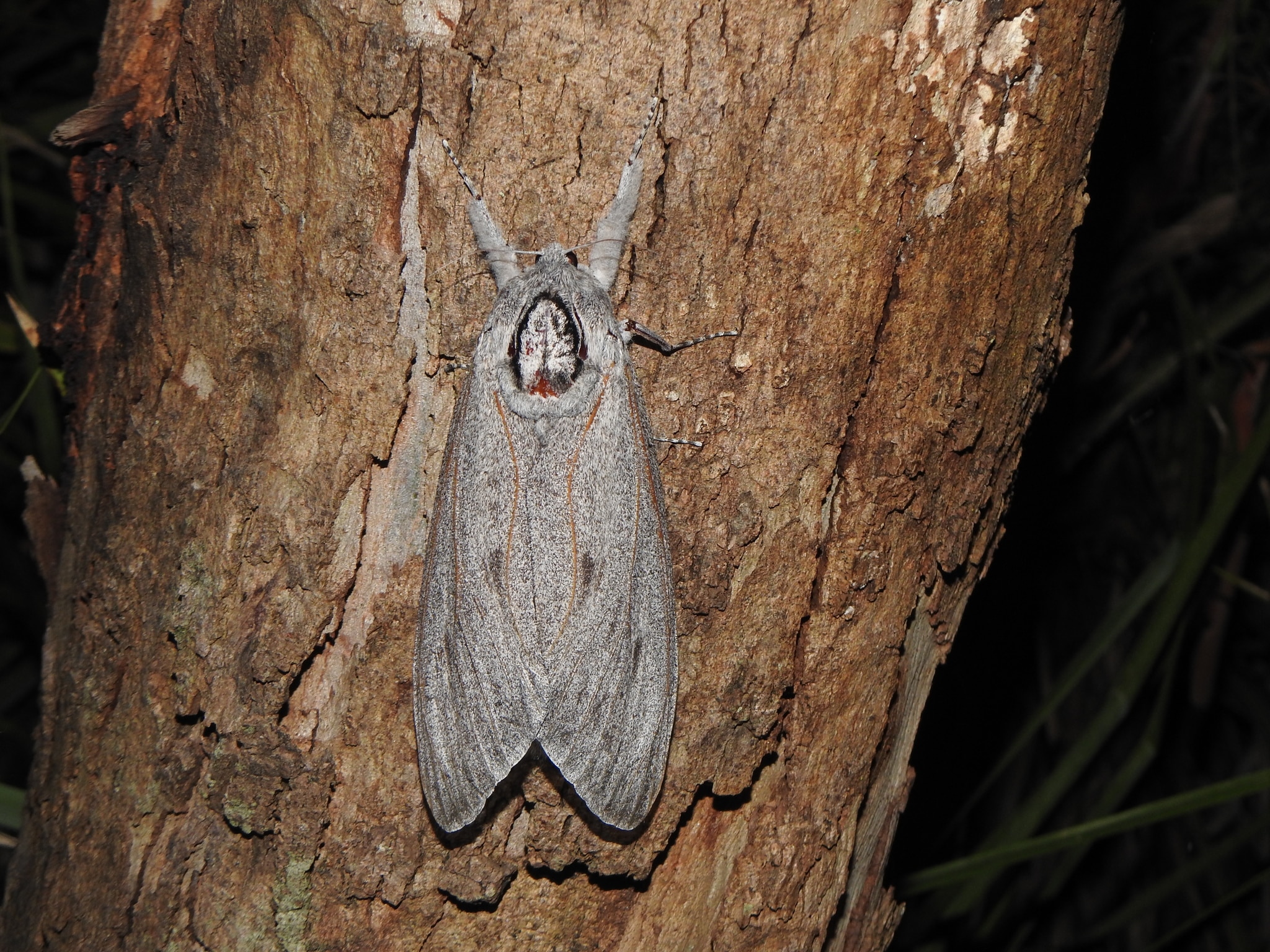
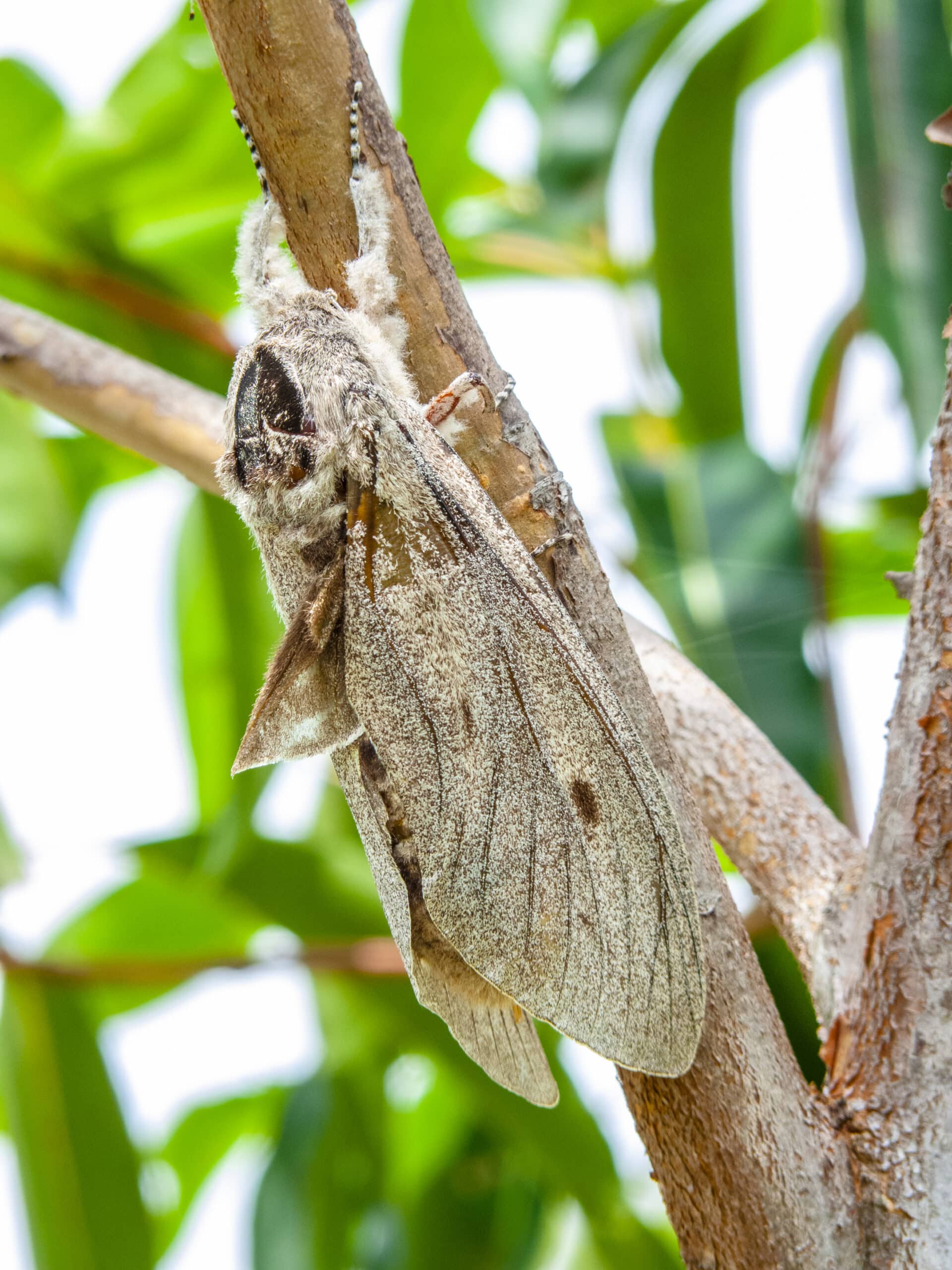
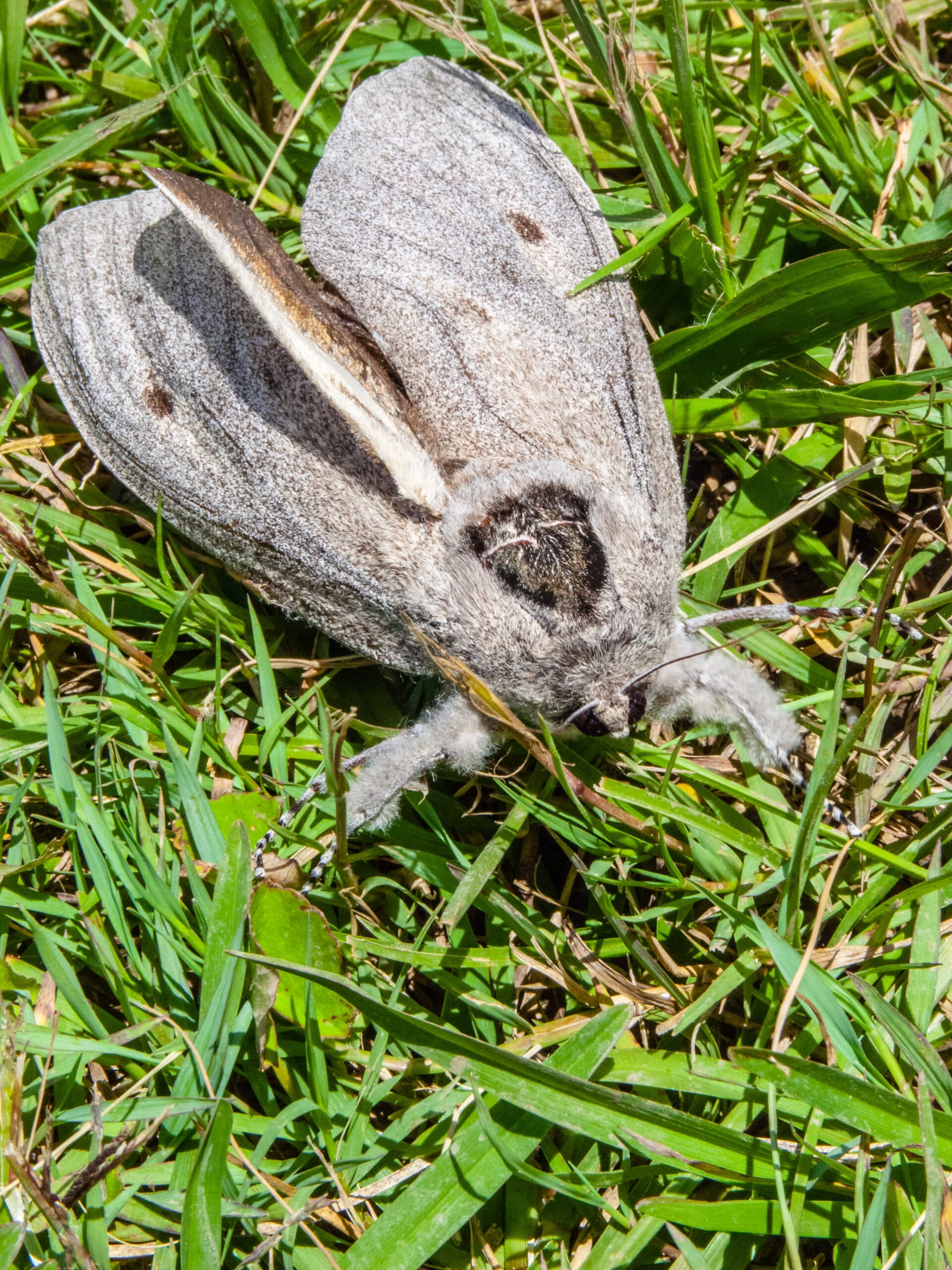
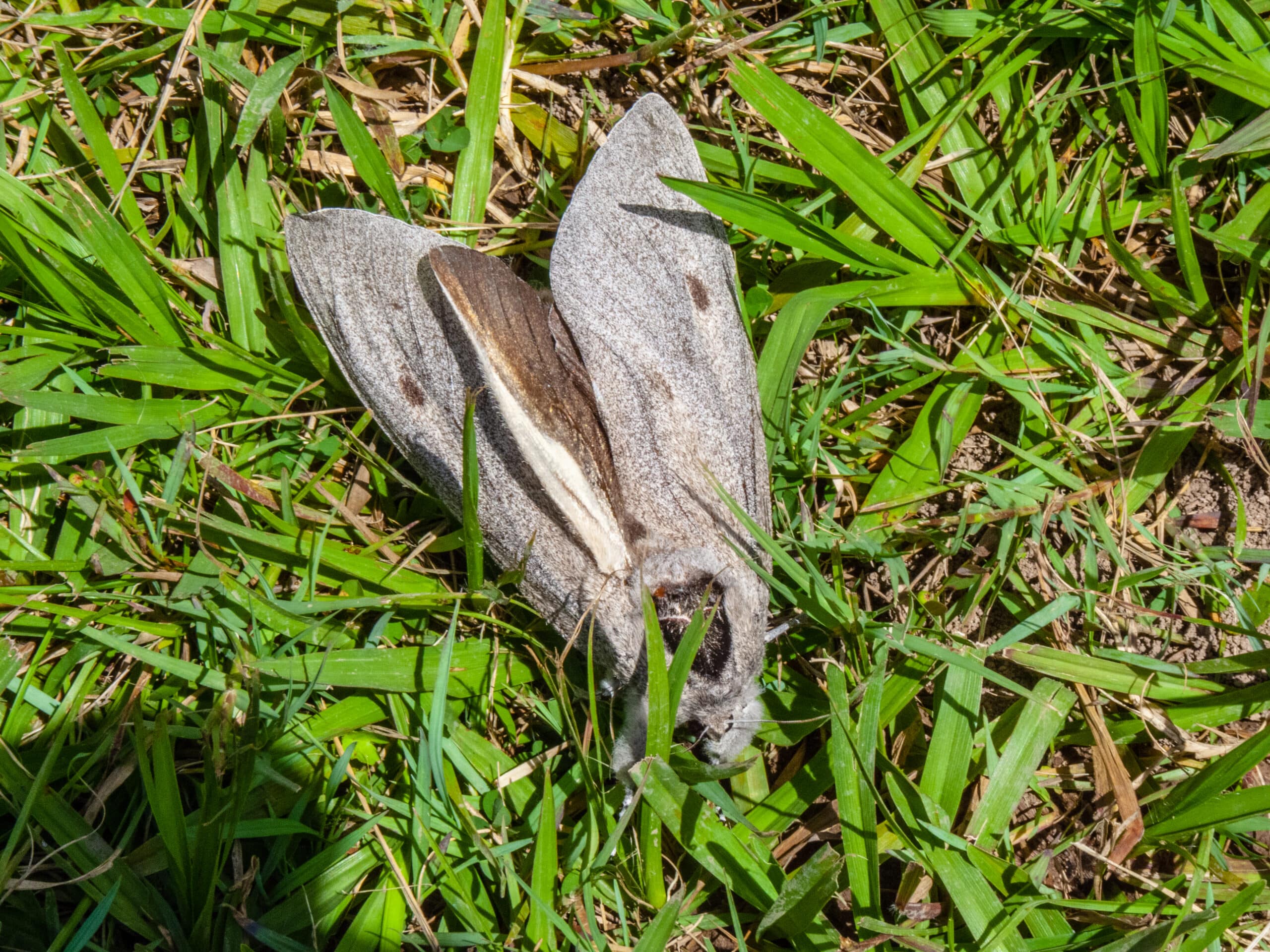
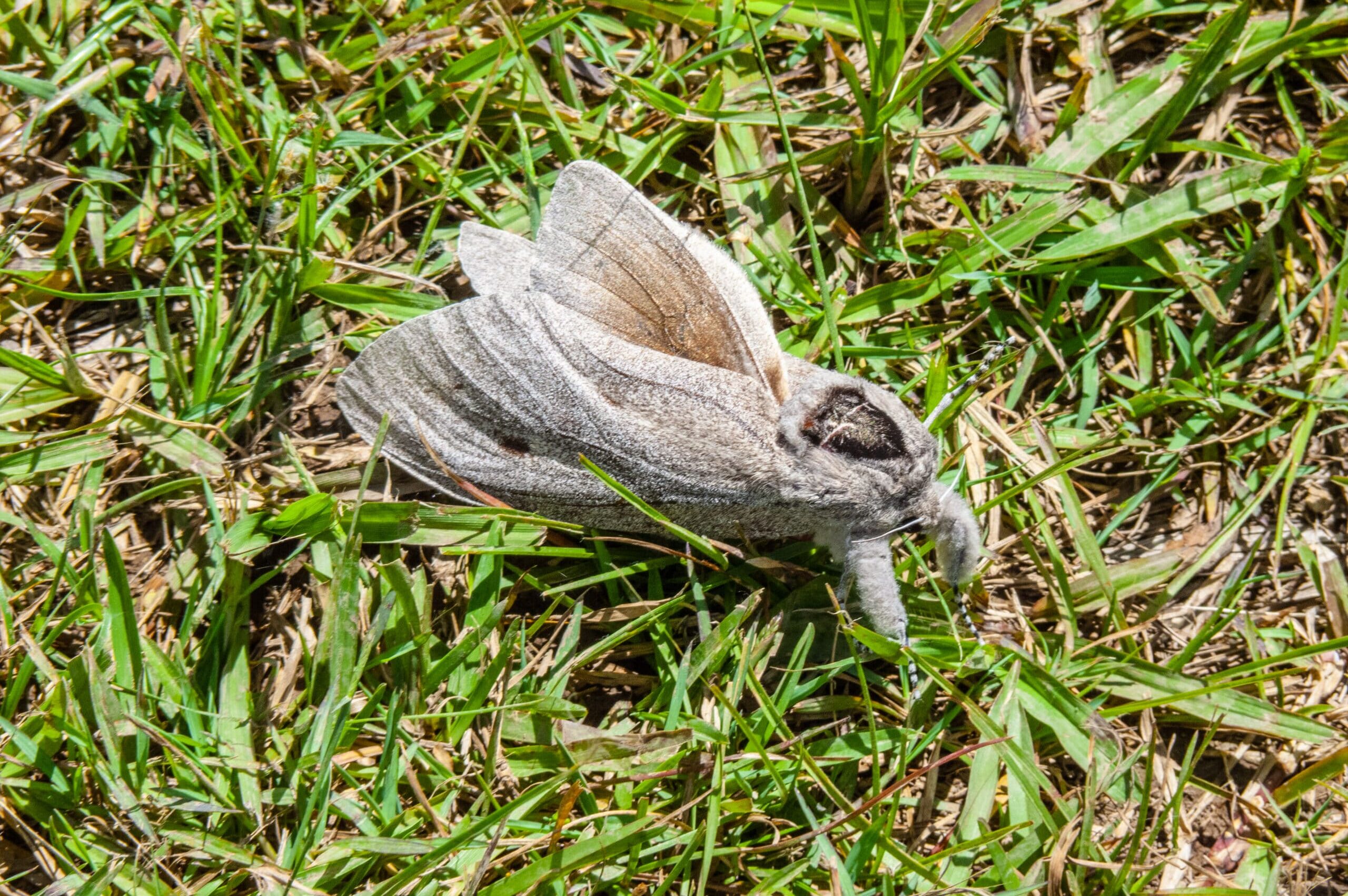
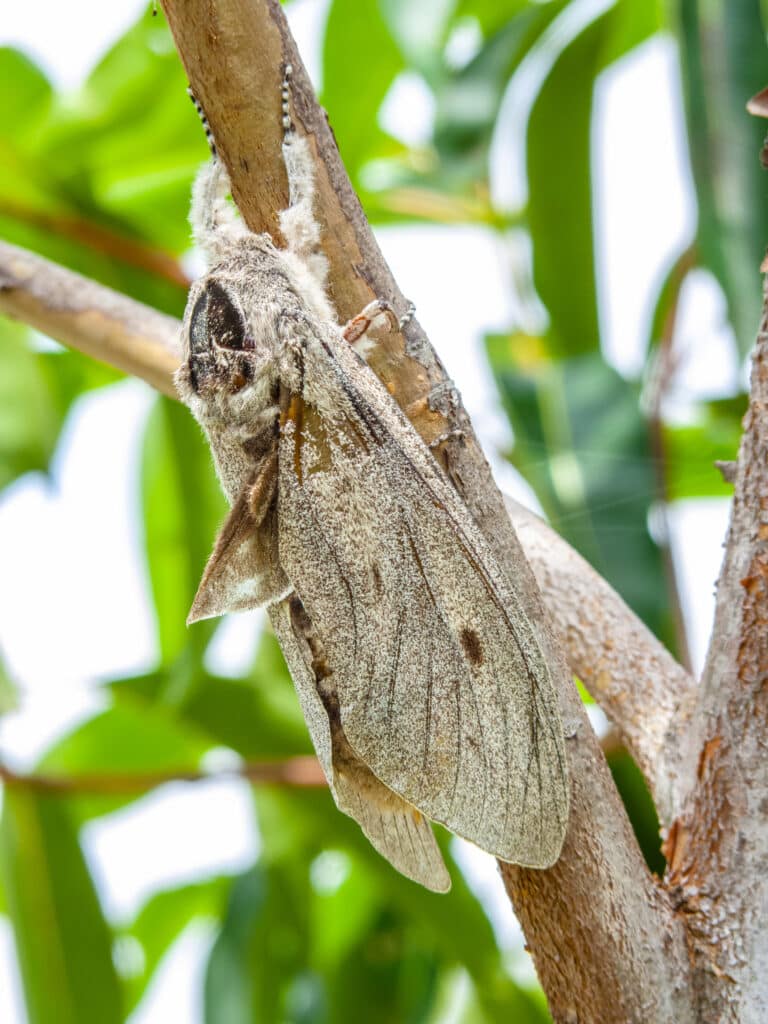
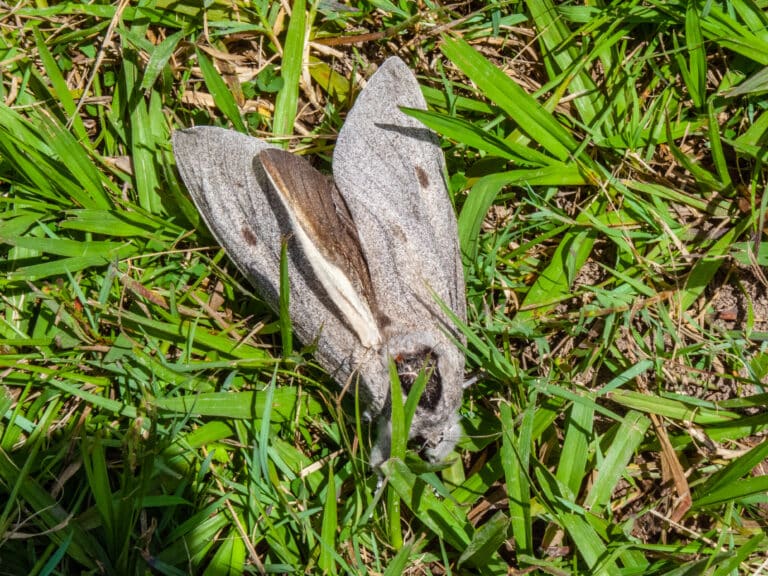
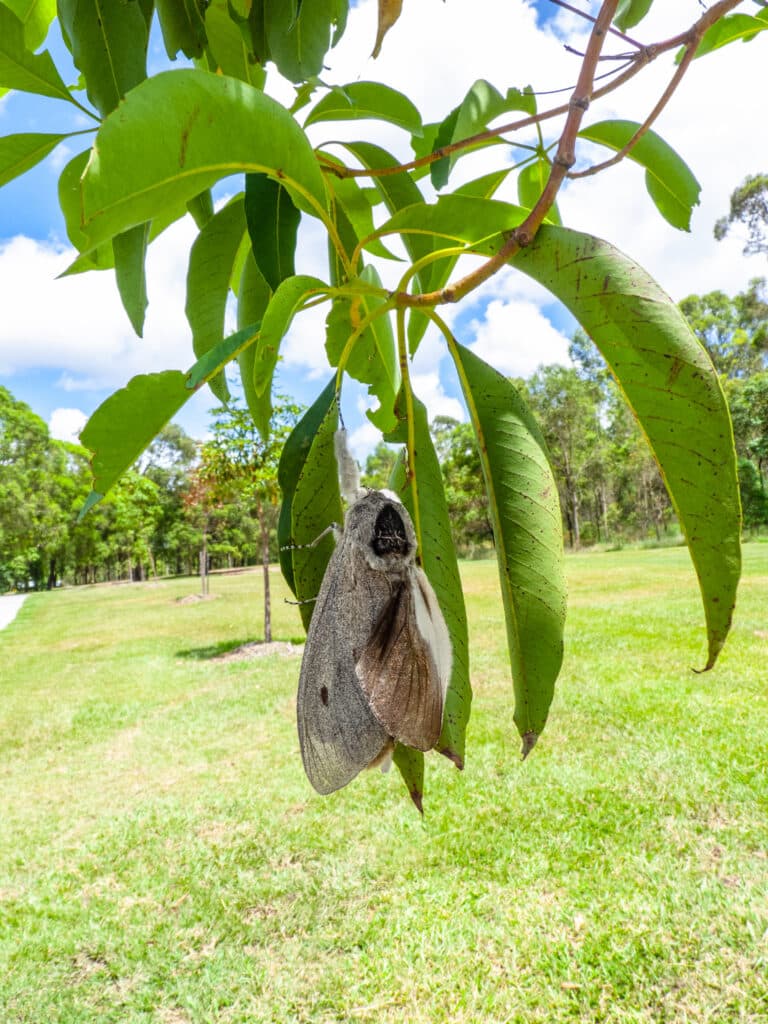
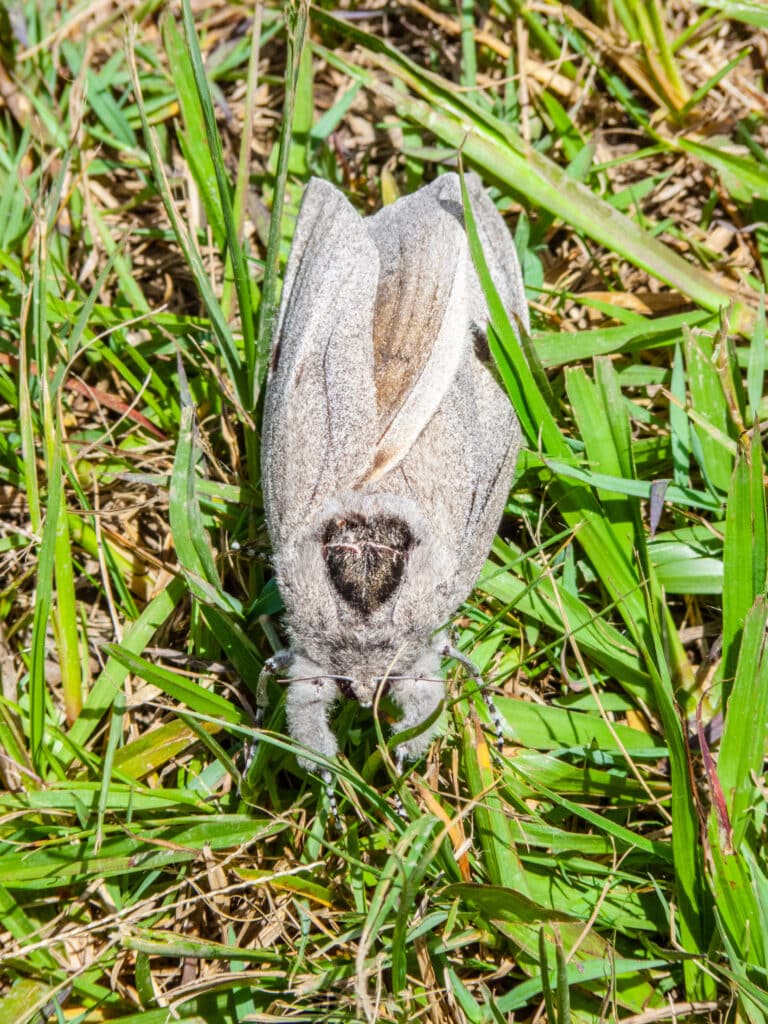
Despite being a moth, the Giant Wood Moth looks more like a furry pancake with its broad wings and fuzzy body. These moths love to feast on sap from eucalyptus trees, which provides them with all the sweetness they need.
As adults, Giant Wood Moths have a short lifespan of just a few days. They spend most of their time fluttering around to find mates and lay eggs, making sure the next generation can take flight.
Unlike many other moths, this giant does not eat as an adult. Instead, it relies on the nutrients it gathered during its caterpillar stage. Talk about eating your veggies for a better future!
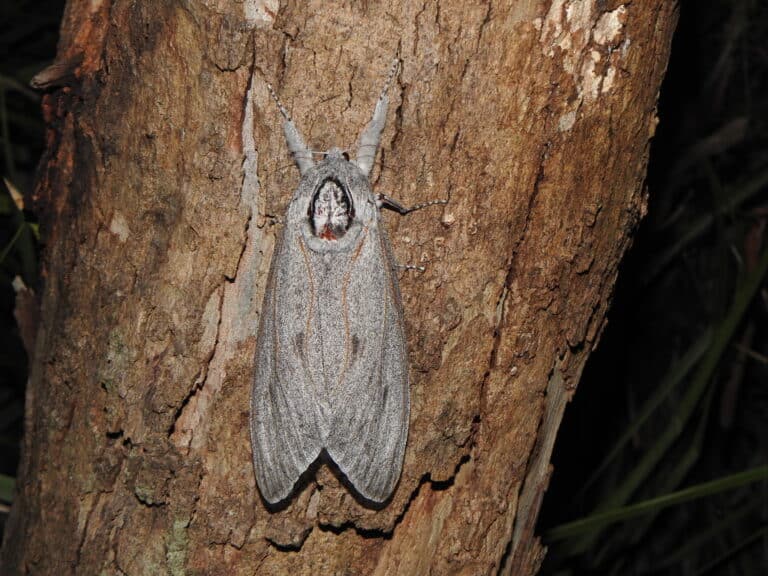
Giant Wood Moths have amazing camouflage that helps them hide from predators. Their colors and patterns blend into trees so well that they can make any scary predator scratch its head.
These giant insects have an interesting life cycle. They start as caterpillars that feed on eucalyptus leaves before undergoing metamorphosis to become those giant winged beauties we see flying around!
So next time you see a moth, remember there are giants like the Giant Wood Moth lurking in the shadows! They may only live for a few days, but their big presence leaves quite a lasting impression.

Where can you find a Giant Wood Moth in the wild?
What does a Giant Wood Moth eat?
How big can a Giant Wood Moth grow?
How long does a Giant Wood Moth typically live?
What is the conservation status of the Giant Wood Moth?
What are the main threats to the Giant Wood Moth?
Fun facts
The Giant Wood Moth can weigh up to 30 grams, making it heavier than many small birds!


Its fuzzy body helps it regulate temperature, allowing it to live comfortably in different climates, almost like wearing a cozy sweater!
These moths are nocturnal, so they join the nighttime party, fluttering around on warm evenings looking for mates.
When threatened, the Giant Wood Moth can fold its wings tightly against its body, making it look just like a piece of bark!
Unlike most other moths, which prefer flowers, this giant has a sweet tooth for sticky tree sap, treating it like a sugary drink!
The caterpillars grow rapidly, munching through several eucalyptus leaves a day, giving them a serious boost to become big and strong moths.
Giant Wood Moths can sometimes be mistaken for bats due to their large size and unusual flapping, which adds a touch of mystery in the night sky!
These moths usually lay their eggs in small clusters, ensuring that the baby caterpillars can munch on nearby leaves as soon as they hatch!
Their natural predators include large birds and reptiles that enjoy hunting, proving that size isn't everything when it comes to survival!
Giant Wood Moths can live up to several months in their larval stage but only a few glorious days as adults, making each moment count!
Photos





The Basics


explore more
Amphibians
Arachnids
Birds
Cats
Crustaceans
Fish
Fish Pet Guide
Gastropods
Insects
Invertebrates
Mammals
Pet Fish
Pet Rodents
Plants
Reptiles
Roundworms
Sea Slugs