
Successfully copied to clipboard!
Glass Frog
Unearth the magic of tiny frogs with see-through skin!
Let’s Explore
Overview
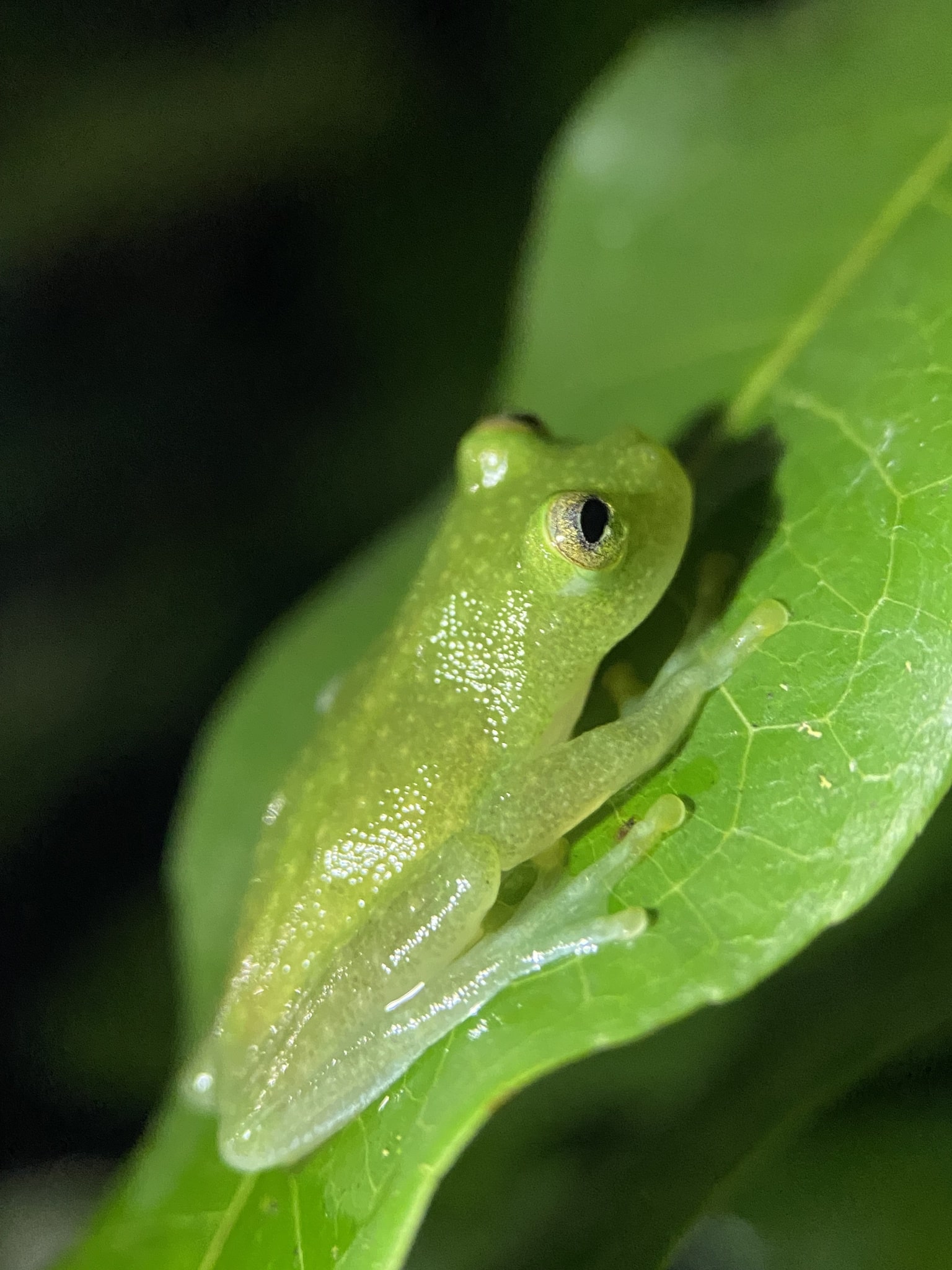
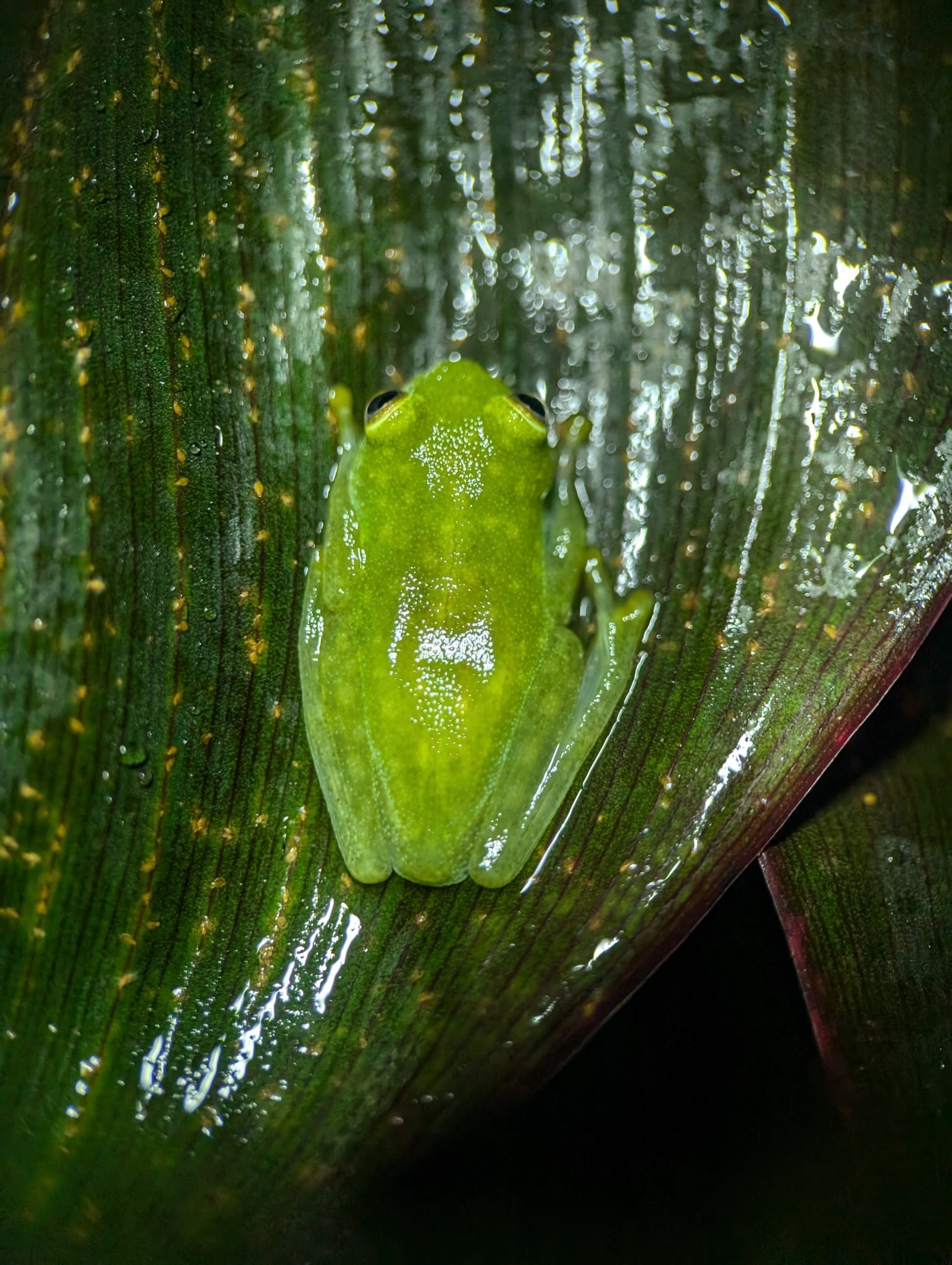
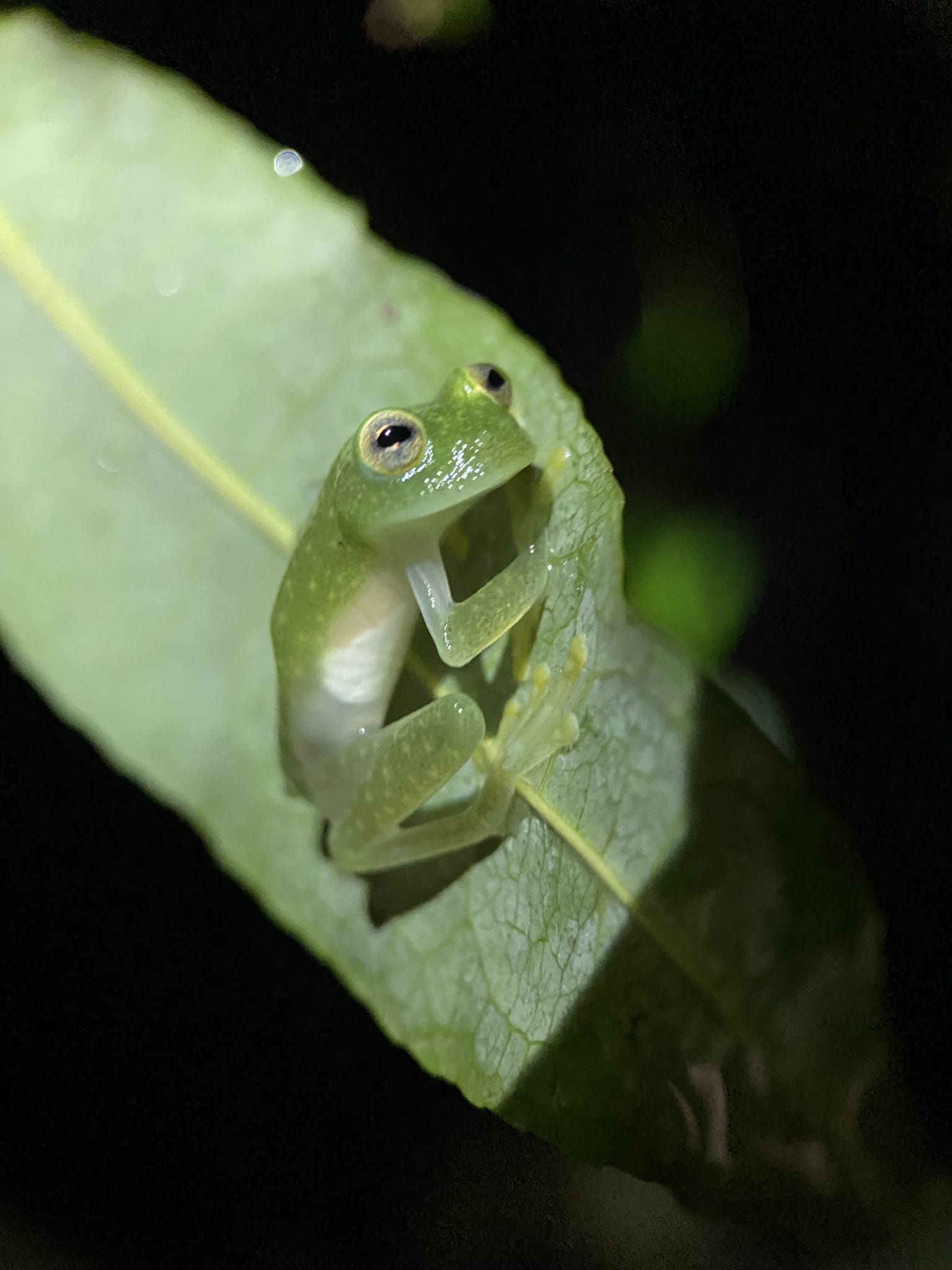
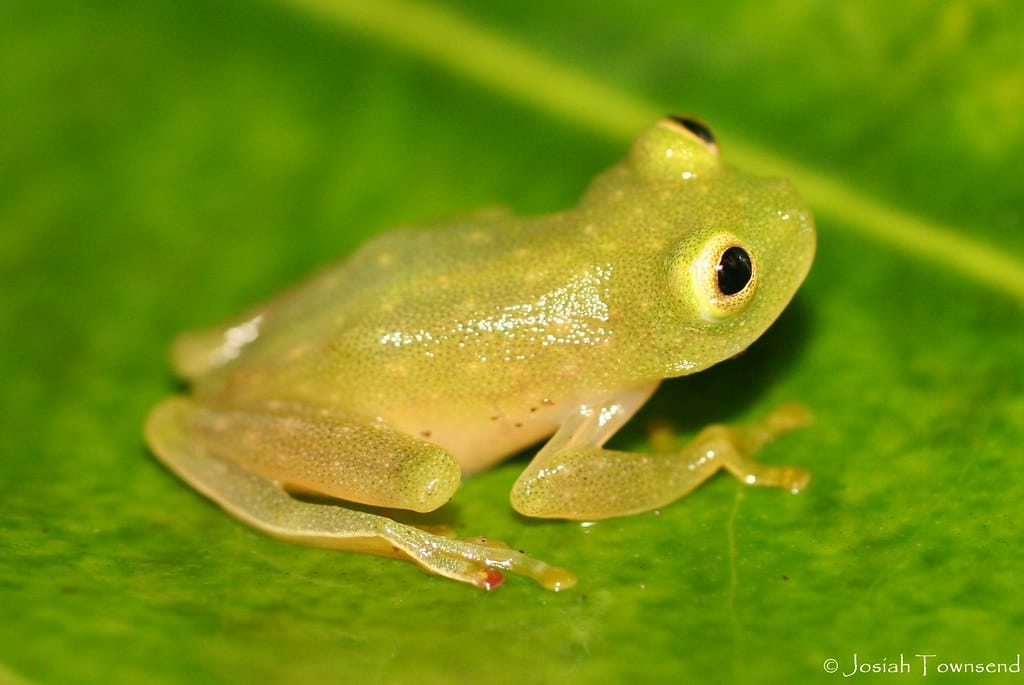
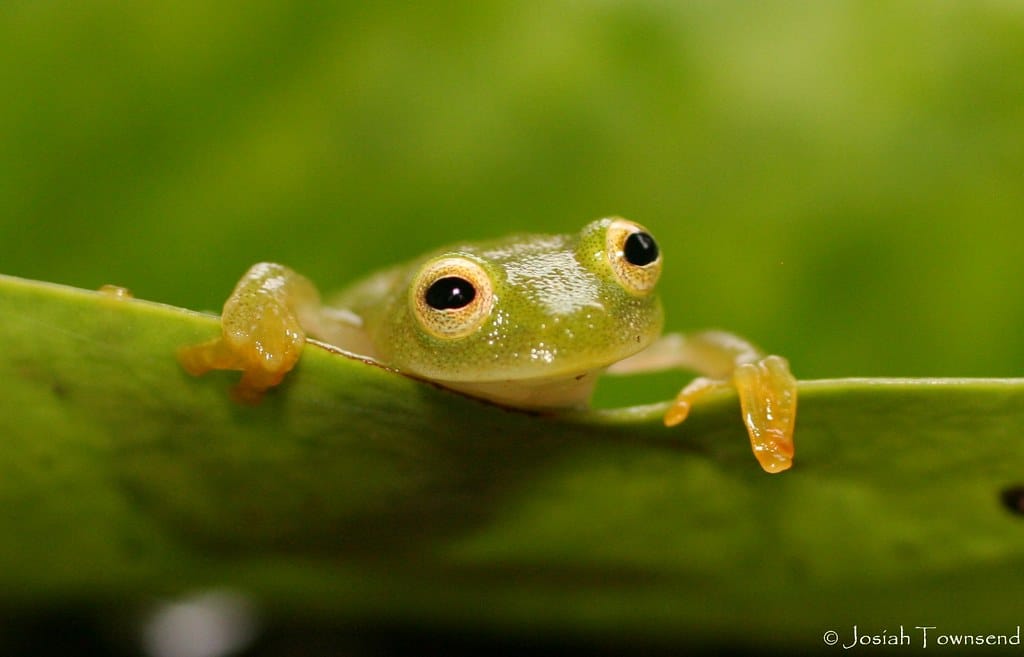
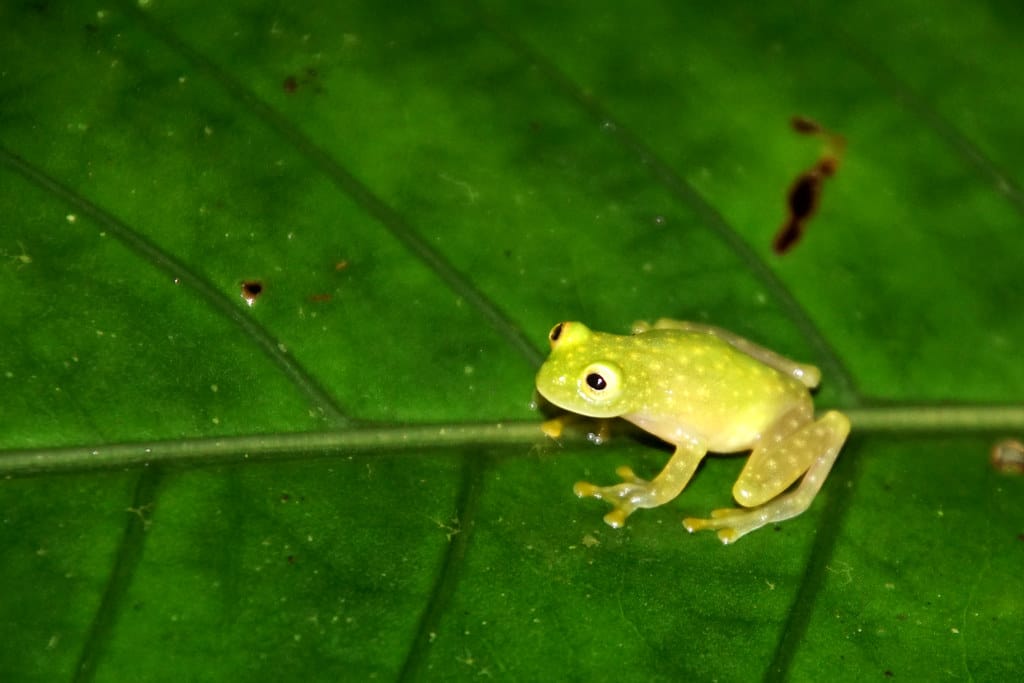
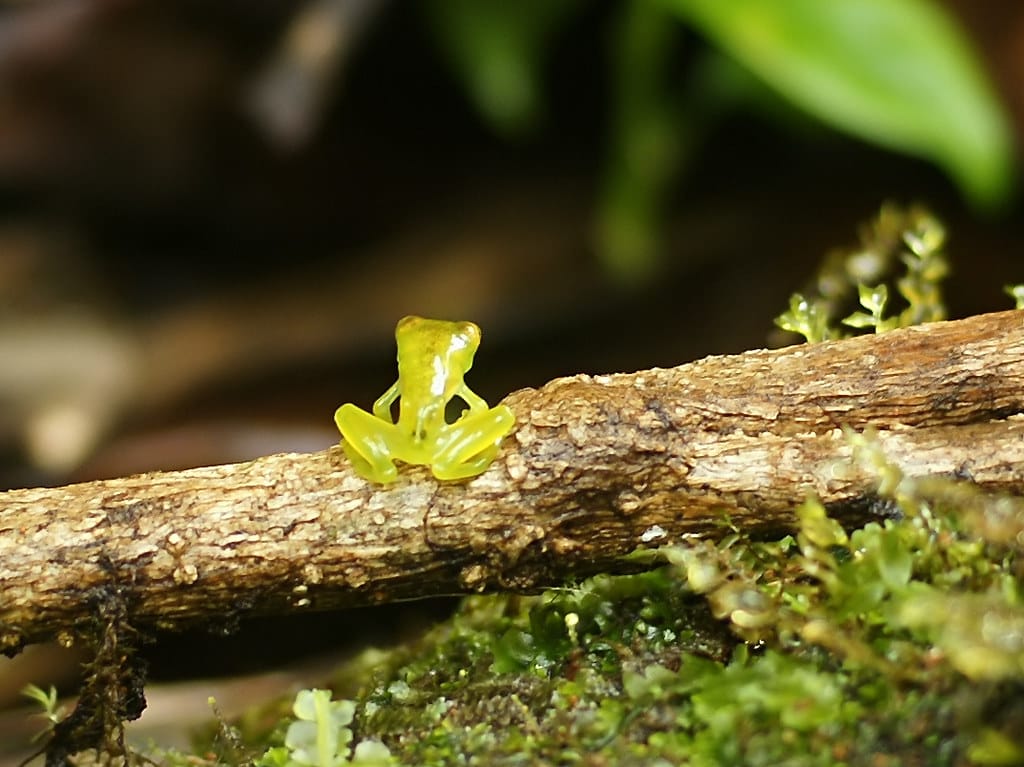
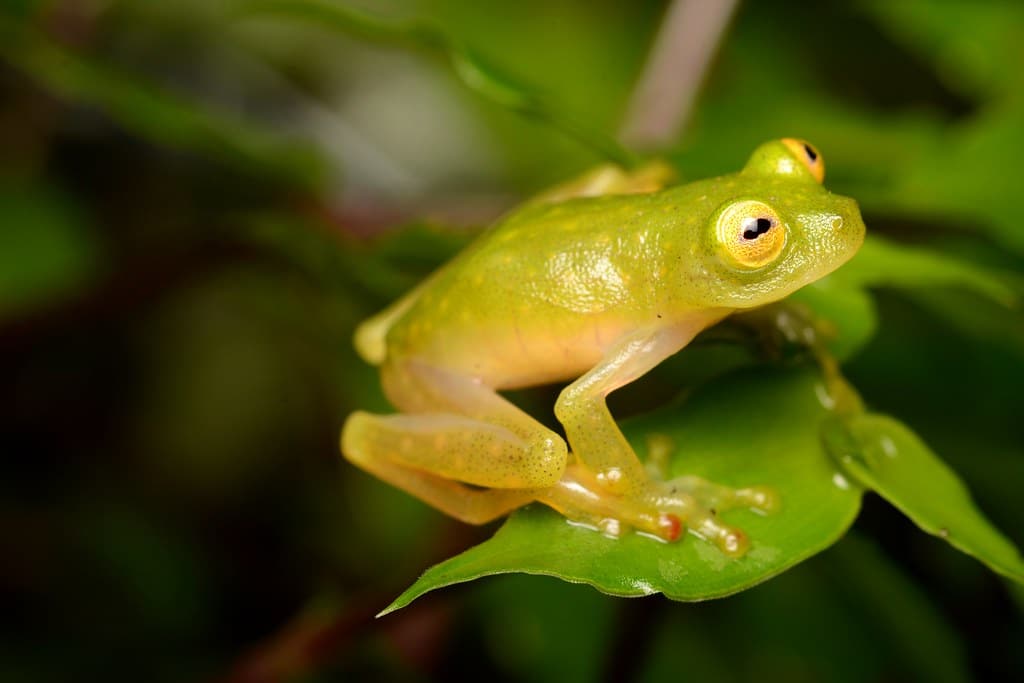
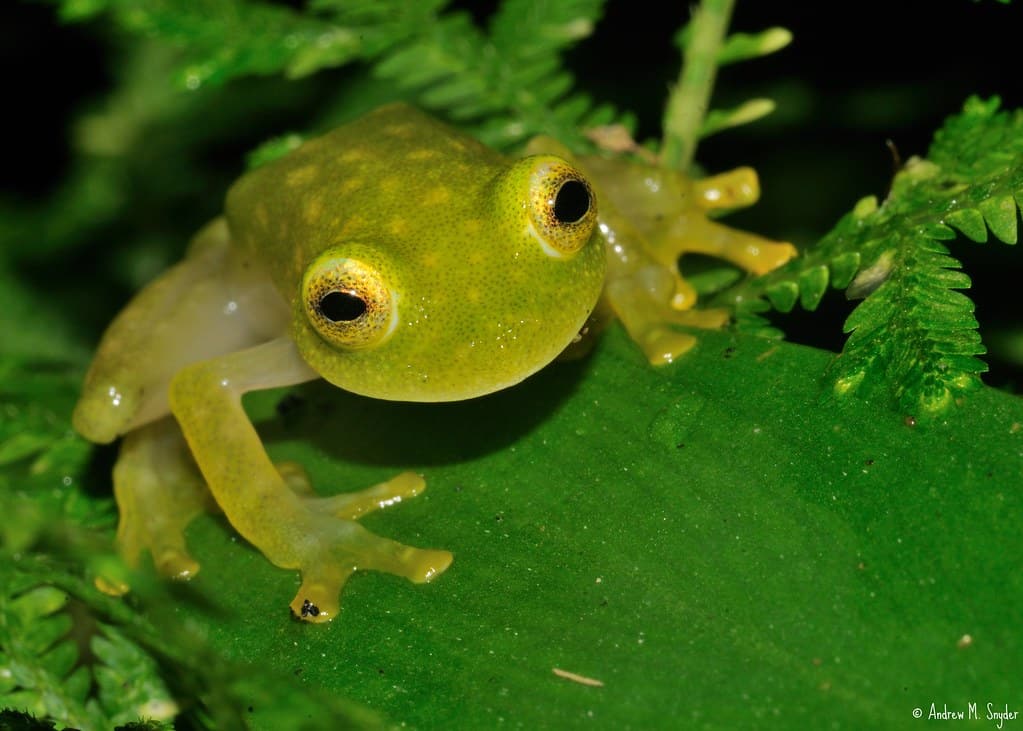
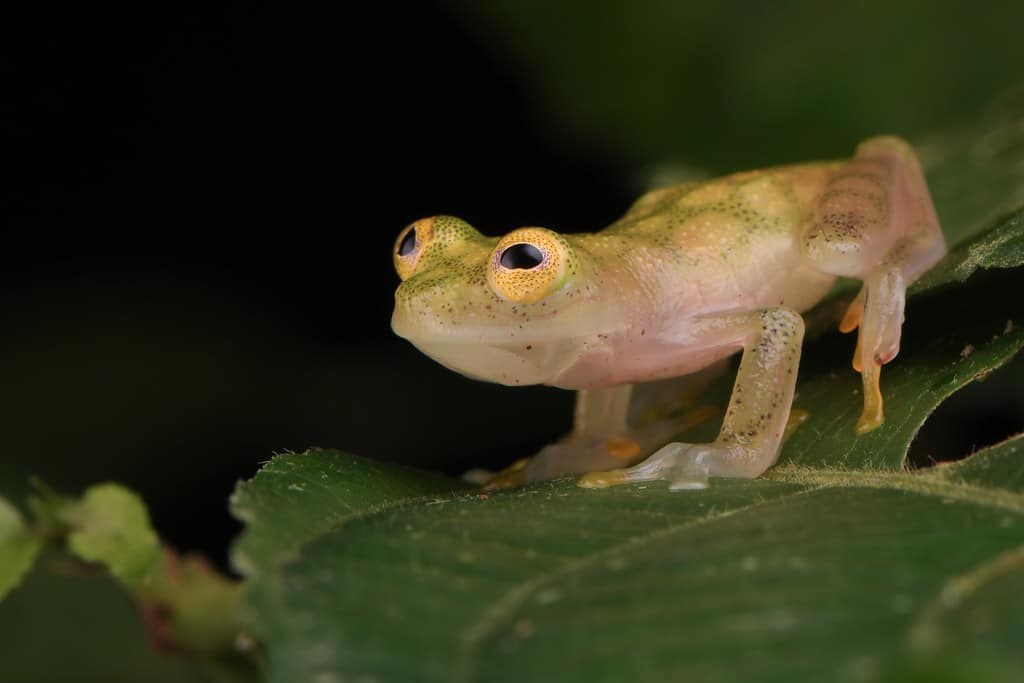
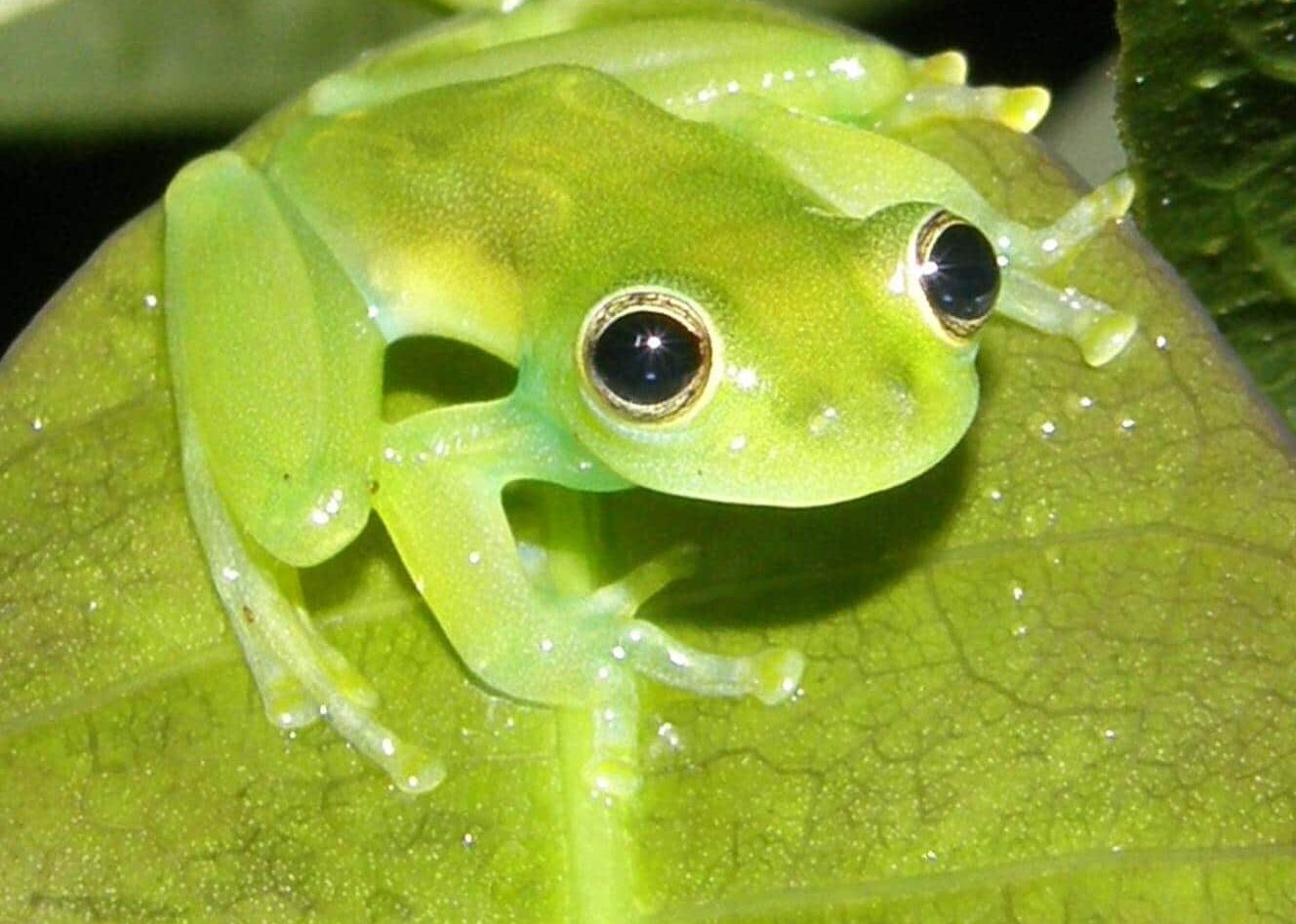
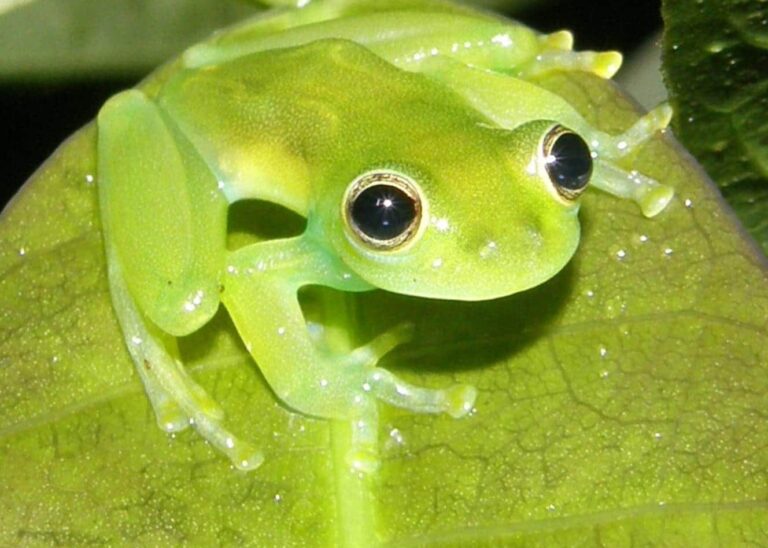
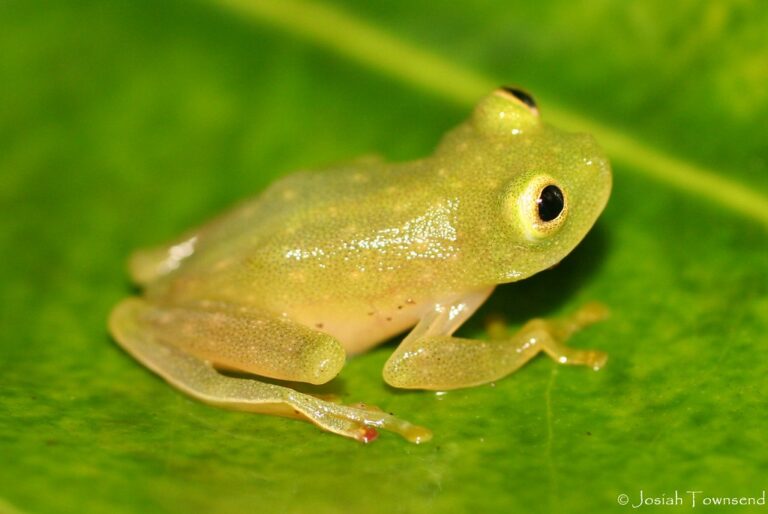
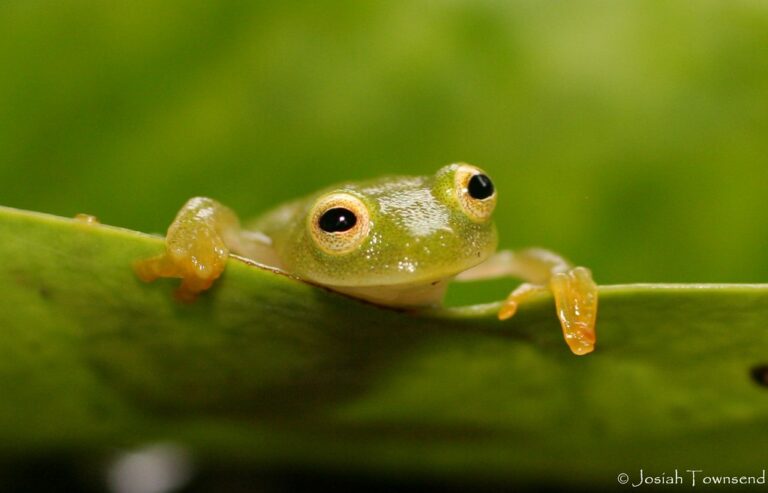
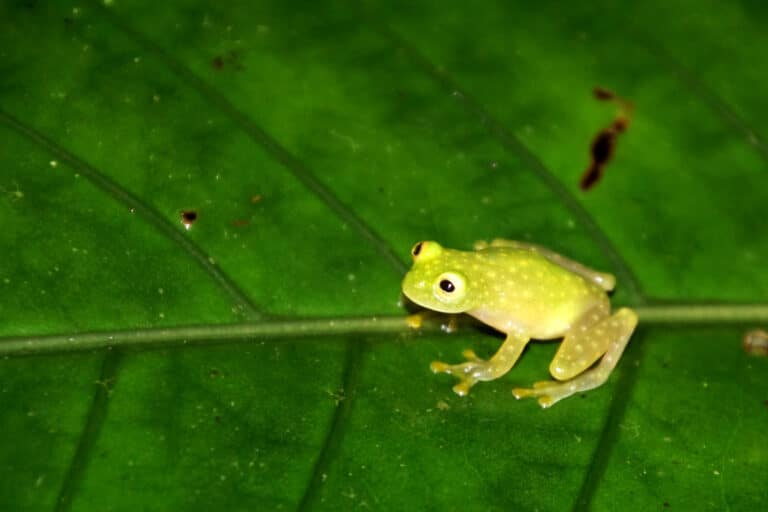
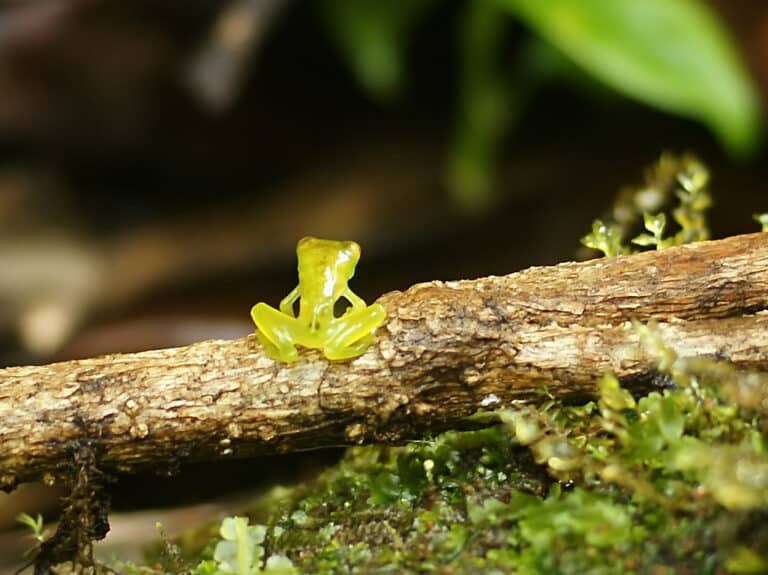
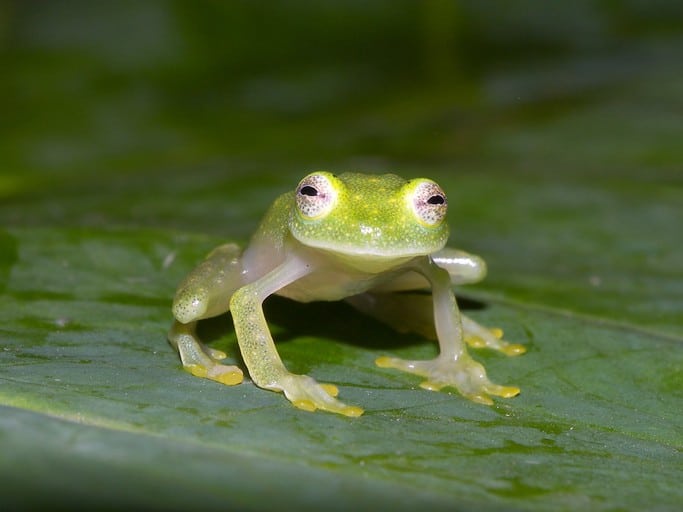
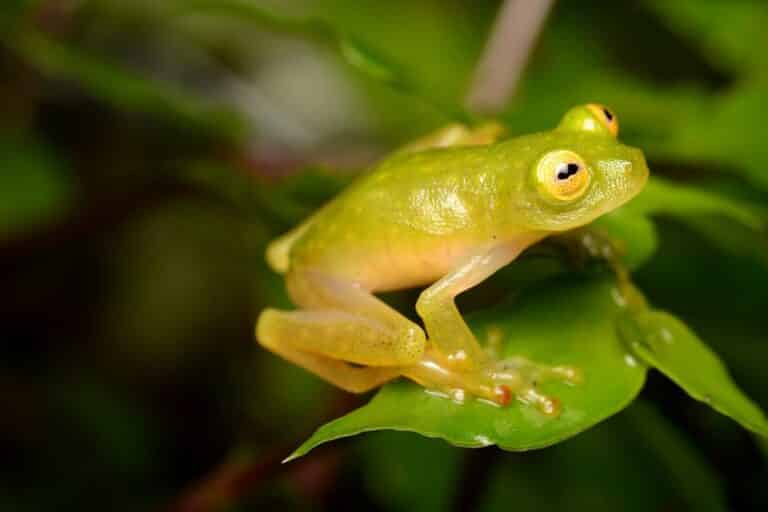
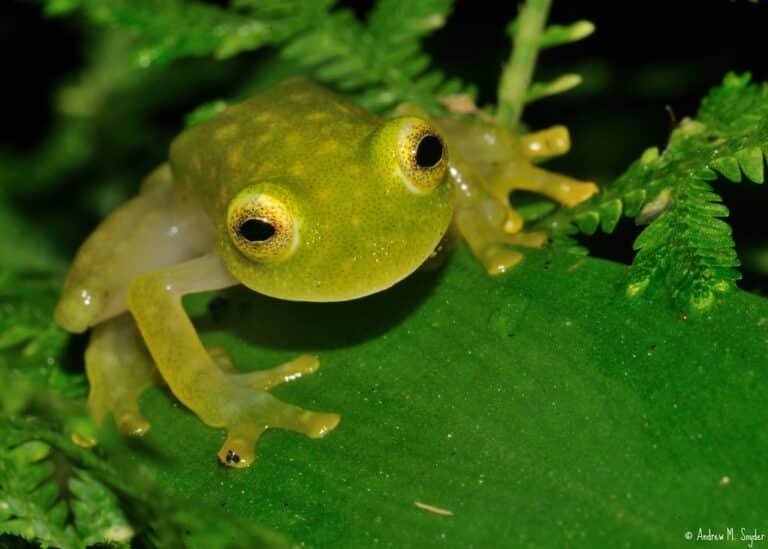
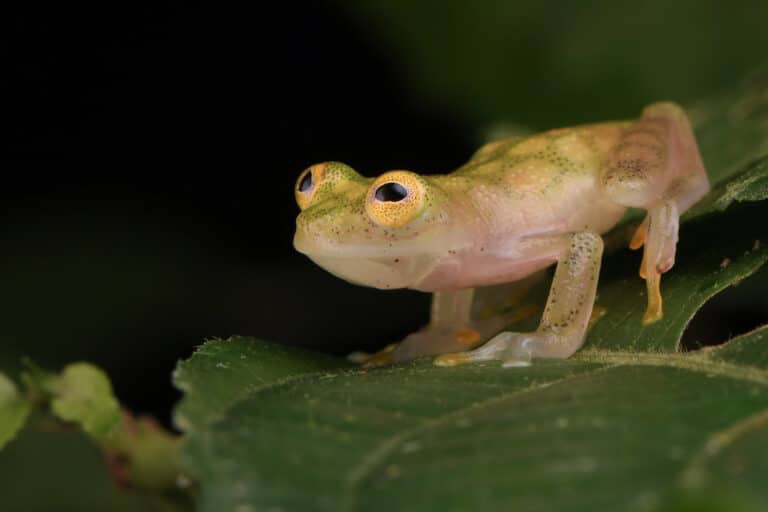
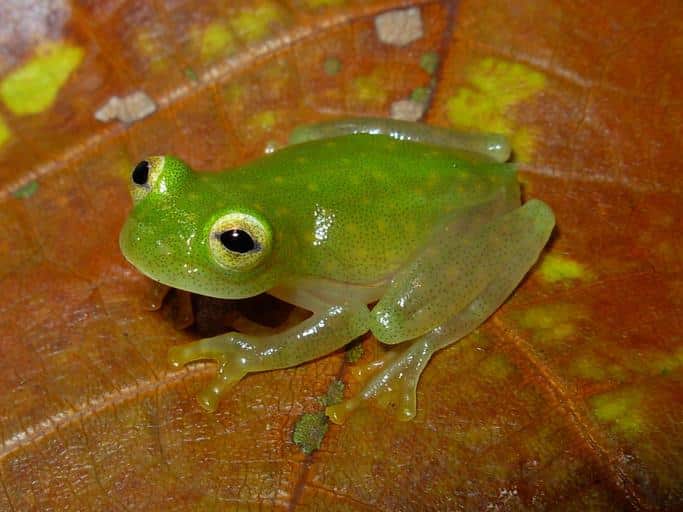
The Glass Frog is a mesmerizing little amphibian that hails from Central America. It measures just 1.9 to 3 centimeters long, making it a tiny gem in the rainforest!
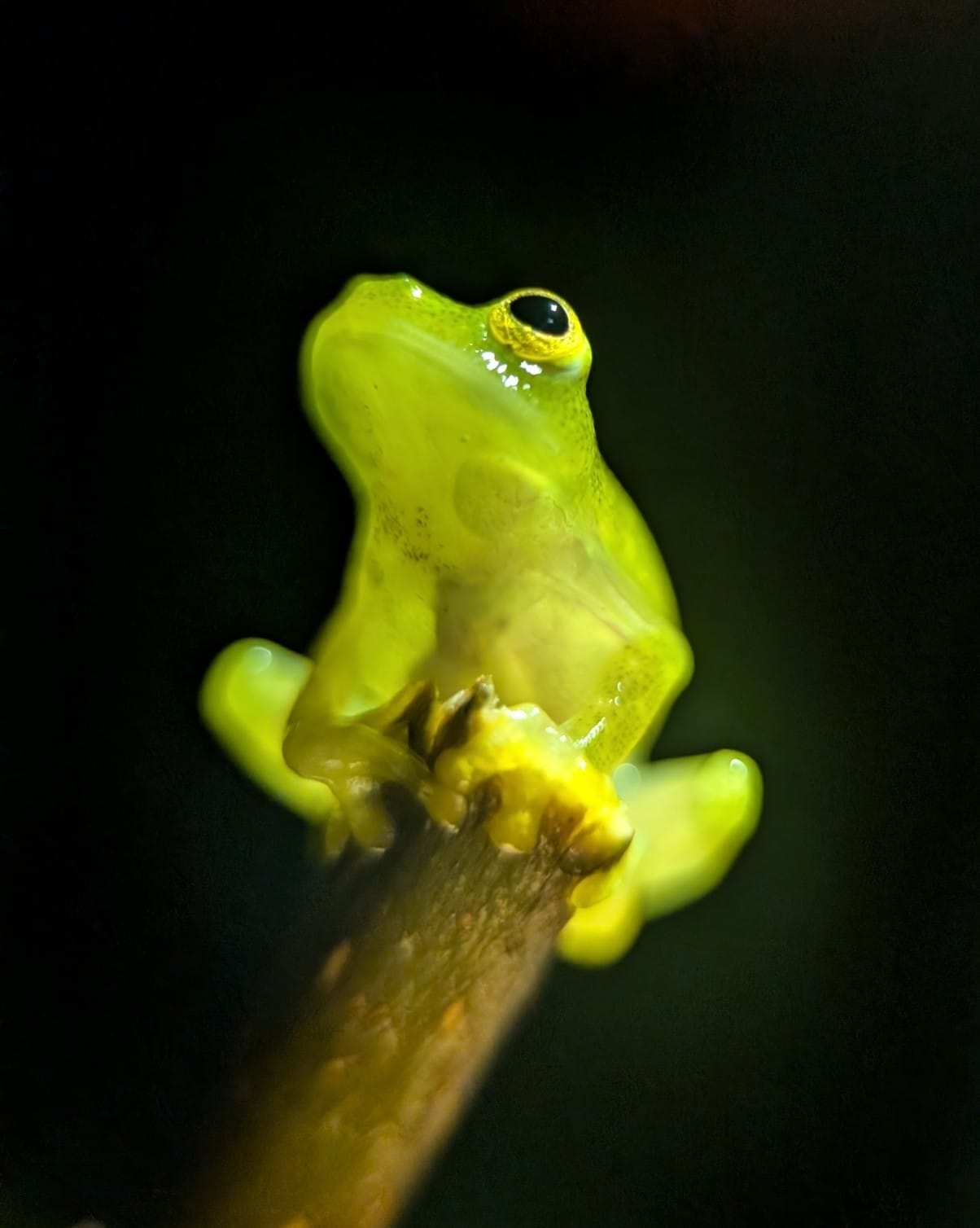
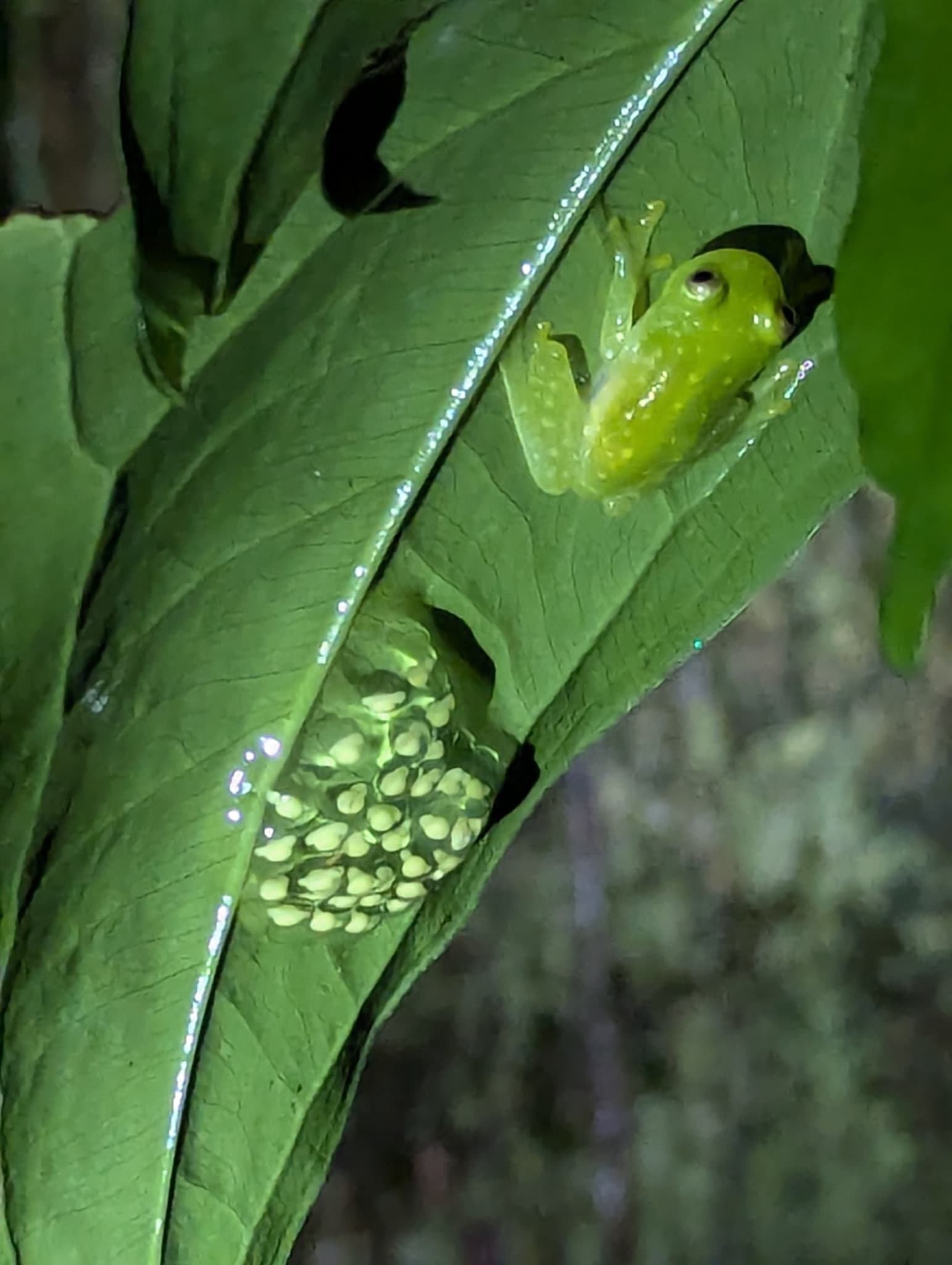
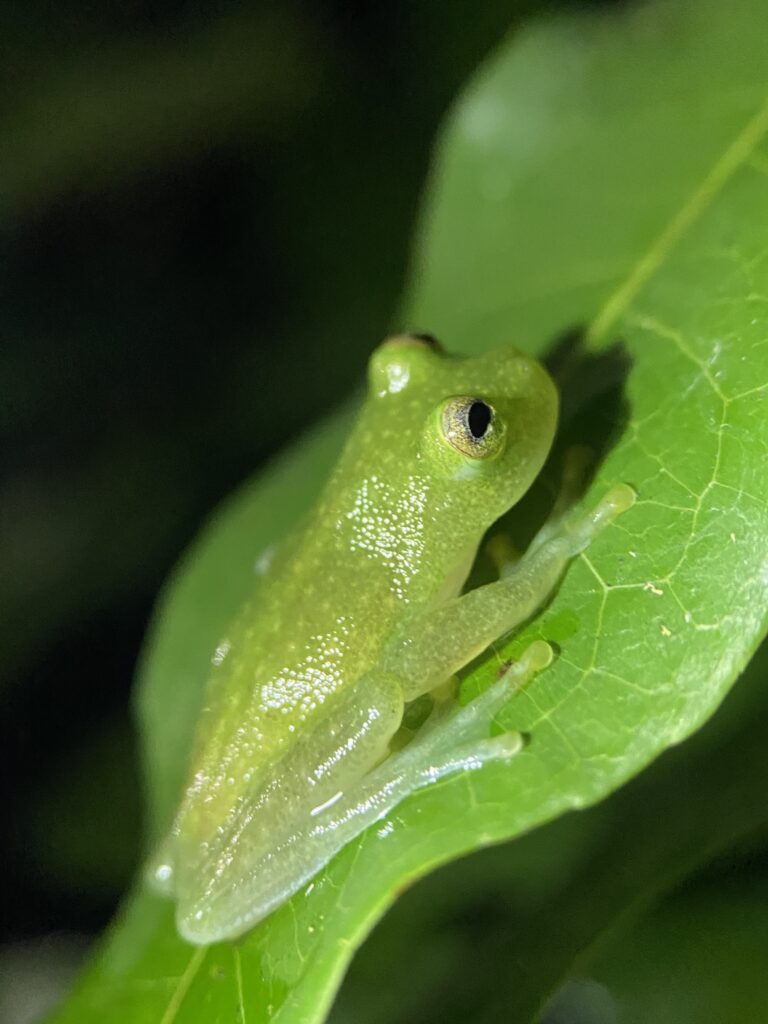
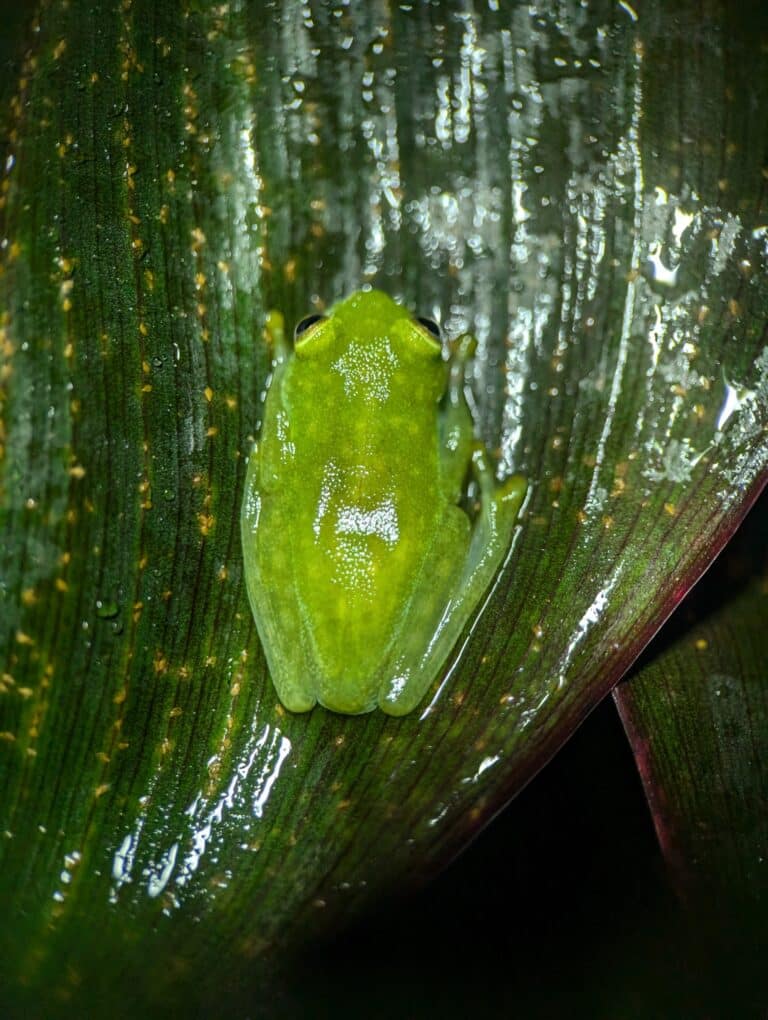
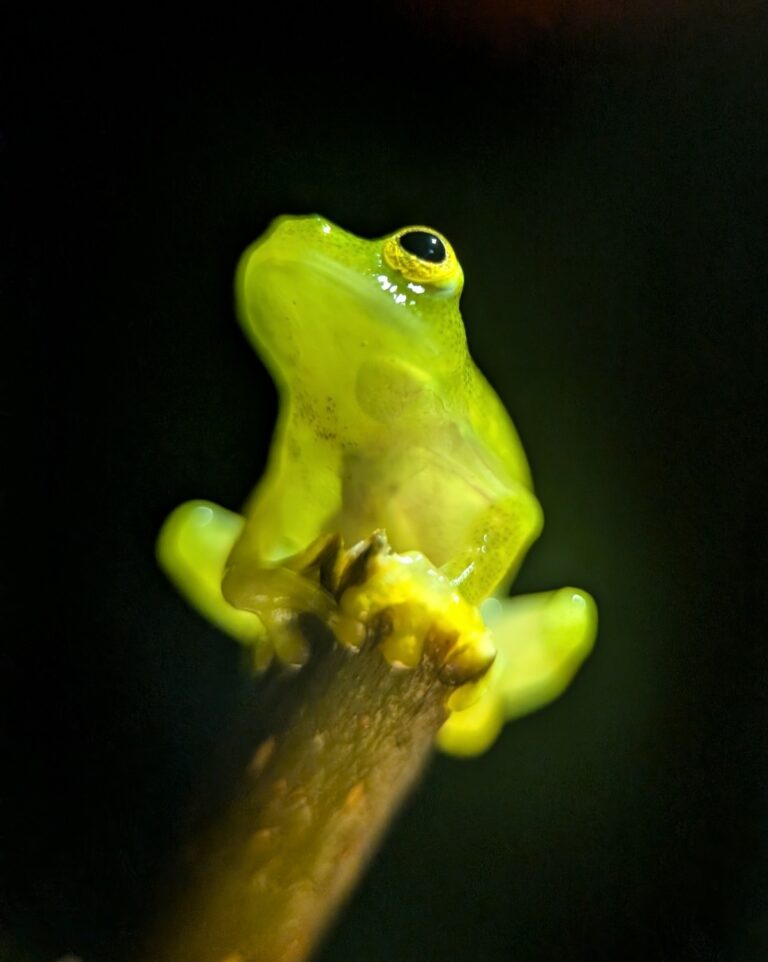
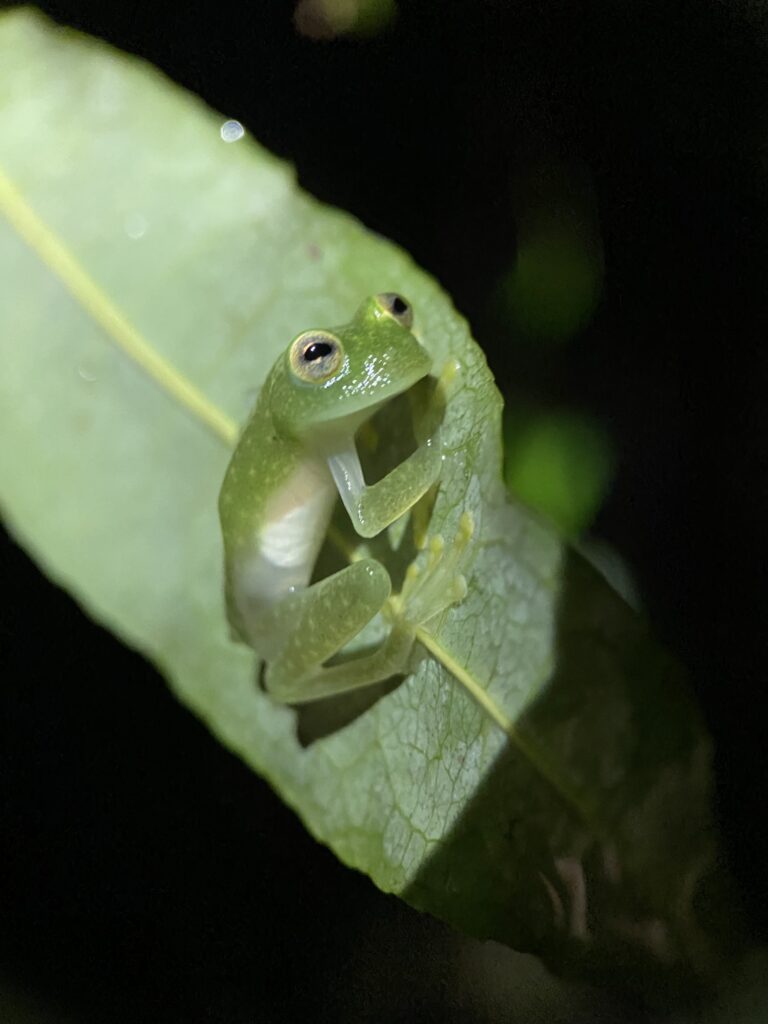
One of the coolest features of these frogs is their transparent skin. This allows you to see their internal organs, like their heart and even their stomach! It's like nature's own magic trick.
Glass Frogs mainly feast on insects and spiders, making them great bug busters. They help keep insect populations in check, so they contribute to the health of their ecosystem.
These amphibians live for 10 to 14 years in the wild. Glass Frogs hop around, exploring their lush surroundings, and have plenty of adventures in their rainforest home.
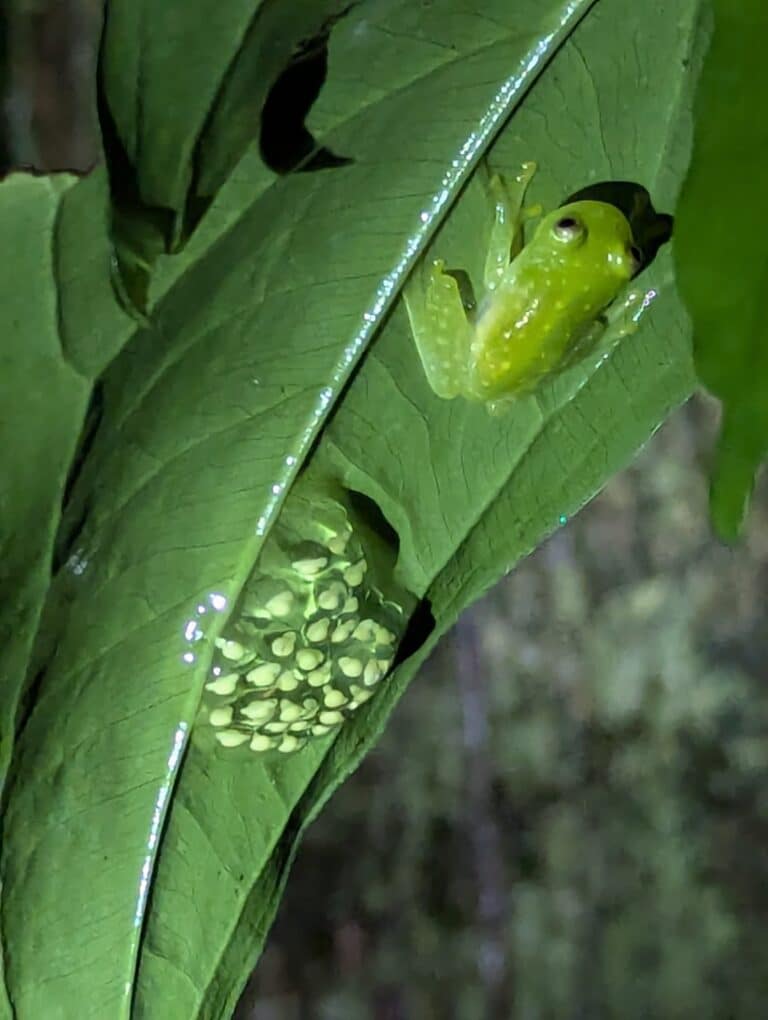
Female Glass Frogs lay their eggs on leaves above water. When the tadpoles hatch, they drop into the water below, completing this thrilling drop from leaf to pond!
Many are surprised to learn that Glass Frogs are not only fascinating but also play a vital role in maintaining their environment. So remember, the next time you see a Glass Frog, you are witnessing a unique part of our amazing planet!

Where can you find a Glass Frog in the wild?
What does a Glass Frog eat?
How big can a Glass Frog grow?
How long does a Glass Frog typically live?
What is the conservation status of the Glass Frog?
What are the main threats to the Glass Frog?
Fun facts
Glass Frogs can change colors, blending in with their environment to hide from predators. They do this by expanding or contracting special pigment cells in their skin.


When Glass Frogs feel threatened, they can freeze in place, becoming almost invisible among the leaves, like little green ninjas of the rainforest.
Their transparent skin isn’t just for show! It lets them absorb moisture from the air, helping them stay hydrated in their humid homes.
Glass Frogs have a unique way of caring for their eggs. The females carefully lay their eggs on leaves right above water, giving their hatchlings a thrilling drop into the pond below!
During the day, Glass Frogs like to take a snooze on leaves or under branches, but at night, they become vibrant bug hunters, flipping their long tongues to catch dinner!
These amphibians can breathe through their skin, making it easier for them to thrive in their moist, rainforest habitats without needing to come to the surface for air.
After hatching, tadpoles can swim around for weeks, sometimes even sharing their ponds or streams with other frog species until they transform into tiny frogs.
Glass Frogs are so tiny and frisky that you might see one hopping away just when you thought you spotted it! Their quick movements help them escape from curious eyes.
Some cultures believe Glass Frogs bring good luck, so they celebrate these unique amphibians with stories and artwork, highlighting their importance in local traditions.
Glass Frogs can live in healthy numbers in the wild, but scientists keep a close eye on them to ensure that their rainforest homes stay safe and sound!
Photos



The Basics


explore more
Amphibians
Arachnids
Birds
Cats
Crustaceans
Fish
Fish Pet Guide
Gastropods
Insects
Invertebrates
Mammals
Pet Fish
Pet Rodents
Plants
Reptiles
Roundworms
Sea Slugs