

Successfully copied to clipboard!
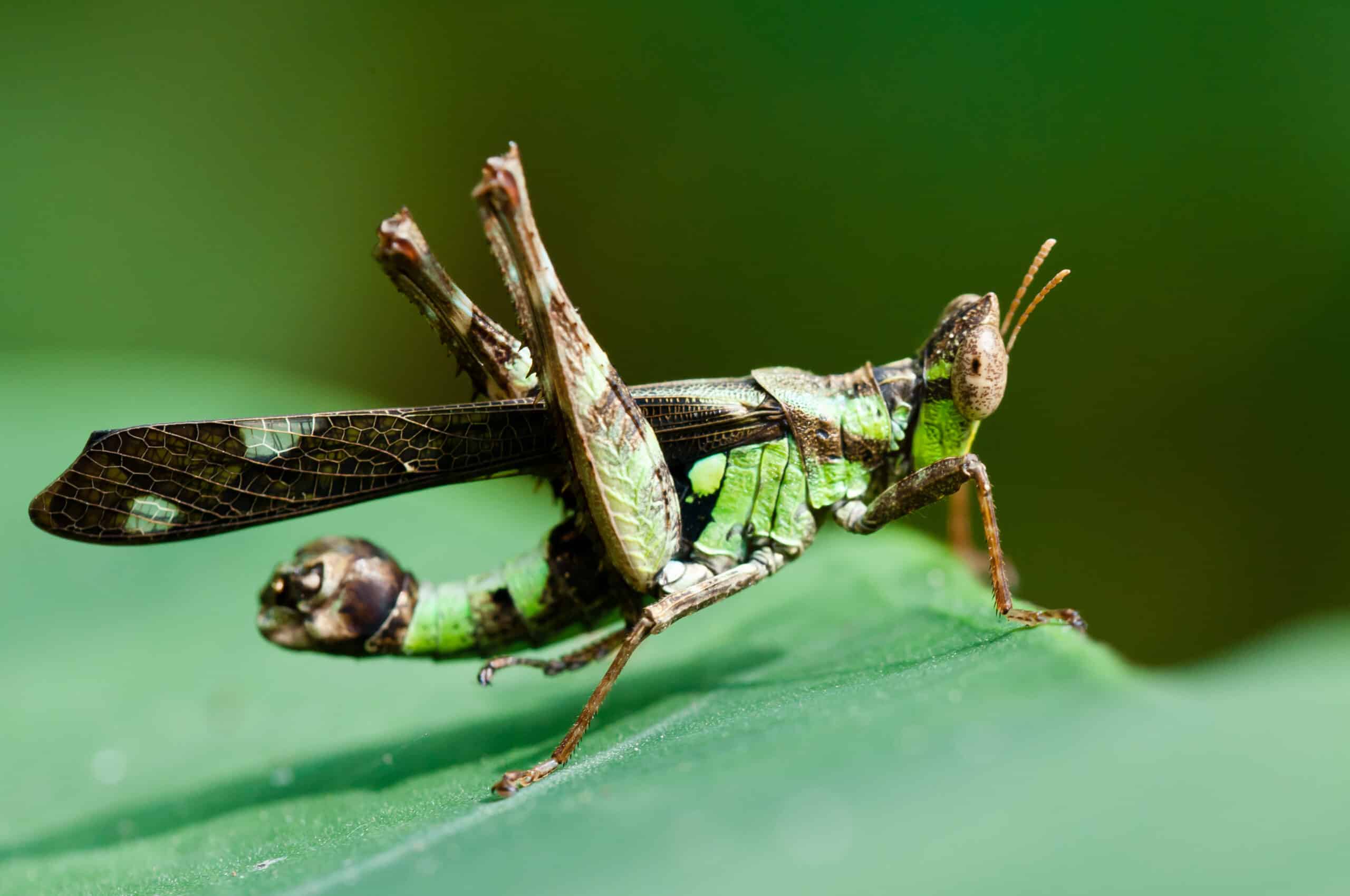
Grasshopper
Jump into the vibrant world of energetic little grasshoppers!
Let’s Explore
Overview
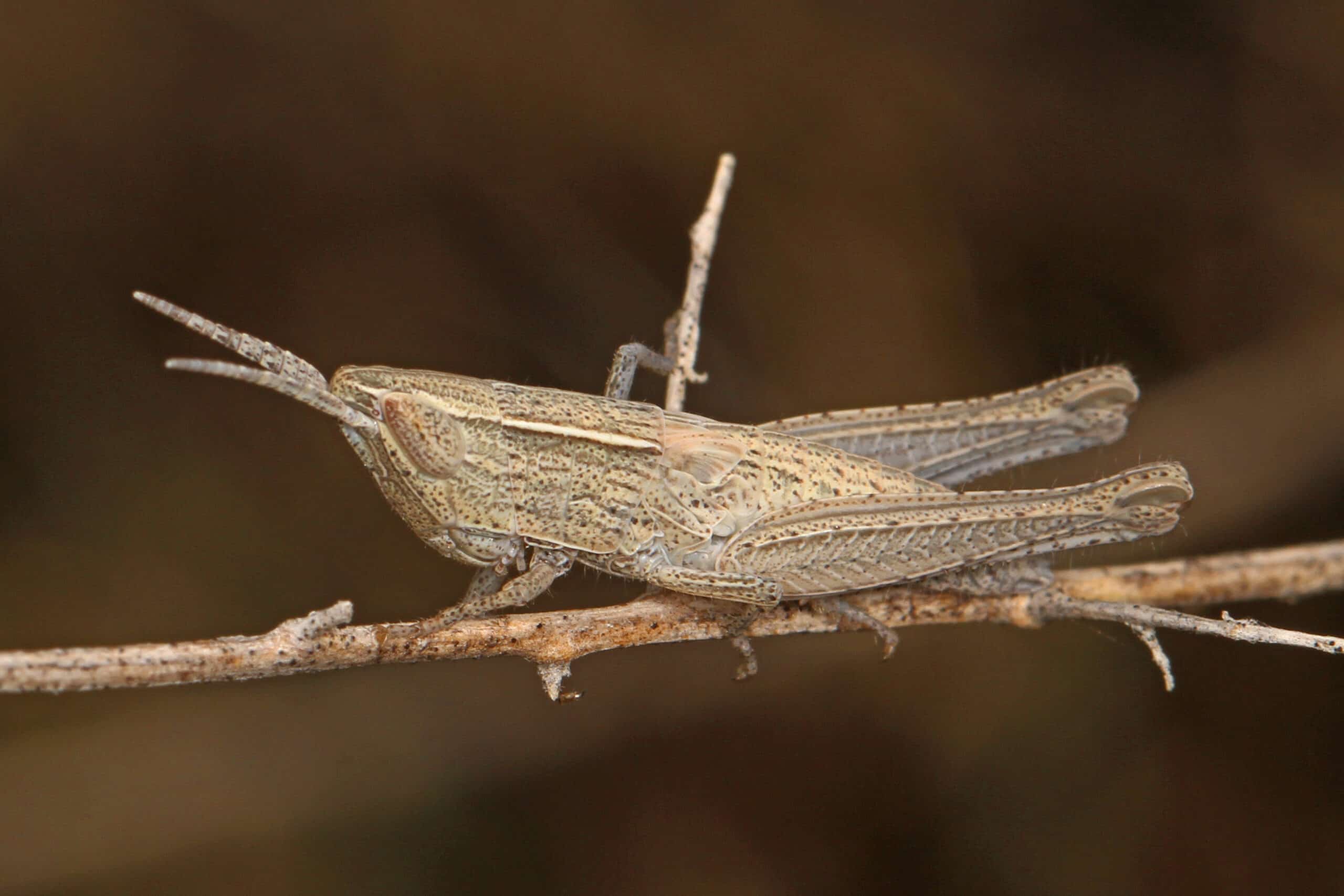
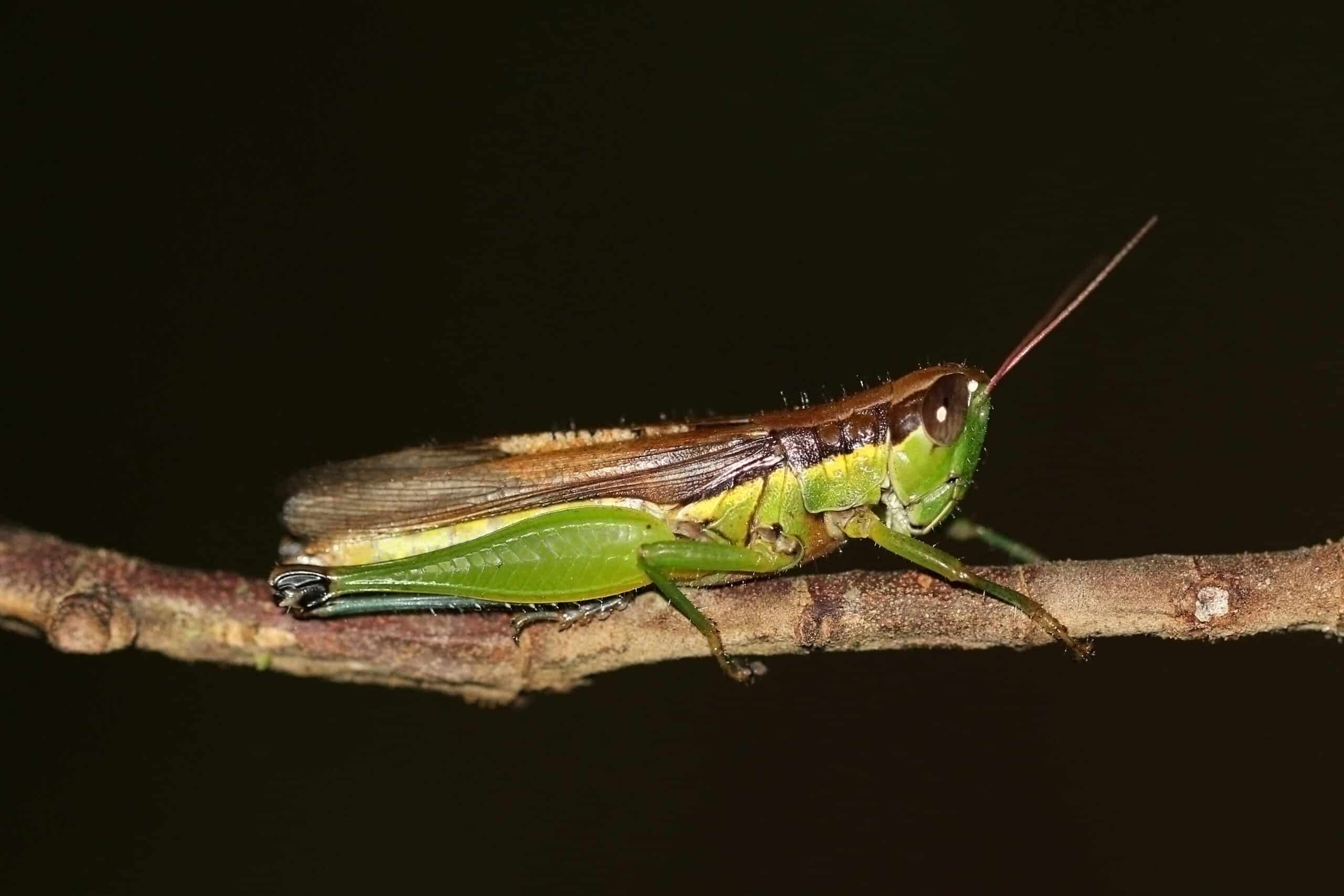
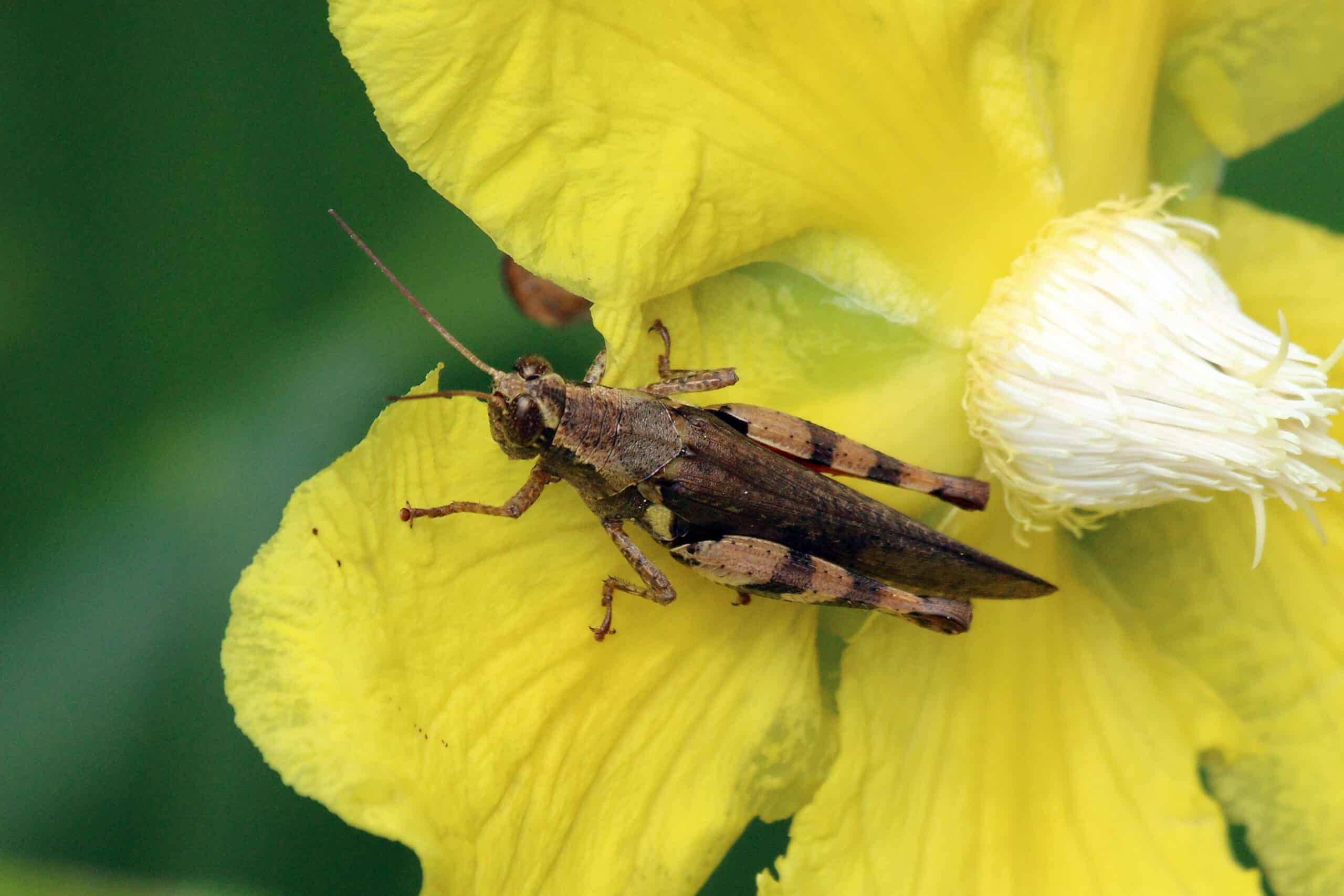
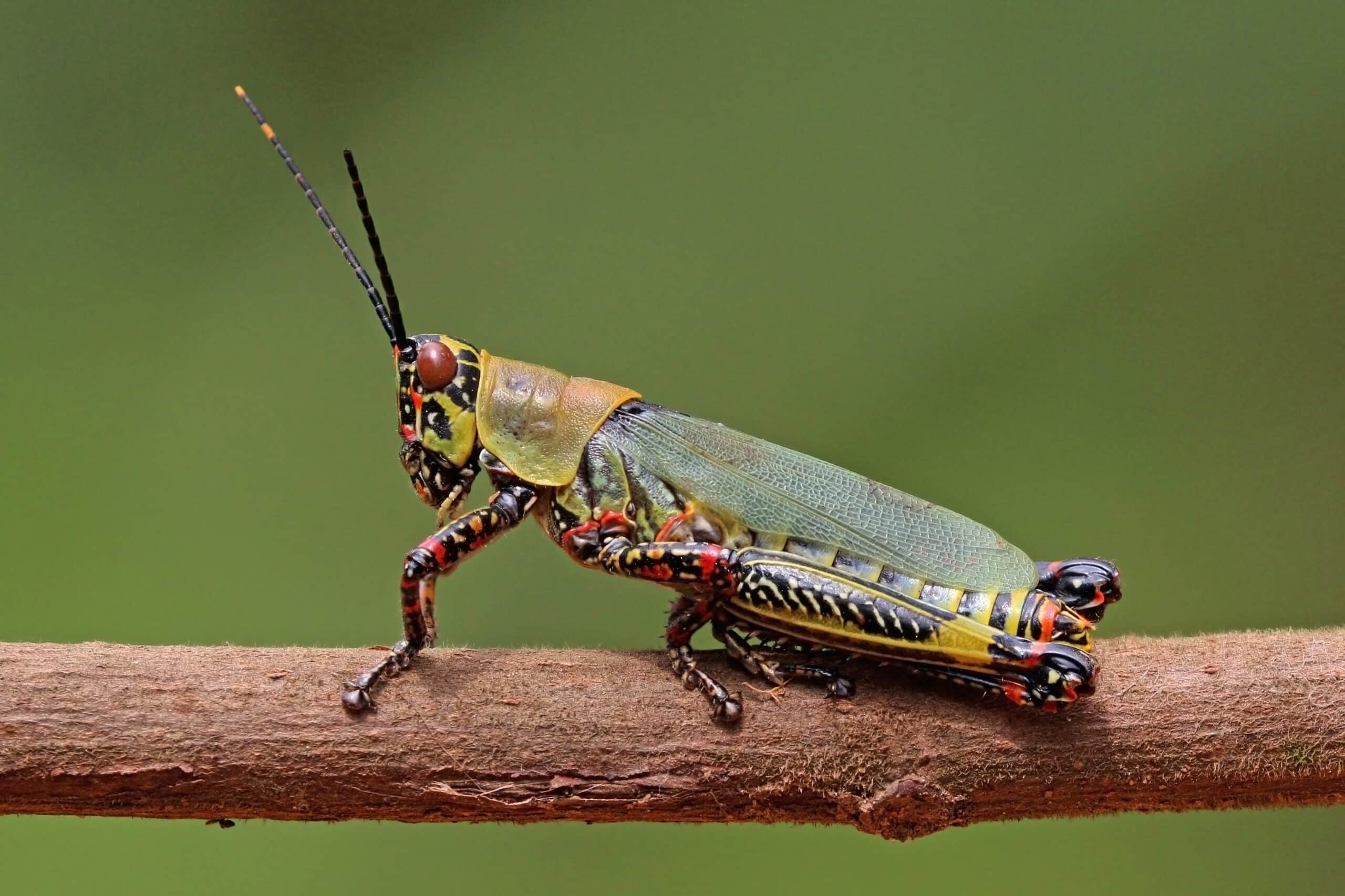
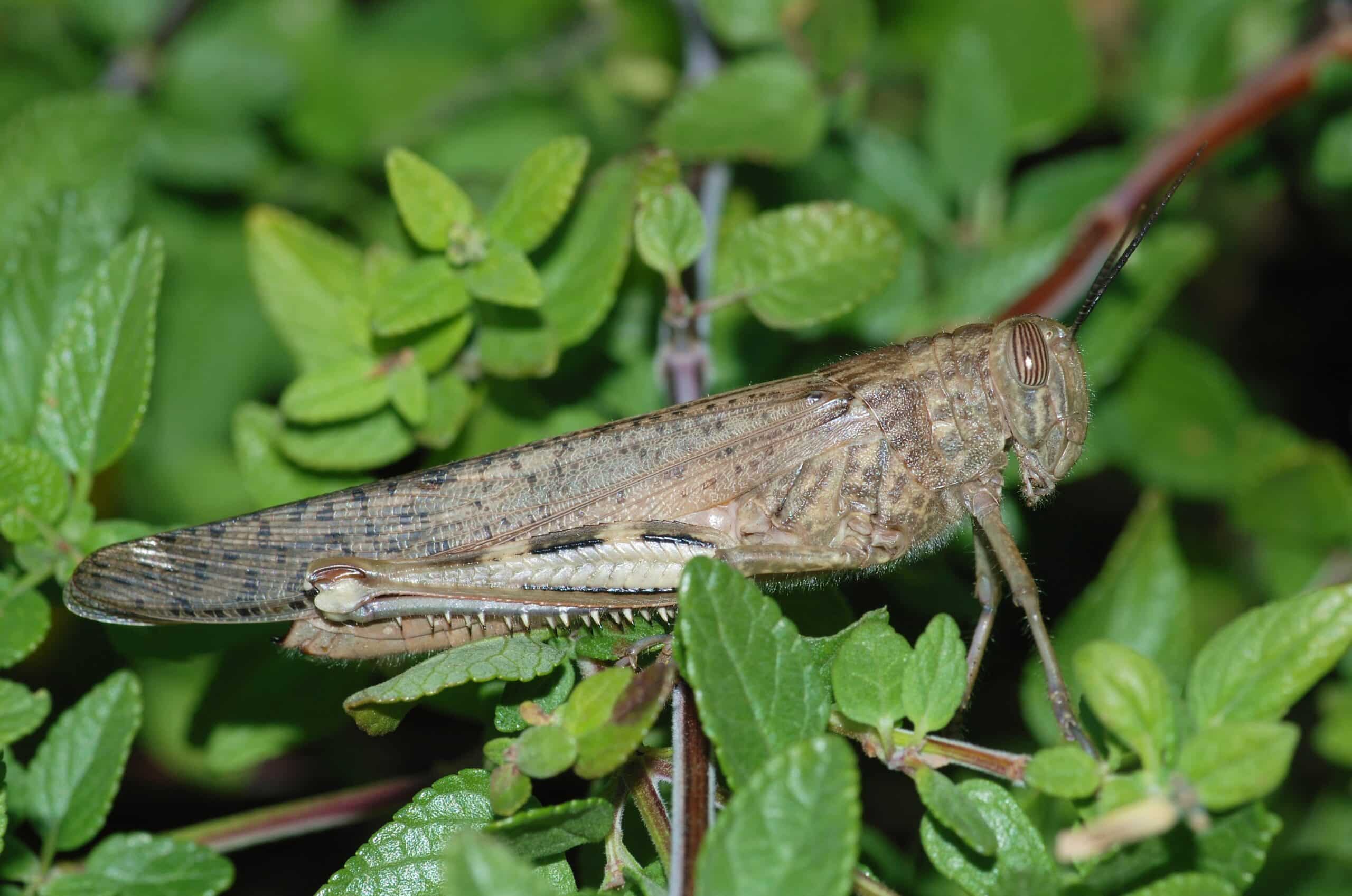
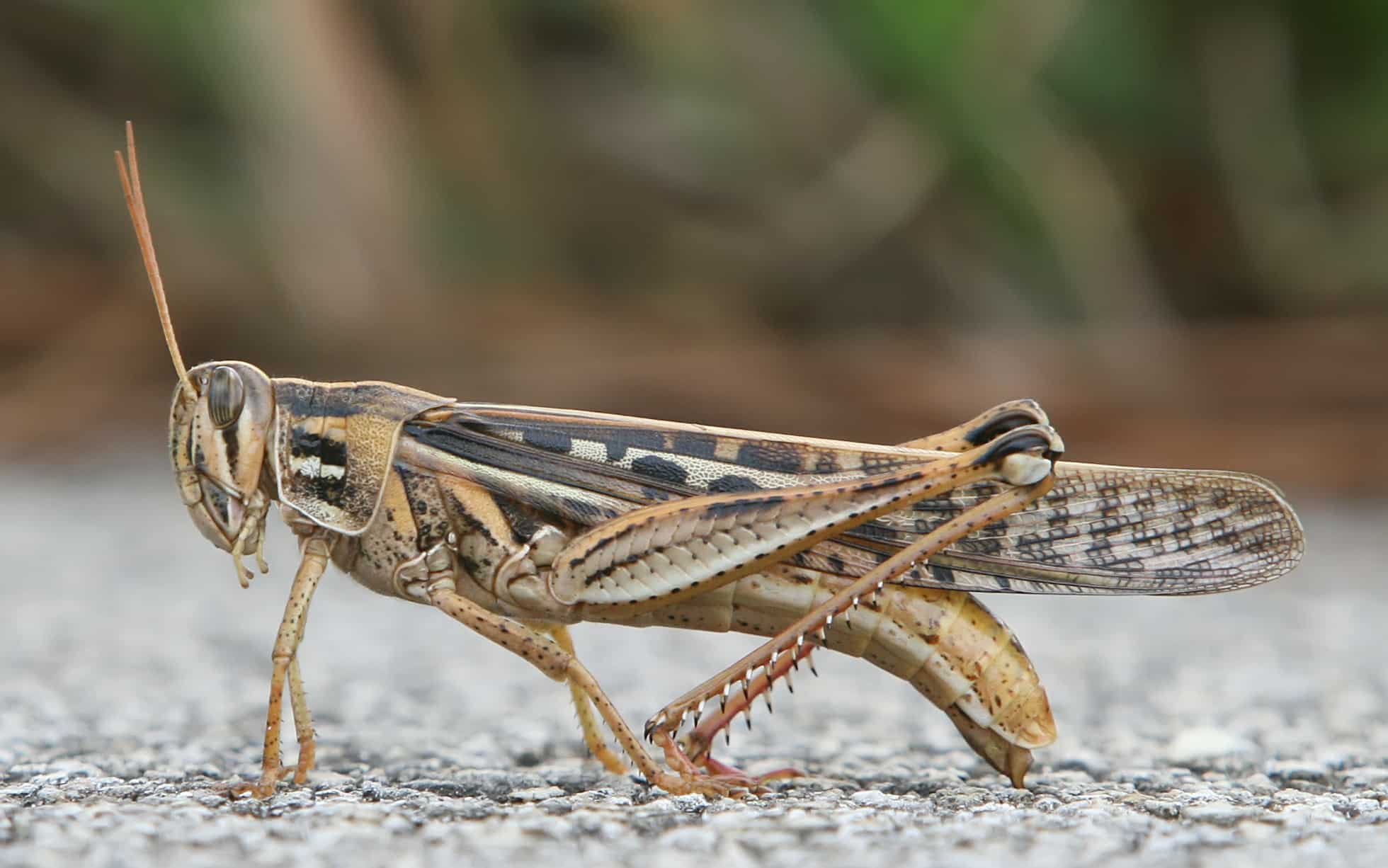
Grasshoppers are amazing insects that belong to the order Orthoptera. They often hop around gardens and fields in Africa, showcasing their vibrant colors and long hind legs designed for impressive jumps!
These lively critters typically measure between 1 to 4 inches in size. With bodies built for leaping, a grasshopper can jump up to 20 times its own length, making them the superheroes of the insect world!
Grasshoppers munch on a tasty diet that includes grass, leaves, and even cereal crops. They are like tiny lawnmowers, helping to keep the vegetation around them in check.
These fascinating insects have a lifespan of up to 1 year. During that time, they enjoy soaking up the sun and hopping around, living life at full speed!
Grasshoppers belong to a special class called Insecta, and they are part of the broader animal kingdom called Animalia. Their scientific name, Caelifera, adds a fancy touch to their already impressive identity.
With their large compound eyes and long antennae, grasshoppers explore the world in style. Their cool features help them sense their environment, making them attentive adventurers in their grassy habitats.
Next time you see a grasshopper, remember they are more than just a bug hopping around. They are important players in their ecosystems, munching on plants and serving as snacks for larger creatures!

Where can you find a Grasshopper in the wild?
What does a Grasshopper eat?
How big can a Grasshopper grow?
How long does a Grasshopper typically live?
What is the conservation status of the Grasshopper?
What are the main threats to the Grasshopper?
Fun facts
Grasshoppers can leap up to 20 times their own length, making them the superheroes of hopping!


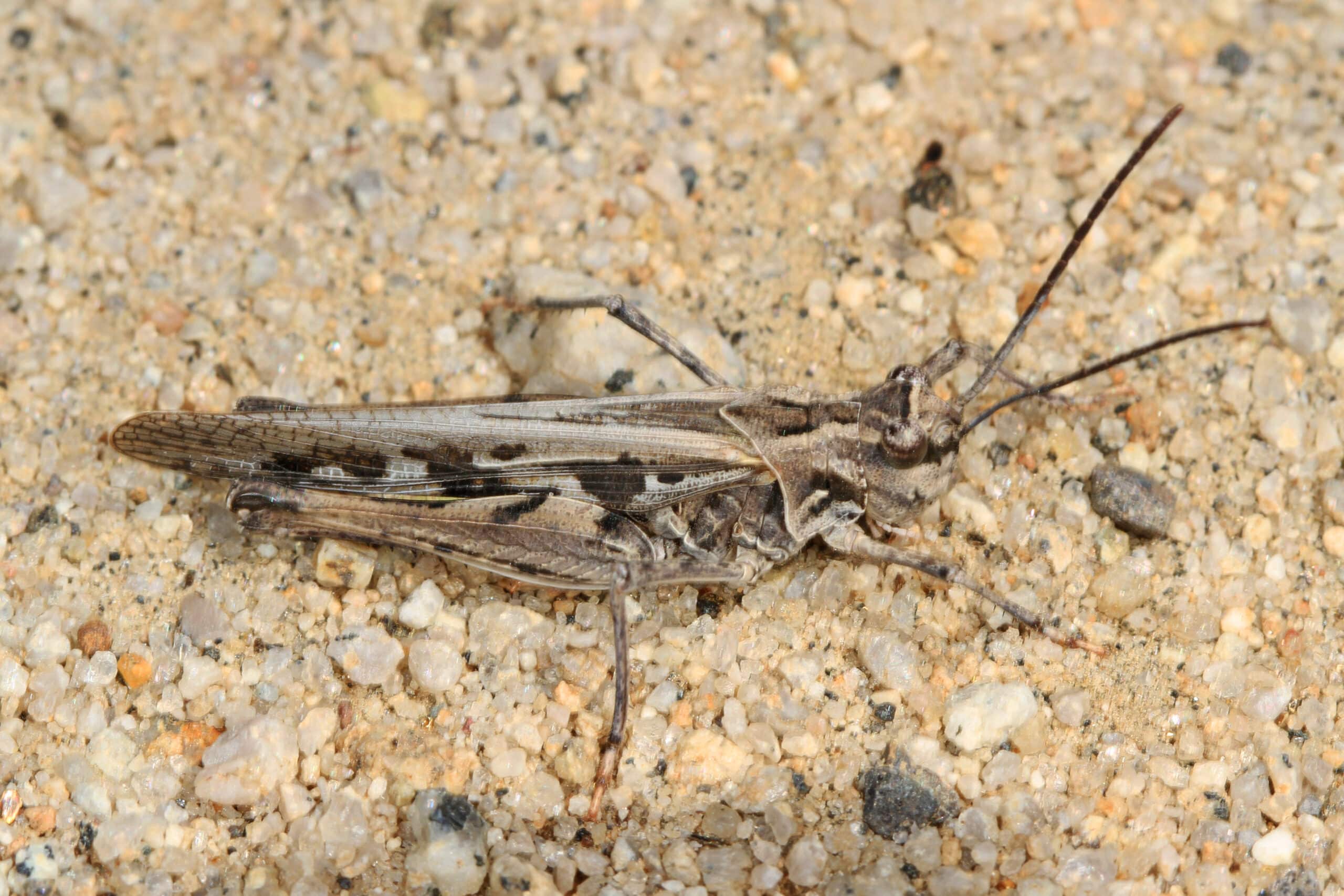
Some grasshopper species can change color depending on their surroundings, making them masterful camouflagers.
Grasshoppers hear with special organs called tympanal organs located on their abdomen. It's like having built-in headphones that let them listen to the world around them!
During mating season, male grasshoppers can produce sounds by rubbing their wings together, creating a chorus that attracts females!
Grasshoppers don't have teeth; instead, they use their strong jaws to chew their food. Picture a tiny lawnmower munching away on grass!
In some places, grasshoppers play a role in traditional food for humans, packed with protein and nutrients. Crunchy and tasty snacks!
Several grasshopper species can form massive swarms, marching together like a green army across fields, which can be both a spectacular sight and a farmer's challenge!
Some grasshoppers can live through dry seasons by going dormant, waiting for the right time to jump back into action when moisture returns!
Grasshoppers see in color, which helps them choose the best plants to munch on while avoiding other diners!
Just like we can get tired, grasshoppers can become exhausted after long jumps. They take breaks and soak up the sun to recharge their energy!
Photos



The Basics


explore more
Amphibians
Arachnids
Birds
Cats
Crustaceans
Fish
Fish Pet Guide
Gastropods
Insects
Invertebrates
Mammals
Pet Fish
Pet Rodents
Plants
Reptiles
Roundworms
Sea Slugs
