Successfully copied to clipboard!
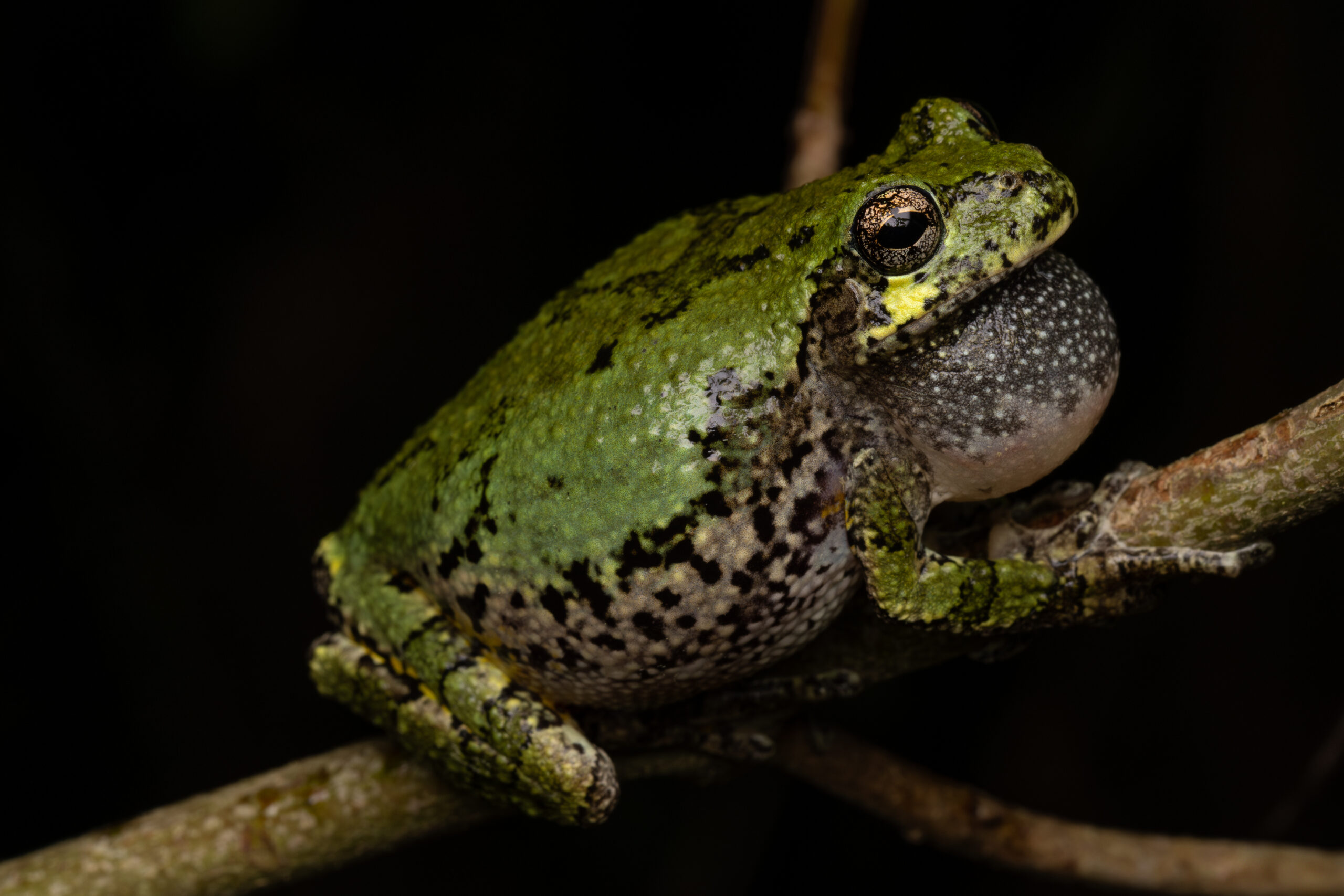
Gray Tree Frog
Hop into a world of amazing, colorful jumping friends!
Let’s Explore
Overview
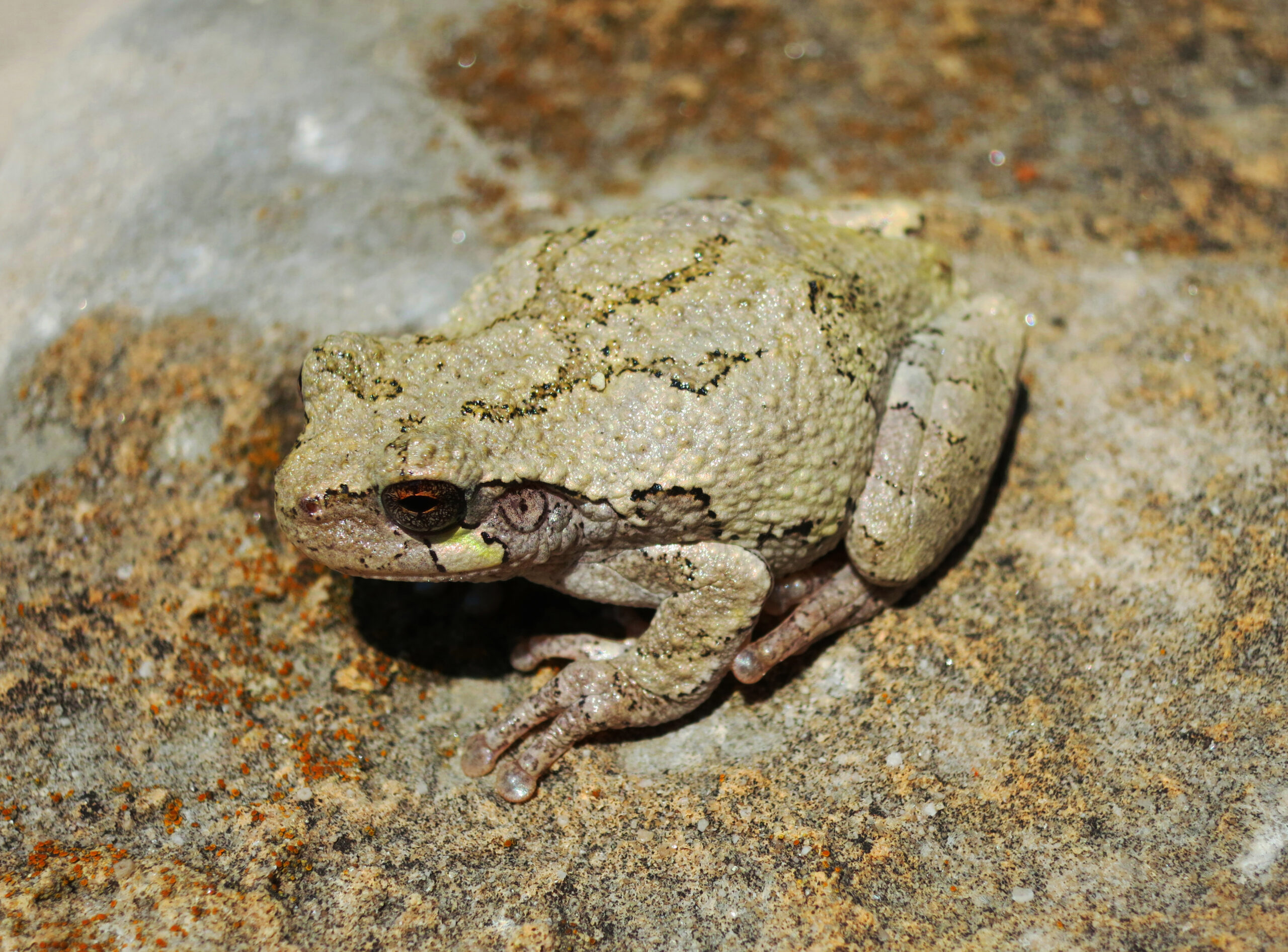
The Gray Tree Frog hops onto the scene as a charming amphibian native to North America. These little leapsters grow to an average size of 1.25 to 2 inches long, making them perfect for small spaces and curious kids!
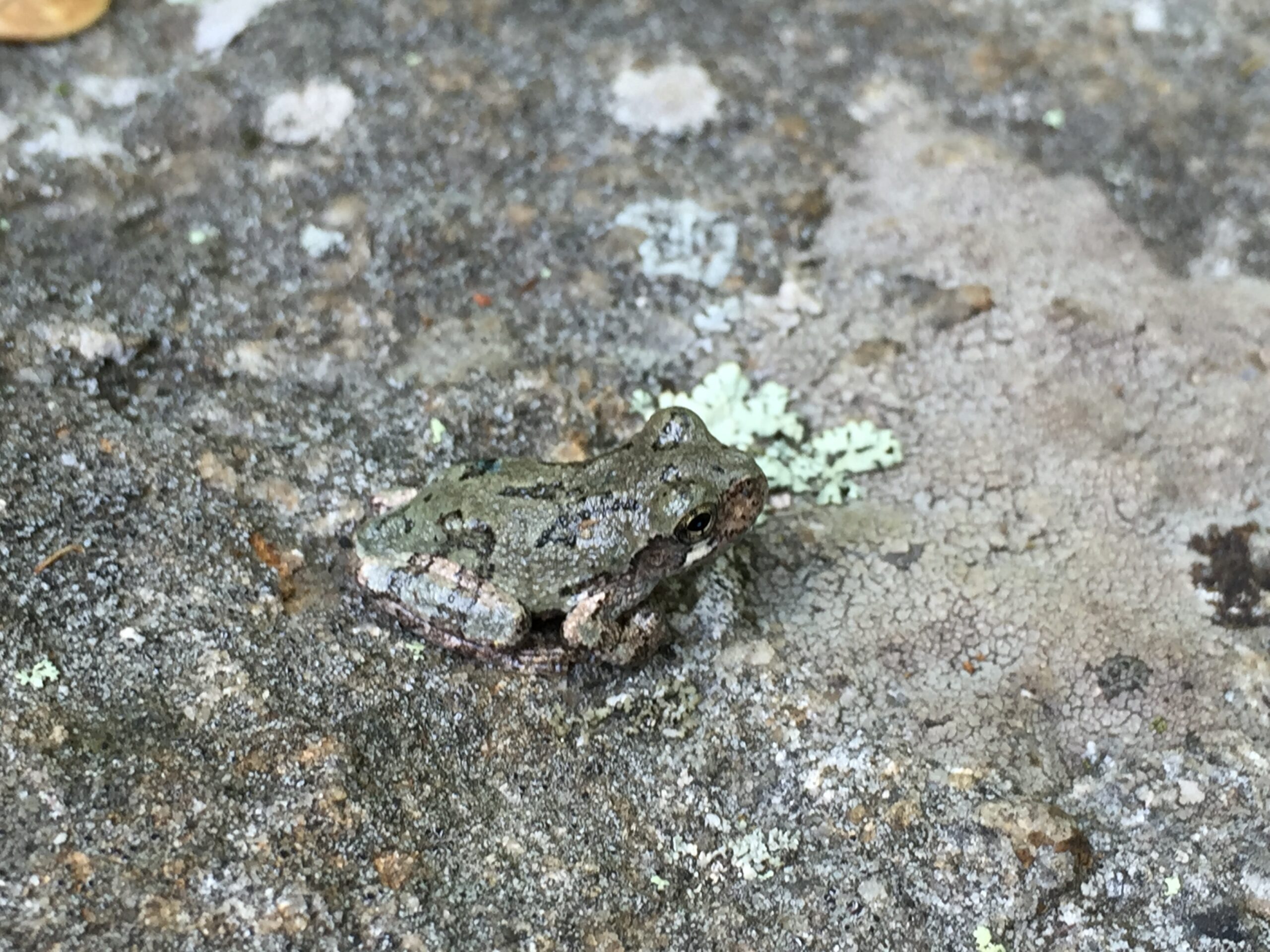
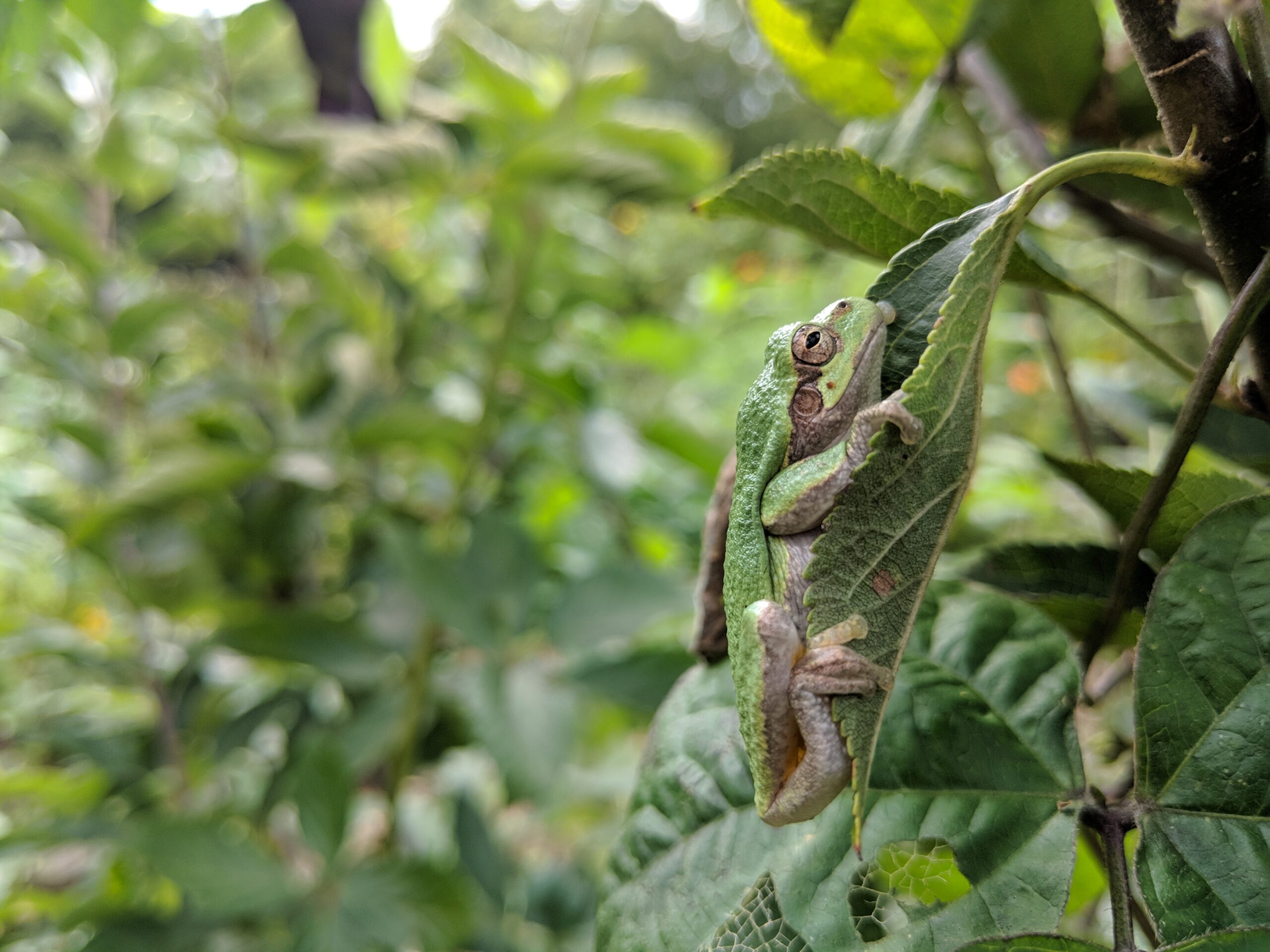
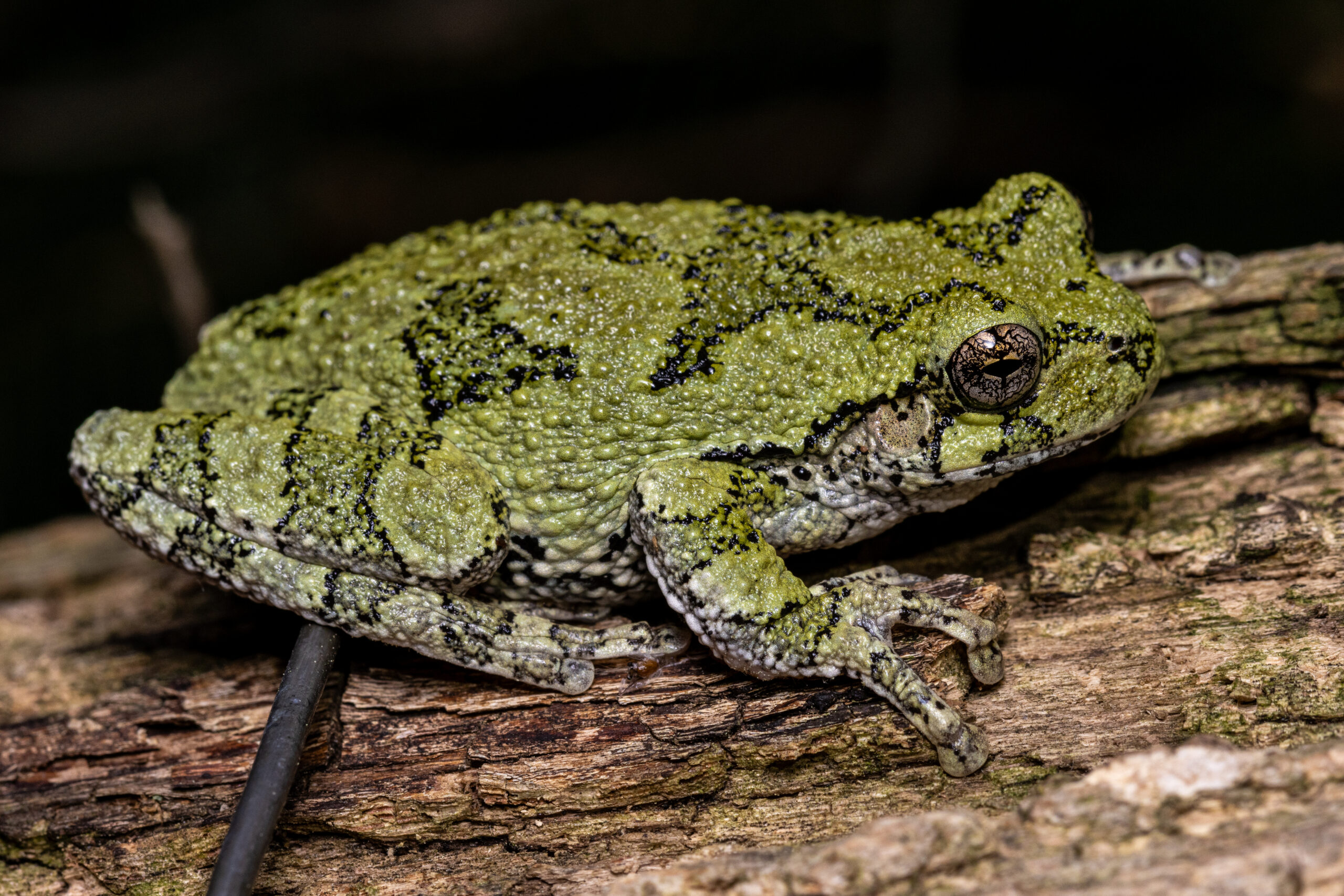
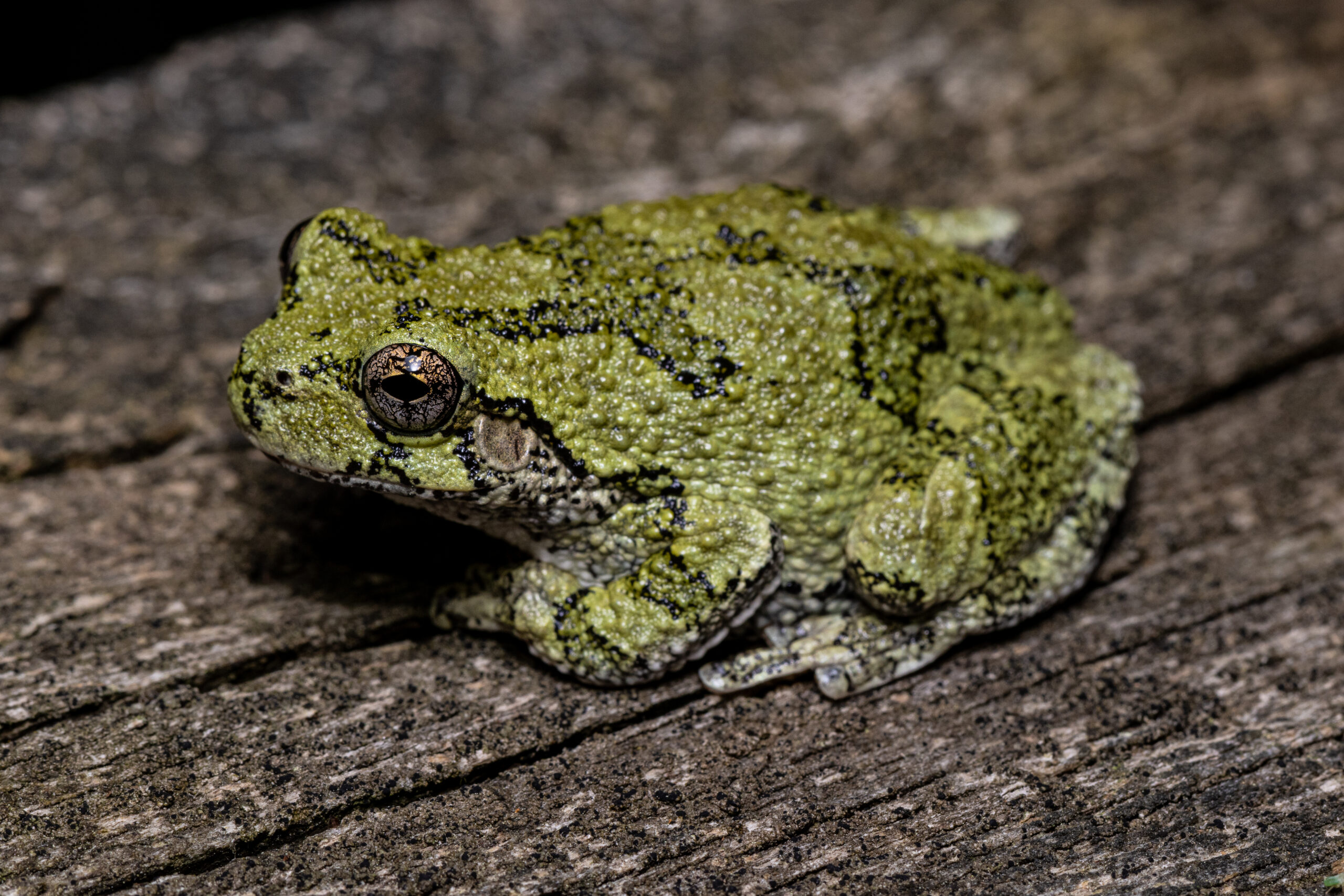
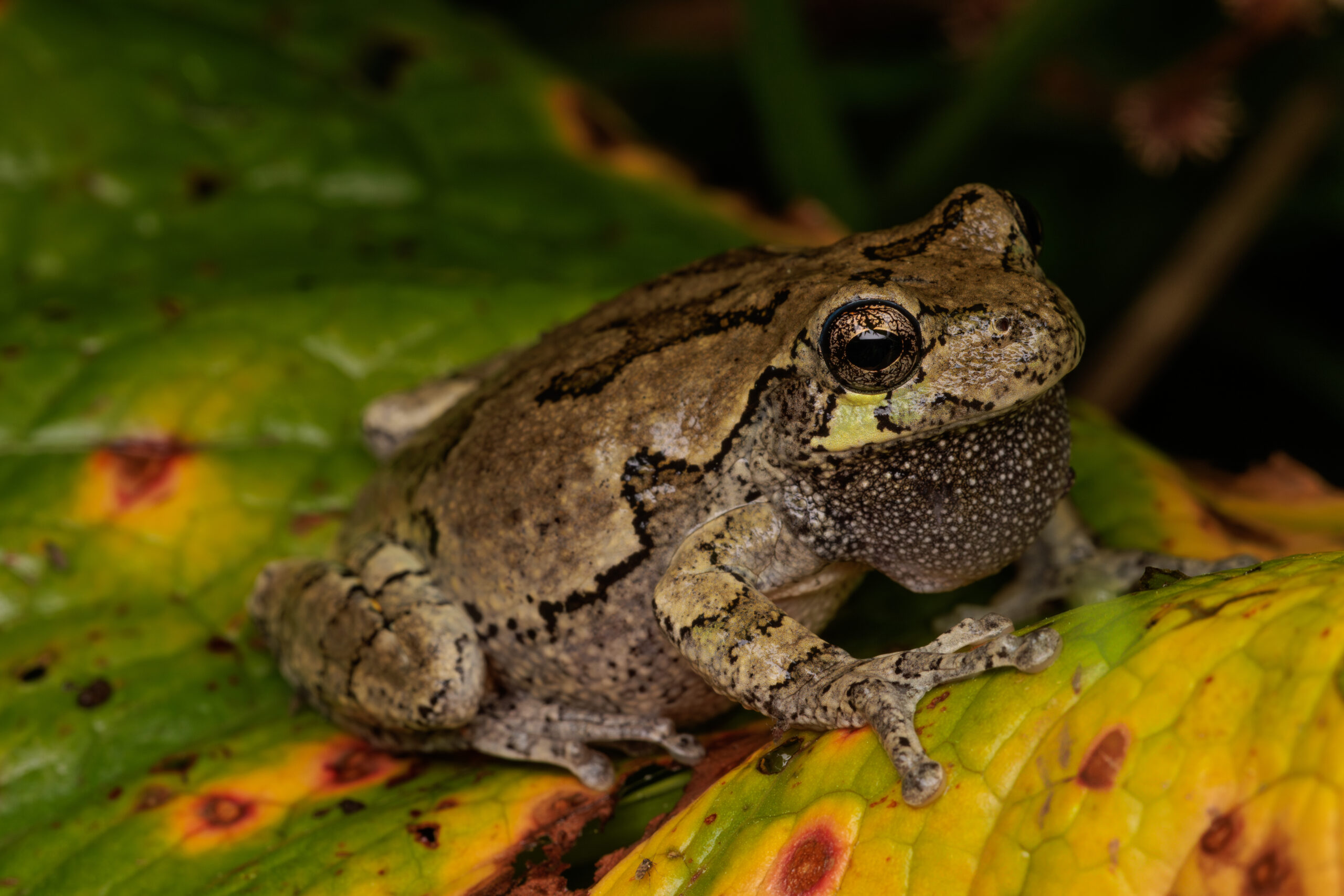
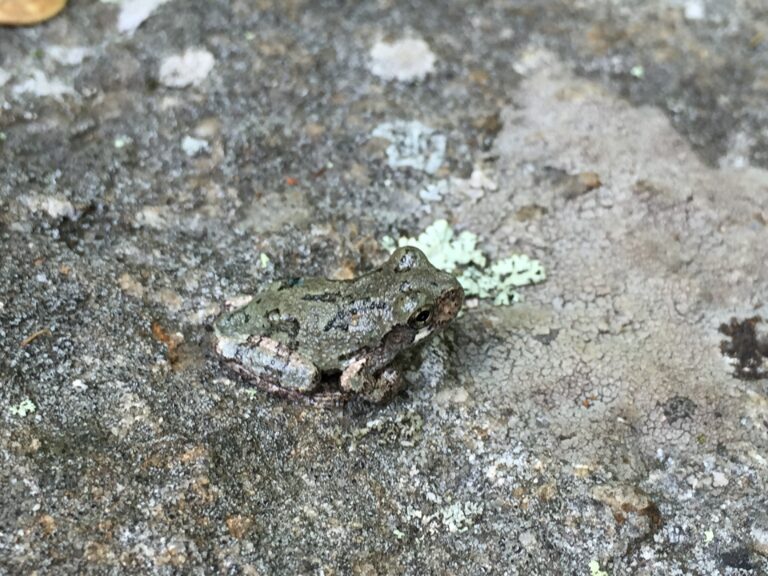
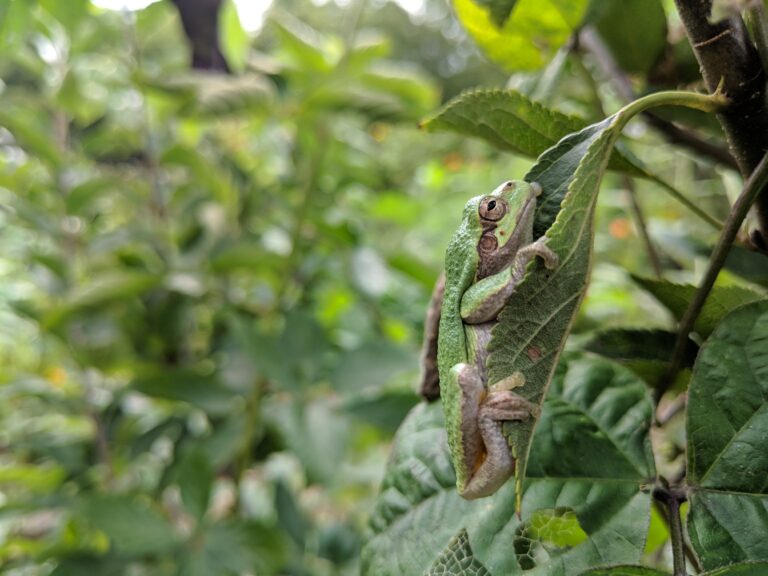
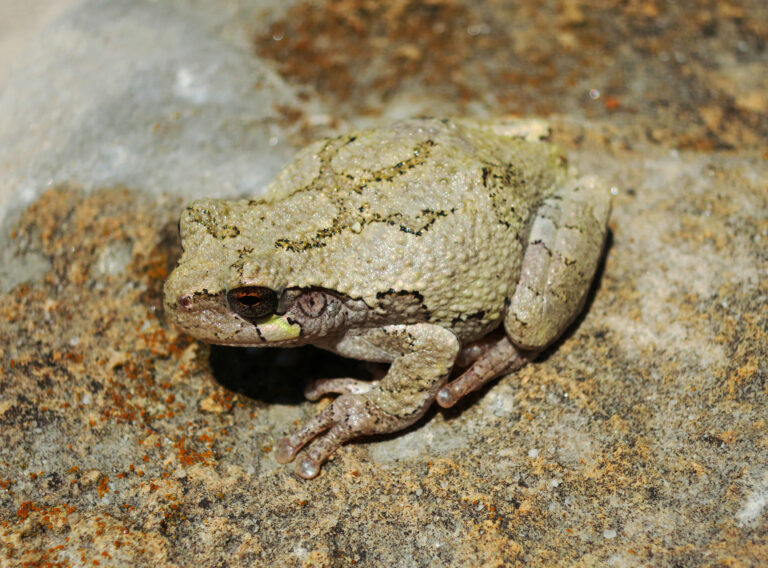
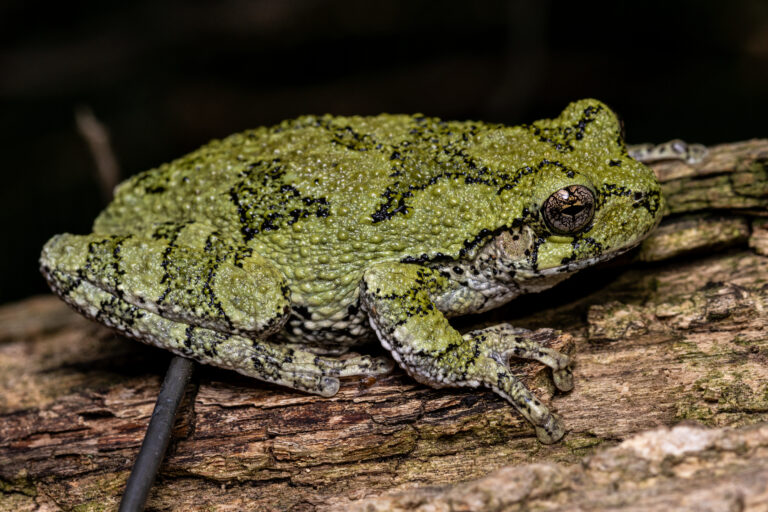
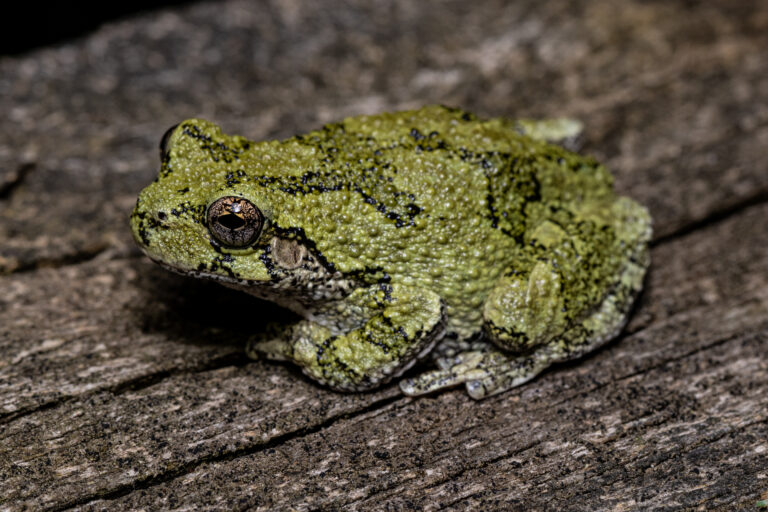
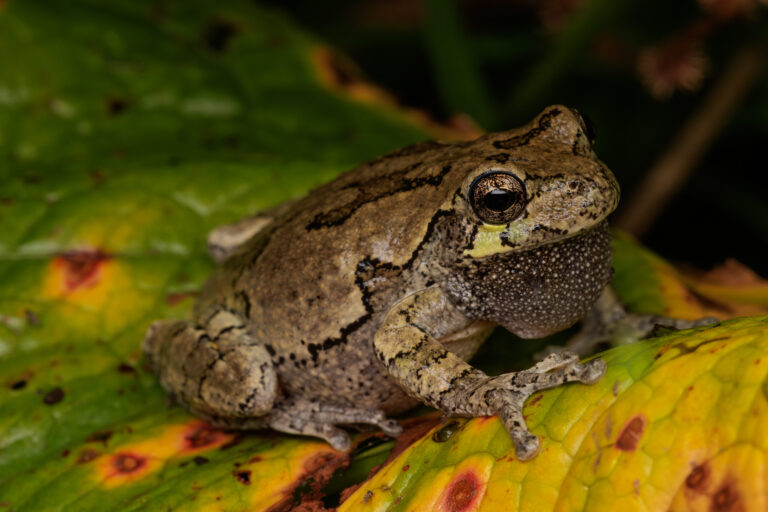
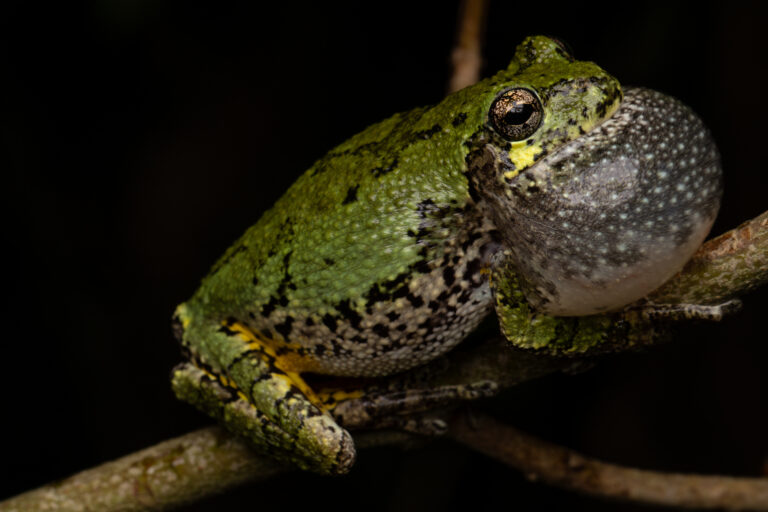
Gray Tree Frogs belong to the Hylidae family and are known for their incredible ability to blend into their surroundings. They might change color from gray to green to match the leaves and bark, just like nature's very own chameleons!
These froggy friends thrive in forests, wetlands, and gardens where they find plenty of insects and small invertebrates to munch on. With a diet rich in tasty treats, they help keep insect populations in check!
Gray Tree Frogs have a life span of 7 to 9 years, giving them plenty of time to be the stars of the garden show. They greet each evening with their unique, cheerful calls, adding a symphony of sounds to the night.
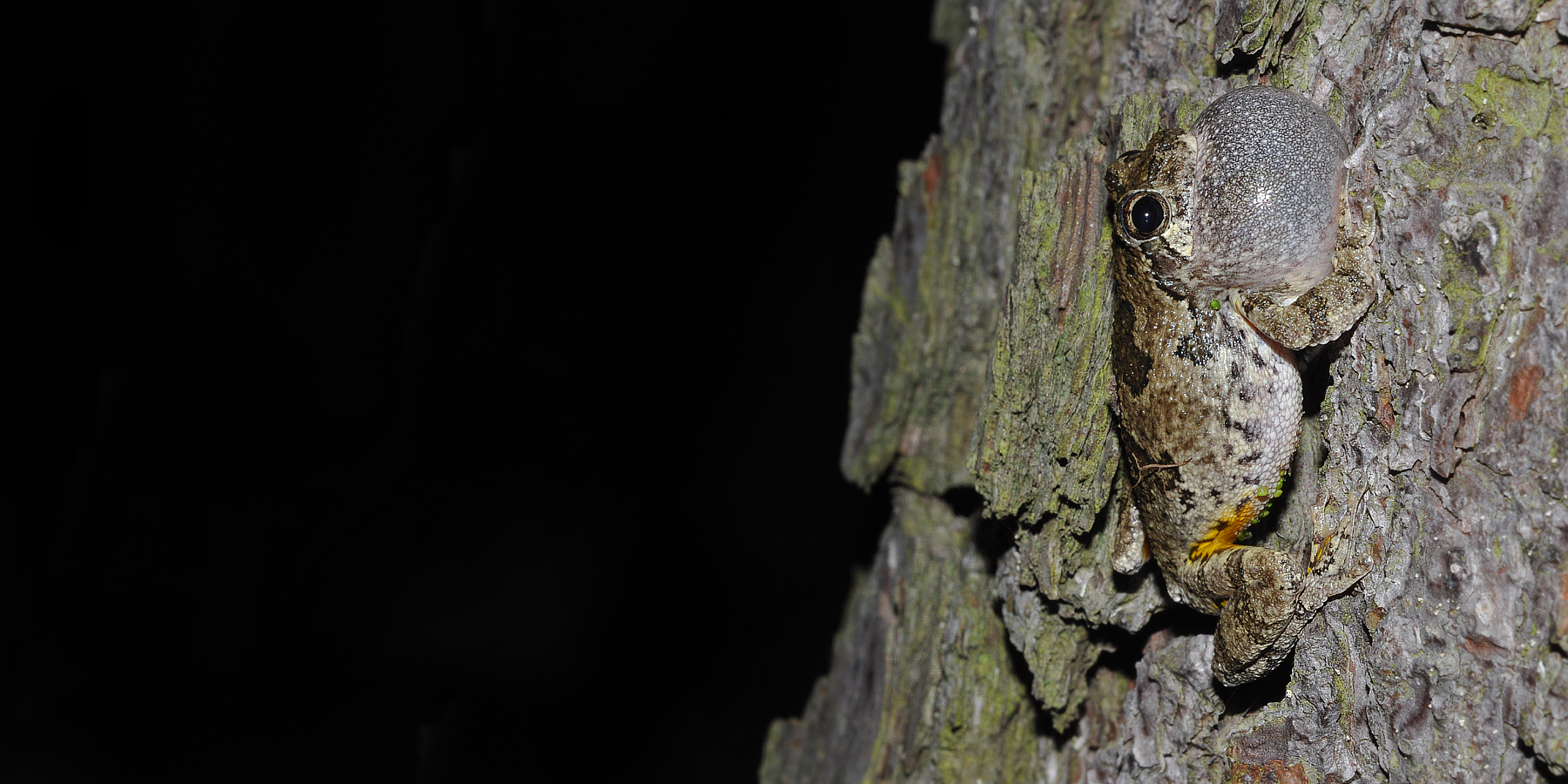
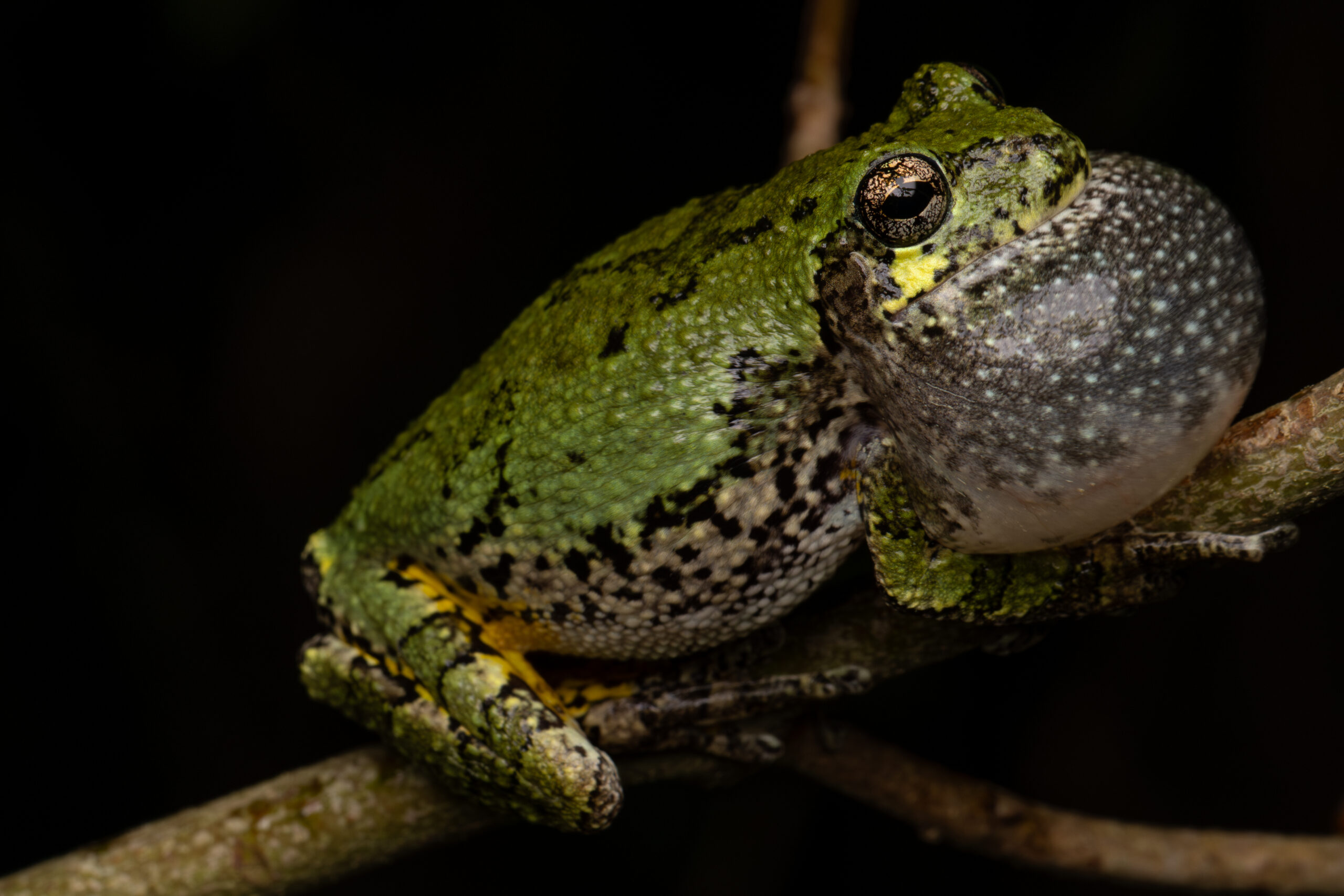
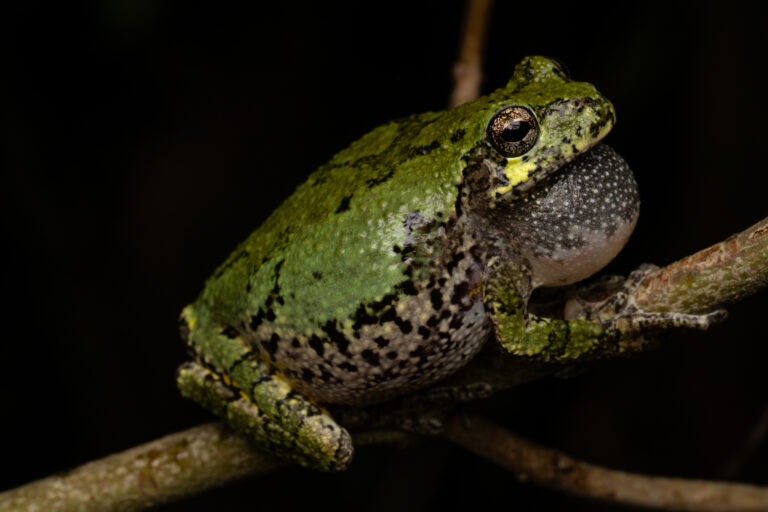
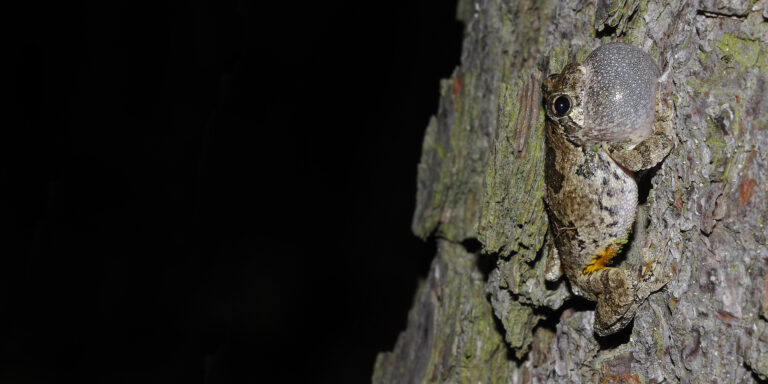
During the breeding season, males sing to attract females, creating a magical melody that fills the air. This froggy concert helps them find their perfect partners in the big, wide world!
With their fun personalities and excellent camouflage skills, Gray Tree Frogs make for an enchanting addition to the biodiversity of North America. They remind us that even the smallest creatures can make a big, ribbeting impact!

Where can you find a Gray Tree Frog in the wild?
What does a Gray Tree Frog eat?
How big can a Gray Tree Frog grow?
How long does a Gray Tree Frog typically live?
What is the conservation status of the Gray Tree Frog?
What are the main threats to the Gray Tree Frog?
Fun facts
Gray Tree Frogs are expert magicians at changing color! They can shift between shades of gray and green to blend in with leaves and bark, making them hard to spot in their environments.


During the breeding season, male Gray Tree Frogs put on a concert, singing to attract females. Their calls can sound like a musical trill and echo through the forests on warm evenings!
These little jumpers have a secret weapon to survive chilly winters. They can survive being frozen solid! When temperatures drop, they enter a hibernation-like state, allowing them to thaw out when it warms up.
Gray Tree Frogs have sticky pads on their toes that help them climb and cling to surfaces. This makes them fantastic climbers, ready to leap from branch to branch in search of tasty insects.
With a long, sticky tongue, these frogs can catch prey faster than a human eye can blink! They can snatch up to 500 insects in a summer, making their hunting style quite impressive.
These froggy friends are not just nighttime crooners; they are also skilled bug control experts! By munching on insects, they help keep nature's balance and contribute to the ecosystem.
Gray Tree Frogs can live in a variety of habitats, showing off their adaptability! They thrive in forests, wetlands, and gardens, proving they can call many places home.
When scared, Gray Tree Frogs can freeze in place, pretending to be just another twig or leaf. This clever strategy helps them avoid hungry predators lurking nearby.
These adorable frogs have a special way of communicating with each other. They may use visual displays, such as puffing up their bodies, to show off their strength during mating season.
Gray Tree Frogs start their lives as tiny eggs that hatch into swimming tadpoles. In just a few months, they grow legs and lose their tails, making the leap to becoming full-grown jumpers!
Photos

The Basics


explore more
Amphibians
Arachnids
Birds
Cats
Crustaceans
Fish
Fish Pet Guide
Gastropods
Insects
Invertebrates
Mammals
Pet Fish
Pet Rodents
Plants
Reptiles
Roundworms
Sea Slugs