Successfully copied to clipboard!
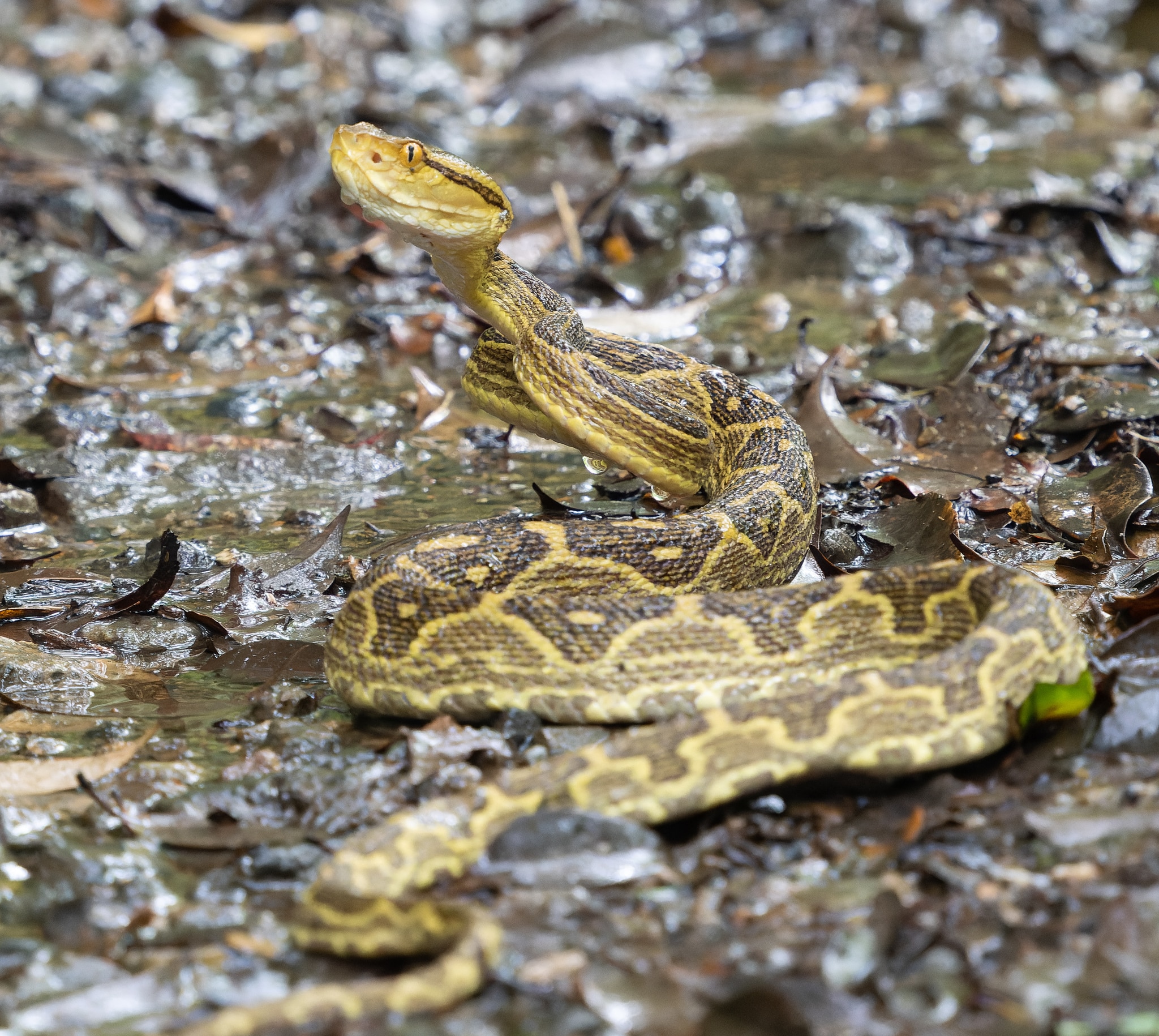
Habu Snake
Explore the vibrant world of crafty, clever serpents!
Let’s Explore
Overview
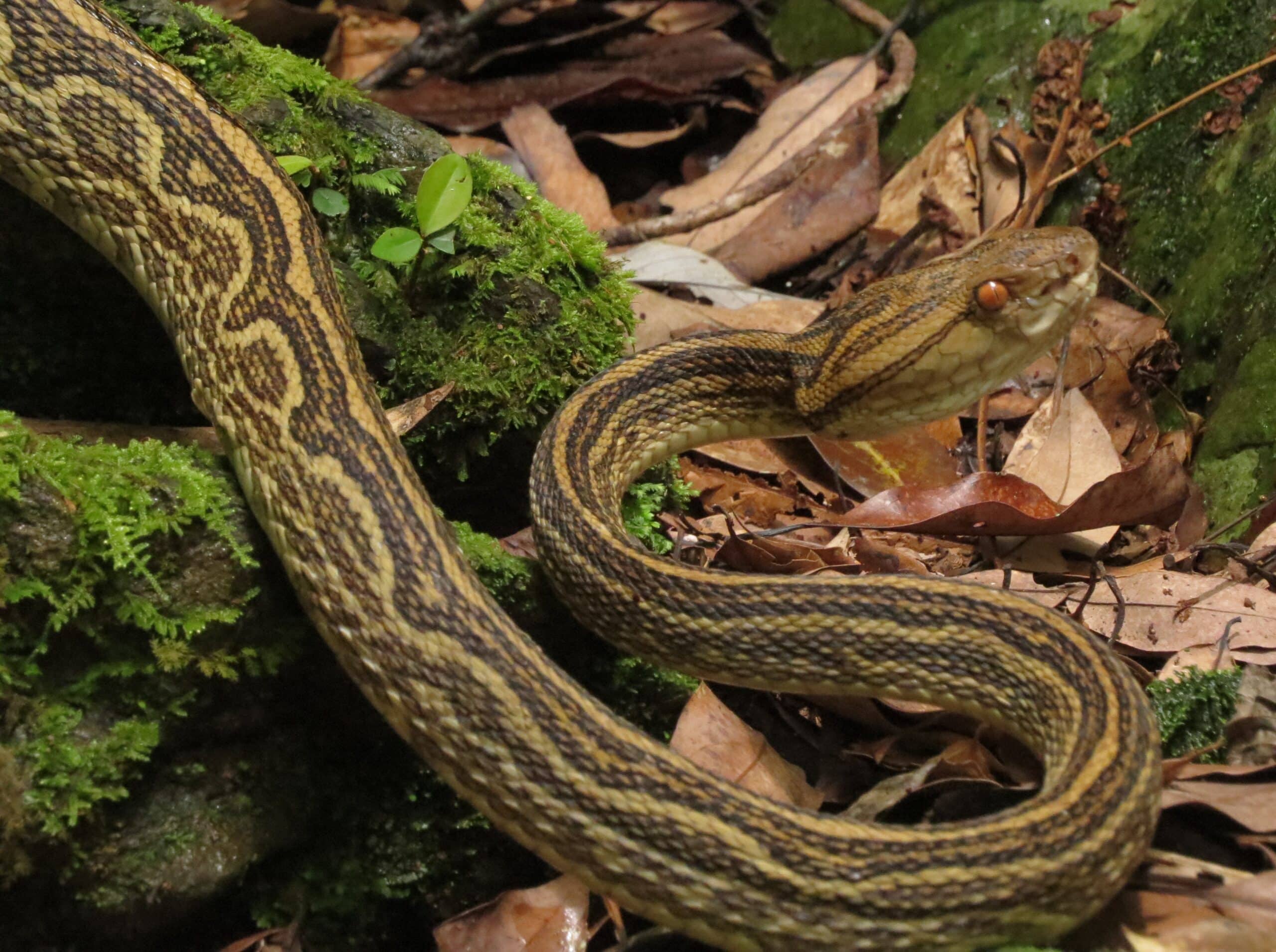
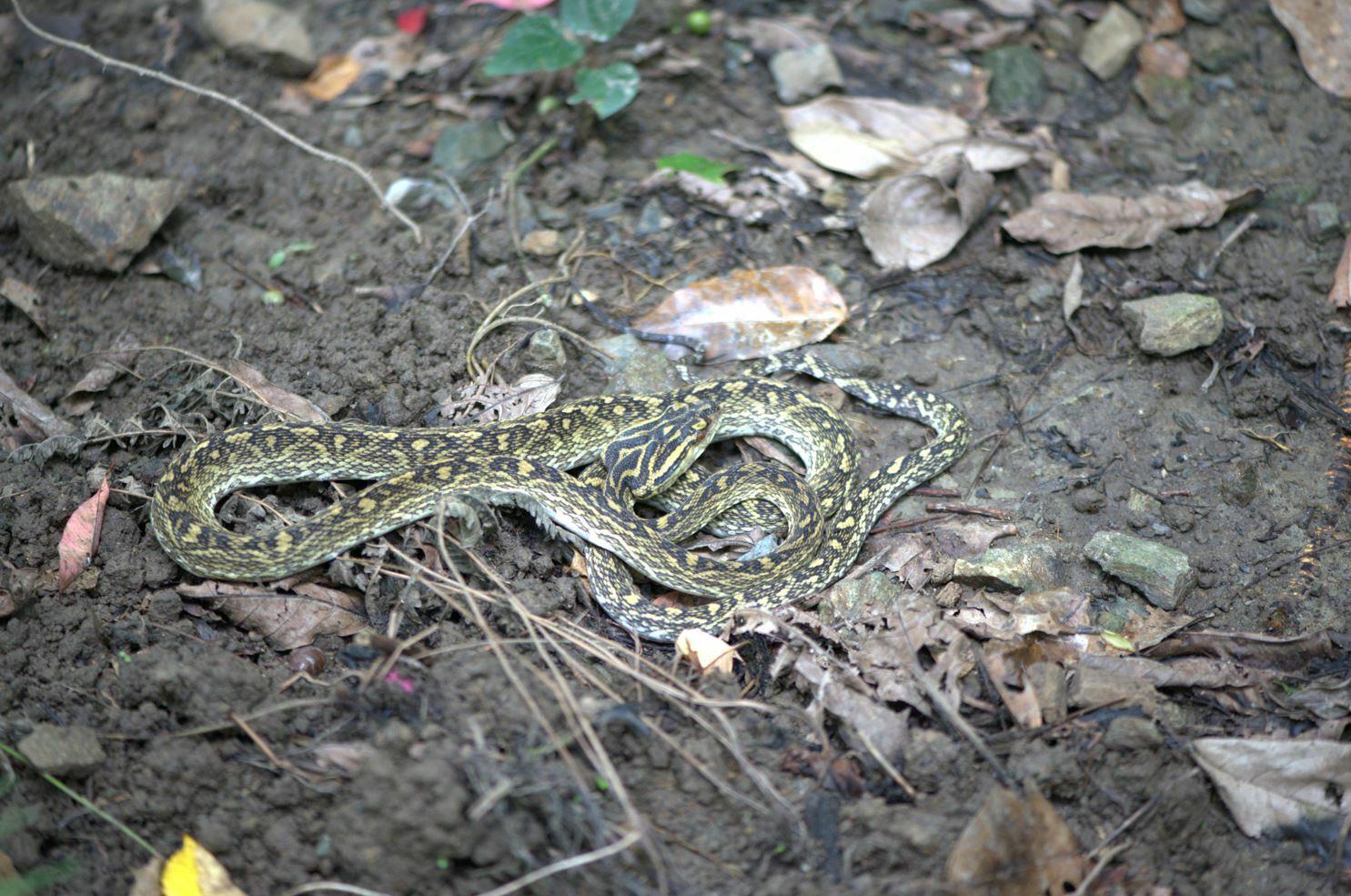
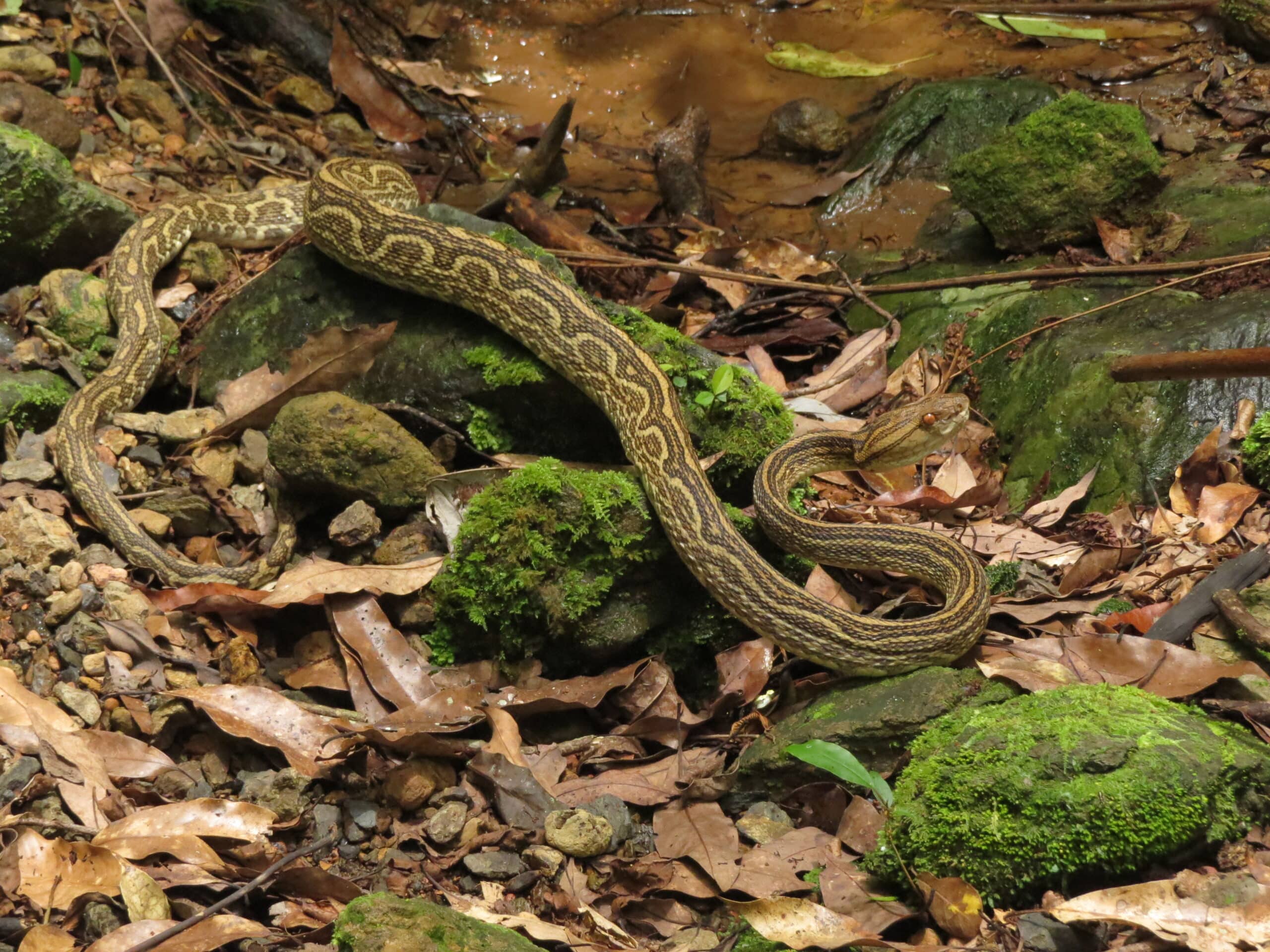
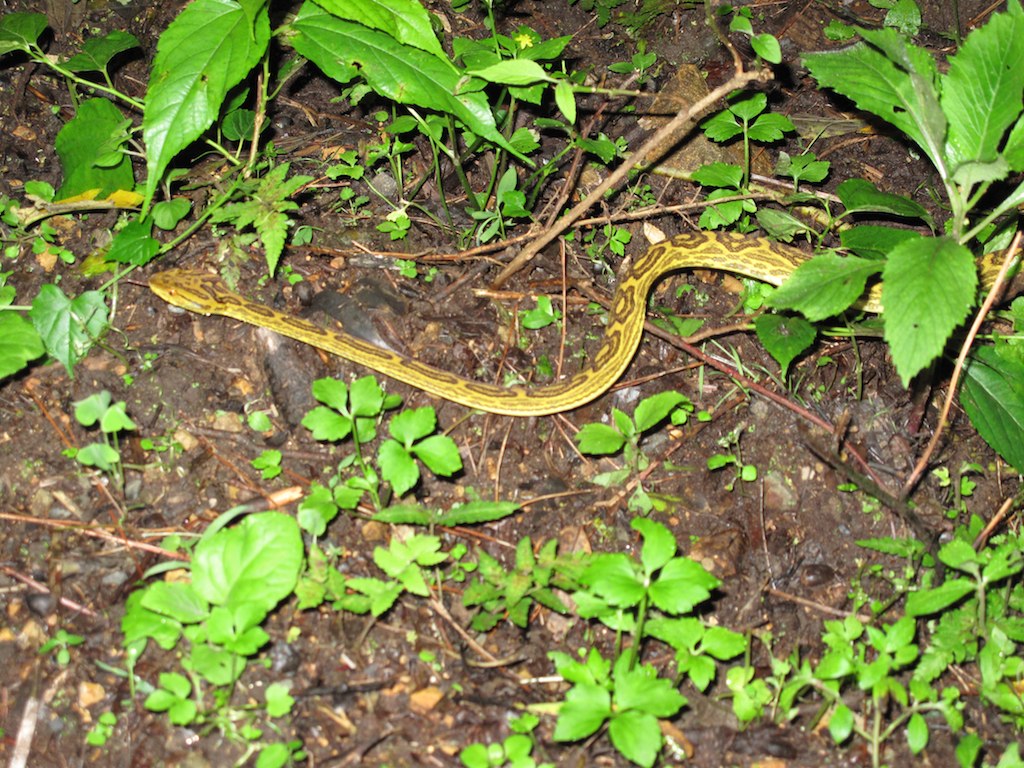
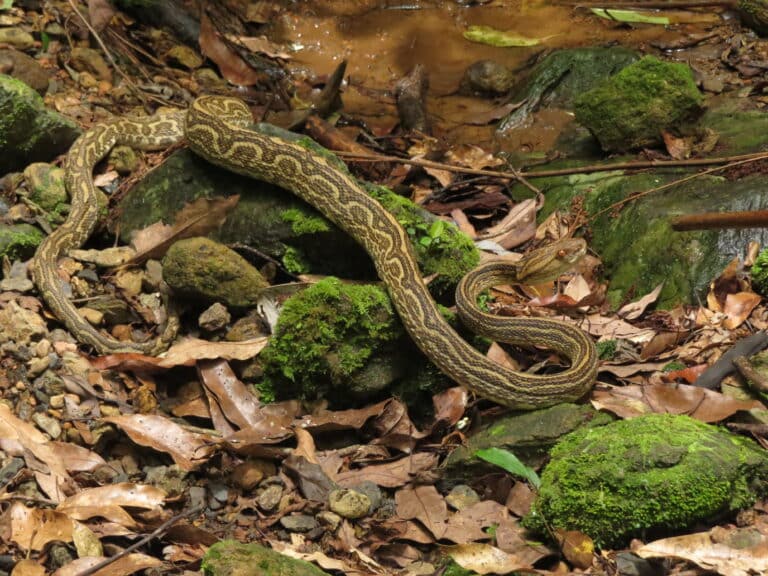
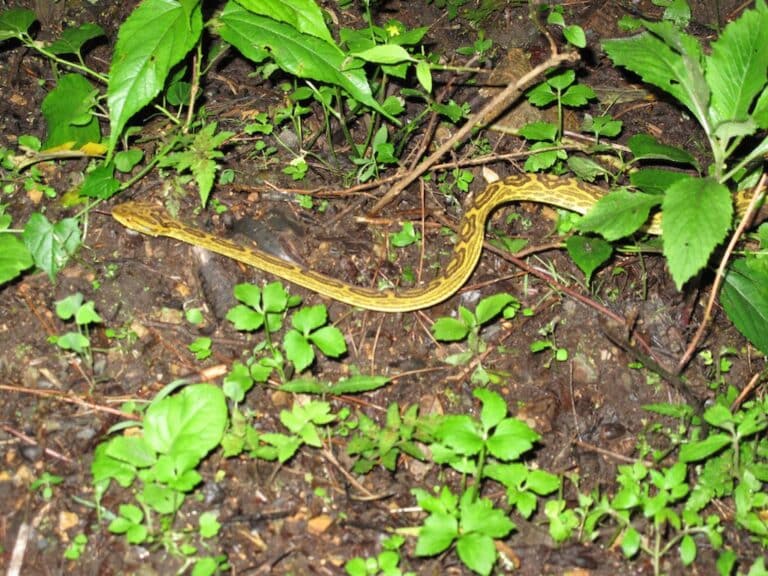
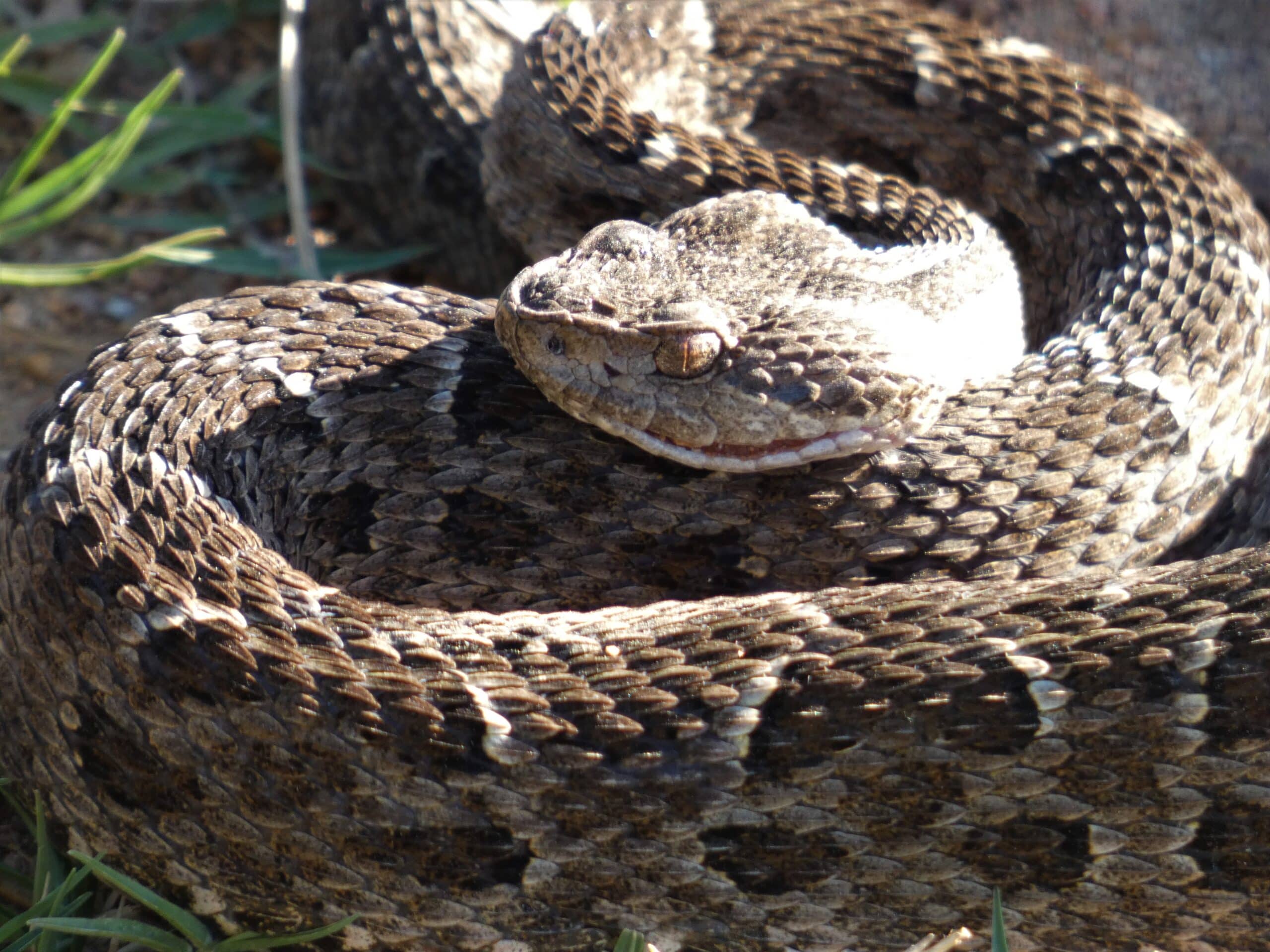
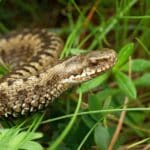
The Habu Snake is a captivating reptile that calls Asia its home. These intriguing animals belong to the Viperidae family and are known for their impressive size, averaging between 0.9 to 1.2 meters (3 to 4 feet) long.
The scientific name of the Habu Snake is Protobothrops flavoviridis. This name may sound tricky, but it simply tells us about its place in the animal kingdom, which includes reptiles, vertebrates, and more!
The Habu Snake enjoys a varied diet, snacking on rodents, birds, and small reptiles. This snake knows how to hunt and makes sure that its meals are not too big or too small, but just right for its appetite!
Habu Snakes are quite clever with their hunting skills. They have heat-sensing pits that help them detect warm-blooded prey, making them extremely effective nocturnal hunters.
These snakes can live quite long for reptiles, with lifespans ranging from 10 to 15 years. Like a wise old wizard, they gather knowledge of their surroundings over time!

Where can you find a Habu Snake in the wild?
What does a Habu Snake eat?
How big can a Habu Snake grow?
How long does a Habu Snake typically live?
What is the conservation status of the Habu Snake?
What are the main threats to the Habu Snake?
Fun facts
Habu Snakes have a special ability to see in the dark, thanks to their heat-sensing pits located on their faces. This cool adaptation helps them spot warm-blooded dinners, even when the sun goes down!


This clever serpent can inject potent venom that can be strong enough to affect a human's blood. But do not worry, they usually only bite when they feel threatened!
Habu Snakes can strike their prey in the blink of an eye! They can strike at a speed of about 1/10th of a second, making them incredibly effective hunters in the dark.
During the day, Habu Snakes like to bask under the sun to warm up. They often wrap themselves around a branch or hide in the leaves while soaking up the sun's rays, looking almost like a living piece of art!
These snakes have a fascinating mating ritual. Male Habu Snakes will often engage in a dance-like display to impress females, showing off their strength and charm!
A group of Habu Snakes slithering together can be called a bed. Just imagine a whole collection of them lounging together in the sun, looking like a snake-themed slumber party!
Habu Snakes can survive for months without food! When they do not find their favorite meals, they can slow down their metabolism to conserve energy, just like a smartphone on low battery mode!
These snakes play a crucial role in their ecosystem by controlling rodent populations. When Habu Snakes are around, they help keep the number of mice and other small animals in check, making them natural pest controllers!
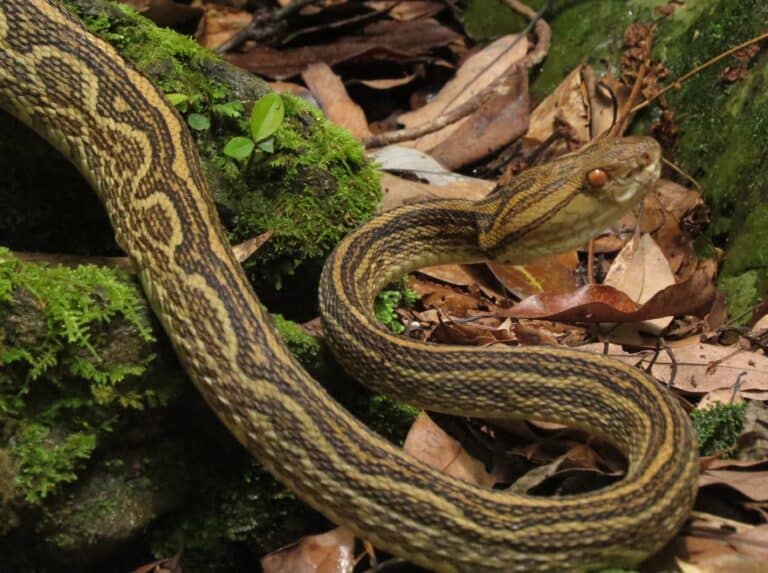
Sometimes, Habu Snakes will bask while wrapped around tree branches, looking like living vines! Their unique colors and patterns help them blend in perfectly with their surroundings.
Habu Snakes use their forked tongues to taste the air, helping them sense their surroundings. This super snaky sense allows them to detect prey, find mates, and avoid danger!
Photos


The Basics


explore more
Amphibians
Arachnids
Birds
Cats
Crustaceans
Fish
Fish Pet Guide
Gastropods
Insects
Invertebrates
Mammals
Pet Fish
Pet Rodents
Plants
Reptiles
Roundworms
Sea Slugs