Successfully copied to clipboard!
Hercules Moth
Uncover the vibrant giants of the night sky!
Let’s Explore
Overview
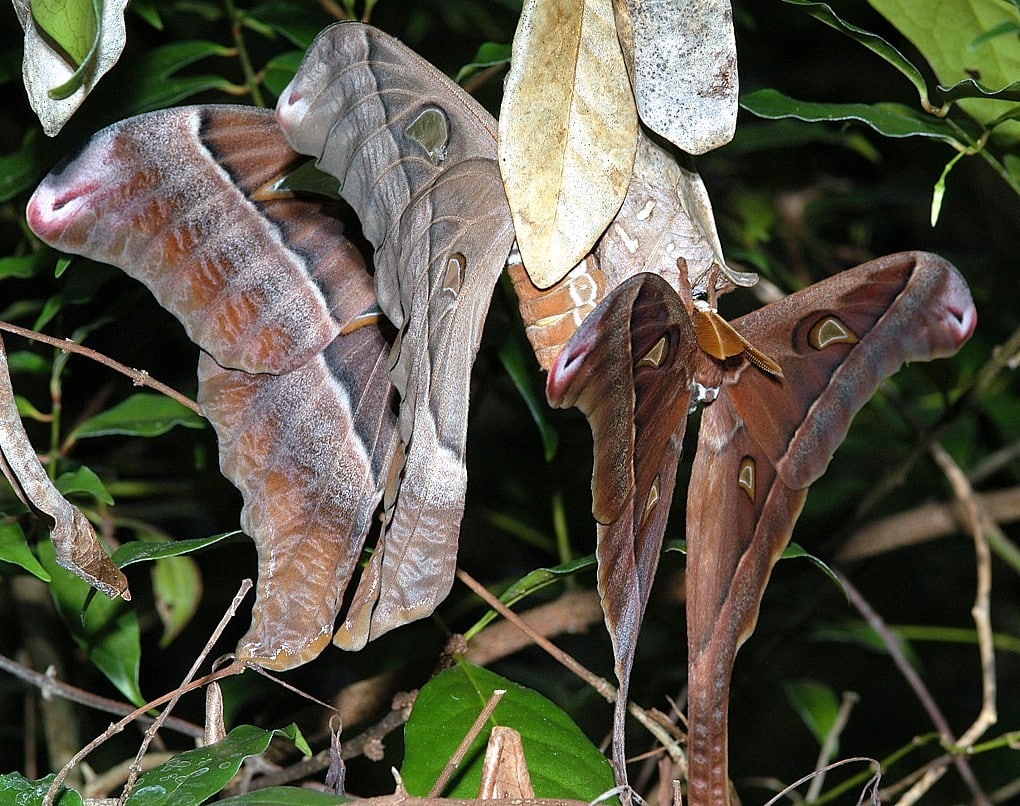
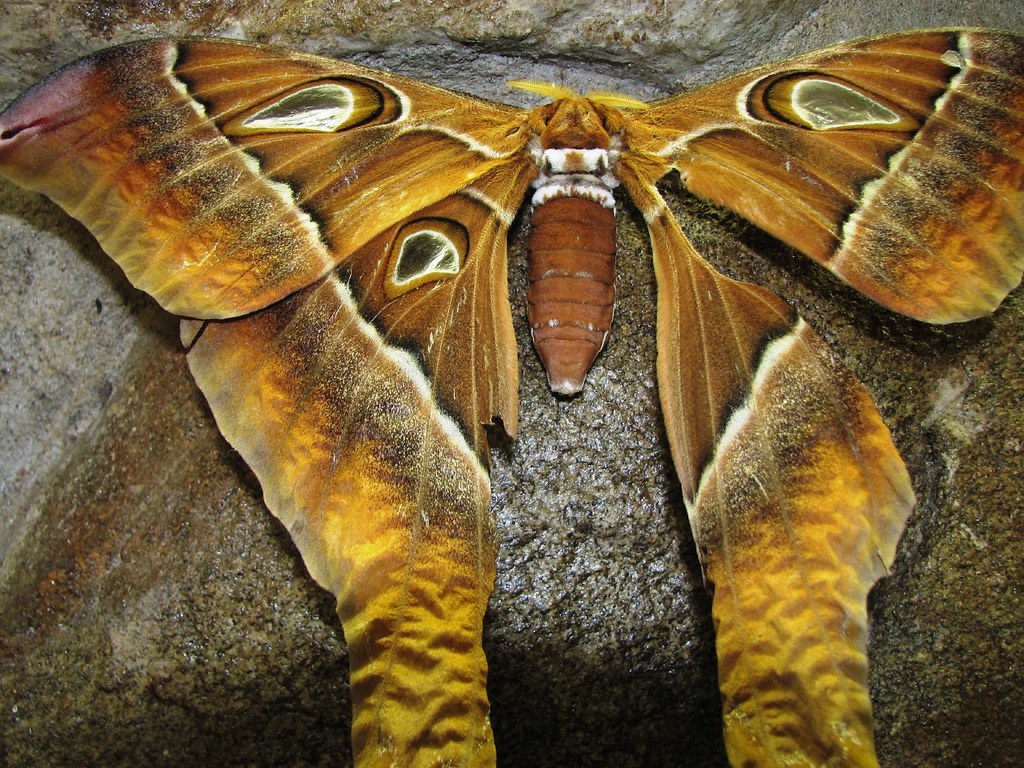
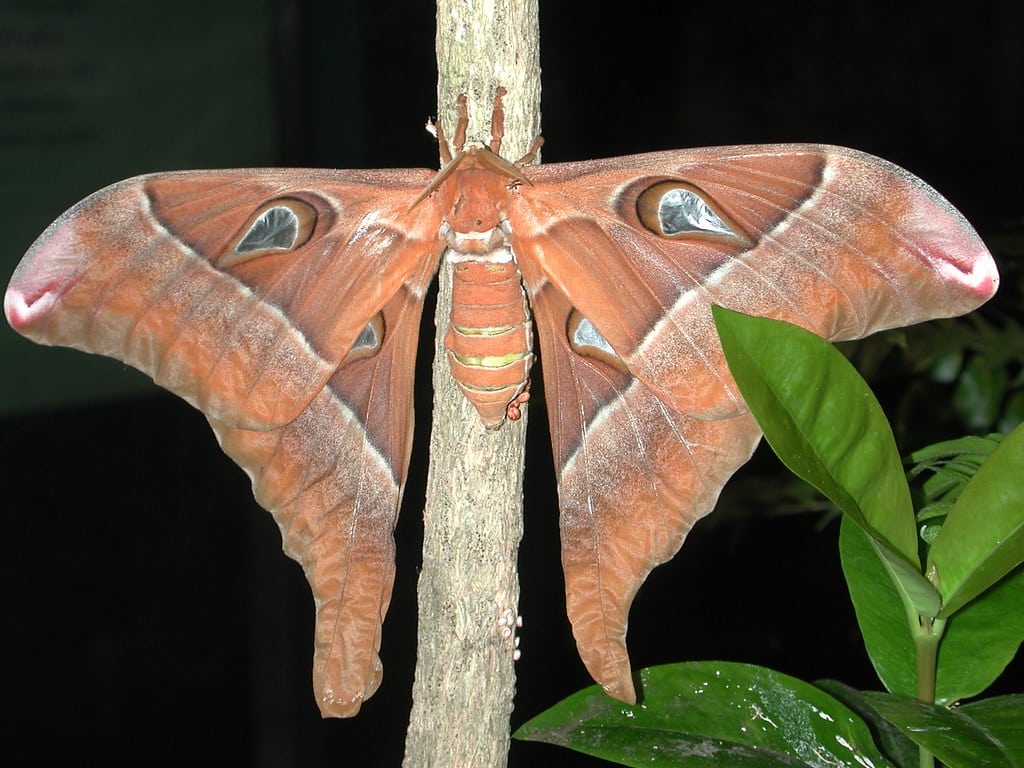
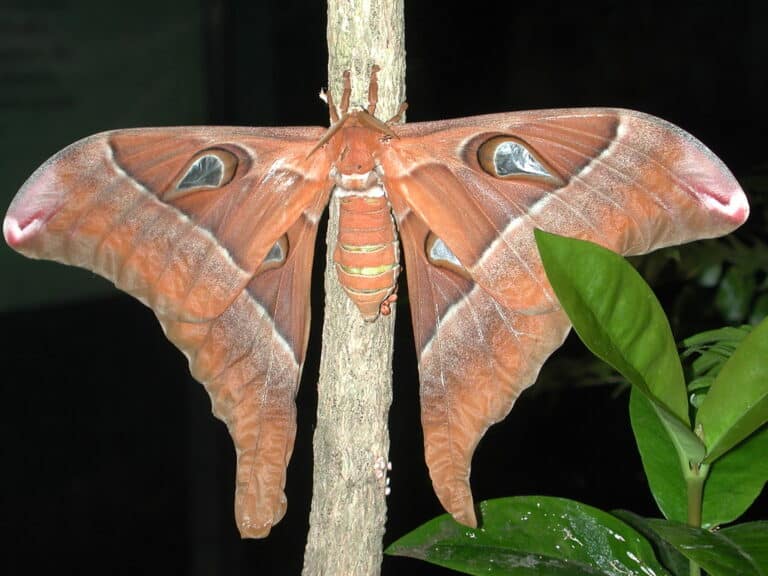
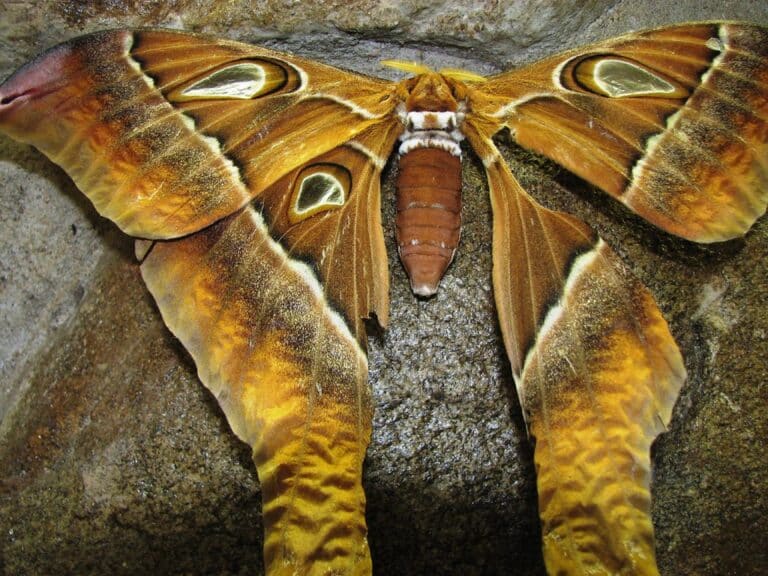
The Hercules Moth is one gigantic and spectacular insect known for its impressive wingspan that ranges from 27 to 36 centimeters (10.6 to 14.2 inches). This stunning creature belongs to the family Saturniidae and showcases a dazzling display of colors and patterns on its wings, making it one of the largest moths in the world.
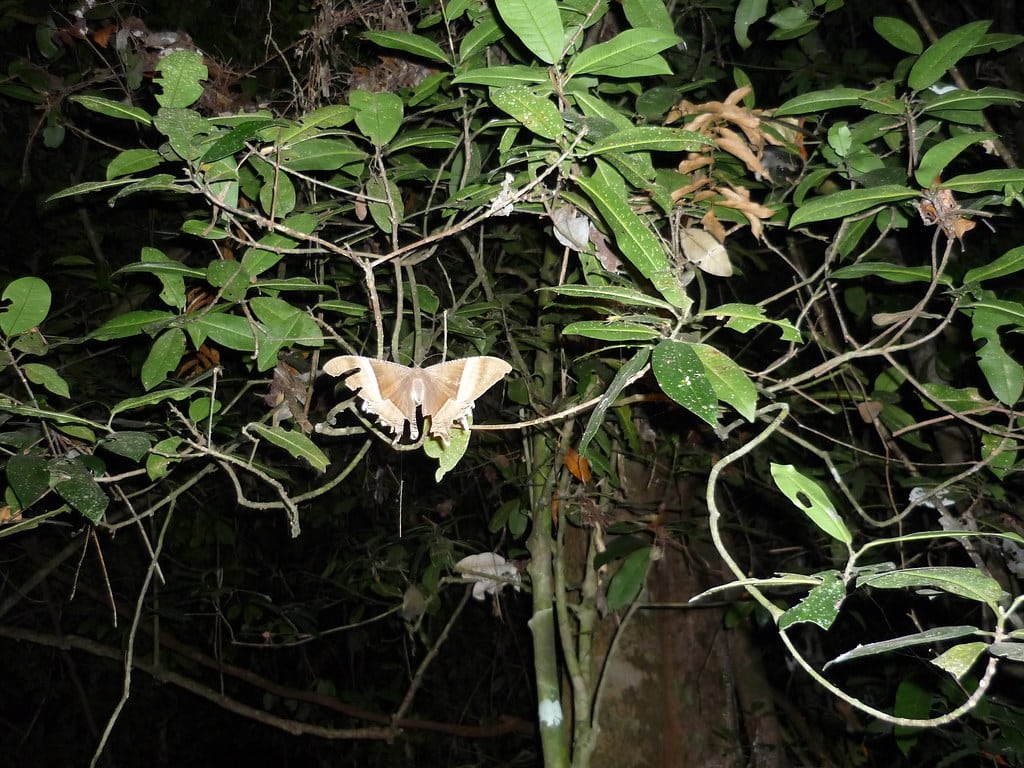
The Hercules Moth lives in the beautiful regions of Oceania, often found in forests and woodlands. It captivates all with its bold markings that are designed to confuse potential predators—talk about a crafty disguise!
As caterpillars, these moths munch on leaves and grow until they reach the final stage of their life cycle. Here's the twist: adult Hercules Moths do not eat at all! They only have a short adult lifespan of 2 to 8 days, making every moment count in their fluttering journey.
These moths do not sip nectar like many butterflies; instead, they spend their last weeks purring around, flaunting their majestic wings. Although their time is brief, they play a vital role in the ecosystem by providing food for birds and other wildlife during their short lives.
When it’s time for love, male Hercules Moths send out pheromones to attract females. This leads to a spectacular mating dance that showcases their incredible wings, turning their courtship into a true spectacle of nature. Now that's what we call a romantic flutter!

Where can you find a Hercules Moth in the wild?
What does a Hercules Moth eat?
How big can a Hercules Moth grow?
How long does a Hercules Moth typically live?
What is the conservation status of the Hercules Moth?
What are the main threats to the Hercules Moth?
Fun facts
The Hercules Moth can show off its gorgeous wings, which can resemble the size of a small dog. Just think about it: a moth that can rival your pet's stature!


When threatened, Hercules Moths can mimic the look of owl eyes with patterns on their wings to scare away predators. It's like wearing a costume to trick their enemies!
Male Hercules Moths have super-sensitive antennae that can detect pheromones from females up to 1 kilometer (0.62 miles) away. They truly have a nose for love!
This moth's caterpillars can grow as long as 11 centimeters (4.3 inches). That's like having a tiny green monster munching on plant leaves!
The Hercules Moth does not have a mouth to eat during its adult life. Instead, these incredible insects are born ready to party in the wild without touching a meal!
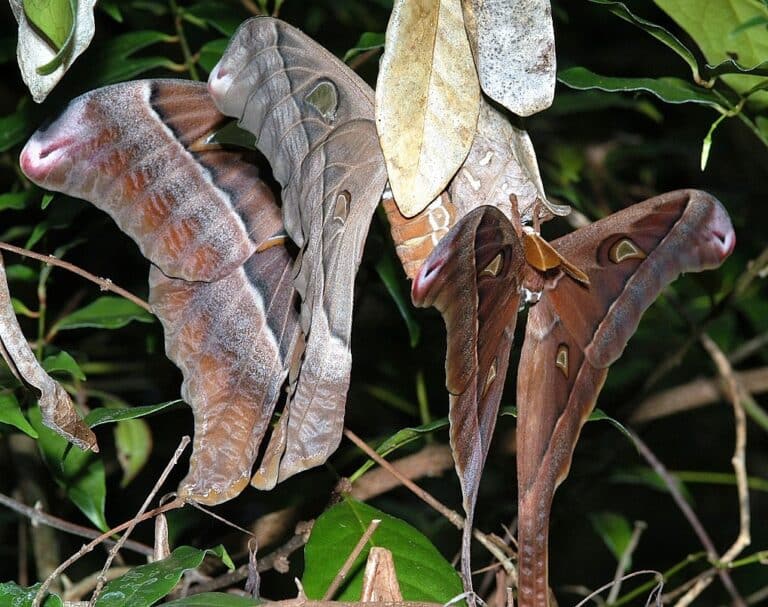
During their quick 2 to 8 days of life, Hercules Moths often hang out in groups called roosts. Think of it as a short-lived moth party in the trees!
Caterpillars of Hercules Moths have spiny projections on their bodies that deter predators. These colorful spines tell hungry animals to stay away!
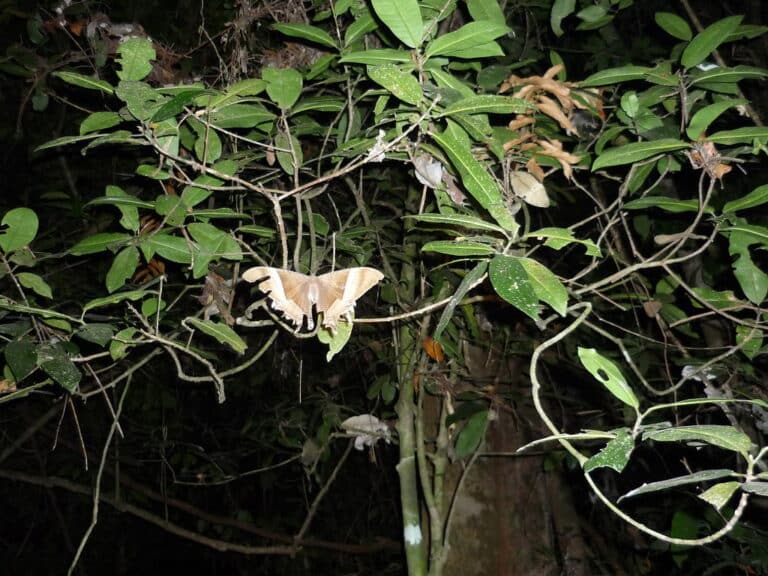
Some Hercules Moths have been found with unique wing patterns that look like leaves. This feature helps them blend perfectly into their forest homes, acting like nature’s very own camouflage artists!
While Hercules Moths might be huge and beautiful, they play a crucial role in the food chain, feeding various birds during their short adult lives.
Hercules Moths glow faintly under UV light, which helps them attract mates in the dark. It’s like their own nighttime light show!
Photos





The Basics


explore more
Amphibians
Arachnids
Birds
Cats
Crustaceans
Fish
Fish Pet Guide
Gastropods
Insects
Invertebrates
Mammals
Pet Fish
Pet Rodents
Plants
Reptiles
Roundworms
Sea Slugs