Successfully copied to clipboard!
Holy Cross Frog
Leap into the enchanting world of tiny, cross-patterned frogs!
Let’s Explore
Overview
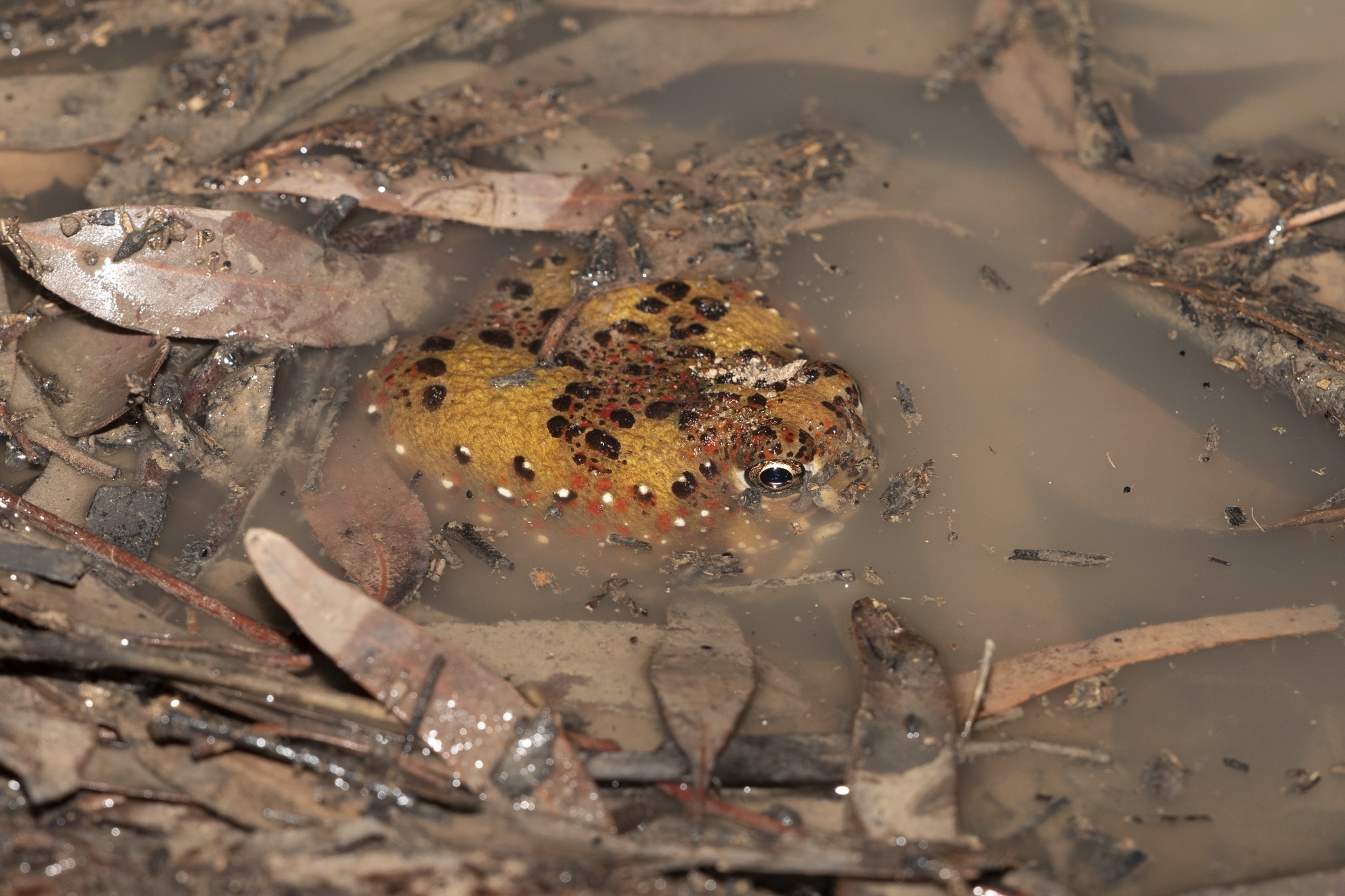
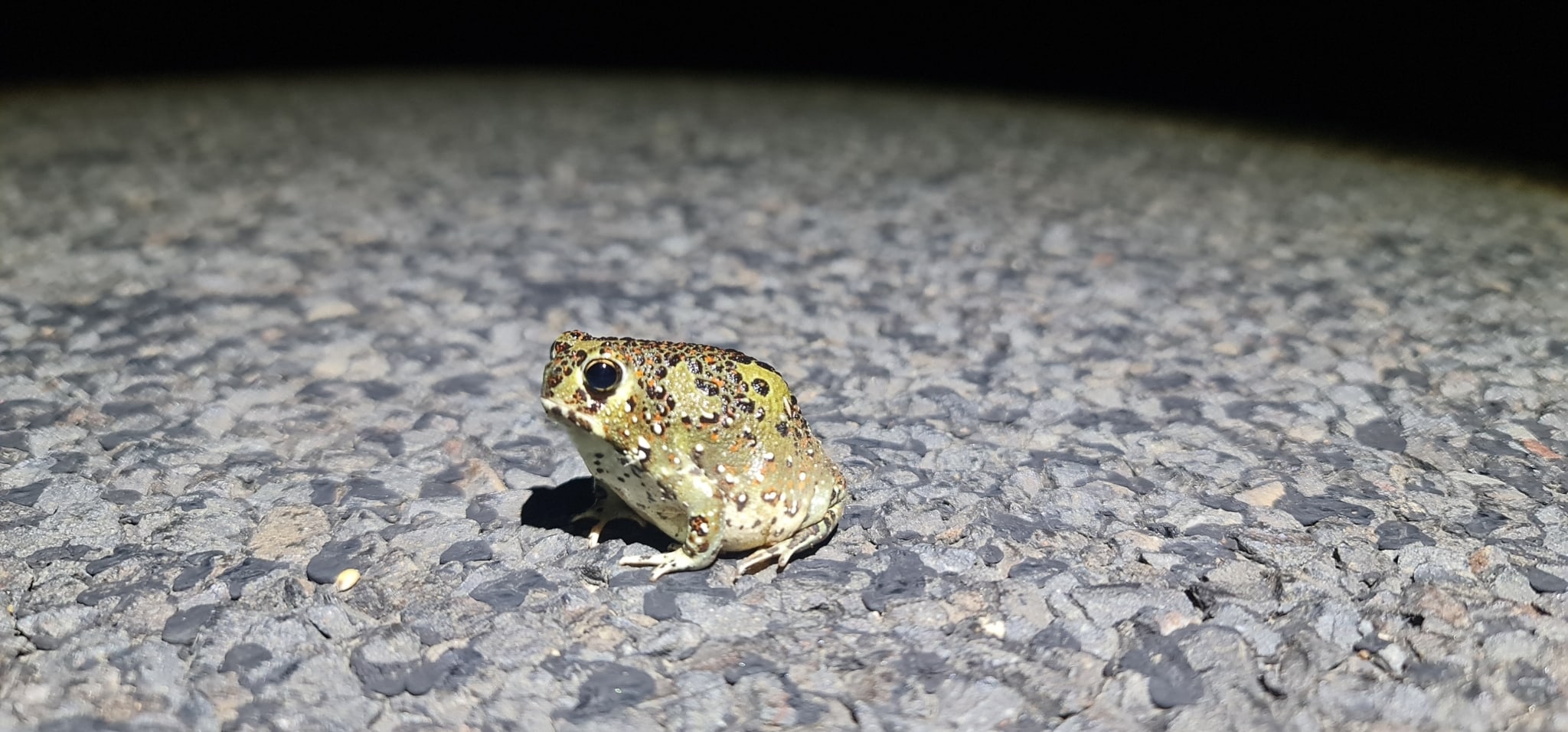
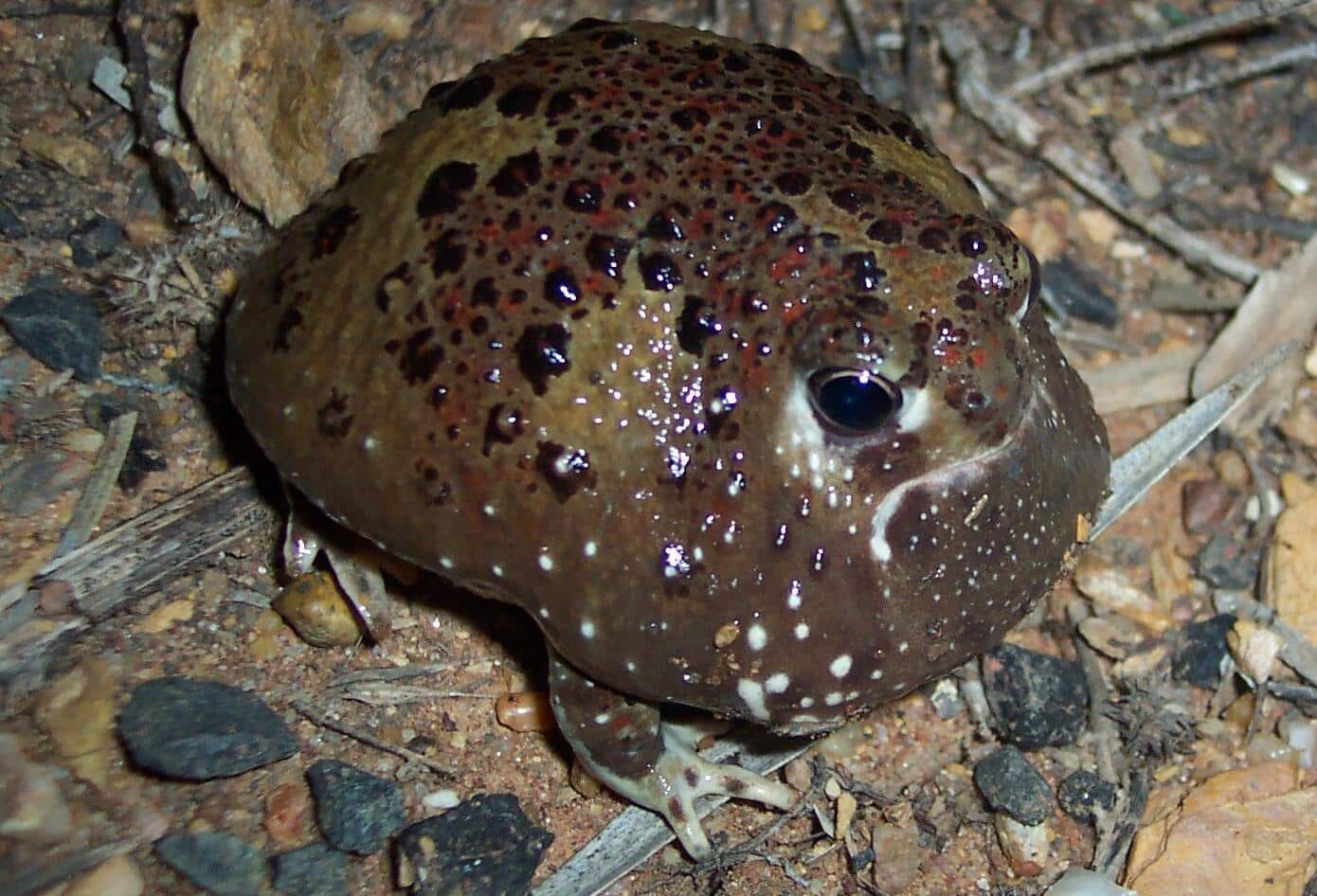
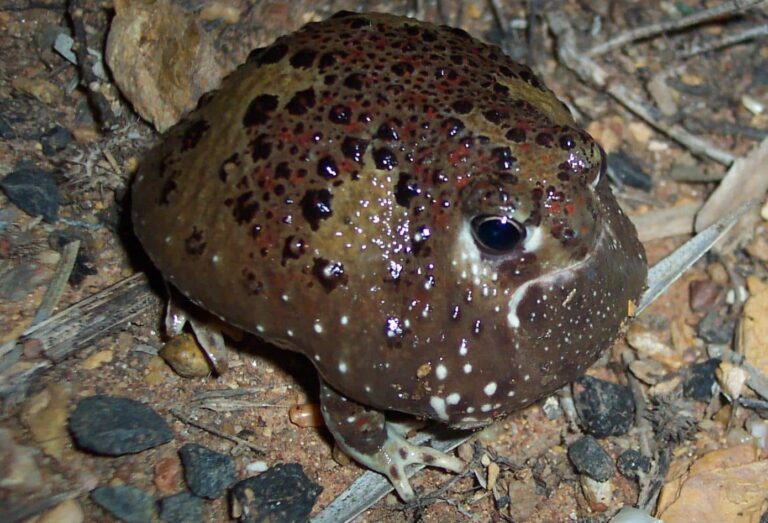
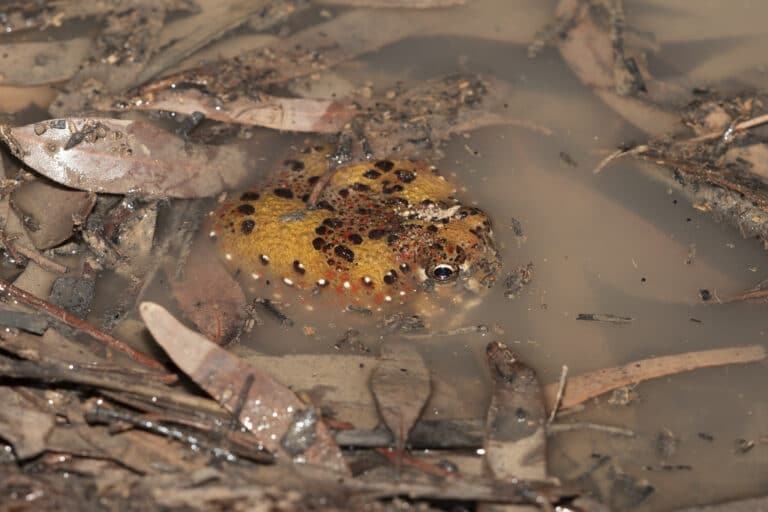
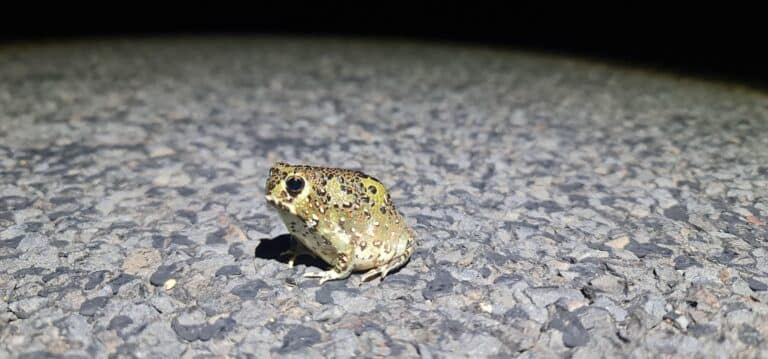
The Holy Cross Frog, scientifically known as Notaden bennettii, is a small but mighty amphibian found in the beautiful region of Oceania. This adorable frog averages about 5 centimeters, or approximately 2 inches long, making it a pocket-sized wonder!
Holy Cross Frogs belong to the class Amphibia and the order Anura, which means they are related to all the jumpin' frogs and toads you might see in your backyard. They reside in damp environments where they thrive and perform their signature ribbit, adding a delightful chorus to their habitat.
These unique frogs have a taste for ants and termites, making them small insect connoisseurs of the insect world. With their sharp senses, they hunt down their tasty treats with skill and precision—bon appétit, little froggies!
Holy Cross Frogs live for about 5 to 6 years, which is quite a hop-along lifespan for such a little creature. They spend their days playing hide and seek among the foliage, making them masters of disguise in their natural homes.
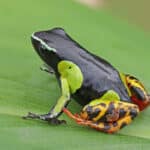
Your next favorite fact about the Holy Cross Frog: they have beautiful markings that look like a cross, giving them their holy name! These stunning patterns help them blend into their surroundings, making them harder for predators to spot—talk about a fashion statement with a purpose!

Where can you find a Holy Cross Frog in the wild?
What does a Holy Cross Frog eat?
How big can a Holy Cross Frog grow?
How long does a Holy Cross Frog typically live?
What is the conservation status of the Holy Cross Frog?
What are the main threats to the Holy Cross Frog?
Fun facts
Holy Cross Frogs have special toe pads that help them stick to surfaces, allowing them to climb with ease. It’s like having tiny suction cups on their feet!


When threatened, these frogs can puff up their bodies to make themselves look bigger and more intimidating. Talk about a strategic balloon act!
Their skin has a special pattern that resembles a cross, which helps them hide among leaves and twigs. This cloak of disguise keeps them safe from hungry predators!
During the dry season, Holy Cross Frogs can go into a state of dormancy. They will bury themselves in the ground and wait for rain, like tiny time travelers who take a snooze until conditions are just right!
These frogs communicate with a variety of sounds, including ribbits and chirps, to attract mates. It’s like a real-life frog concert every breeding season!
Male Holy Cross Frogs have a distinct ‘calling’ behavior. They gather in groups to croak together, creating a symphony that can attract females from far away!
Holy Cross Frogs can leap up to 1 meter, or about 3 feet, in one jump. That’s like clearing a small dog in a single bound!
Their bright yellow undersides serve as a warning to predators that they might taste bad. It’s like wearing a caution sign while hopping around!
These frogs do not go through a tadpole stage; they hatch directly from eggs into miniature versions of adults. It’s like getting a ready-to-use frog without the waiting!
Holy Cross Frogs absorb water through their skin, so they do not need to drink from traditional water sources. It’s a built-in hydration feature that keeps them refreshed!
Photos

The Basics


explore more
Amphibians
Arachnids
Birds
Cats
Crustaceans
Fish
Fish Pet Guide
Gastropods
Insects
Invertebrates
Mammals
Pet Fish
Pet Rodents
Plants
Reptiles
Roundworms
Sea Slugs