

Successfully copied to clipboard!
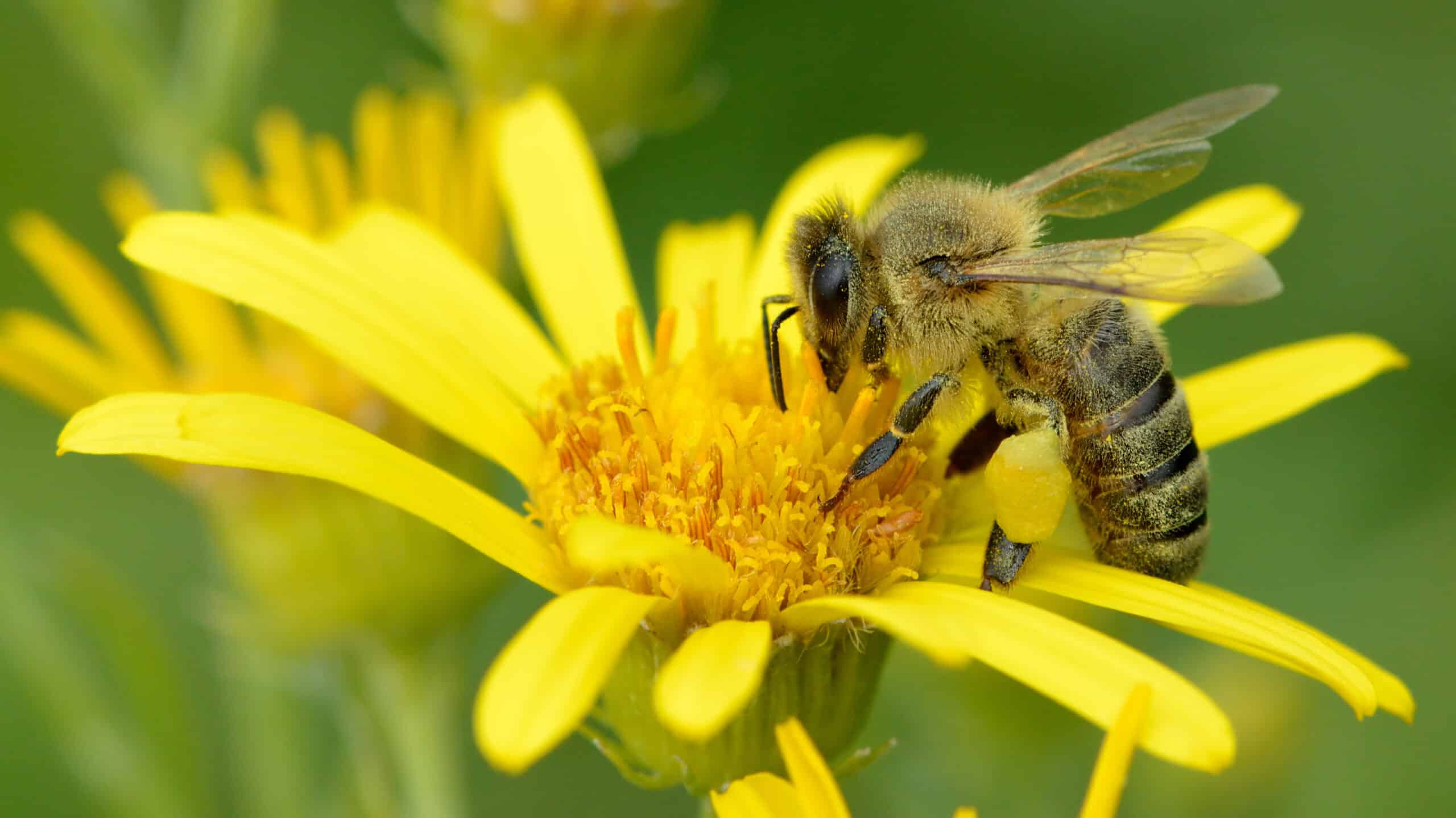
Honey Bee
Unlock the magic of nature's tiniest superheroes: Pollinating Bees!
Let’s Explore
Overview
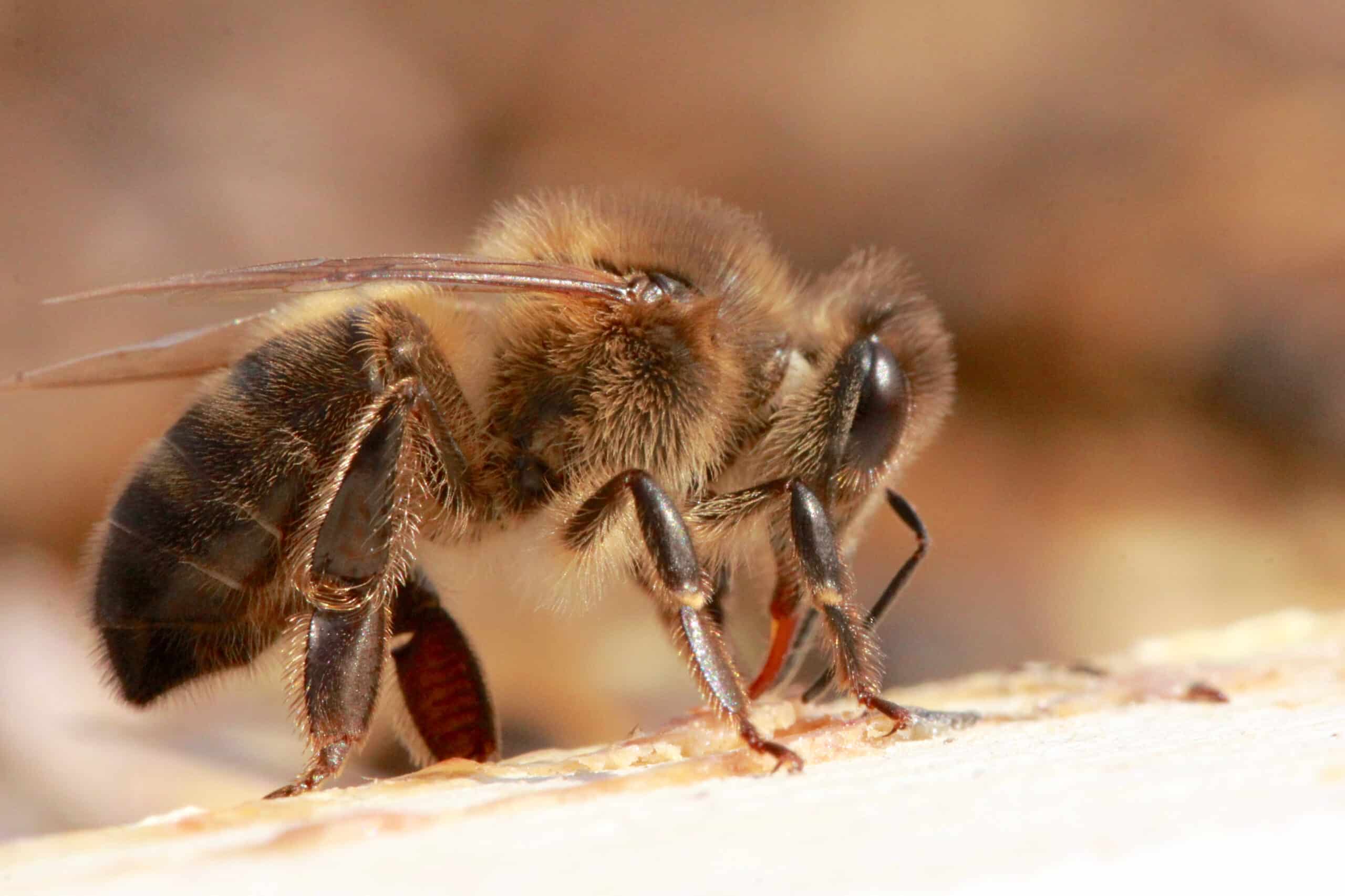
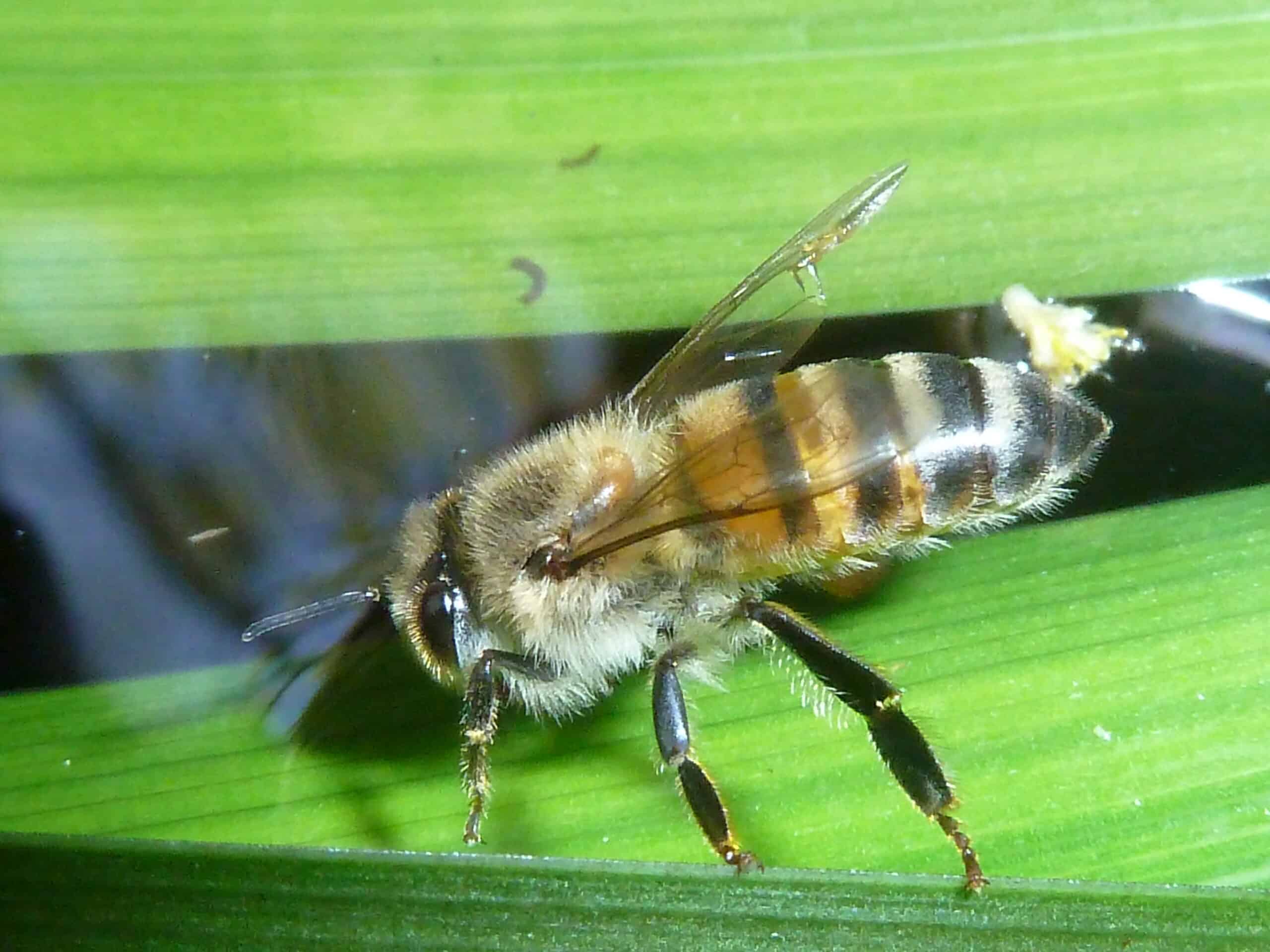
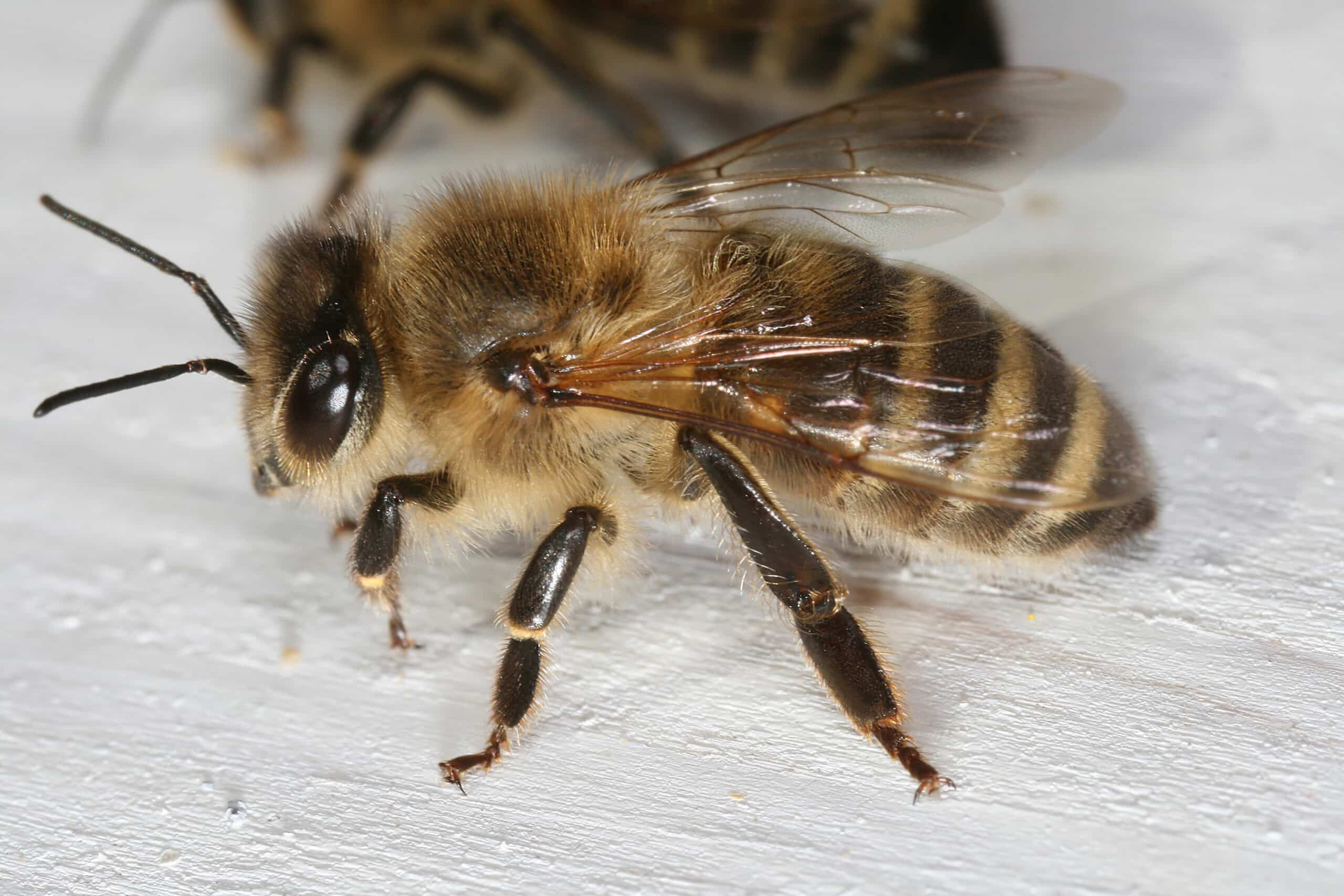
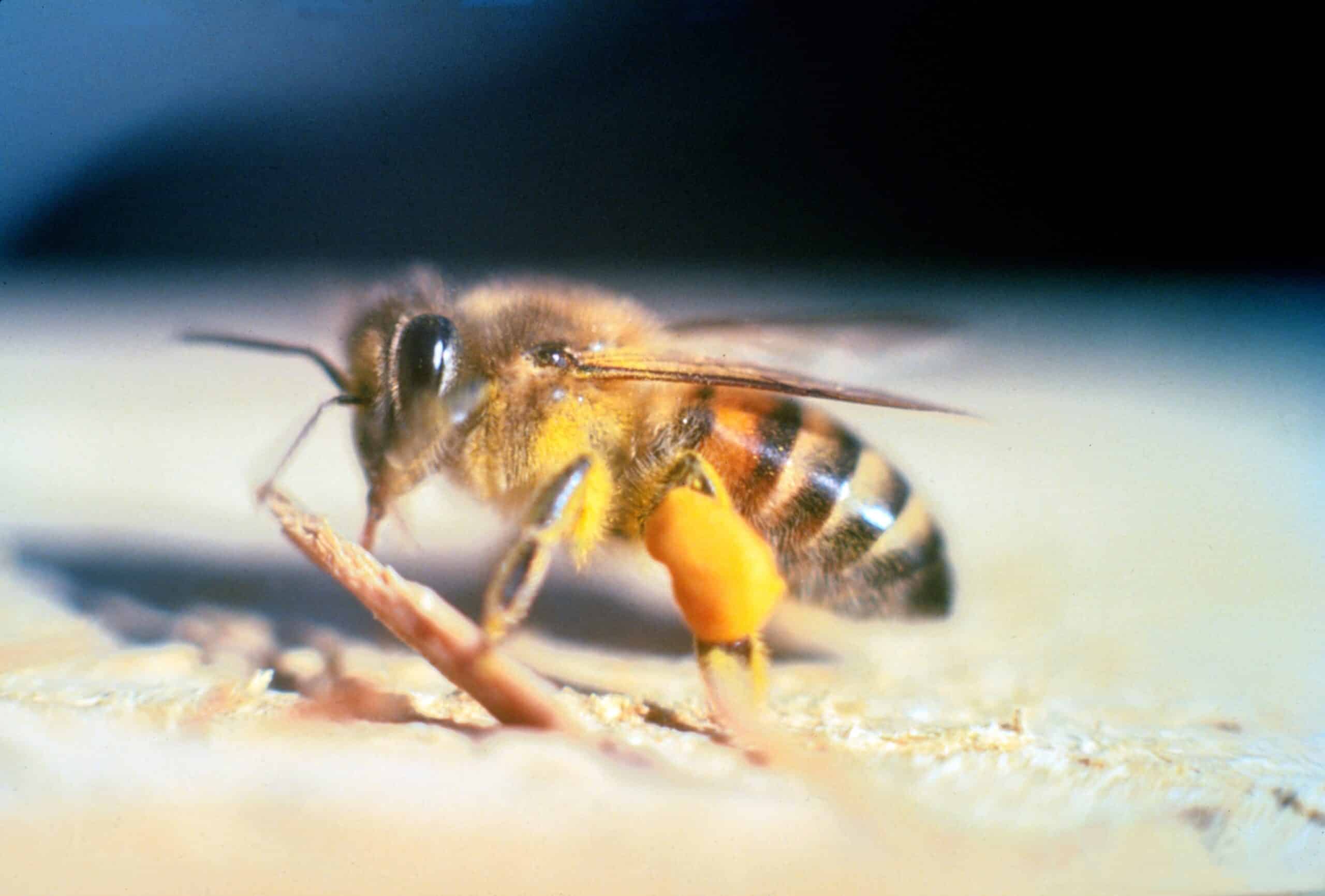
The honey bee, known scientifically as Apis mellifera, buzzes around the world as a vital part of our ecosystem. These little invertebrates belong to the class Insecta and make up about 20,000 different species of bees!
Honey bees measure around 1.3 centimeters (0.5 inches) in length. Despite their small size, they play a huge role in pollinating plants, helping flowers bloom and fruits grow.
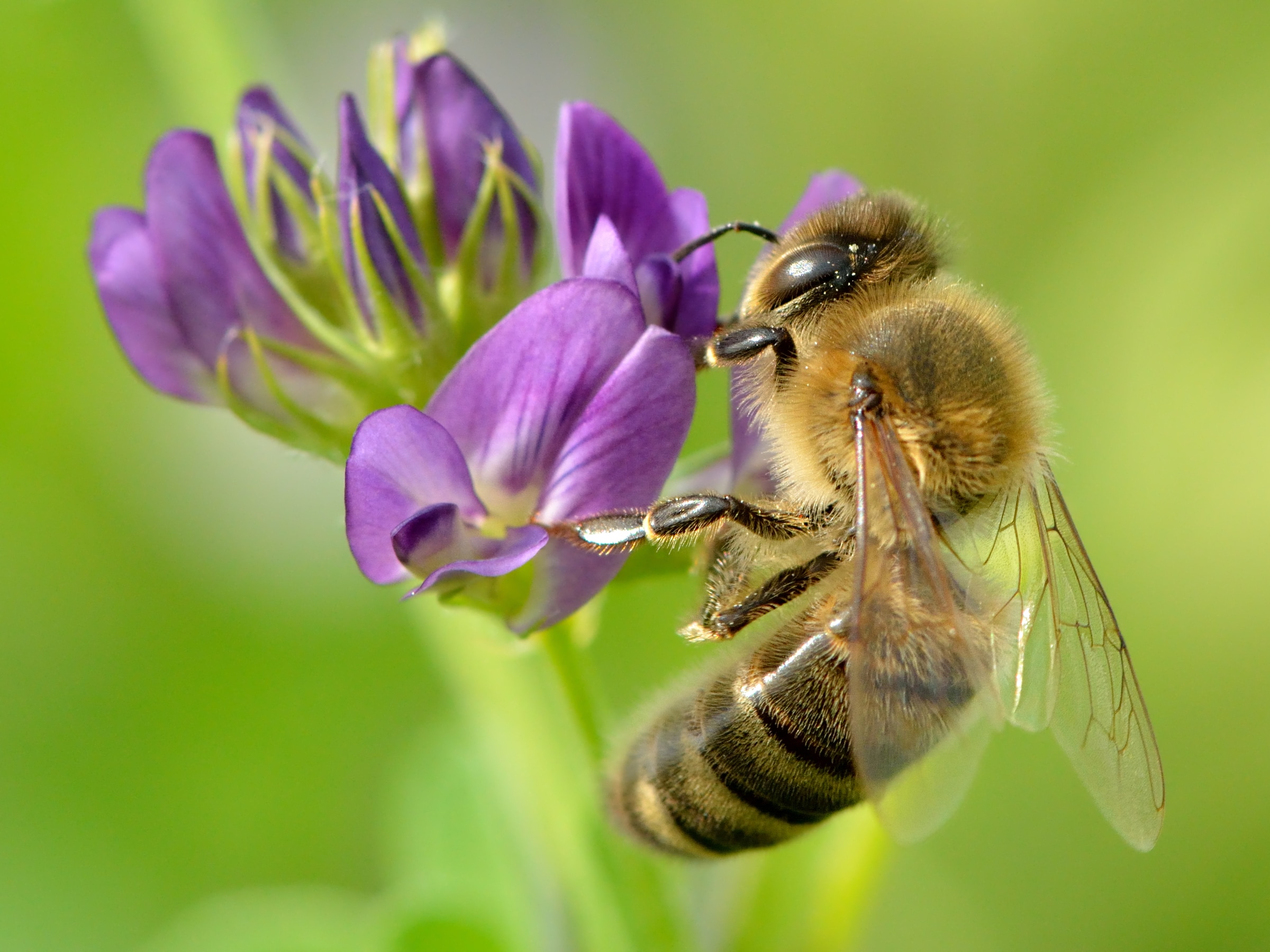
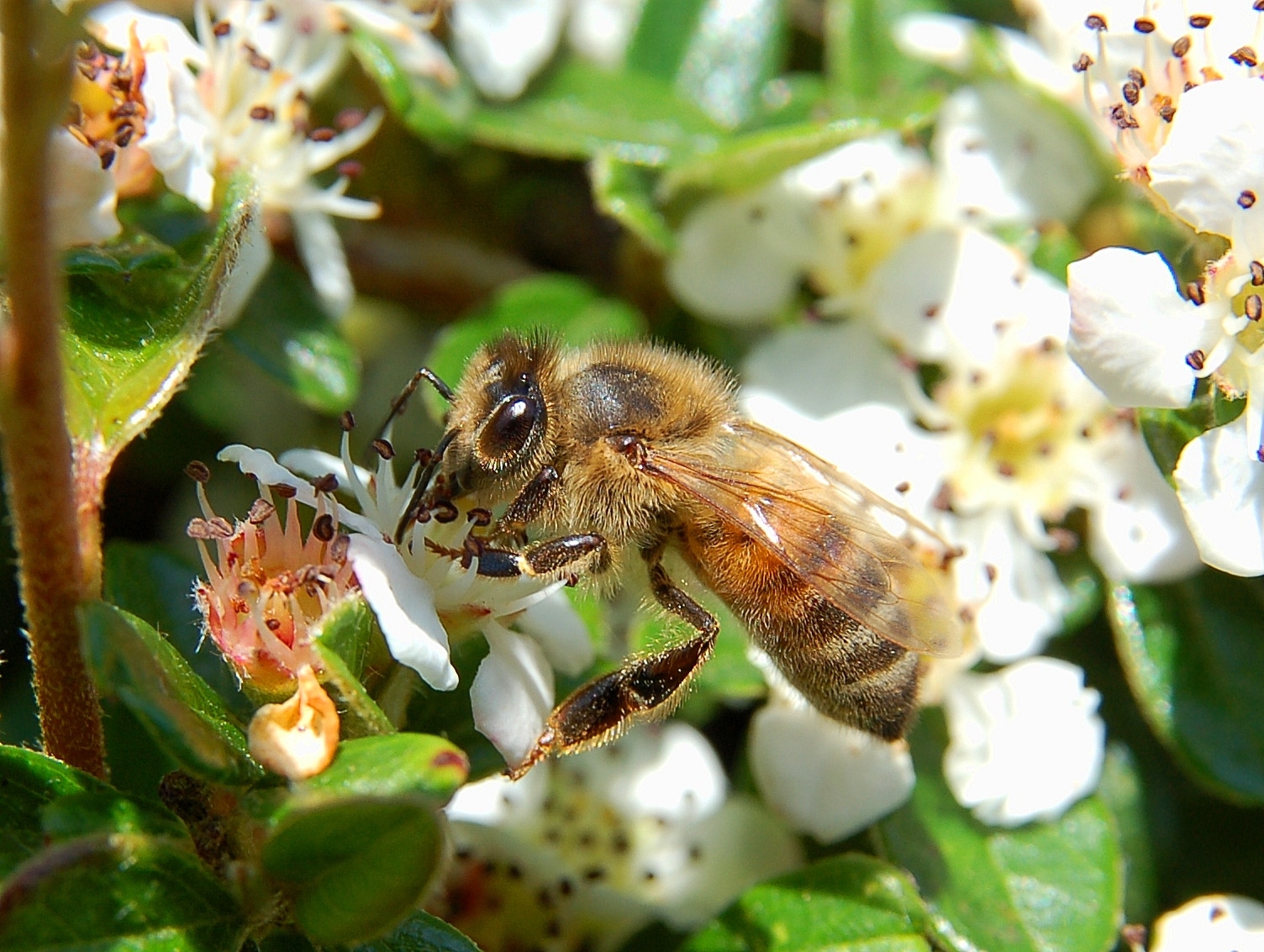
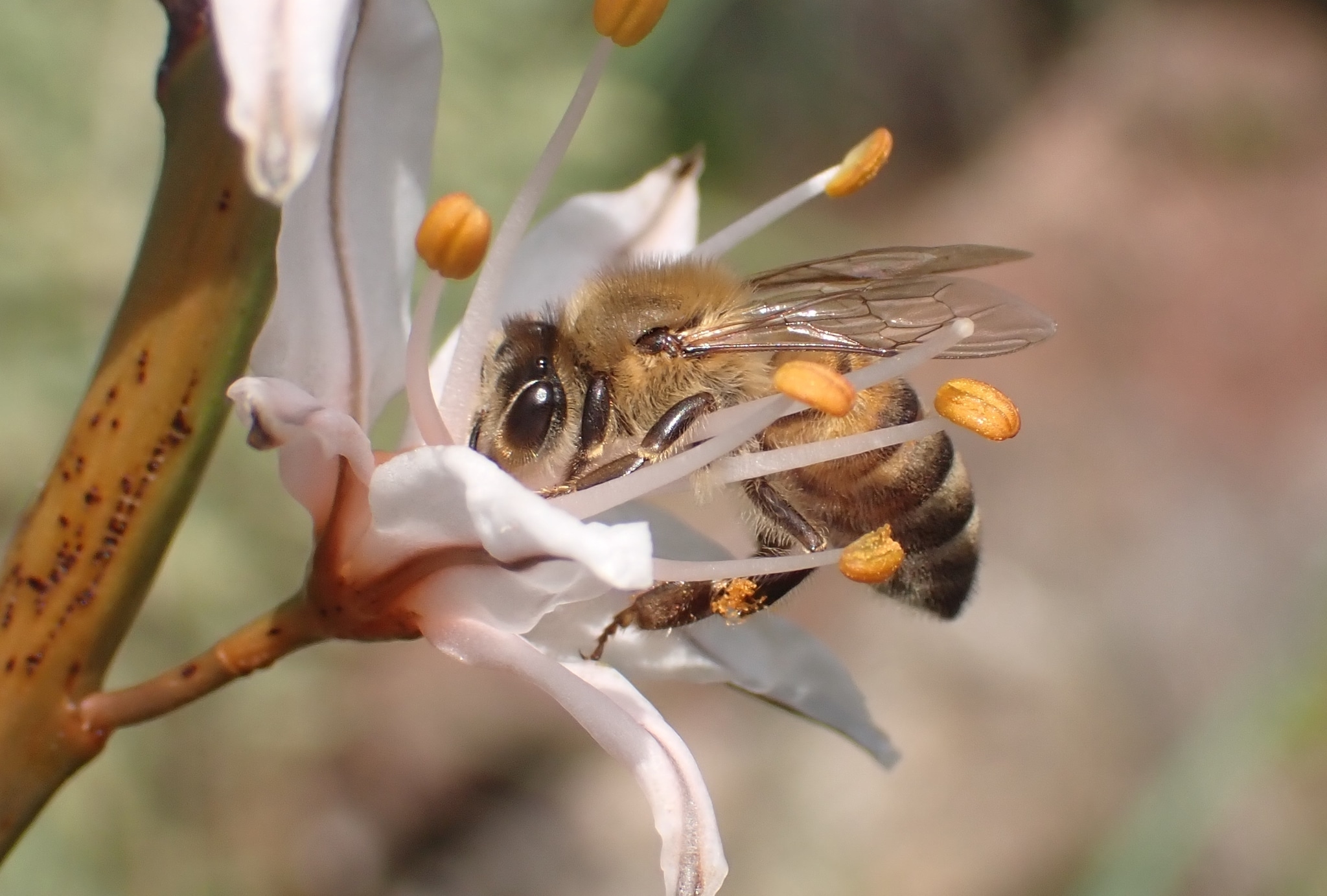
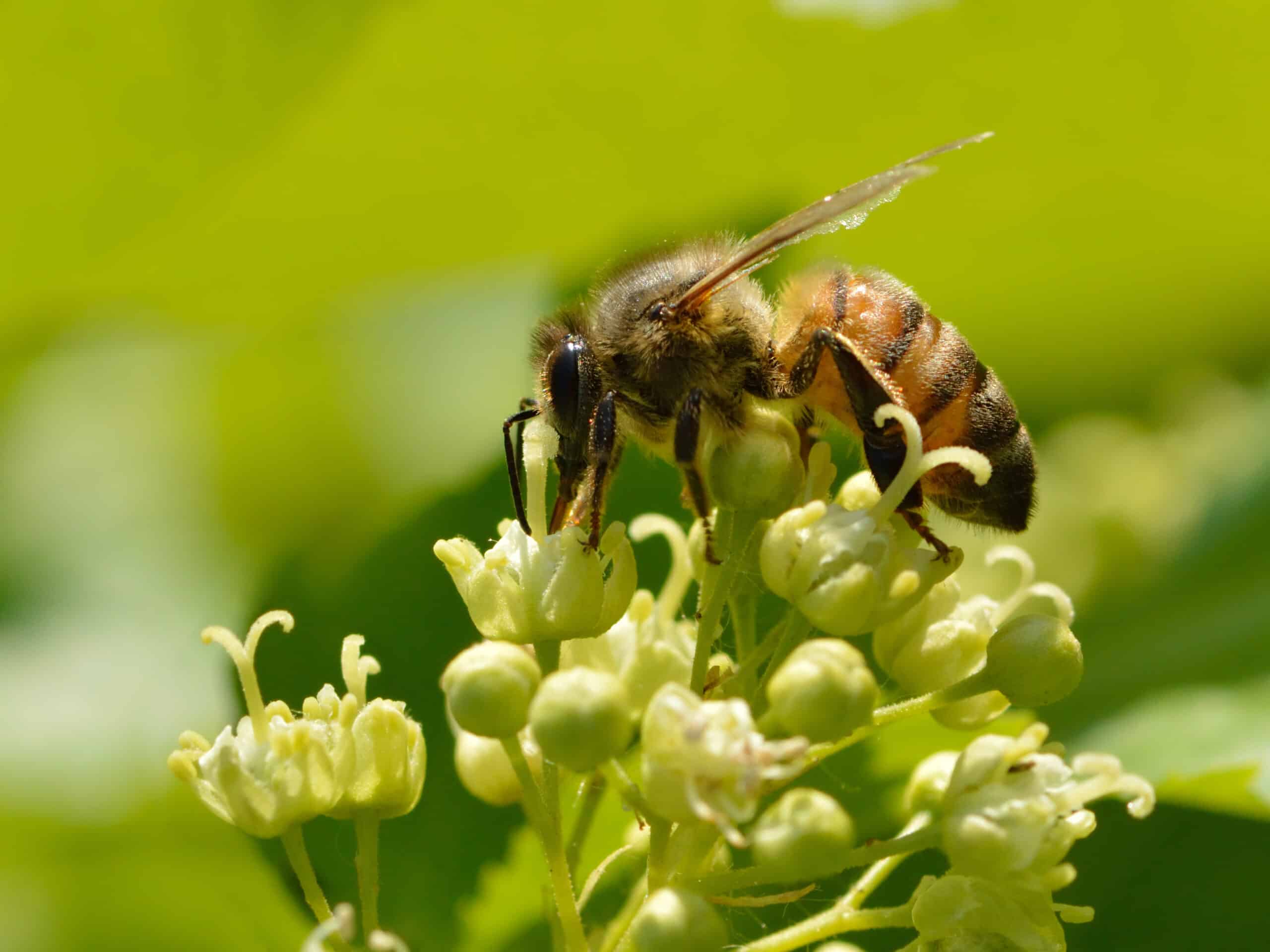
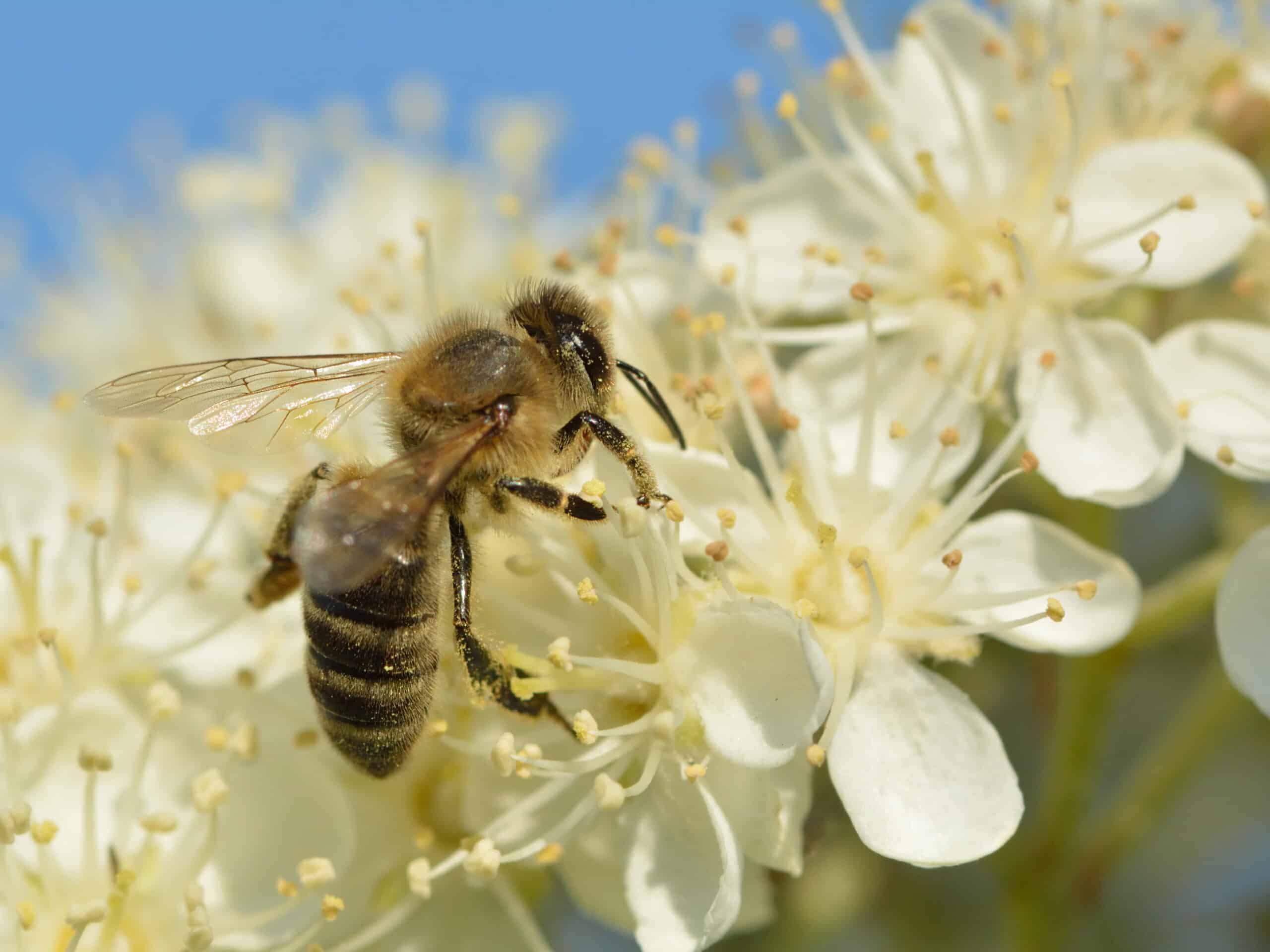
Honey bees love to feast on nectar and pollen from a variety of flowers. These tasty treats provide the energy they need to work, while also helping plants reproduce. Talk about a sweet deal!
These buzzing buddies live differently based on their roles. Worker bees live about 5 to 7 weeks, tirelessly collecting food and maintaining the hive, while the queen can live up to 5 years. That’s a long reign for a busy bee!
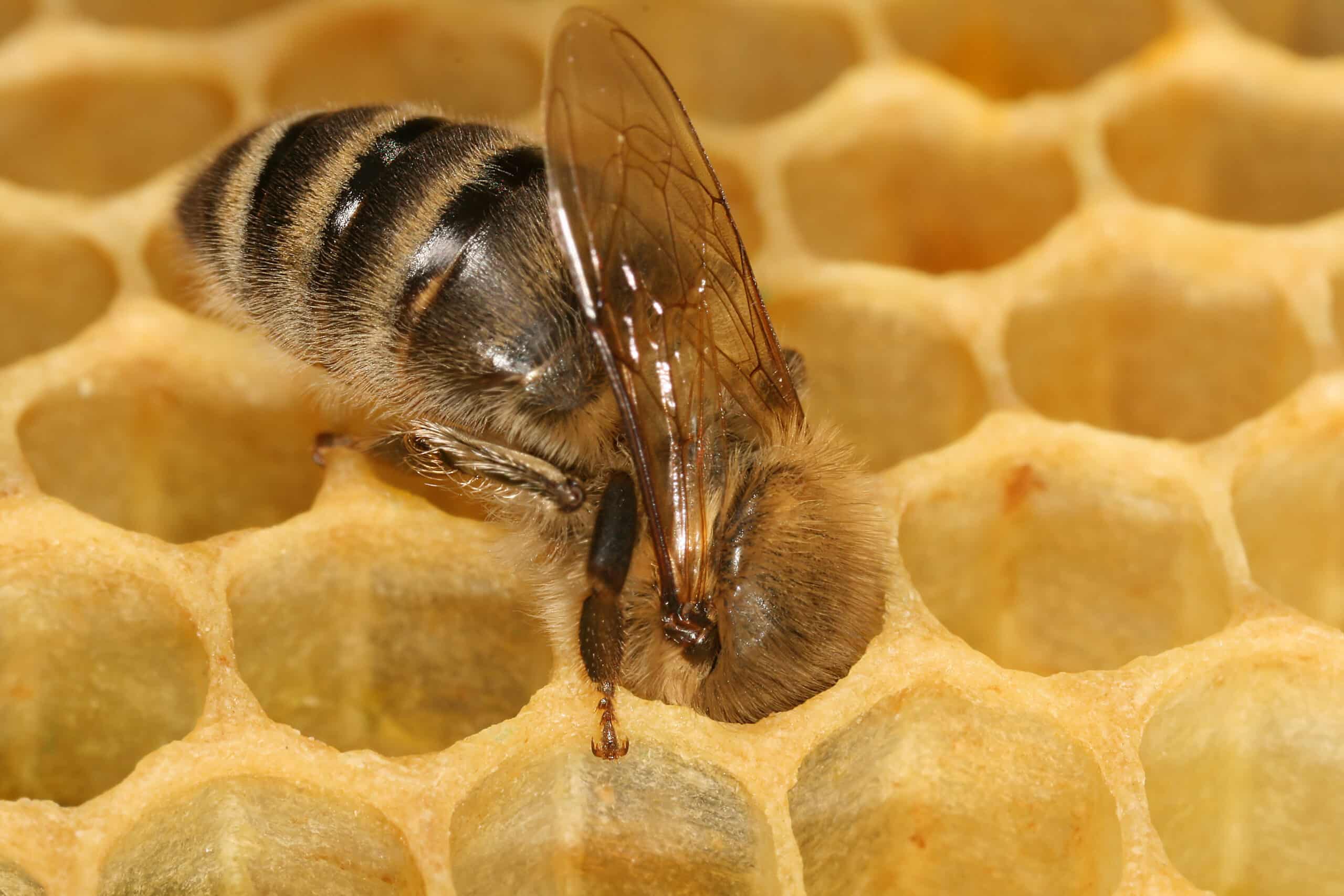
Honey bees live in colonies that can number from a few thousand to over 60,000 bees! These colonies create intricate hives made of hexagonal wax cells, where they store honey and pollen. It's like their very own apartment complex!
Honey bees communicate with each other through a unique dance called the waggle dance. This fun dance tells other bees where to find the best flowers. It's like their own little map-making adventure!
Honey bees are not just important for the environment; they also give us delicious honey! This sticky, sweet substance is produced by bees as they digest nectar. How sweet it is to have honey as a tasty treat made by hardworking bees!

Where can you find a Honey Bee in the wild?
What does a Honey Bee eat?
How big can a Honey Bee grow?
How long does a Honey Bee typically live?
What is the conservation status of the Honey Bee?
What are the main threats to the Honey Bee?
Fun facts
A honey bee can fly up to 15 kilometers per hour (9 miles per hour) when they are on a pollen mission, making them speedy little foragers!


The queen bee has a special ability to communicate with her hive members. She sends out pheromones, which are like scented messages, to keep the colony in sync and help them work together.
Honey bees can recognize human faces! They use a special part of their brain to remember human features, so they might remember you if you get too close to their hive.
When honey bees find a great flower, they perform the waggle dance. This dance shows other bees the direction and distance to the flowers, turning the hive into a tasty treasure map!
A worker honey bee visits around 2,000 flowers in a single day! That means they are buzzing like crazy to bring home the goods!
Honey bees create honey from nectar through a process called regurgitation, which means they swallow it and then bring it back up, turning it into a sticky treat after adding enzymes!
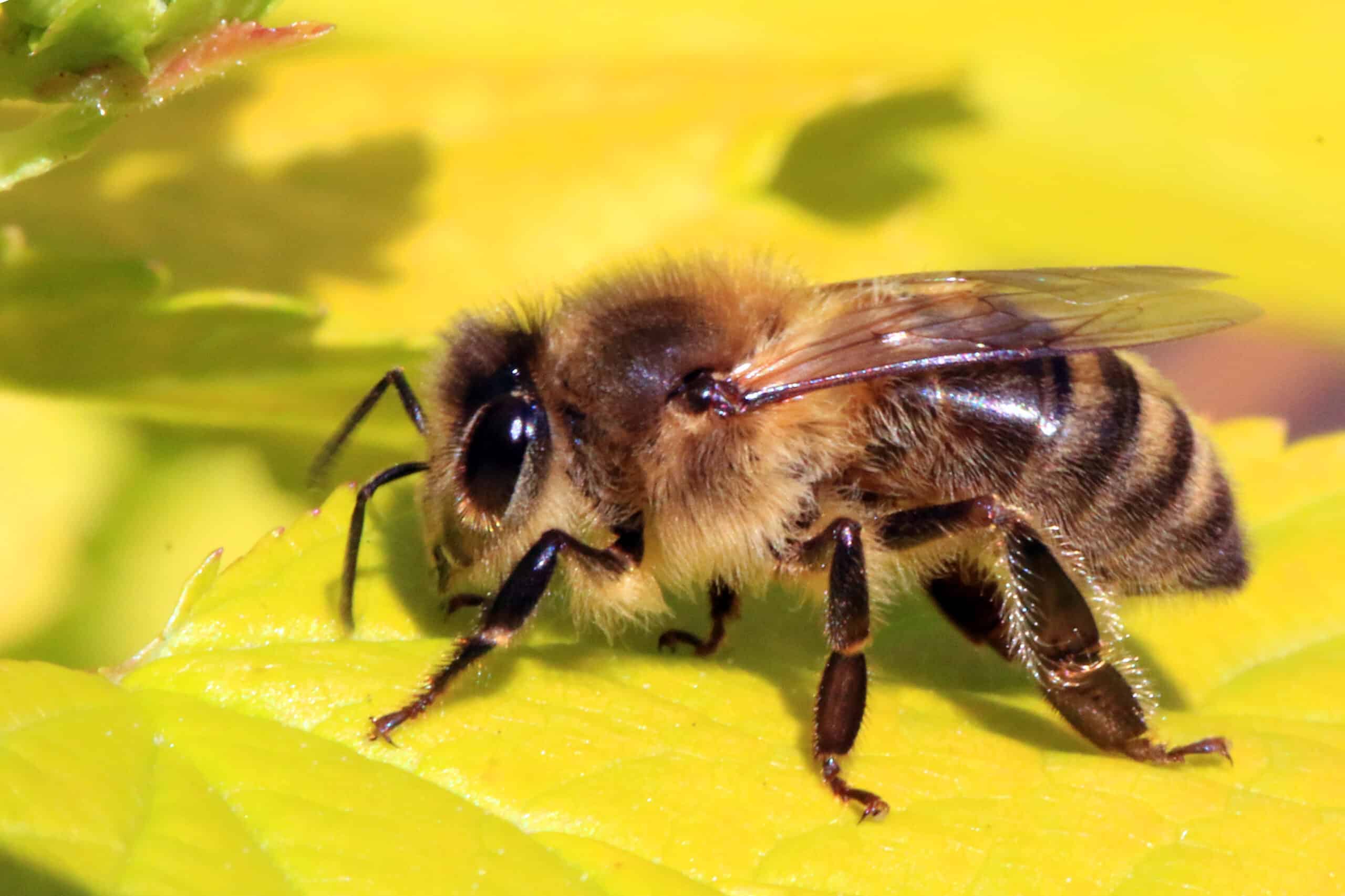
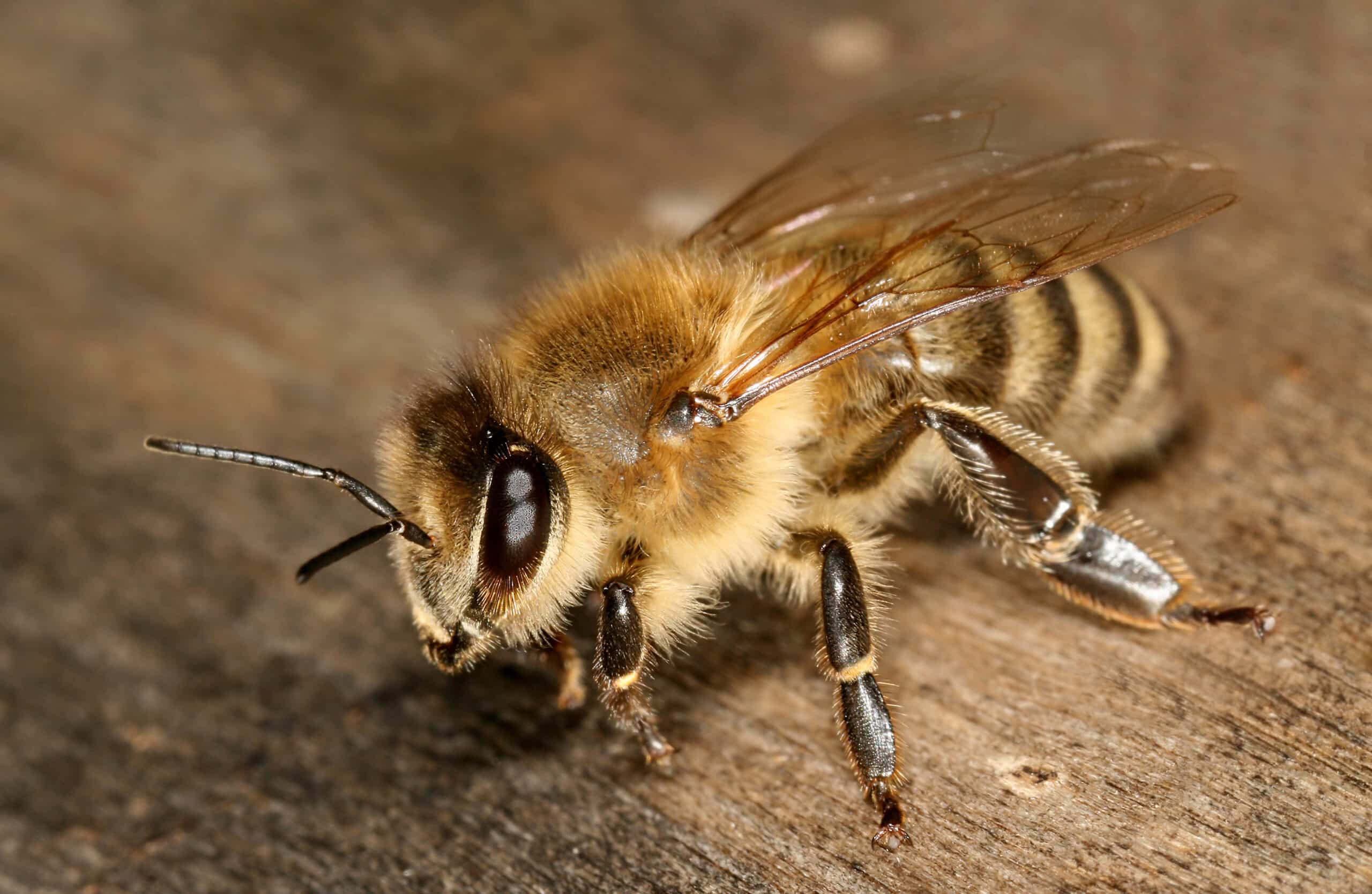
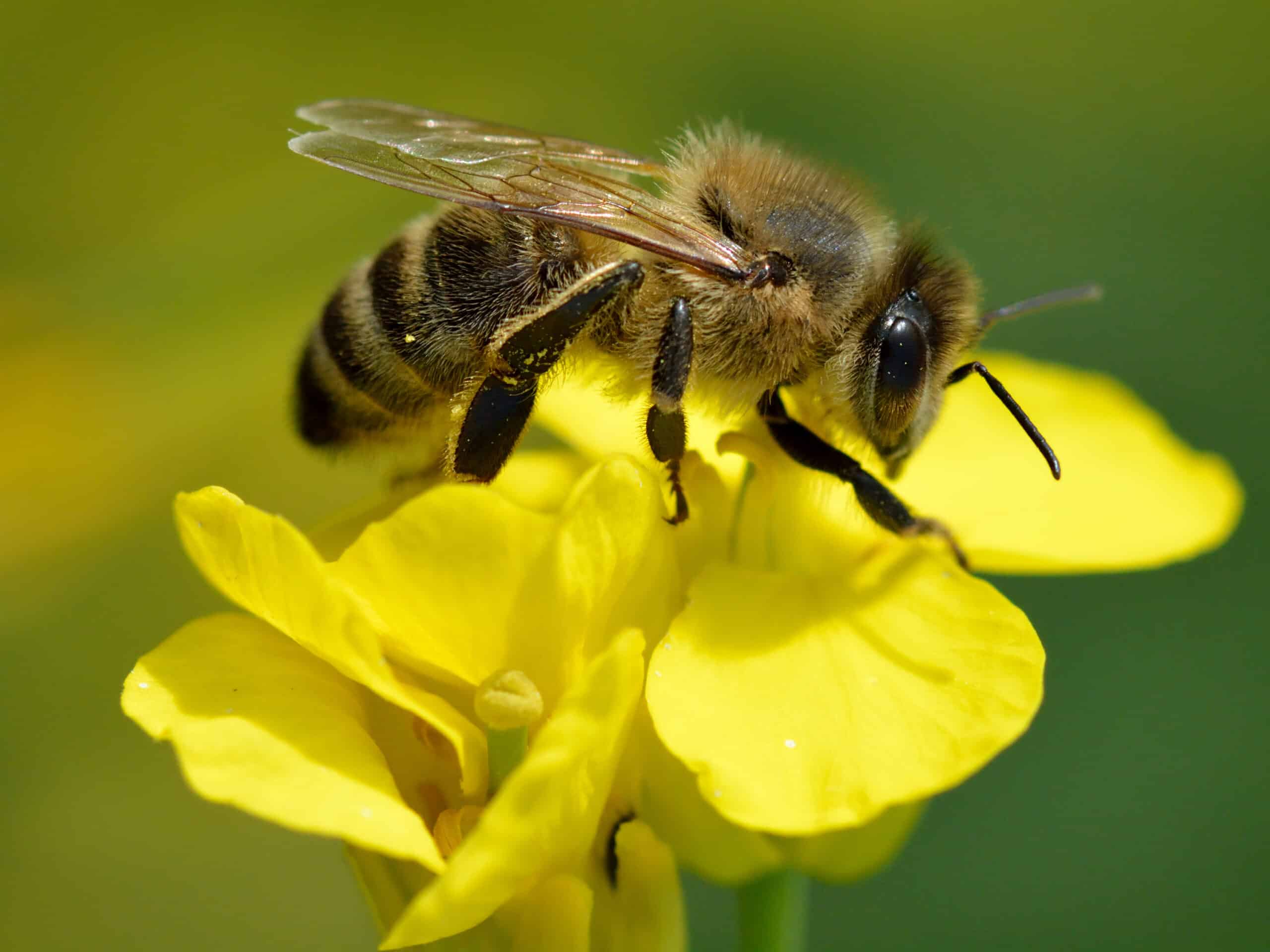
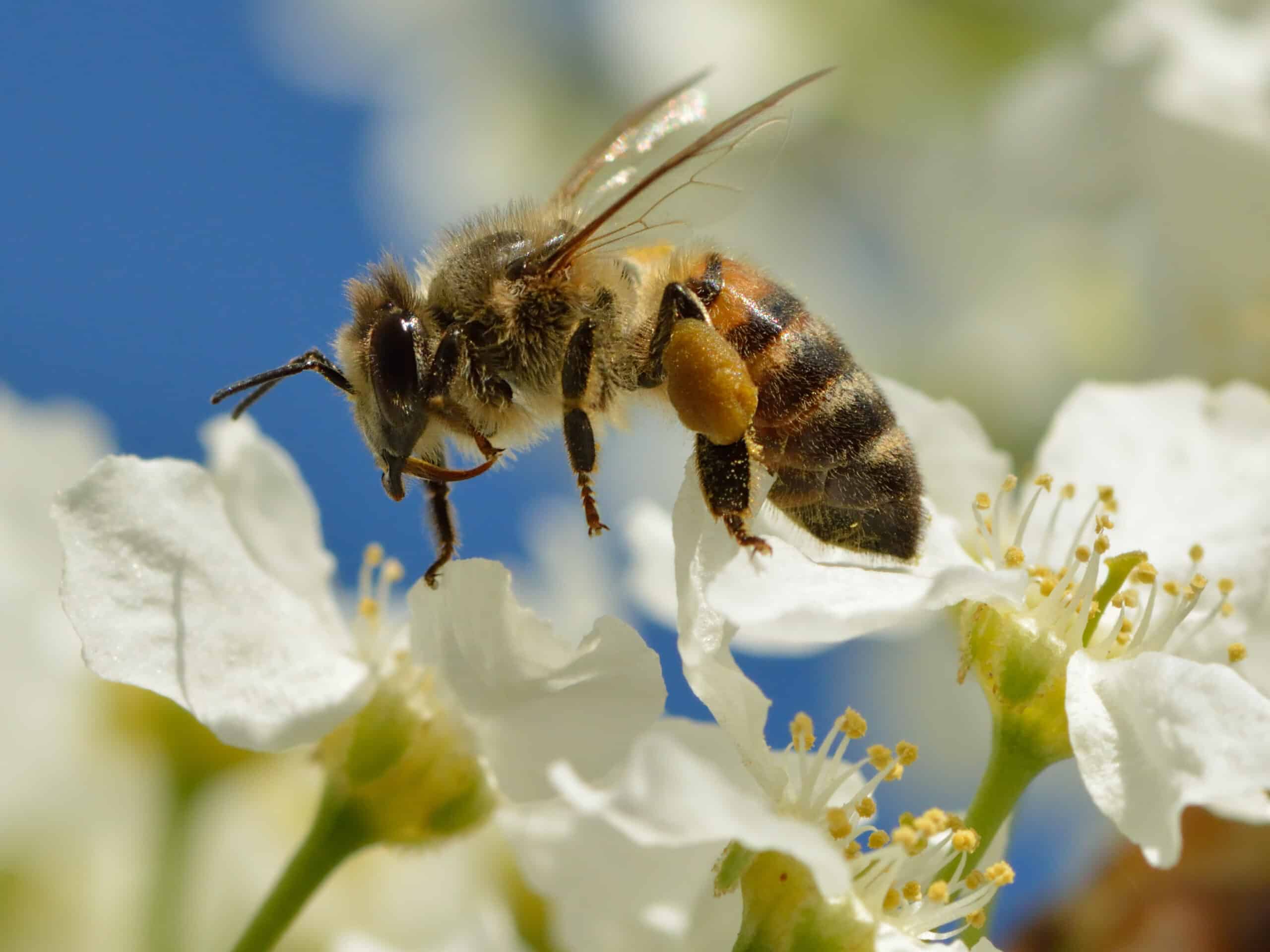
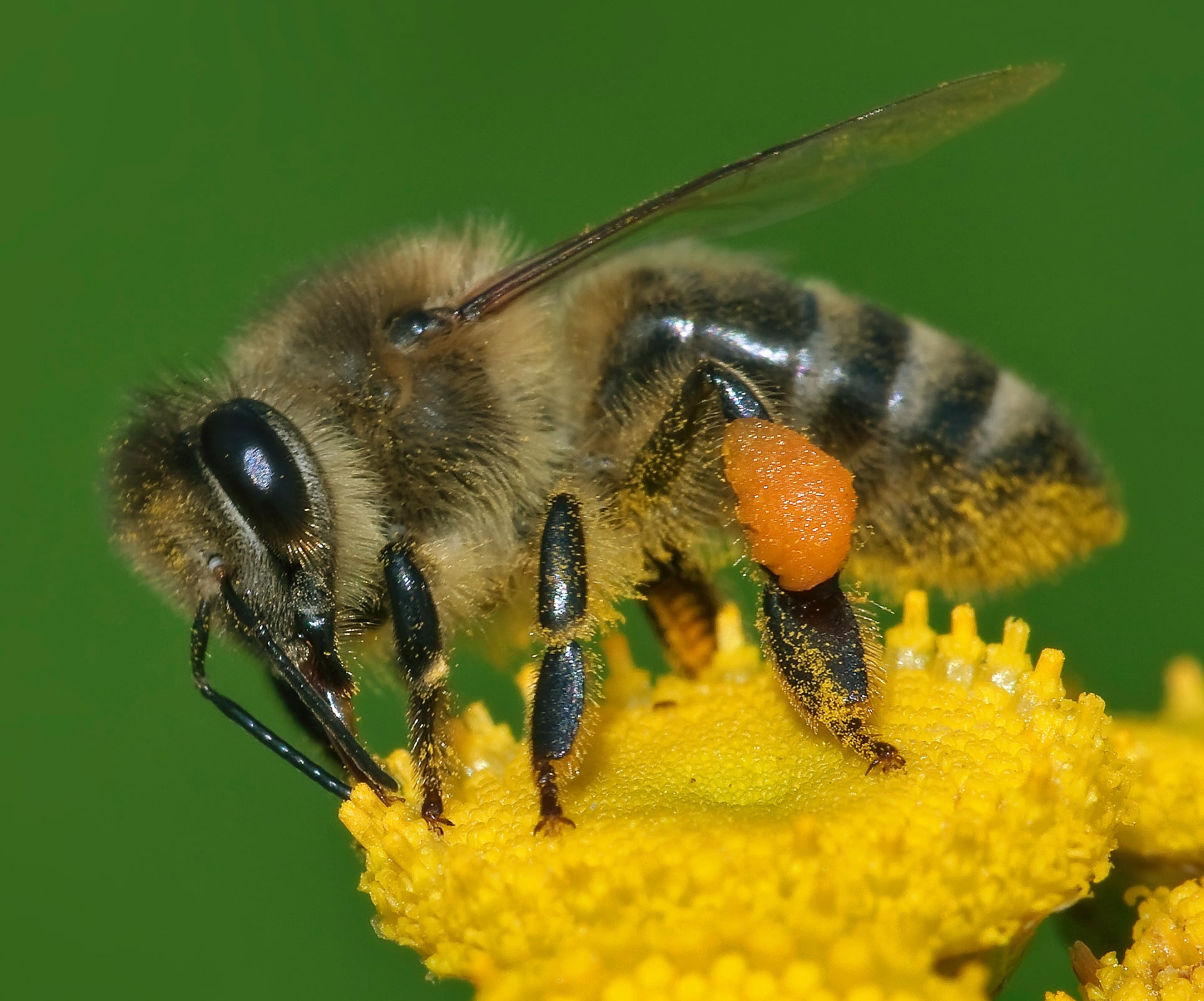
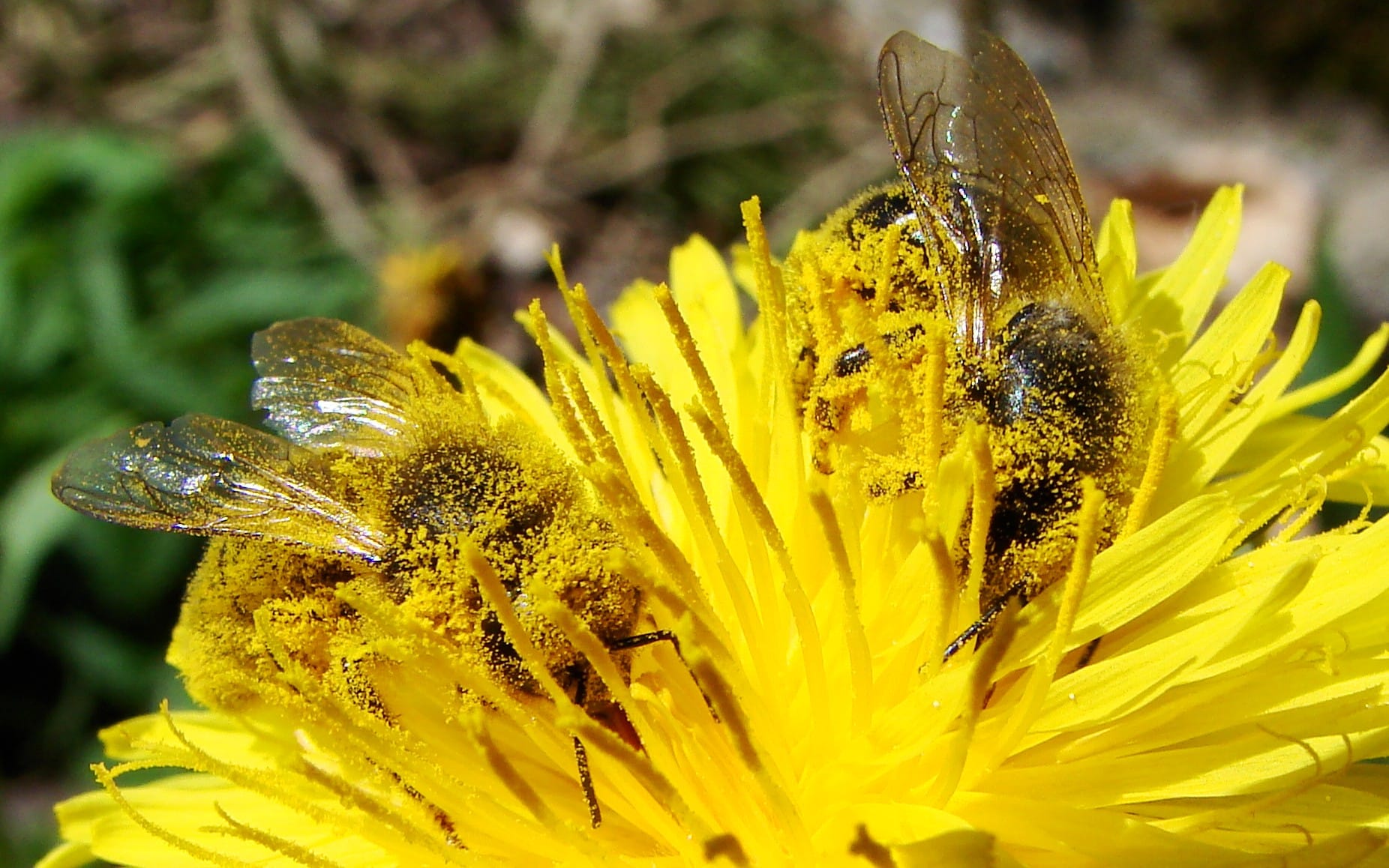
Honey bees have tiny hairs all over their bodies that help them collect pollen. When they visit flowers, the pollen sticks to these hairs, which helps pollinate the plants as they buzz from bloom to bloom!
While the queen bee can lay up to 2,000 eggs in a day, she also stores some sperm in her body for later. This means she can plan for the future without mating again for years!
Bees do a special 'cleaning' dance when they need to remove debris from the hive, making sure their home is neat and tidy!
Honey bees have been around for millions of years, even before the dinosaurs roamed the Earth! The oldest known bee fossil dates back 100 million years!
Photos

The Basics


explore more
Amphibians
Arachnids
Birds
Cats
Crustaceans
Fish
Fish Pet Guide
Gastropods
Insects
Invertebrates
Mammals
Pet Fish
Pet Rodents
Plants
Reptiles
Roundworms
Sea Slugs
