
Successfully copied to clipboard!
Horned Viper
Uncover a sneaky snake with horns that camouflages like a pro!
Let’s Explore
Overview
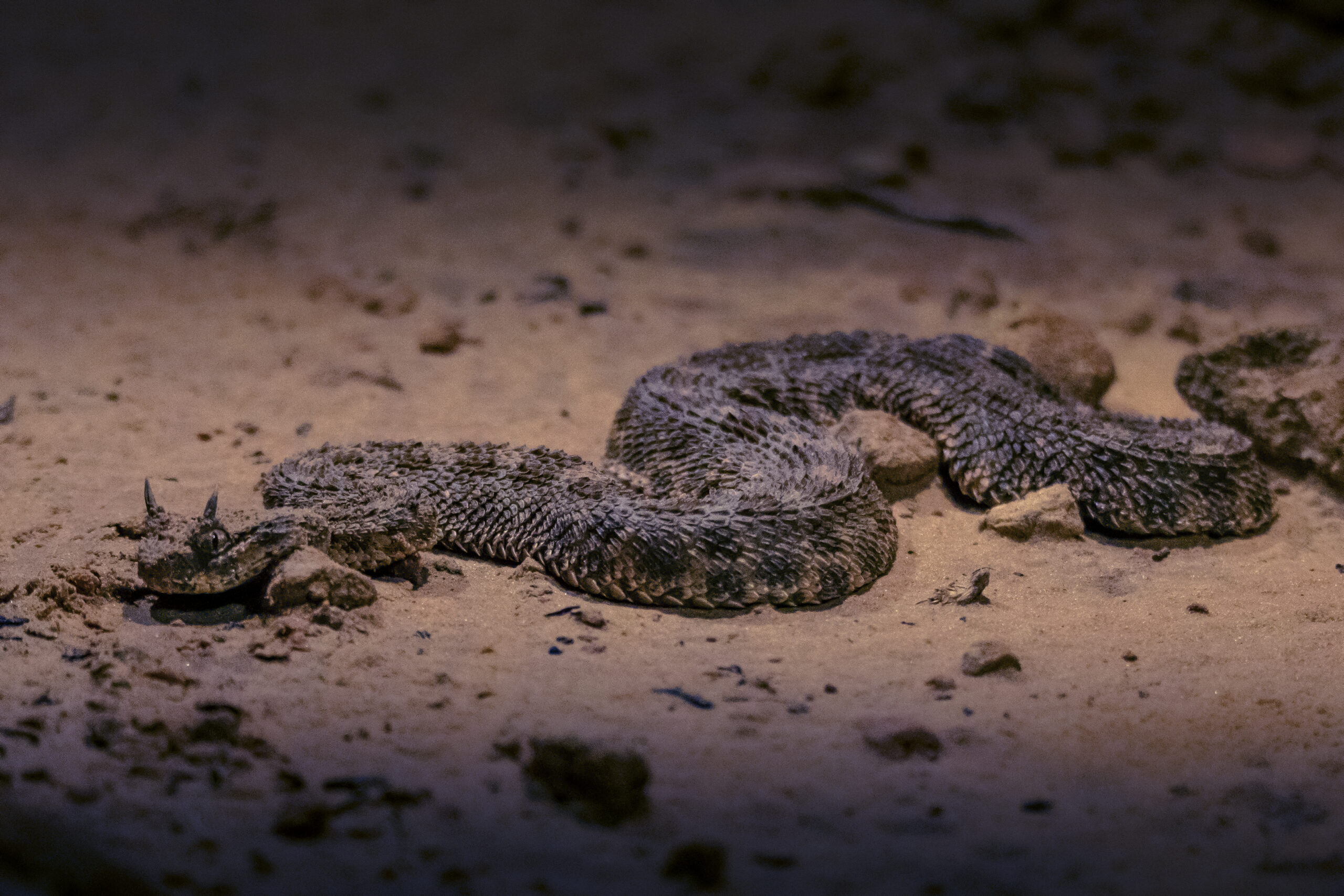
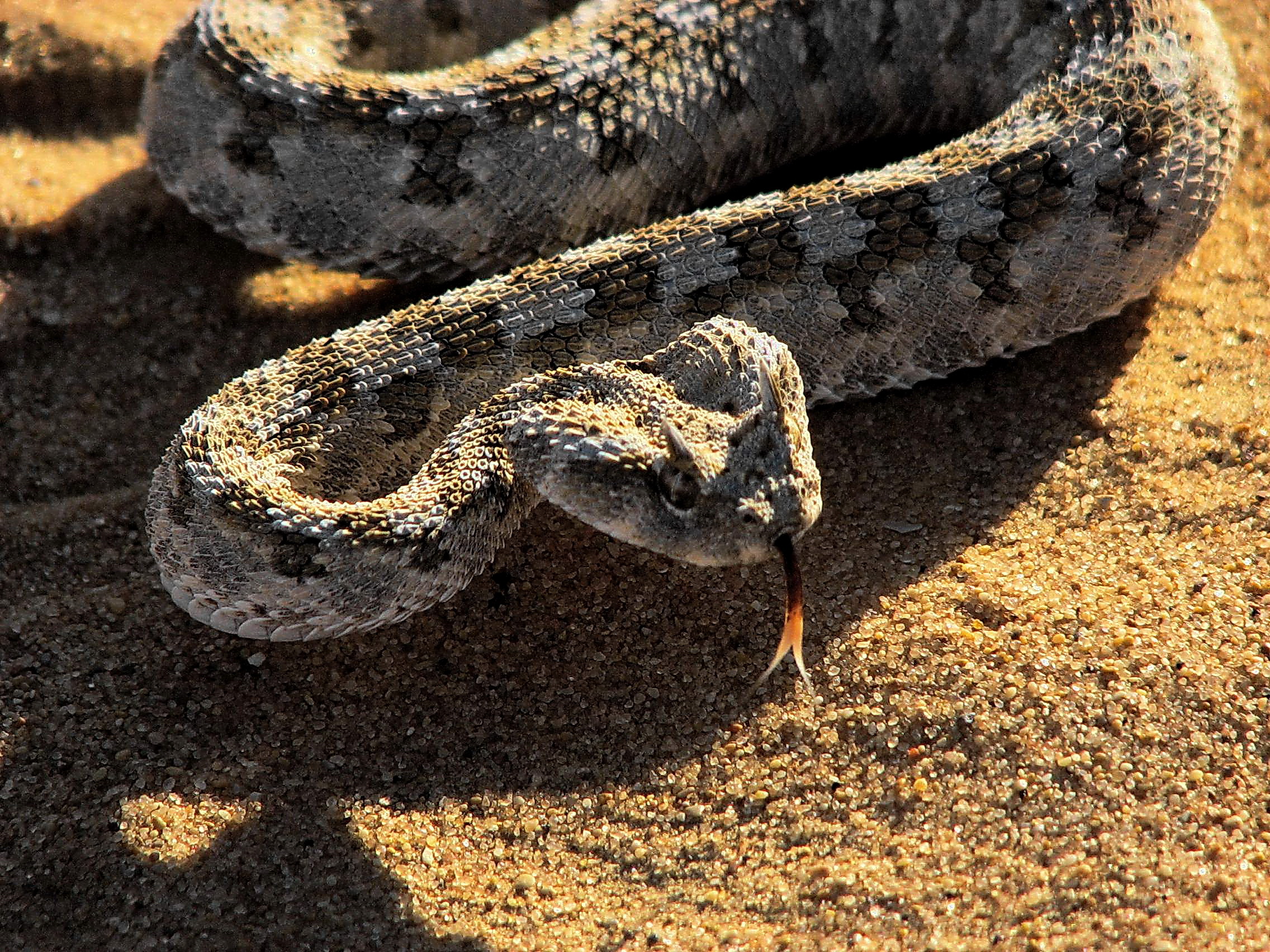
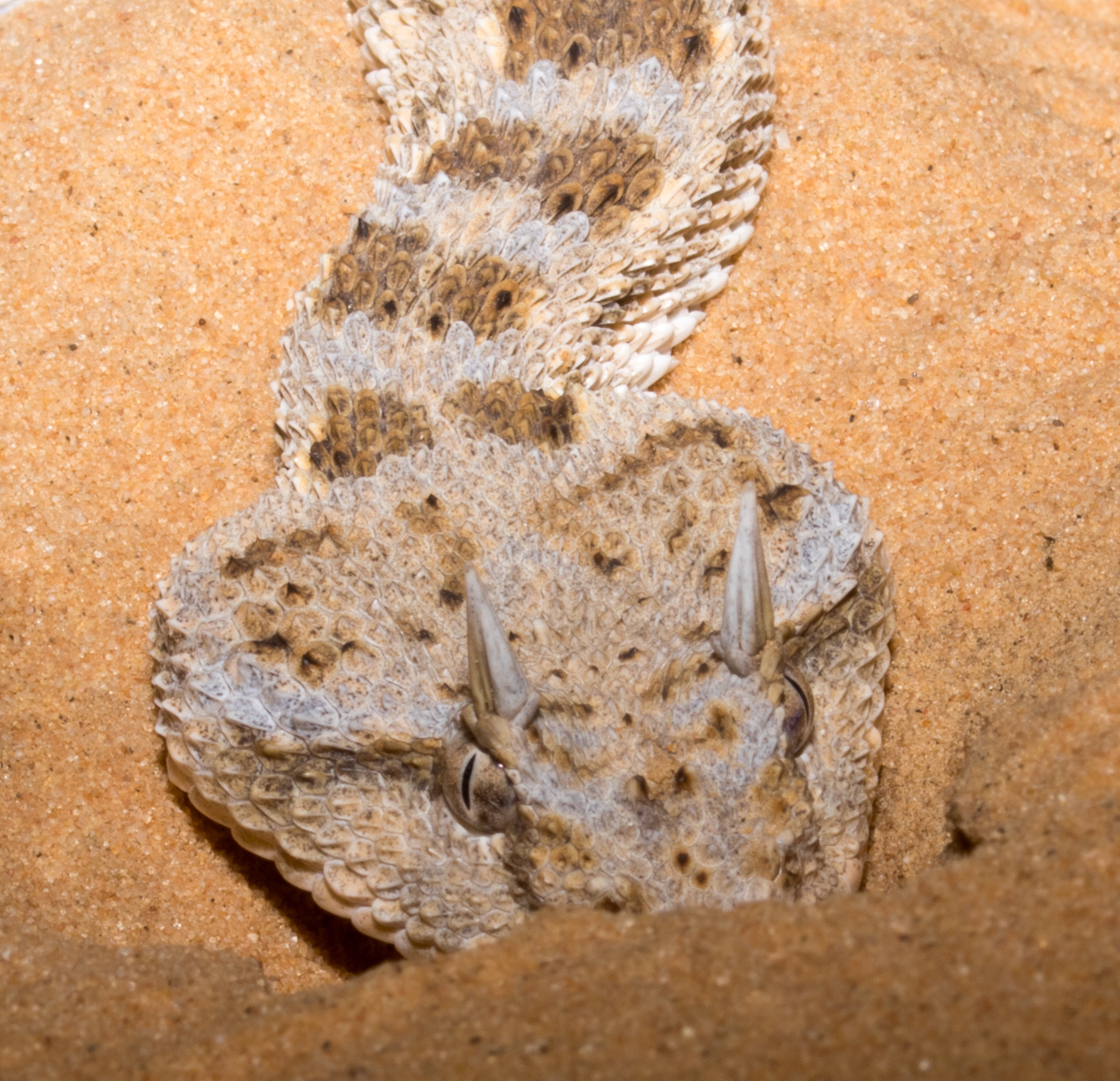
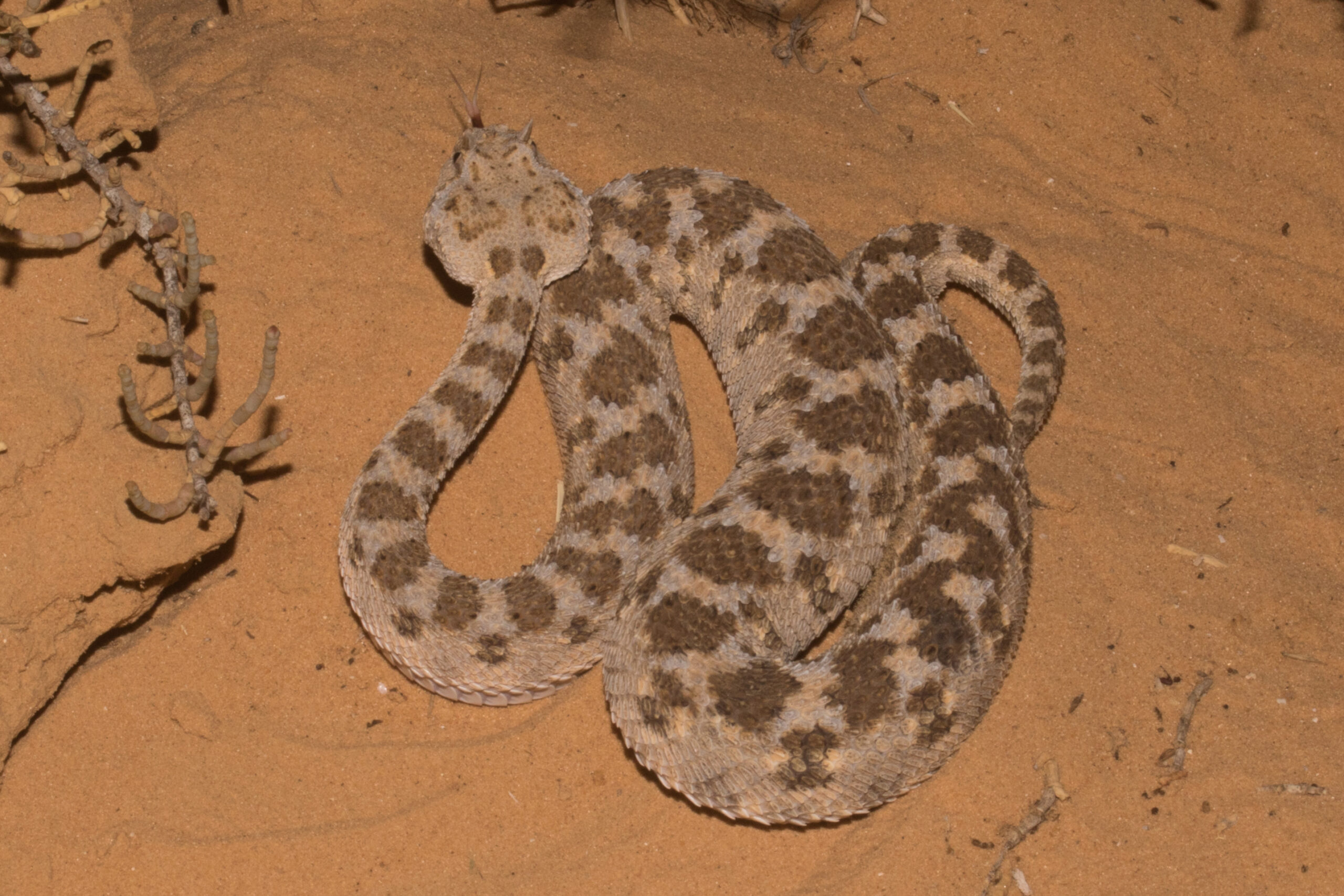
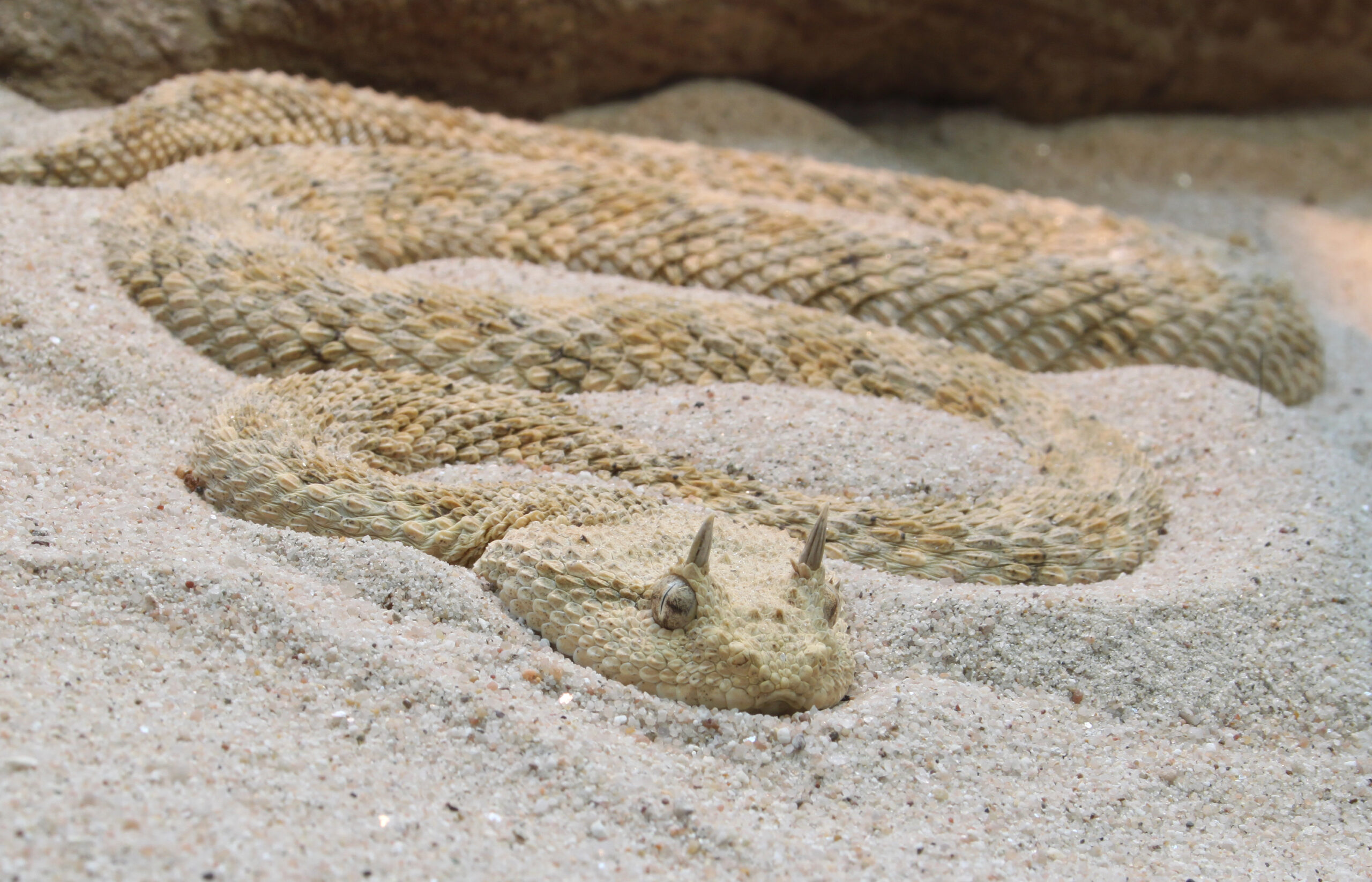
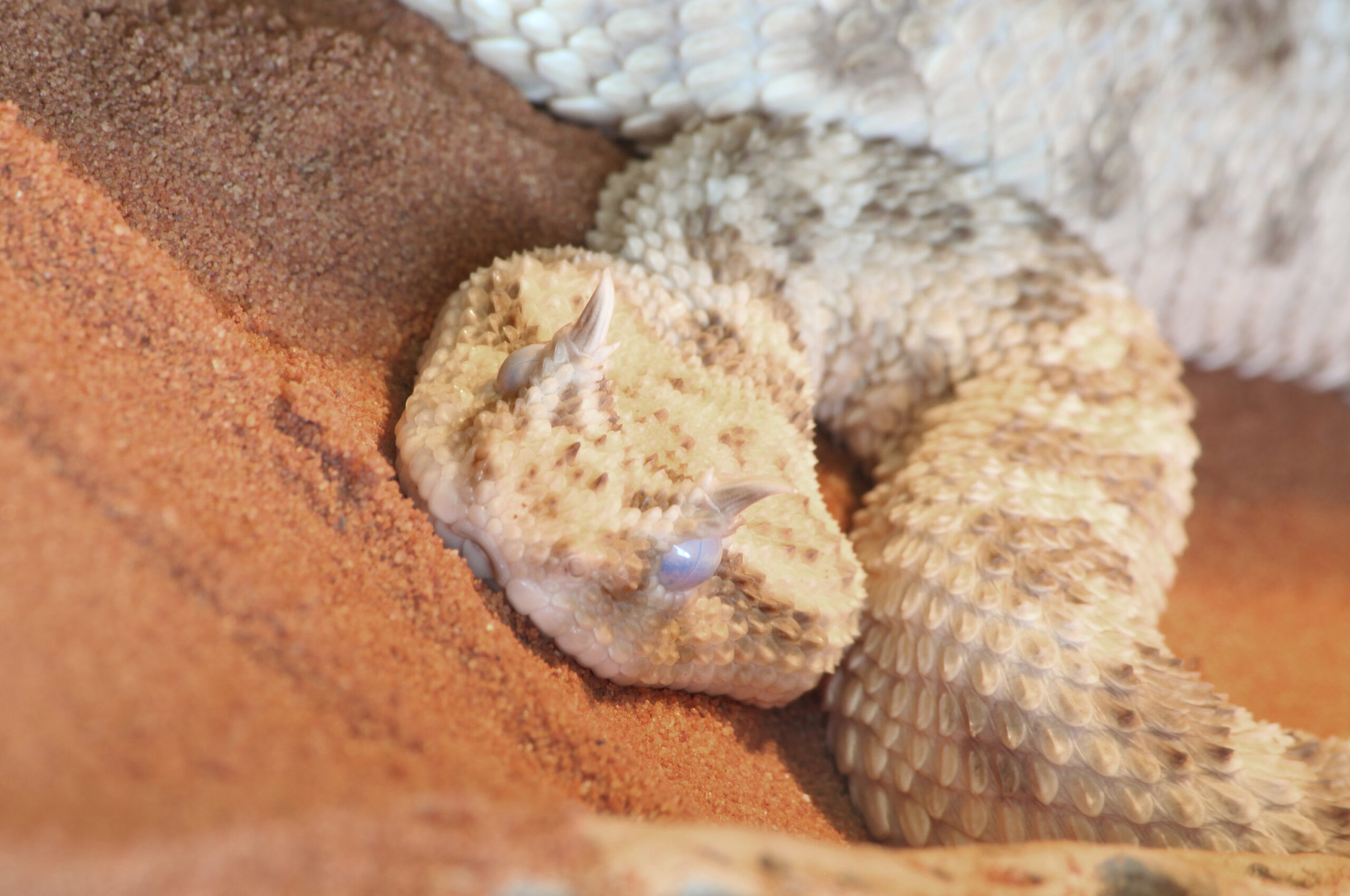
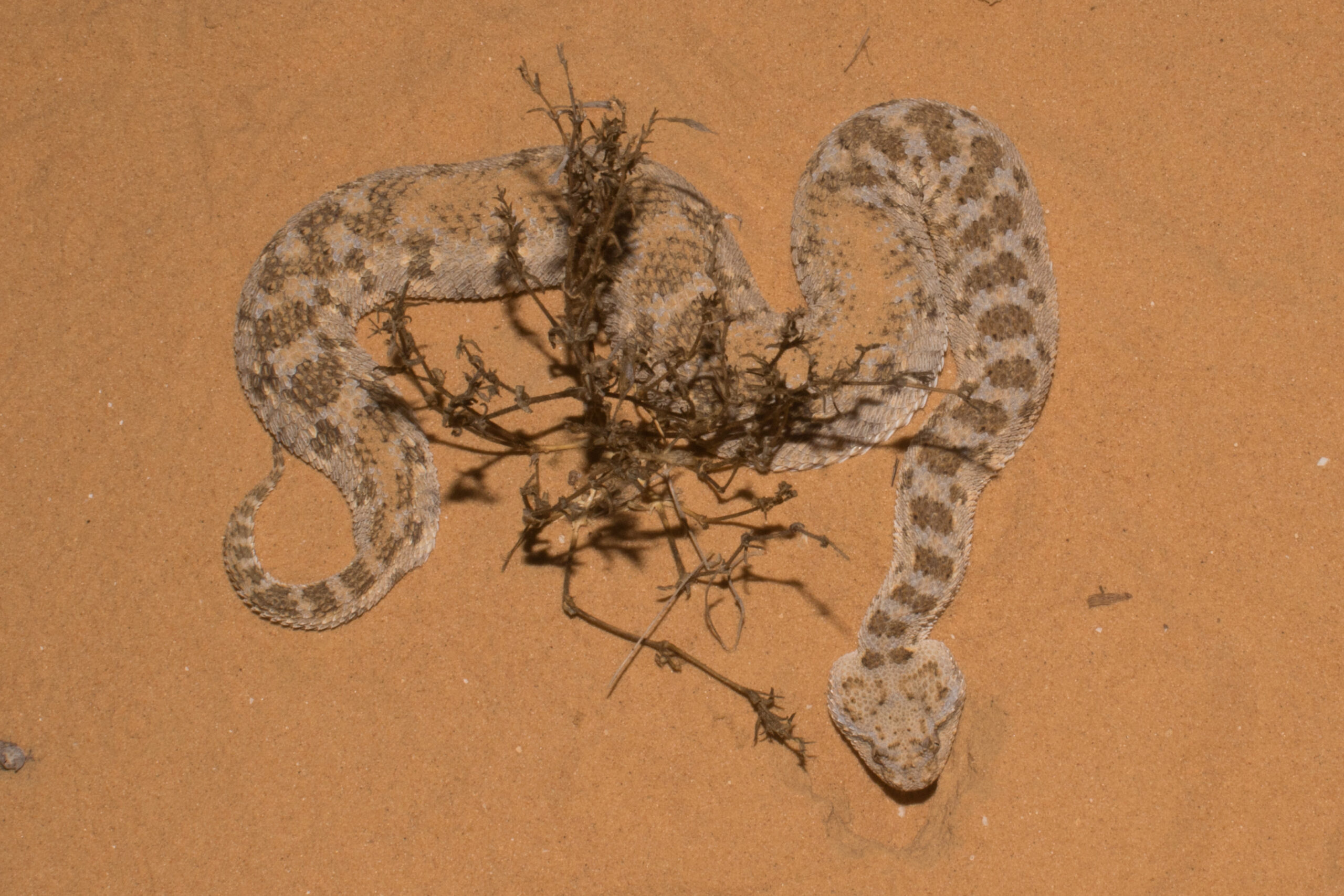
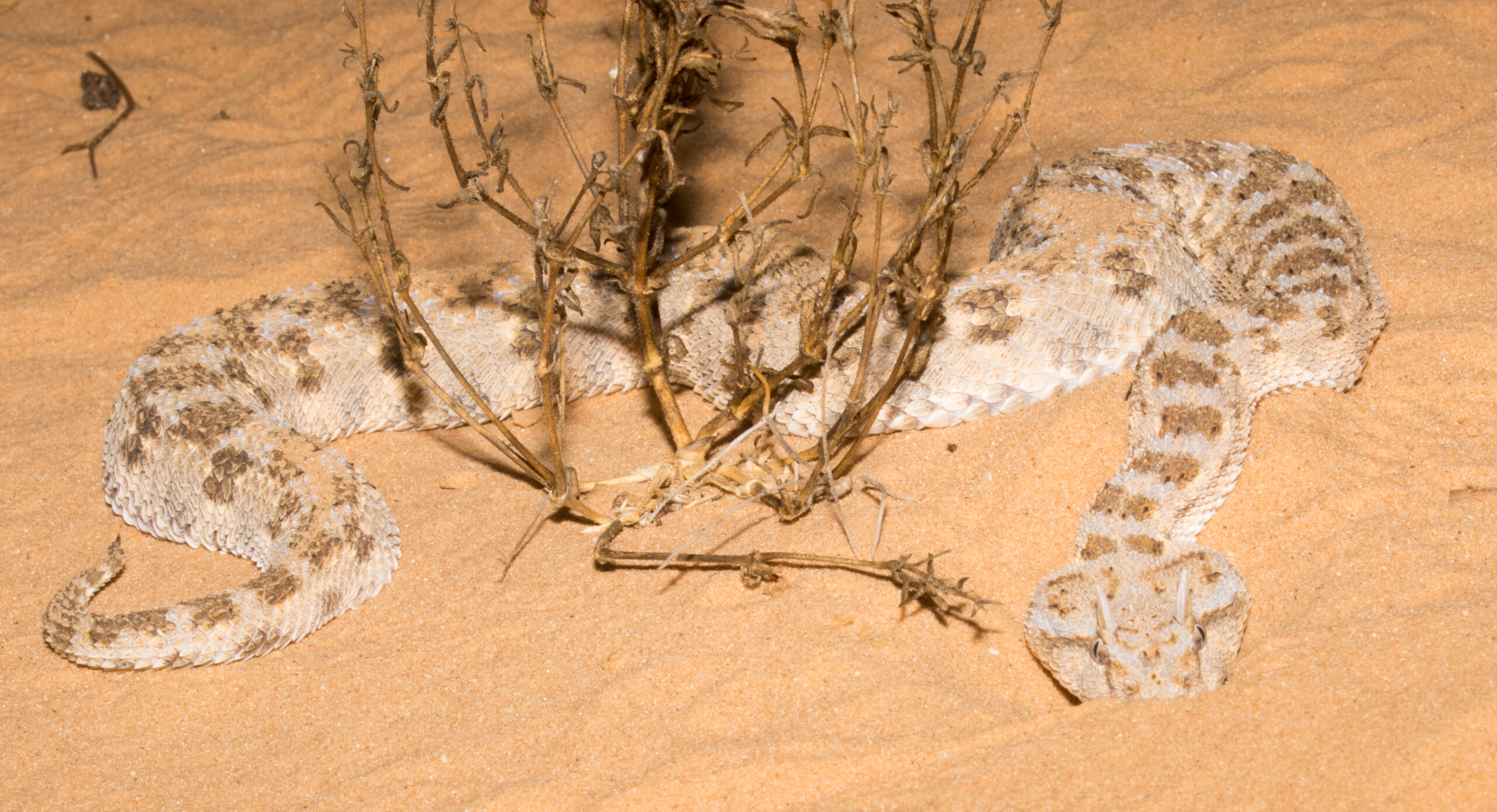
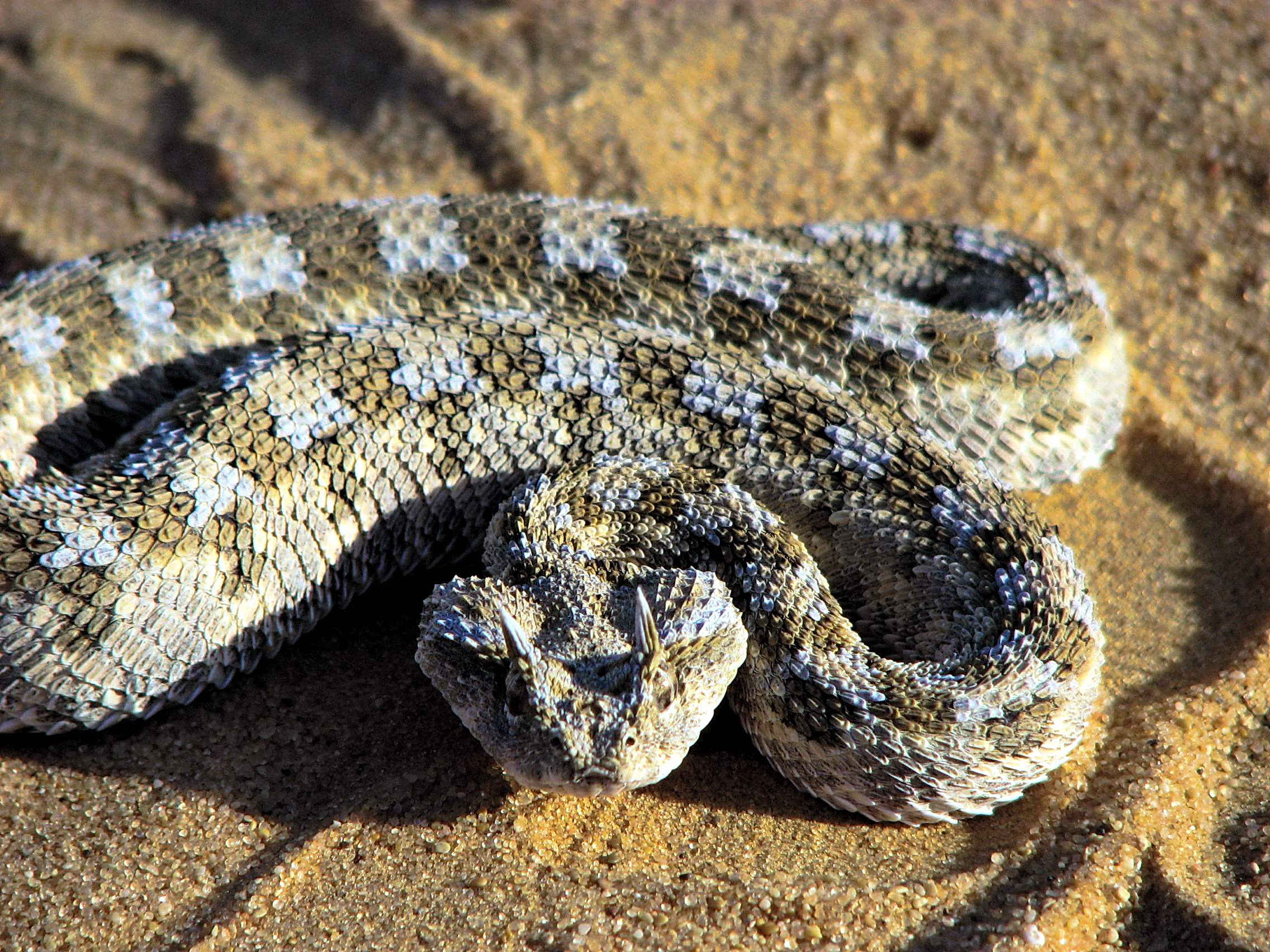
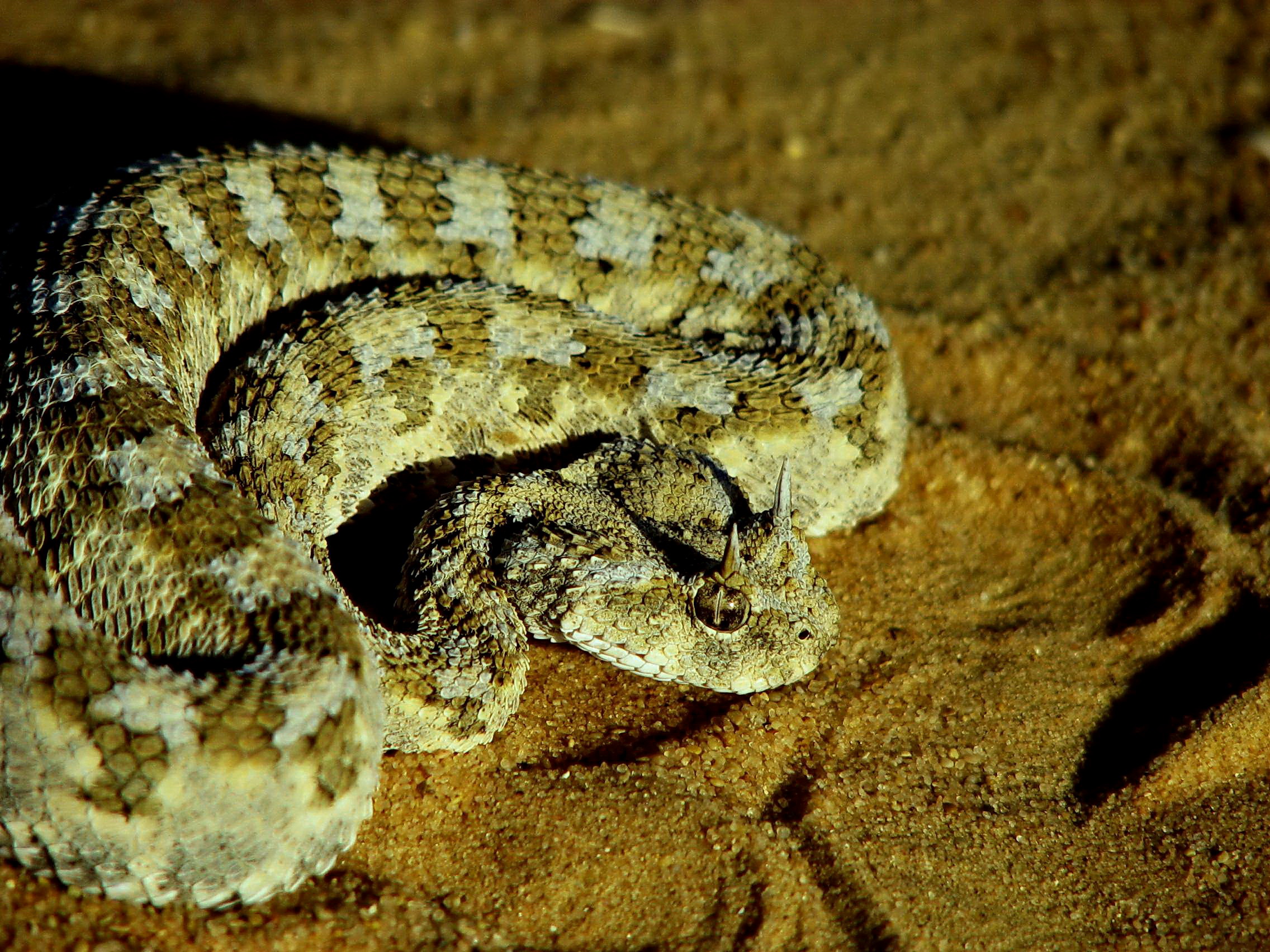
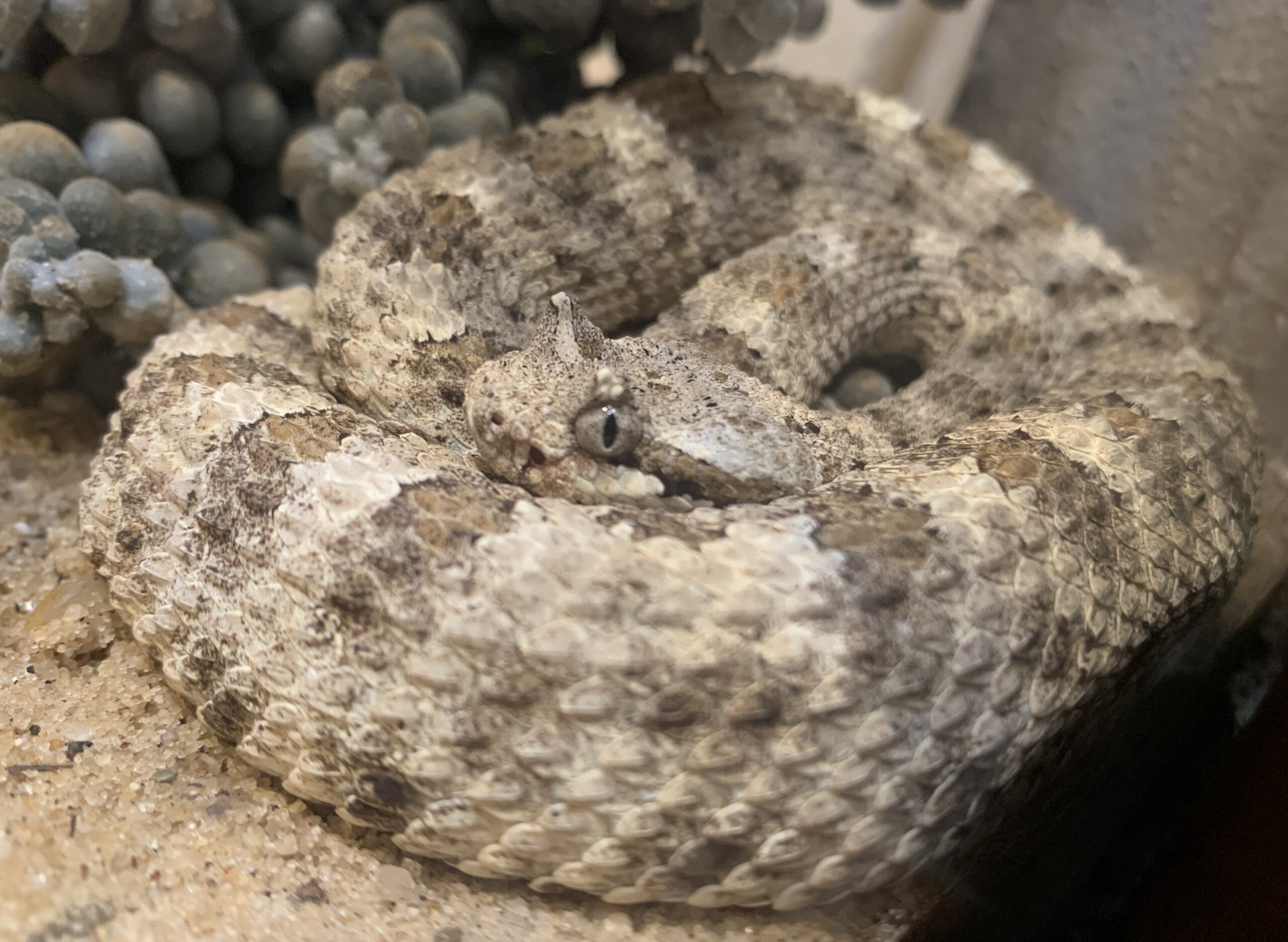
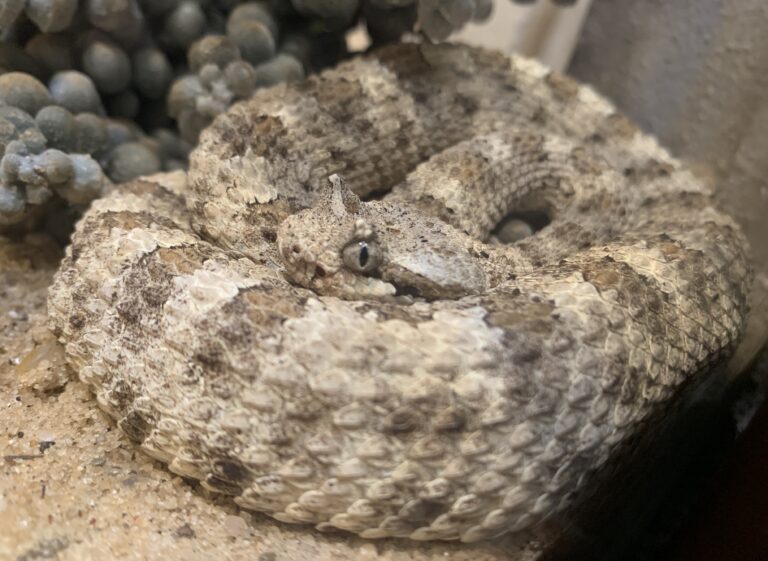
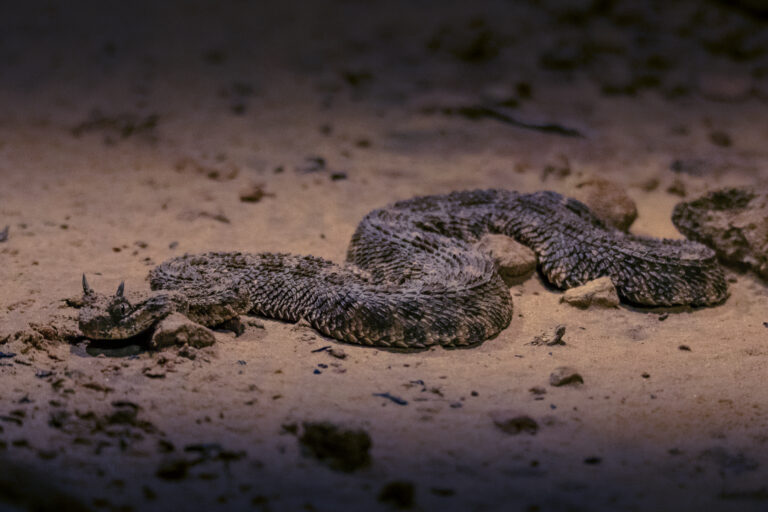
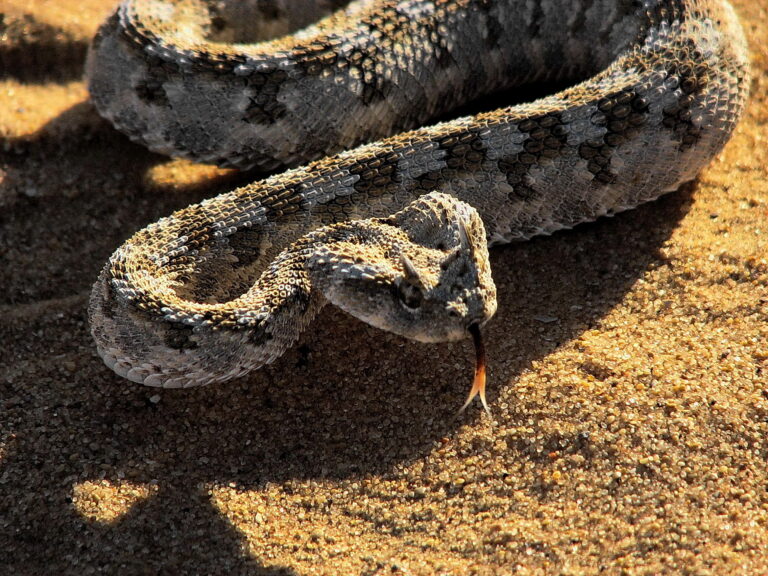
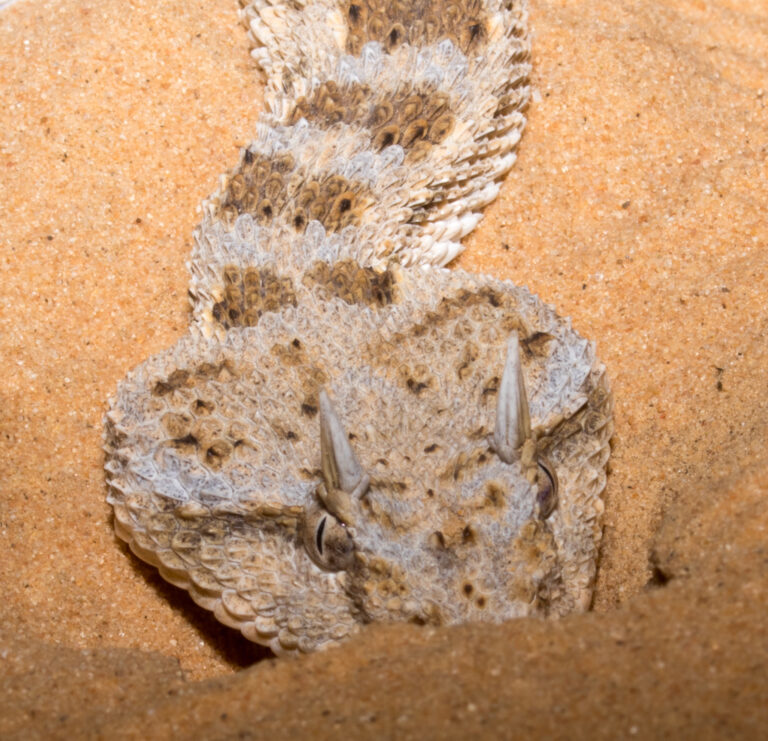
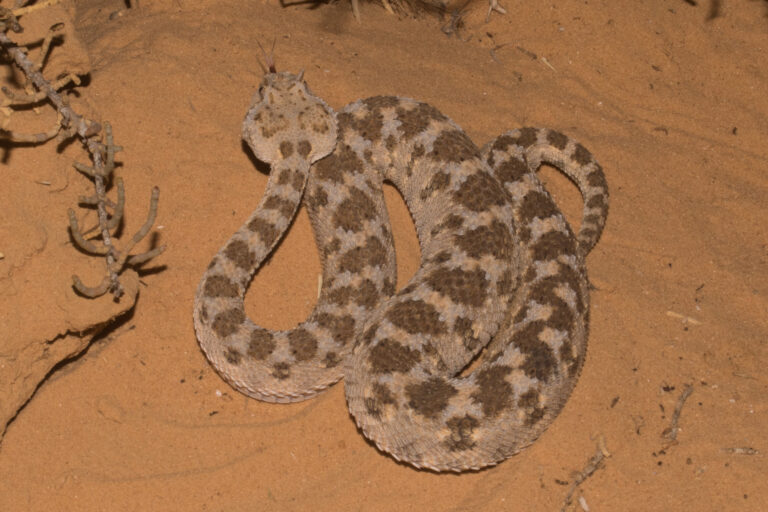
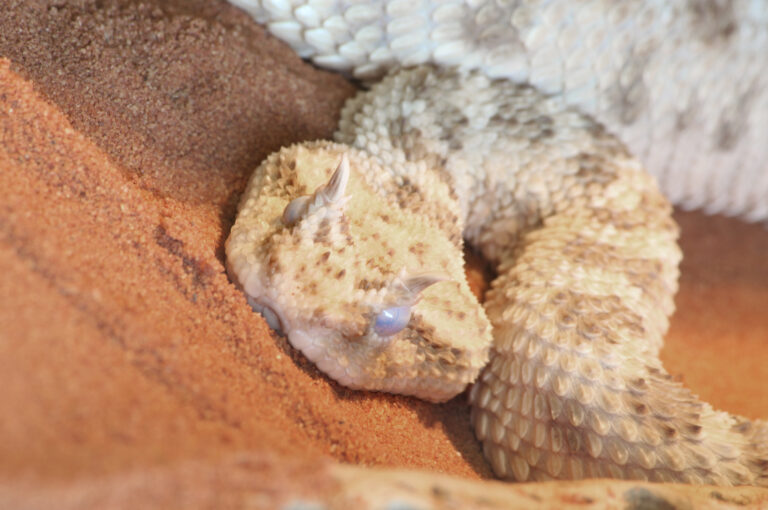
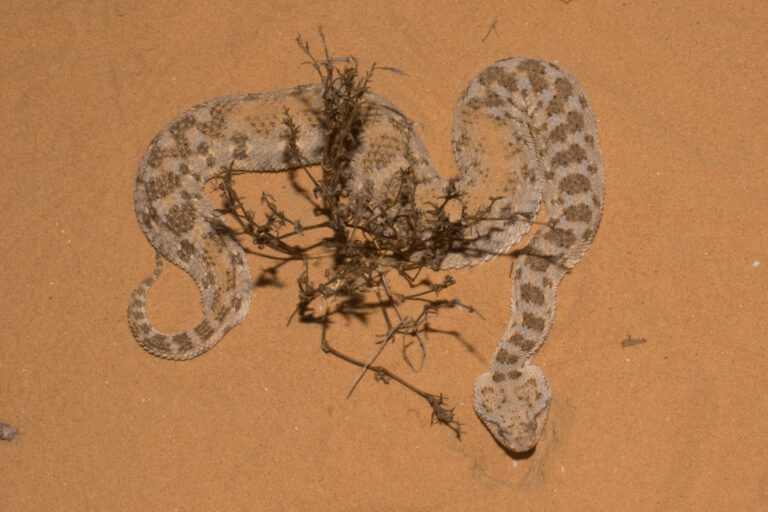
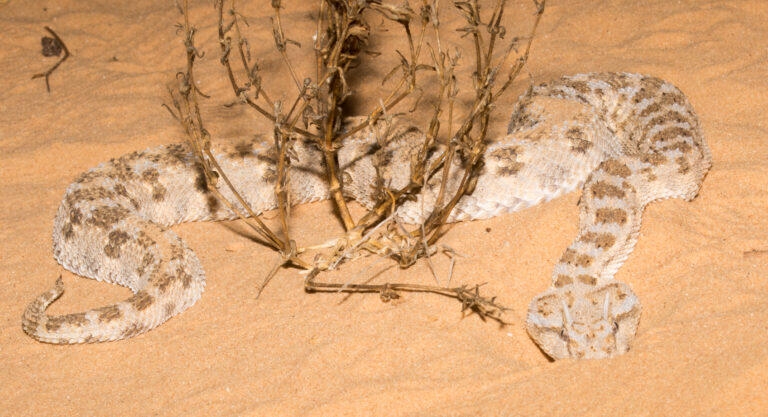
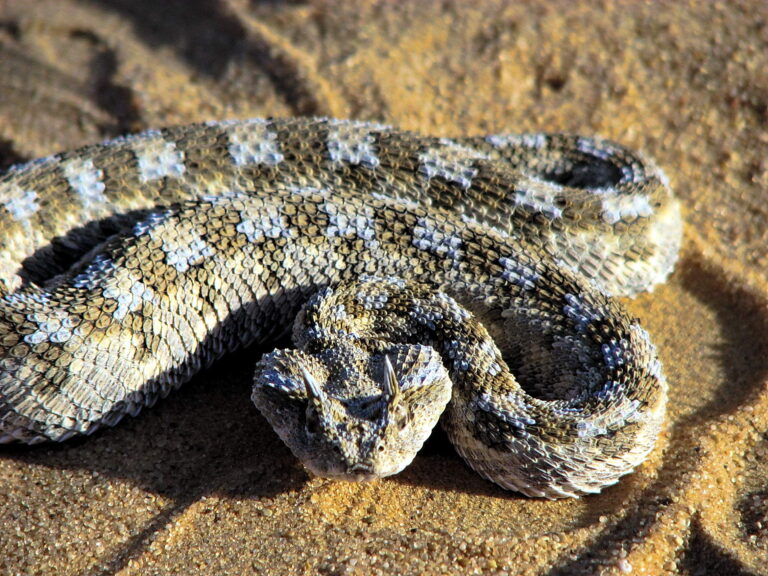
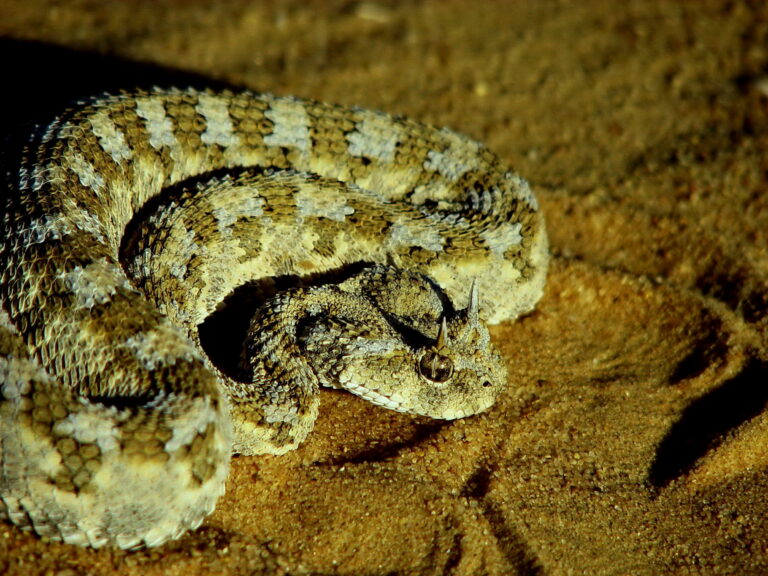
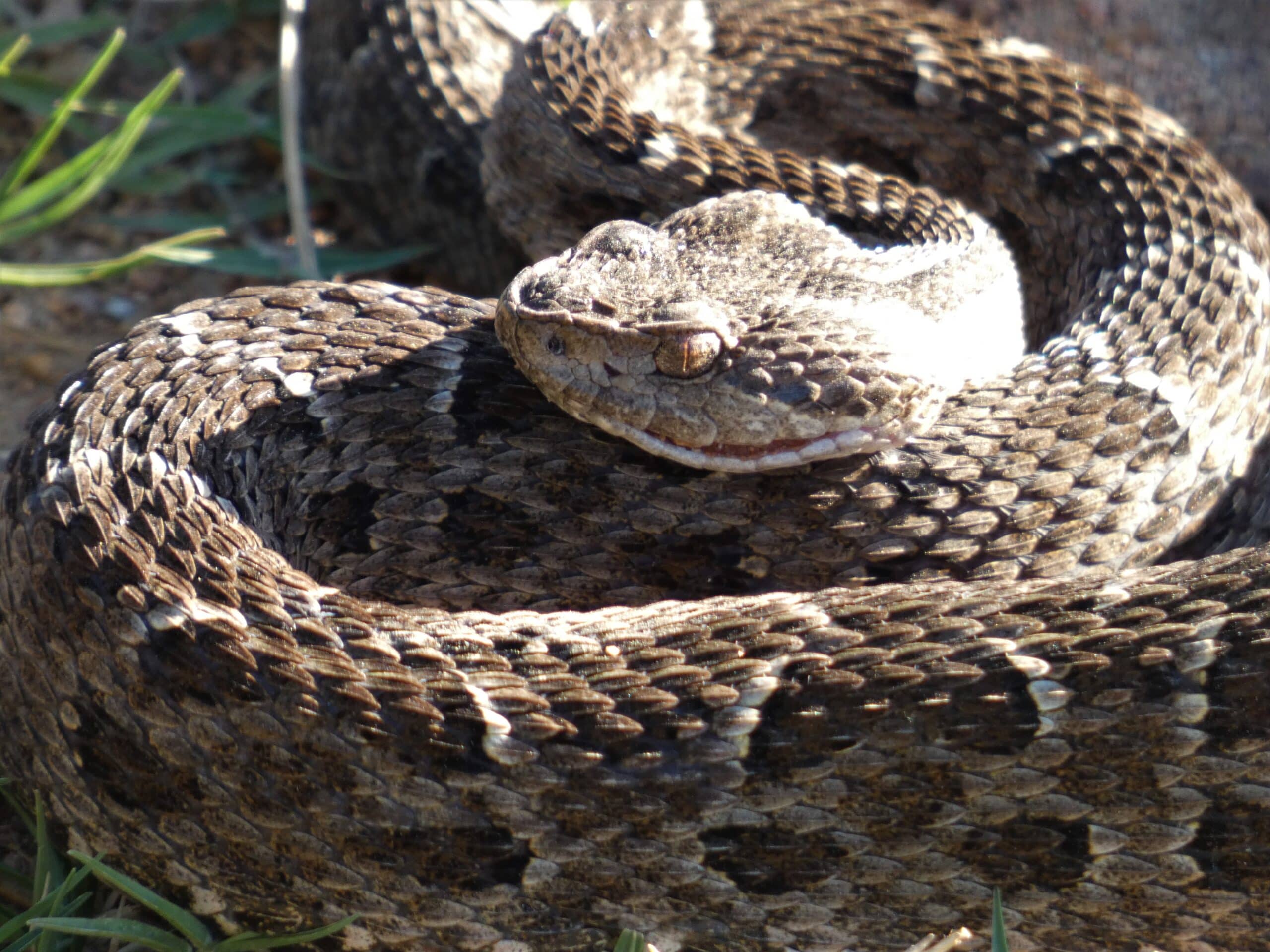
The Horned Viper is a unique snake found in the sandy deserts of Africa. With its cool name, Cerastes cerastes, this reptile doesn’t just blend in; it stands out with horn-like structures above its eyes!
This fascinating snake typically measures between 20 to 35 inches long. That's about the size of a small dog, but this sneaky snake definitely has a much cooler way of hunting!
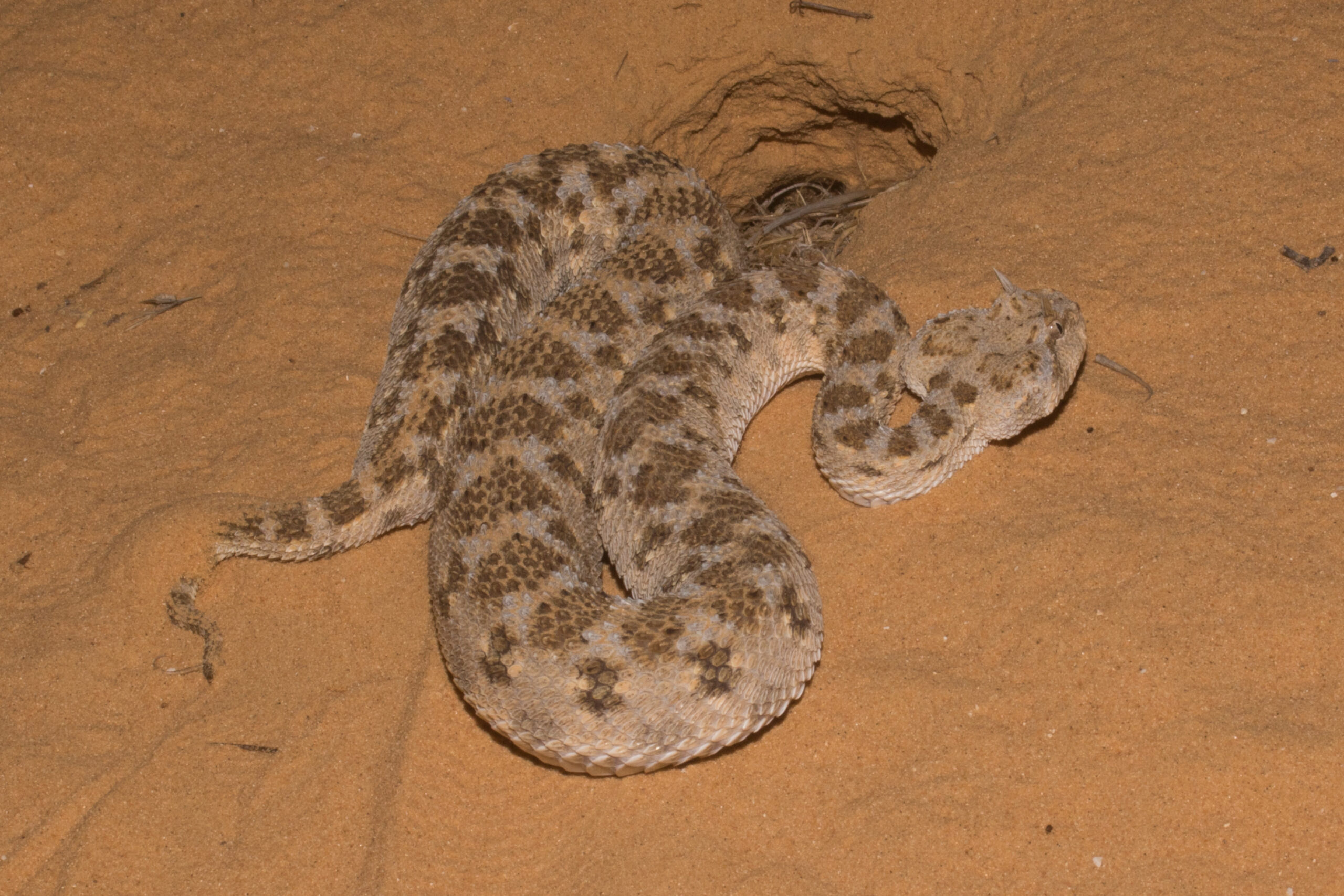
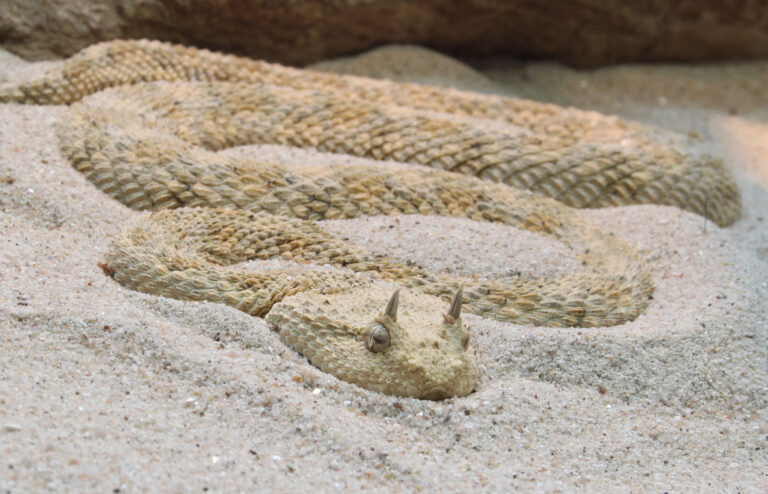
The Horned Viper loves to snack on lizards, birds, and small mammals. It uses its camouflaged skin to hide in the sand, waiting for the perfect moment to strike its meal.
With a lifespan of 10 to 15 years, the Horned Viper can teach us a thing or two about patience. It takes its time, lounging in the sun, enjoying the warm desert heat.
This reptile belongs to the Viper family and has special adaptations that help it survive in harsh environments. Its unique horns are not just for show; they help it blend in perfectly with its surroundings!
So, if you ever find yourself in the African desert, keep an eye out for the Horned Viper. With a little luck and a lot of keen observation, you might just see this incredible creature slithering by!

Where can you find a Horned Viper in the wild?
What does a Horned Viper eat?
How big can a Horned Viper grow?
How long does a Horned Viper typically live?
What is the conservation status of the Horned Viper?
What are the main threats to the Horned Viper?
Fun facts
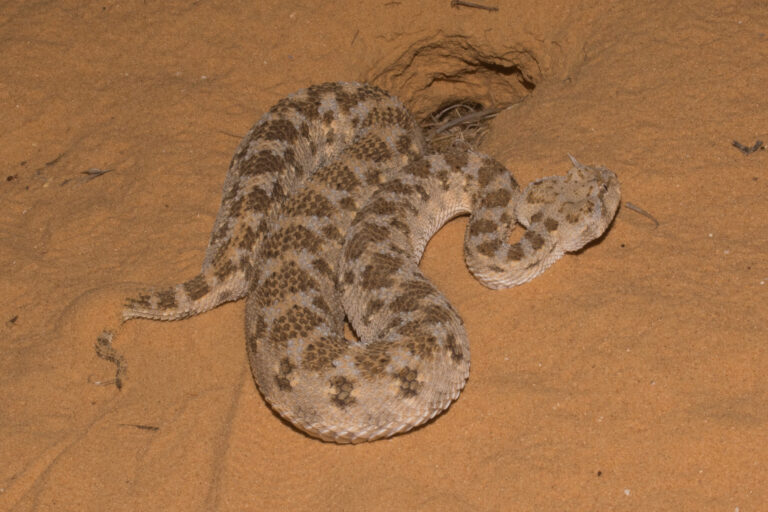
The Horned Viper can bury itself in sand, using its body to create a perfect hiding spot. It looks like a little sand dune, waiting for unsuspecting prey to wander by!


When this snake strikes, it can do so with lightning speed. The Horned Viper can complete its attack in less than a second, making it one of the swiftest hunters in the desert.
These snakes can make a unique hissing sound when threatened, much like a tiny dragon warning intruders to stay away. It’s a fierce way to say, "Back off!"
The Horned Viper has special heat-sensing pits between its eyes. These pits allow it to detect warm-blooded animals even in the dark, so it can hunt at any time!
This snake's horns make it look fierce, but they actually help it camouflage into the desert landscape. It’s nature’s way of making sure it stays hidden from both predators and prey.
The tail of the Horned Viper sometimes wiggles to attract attention away from its head. It tricks predators or prey so that it can sneak away or catch dinner without getting noticed.
Female Horned Vipers give birth to live young, which is pretty cool for snakes! After a long wait, the tiny snakes are ready to explore the world instead of hatching from eggs.
This viper can tolerate extreme temperatures, surviving in deserts where temperatures can rise above 40 degrees Celsius (104 degrees Fahrenheit) during the day and drop significantly at night.
Horned Vipers are solitary creatures. They prefer to keep to themselves, making them the introverts of the snake world!
This species has a fascinating history! Ancient Egyptians regarded the Horned Viper as a symbol of protection, believing that its fierce nature kept away evil spirits.
Photos


The Basics


explore more
Amphibians
Arachnids
Birds
Cats
Crustaceans
Fish
Fish Pet Guide
Gastropods
Insects
Invertebrates
Mammals
Pet Fish
Pet Rodents
Plants
Reptiles
Roundworms
Sea Slugs