Successfully copied to clipboard!
Hornet
Buzzing guardians of nature, fostering balance and harmony!
Let’s Explore
Overview
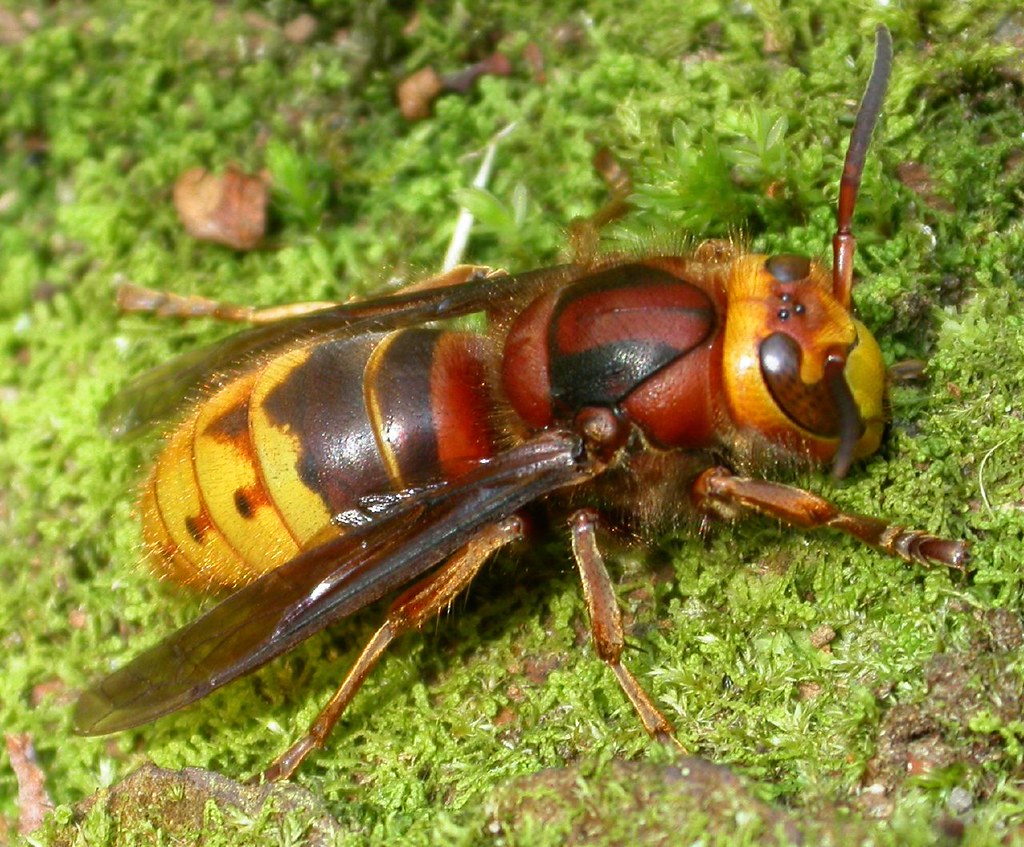
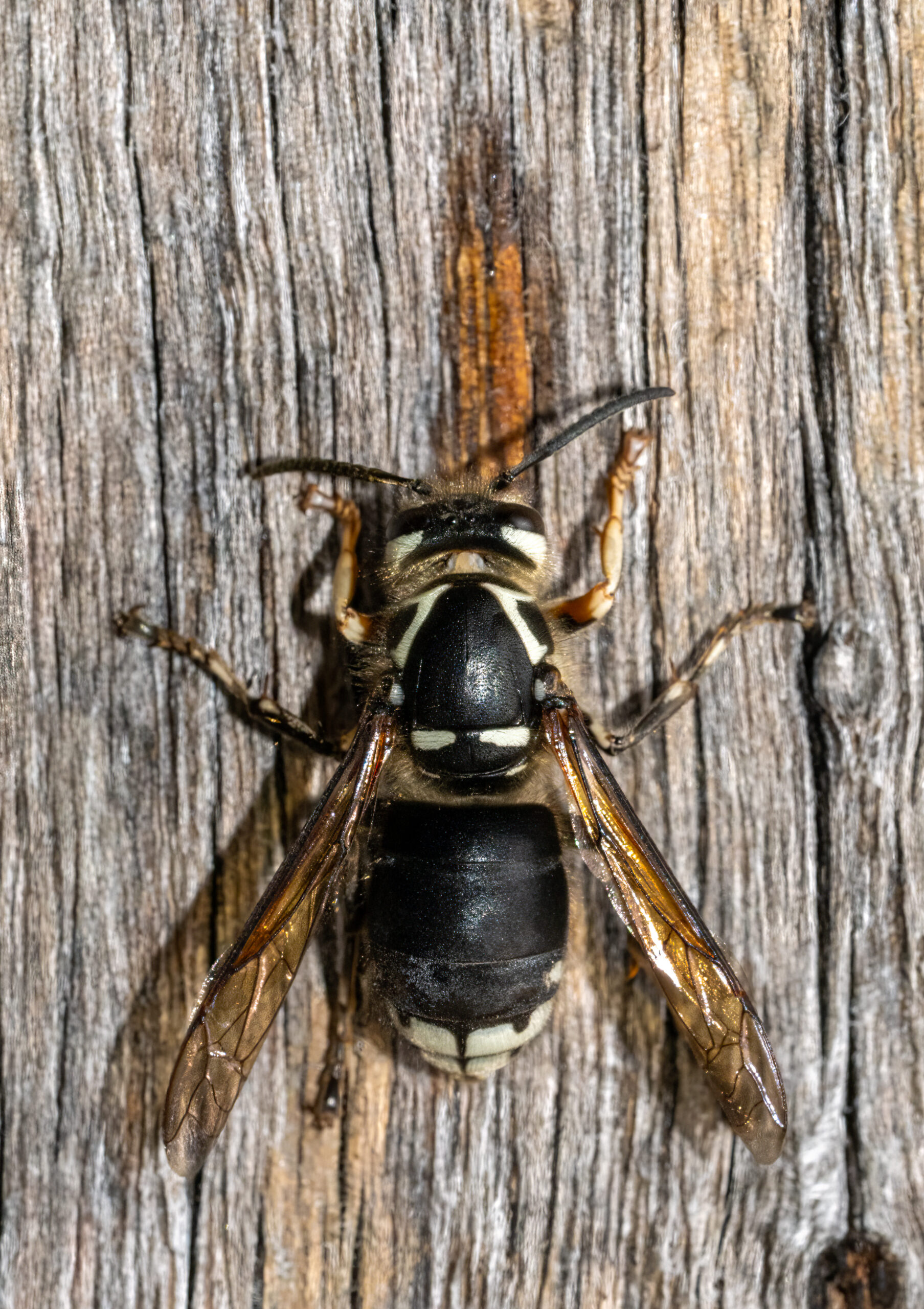
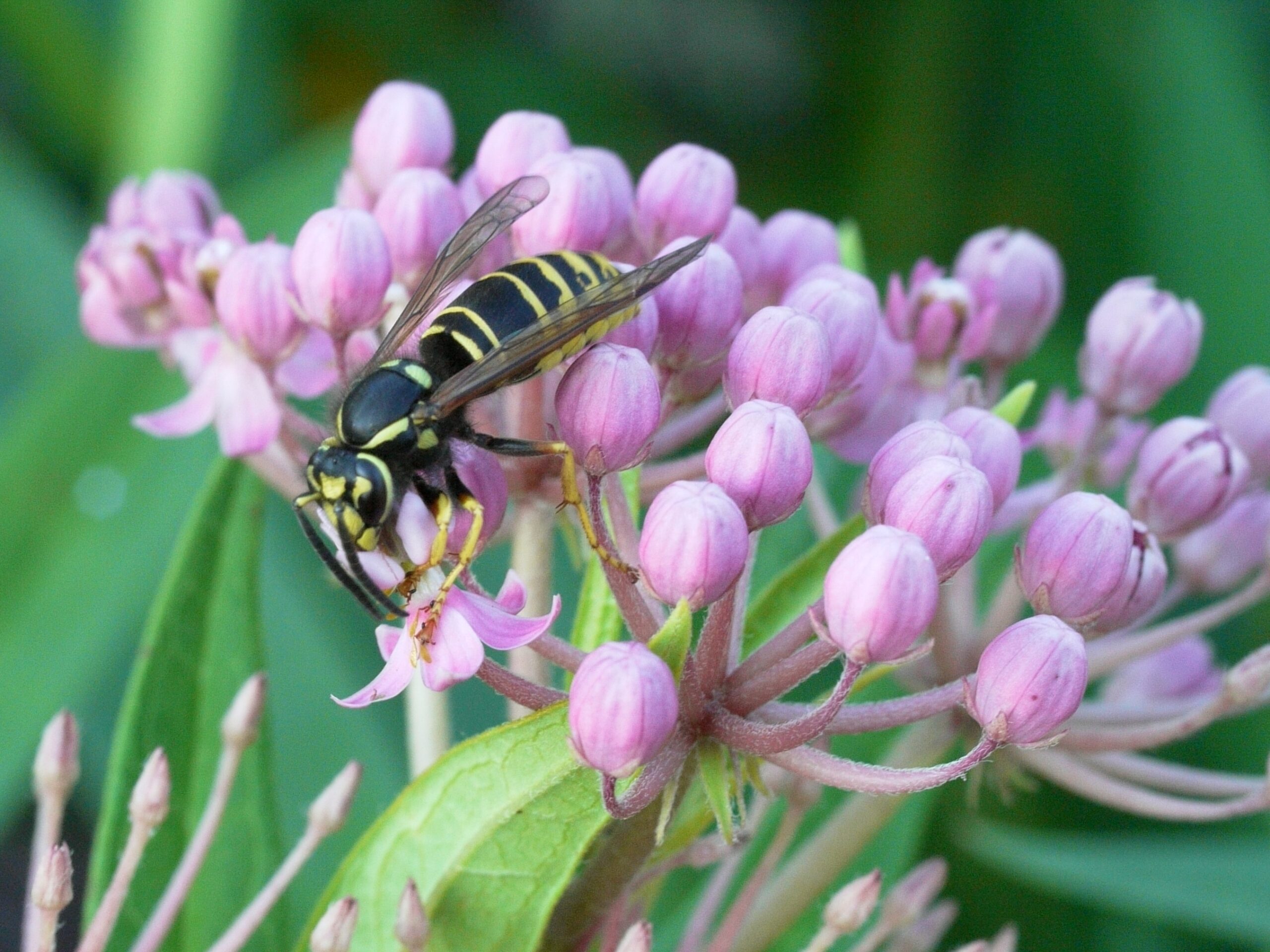
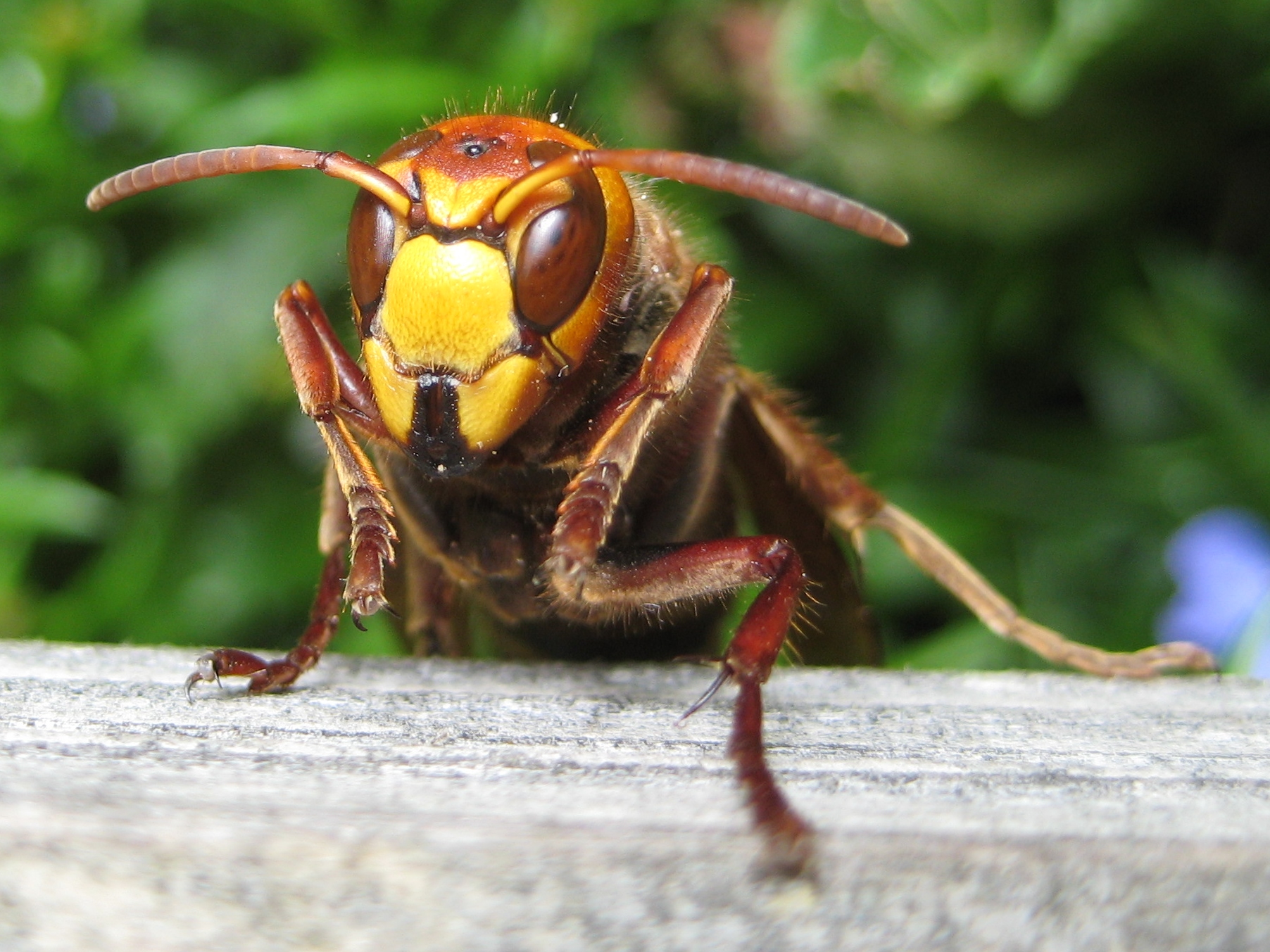
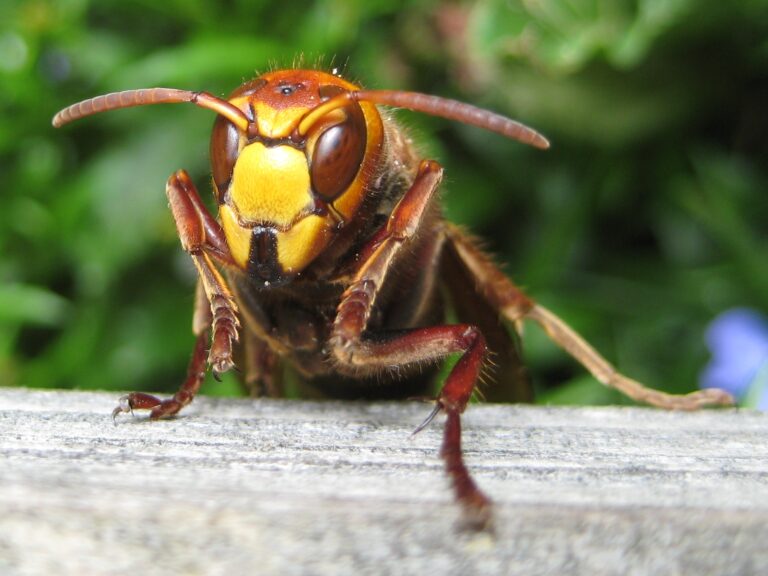
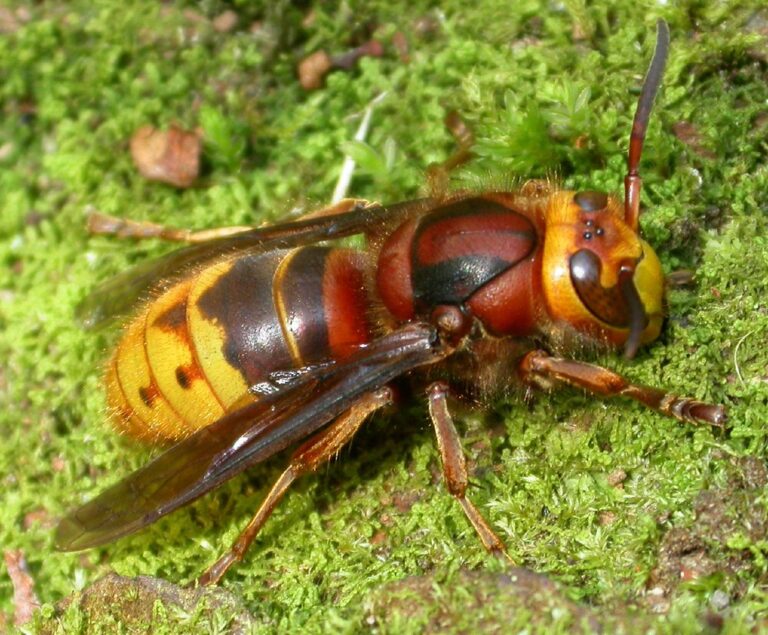
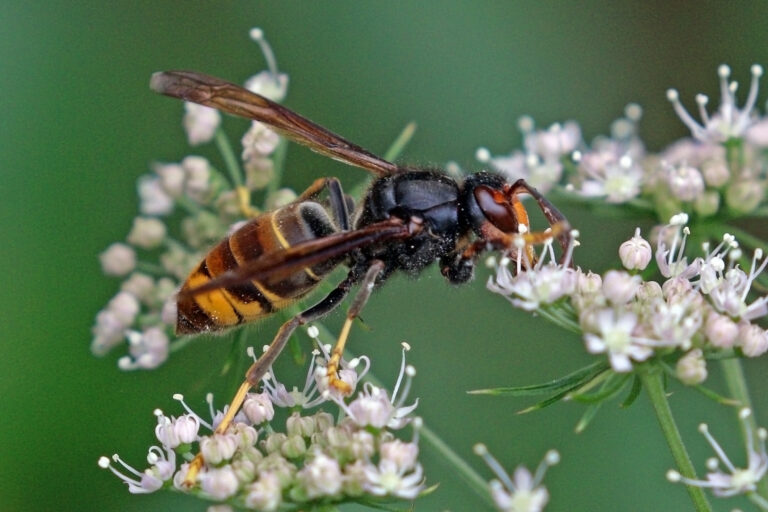
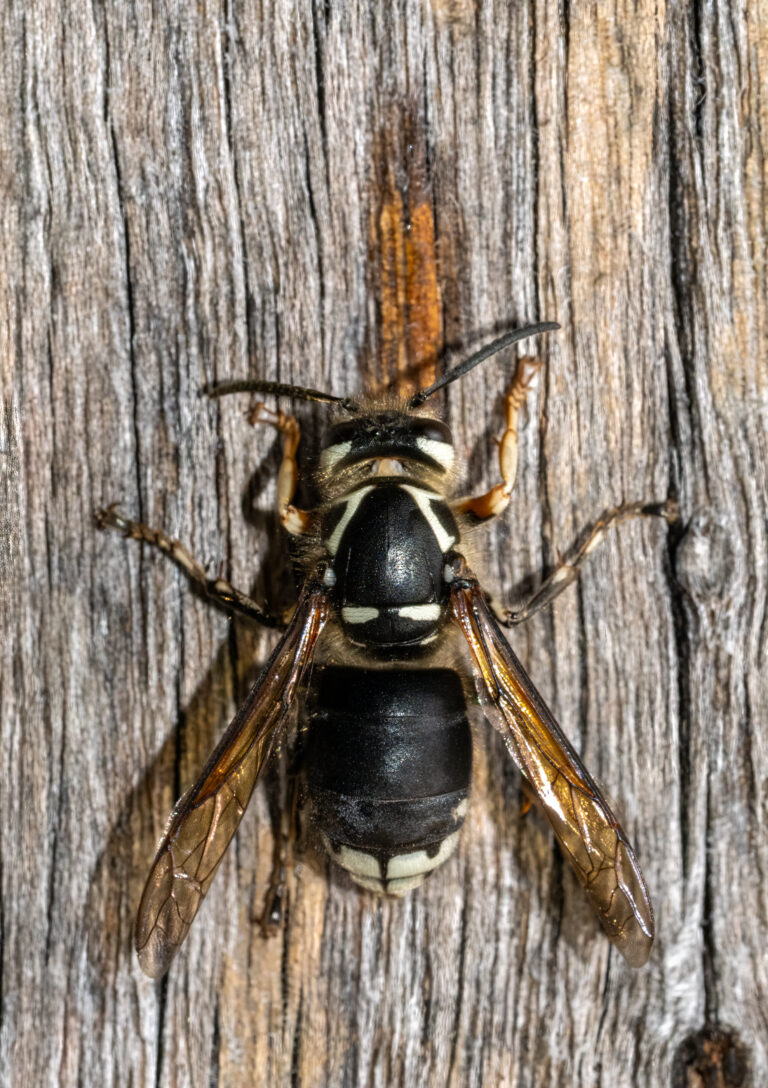
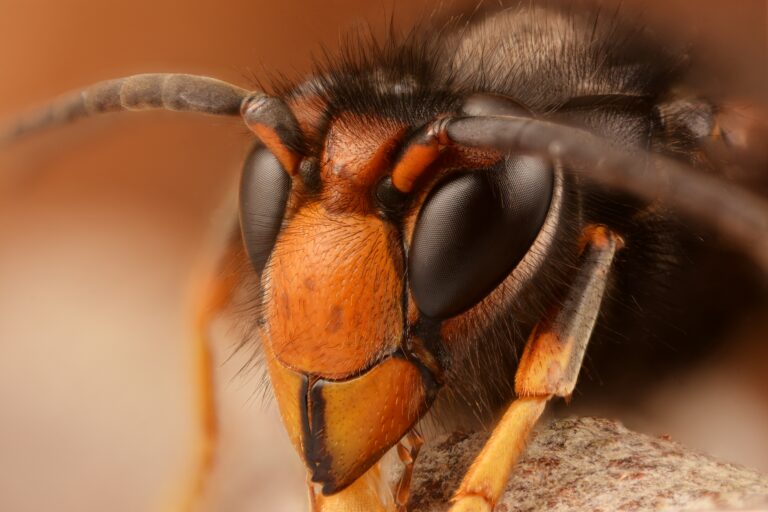
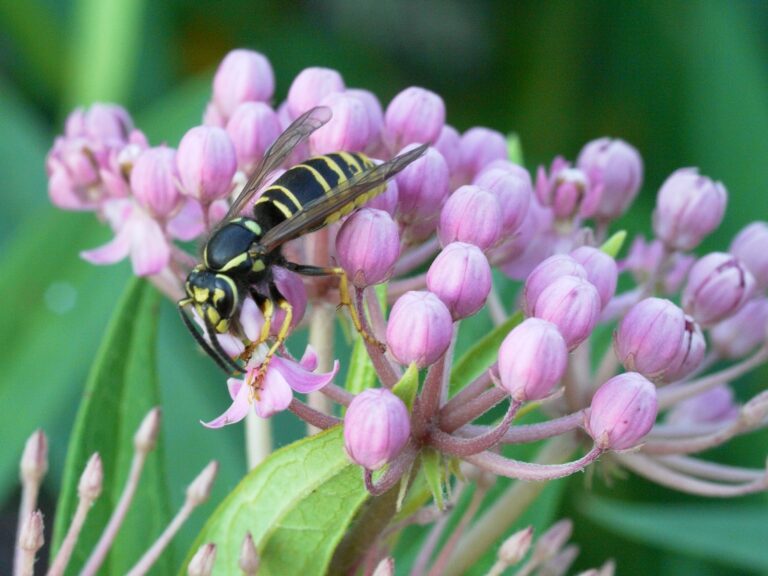
The hornet is an impressive insect that belongs to the family Vespidae. These fascinating creatures live in Asia and can measure between 1 to 2 inches long, making them some of the biggest insects around.
Hornets love to snack on other insects, making them great pest controllers. They also enjoy tree sap and fruit, adding a bit of sweetness to their busy lives.
Female hornets can build amazing nests made of chewed wood fibers mixed with their saliva. They create a papery material that holds their family together and keeps it safe from the elements.
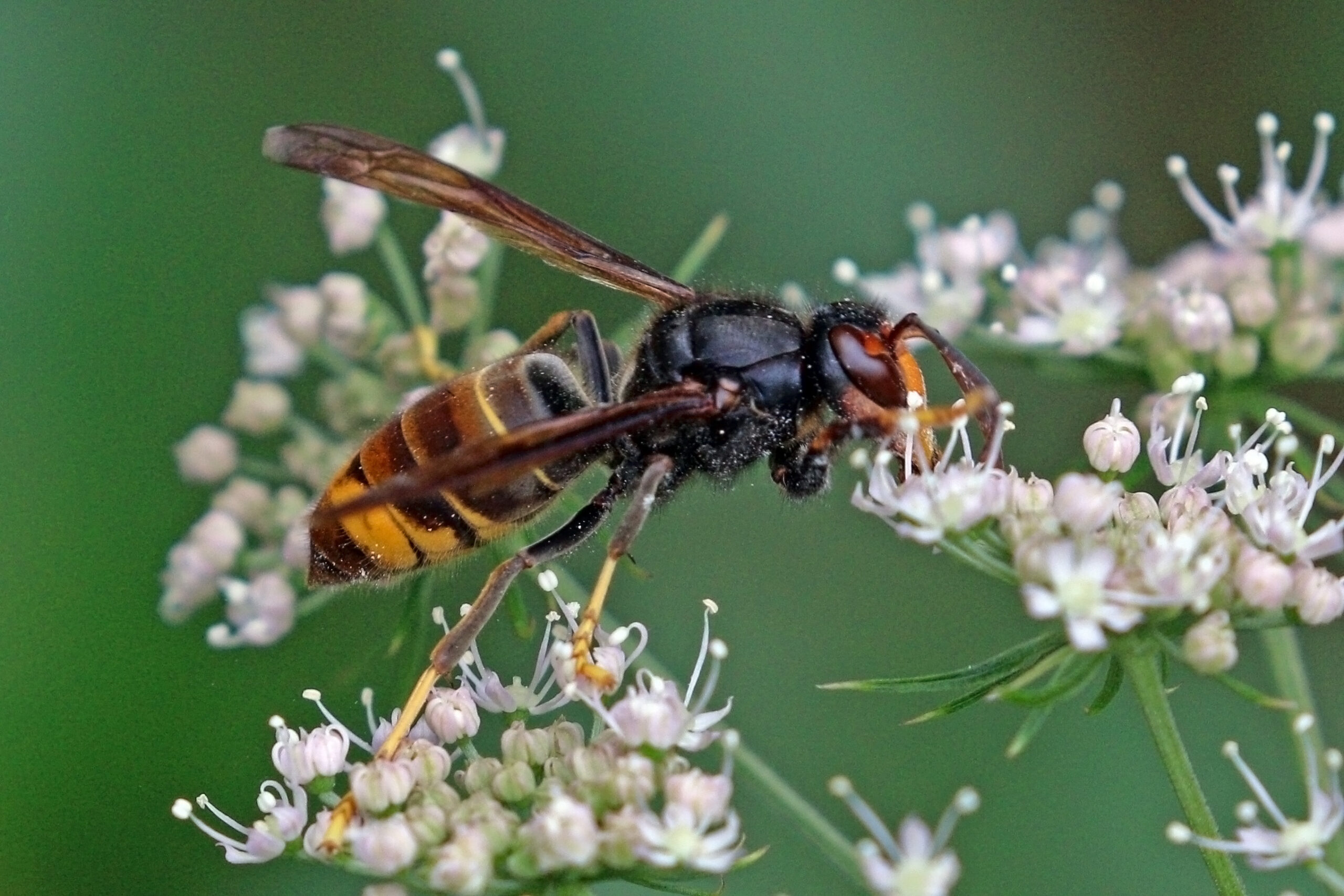
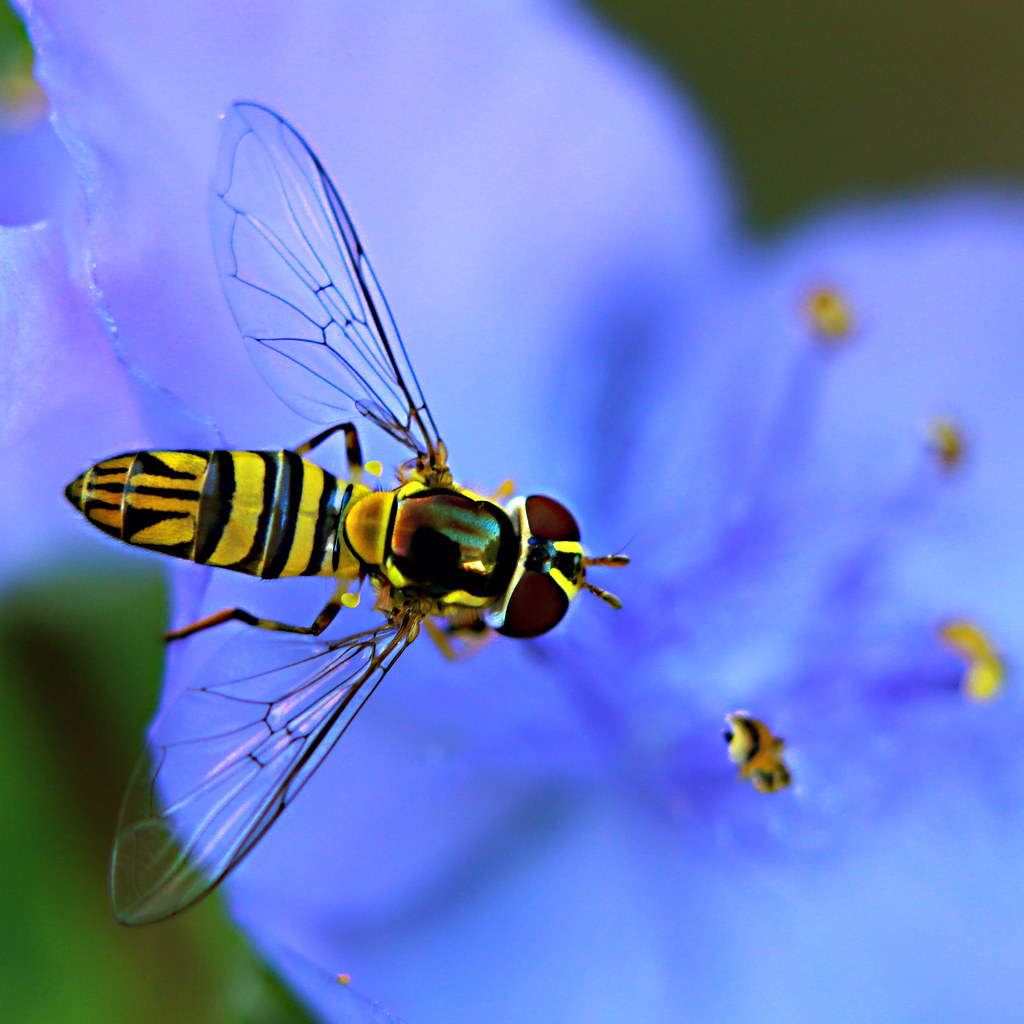
Hornets may have a fearsome reputation, but they are important members of their ecosystem. They help pollinate plants while searching for food, making gardens and forests more colorful and lively.
These insects live for about 3 to 5 months. During this time, they work hard to gather food, protect their nests, and raise their young hornet larvae to become strong and healthy.

Where can you find a Hornet in the wild?
What does a Hornet eat?
How big can a Hornet grow?
How long does a Hornet typically live?
What is the conservation status of the Hornet?
What are the main threats to the Hornet?
Fun facts
Hornets have a unique way of defending their nests; they can produce a loud buzzing sound that warns off predators, making them sound like a mini helicopter!


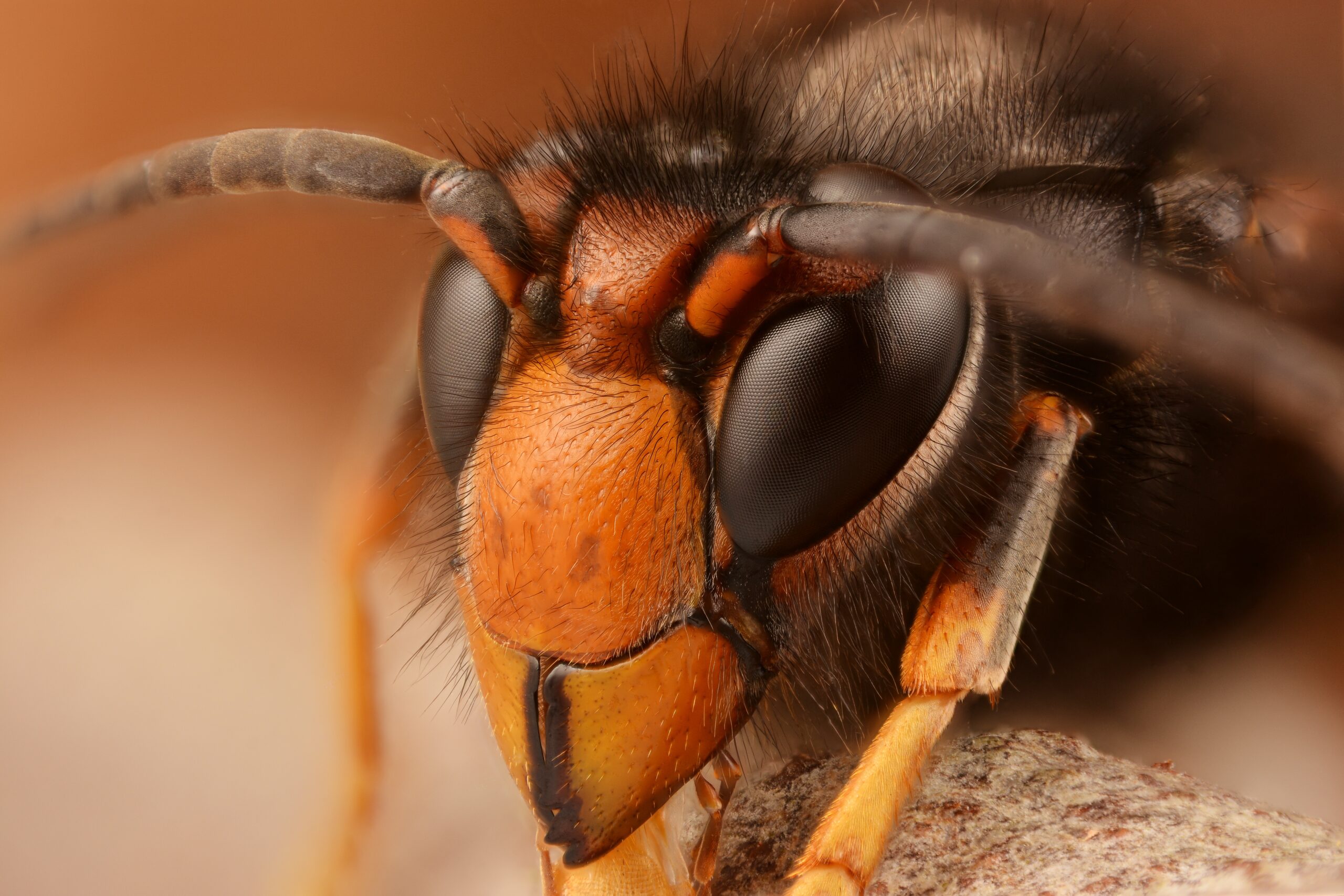
These clever insects can use their powerful jaws to chew wood and mix it with their saliva, creating a special paper-like material for building their nests. It's like they are nature's little architects designing cozy homes!
Hornets are super social creatures. They live in colonies that can have hundreds to thousands of members, making them experts in teamwork!
Their venom can be quite potent, which helps them defend their nests. One sting can cause pain that lasts for hours, but hornets only sting when they feel threatened, showcasing their protective nature.
In the spring, a single queen hornet wakes up from hibernation to start a whole new colony. She is like the superhero of her team, laying the first eggs that will grow into a new generation of hornets!
Hornets can fly at speeds of up to 30 kilometers per hour (18 miles per hour). That’s faster than a running human, making them speedy little flyers!
Hornets help pollinate flowers while searching for food, proving they are more than just fierce protectors; they are essential for keeping many plant species thriving.
These insects can also get pretty playful. When they are not hunting or building, you might catch them playing with each other in the air, showing that even hornets enjoy a good game!
The giant hornet, which can be up to 5 centimeters (2 inches) long, is the largest hornet species in the world. It might sound intimidating, but it is usually more interested in finding food than stinging.
Some cultures view hornets as symbols of courage because of their fierce nature and strong protective instincts. They show us the beauty of standing strong for family and home!
Photos





The Basics


explore more
Amphibians
Arachnids
Birds
Cats
Crustaceans
Fish
Fish Pet Guide
Gastropods
Insects
Invertebrates
Mammals
Pet Fish
Pet Rodents
Plants
Reptiles
Roundworms
Sea Slugs