Successfully copied to clipboard!
Horseshoe Crab
Explore the ancient, blue-blooded wonders of the ocean!
Let’s Explore
Overview
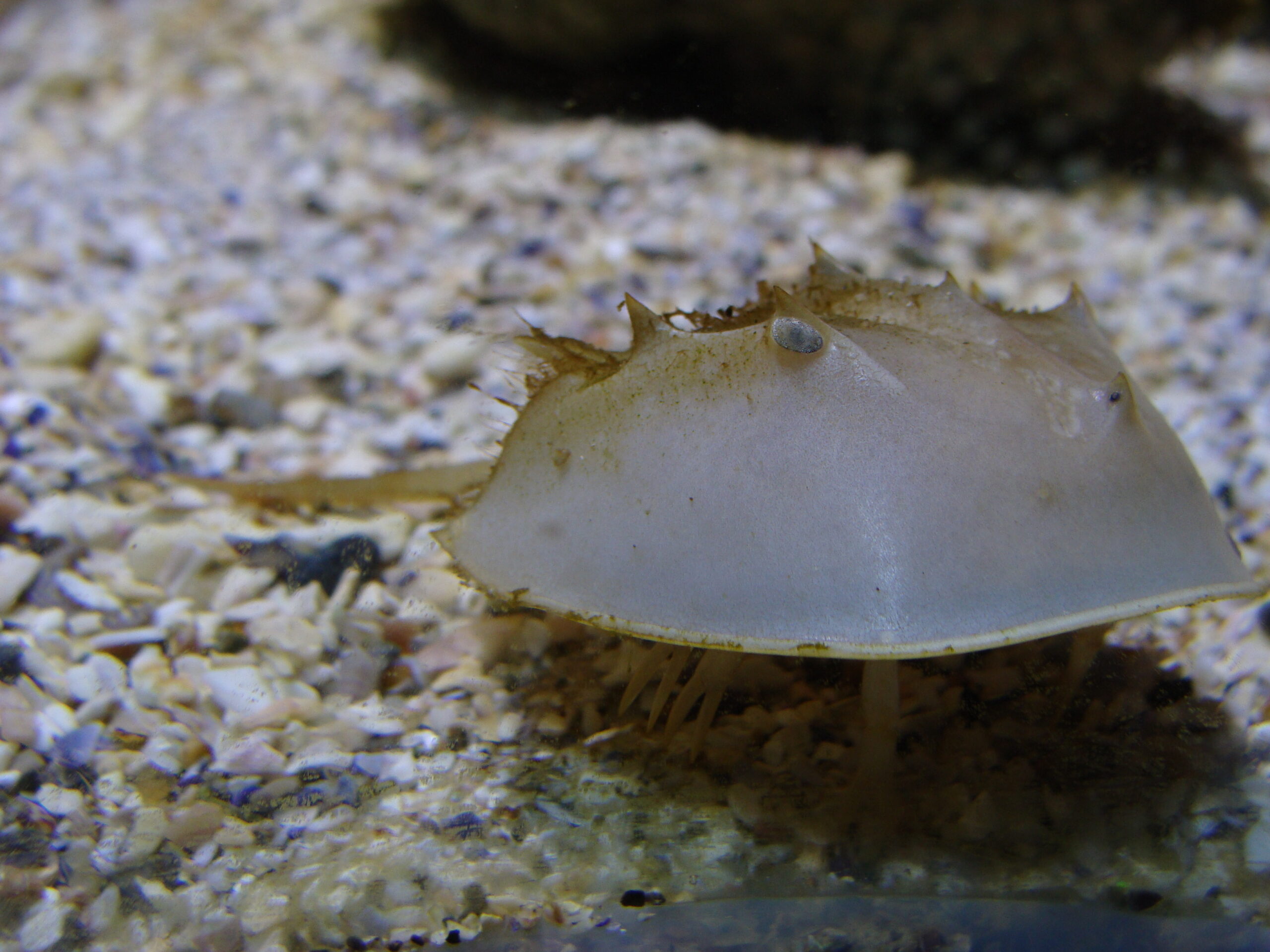
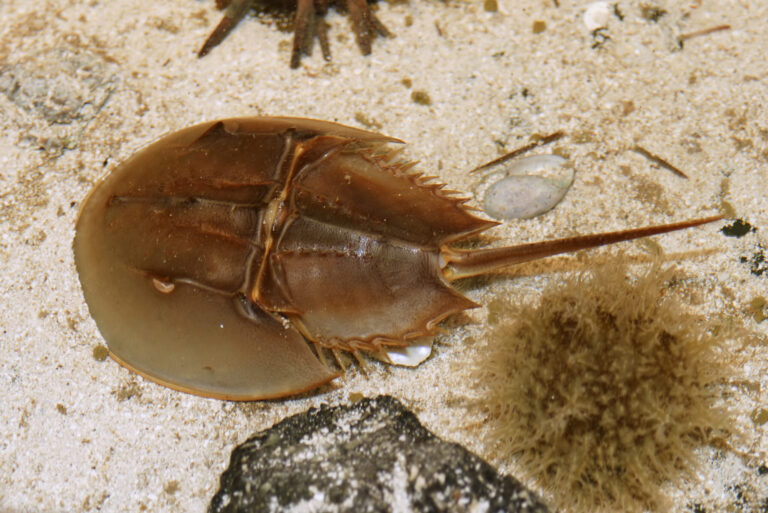
The horseshoe crab is an intriguing creature with a history that dates back over 450 million years. This aquatic marvel is not a true crab but a member of the class Malacostraca, making it a distant cousin of spiders and scorpions!
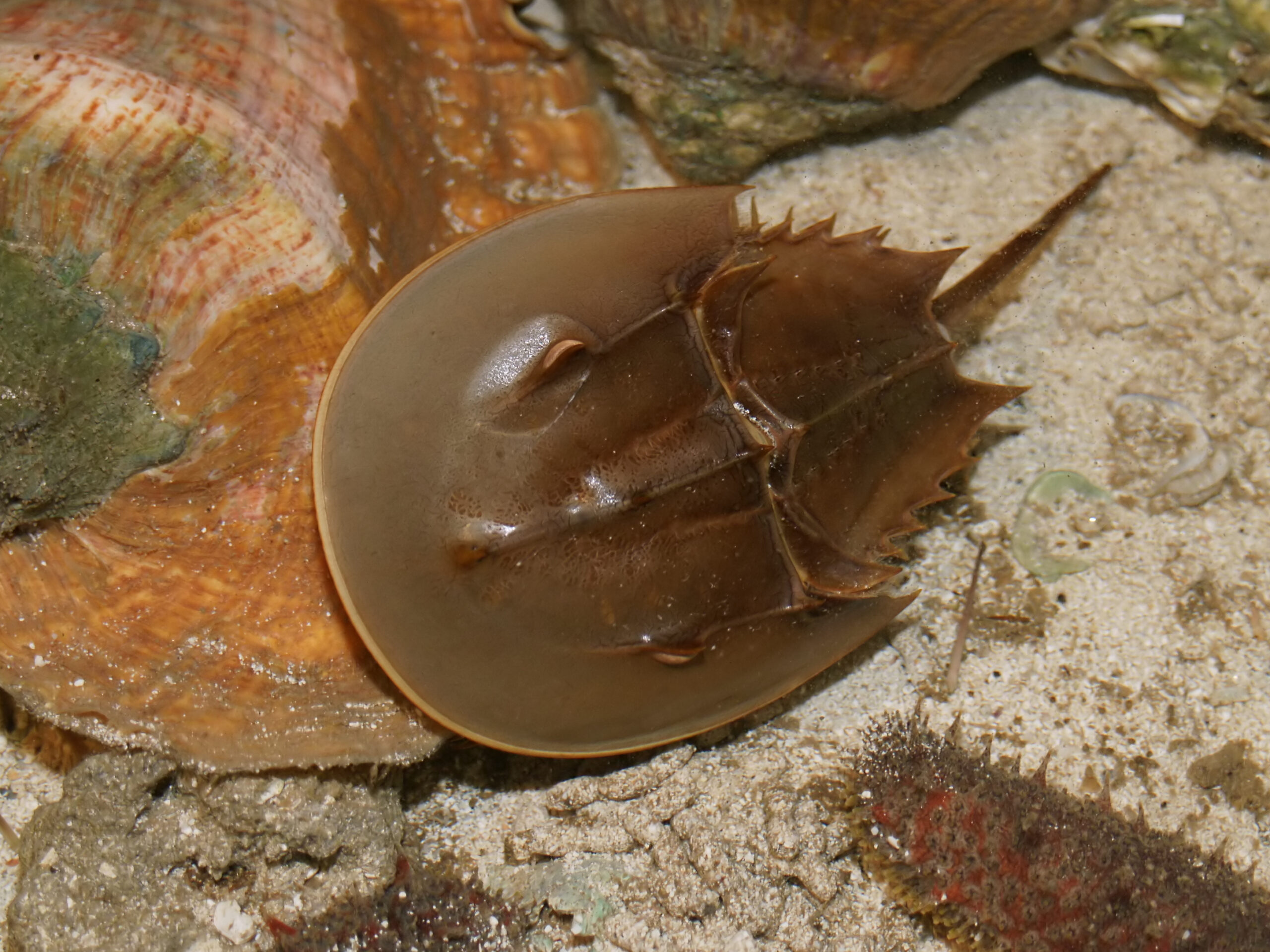
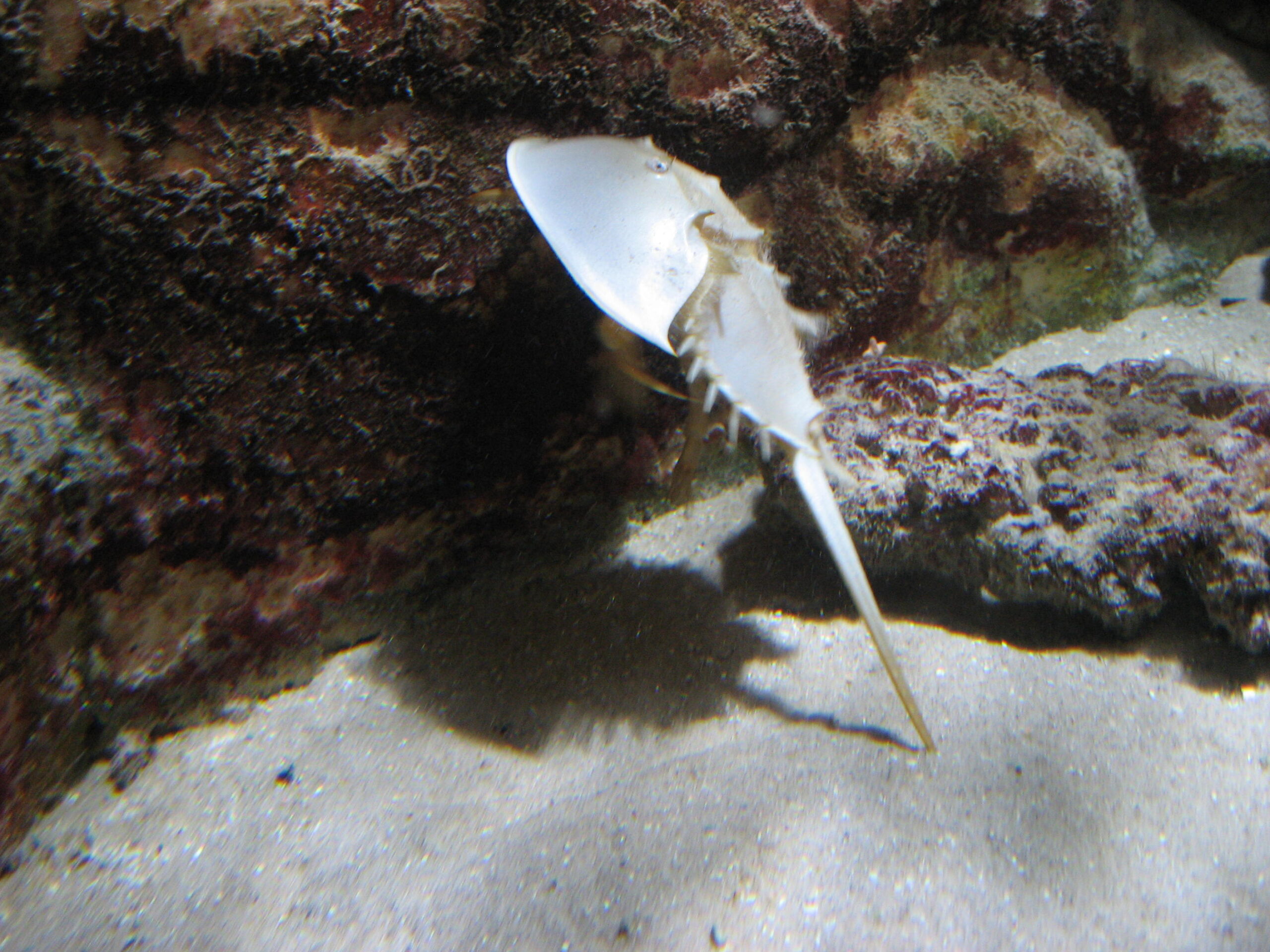
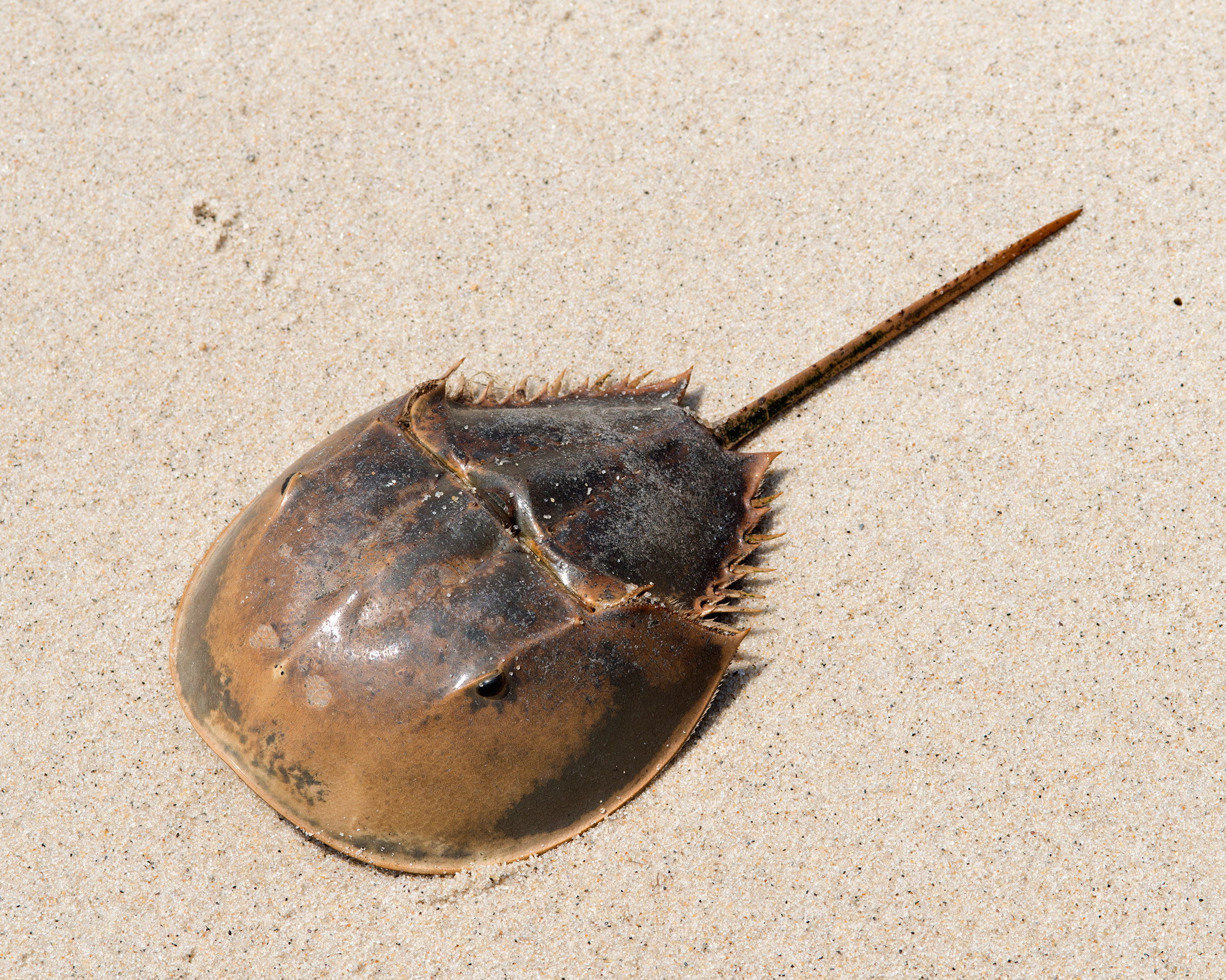
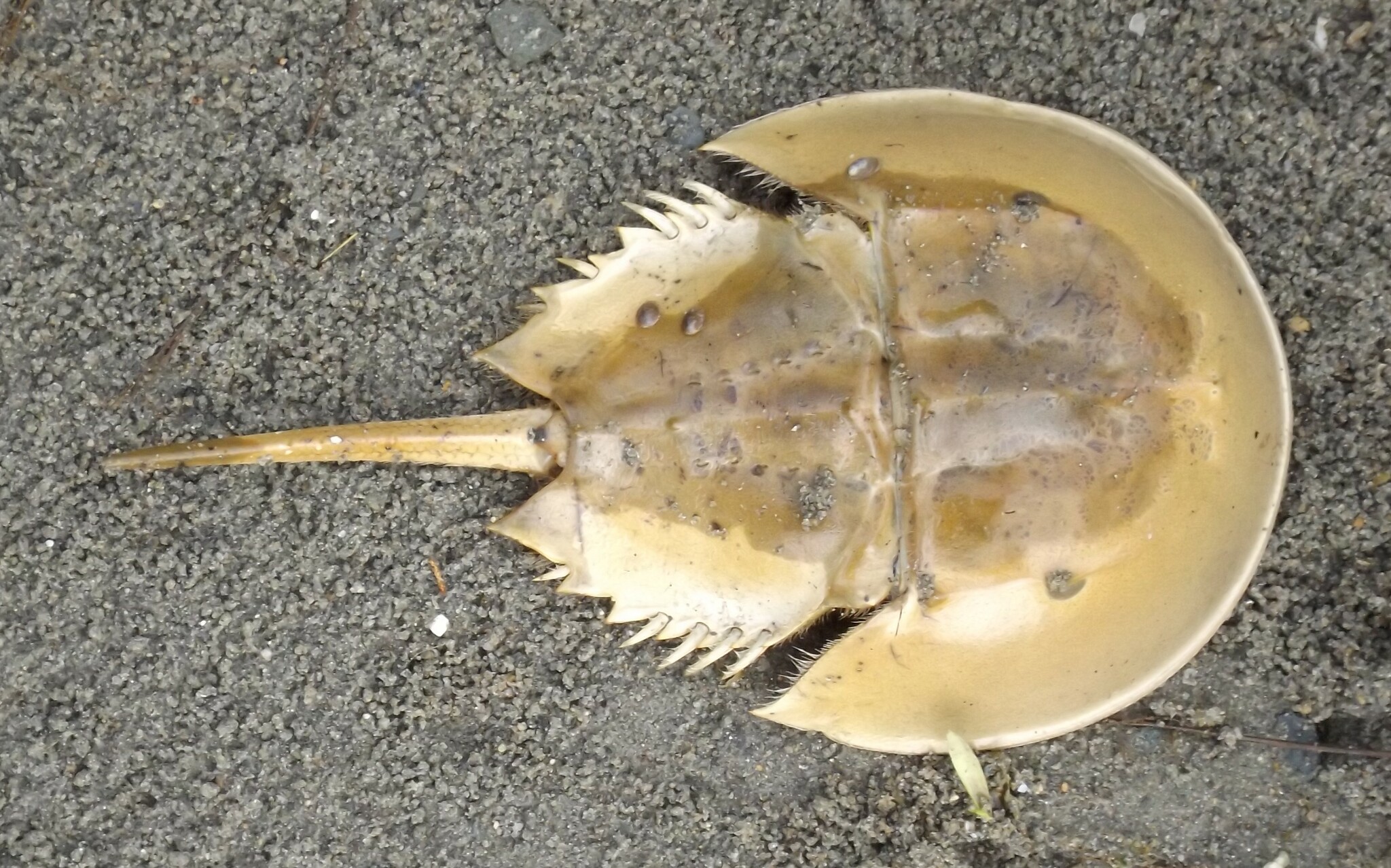
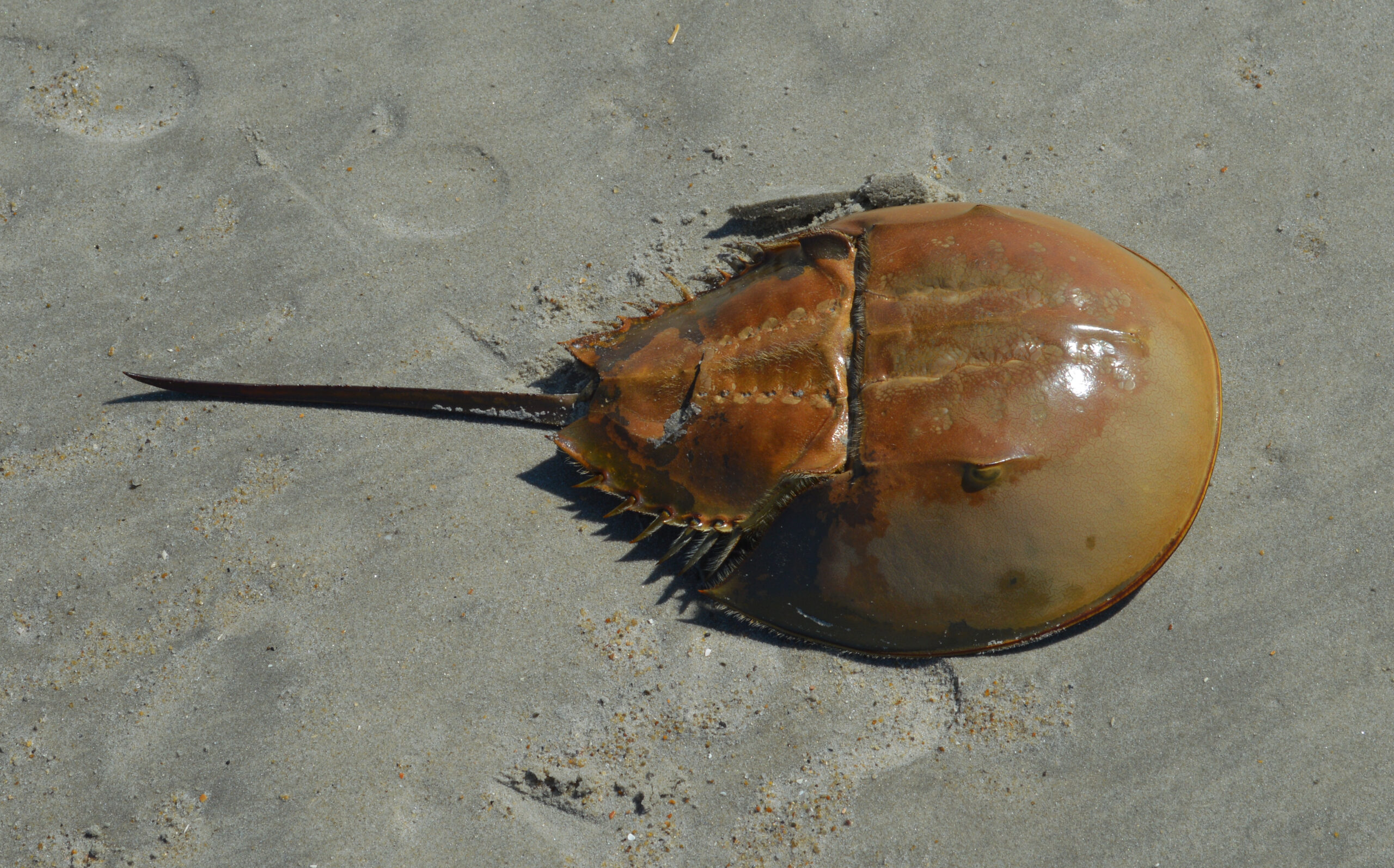
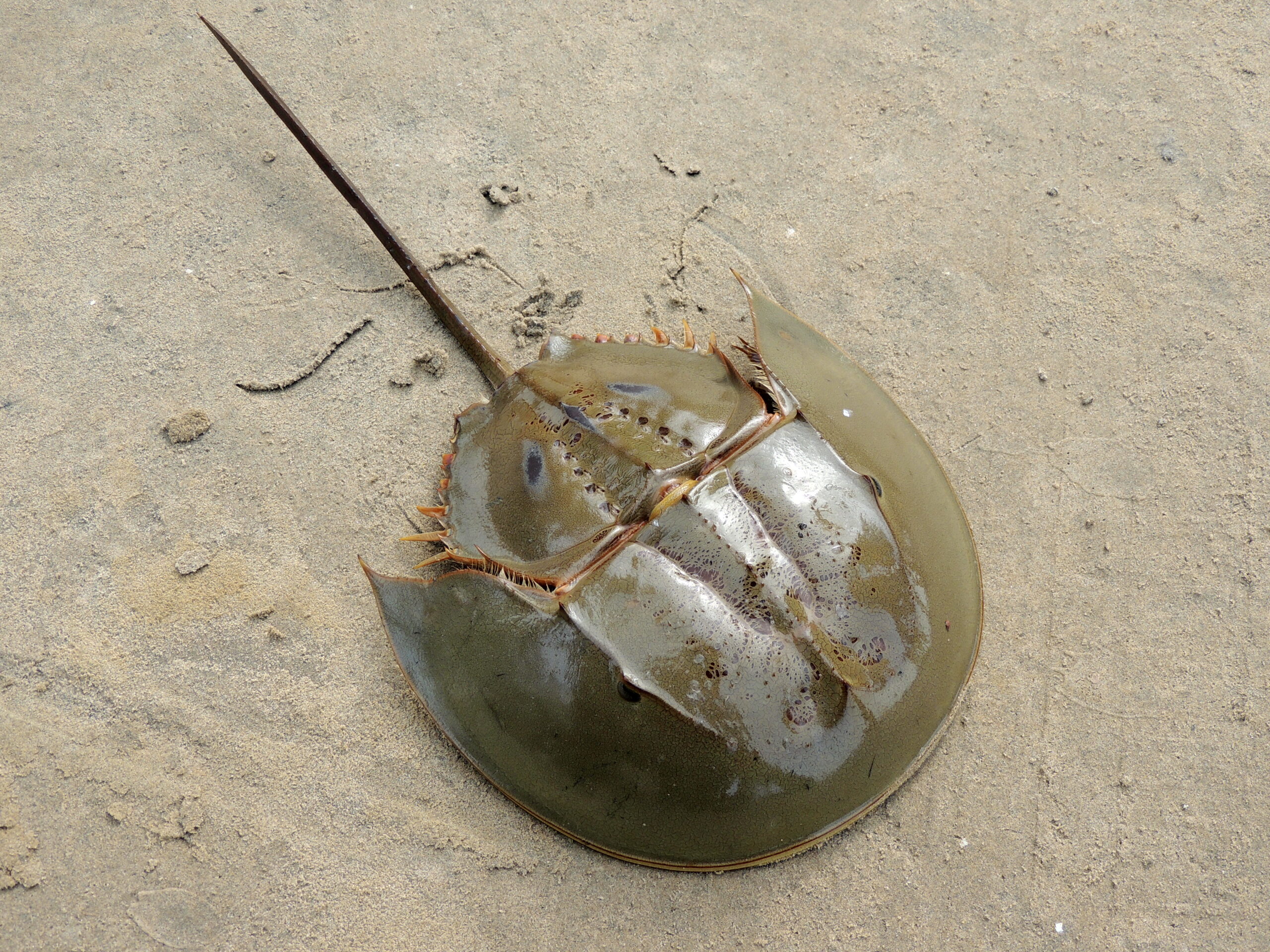
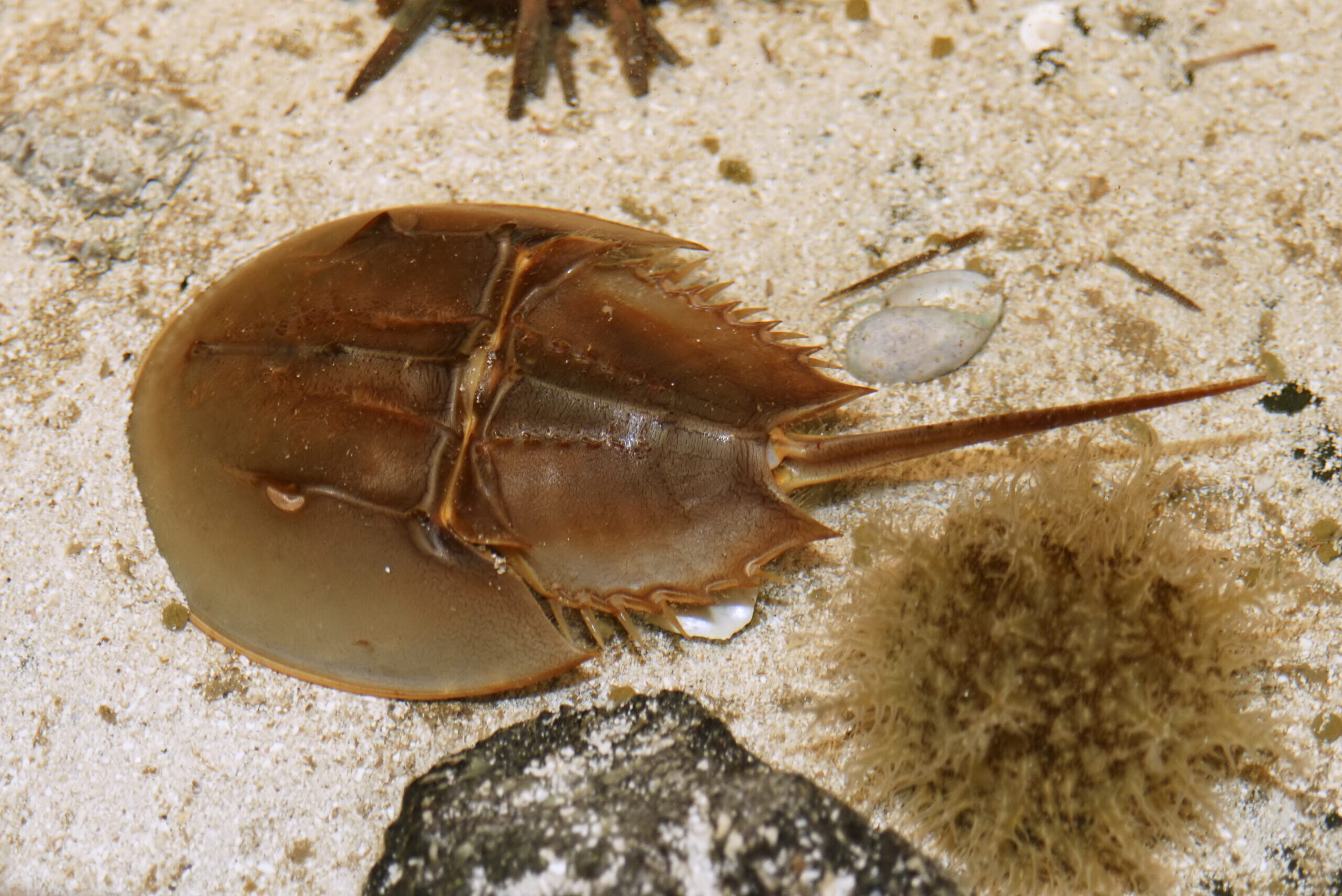
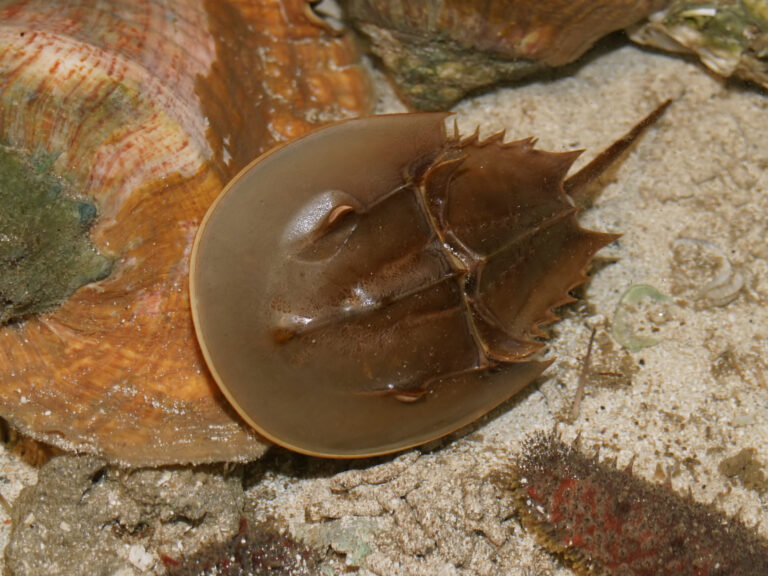
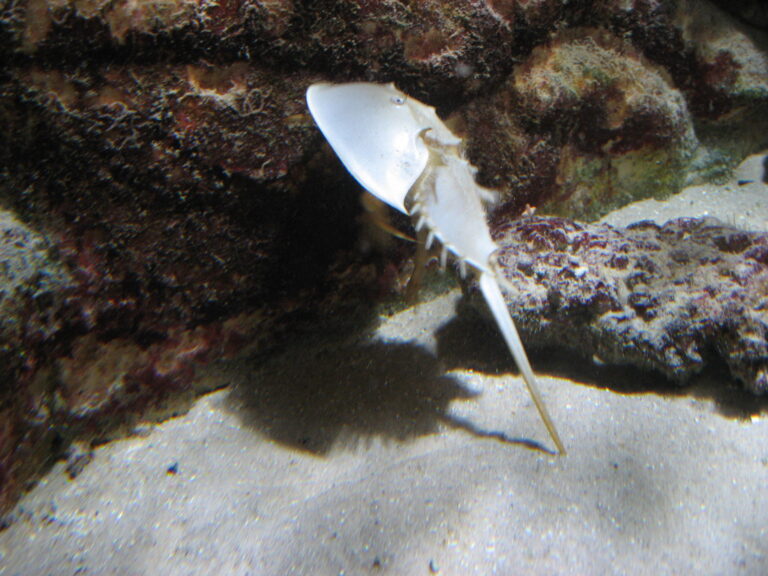
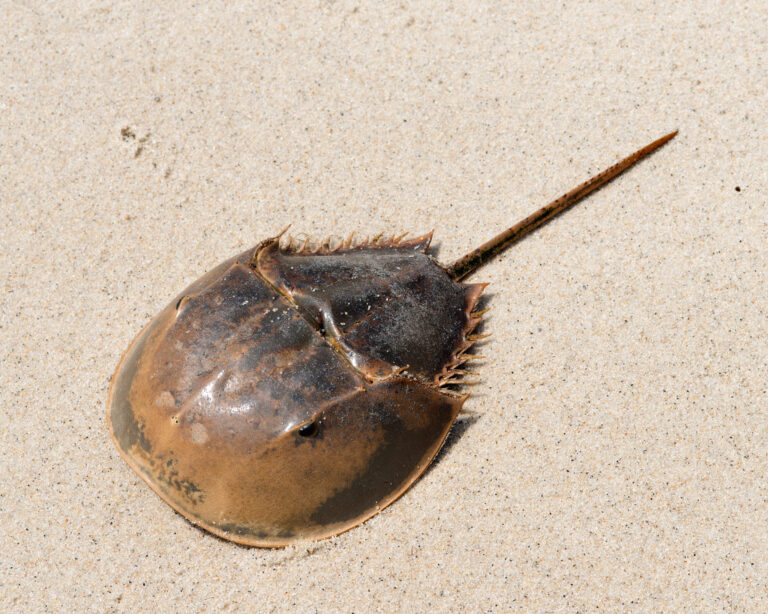
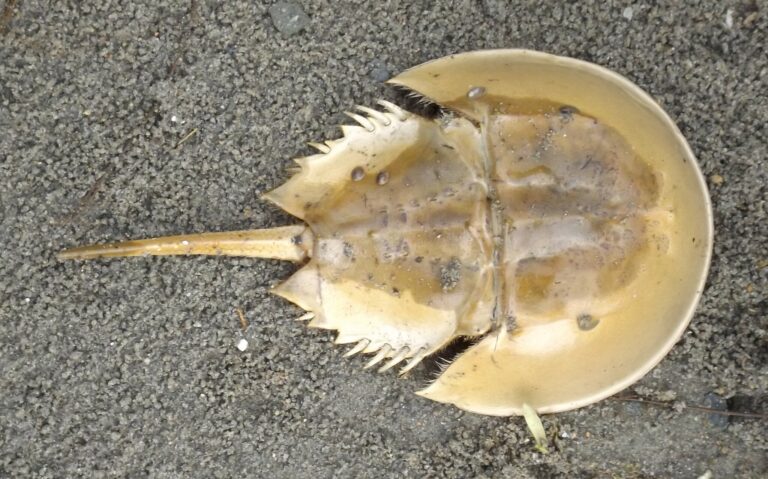
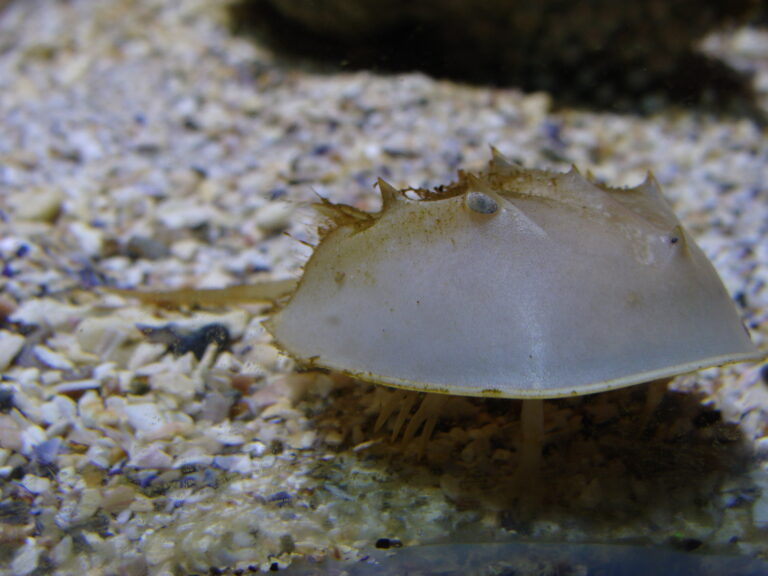
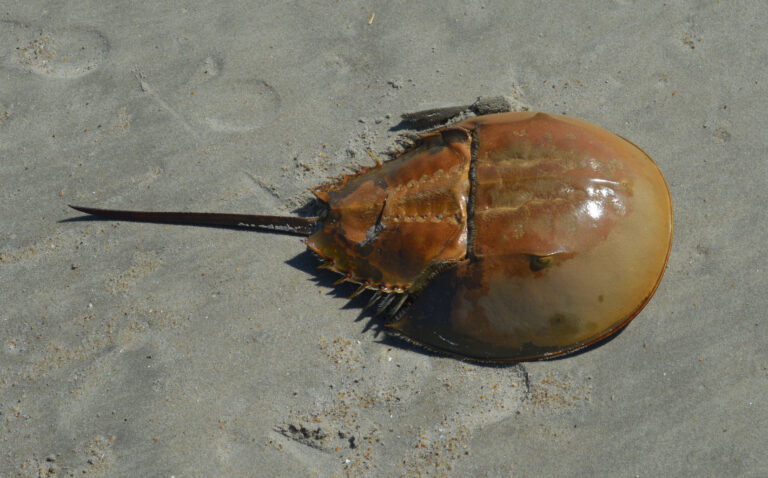
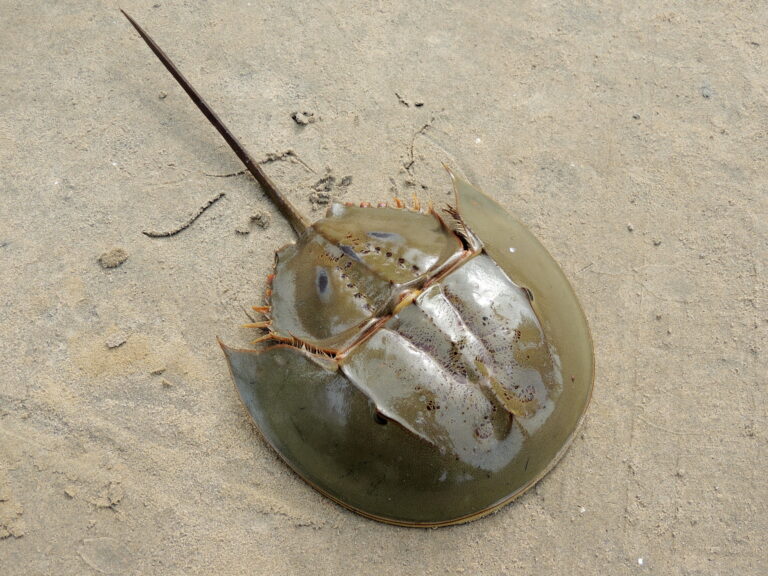
Horseshoe crabs can grow up to 48 centimeters (19 inches) long. Their unique shape includes a hard shell and a long tail spine, which helps them steer through the ocean's sandy floor.
These critters love to munch on worms, mollusks, and small crustaceans, making them essential players in their coastal ecosystems. A horseshoe crab's mouth is located underneath its body, ready to gobble up delicious snacks hidden in the sand.
Horseshoe crabs have an impressive lifespan, living between 20 to 40 years. They are like the wise old turtles of the sea, slowly cruising through their underwater homes.
During mating season, male horseshoe crabs cling to females using their special pincers. After the eggs hatch, the tiny baby horseshoe crabs look like miniature versions of their parents. Talk about a cool family resemblance!
Interestingly, horseshoe crabs have blue blood, which helps them detect harmful bacteria. Scientists use their blood to create products that ensure our medicines are safe and effective. Who knew these ancient critters contributed so much to modern medicine?
So next time you hear about horseshoe crabs, remember these amazing and ancient animals help keep our oceans healthy and support important medical advances!

Where can you find a Horseshoe Crab in the wild?
What does a Horseshoe Crab eat?
How big can a Horseshoe Crab grow?
How long does a Horseshoe Crab typically live?
What is the conservation status of the Horseshoe Crab?
What are the main threats to the Horseshoe Crab?
Fun facts
Horseshoe crabs are often mistaken for crabs, but they are more closely related to spiders and scorpions. They have a hard shell, jointed legs, and a long tail spine that looks like a crazy dragon tail!


These ancient creatures have been around for more than 450 million years, making them older than dinosaurs. If only they could tell us stories about the prehistoric oceans!
During the full moon, horseshoe crabs march to the beach to lay their eggs, creating a scene like an underwater dance party! The moonlight makes this time extra special for these critters.
Horseshoe crab blood is bright blue because it contains a unique copper-based molecule called hemocyanin. This blue blood helps them sense harmful bacteria in the water, acting like a natural superhero against germs!
Their eyes are super cool! Horseshoe crabs have ten eyes scattered around their body, allowing them to see in many directions at once, like a living security system.
Young horseshoe crabs are called larvae, and they look like tiny versions of their adult relatives. They hatch from eggs and begin their journey to grow into their wacky, armored selves!
Horseshoe crabs can live in salty ocean water and even in brackish waters where fresh and saltwater mix. They are like the adventurous explorers of the sea!
The horseshoe crab's tail spine, called a telson, does not sting like a scorpion's tail. Instead, it helps them flip over if they end up on their backs, making them great at saving themselves!
Some cultures consider horseshoe crabs a delicacy, and they are used in soups and stews. Imagine slurping up the taste of history!
Scientists study horseshoe crabs to help improve vaccine safety because their blue blood reacts to harmful bacteria. These critters play an important role in keeping people healthy too!
Photos





The Basics


explore more
Amphibians
Arachnids
Birds
Cats
Crustaceans
Fish
Fish Pet Guide
Gastropods
Insects
Invertebrates
Mammals
Pet Fish
Pet Rodents
Plants
Reptiles
Roundworms
Sea Slugs