

Successfully copied to clipboard!
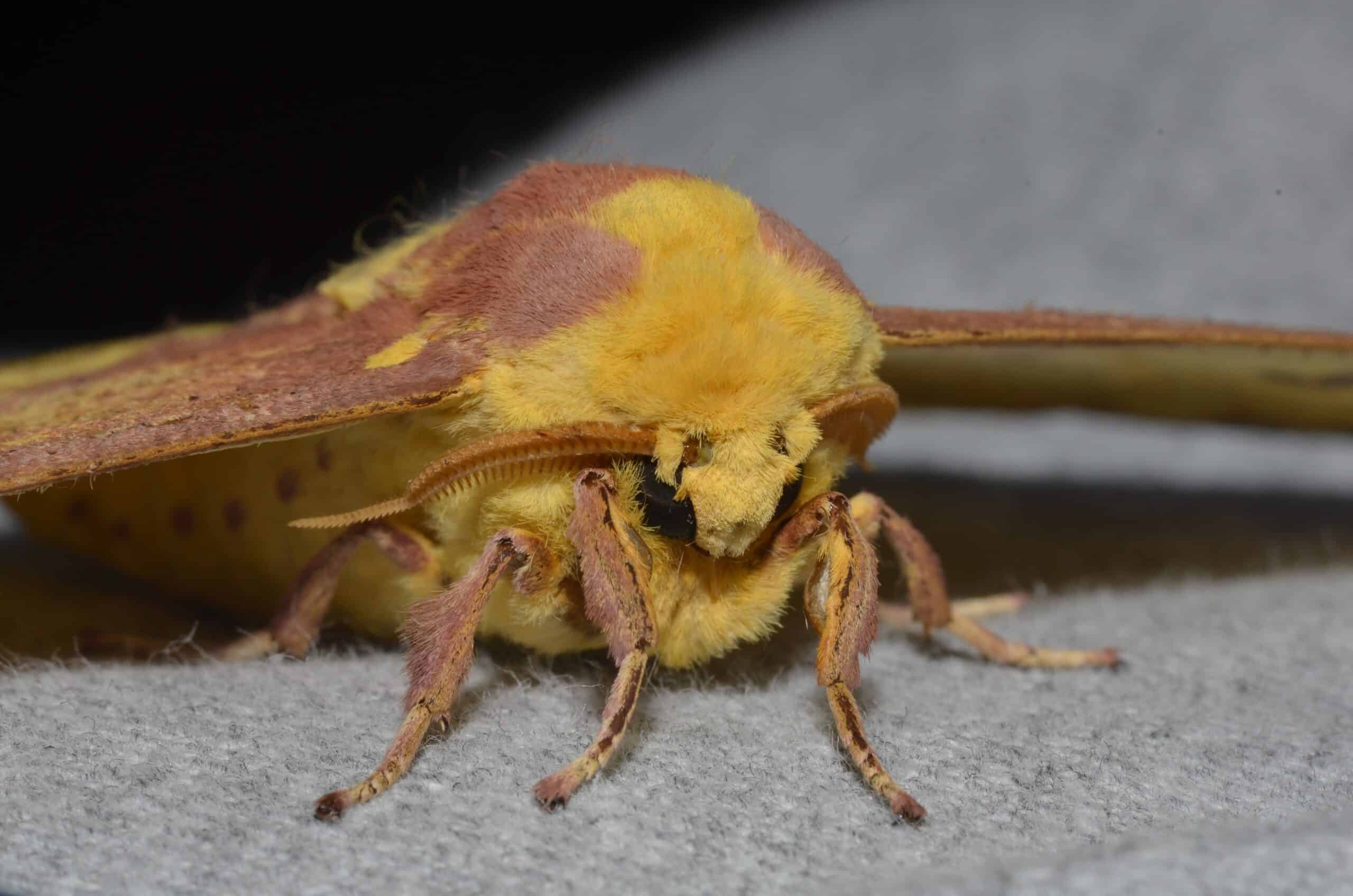
Imperial Moth
Uncover the magical world of giant, colorful moths!
Let’s Explore
Overview
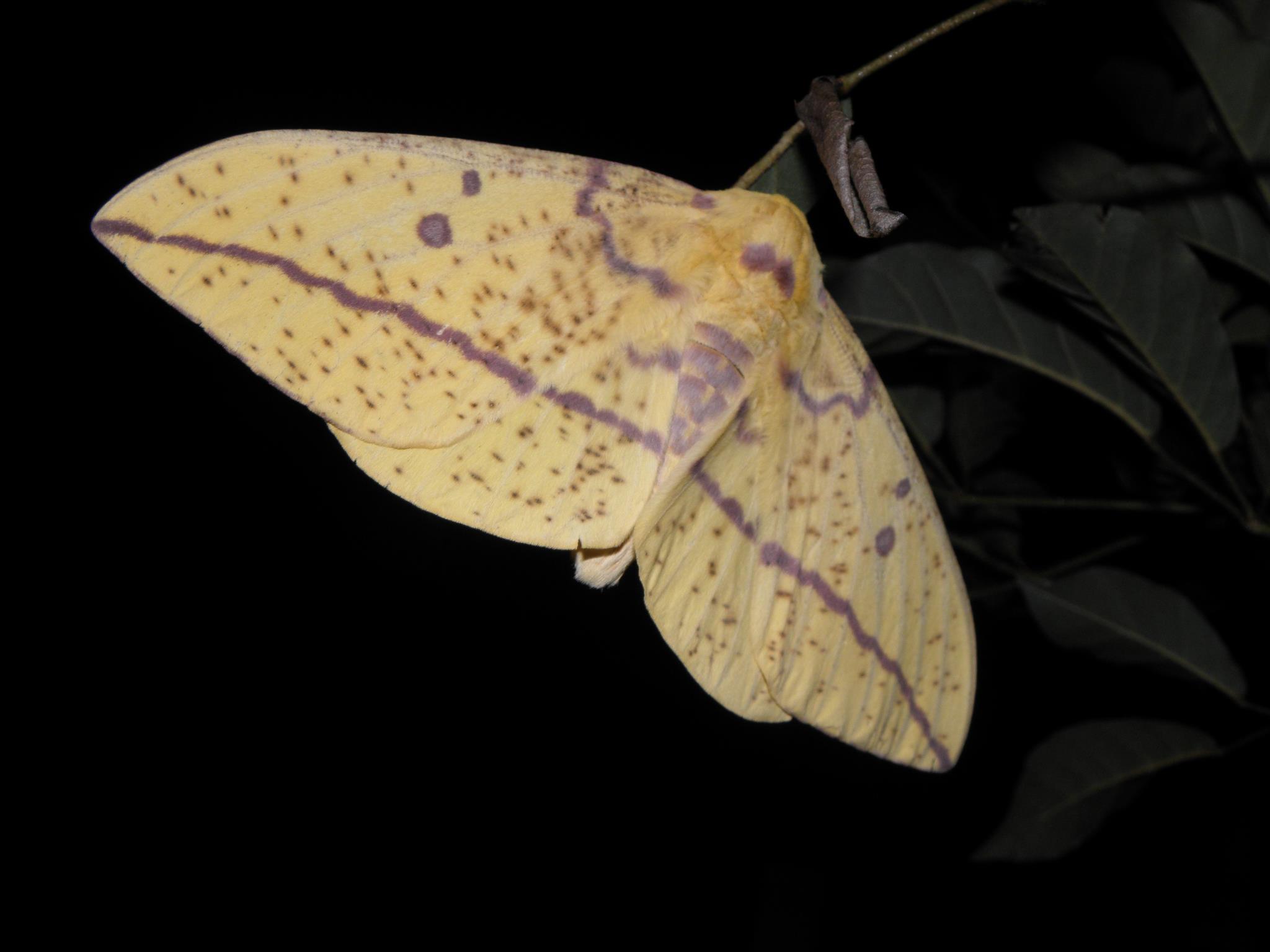
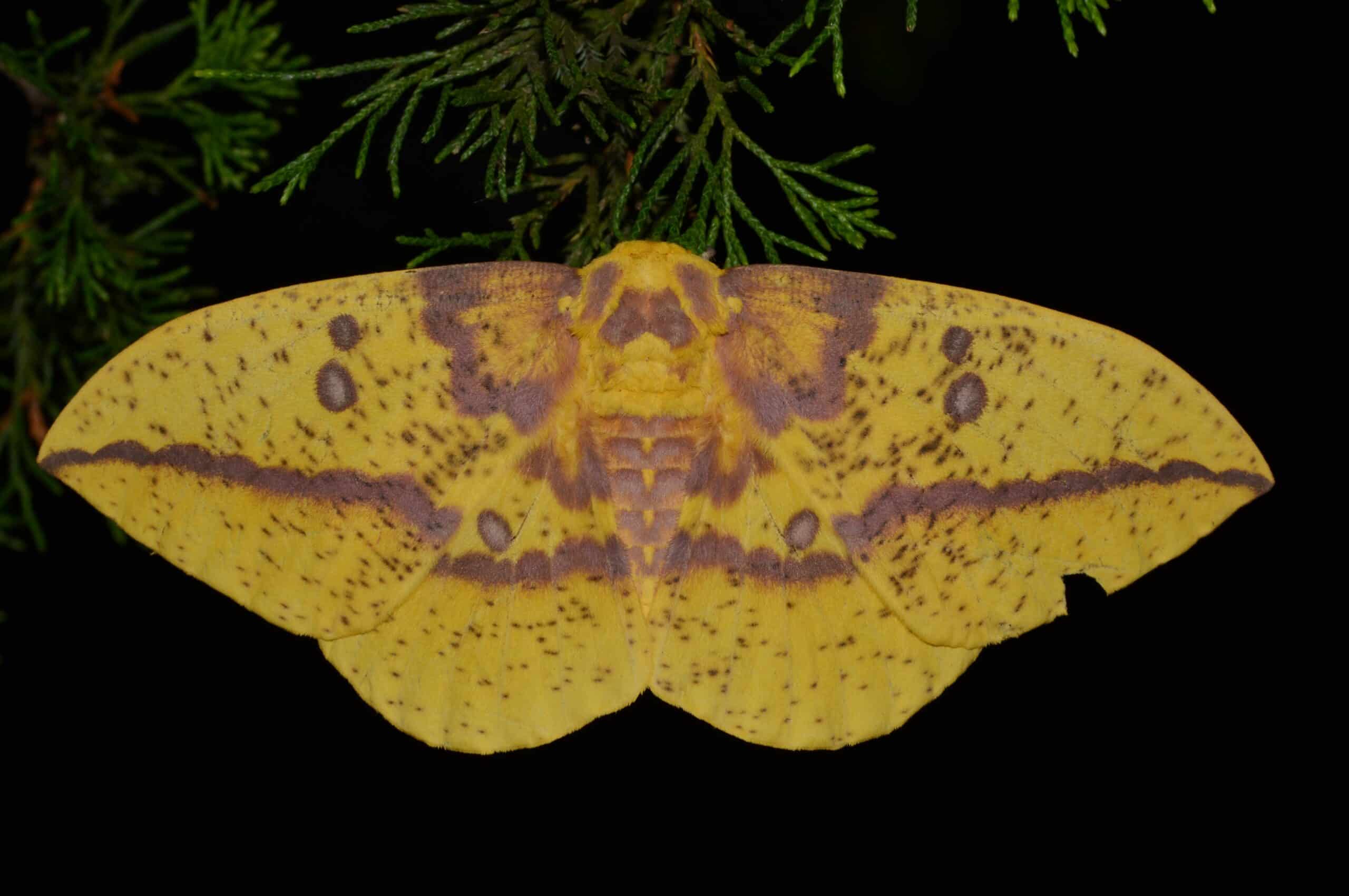
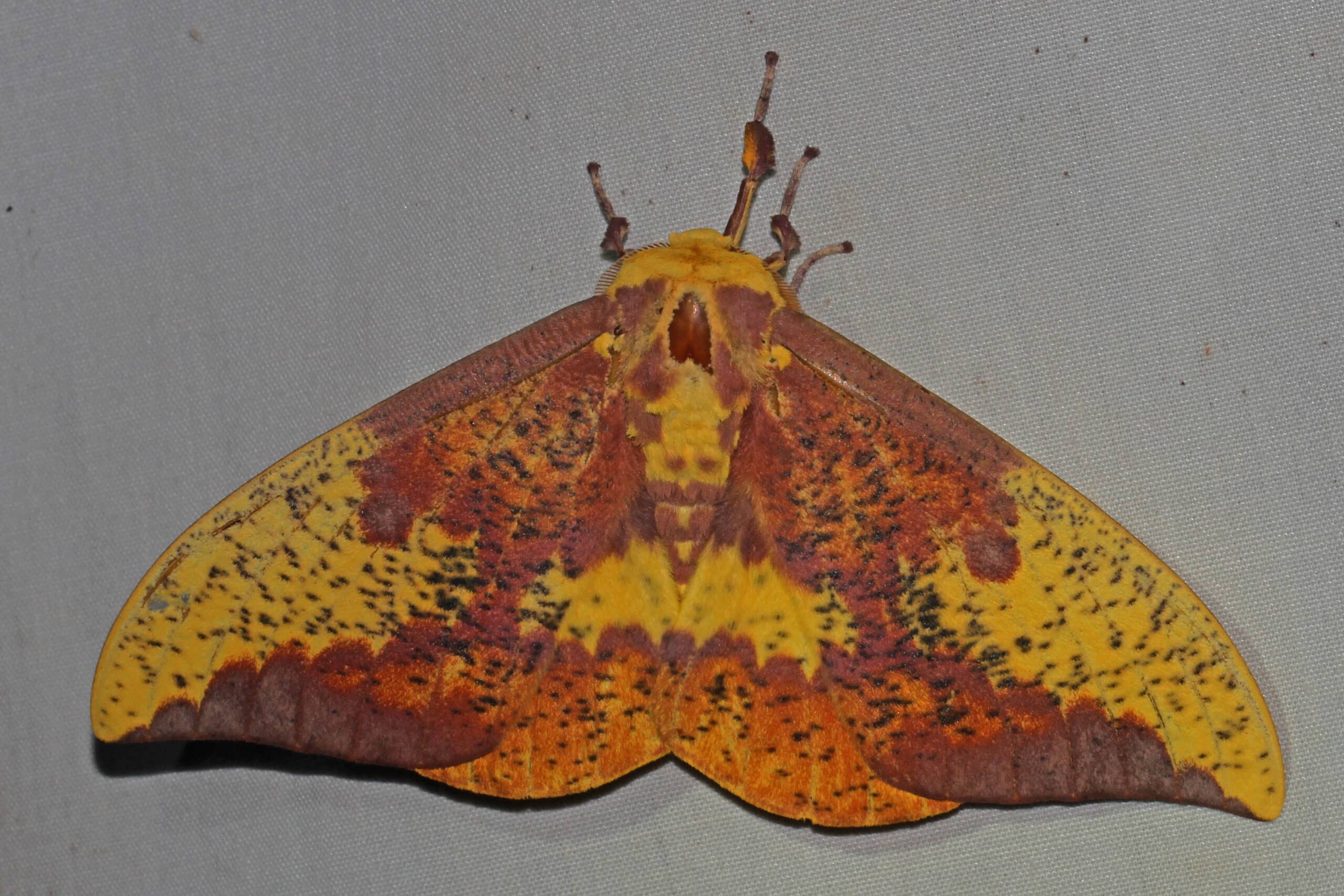
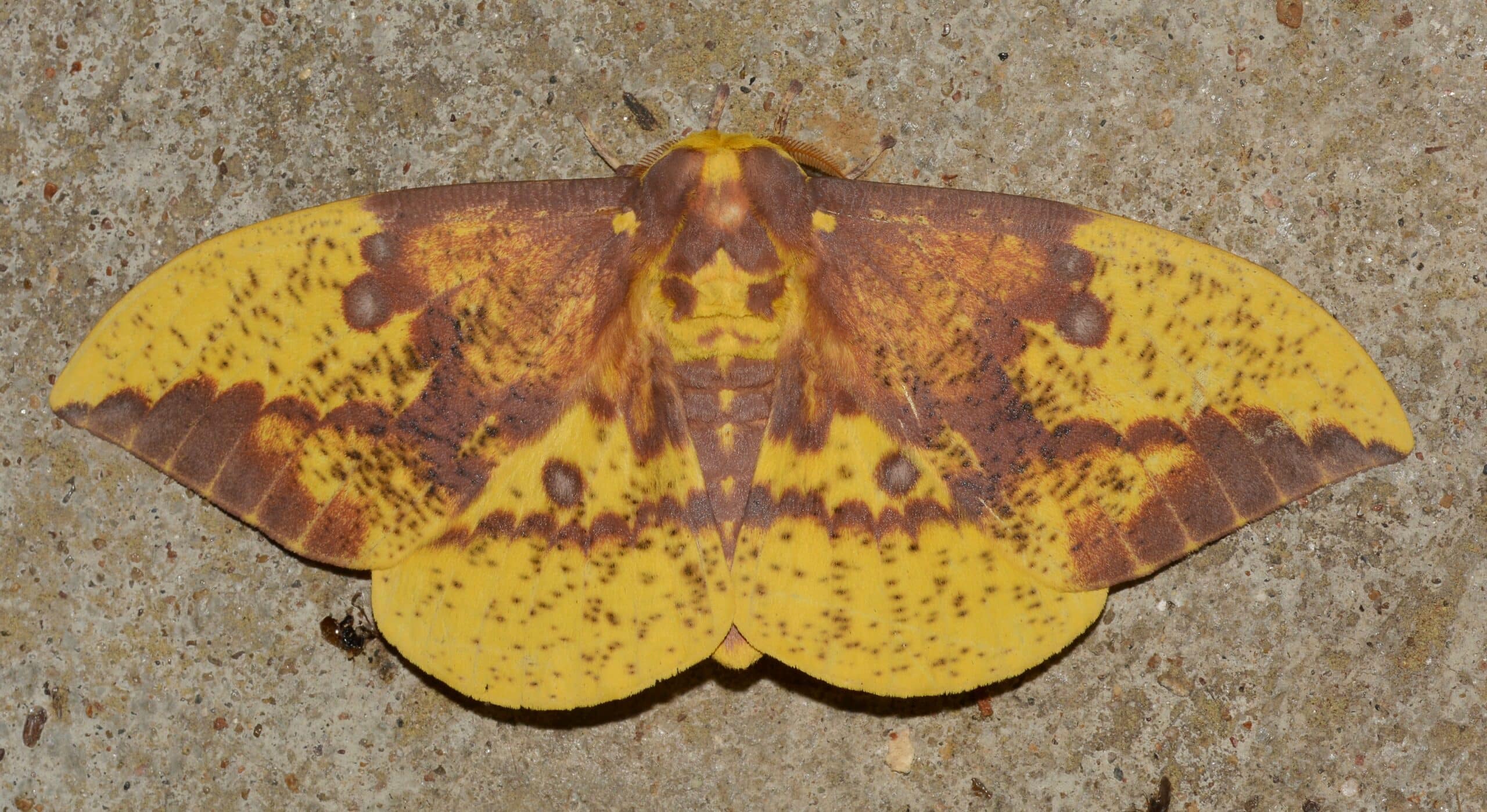
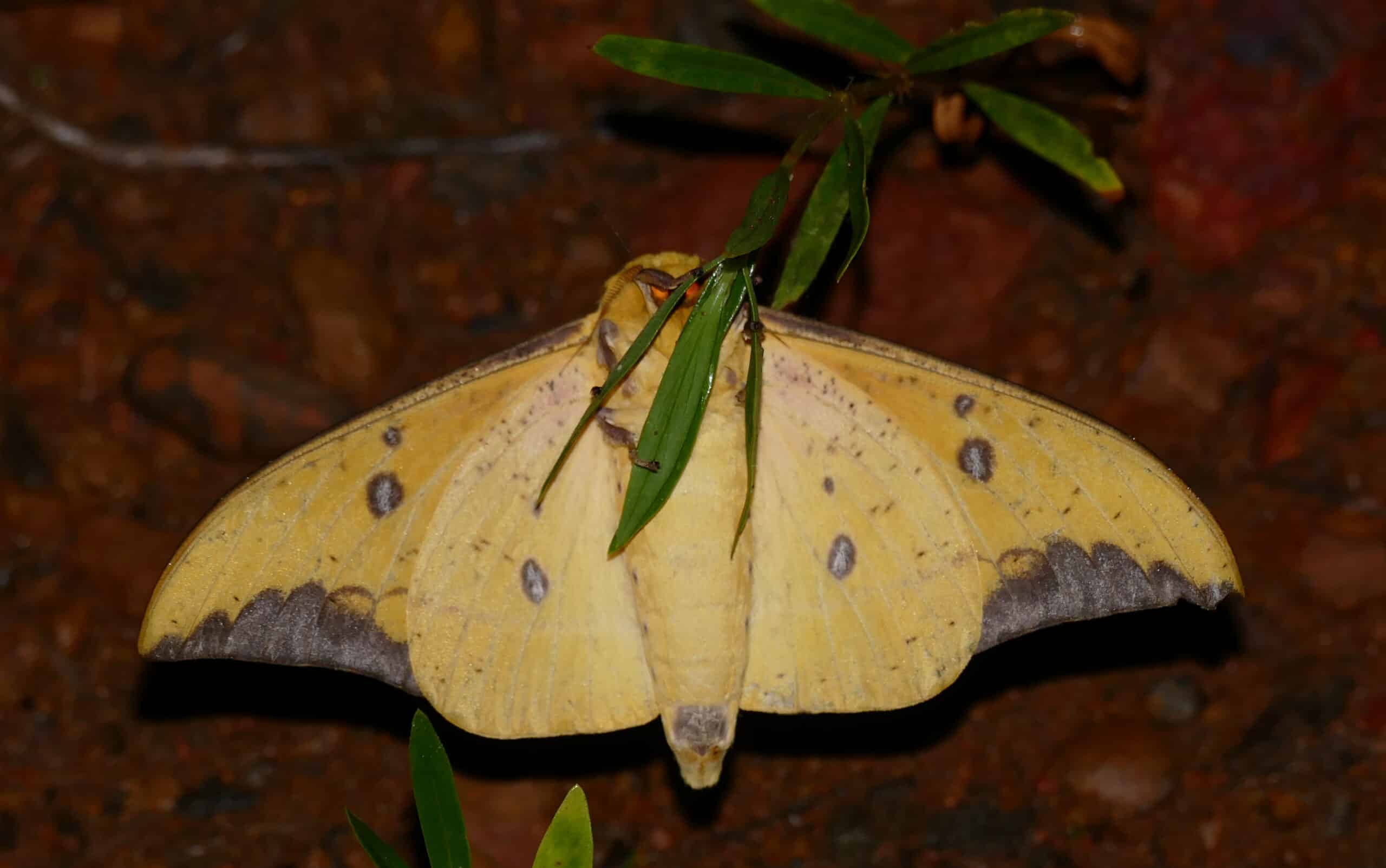
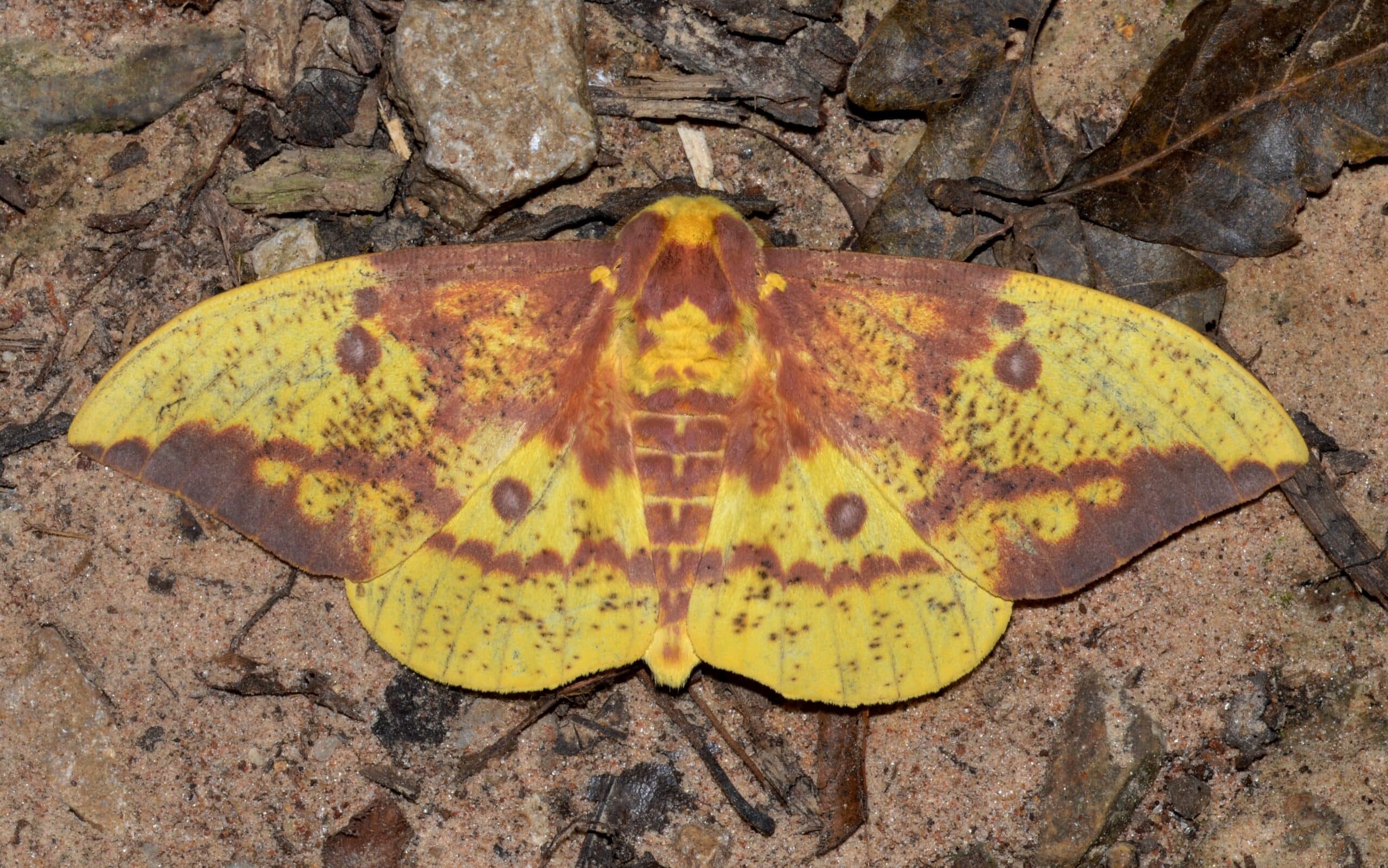
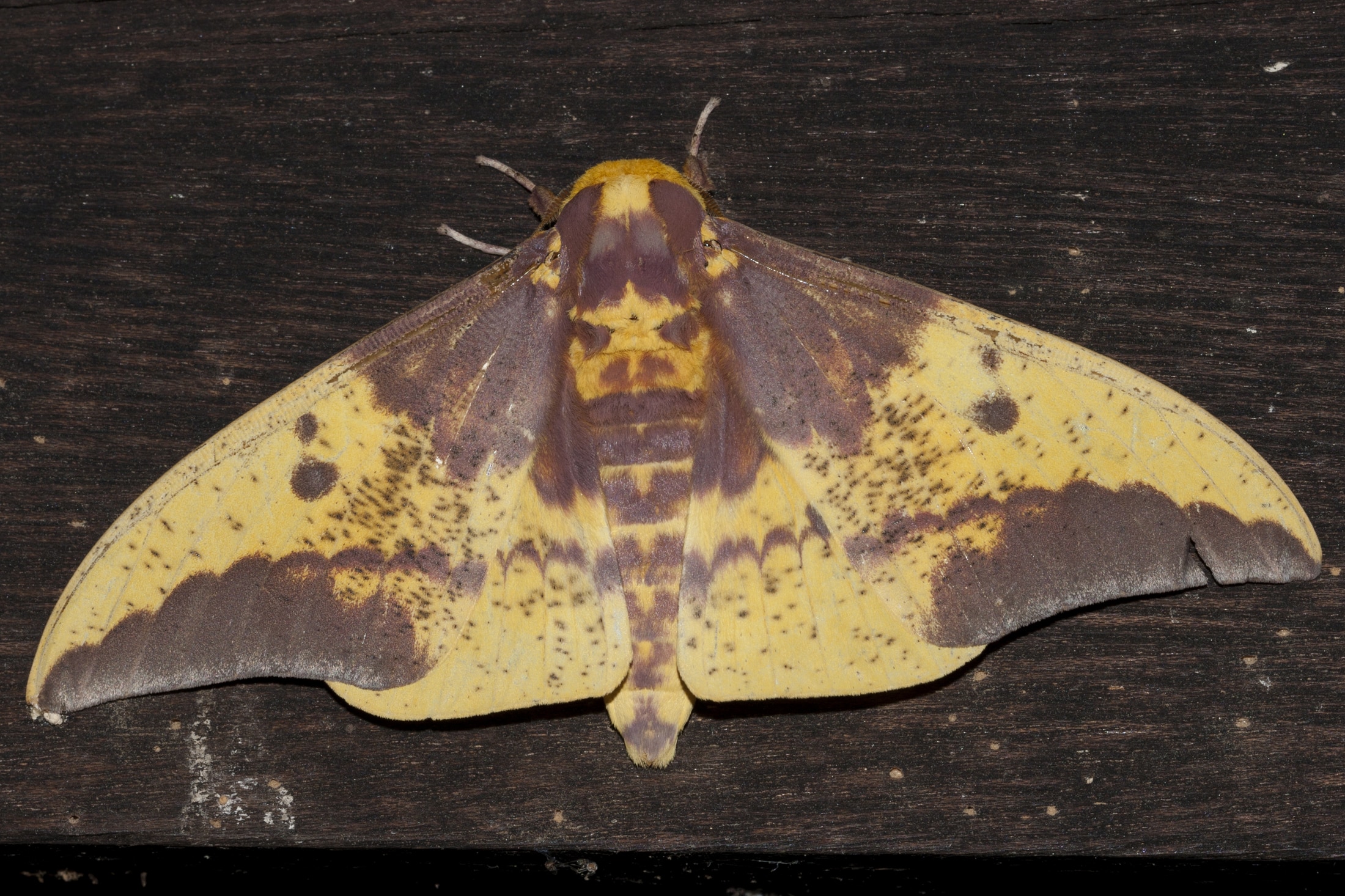
The Imperial Moth dazzles with its vibrant yellow and green colors, showcasing nature's art at its finest. These insects belong to the class of invertebrates and are members of the giant silk moth family known as Saturniidae.
Measuring between 10 to 15 centimeters (4 to 6 inches) across, the wingspan of an Imperial Moth makes it one of the larger moths. They flaunt eye-catching spots that resemble beautiful jewels, perfect for catching the eye of curious kids.
Imperial Moths live primarily in Central America, where they flutter around looking for tasty leaves to munch on. Their caterpillars, which share a diet of delicious foliage, can be quite large and also wear quite a fashionable green outfit.
After a quick transformation into adults, Imperial Moths have a short life, lasting about one week. During this time, they focus on finding mates and laying eggs, eager to continue their cycle of life.
These moths do not need to worry much in the wild, as they hold a stable place in their ecosystems. With their impressive size and stunning looks, Imperial Moths are sure to inspire wonder in those lucky enough to spot them.

Where can you find a Imperial Moth in the wild?
What does a Imperial Moth eat?
How big can a Imperial Moth grow?
How long does a Imperial Moth typically live?
What is the conservation status of the Imperial Moth?
What are the main threats to the Imperial Moth?
Fun facts
Imperial Moths can change color as they mature! Their caterpillars start off bright green to blend into the leaves, but as they get ready to pupate, they turn darker and can even appear bluish.


Amazingly, the Imperial Moth's wings mimic the look of eyes! This clever design helps confuse potential predators, making them think twice about chasing this butterfly in disguise.
The fuzzy bodies of Imperial Moths serve a special purpose. Their hairs help protect them against cold weather, like a cozy sweater made just for them!
Male Imperial Moths have a fantastic sense of smell. They can detect the scent of female moths from over a mile away, making dating a lot easier!
Some Imperial Moths can eat leaves from toxic plants without getting sick. They store some of the toxins in their bodies, making them less tasty to hungry predators.
Did you know that Imperial Moths have tiny scales on their wings? These scales create the bright colors that make their wings look like a work of art!
The Imperial Moth's caterpillar stage is called a larva and can grow to be quite large, reaching up to 8 centimeters (about 3 inches). They are often called 'hickory horned devil' due to their impressive size and horns!
Interestingly, adult Imperial Moths do not eat! They rely on the energy stored during their caterpillar phase to survive their short week as an adult. Talk about a fast-paced life!
Sometimes Imperial Moths participate in a 'dance' with other moths during mating season. They flap their wings energetically, creating beautiful displays to attract their mates!
Finally, these marvelous moths are great pollinators! While they are not as famous as bees, they help plants grow and thrive as they flit from flower to flower in search of nectar.
Photos

The Basics


explore more
Amphibians
Arachnids
Birds
Cats
Crustaceans
Fish
Fish Pet Guide
Gastropods
Insects
Invertebrates
Mammals
Pet Fish
Pet Rodents
Plants
Reptiles
Roundworms
Sea Slugs
