
Successfully copied to clipboard!
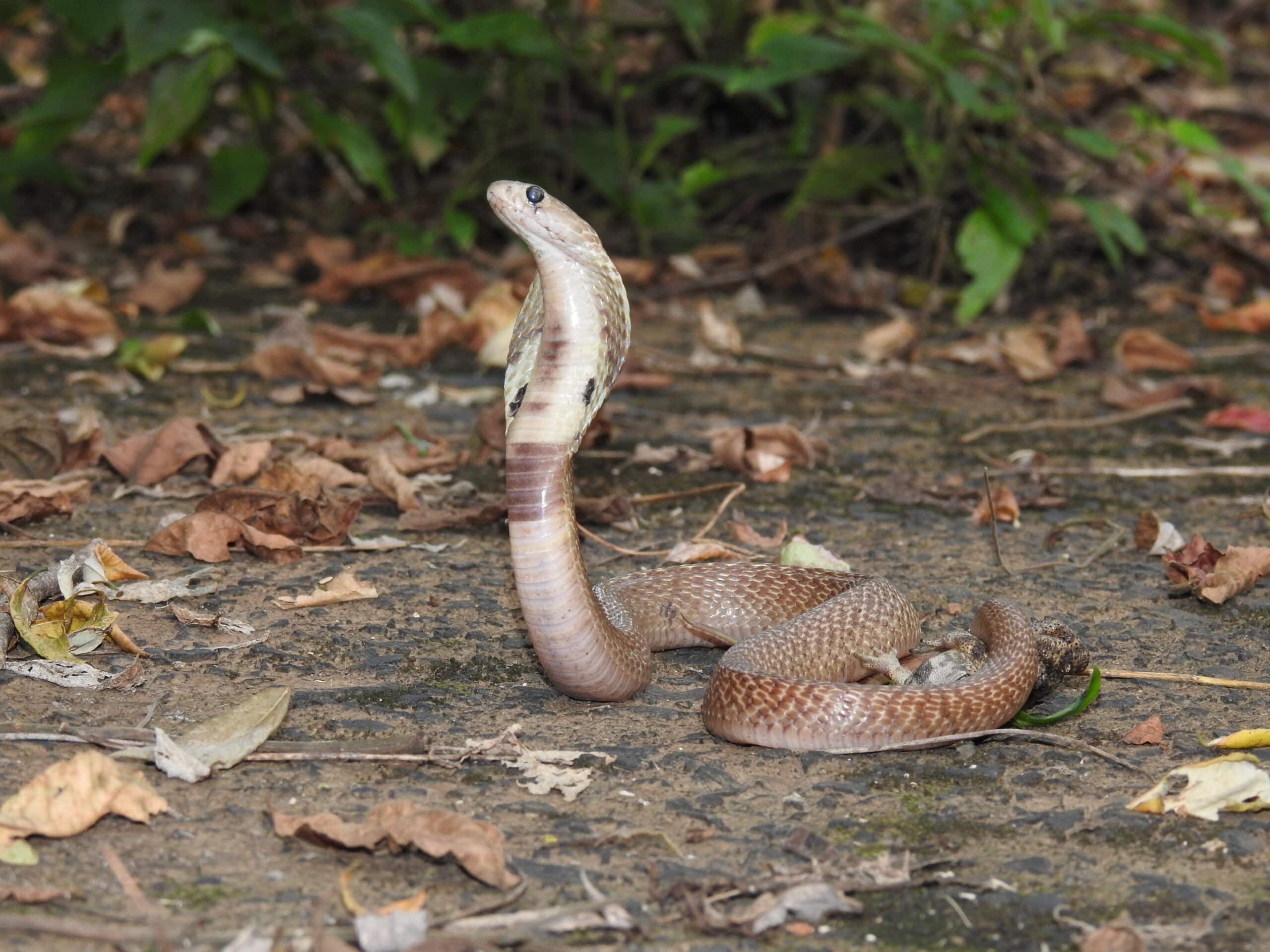
Indian Cobra
Uncover the secrets of a slippery snake with a mysterious hood!
Let’s Explore
Overview
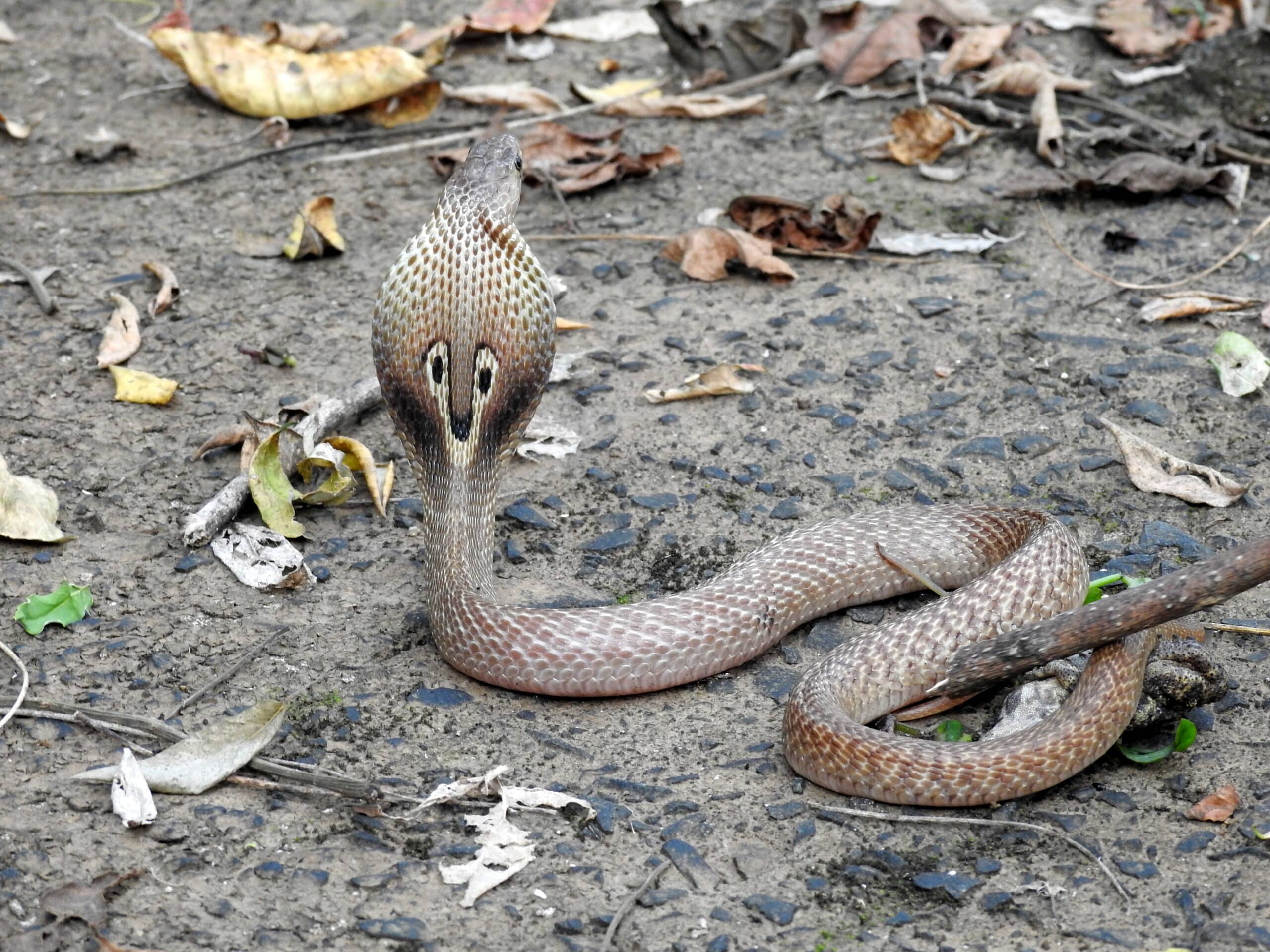
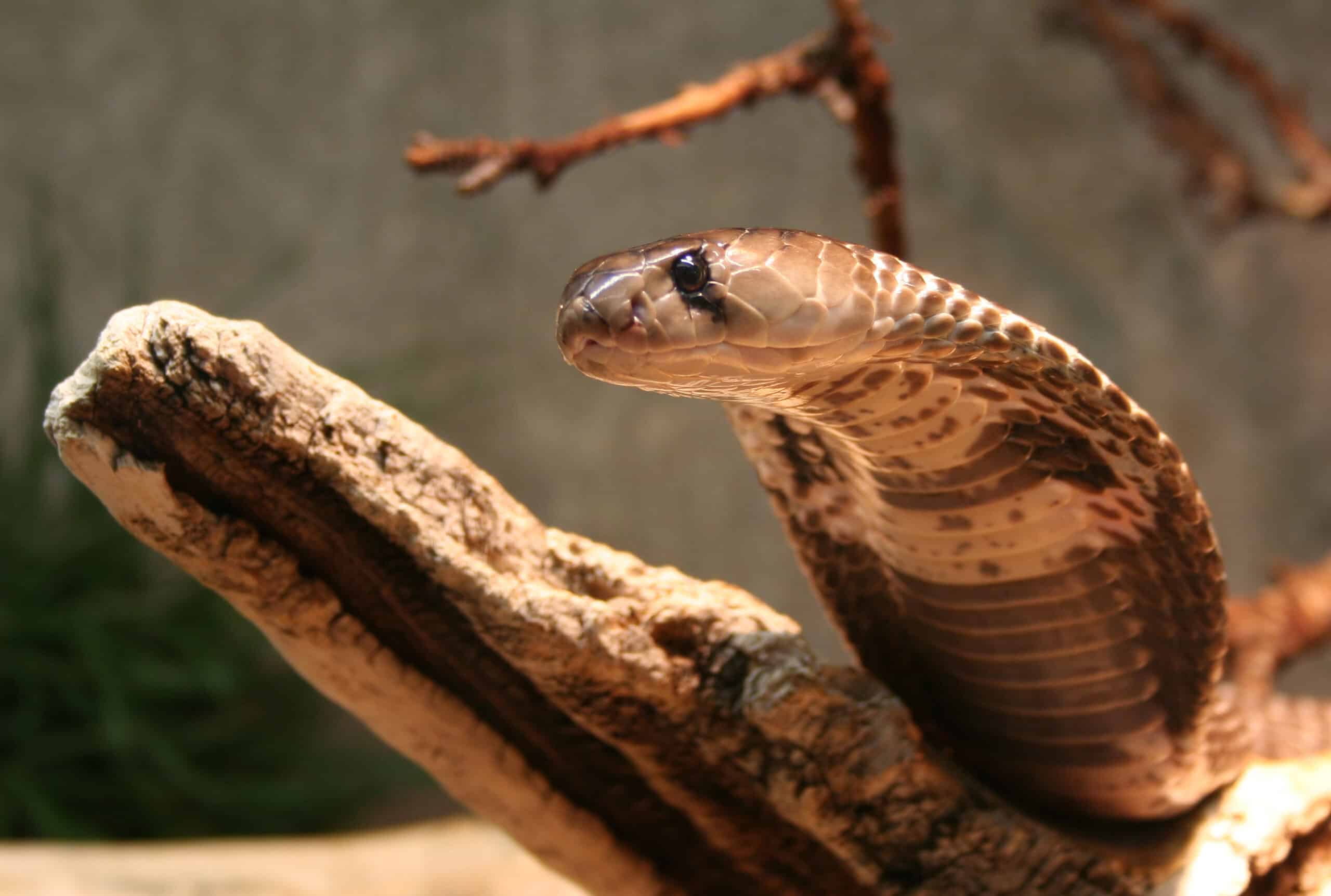
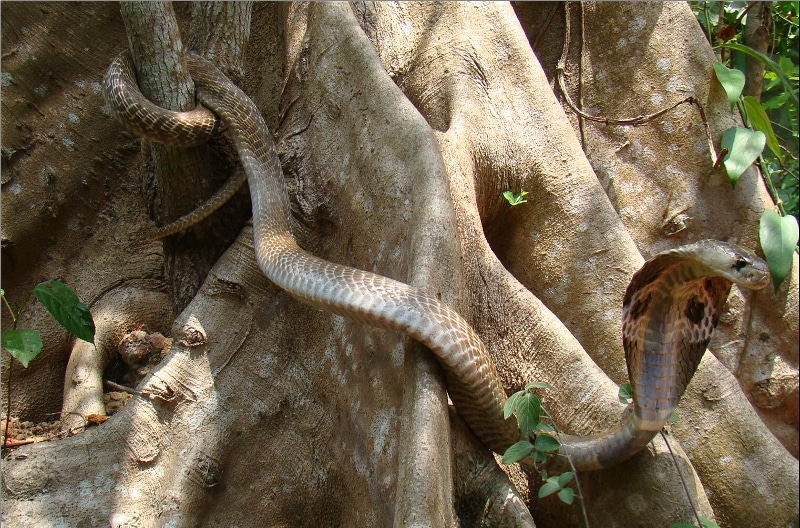
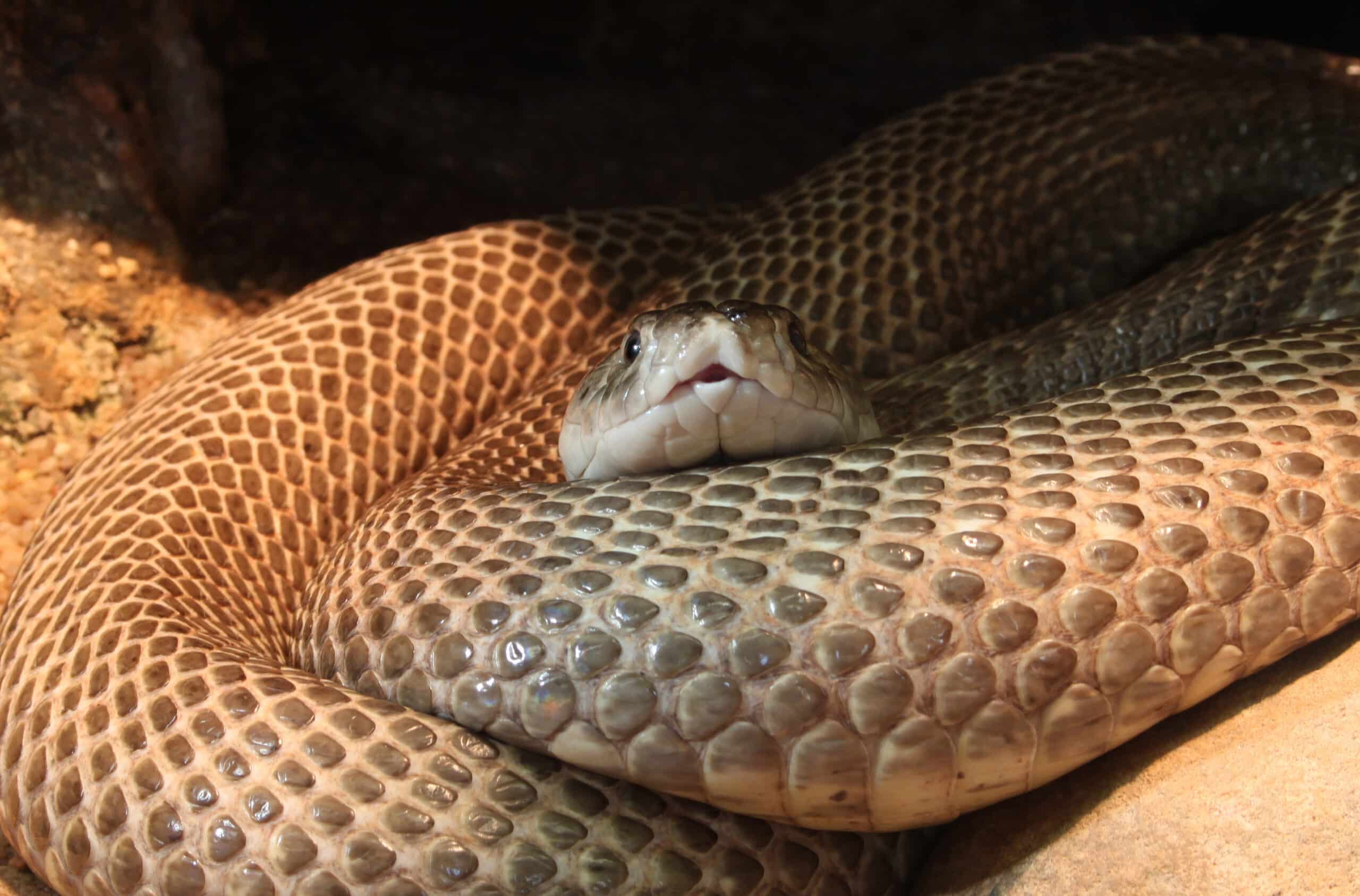
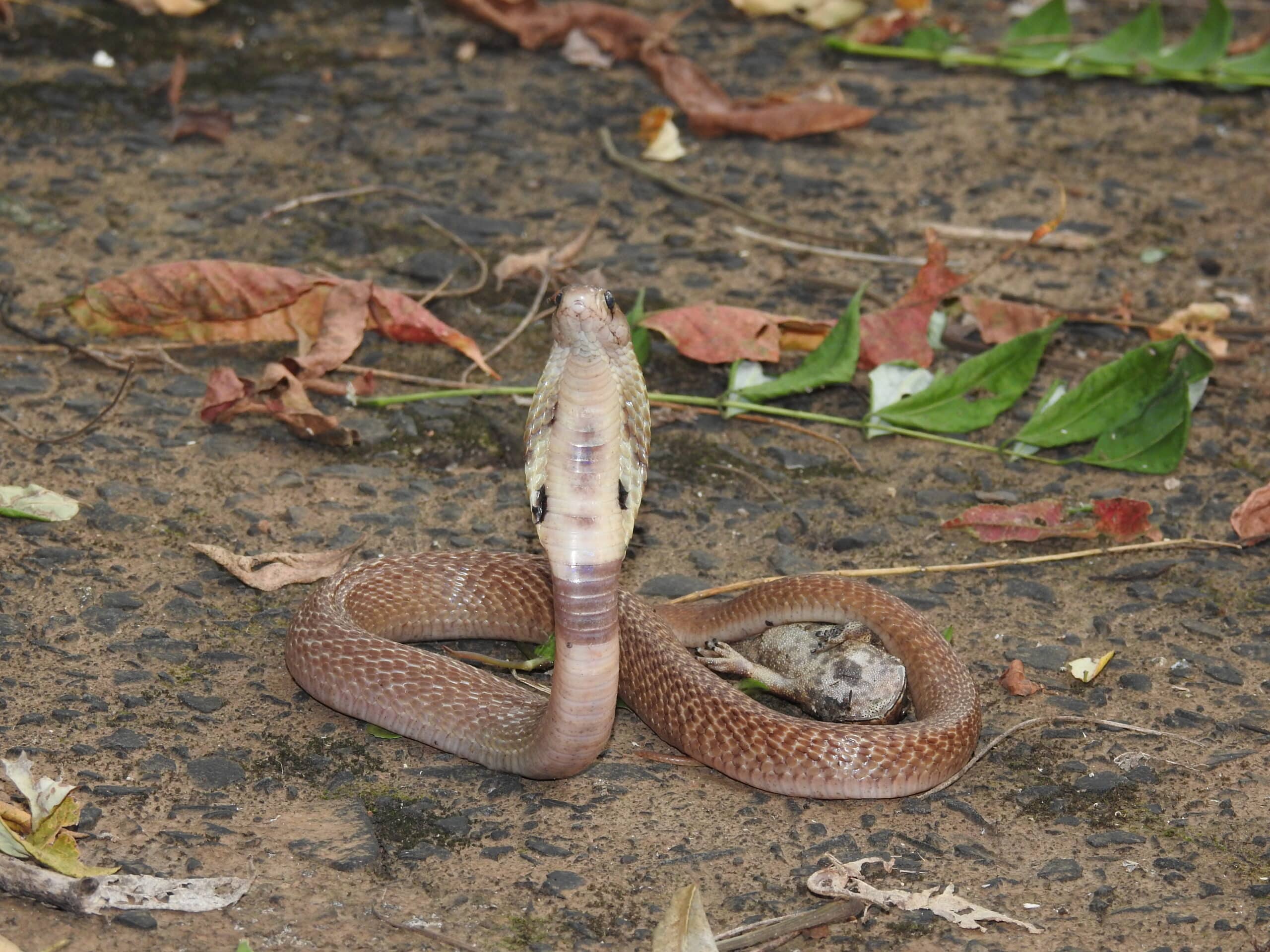
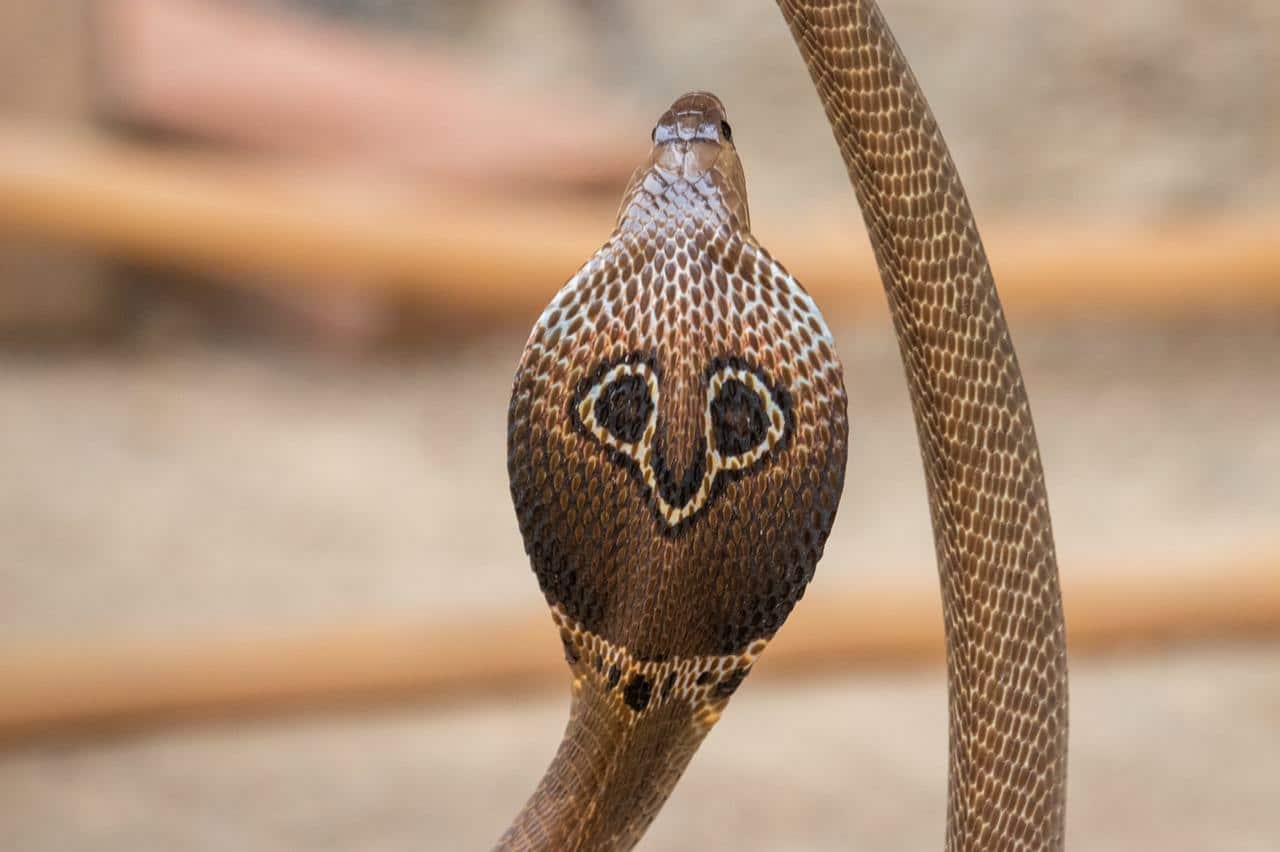
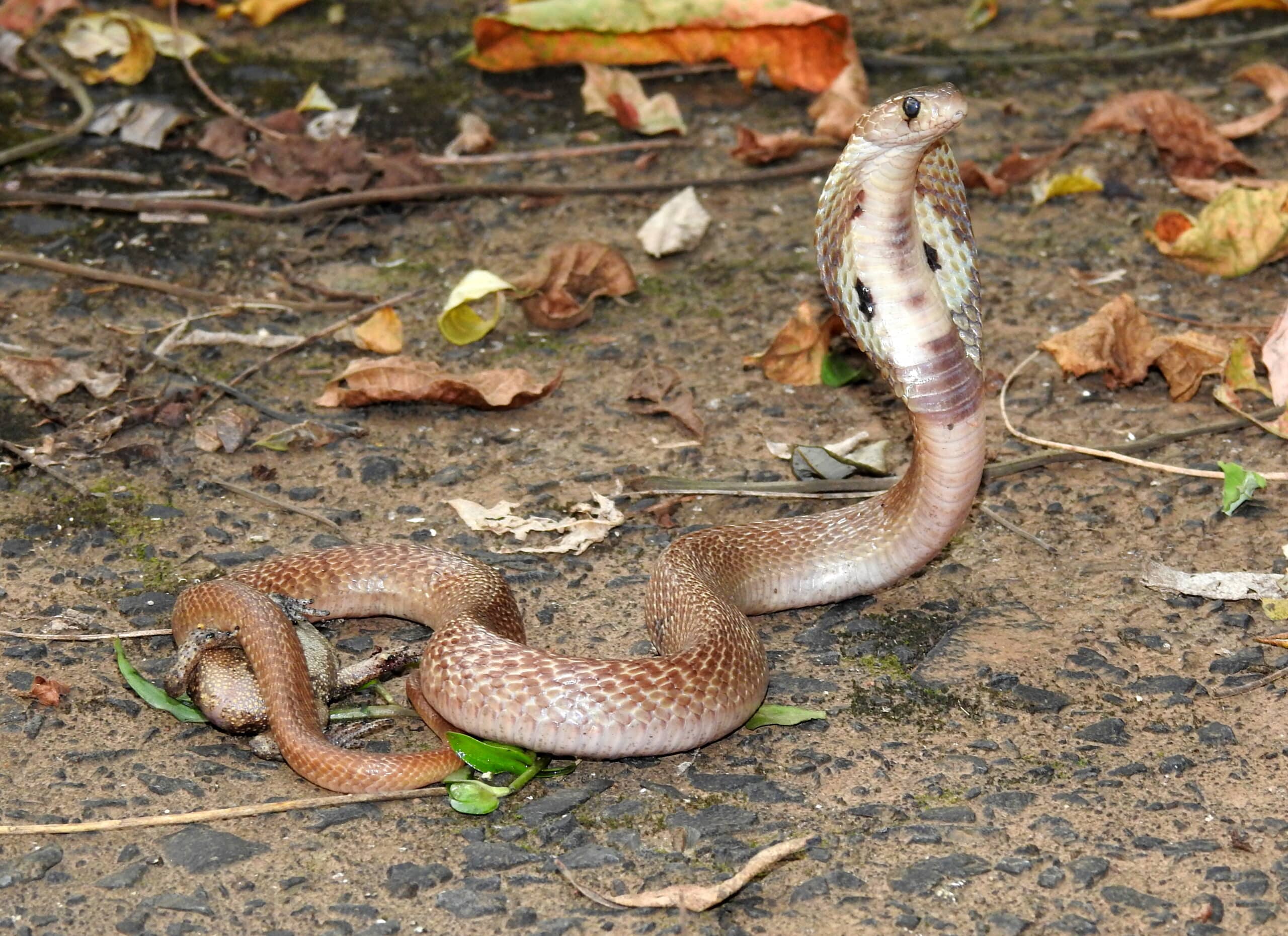
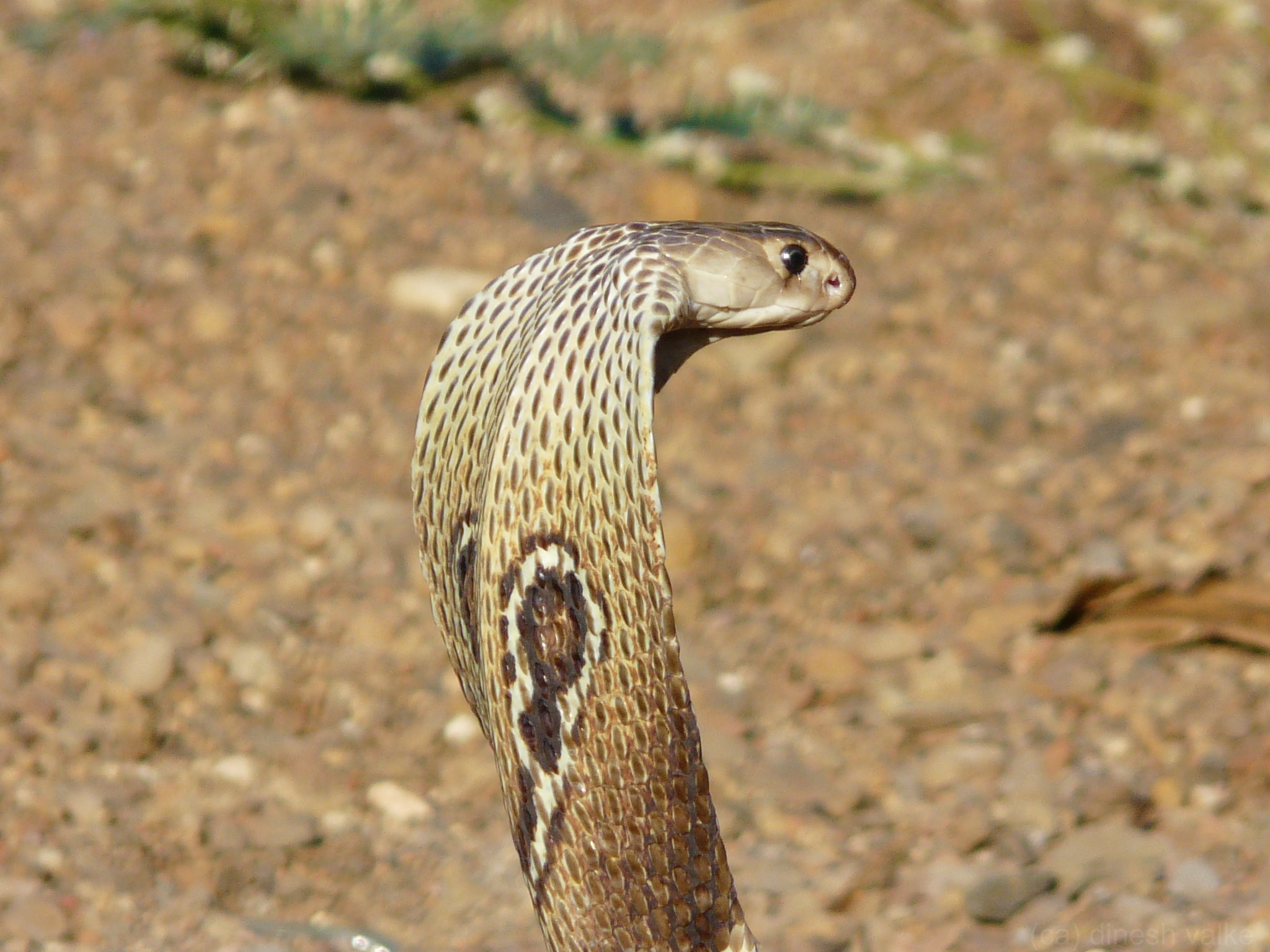
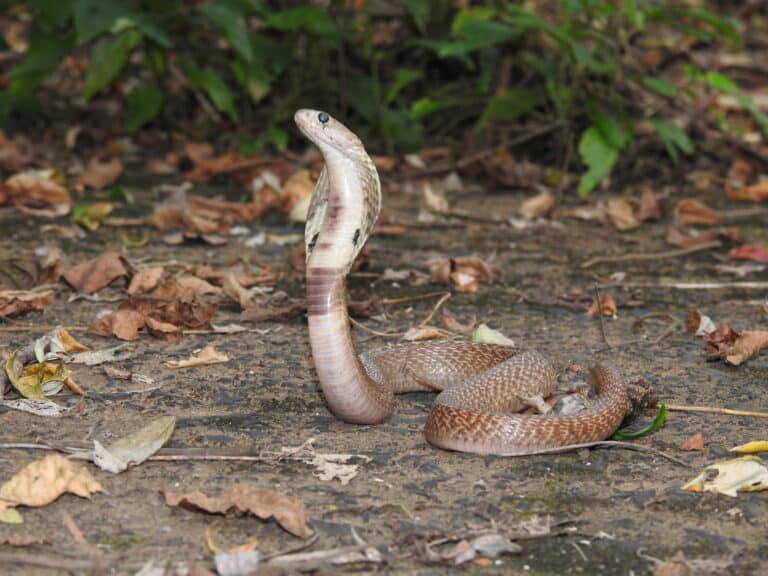
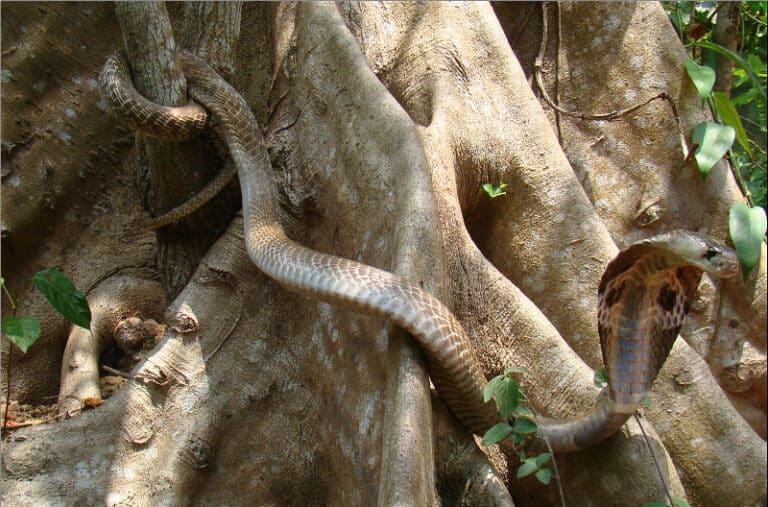
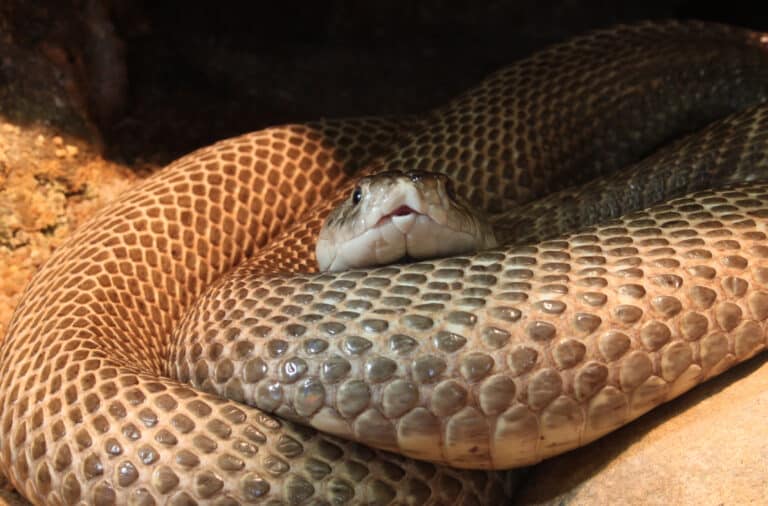
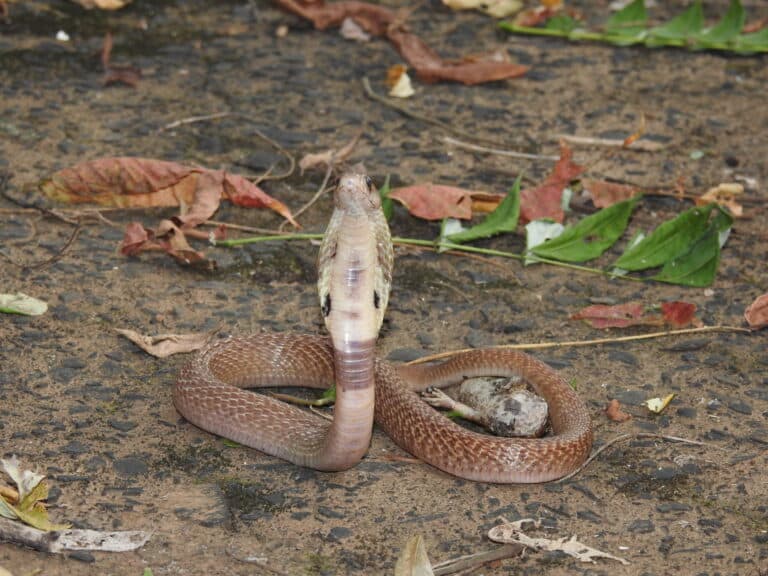
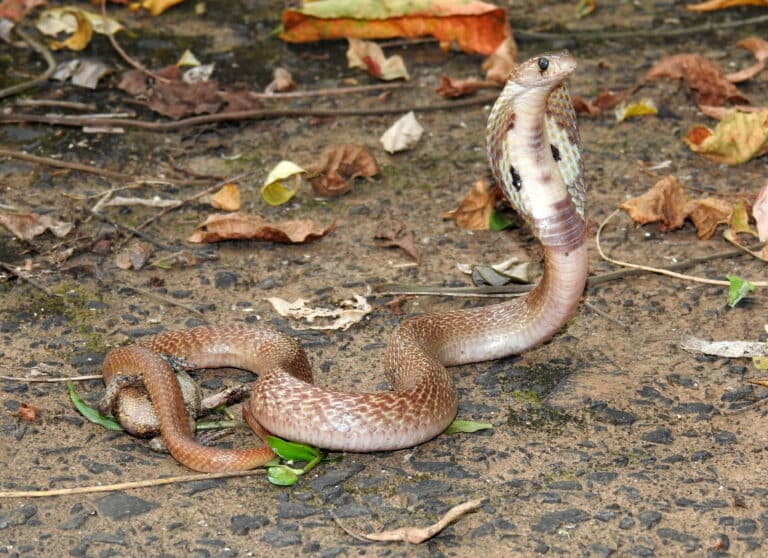
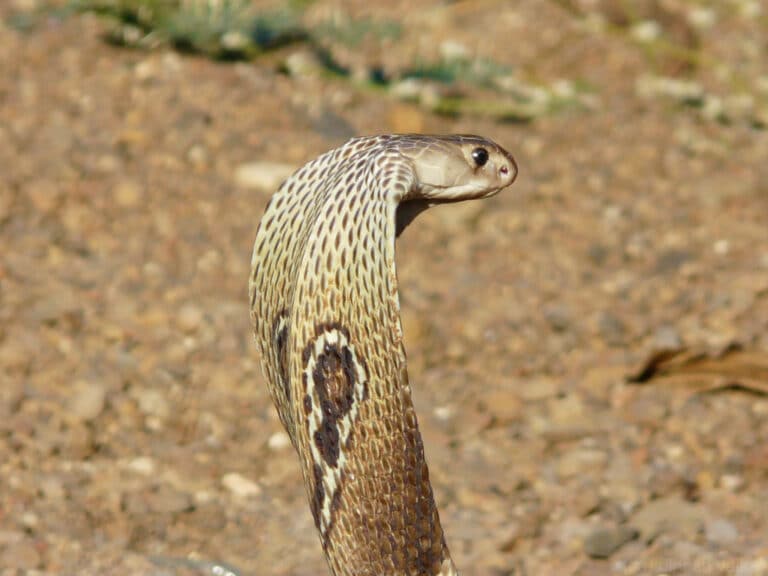
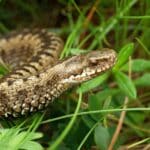
The Indian Cobra, scientifically known as Naja naja, is one of the most recognized snakes in Asia. With a length that typically ranges from 1.2 to 2.1 meters (4 to 7 feet), it has a striking appearance that includes a hood that expands when it feels threatened.
This snake loves to feast on a diet of rodents, frogs, and lizards. Its sharp fangs inject venom into its prey, helping the cobra to capture dinner swiftly and efficiently.
The Indian Cobra can live up to 20 years in the wild, which gives it plenty of time to slither around and learn the ropes. This snake is more than just a reptile; it’s a unique and fascinating part of many cultures, often being featured in folklore and traditions.

Where can you find a Indian Cobra in the wild?
What does a Indian Cobra eat?
How big can a Indian Cobra grow?
How long does a Indian Cobra typically live?
What is the conservation status of the Indian Cobra?
What are the main threats to the Indian Cobra?
Fun facts
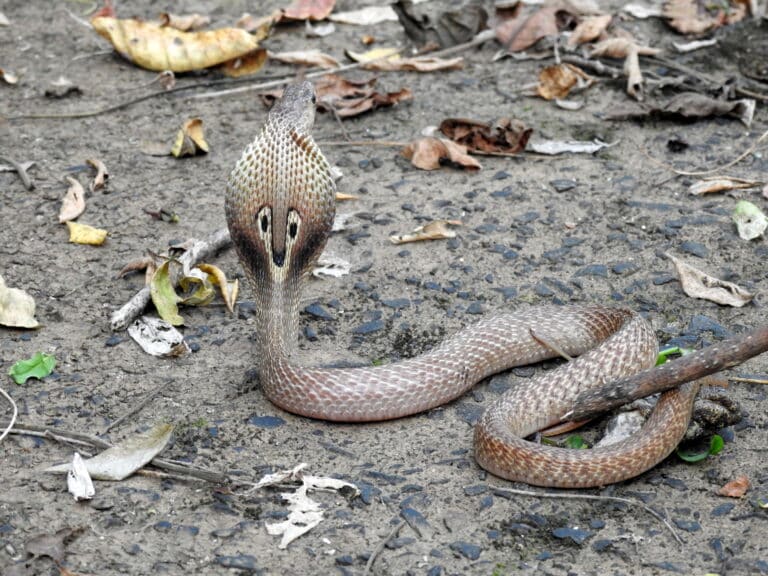
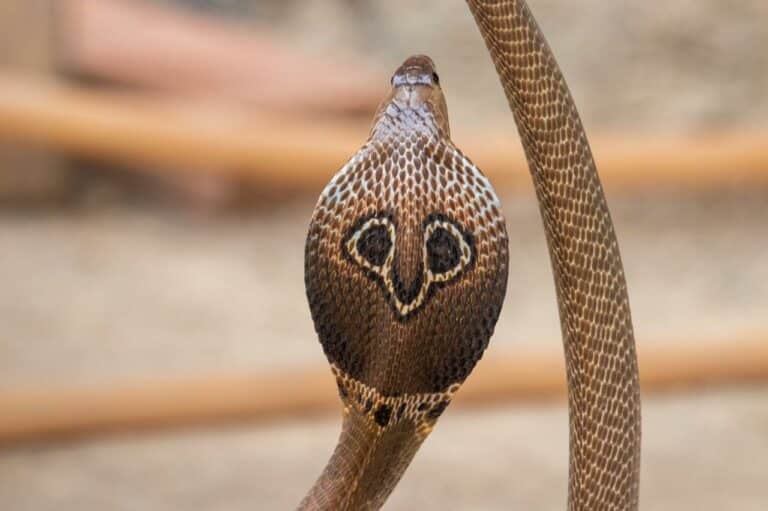
The Indian Cobra has a famous hood that it expands when feeling threatened. This impressive display can make it look much larger and more intimidating to scare off potential attackers!


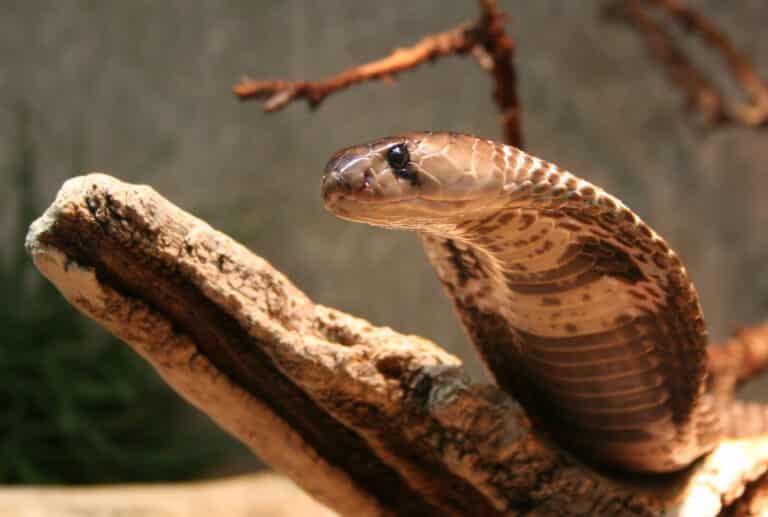
This snake is famous for its striking patterns, often displaying beautiful shades of brown, black, and yellow. Just one look can remind you of a colorful art creation in nature!
Indian Cobras are known for their unique way of sensing their world. They use their forked tongues to pick up tiny scent particles from the air, helping them find food and mates in their surroundings.
During courtship, male Indian Cobras perform a fascinating dance. They raise their heads high and intertwine their bodies to impress female cobras, creating a spectacular show of agility!
These snakes have a special enzyme in their venom that helps them digest their food. It’s like having a tiny chef in their bodies that prepares the meal before they eat!
The Indian Cobra plays an important role in local cultures and festivals. In parts of India, snake charmers use their skills to mesmerize the cobra, showcasing an age-old relationship between humans and these amazing snakes.
If an Indian Cobra loses its tail, it can still live a healthy life. These snakes can recover and survive even without part of their bodies, demonstrating remarkable resilience.
The Indian Cobra's venom acts quickly, which is useful for catching meals like rodents and frogs. However, this same venom makes them a target for predators who want to avoid a danger-filled dinner!
This snake can move incredibly fast, reaching speeds up to 12 kilometers per hour (7.5 miles per hour). That means it can outslither most kids running in the park!
Indian Cobras can recognize humans! They often remember familiar faces and sights, which helps them decide when to hide or when to stay and show off their cool hood.
Photos


The Basics


explore more
Amphibians
Arachnids
Birds
Cats
Crustaceans
Fish
Fish Pet Guide
Gastropods
Insects
Invertebrates
Mammals
Pet Fish
Pet Rodents
Plants
Reptiles
Roundworms
Sea Slugs