
Successfully copied to clipboard!
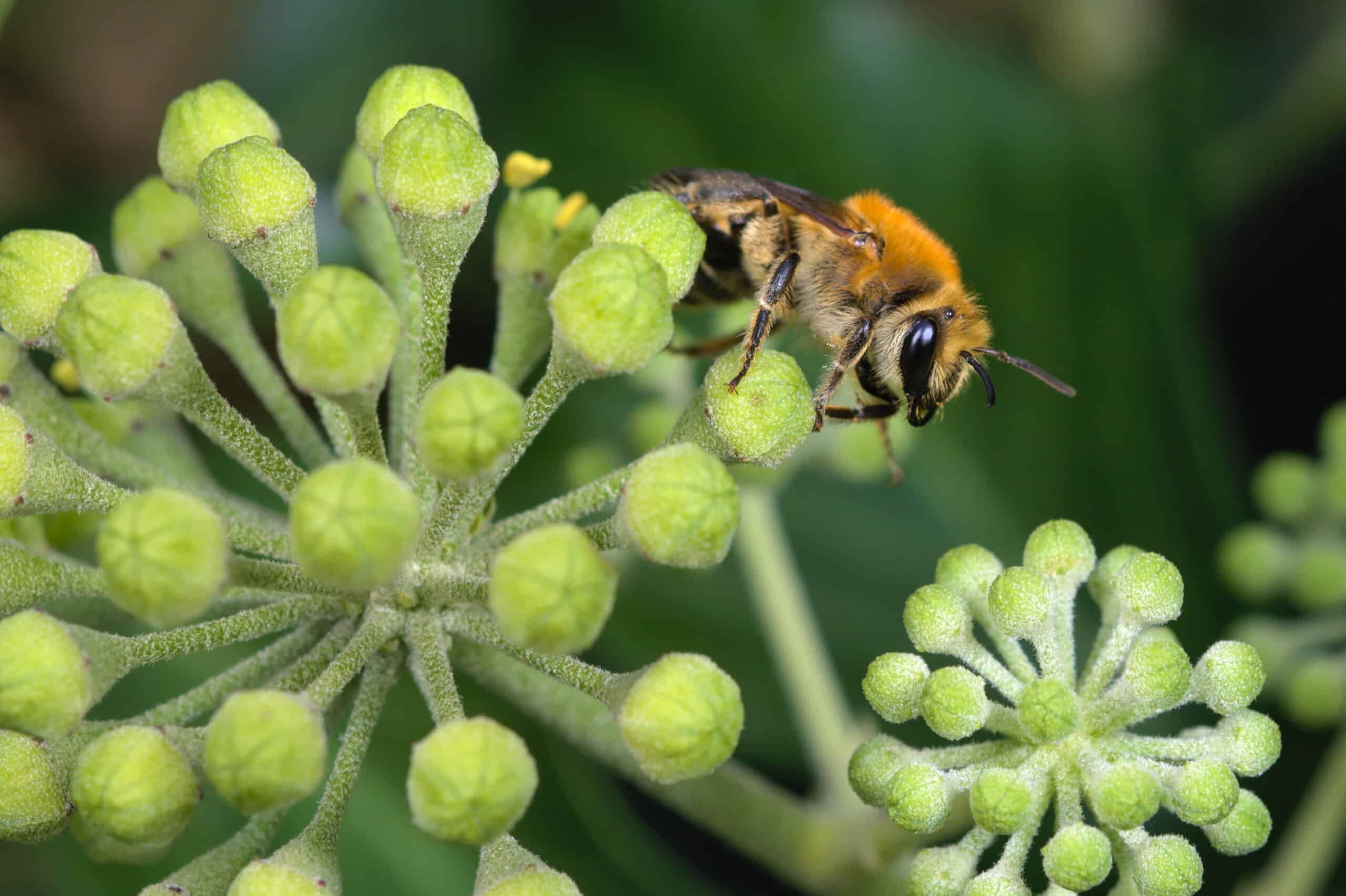
Ivy Bee
Explore the buzzing heroes of autumn gardens and parks!
Let’s Explore
Overview
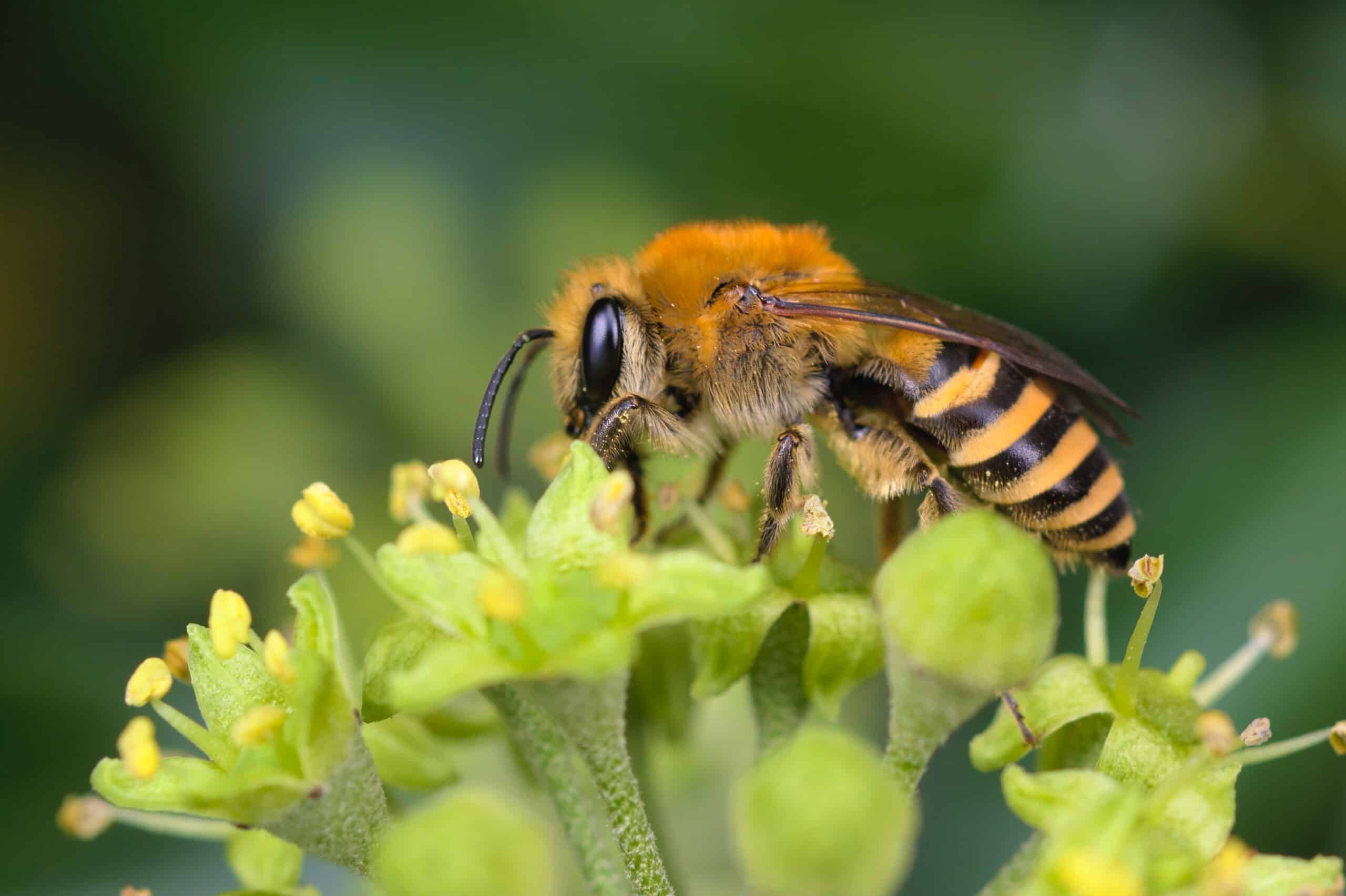
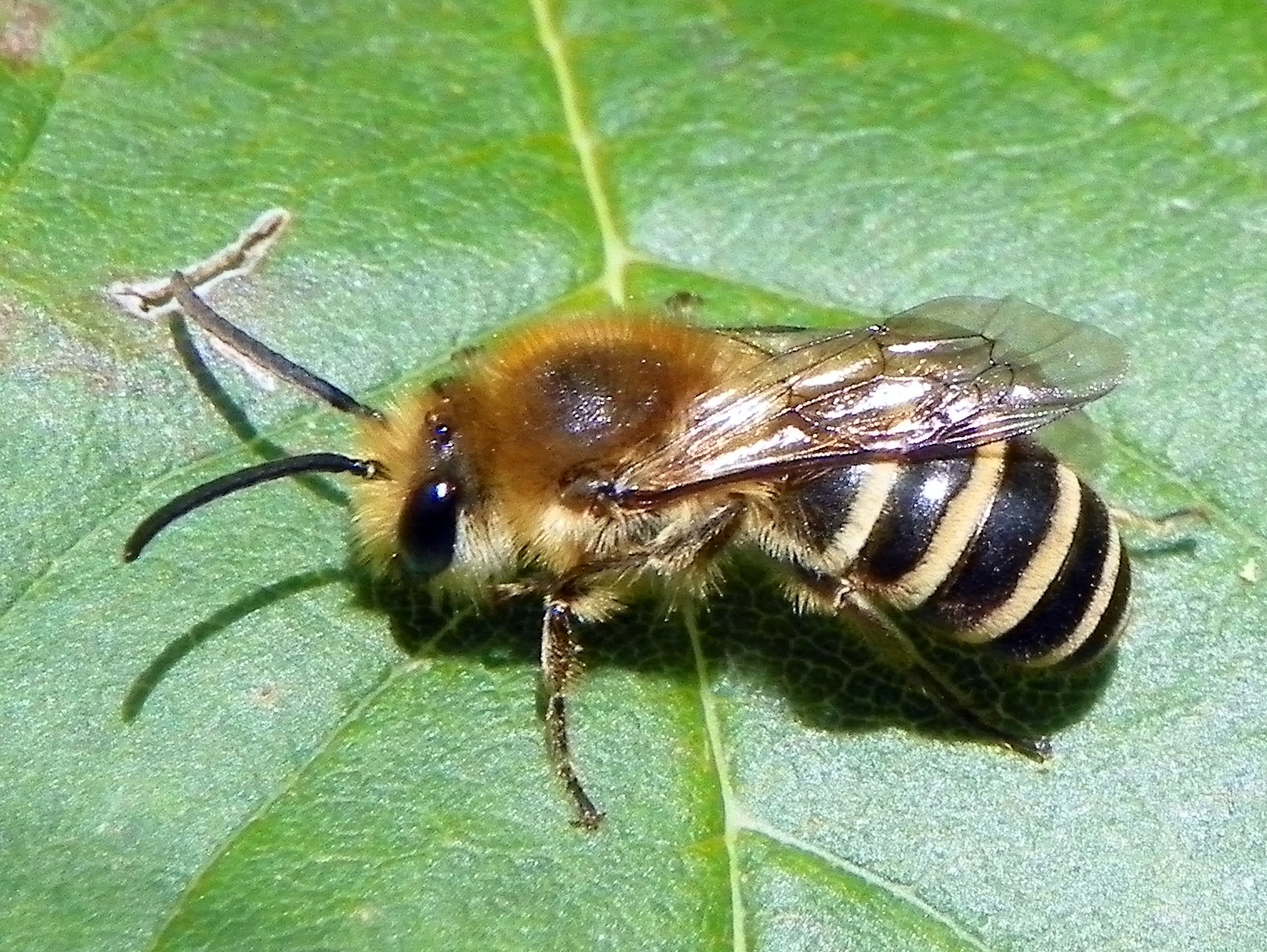
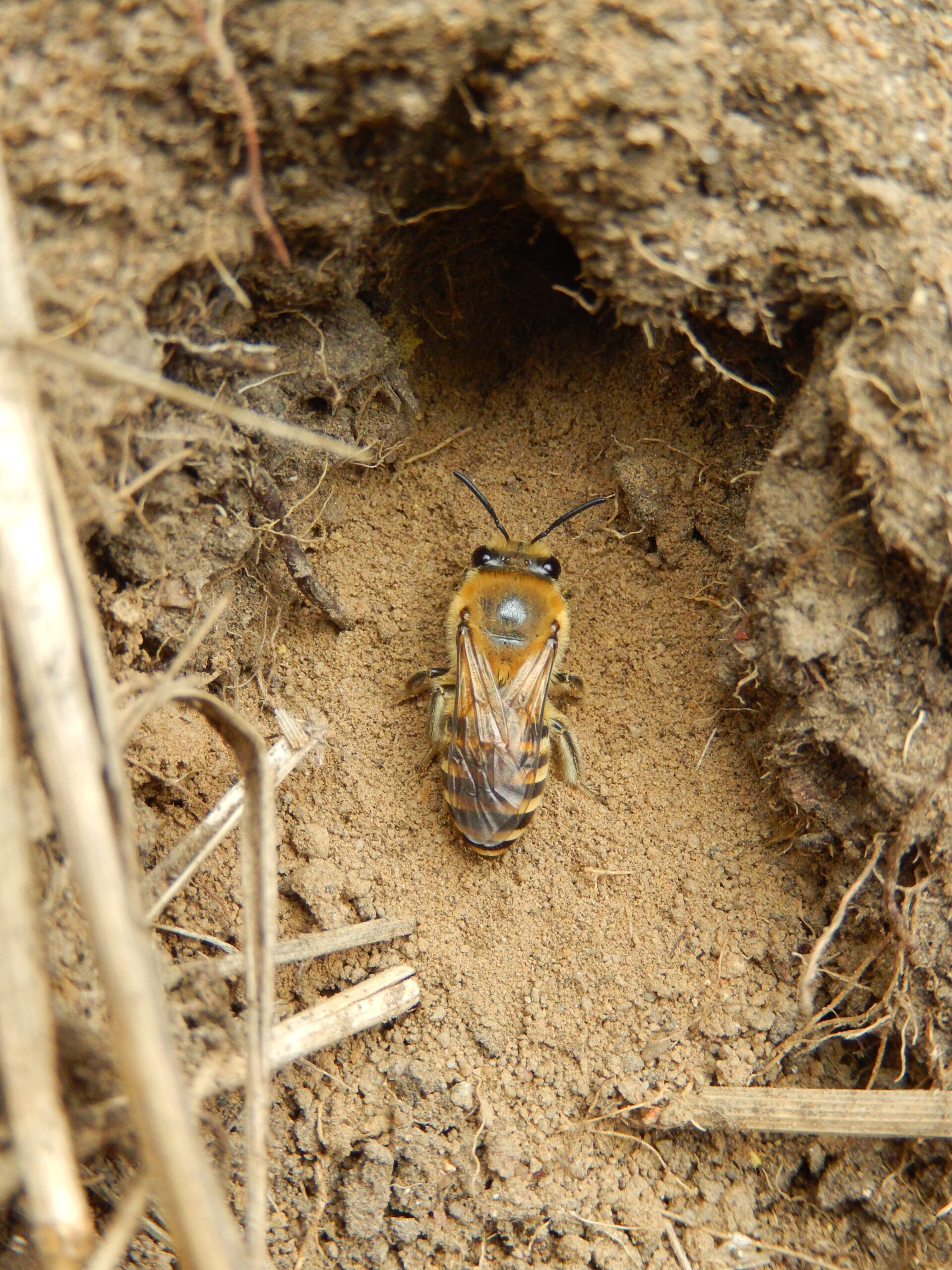
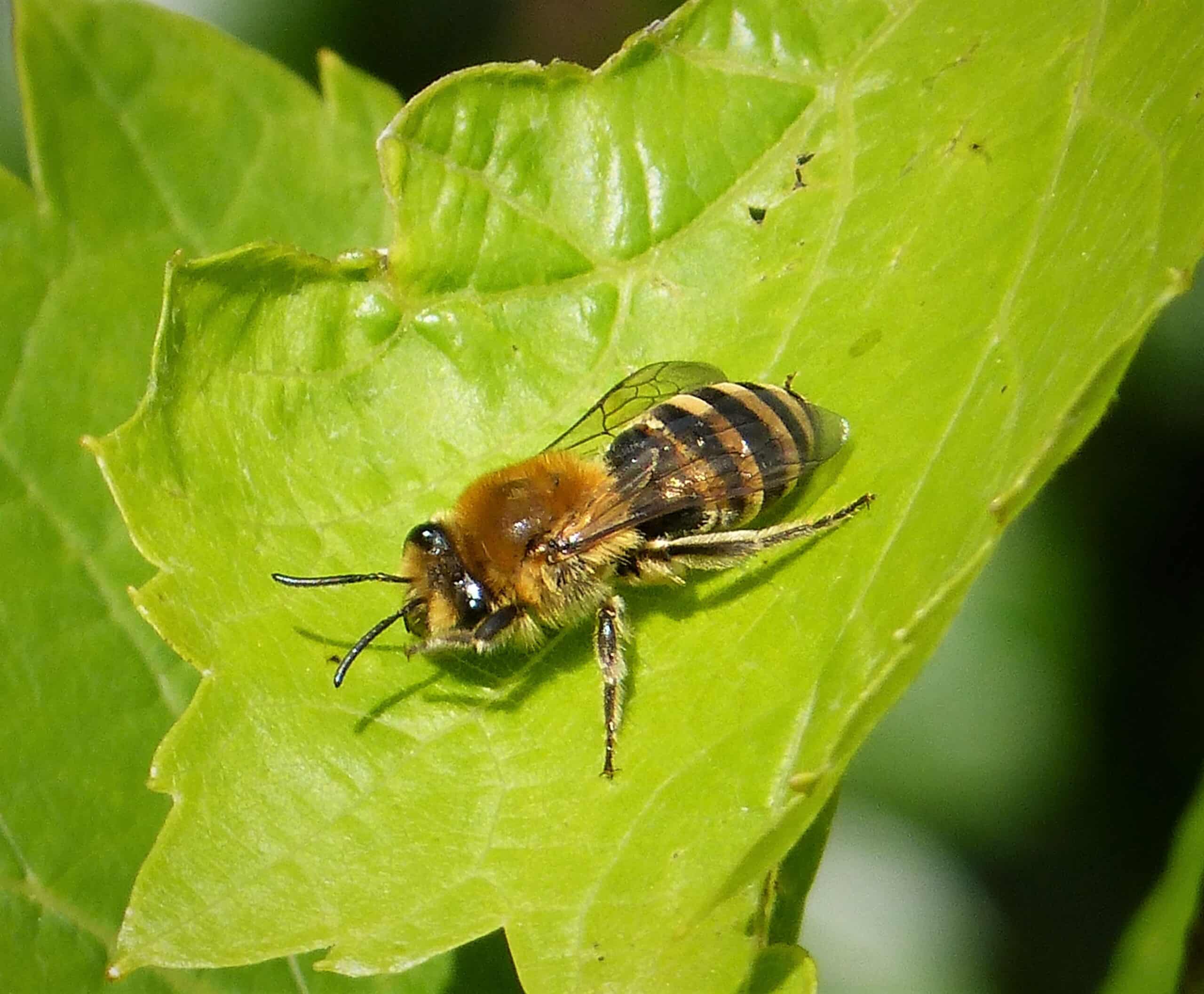
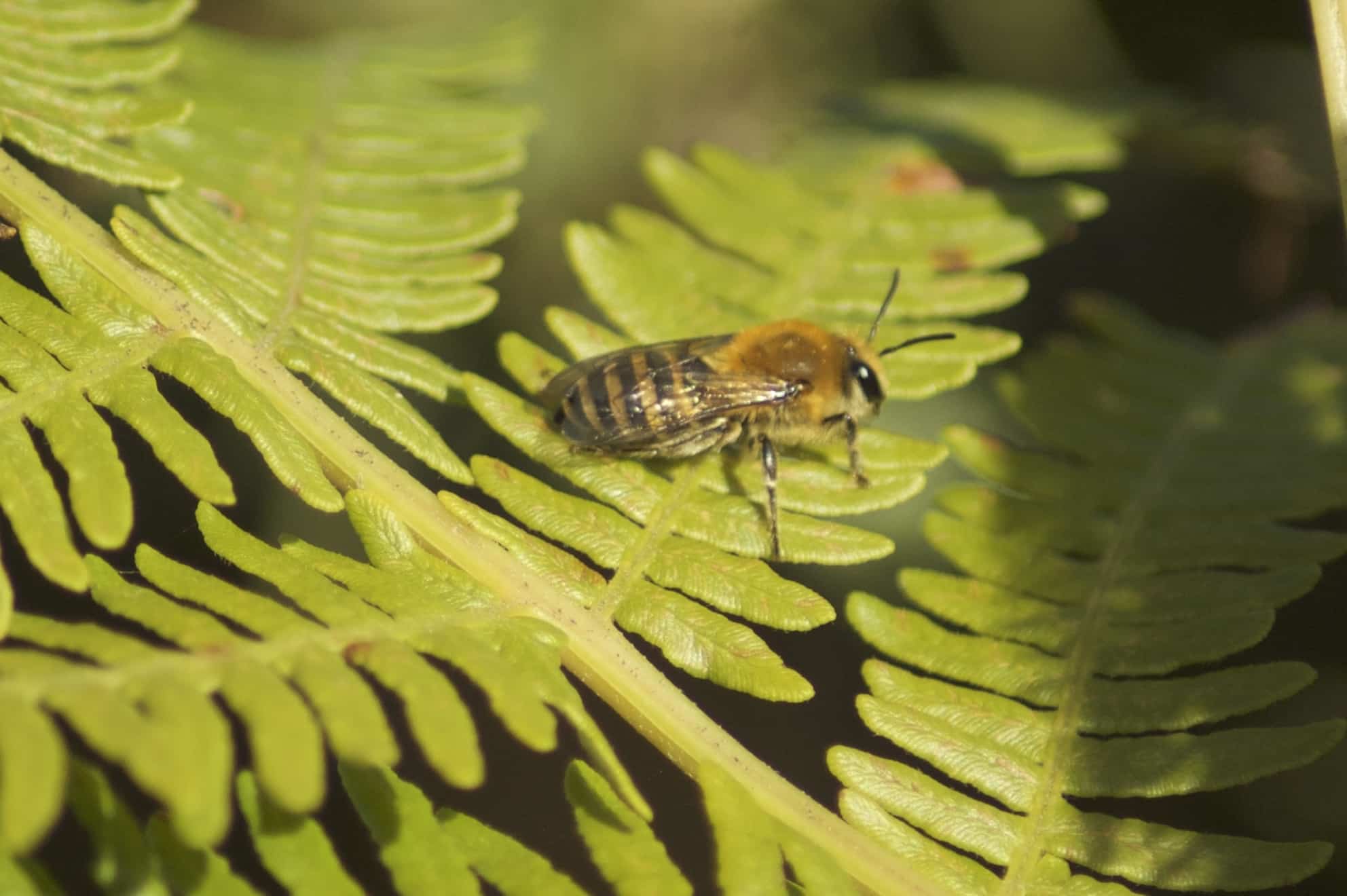
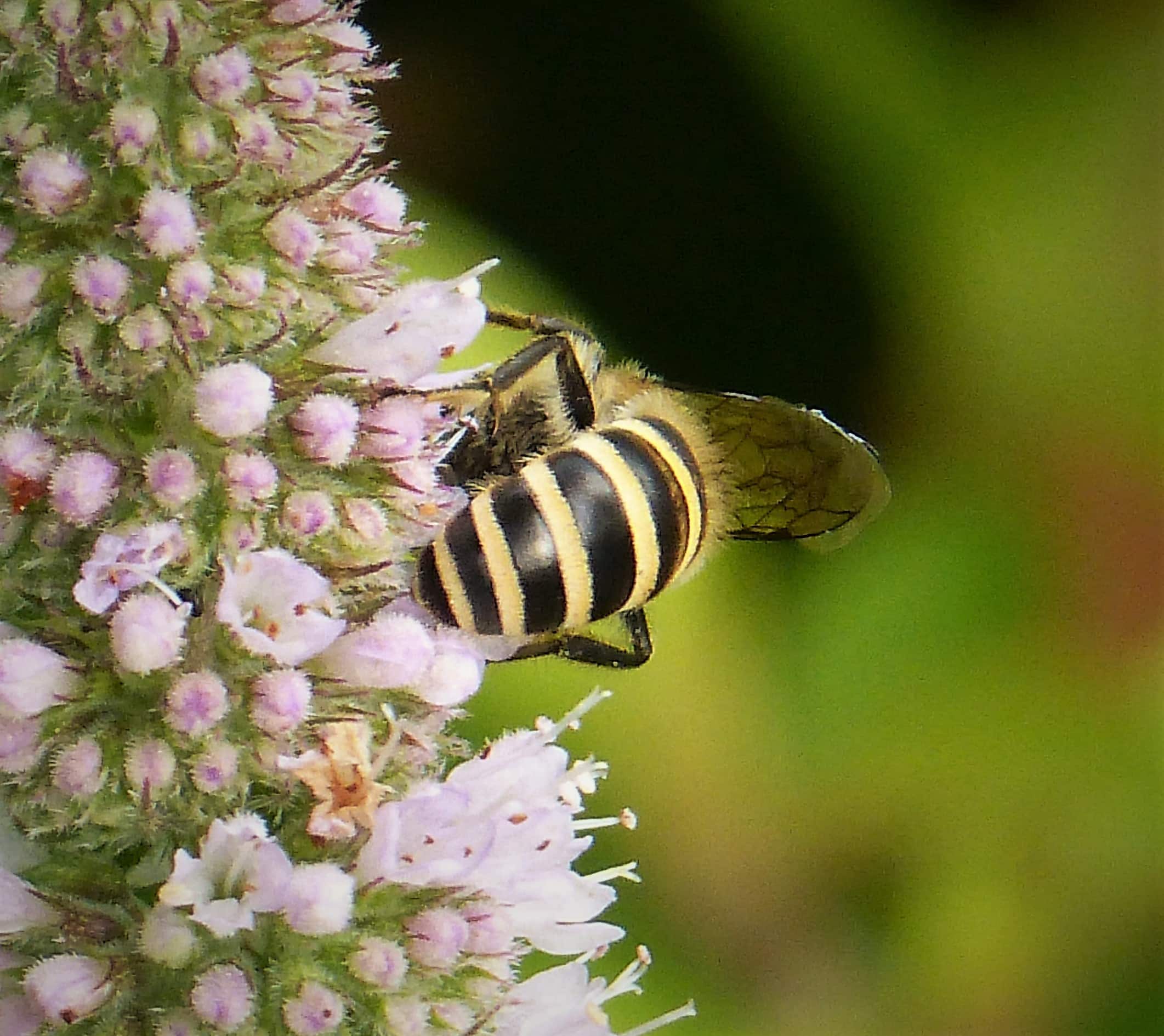
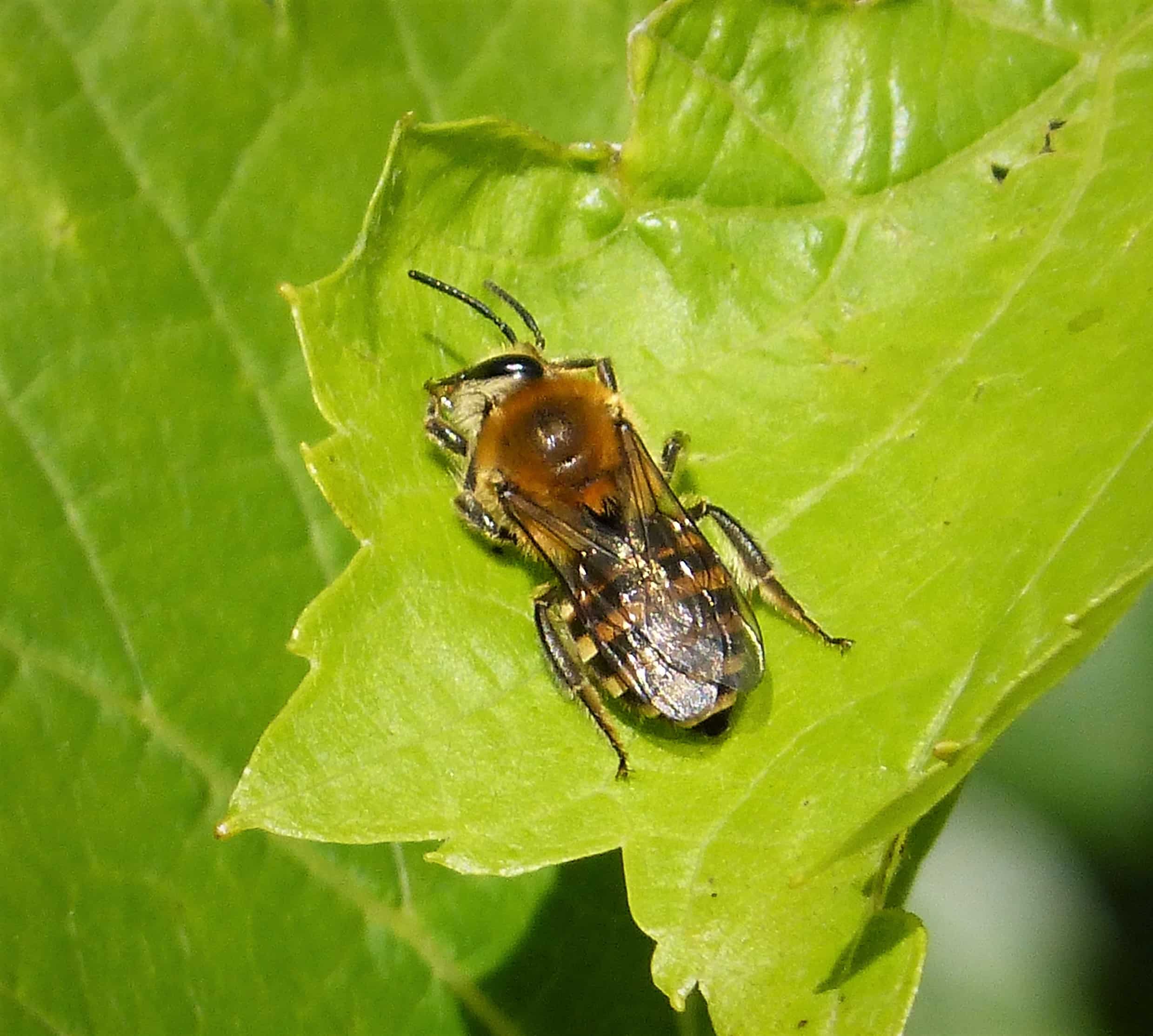
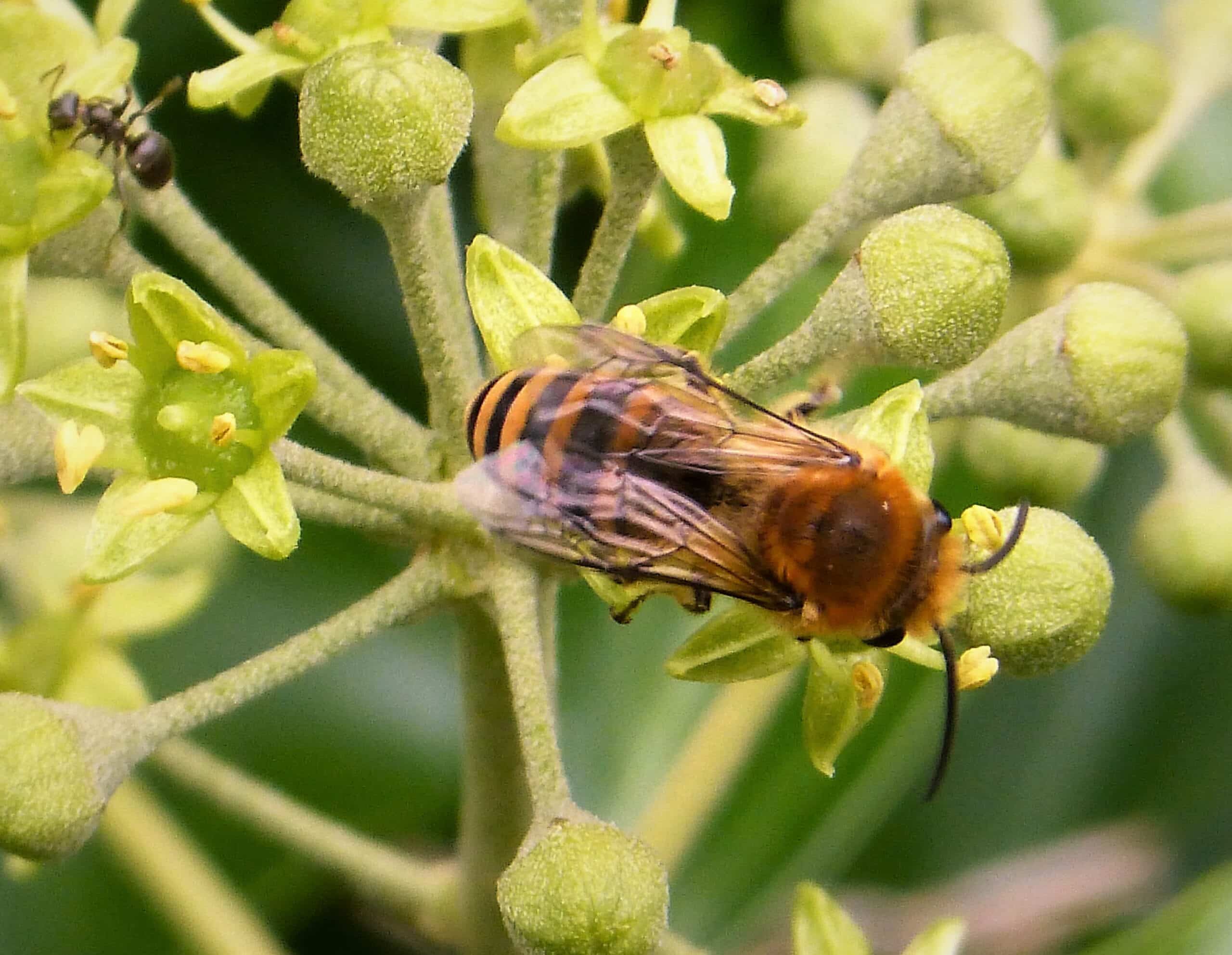
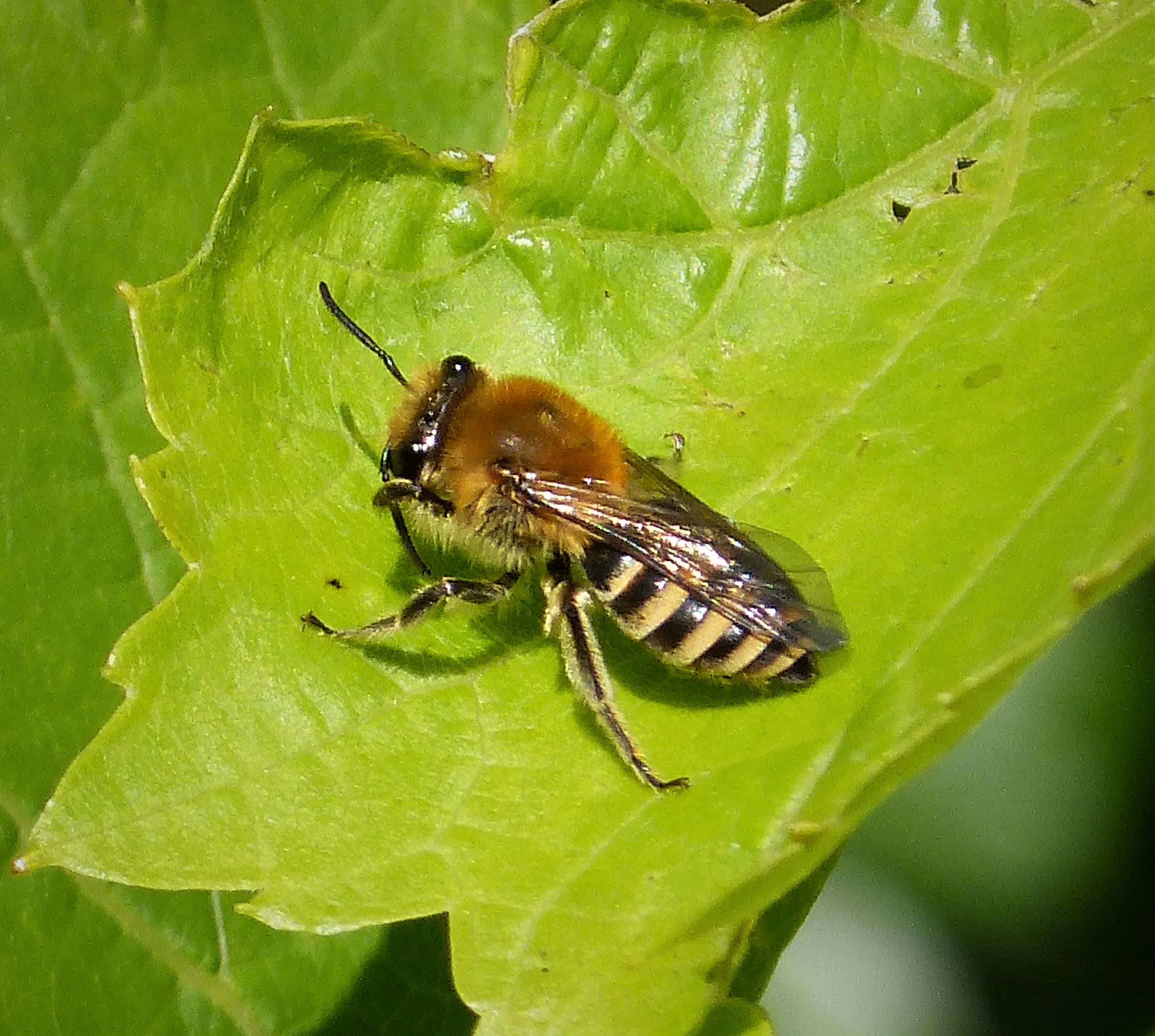
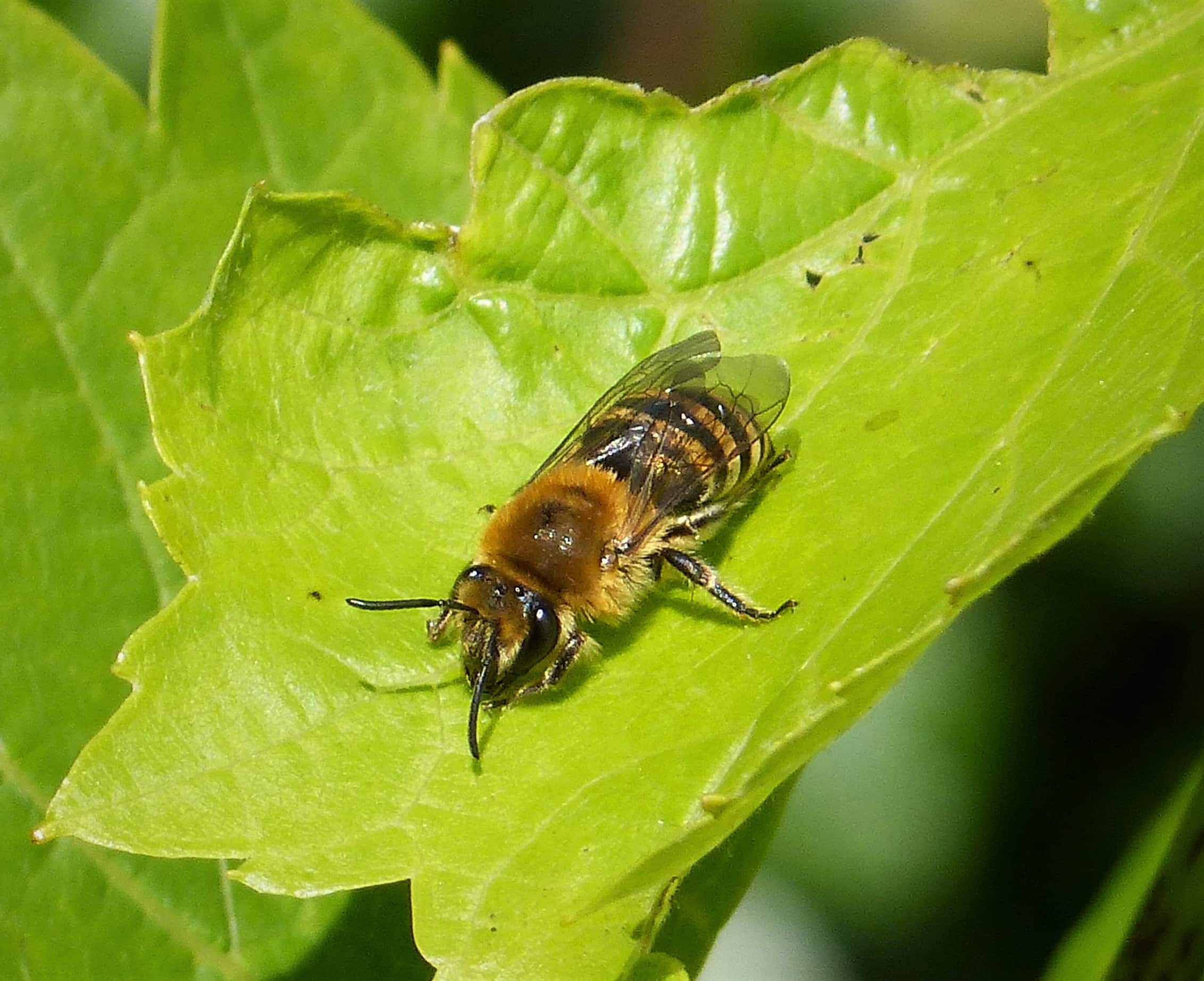
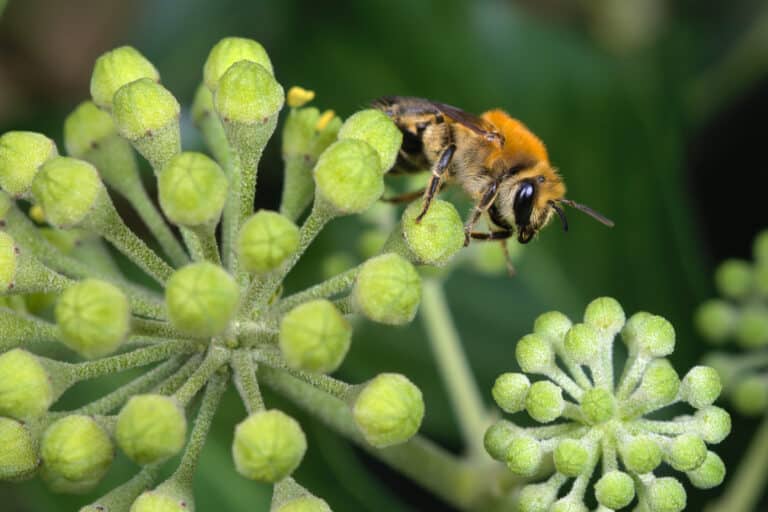
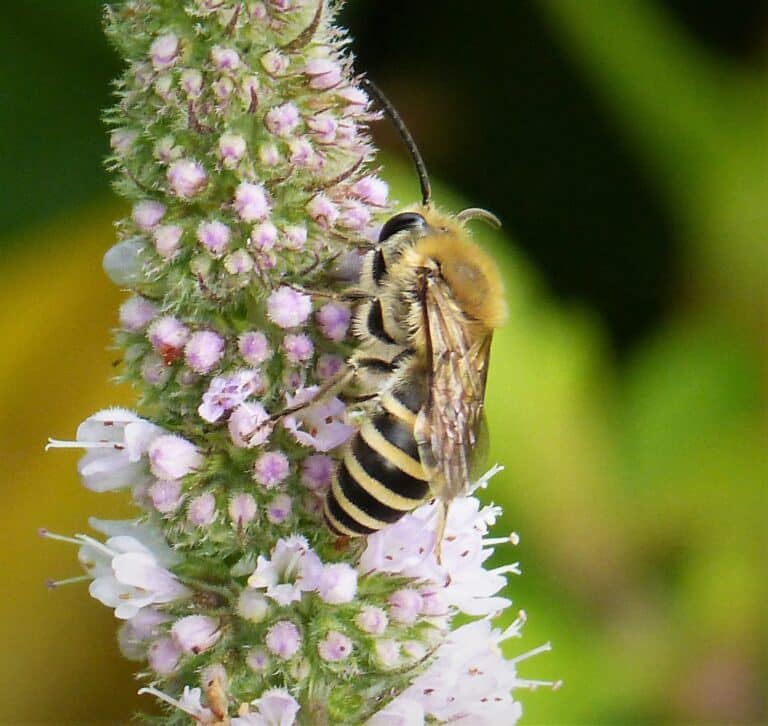
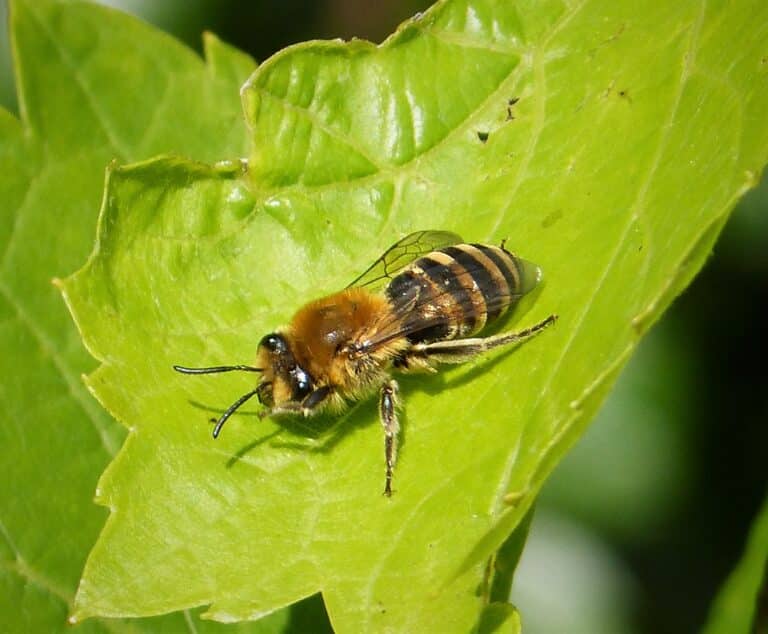
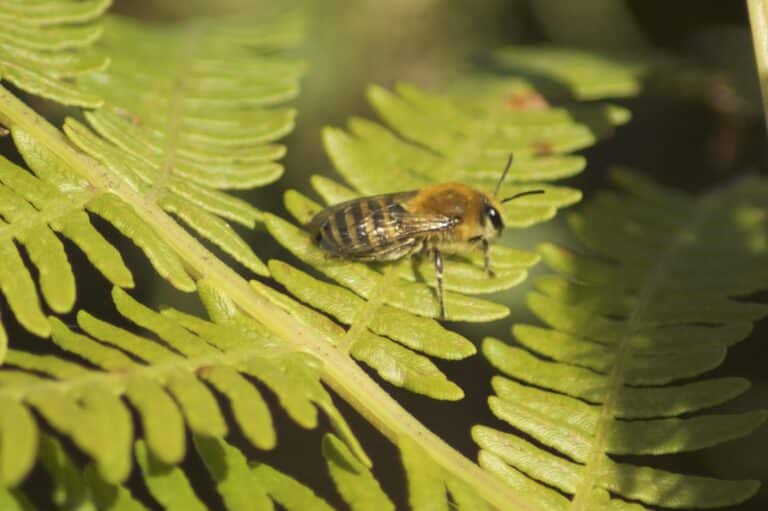
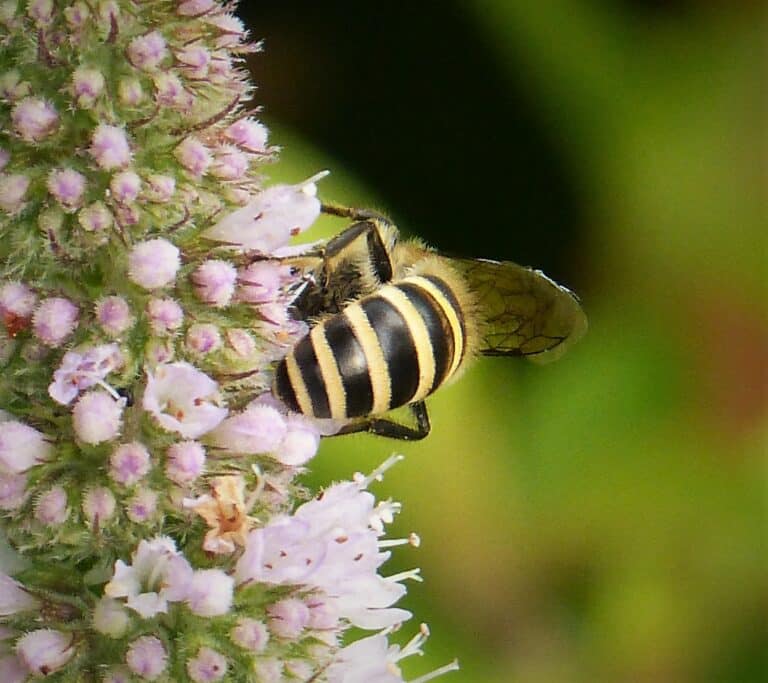
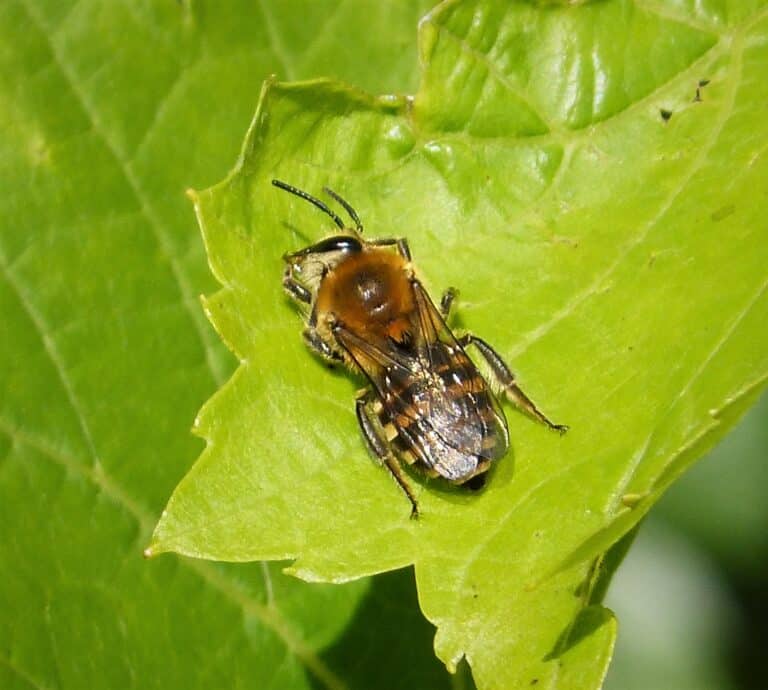
The Ivy Bee is a delightful little insect that lives in Europe and loves to dance among flowers. With an average size of 0.6 to 0.8 inches long, these bees are not just adorable; they are vital pollinators in their habitats.
The scientific name for the Ivy Bee is Colletes hederae. They belong to the insect class called Insecta and the order Hymenoptera, which includes all bees, wasps, and ants. So, when you think of the Ivy Bee, remember it is part of the buzzing superstar lineup of the insect world!
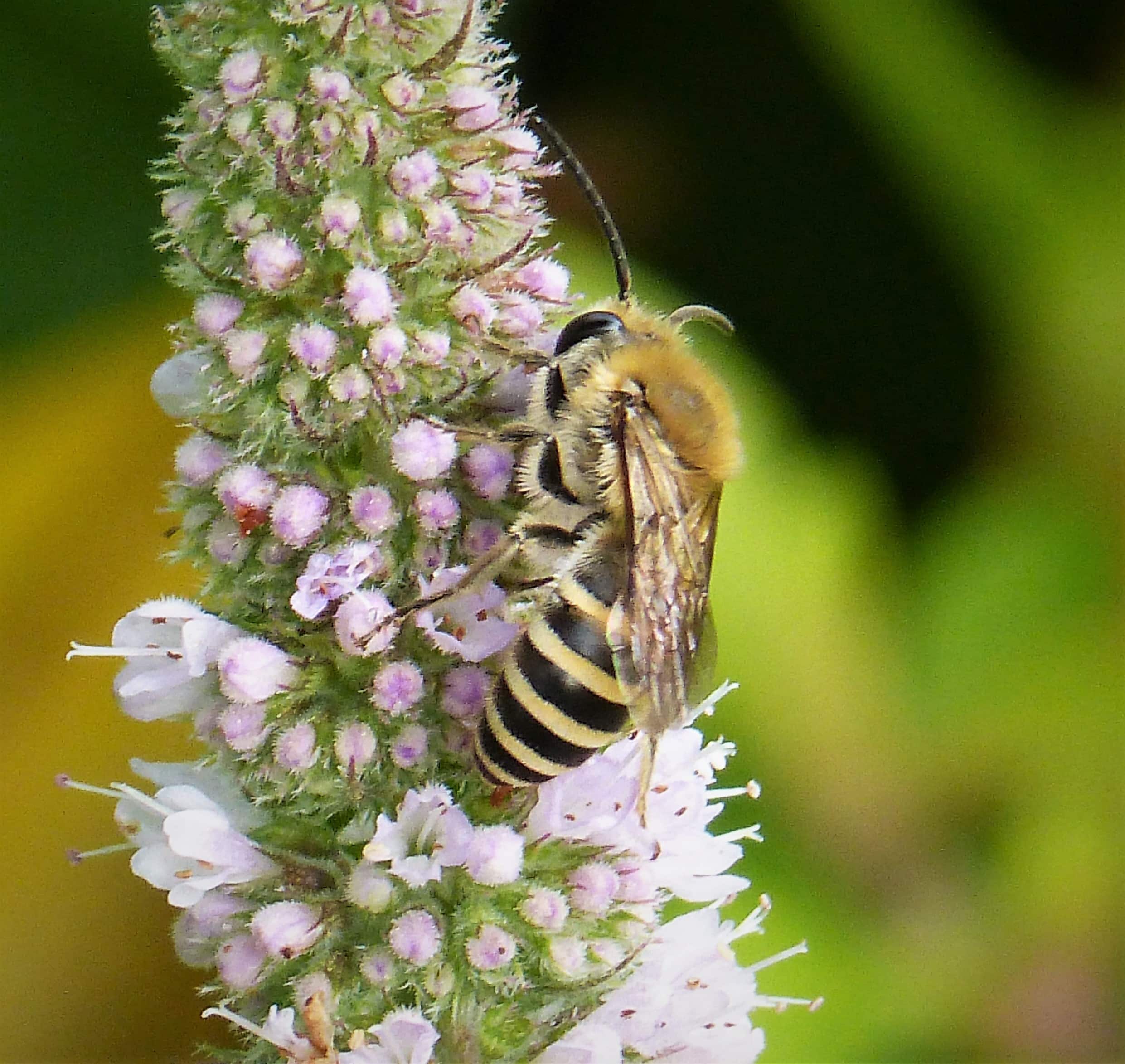
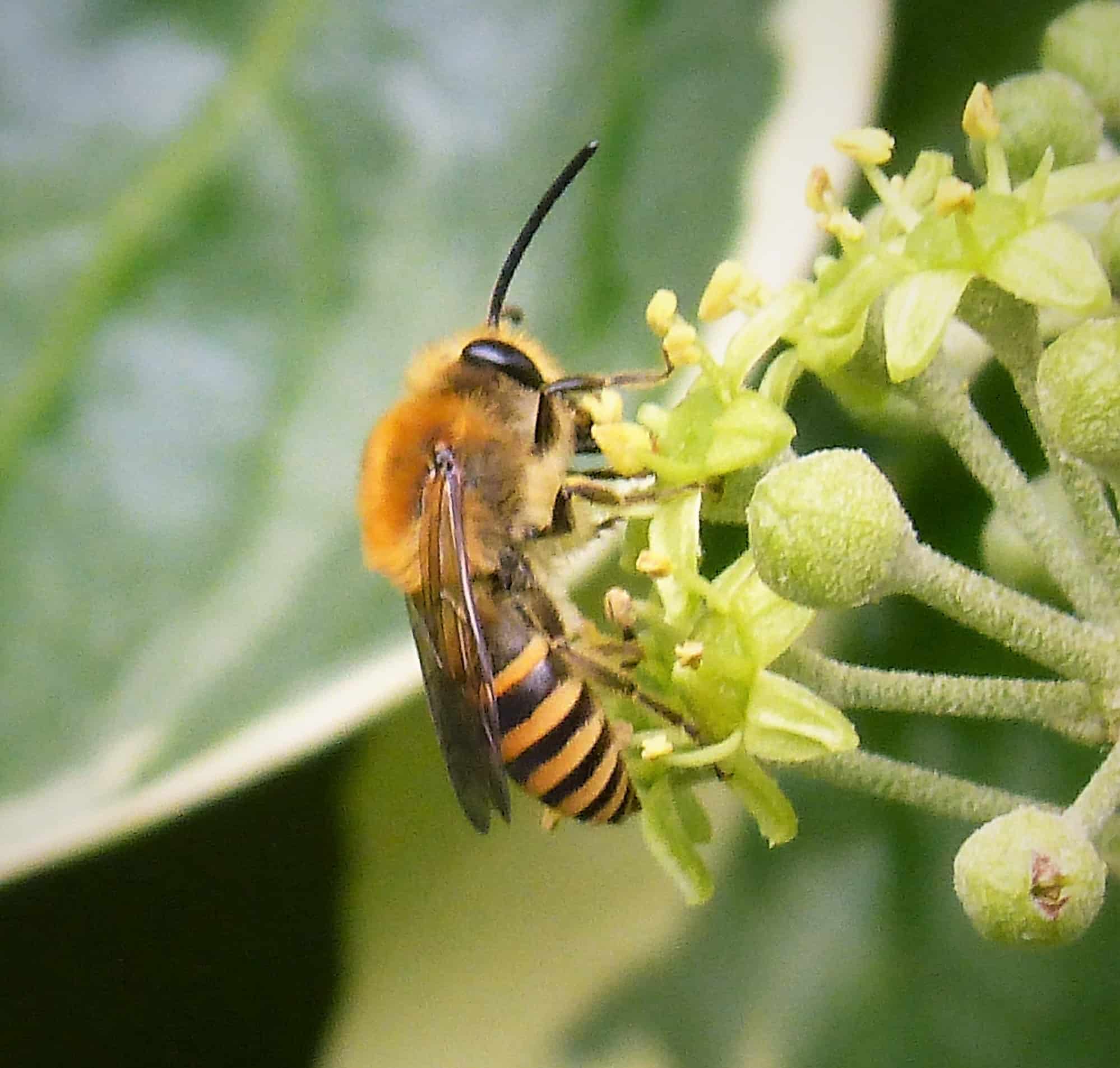
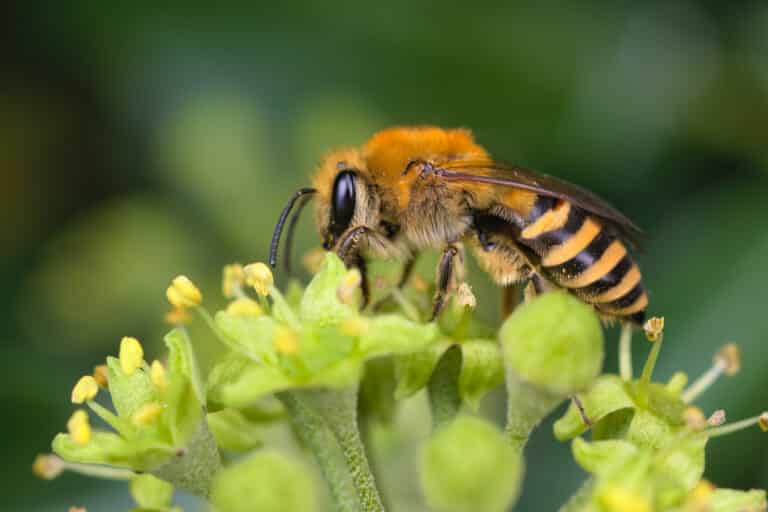
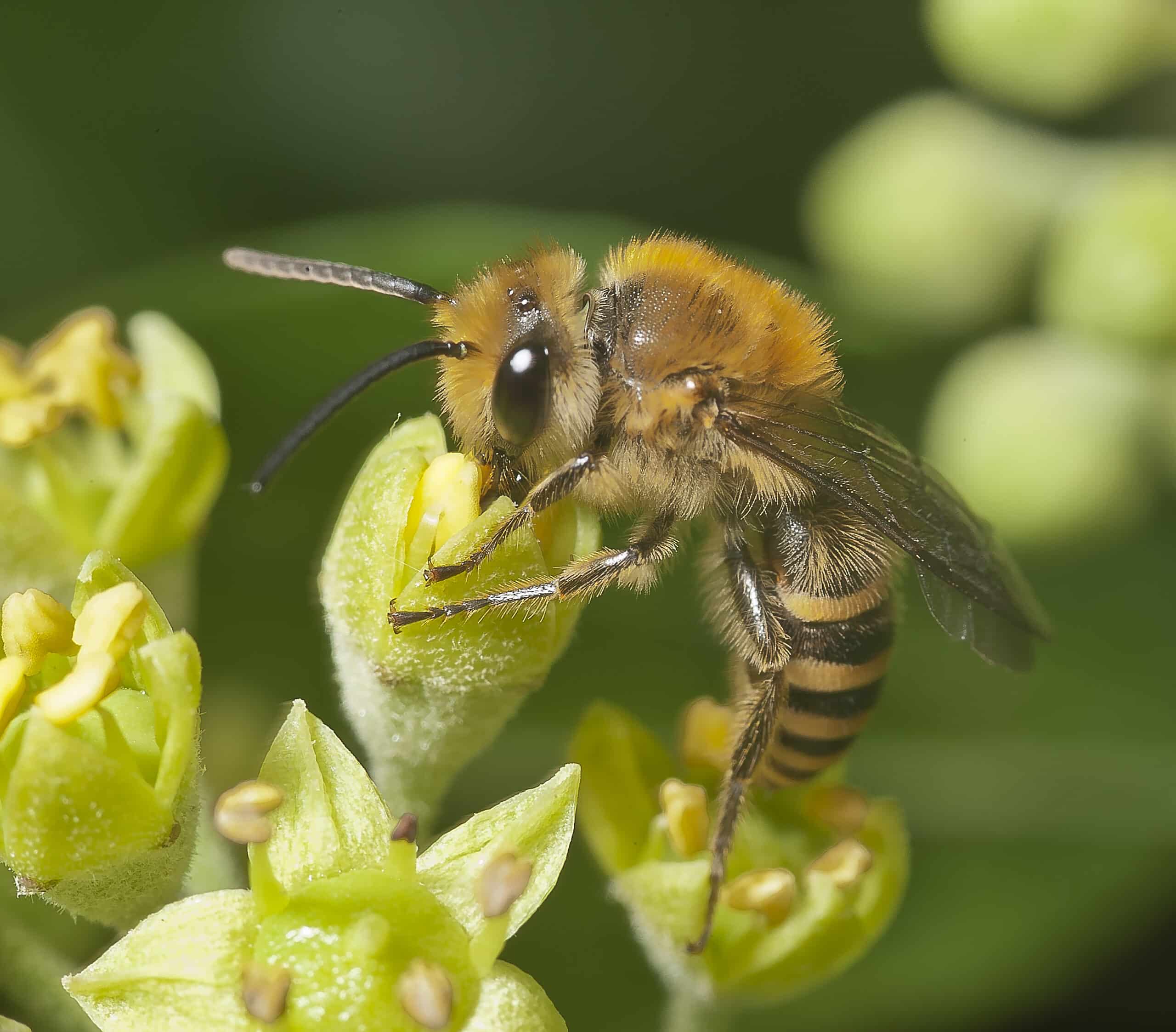
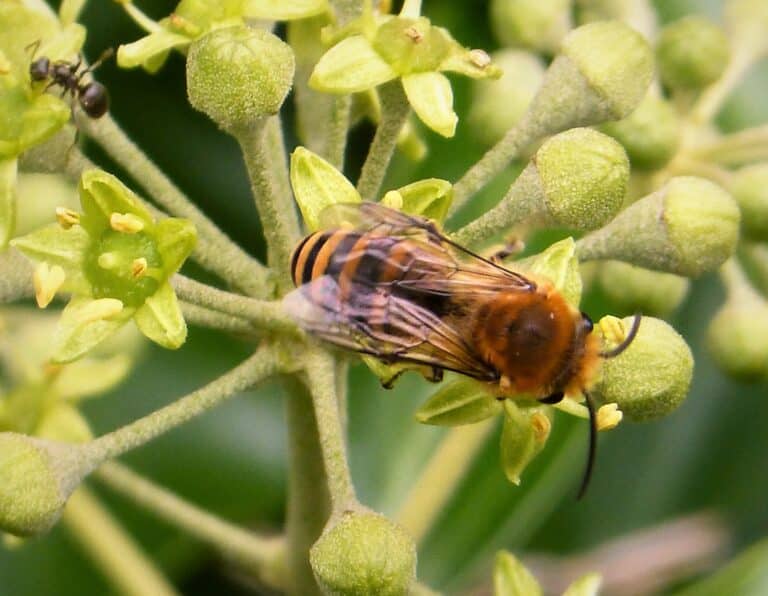
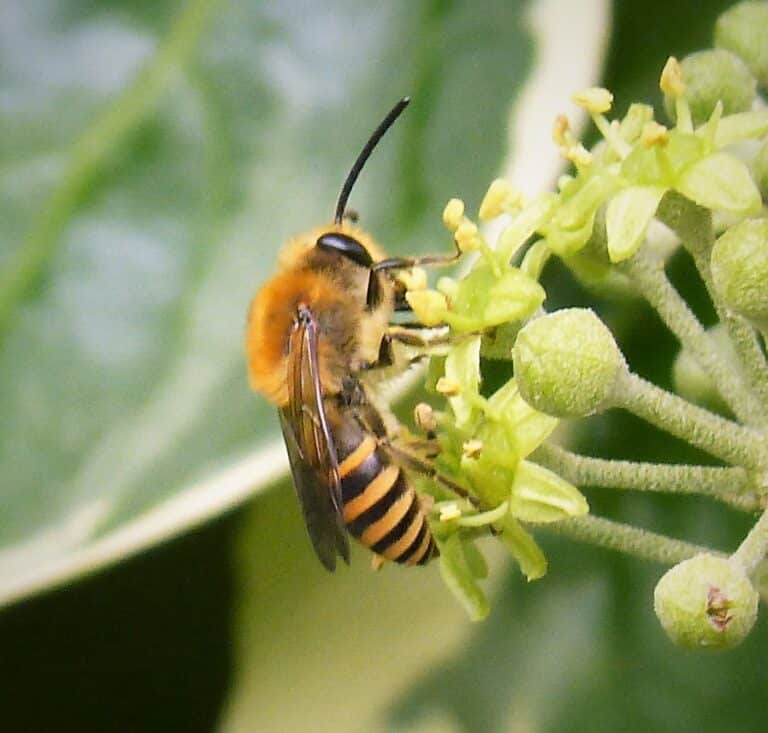
Ivy Bees get their energy from consuming pollen and nectar. Their favorite snack comes from ivy flowers, which bloom in the autumn, making them unique foodies among bees.
These busy little workers have a relatively short lifespan, living for several weeks. During this time, they zoom around collecting food and spreading pollen, ensuring flowers can grow and flourish.
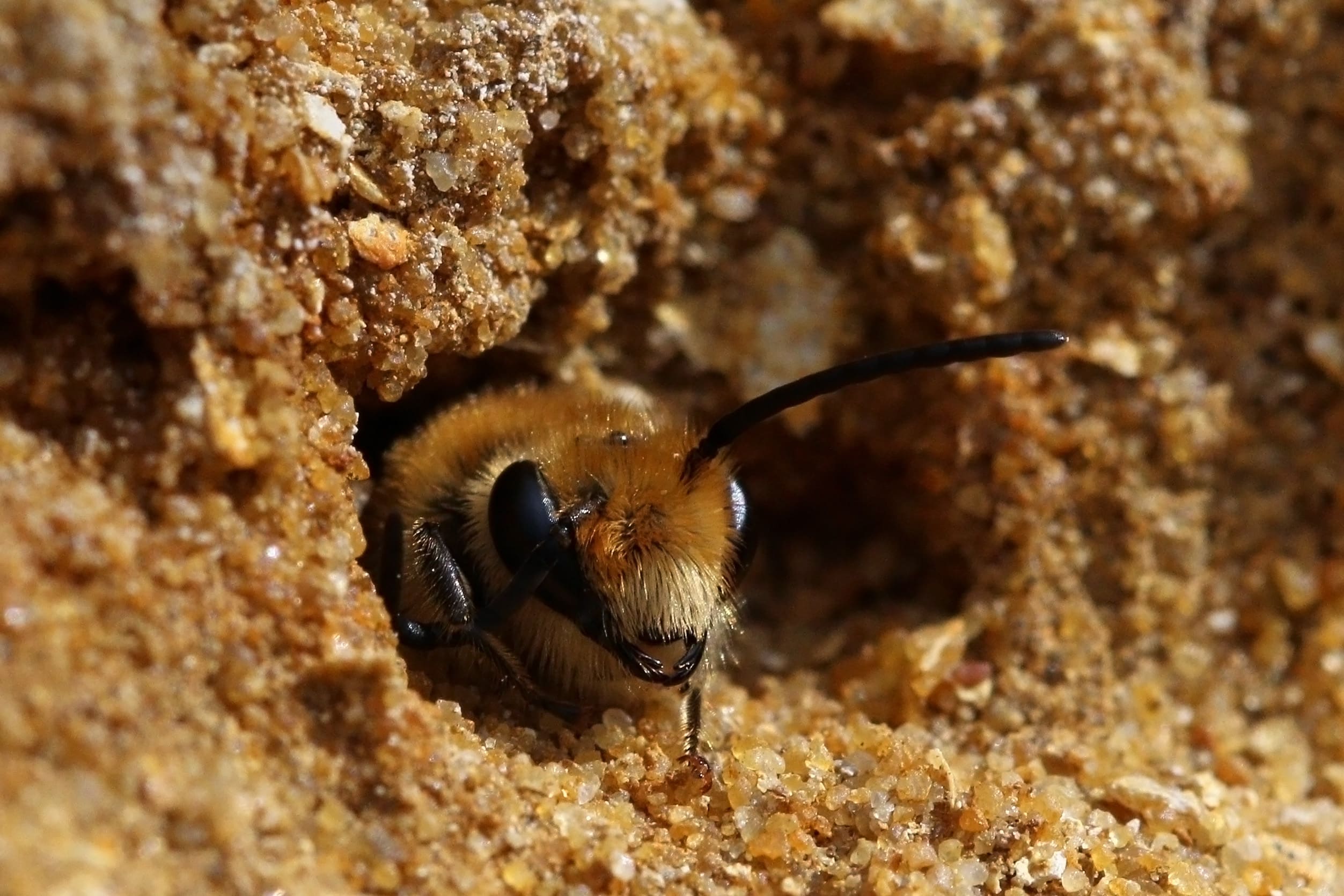
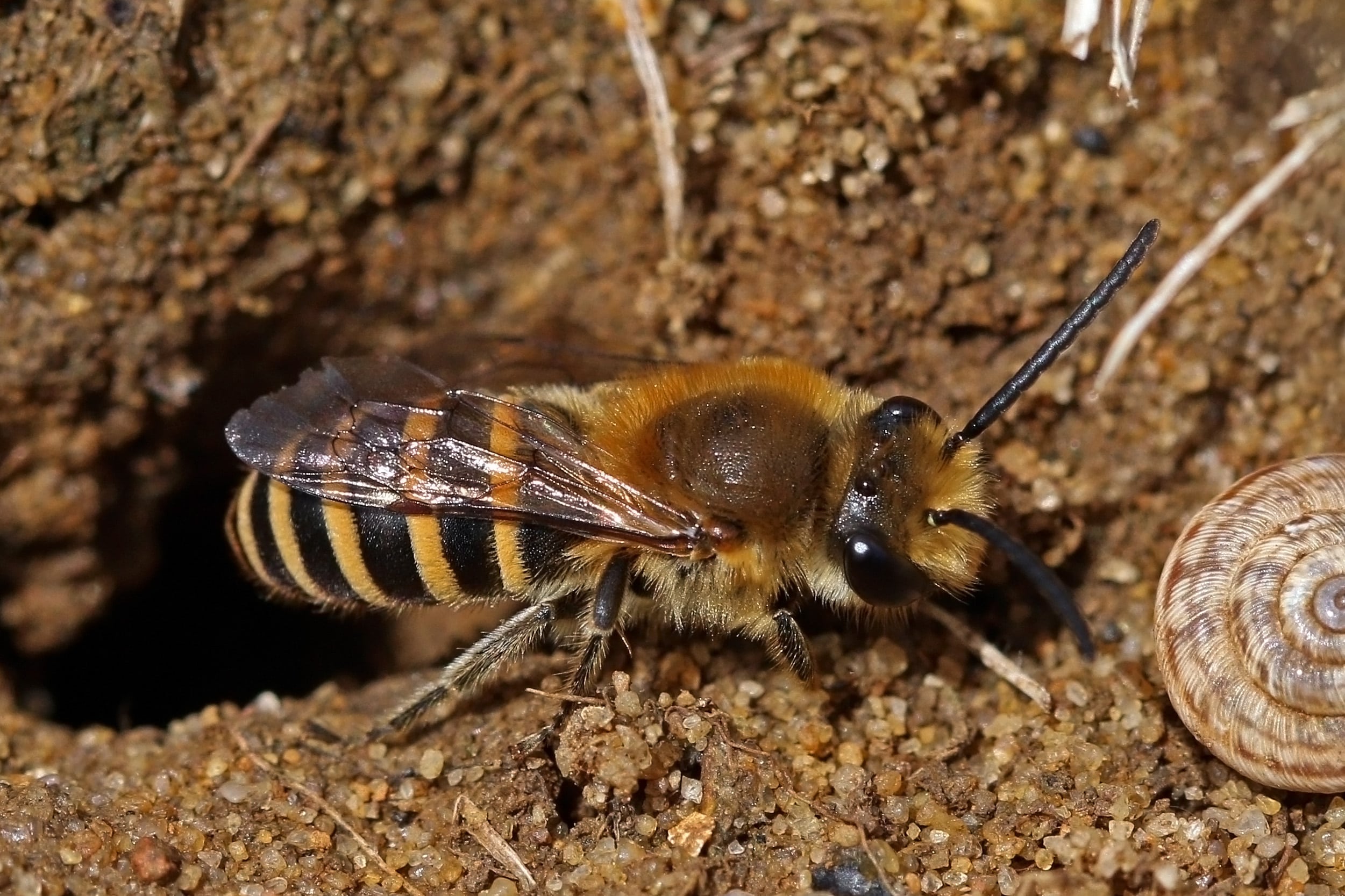
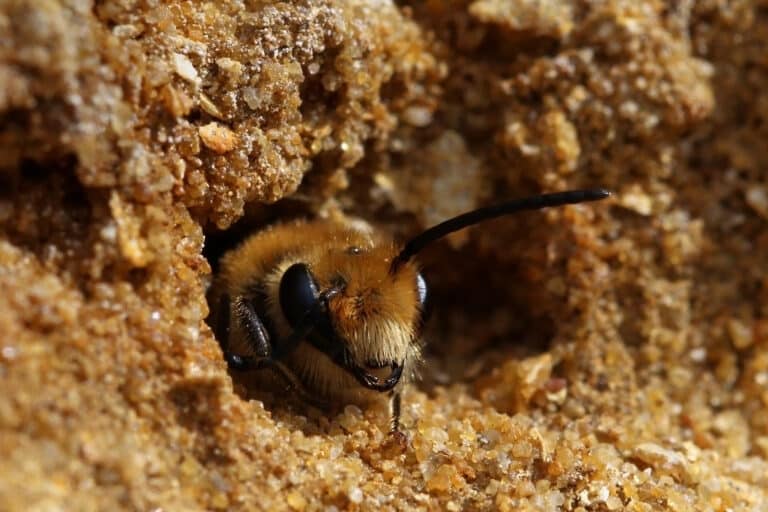
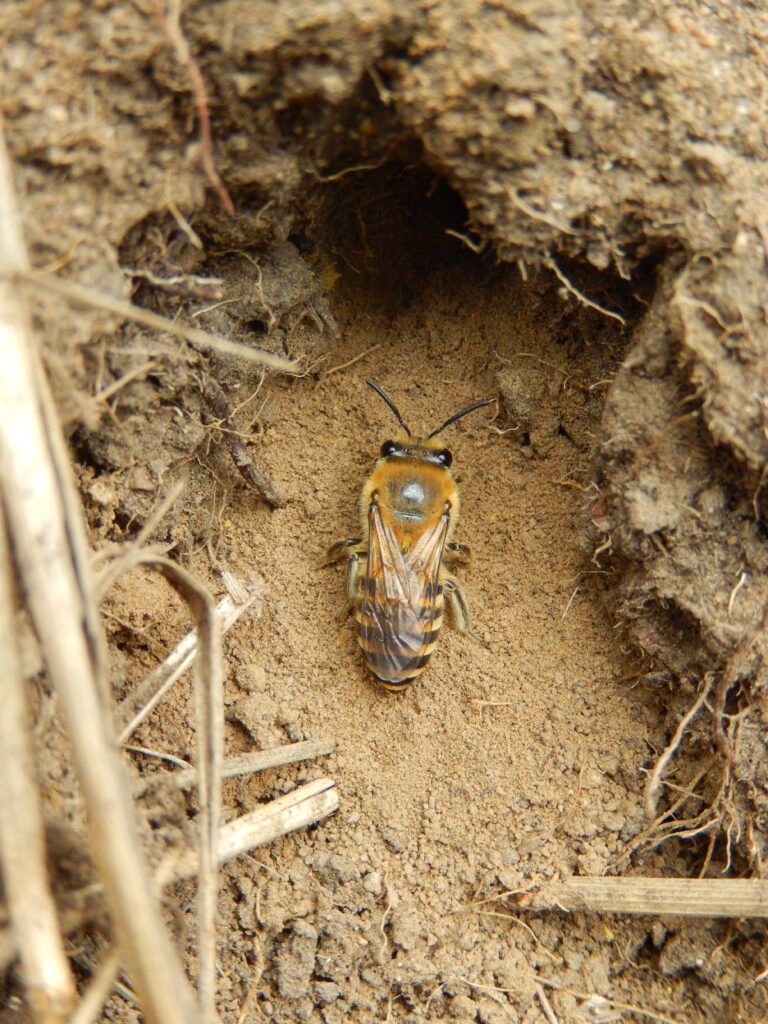
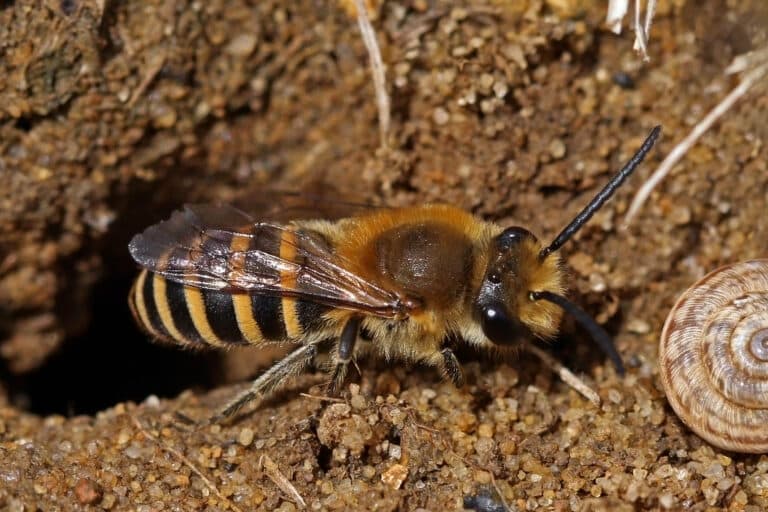
The Ivy Bee makes its home in sandy soils. They dig tiny tunnels where they lay eggs, ensuring the next generation can pop out and enjoy the wonders of the world!
Next time you spot an Ivy Bee buzzing among flowers, remember these cheerful bees play a crucial role in keeping our ecosystem colorful and blooming!

Where can you find a Ivy Bee in the wild?
What does a Ivy Bee eat?
How big can a Ivy Bee grow?
How long does a Ivy Bee typically live?
What is the conservation status of the Ivy Bee?
What are the main threats to the Ivy Bee?
Fun facts
Ivy Bees are unique because they are one of the few bee species that specially love ivy flowers. They visit these flowers during autumn to feast on nectar, making them true foodies of the bee world!


These busy bees live in the ground and dig tunnels in sandy soils, creating cozy homes for their babies. Think of it like a tiny underground apartment building for future Ivy Bees!
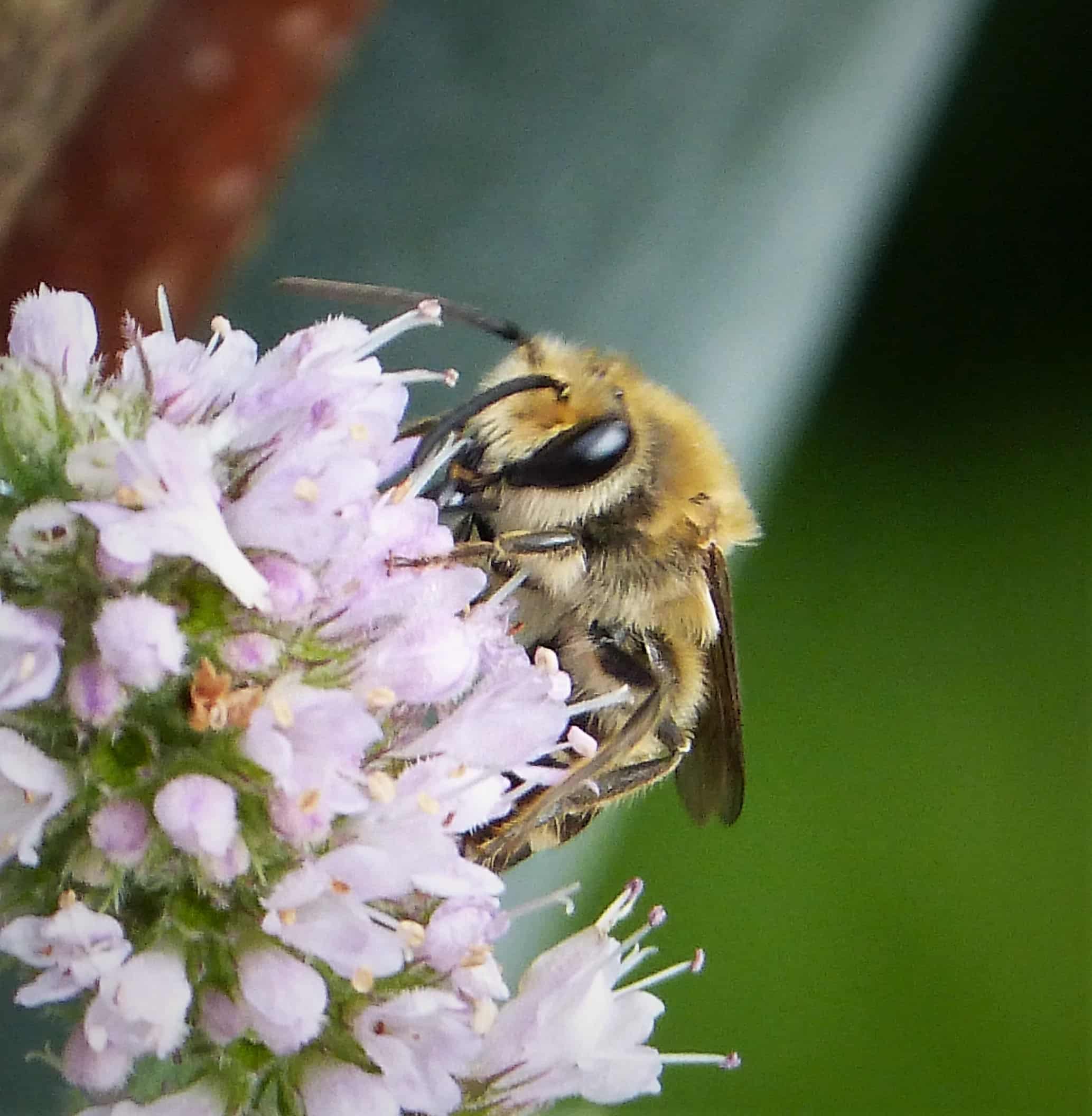
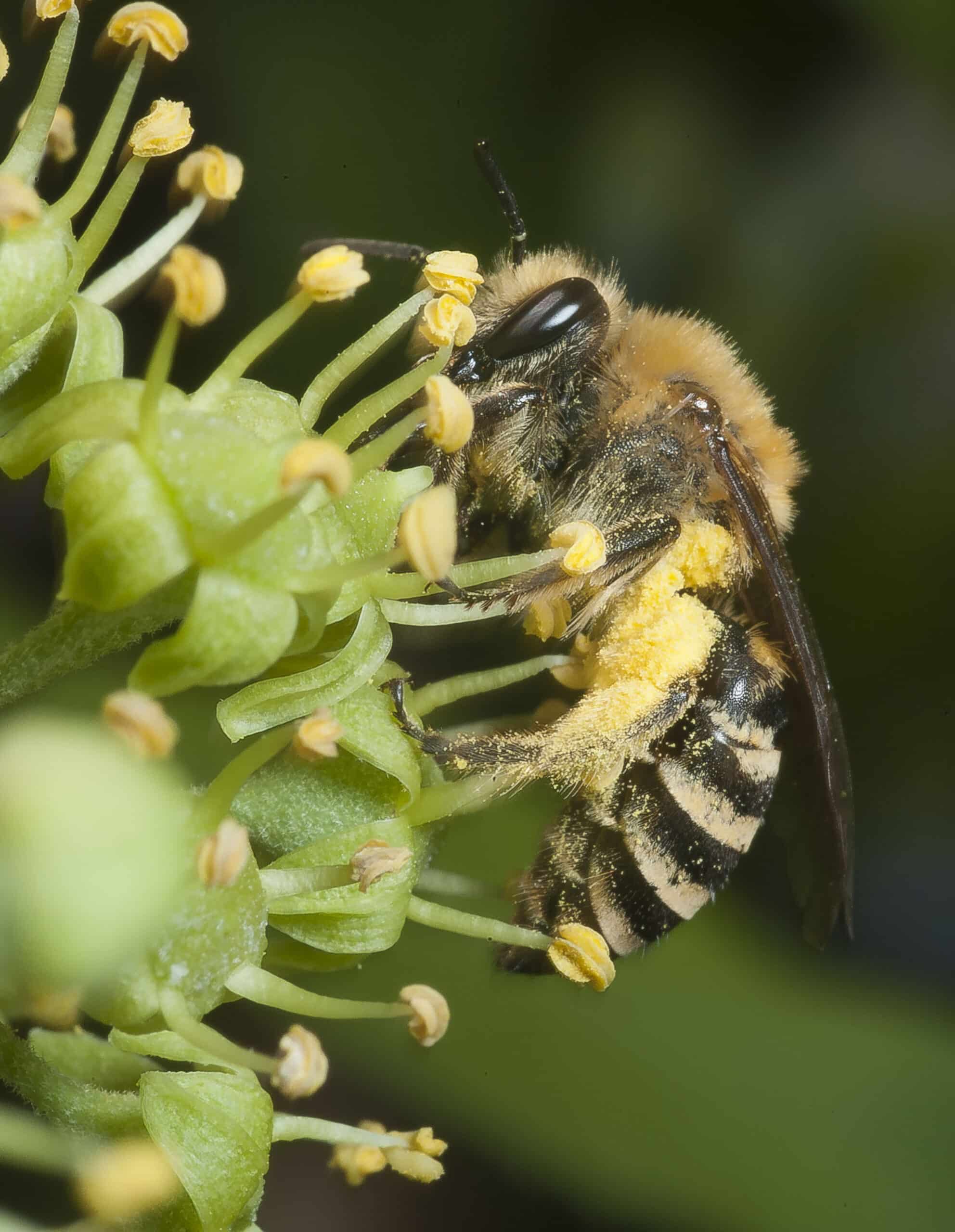
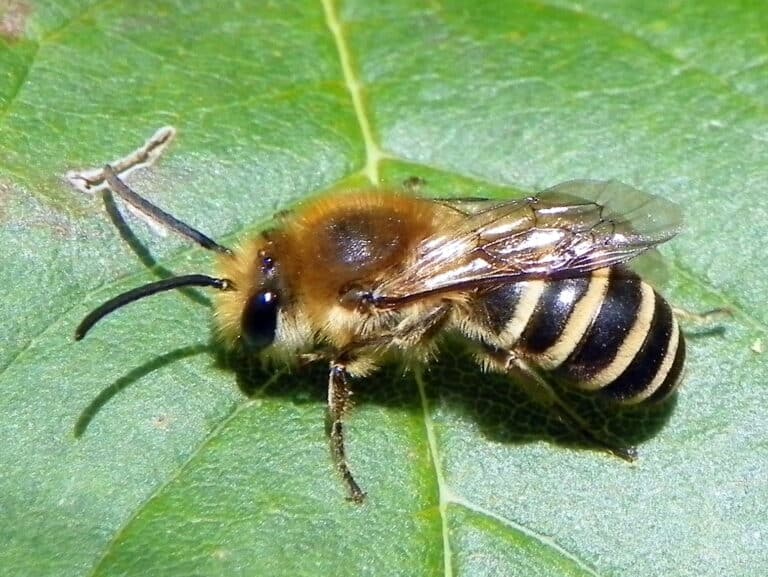
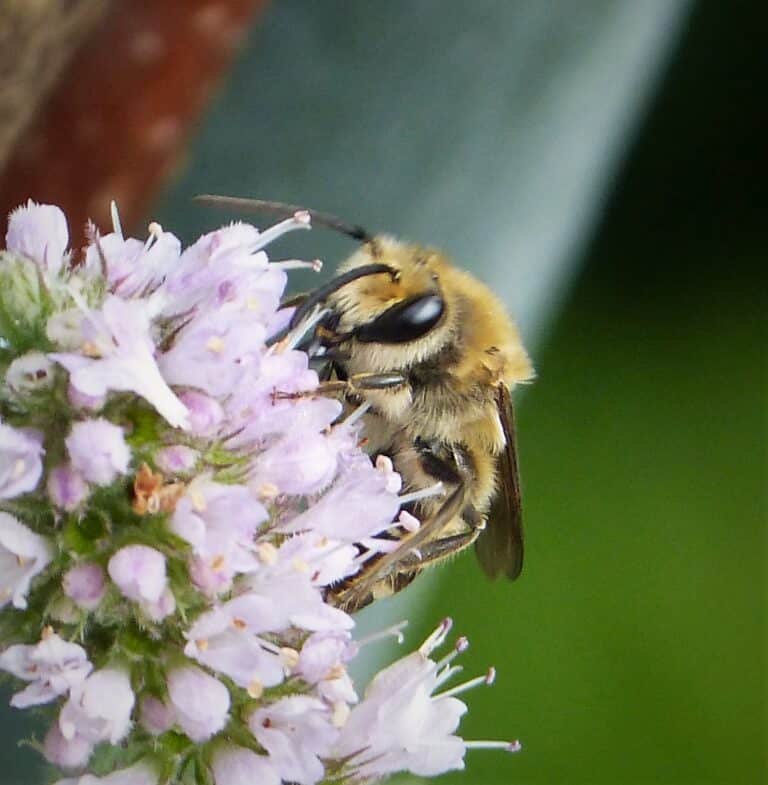
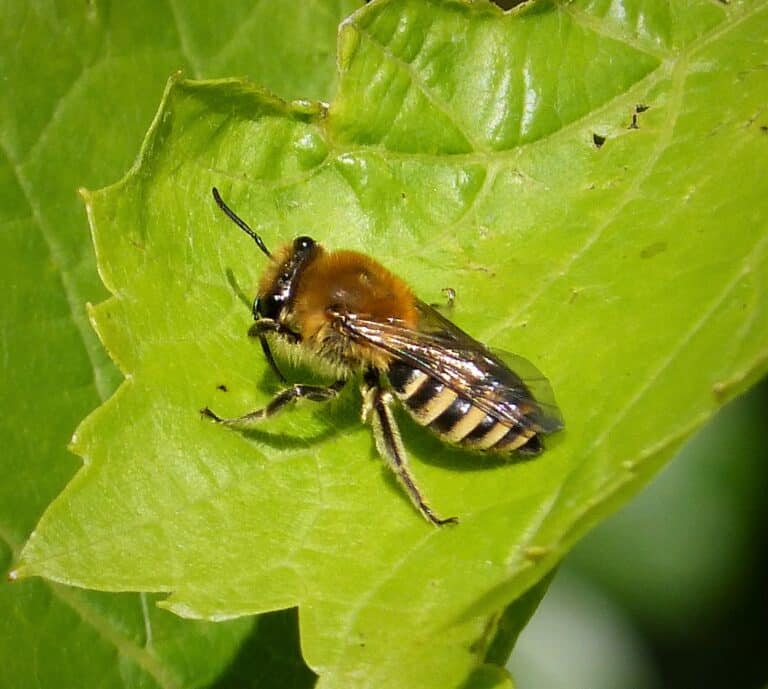
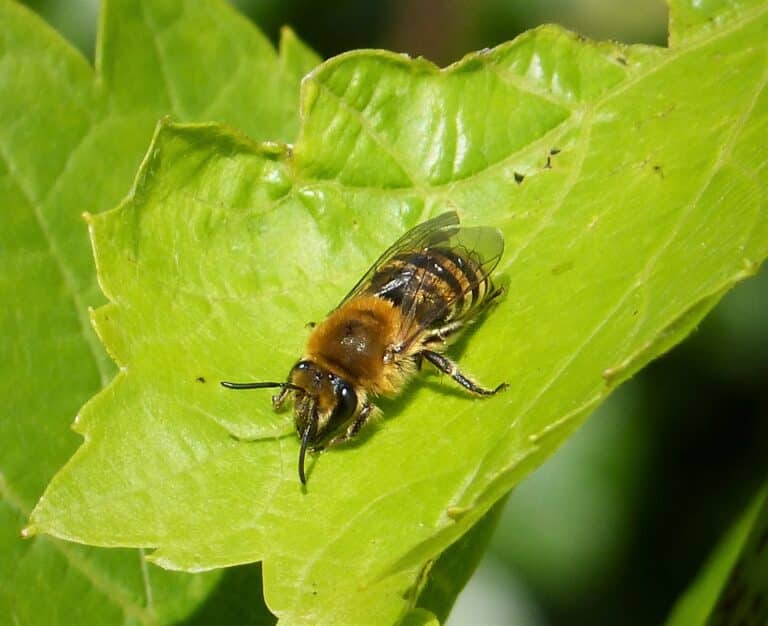
Ivy Bees have a wonderful habit of collecting pollen and nectar, covering their bodies with pollen grains. They look like little yellow and black fuzzy balls while buzzing from flower to flower!
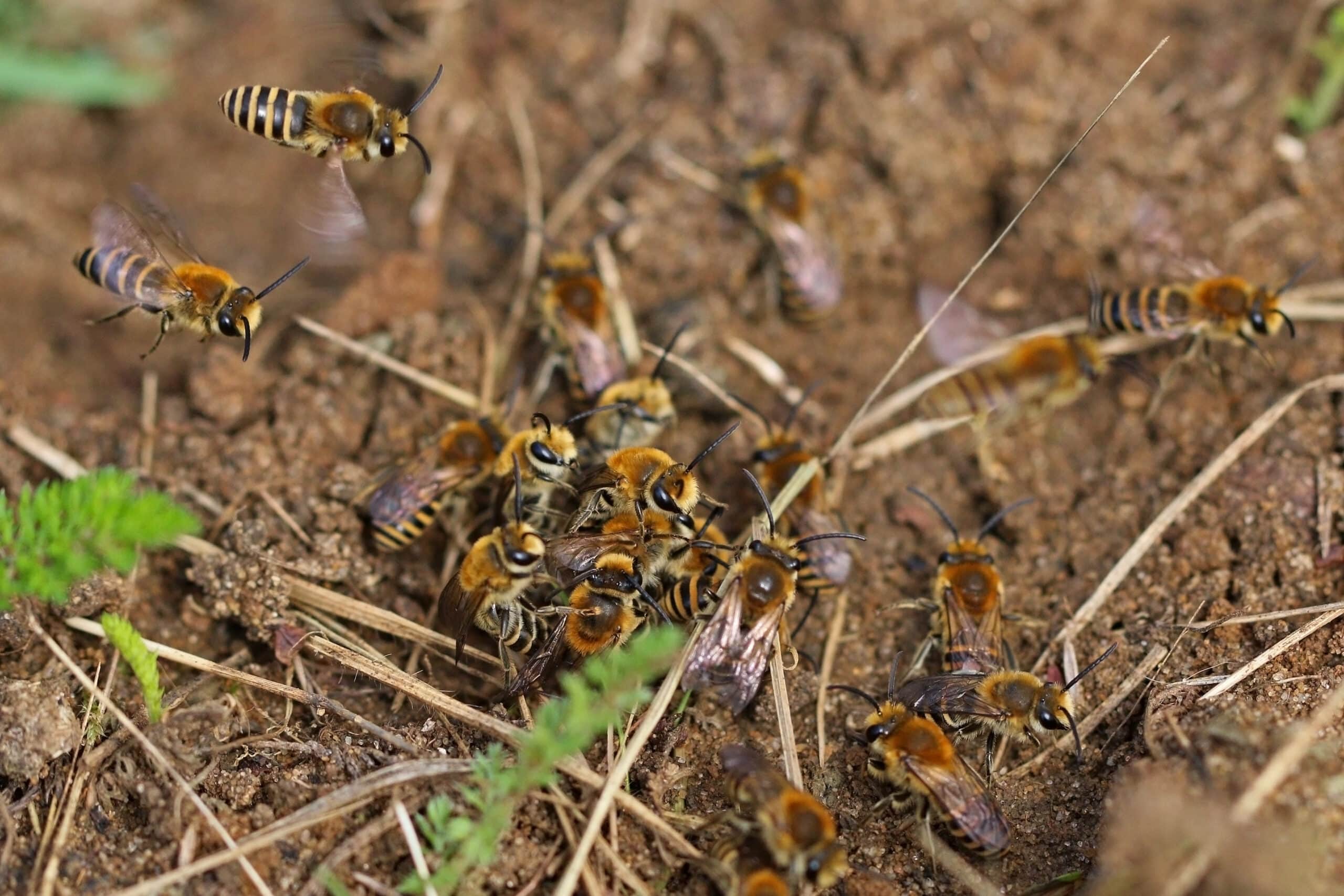
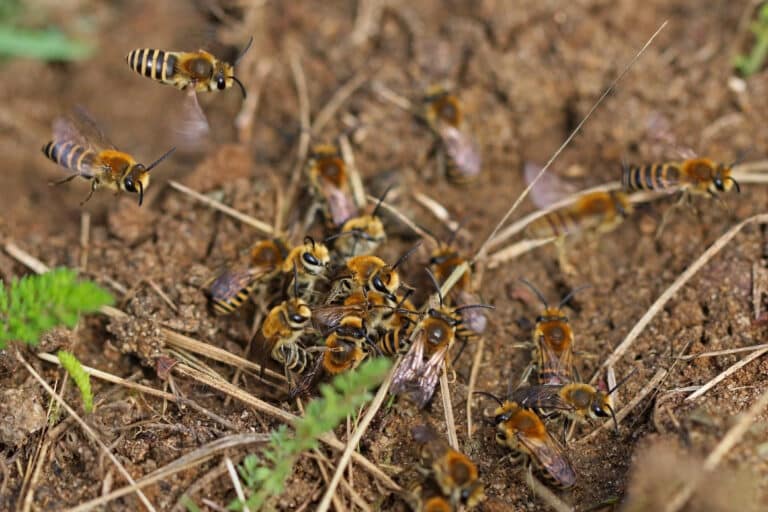
Unlike many bees, Ivy Bees do not swarm. They are solitary and enjoy working alone, which makes them more like independent gardeners in our gardens and parks.
Ivy Bees are born in spring, but you might not see them until autumn. They spend their early life underground, waiting until their favorite flowers bloom!
Their specialized mouthparts allow Ivy Bees to expertly sip nectar and gather pollen, like tiny straws and shovels all in one! This makes them amazing at their job as pollinators.
Some Ivy Bees can be a little bit fuzzy, making them look like small teddy bears. This fuzziness helps them collect even more pollen as they fly around!
Ivy Bees have a special connection with ivy plants. Their life cycle perfectly matches the blooming of ivy flowers, making them true partners in nature.
The Ivy Bee doesn't make honey like some other bees. They are focused on building their nests and laying eggs instead, which means no sticky treats from them!
These energetic bees are critically important for plants to grow because they help pollinate flowers. Without Ivy Bees, many plants, including ivy, could struggle to thrive in the wild!
Photos


The Basics


explore more
Amphibians
Arachnids
Birds
Cats
Crustaceans
Fish
Fish Pet Guide
Gastropods
Insects
Invertebrates
Mammals
Pet Fish
Pet Rodents
Plants
Reptiles
Roundworms
Sea Slugs