

Successfully copied to clipboard!
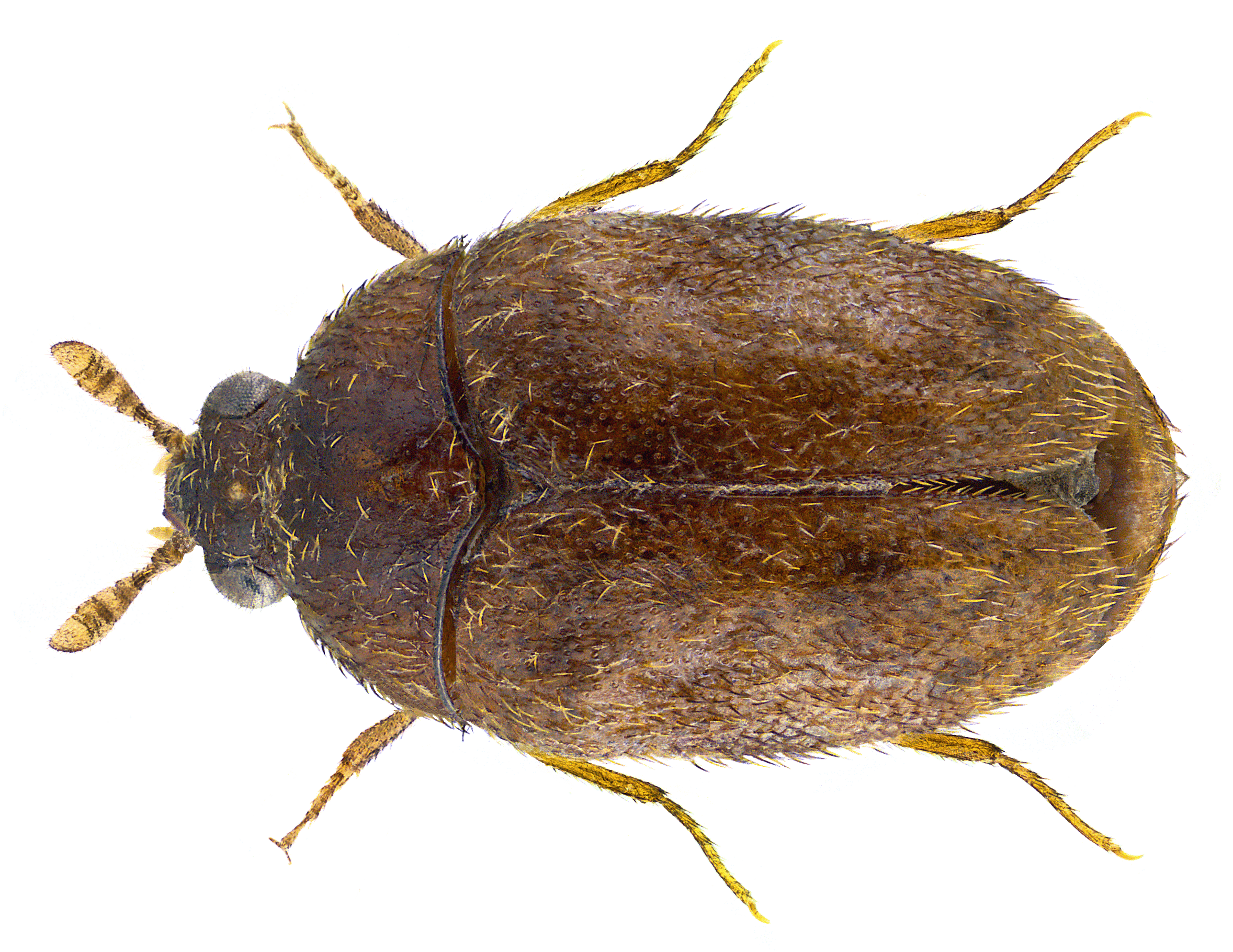
Khapra Beetle
Uncover the tiny munchers that protect our grains and snacks!
Let’s Explore
Overview
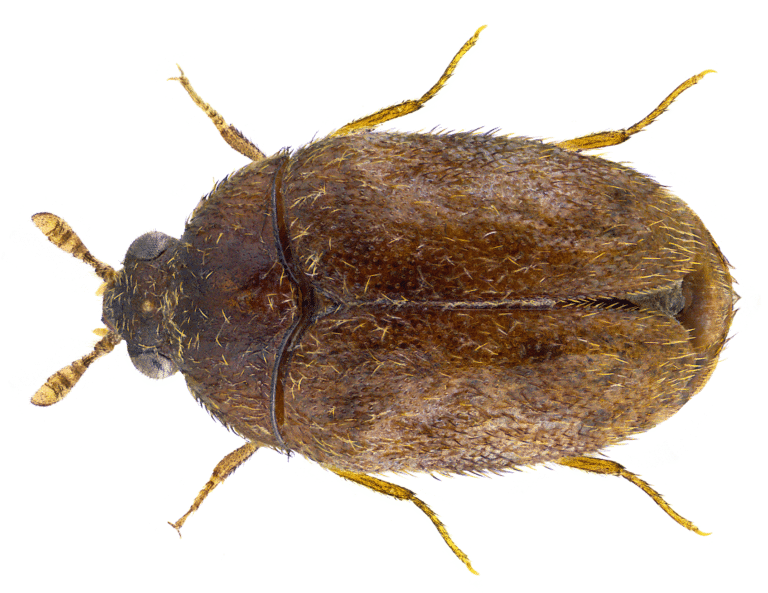
The Khapra Beetle is a tiny but mighty insect known scientifically as Trogoderma granarium. These little critters belong to the fascinating world of invertebrates and are part of the insect family called Dermestidae.
Khapra Beetles measure around 1.6 to 3 millimeters long. That's smaller than a paperclip! Even with their small size, they have a big appetite for grains, cereal products, and dried fruits, making them important players in the food chain.
The lifespan of a Khapra Beetle ranges from 7 to 12 months. During that time, they can munch their way through stored food items, often causing some issues for people who keep grains at home.
These beetles come from Asia and are quite adaptable to different environments. They can survive in various conditions, which helps them spread to new places with ease.
Khapra Beetles have a remarkable ability to survive without food for several months. That might sound like an extreme diet, but it gives them an edge! They can wait for just the right moment to feast when food does become available.

Where can you find a Khapra Beetle in the wild?
What does a Khapra Beetle eat?
How big can a Khapra Beetle grow?
How long does a Khapra Beetle typically live?
What is the conservation status of the Khapra Beetle?
What are the main threats to the Khapra Beetle?
Fun facts
Khapra Beetles can survive extreme conditions, including temperatures up to 50 degrees Celsius (122 degrees Fahrenheit). These tough bugs are like the superheroes of the insect world!


These beetles can remain in a dormant state for long periods. They can go up to two years without food, turning their hunger into a hidden superpower!
Khapra Beetles have very few natural predators because of their tiny size and ability to hide. They often escape the notice of hungry birds and insects waiting to make a meal out of them.
The larvae of Khapra Beetles can create a special silk thread as they grow. This little property helps them weave a cocoon, which provides extra protection during their development.
These beetles have been known to munch on a wide range of materials besides food, including paper and fabric, which makes them unique recyclers in their ecosystem!
In some cultures, Khapra Beetles are considered a delicacy. It might sound surprising, but some people enjoy trying unique foods, even if they come from tiny beetles!
When the female Khapra Beetle lays eggs, she can produce up to 100 eggs at a time. That's like throwing a surprise party for a hundred little beetles!
Khapra Beetles can even thrive in low-oxygen environments. This special skill allows them to explore places where other insects struggle to survive!
Scientists study Khapra Beetles to better understand pest control methods. People want to find effective ways to keep stored food safe without using harsh chemicals.
With their humble size, Khapra Beetles show us that even the smallest creatures can have a significant impact on their ecosystems and human lives!
Photos





The Basics


explore more
Amphibians
Arachnids
Birds
Cats
Crustaceans
Fish
Fish Pet Guide
Gastropods
Insects
Invertebrates
Mammals
Pet Fish
Pet Rodents
Plants
Reptiles
Roundworms
Sea Slugs
