Successfully copied to clipboard!
King Crab
Unlock the secrets of the ocean's gentle giants!
Let’s Explore
Overview
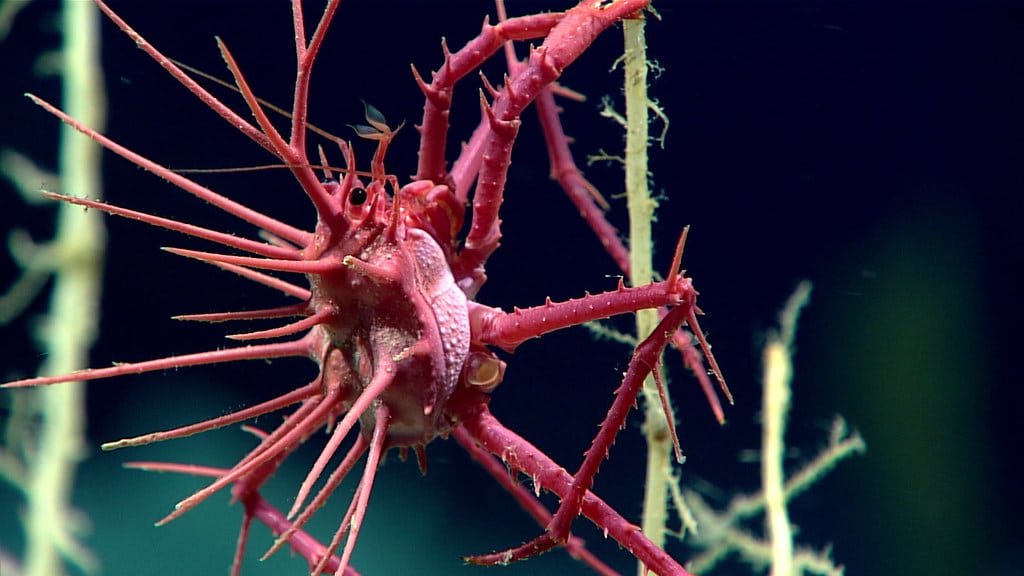
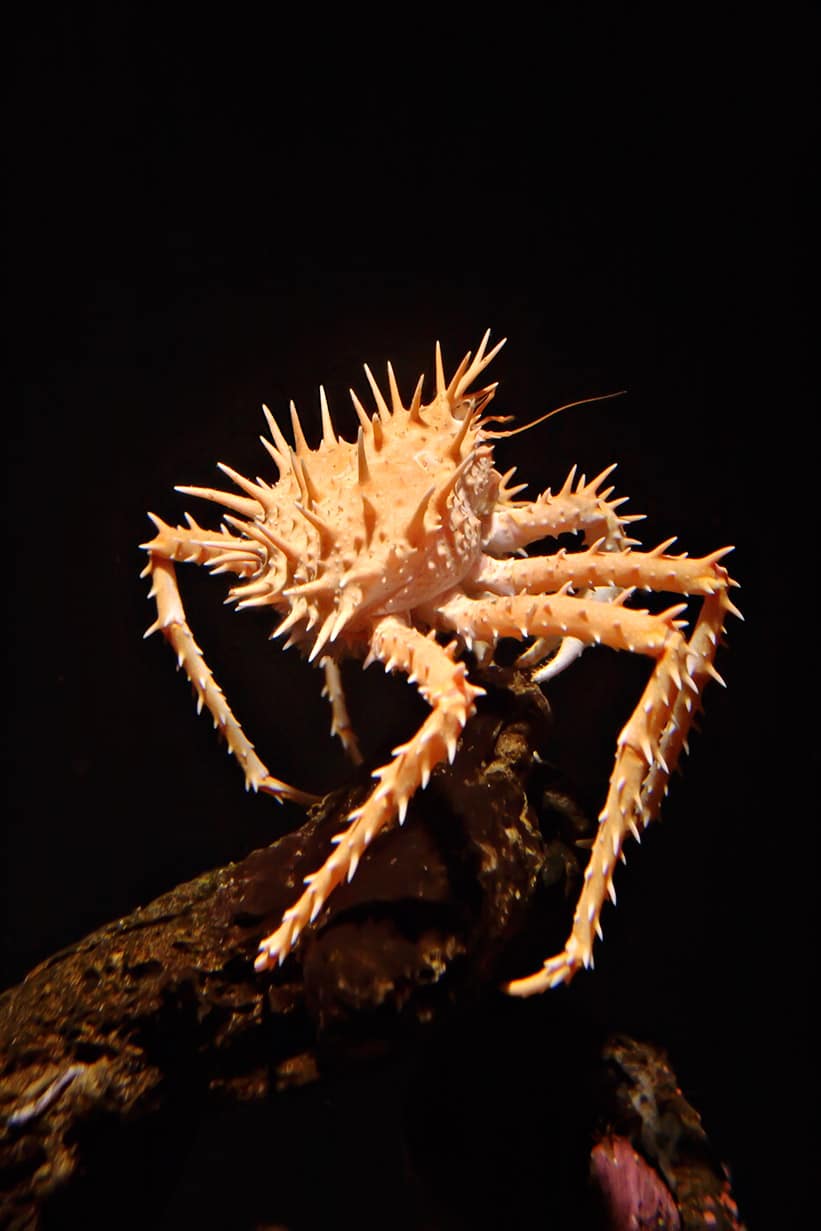
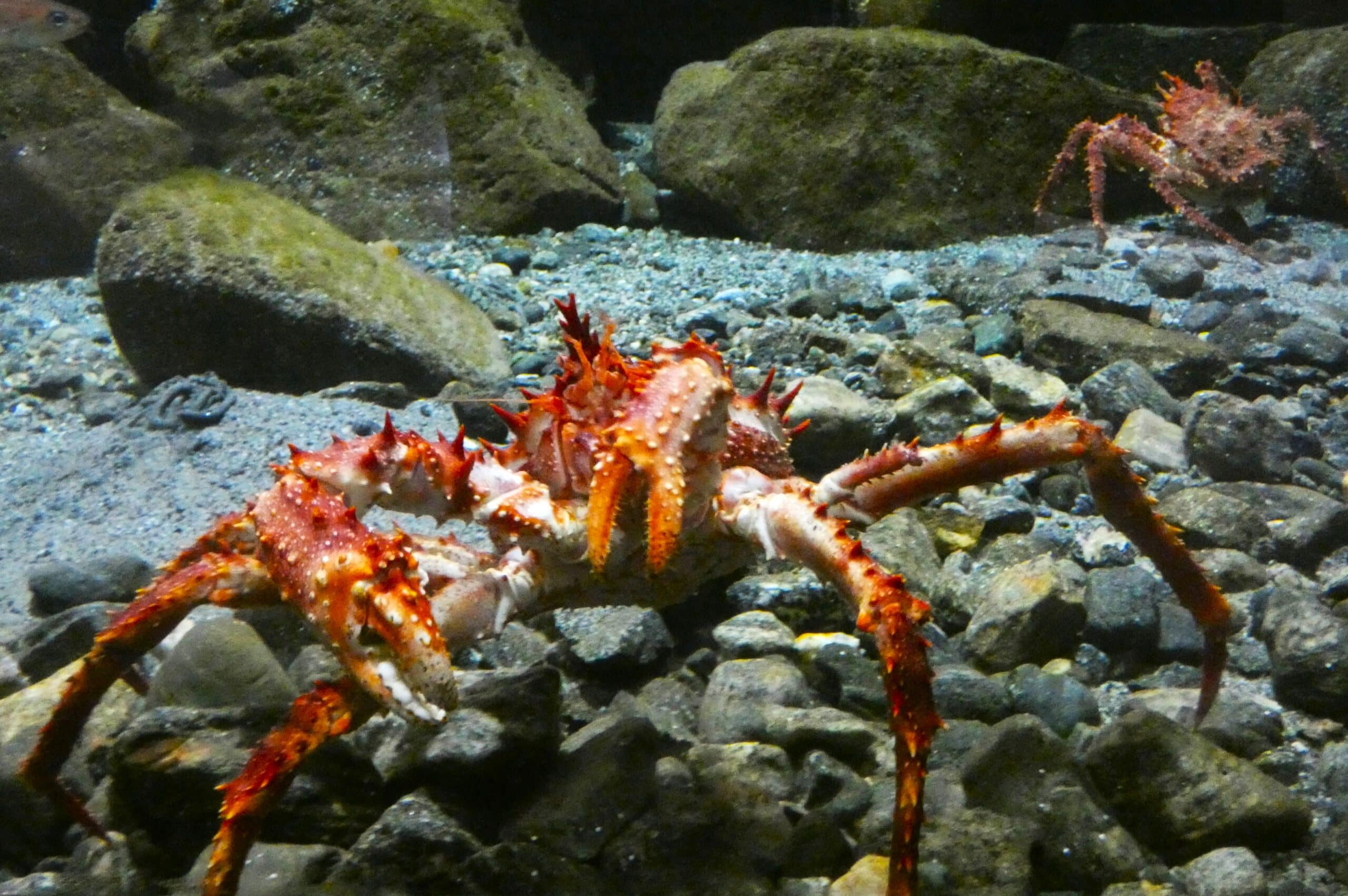
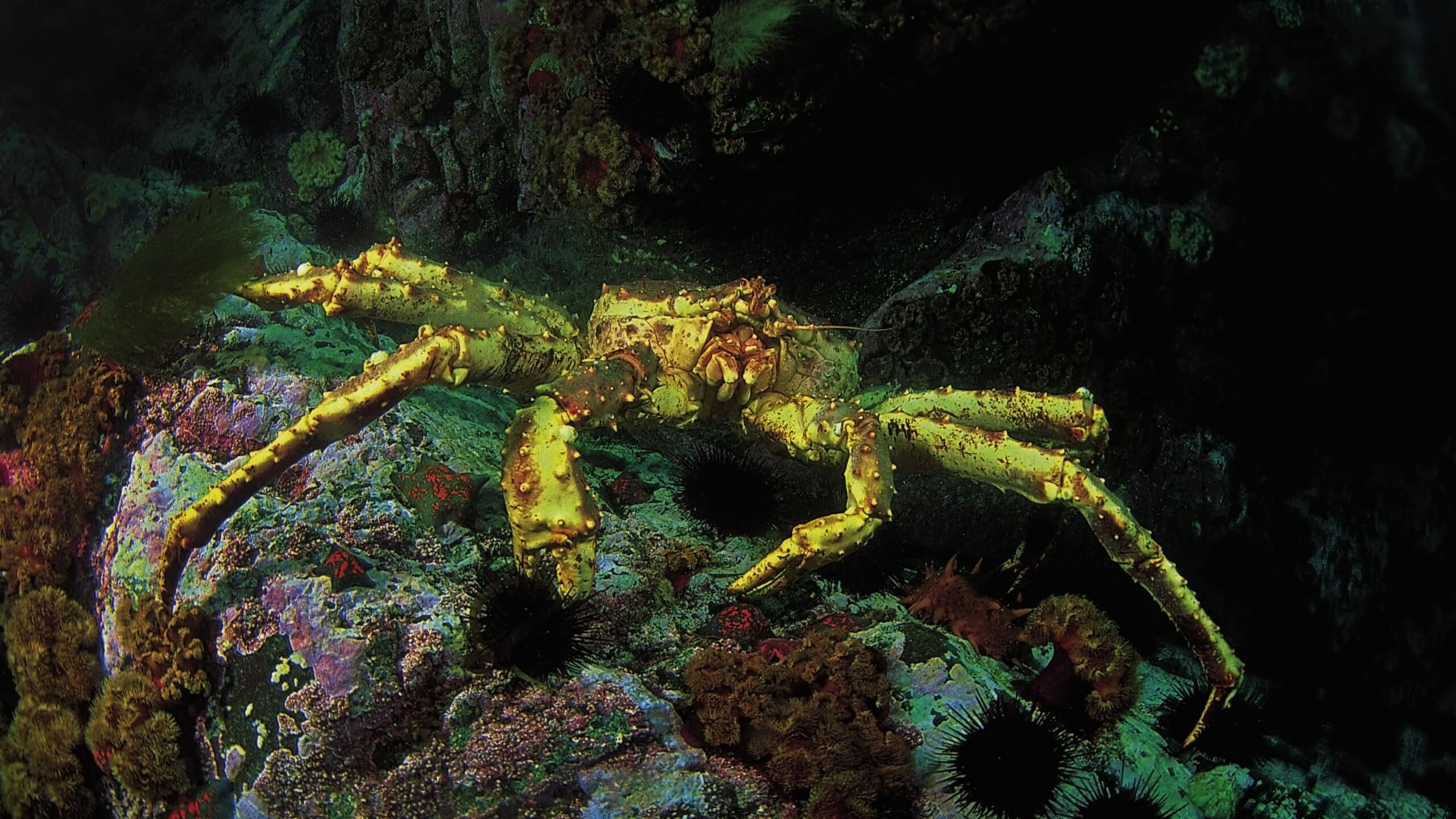
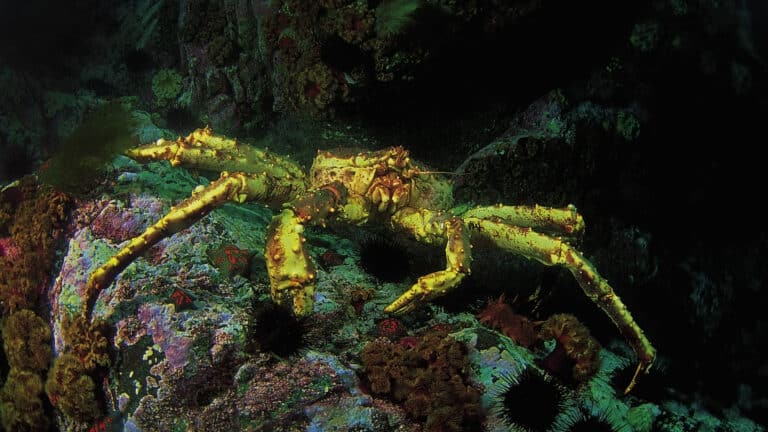
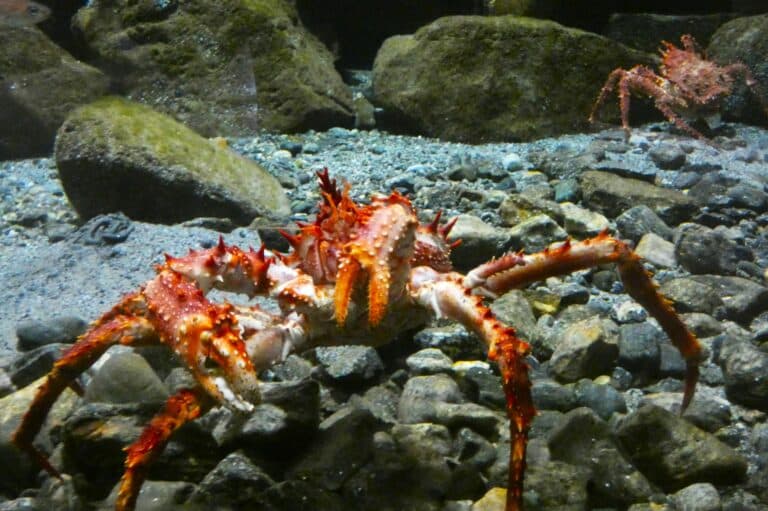
The King Crab is a giant of the ocean that can grow up to 1.5 meters (5 feet) across! With its long legs and hard shell, this crustacean is an impressive sight in the chilly waters of the ocean.
King Crabs belong to a group called Malacostraca, which includes many other crustaceans such as shrimp and lobsters. Like all crabs, they have a hard exoskeleton that protects their soft bodies inside.
These underwater titans mostly enjoy a diet of fish, mollusks, and sea urchins. They scuttle around the sea floor, using their pincers to catch their meals, and they certainly know how to feast!
King Crabs can live a long time, with lifespans ranging from 20 to 30 years. That gives them plenty of time to grow and explore their ocean home.
Found in cold waters, especially around the Bering Sea, these crabs thrive in the depths of the ocean. There, they can hide among rocks and sand, or show off their impressive size to any curious fish!
Next time you think of crabs, remember the King Crab isn't just a seafood superstar—it's an amazing creature that has thrived in the ocean for many years!

Where can you find a King Crab in the wild?
What does a King Crab eat?
How big can a King Crab grow?
How long does a King Crab typically live?
What is the conservation status of the King Crab?
What are the main threats to the King Crab?
Fun facts
Some King Crabs can weigh as much as 15 kilograms (33 pounds), making them heavyweights in the crab world!


King Crabs can walk sideways, as all crabs do, but they can also move forward and backward, making them quite the versatile ocean explorers.
Their strong pincers can exert impressive force, allowing them to crush the hard shells of snails and clams to get to the tasty insides.
These crabs have excellent camouflage. Their hard shells blend into the rocky ocean floor, helping them hide from hungry predators.
During mating season, male King Crabs try to impress females by dancing and waving their pincers, a unique courtship display beneath the waves.
Juvenile King Crabs can float in the ocean currents for several years, sometimes traveling great distances before settling down on the sea floor.
King Crabs can regenerate lost limbs! If a crab loses a claw or leg, it can grow a new one over time, much like a superhero recovering from a battle.
Baby King Crabs are called larvae and spend most of their early lives drifting in the ocean. They look completely different from adult crabs and go through several transformations.
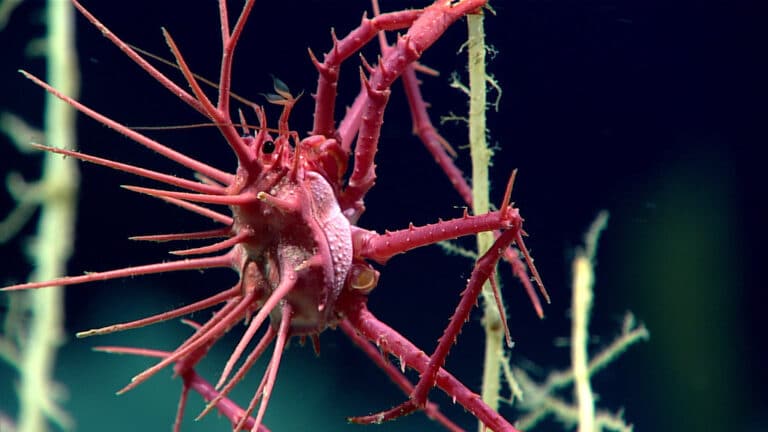
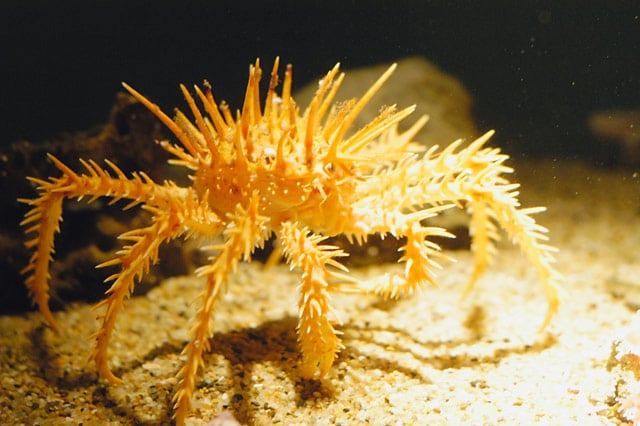
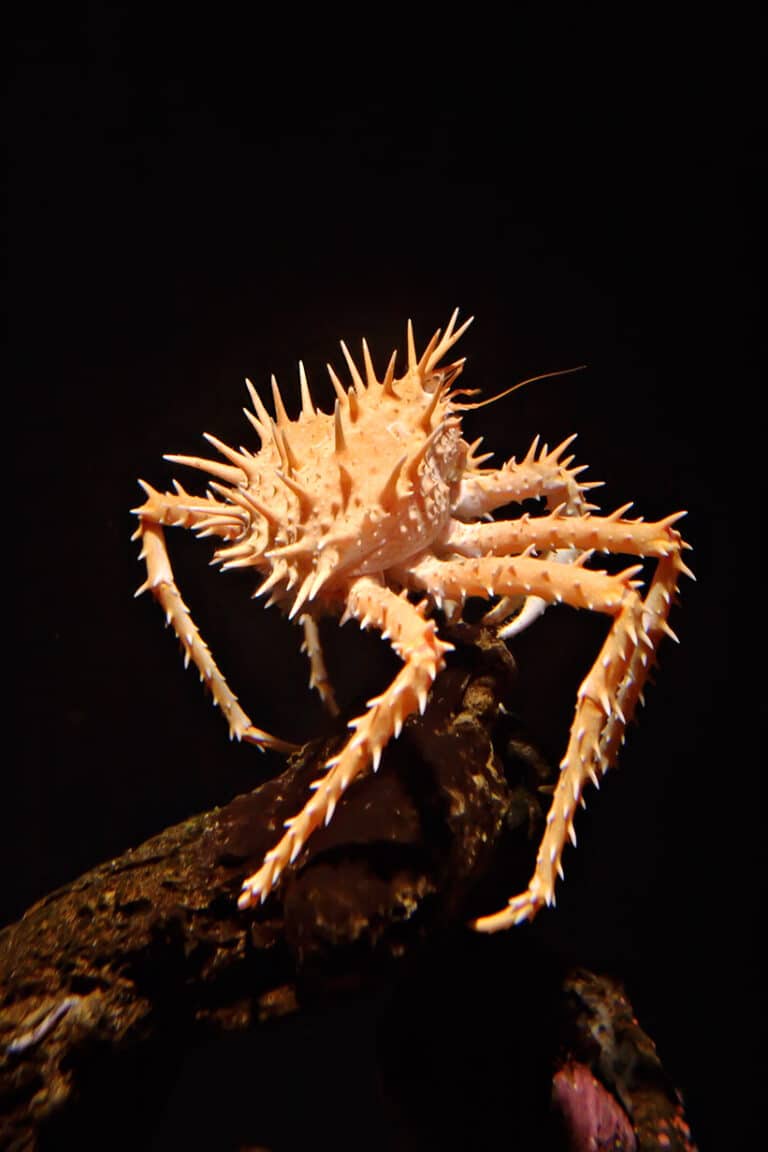
The King Crab is also known for its vibrant color variations. They can be reddish, brownish, or even greenish, making them a colorful sight on the ocean floor.
People around the world celebrate King Crabs in festivals. One popular event happens in Kodiak, Alaska, where locals and visitors enjoy delicious crab dishes and fun activities!
Photos





The Basics


explore more
Amphibians
Arachnids
Birds
Cats
Crustaceans
Fish
Fish Pet Guide
Gastropods
Insects
Invertebrates
Mammals
Pet Fish
Pet Rodents
Plants
Reptiles
Roundworms
Sea Slugs