
Successfully copied to clipboard!
Kirtland’s Snake
Uncover the hidden, slippery secrets of North America's wetlands!
Let’s Explore
Overview
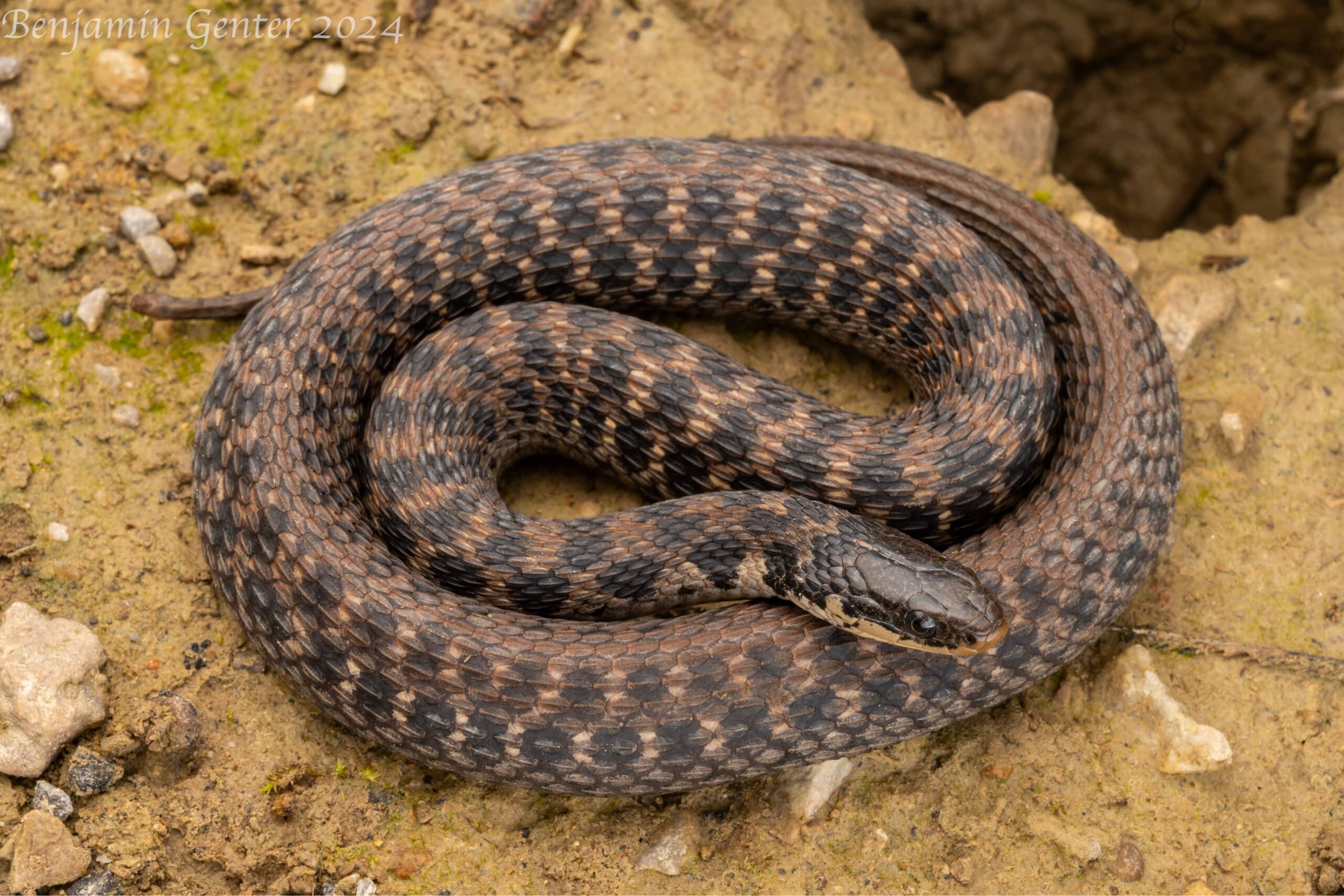
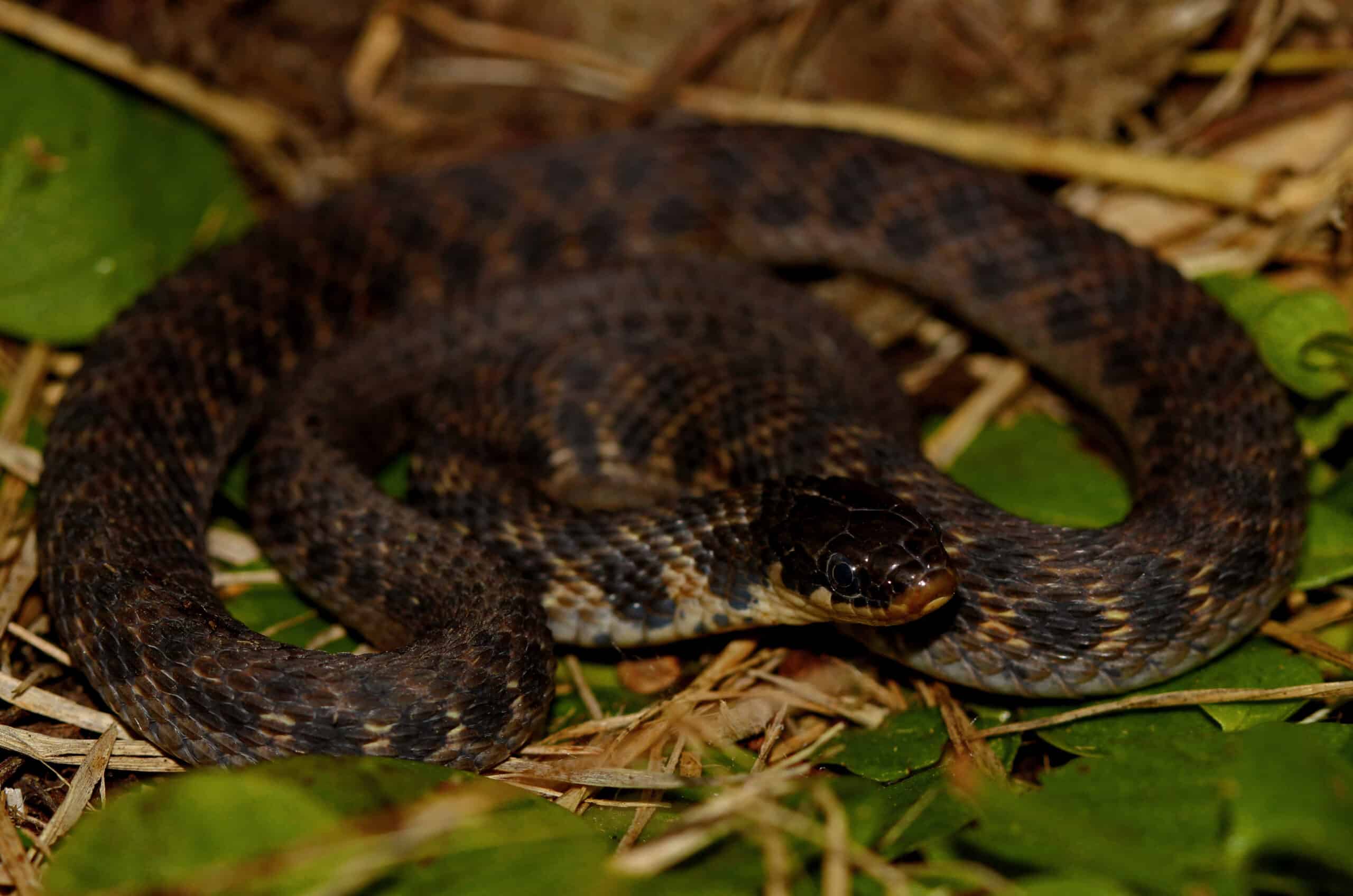
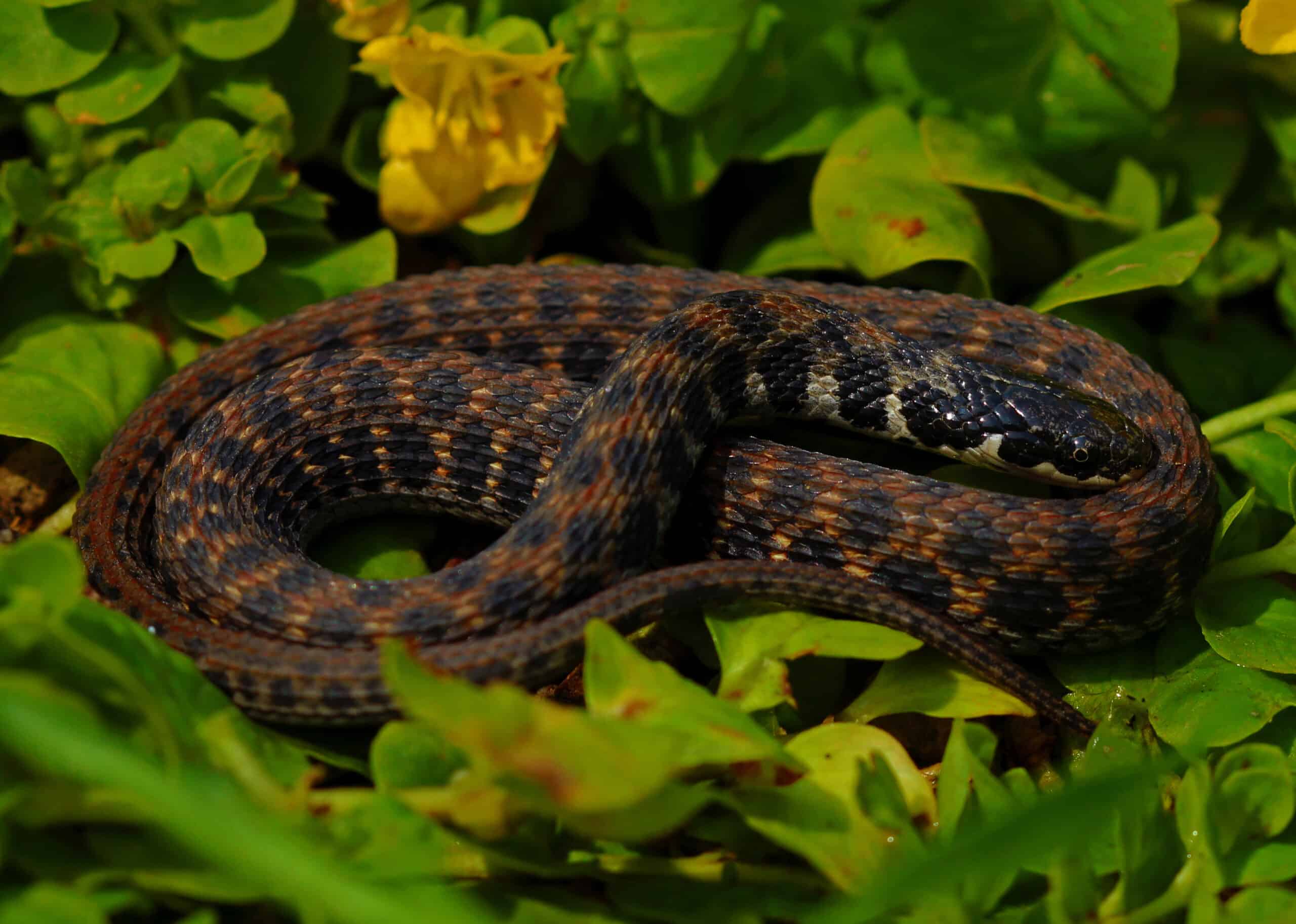
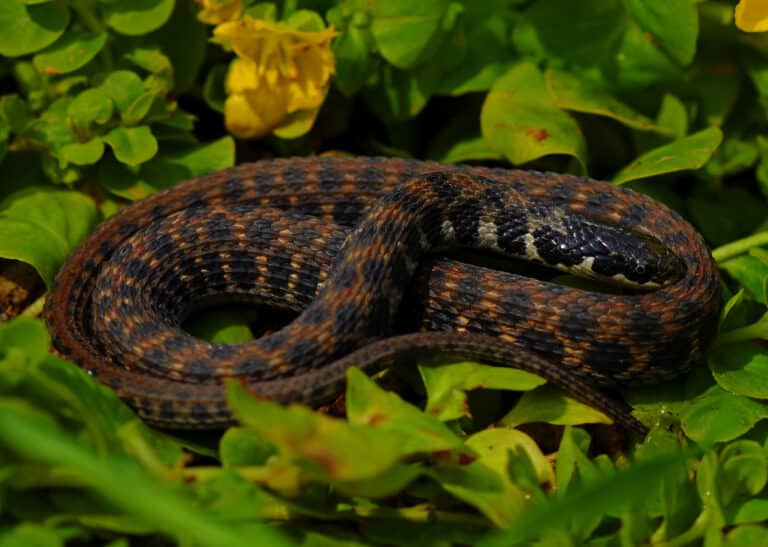
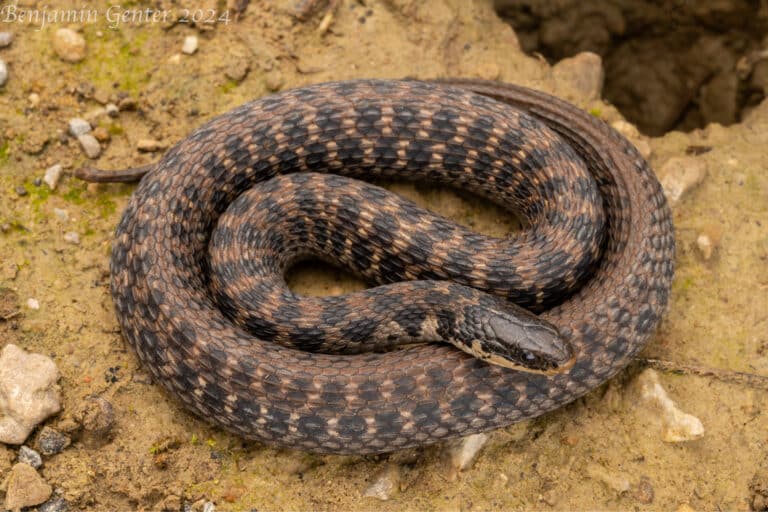
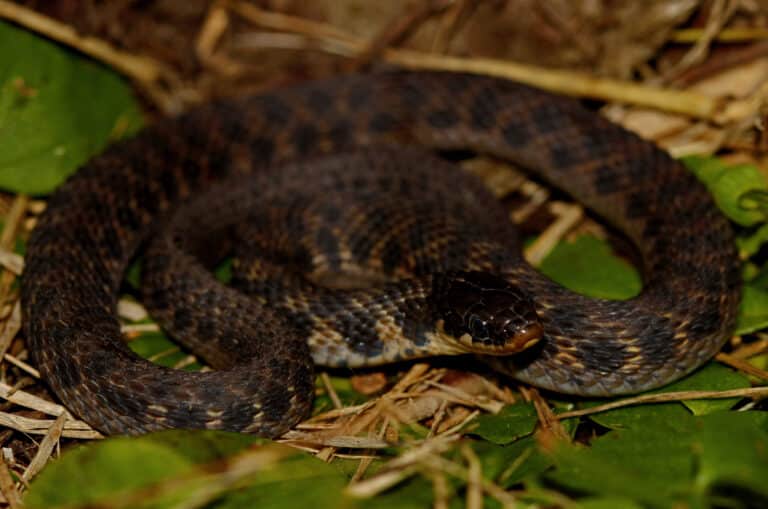
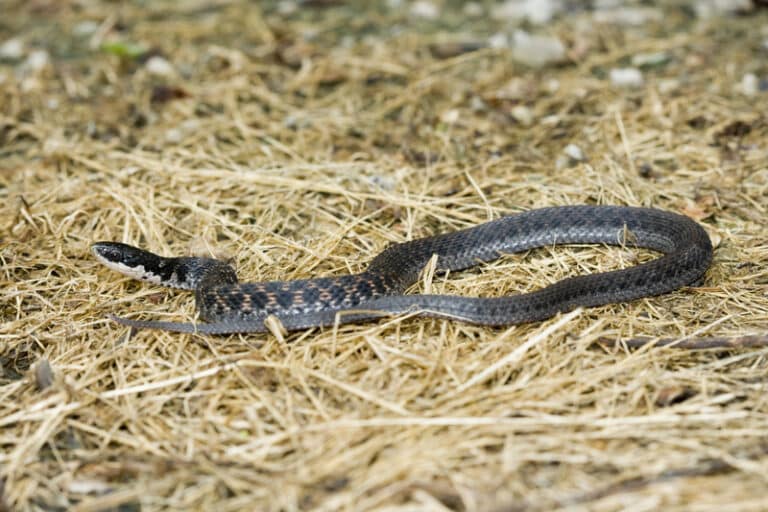
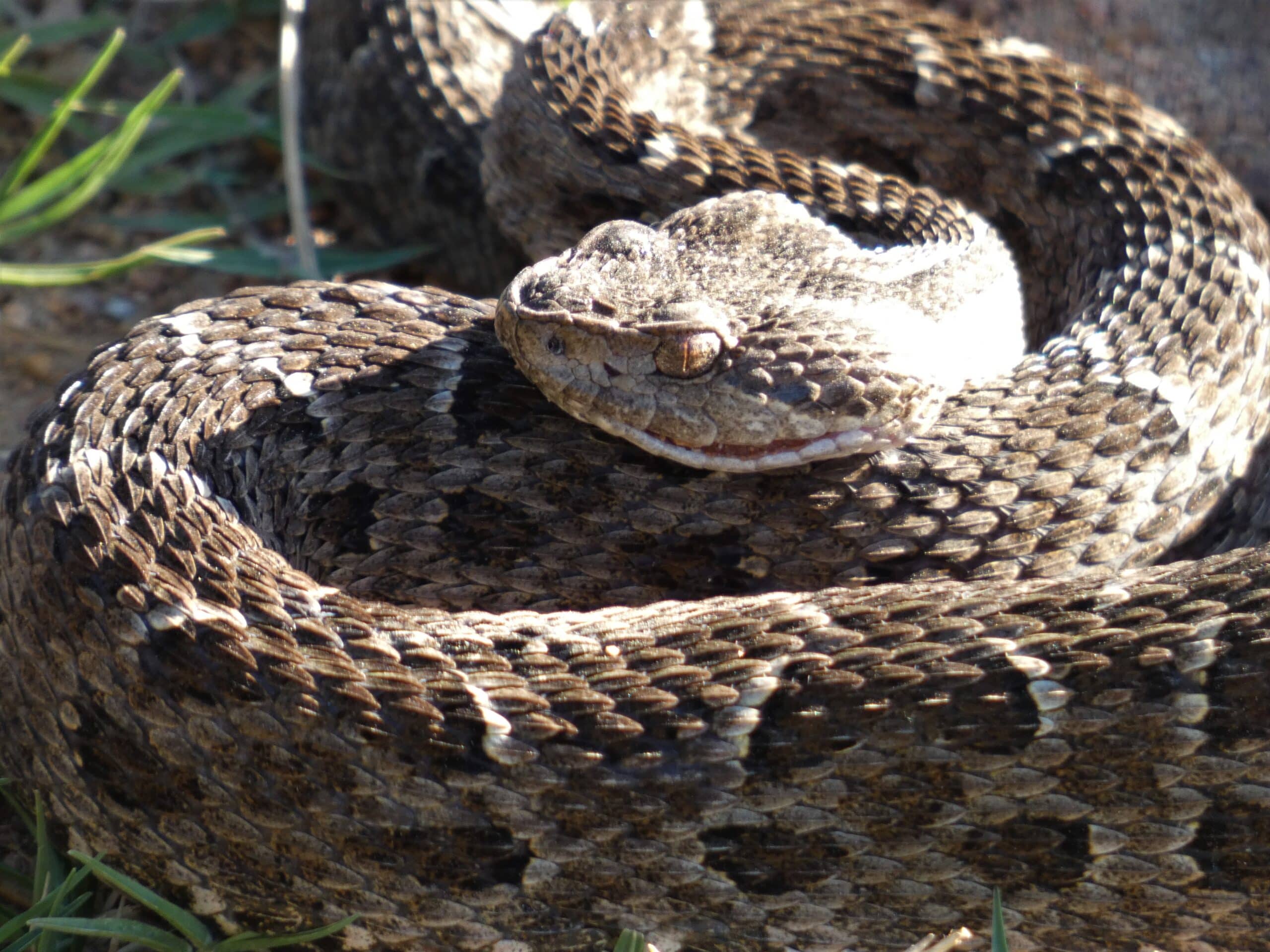
The Kirtland's Snake is a slippery superstar of the reptile world. This enchanting creature grows to an average of 14 to 18 inches long and features beautiful, smooth scales in shades of gray, brown, and black.
These snakes may look harmless, but they have a special diet that includes tasty treats like earthworms, slugs, and frogs. Their keen sense of smell helps them track down these squiggly delights hidden in the soil.
Kirtland's Snakes are expert hiders, often seeking refuge in moist habitats like wetlands and grassy areas. They enjoy a cozy home beneath rocks, logs, and leaf litter—ideal for their secretive lifestyle!
This slick critter has a charming personality, living between 3 to 10 years in the wild. It shows off its unique color pattern, making it hard to spot for curious eyes wandering in its North American range.
The Kirtland's Snake is a member of the colubrid family, which includes many harmless snakes. With their captivating looks and low-profile lifestyle, they remind us how amazing and varied the reptile world can be!

Where can you find a Kirtland’s Snake in the wild?
What does a Kirtland’s Snake eat?
How big can a Kirtland’s Snake grow?
How long does a Kirtland’s Snake typically live?
What is the conservation status of the Kirtland’s Snake?
What are the main threats to the Kirtland’s Snake?
Fun facts
Kirtland's Snakes have a secret weapon when it comes to evading danger: they can play dead. If a predator comes too close, these clever snakes will roll onto their backs and stay motionless, tricking their foe into thinking they are not alive!


This slippery snake loves a good mud bath! Kirtland's Snakes spend plenty of time in damp soil, which helps them maintain their smooth, healthy scales. Think of it as a spa day for snakes!
When Kirtland's Snakes are born, they are around 6 inches long. They start their lives small and with lots of growing to do, munching on tiny insects before moving on to bigger treats like earthworms!
Some people think Kirtland's Snakes can turn blue! During a certain time of year, their scales take on a shimmering hue, making them look like they just came from a magical fairy tale.
You might think they are shy, but Kirtland's Snakes can be quite social! They sometimes hang out in groups while basking in the sun, making them the life of the party in their cozy hiding spots!
Kirtland's Snakes do not have venom, which makes them safe for humans. Unlike some other slithering reptiles, they rely on their quick escapes and clever hiding spots instead of poison to stay safe!
During cool months, Kirtland's Snakes become super sneaky and hide away in underground burrows to keep warm. They are excellent at finding cozy spots underground, which helps them survive chilly temperatures.
When hunting, Kirtland's Snakes use their extraordinary sense of smell like superheroes tracking down villains. They flick their tongues to collect scents from the air and ground, guiding them to tasty snacks!
Kirtland's Snakes live in a tight-knit family and share their home territory with other snakes. They all help one another find food and avoid danger—it's basically a reptile neighborhood watch!
People love to help protect the Kirtland's Snake! Conservationists work to restore their wetland habitats, ensuring these slippery friends have safe spaces to wiggle and thrive in nature.
Photos


The Basics


explore more
Amphibians
Arachnids
Birds
Cats
Crustaceans
Fish
Fish Pet Guide
Gastropods
Insects
Invertebrates
Mammals
Pet Fish
Pet Rodents
Plants
Reptiles
Roundworms
Sea Slugs