Successfully copied to clipboard!
Kissing Bugs
Uncover the secret lives of adventurous, blood-sipping insects!
Let’s Explore
Overview
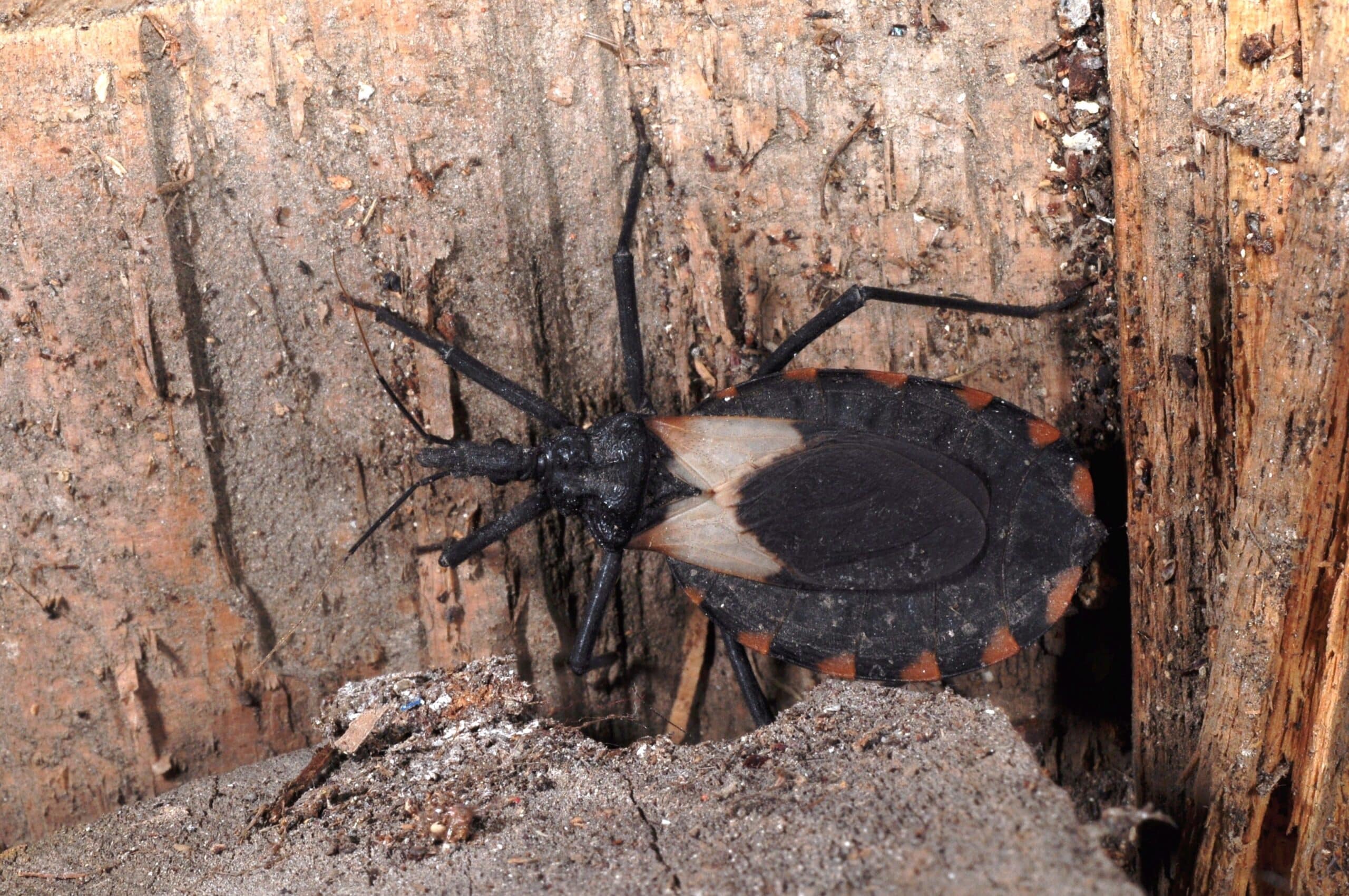
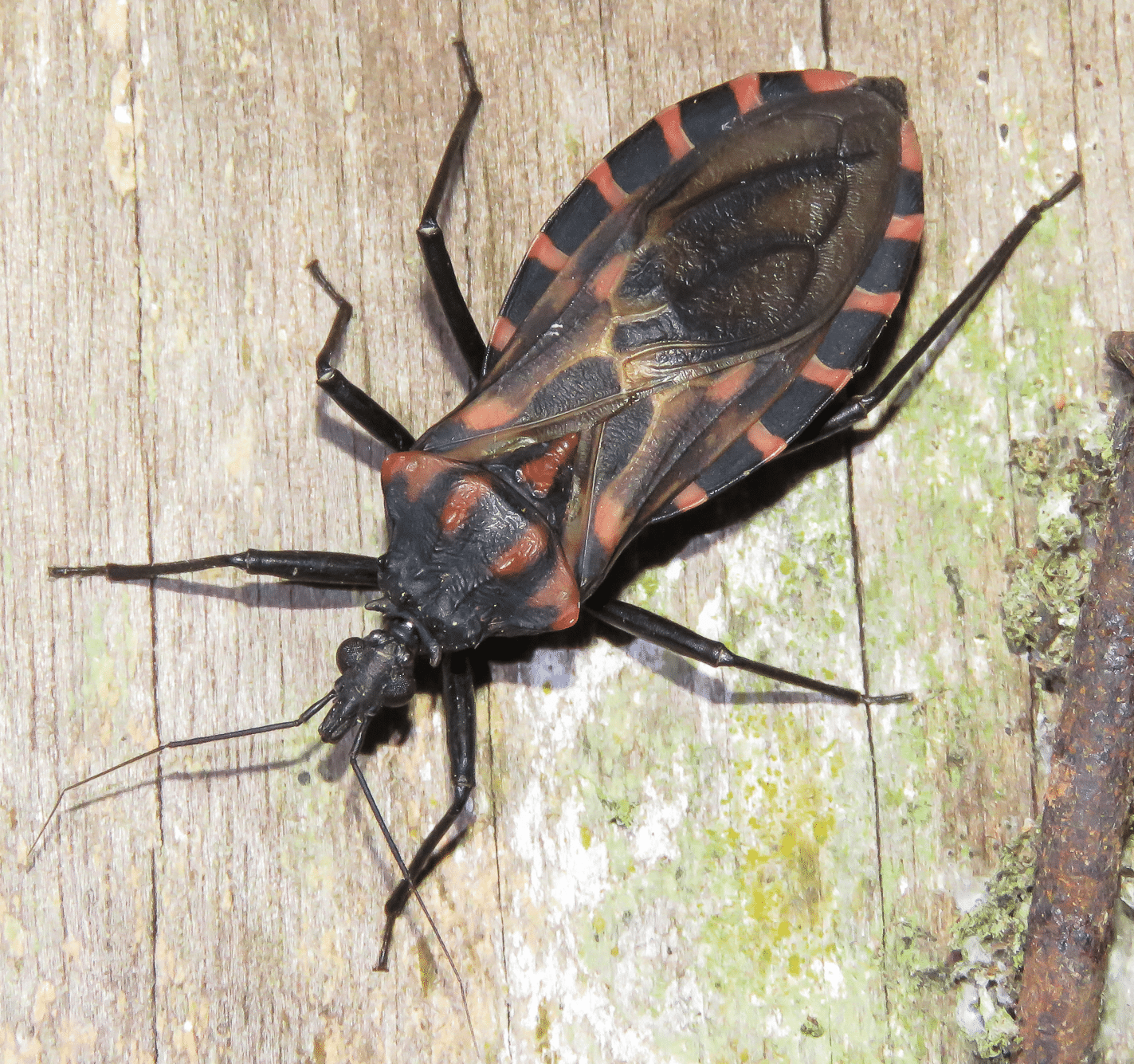
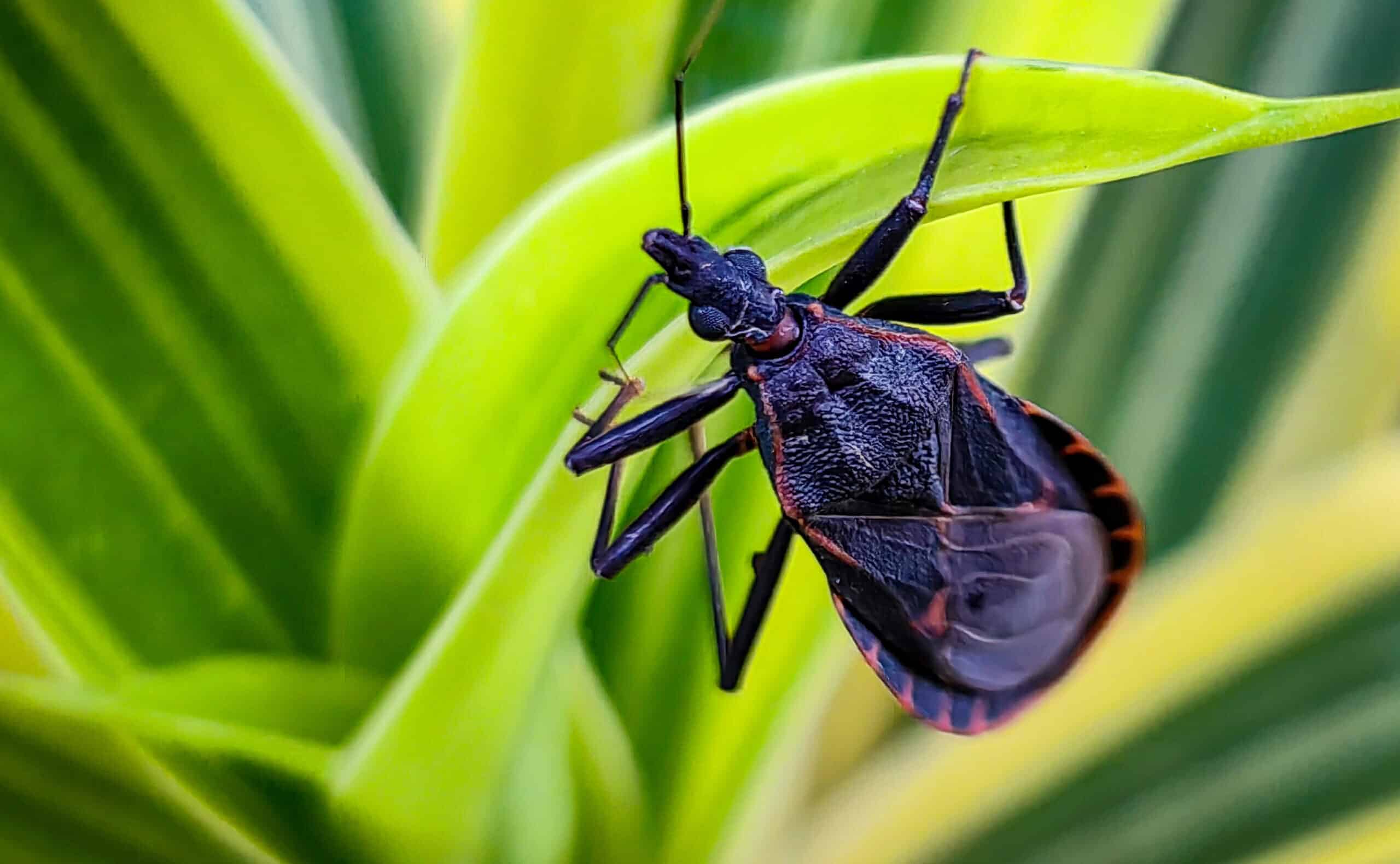
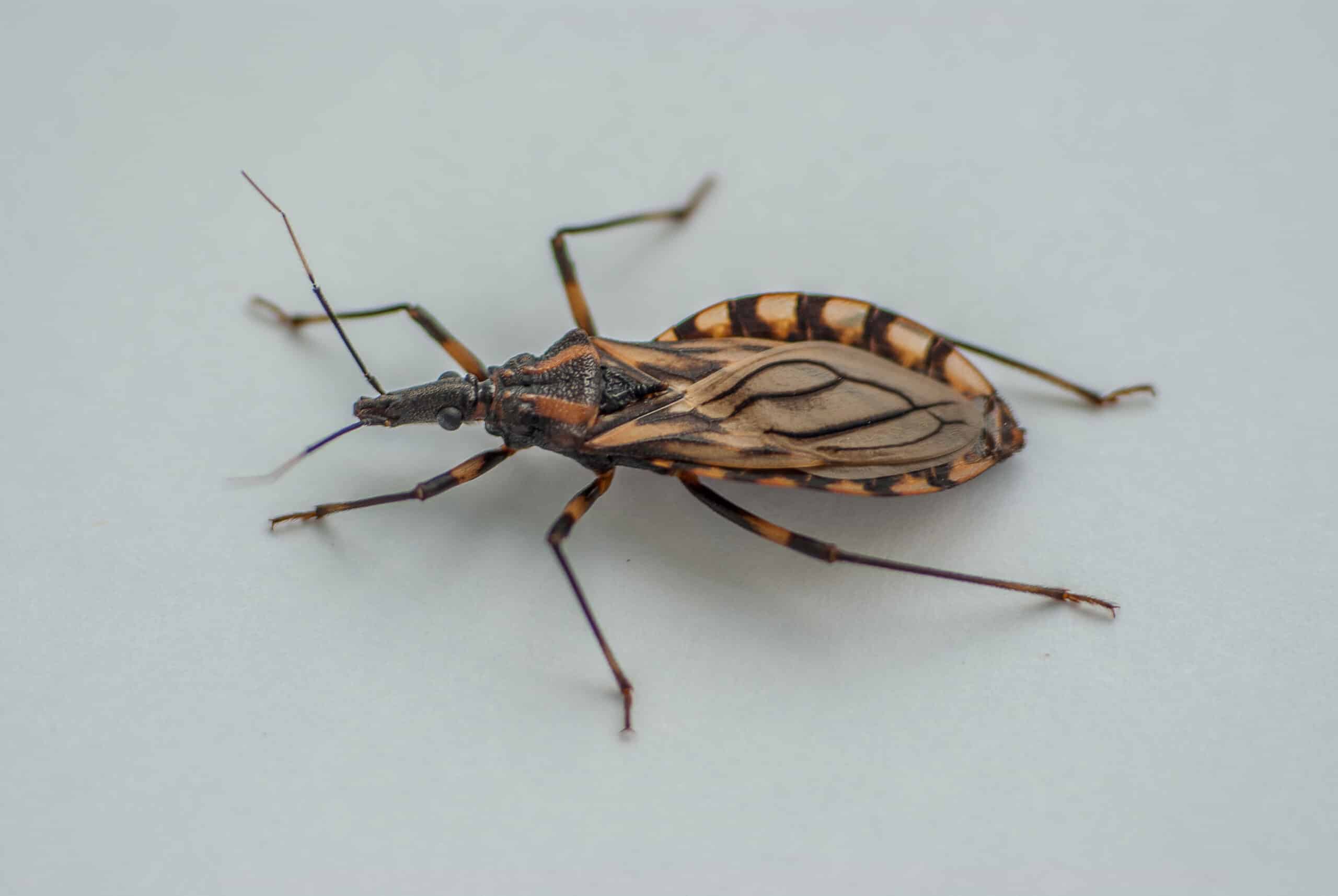
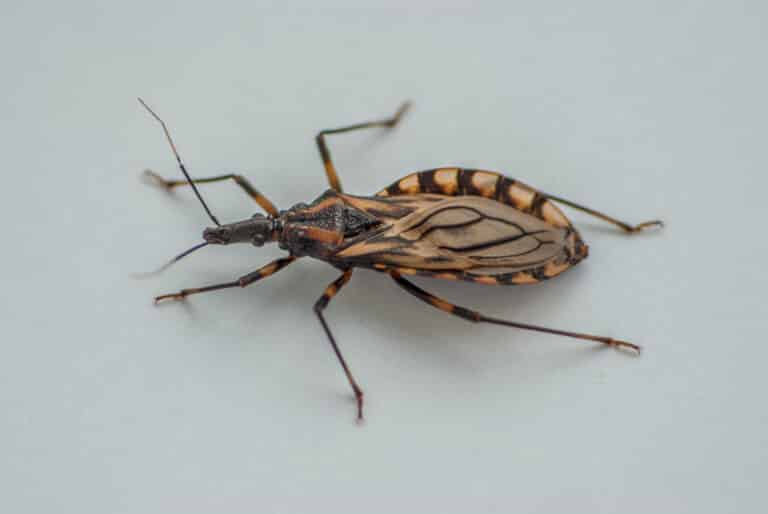
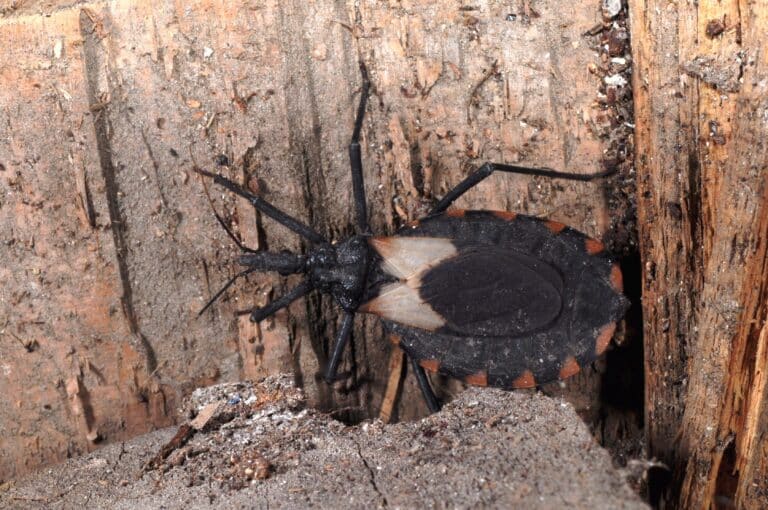
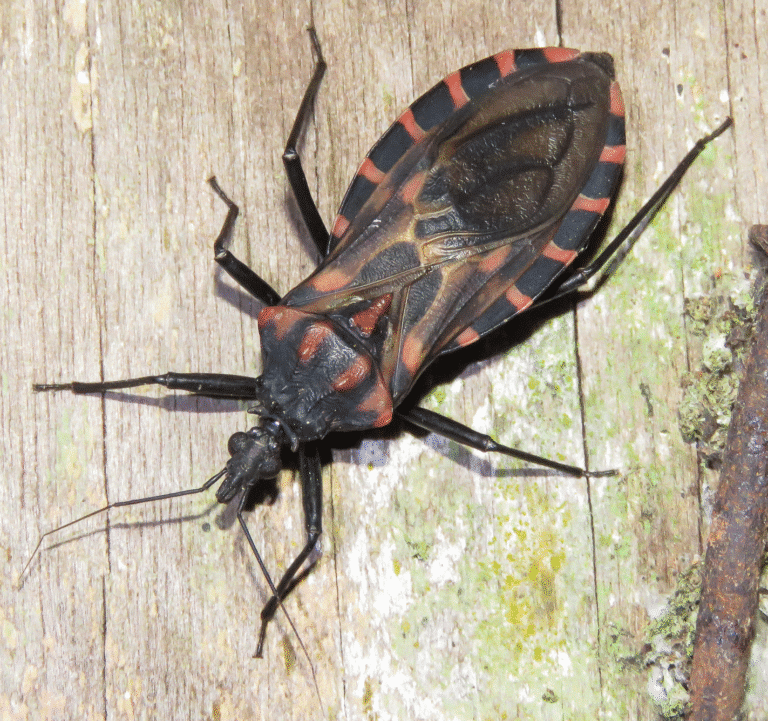
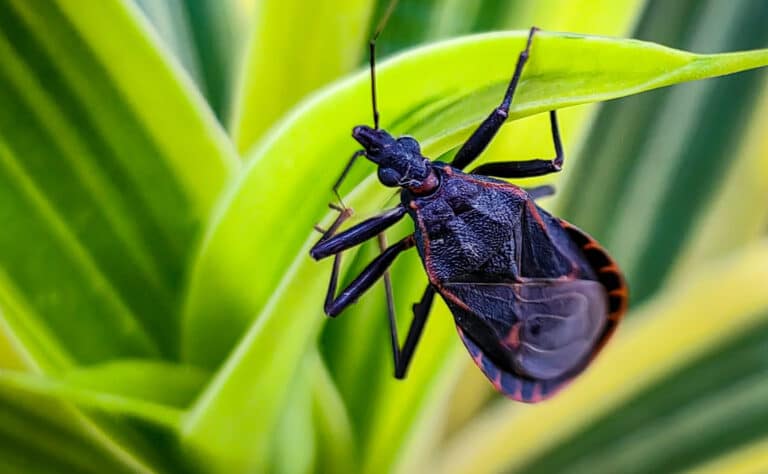
Kissing bugs, known scientifically as Triatominae, belong to the insect family Reduviidae. They live in the Americas and come in many shapes and colors, making them quite the quirky little critters.
These bugs usually measure from 0.4 to 1 inch long. Despite their unflattering name, they have a fascinating way of getting around with their long legs and unique shapes.
Kissing bugs mostly feast on the blood of mammals, birds, and reptiles. They might not be picky eaters, but they definitely prefer a warm meal that makes them feel right at home!
In terms of lifespan, kissing bugs can live for 1 to 2 years. That's enough time for them to enjoy sipping on their favorite beverage and buzzing around their surroundings.
These insects are also known for their charmingly bold behavior. At night, they venture out to search for food, earning them a reputation as nocturnal adventurers!
While kissing bugs sound pretty cool, it is important to remember to admire them from a distance. Their unique lifestyles remind us how curious and diverse the world of insects can be!

Where can you find a Kissing Bugs in the wild?
What does a Kissing Bugs eat?
How big can a Kissing Bugs grow?
How long does a Kissing Bugs typically live?
What is the conservation status of the Kissing Bugs?
What are the main threats to the Kissing Bugs?
Fun facts
Kissing bugs can sense carbon dioxide, helping them find their warm-blooded dinner. This means they can smell you coming, like superheroes following a scent trail!


Their mouthparts can extend to nearly double their body length. This means they come prepared for a snack, even if it takes a little twist and bend to get there!
Kissing bugs might look cute, but they can be picky bloodsuckers. They prefer to feast on animals that have been resting or sleeping, making nighttime their favorite dining hour!
Some species of kissing bugs can live for 5 to 7 years under perfect conditions. That's like a long-term residency in the insect world!
Kissing bugs do not actually kiss! Their name comes from their tendency to bite on or near human lips when they get hungry, turning a sweet name into a not-so-sweet experience.
When mating, kissing bugs can be quite the show-offs, displaying colorful patterns to attract partners. It's like an insect fashion show, where the best-dressed wins a date!
Some kissing bugs can change color when they dry out. They may go from a vibrant hue to a dull shade, like a chameleon switching up its style!
Kissing bugs can live in large groups, often huddling together in cozy spots. It's like a bug party where they prefer to share body heat!
Fact: A kissing bug's bite can cause swelling and discomfort, but it rarely leads to serious illness in healthy individuals. You might be able to think of it as an unwelcome surprise rather than a bug crisis!
Kissing bugs have tiny hairs on their bodies that help them sense their surroundings. It’s like having a built-in GPS, helping them navigate their dark and cozy environments.
Photos





The Basics


explore more
Amphibians
Arachnids
Birds
Cats
Crustaceans
Fish
Fish Pet Guide
Gastropods
Insects
Invertebrates
Mammals
Pet Fish
Pet Rodents
Plants
Reptiles
Roundworms
Sea Slugs