Successfully copied to clipboard!
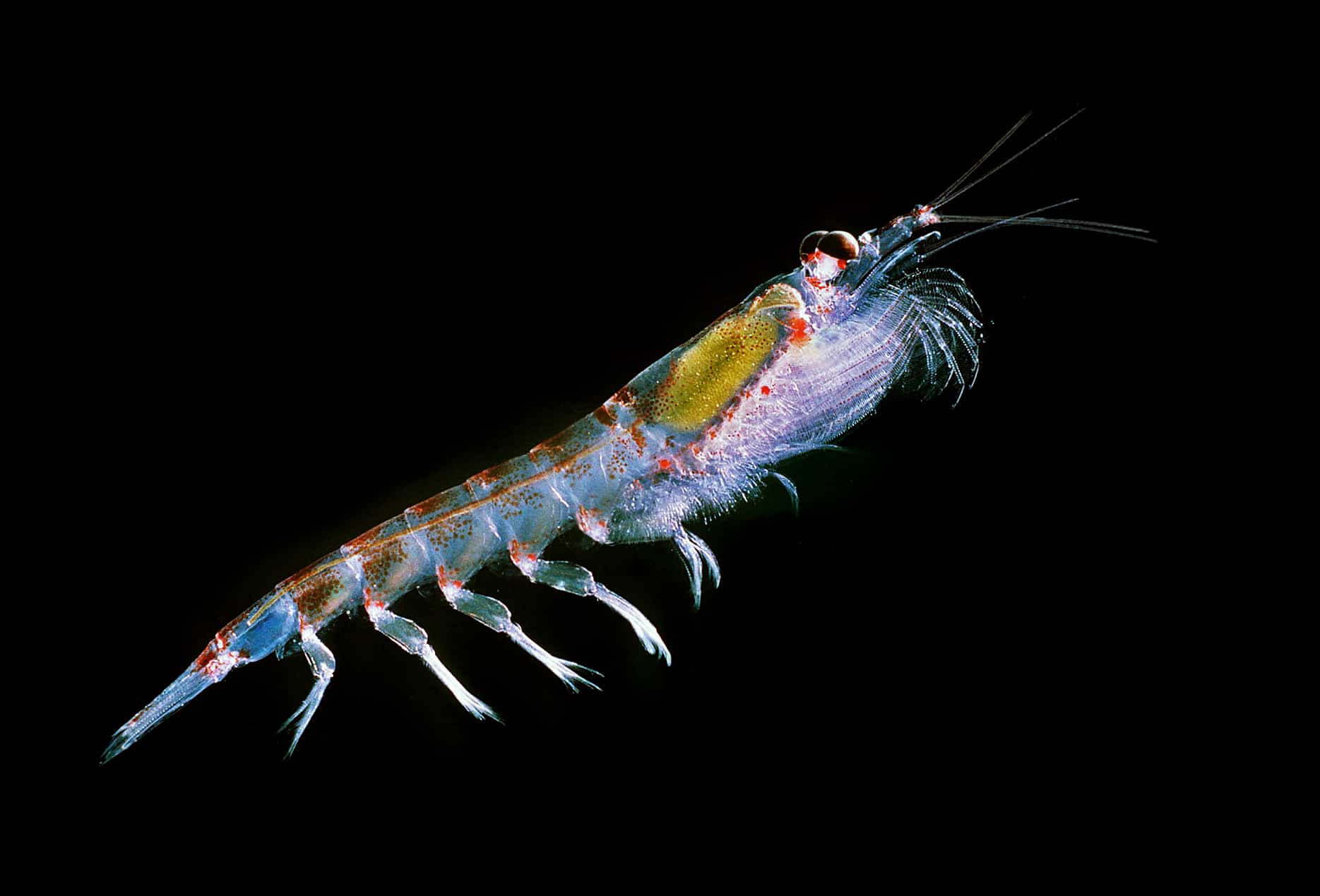
Krill
Uncover the tiny ocean heroes that support big life!
Let’s Explore
Overview
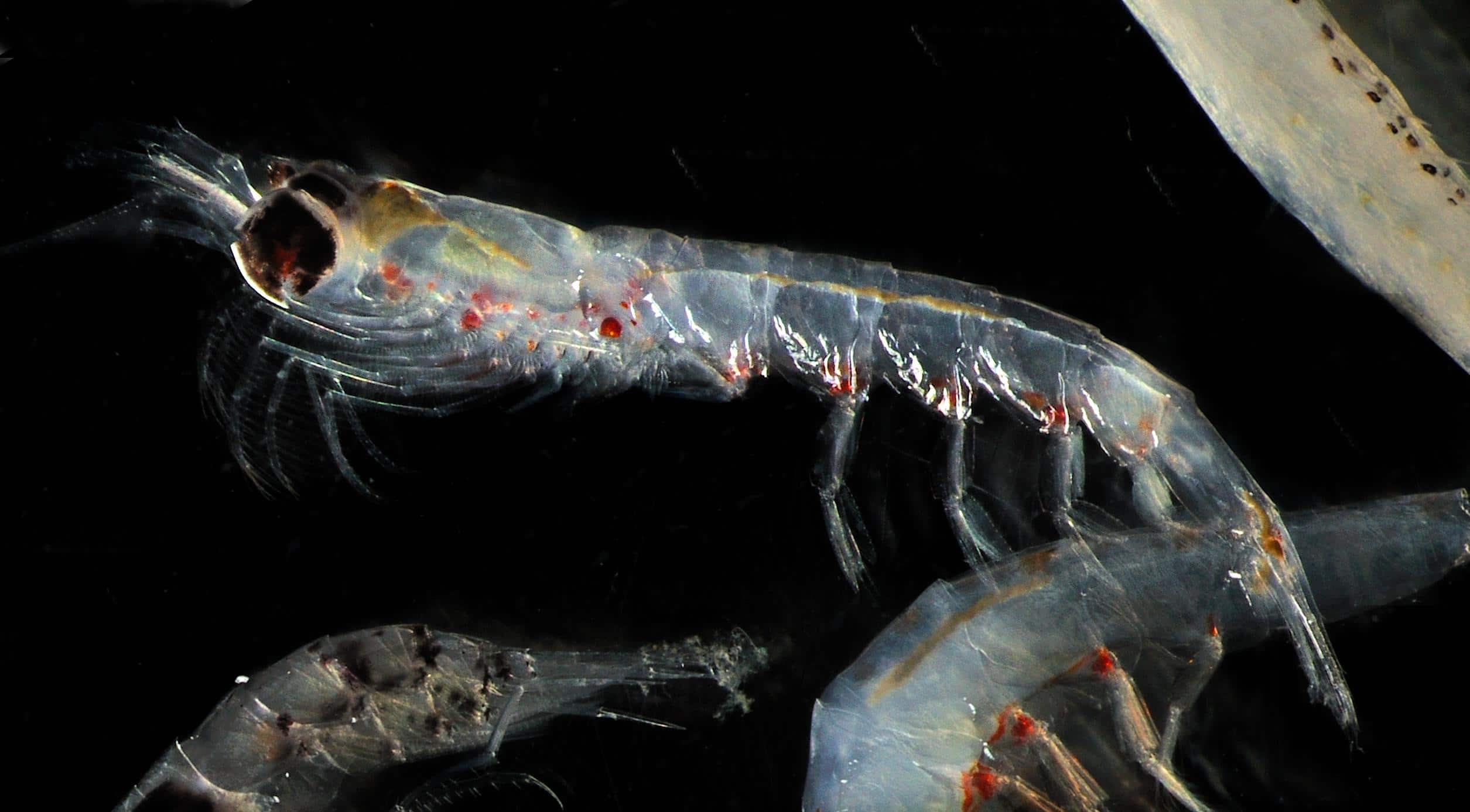
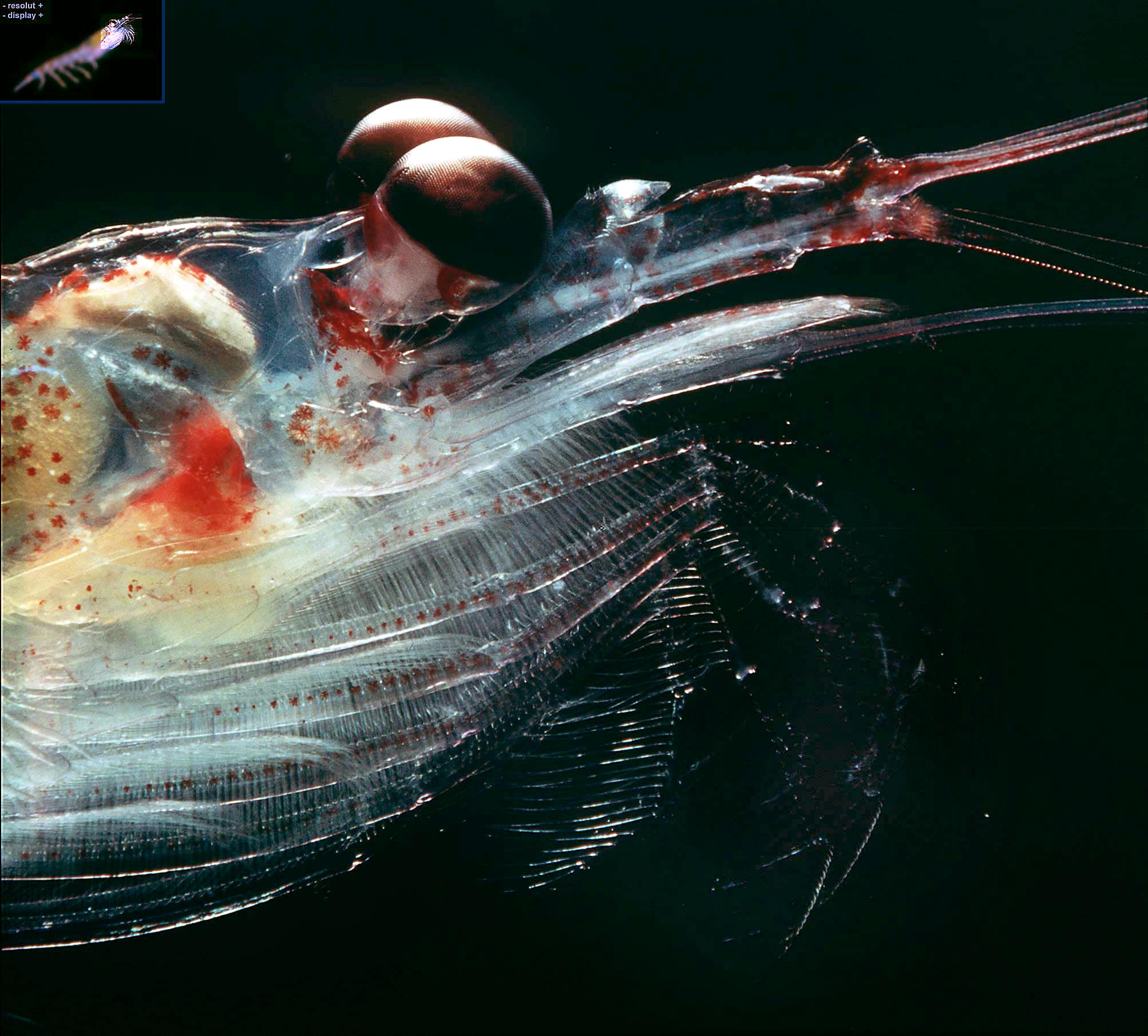
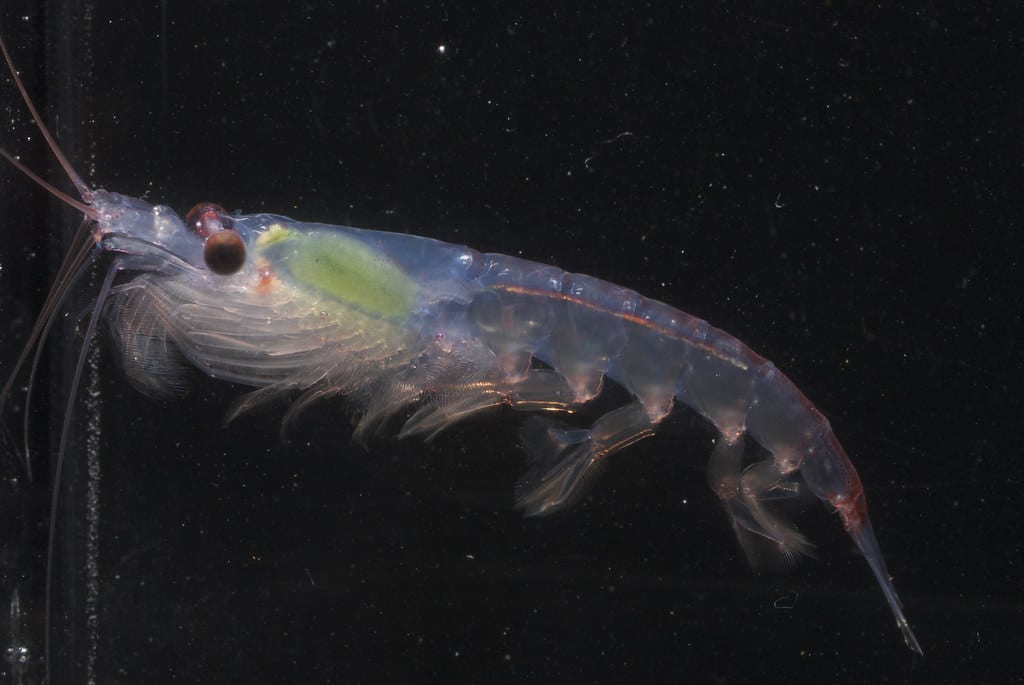
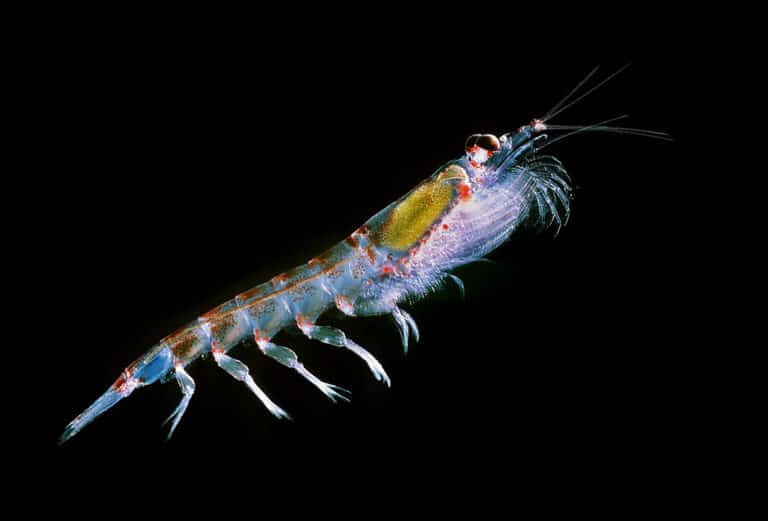
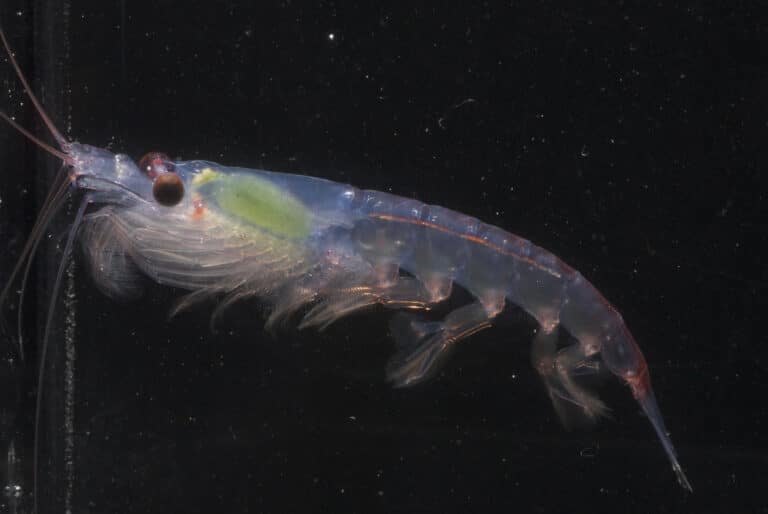
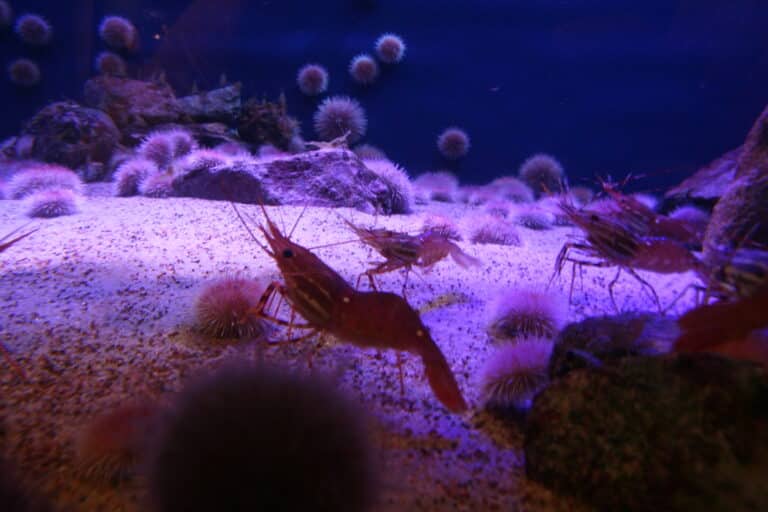
Krill are tiny, shrimp-like creatures that live in oceans all around the world. These fascinating invertebrates belong to the Malacostraca class and can grow up to 2.4 inches long, making them small but mighty!
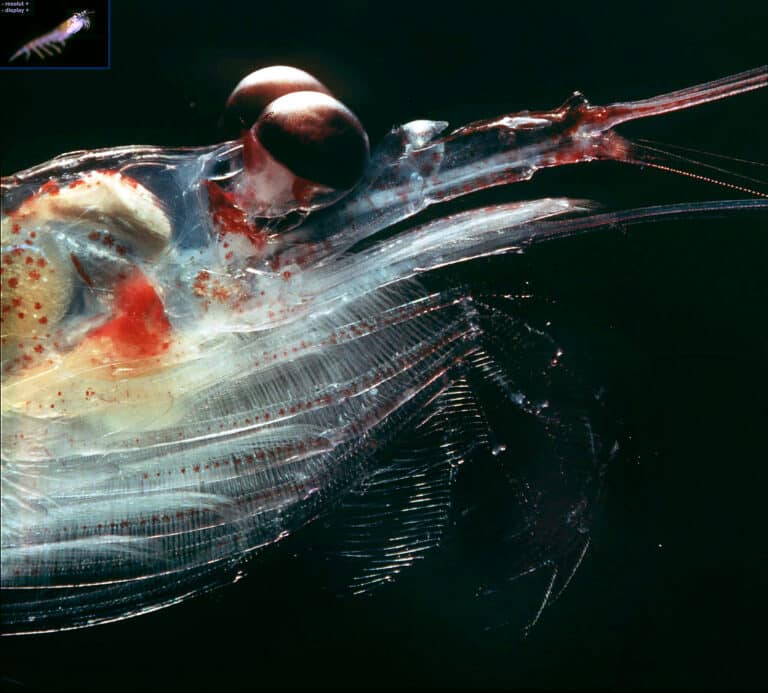
Krill primarily feast on phytoplankton and zooplankton, showcasing their role as important grazers in the ocean ecosystem. They have special body adaptations that help them efficiently filter food from the water, proving that even the littlest critters can have a big appetite!
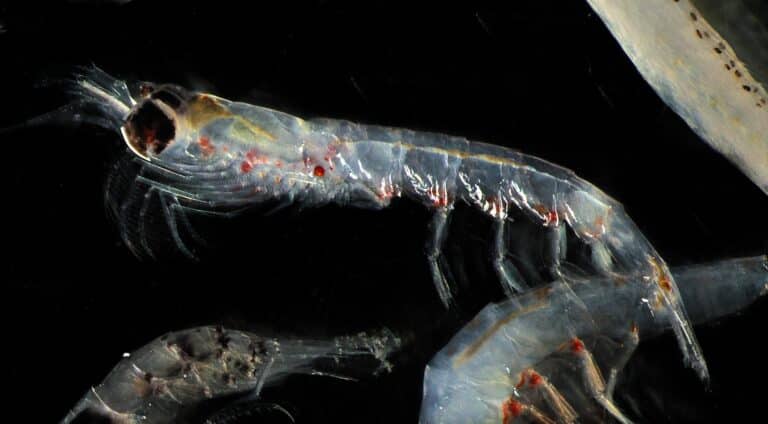
These crusty cuties have a surprising lifespan of up to 10 years. They spend their lives in large swarms, sometimes containing thousands of individuals, making them a busy and lively part of ocean life.
Krill are famous for being a favorite snack for many ocean inhabitants, including whales, seals, and seabirds. They often become the star of the show during feeding time, as their large numbers attract many hungry marine animals!
Krill also play a crucial role in the ocean food web. They connect energy from the sun, captured by phytoplankton, to larger creatures, keeping the ocean's ecosystem moving and grooving.
So, the next time you think of the ocean, remember the incredible krill! These tiny ocean superheroes may be small, but they pack a punch in maintaining the balance of life under the waves.

Where can you find a Krill in the wild?
What does a Krill eat?
How big can a Krill grow?
How long does a Krill typically live?
What is the conservation status of the Krill?
What are the main threats to the Krill?
Fun facts
Krill gather in enormous swarms that can contain millions of individuals, creating a massive underwater spectacle! Imagine being surrounded by a sea of tiny shrimp waving in the ocean currents!


These little champions have a unique way of communicating. They release chemical signals into the water to let their friends know about food or dangers, kind of like sending underwater text messages!
Some species of krill have special light-sensitive cells that help them detect changes in light. This ability helps them avoid predators and find the perfect depth to swim and feed!
Krill have a fun feeding technique called 'filter feeding.' They use their feathery appendages to filter tiny food particles from the water, showcasing their talent for multitasking in the ocean!
Did you know that krill contribute to the ocean's carbon cycle? They help absorb carbon dioxide from the water while munching on phytoplankton, playing a role in keeping our planet healthy!
Baby krill are super tiny when they hatch, measuring only about 5 millimeters long. They grow up quickly, sometimes doubling their size within just a few days!
When krill feel threatened, they perform an escape dance! They swim in short bursts to quickly dart away from predators, proving they are not just food, but also speedy little swimmers!
Krill can change their color from transparent to bright red or green, helping them blend into their surroundings! This camouflage technique keeps them safe from hungry ocean creatures.
When it comes to finding mates, male krill are quite the gentlemen! They attract female krill with special pheromones, making romance in the ocean bubbly and fun!
Krill can eat nearly 50% of their body weight in food every day! This means if a krill weighed as much as a chocolate bar, it could munch through a whole medium pizza in one day!
Photos





The Basics


explore more
Amphibians
Arachnids
Birds
Cats
Crustaceans
Fish
Fish Pet Guide
Gastropods
Insects
Invertebrates
Mammals
Pet Fish
Pet Rodents
Plants
Reptiles
Roundworms
Sea Slugs