Successfully copied to clipboard!
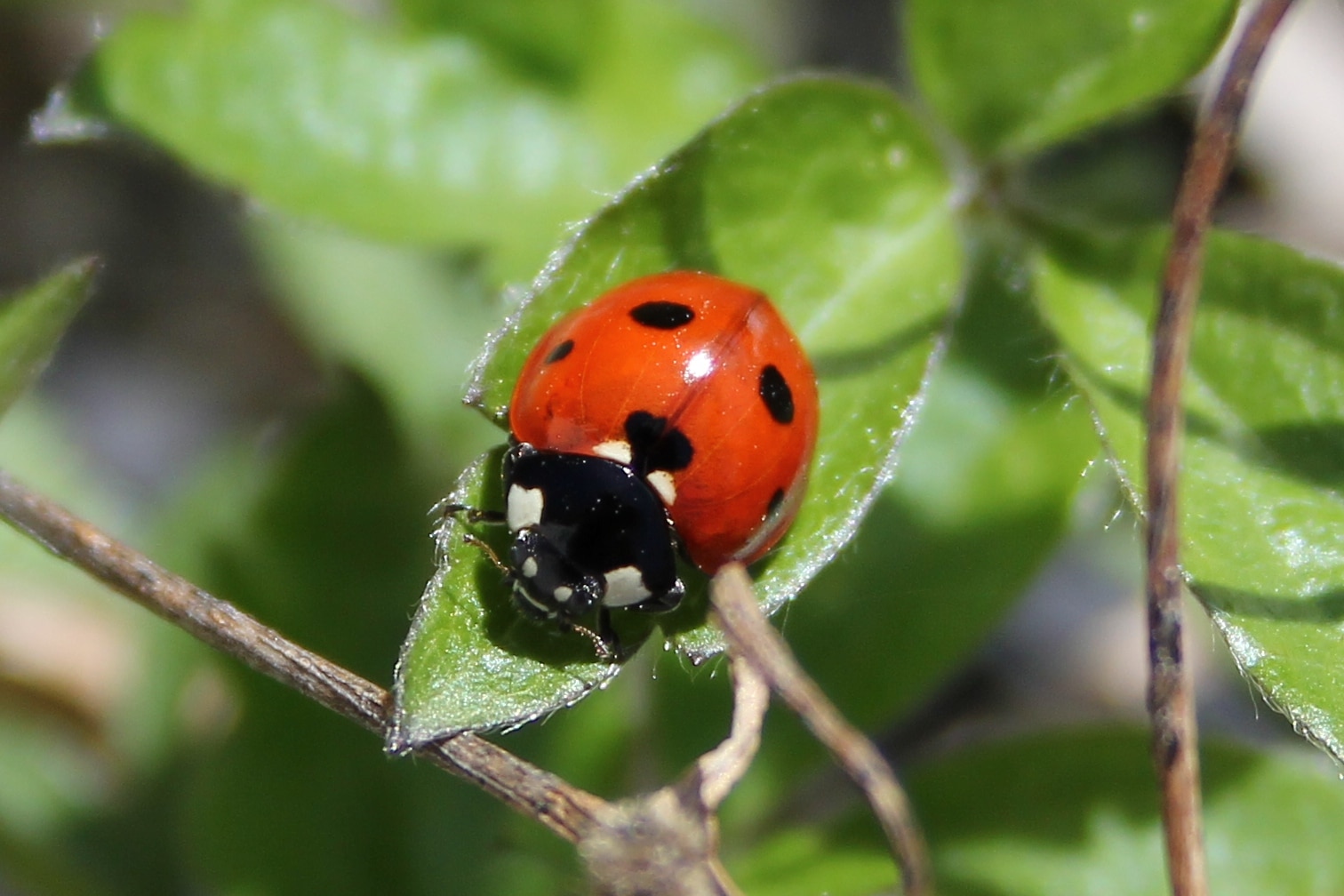
Ladybug
Explore nature's cheerful champions that protect our gardens!
Let’s Explore
Overview
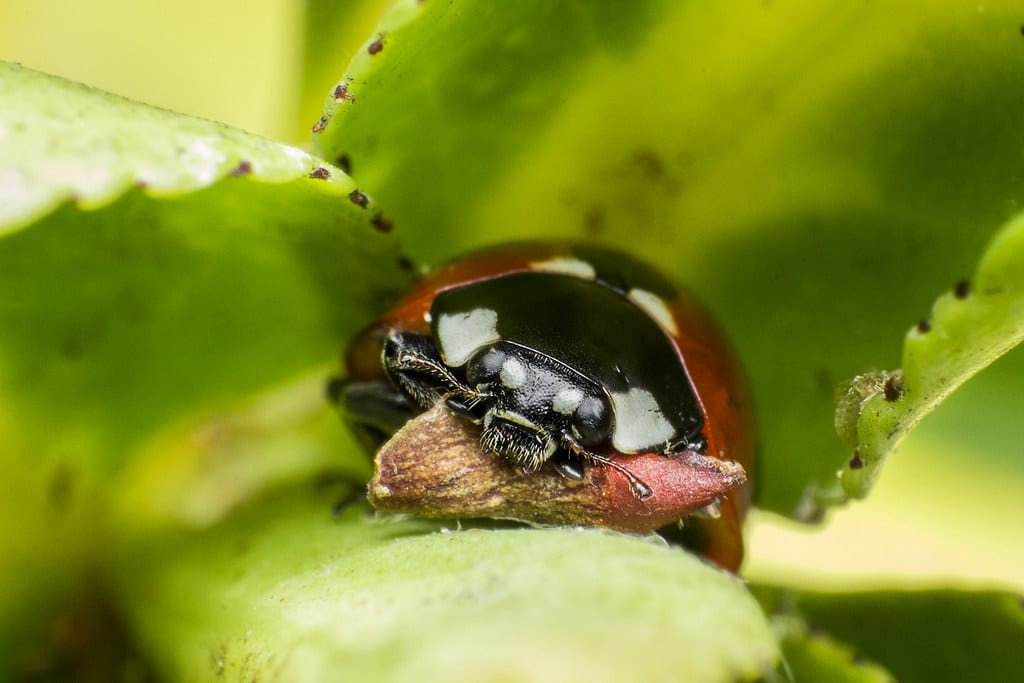
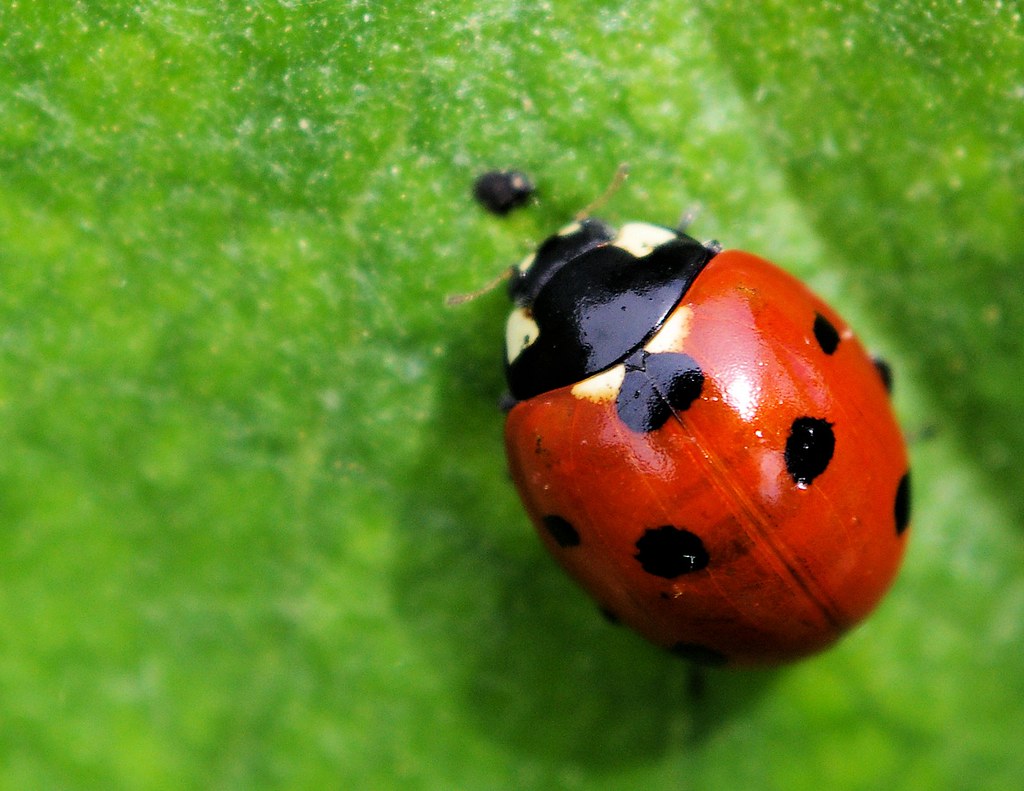
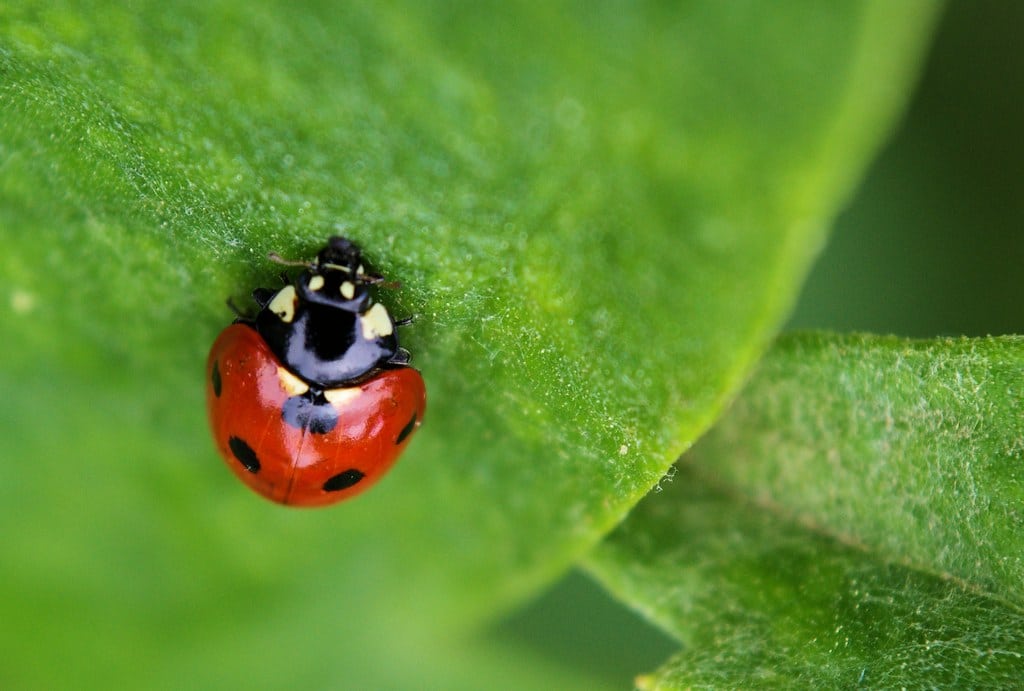
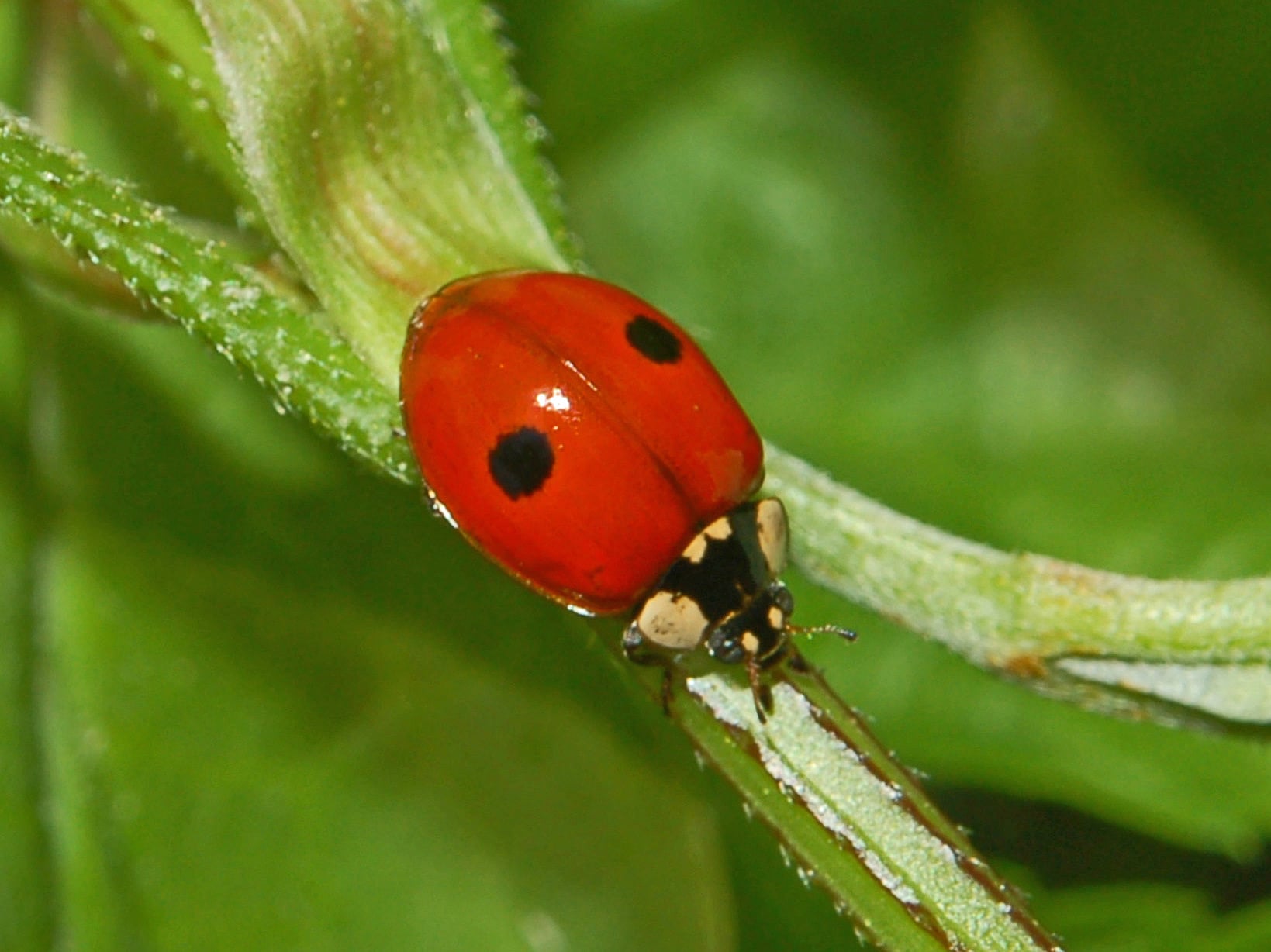
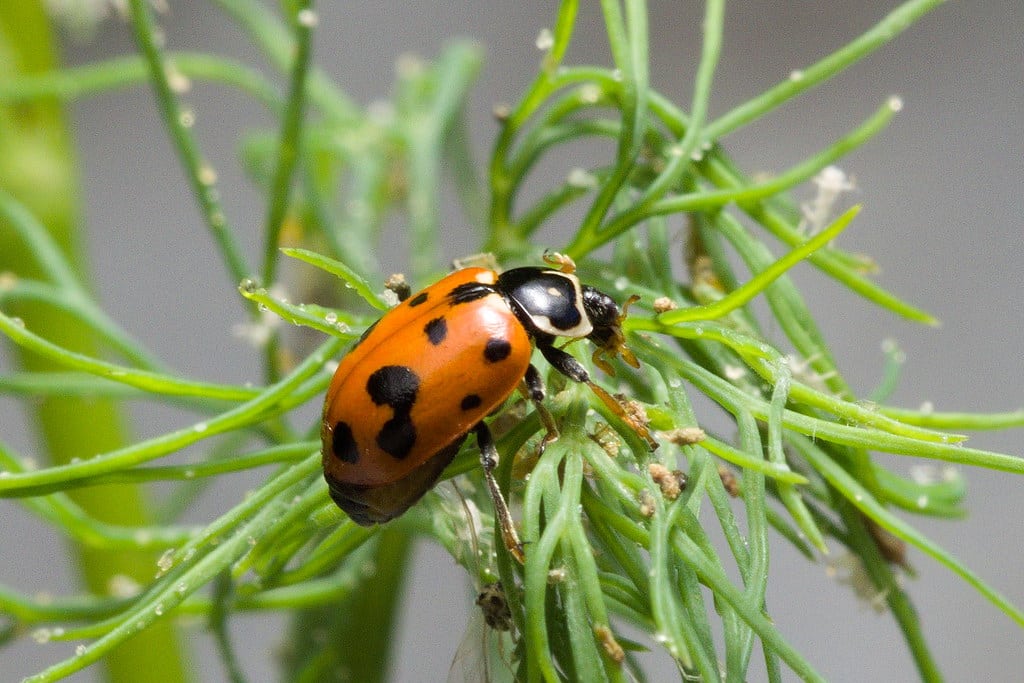
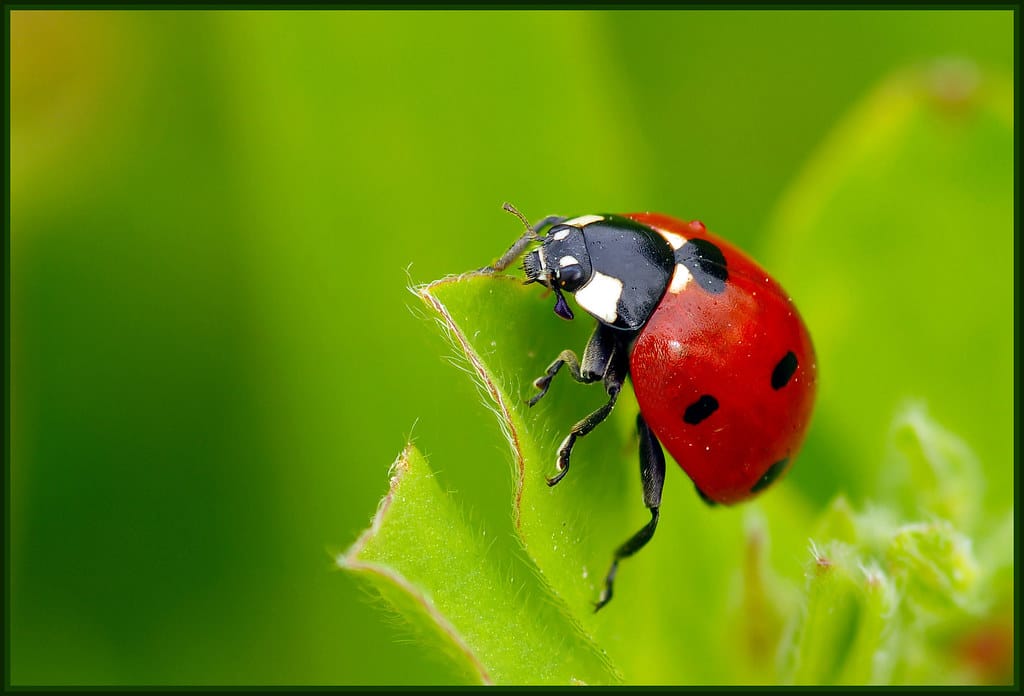
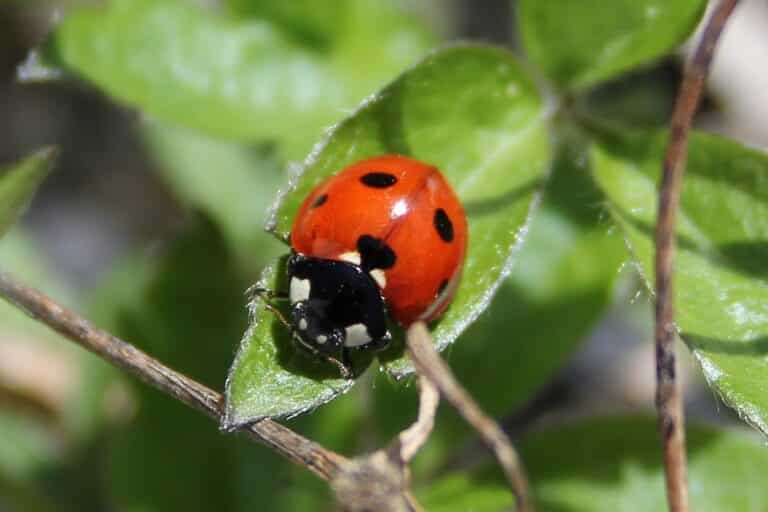
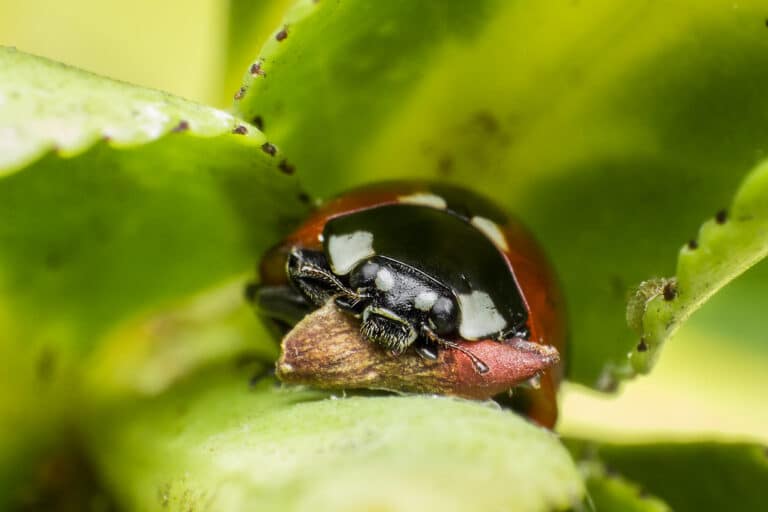
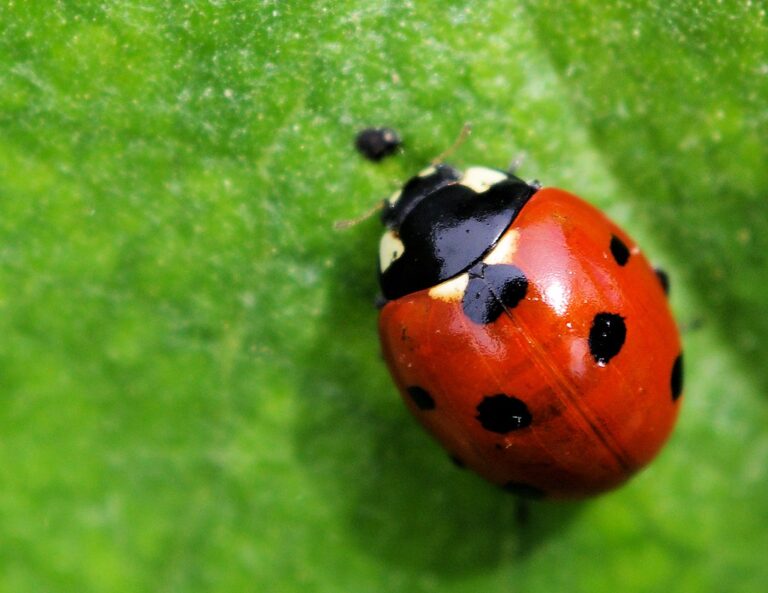
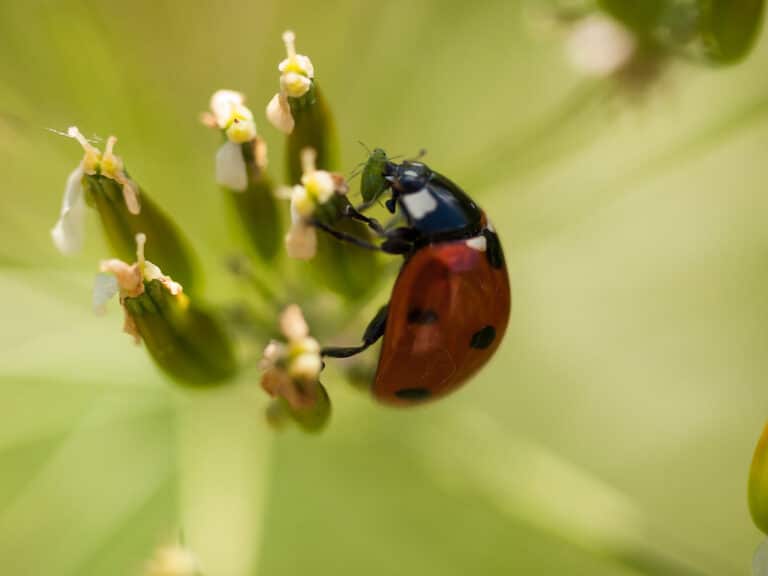
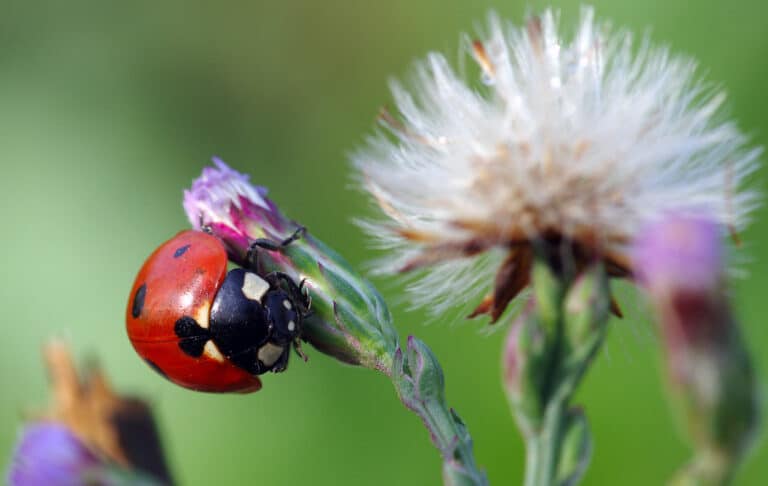
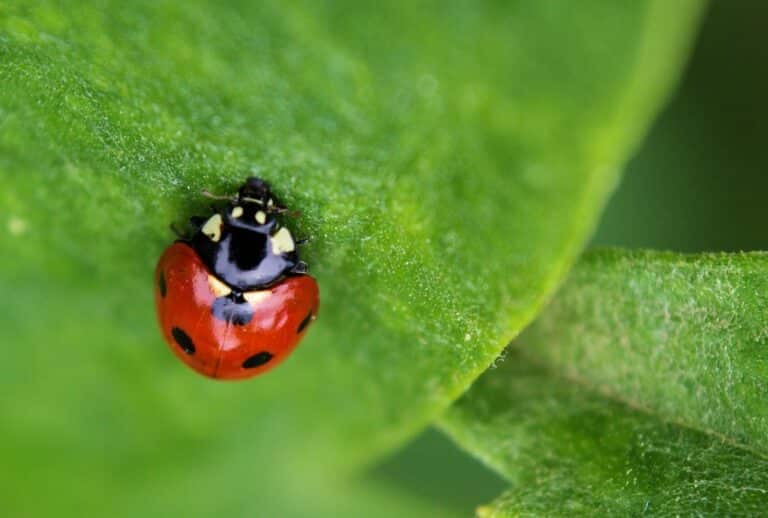
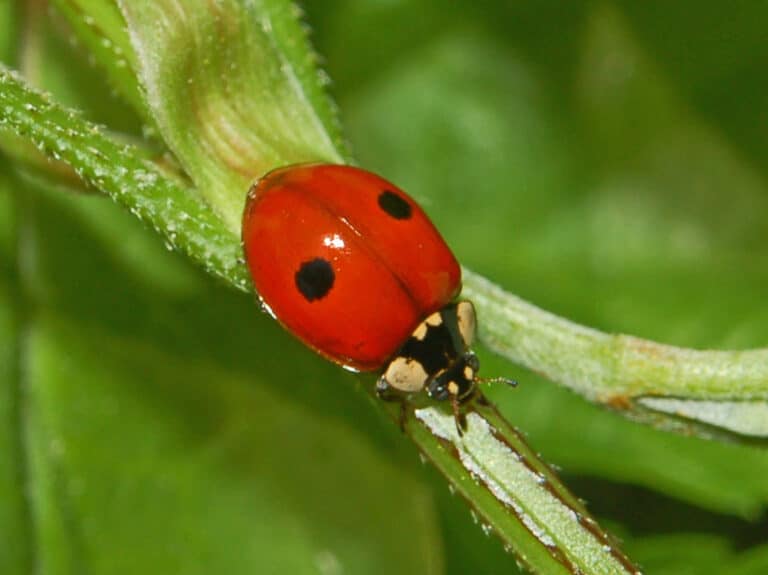
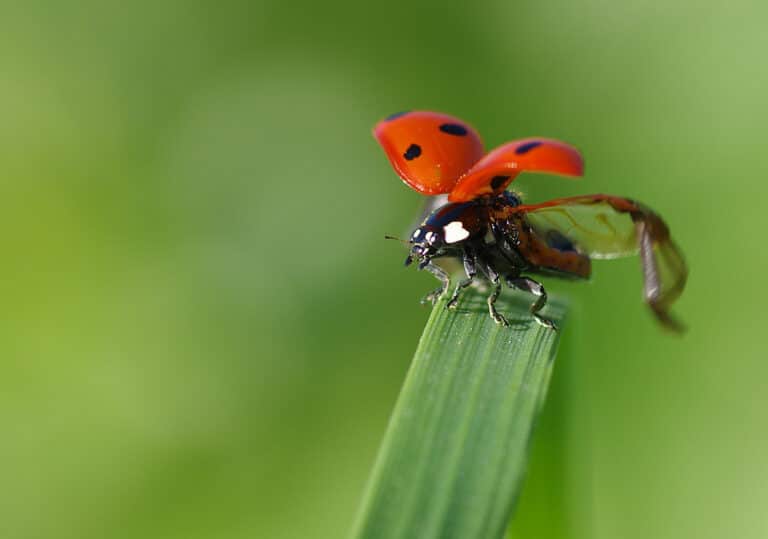
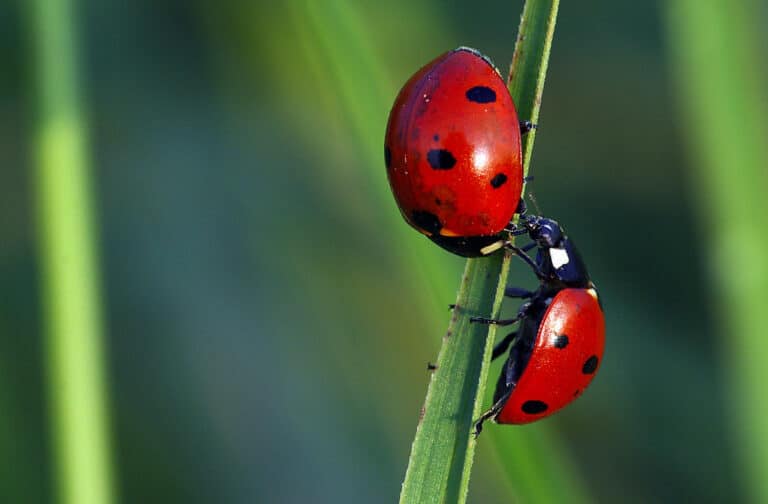
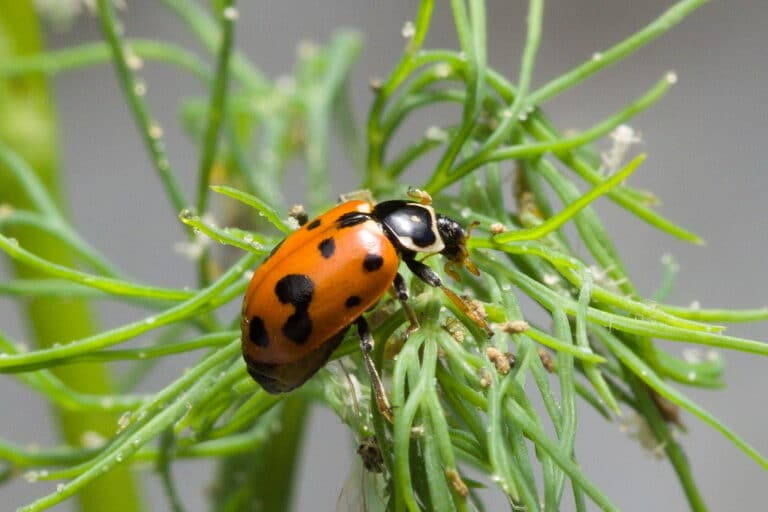
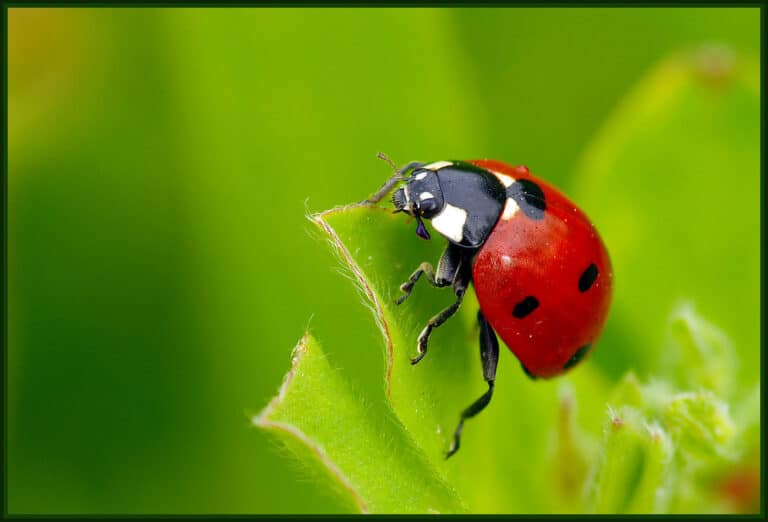
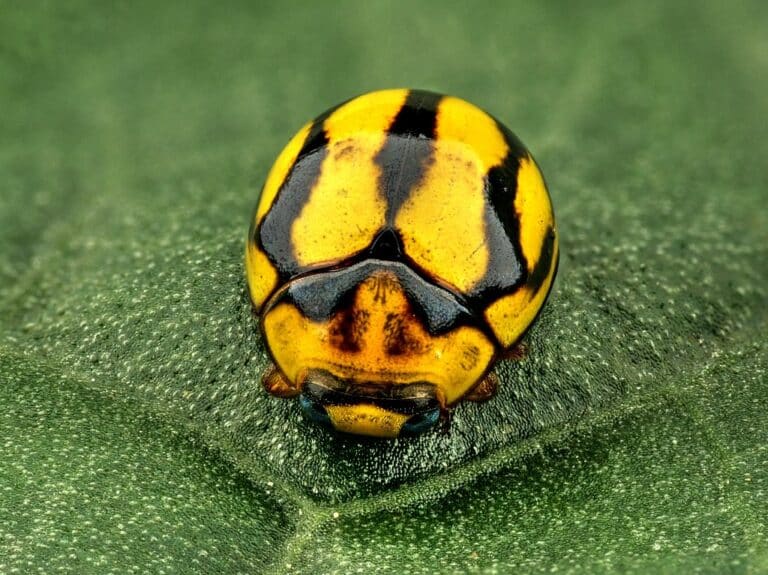
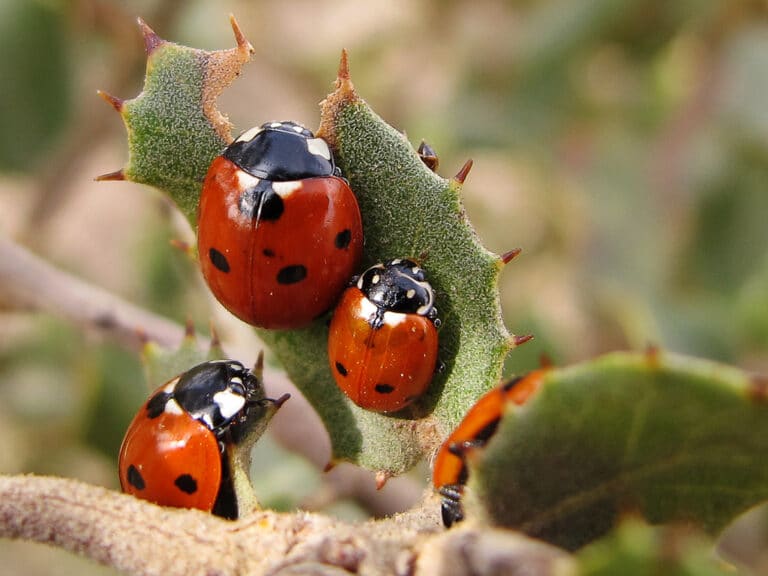
Ladybugs, also known as ladybird beetles, belong to the family Coccinellidae. These cute little critters range in size from 0.8 to 18 millimeters long and come in a fabulous array of colors, with their bright red or orange shells often sprinkled with black spots.
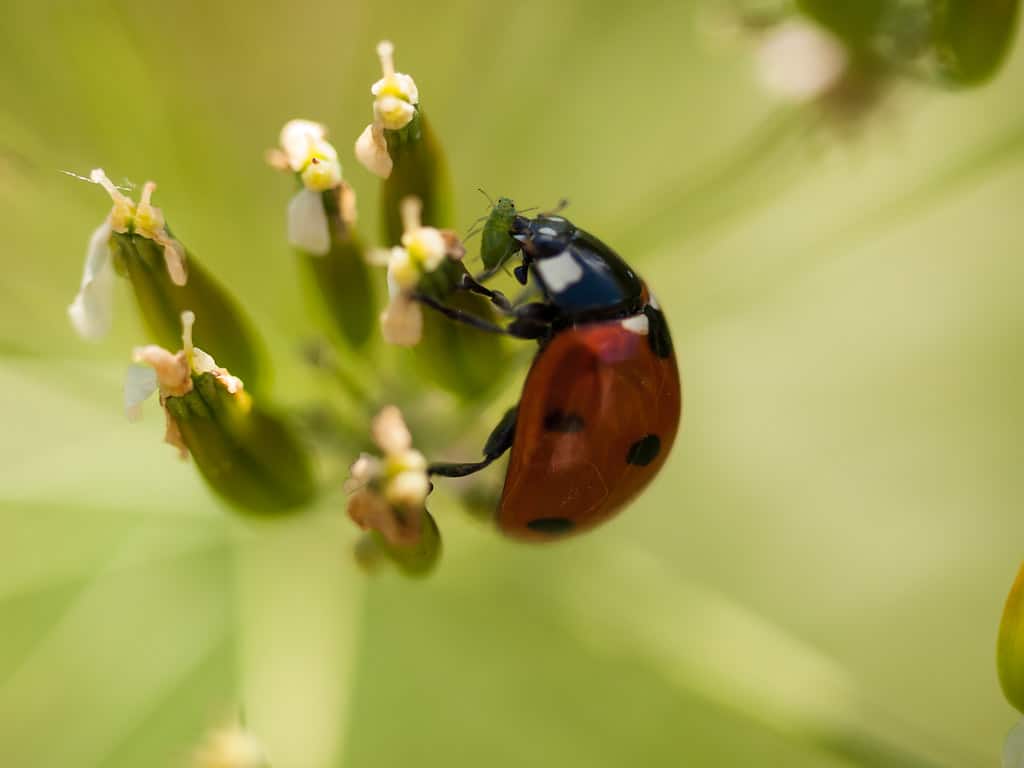
These friendly insects primarily munch on pesky aphids and small insects. A ladybug can eat approximately 5,000 aphids during its lifetime, turning it into a true hero in the garden!
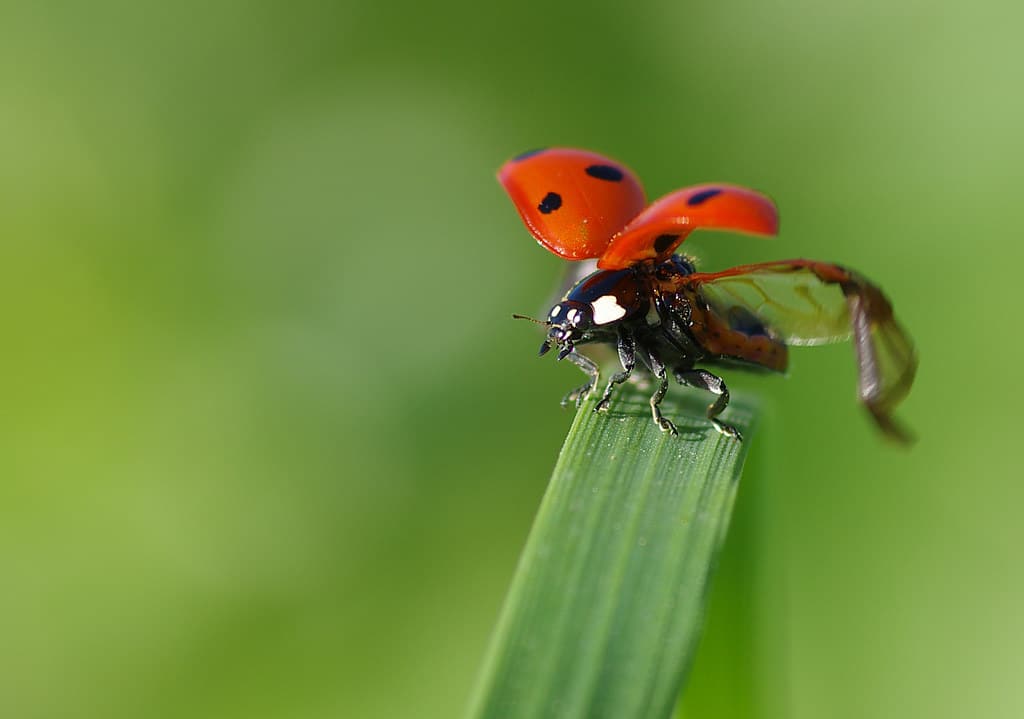
Ladybugs typically live for about 1 to 2 years. They spend their days fluttering around, helping to keep crops healthy and gardens happy while adding a splash of color to the world.
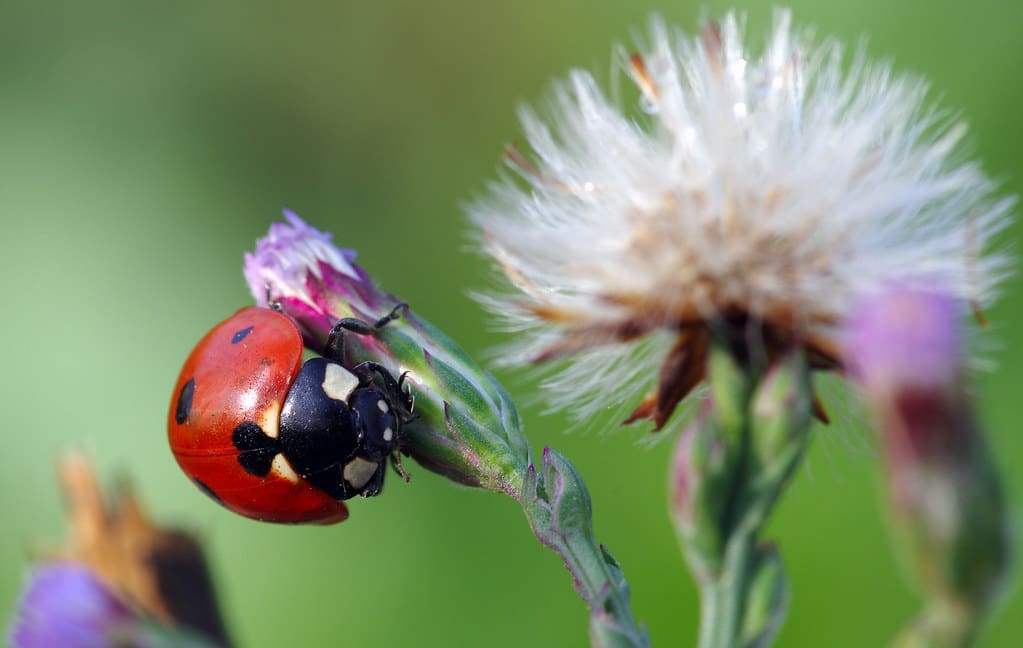
Most ladybugs can be found in Africa, where they thrive in warm environments. They like to hang out on plants and crops, making them an important part of the ecosystem.
What makes ladybugs even cooler is their ability to hibernate through cold months. When the temperatures drop, they cozy up together in groups to stay warm and emerge again when spring arrives.
The word

Where can you find a Ladybug in the wild?
What does a Ladybug eat?
How big can a Ladybug grow?
How long does a Ladybug typically live?
What is the conservation status of the Ladybug?
What are the main threats to the Ladybug?
Fun facts
Ladybugs can release a stinky fluid from their legs when threatened, acting like a superhero smoke bomb to scare off predators.


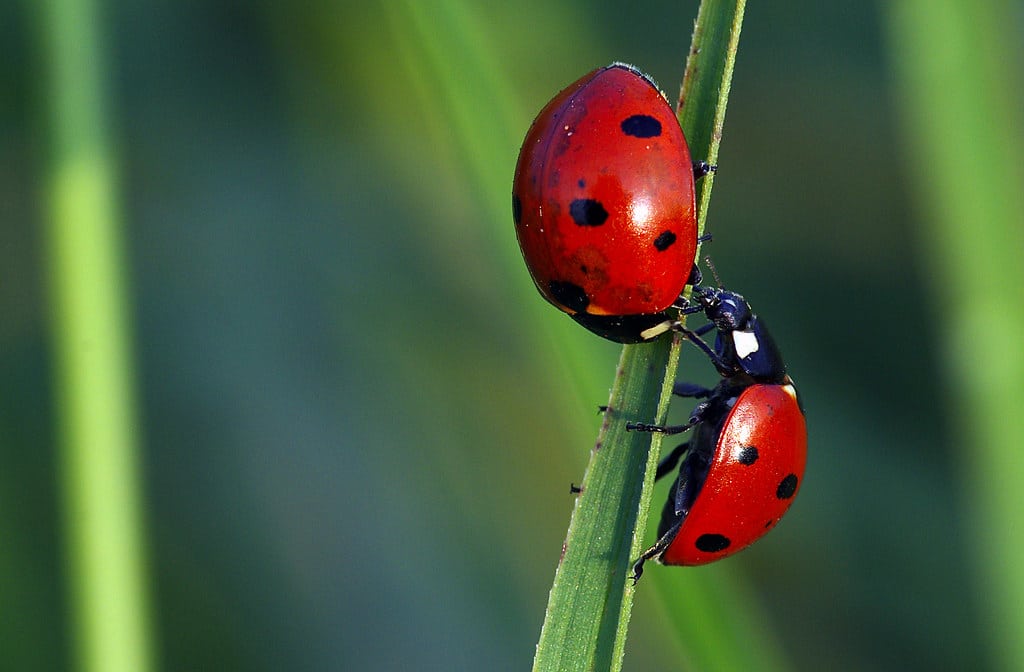
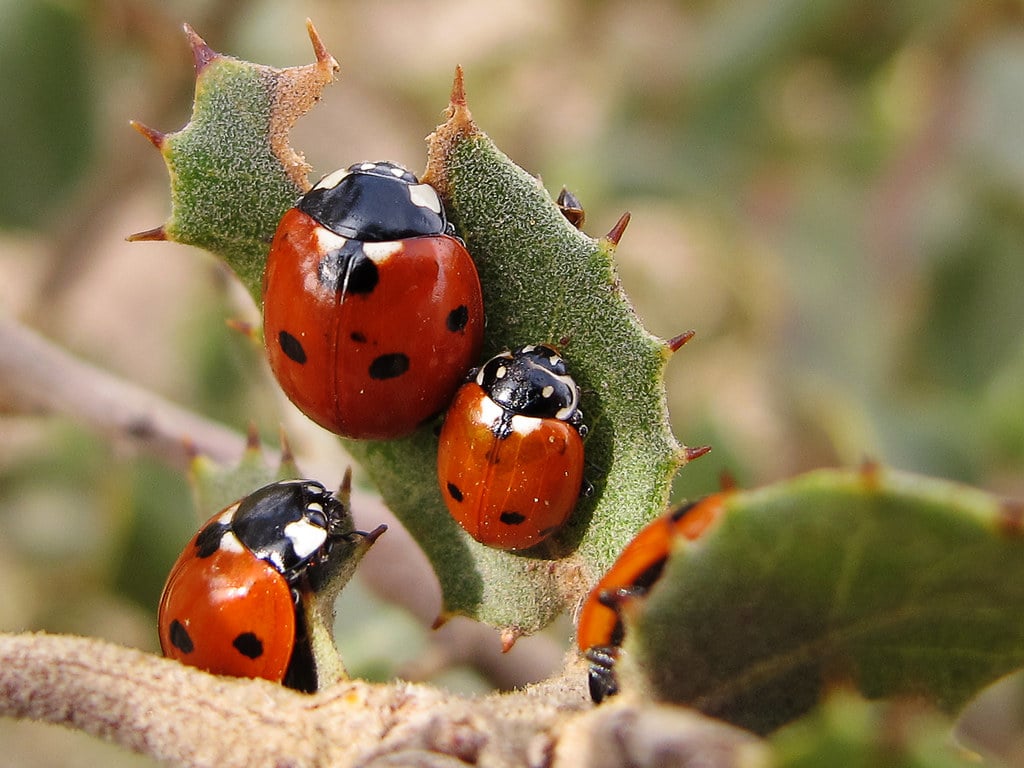
These beetles sometimes gather in groups that can number in the thousands during the winter, cuddling together to stay warm like a cozy insect slumber party!
Some ladybug species play dress-up in nature by changing their colors with the seasons, blending in with different plants for added protection.
When ladybugs eat aphids, they can consume up to 100 aphids in a single day, turning them into tiny pest-fighting machines!
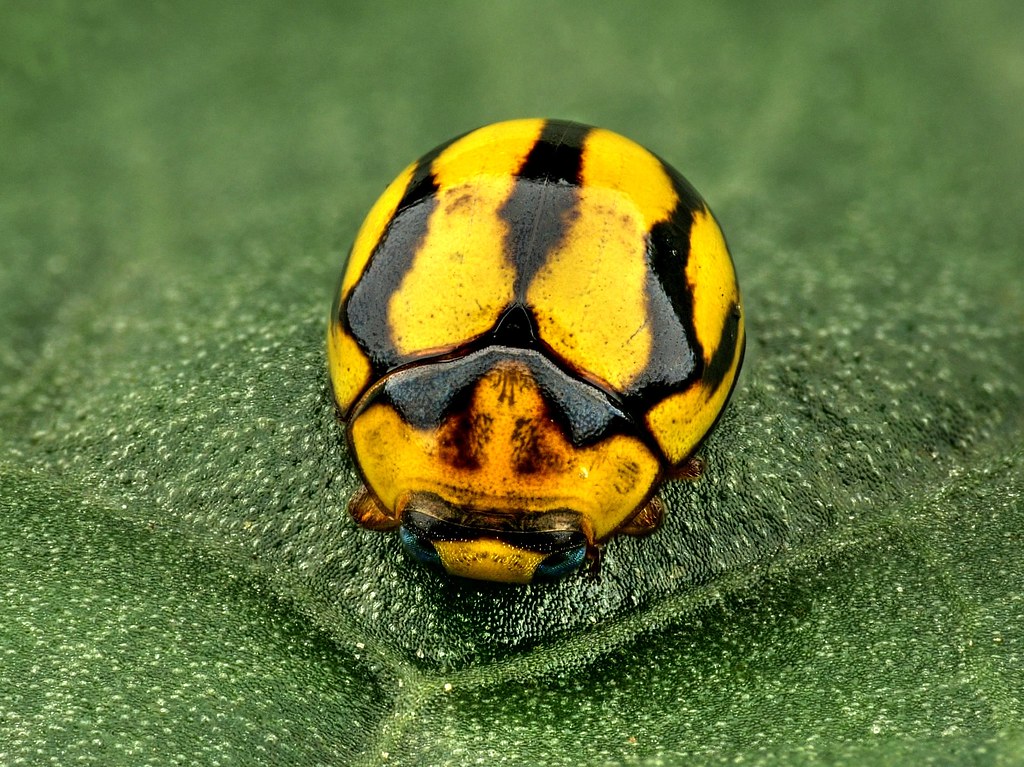
Ladybugs can often be found in an impressive range of colors, not just red or orange but also yellow, black, and even white, making them nature’s rainbow!
These friendly insects do not just eat pests; they also sometimes munch on mildew, special fungi that can harm plants, making them gardening superheroes!
Many cultures view ladybugs as symbols of good luck, believing that if one lands on you, it brings happiness, much like a little friend bringing cheerful vibes!
Ladybug larvae, which look like tiny alligators, are also hungry hunters, devouring even more aphids than their adult counterparts!
Some ladybugs can live up to three years if they find plenty of food and avoid danger, giving them enough time to munch on millions of aphids!
Scientists study ladybugs to learn about natural pest control, discovering that these beetles can help farmers grow food without using harmful chemicals.
Photos





The Basics


explore more
Amphibians
Arachnids
Birds
Cats
Crustaceans
Fish
Fish Pet Guide
Gastropods
Insects
Invertebrates
Mammals
Pet Fish
Pet Rodents
Plants
Reptiles
Roundworms
Sea Slugs