Successfully copied to clipboard!
Larder Beetle
Meet nature's tiny clean-up crew that loves leftovers!
Let’s Explore
Overview
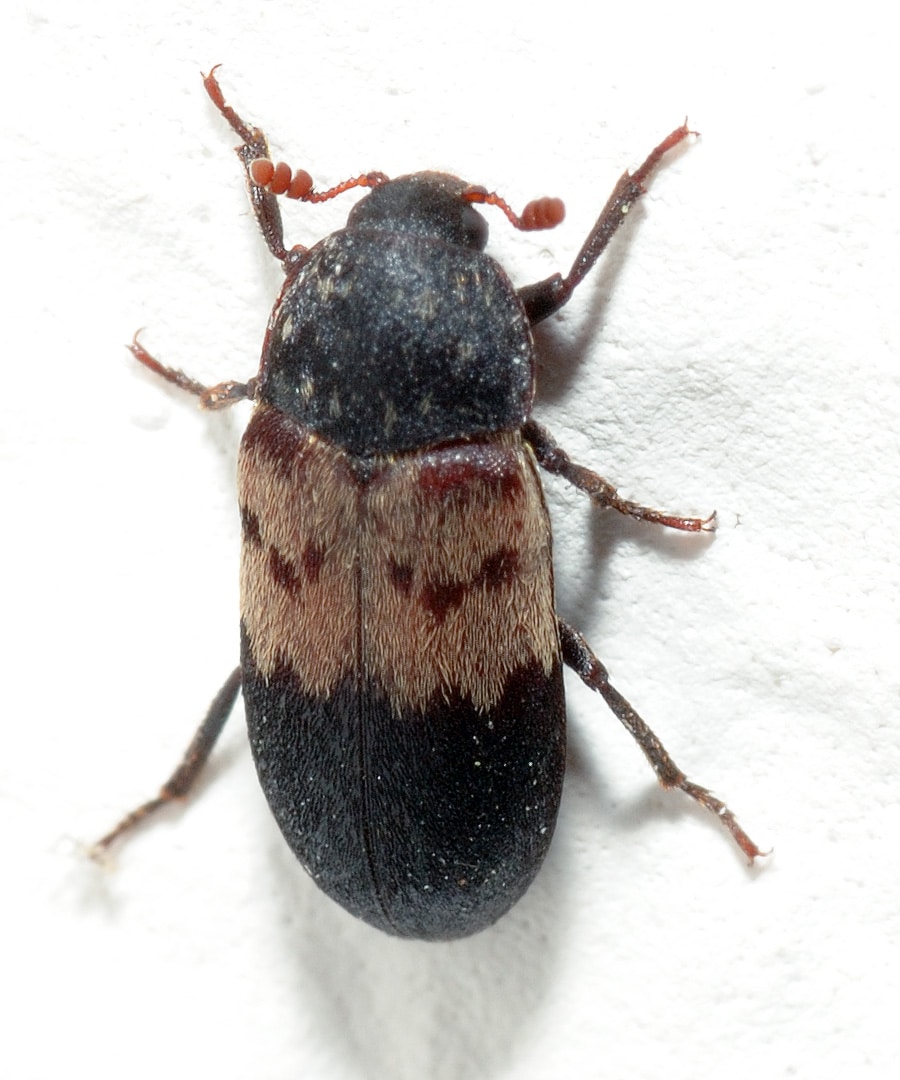
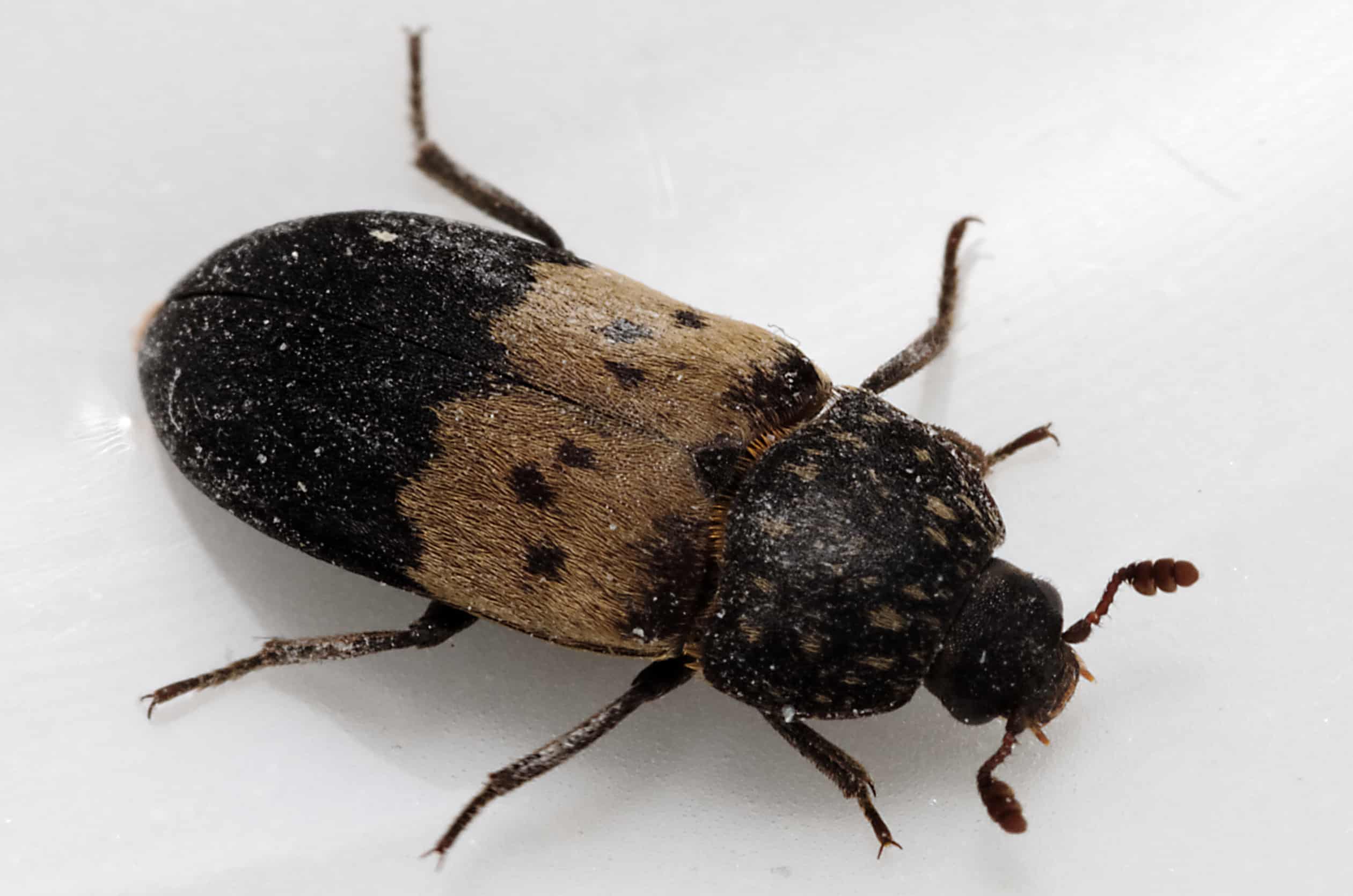
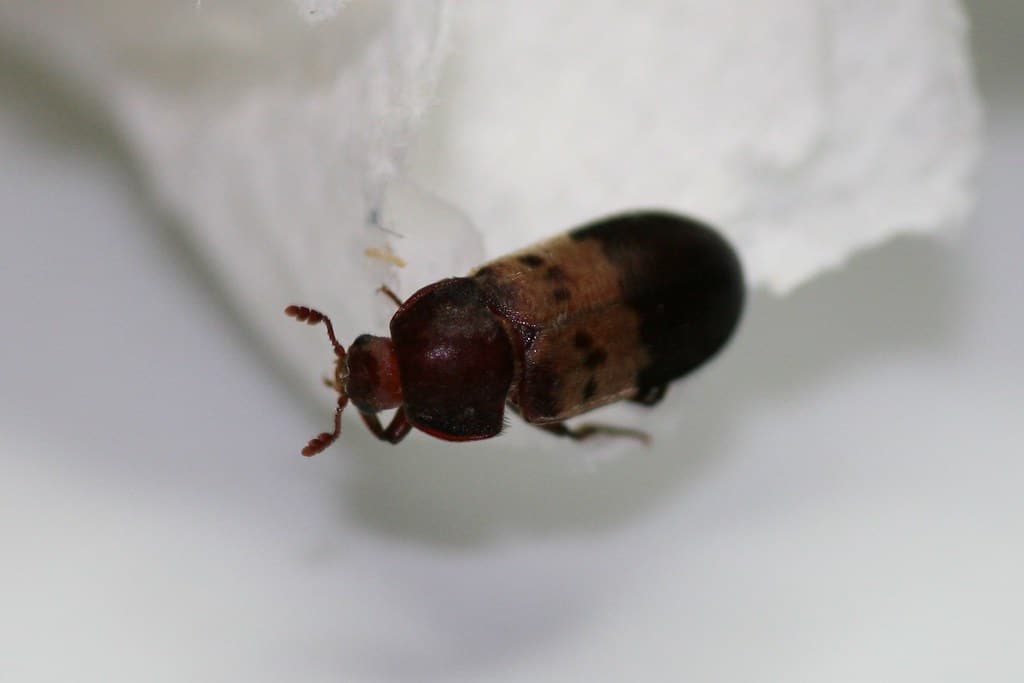
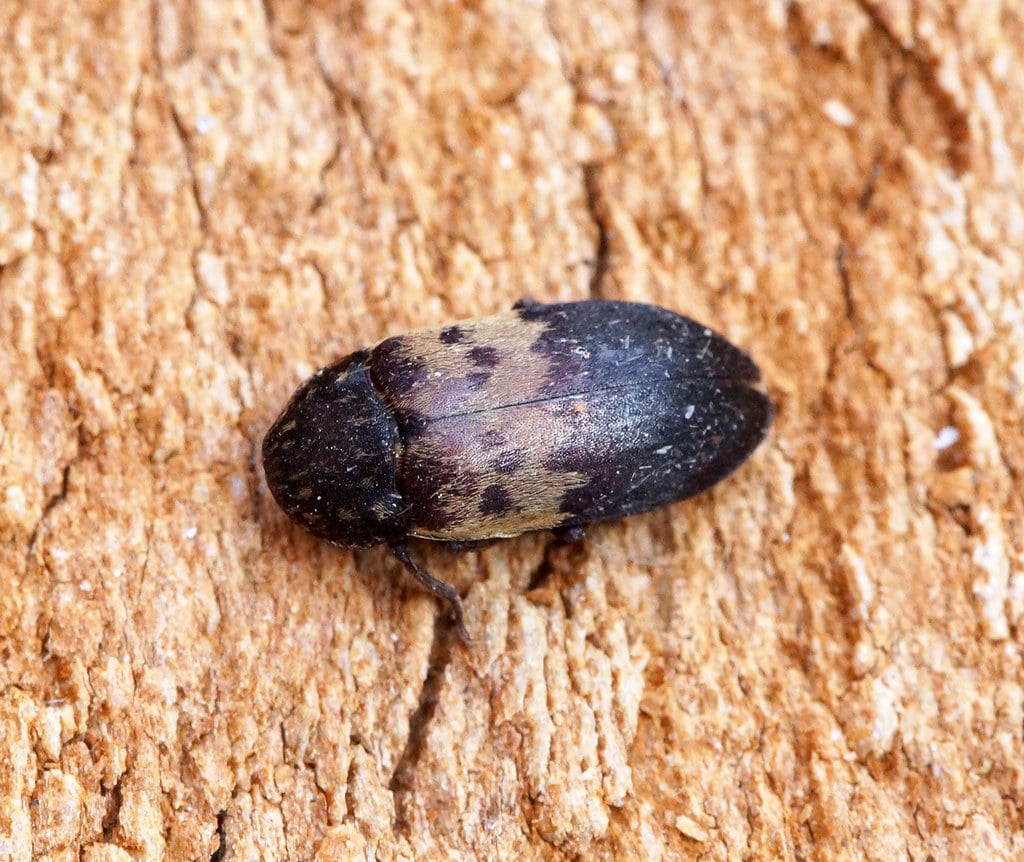
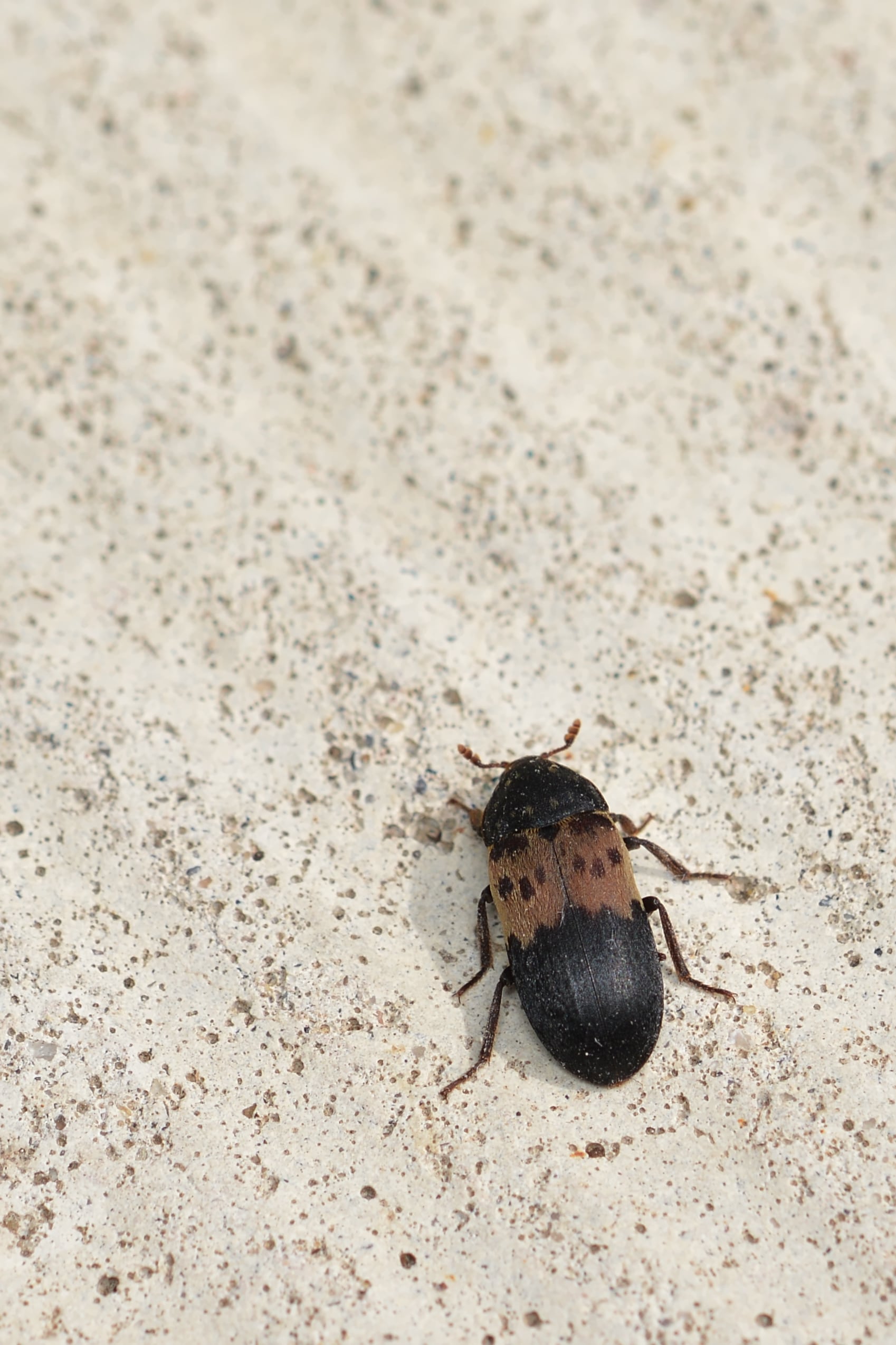
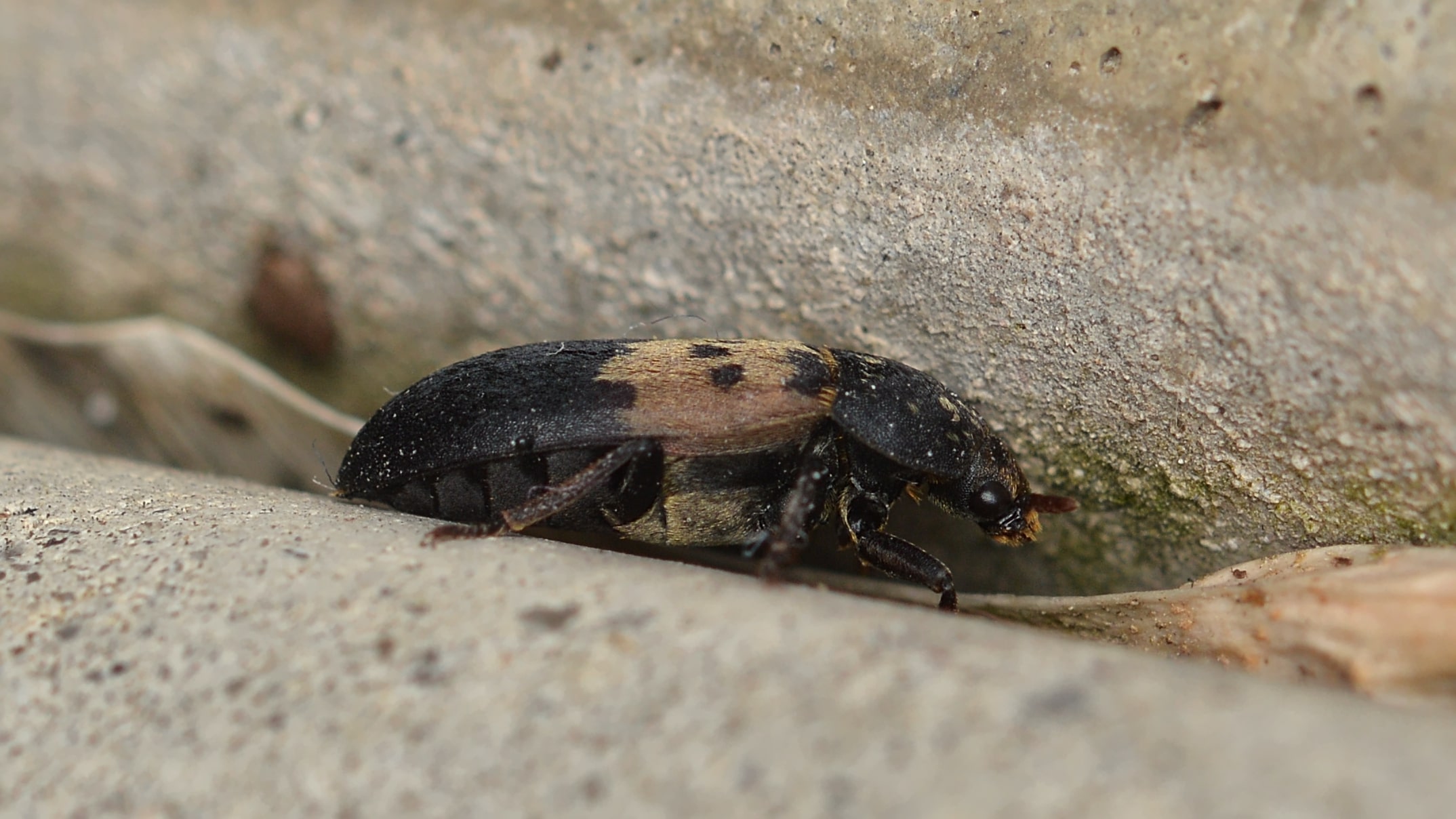
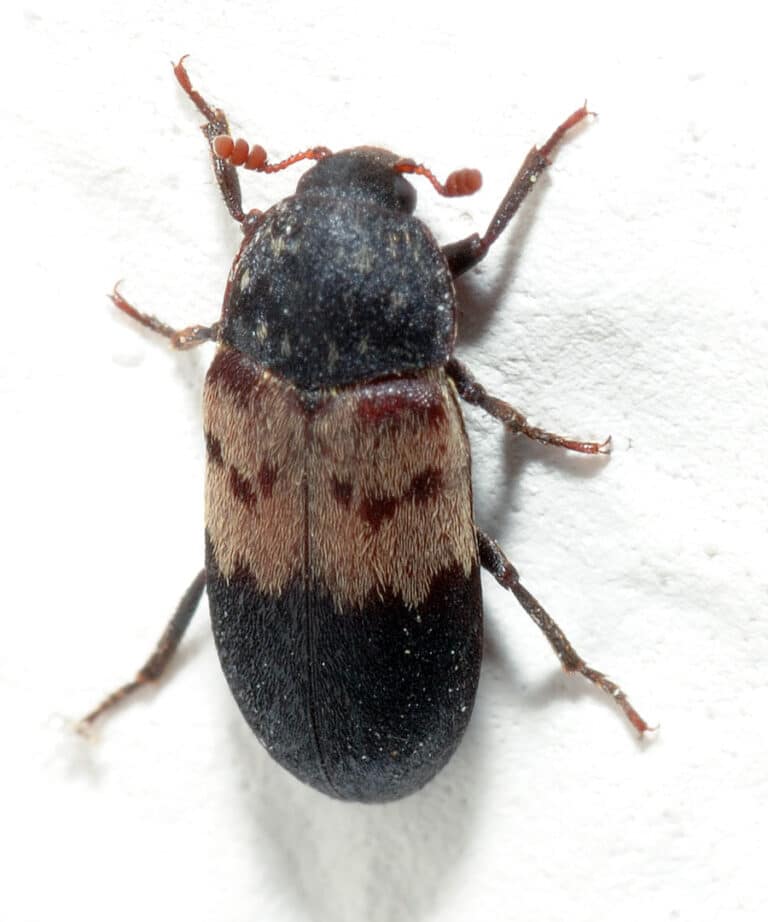
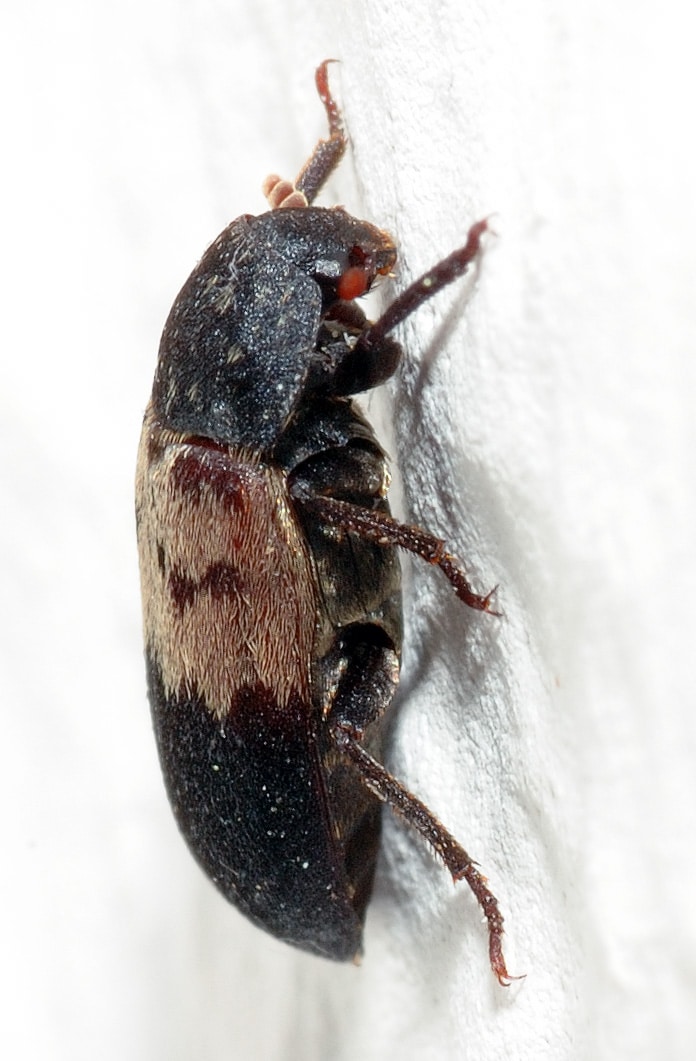
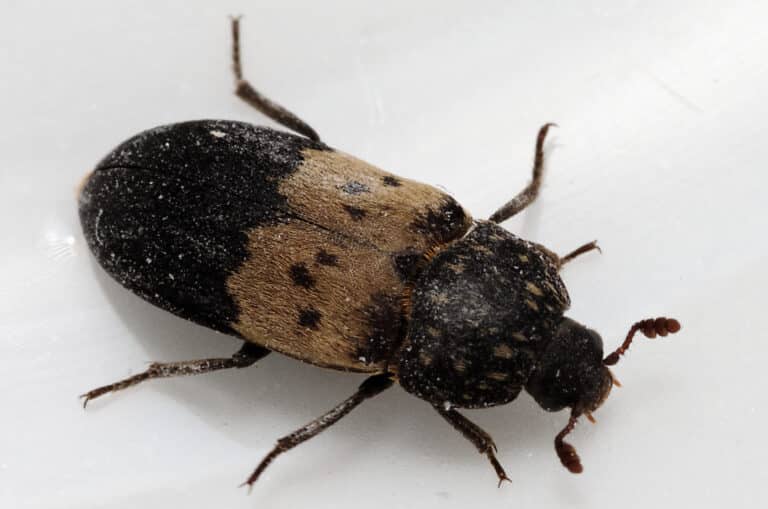
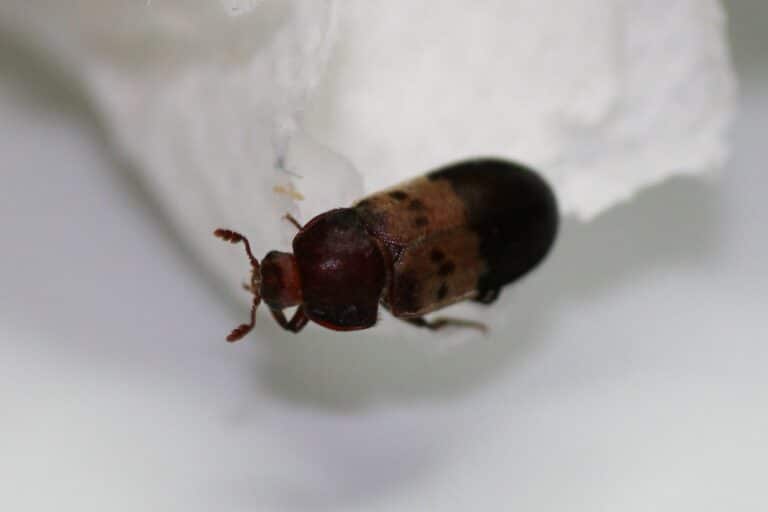
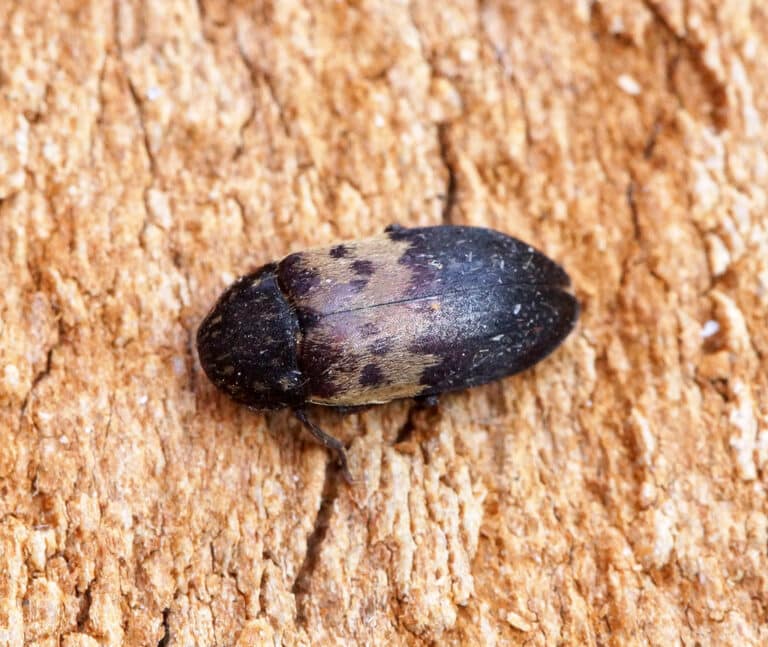
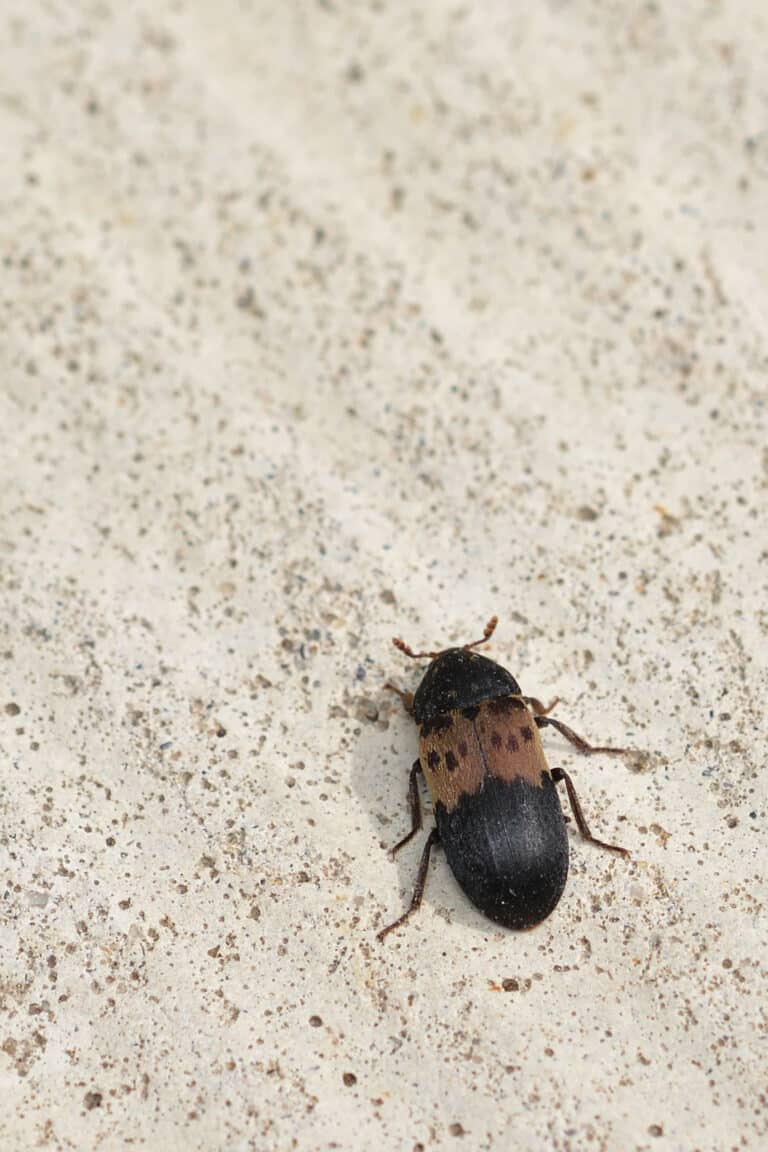
The Larder Beetle is a tiny treasure of the insect world, measuring only 7 to 9 millimeters long. These beetles belong to the insect family Dermestidae and are known for their snazzy black and yellow patterns.
Larder Beetles love to munch on leftovers! They primarily feast on dead animals, dried food, and even cheese. Their taste for the culinary remains makes them quite the scavengers in nature.
These critters are not just good at cleaning up after parties; they also have a remarkable lifespan! Larder Beetles typically live for about 4 to 6 months, making the most of their short lives while they snack and thrive.
You can often find Larder Beetles hanging out in homes, especially around food storage areas. They may appear uninvited, but they serve an important role in breaking down organic materials.
So, if you spot a Larder Beetle in your kitchen, just remember they are part of nature’s clean-up crew. Give them a wave and let them do their thing, but maybe keep the cheese hidden!

Where can you find a Larder Beetle in the wild?
What does a Larder Beetle eat?
How big can a Larder Beetle grow?
How long does a Larder Beetle typically live?
What is the conservation status of the Larder Beetle?
What are the main threats to the Larder Beetle?
Fun facts
Larder Beetles can produce a strange smell that helps them communicate with each other, almost like sending a text message using their own special scent!


When feeling threatened, Larder Beetles may play dead! They roll over and stay really still, hoping that predators will lose interest, kind of like a little insect magician.
Their larvae look a bit like tiny furry creatures. Instead of being beetle-like, they have long, hairy bodies that help them camouflage, making it hard for predators to spot them.
Larder Beetles can lay up to 100 eggs at once, leading to a mini army of tiny beetles ready to clean up nature's leftovers!
These beetles are great recyclers! By feasting on dead animals and old food, they help break down organic matter, making them nature’s own cleanup crew.
Larder Beetles can adapt to many environments. They can thrive in homes, farms, and even in nature, making them the ultimate survivors!
These beetles undergo a cool transformation, similar to a magical metamorphosis. They start as eggs, hatch as larvae, pupate, and emerge as adult beetles in just a few short weeks.
Some people in history thought Larder Beetles were a sign of good luck. Finding one in your house meant you might discover hidden treasures, like a forgotten snack!
Larder Beetles can sometimes make their homes in dry and dusty places. They enjoy hanging out in old pantries, food storage spaces, and even in attics, searching for tasty treats.
Being small does not mean they are weak! Larder Beetles can survive without food for a surprising amount of time, proving that good scavengers always find a way to thrive!
Photos





The Basics


explore more
Amphibians
Arachnids
Birds
Cats
Crustaceans
Fish
Fish Pet Guide
Gastropods
Insects
Invertebrates
Mammals
Pet Fish
Pet Rodents
Plants
Reptiles
Roundworms
Sea Slugs