Successfully copied to clipboard!
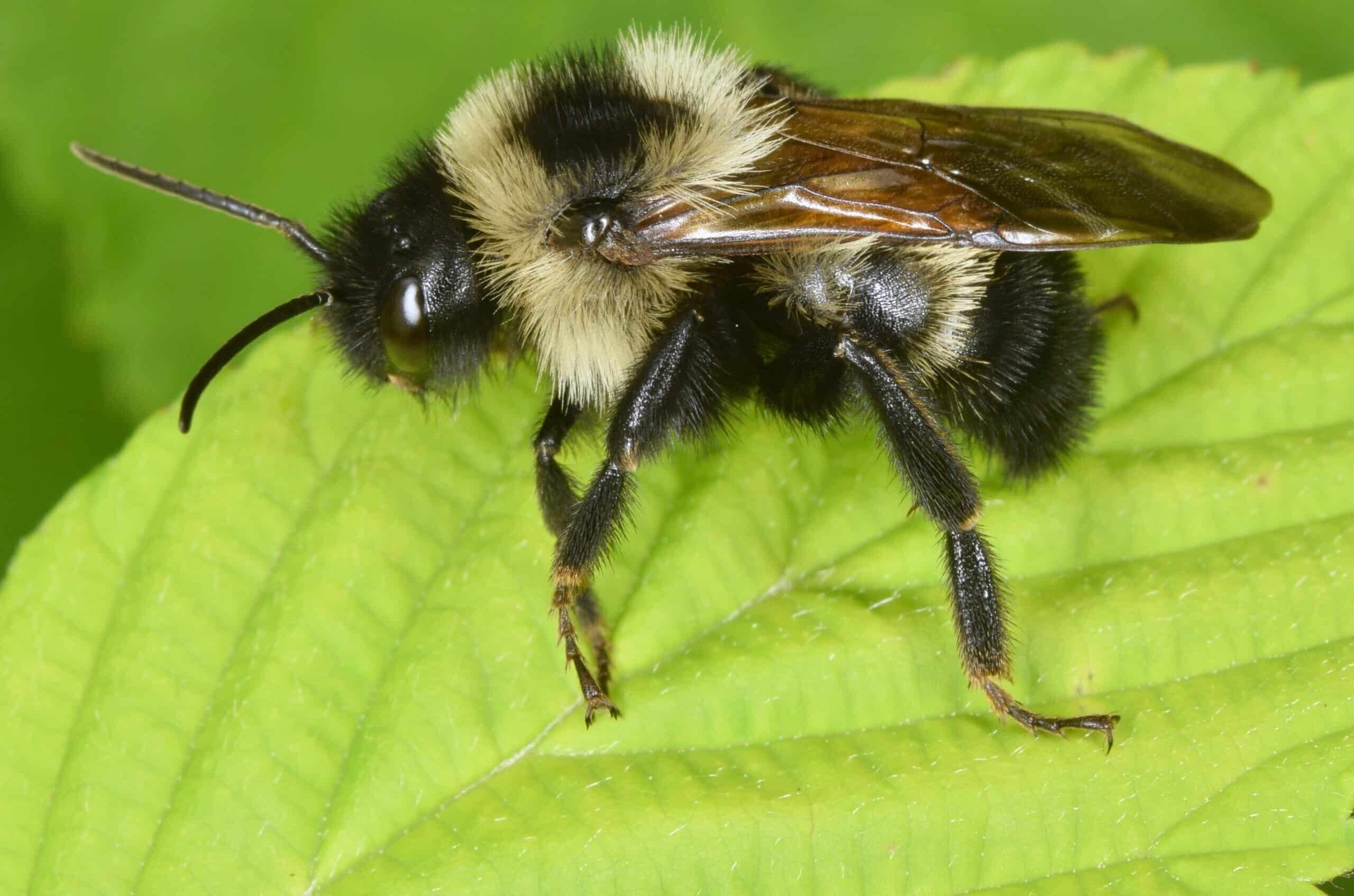
Lemon Cuckoo Bumblebee
Join the buzzing team of amazing pollinators!
Let’s Explore
Overview
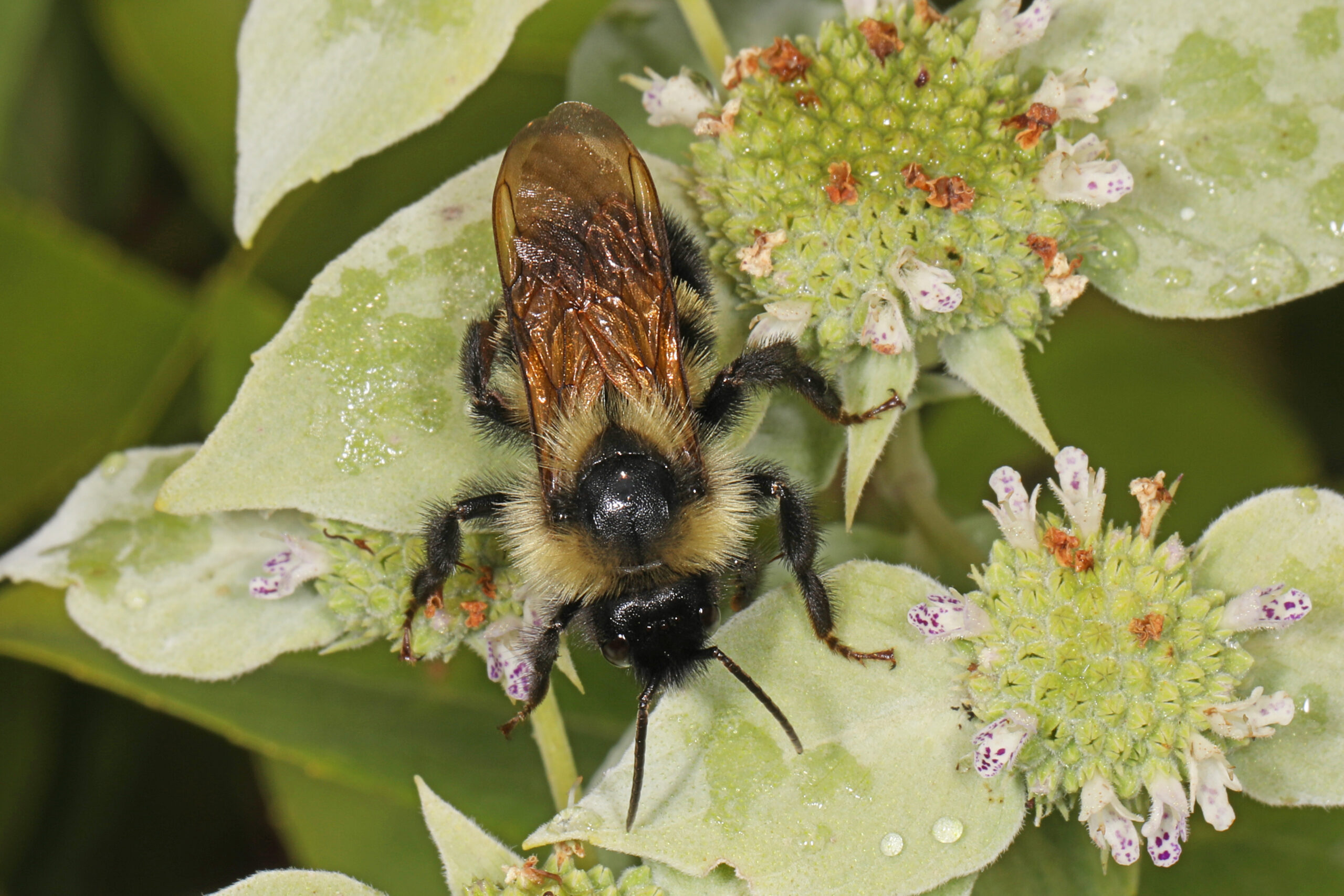
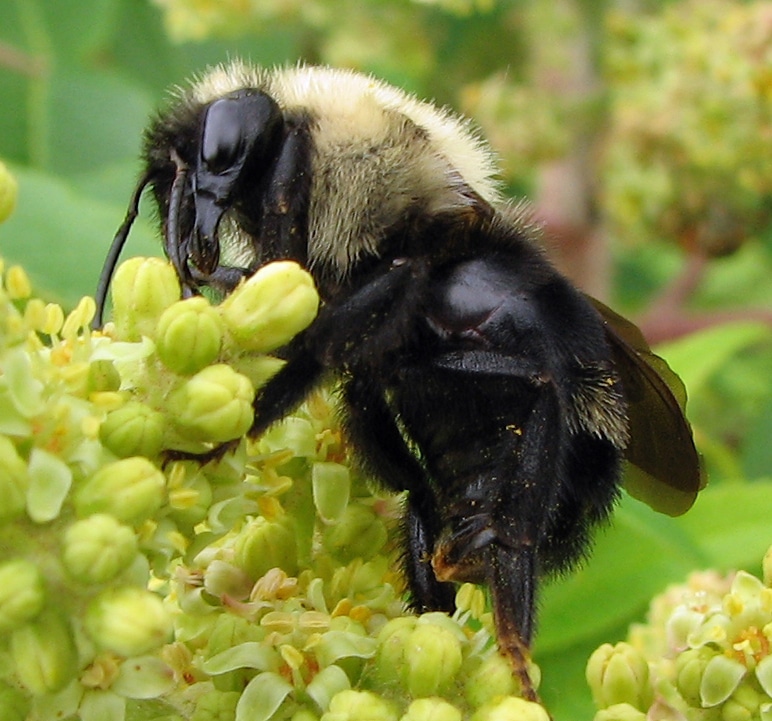
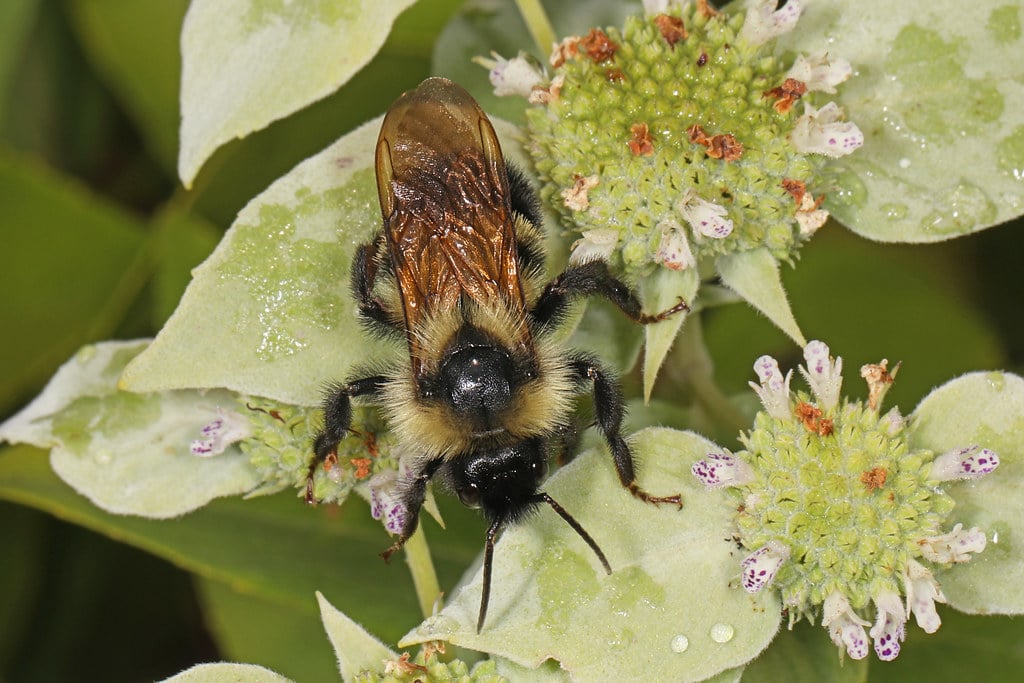
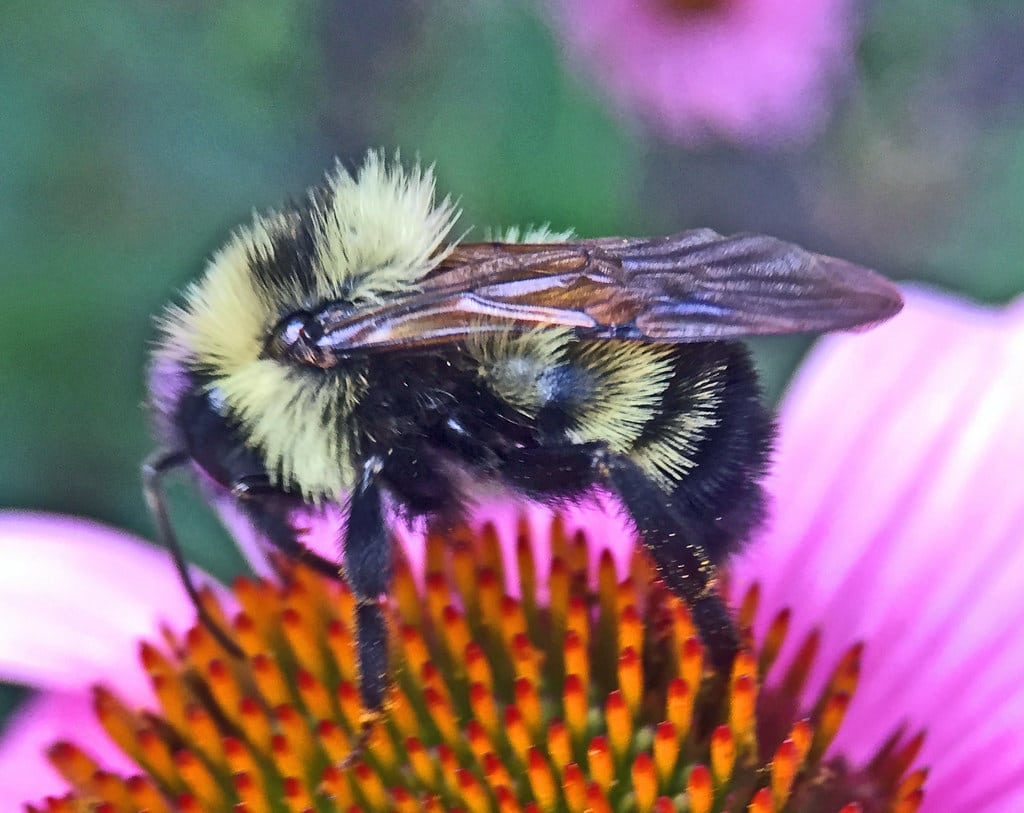
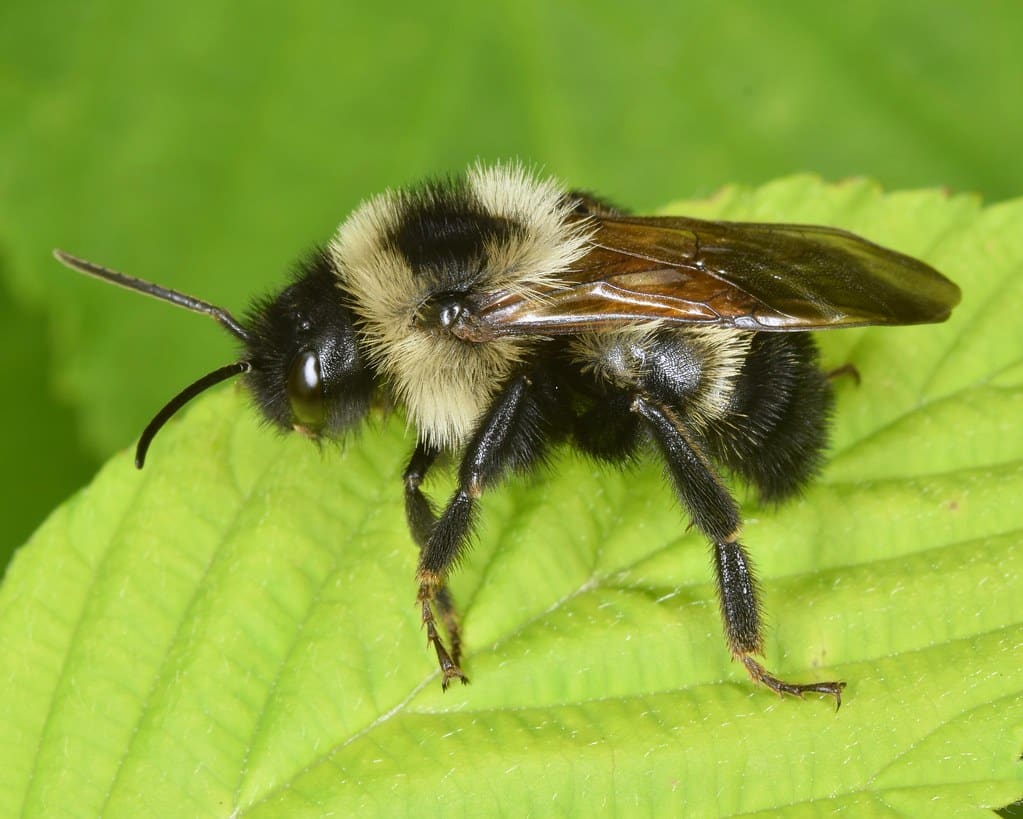
The Lemon Cuckoo Bumblebee is a buzzing wonder found in North America. This friendly insect belongs to the Bombus genus and showcases a unique mix of colors that can brighten anyone's day.
Lemon Cuckoo Bumblebees typically measure about 0.5 to 0.7 inches long. That makes them quite small, but they sure know how to make a big impact in the garden!
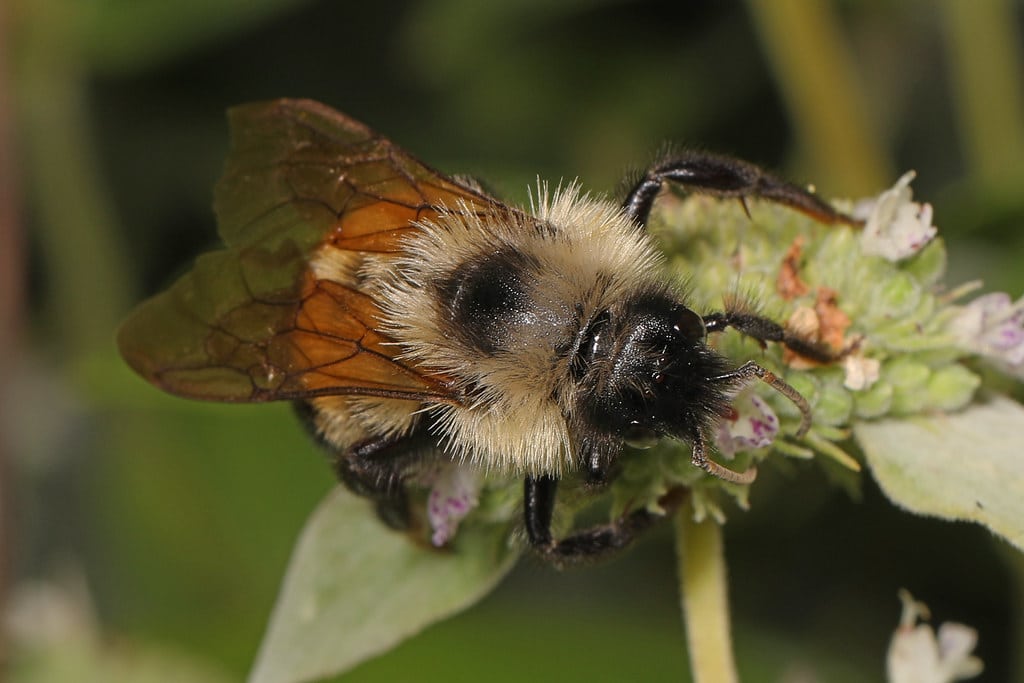
These bees love to feast on nectar and pollen, making them essential helpers for many flowering plants. By sipping on flower nectar, they pollinate plants, ensuring that flowers can produce seeds and fruit.
Like other bumblebees, Lemon Cuckoo Bumblebees have a short lifespan. They live for only a few weeks, but their buzzing activity helps plenty of plants thrive during their brief time.
These bees belong to the order Hymenoptera and the family Apidae. Their fascinating behavior and contributions to nature make them real stars in the insect world!

Where can you find a Lemon Cuckoo Bumblebee in the wild?
What does a Lemon Cuckoo Bumblebee eat?
How big can a Lemon Cuckoo Bumblebee grow?
How long does a Lemon Cuckoo Bumblebee typically live?
What is the conservation status of the Lemon Cuckoo Bumblebee?
What are the main threats to the Lemon Cuckoo Bumblebee?
Fun facts
The Lemon Cuckoo Bumblebee has a cheeky habit of sneaking into the nests of other bumblebees. They lay their eggs in these nests, allowing the workers to help raise their young!


This bee doesn’t build its own nest. It takes over the nests of other bumblebee species, proving that sharing can have some buzz-worthy benefits!
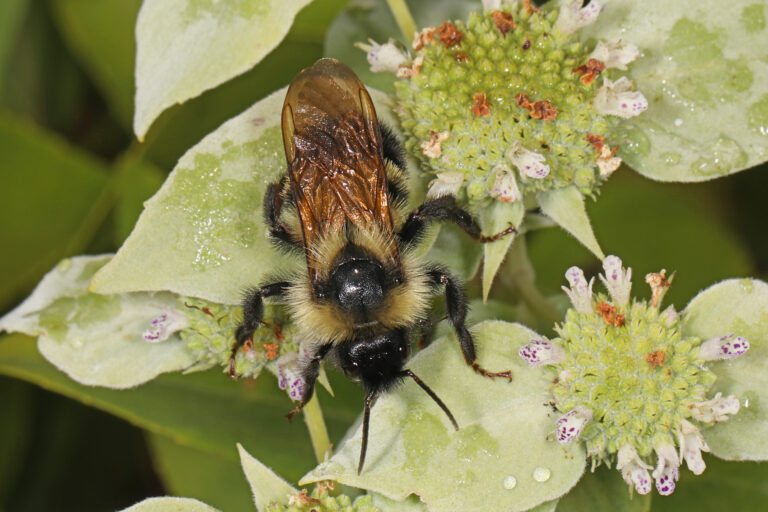
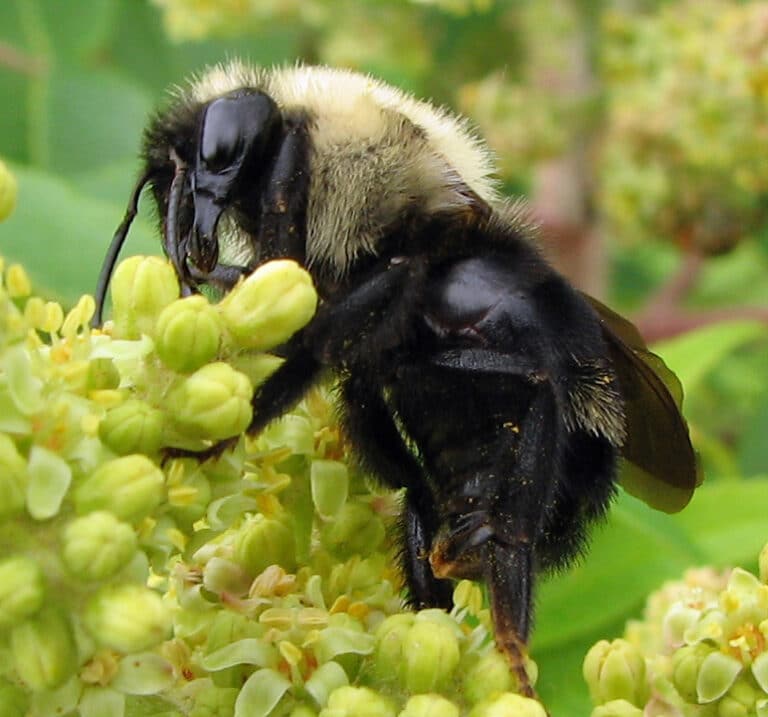
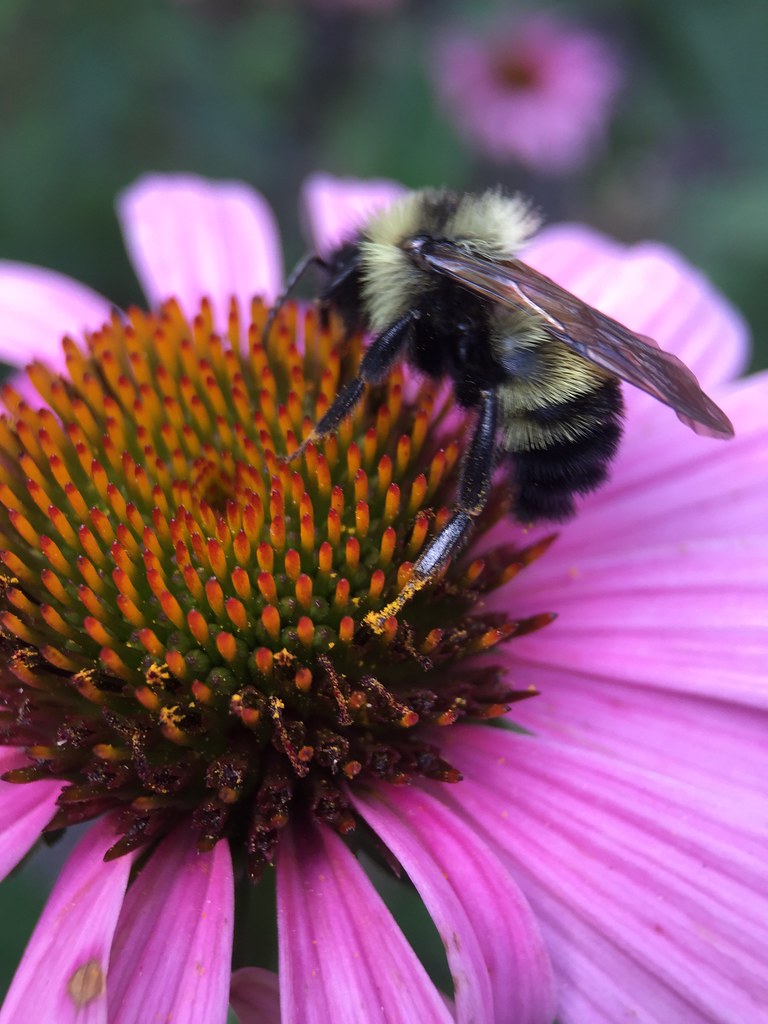
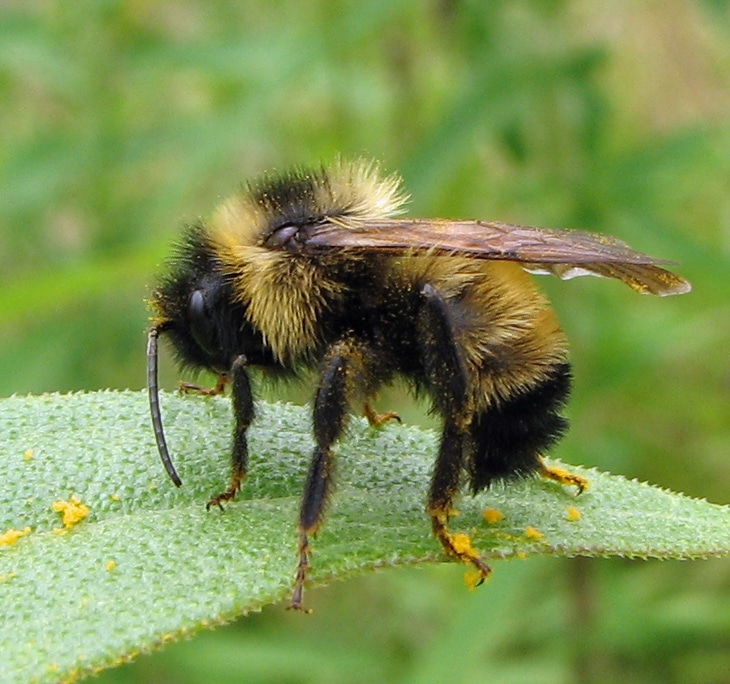
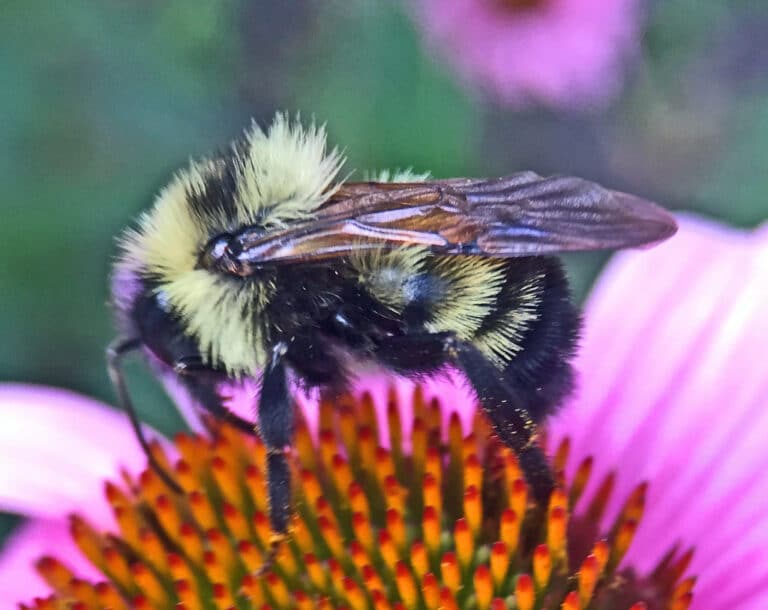
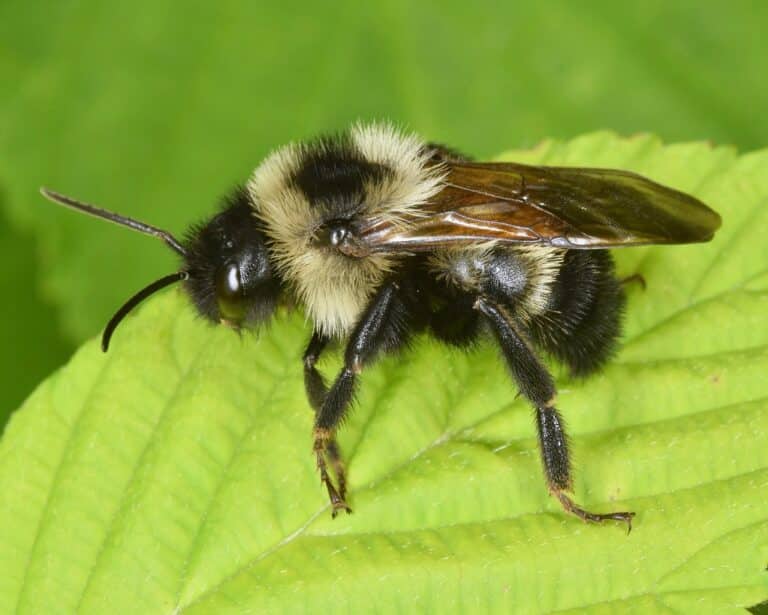
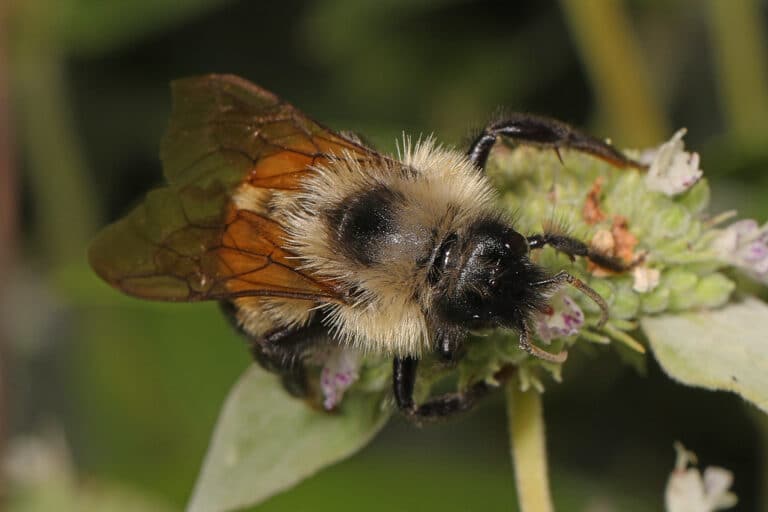
Lemon Cuckoo Bumblebees have a lovely lemon-yellow and black color pattern, making them one of the most eye-catching bees. Their colorful appearance brings joy while they pollinate!
When these bees get excited or startled, they buzz loudly, almost like a tiny alarm system! This buzzing serves as a warning to other creatures nearby.
These bees help plants grow by moving pollen. They gather pollen in special sacs on their legs, showing how teamwork in nature works wonders!
Their long tongues allow them to access nectar from flowers with deep tubes. This unique adaptation means they can reach goodies that many other bees cannot!
Lemon Cuckoo Bumblebees prefer flowers that bloom in spring and early summer. They are the breakfast club of the bee world, visiting early risers for sweet nectar!
These bees are social but also a bit stealthy. They often blend in with other bumblebees to avoid being noticed while they lay their eggs in other nests.
Scientists say that Lemon Cuckoo Bumblebees are less predictable and harder to spot than regular bumblebees. They like to keep their buzzing adventures a secret!
Despite their sweet role in nature, these bees still need our help! You can create friendly habitats by planting flowers and reducing chemicals in gardens.
Photos





The Basics


explore more
Amphibians
Arachnids
Birds
Cats
Crustaceans
Fish
Fish Pet Guide
Gastropods
Insects
Invertebrates
Mammals
Pet Fish
Pet Rodents
Plants
Reptiles
Roundworms
Sea Slugs