Successfully copied to clipboard!
Locust
Jump into the world of incredible swarming superheroes!
Let’s Explore
Overview
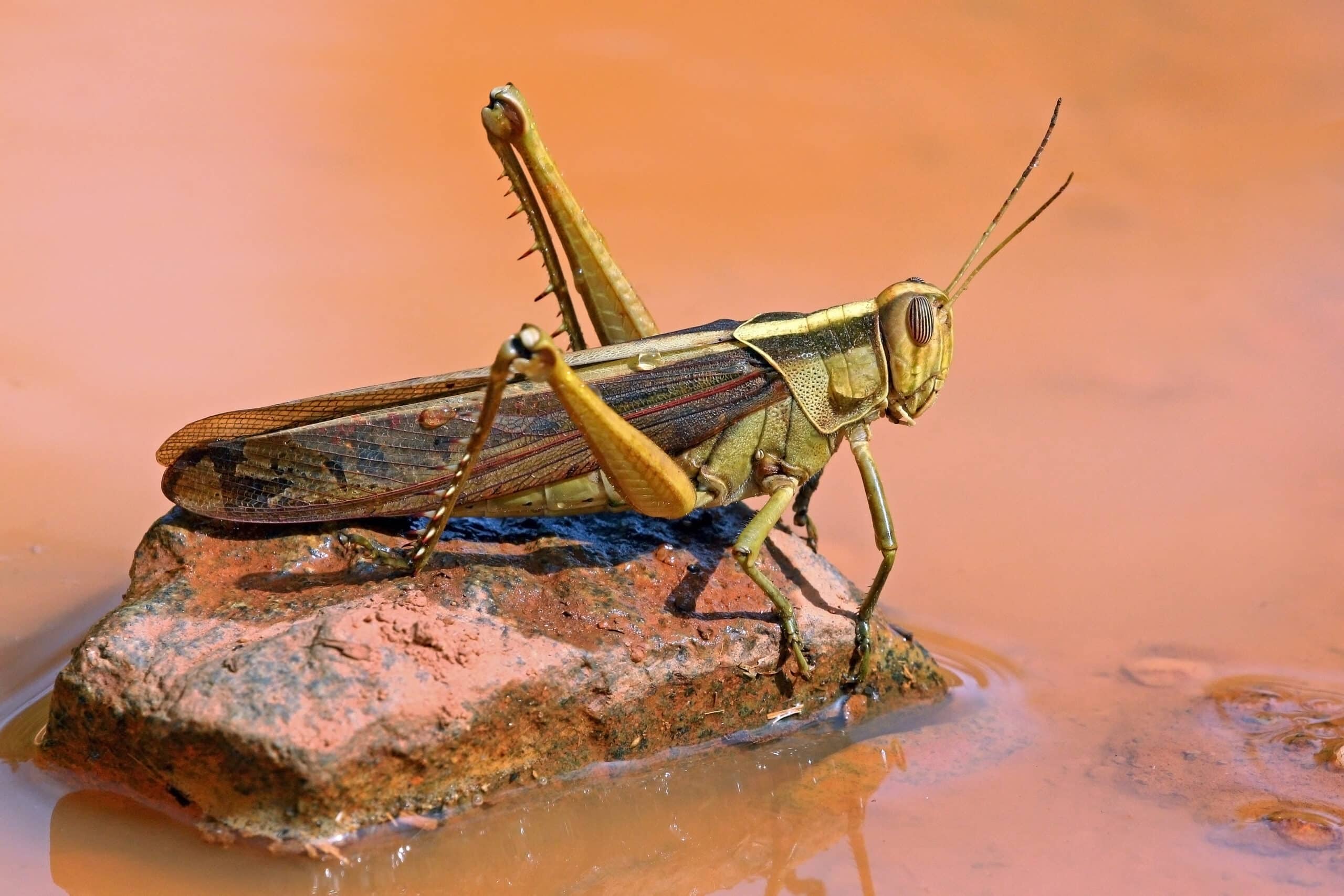
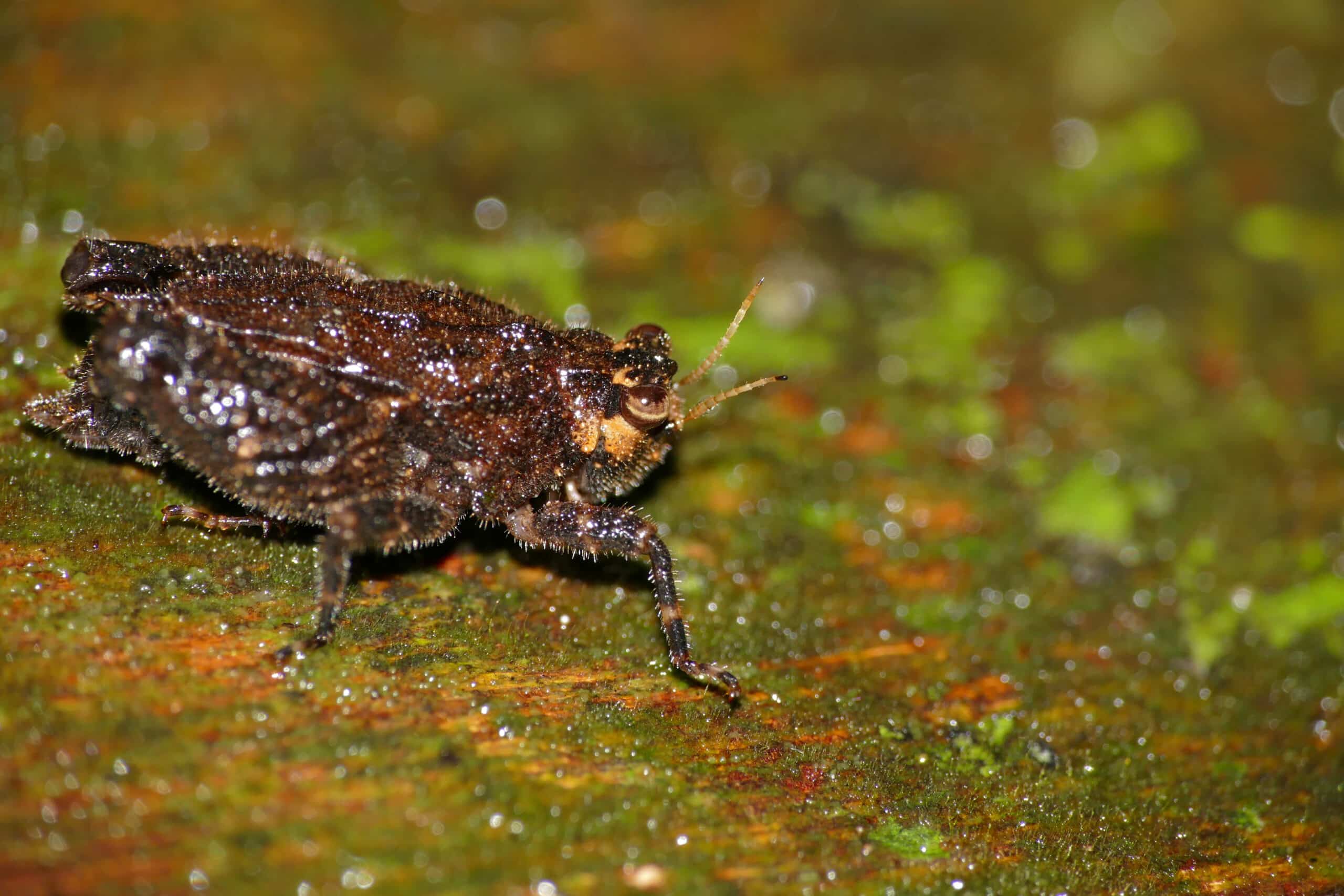
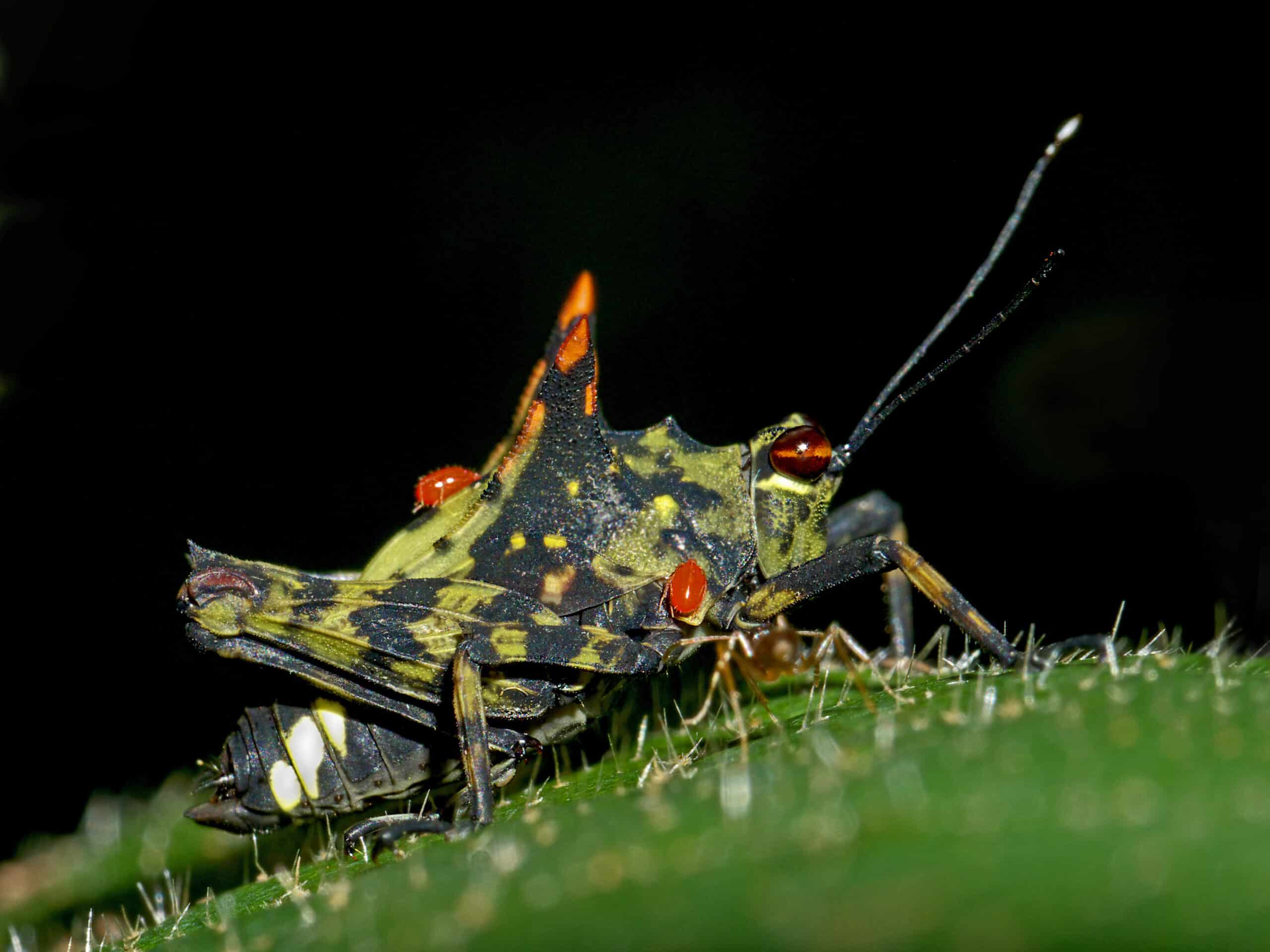
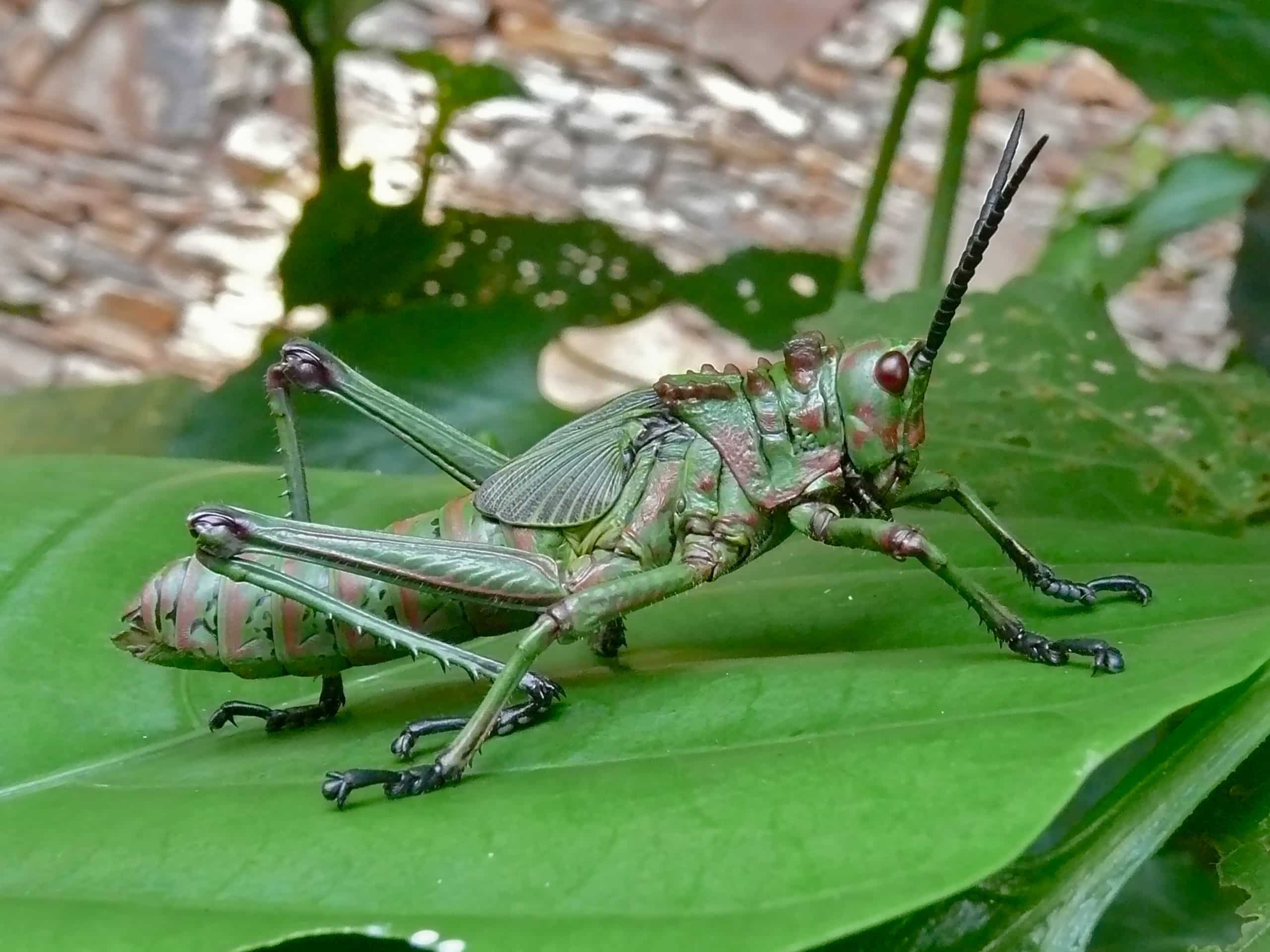
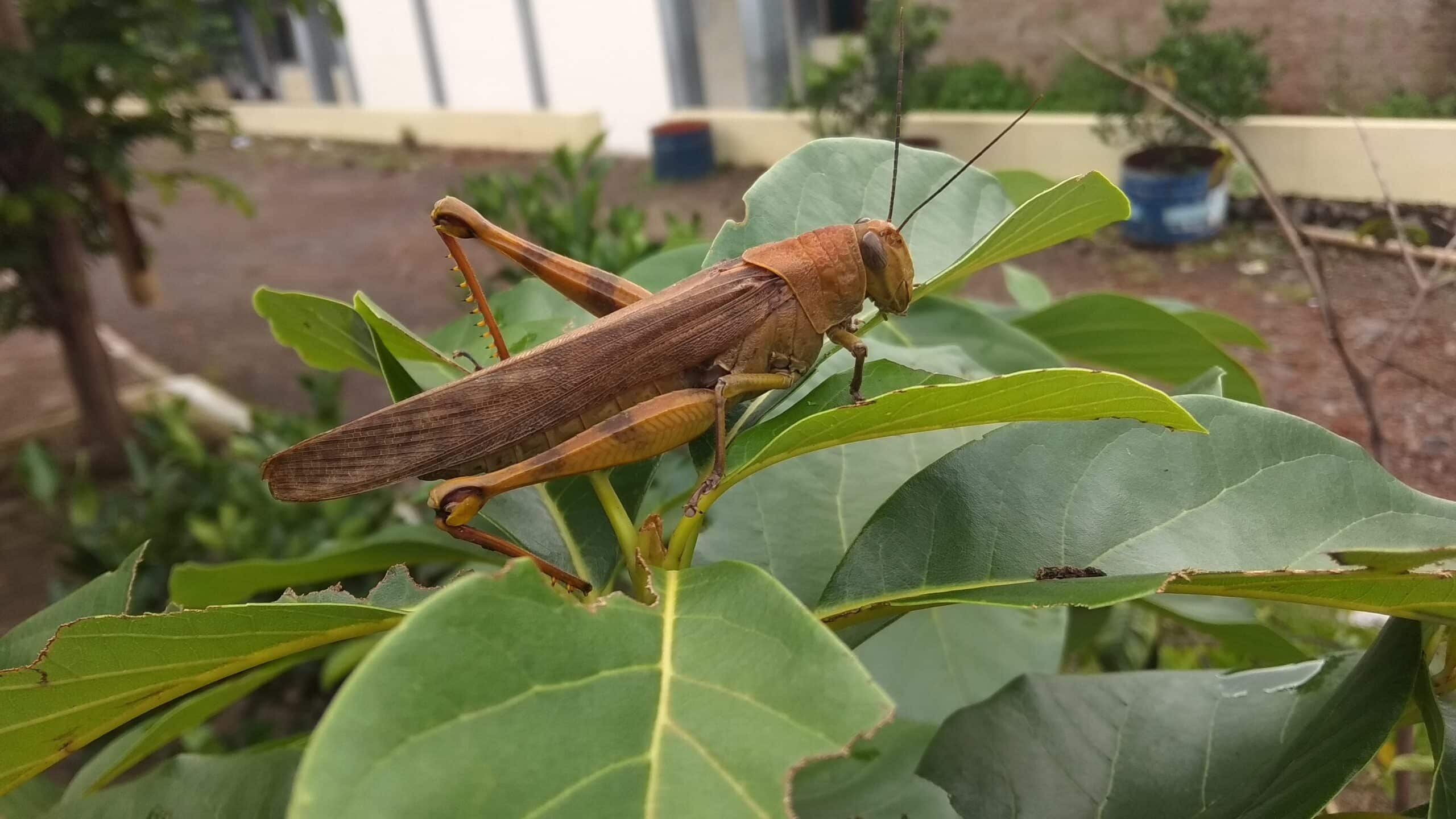
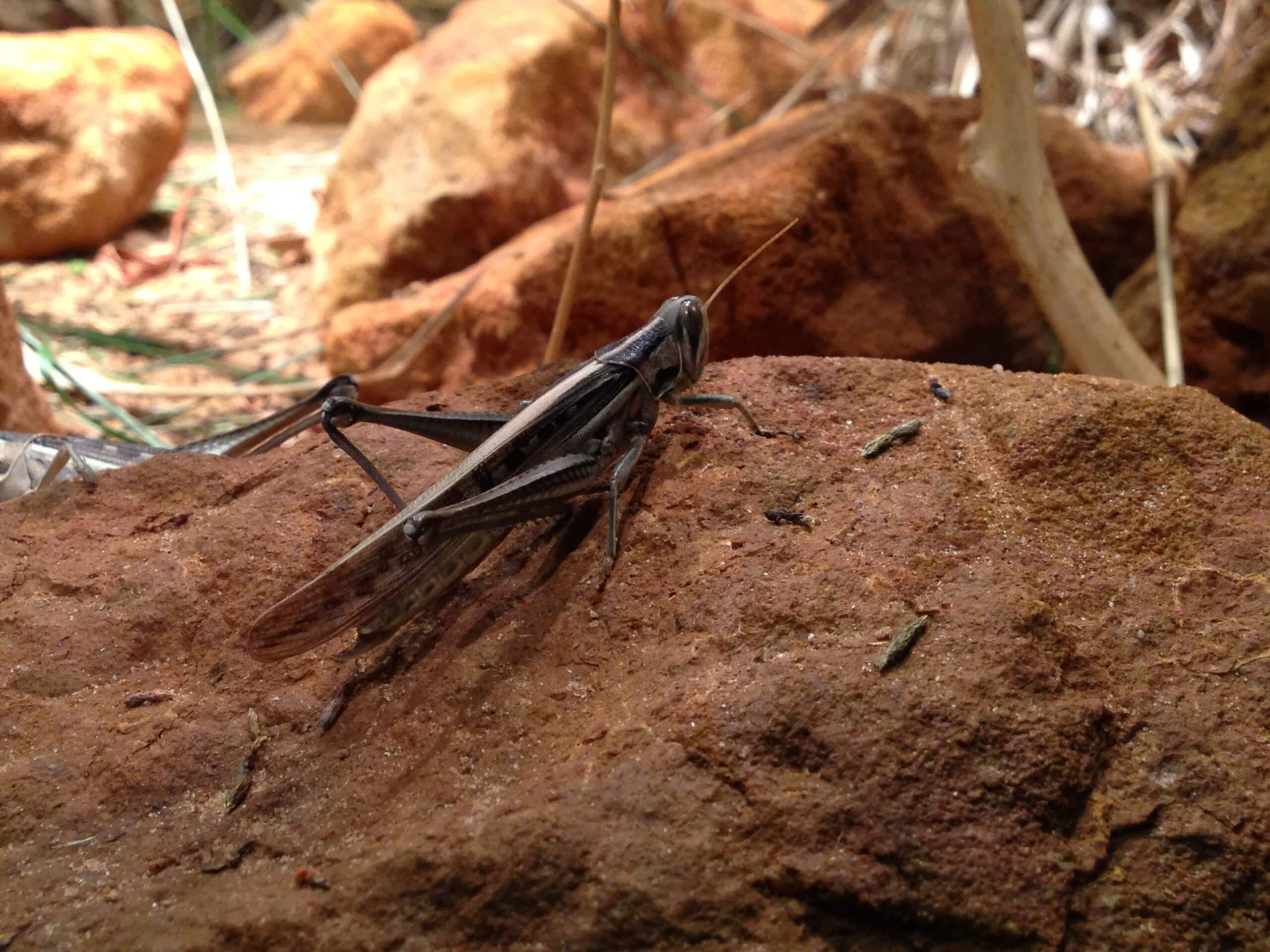
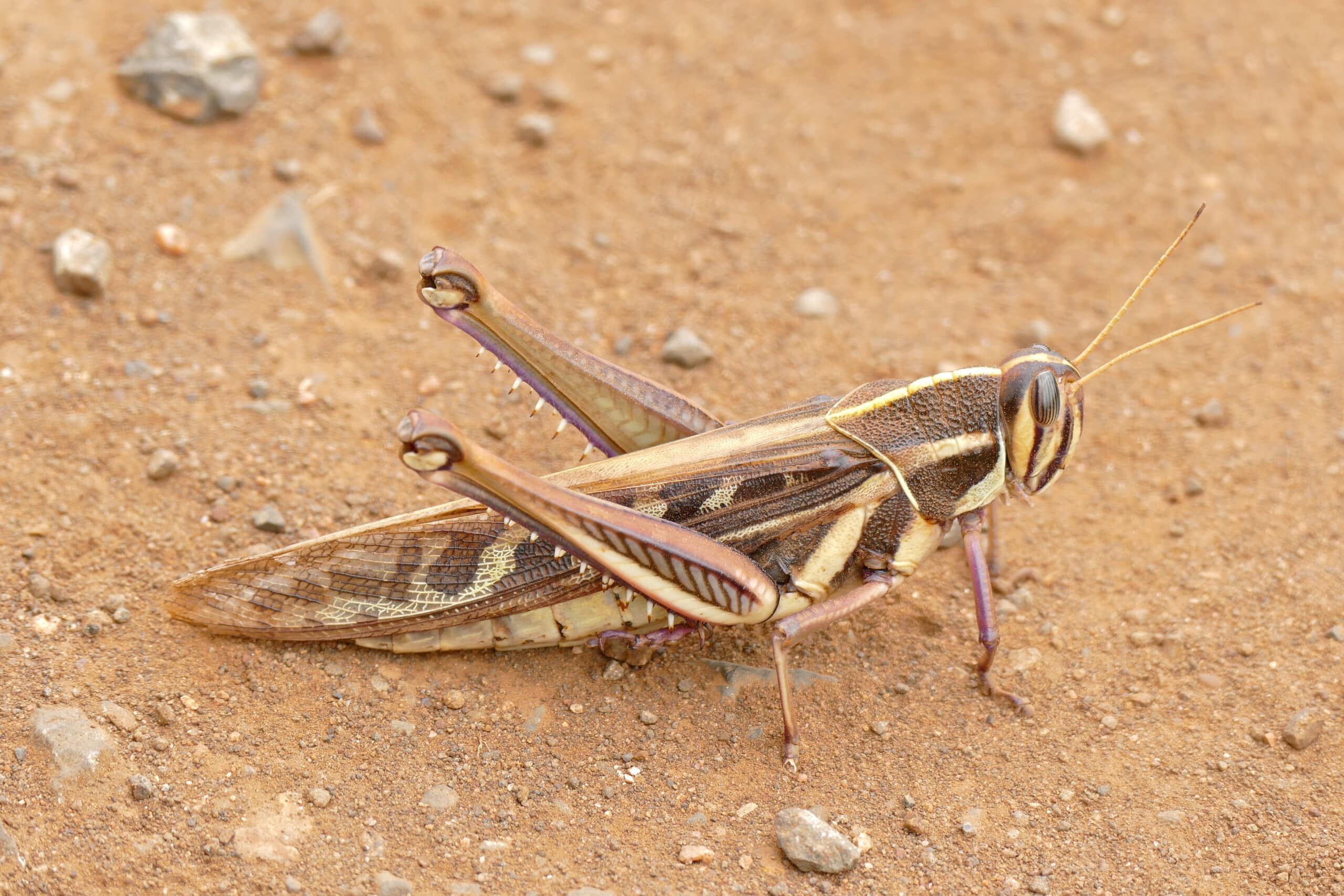
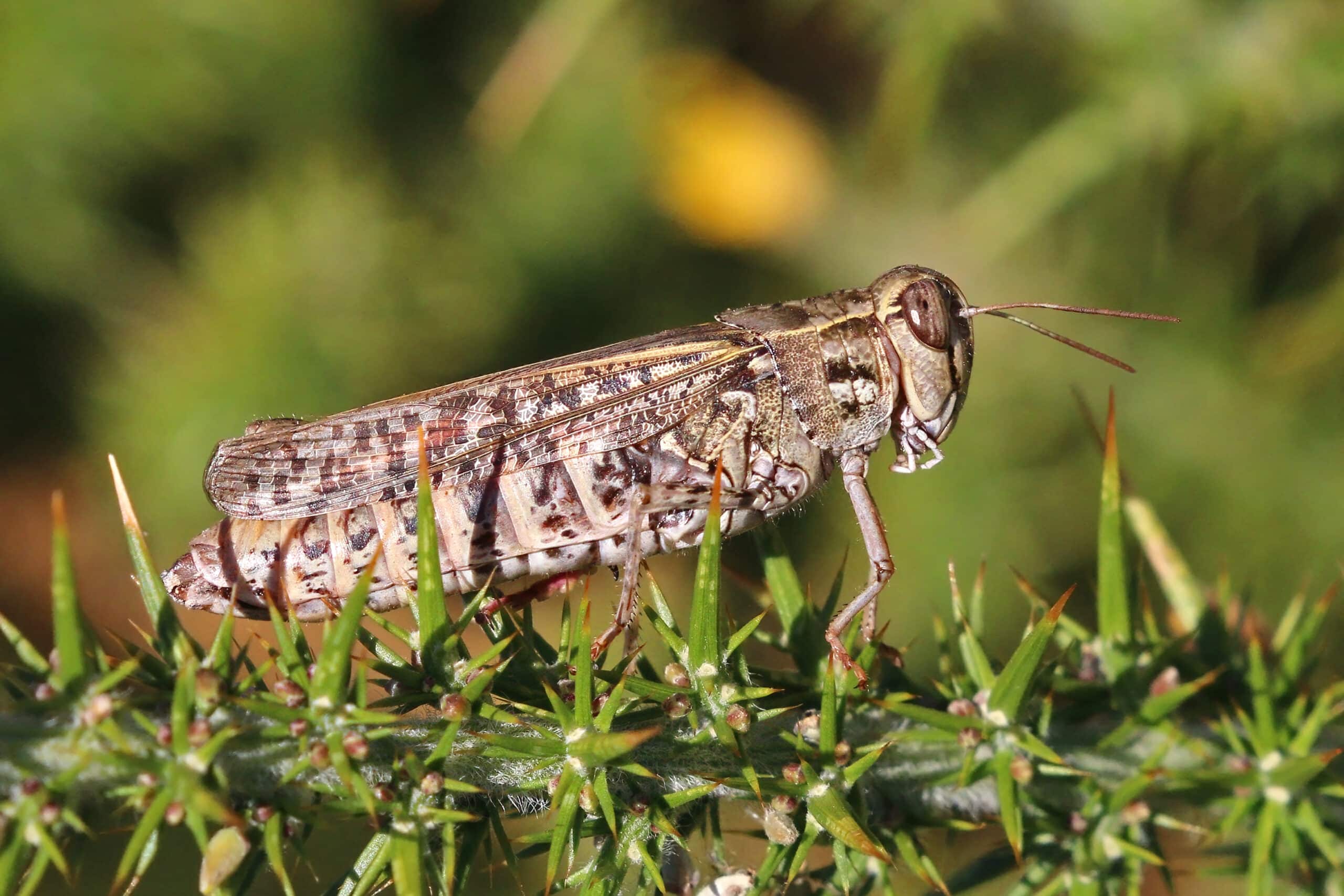
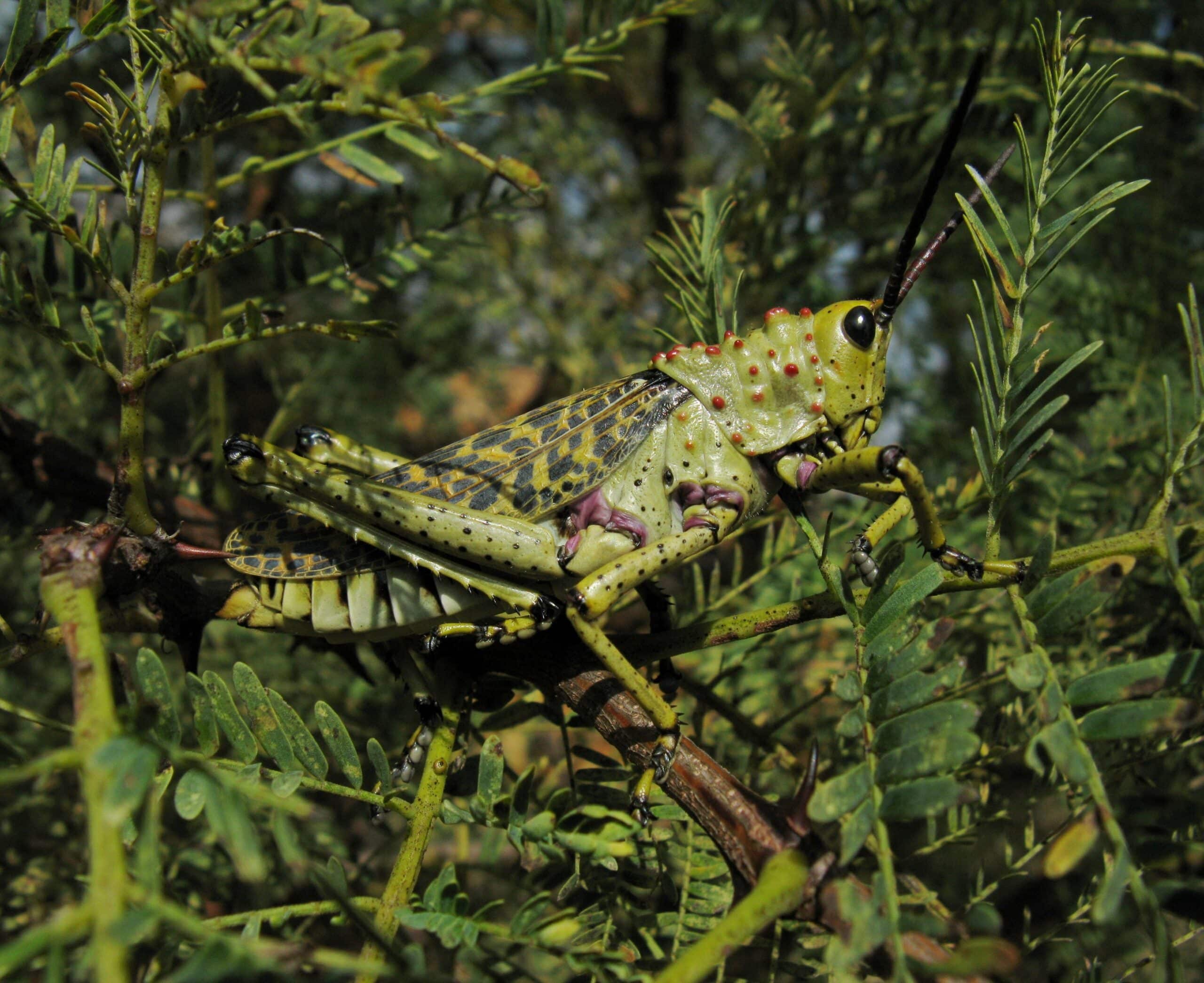
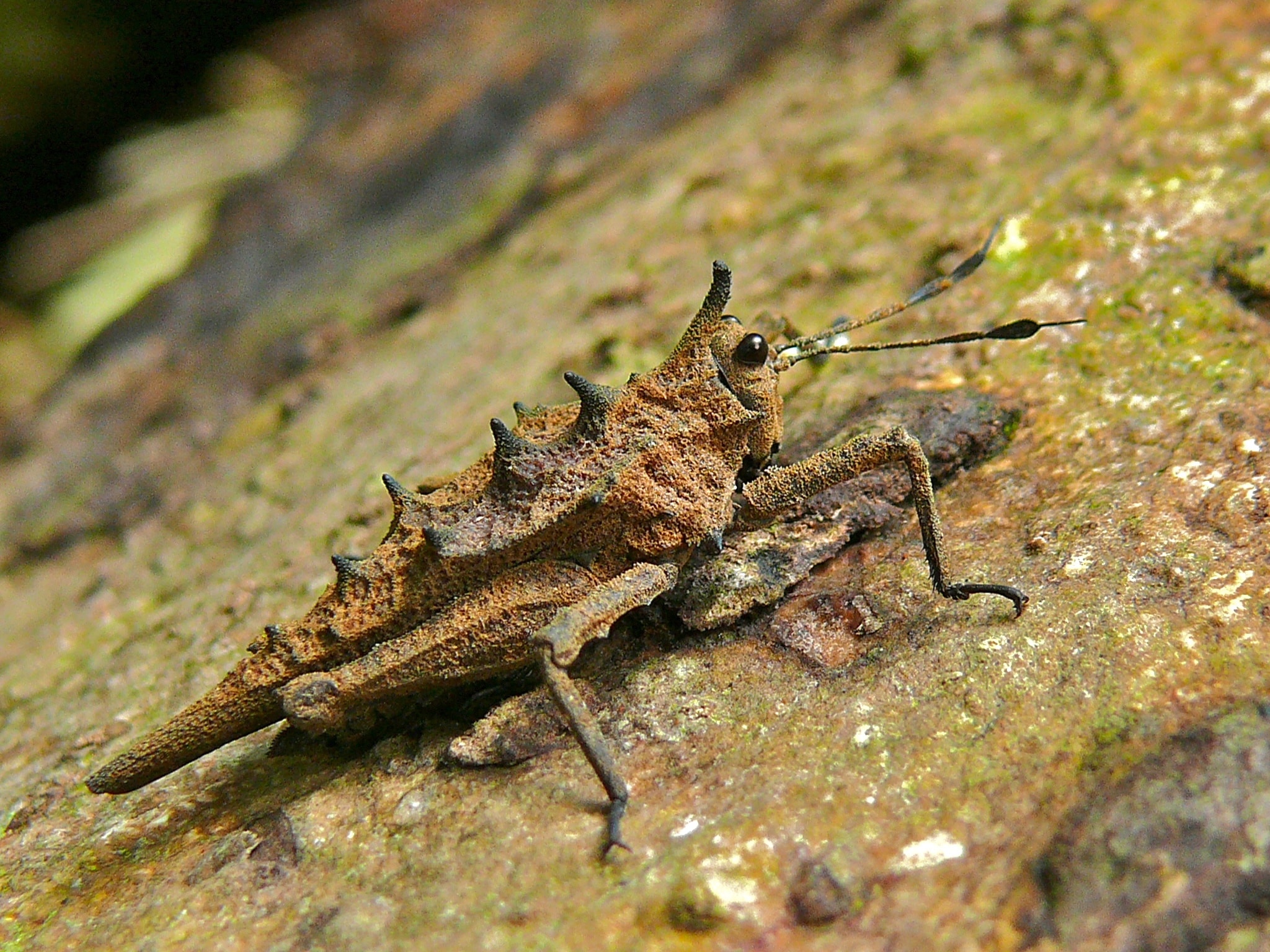
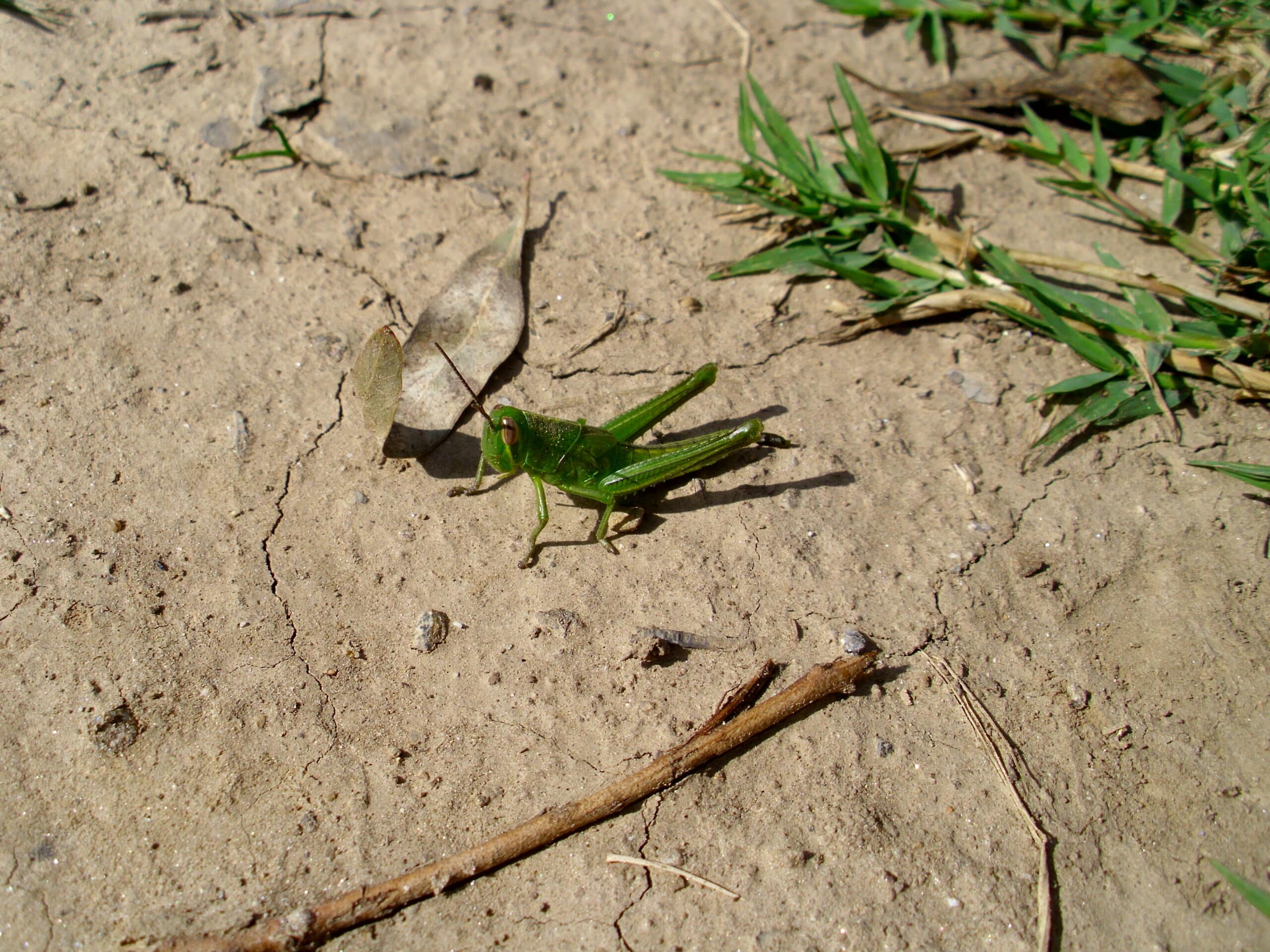
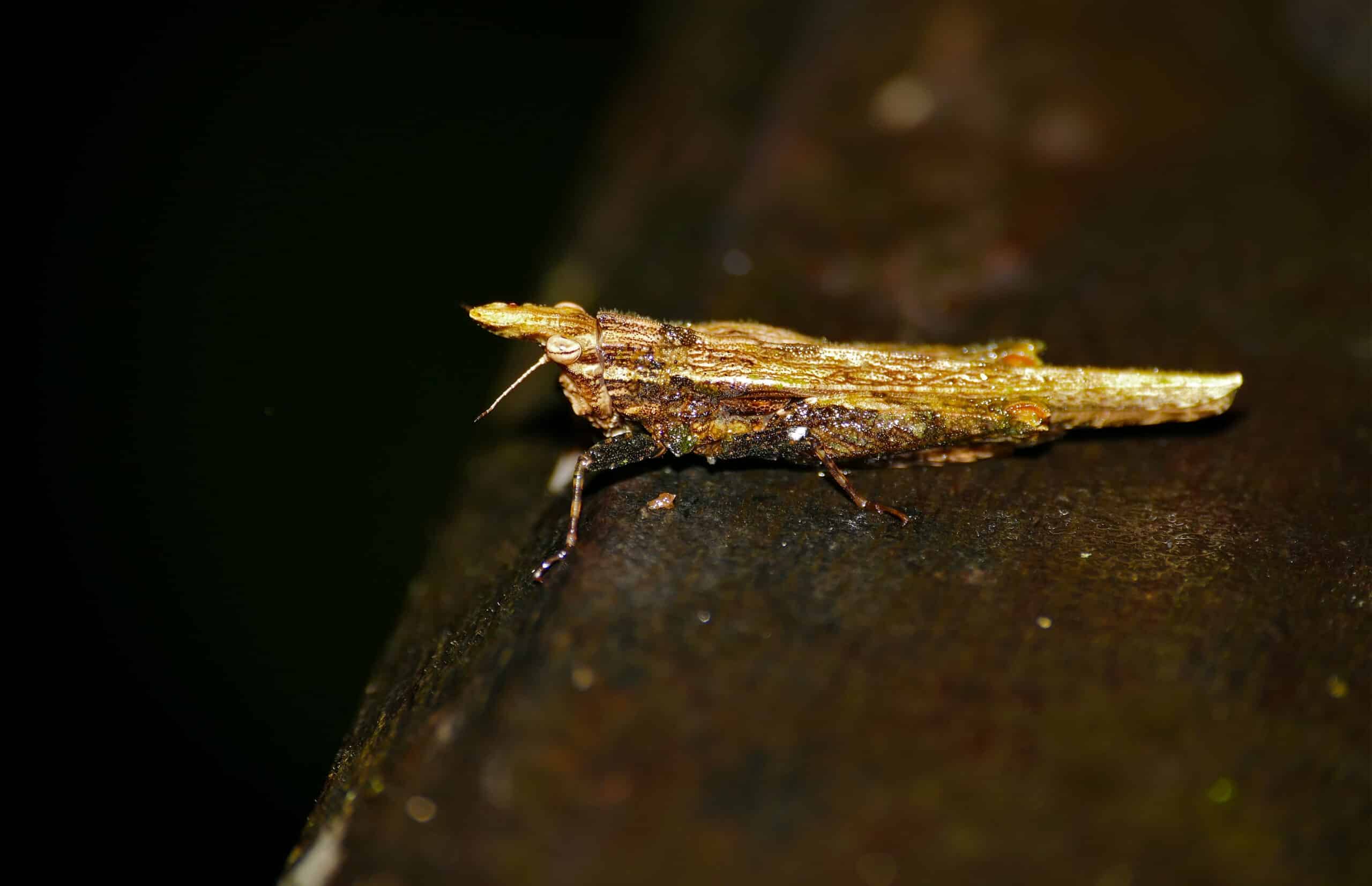
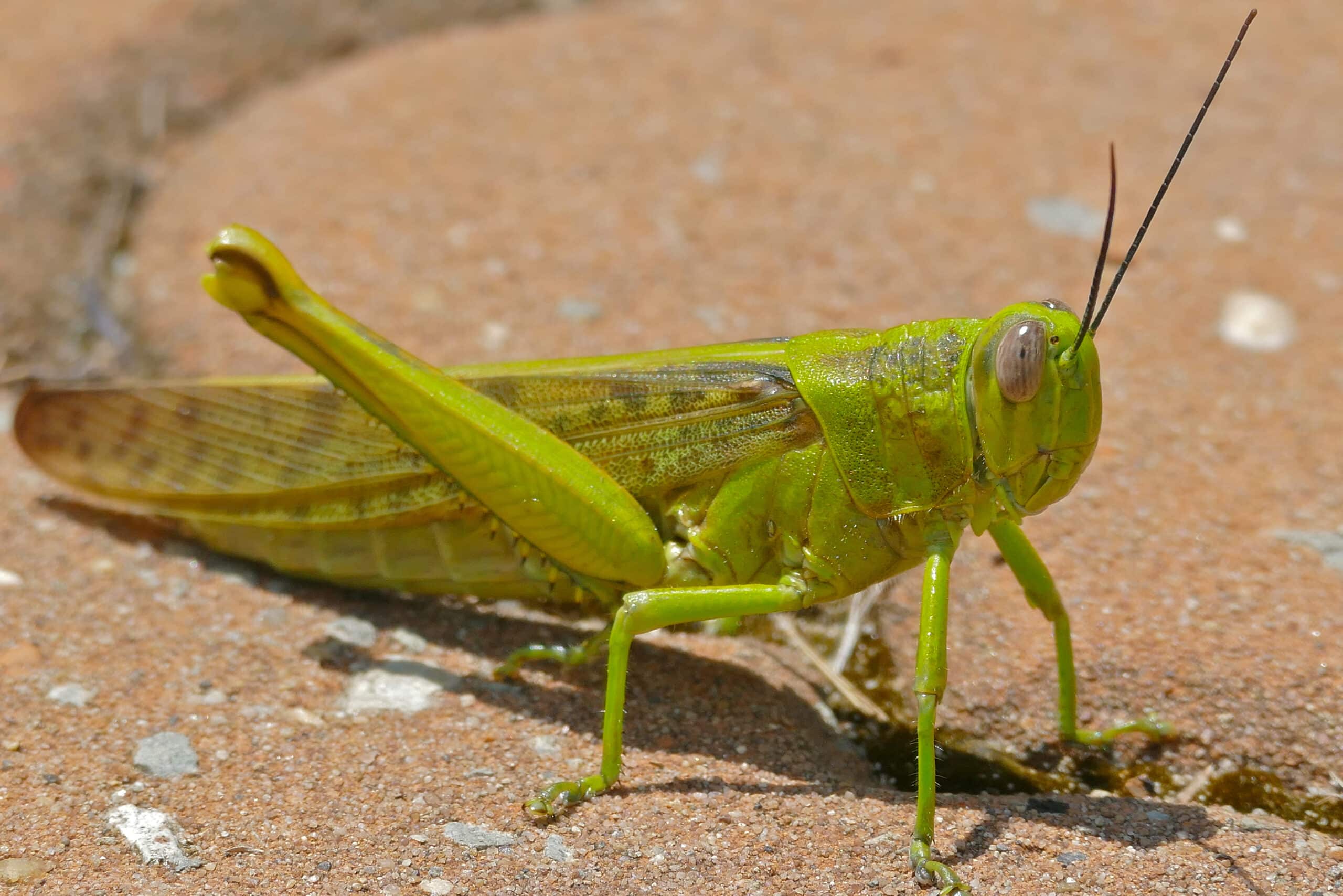
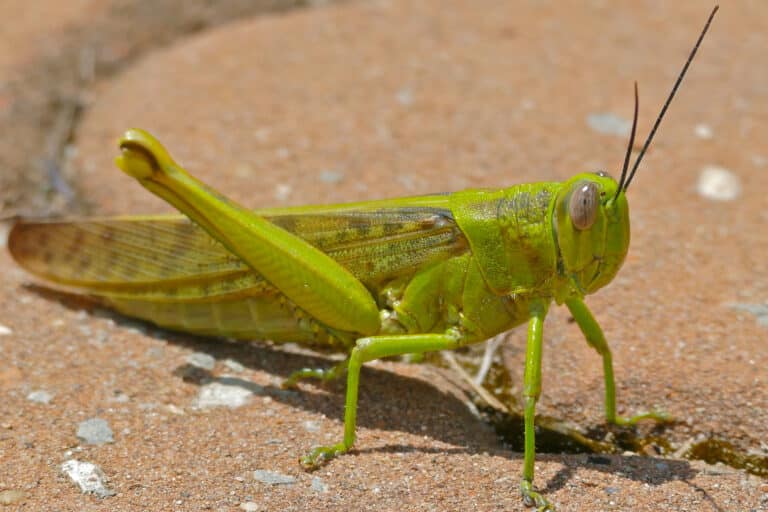
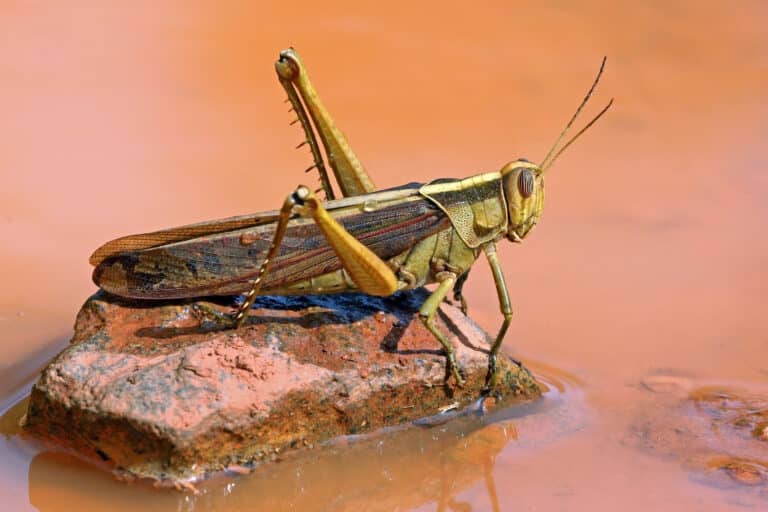
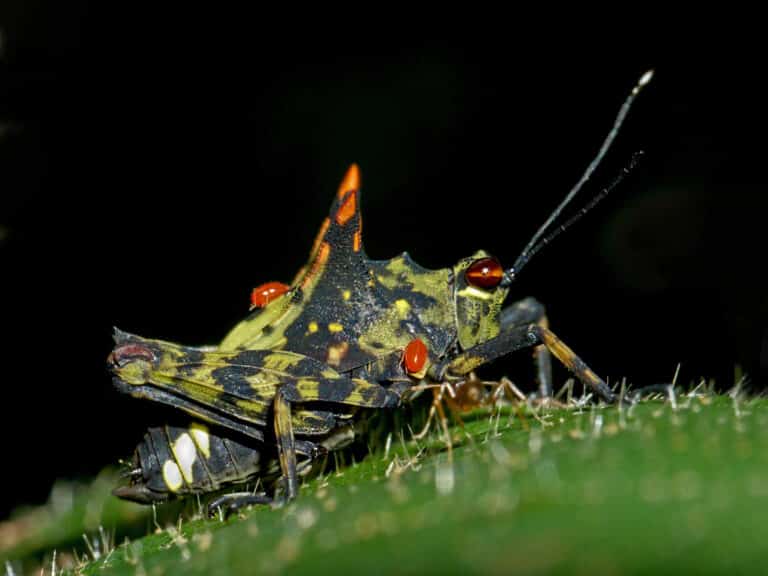
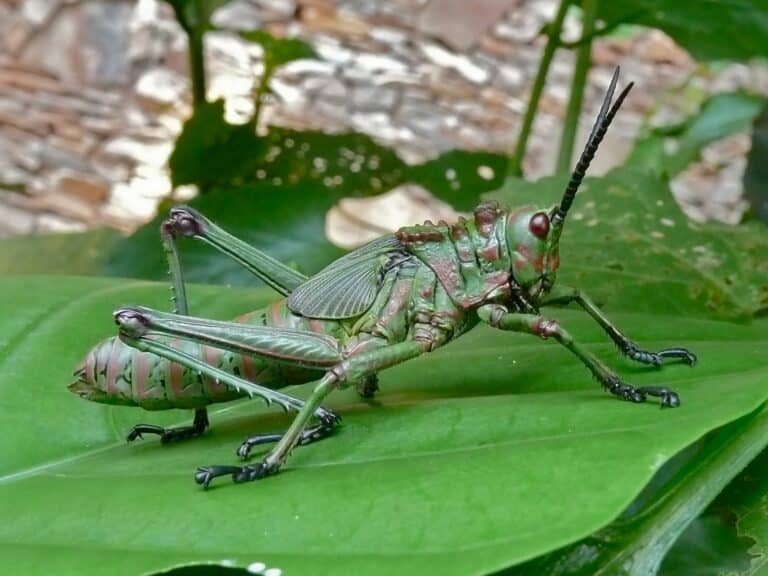
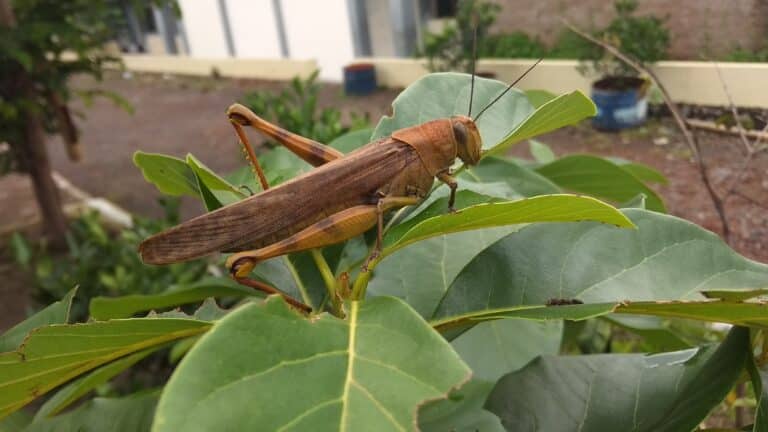
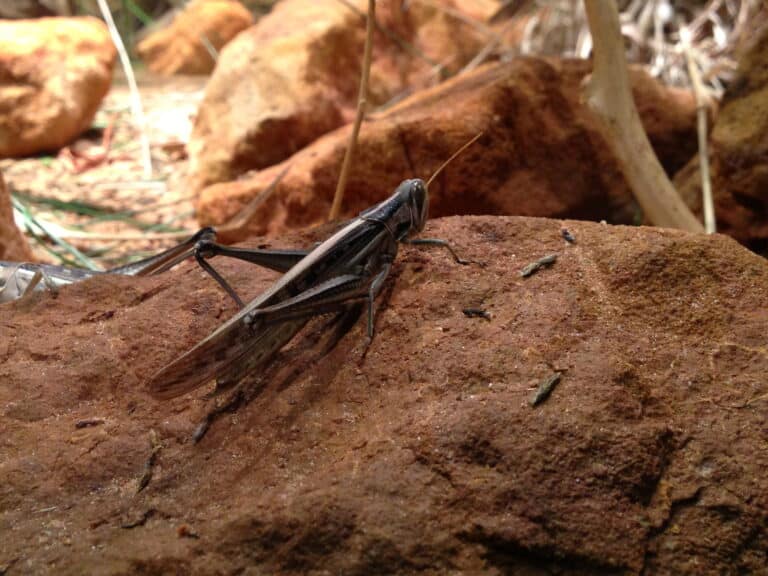
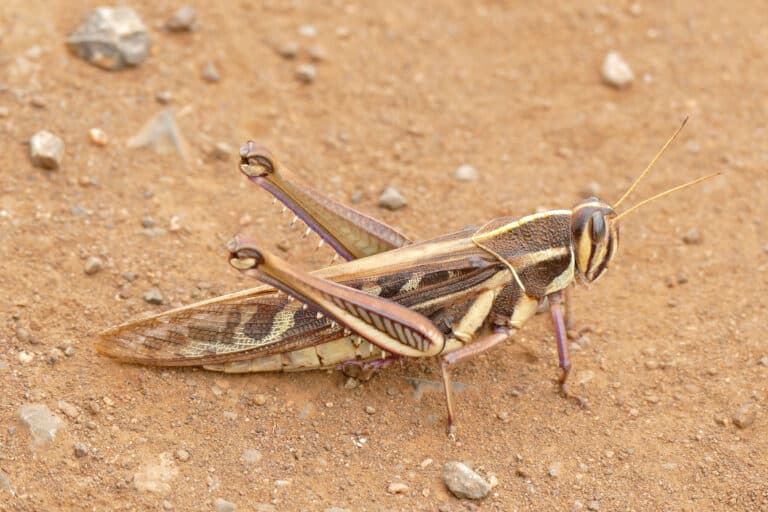
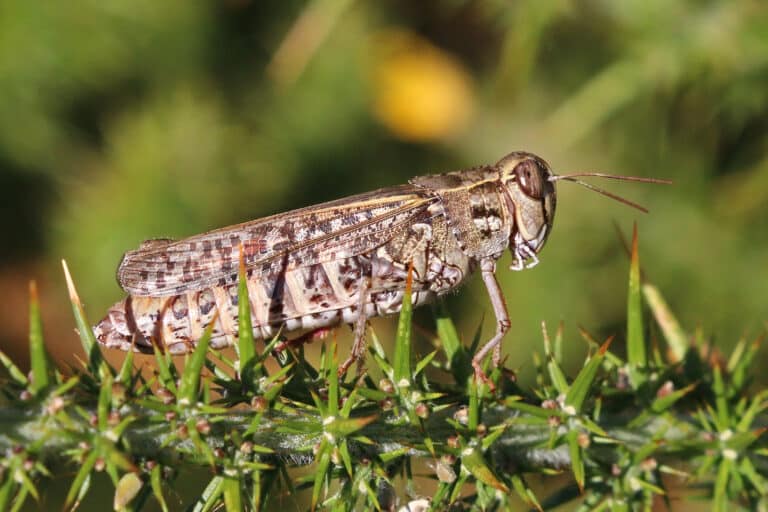
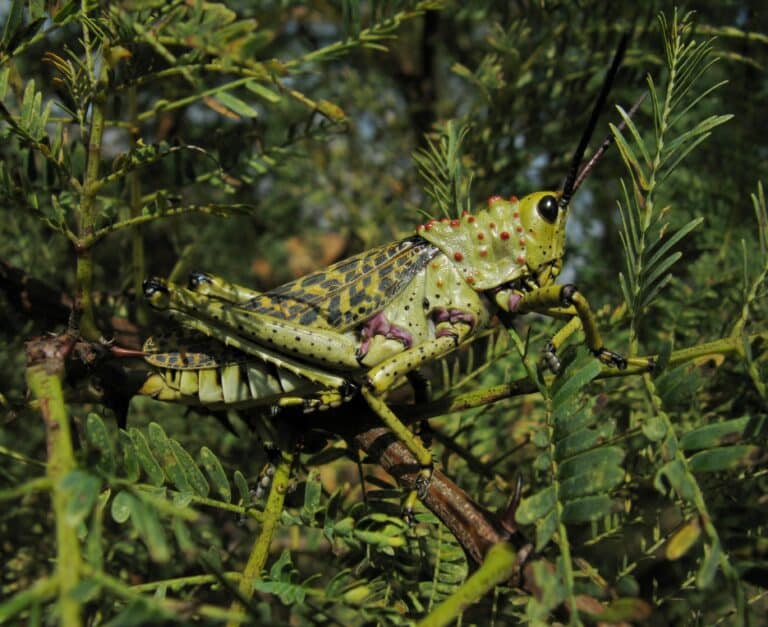
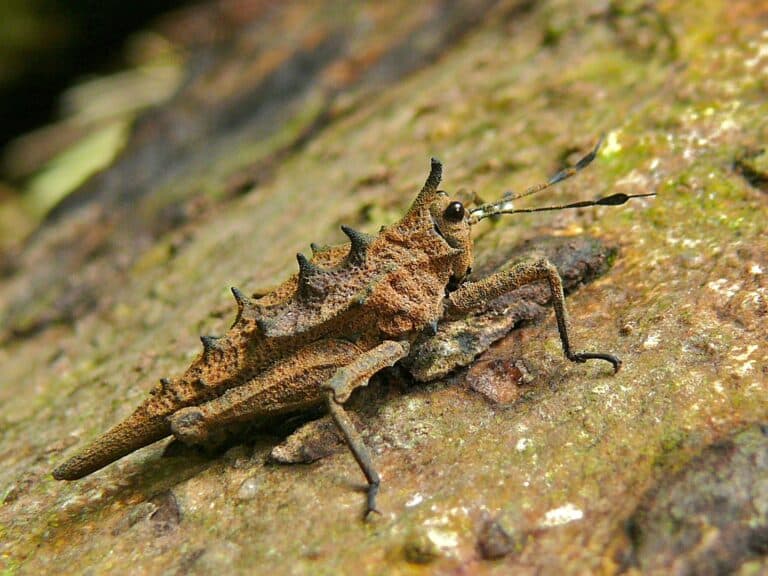
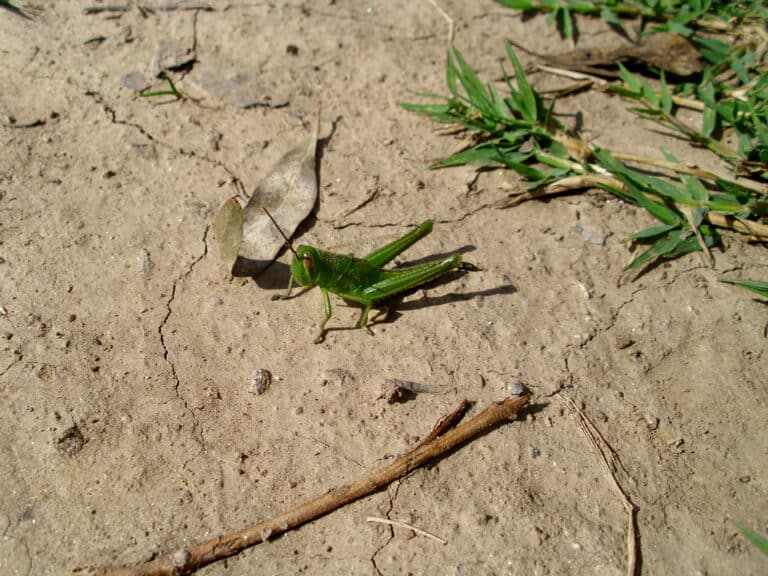
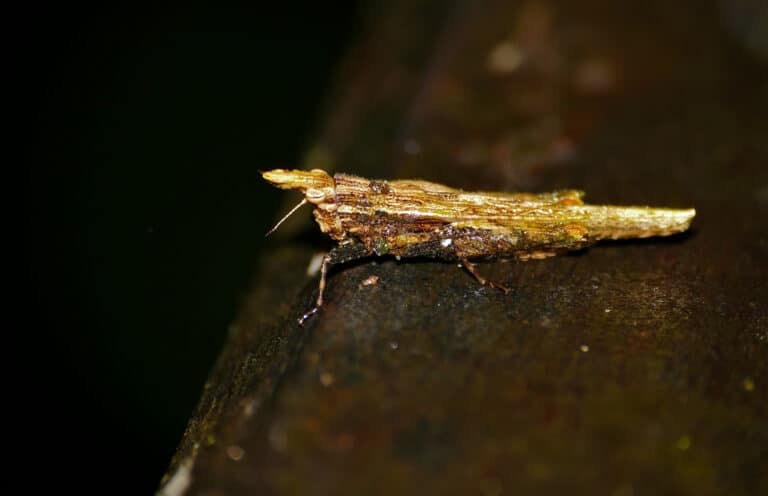
Locusts are remarkable insects that belong to the grasshopper family and can be found mainly in Africa. These jumping creatures measure about 5 to 7.5 centimeters (2 to 3 inches) long and can certainly hop along like the Olympic champions of the insect world!
Locusts often dine on grasses and crops, munching their way through fields like little green lawn mowers. They have a robust appetite and can quickly transform from solitary creatures into swarming forces that travel miles in search of food.
These insects have a fascinating life cycle. They can live for several weeks to months depending on their environment. If conditions are just right, locusts enter a special phase known as 'gregarious' which makes them swarm together, creating an awe-inspiring sight that can cover the sky!
Locusts belong to the class Insecta and are part of the order Orthoptera, which makes them relatives of crickets and grasshoppers. Organisms in this order are well known for their strong hind legs that allow them to jump great distances, up to 20 times their body length!
As members of the animal kingdom under the phylum Arthropoda, locusts share traits with spiders, crabs, and even butterflies. They have a hard exoskeleton, jointed legs, and segmented bodies like many other fascinating invertebrates!

Where can you find a Locust in the wild?
What does a Locust eat?
How big can a Locust grow?
How long does a Locust typically live?
What is the conservation status of the Locust?
What are the main threats to the Locust?
Fun facts
Locusts can change color when they form swarms, transforming from green or yellow to a darker brown or black, which helps them blend in with other locusts.


When locusts gather in large groups, they can create swarms that can stretch over 1,000 square kilometers (about 386 square miles), and they can contain up to 80 million locusts in just one square kilometer!
Locusts use a special chemical signal called pheromones to communicate in swarms, telling each other when to gather, which is like sending an invitation to a giant insect party!
A group of locusts is called a swarm, and they can travel up to 150 kilometers (93 miles) in a single day while searching for food, covering vast distances as they hop along.
During good weather and abundant food, locusts can reproduce rapidly, doubling their population suddenly and creating a bigger swarm before you can say 'jumping jack flash!'
Locusts are not just great jumpers; they can also fly! Their strong wings allow them to soar above the ground and travel long distances, making them the aerial acrobats of the insect kingdom.
Being social insects, locusts prefer to live in groups, and they often engage in synchronized hopping, which can look like a choreographed dance from a distance!
Locusts have an incredible ability to survive in extreme conditions, including drought, thanks to their tough exoskeletons that help them retain moisture.
They can eat many types of plants beyond grass, including weeds and grain crops, showing their vegetarian versatility as nature's hungry lawn mowers.
When locusts swarm, they can consume vast amounts of food, sometimes eating enough to feed over 2,500 people in just one day!
Photos





The Basics


explore more
Amphibians
Arachnids
Birds
Cats
Crustaceans
Fish
Fish Pet Guide
Gastropods
Insects
Invertebrates
Mammals
Pet Fish
Pet Rodents
Plants
Reptiles
Roundworms
Sea Slugs