Successfully copied to clipboard!
Lone Star Tick
Uncover the tiny adventurers that thrive in warm habitats!
Let’s Explore
Overview
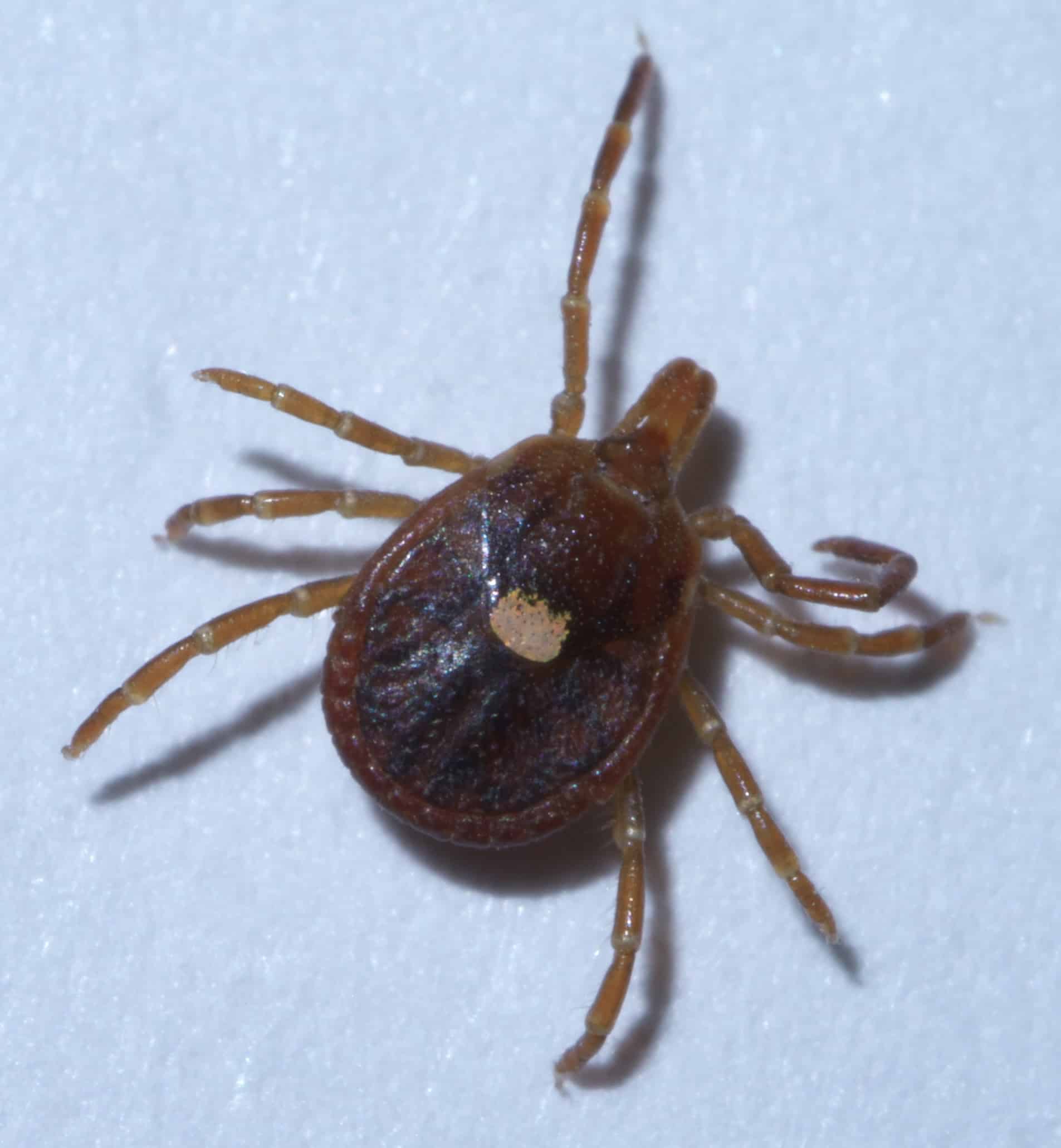
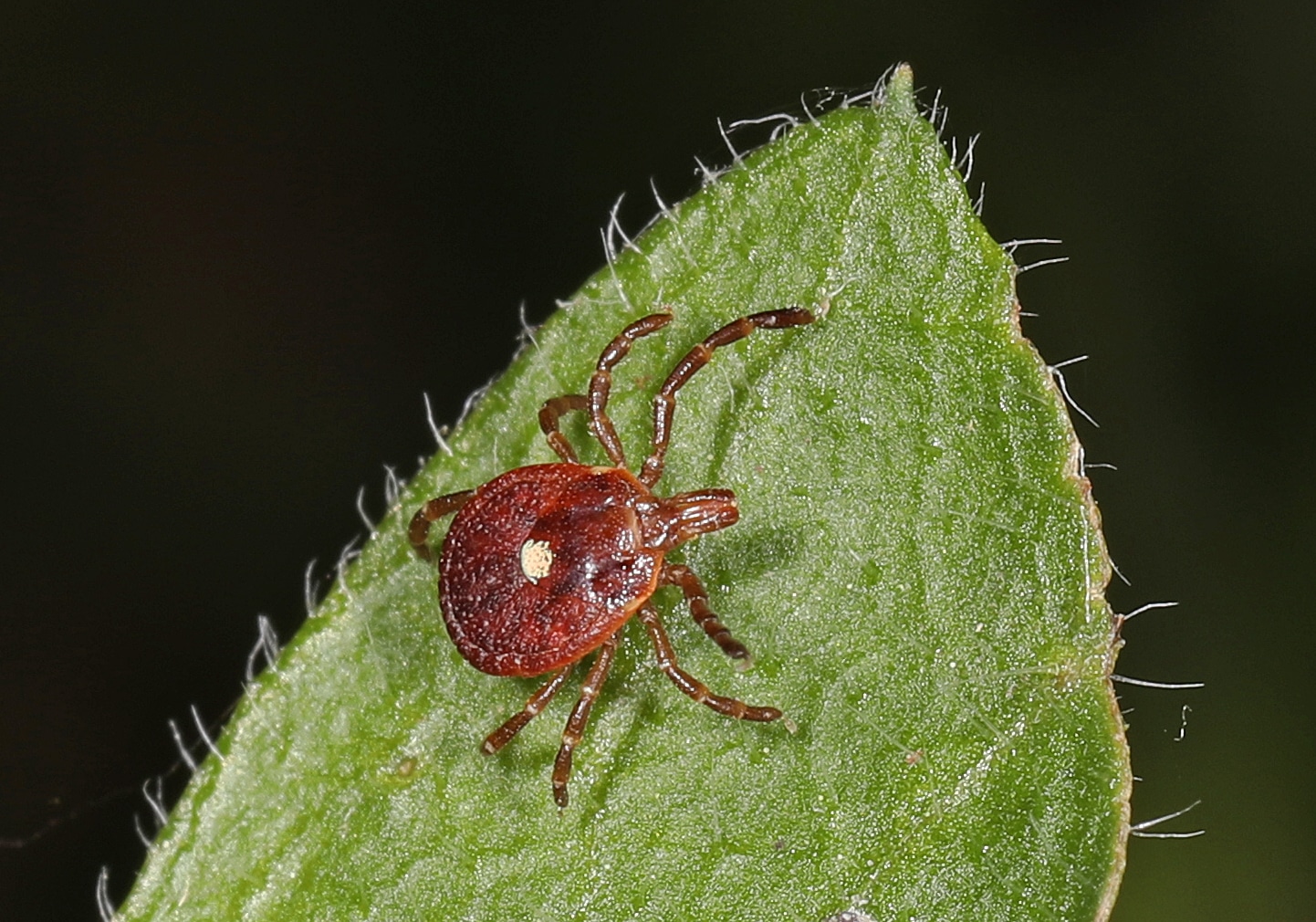
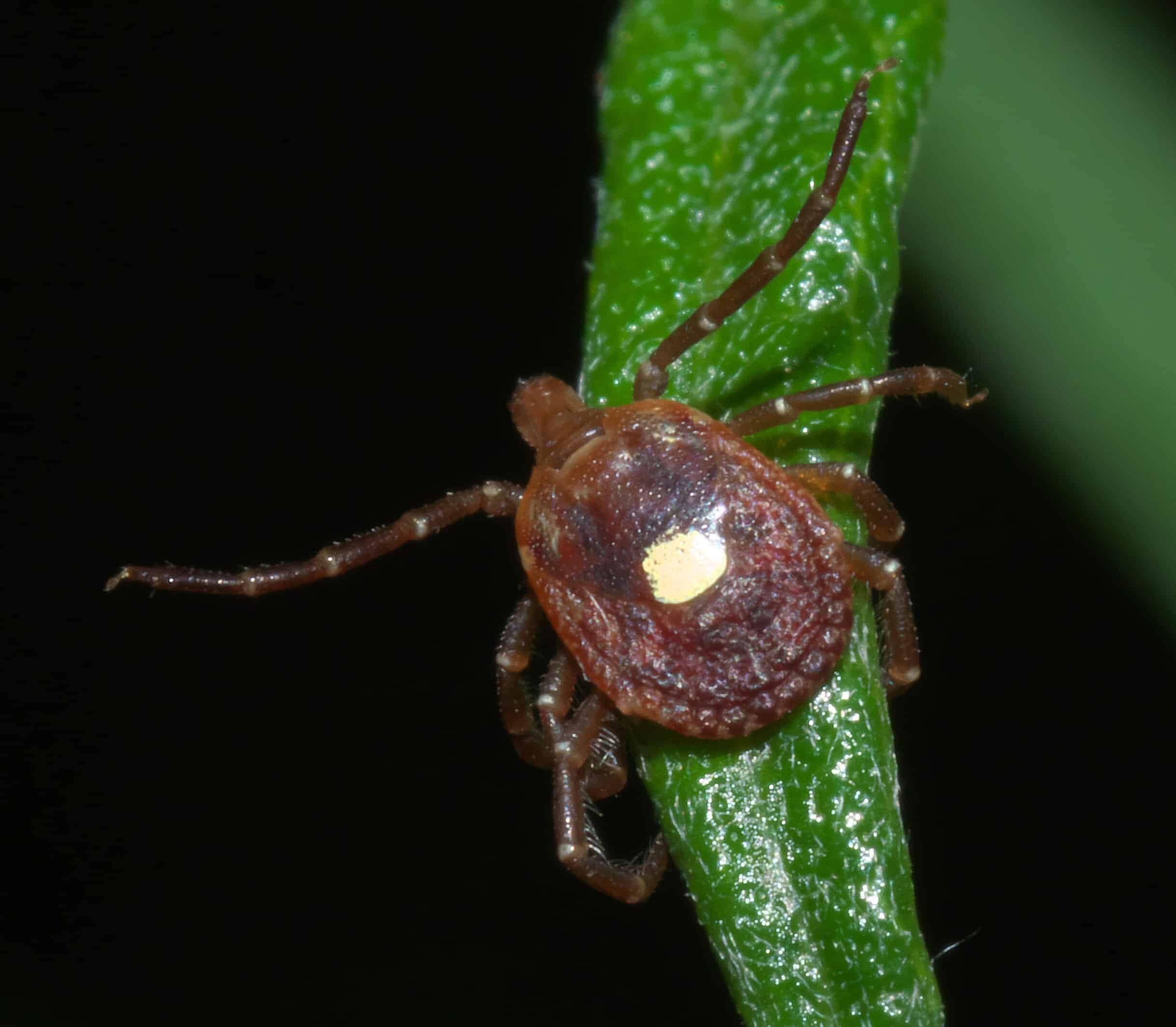
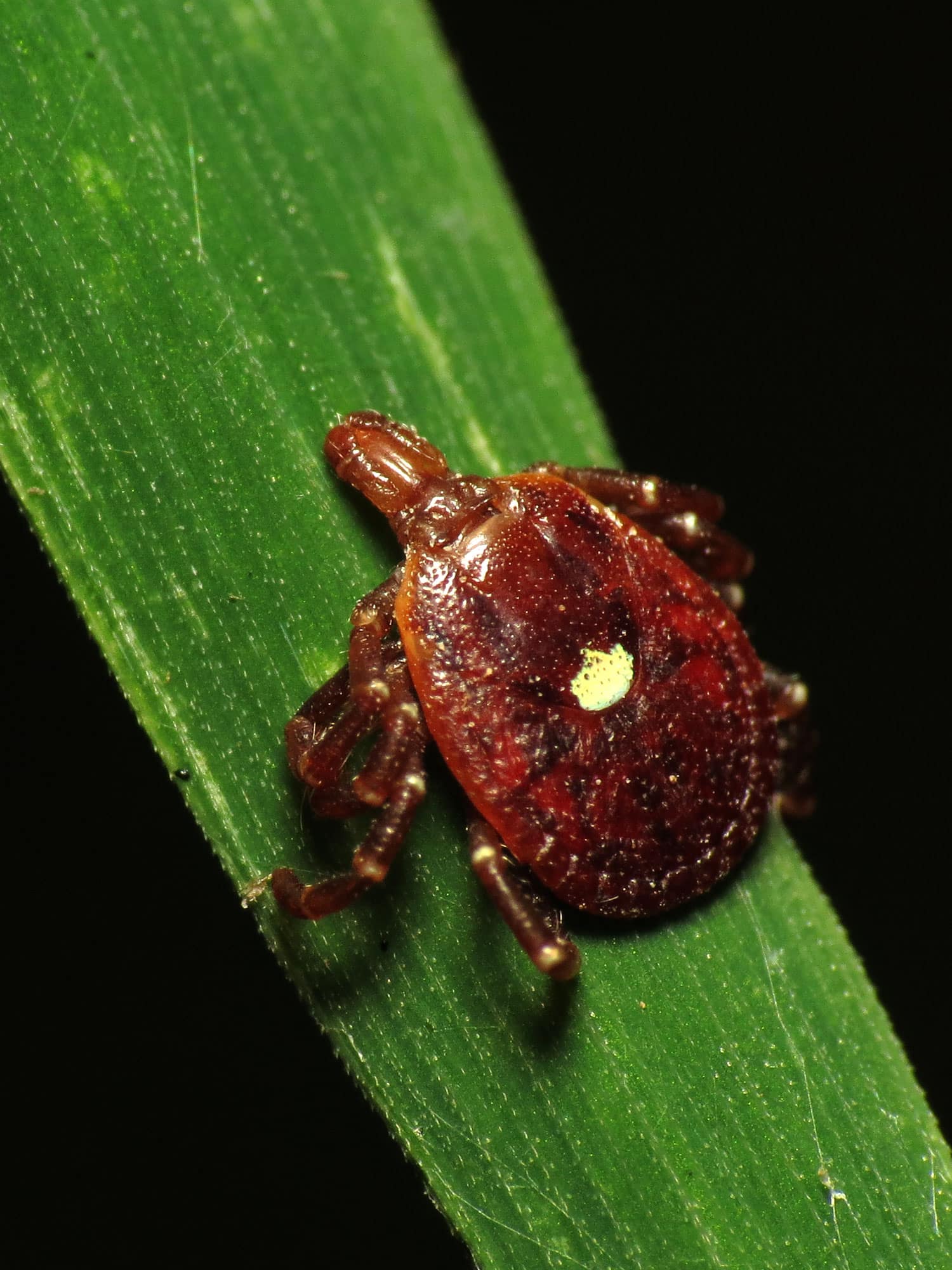
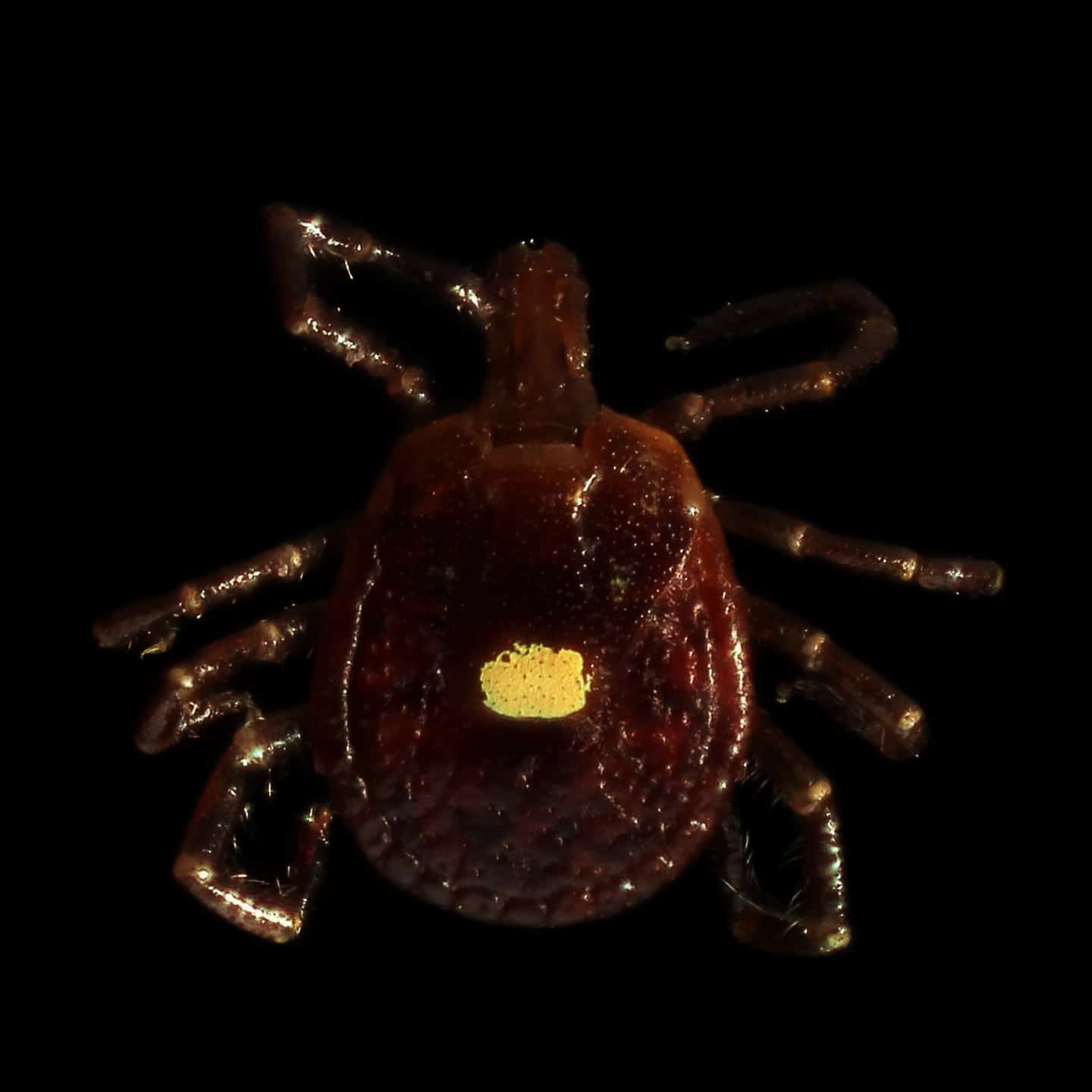
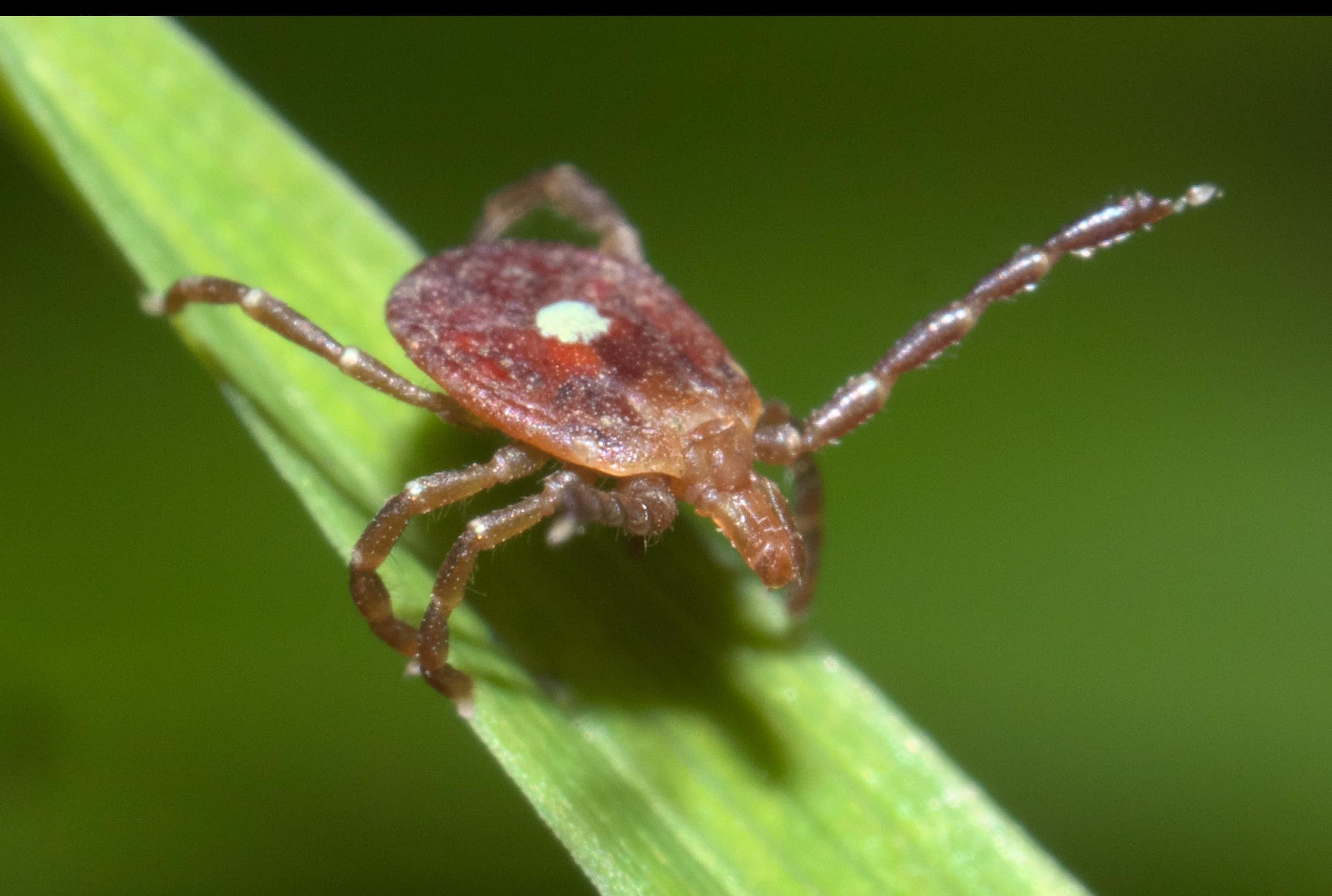
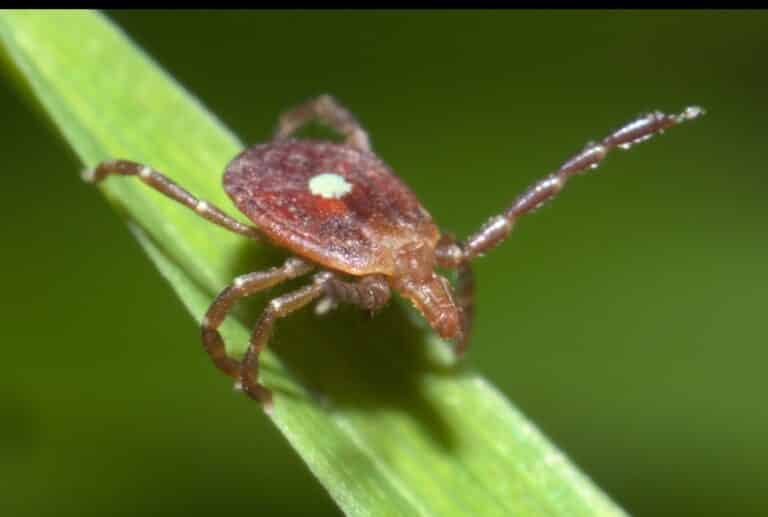
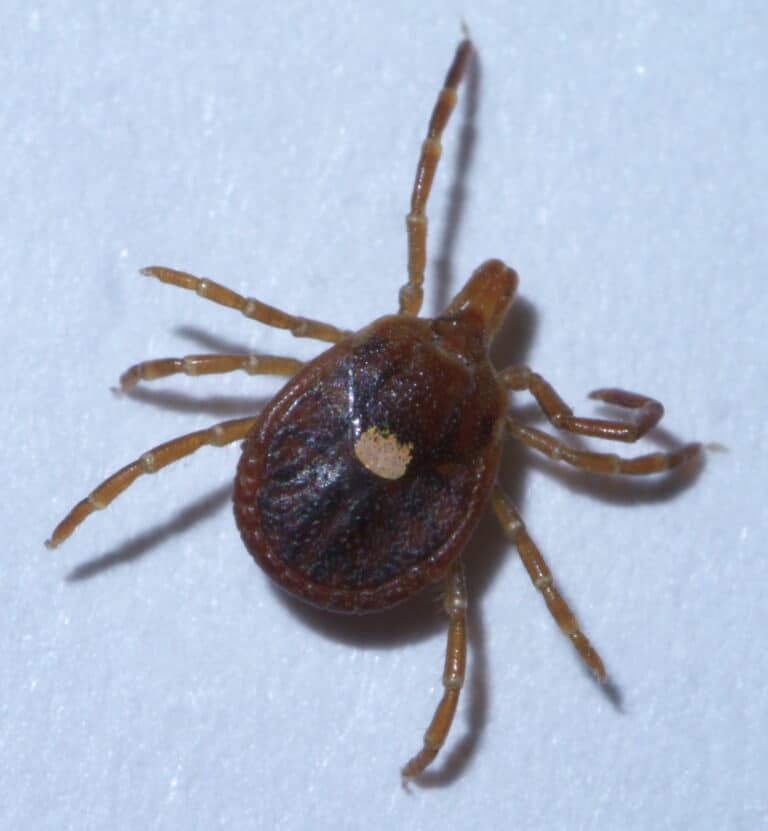
The Lone Star Tick is a small but mighty creature that lives in Central America and other warm places. This tick measures about 0.25 inches long, or roughly the size of a fingernail!
Lone Star Ticks belong to the arachnid family, which makes them distant relatives of spiders and scorpions. They are part of the Ixodida order, also known as the tick order. Don't worry, they're not after your lunch—unless you're a big animal or a human!
These little bloodsuckers love to snack on the blood of animals and even people. They might take a bite, but they also help scientists learn about diseases that affect both humans and animals—so they are pretty important in their own way!
A Lone Star Tick can live for up to two years, which is quite a long life for such a tiny creature. They may not be the biggest animal in the kingdom Animalia, but they sure know how to make their presence felt!
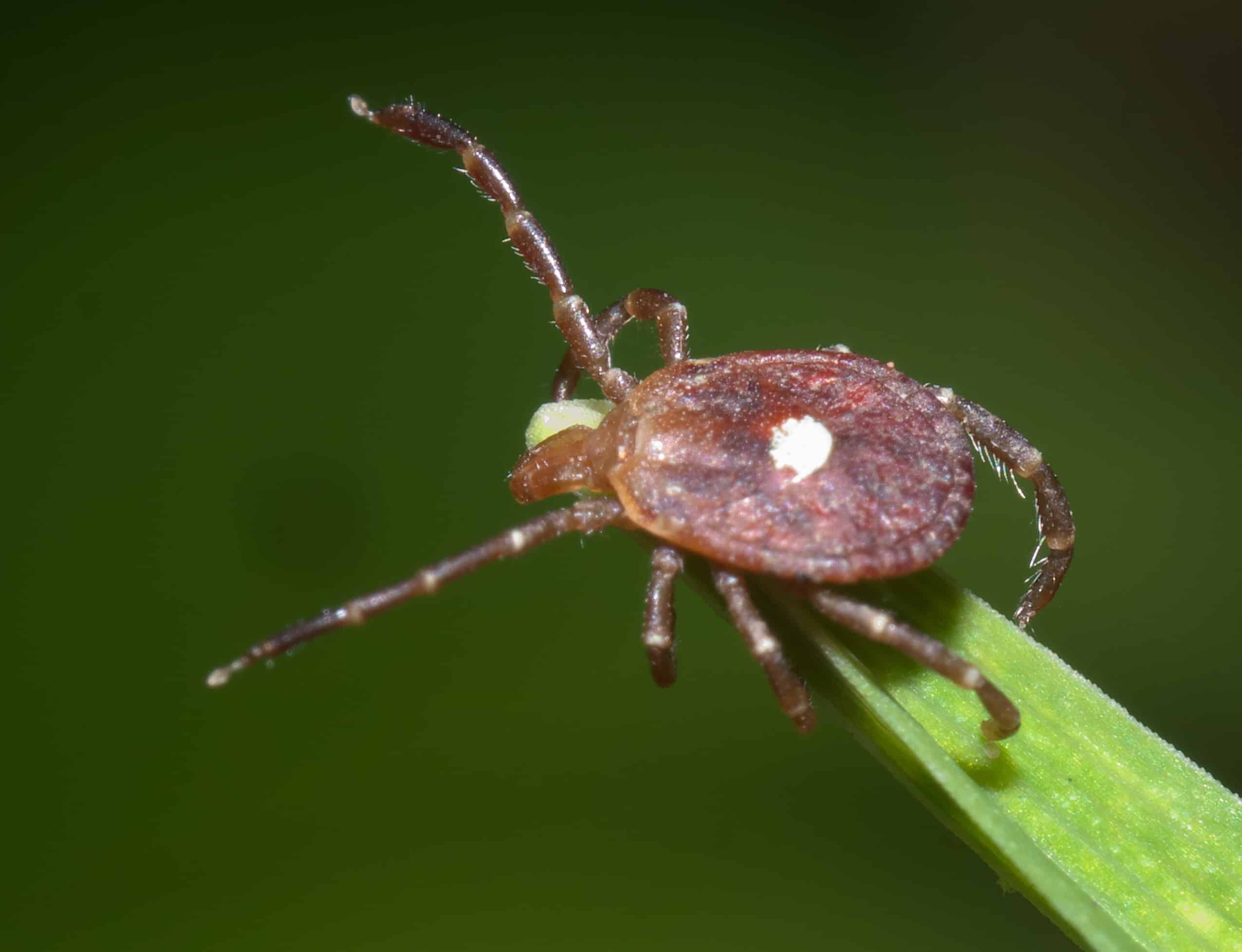
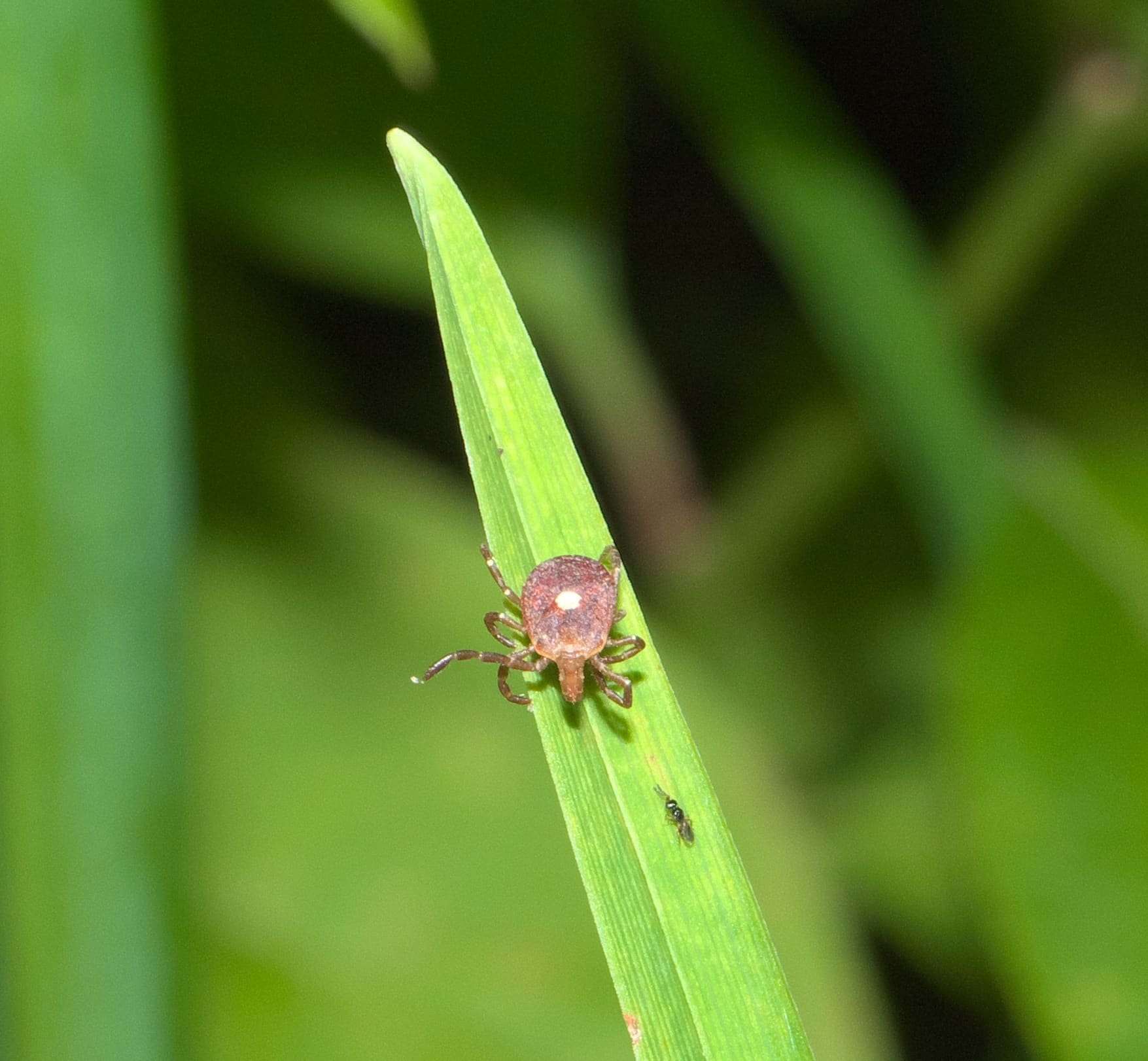
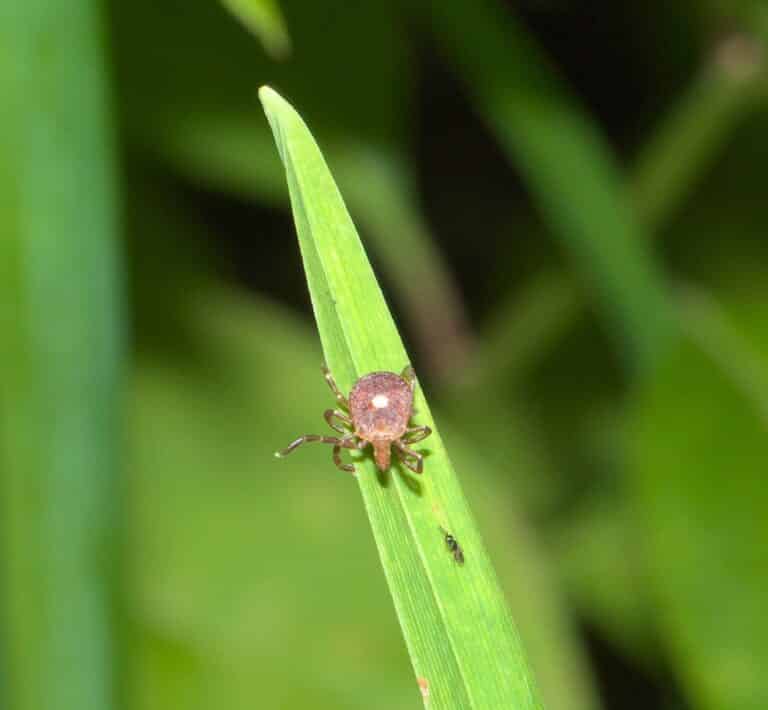
During warm months, Lone Star Ticks find their favorite hosts by detecting heat and carbon dioxide in the air. They patiently wait on tall grasses or shrubs, ready to hitch a ride on unsuspecting animals as they stroll through nature.
So the next time you’re exploring the great outdoors, remember that these clever little ticks are out there. Just like us, they are looking for their next great adventure, one tasty meal at a time!

Where can you find a Lone Star Tick in the wild?
What does a Lone Star Tick eat?
How big can a Lone Star Tick grow?
How long does a Lone Star Tick typically live?
What is the conservation status of the Lone Star Tick?
What are the main threats to the Lone Star Tick?
Fun facts
Lone Star Ticks can sense when a host is nearby by detecting heat and carbon dioxide, like tiny detectives on the hunt!


Once a Lone Star Tick finds a host, it can stay attached and feed for several days. That's like having an all-you-can-eat buffet!
These ticks have a remarkable sense of taste. They can detect chemical signals in the blood of their hosts, making them expert food finders!
During the larval stage, Lone Star Ticks can attach to small animals like mice. They might be small, but they sure know how to pick their meals!
When a Lone Star Tick eats, it injects a special enzyme that helps keep the blood flowing. It's like sending out a little party invitation to dinner!
Incredibly, some Lone Star Ticks can survive without food for up to a year. Talk about a tiny warrior ready for an adventure!
Although they live off blood, Lone Star Ticks serve a purpose in nature by helping scientists study diseases, acting like tiny researchers!
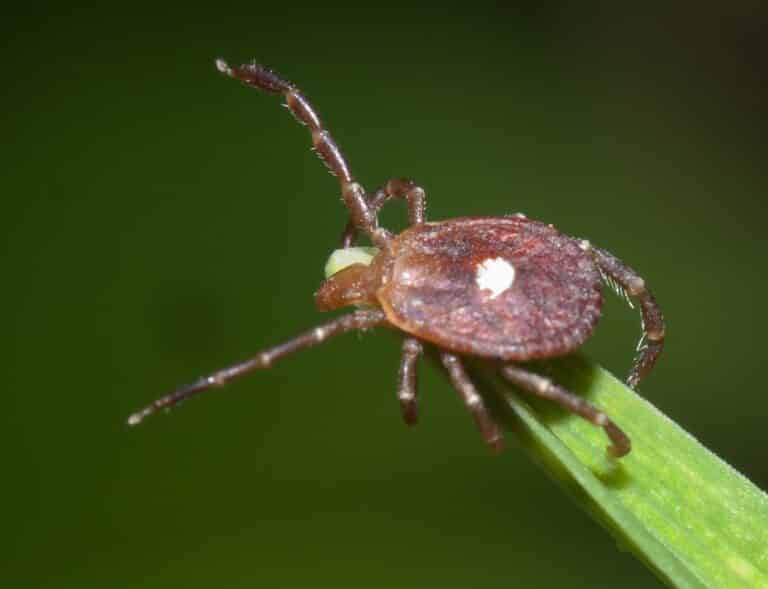
Lone Star Ticks are good at hitching rides. They wait on the tips of grass and bushes, poised like tiny ninjas ready to leap onto their next meal!
These ticks prefer warm areas, but they have shown an ability to adapt to different climates. It's like they can pack their bags for a vacation whenever needed!
Despite their small size, Lone Star Ticks play a big role in the food chain, feeding birds and other predators. They are the unsung heroes of the ecosystem!
Photos

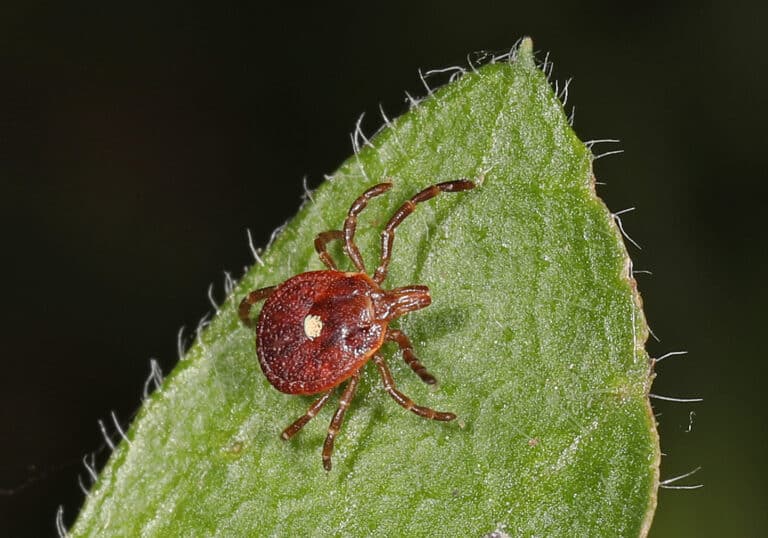
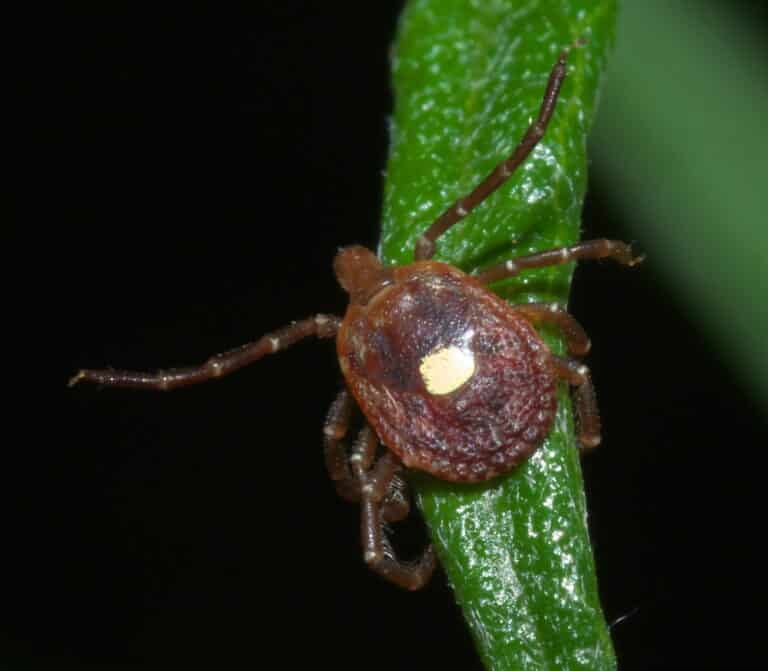
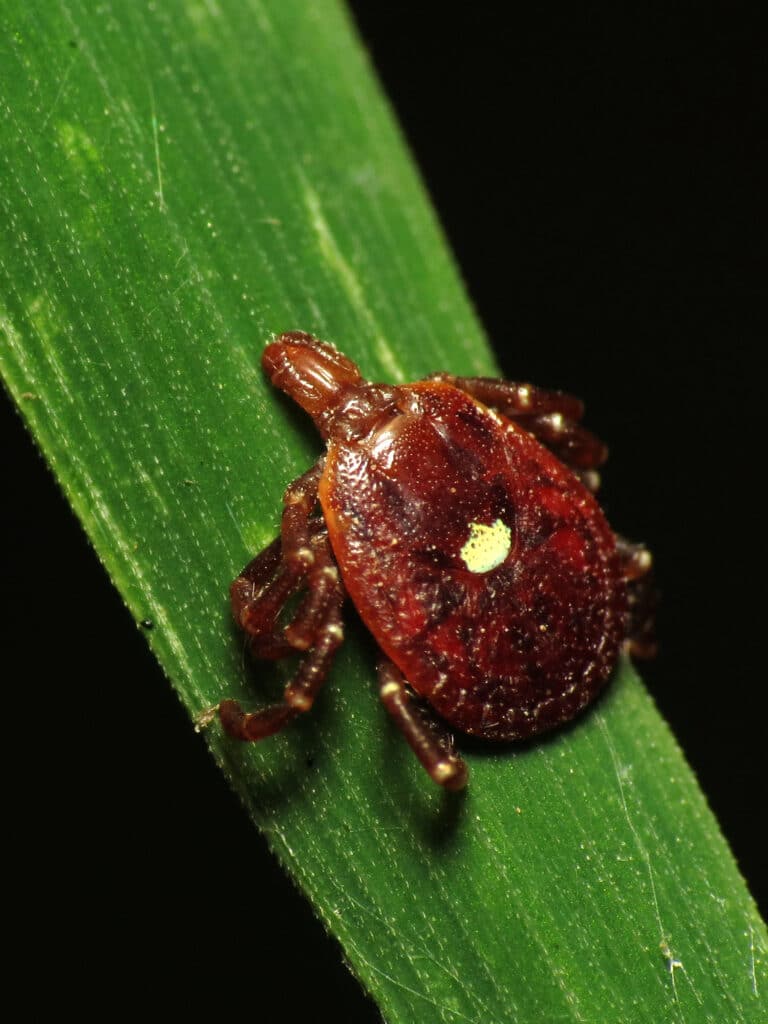
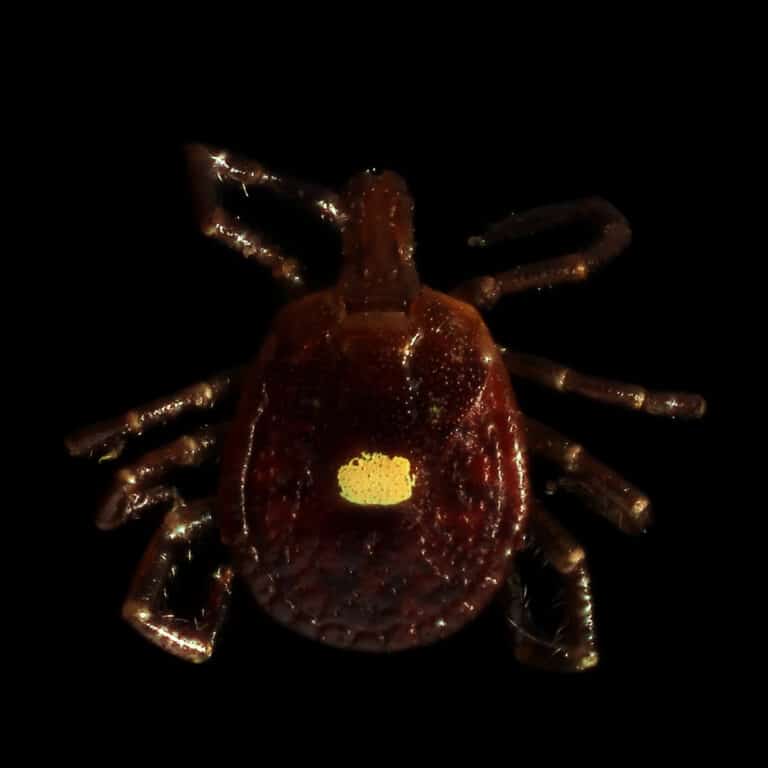




The Basics


explore more
Amphibians
Arachnids
Birds
Cats
Crustaceans
Fish
Fish Pet Guide
Gastropods
Insects
Invertebrates
Mammals
Pet Fish
Pet Rodents
Plants
Reptiles
Roundworms
Sea Slugs