Successfully copied to clipboard!
Mangrove Snake
Uncover the vibrant tree-climber of Southeast Asia's swamps!
Let’s Explore
Overview
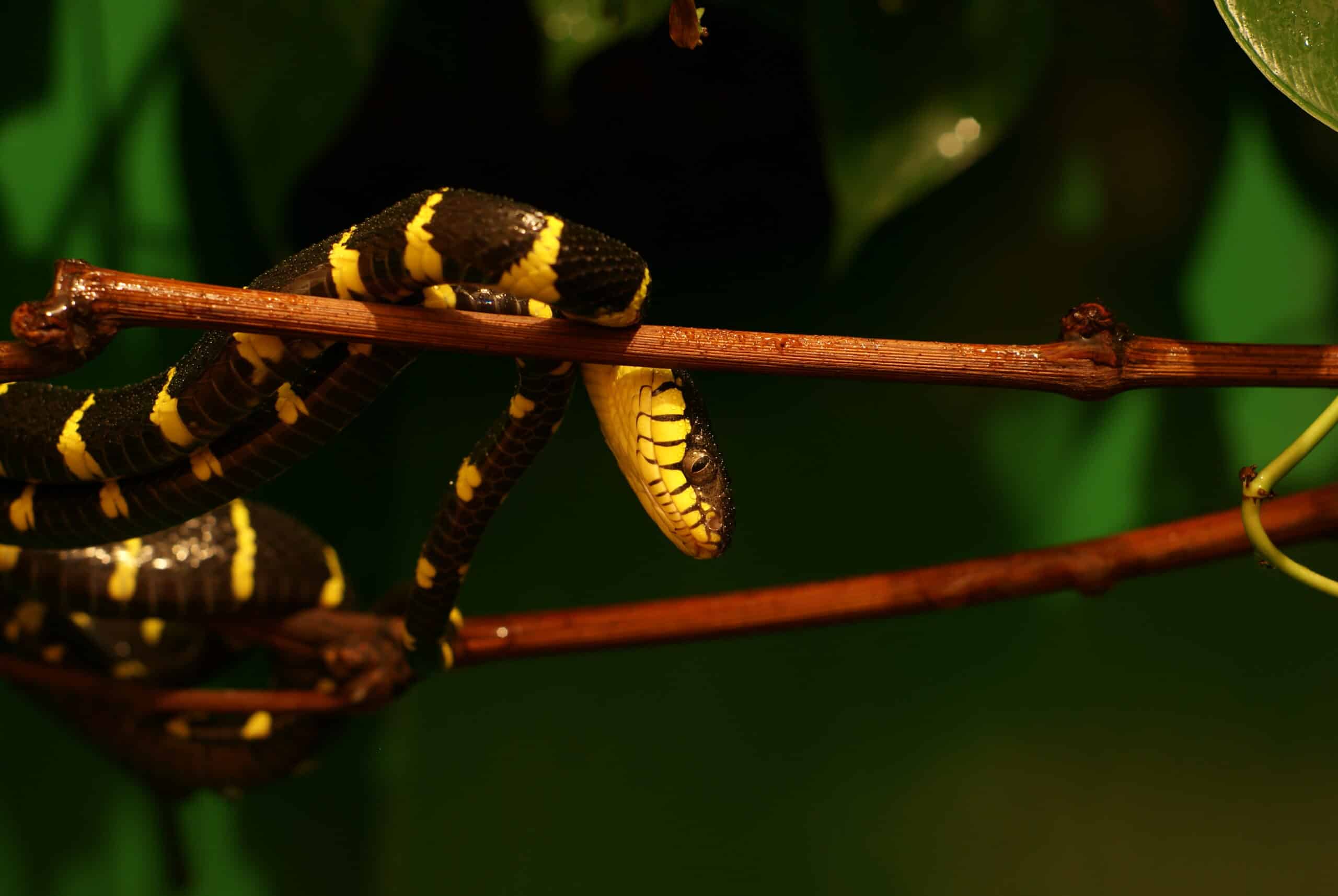
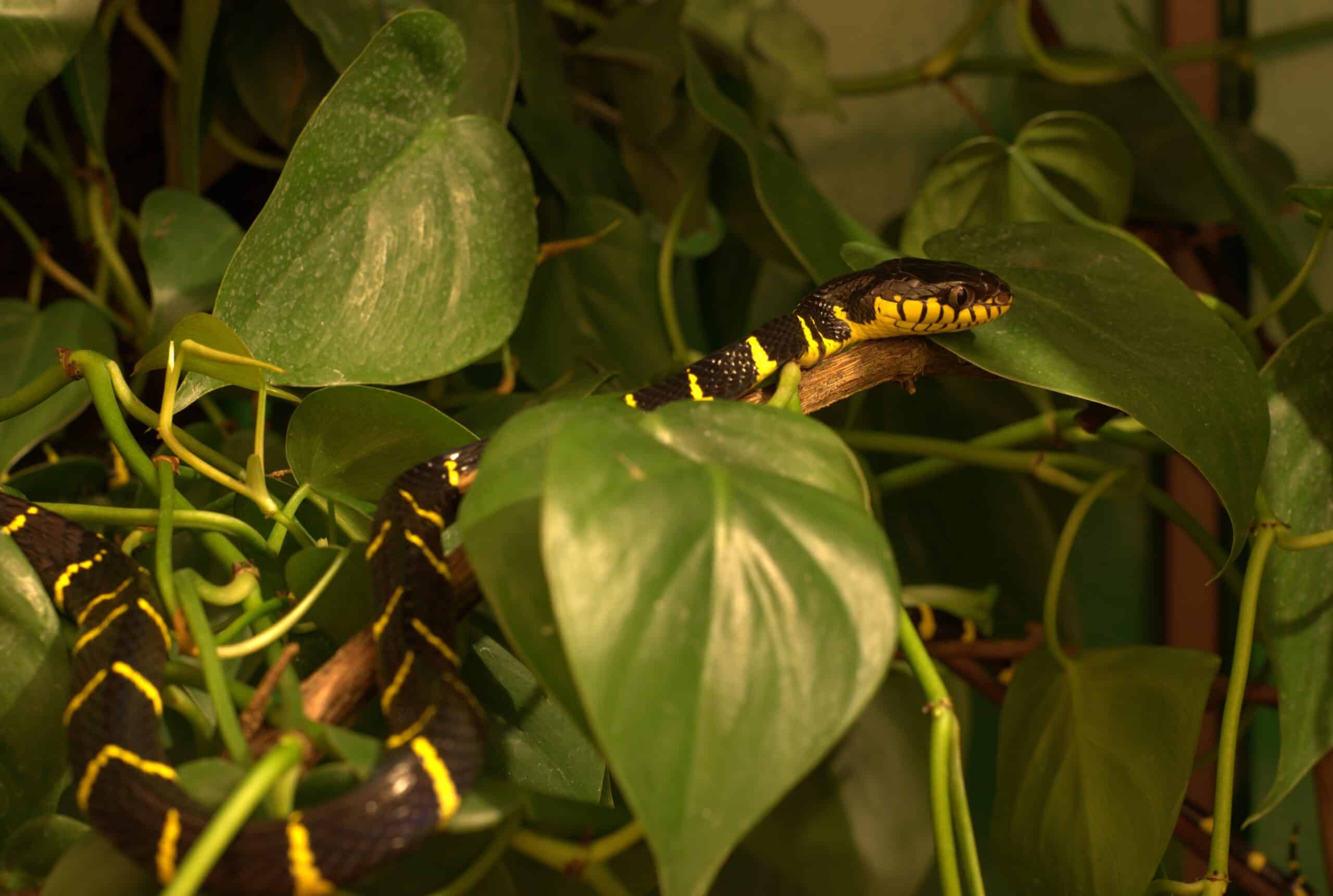
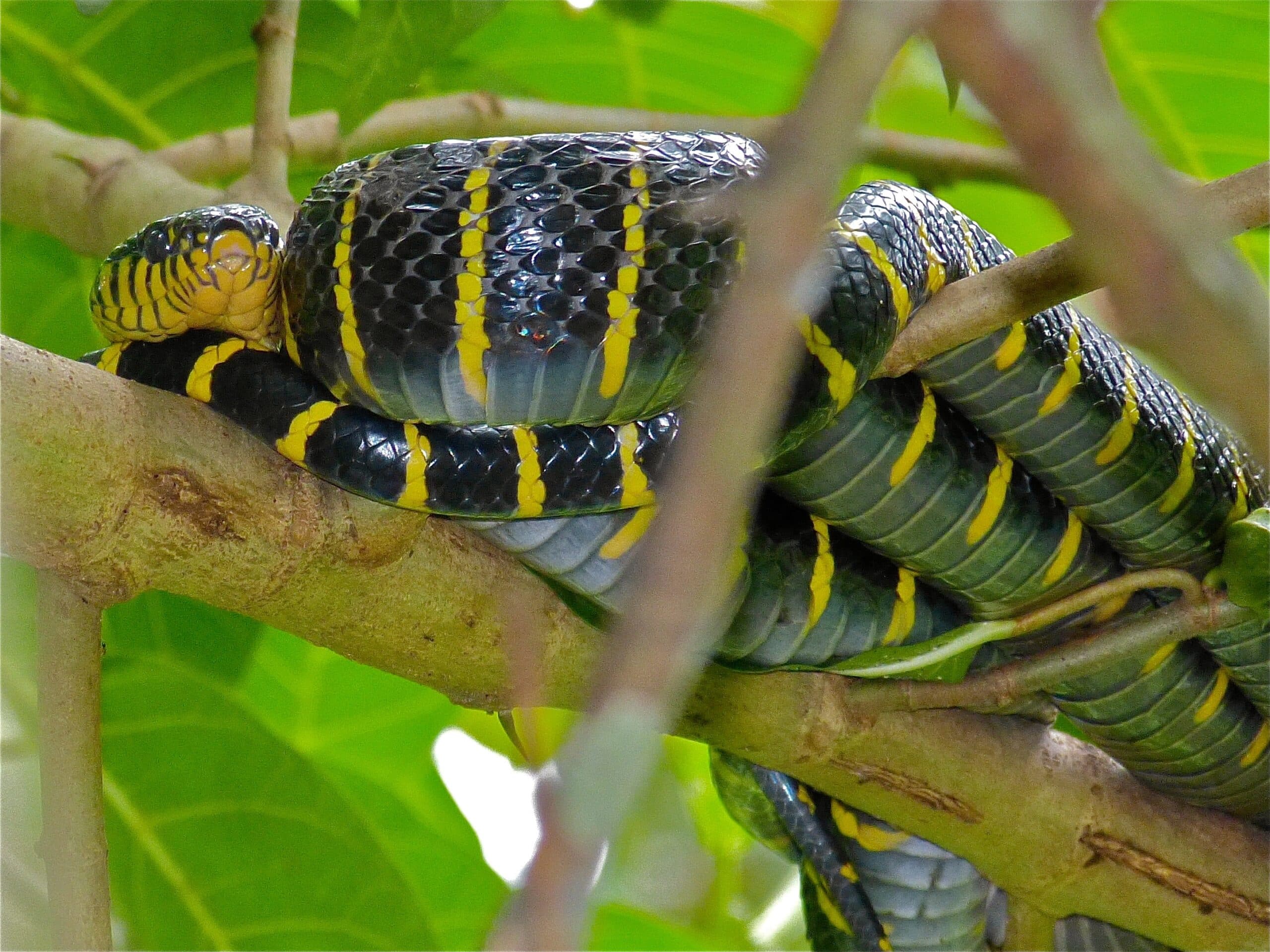
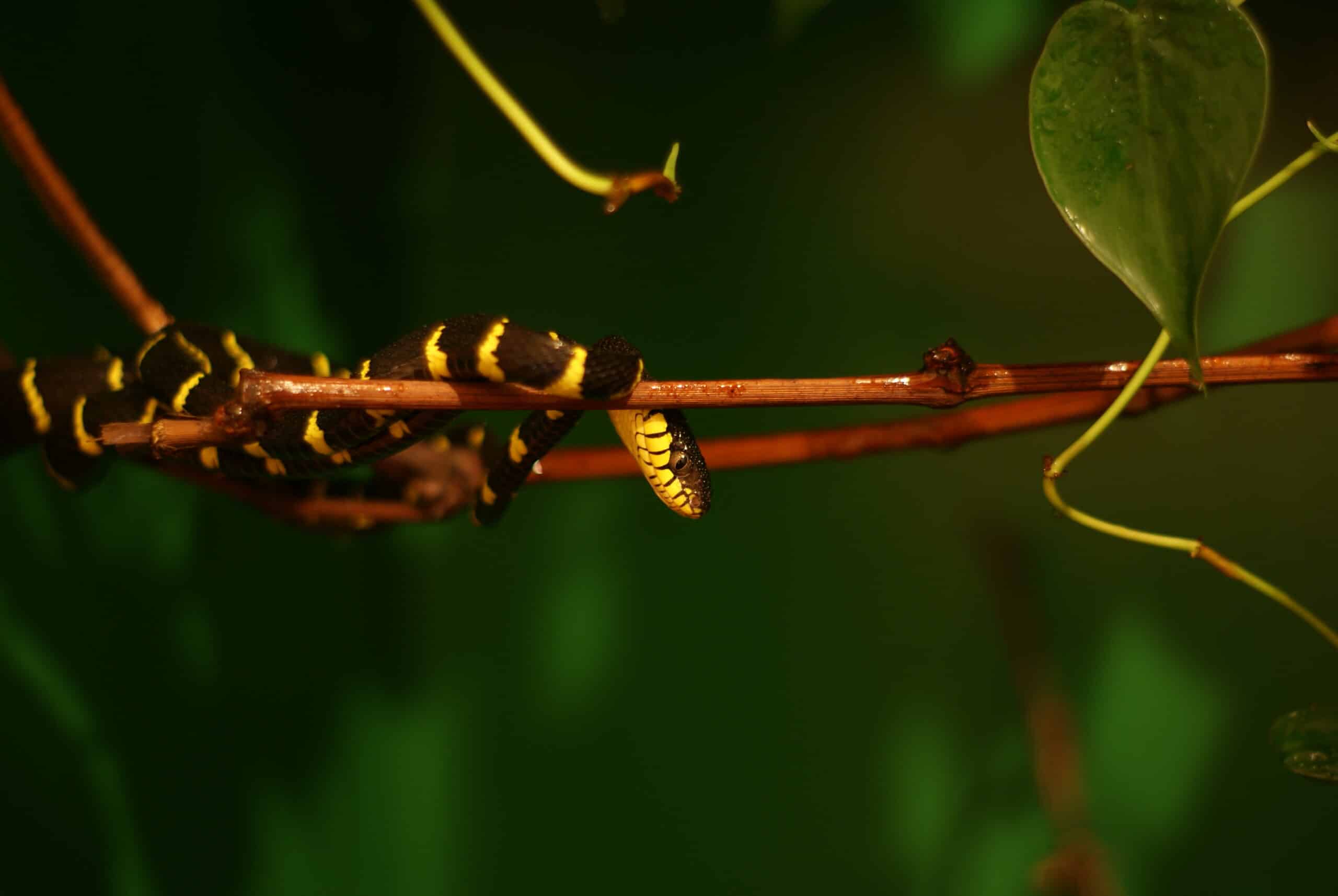
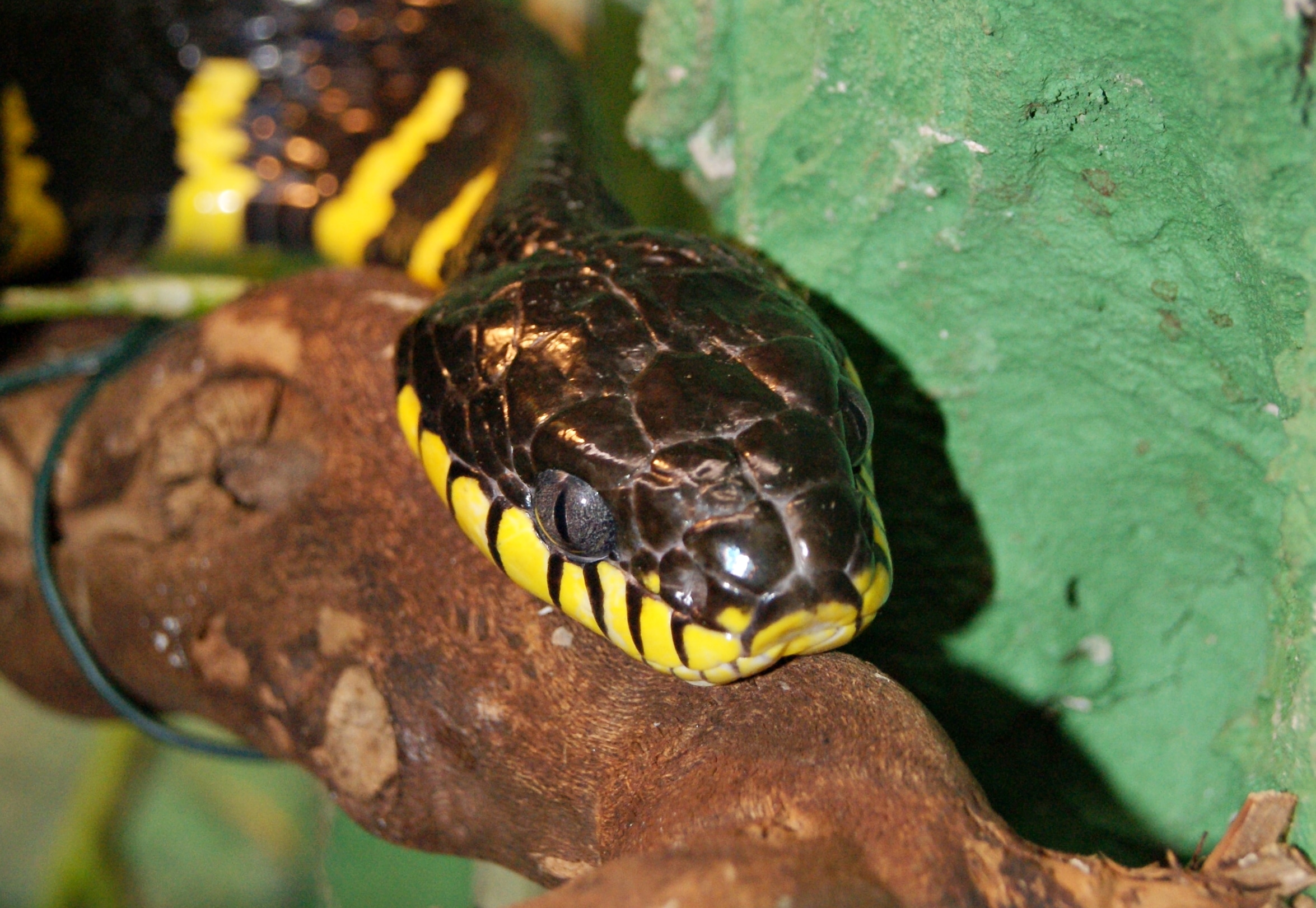
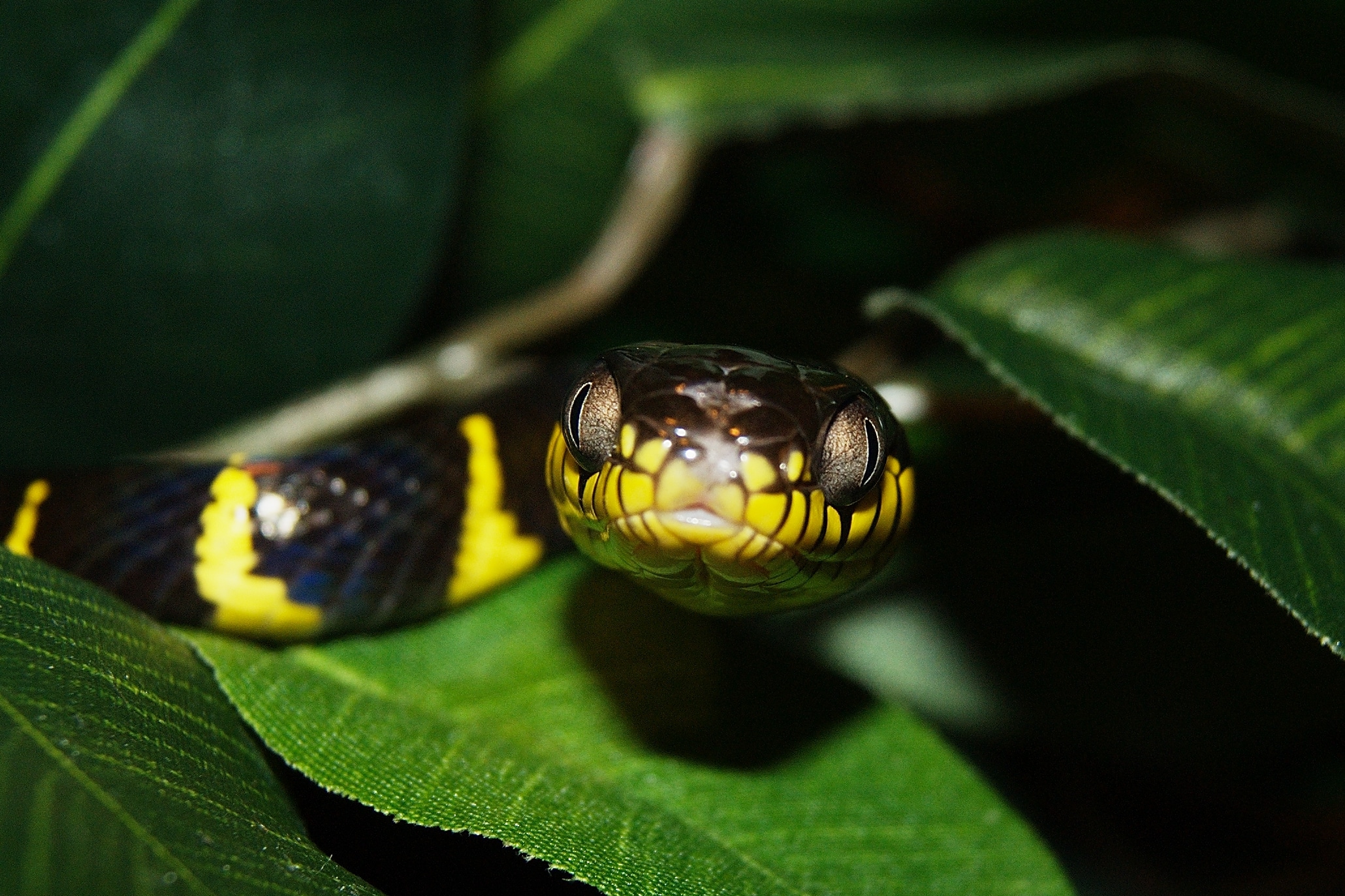
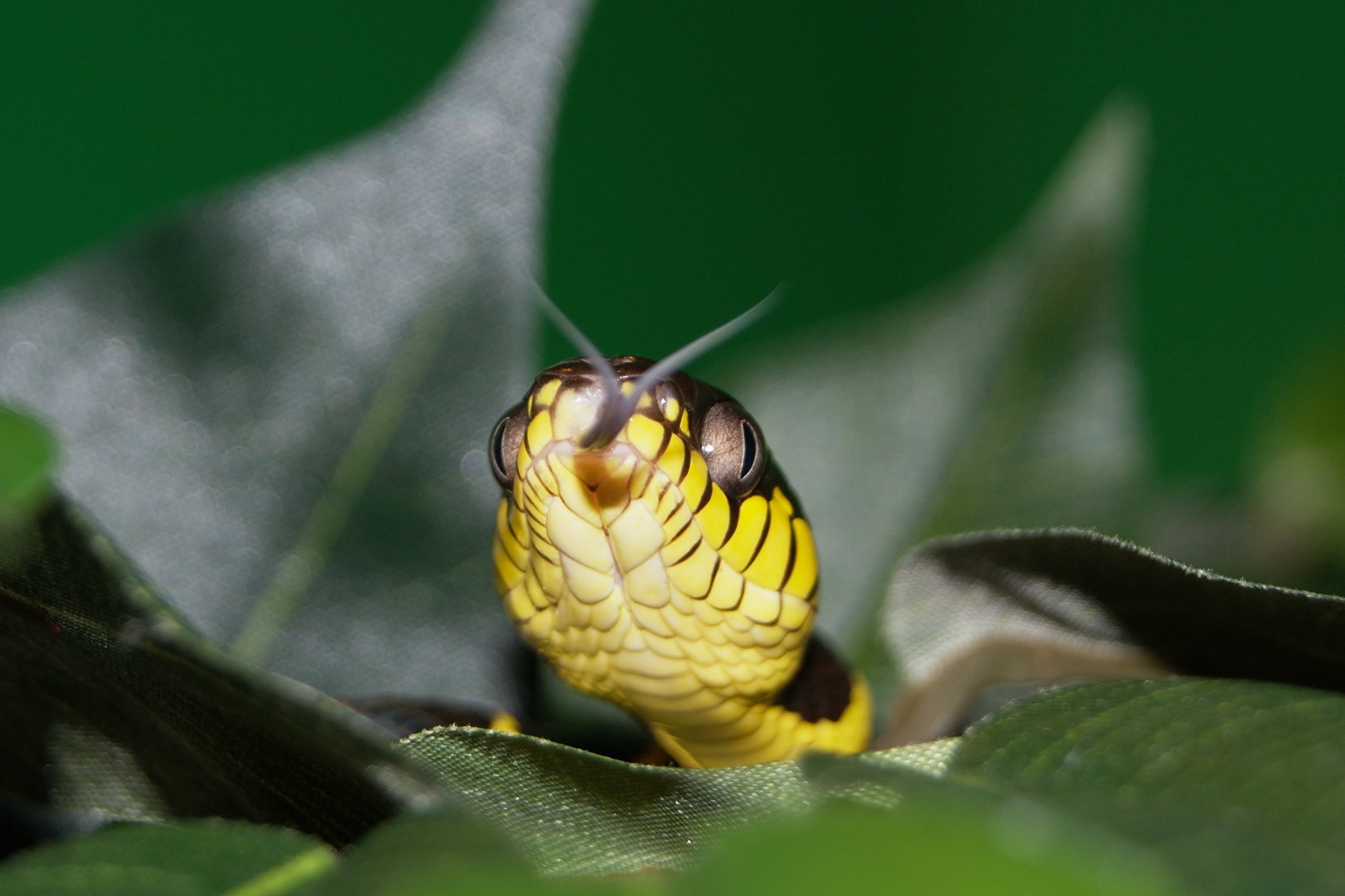
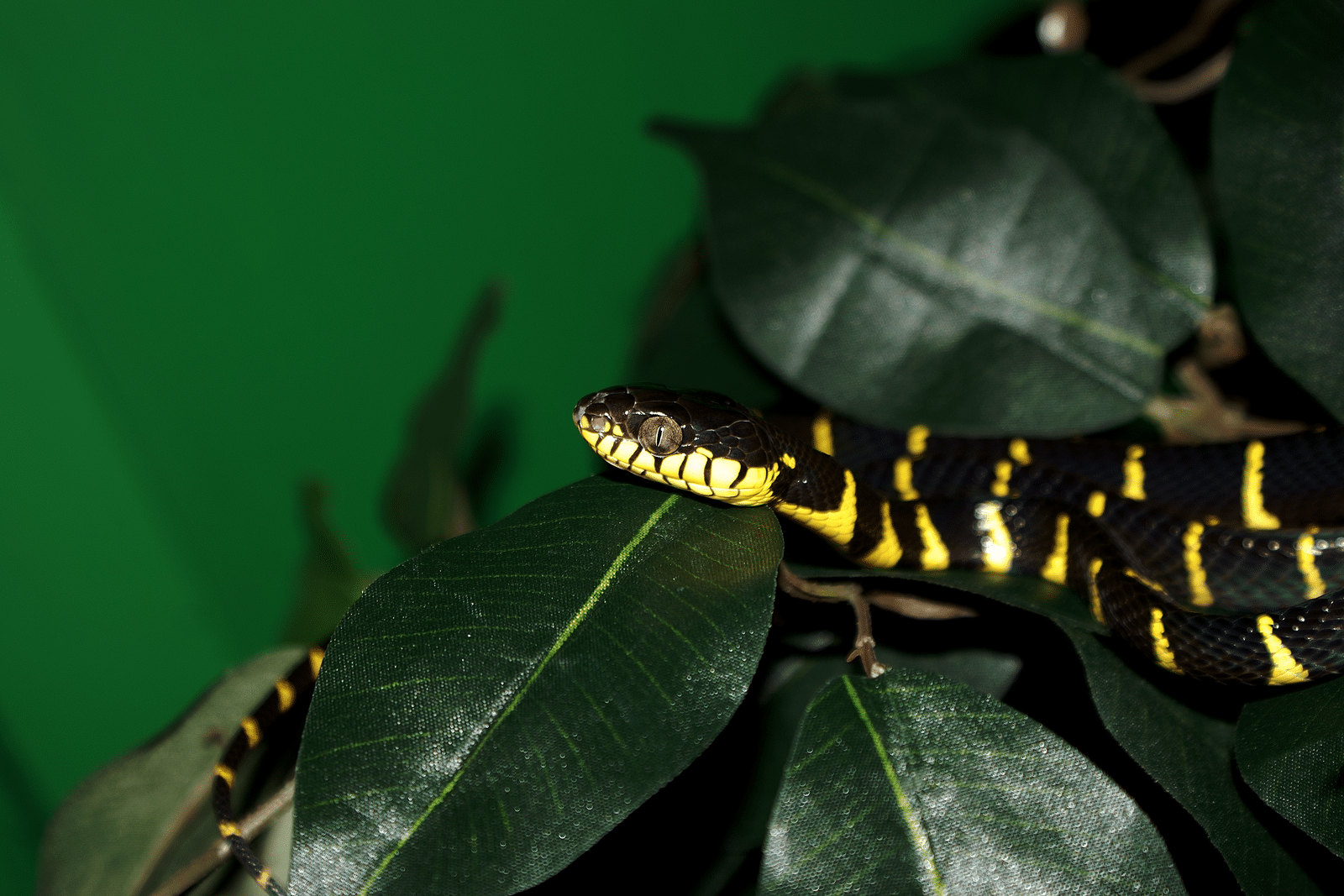
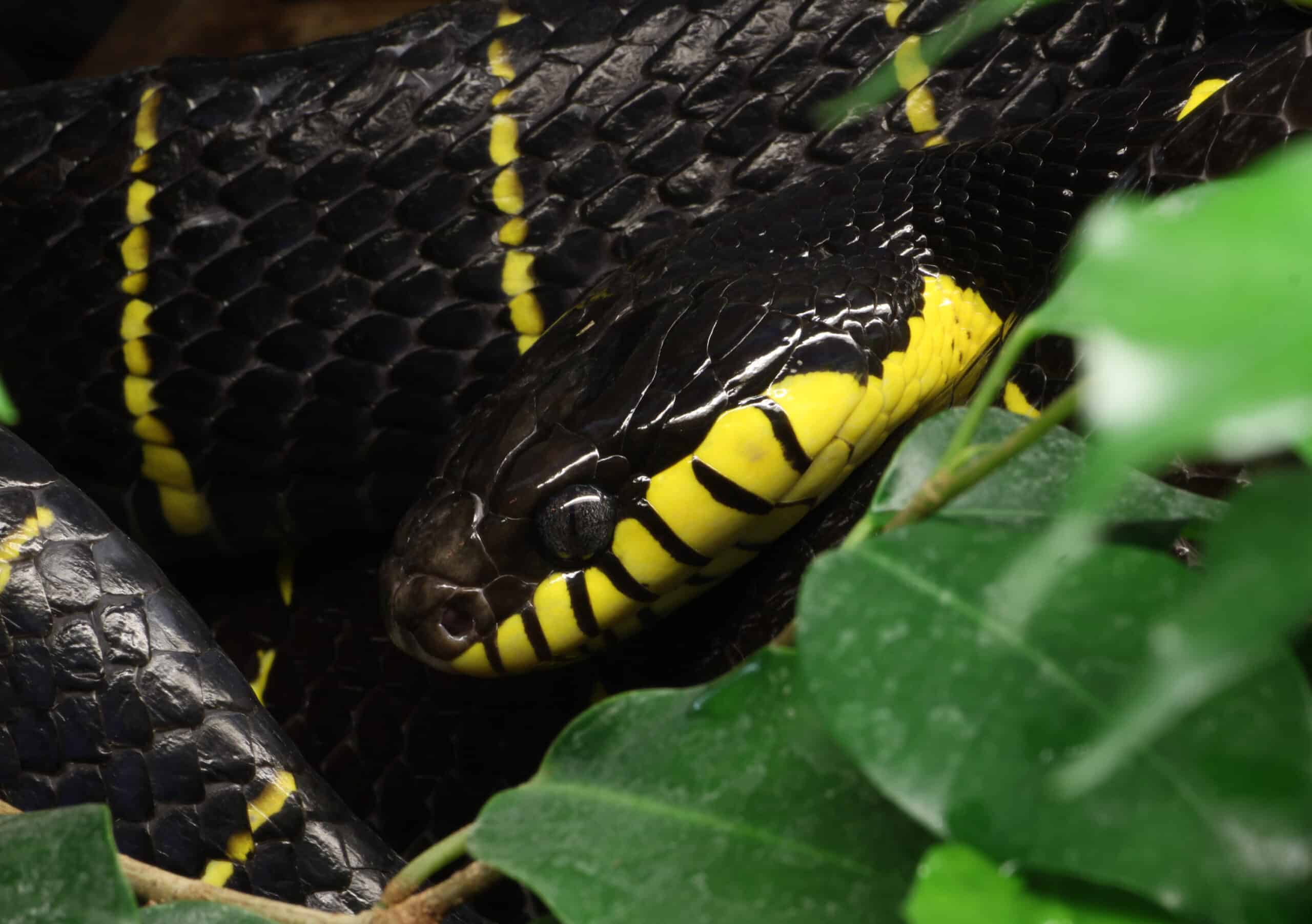
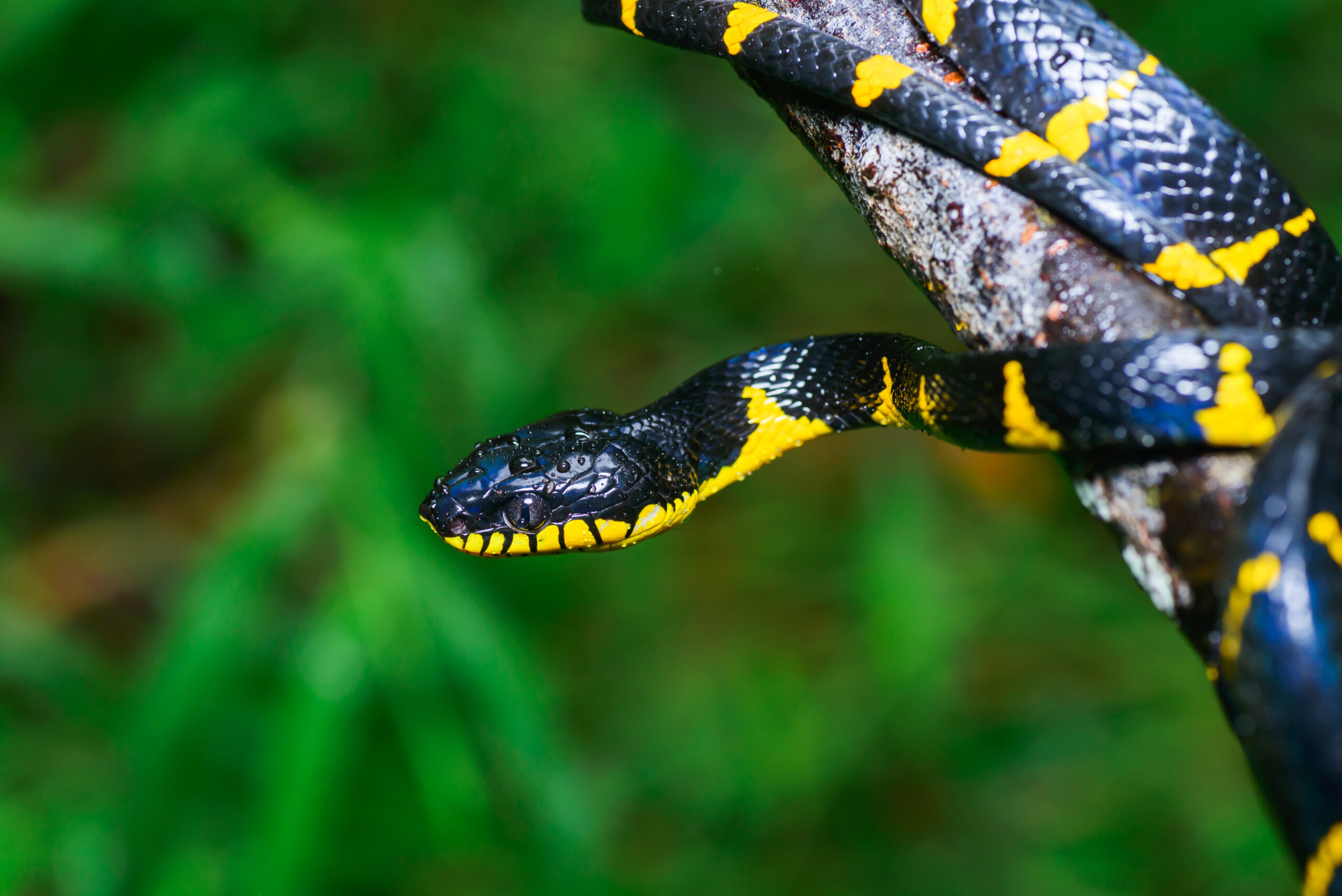
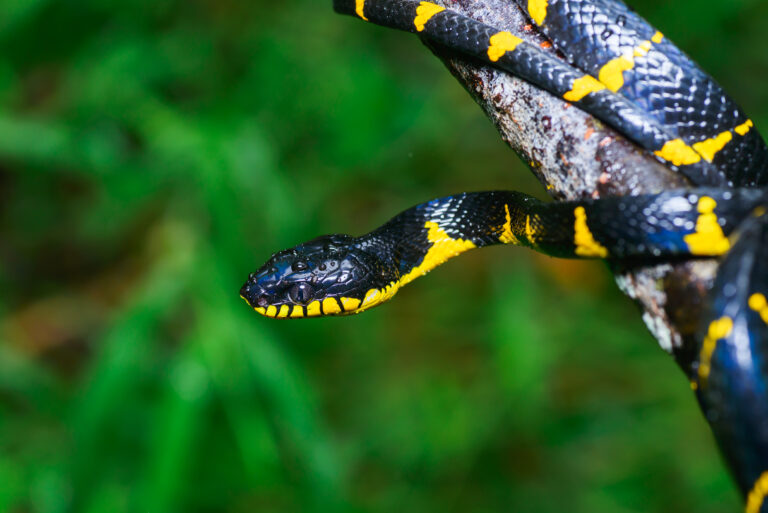
The mangrove snake, scientifically known as Boiga dendrophila, slithers through the lush landscapes of Asia. This remarkable reptile can grow to an average size of 1.8 to 2.4 meters (6 to 8 feet) long, making it one of the more impressive snakes in the wild!
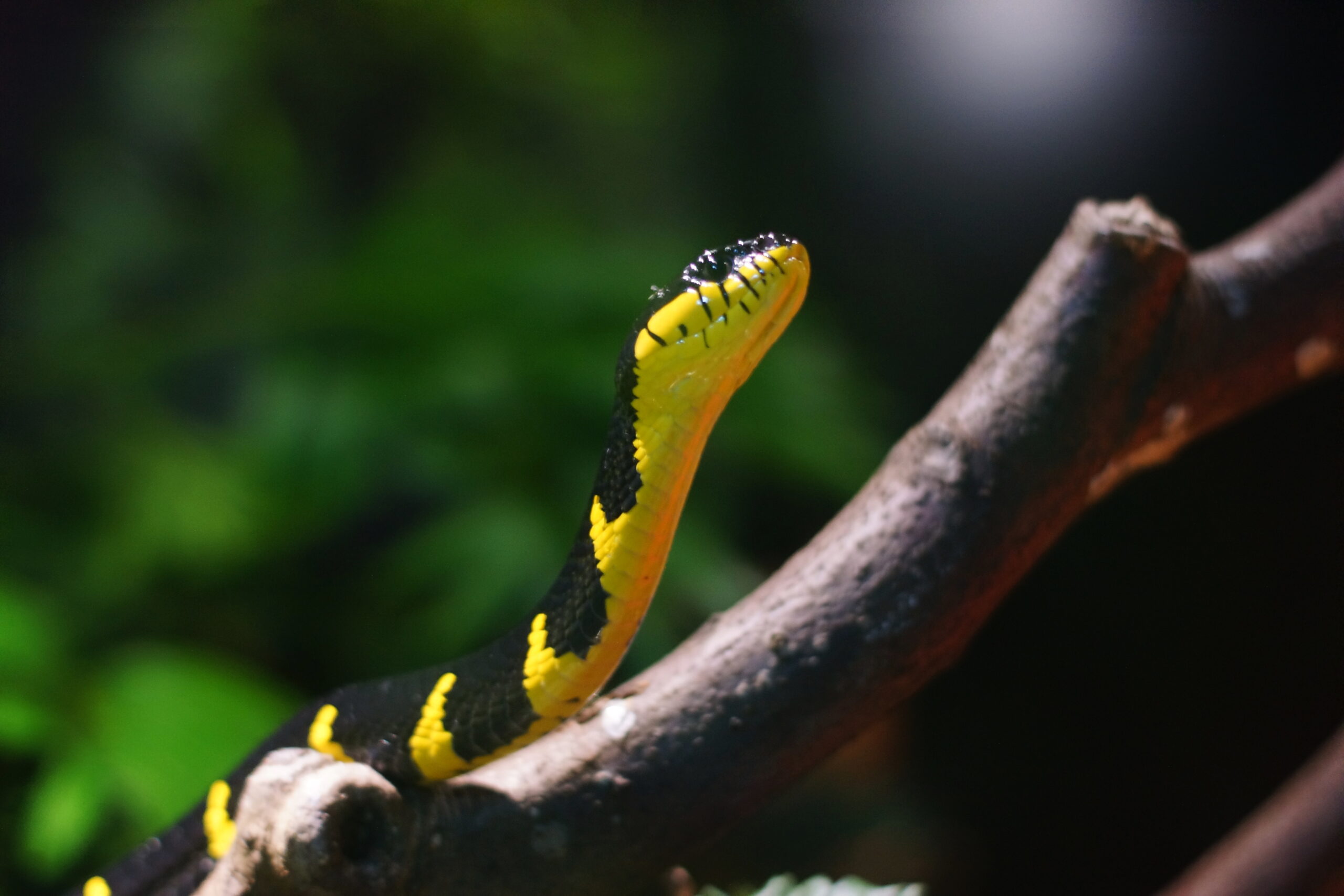
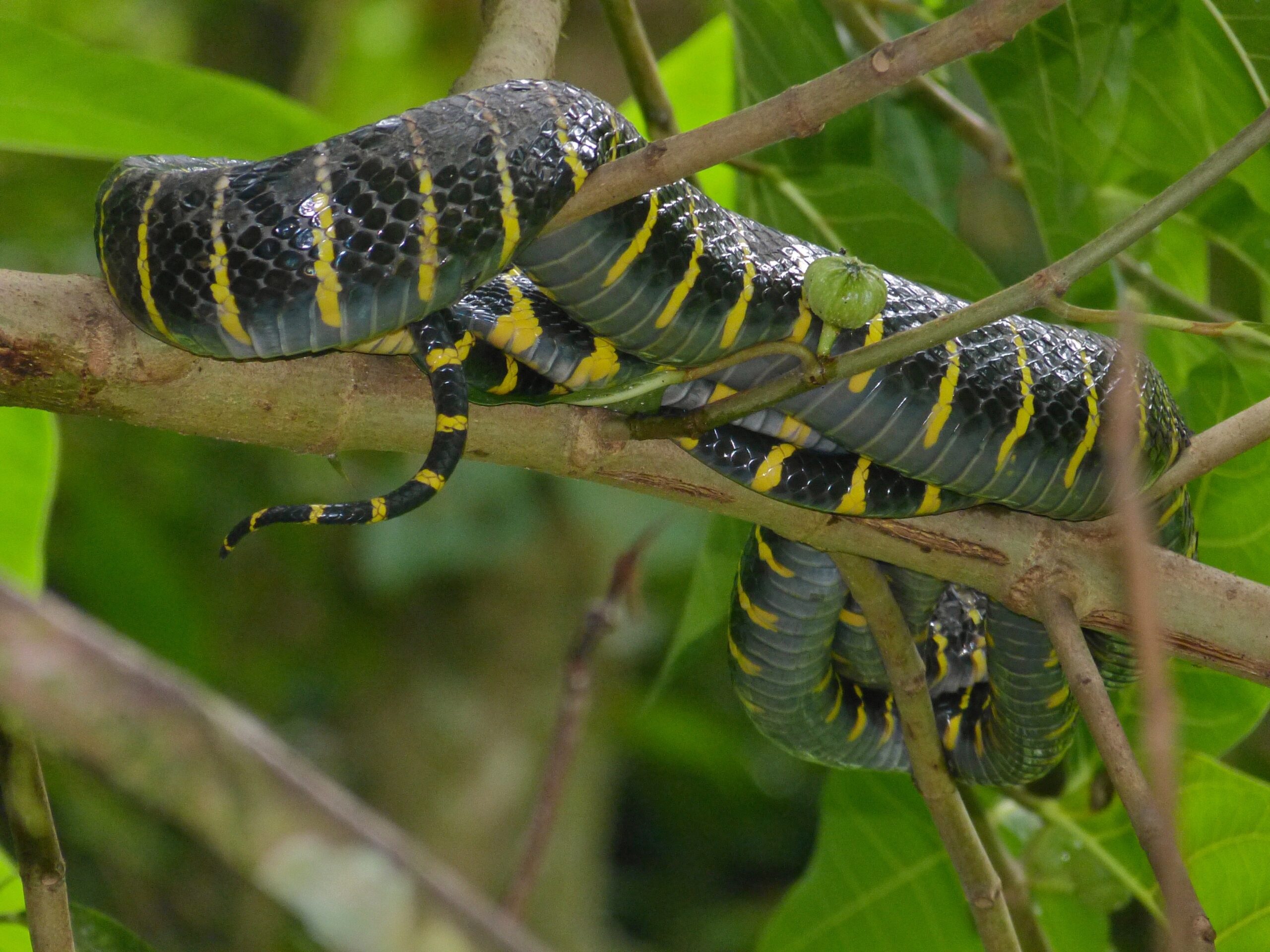
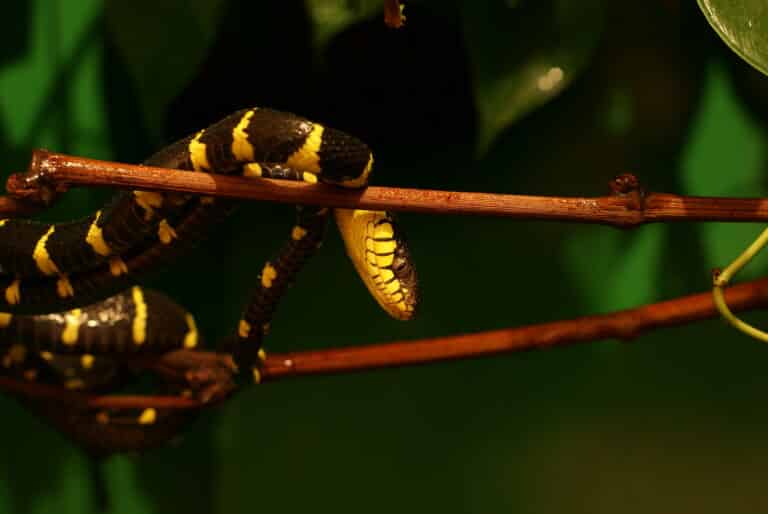
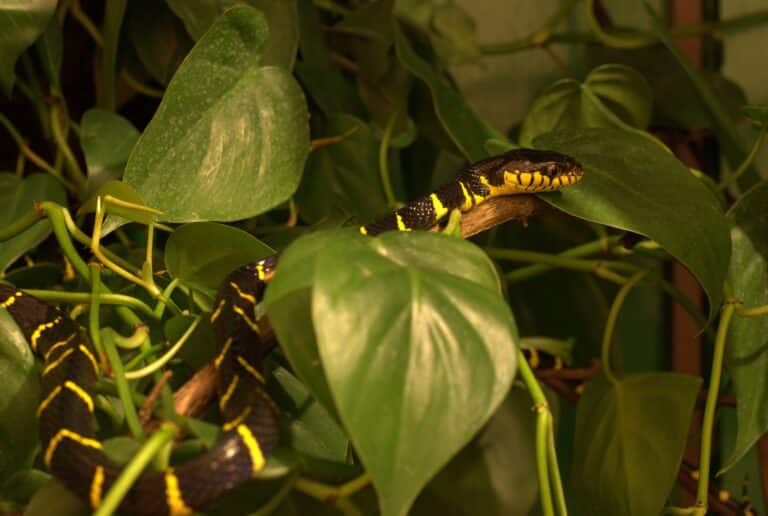
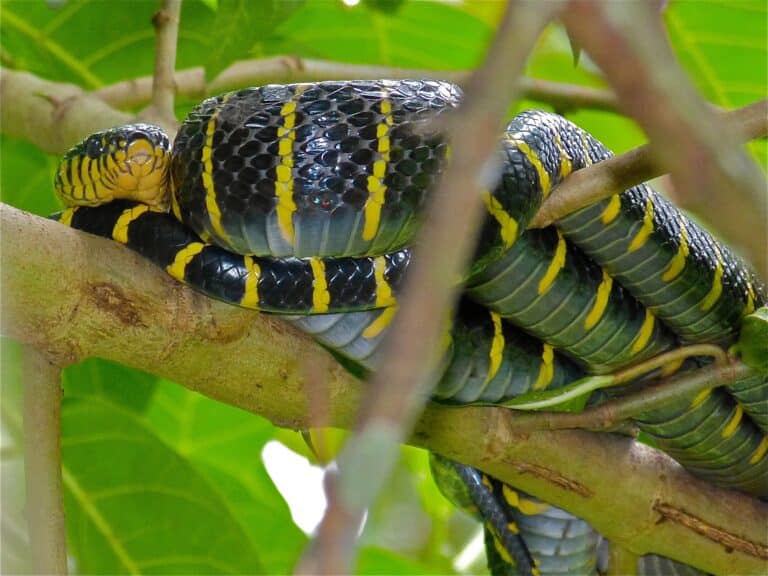
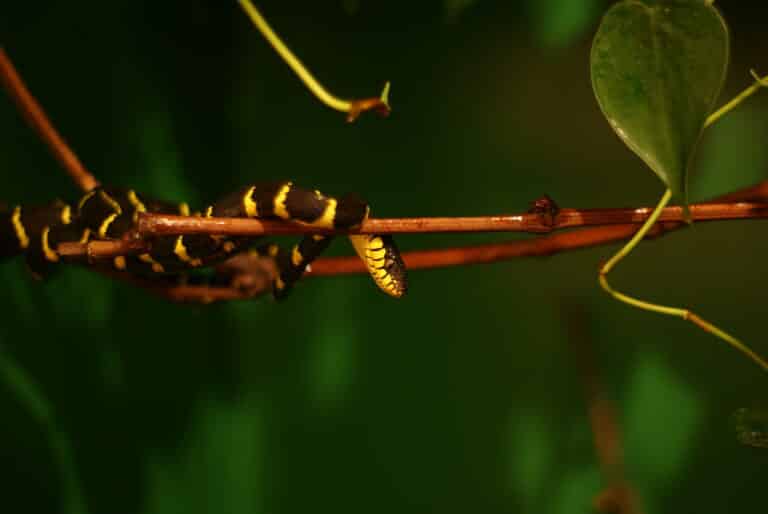
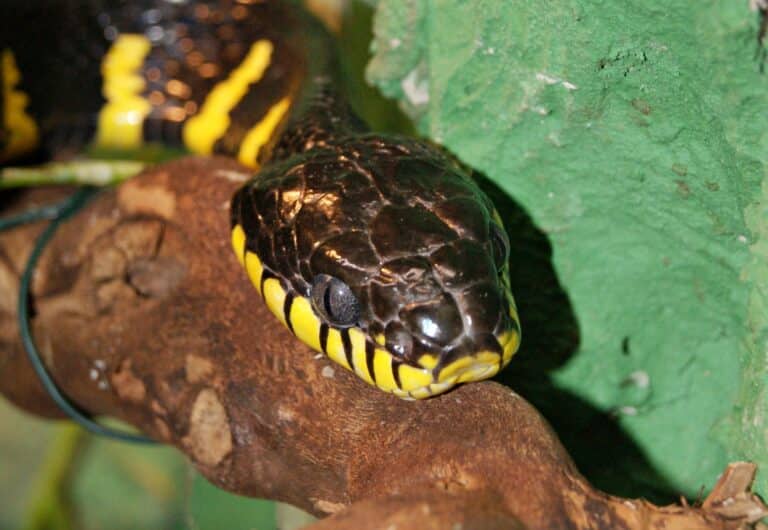
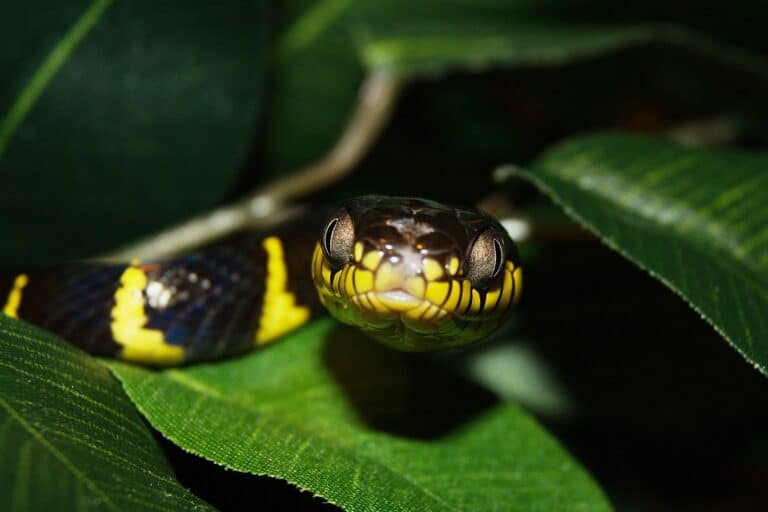
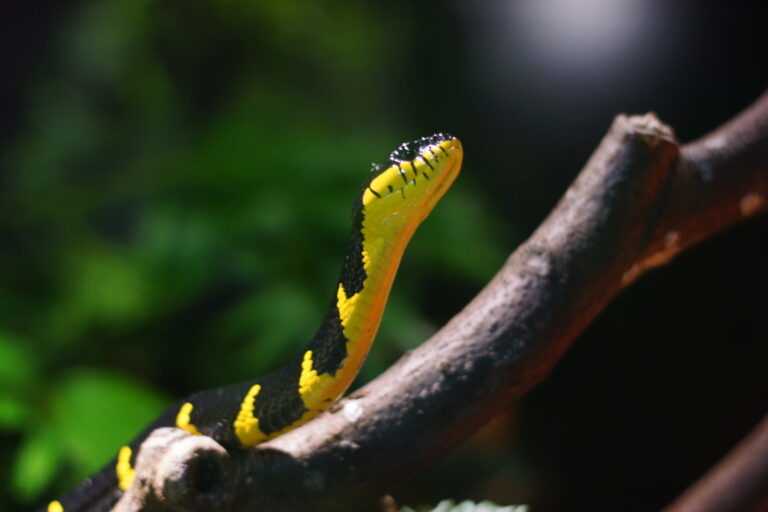
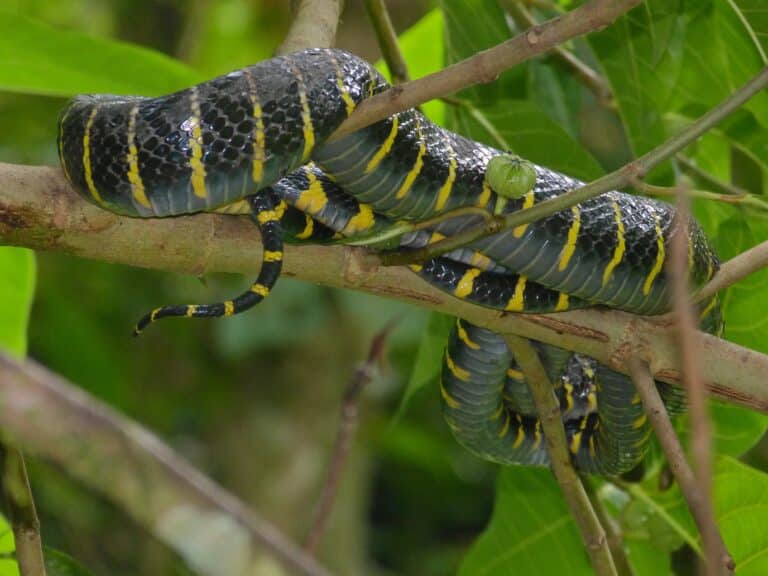
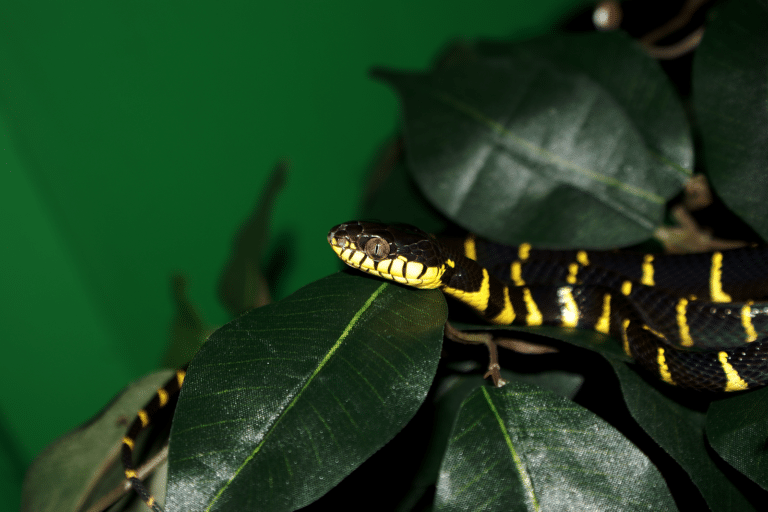
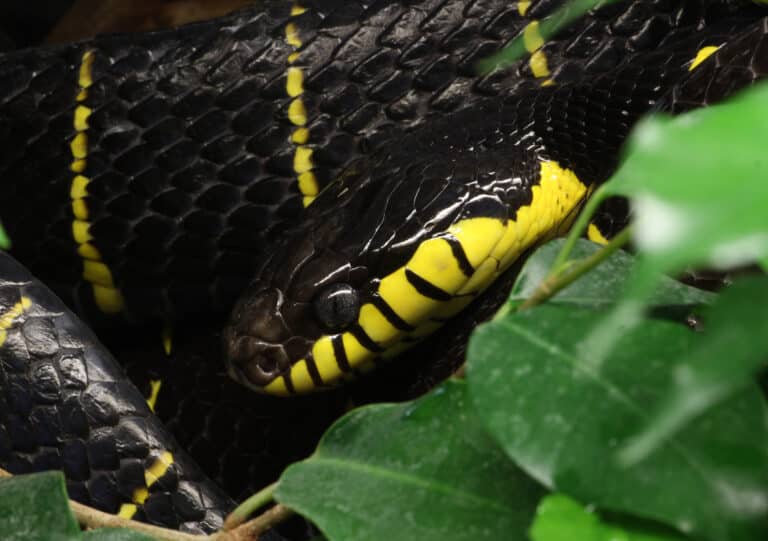
Mangrove snakes boast striking colors. Their glossy black bodies are adorned with beautiful yellow or white patterns, which help them blend into their jungle surroundings. This camouflage keeps them safe from curious predators and helps them sneak up on unsuspecting prey.
These snakes enjoy dining on a menu that includes birds, lizards, and other small animals. With their agile bodies and knack for climbing, mangrove snakes easily navigate the trees where their meals often hang out.
Mangrove snakes can live a long time, often reaching lifespans of 12 to 20 years in the wild. That means they have plenty of time to stretch out, find food, and bask in the sun while keeping their cool reptile charm!
If you ever see one, remember that mangrove snakes are generally non-venomous. They like to rely on their stealthy skills to catch their meals instead of venom for protection, making them quite the friendly neighbors in the animal kingdom!

Where can you find a Mangrove Snake in the wild?
What does a Mangrove Snake eat?
How big can a Mangrove Snake grow?
How long does a Mangrove Snake typically live?
What is the conservation status of the Mangrove Snake?
What are the main threats to the Mangrove Snake?
Fun facts
Mangrove snakes can open their mouths wider than almost any other snake, allowing them to swallow prey as large as themselves. This unique ability helps them enjoy a variety of meals!


This snake can change its colors slightly depending on its surroundings, helping it blend in amazing ways with the leaves and shadows of the forest.
When it feels threatened, a mangrove snake can flatten its body and hiss loudly, making it look bigger and scarier to potential predators!
These snakes have excellent vision, allowing them to spot prey even in low light. They are true night hunters, working their magic while the rest of the world sleeps.
Mangrove snakes are expert climbers. They use their strong muscles and flexible bodies to travel swiftly through trees, almost like nature's little acrobats!
During breeding season, male mangrove snakes may engage in 'combat dances' to impress females. They twist and turn around each other, showing off their skills.
These reptiles exhibit a behavior called 'sunning' where they lie in the sun to warm up, helping them stay active and energetic throughout the day.
Mangrove snakes can be quite social and sometimes share their trees with other snakes. They enjoy each other's company in their lush jungle home.
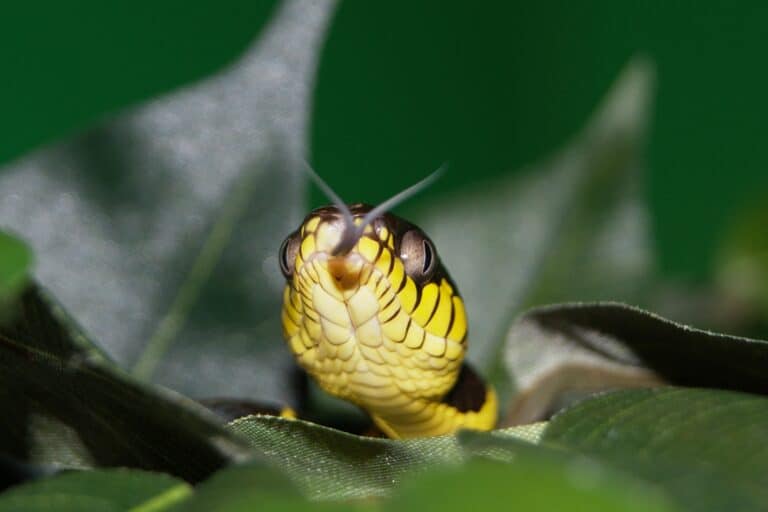
This snake relies on its keen sense of smell to track down its meals. It flicks its forked tongue to pick up scents, almost like tasting the air!
Even though they are not dangerous to humans, mangrove snakes can still deliver a painful bite if they feel scared. They prefer to sneak away rather than confront threats!
Photos


The Basics


explore more
Amphibians
Arachnids
Birds
Cats
Crustaceans
Fish
Fish Pet Guide
Gastropods
Insects
Invertebrates
Mammals
Pet Fish
Pet Rodents
Plants
Reptiles
Roundworms
Sea Slugs