Successfully copied to clipboard!
Mason Bee
Explore nature's tiny builders with amazing pollination powers!
Let’s Explore
Overview
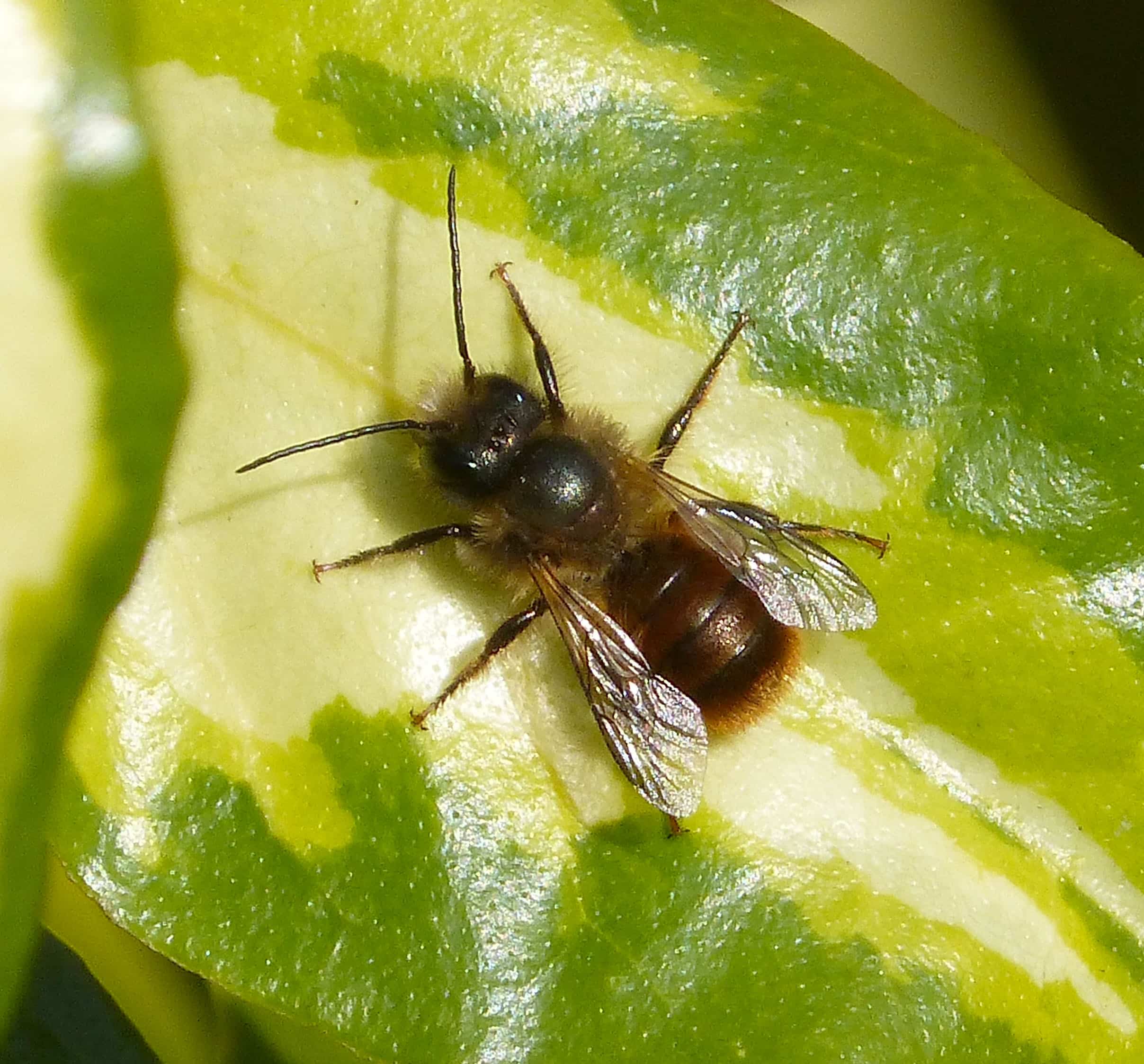
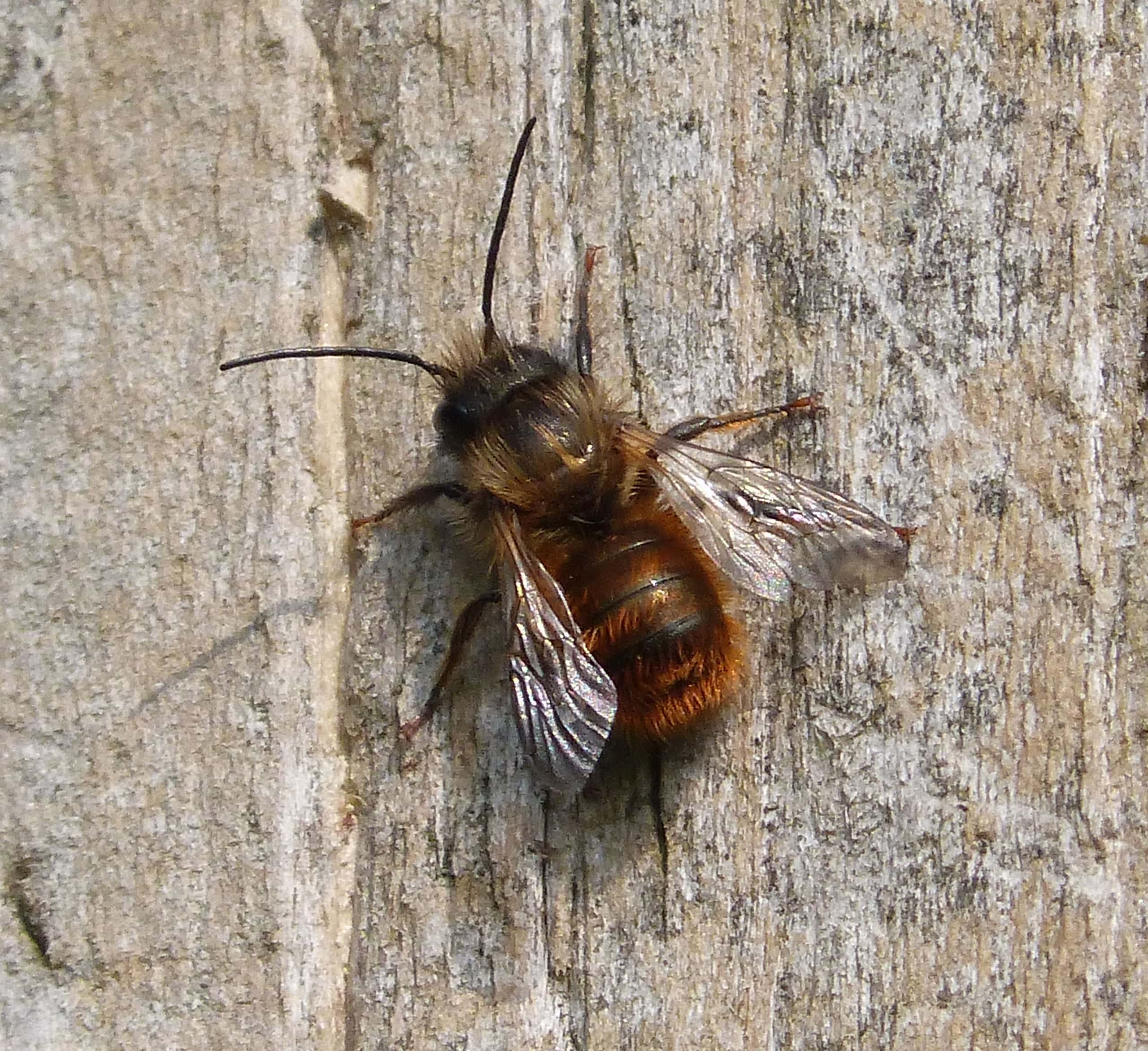
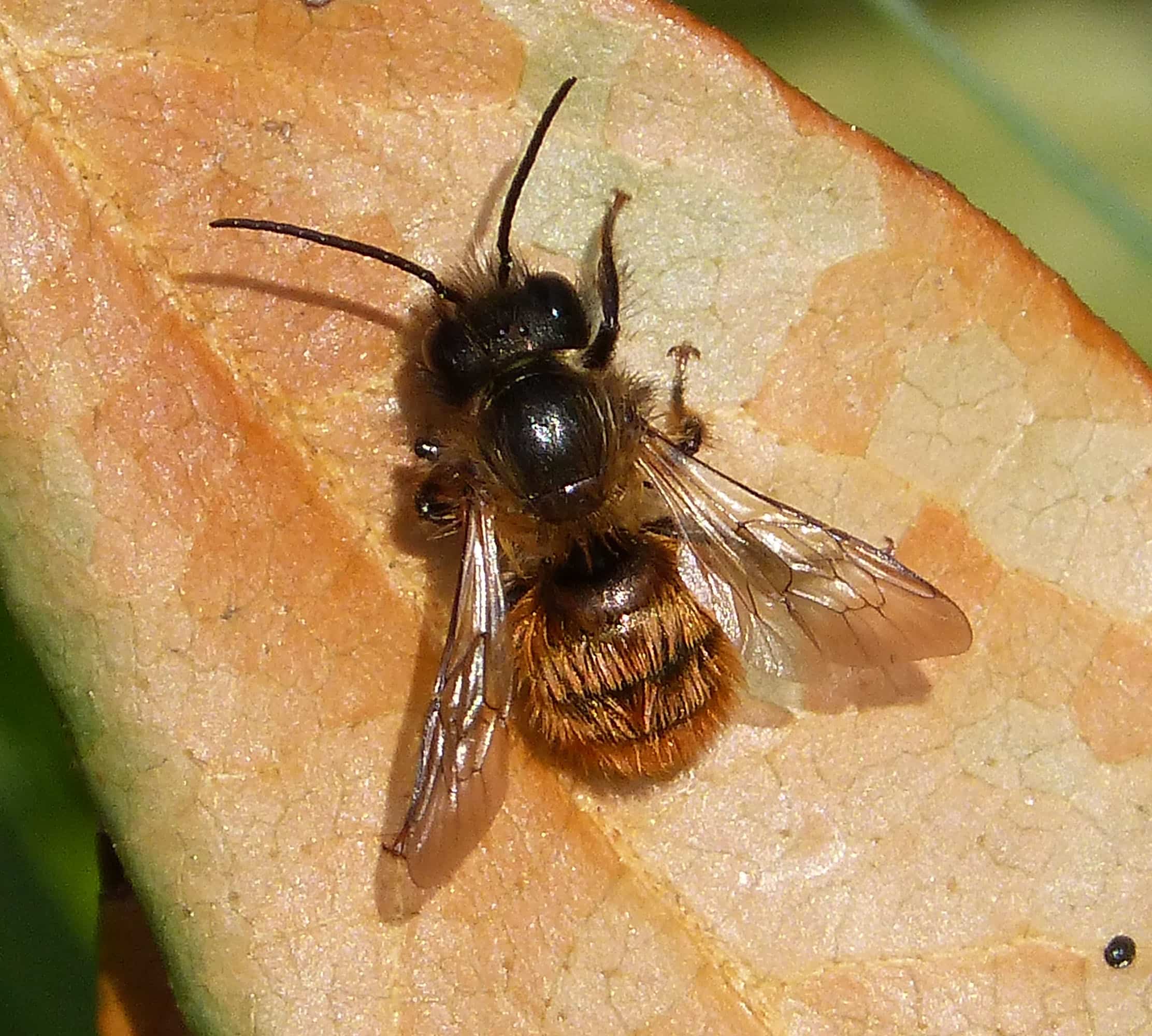
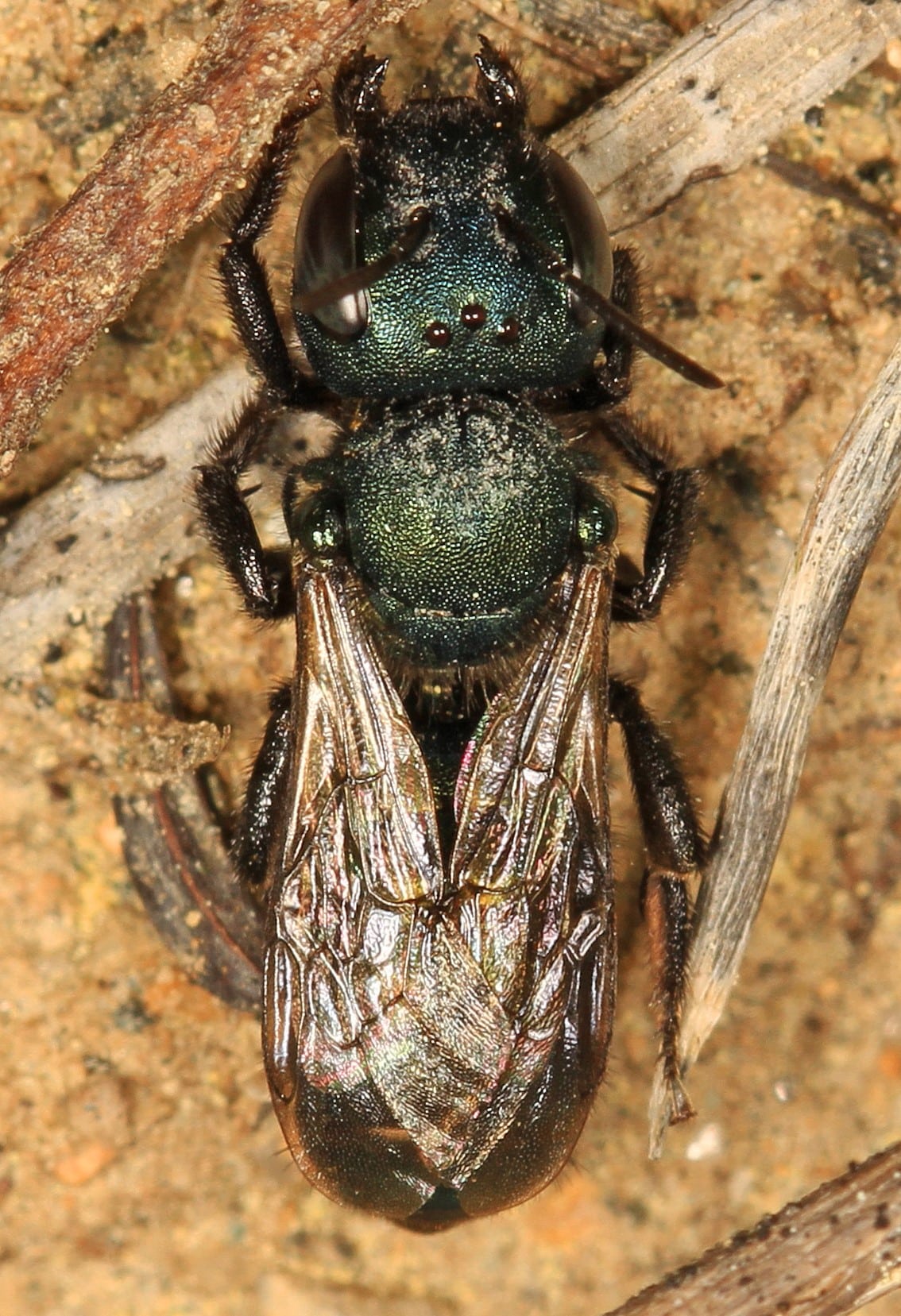
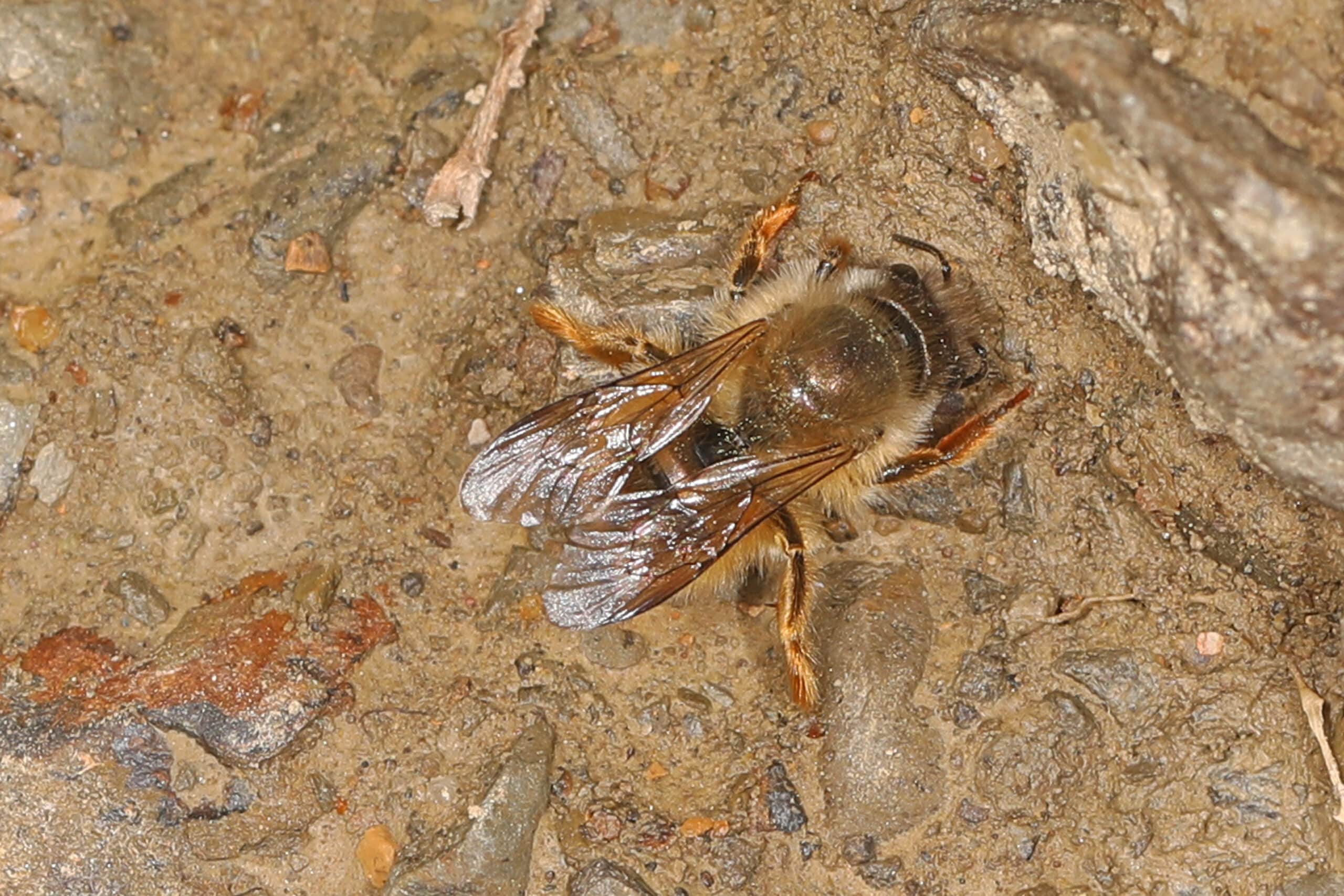
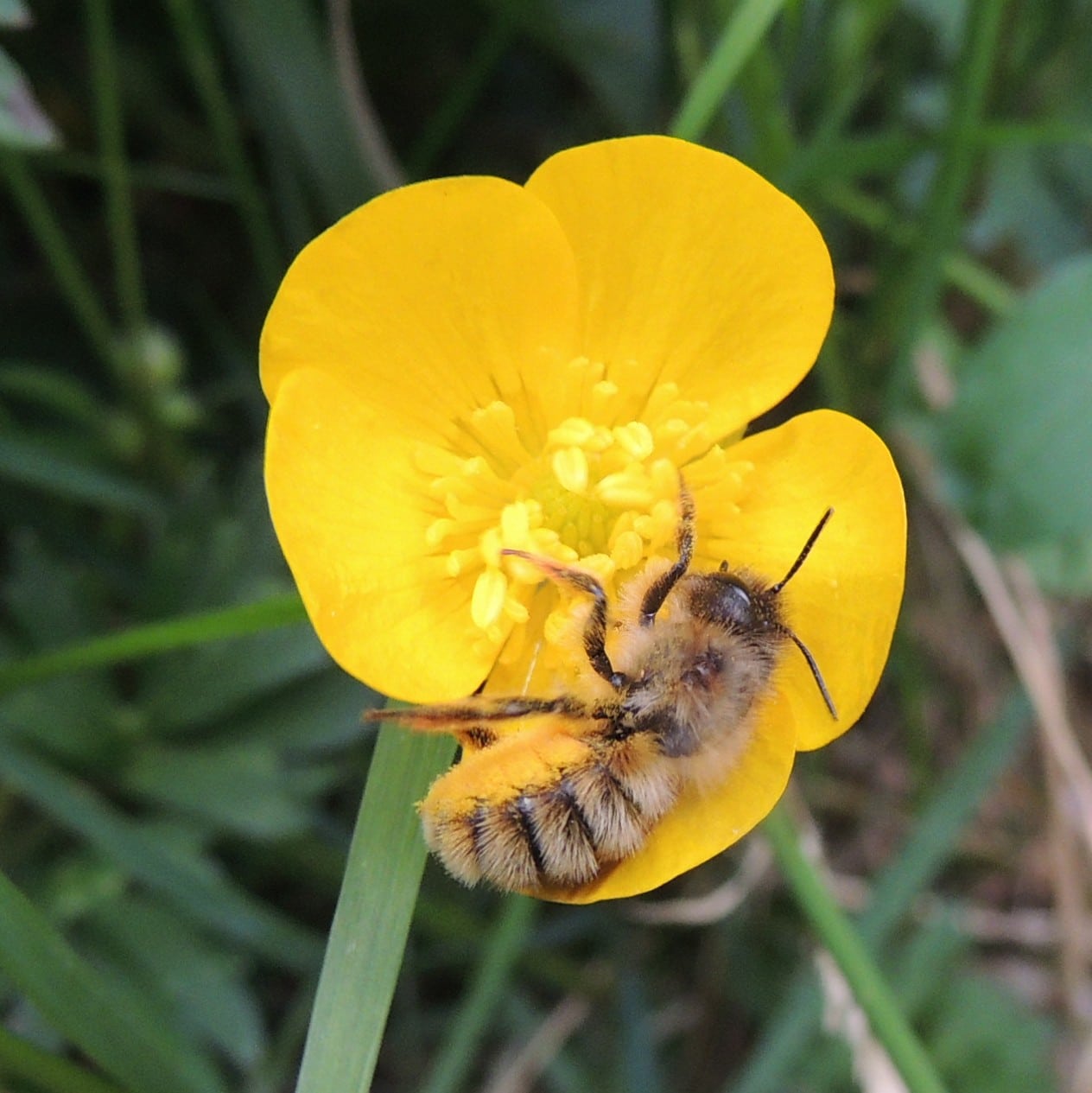
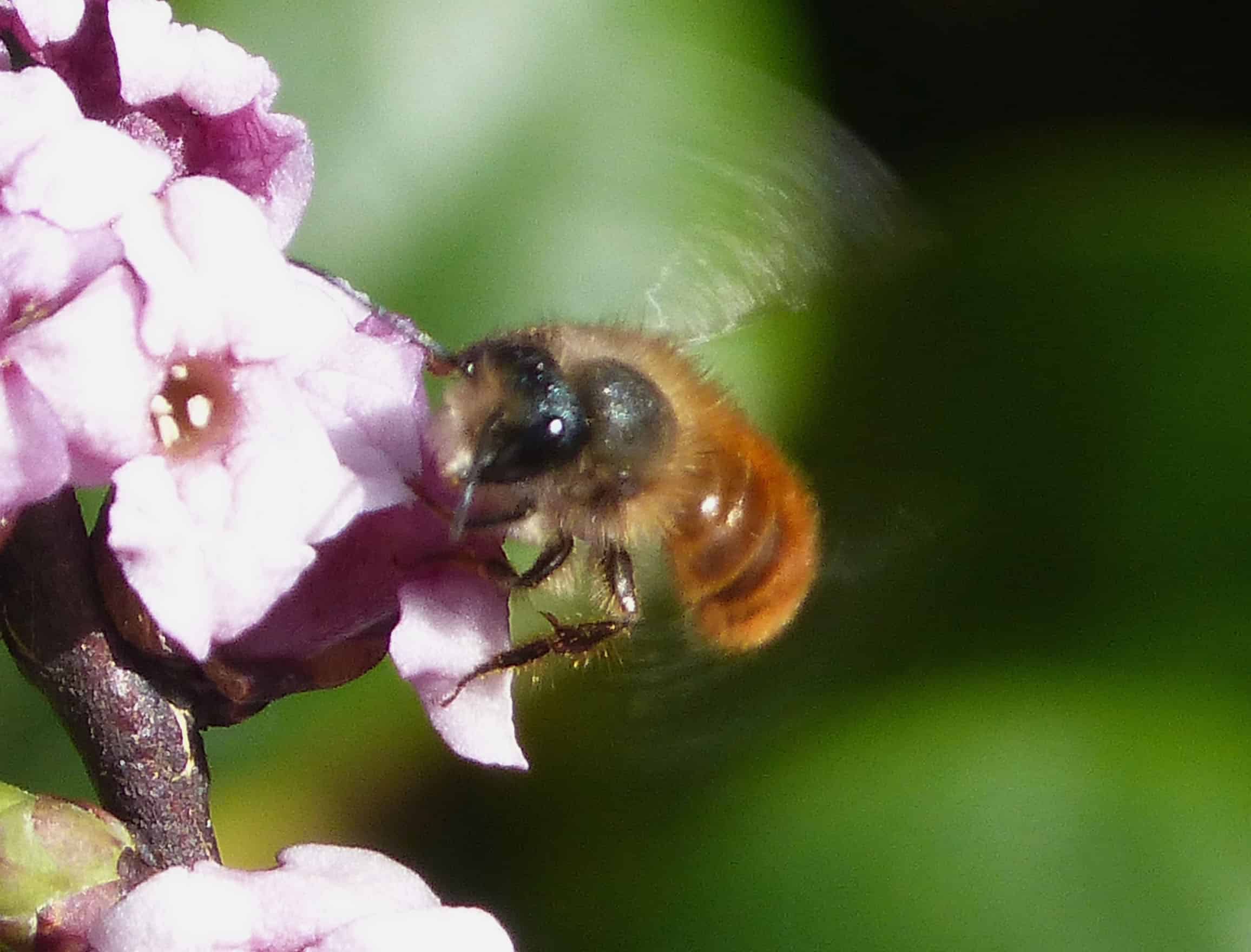
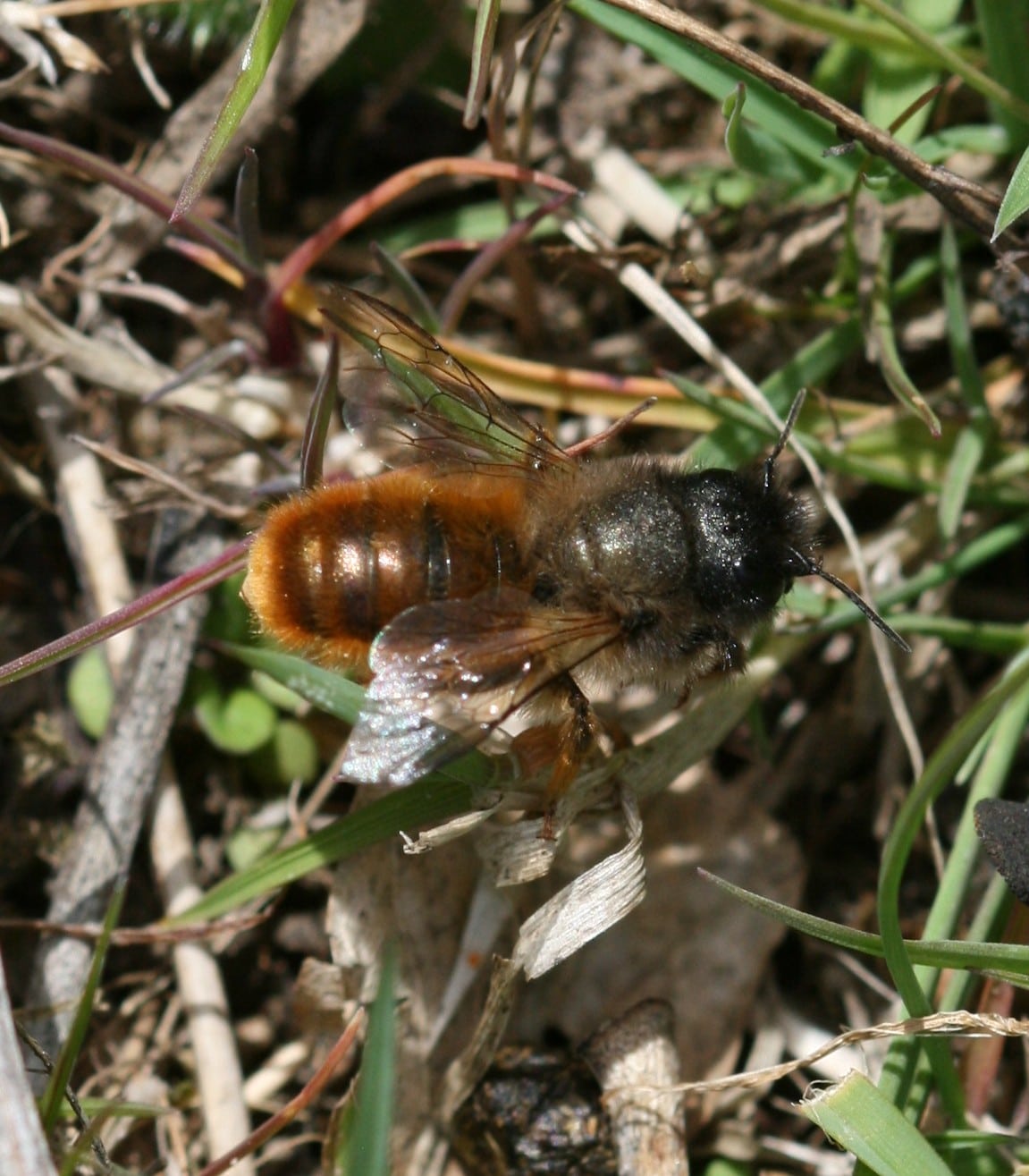
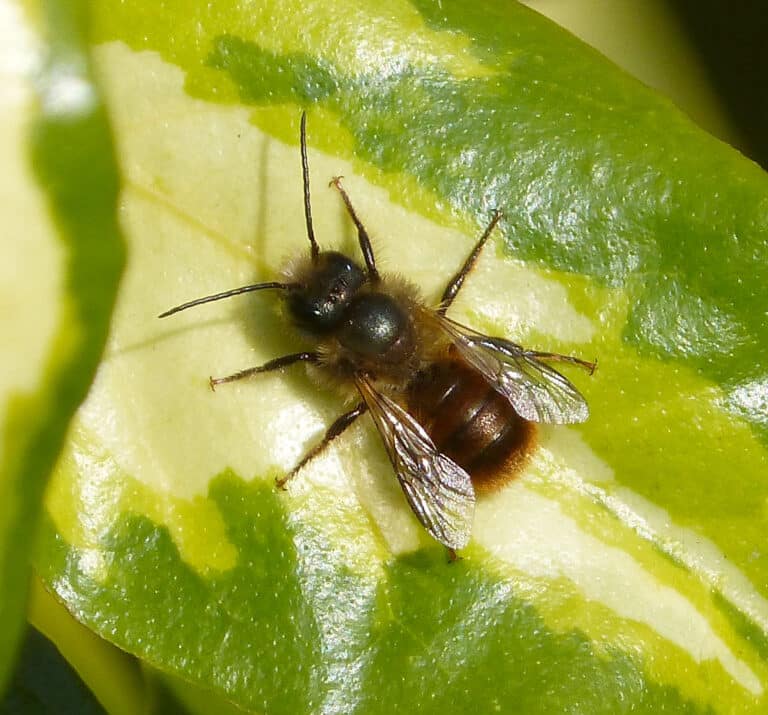
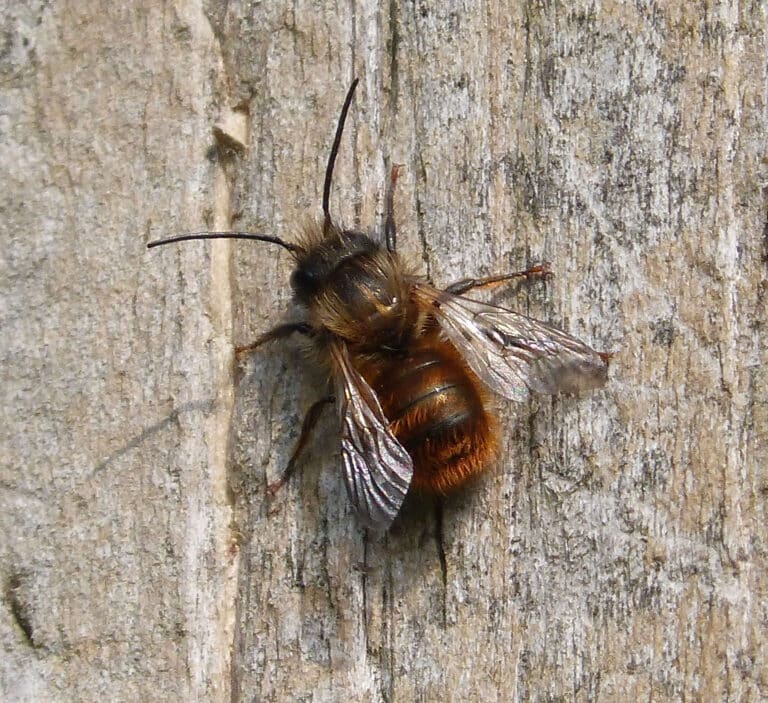
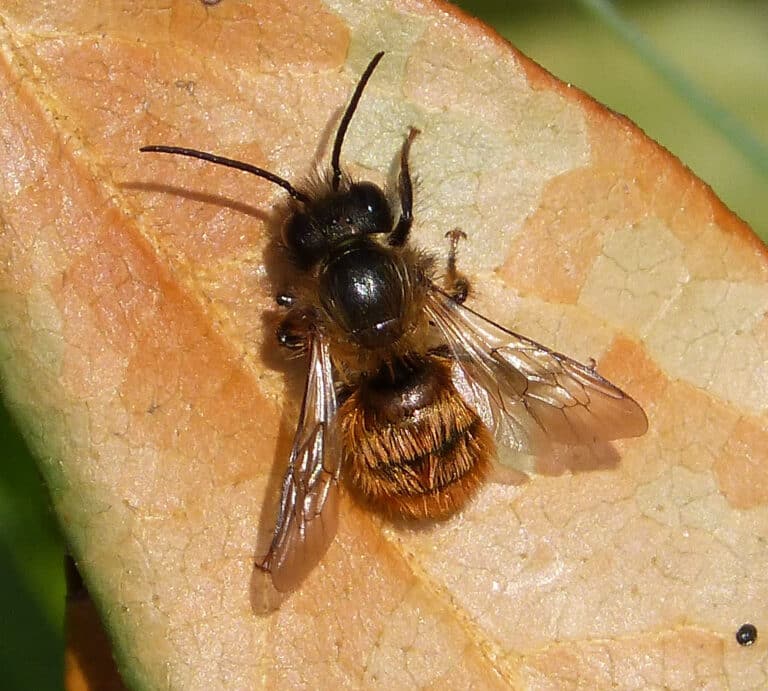
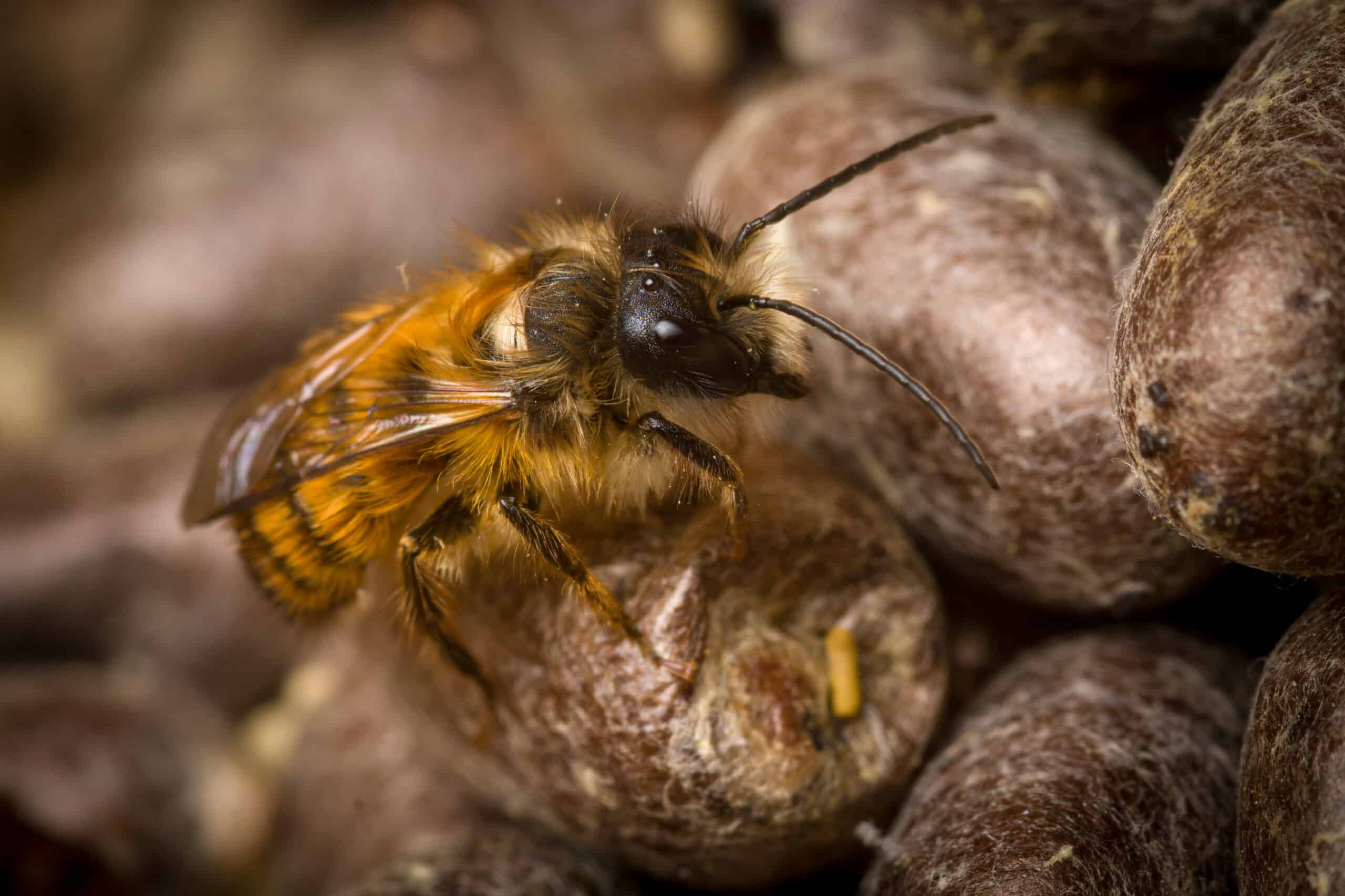
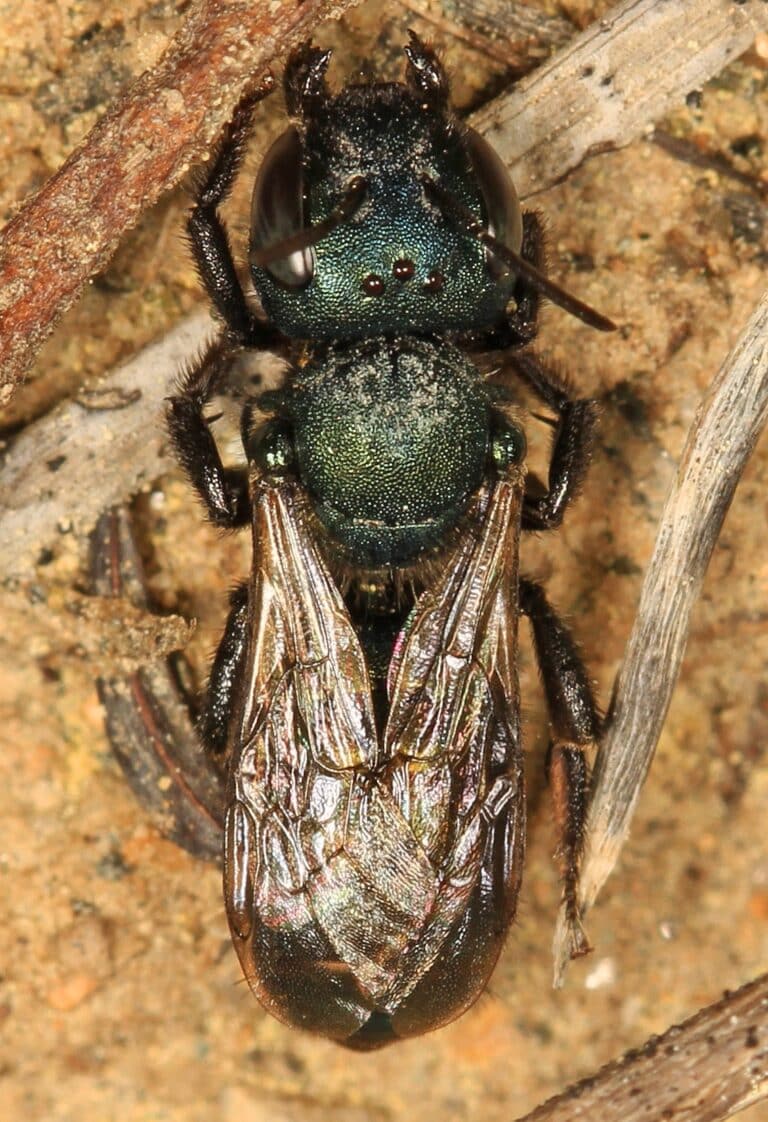
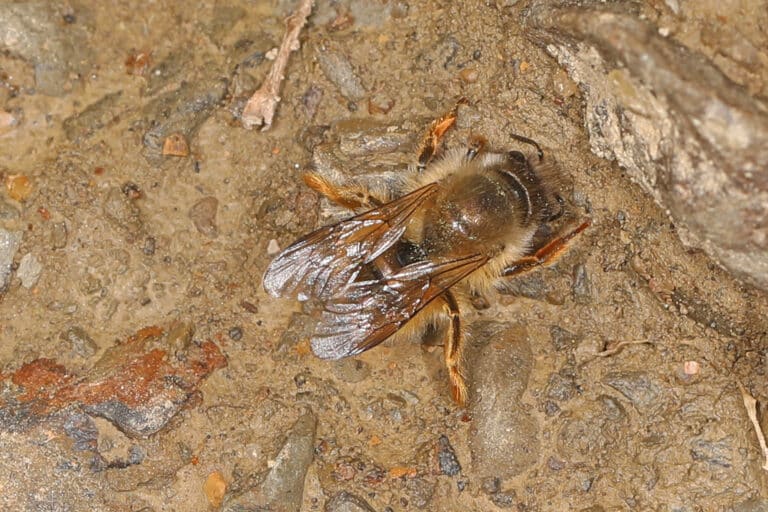
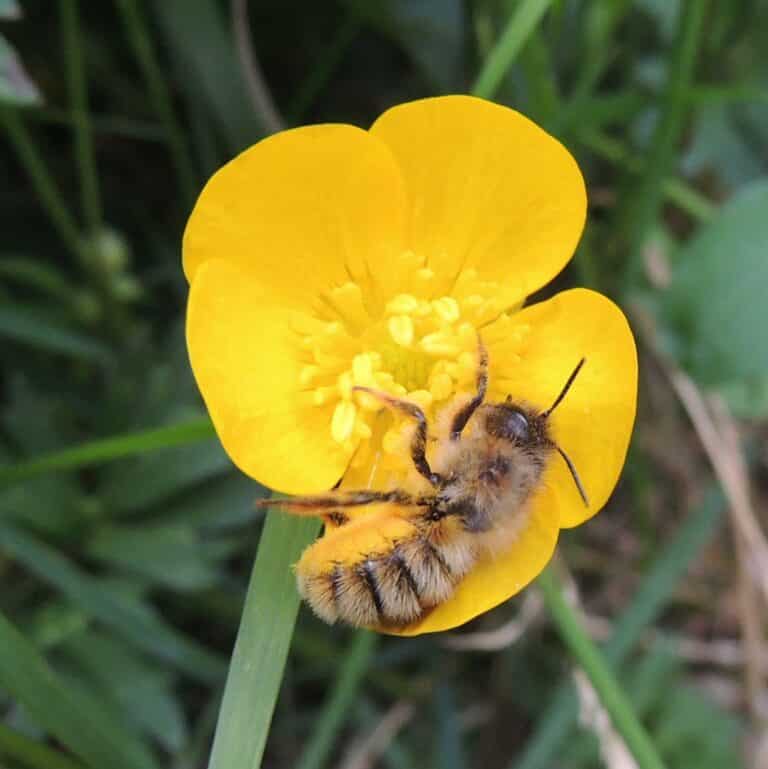
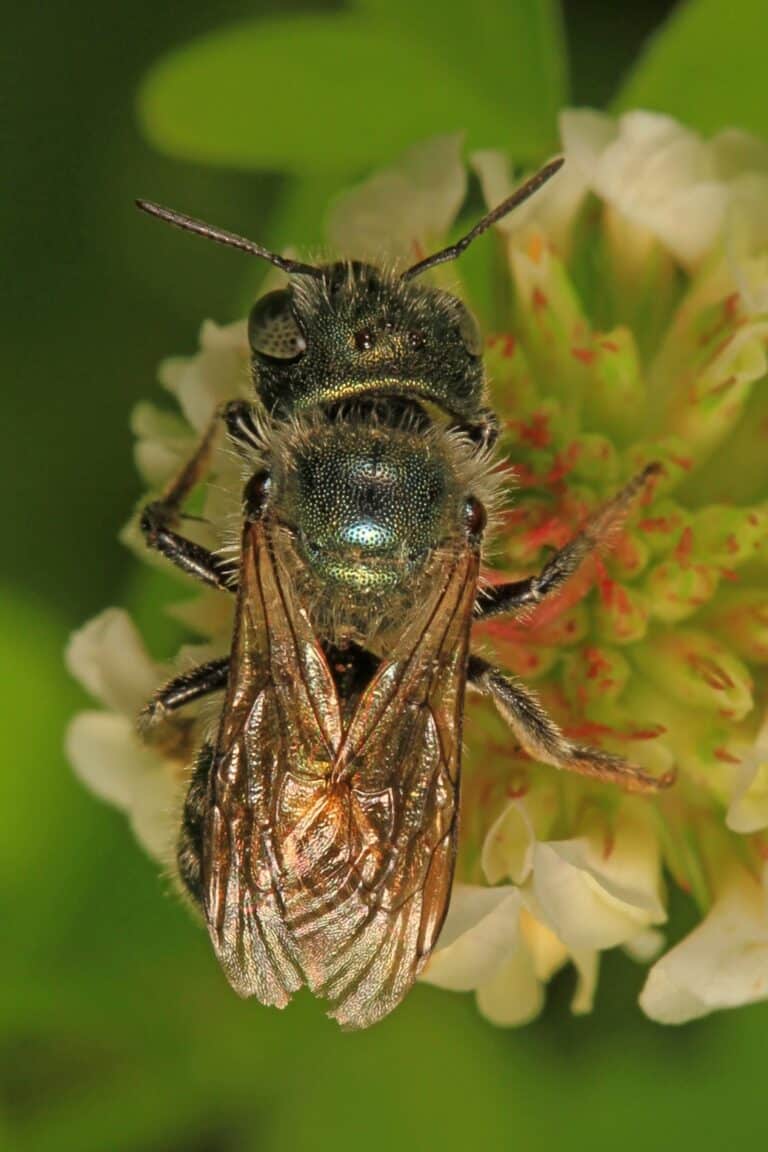
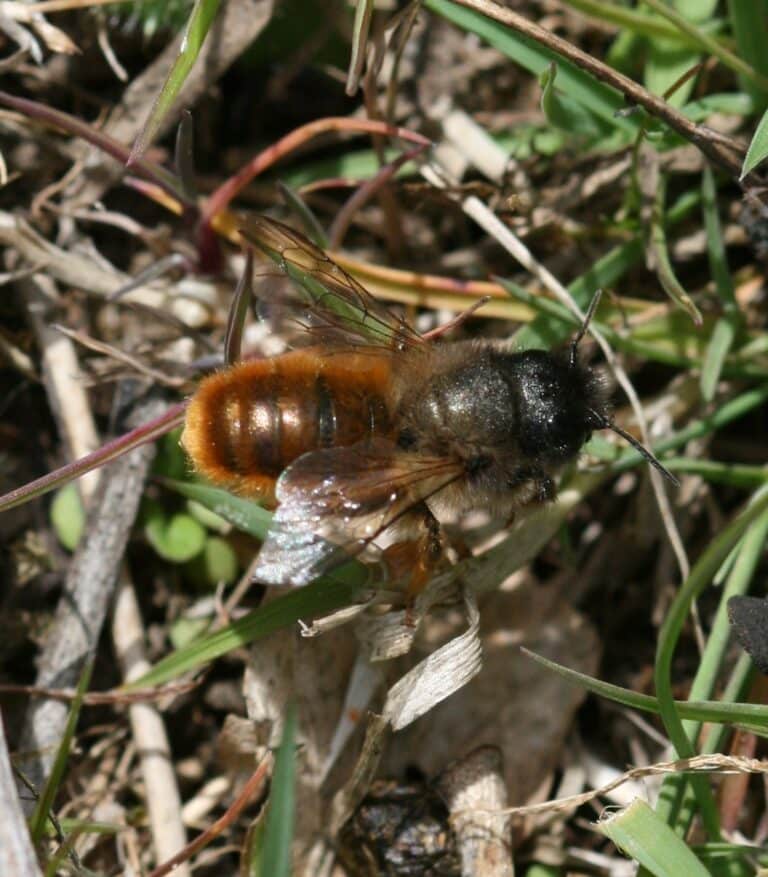
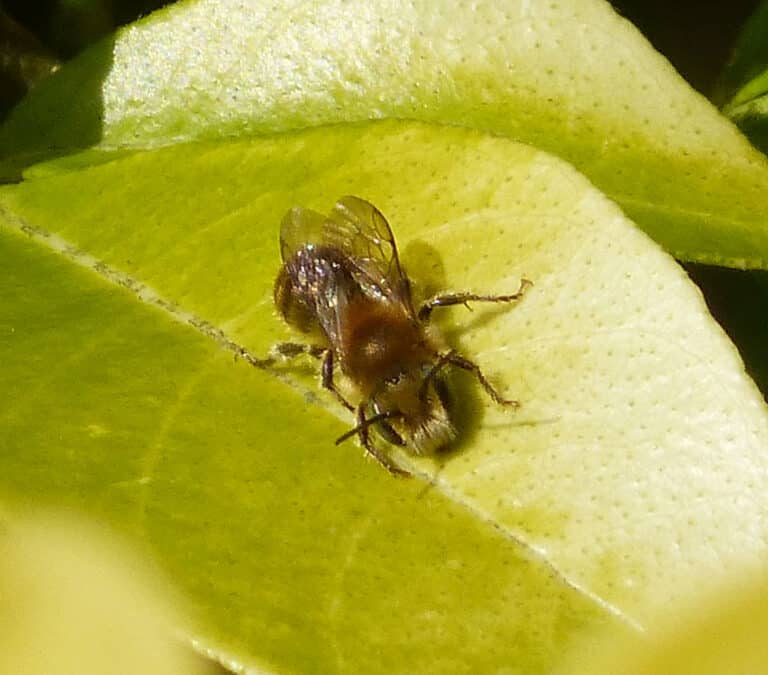
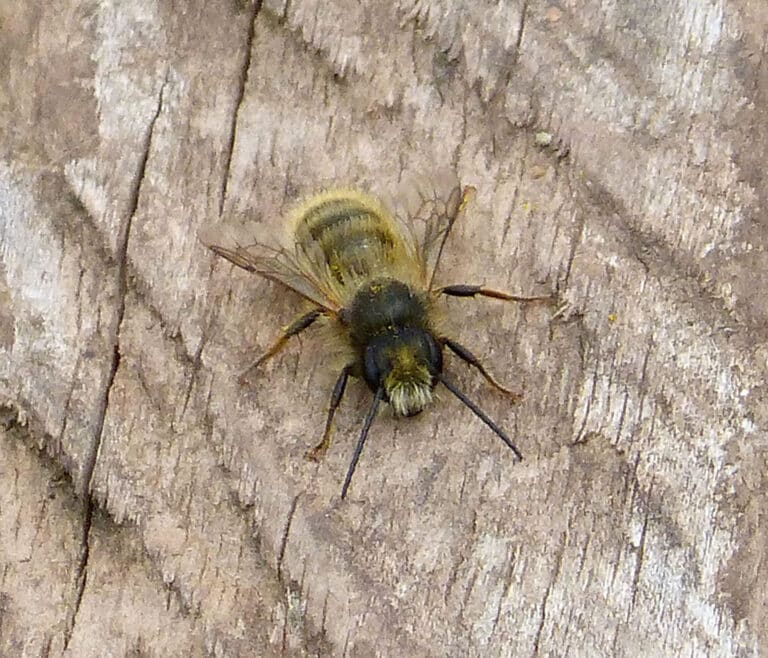
Mason bees are incredible little pollinators that belong to the genus Osmia. These tiny invertebrates live in Africa and measure about 0.5 inches long, making them just the right size to buzz around flower patches!
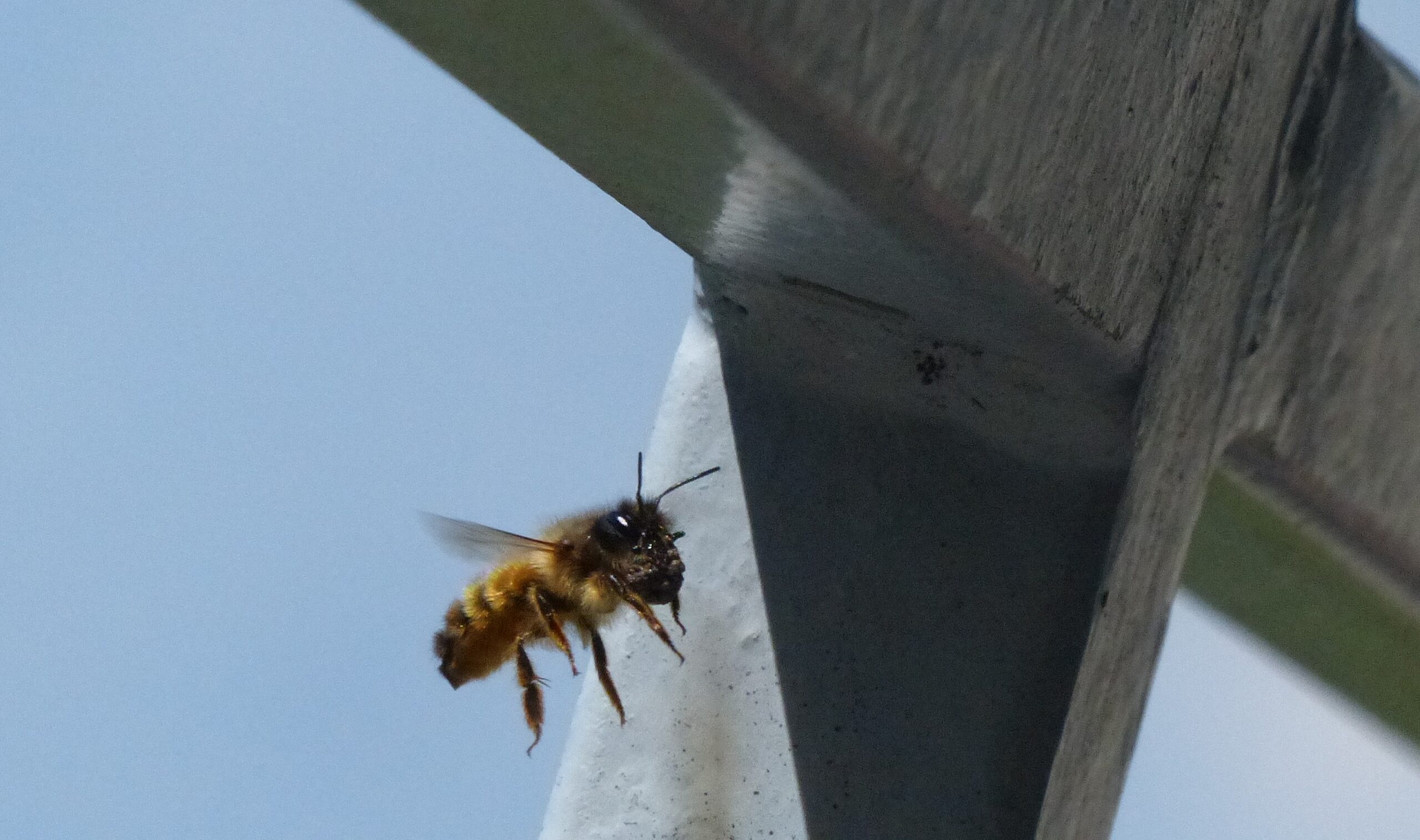
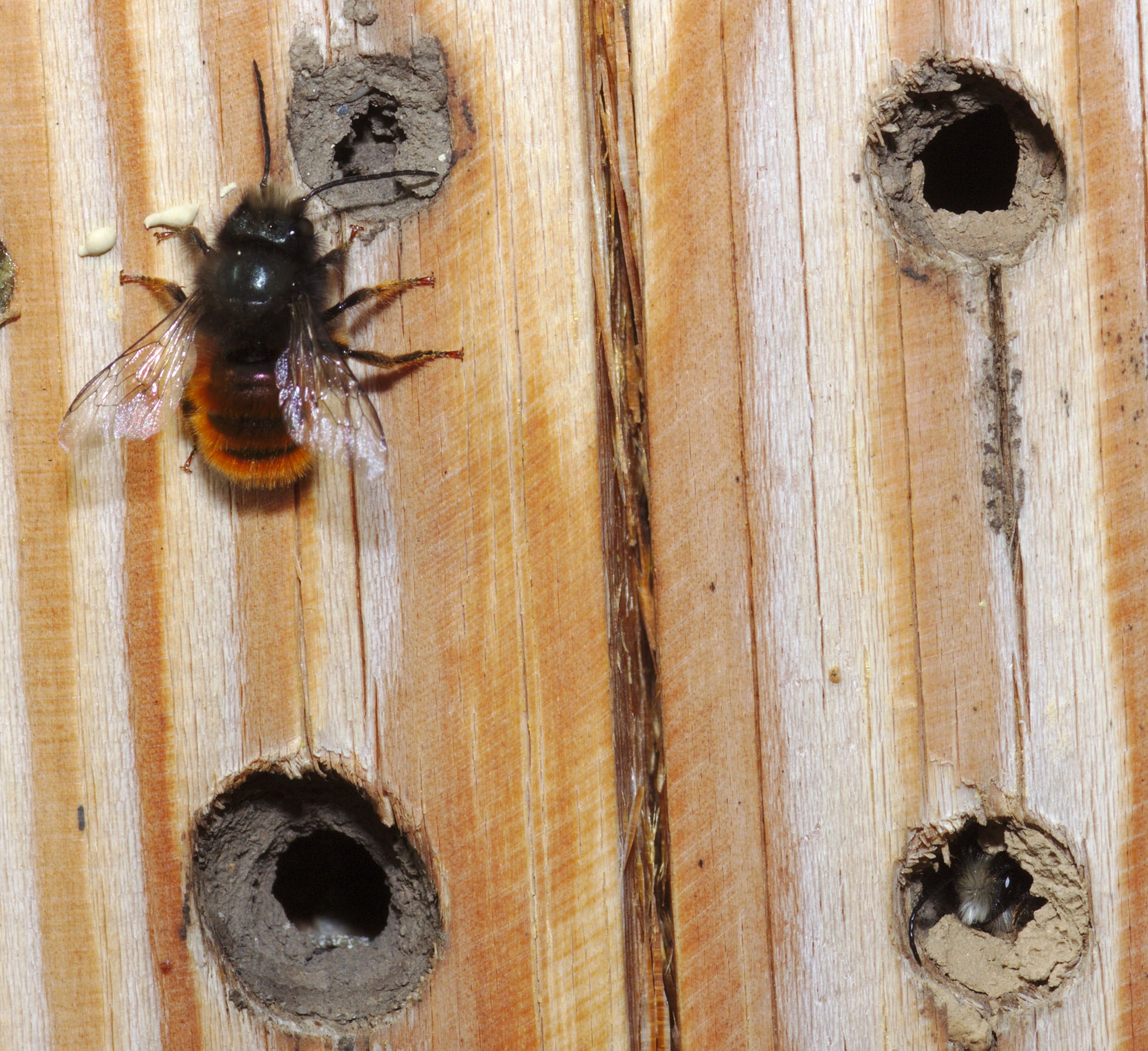
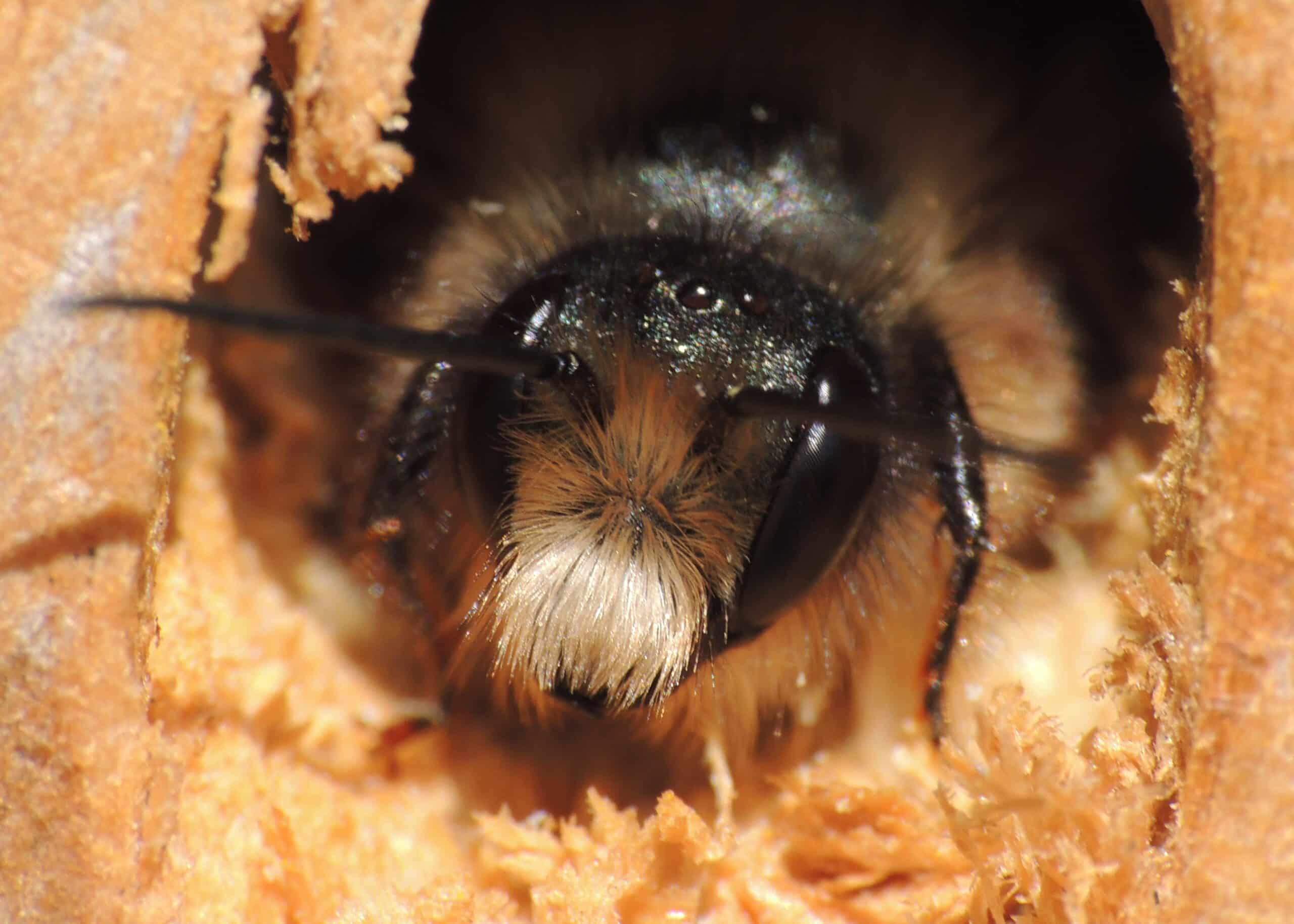
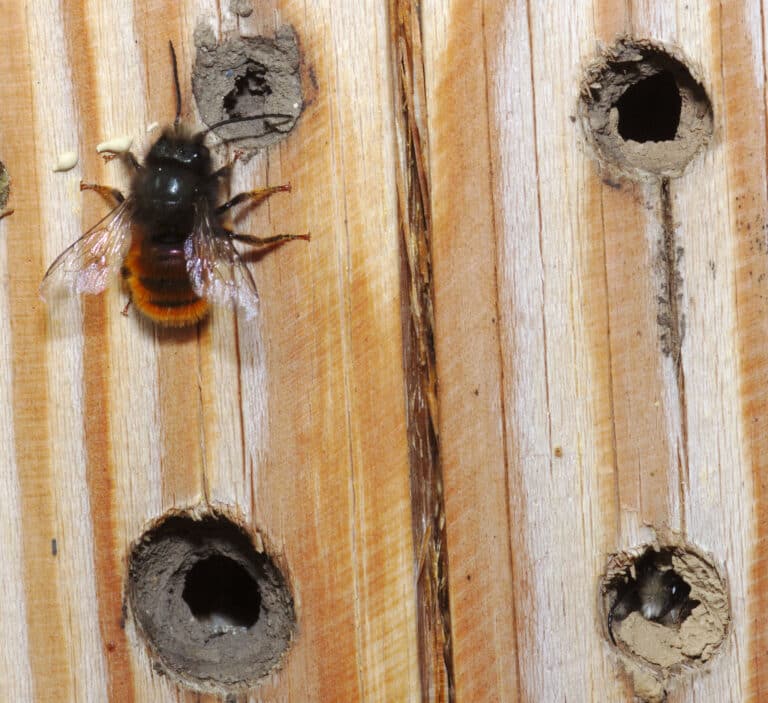
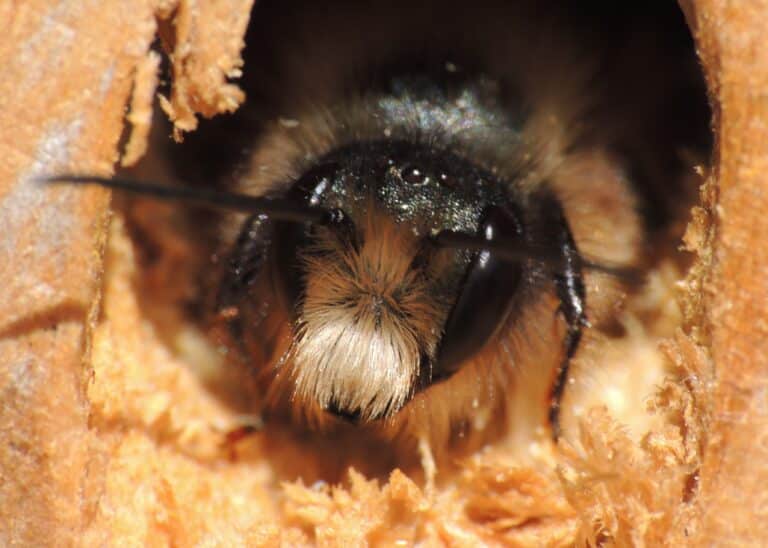
Unlike honeybees, mason bees love to make their nests in small cavities like hollow stems or old wood. They cleverly use mud and plant materials to create walls in their burrows, hence their name "mason" bee!
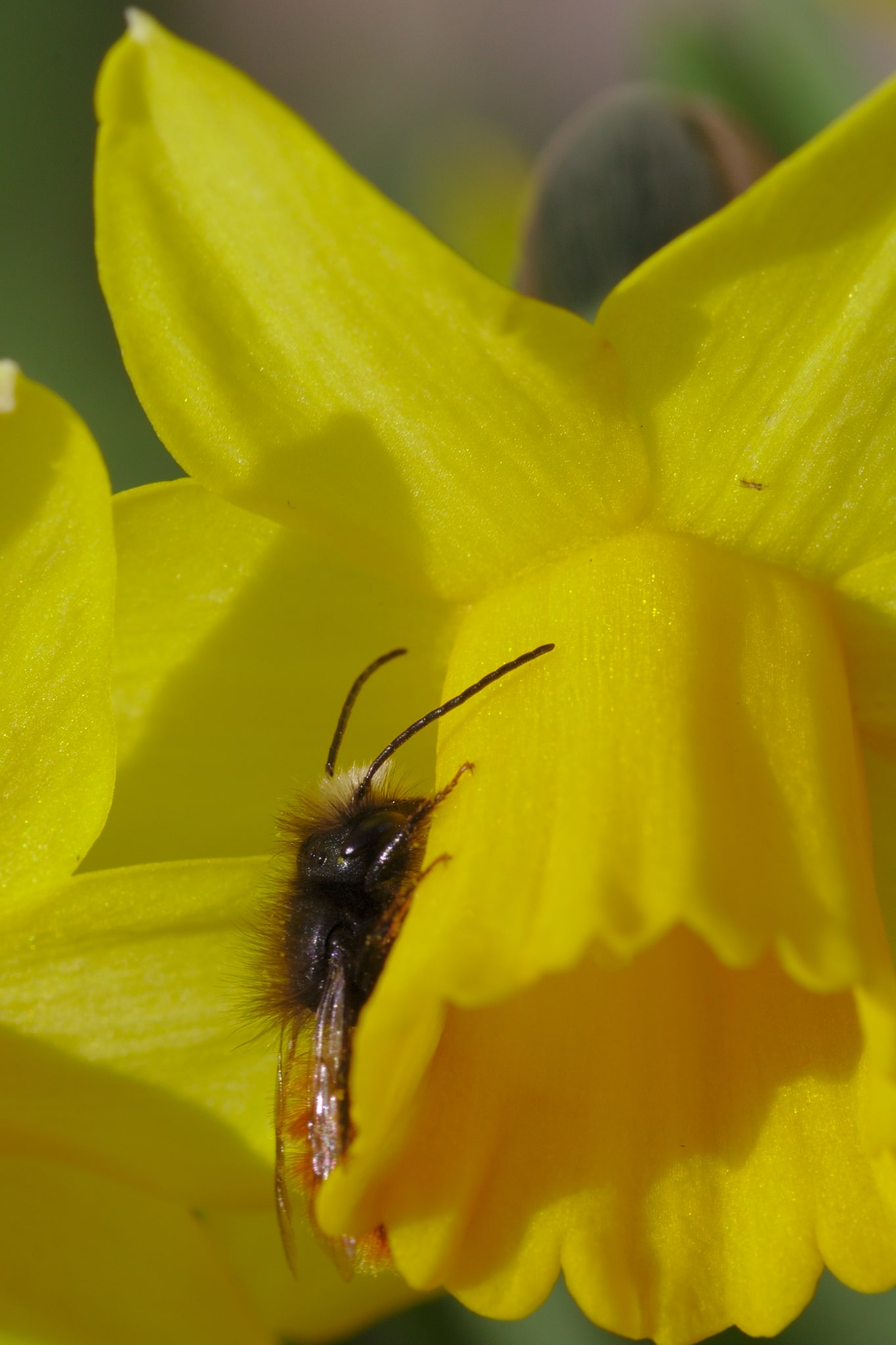
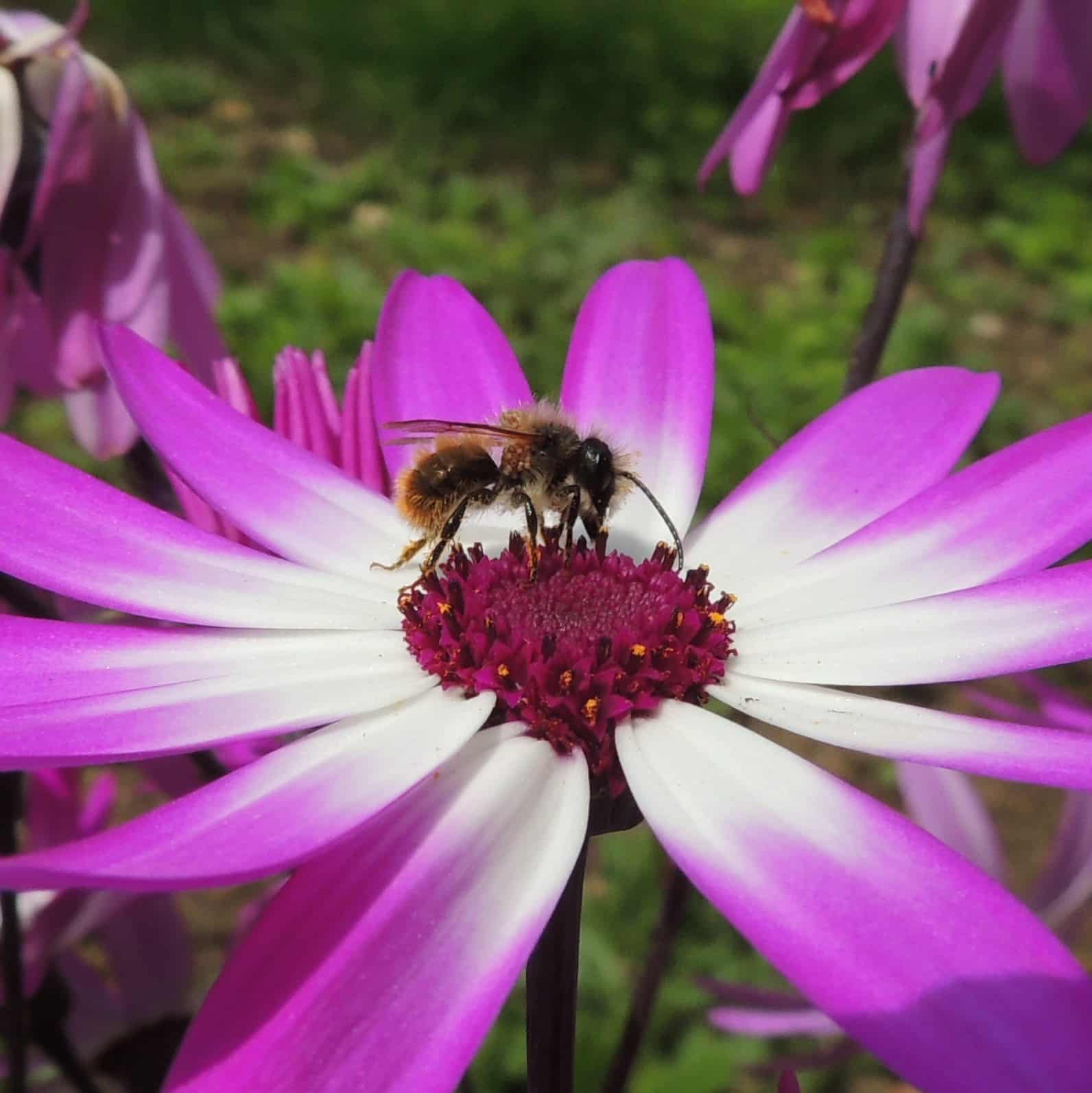
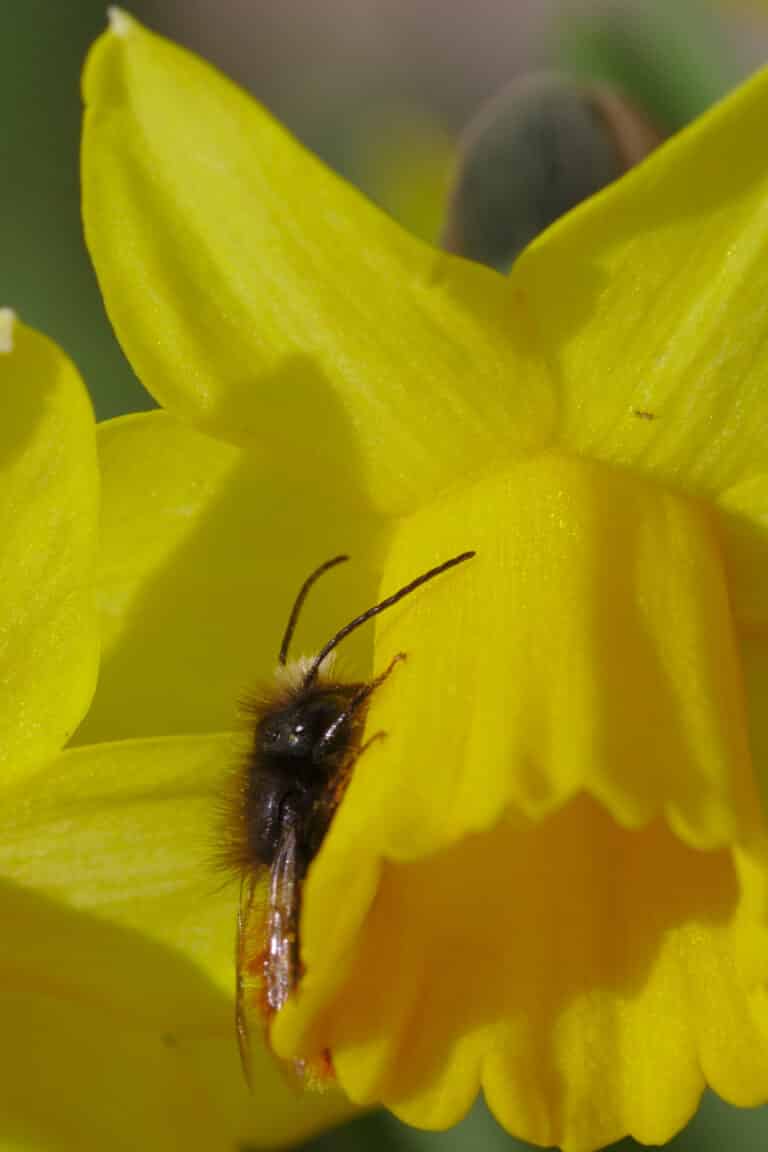
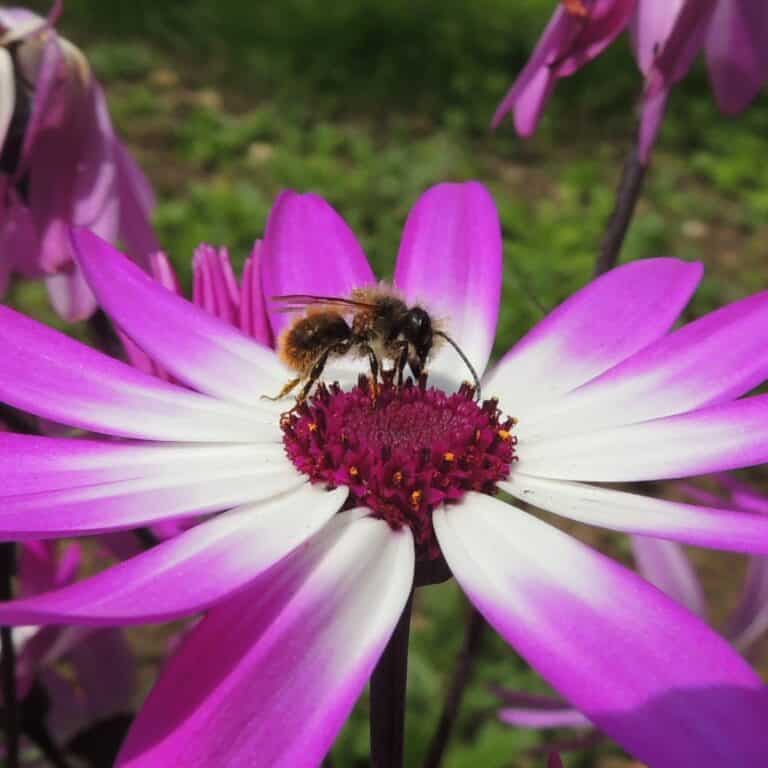
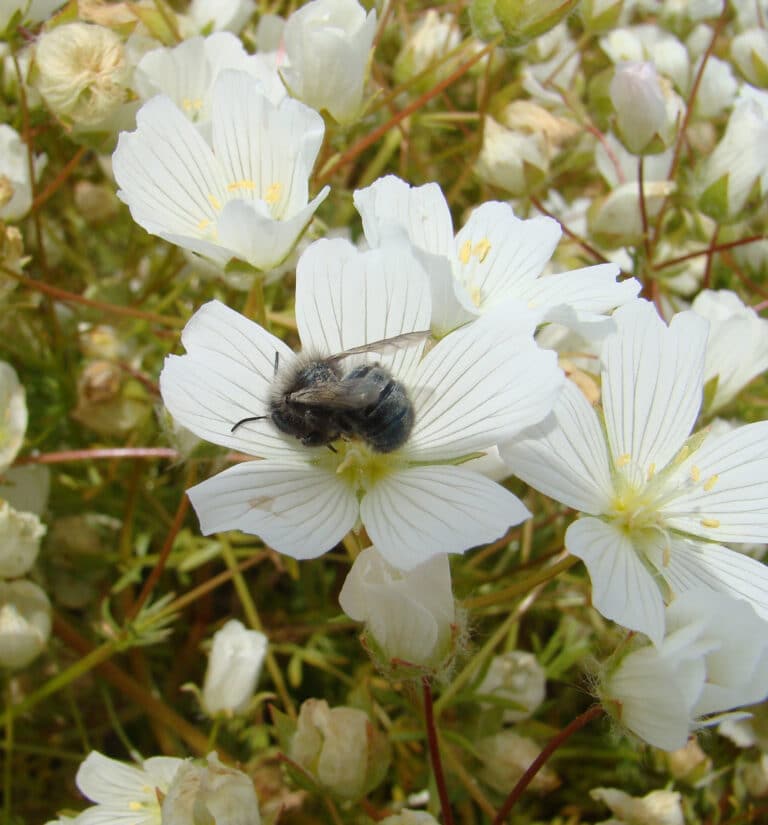
Mason bees play a crucial role in pollination. They feast on pollen and nectar, helping plants reproduce and grow while filling their own bellies with delicious food. It’s a win-win for nature!
These busy bees usually live for about 6 to 8 weeks. In that short time, they work tirelessly to lay eggs and gather food, making their impact on their environment quite outstanding.
Mason bees are solitary creatures, meaning they don’t live in large hives like honeybees. Instead, each female finds her own spot to lay her eggs and provide for her little ones, showing how independent they can be!
The amazing abilities of mason bees make them superstars in the insect world. With their vibrant activities and helpfulness in gardens, they remind us that even the smallest creatures can make a big difference!

Where can you find a Mason Bee in the wild?
What does a Mason Bee eat?
How big can a Mason Bee grow?
How long does a Mason Bee typically live?
What is the conservation status of the Mason Bee?
What are the main threats to the Mason Bee?
Fun facts
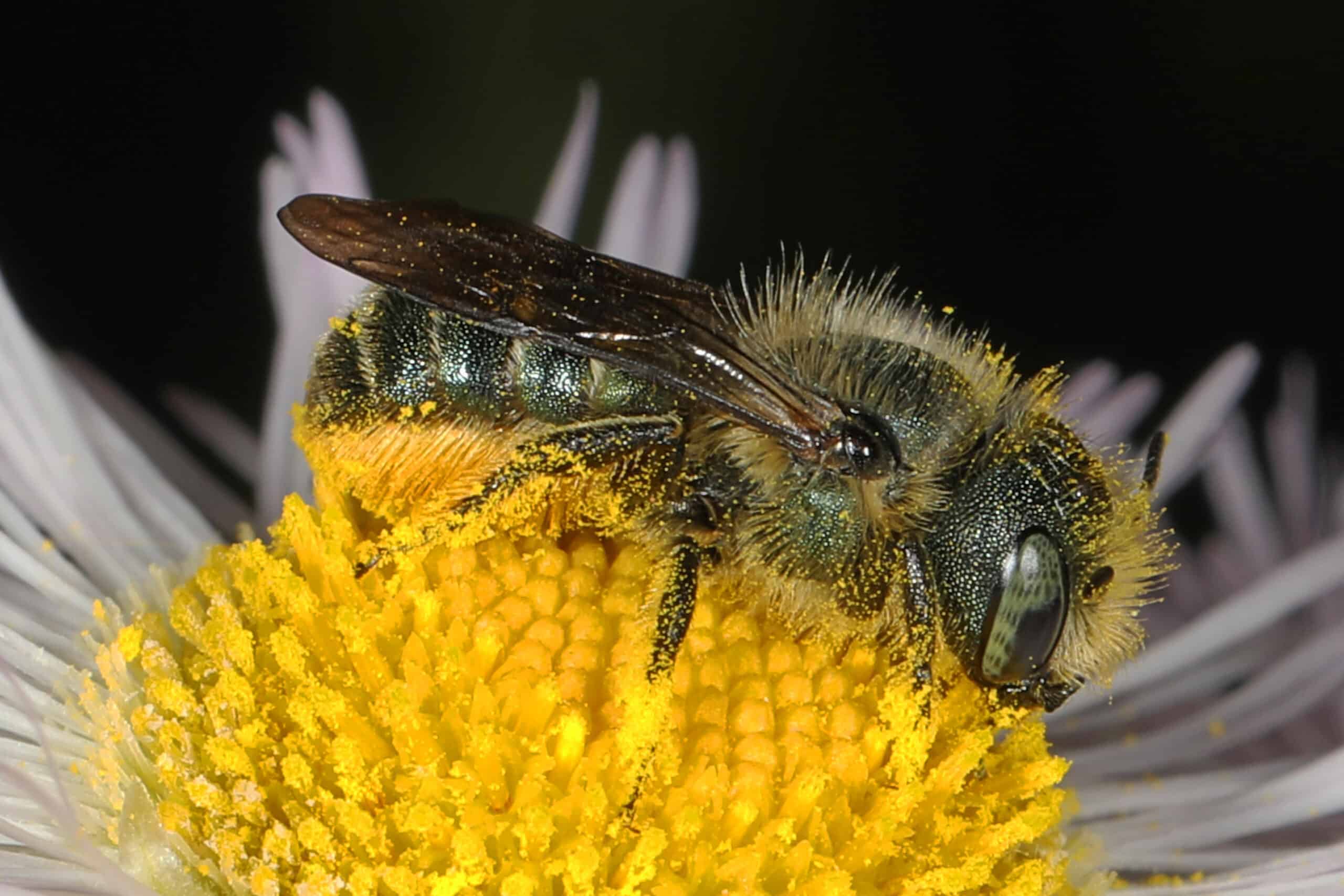
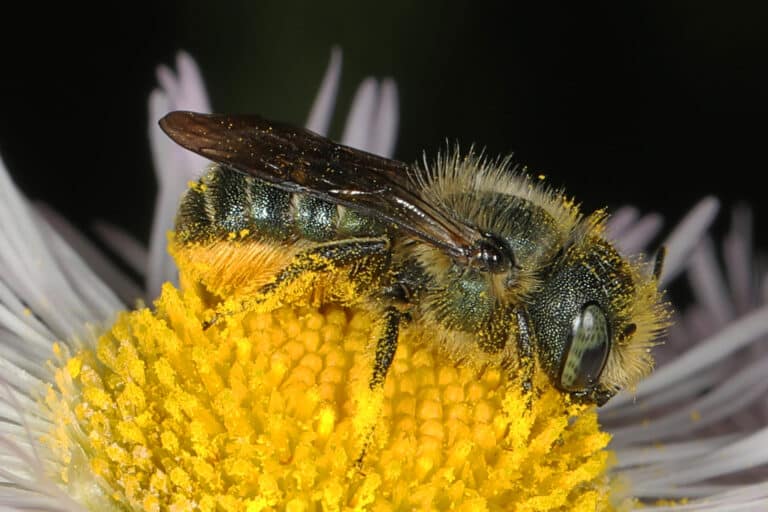
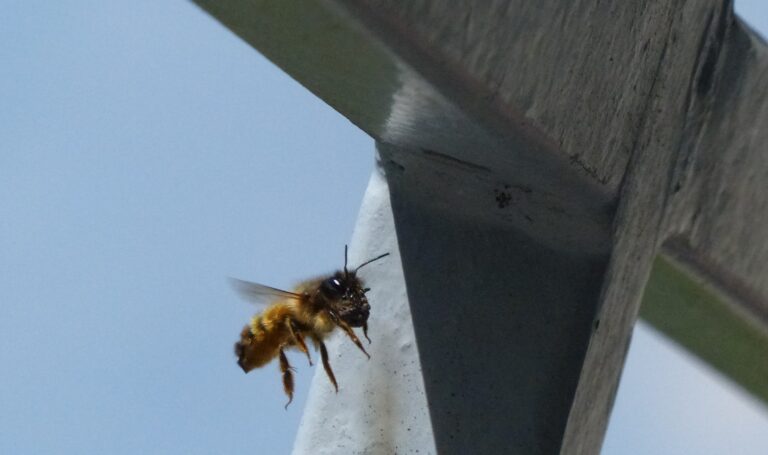
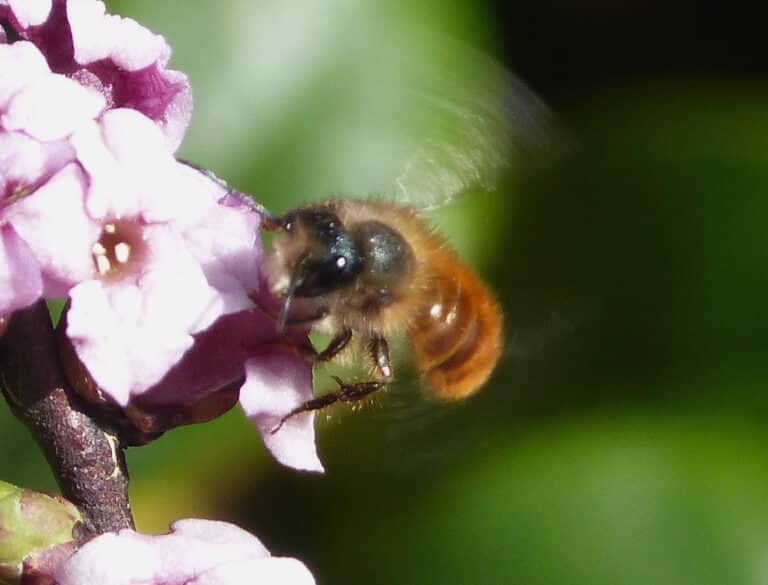
Mason bees can collect pollen on their furry bodies while flying from flower to flower, making them excellent pollinators. This means they help the plants grow and produce fruits, like superheroes in the garden!


Each mason bee can visit up to 2,000 flowers in a single day, working hard to gather enough food for itself and its young. That’s like eating at 2,000 buffet tables all in one afternoon!
Mason bees are excellent architects. They build nests using mud and plant materials, creating cozy chambers to lay their eggs, just like tiny construction workers on a mission!
Unlike honeybees, mason bees do not live in large hives. Instead, they enjoy a solitary life and prefer cozy spots to lay their eggs, showcasing their independent spirit!
Some mason bees can successfully buzz-off pollution. They are known to thrive in urban gardens, turning busy cities into buzzing havens for nature!
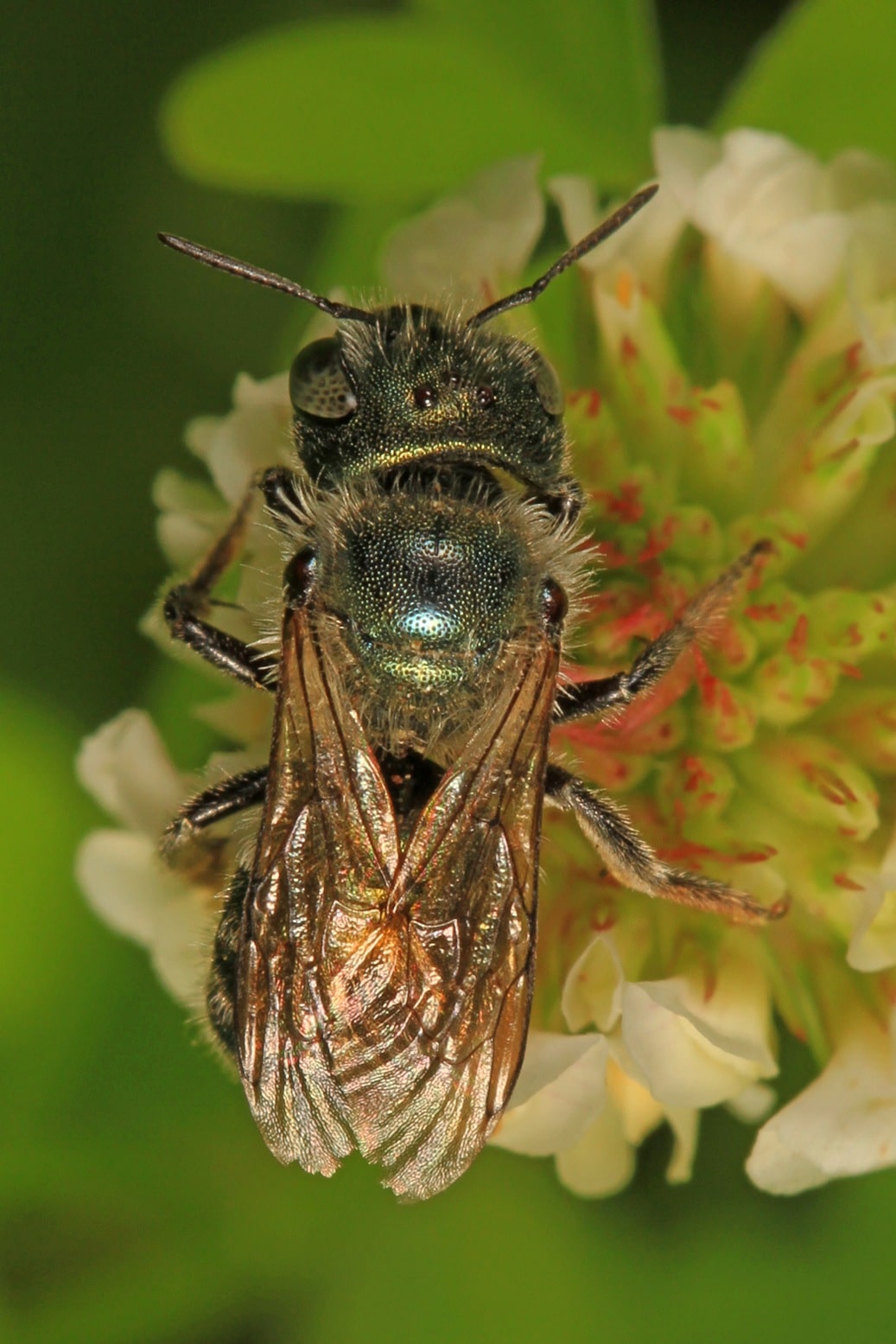
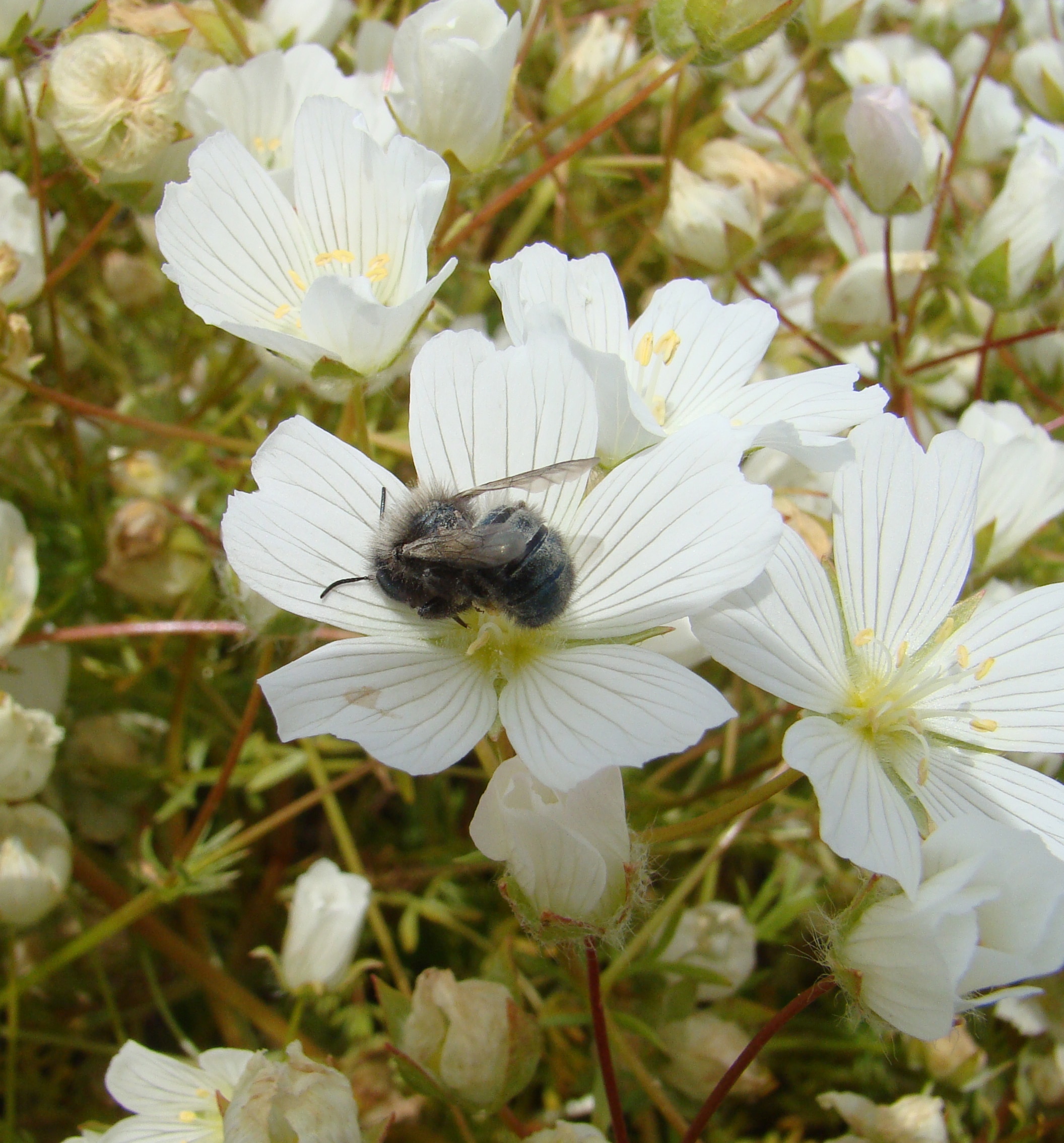
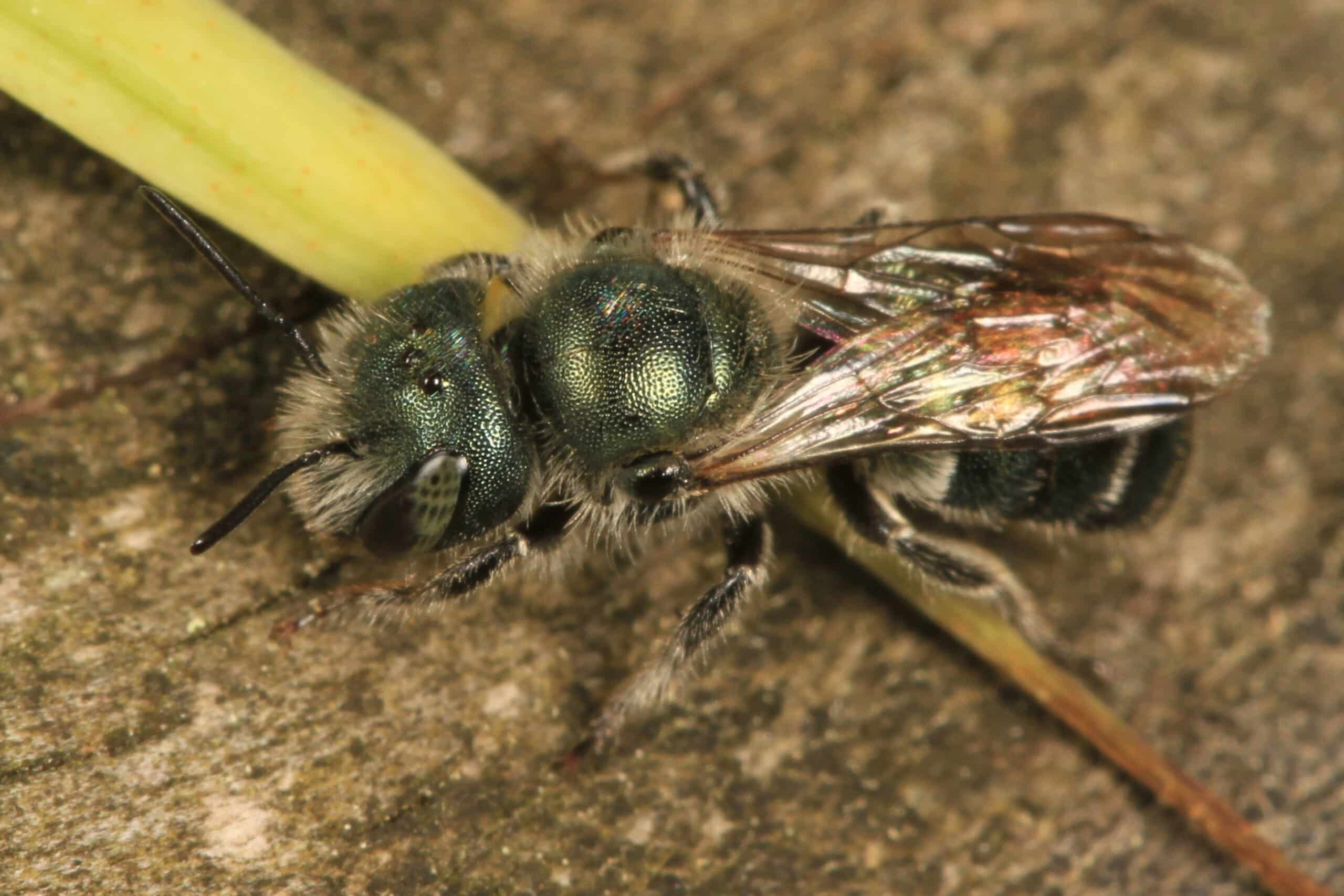
One of the coolest things about mason bees is their variety of colors! They can be black, blue, or even striped. Each tiny bee adds a little burst of color to the garden!
Mason bees can survive winter by hiding in their nests and going dormant, like how superheroes take a nap to recharge their powers until spring returns!
Some species of mason bees can be quite picky about their flowers. They often choose specific plants to gather nectar, showing they have taste when it comes to food!
The buzzing sound we hear from mason bees is not just cute; it helps them communicate with each other! This little buzz can mean everything from saying hi to showing off their food finds.
Mason bees do not sting! Instead of a painful poke, these little helpers prefer to flit around happily, proving that some bees are all about love, not war!
Photos





The Basics


explore more
Amphibians
Arachnids
Birds
Cats
Crustaceans
Fish
Fish Pet Guide
Gastropods
Insects
Invertebrates
Mammals
Pet Fish
Pet Rodents
Plants
Reptiles
Roundworms
Sea Slugs