Successfully copied to clipboard!
May Beetle
Explore the buzzing world of charming garden helpers!
Let’s Explore
Overview
May Beetles, also known as Phyllophaga, are intriguing creatures that belong to the insect family Scarabaeidae. These nighttime flyers usually grace us with their presence in North America during late spring, making them a charming spectacle of the season.
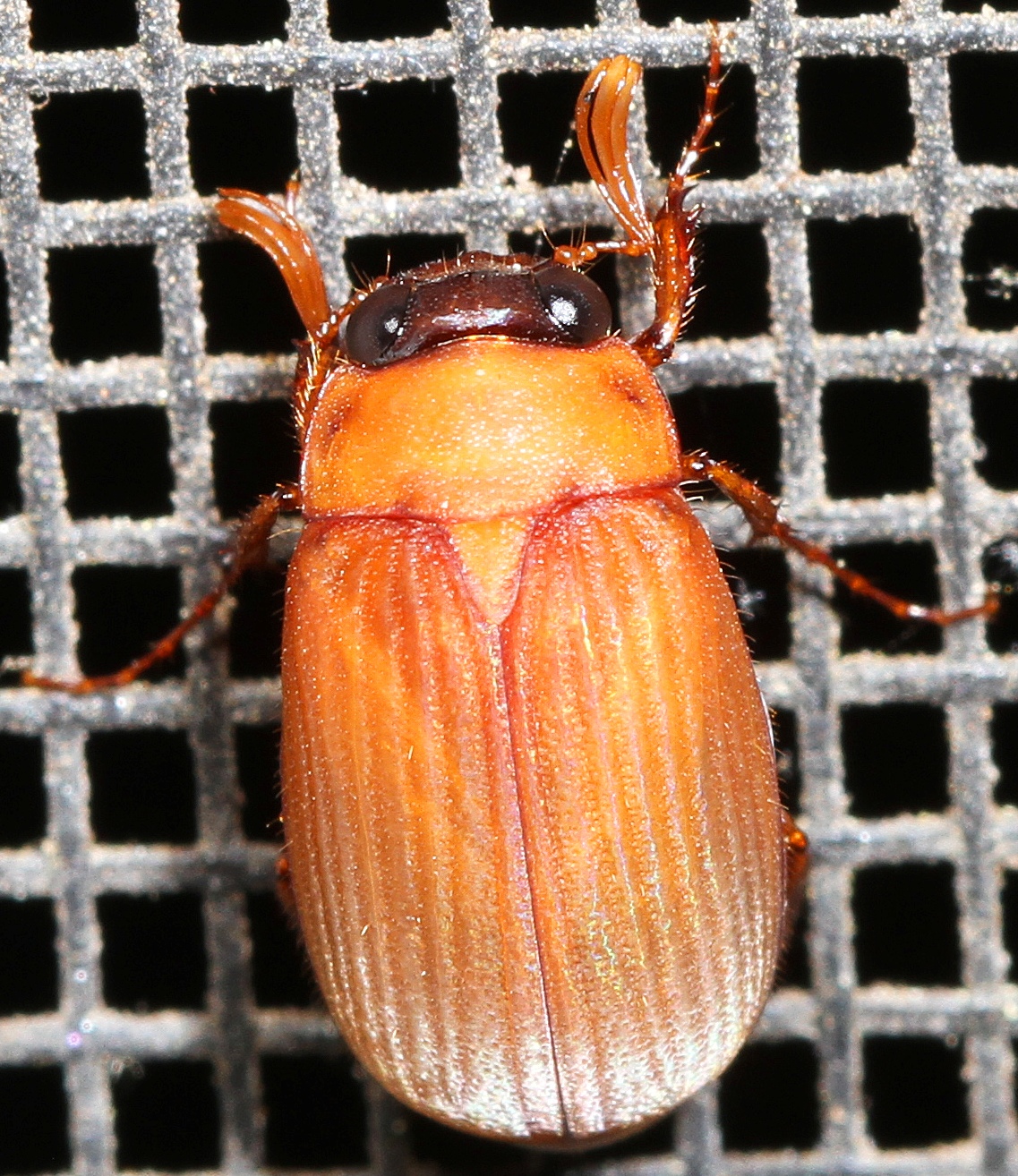
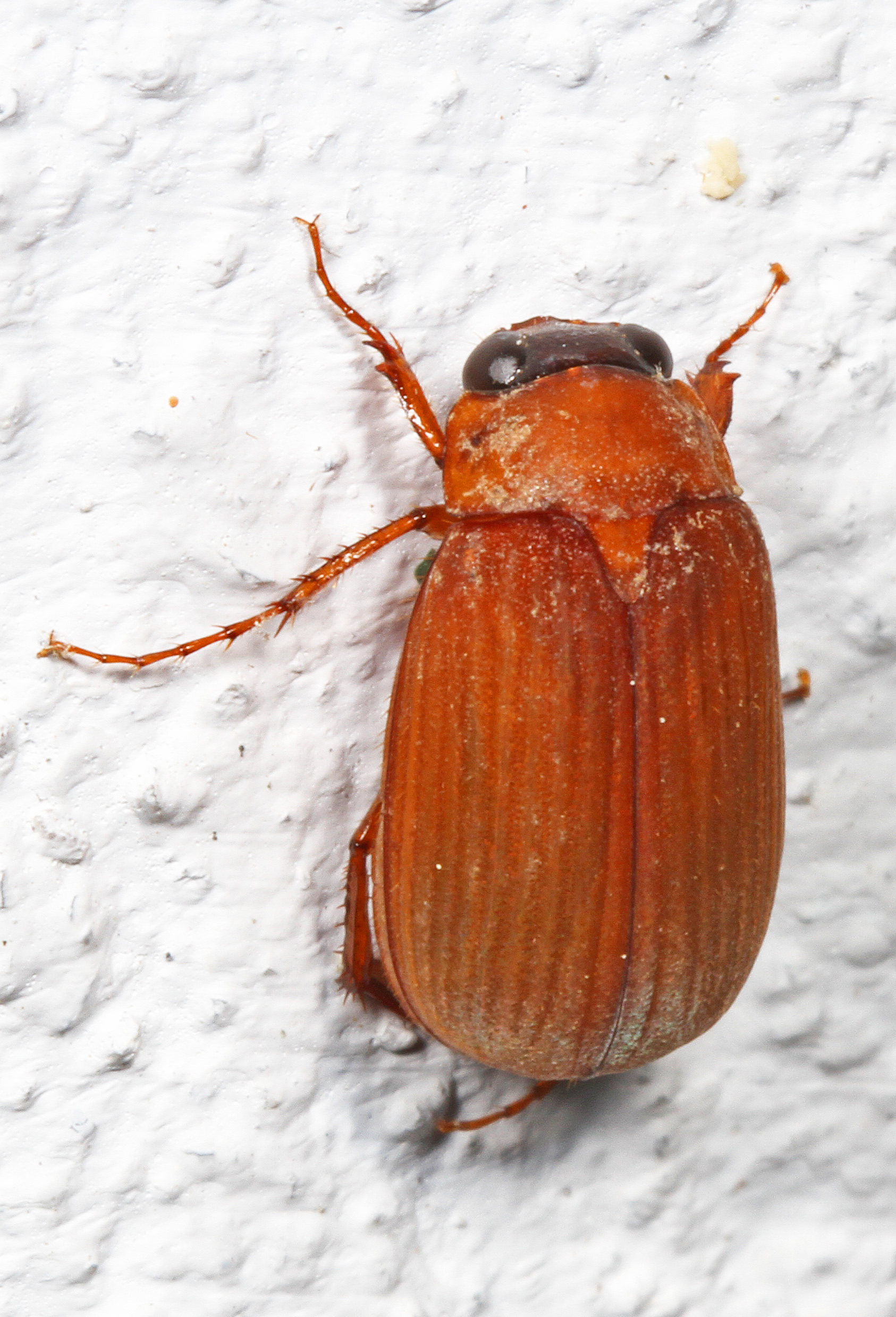
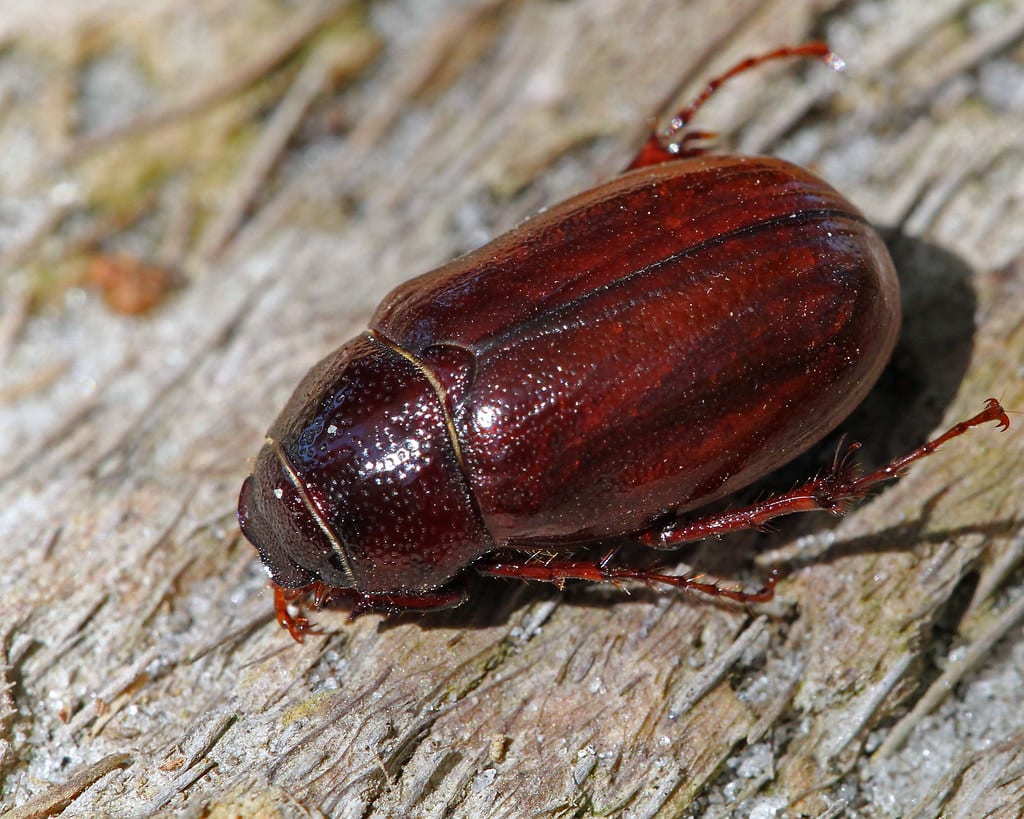
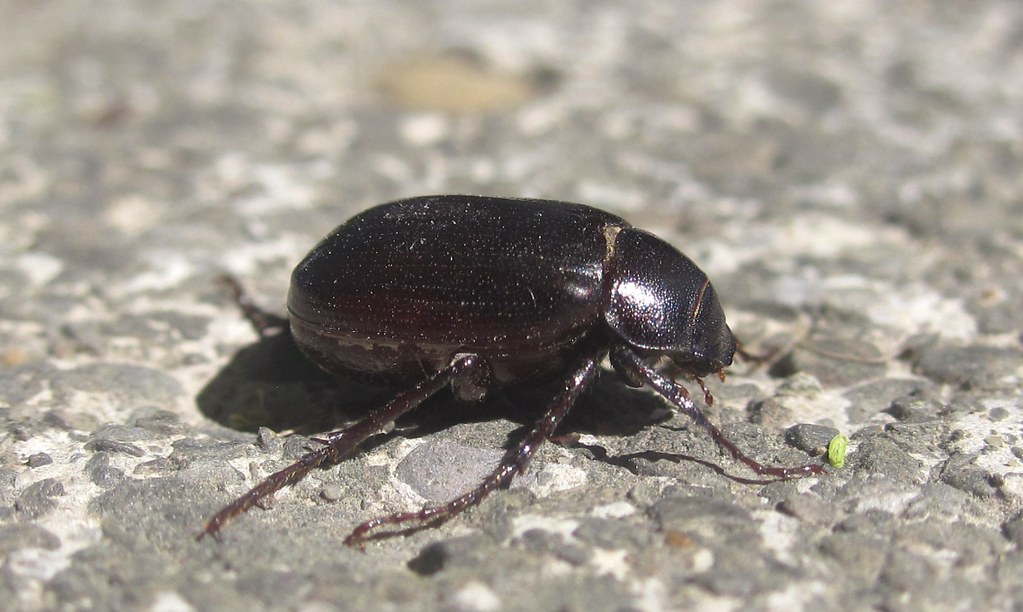
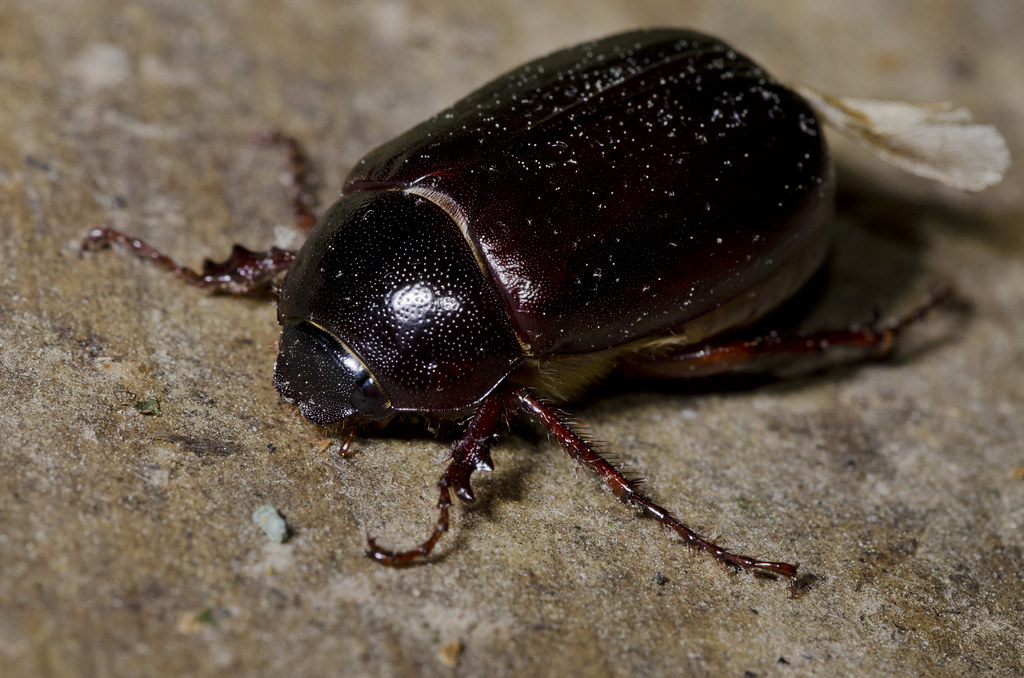
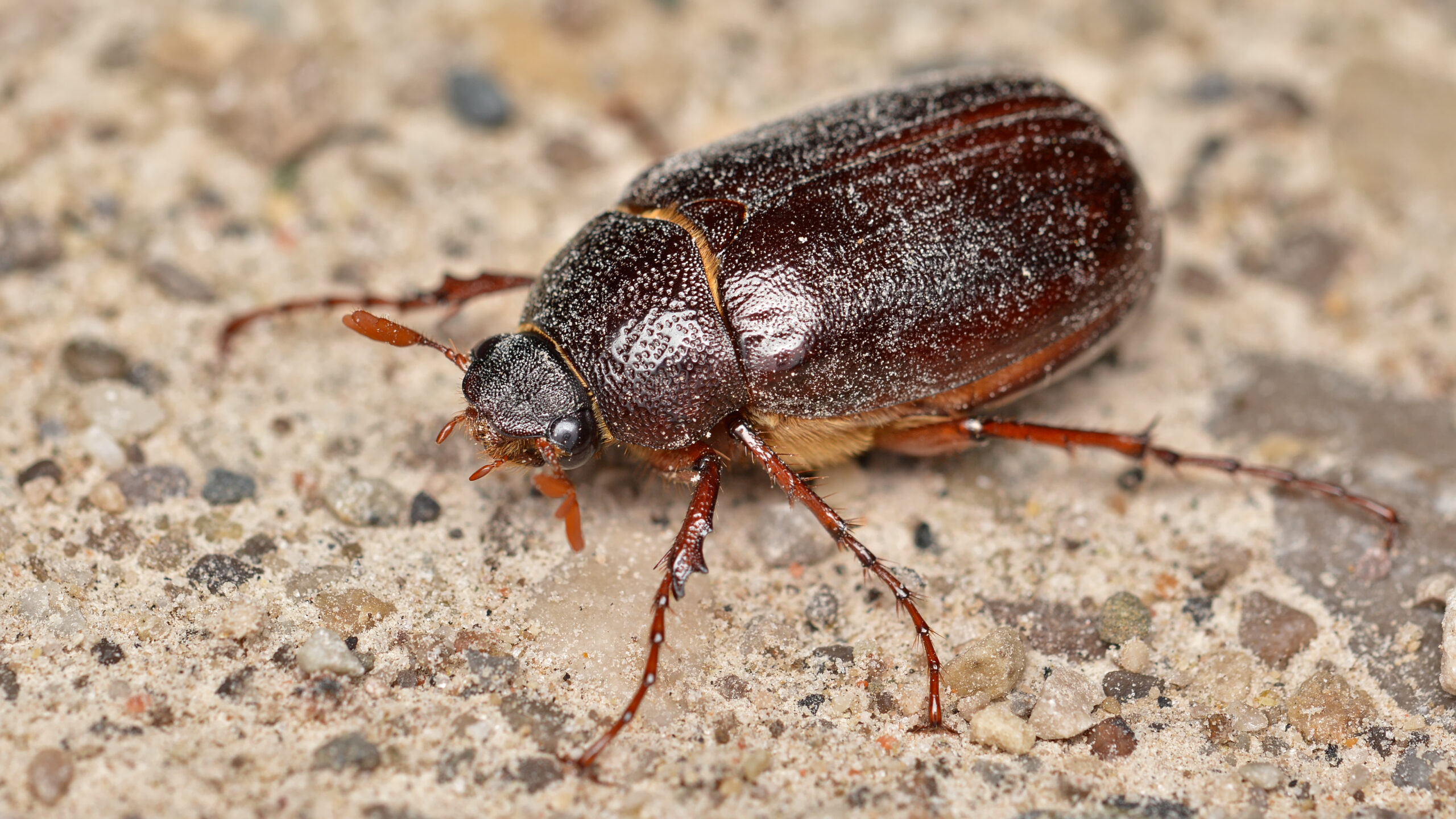
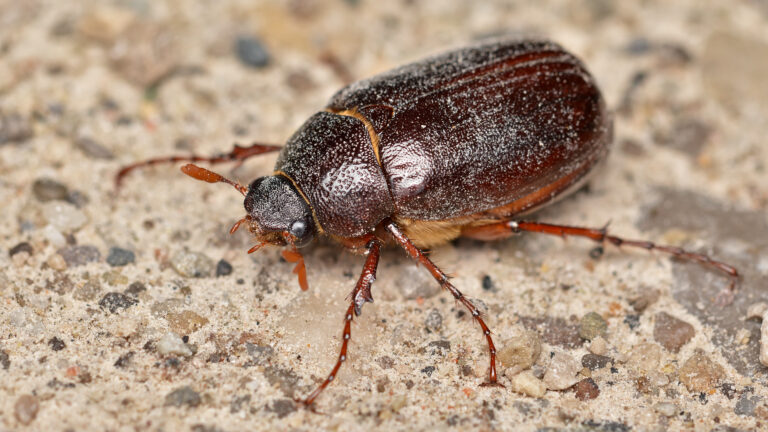
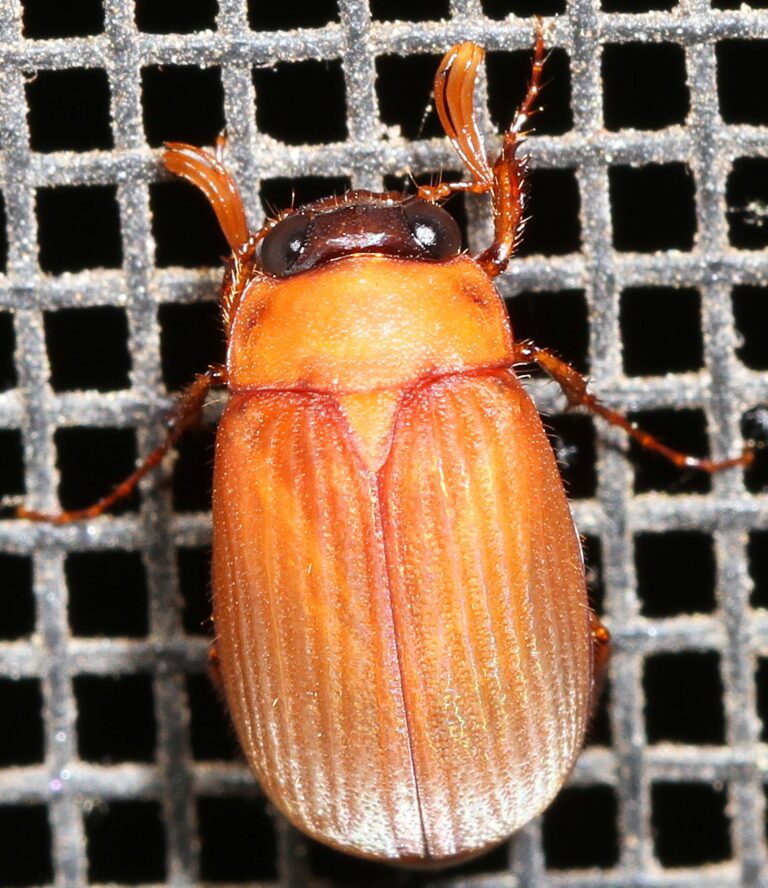
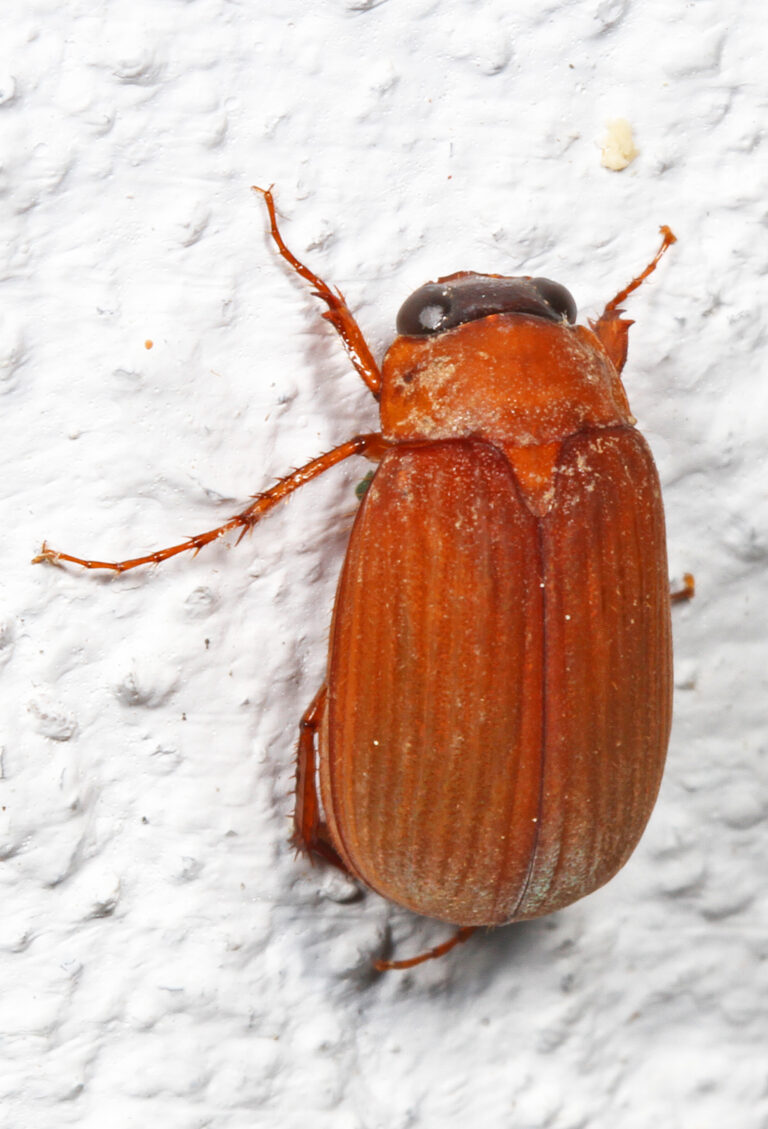
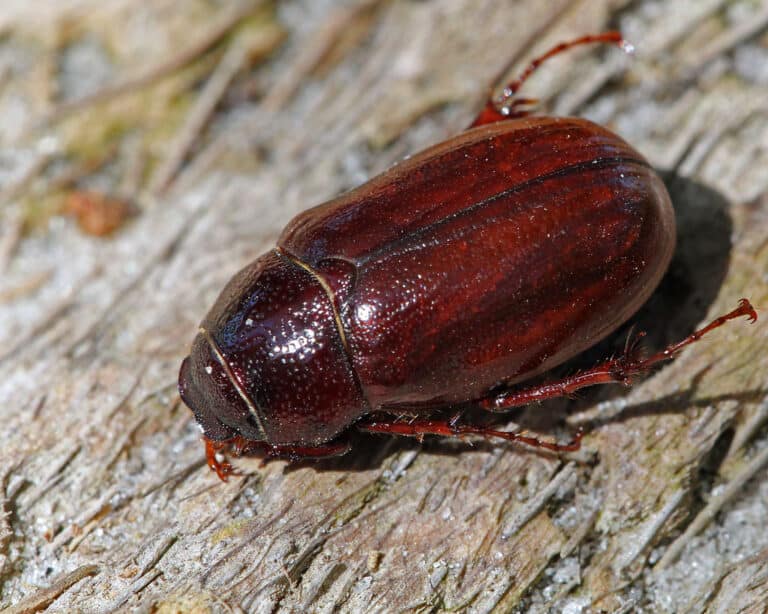
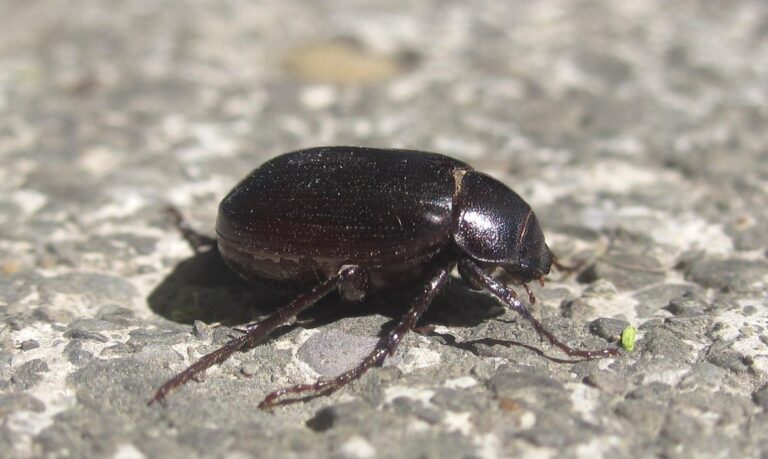
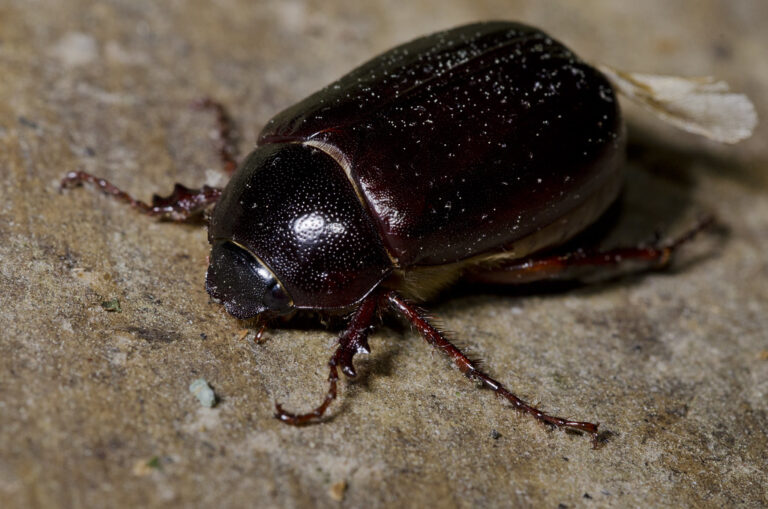
These little beetles measure between 0.6 to 1 inch long. They come in various shades of brown and possess a shiny exoskeleton that catches the light, just like a tiny armored knight!
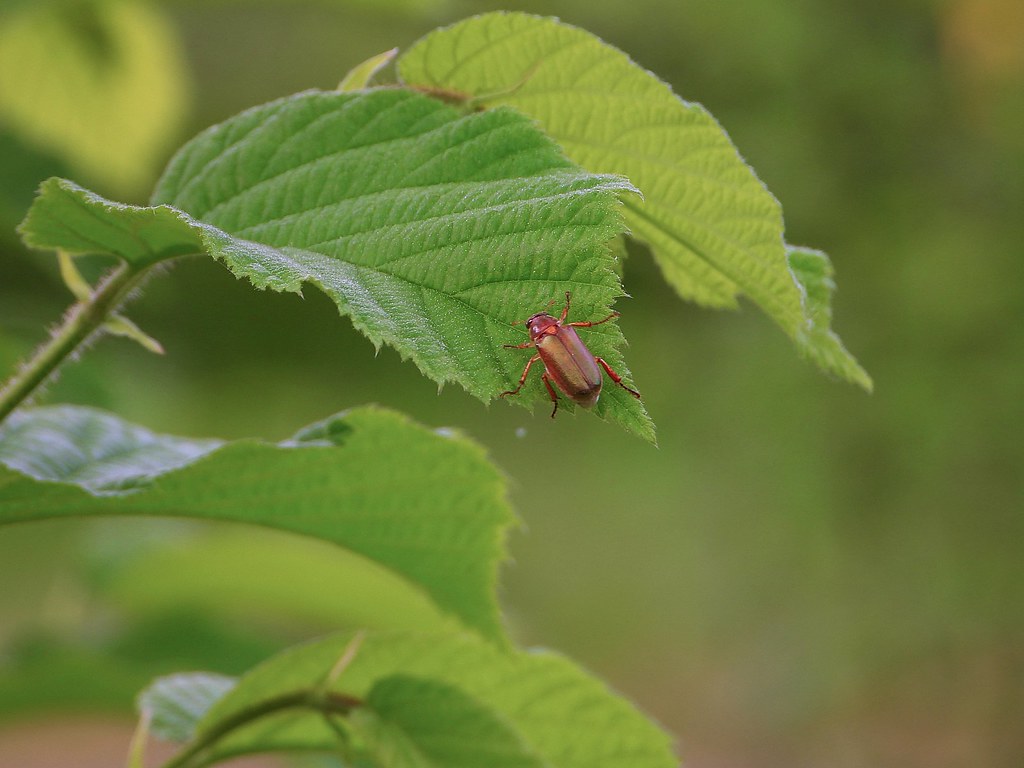
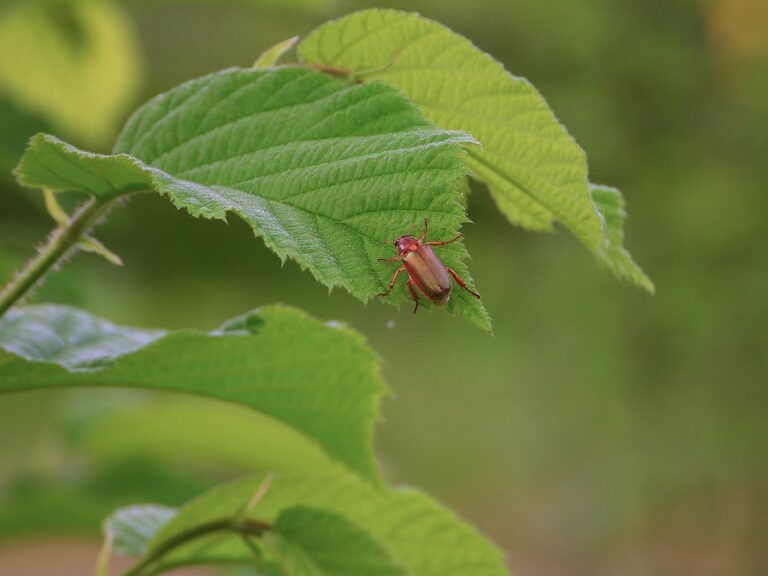
May Beetles munch on leaves, flowers, and fruits. They love to snack on tasty plants, which can sometimes cause trouble for gardeners and farmers, so be on the lookout for these plant food enthusiasts.
The life of a May Beetle can last from 1 to 2 years. During this time, they undergo a beautiful transformation from egg to larva, then pupa, and finally, they'll take to the skies as a beetle!
These beetles play an essential role in their ecosystems. As they feast on foliage, they help with plant growth and seed dispersal, essentially giving plants a helping hand while enjoying a buffet!
Next time you see a May Beetle fluttering by, remember it is not just a bug but a busy contributor to nature's wonderful web of life!

Where can you find a May Beetle in the wild?
What does a May Beetle eat?
How big can a May Beetle grow?
How long does a May Beetle typically live?
What is the conservation status of the May Beetle?
What are the main threats to the May Beetle?
Fun facts
May Beetles are nighttime flyers and can often be seen bumping into porch lights as they follow the glow, thinking it is a friendly flower!


Their larvae, called grubs, spend most of their lives underground munching on decaying plant matter, acting like nature's little recyclers!
May Beetles can live for up to two years, ranging from tiny eggs to fluttering adults, making their life cycle a tiny adventure!
These beetles play matchmaker too! When they meet each other, they perform a kind of dance, waving their antennae and moving around in circles.
May Beetles can produce a sound called stridulation by rubbing their wings together, which sounds a bit like a soft buzzing – a cozy concert for fellow beetles!
As larvae, grubs can wiggle around and even change their shape, making them look like squirmy little worms underground!
Sometimes, you might call May Beetles 'June Bugs' because they start appearing in late spring and enjoy the long summer nights!
Beetles are nature's artists! May Beetles come in various shades of brown, giving them a unique style, like tiny living masterpieces.
These beetles have excellent camouflage skills; their shiny exoskeletons can blend into the trees and shrubs, making them invisible while they munch on their favorite leaves!
Photos





The Basics


explore more
Amphibians
Arachnids
Birds
Cats
Crustaceans
Fish
Fish Pet Guide
Gastropods
Insects
Invertebrates
Mammals
Pet Fish
Pet Rodents
Plants
Reptiles
Roundworms
Sea Slugs