Successfully copied to clipboard!
Millipede
Unravel the wonders of nature's little recyclers: Millipedes!
Let’s Explore
Overview
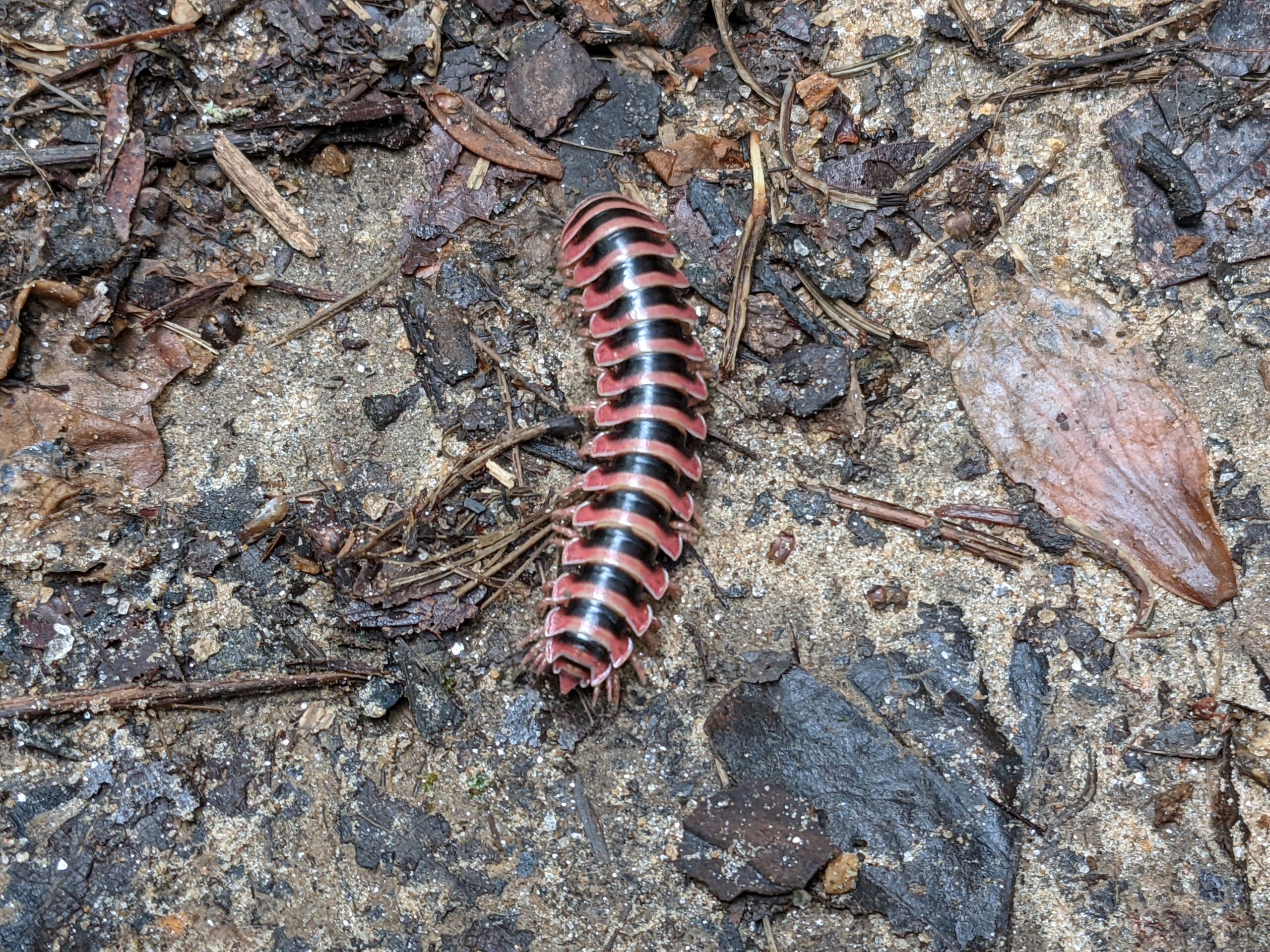
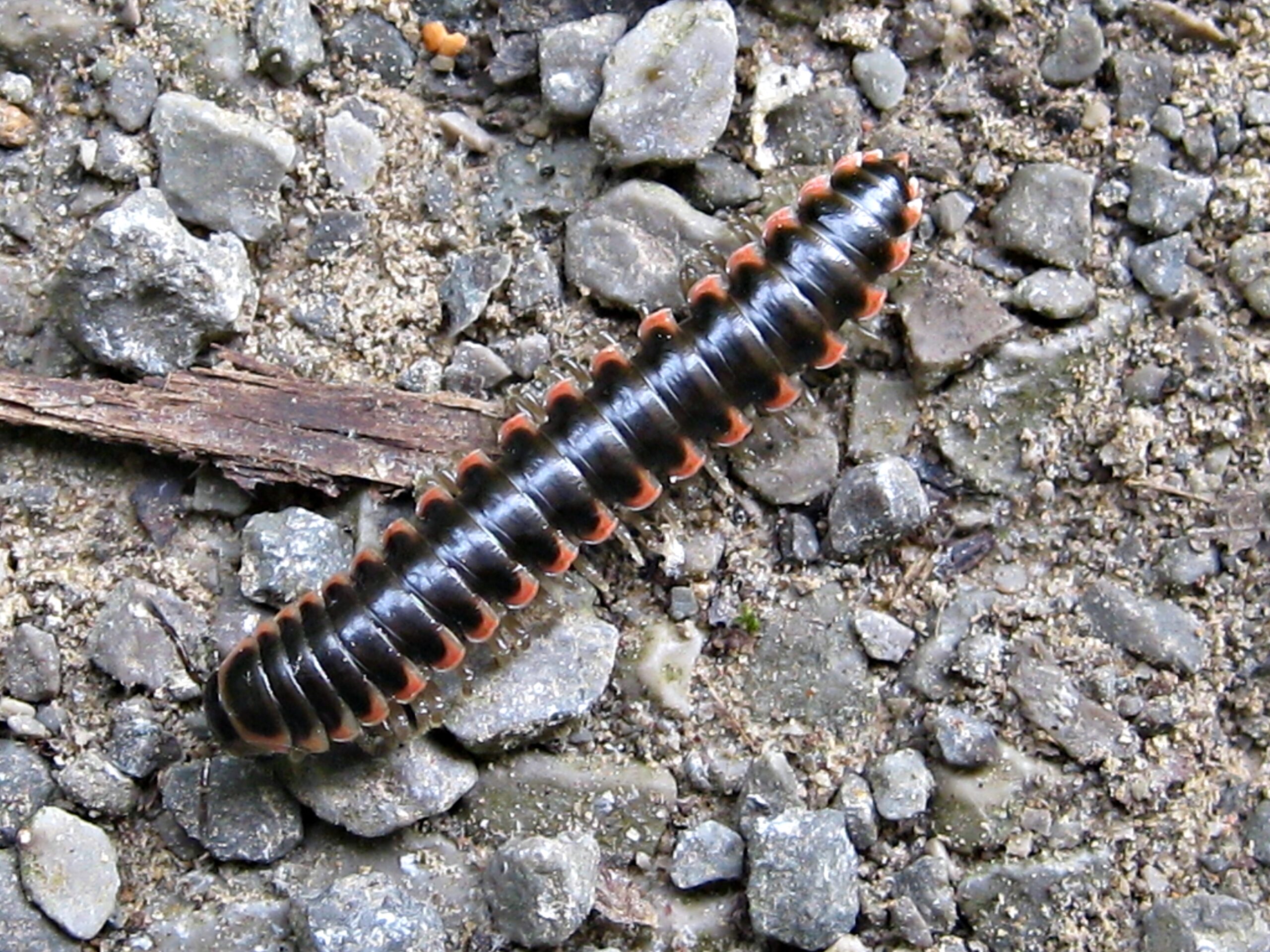
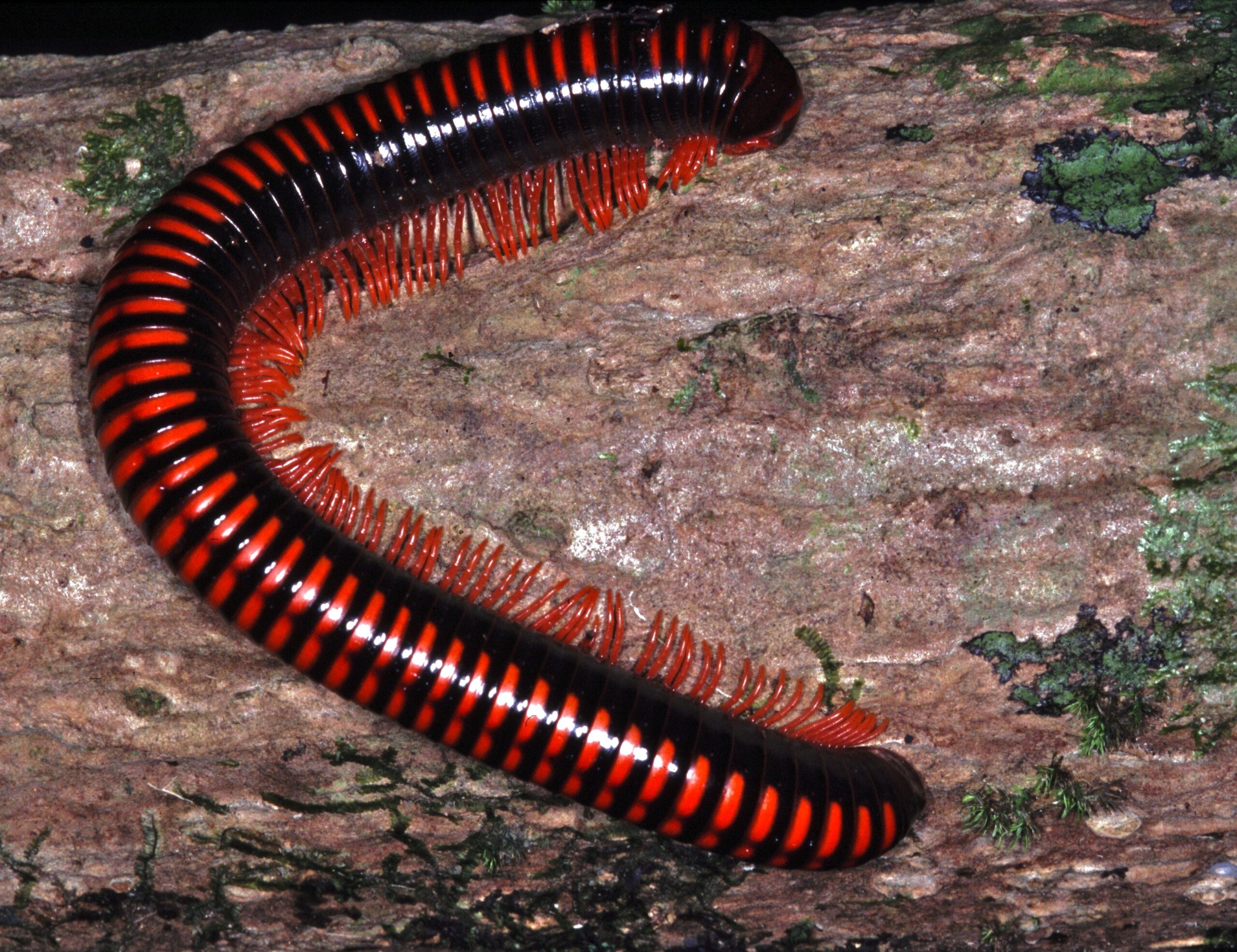
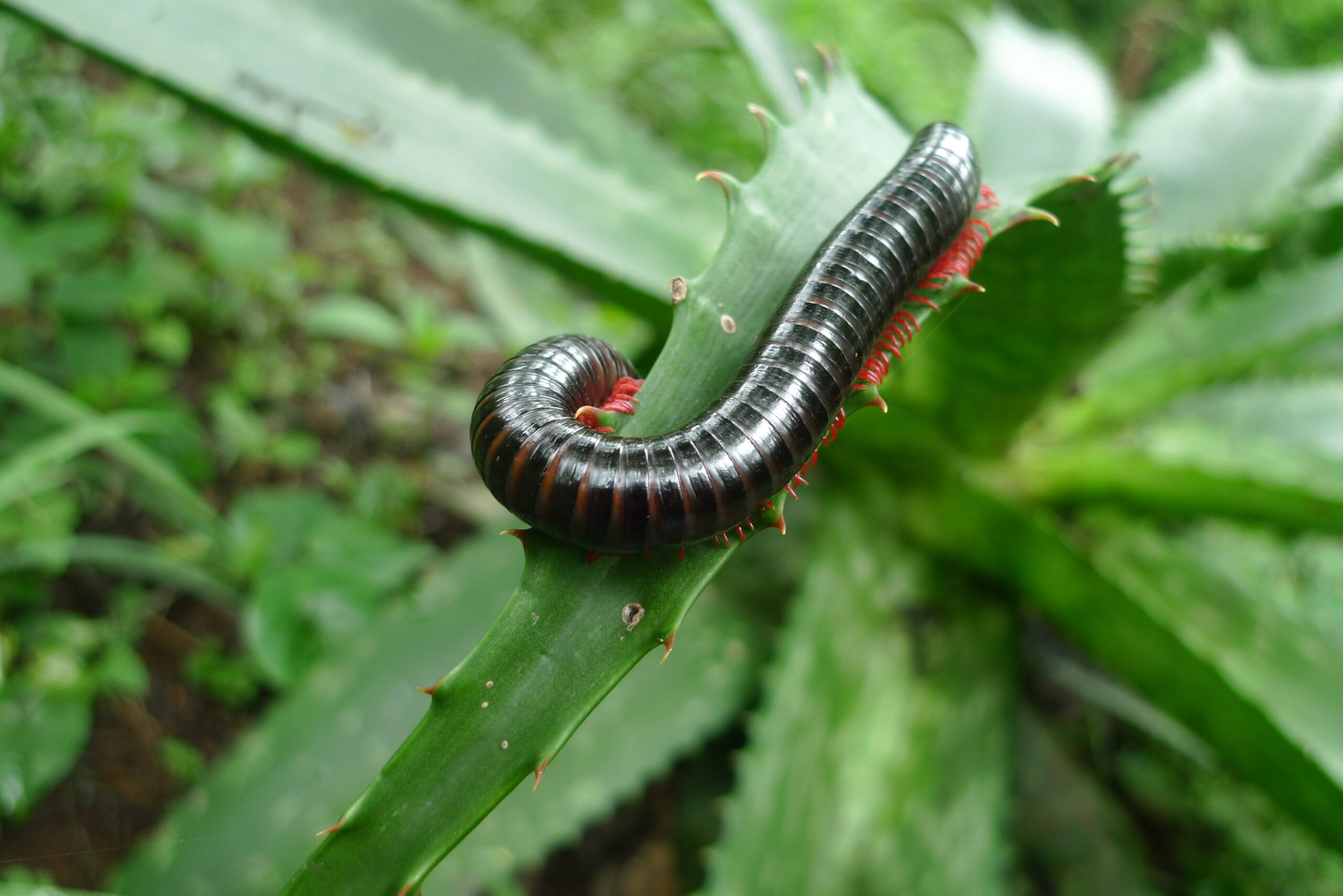
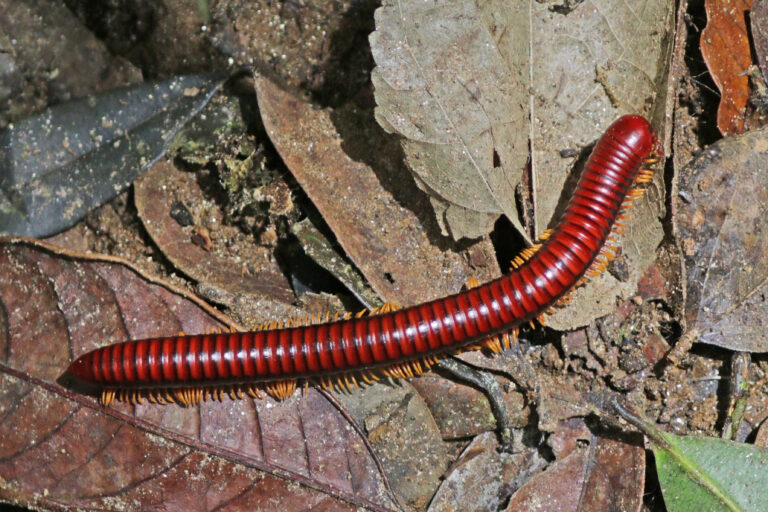
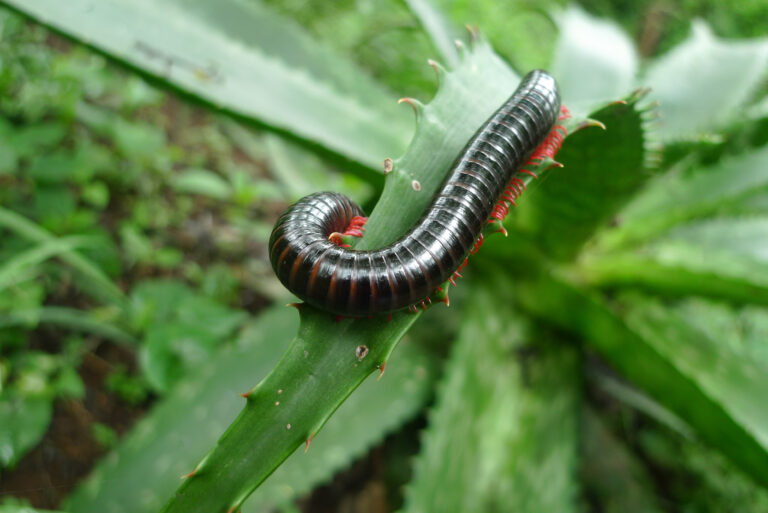
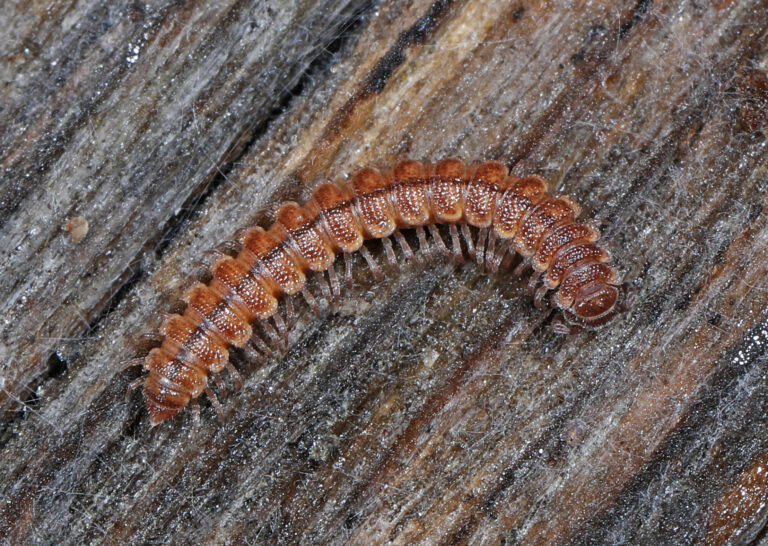
Millipedes are intriguing creatures that belong to the class Diplopoda, making them part of the invertebrate family. These fascinating animals can be found in various locations, especially in Africa, where they love to munch on decaying leaves and plants.
Did you know millipedes can grow quite long? They typically measure between 0.1 to 11 inches, so there's a size for everyone to marvel at! With their many legs, they can seem a bit wiggly-wormy, but don't worry, they are more like curious dancers than creepy crawlers.
Millipedes have a life expectancy of about 7 to 10 years, which is quite impressive for such small creatures. They take their time to wiggle around and play an important role in their ecosystem by breaking down organic matter and recycling nutrients.
These critters come with a clever defense mechanism too! When threatened, many millipedes release a special fluid that can deter predators. So when things get tough, they can show they mean business by being just a little bit stinky!
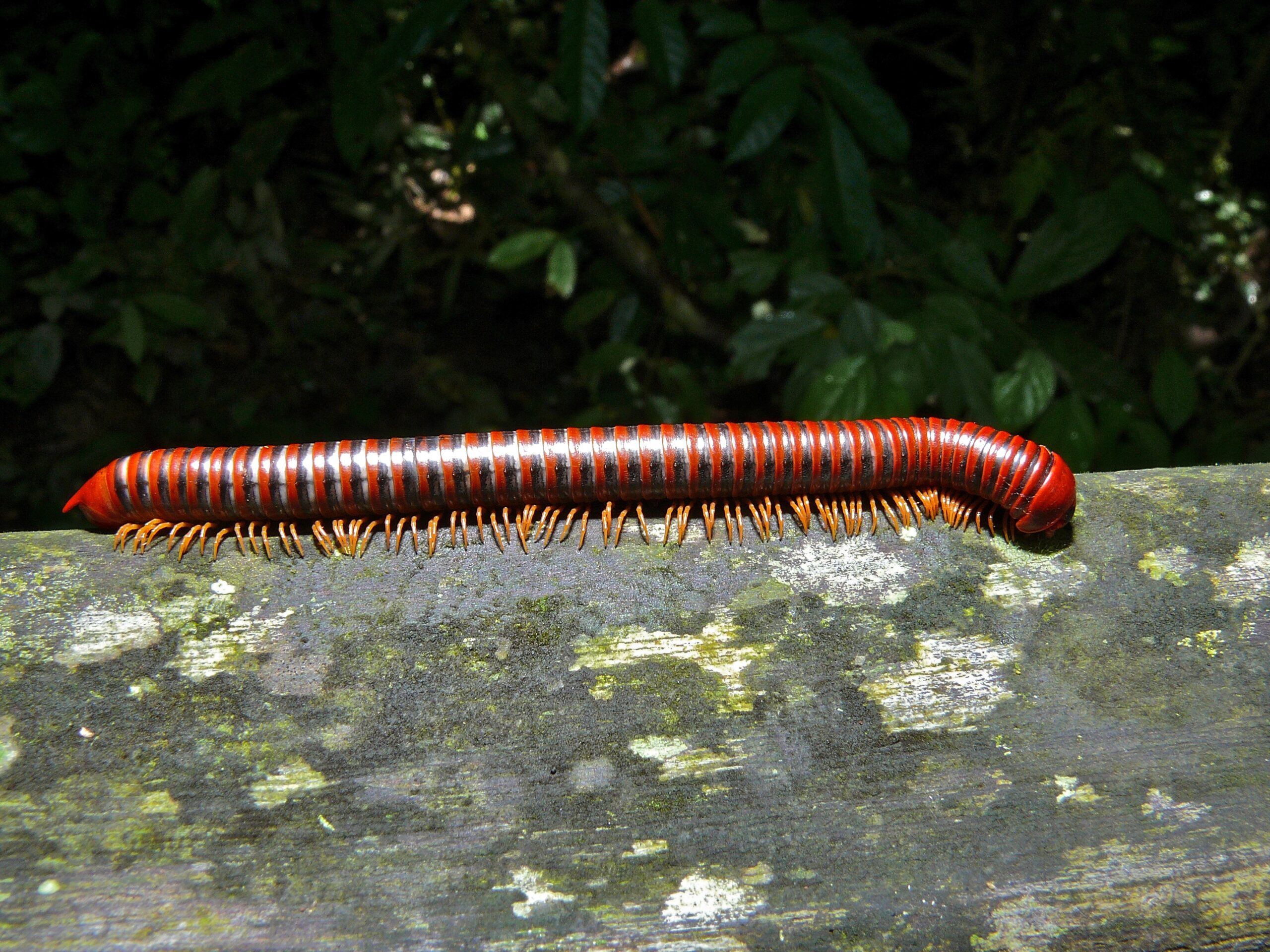
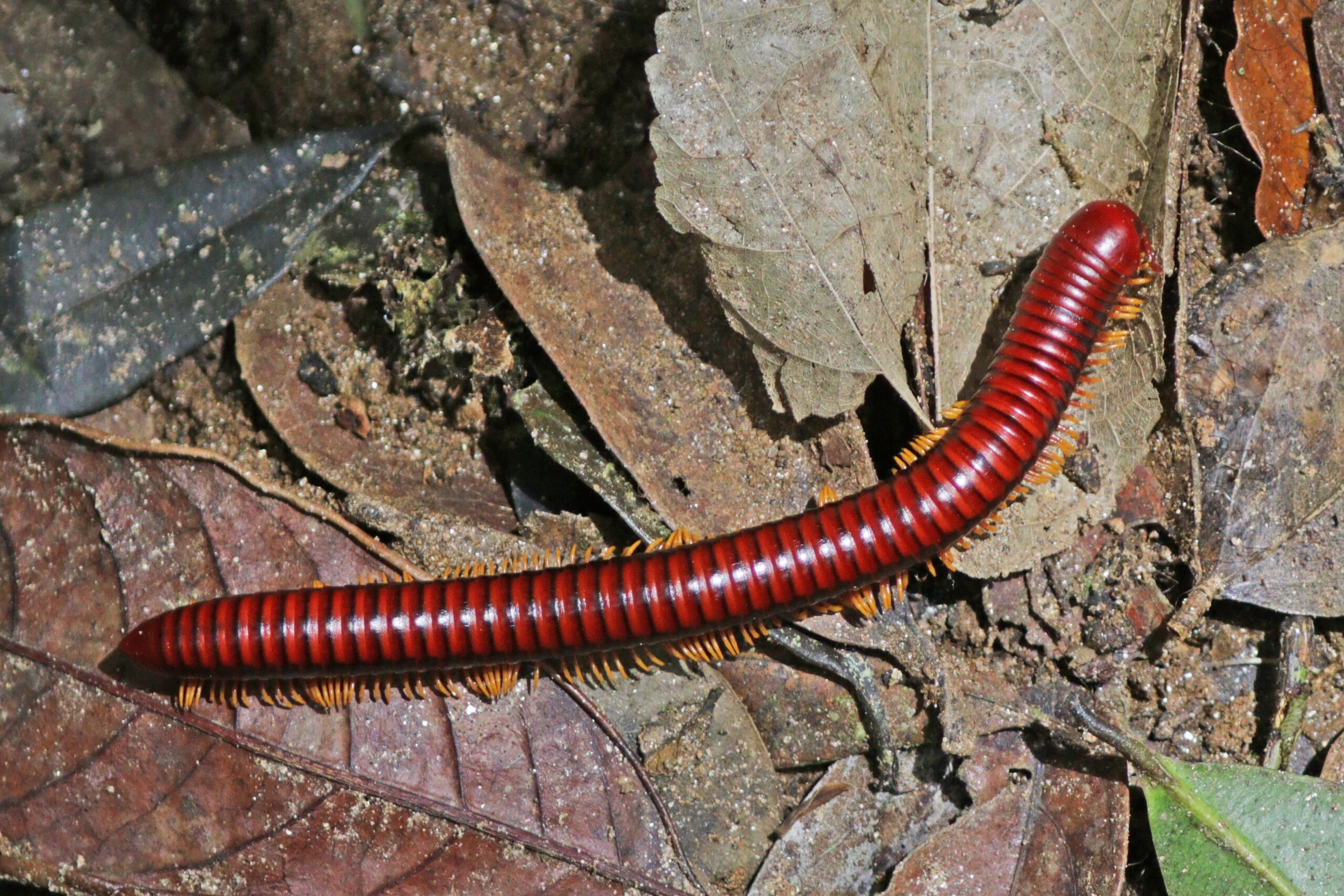
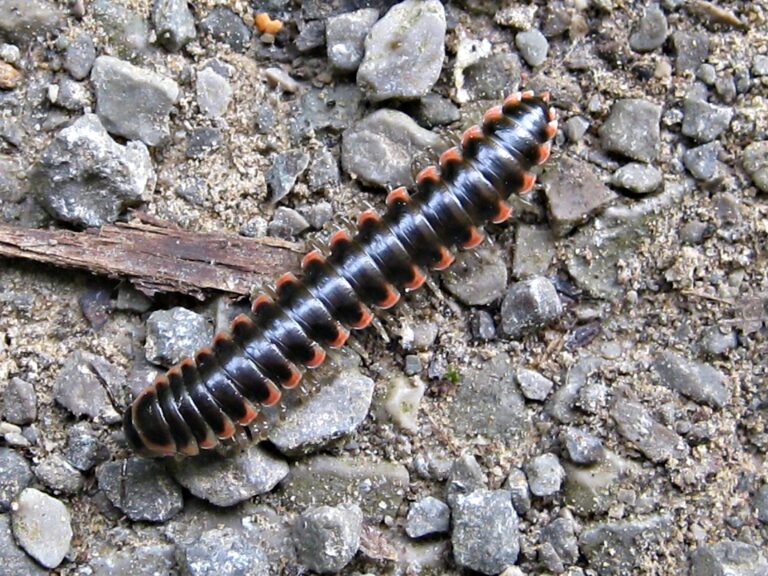
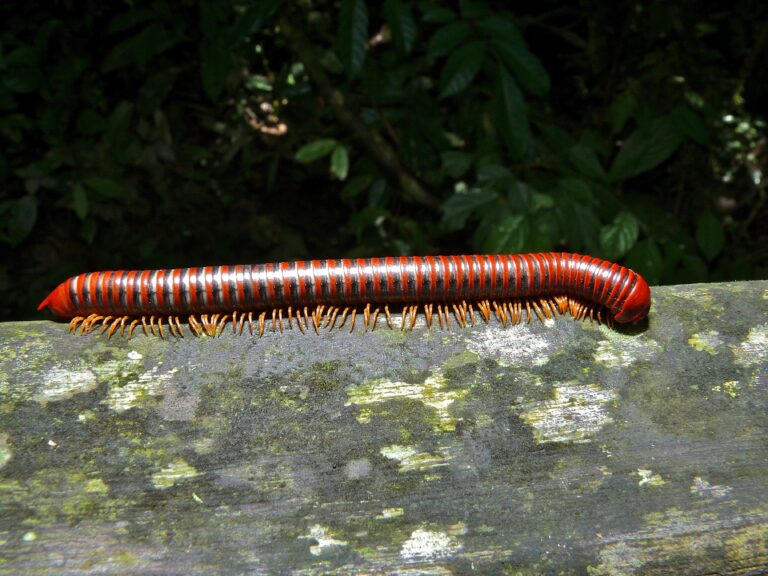
Millipedes sport two pairs of legs per body segment, which helps them crawl gracefully across the forest floor. As they slither over leaves, they keep our environment clean by polishing up the organic debris that other animals leave behind.
Next time you see a millipede, give it a cheer for being a superstar recyclers. With their knack for cleaning up nature, these little wonders certainly earn their place in the animal kingdom!

Where can you find a Millipede in the wild?
What does a Millipede eat?
How big can a Millipede grow?
How long does a Millipede typically live?
What is the conservation status of the Millipede?
What are the main threats to the Millipede?
Fun facts
Some millipedes can glow in the dark! They produce a chemical reaction in their bodies that makes them shine, creating a beautiful light show in the dark.


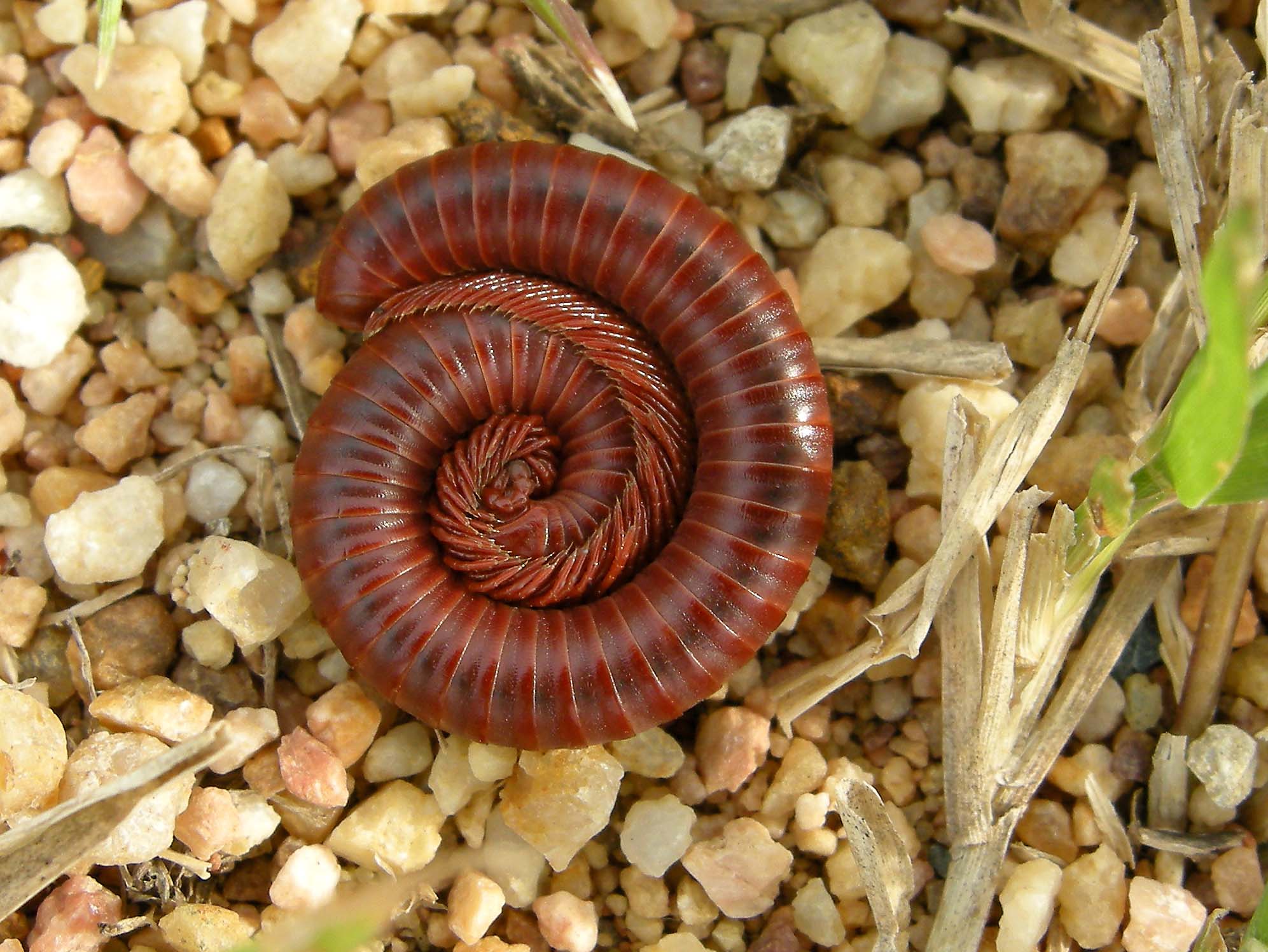
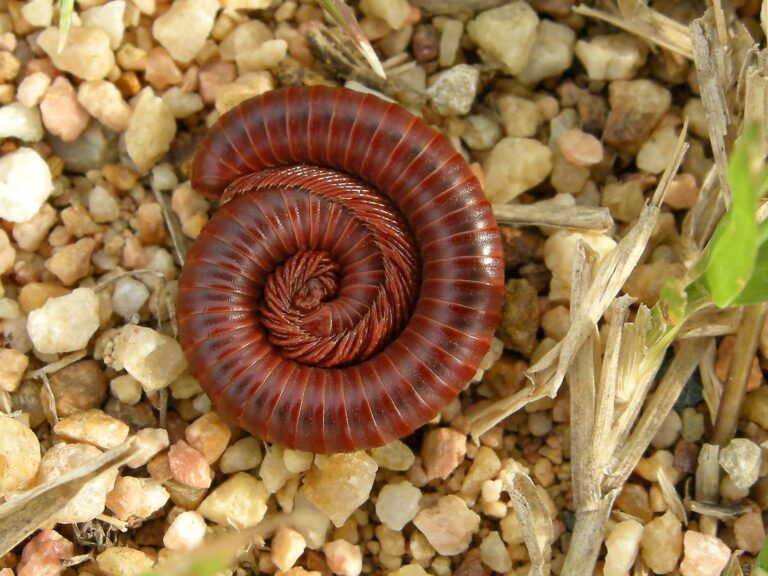
When they feel threatened, some millipedes can roll into a tight ball. This clever move protects their soft bodies and gives a false impression of a tougher creature!
Millipedes do not bite, but they can release a stinky liquid to defend themselves. Think of it as their secret weapon against predators!
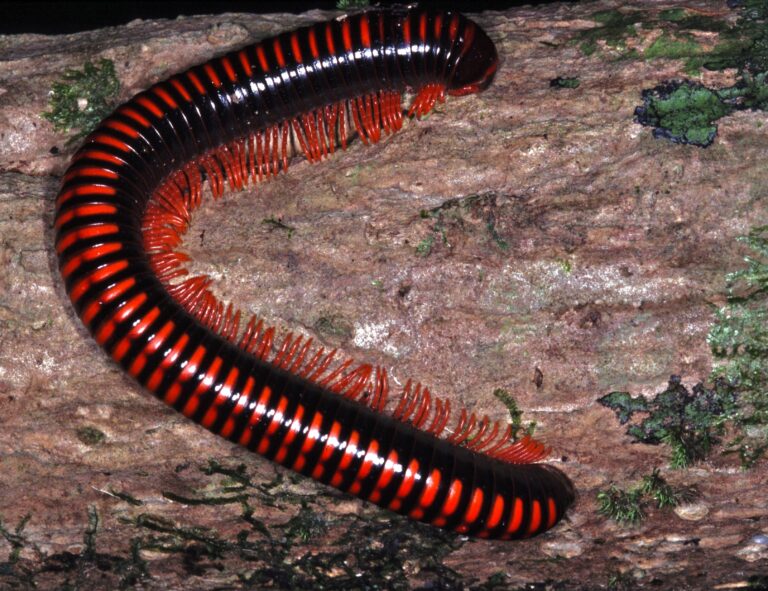
Some species of millipedes can have as many as 750 legs! That's a lot of legs dancing around on the forest floor, making them the ultimate wiggly dancers.
Imagine a millipede moving through the forest; they can eat so much decaying plant matter that they might contribute to the soil’s nutrients like walking compost machines!
Millipedes have a unique way to stay safe. They sometimes burrow into the soil, keeping themselves hidden from hungry birds and other predators.
During mating season, male millipedes can engage in a sticky ritual! They leave special signals on the ground to attract female millipedes. It's like a nature-made love note!
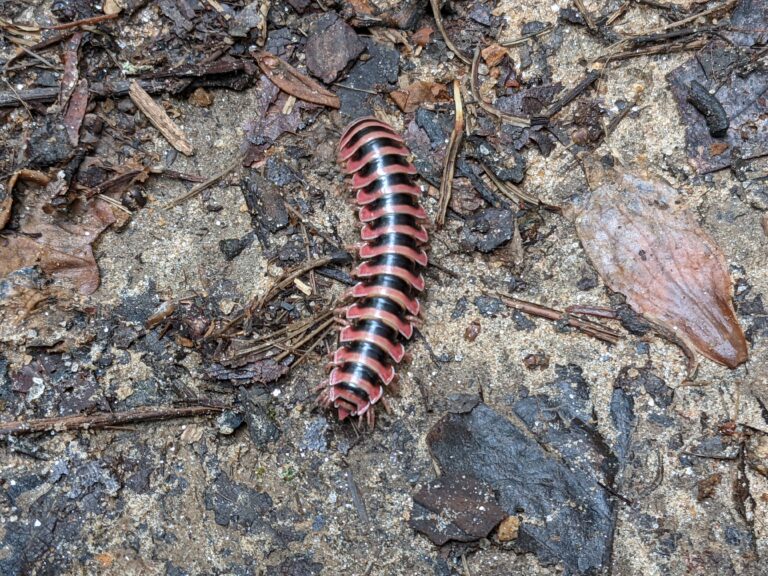
Certain millipede species can secrete colorful and toxic fluids to warn predators. This bright warning signals 'Don't eat me!' just like a bright red stop sign.
Millipedes can live in colonies with thousands of their friends! They gather together, exploring their environment and helping each other find the tastiest decaying plants.
Some large millipedes can reach lengths of up to 11 inches! That's longer than an average-sized shoe and makes them quite the amazing sight to see!
Photos





The Basics


explore more
Amphibians
Arachnids
Birds
Cats
Crustaceans
Fish
Fish Pet Guide
Gastropods
Insects
Invertebrates
Mammals
Pet Fish
Pet Rodents
Plants
Reptiles
Roundworms
Sea Slugs