Successfully copied to clipboard!
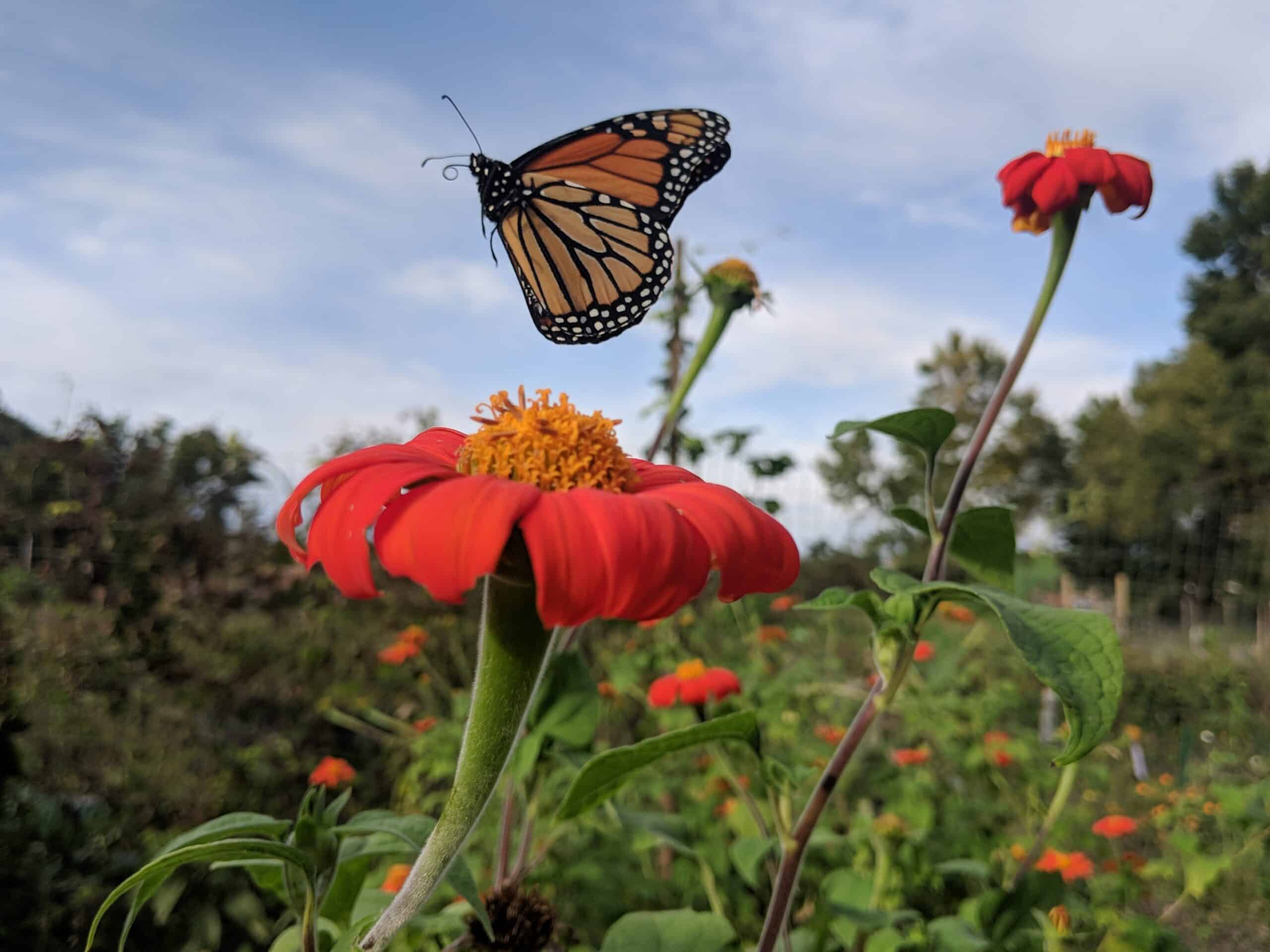
Monarch Butterfly
Uncover the vibrant travelers of nature that inspire awe!
Let’s Explore
Overview
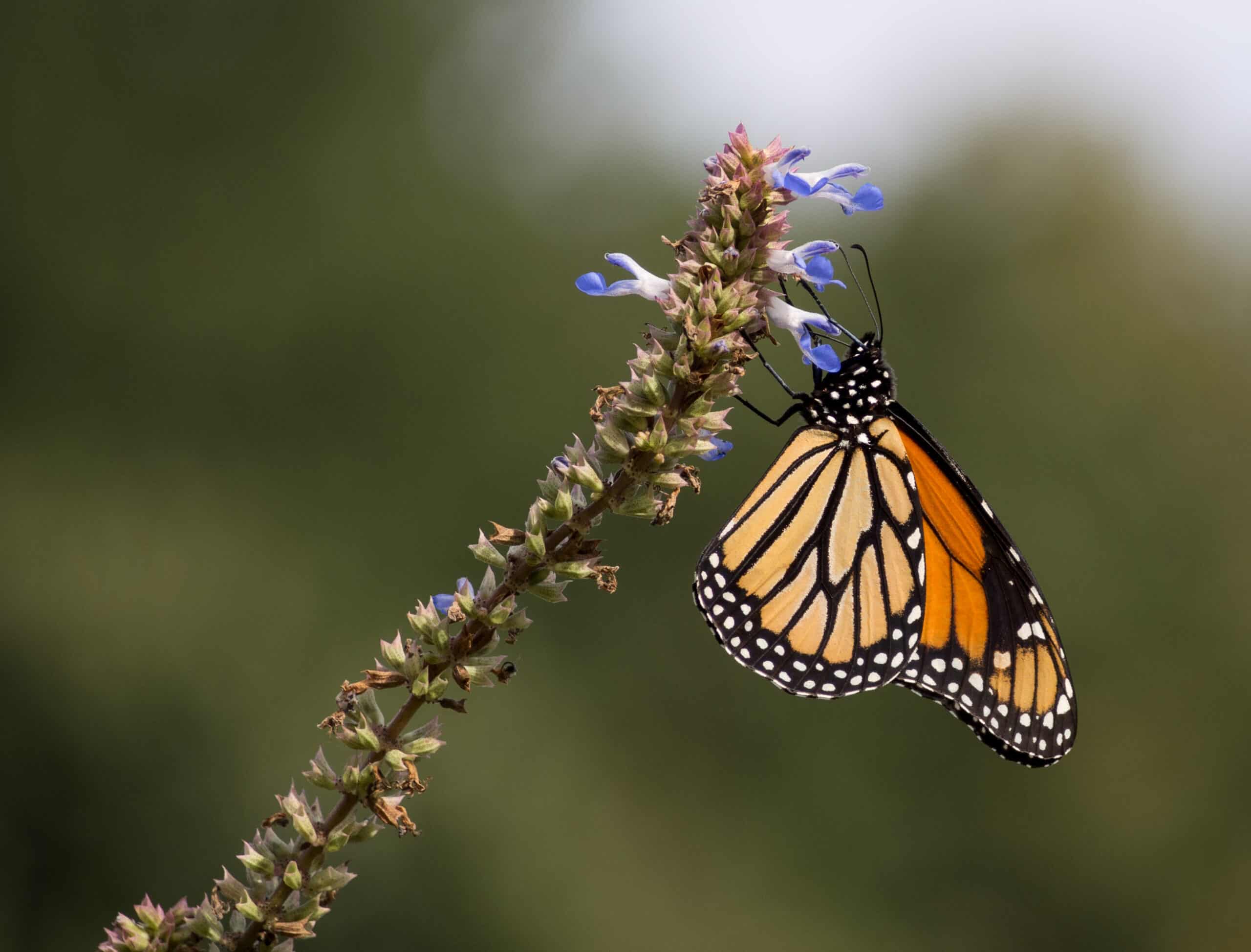
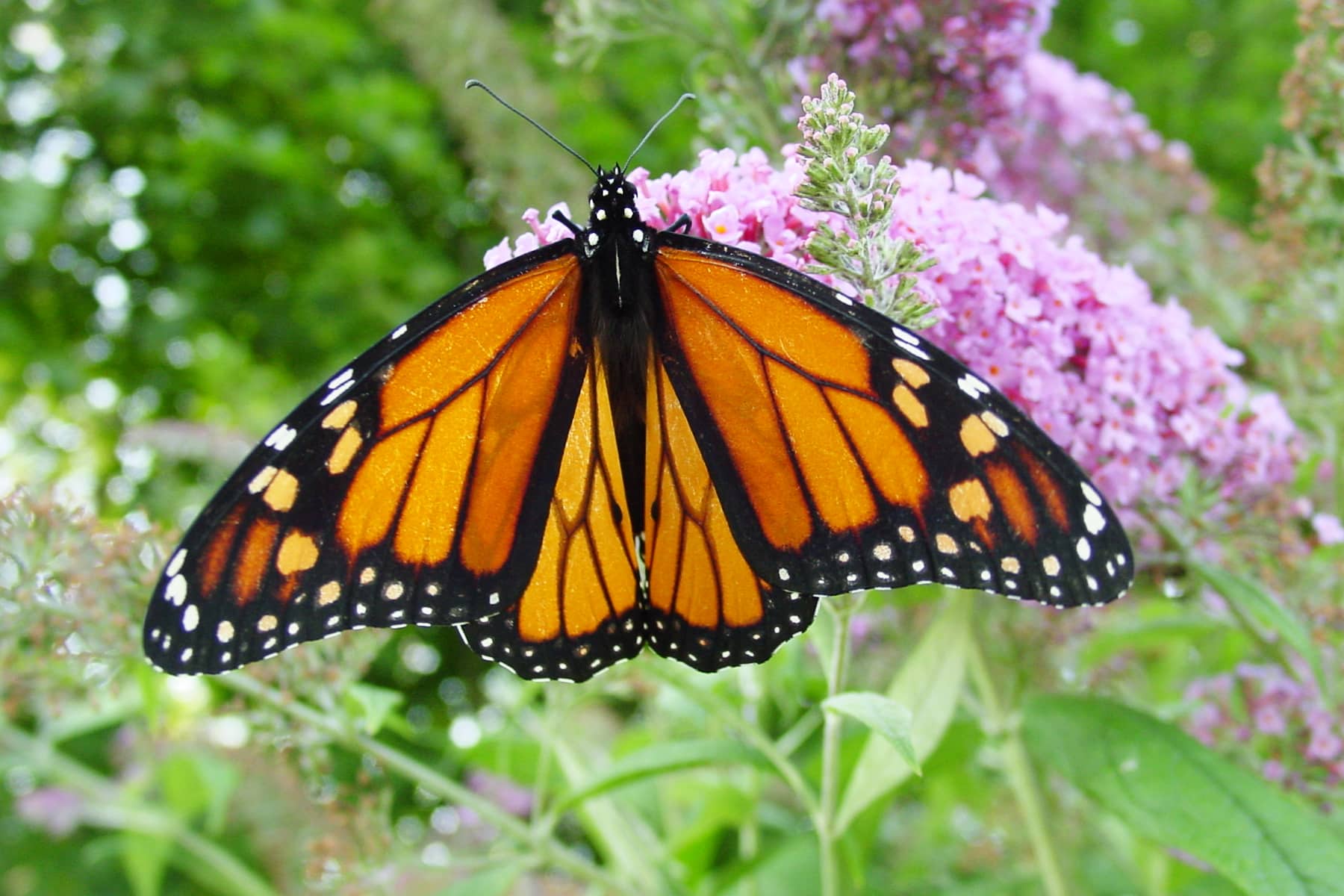
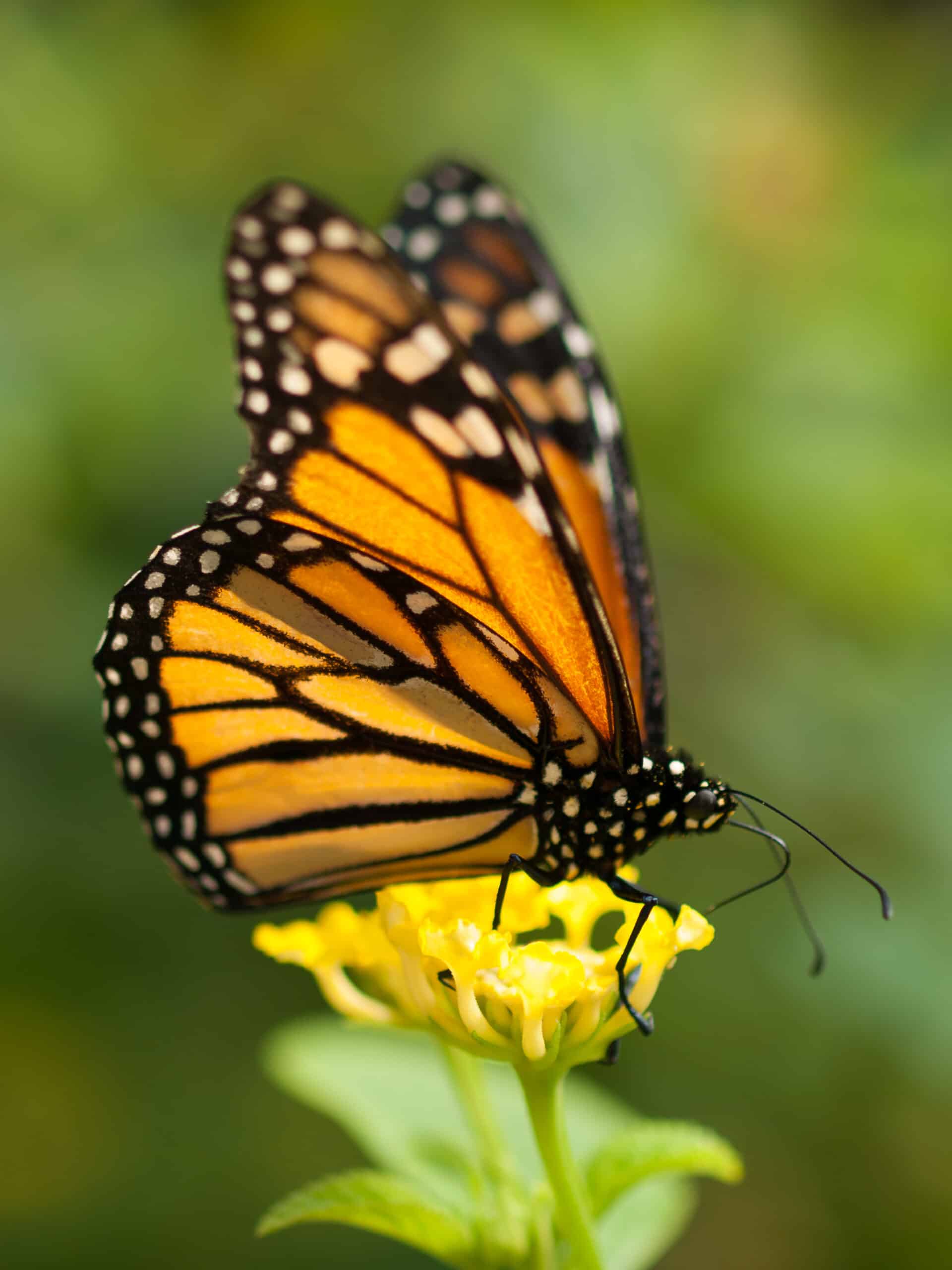
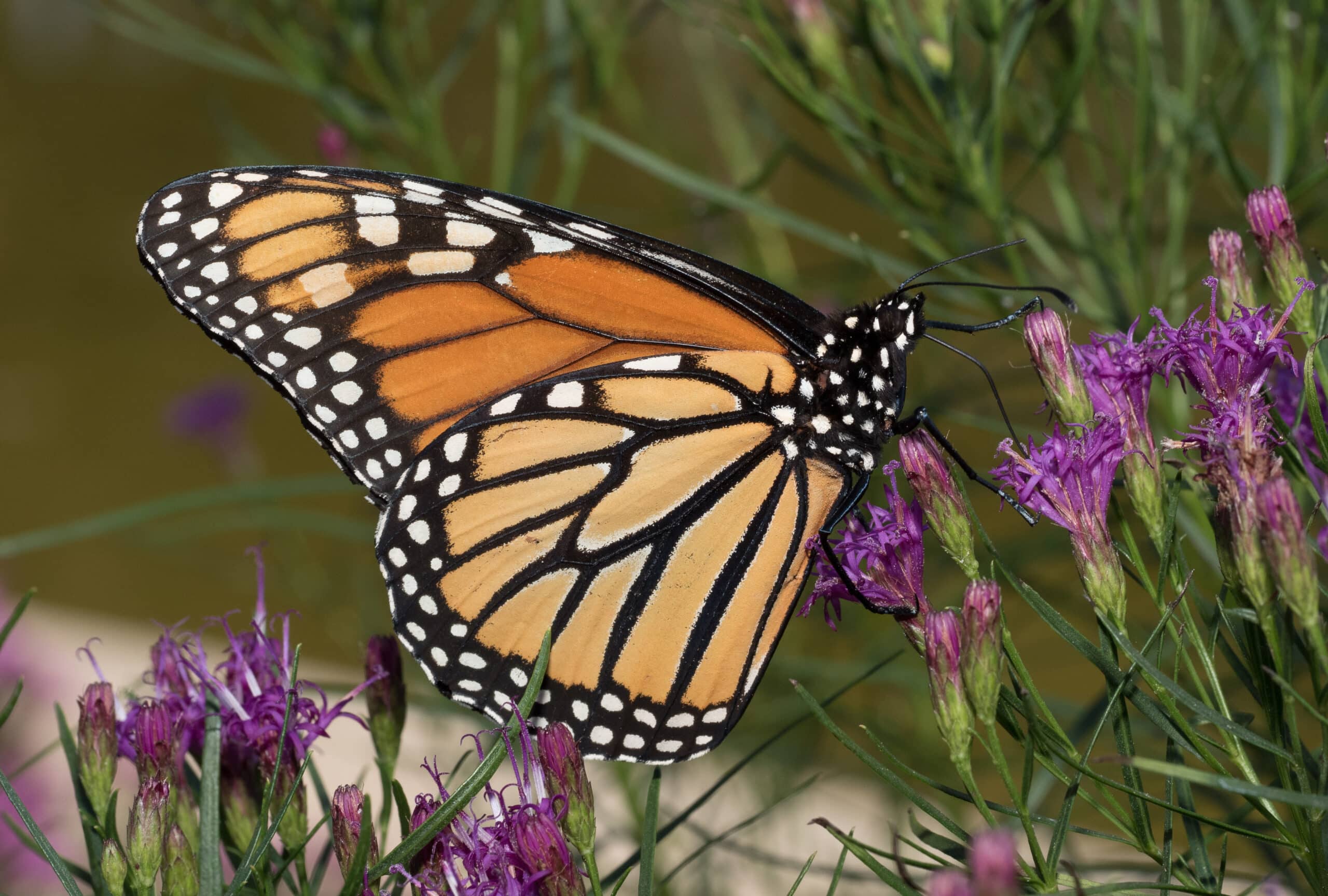
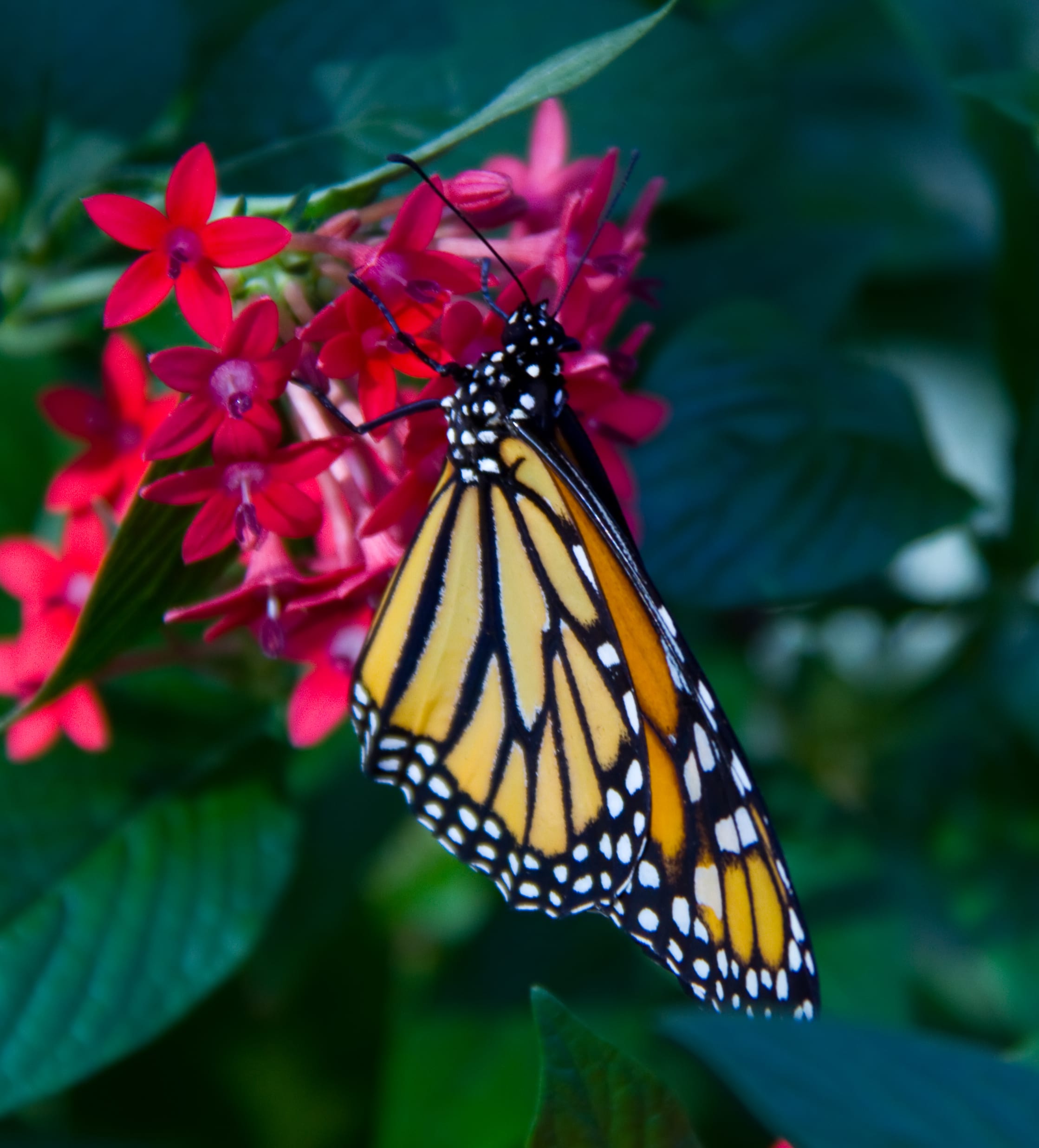
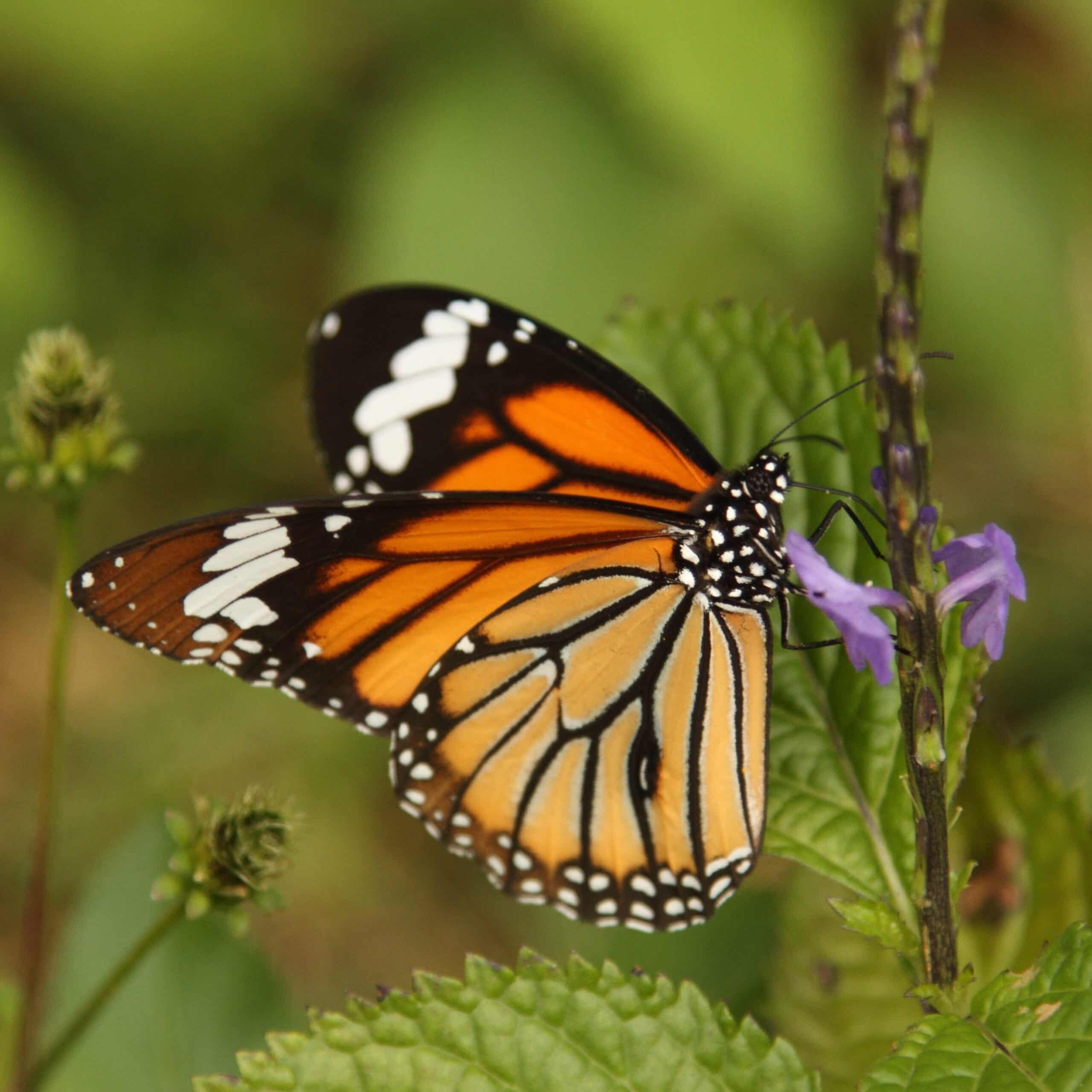
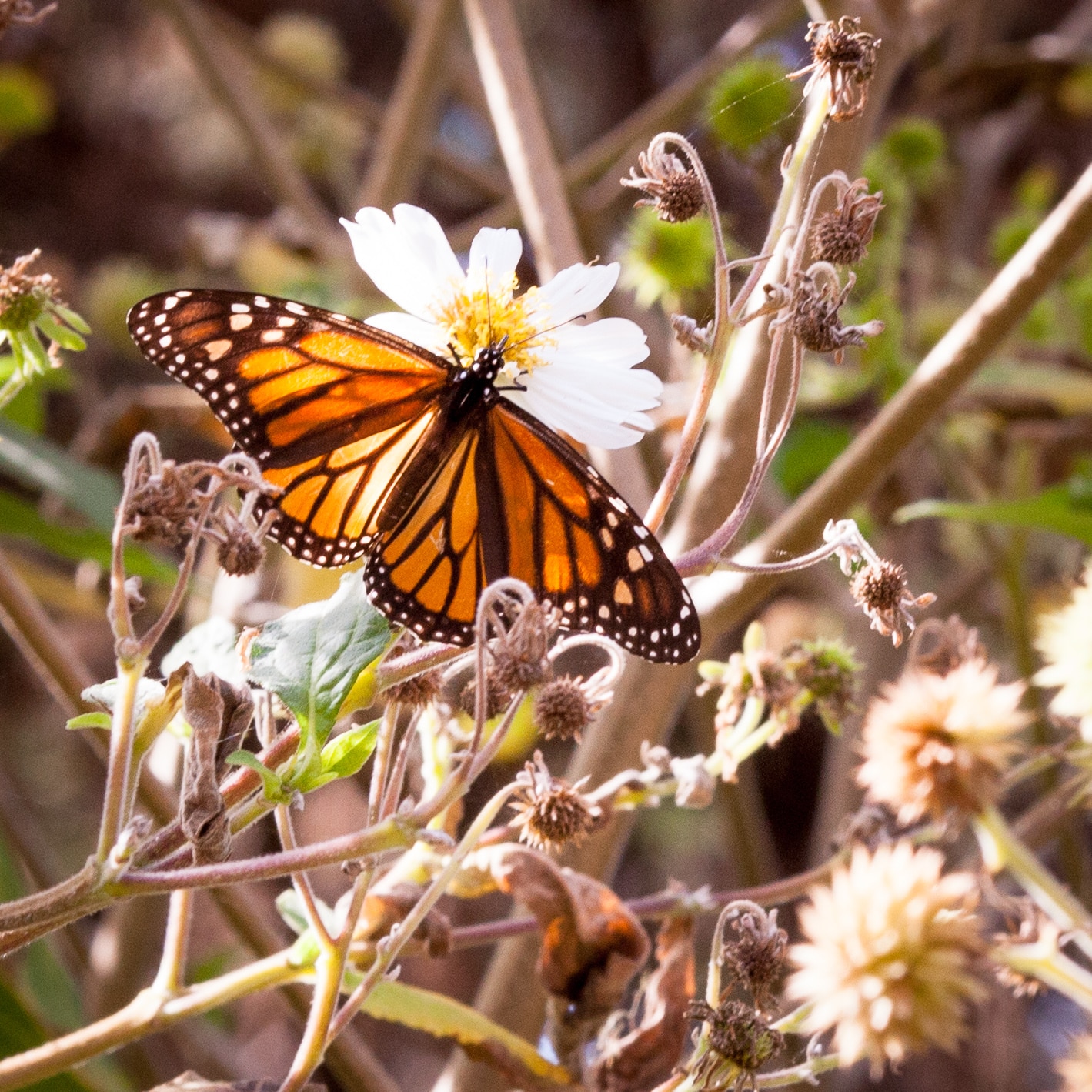
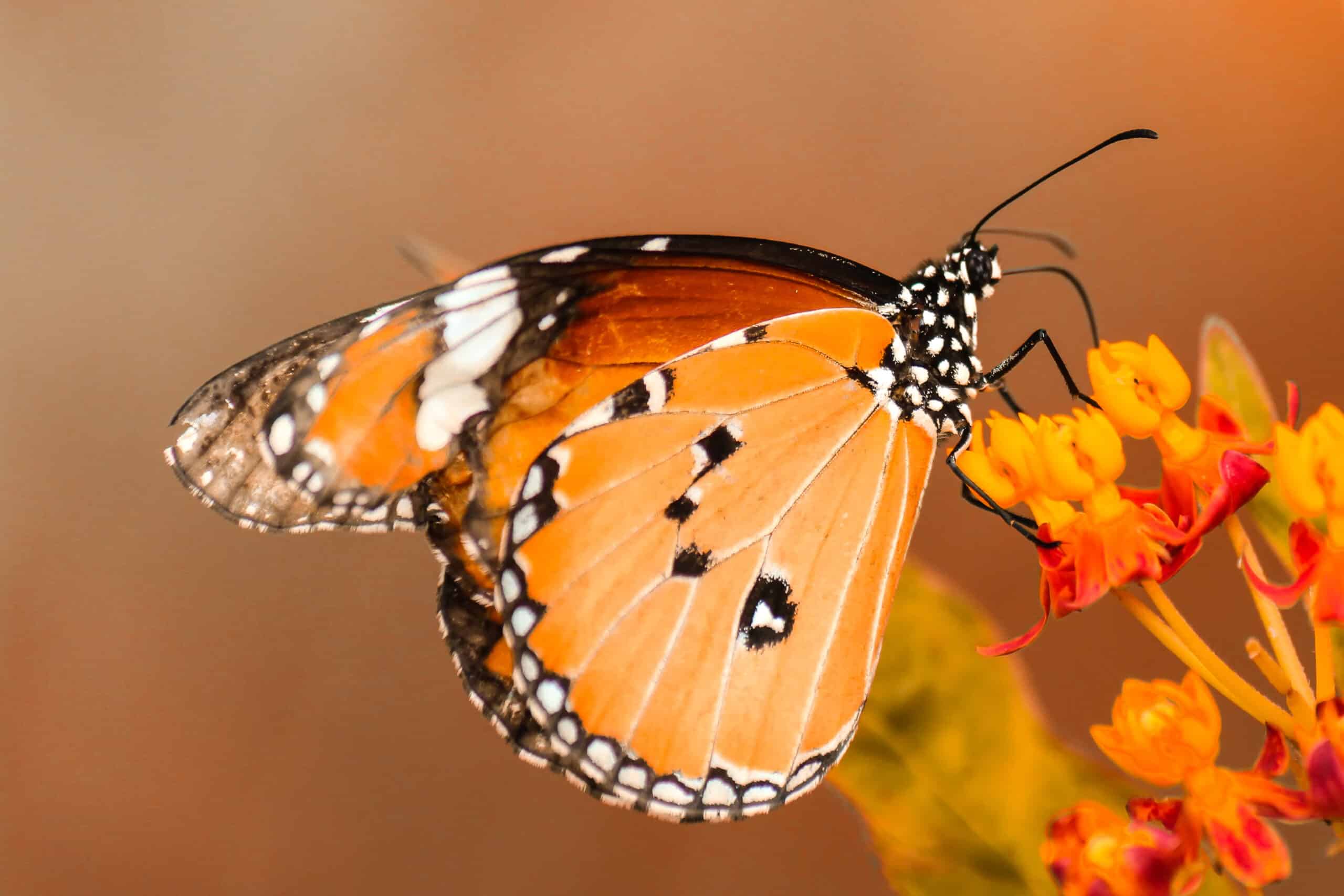
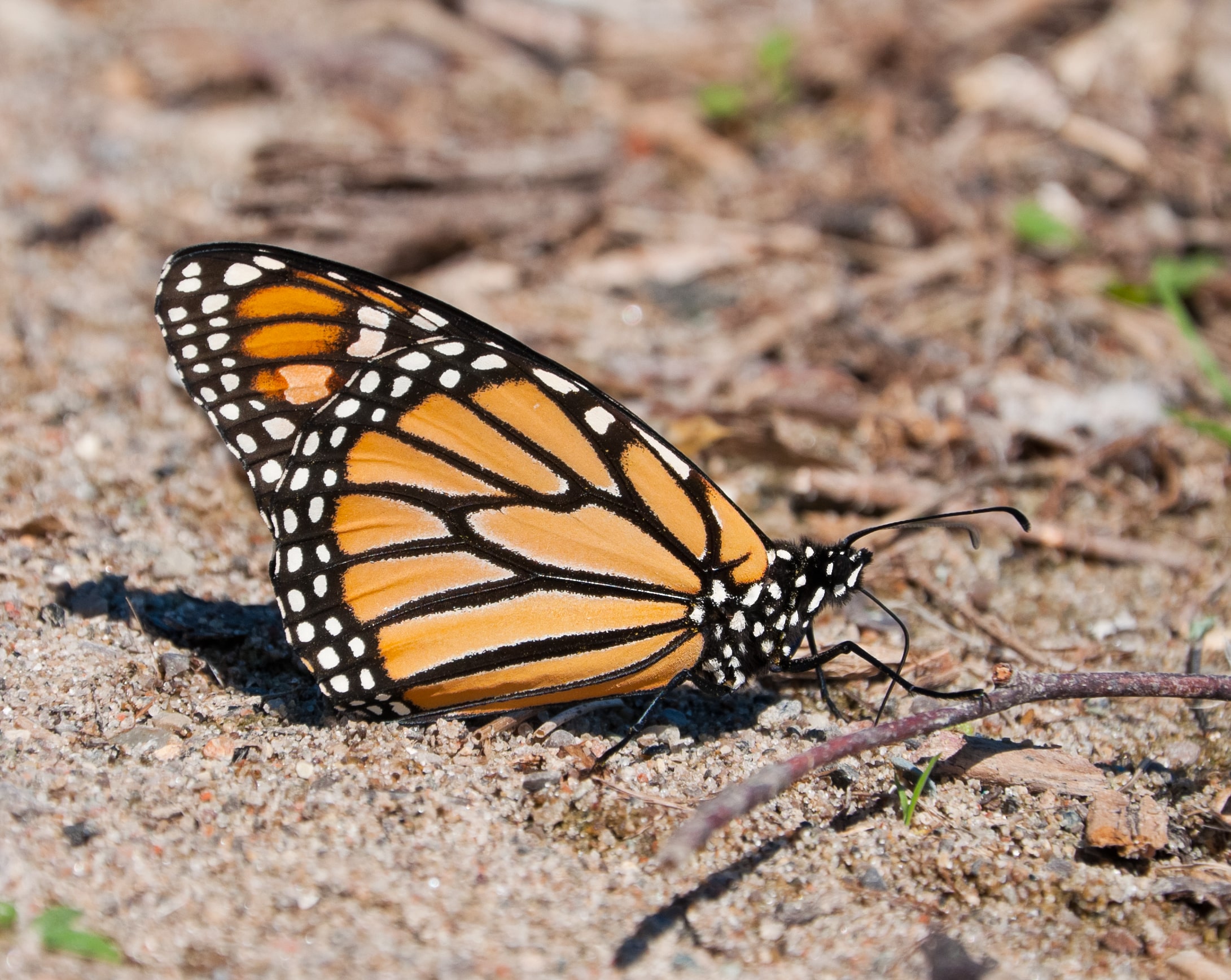
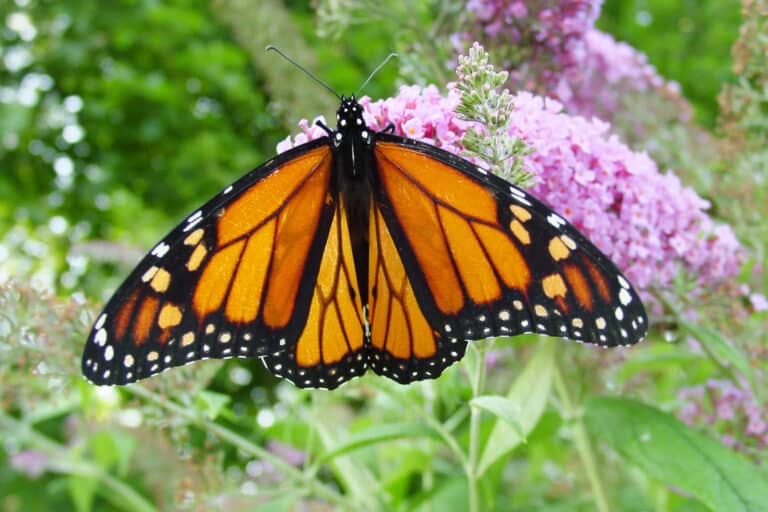
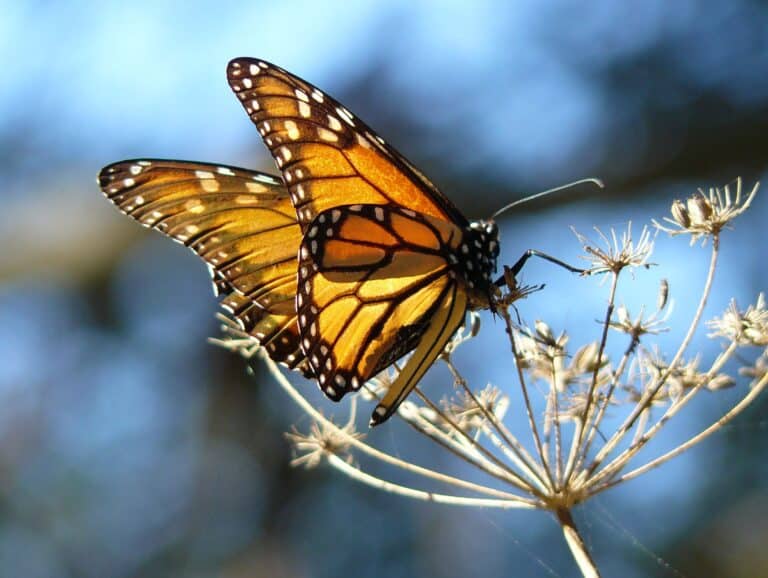
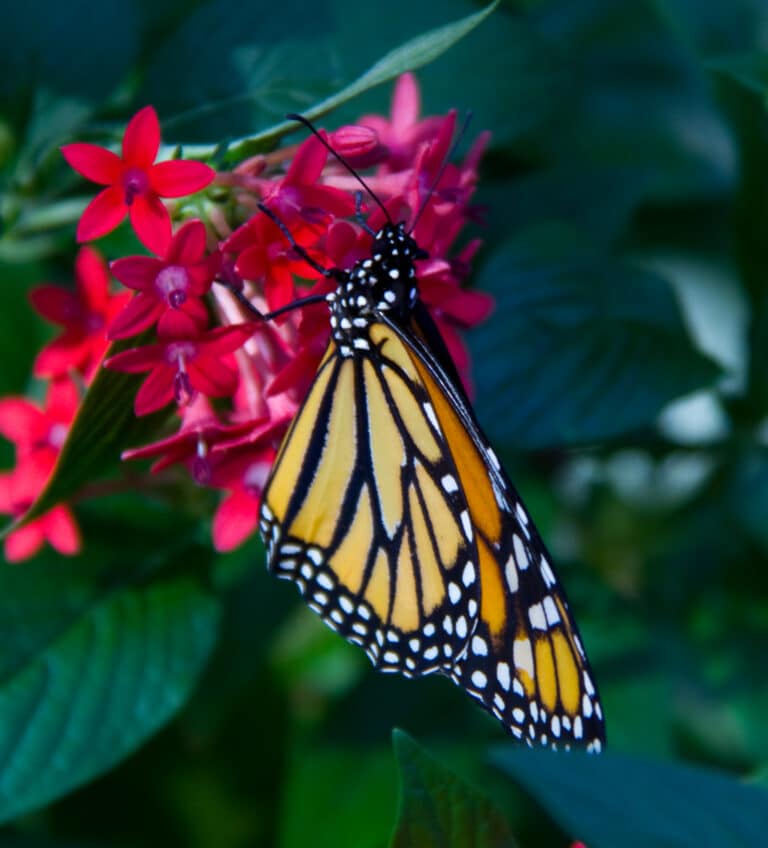
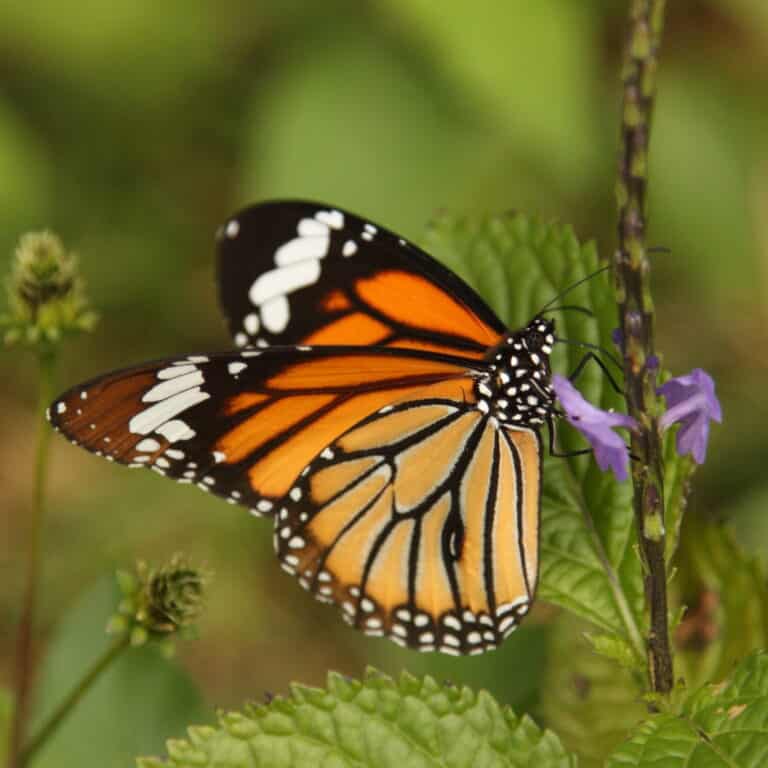
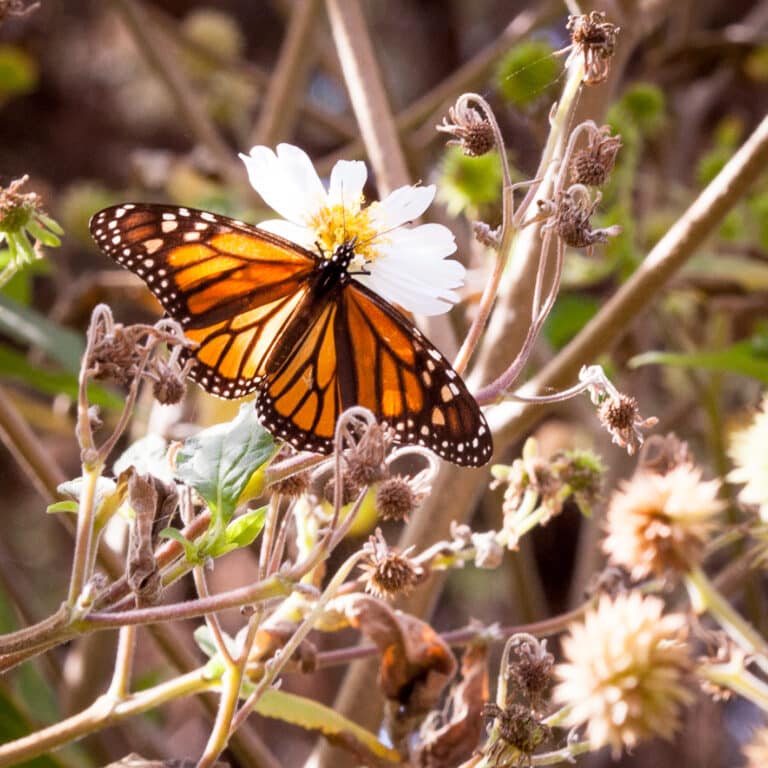
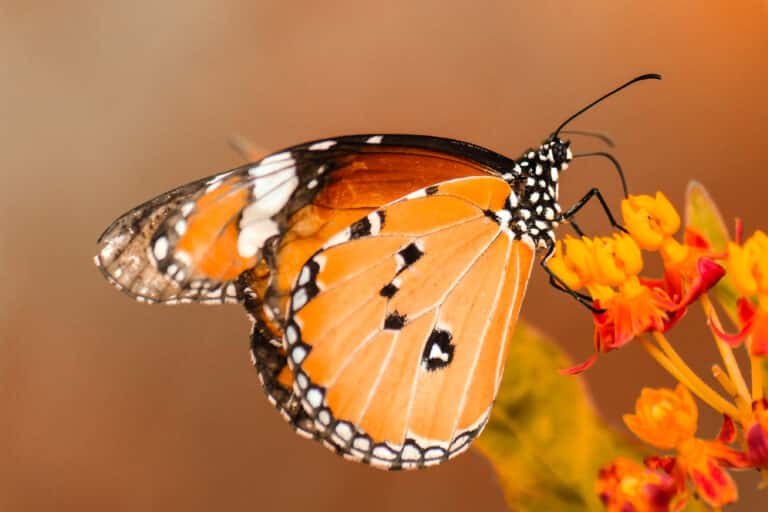
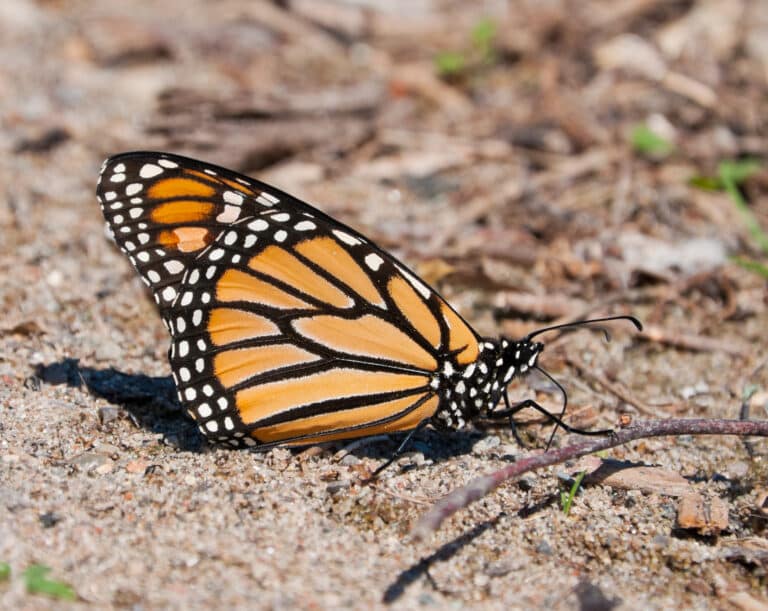
Monarch butterflies are stunning insects known for their incredible migrations. These colorful creatures have an average wingspan that ranges from 8.9 to 10.2 centimeters (3.5 to 4 inches).
Monarchs belong to the class Insecta and the order Lepidoptera. They belong to the family Nymphalidae, which includes many other butterfly species that flutter about like stars in the sky.
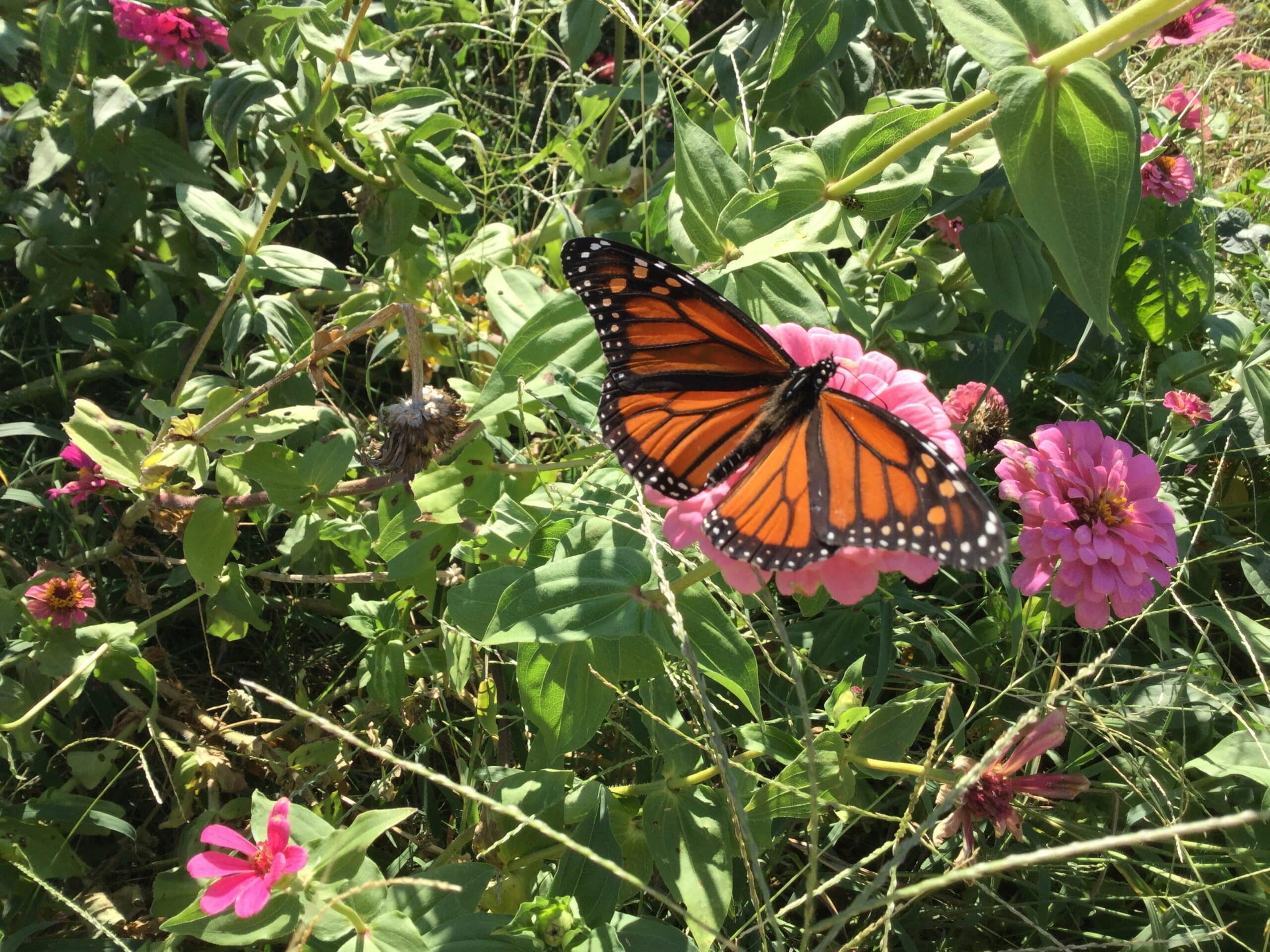
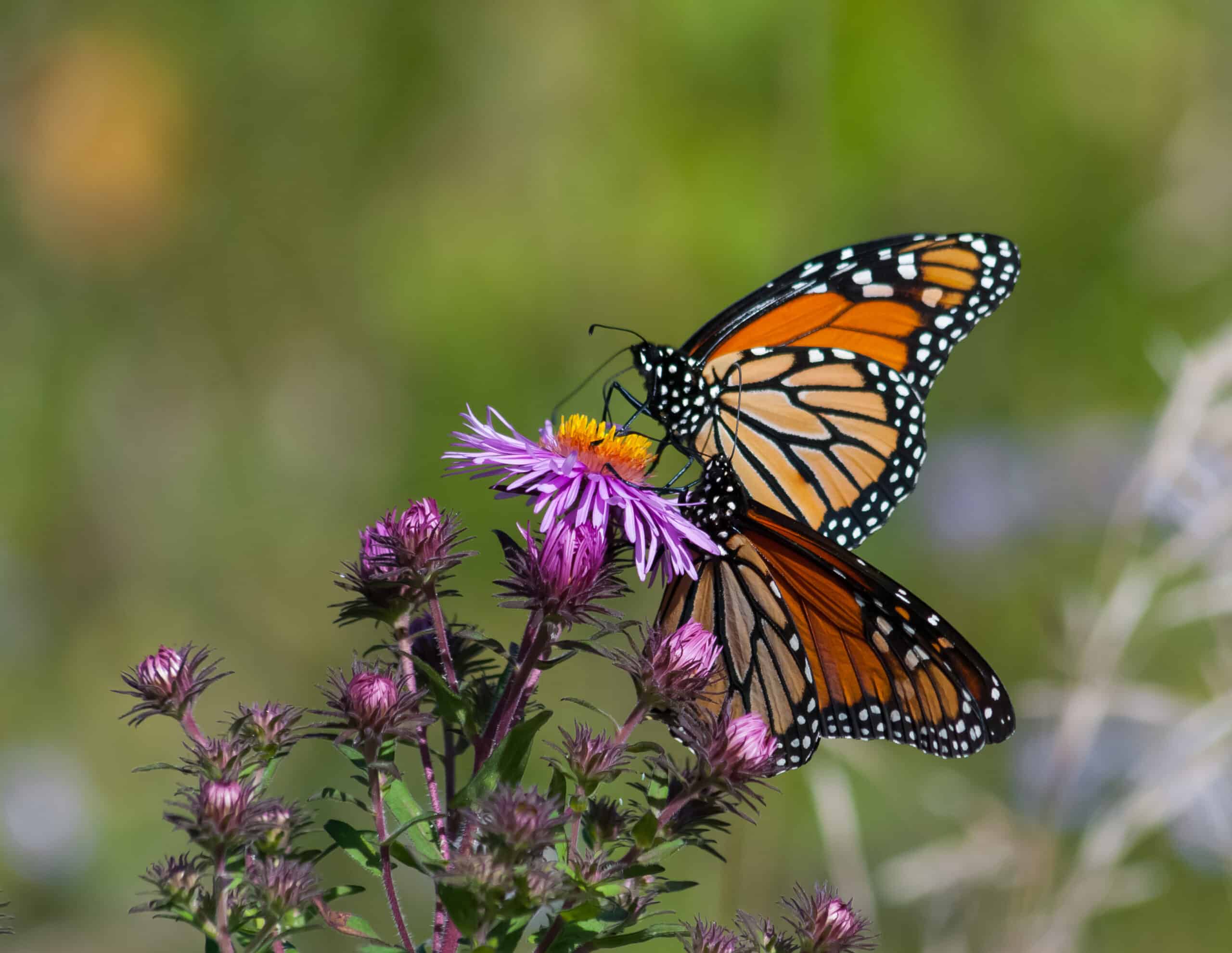
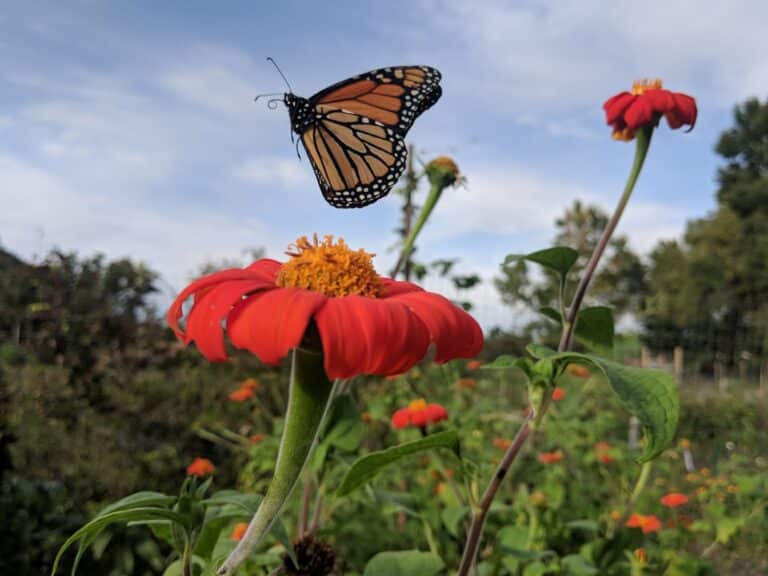
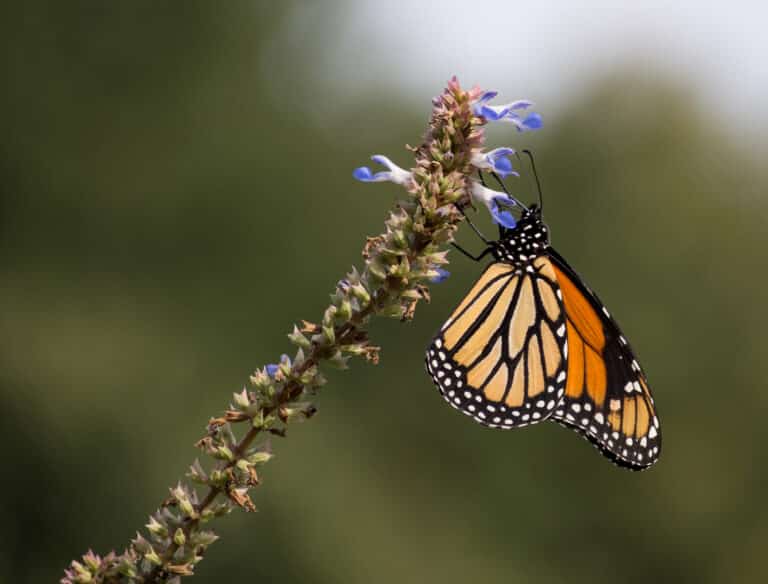
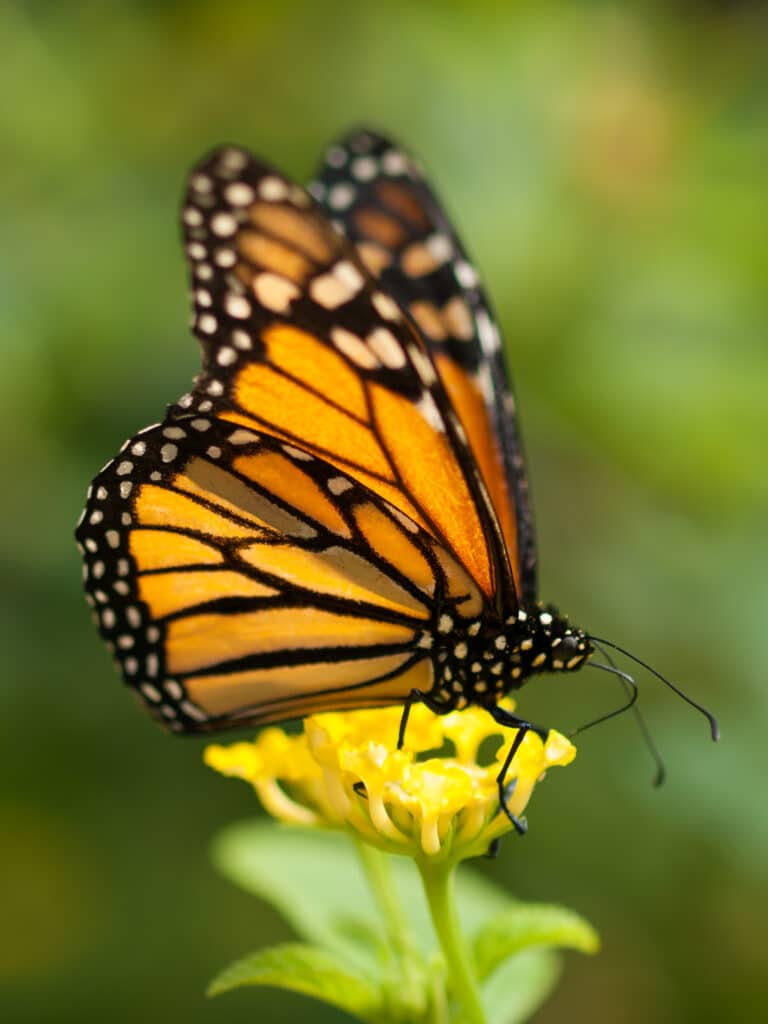
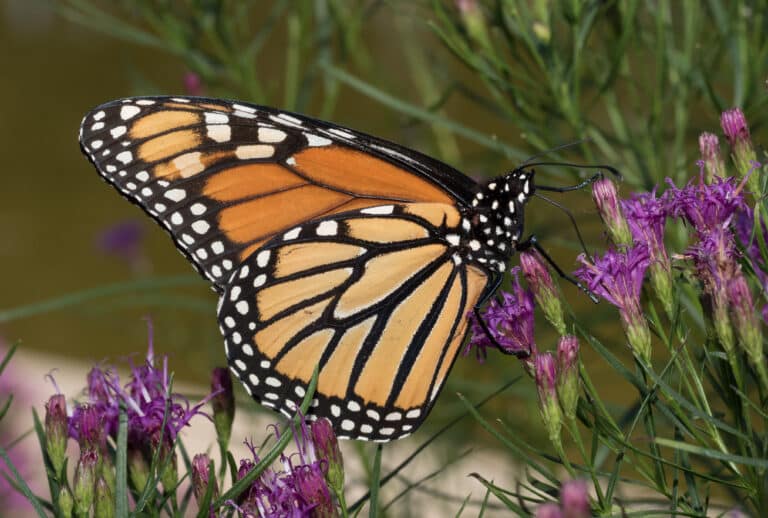
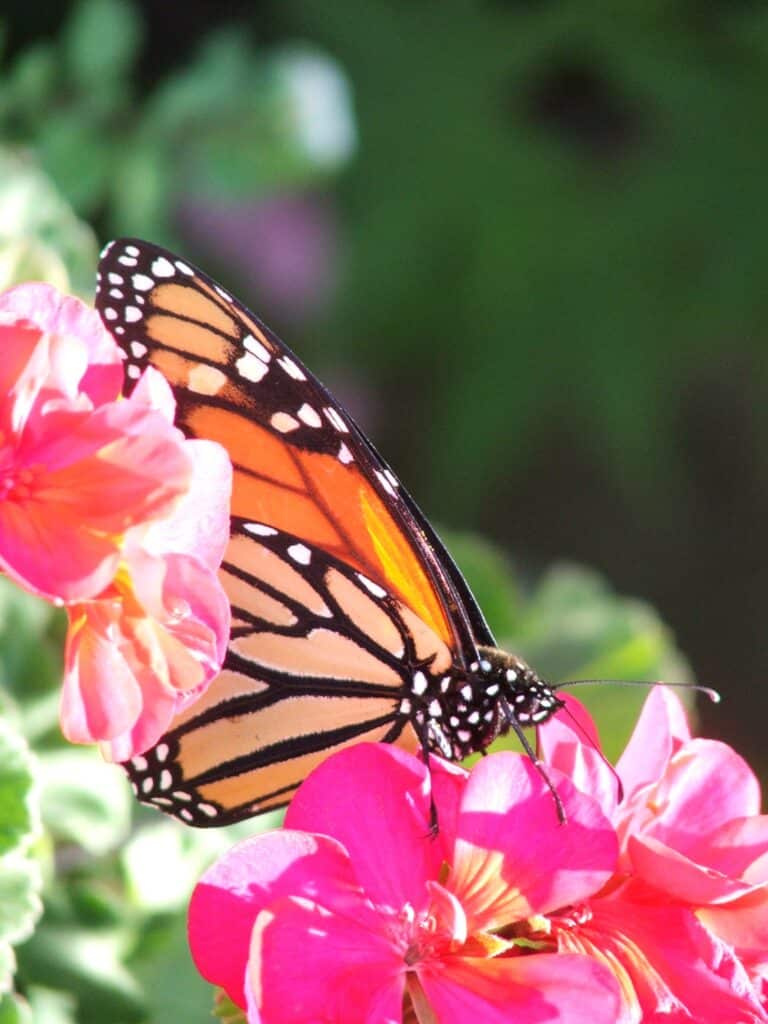
These butterflies love to feast on milkweed and nectar from various flowers. Milkweed is their favorite snack because it contains special compounds that make them unappetizing to predators.
Monarch butterflies have a fascinating life cycle. They start as tiny eggs, then hatch into caterpillars, also known as larvae, which munch on milkweed leaves until they are ready to transform into chrysalises.
After their time in the chrysalis, they emerge as beautiful butterflies. Migratory monarchs typically live for 6 to 8 months, making their journeys across continents for breeding.
These butterflies showcase a remarkable ability to migrate thousands of kilometers. They travel from North America to central Mexico every year, proving they really know how to wing it!
Monarch butterflies captivate scientists and nature lovers alike. Their striking colors and incredible journey remind us of the magic in the natural world.

Where can you find a Monarch Butterfly in the wild?
What does a Monarch Butterfly eat?
How big can a Monarch Butterfly grow?
How long does a Monarch Butterfly typically live?
What is the conservation status of the Monarch Butterfly?
What are the main threats to the Monarch Butterfly?
Fun facts
Monarch butterflies can fly up to 3,200 kilometers (2,000 miles) during their migration from North America to Mexico, showcasing one of the longest migrations of any insect!


These butterflies are like nature's chemists! They consume milkweed, which contains toxic compounds that make them unappetizing to predators, helping them stay safe while they flutter about.
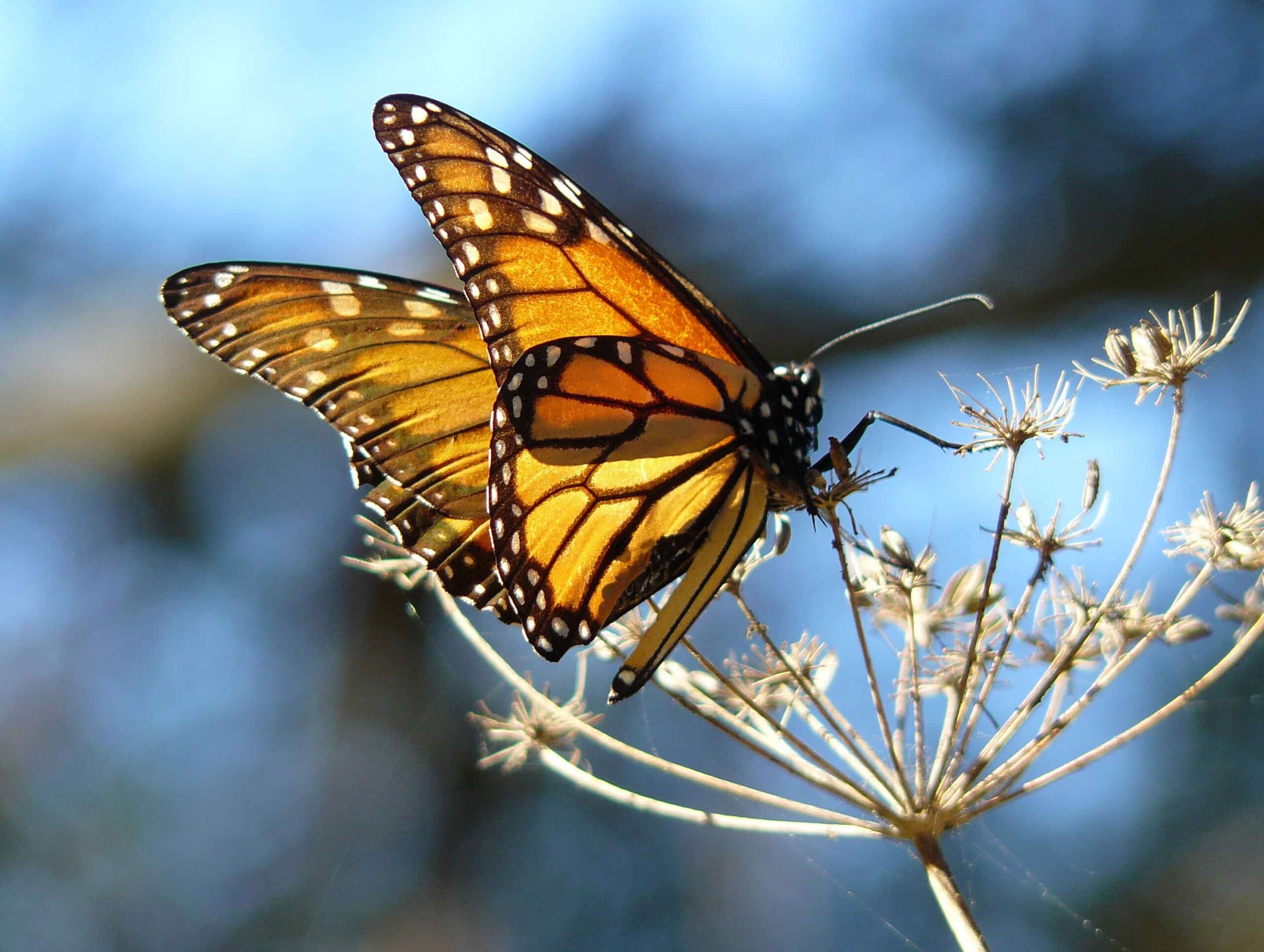
Monarchs have a special way of warming up their wings before flight. They bask in the sun to soak up heat, allowing them to flutter their wings faster and take off!
The bright orange and black colors of monarch butterflies are not just pretty; they signal danger to predators that they taste bad, thanks to the milkweed they eat!
Female monarchs lay hundreds of eggs throughout their lives. She can lay between 300 to 400 eggs on the undersides of milkweed leaves, ensuring a good chance for some to survive!
Monarch caterpillars can grow up to 5 centimeters (2 inches) long as they munch on milkweed leaves, which helps them store energy for their transformation into butterflies.
Some monarchs live much longer than others. The migratory generation can live for up to 8 months, while non-migratory monarchs usually live only a few weeks.
Monarch butterflies identify flowers using their sense of smell. They can detect flower scents from quite a distance, helping them find the best spots for a tasty snack!
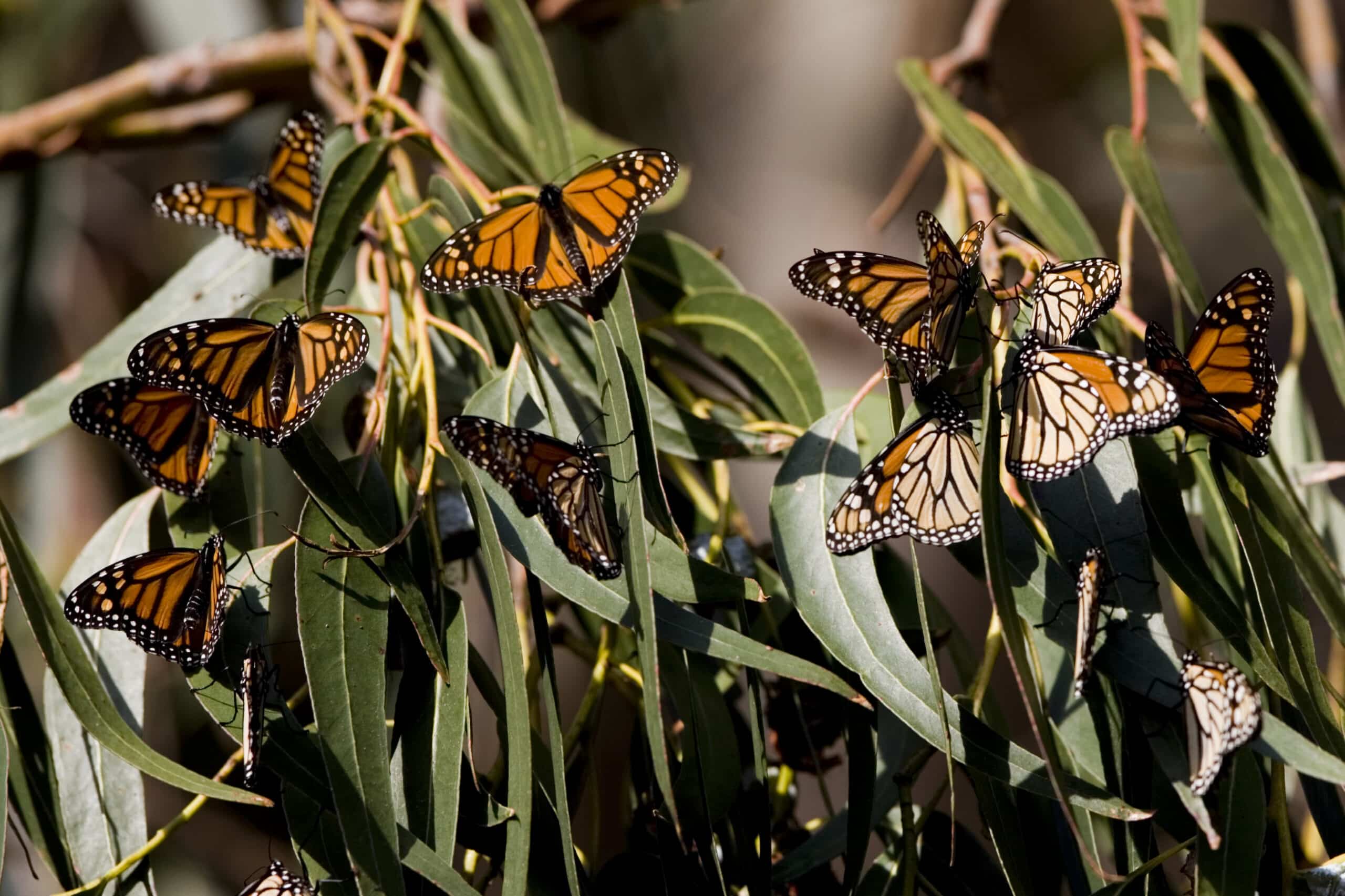
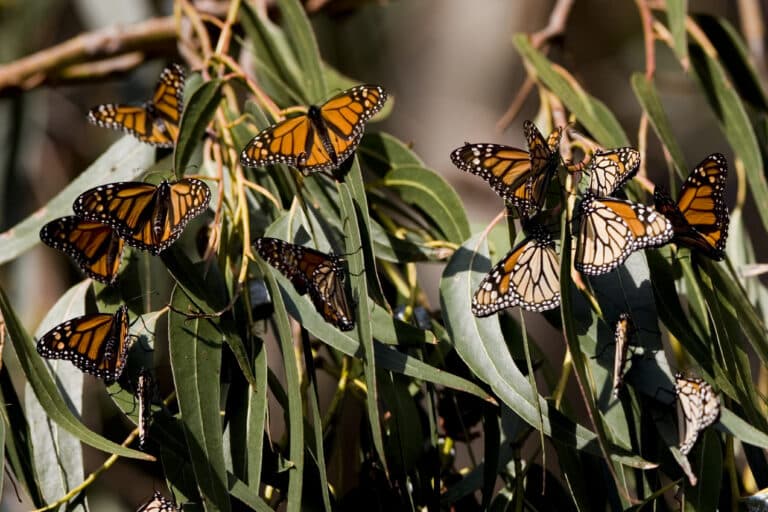
These butterflies experience a unique phenomenon called 'roosting,' where thousands gather together in trees during migration to rest and keep warm. It's like a butterfly sleepover!
Monarchs are social butterflies! They communicate with others through pheromones, which are special chemicals that help them find mates and signal their presence.
Photos






The Basics


explore more
Amphibians
Arachnids
Birds
Cats
Crustaceans
Fish
Fish Pet Guide
Gastropods
Insects
Invertebrates
Mammals
Pet Fish
Pet Rodents
Plants
Reptiles
Roundworms
Sea Slugs