
Successfully copied to clipboard!
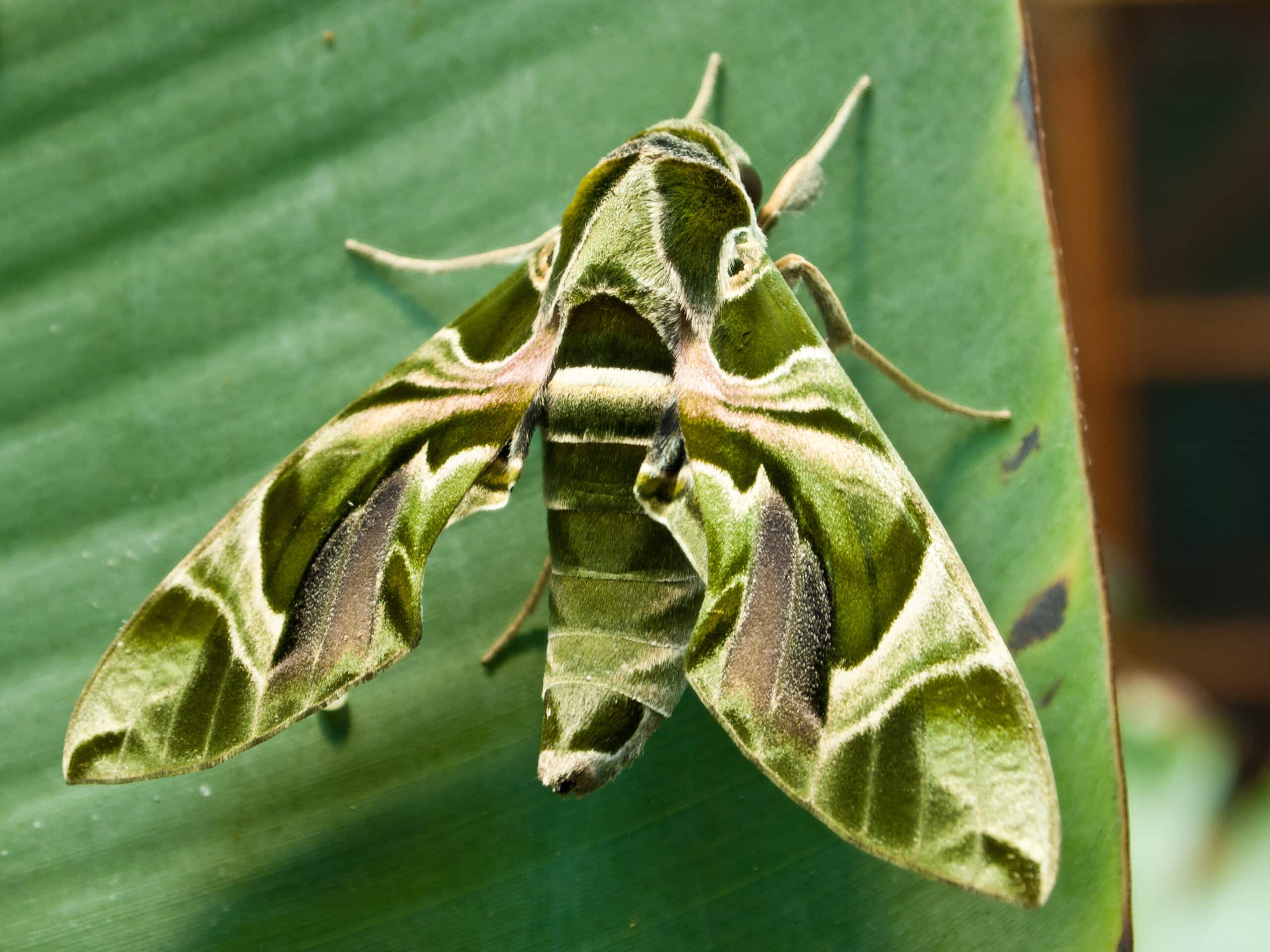
Oleander Hawk Moth
Experience the colorful dance of nature’s speedy pollinator!
Let’s Explore
Overview
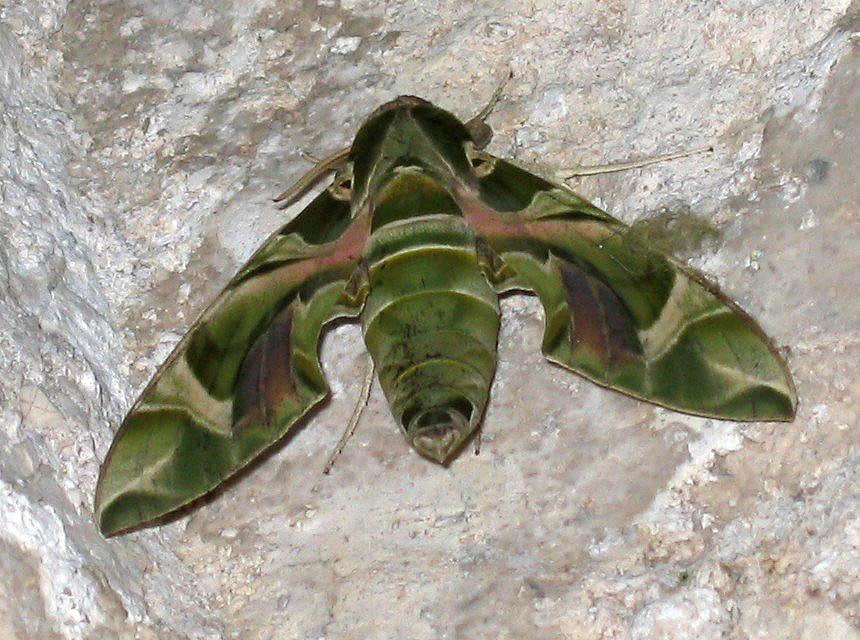
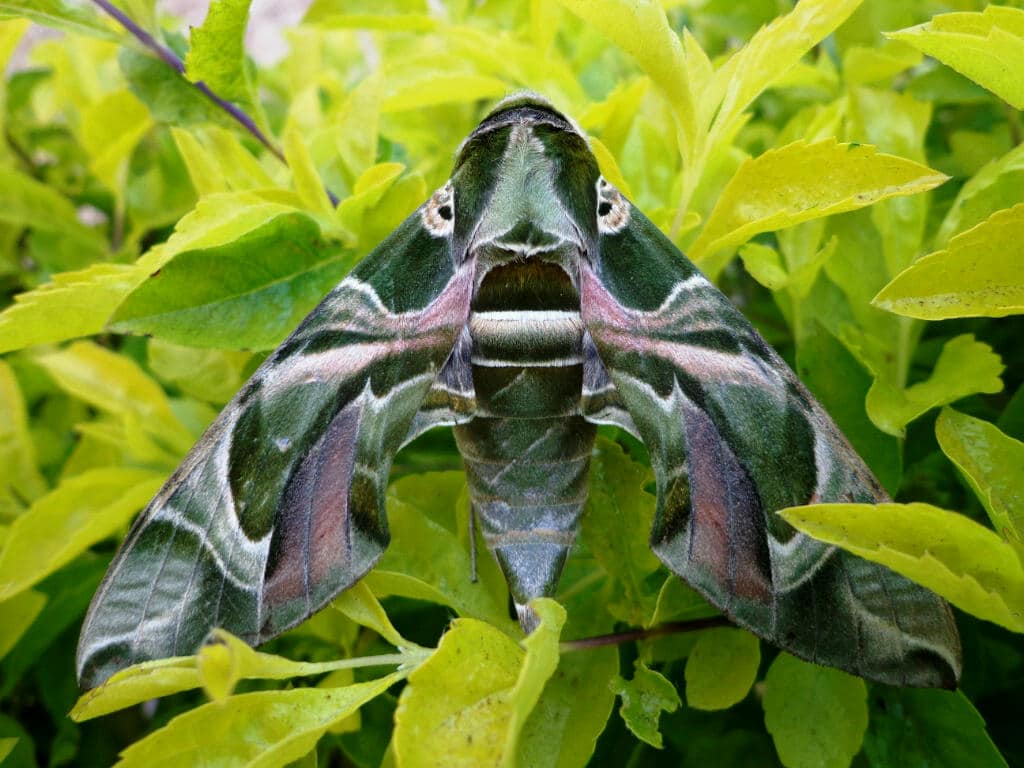
The Oleander Hawk Moth is a dazzling insect that can be found in Africa. With a wingspan of 10 to 12.5 centimeters (4 to 5 inches), this moth knows how to flaunt its fabulous size!
Belonging to the Lepidoptera order, the Oleander Hawk Moth enjoys a diet of sweet nectar from flowers. It plays a fun role as a pollinator, helping plants grow while it snacks!
This moth has a lifespan of about 10 to 30 days, which may seem short, but it makes the most of its time fluttering around gardens and enjoying the sunshine. Talk about living life in the fast lane!
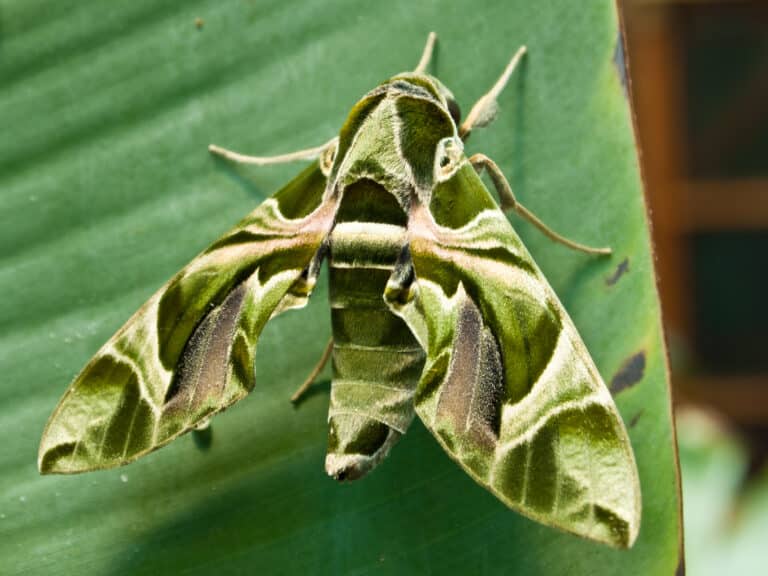
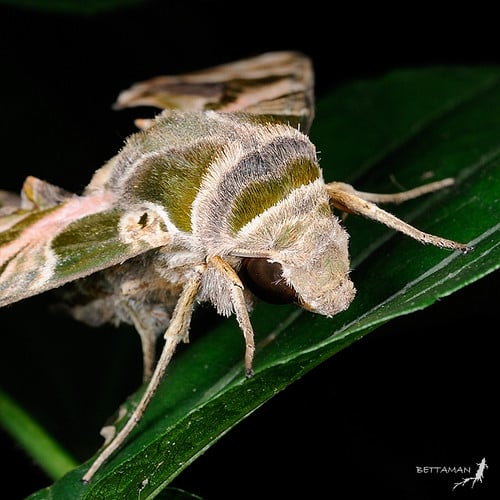
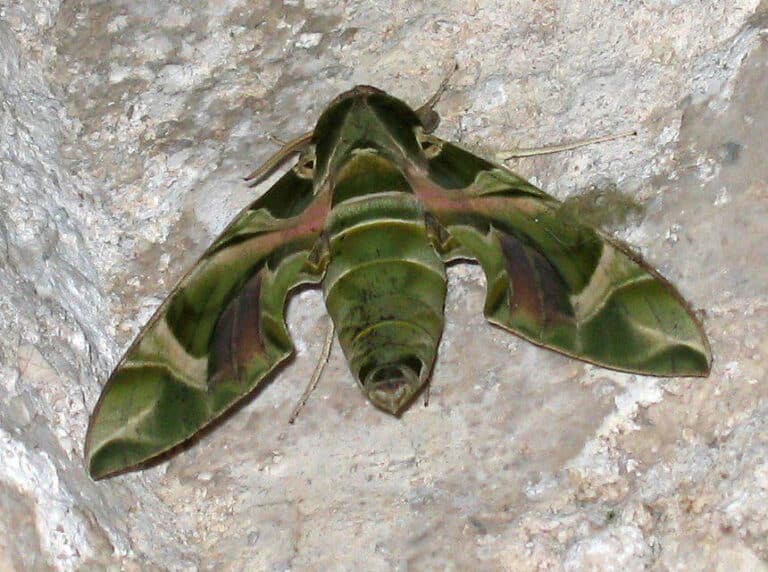
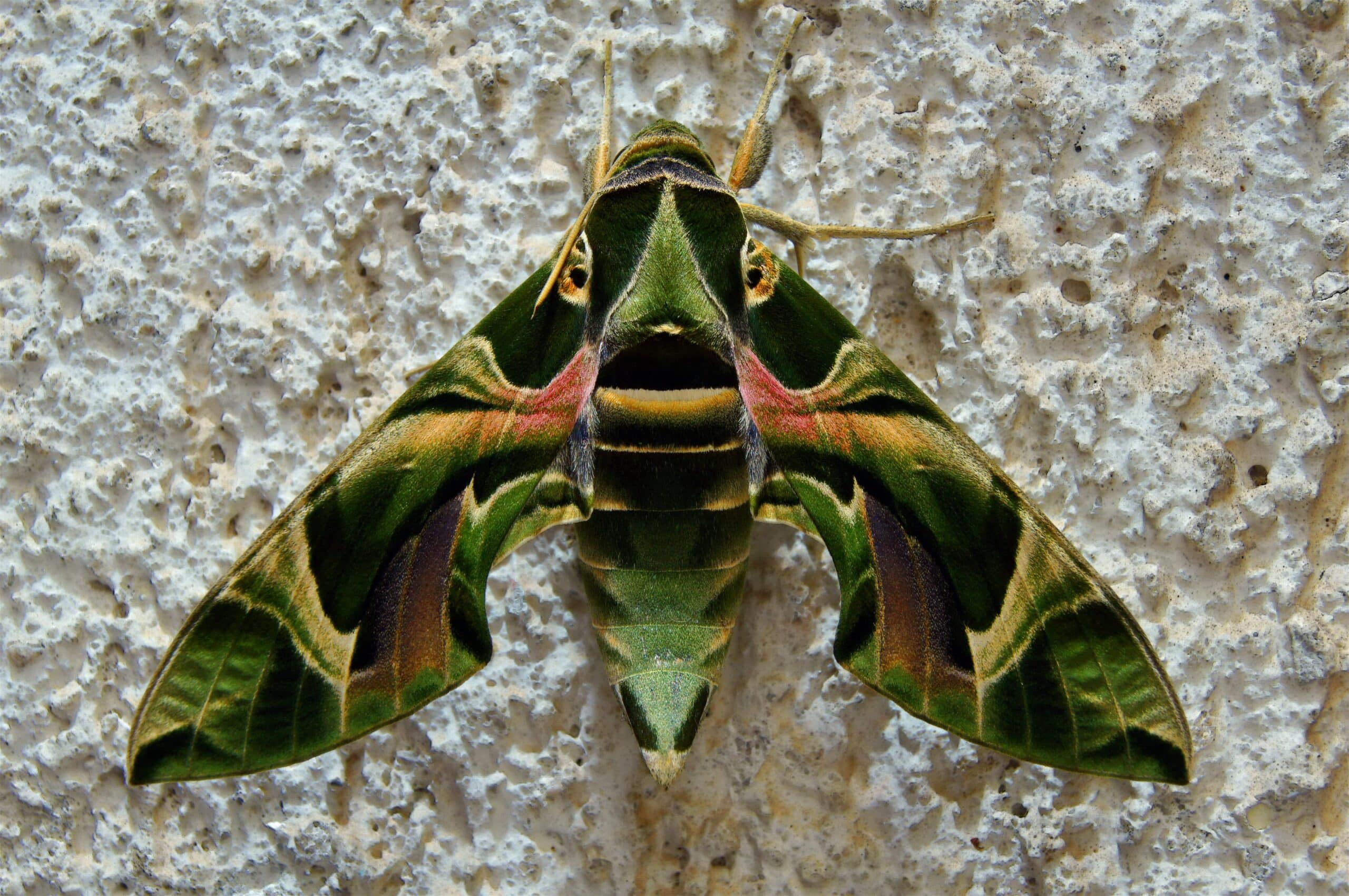
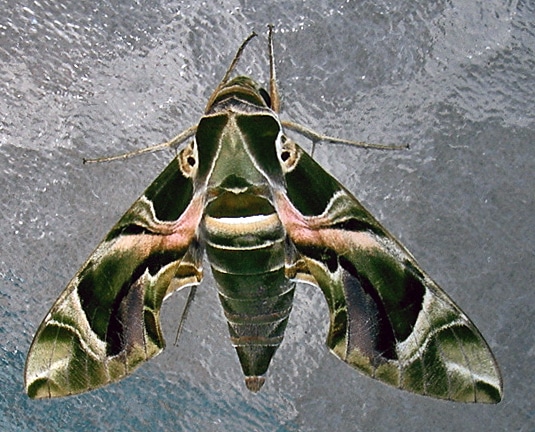
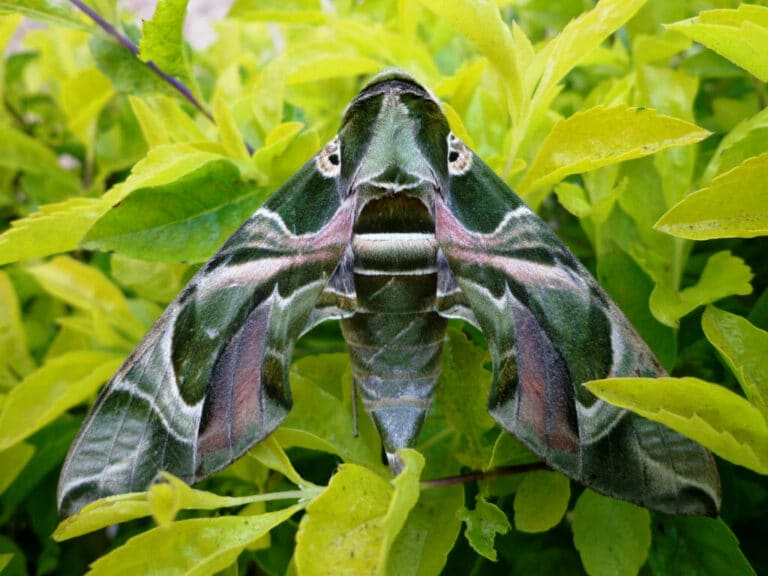
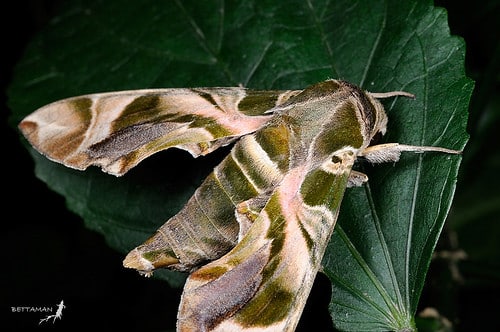
The Oleander Hawk Moth features beautiful green wings with striking brown and pink patterns. Its coloration helps it blend into the vibrant environment of flowers and leaves, giving it a stylish disguise.
Amazing facts abound! Oleander Hawk Moths can fly incredibly fast and even hover in one place, just like a hummingbird! They certainly know how to steal the show during a garden party.
This moth's larvae, also known as caterpillars, eat leaves, particularly from the oleander shrub. They munch away until they are ready to transform into beautiful adult moths.
So if you ever spot an Oleander Hawk Moth, take a moment to appreciate this amazing insect! It brings color and life to our world with its fluttering wings and sweet tooth!

Where can you find a Oleander Hawk Moth in the wild?
What does a Oleander Hawk Moth eat?
How big can a Oleander Hawk Moth grow?
How long does a Oleander Hawk Moth typically live?
What is the conservation status of the Oleander Hawk Moth?
What are the main threats to the Oleander Hawk Moth?
Fun facts
This moth can fly as fast as 50 kilometers per hour (31 miles per hour), zipping around the garden like a tiny rocket!


The Oleander Hawk Moth has a unique ability to see ultraviolet light, allowing it to find flowers that are invisible to human eyes, making it a super pollinator!
When threatened, its caterpillars can mimic the appearance of a snake by arching their bodies and displaying a false head, which can scare away predators!
Some Oleander Hawk Moths can even produce a sound by rubbing their wings together, which might help to warn off other creatures or attract mates.
These moths undergo a dramatic makeover when they transform from caterpillars into adults. It's like a magical costume change that happens in a cocoon!
The caterpillars of the Oleander Hawk Moth are known to feast on toxic plants, like oleander, but they remain unharmed, making them the ultimate adventurous eaters!
Though it might look like a butterfly, the Oleander Hawk Moth is more closely related to hawks and can fly during the day, making it a daytime superstar!
Some cultures believe that spotting an Oleander Hawk Moth brings good luck. So if you see one, consider yourself lucky!
These moths can be found in a variety of colors. Some have lovely green wings, while others might wear shades of brown or pink, showcasing nature's artistry!
The Oleander Hawk Moth can drink nectar using its long tongue, which can stretch to nearly double the length of its body. It’s like having a built-in straw!
Photos

The Basics


explore more
Amphibians
Arachnids
Birds
Cats
Crustaceans
Fish
Fish Pet Guide
Gastropods
Insects
Invertebrates
Mammals
Pet Fish
Pet Rodents
Plants
Reptiles
Roundworms
Sea Slugs