Successfully copied to clipboard!
Orange Spider
Uncover the colorful web-spinners of gardens and fields!
Let’s Explore
Overview
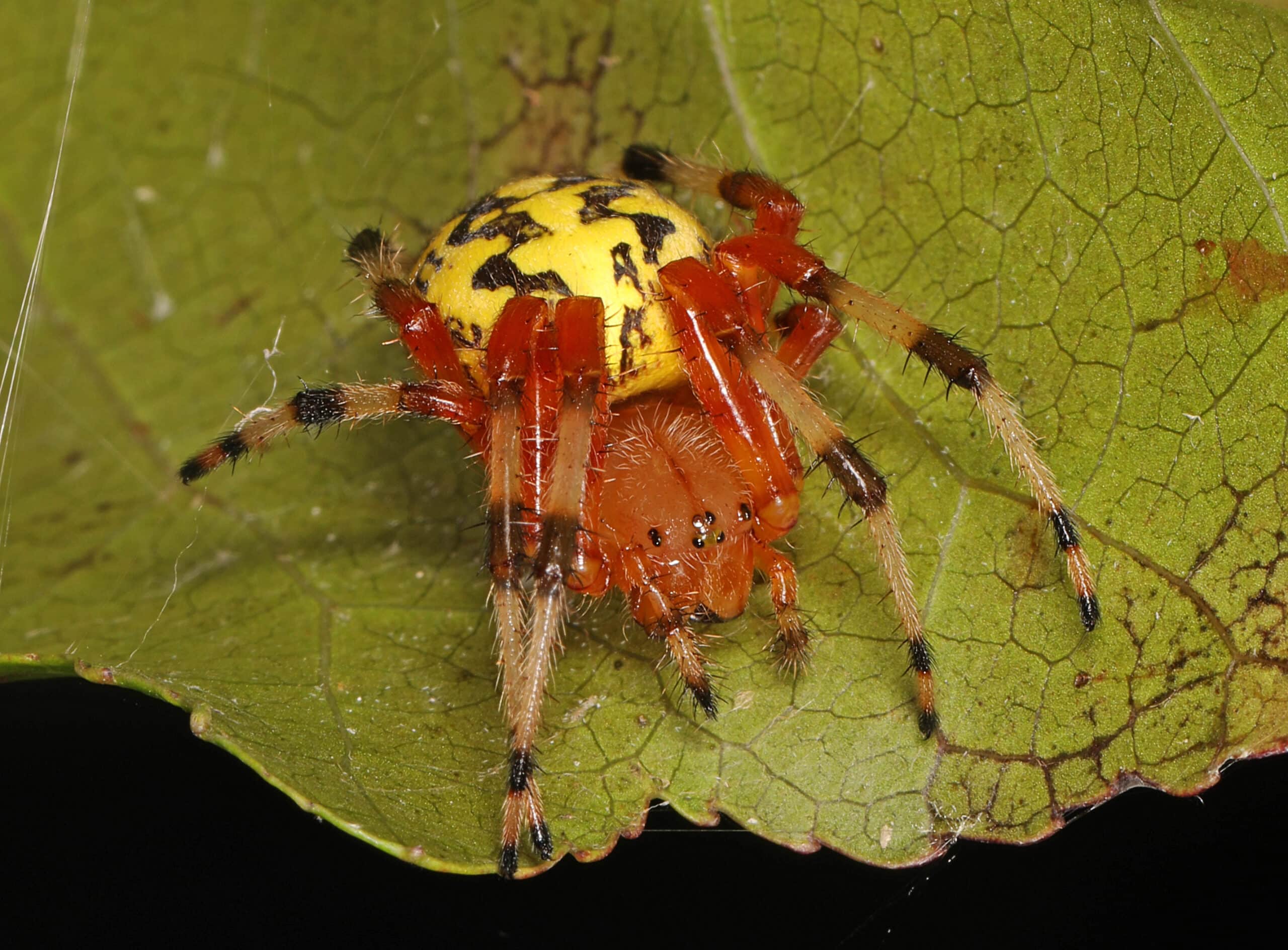
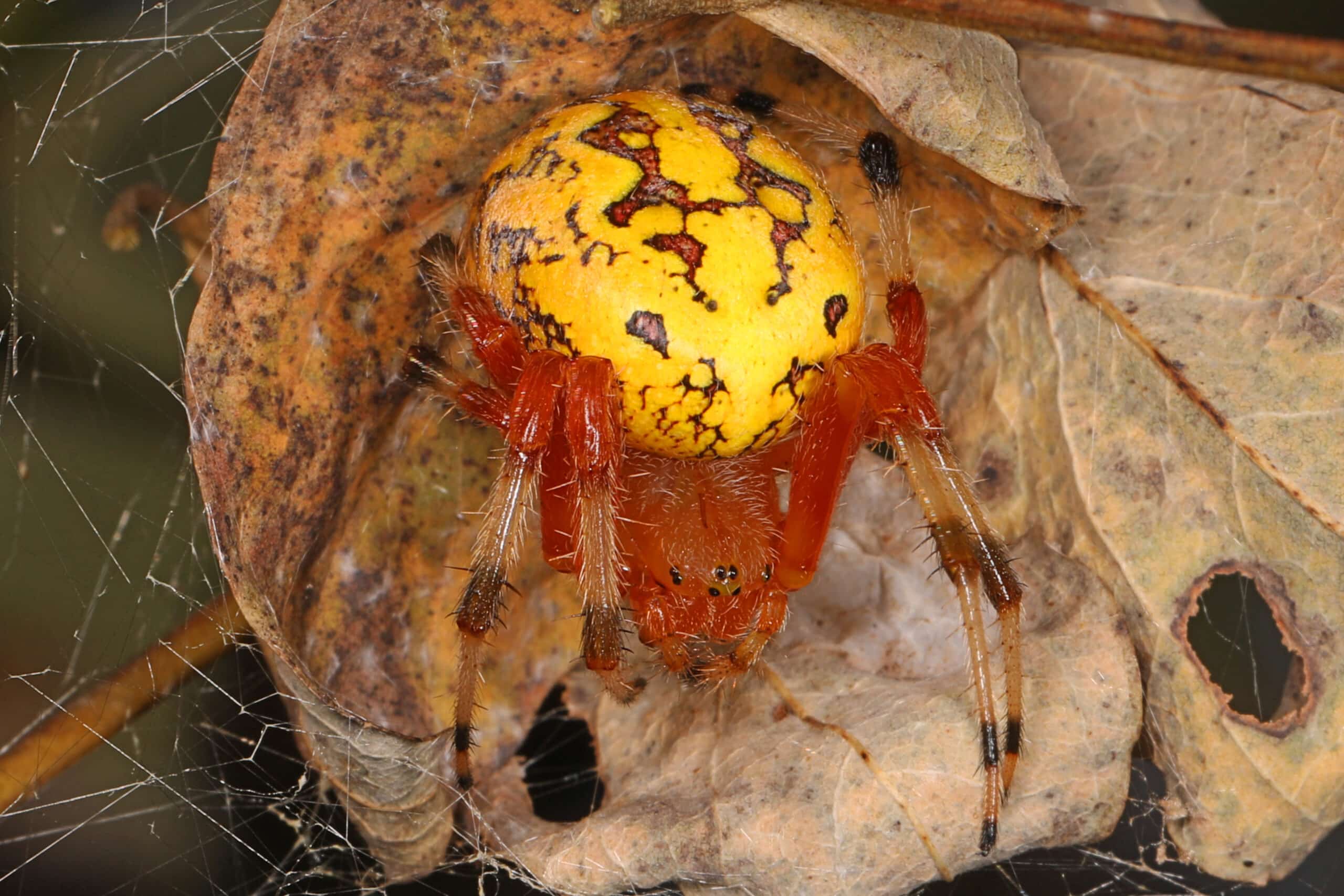
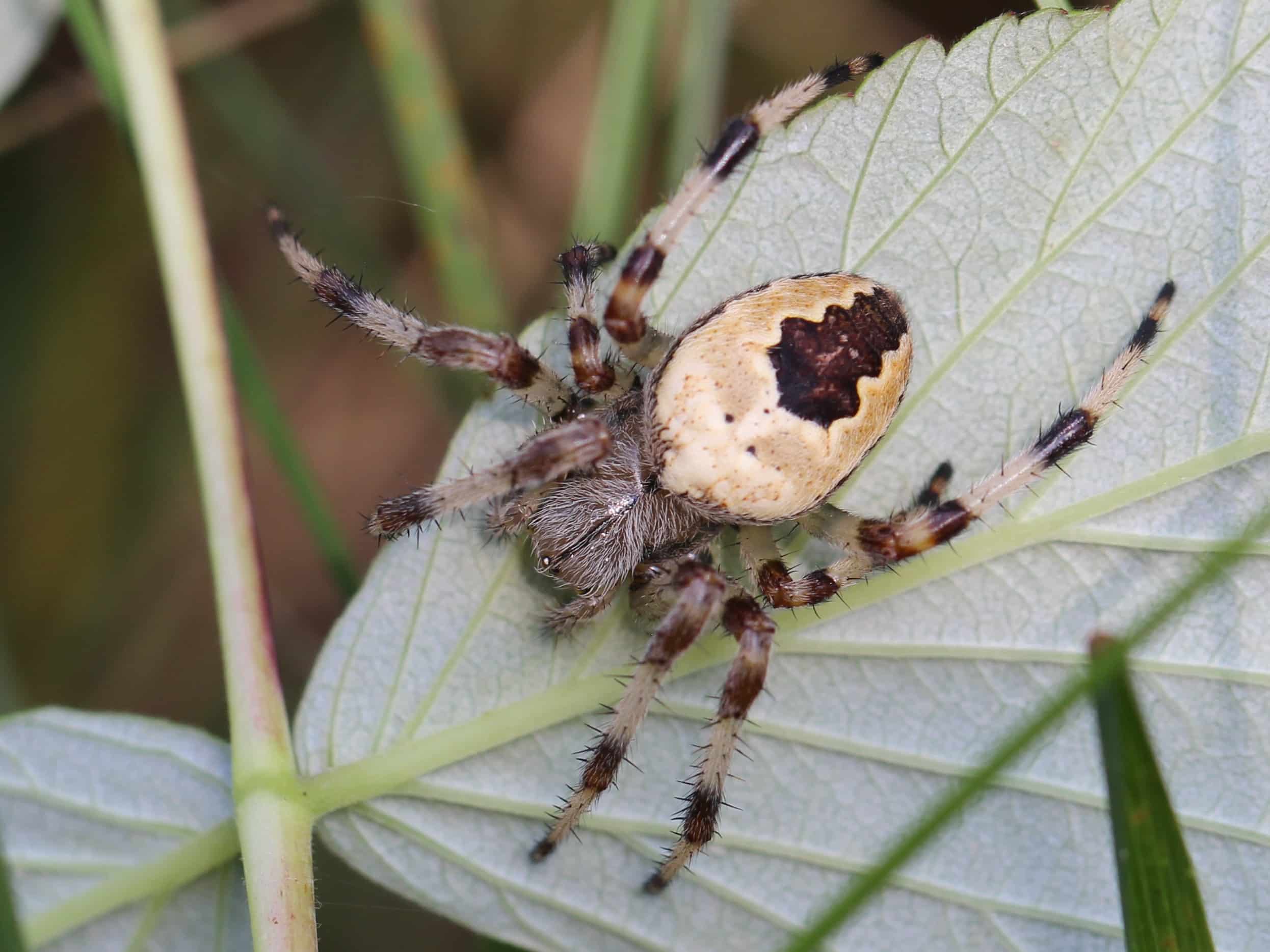
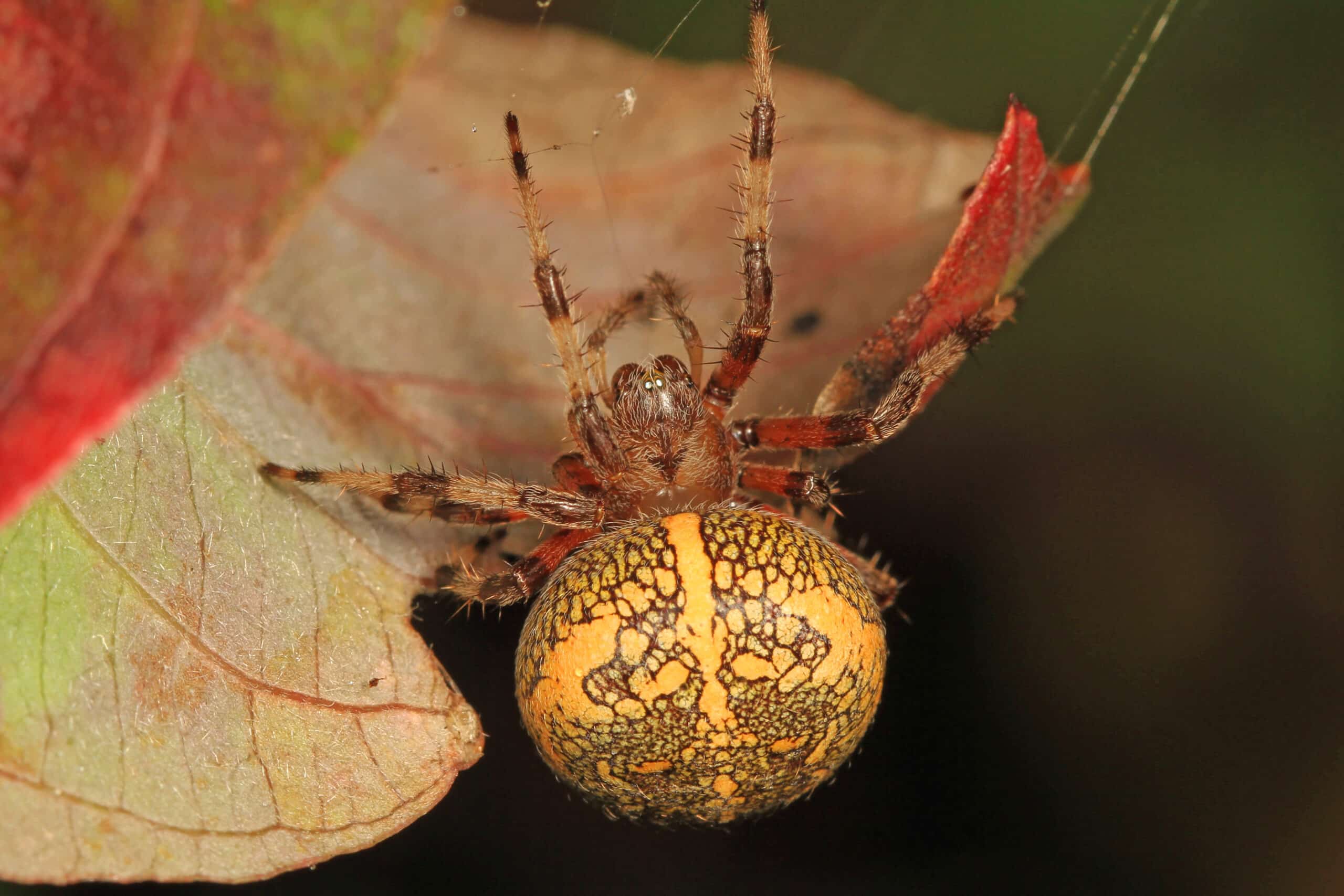
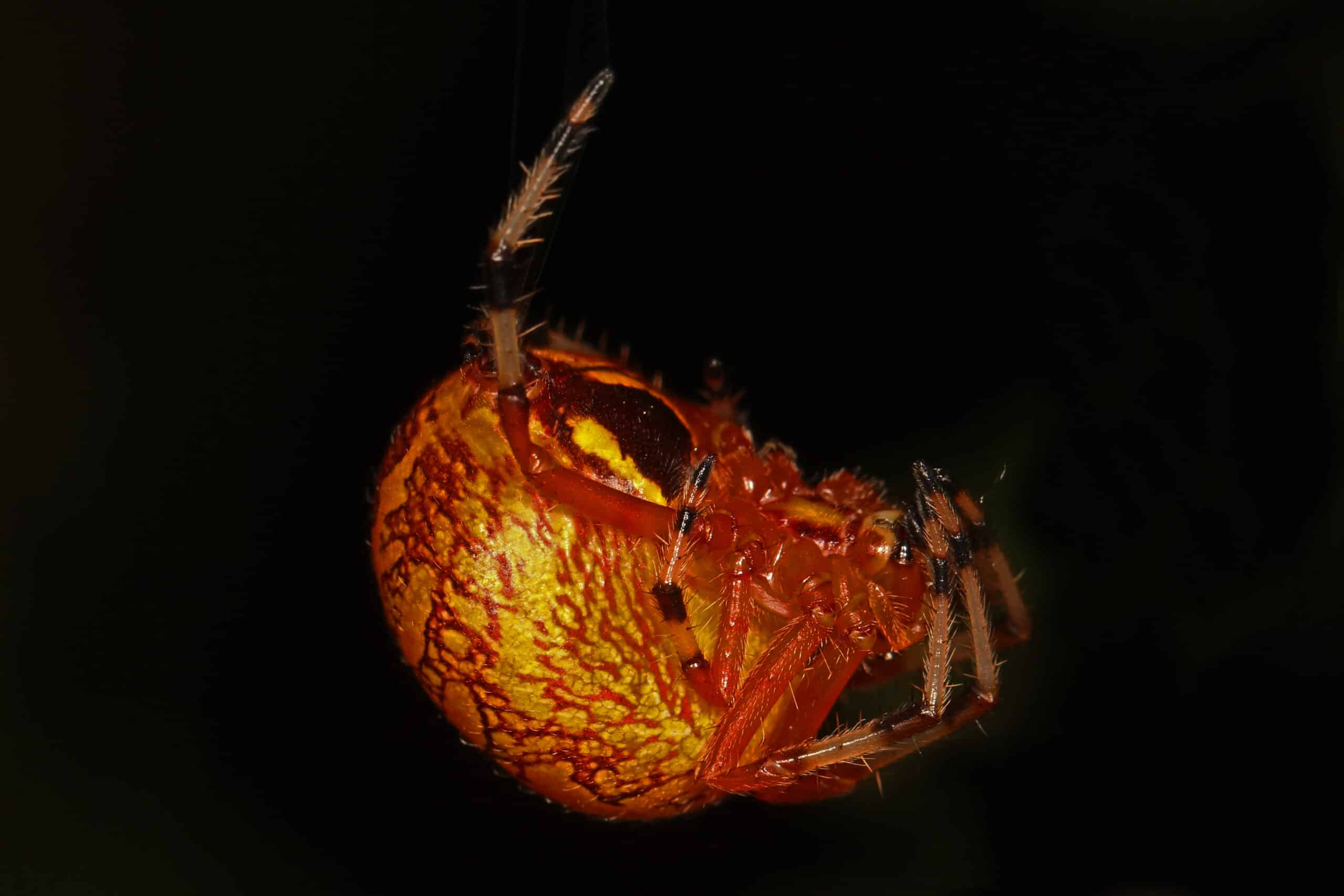
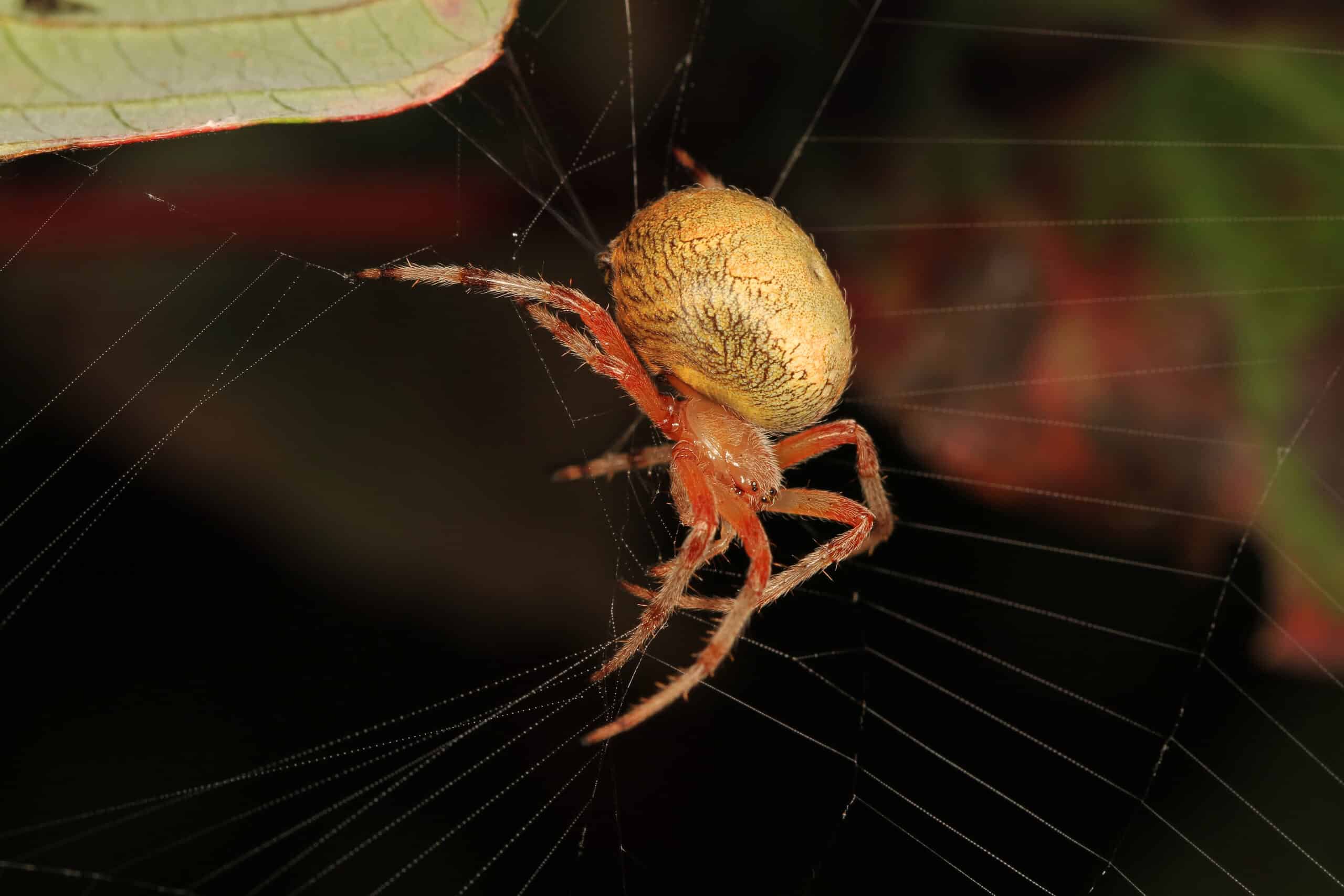
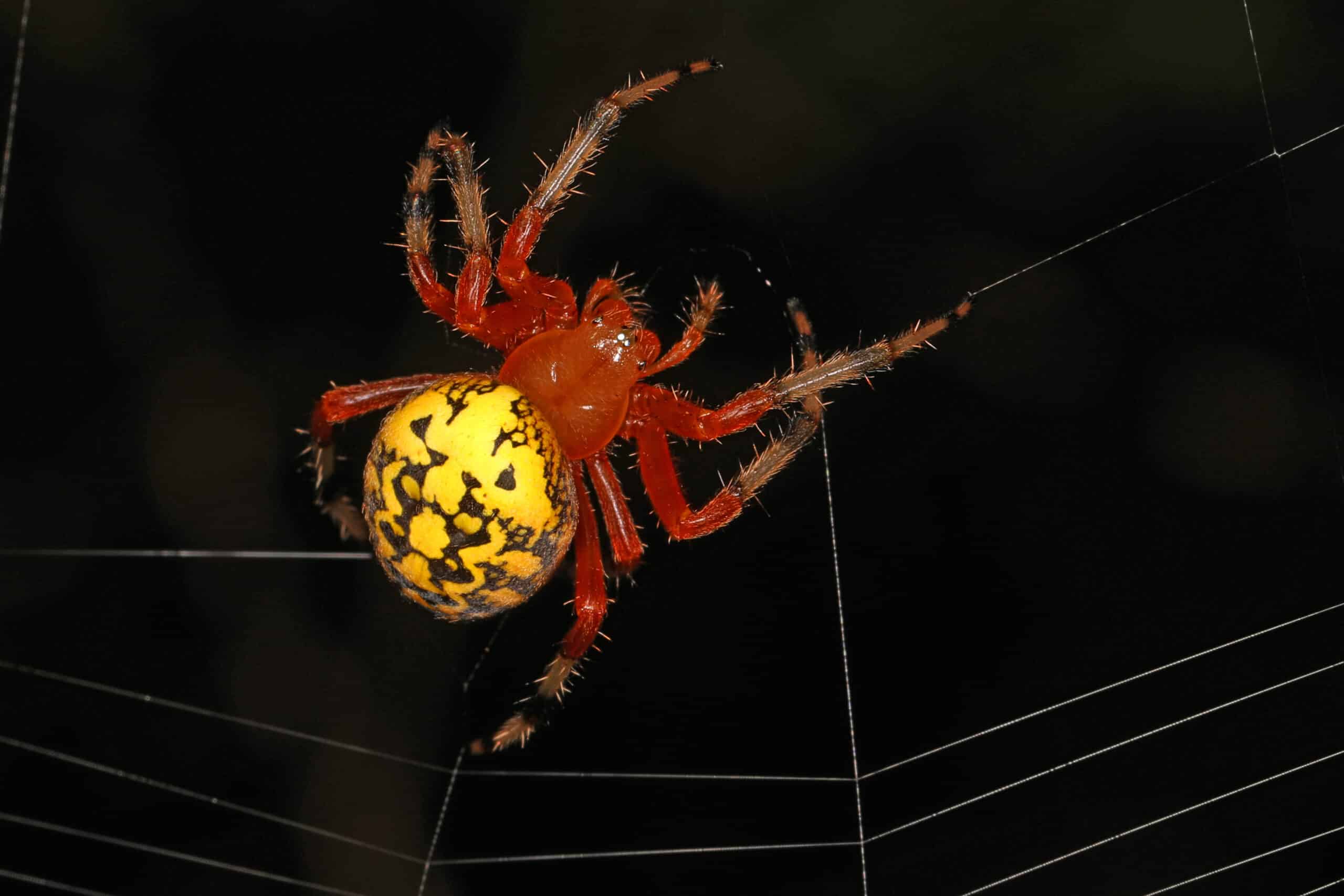
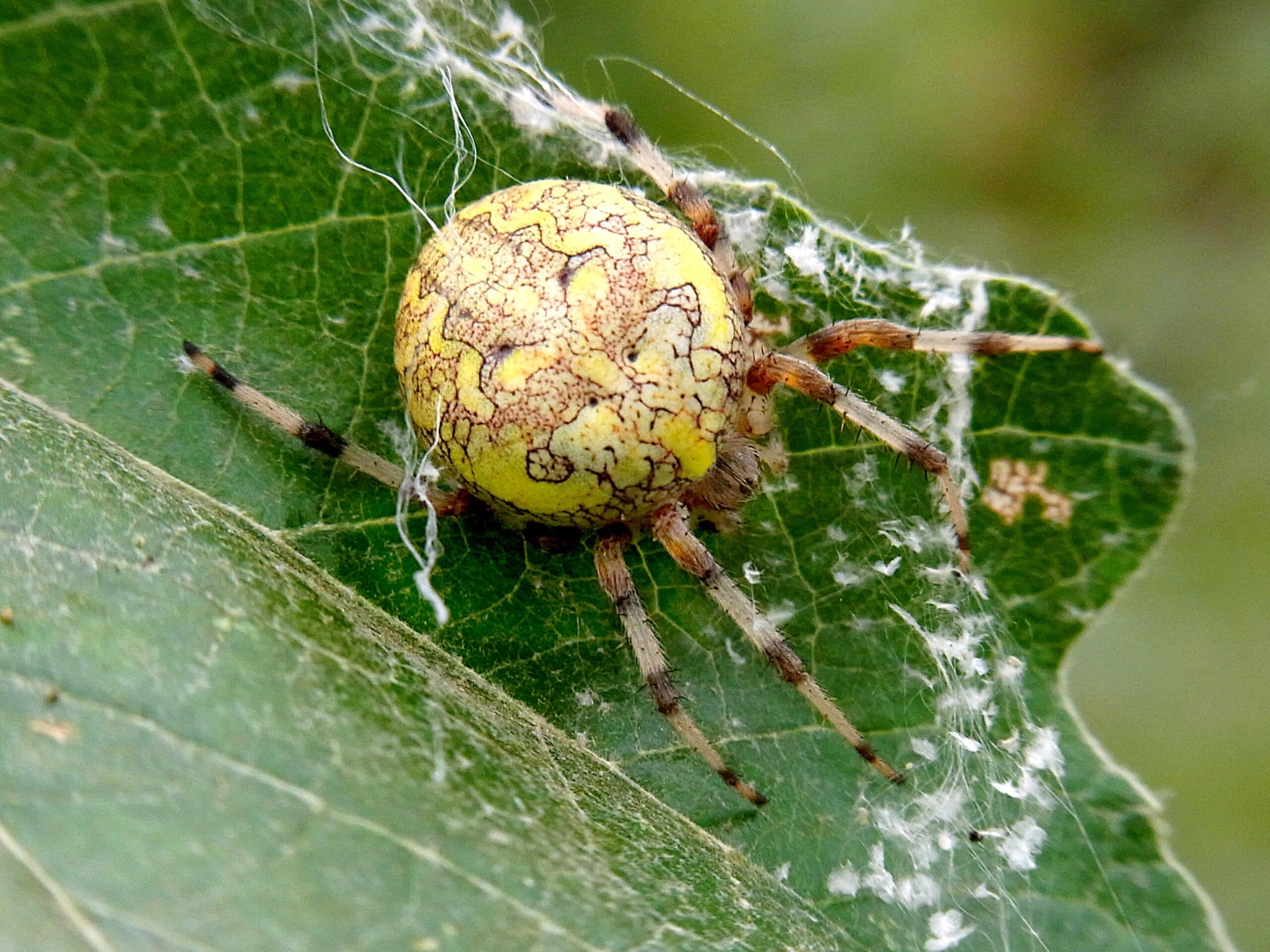
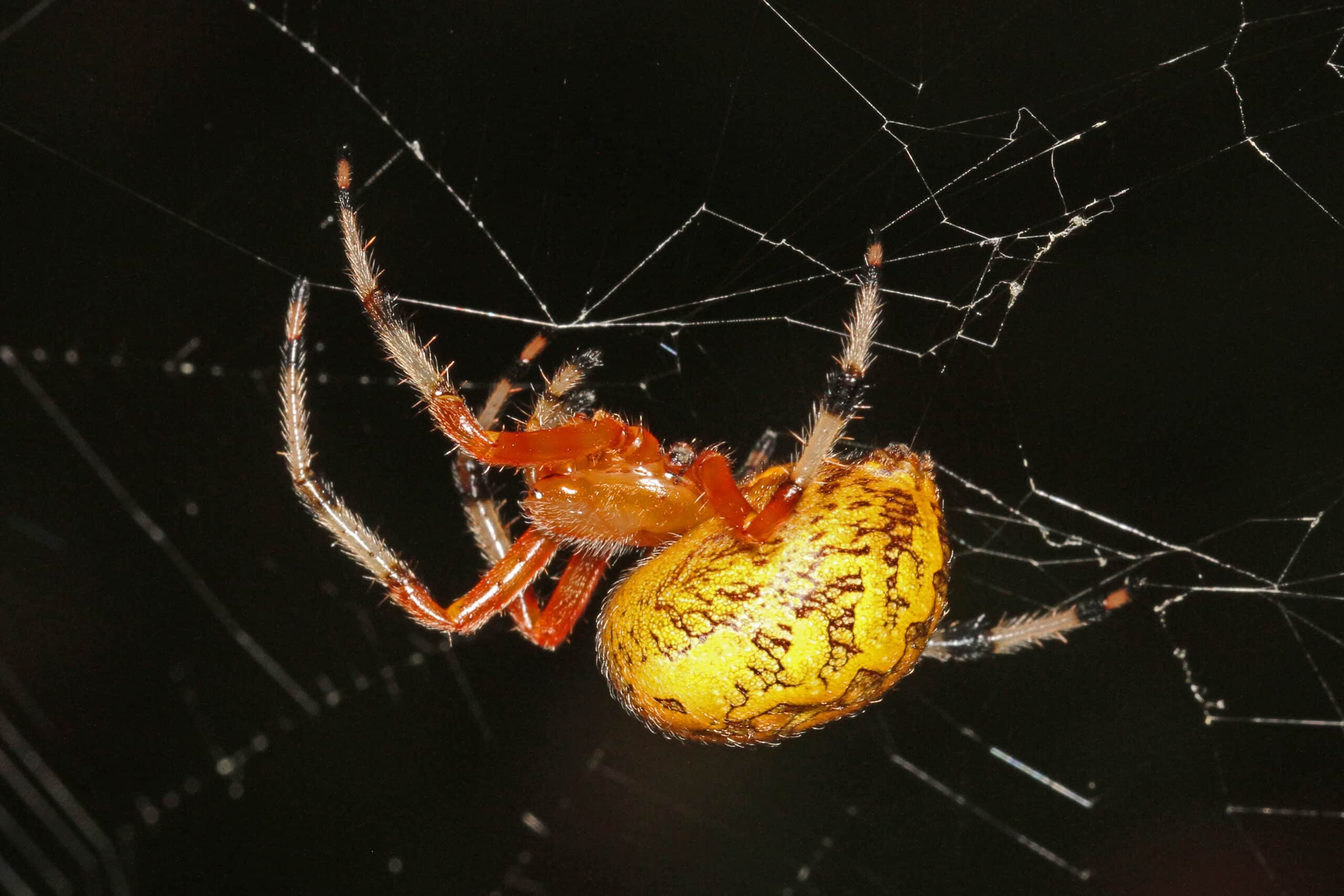
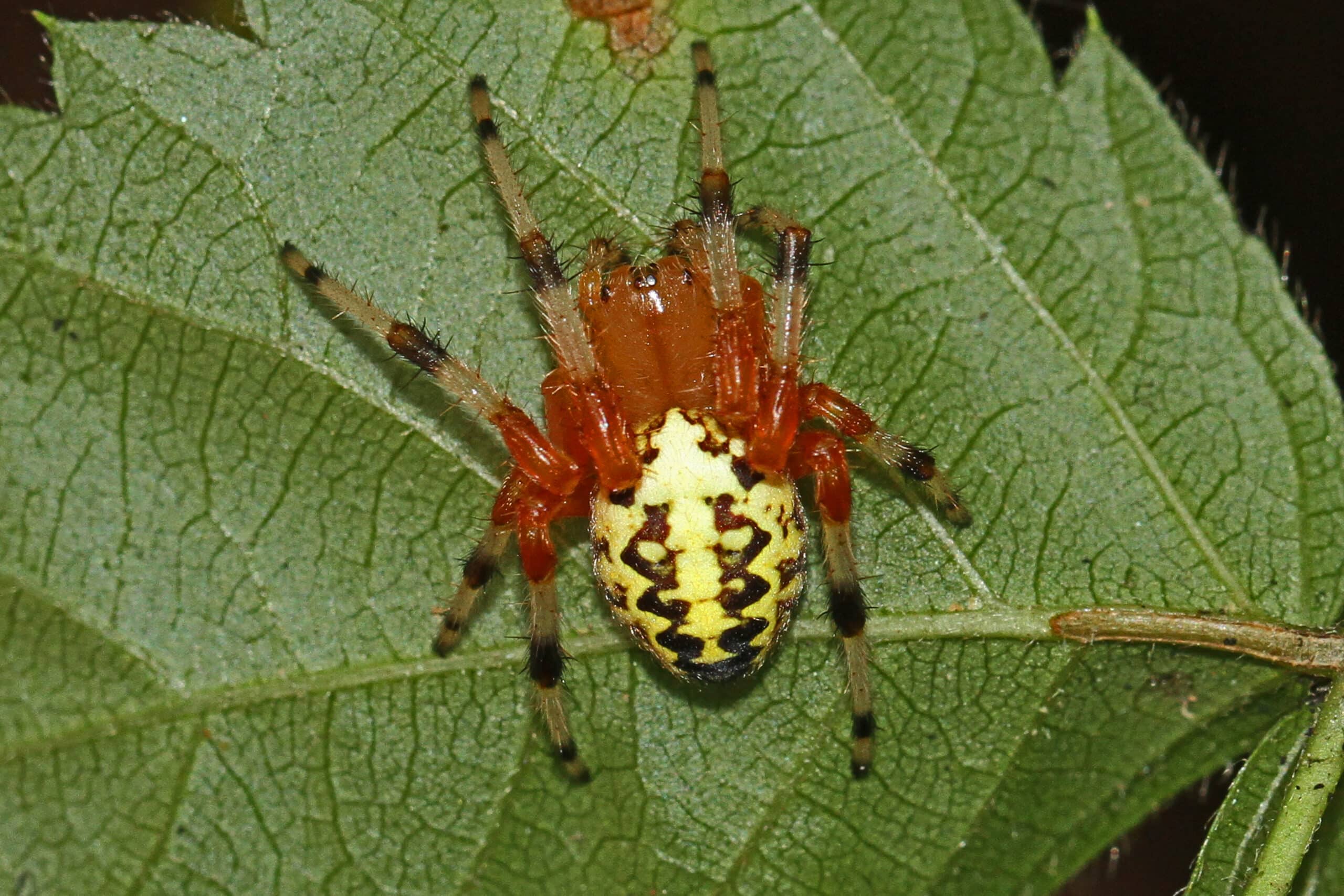
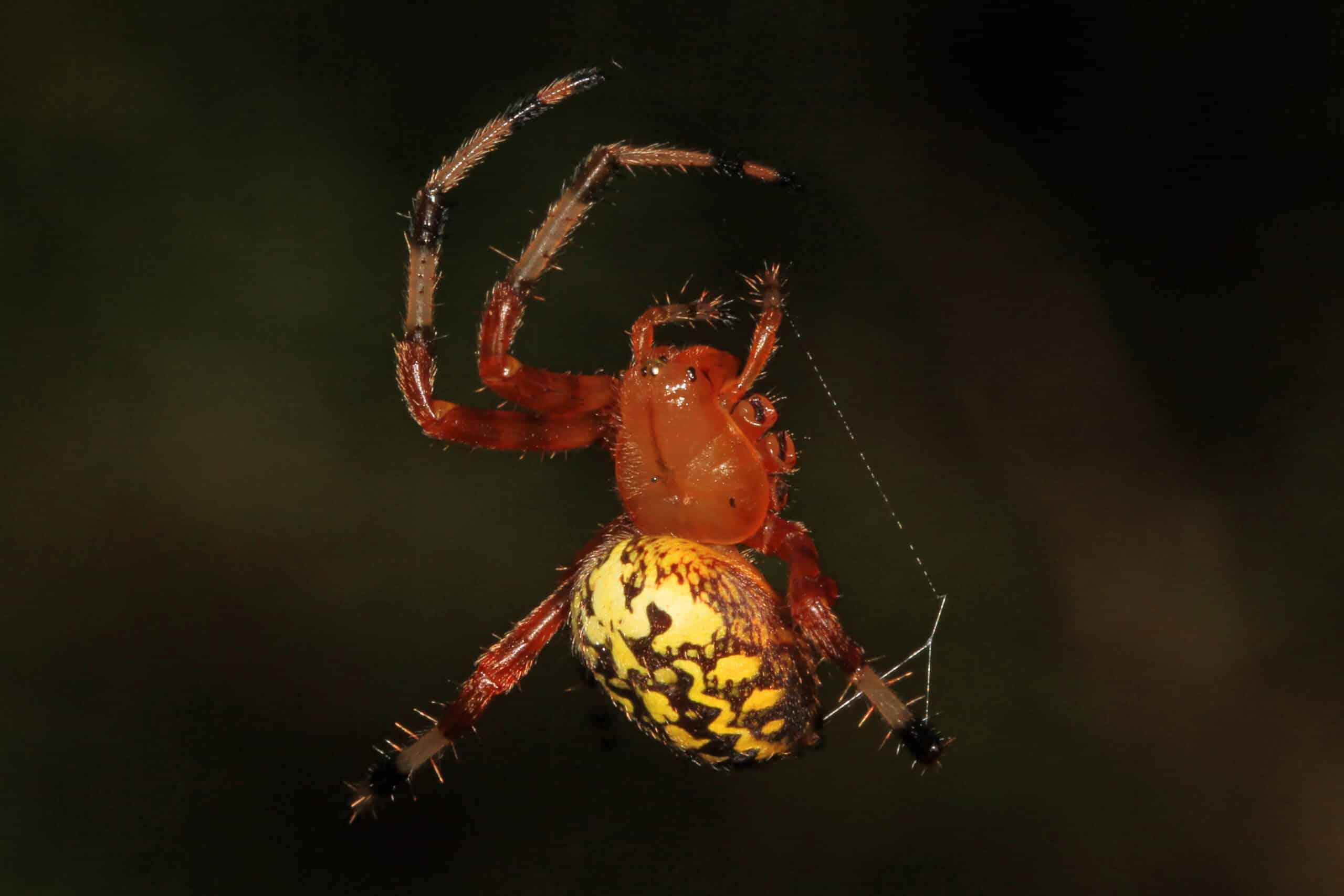
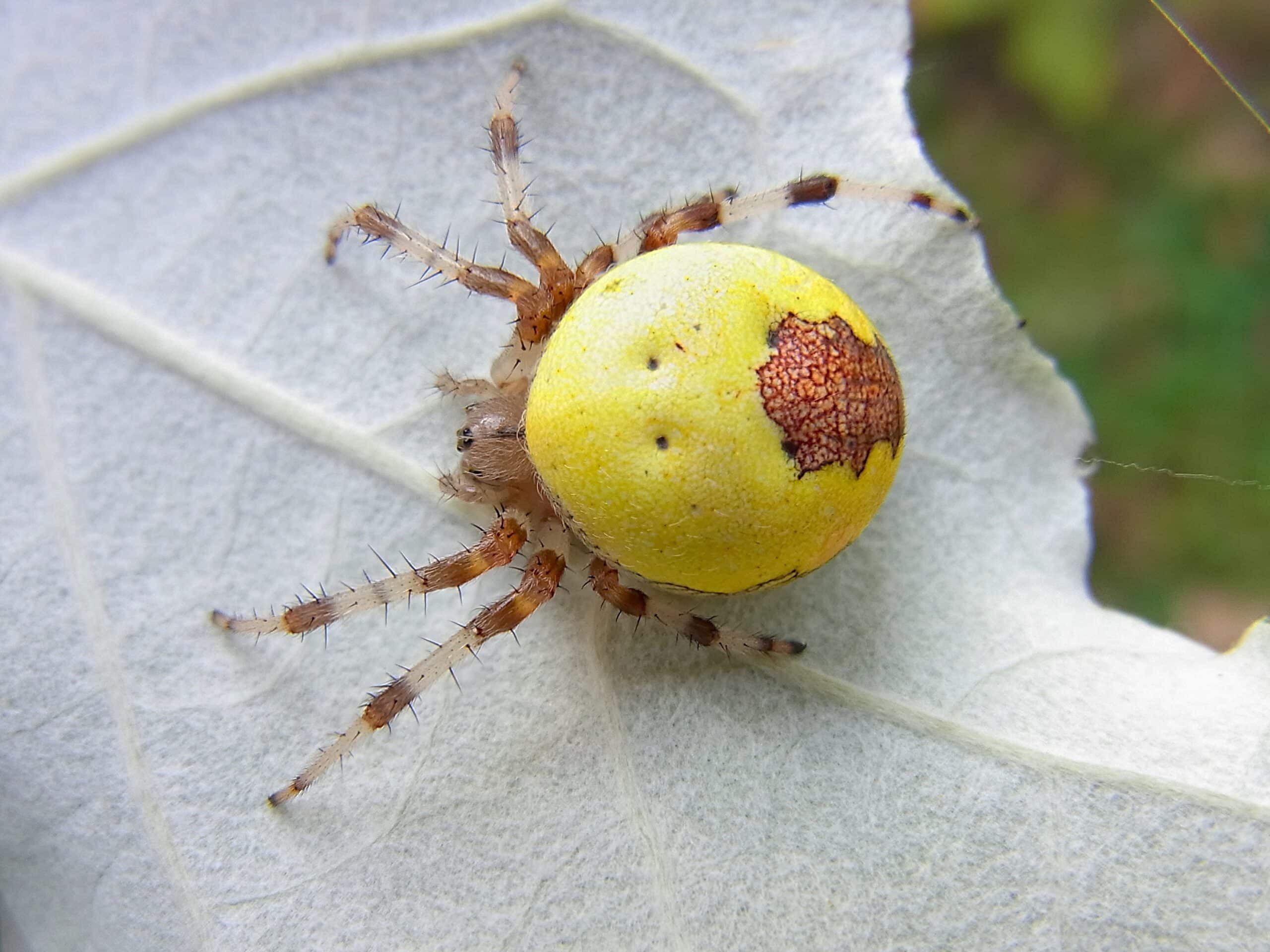
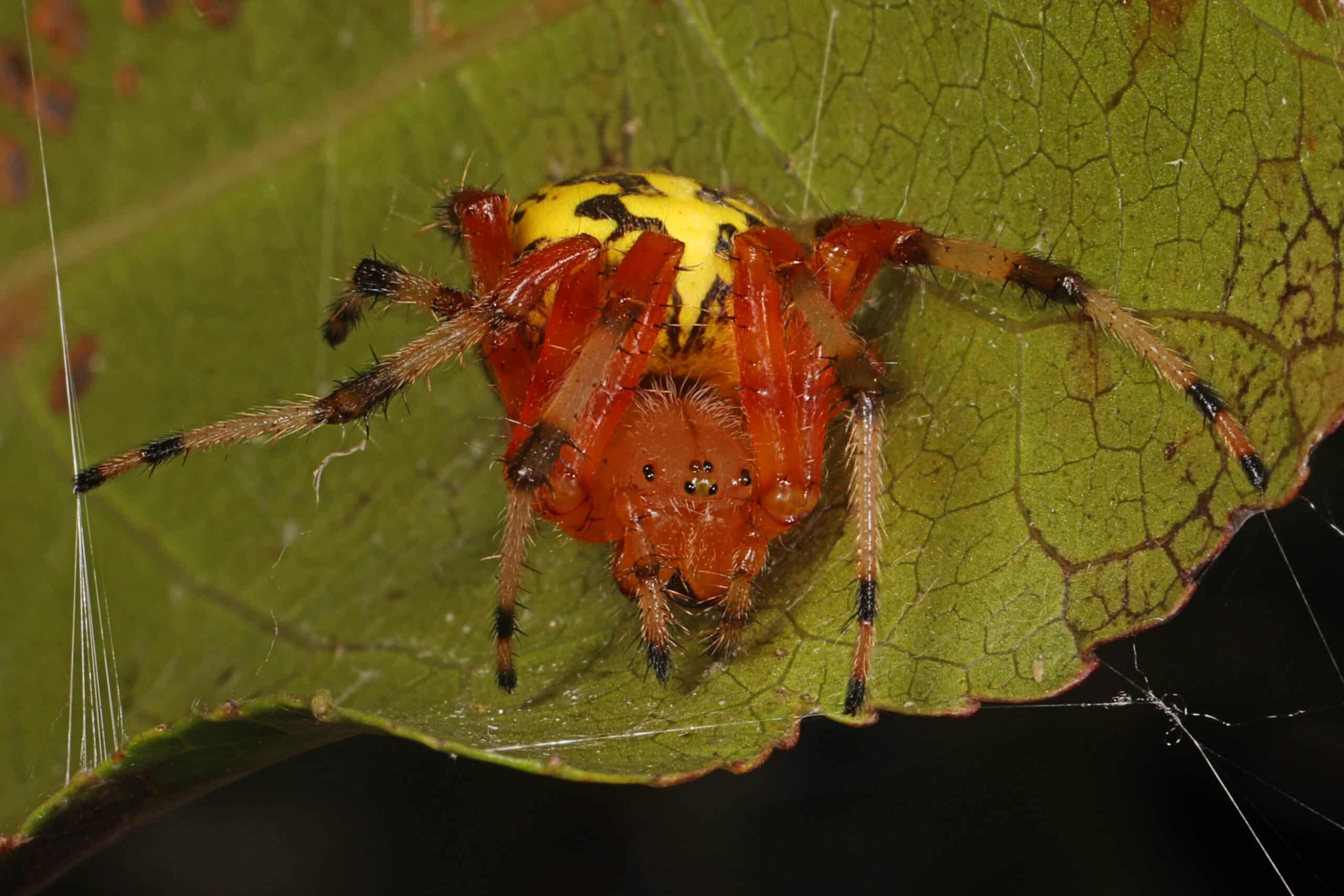
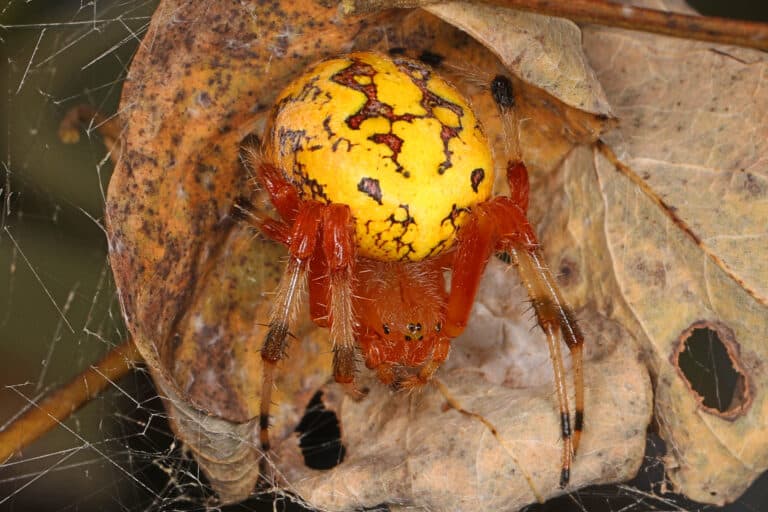
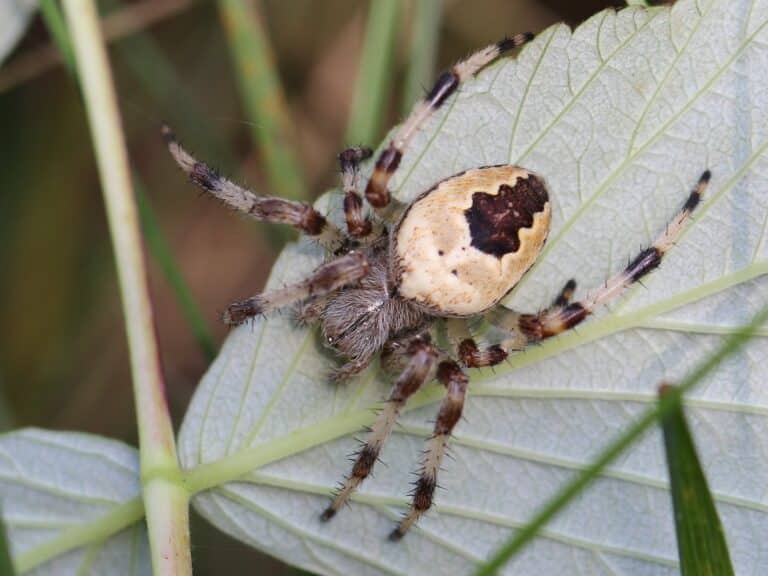
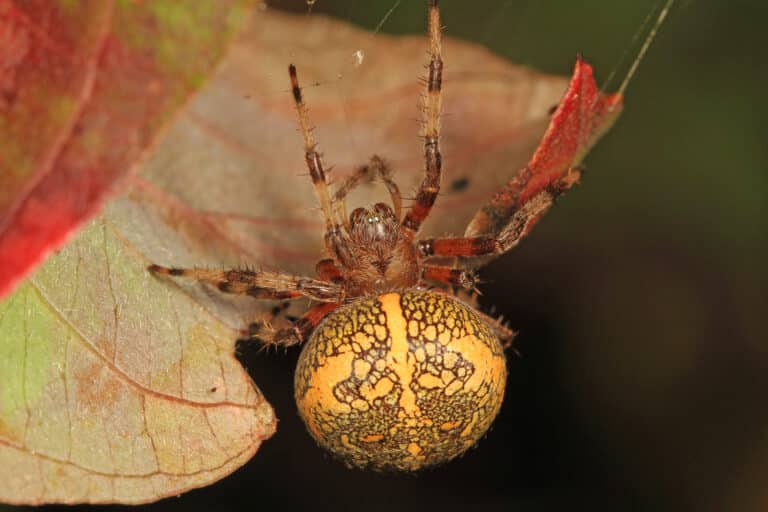
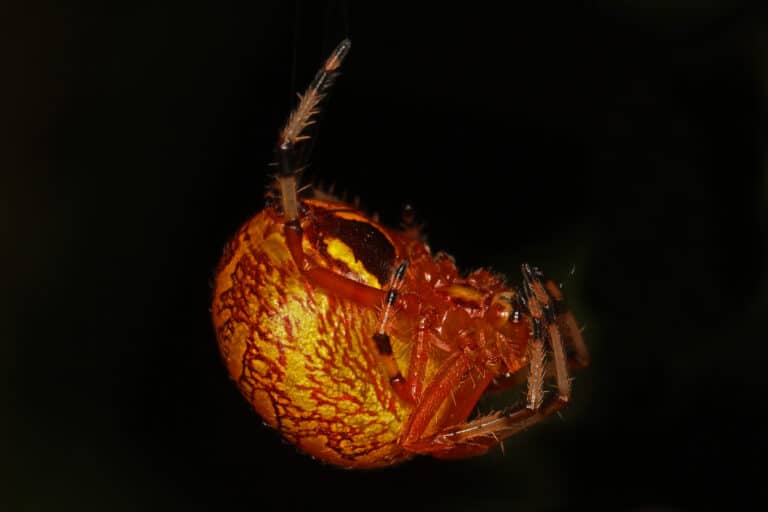
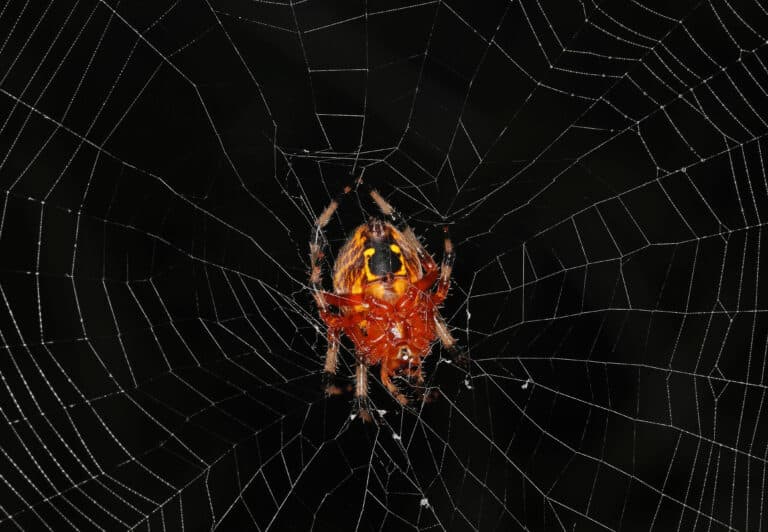
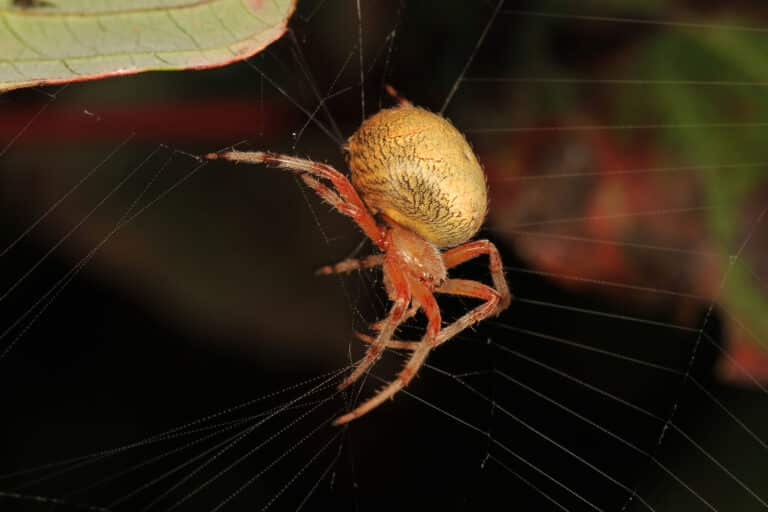
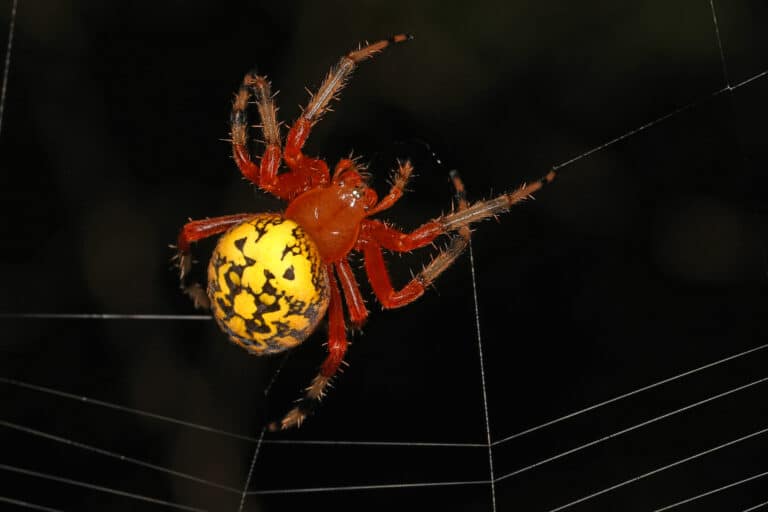
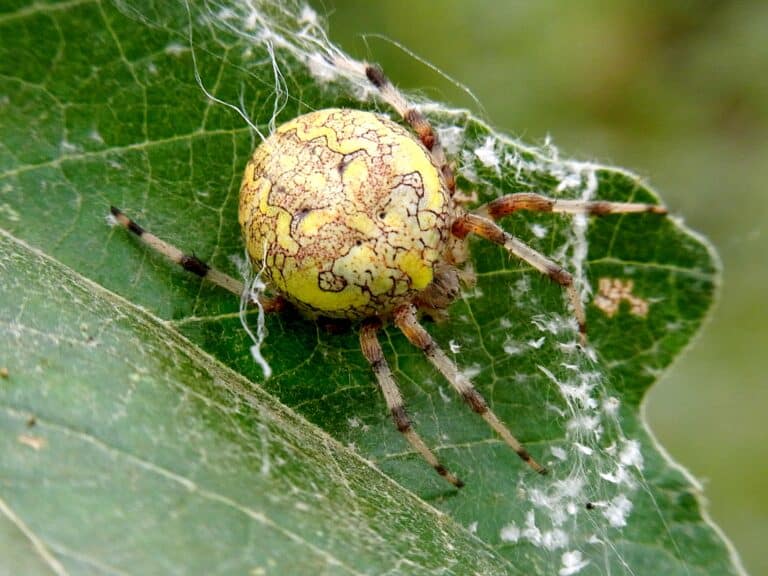
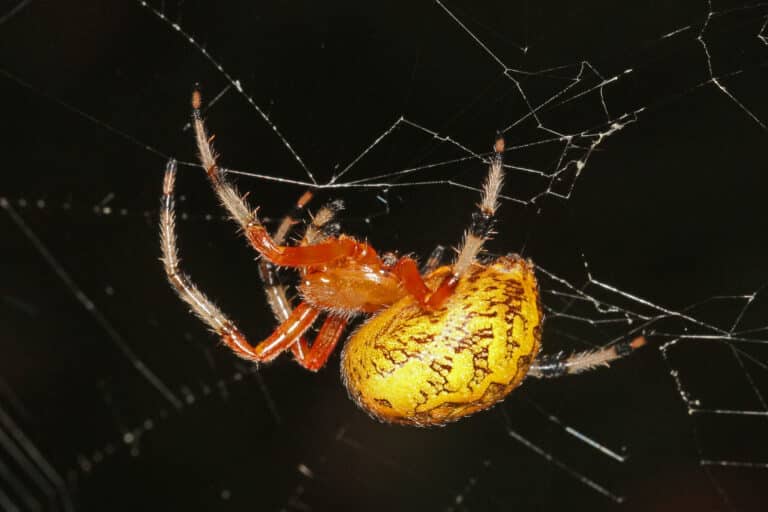
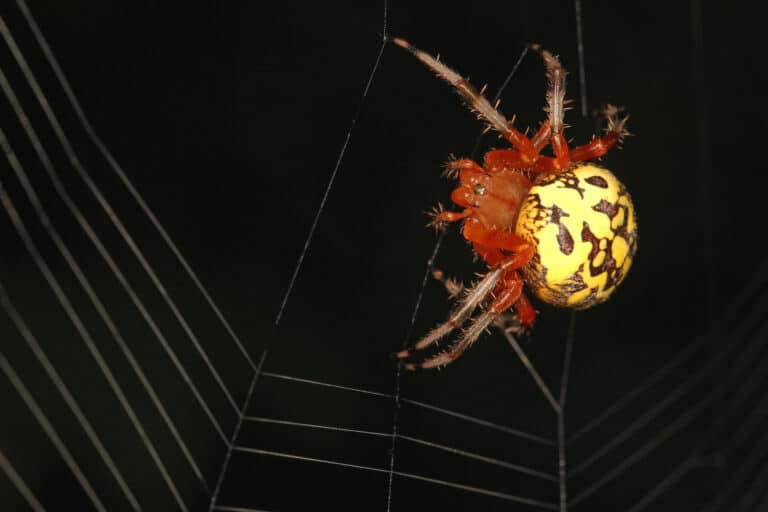
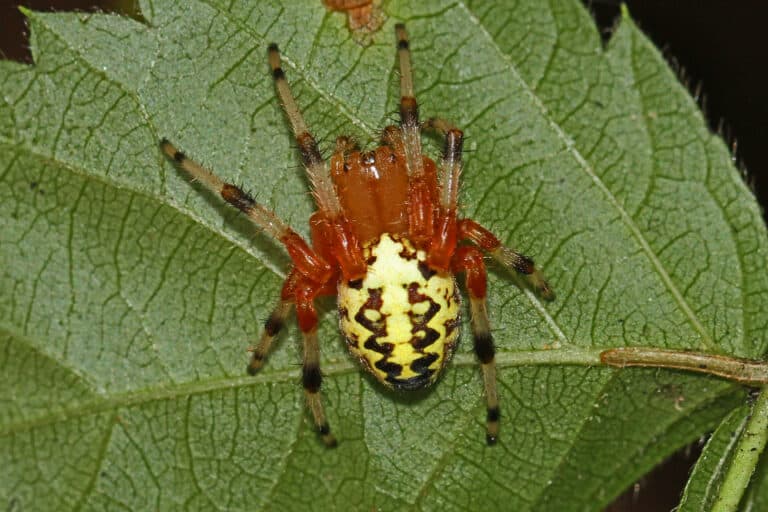
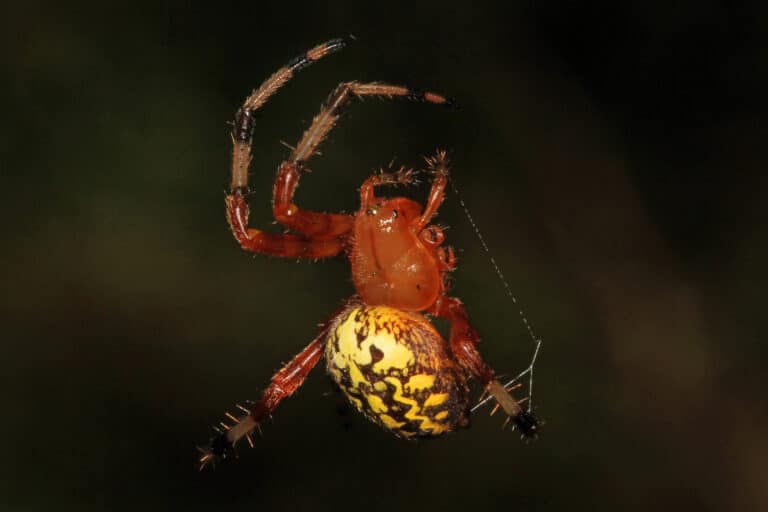
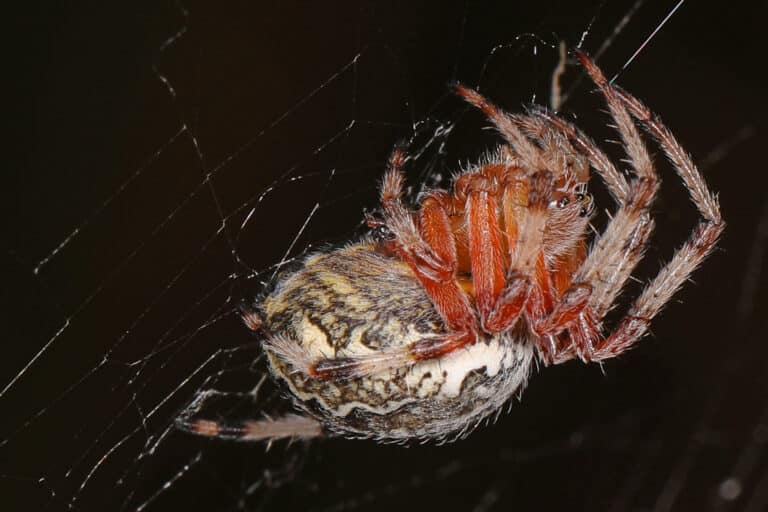
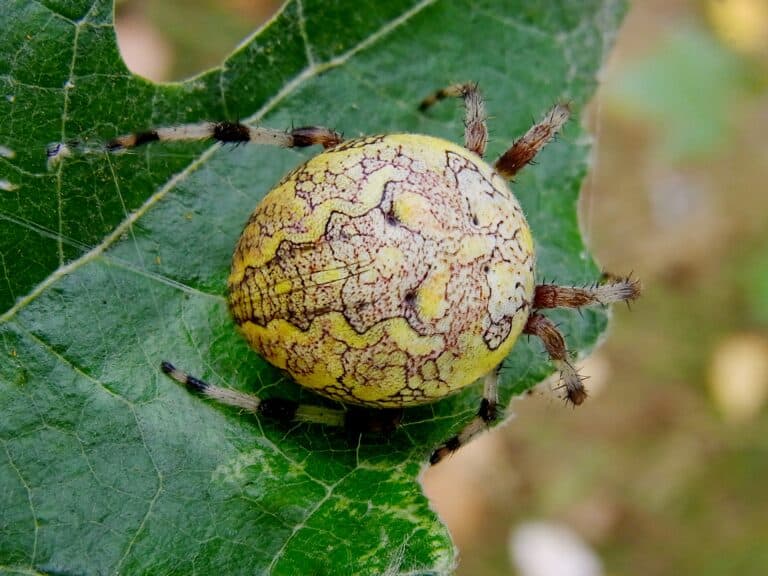
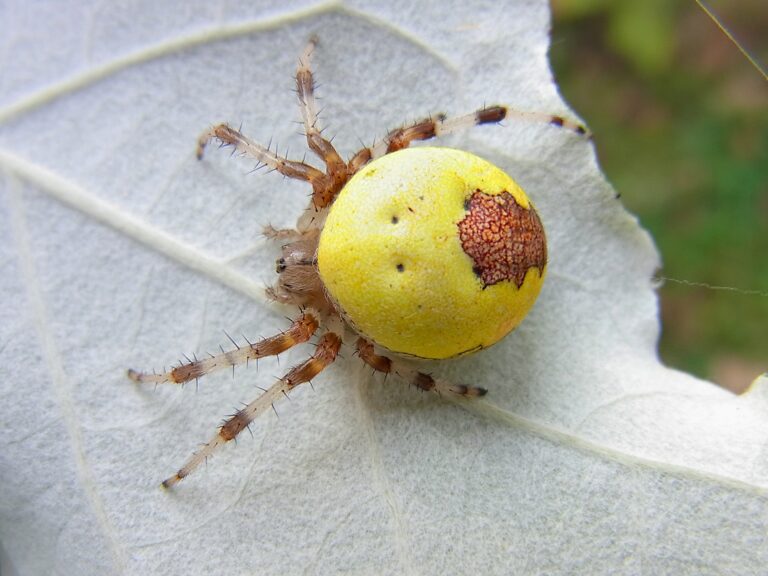
The Orange Spider, also known as Araneus marmoreus, is a vibrant creature found across Europe. These little hunters belong to the kingdom Animalia and class Arachnida, which means they are more closely related to scorpions than to insects.
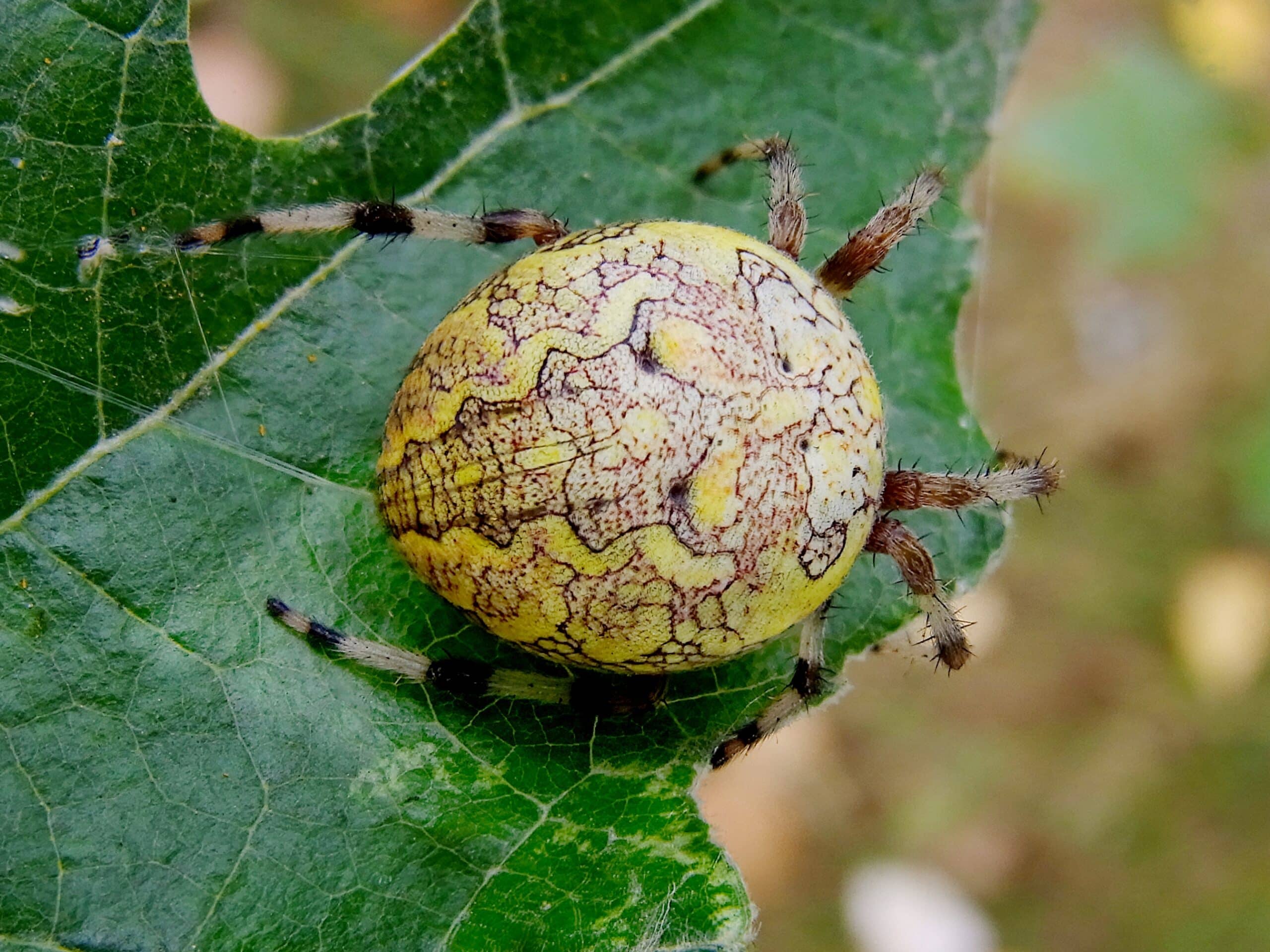
These spiders typically measure between 9 to 20 millimeters in size. Even though they are small, their bright color and intricate patterns make them stand out in garden corners and grassy fields.
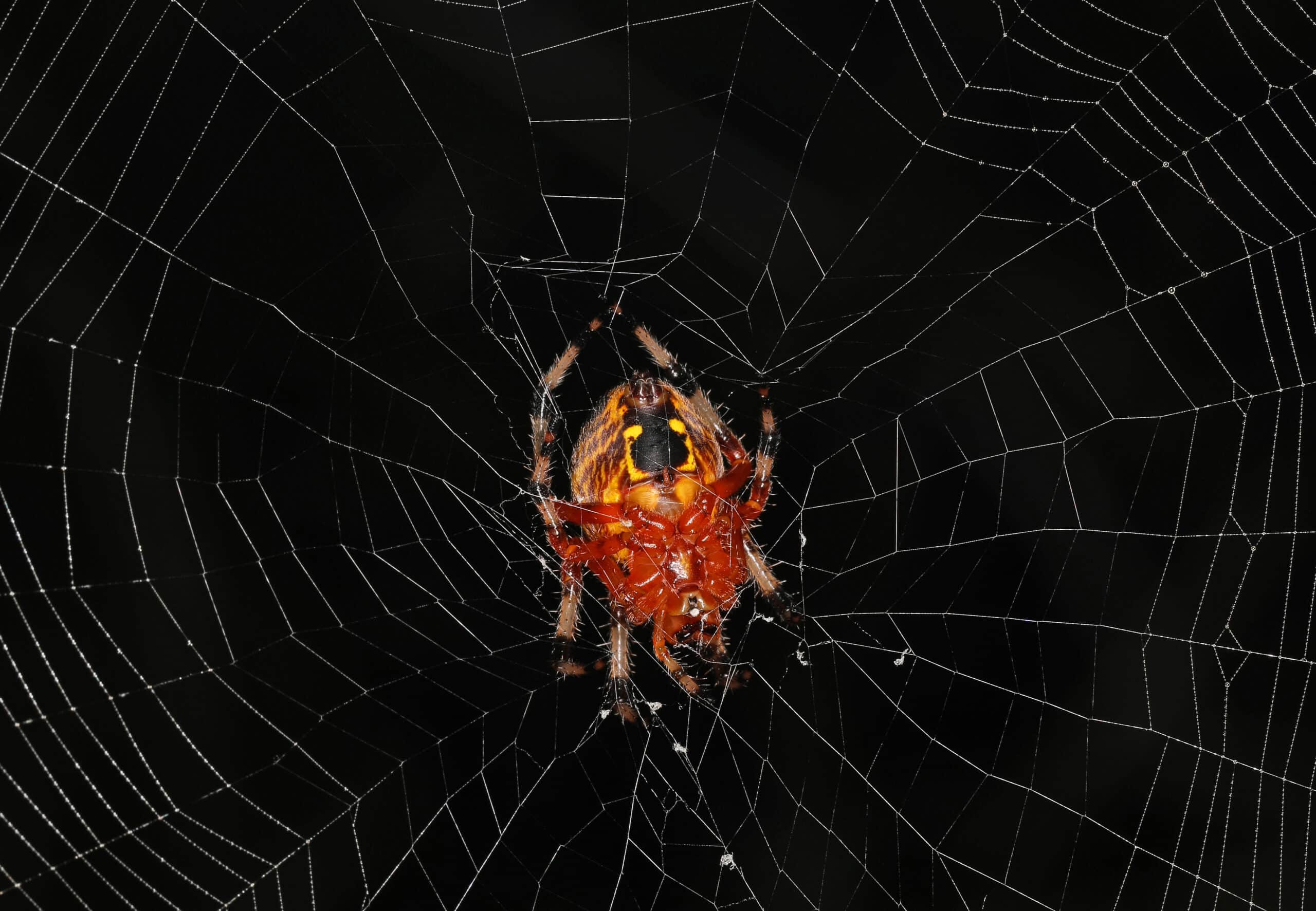
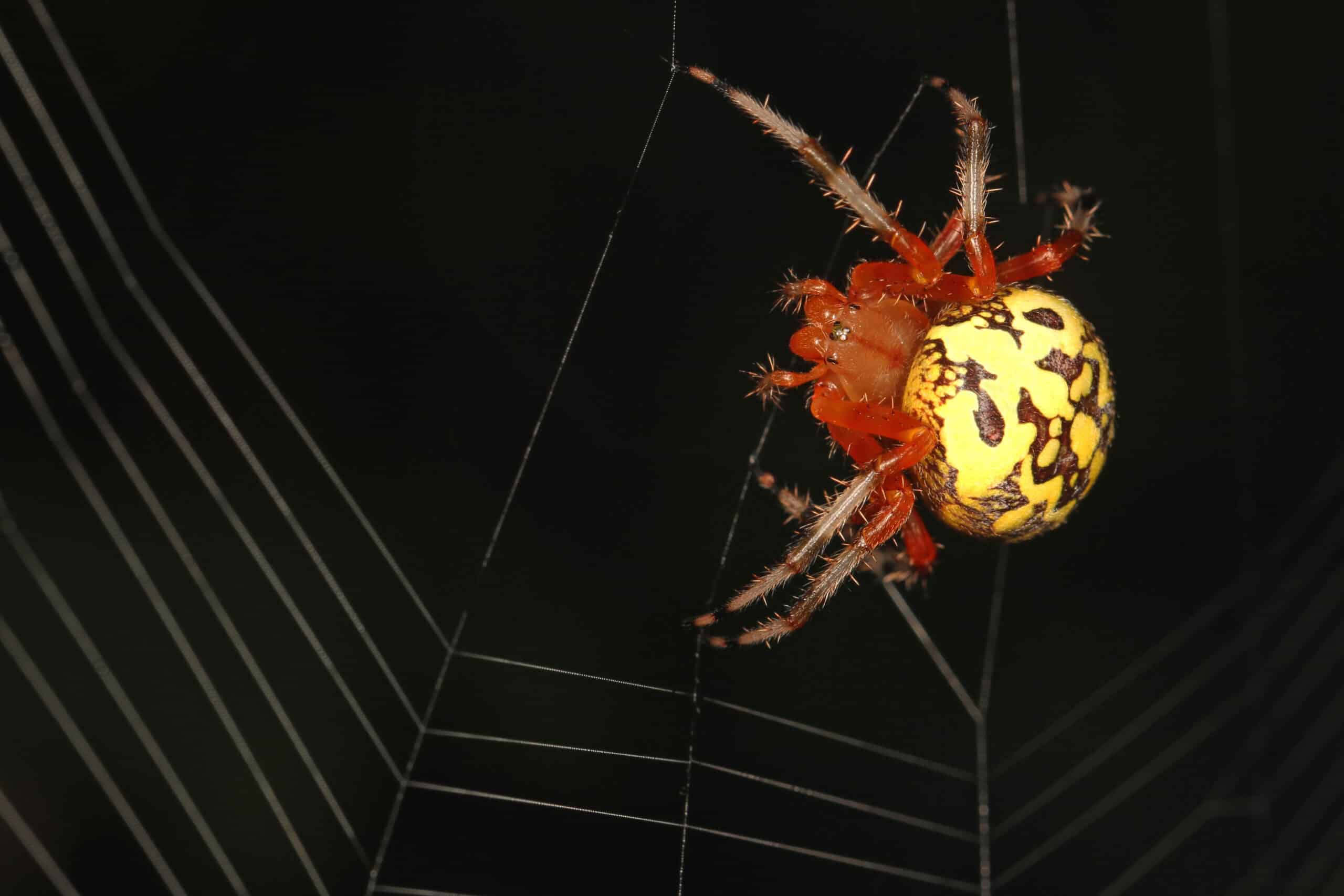
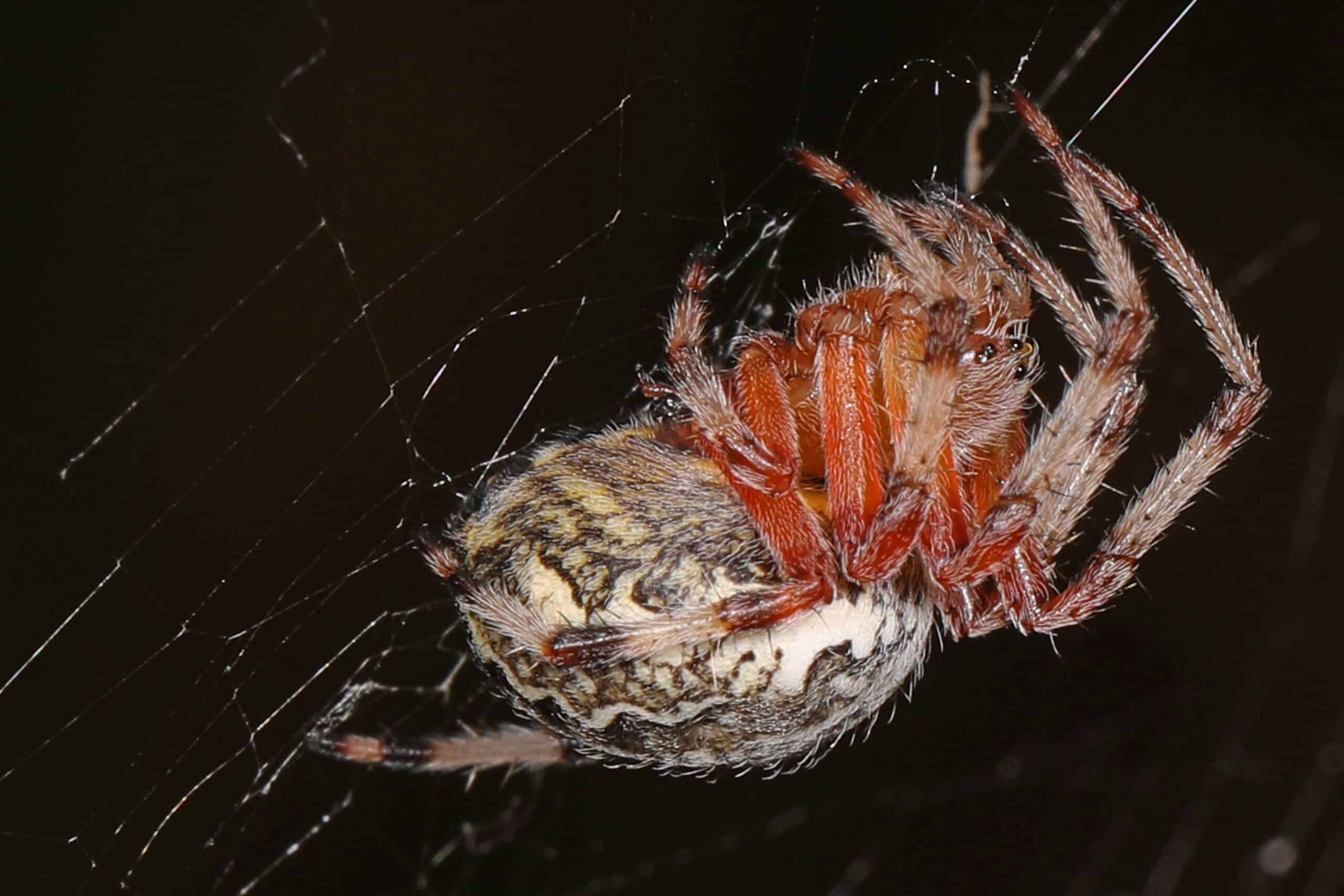
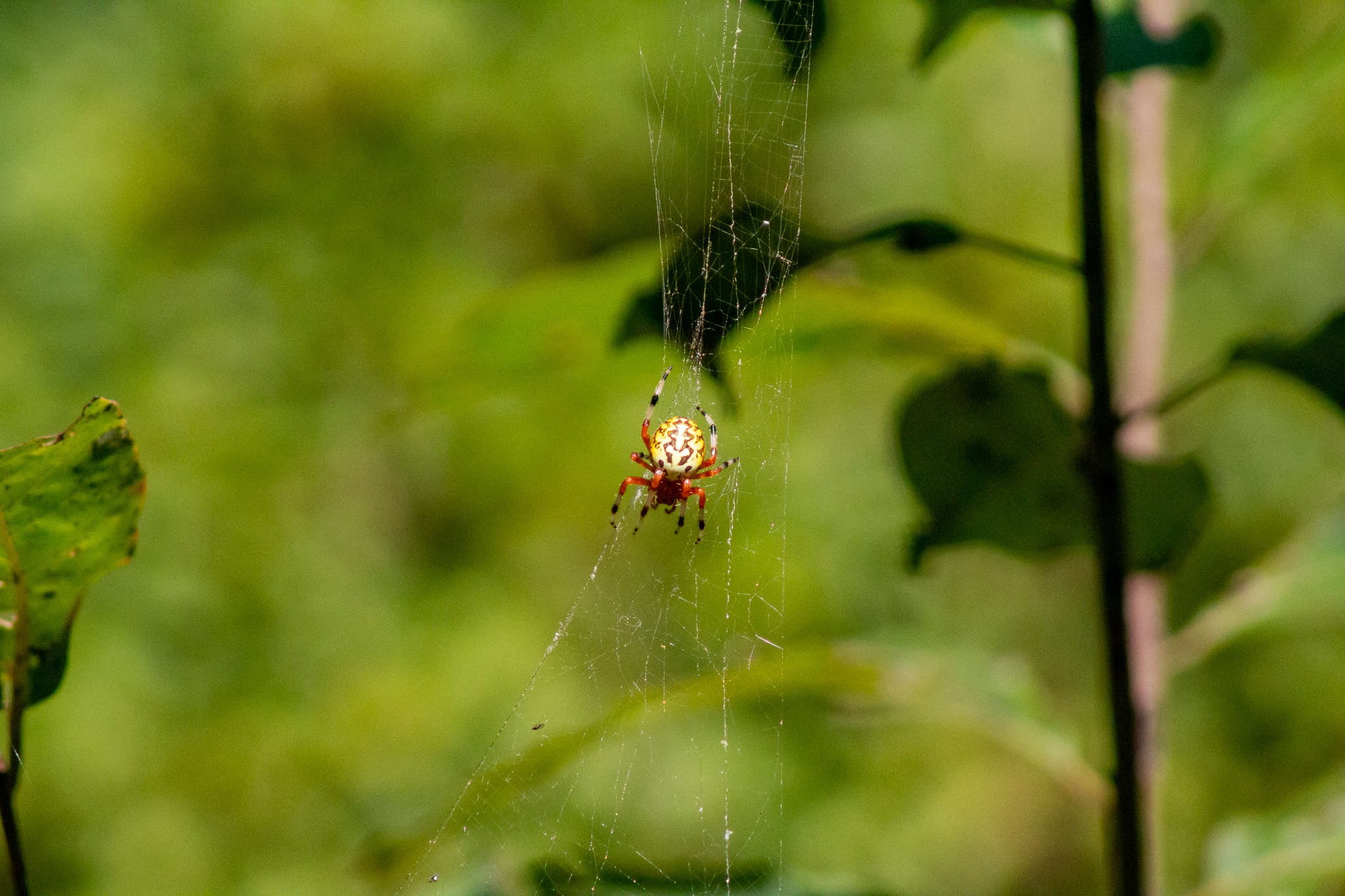
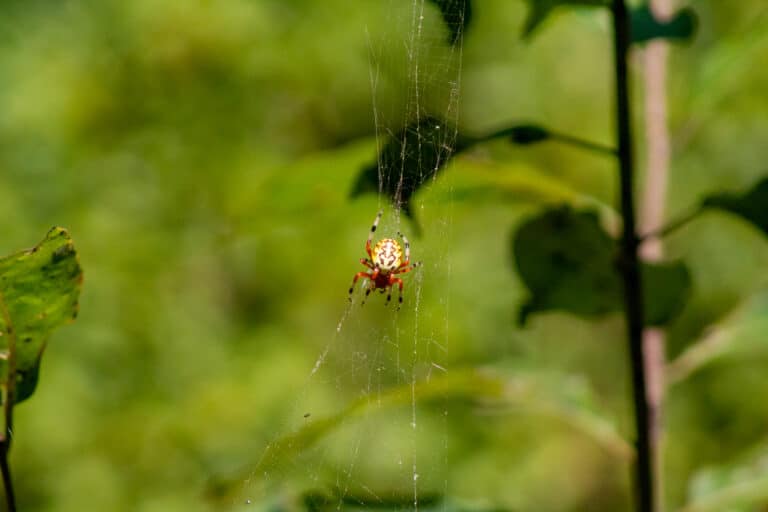
Orange Spiders create webs that resemble delicate artistic masterpieces. They use their silk to catch insects, their favorite snacks, turning their webs into real-life insect traps!
These clever critters live for about one year. During that time, they work hard to spin webs, catch food, and prepare for their future by laying eggs.
When it comes to dining, Orange Spiders have a taste for insects. They use their silky snares to capture all sorts of bugs, making them valuable players in the ecosystem.
Next time you spot an Orange Spider, take a moment to appreciate its spinning skills and vibrant colors. These tiny arachnids add a splash of excitement to the world of spiders!

Where can you find a Orange Spider in the wild?
What does a Orange Spider eat?
How big can a Orange Spider grow?
How long does a Orange Spider typically live?
What is the conservation status of the Orange Spider?
What are the main threats to the Orange Spider?
Fun facts
Orange Spiders can change the color of their silk! Depending on the plants they are near, their web can appear different shades, blending them into their surroundings like nature's own mood ring.


These spiders are fantastic architects. They use their legs to create intricate webs in a spiral pattern, demonstrating impressive skills that might make even the best engineers jealous!
Orange Spiders have a peculiar way of hunting. They often hide and wait patiently for insects to wander by, making them sneaky ninjas of the garden.
When threatened, Orange Spiders can play dead! This clever trick can confuse predators, allowing the spider a chance to escape.
These spiders have a unique diet and can consume insects larger than themselves, which is like a kid eating a whole pizza by themselves!
Orange Spiders can produce different types of silk for various needs. They create sticky silk to trap prey and non-sticky silk for other web sections, making them amazing multi-taskers!
During mating, male Orange Spiders perform a dance. They wave their legs and vibrate their web to attract females, showing that they have moves on and off the dance floor!
When walking, Orange Spiders move in a charmingly awkward way, resembling tiny crabs on land. This amusing stride adds to their overall cuteness!
These amazing arachnids have excellent vision, using their eight eyes to watch out for danger or detect prey. They are like little spies of the garden world!
Some cultures believe that if you spot an Orange Spider in your garden, it brings good luck! So, keep your eyes peeled for these bright and cheerful creatures!
Photos





The Basics


explore more
Amphibians
Arachnids
Birds
Cats
Crustaceans
Fish
Fish Pet Guide
Gastropods
Insects
Invertebrates
Mammals
Pet Fish
Pet Rodents
Plants
Reptiles
Roundworms
Sea Slugs