Successfully copied to clipboard!
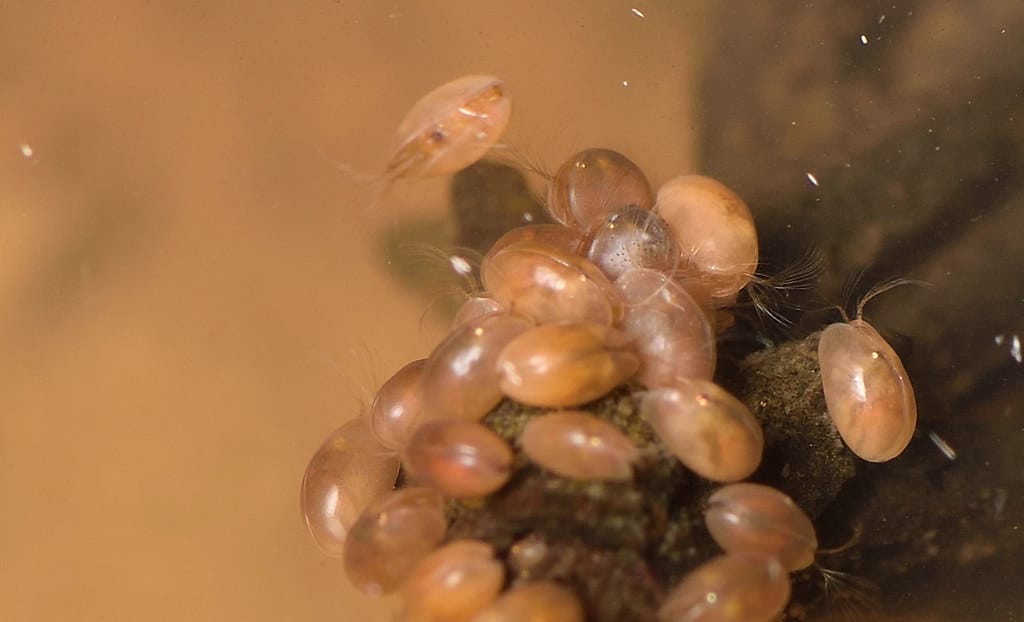
Ostracod
Explore the hidden world of tiny sea adventurers!
Let’s Explore
Overview
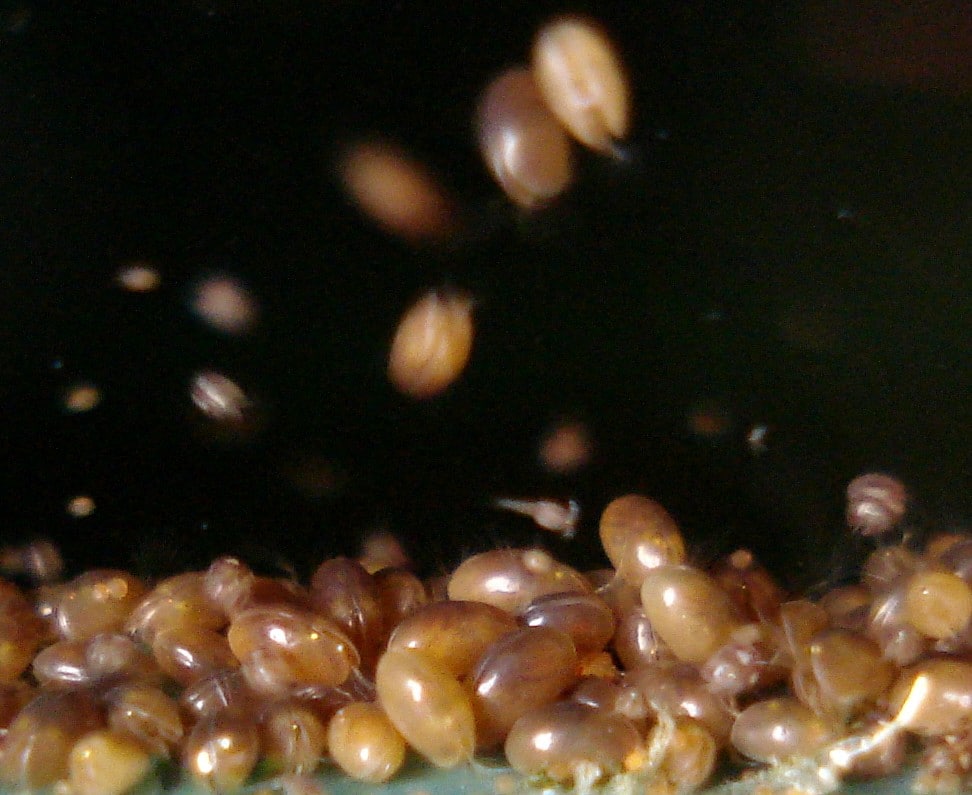
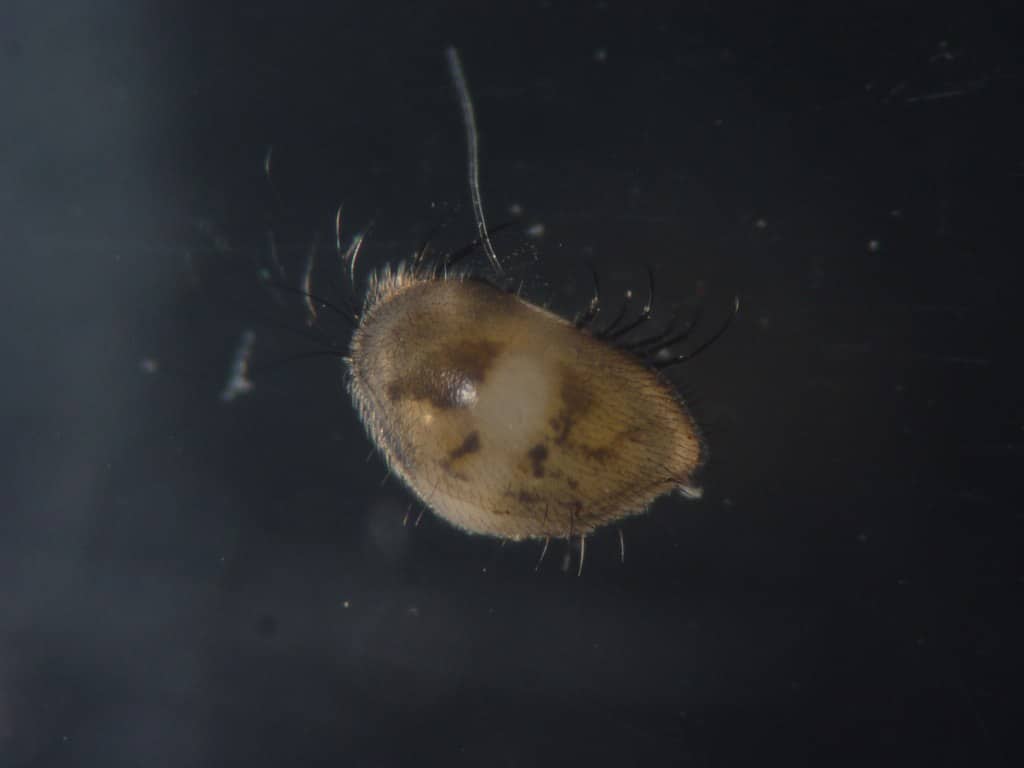
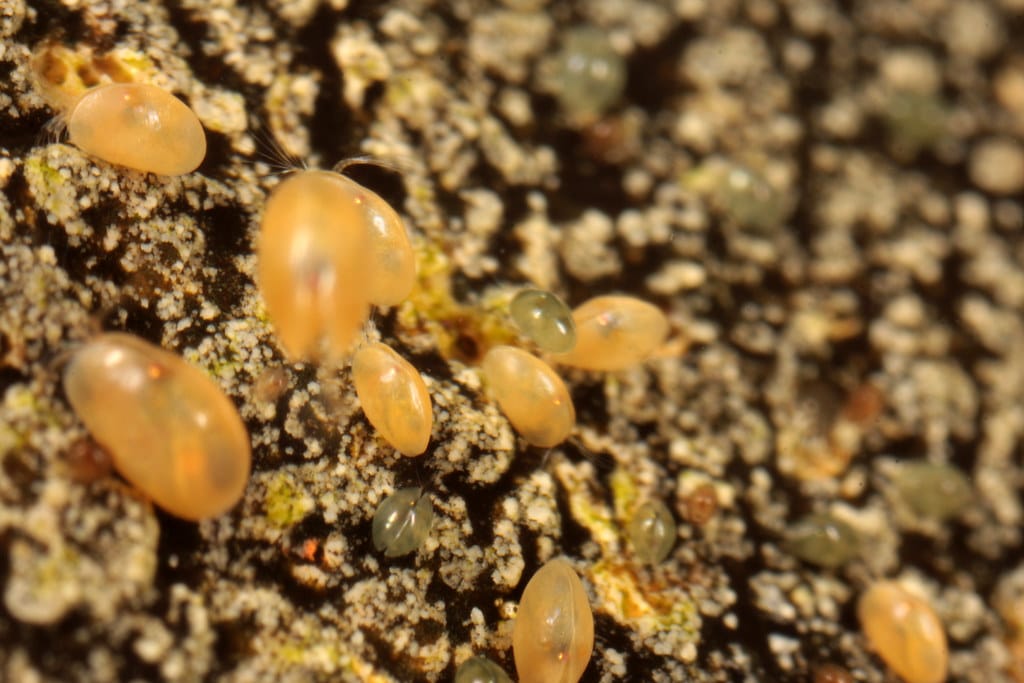
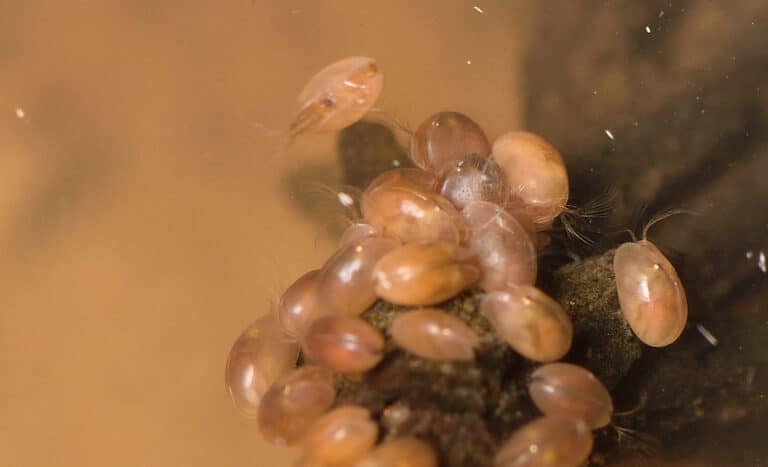
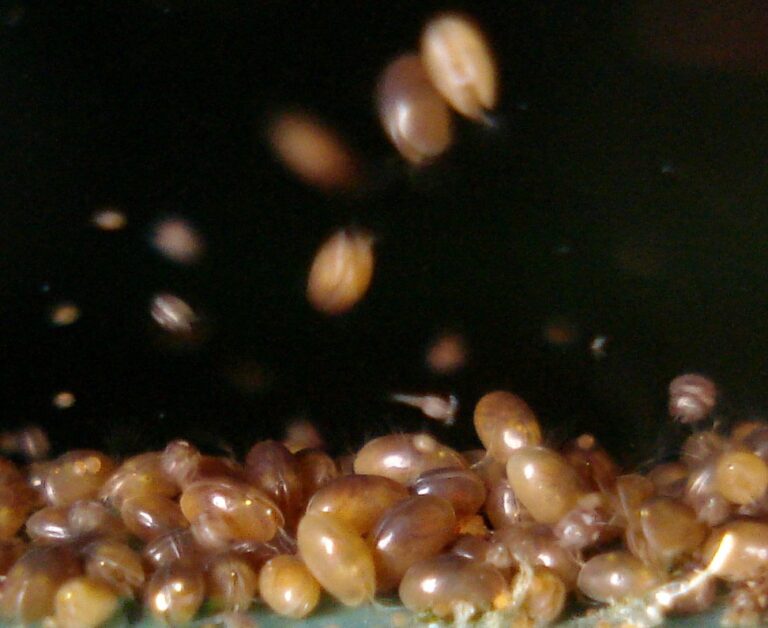
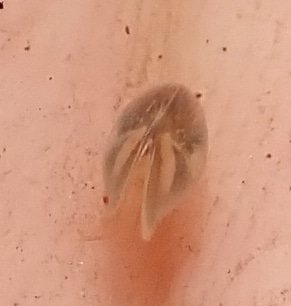
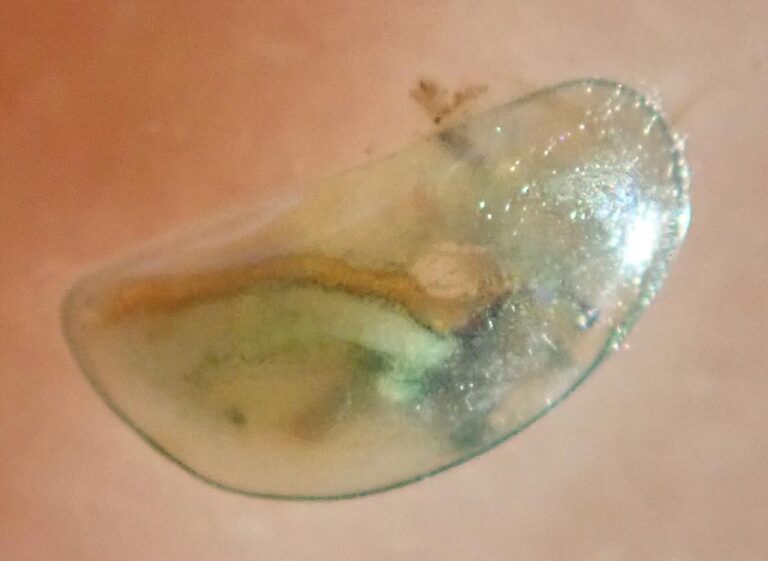
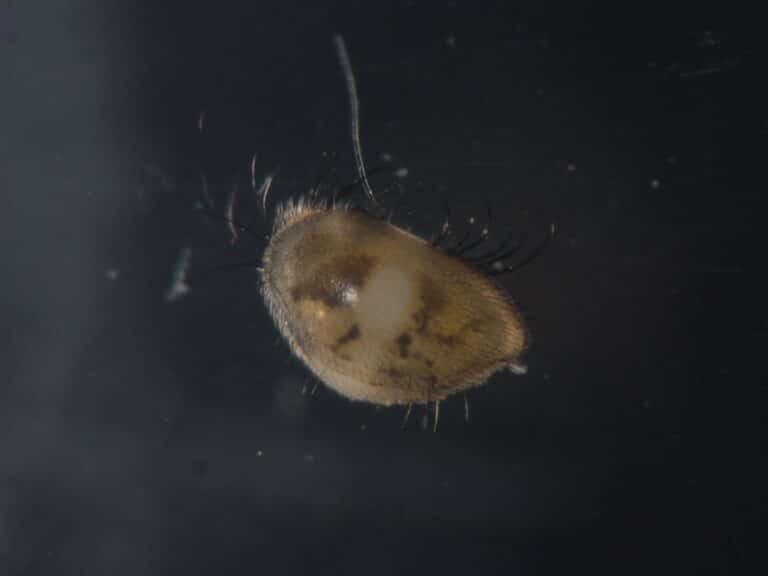
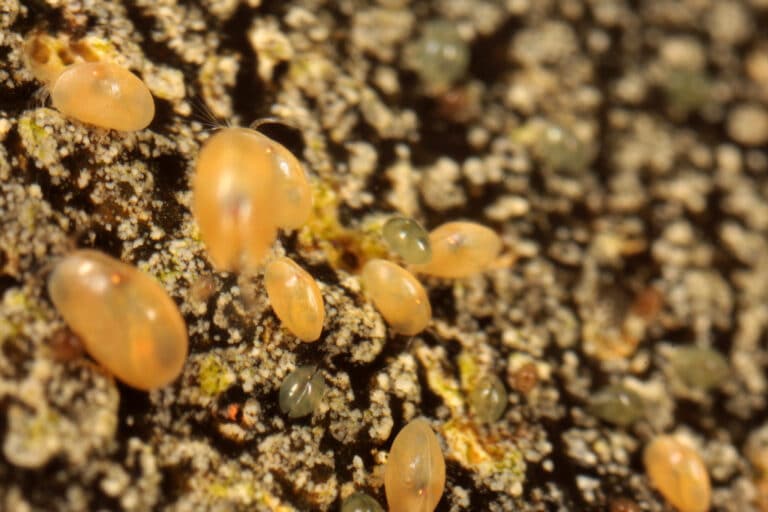
Ostracods are tiny crustaceans that belong to the class Ostracoda. These fascinating creatures live in oceans all around the world, and they are often only 0.1 to 2 millimeters long—smaller than a grain of sand!
Even though ostracods are so small, they pack a big punch in the underwater world. They munch on algae and detritus, helping to keep their aquatic homes clean and balanced.
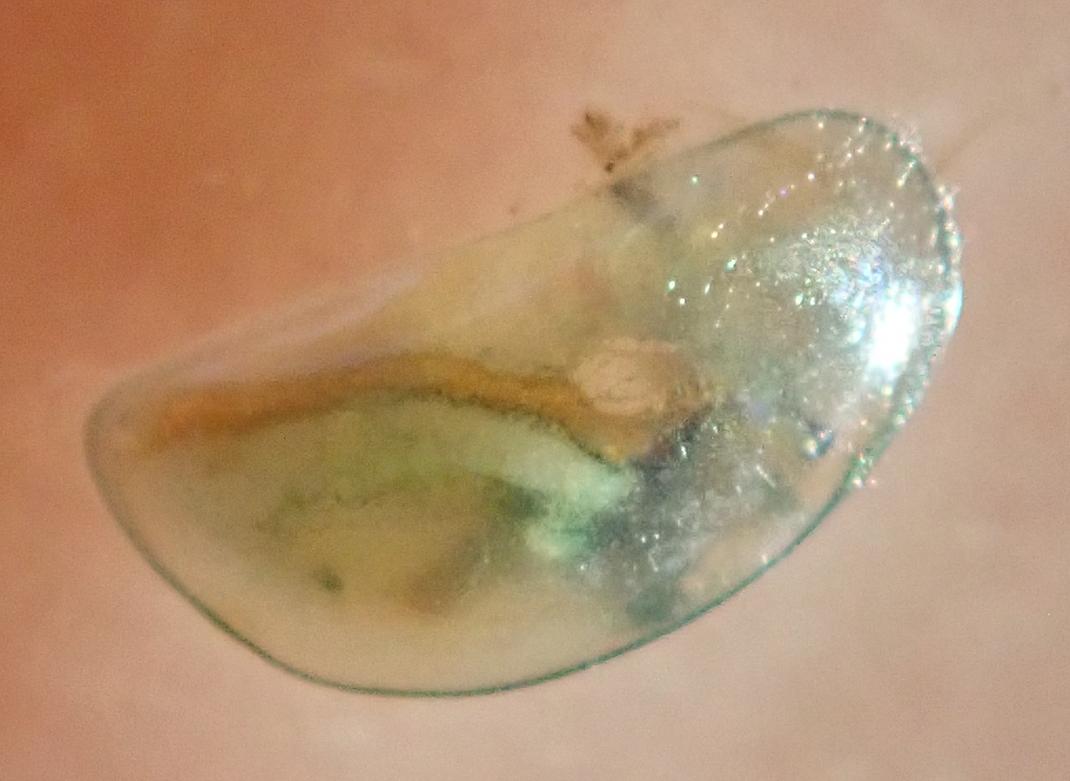
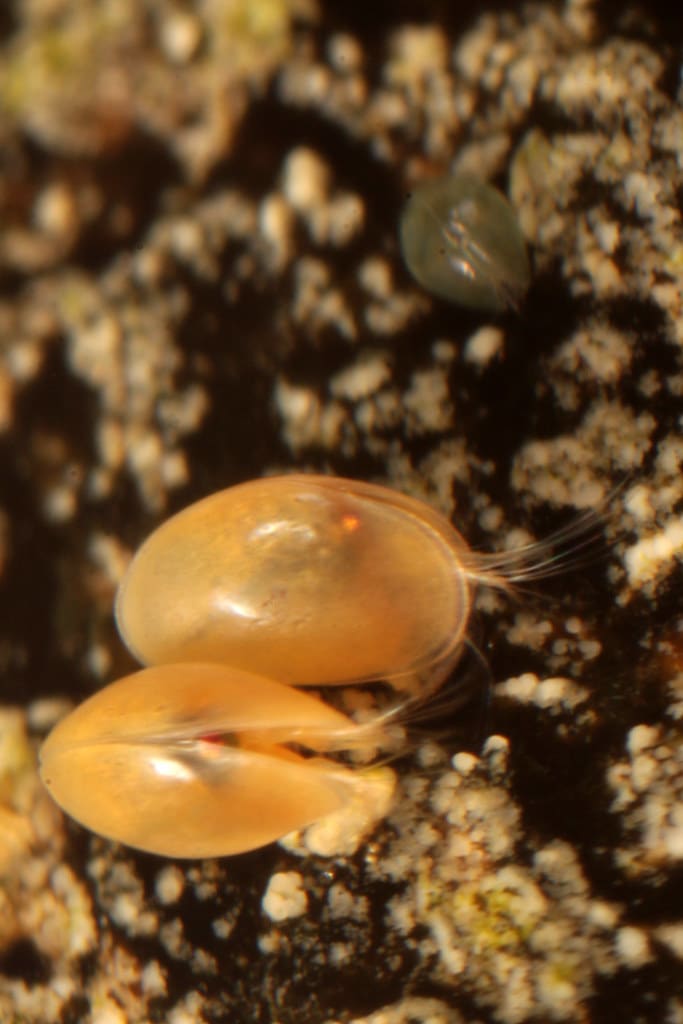
These little critters have been around for an incredibly long time, even dating back to more than 450 million years ago! With their unique two-part shells, they look a bit like tiny clams, but they are more closely related to shrimp and crabs.
Ostracods can be quite diverse, with thousands of species living in different environments. Some even sparkle since their shells can have beautiful patterns and colors. Talk about a tiny treasure!
Despite their small size, ostracods play an important role in the food chain. They serve as snacks for many fish and other marine animals, proving that even the smallest creatures count in the ocean community.
Ostracods have a short lifespan, living from several weeks to a few months, but they make the most of every moment. When conditions are just right, they can reproduce quickly, ensuring that their kind keeps swimming through the seas.

Where can you find a Ostracod in the wild?
What does a Ostracod eat?
How big can a Ostracod grow?
How long does a Ostracod typically live?
What is the conservation status of the Ostracod?
What are the main threats to the Ostracod?
Fun facts
Ostracods can glow in the dark! Some species produce bioluminescence, creating a magical underwater light show that dazzles curious creatures.


These tiny crustaceans can close their shells tightly when they feel threatened, creating a protective barrier like a clam. This special skill helps them survive in a world full of hungry fish!
Some ostracods use their unique shells for camouflage, blending in with their surroundings. Think of them as nature's little stealth experts, keeping safe from predators!
Ostracods have fascinating mating rituals. Males often flash their colorful shells and dance to attract females, showing off for love in the underwater realm.
Even though ostracods are tiny, they have existed for more than 450 million years! That means they have witnessed the rise and fall of dinosaurs, making them ancient ocean survivors.
Some ostracods can survive in extreme environments, including hot springs and deep ocean trenches. They are true adventurers, thriving in places that many other creatures cannot.
When ostracods feel alarmed, they can release a cloud of chemicals that alert others nearby. It’s like sending a tiny emergency signal to their friends when danger is near!
Ostracods use powerful antennae to move through the water. These tiny limbs not only help them swim but also assist in catching food, showing off their amazing multitasking skills.
In the ocean, ostracods can also play an important role as decomposers. By consuming detritus, they help break down waste, supporting the health of their underwater ecosystem.
Some ostracods can live in brackish water, a mix of fresh and saltwater, allowing them to explore different environments and expand their homes in nature's playground.
Photos





The Basics


explore more
Amphibians
Arachnids
Birds
Cats
Crustaceans
Fish
Fish Pet Guide
Gastropods
Insects
Invertebrates
Mammals
Pet Fish
Pet Rodents
Plants
Reptiles
Roundworms
Sea Slugs