Successfully copied to clipboard!
Pacific Coast Tick
Uncover the tiny bloodsuckers making big waves in nature!
Let’s Explore
Overview
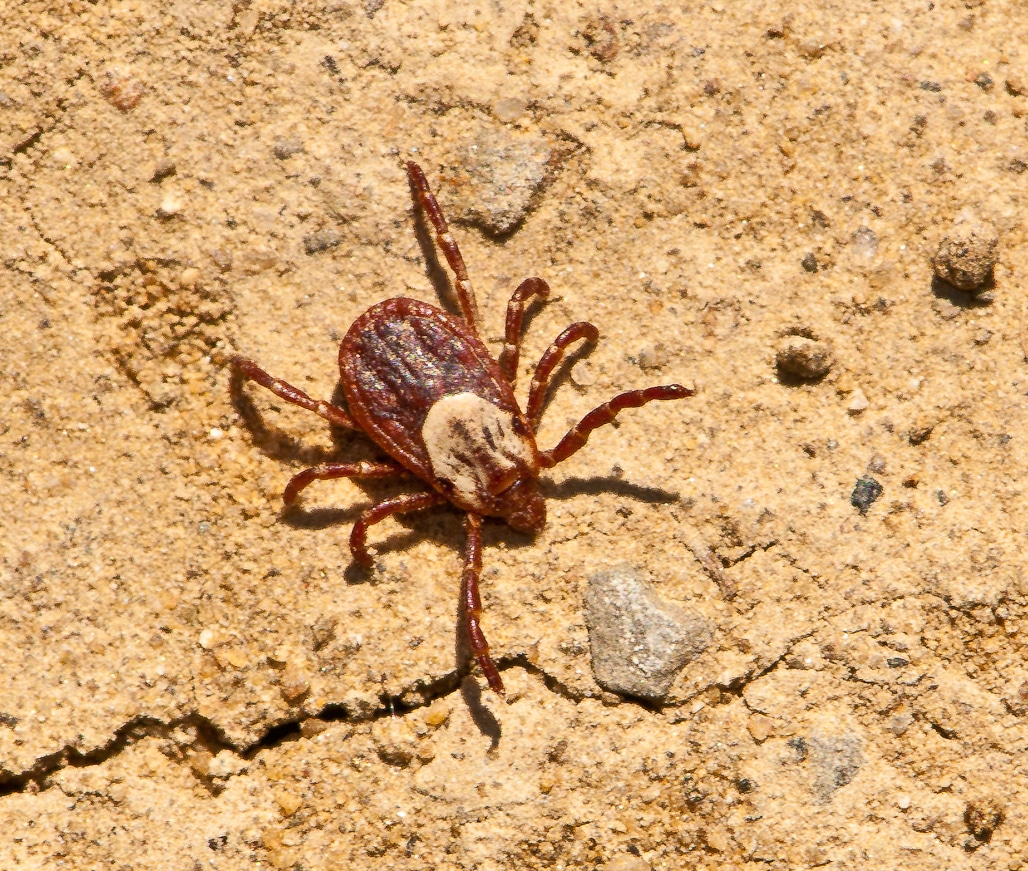
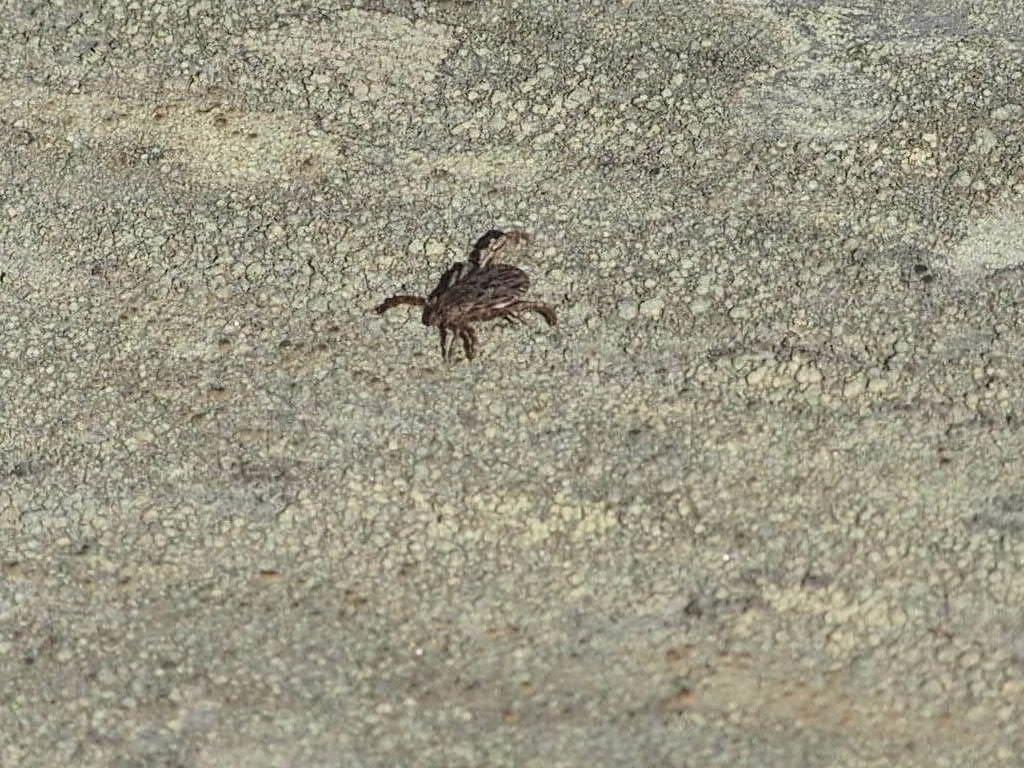
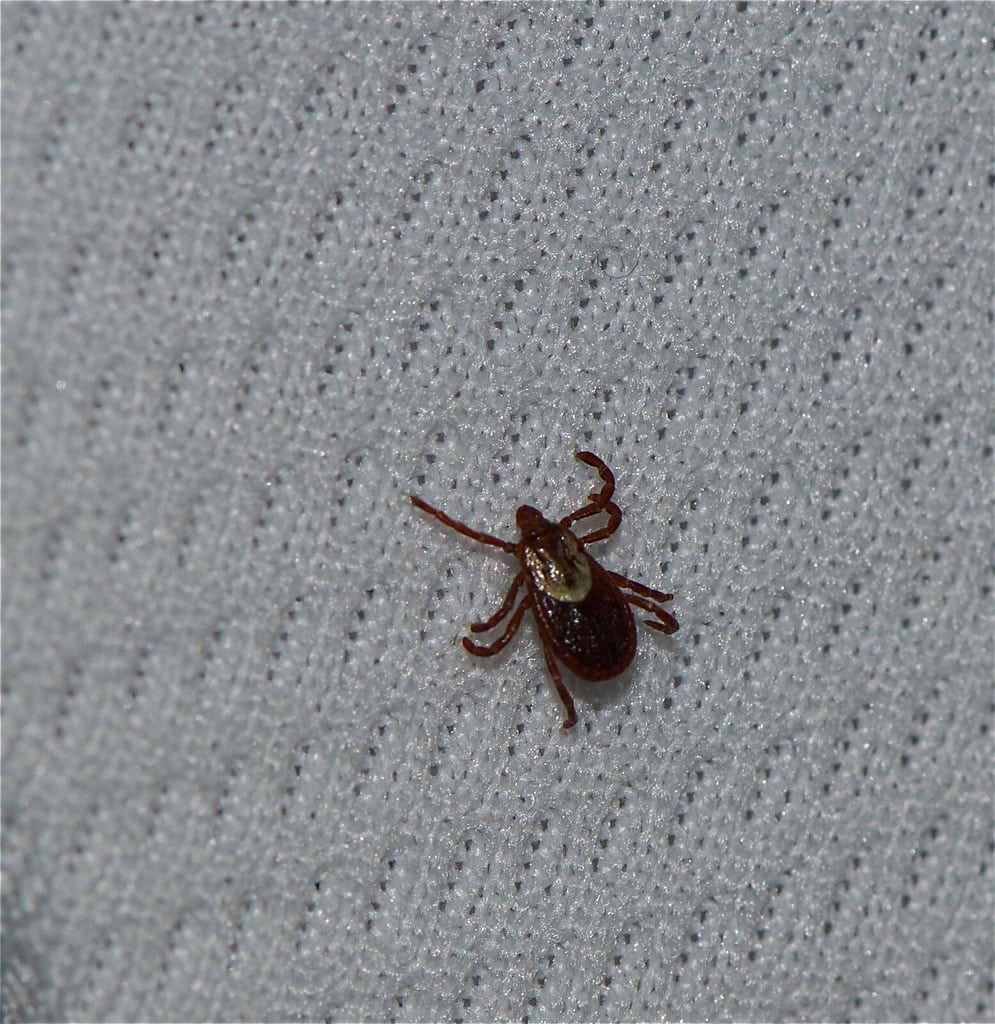
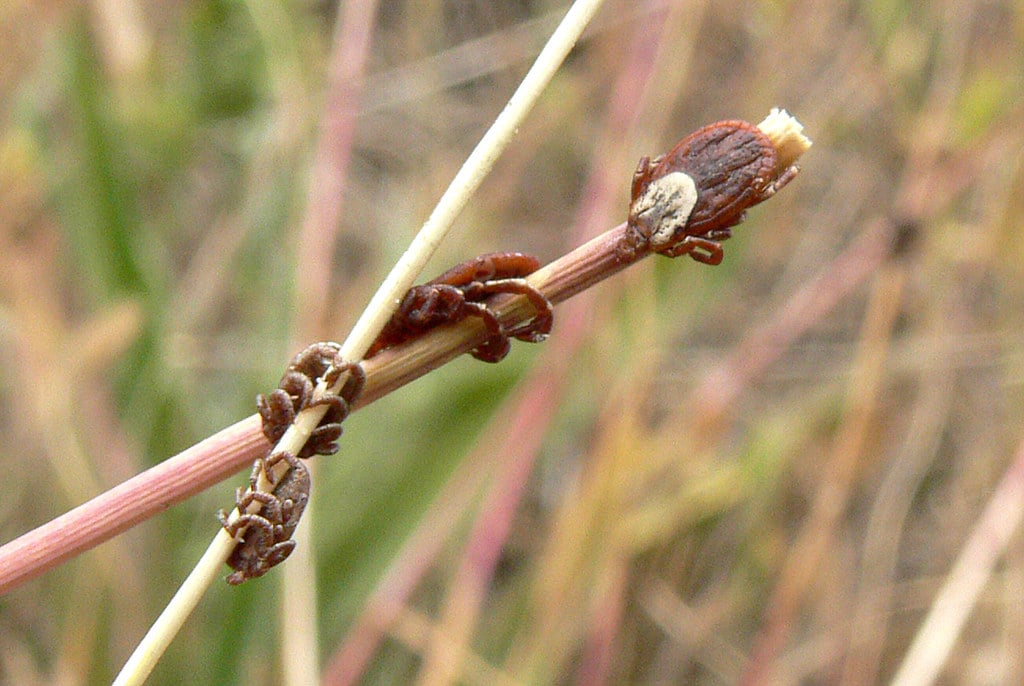
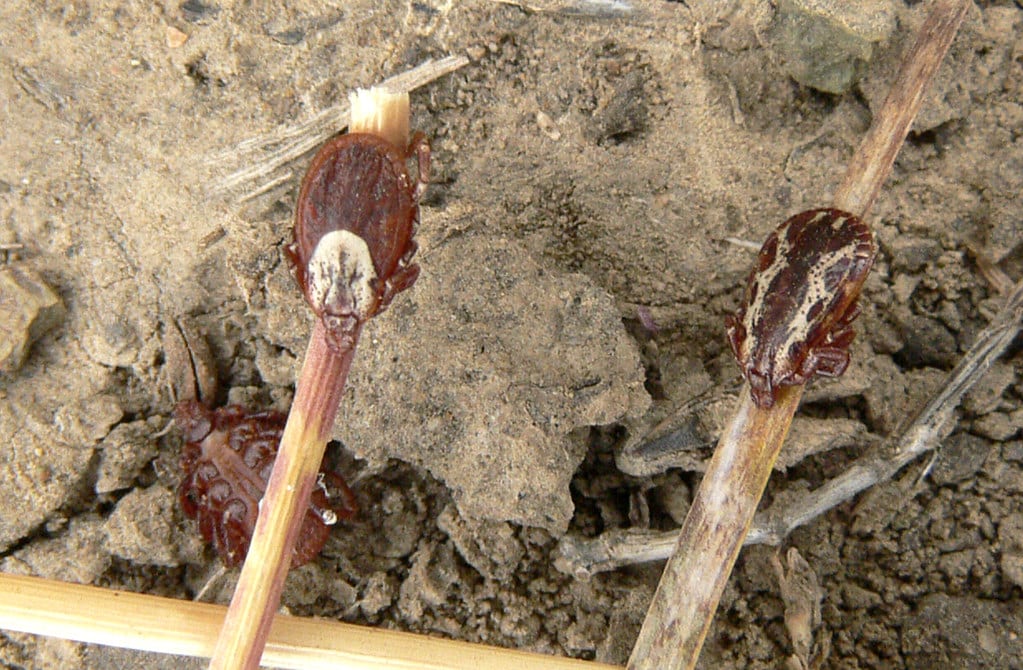
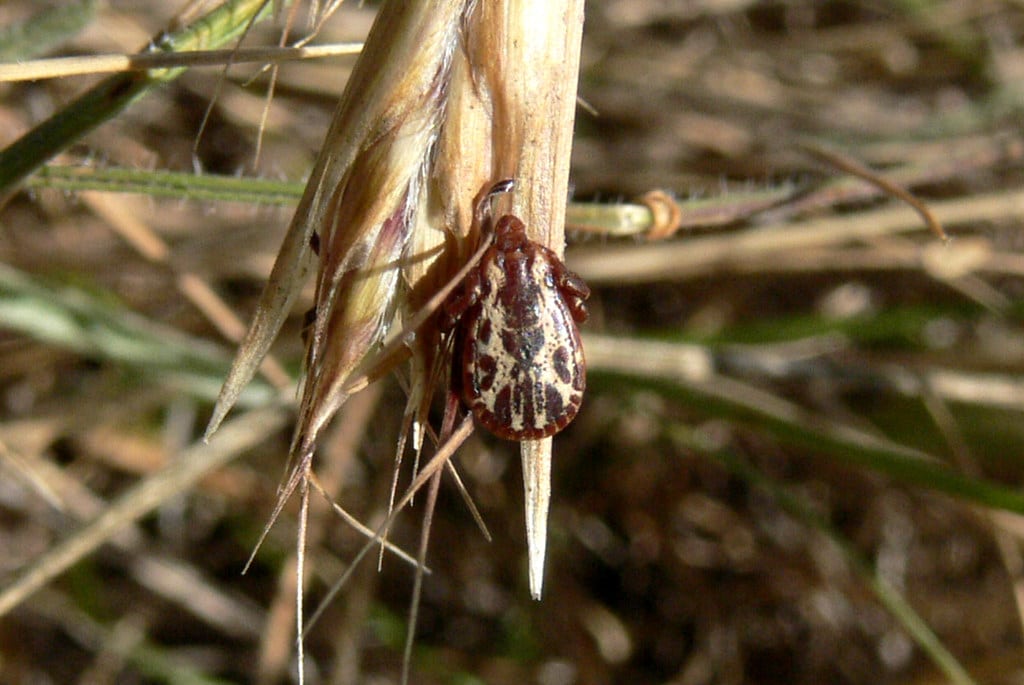
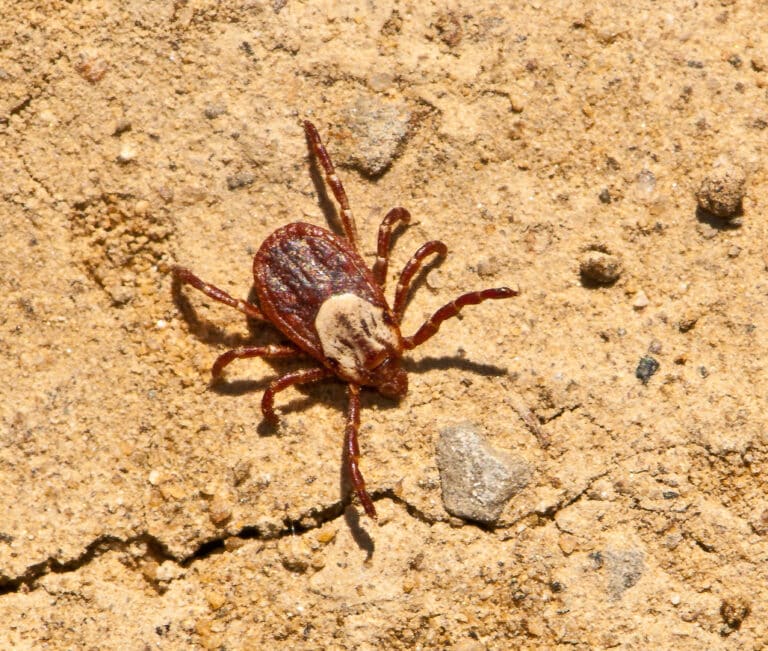
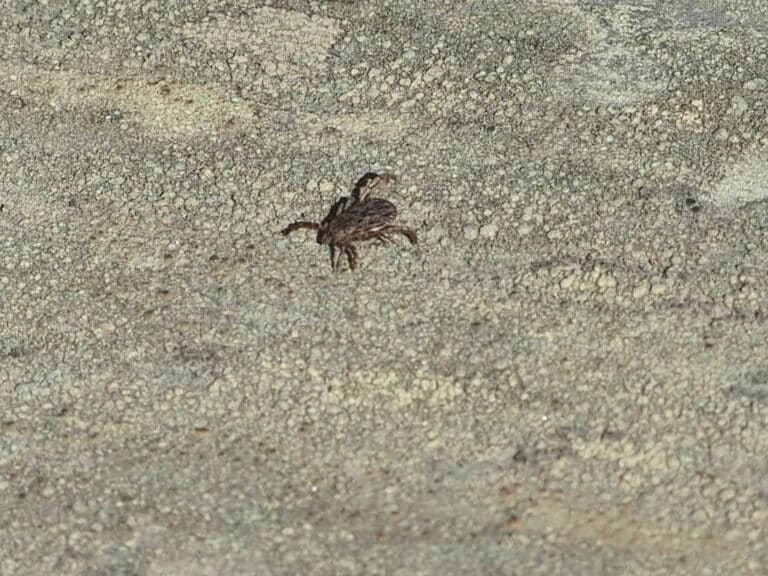
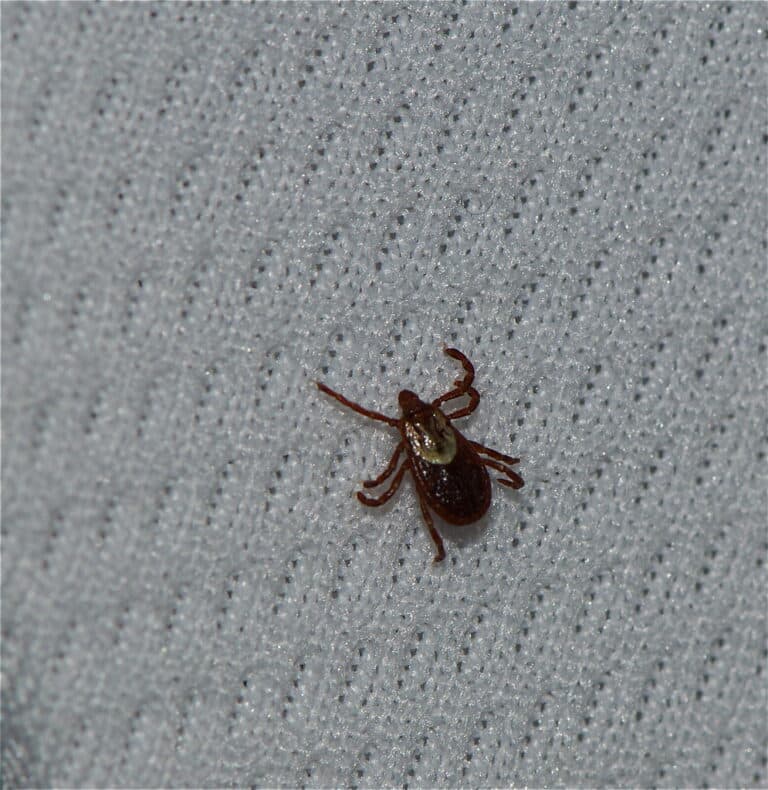
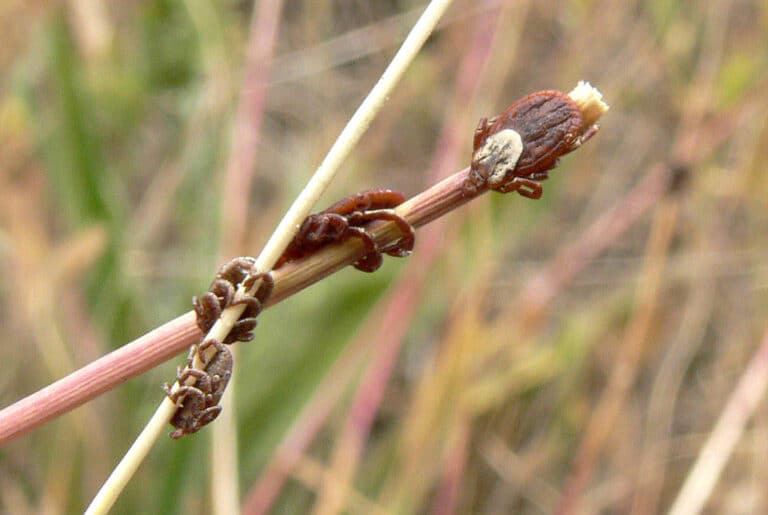
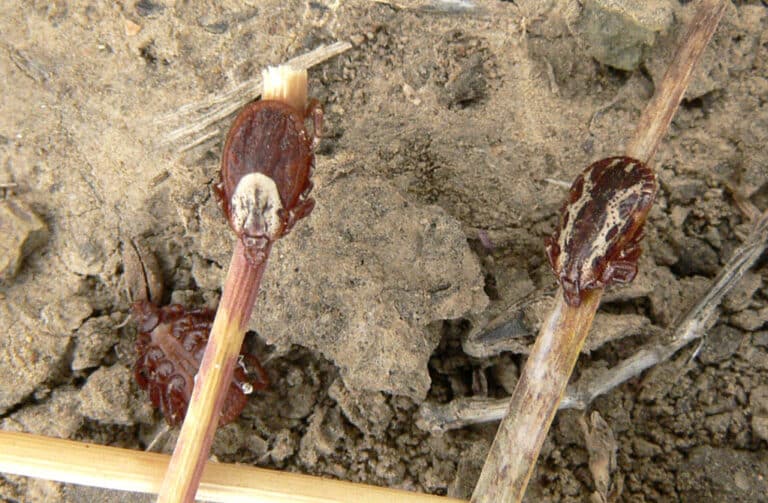
The Pacific Coast Tick, known scientifically as Dermacentor occidentalis, belongs to the class Arachnida. These tiny critters may only measure between 3 to 5 millimeters long, but they pack a punch in the world of bloodsucking invertebrates!
Like all ticks, the Pacific Coast Tick has a diet focused on blood from mammals, birds, and reptiles. They are like the tiny vampires of the animal kingdom, sipping on their hosts for nourishment.
These ticks can live for 1 to 3 years, so they know how to stick around! They wisely wait for animals to pass by before jumping on for a tasty meal.
Pacific Coast Ticks thrive in Africa, soaking up the sun while they search for a meal. They prefer grassy areas where potential hosts roam, making it a ticking paradise for them!
Ticks may not be the cutest creatures, but they play an important role in the ecosystem. They help keep animal populations in check by contributing to the food web as both hosts and prey.

Where can you find a Pacific Coast Tick in the wild?
What does a Pacific Coast Tick eat?
How big can a Pacific Coast Tick grow?
How long does a Pacific Coast Tick typically live?
What is the conservation status of the Pacific Coast Tick?
What are the main threats to the Pacific Coast Tick?
Fun facts
A Pacific Coast Tick can detect its next meal from over 30 centimeters away using special sensors on its mouthparts that sense humidity and body heat.


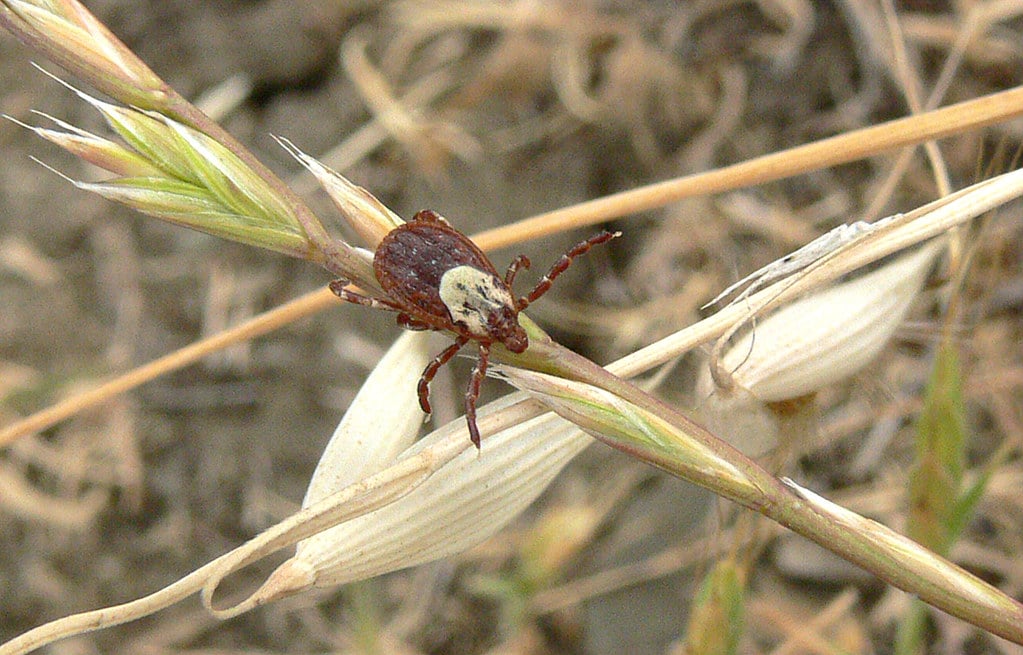
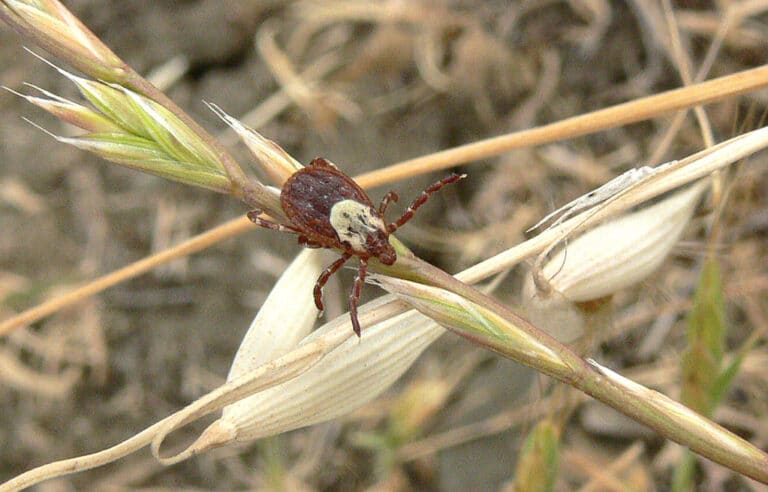
These little critters do not jump or fly; they wait patiently on blades of grass, stretching out their legs to grab onto passing animals, like a tiny supervillain waiting for the perfect moment to pounce.
Pacific Coast Ticks can survive without food for several months, making them expert dieters who can go on long 'fasts' waiting for the right host to come along.
Female Pacific Coast Ticks can lay up to 2,000 eggs at once, creating a little tick army with the potential to take over grassy fields if they had their way!
Some Pacific Coast Ticks can change colors from brown to reddish while feeding, looking like tiny balloons as they fill up with blood, quite the dramatic change!
Pacific Coast Ticks are expert at finding hosts, using a technique called questing. They climb to the top of a blade of grass and wait with their legs outstretched, ready to latch onto whatever walks past.
These ticks can live in various environments, but they prefer sunny spots. They love soaking up the sun while waiting for animals to stroll by, like a beachgoer with their toes in the sand.
Pacific Coast Ticks have a hard outer shell that helps them protect themselves from the environment, just like wearing armor to stay safe from danger!
Unlike some other tick species, the Pacific Coast Tick does not have a preference for a specific host. They are true opportunists, ready to hitch a ride on any warm-blooded animal that comes their way.
When not feeding, these ticks stay in a dormant state, which is like taking a long nap until food comes back around. They know how to save energy like a pro!
Photos





The Basics


explore more
Amphibians
Arachnids
Birds
Cats
Crustaceans
Fish
Fish Pet Guide
Gastropods
Insects
Invertebrates
Mammals
Pet Fish
Pet Rodents
Plants
Reptiles
Roundworms
Sea Slugs