Successfully copied to clipboard!
Peppered Moth
Unveil the secret life of nature's ultimate camouflage experts!
Let’s Explore
Overview
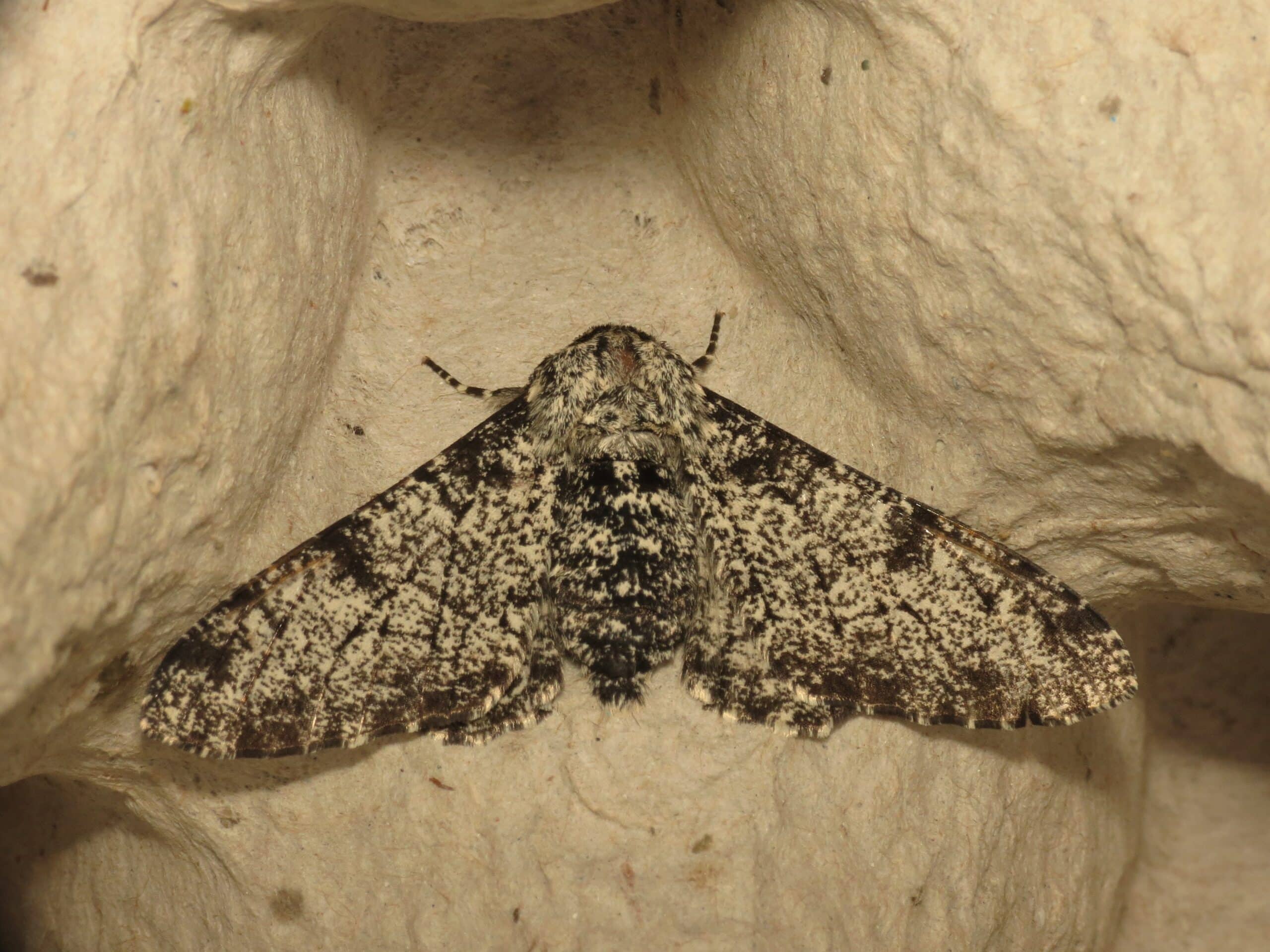
The Peppered Moth is a cool little insect that measures about 1.5 to 2 inches (3.8 to 5.1 centimeters) across its wings. These moths belong to the class Insecta and play a sneaky role in nature as masters of camouflage.
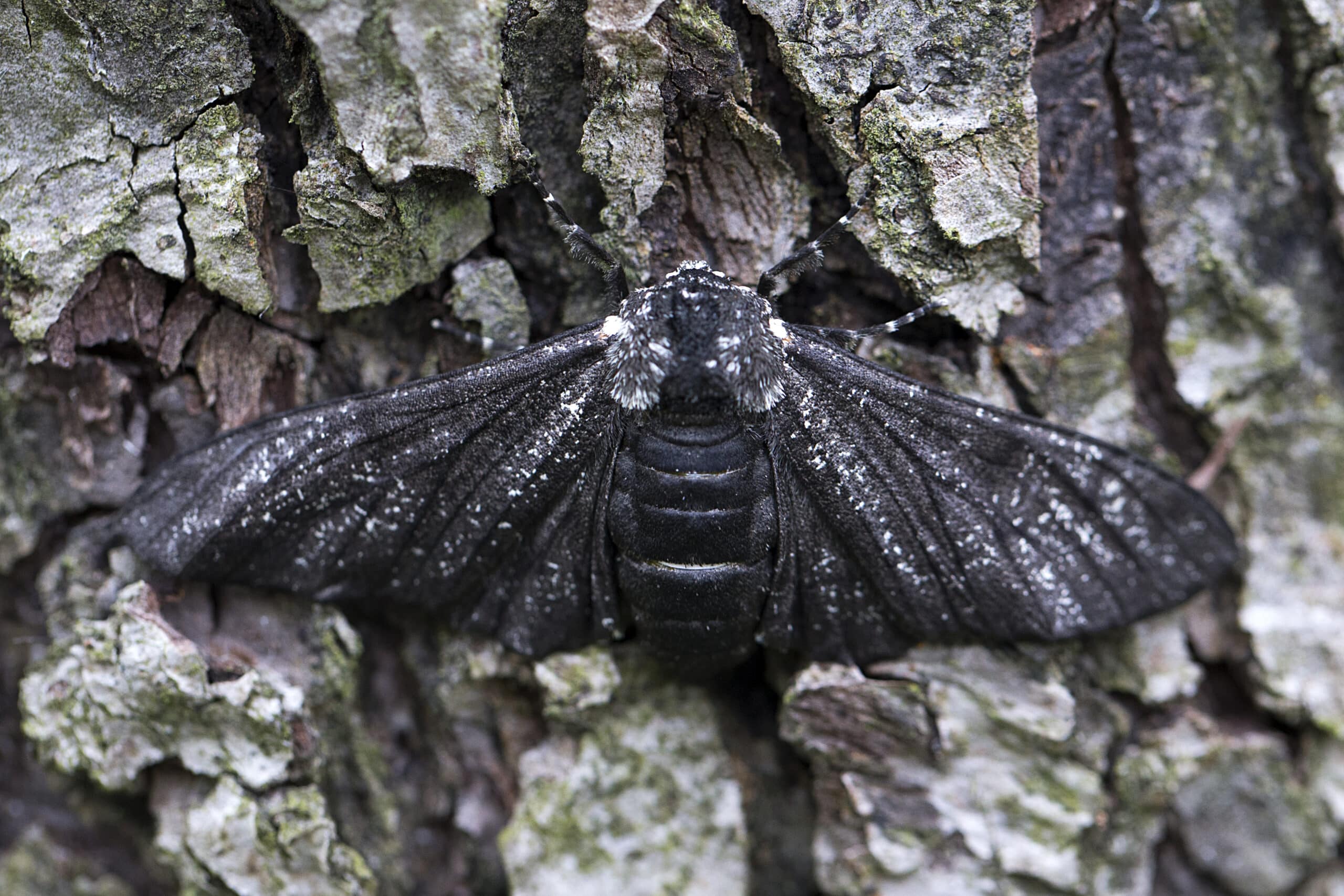
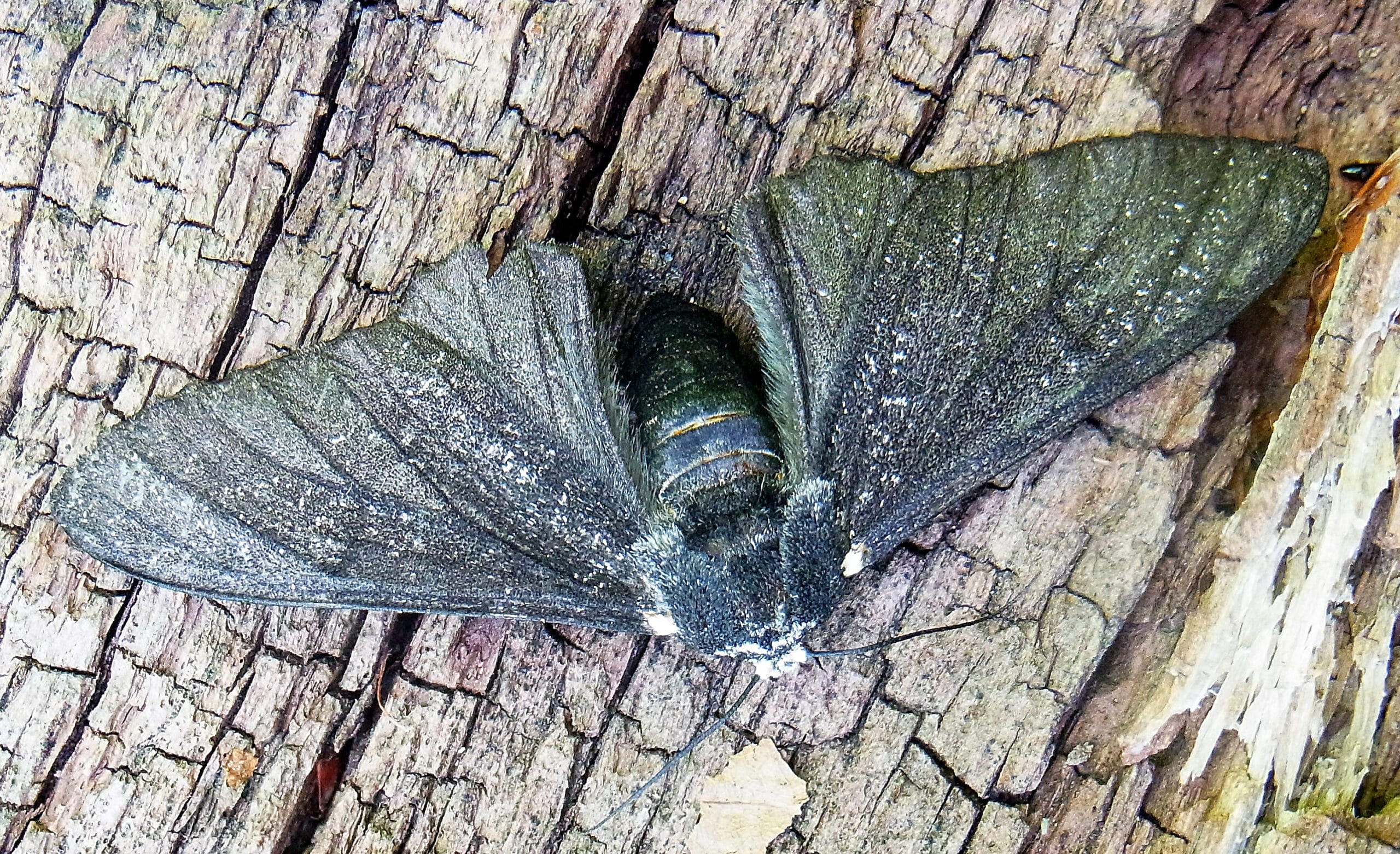
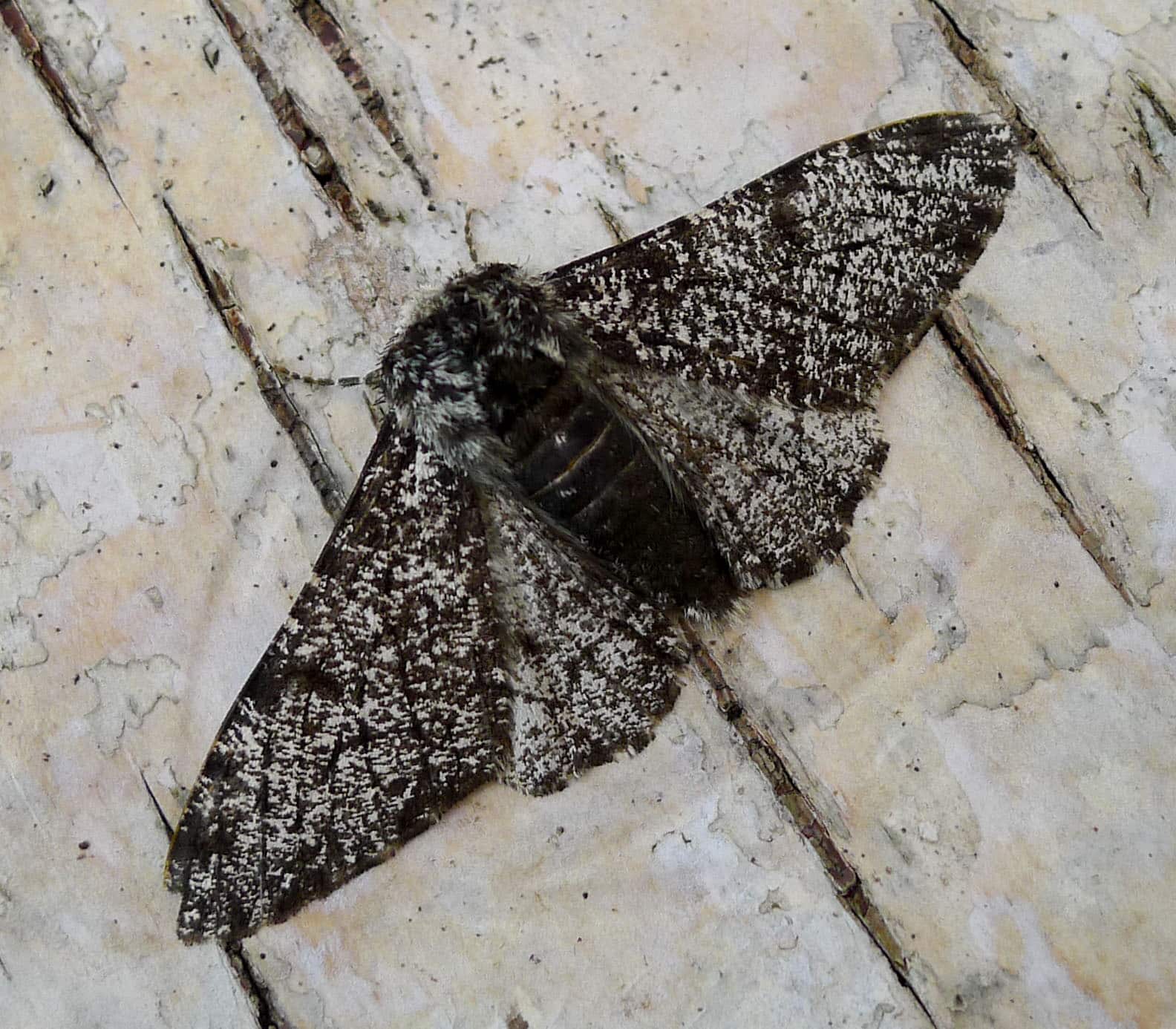
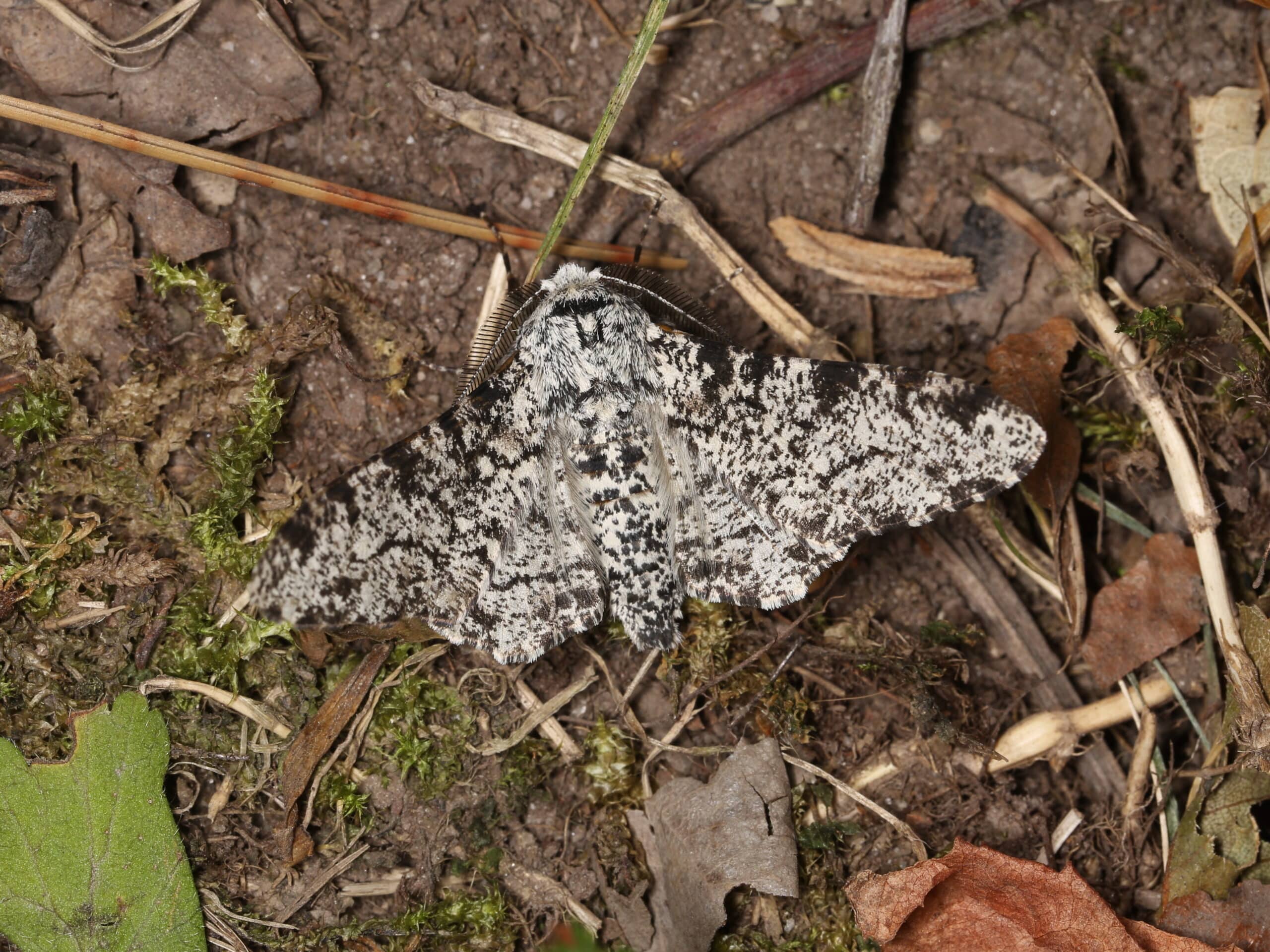
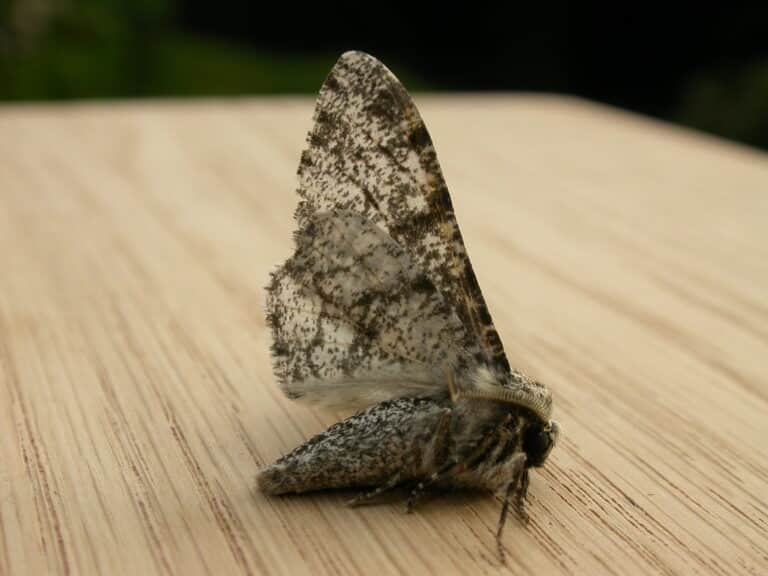
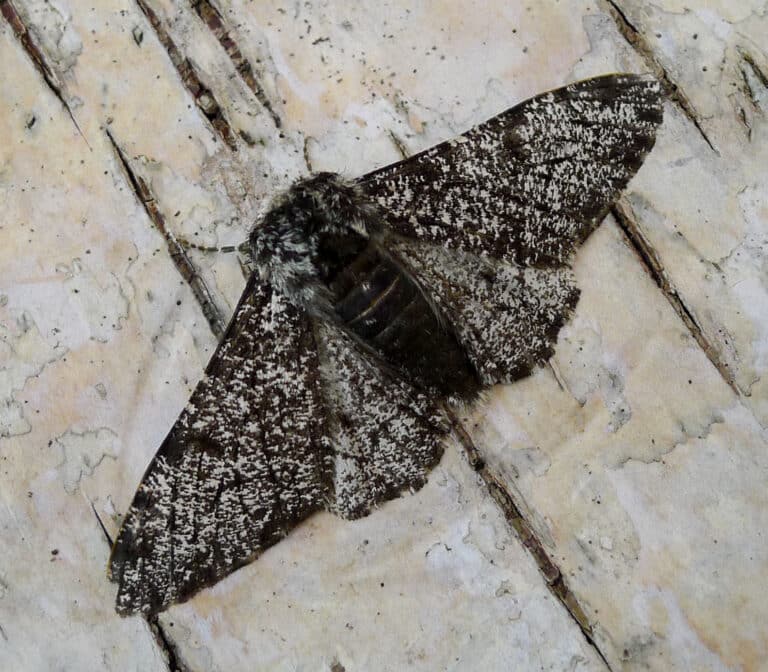
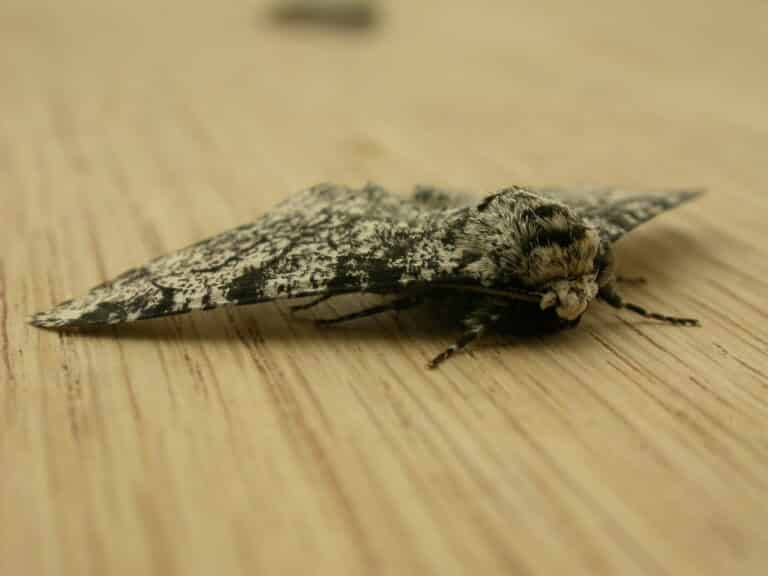
Peppered Moths live across Asia and are often spotted resting on tree bark. Their colors help them blend in with the environment, making them hard to see and even harder to catch!
These clever critters have a simple diet. They munch on leaves from trees and shrubs, which gives them the energy to flutter around during their active times, mostly at night.
The lifespan of a Peppered Moth ranges from about 8 to 12 months. Like many insects, their life cycle includes exciting stages like egg, larva, pupa, and adult moth.
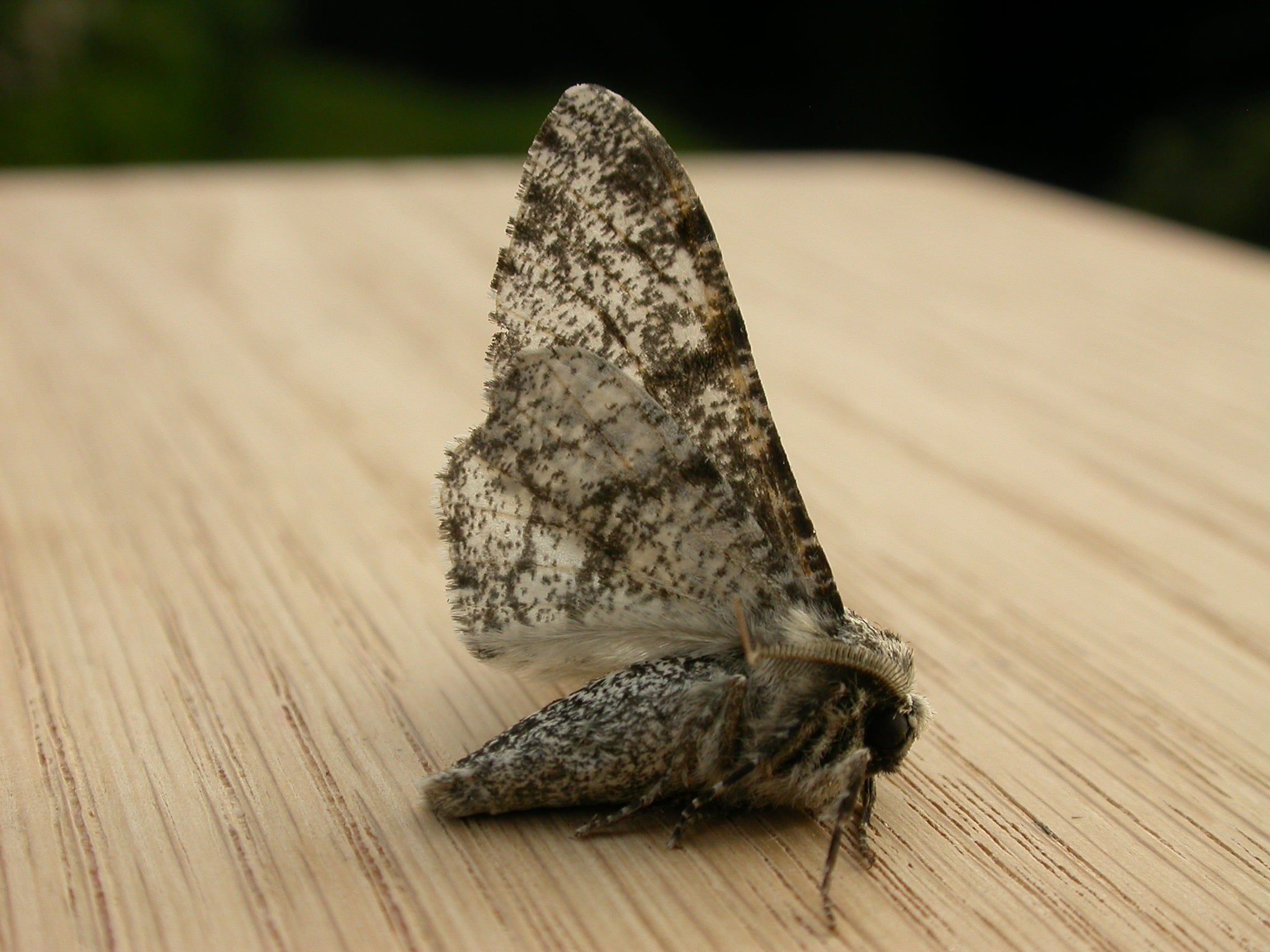
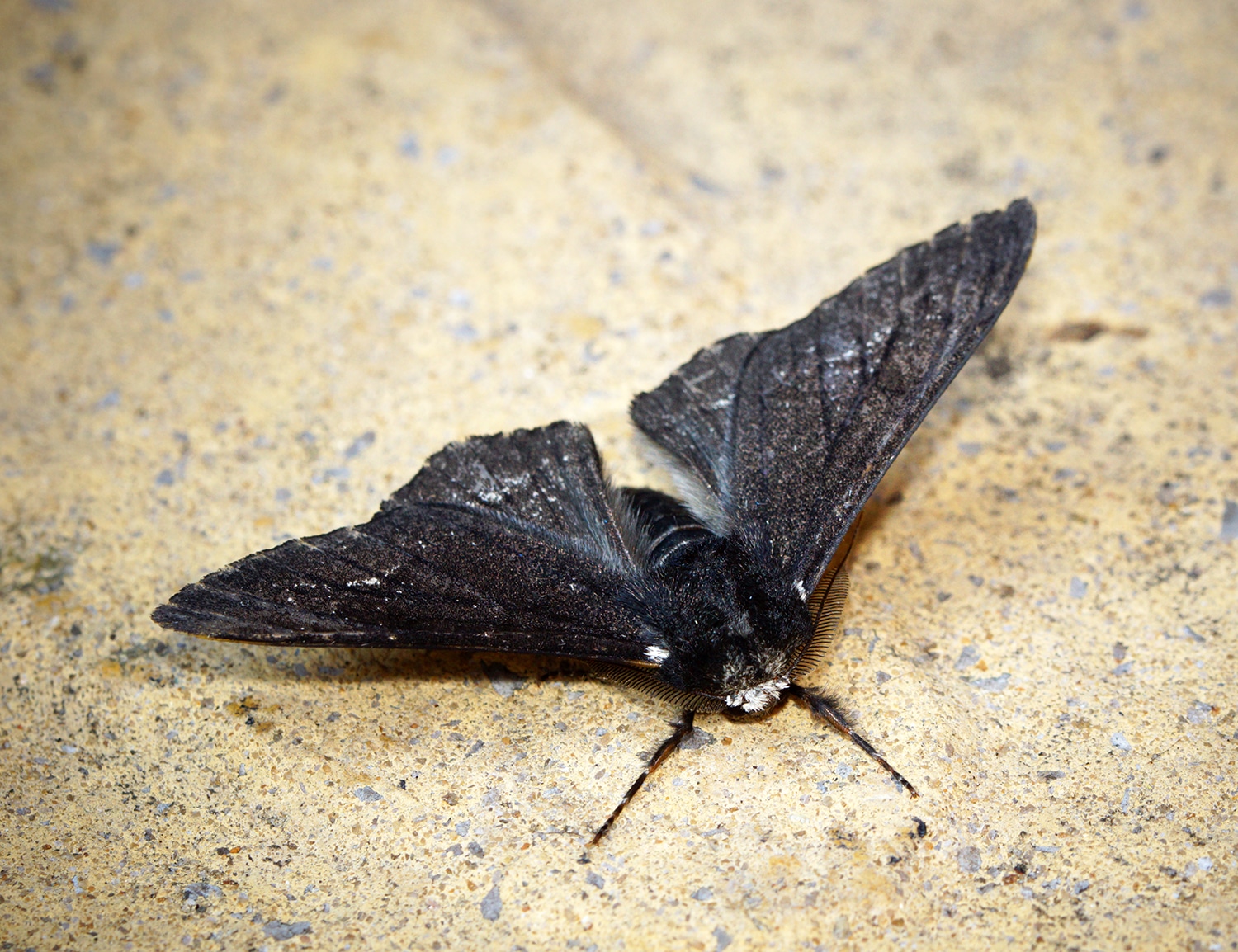
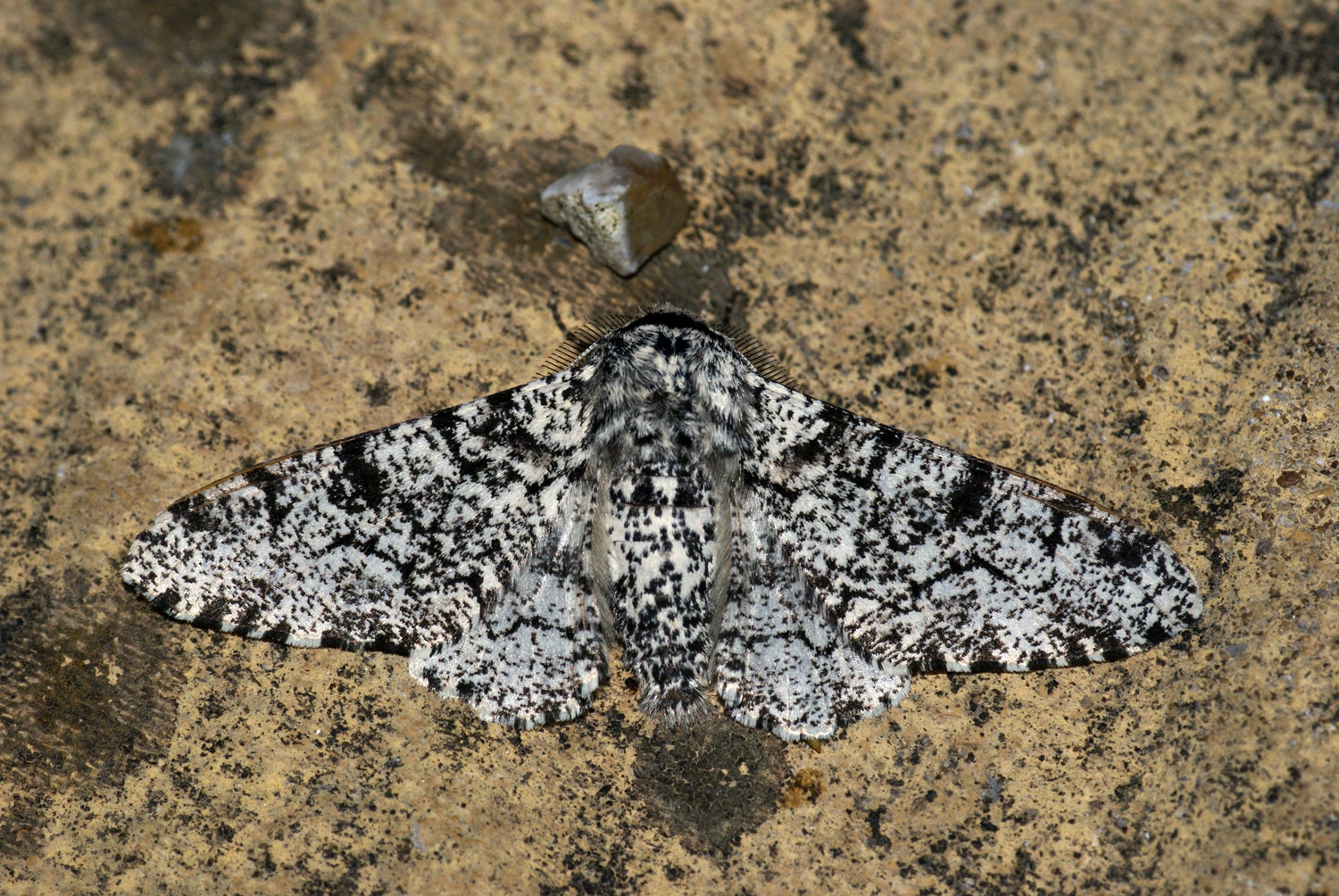
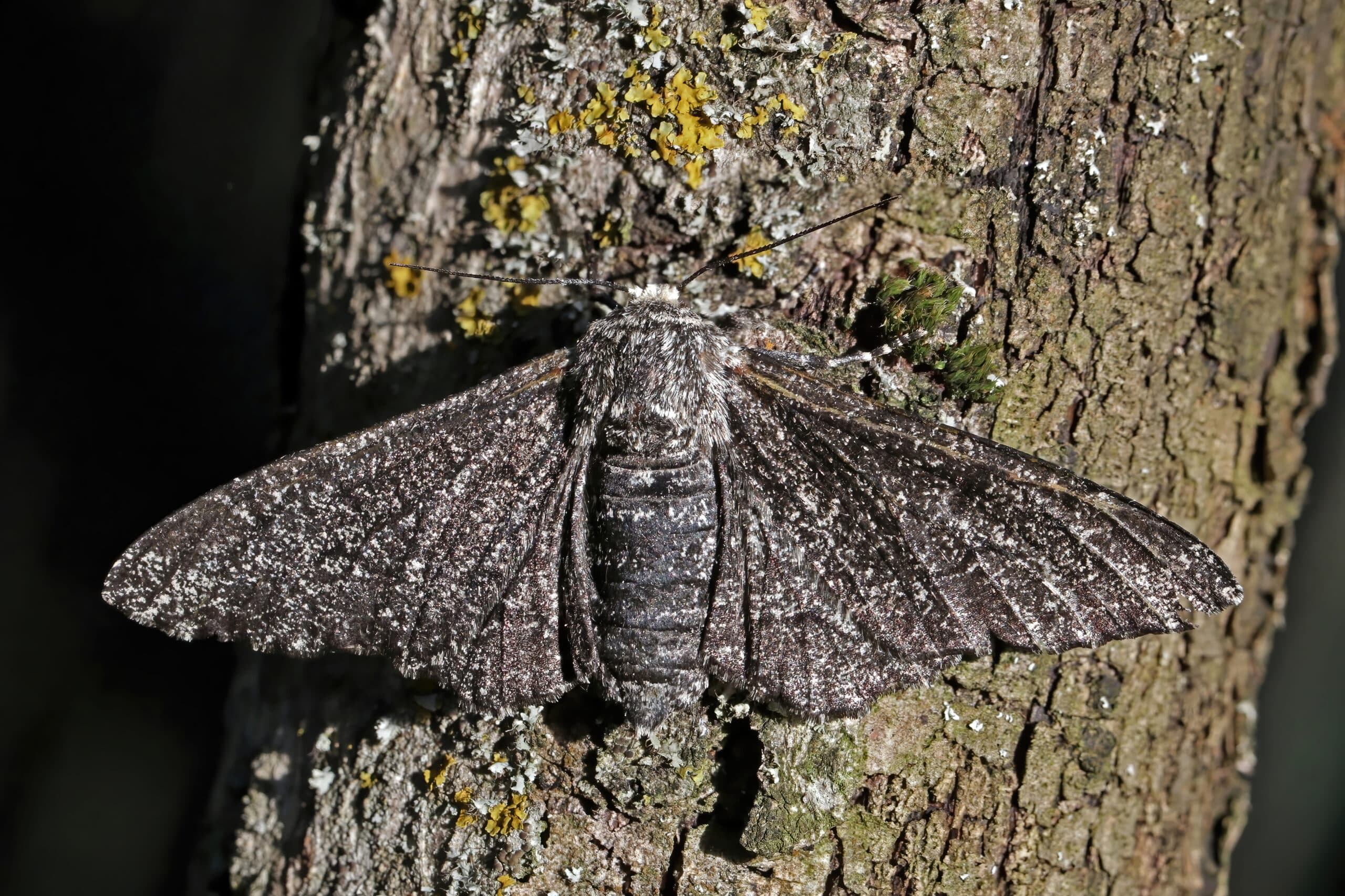
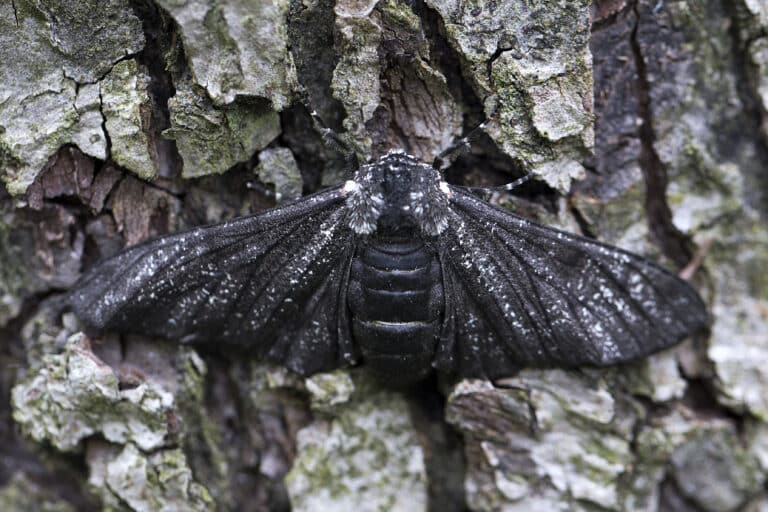
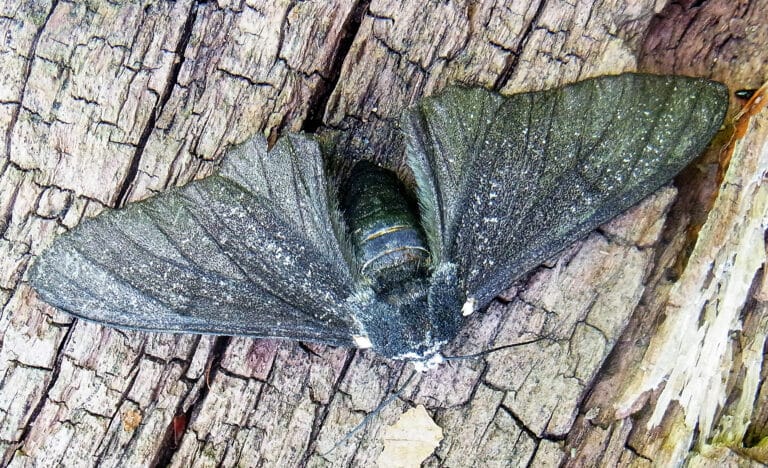
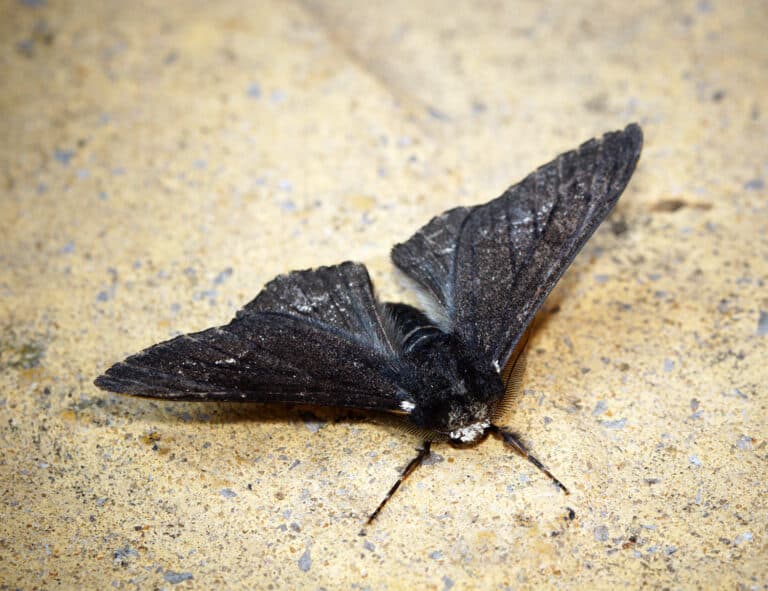
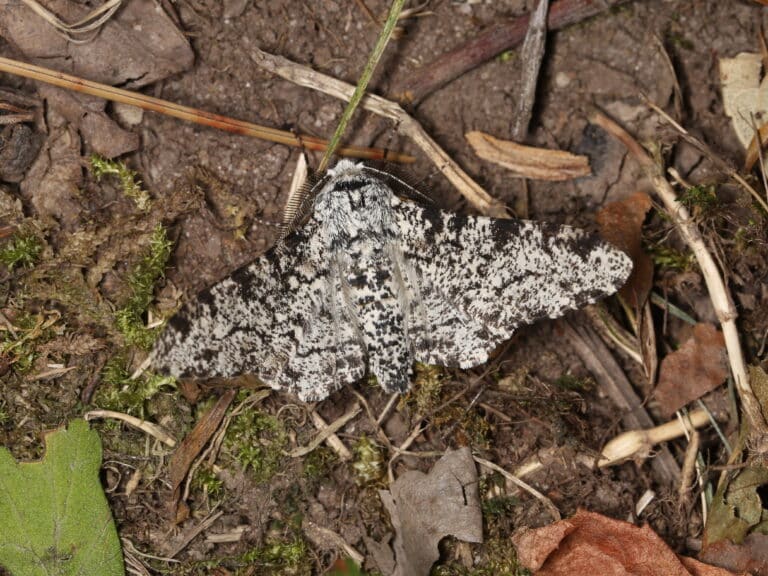
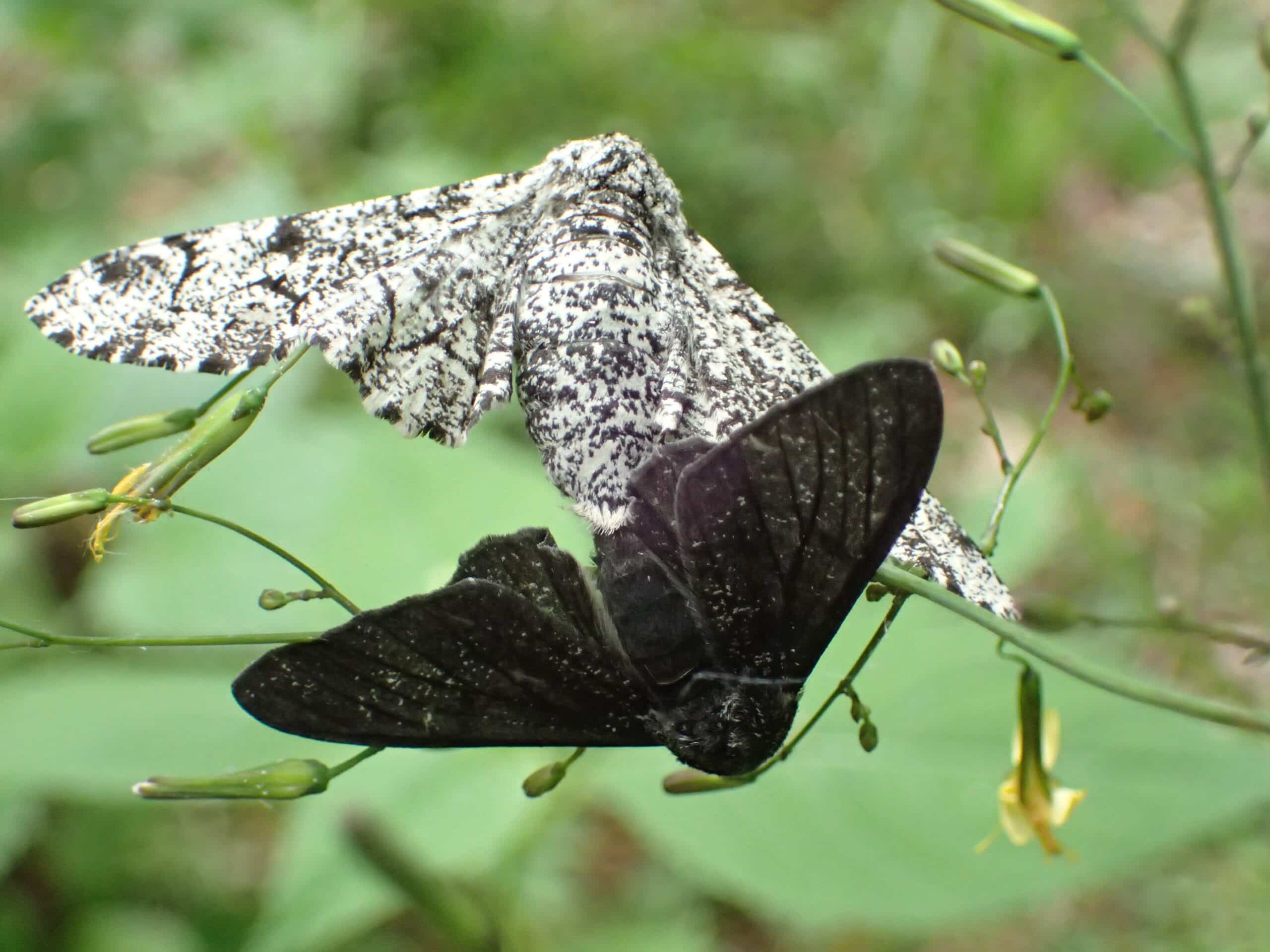
Peppered Moths have a fascinating story related to colors. A long time ago, they came in two main color forms: light and dark. During the Industrial Revolution, pollution made tree bark darker, so the dark moths had a better chance of surviving and hiding from predators!
This unique change in color over time shows how adaptable and resilient these little moths can be. They remind us how life finds a way to thrive, even in changing environments.

Where can you find a Peppered Moth in the wild?
What does a Peppered Moth eat?
How big can a Peppered Moth grow?
How long does a Peppered Moth typically live?
What is the conservation status of the Peppered Moth?
What are the main threats to the Peppered Moth?
Fun facts
Peppered Moths can change color! During the Industrial Revolution, dark-colored moths had a greater chance to survive because they matched the soot-covered trees.


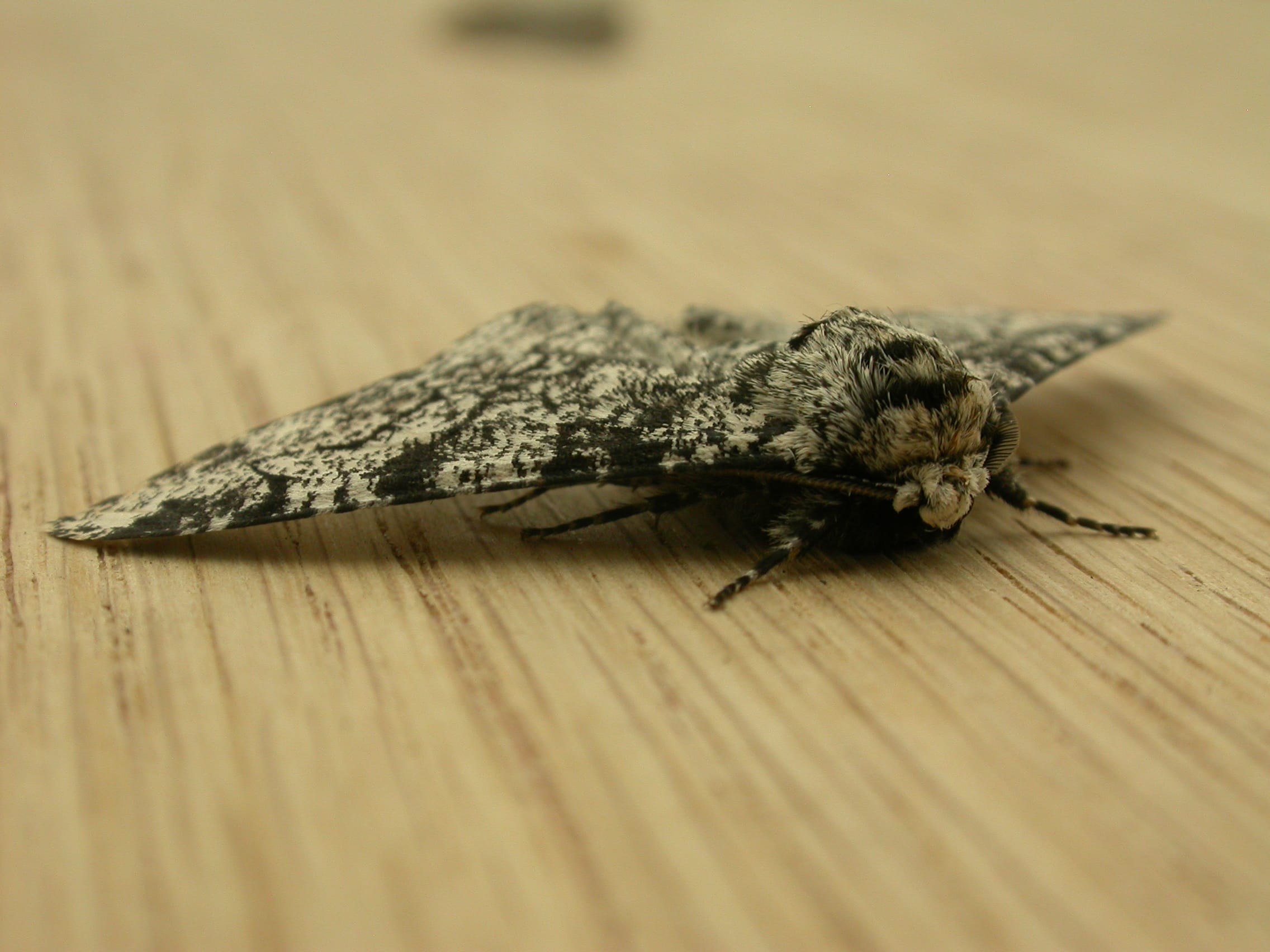
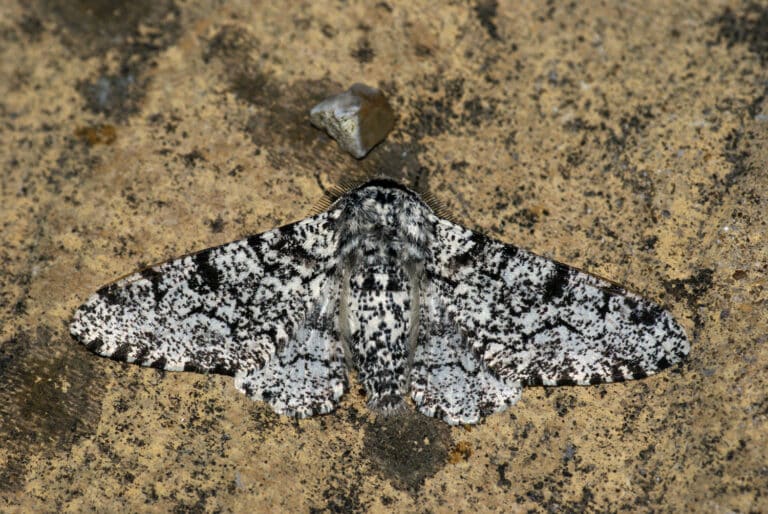
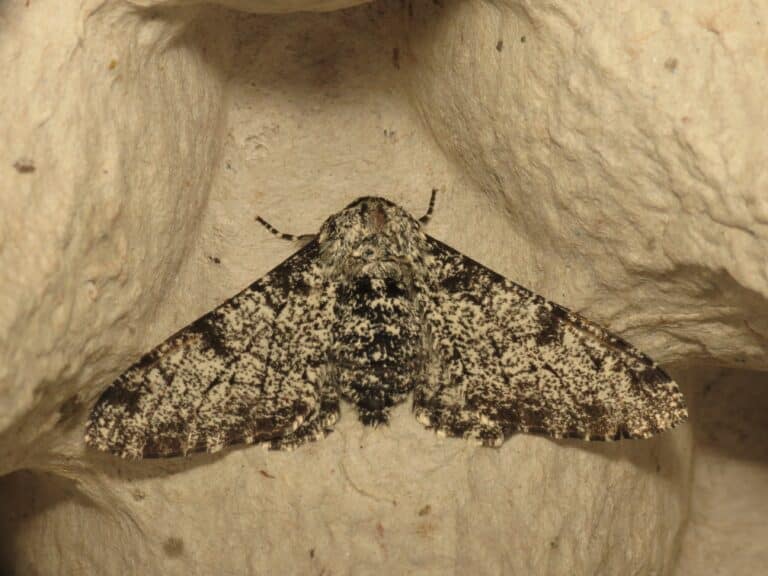
These moths have a neat trick. They can fold their wings flat against their bodies, making them look like little patches of tree bark when resting!
Peppered Moths are masters of stealth. Most of their activity happens at night, which helps them avoid predators like birds that prefer to hunt during the day.
Their caterpillars, known as larvae, love to munch on leaves. They can eat up to 10 times their weight in leaves while growing, making them little leaf-eating machines!
Peppered Moths have a special relationship with their environment. They help scientists study how species react to changes in their habitats, showing us how life adapts.
The wings of Peppered Moths are like a canvas! They can reflect light, creating unique patterns that help with their camouflage.
When Peppered Moths are born, they are tiny eggs, about the size of a pinhead. These eggs hatch into caterpillars that start their snack adventure right away!
The color change in Peppered Moths is a super example of natural selection. It helps us understand how animals adapt over generations to survive!
Peppered Moths can fly up to 20 kilometers (12 miles) in one night. That’s like flying from one end of a long city block to the other in just a few hours!
Peppered Moths may be small, but they play a big role in the ecosystem by providing food for birds, bats, and other night-time hunters!
Photos





The Basics


explore more
Amphibians
Arachnids
Birds
Cats
Crustaceans
Fish
Fish Pet Guide
Gastropods
Insects
Invertebrates
Mammals
Pet Fish
Pet Rodents
Plants
Reptiles
Roundworms
Sea Slugs