Successfully copied to clipboard!
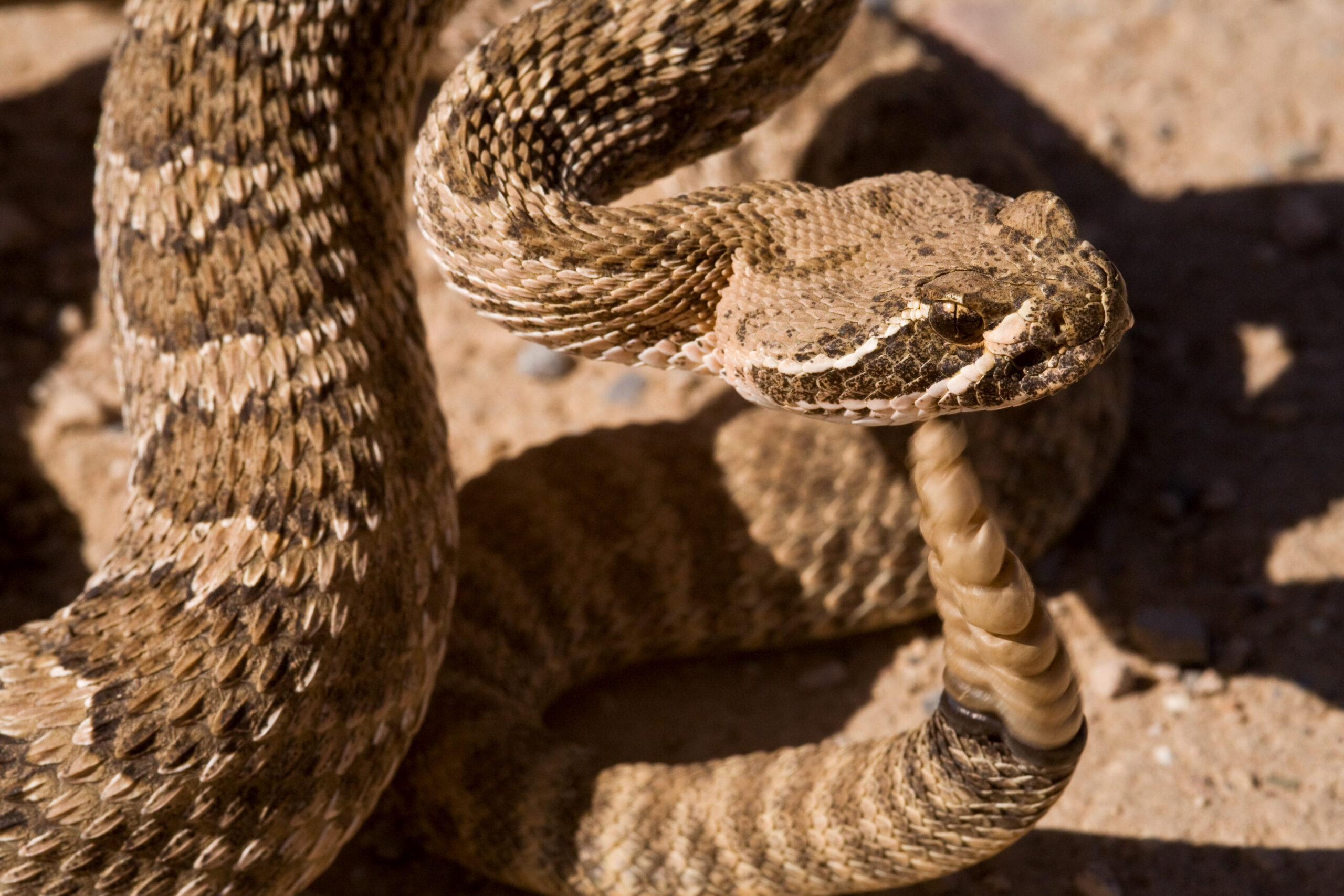
Prairie Rattlesnake
Unravel the secrets of a sun-loving, rattling snake!
Let’s Explore
Overview
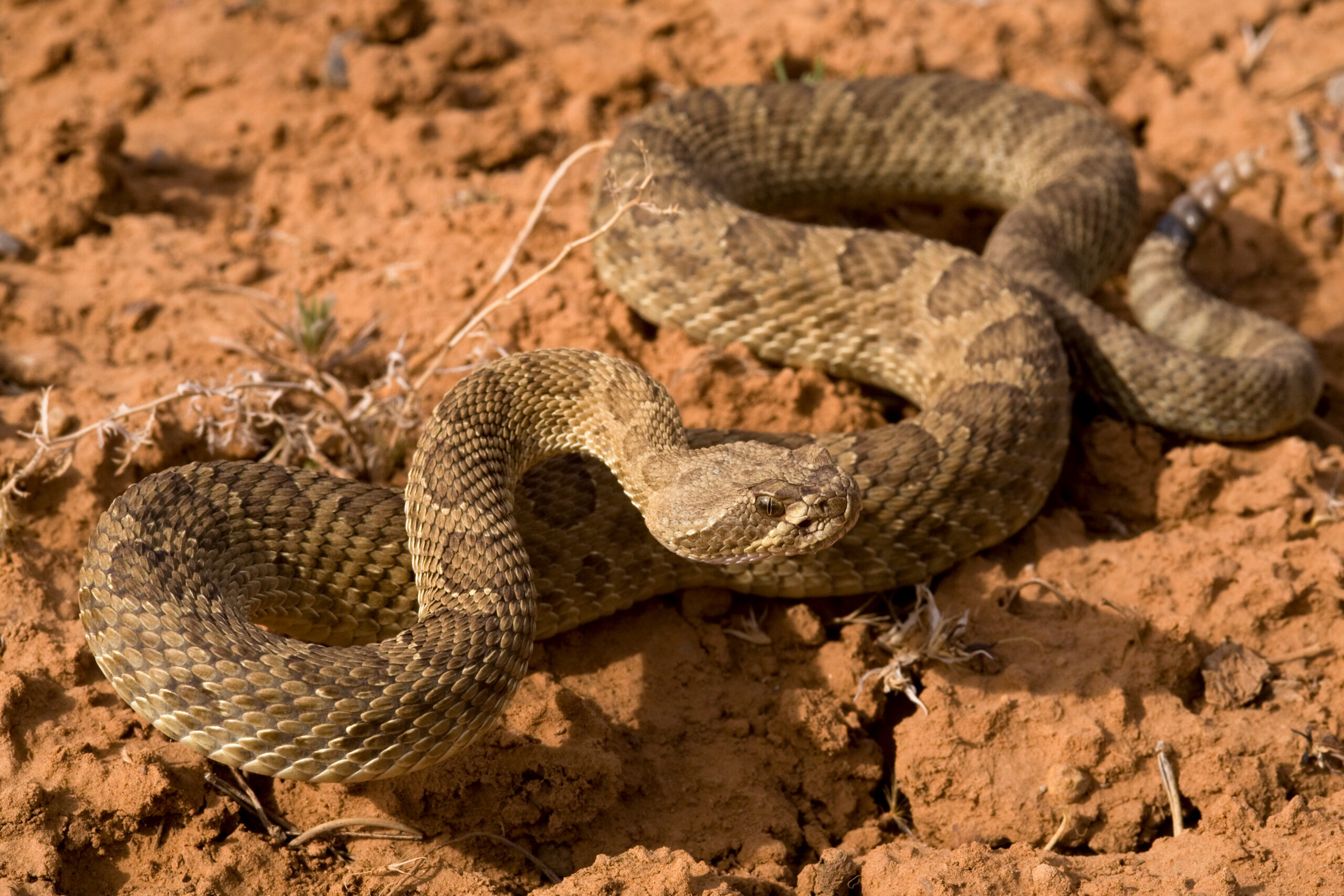
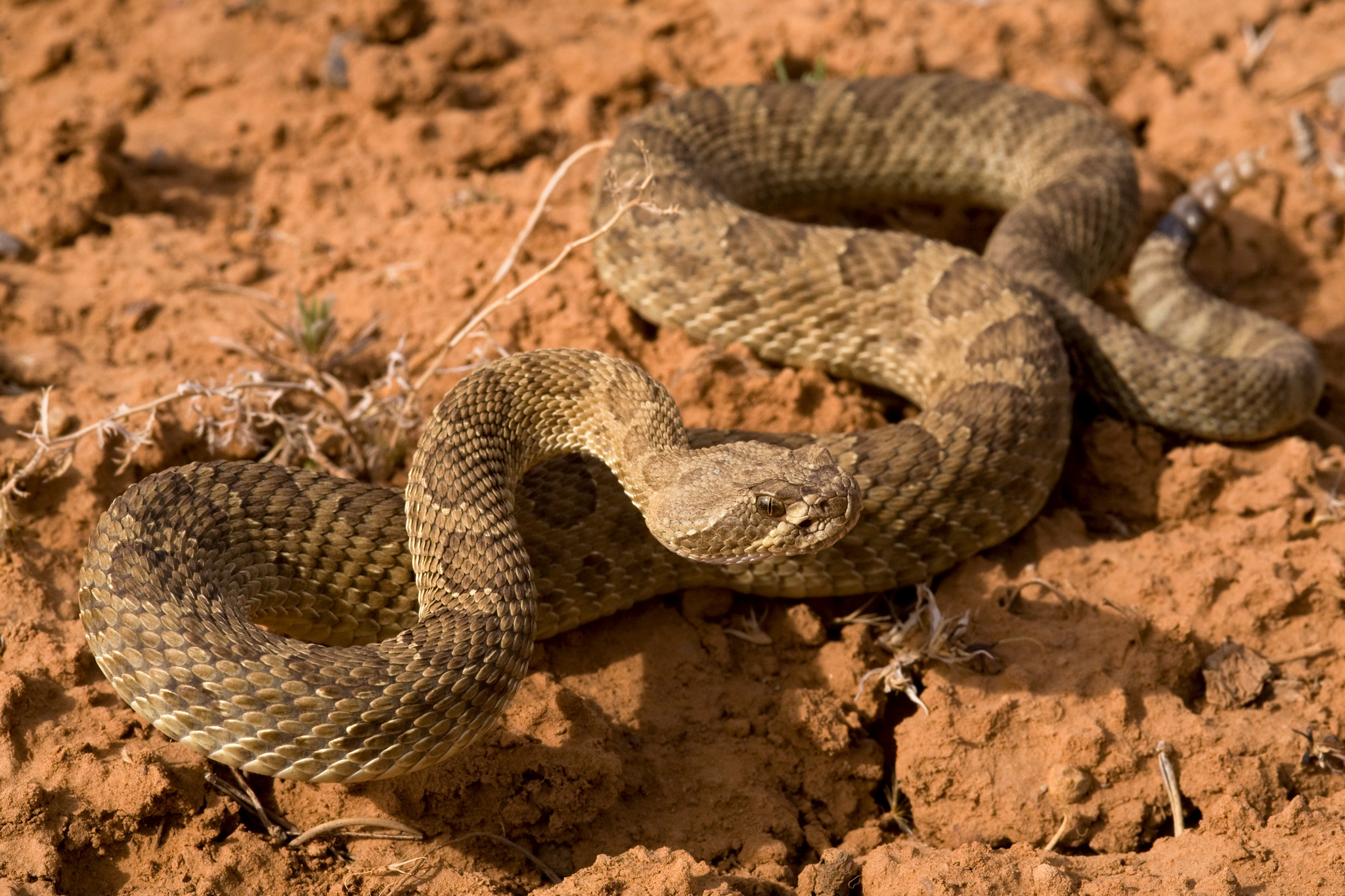
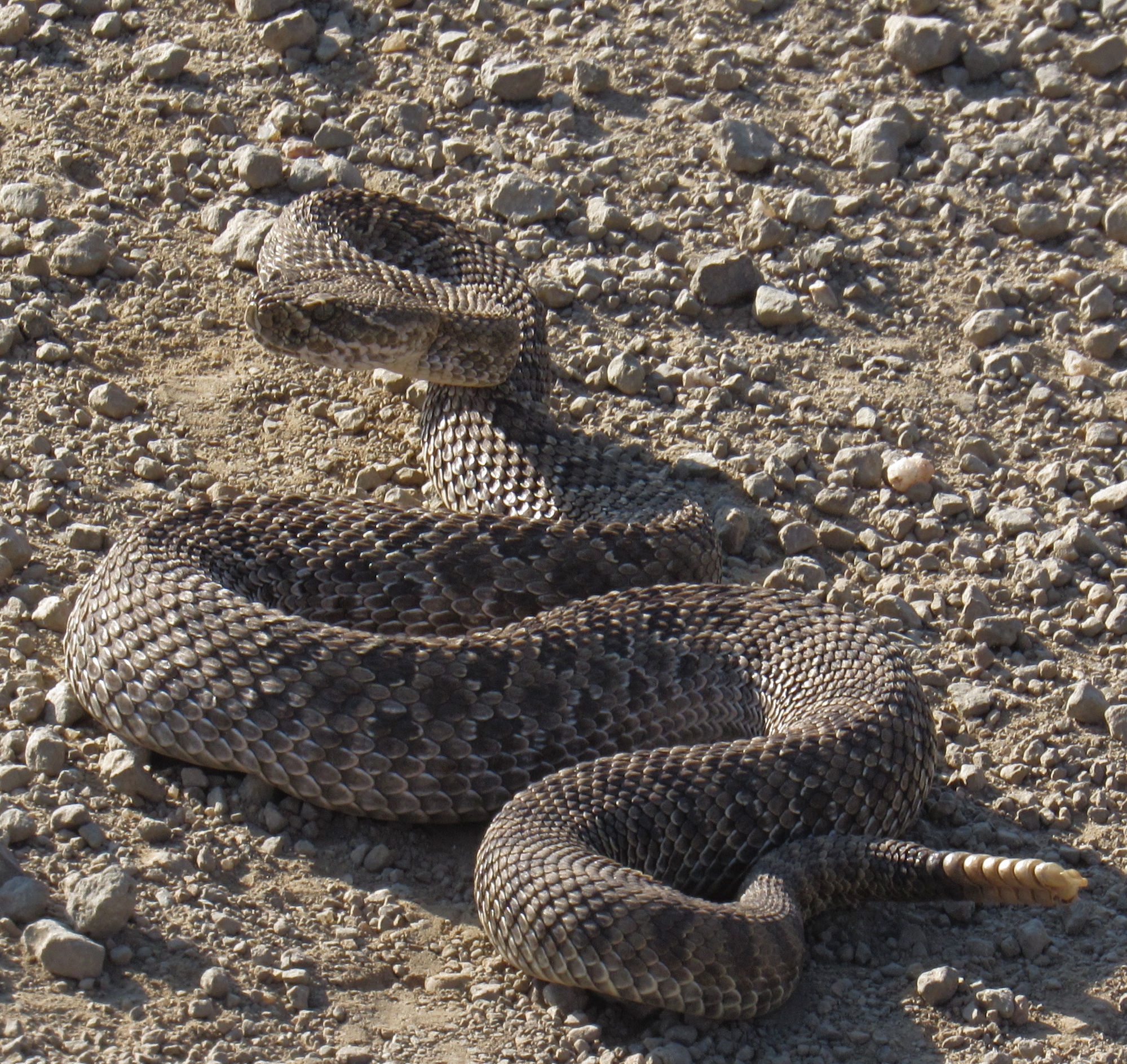
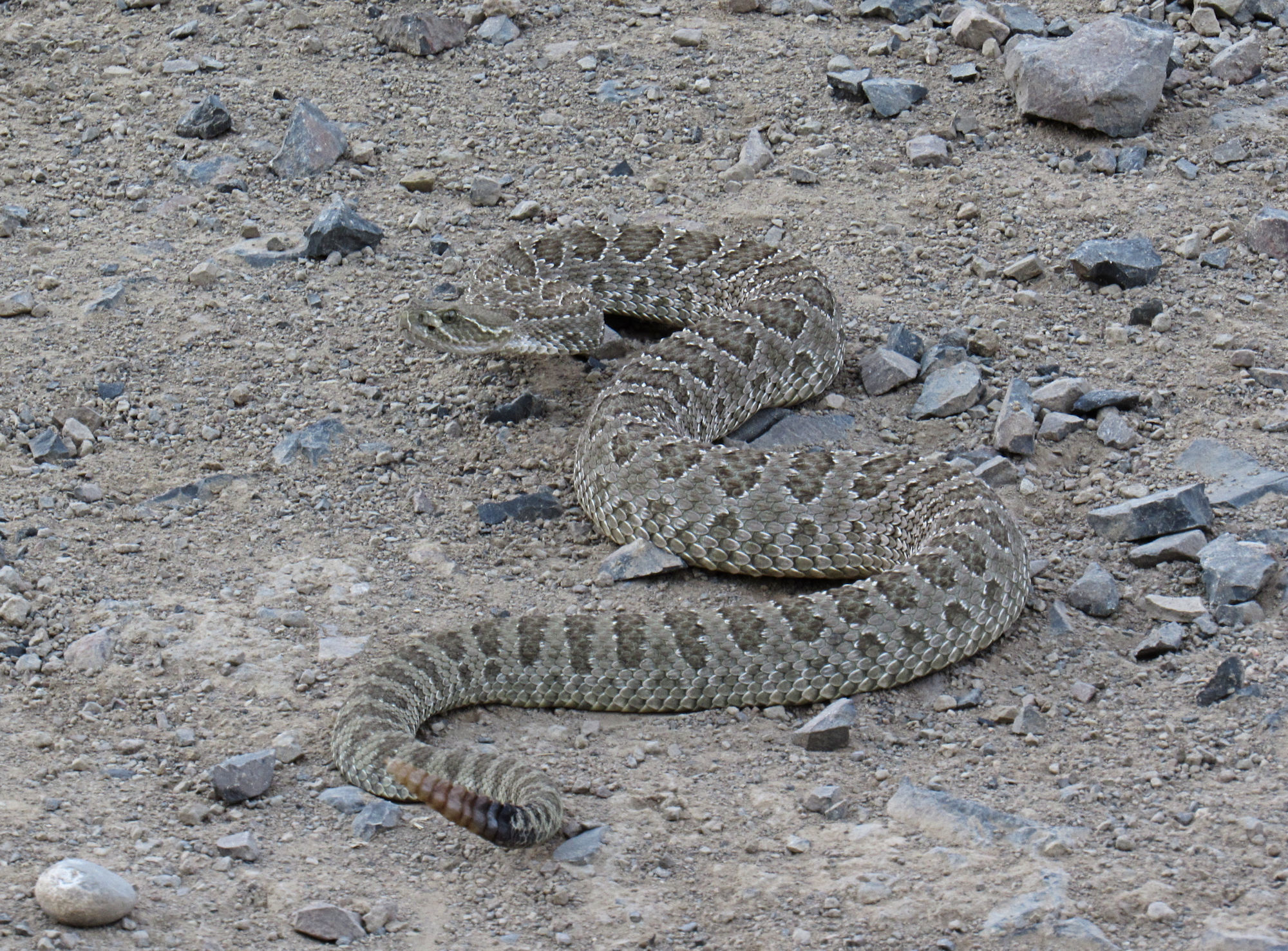
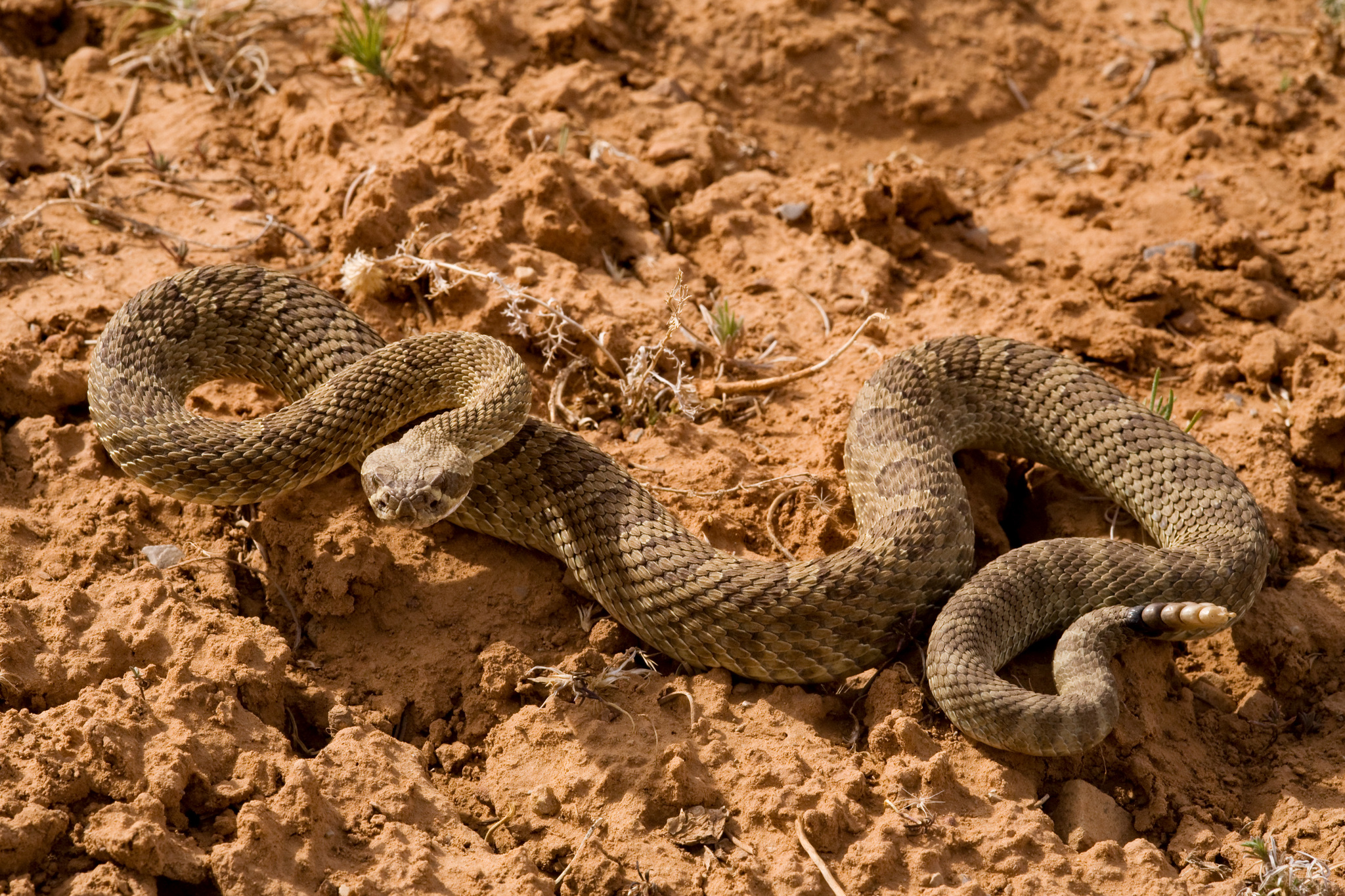
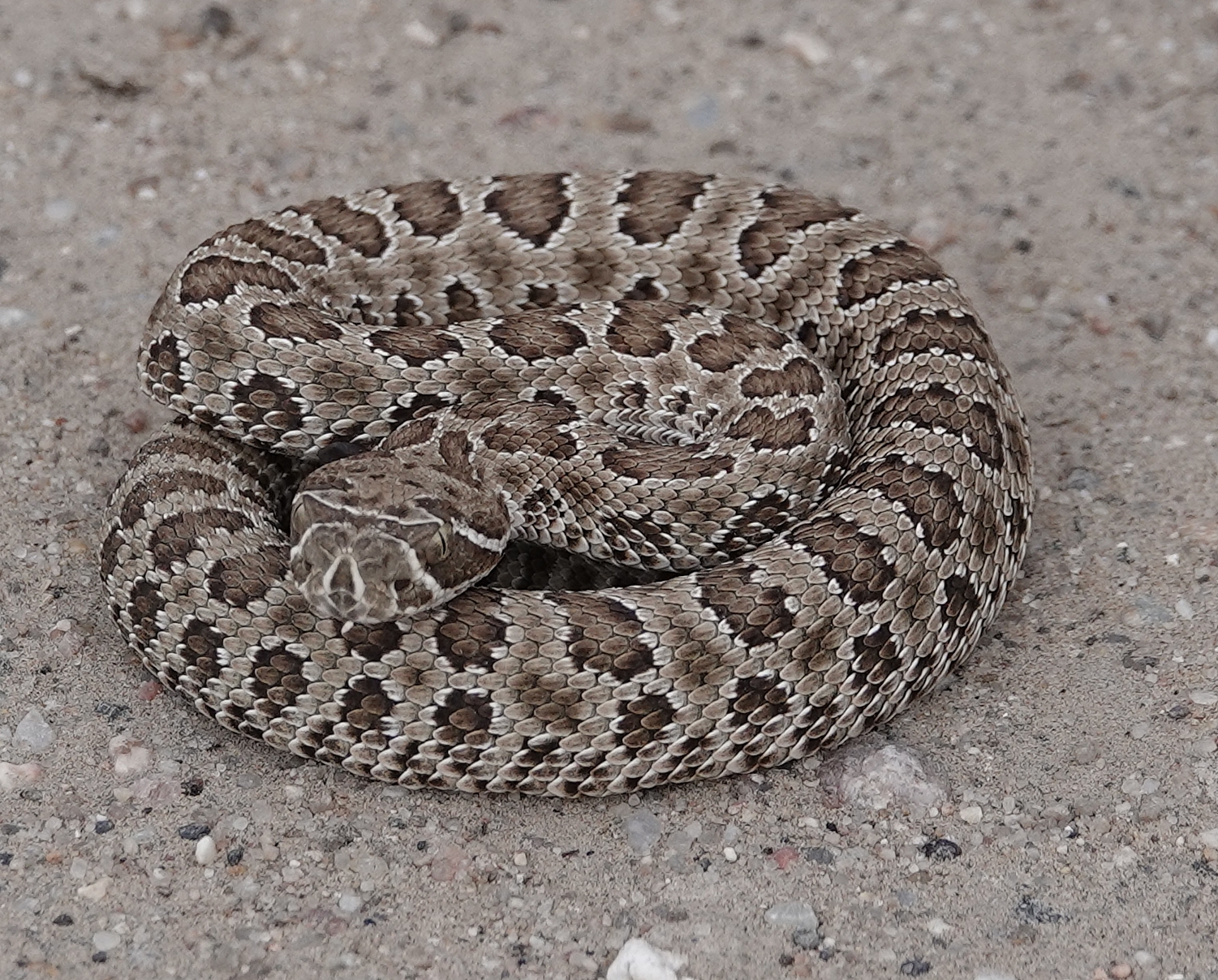
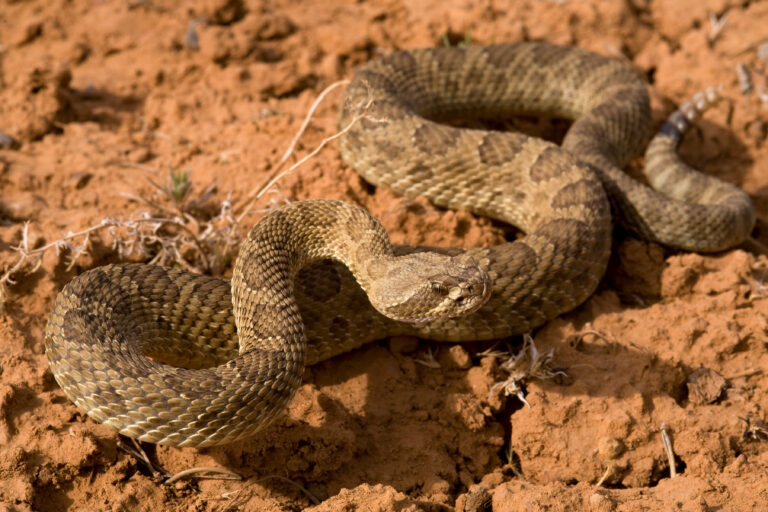
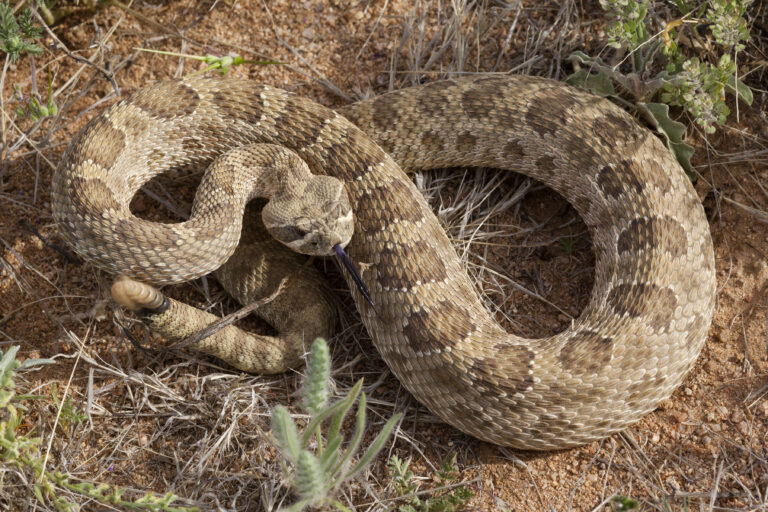
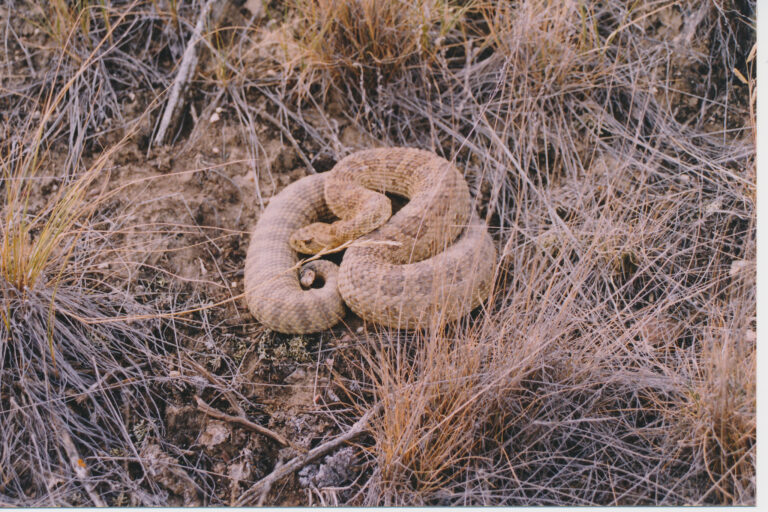
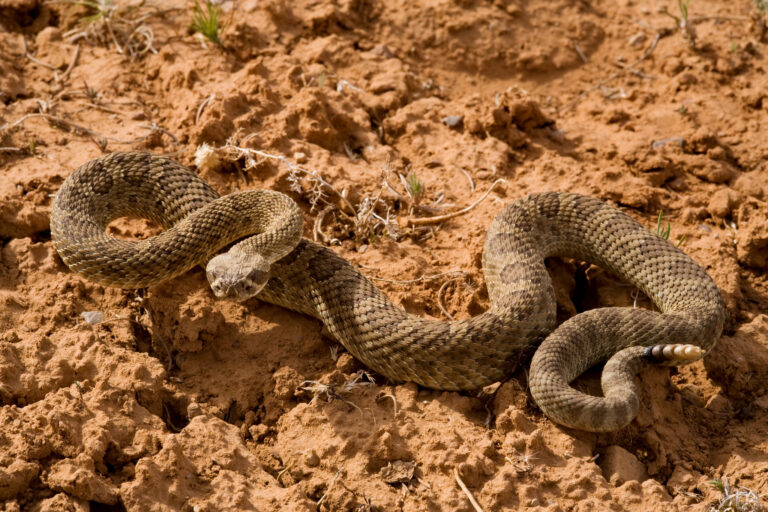
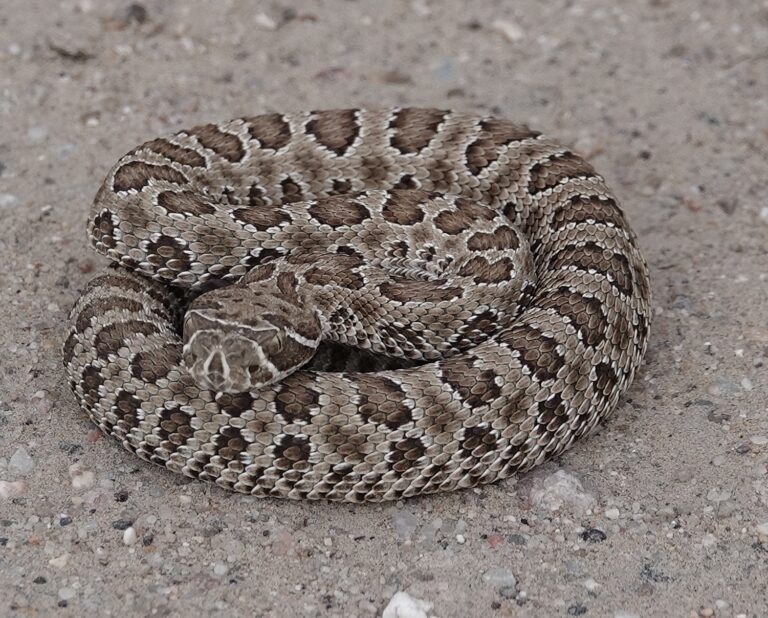
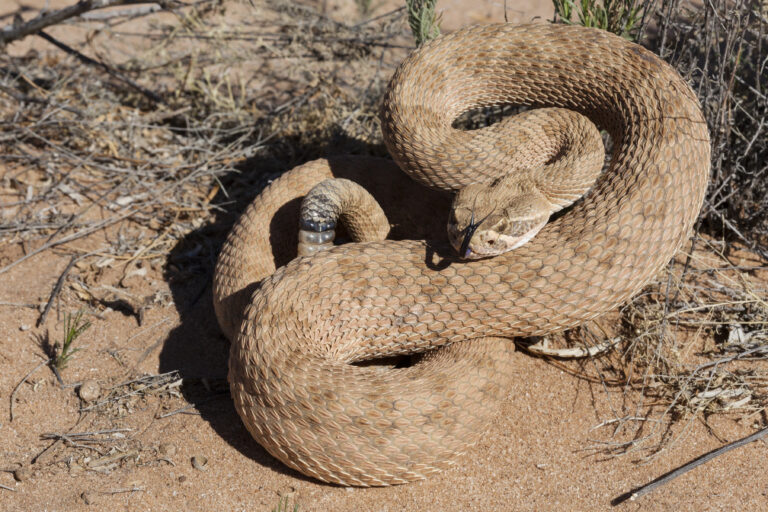
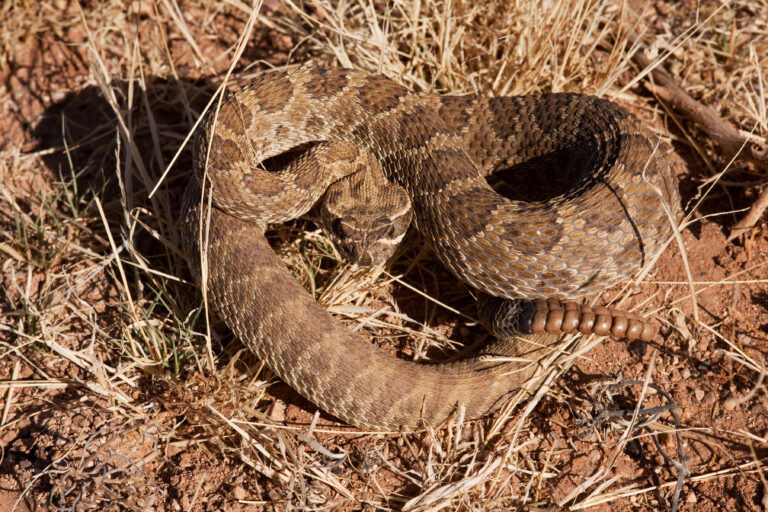
The Prairie Rattlesnake has a reputation that strikes both fear and fascination in the hearts of many! This incredible reptile belongs to the family Viperidae and hails from the central regions of America, where it rules the desert and grasslands with its unique features.
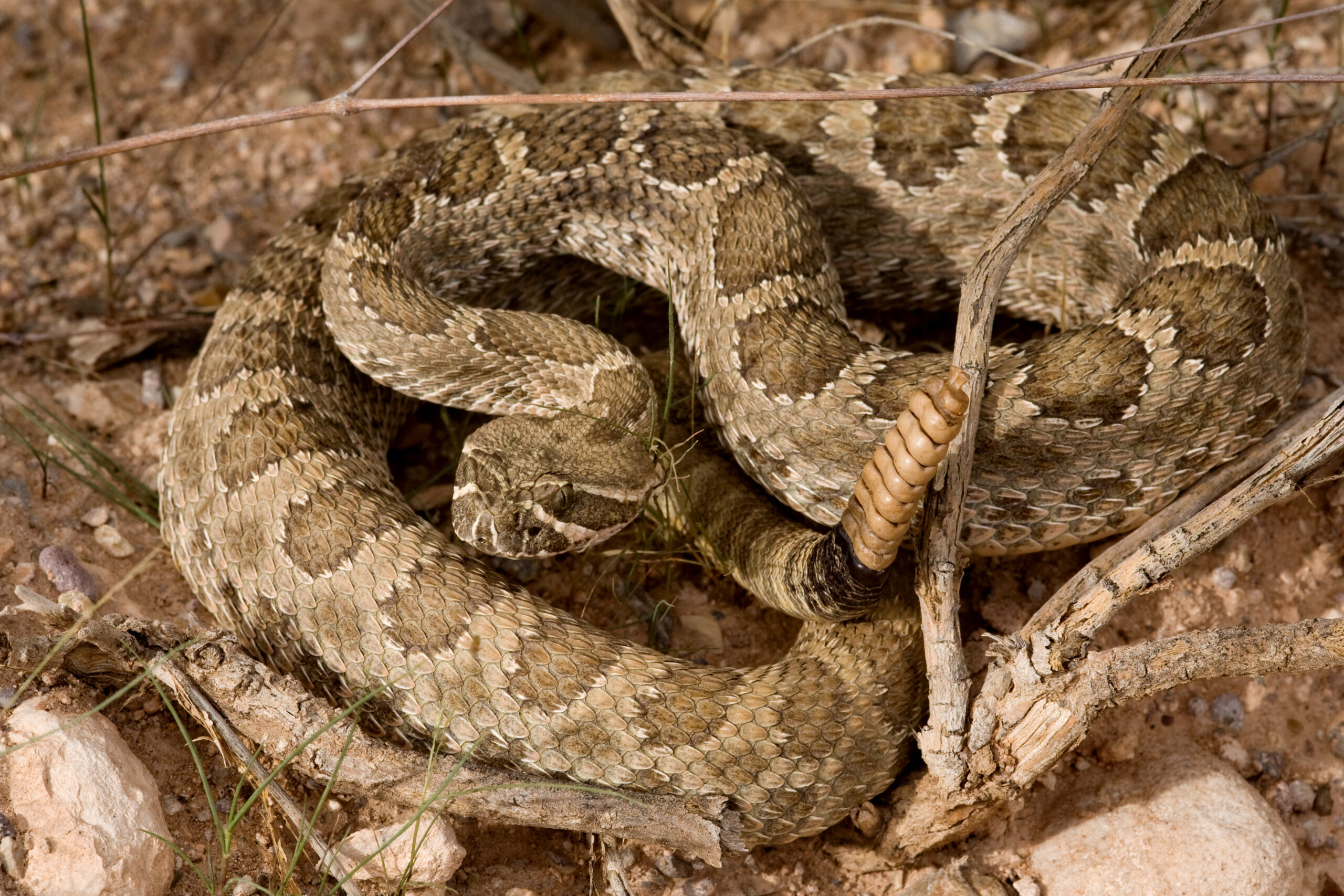
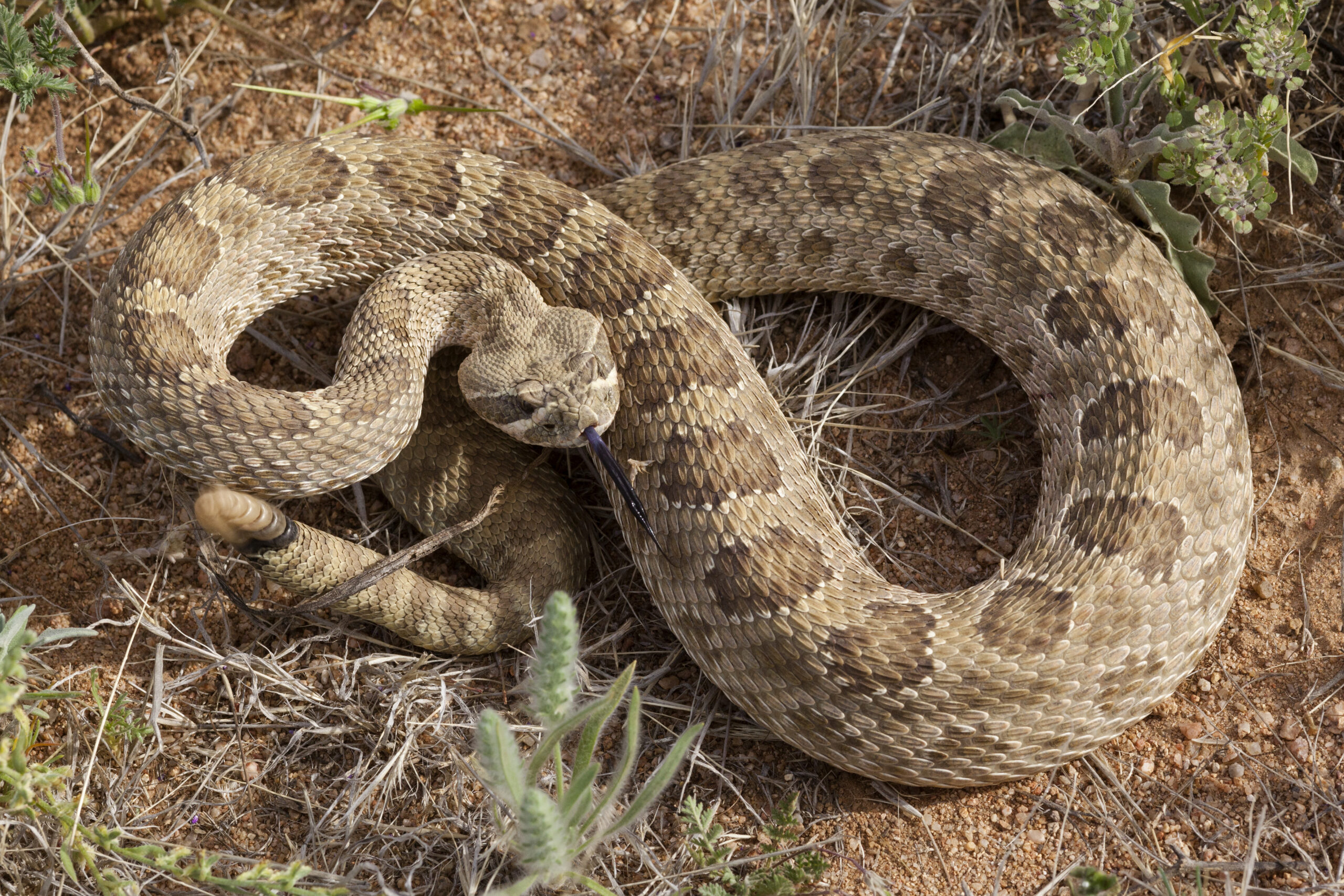
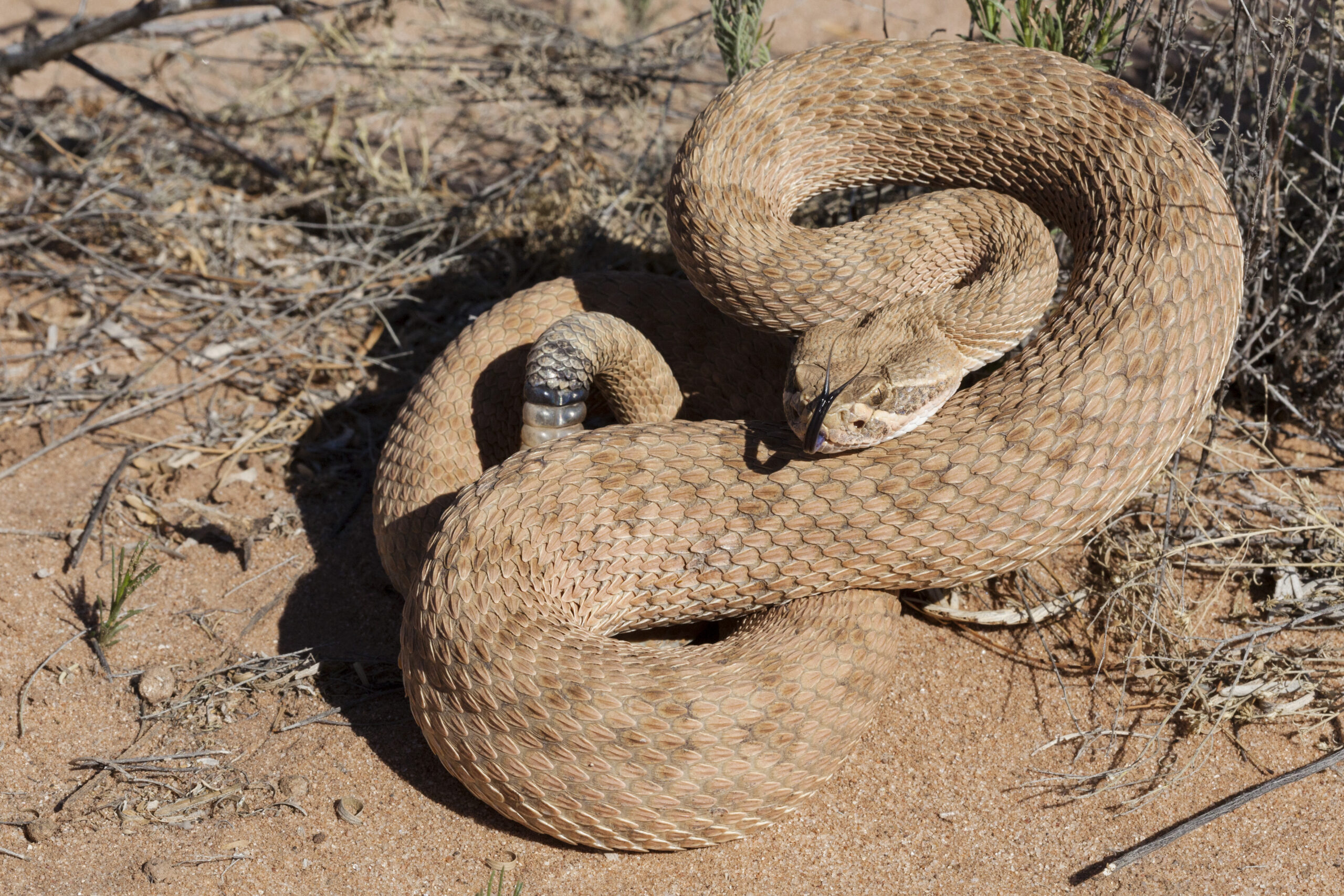
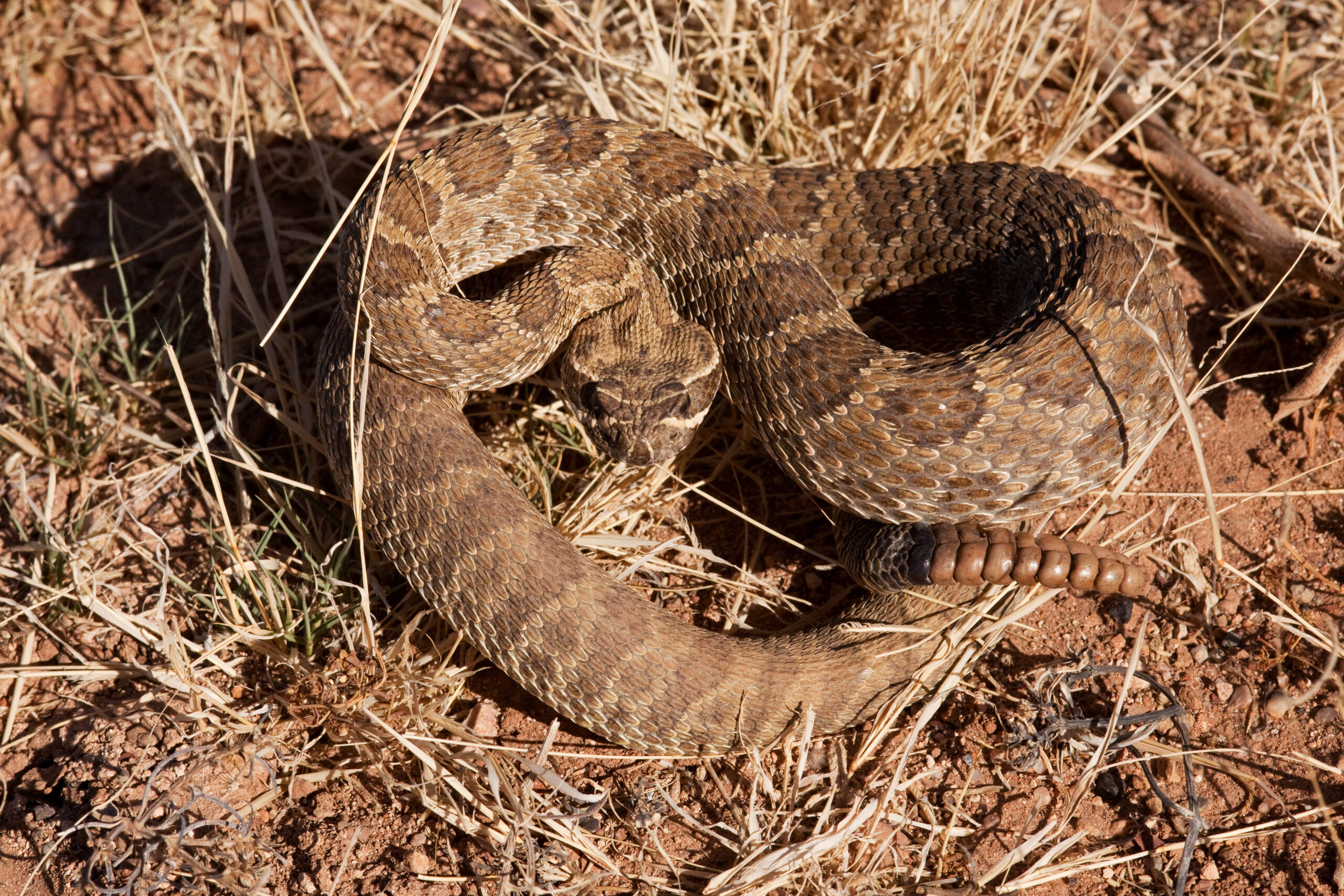
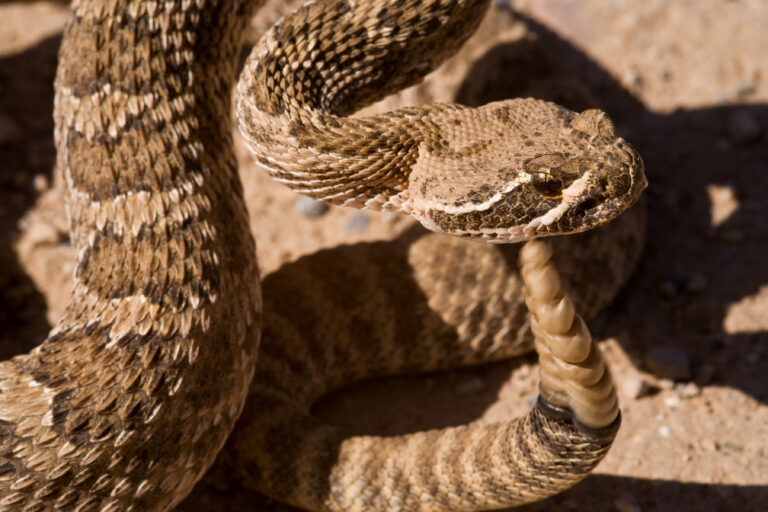
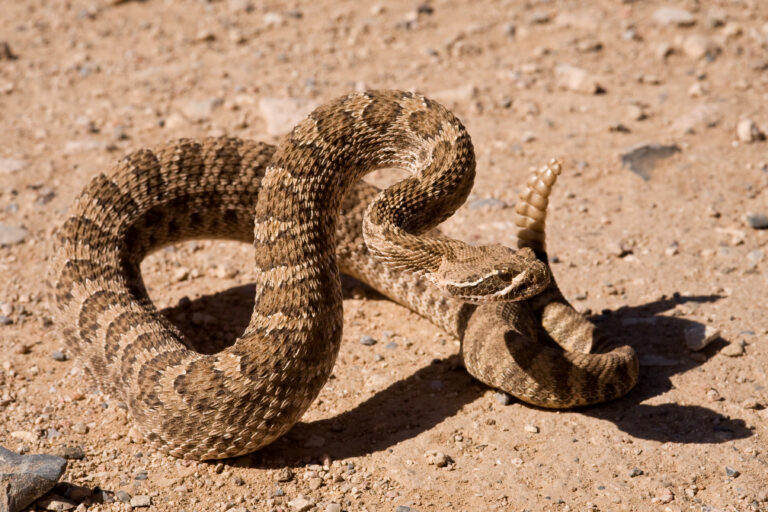
Prairie Rattlesnakes grow to an average length of 3 to 4 feet (about 0.9 to 1.2 meters). With their distinctive rattling tails, they deliver warnings to those who dare to tread too close, letting everyone know they are nearby.
These snakes are skilled hunters, feasting mainly on small mammals, birds, and lizards. They have a special sense called heat vision, which helps them find warm-blooded meals, making them far from simple diners.
The Prairie Rattlesnake also has a long lifespan. They can live between 16 to 20 years in the wild, making them wise and crafty. Just like a true survivor of the wild, they know the ins and outs of their habitats.
Instead of venom being a villain, it turns out Prairie Rattlesnake venom actually helps in digestive processes! This awesome adaptation allows these snakes to enjoy their meals more effectively, turning potential dinner into a tasty treat!

Where can you find a Prairie Rattlesnake in the wild?
What does a Prairie Rattlesnake eat?
How big can a Prairie Rattlesnake grow?
How long does a Prairie Rattlesnake typically live?
What is the conservation status of the Prairie Rattlesnake?
What are the main threats to the Prairie Rattlesnake?
Fun facts
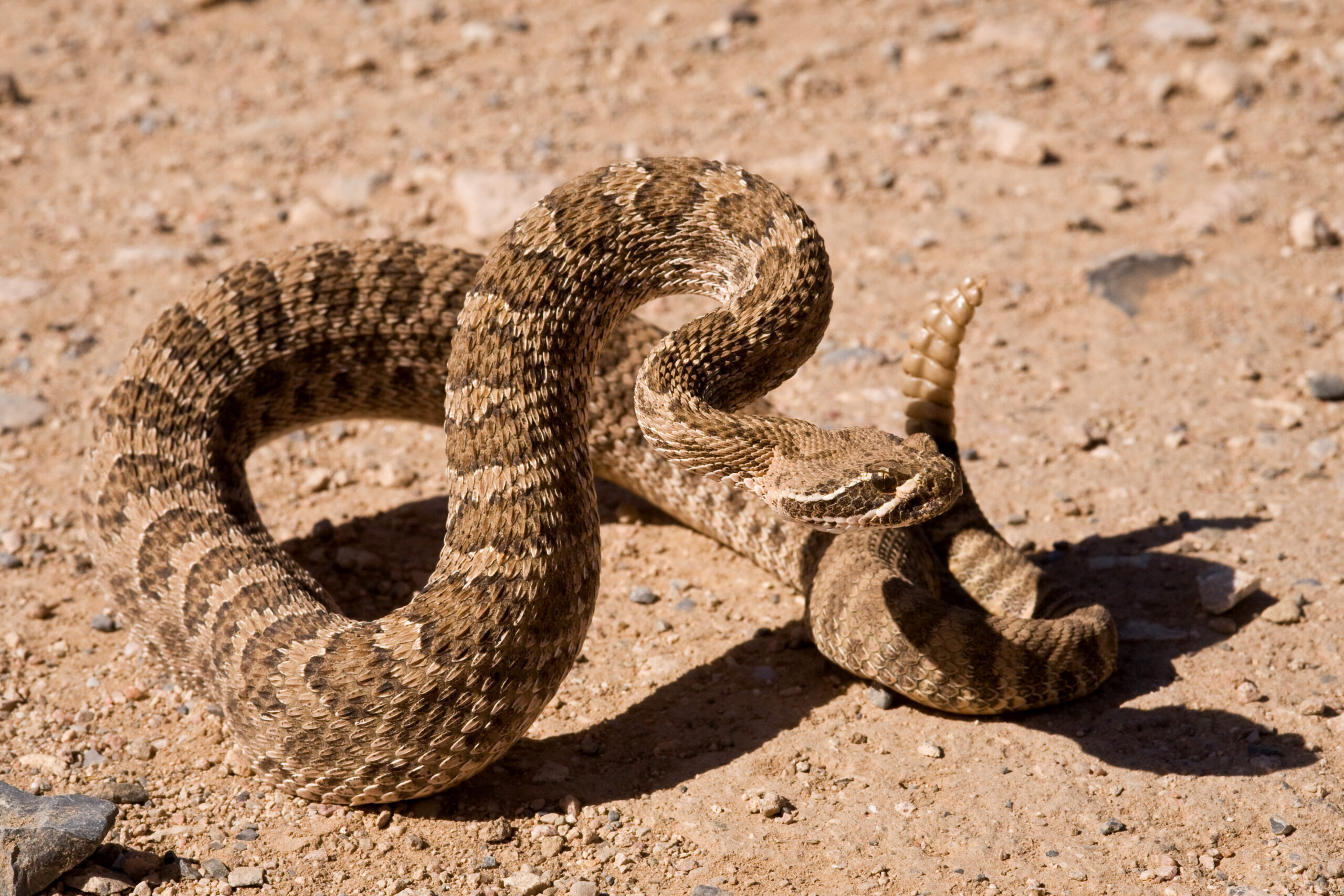
A Prairie Rattlesnake can shake its rattle up to 60 times per second! This quick movement warns others to stay away and shows off its impressive skills.


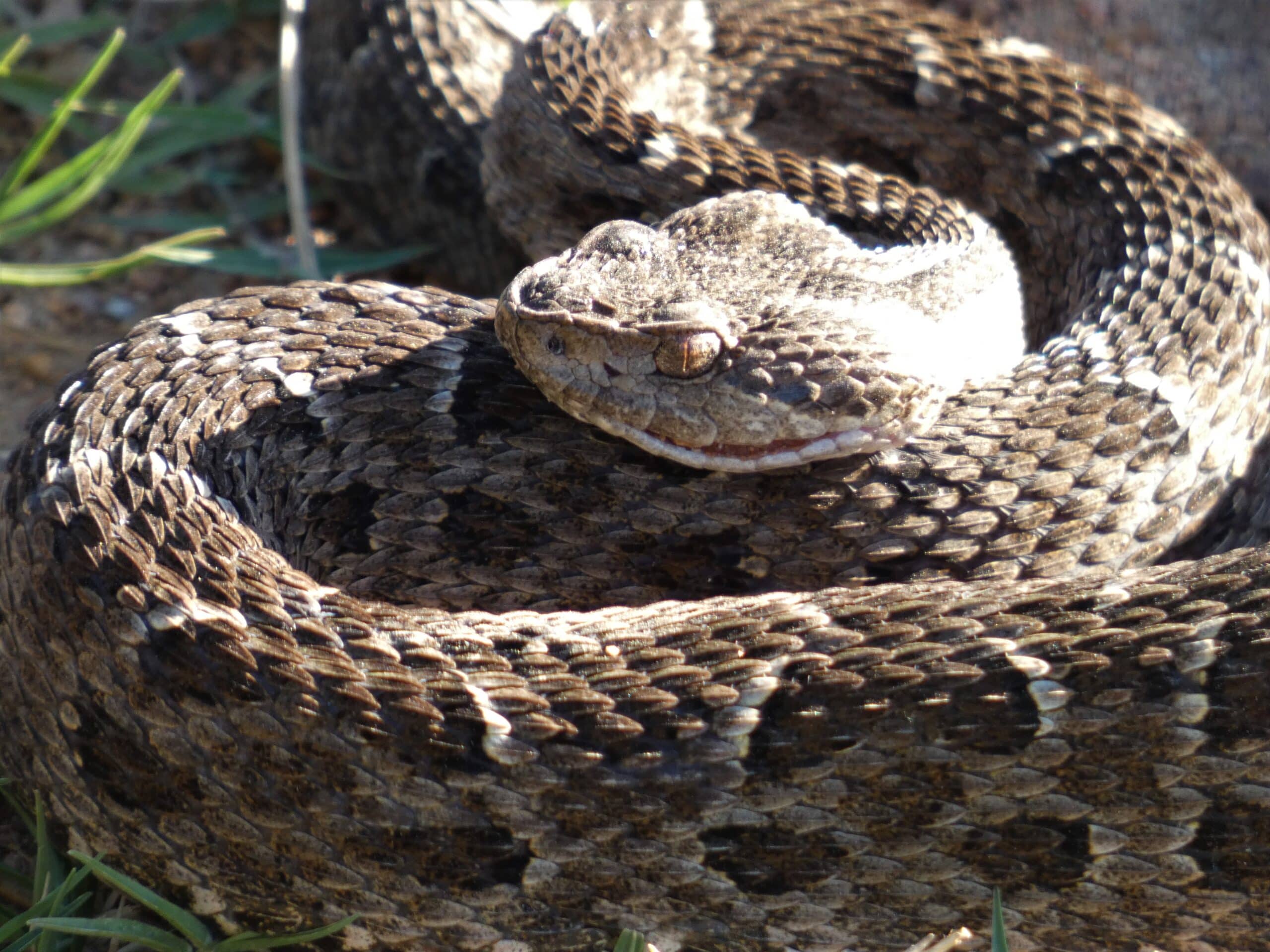
These snakes can sense heat using special pits in their faces, which makes hunting in the dark a breeze! They can locate warm-blooded prey even when it is hidden.
Prairie Rattlesnakes do not swallow their prey whole. Instead, they inject venom to help digest their food and enjoy a gourmet meal right where they catch it.
When a Prairie Rattlesnake feels threatened, it doesn’t just rattle its tail; it also performs a cool defensive dance. It raises its body and hisses loudly to scare off intruders!
Female Prairie Rattlesnakes bear live young instead of laying eggs. This means that baby snakes pop out ready to slither, which is pretty unique among reptiles!
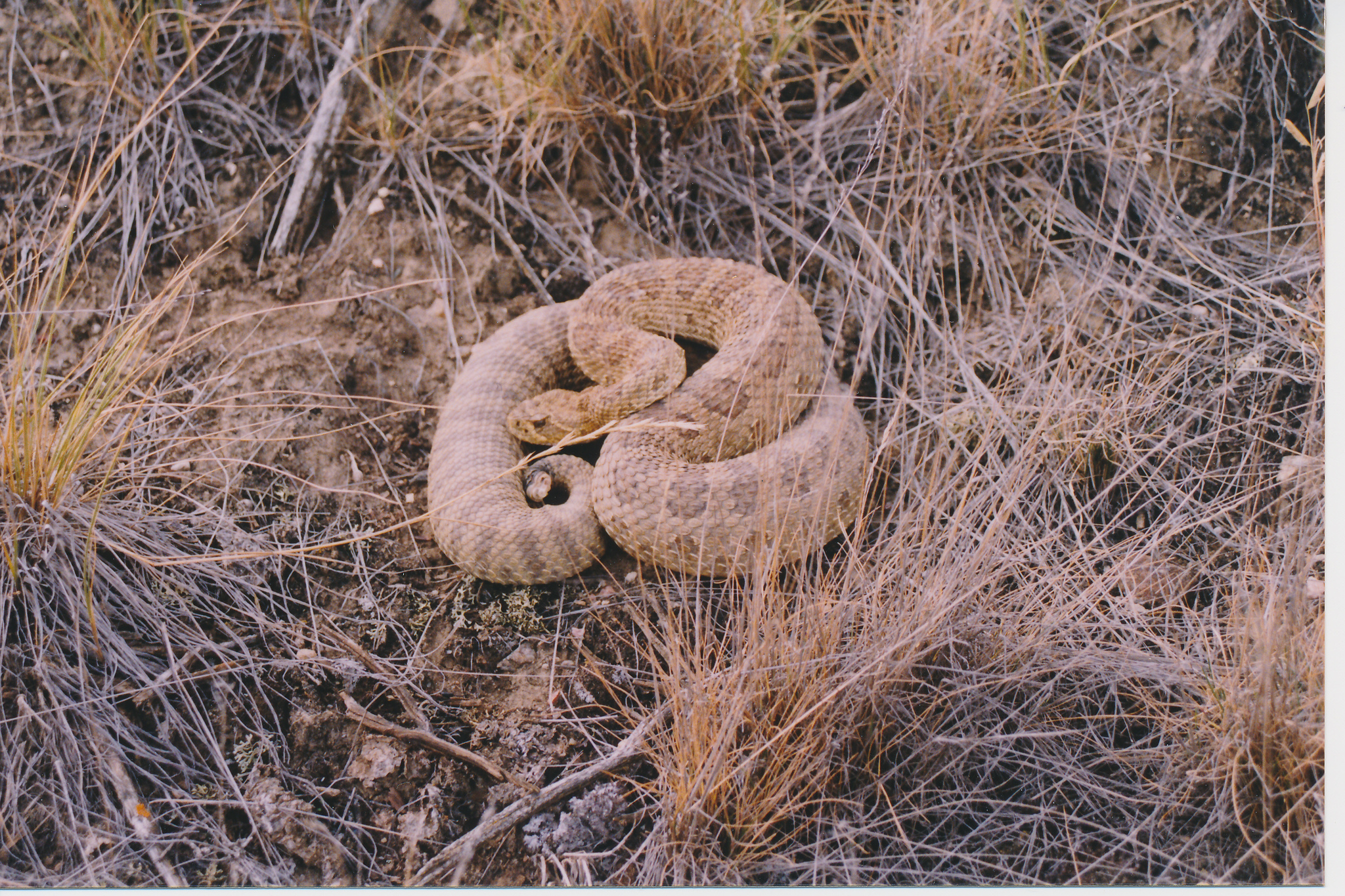
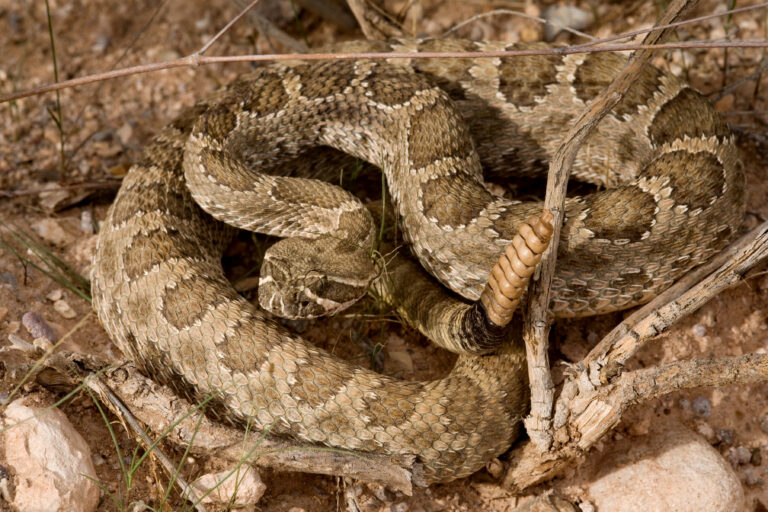
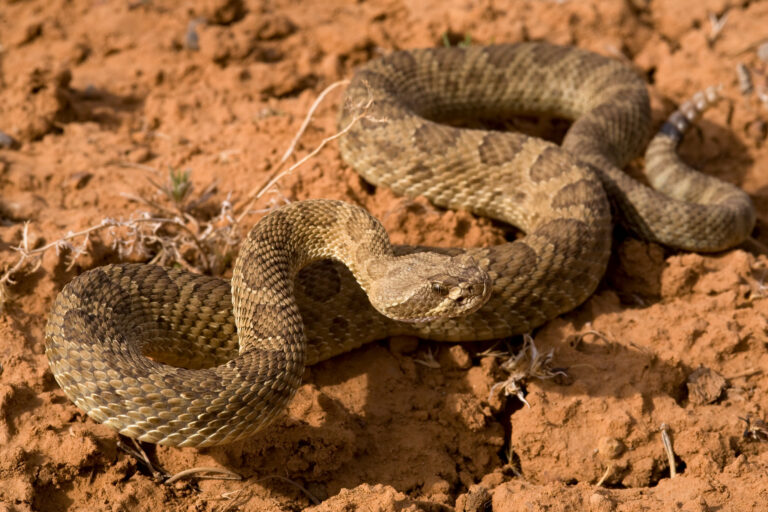
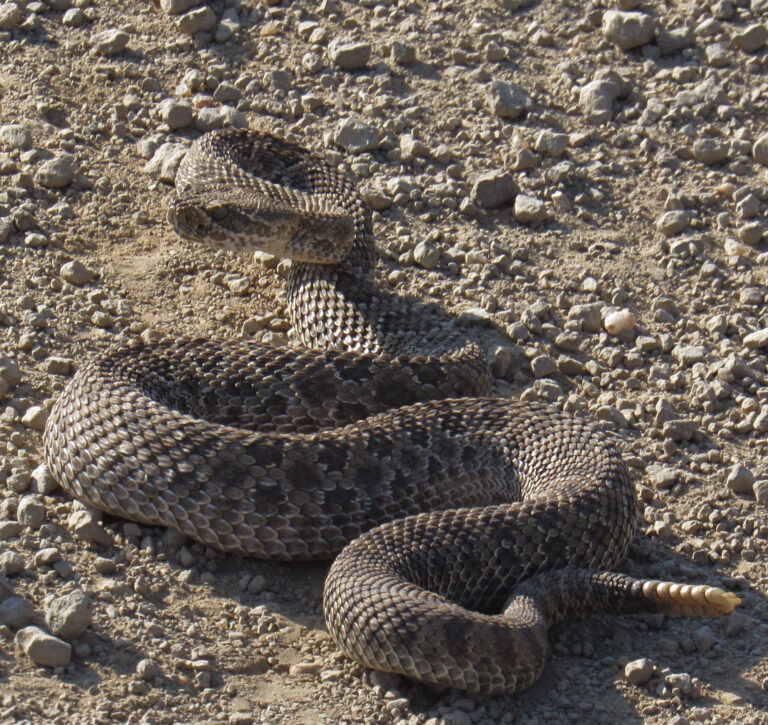
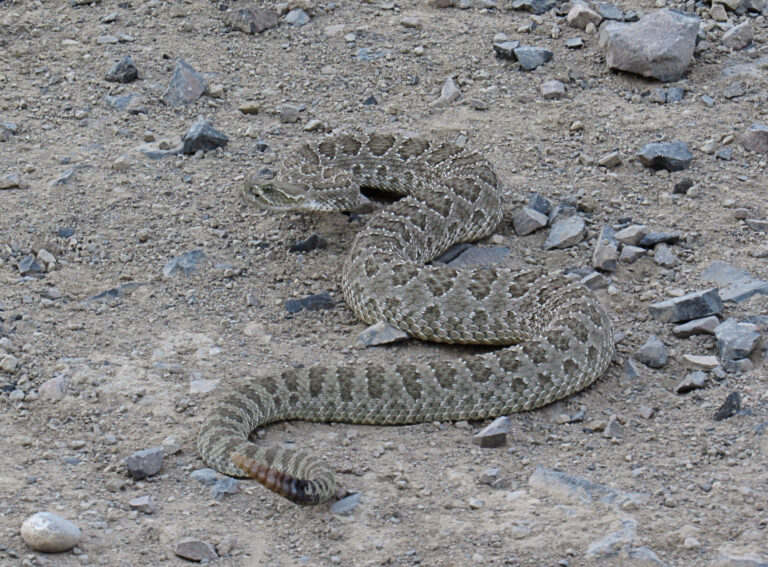
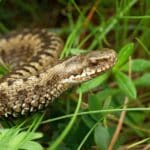
The patterns on a Prairie Rattlesnake’s skin help it blend in with its surroundings. This awesome camouflage keeps it safe from larger predators and helps it sneak up on lunch.
A Prairie Rattlesnake can hold its breath for up to 30 minutes. This makes it a fantastic ambush predator when waiting to strike.
These rattlesnakes can live in groups when it's chilly. They often gather in communal dens to stay warm during the cold winter months.
Photos


The Basics


explore more
Amphibians
Arachnids
Birds
Cats
Crustaceans
Fish
Fish Pet Guide
Gastropods
Insects
Invertebrates
Mammals
Pet Fish
Pet Rodents
Plants
Reptiles
Roundworms
Sea Slugs