Successfully copied to clipboard!
Praying Mantis
Unleash your inner ninja with a brilliant bug predator!
Let’s Explore
Overview
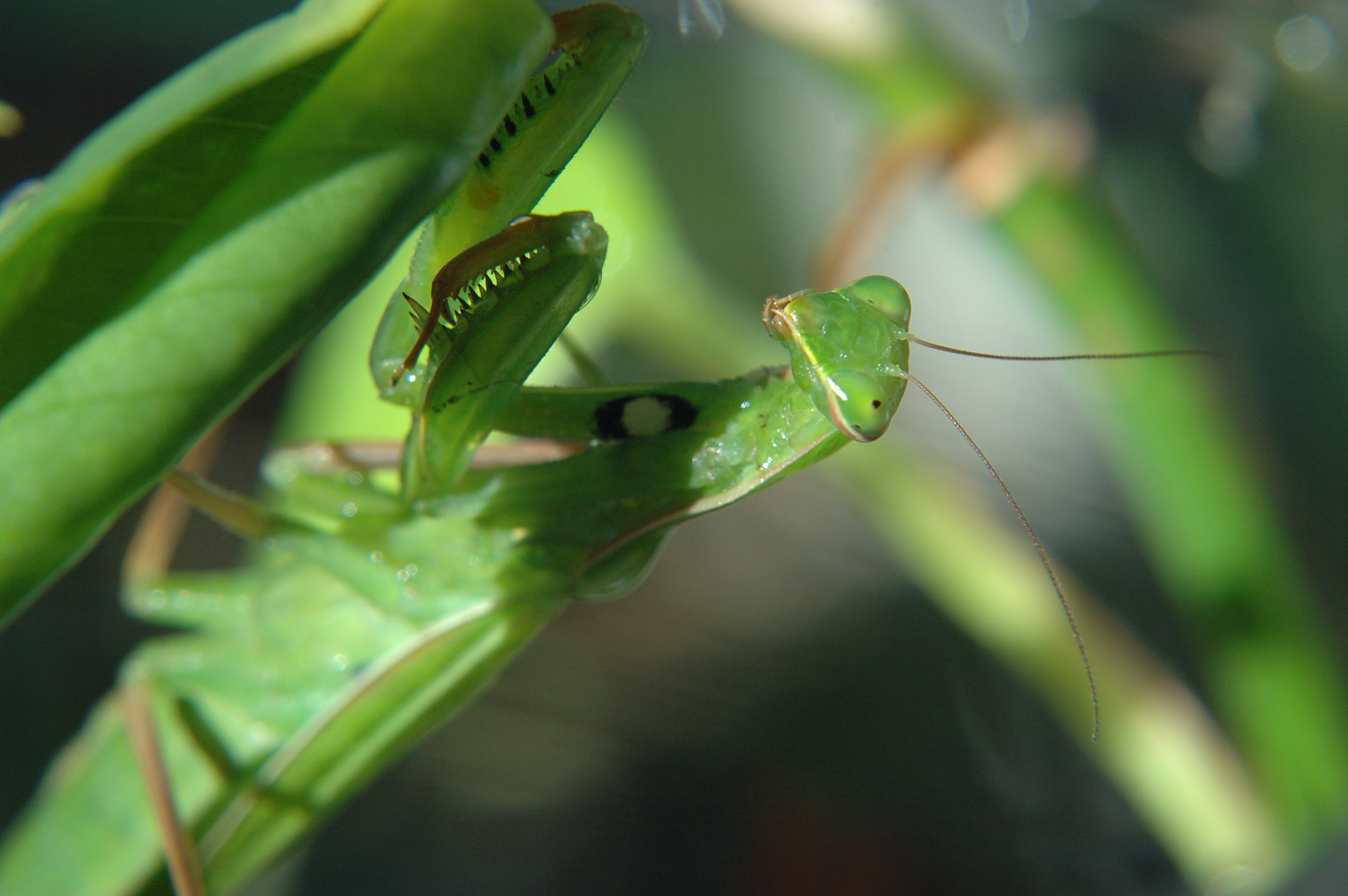
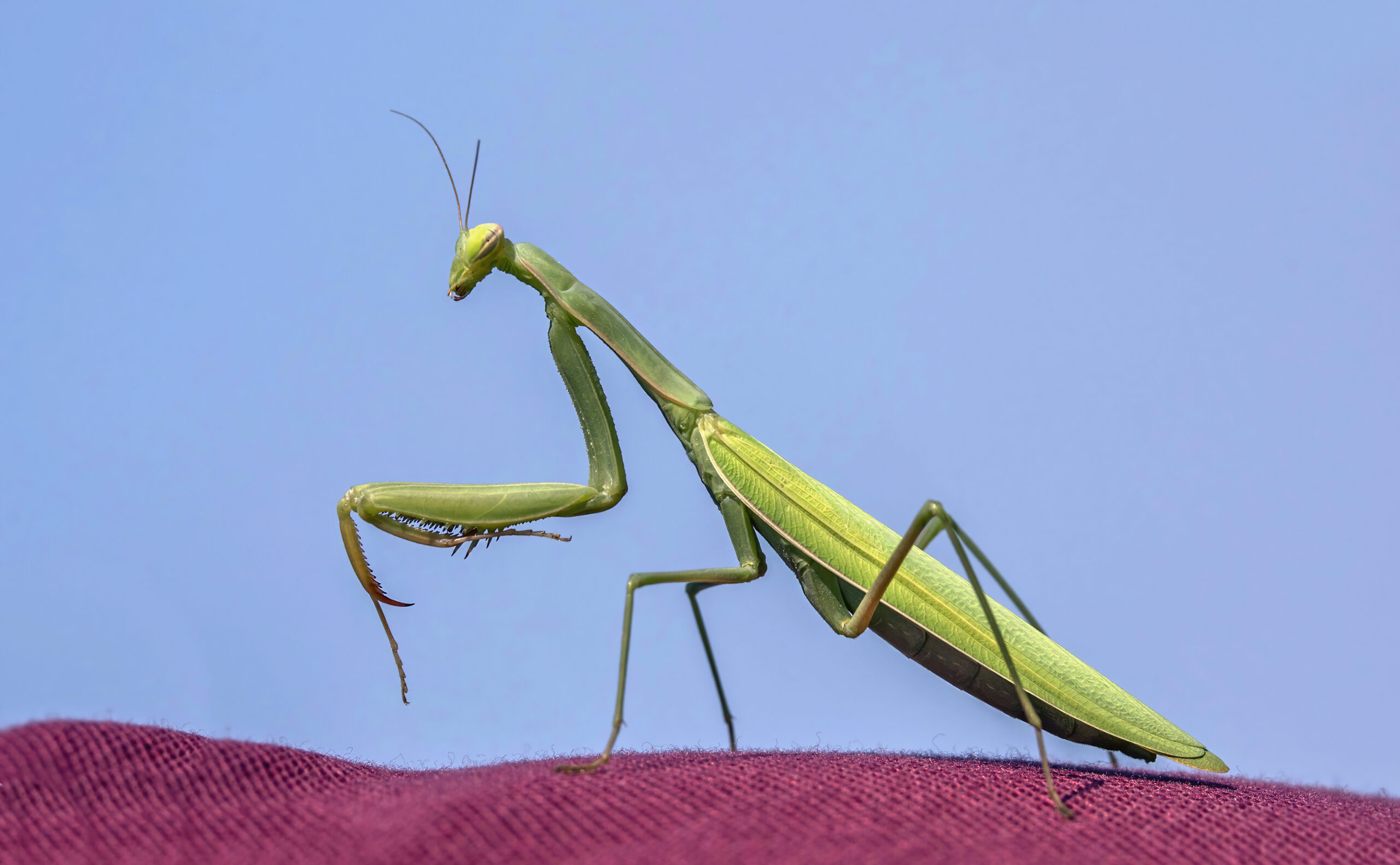
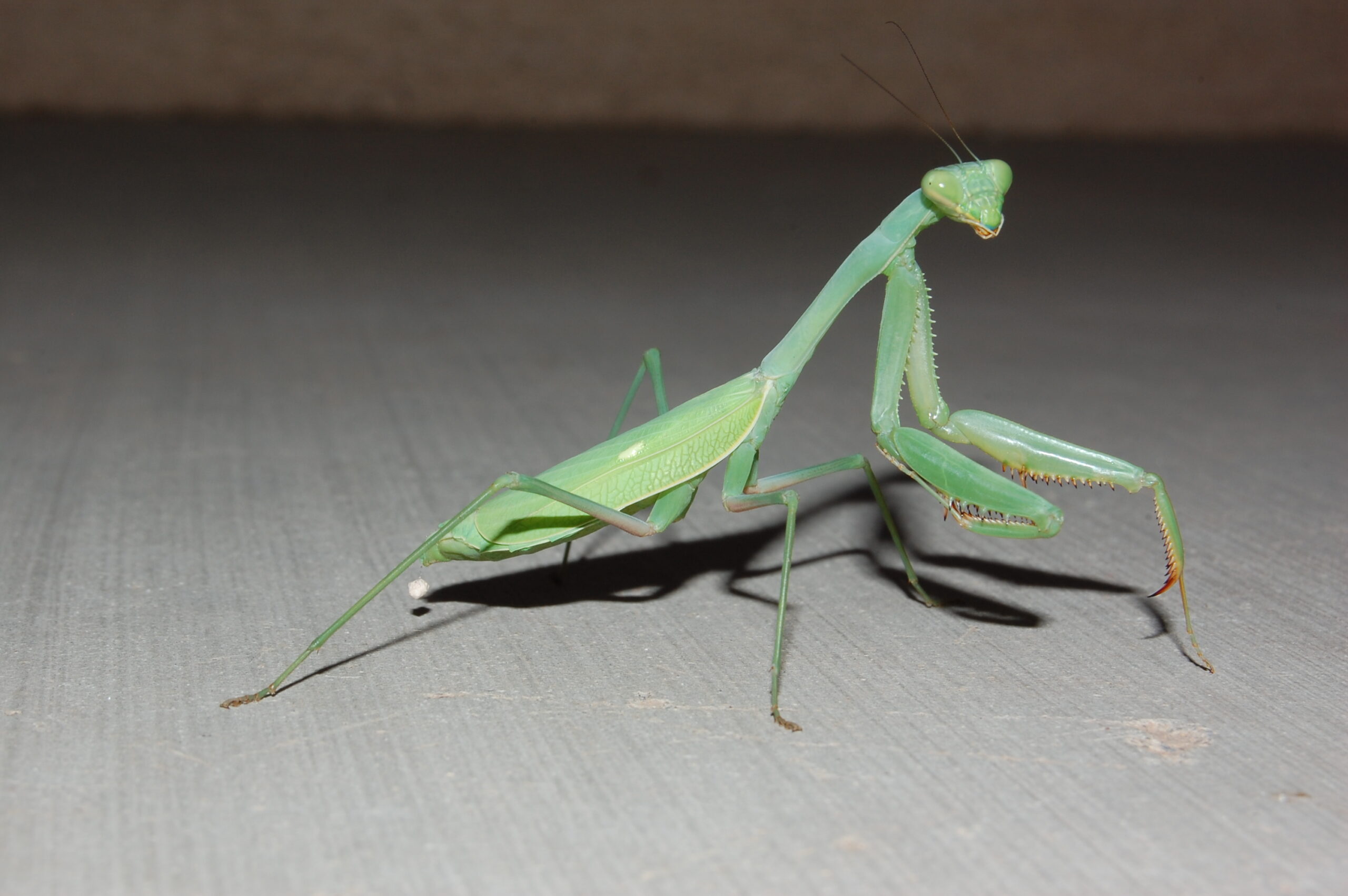
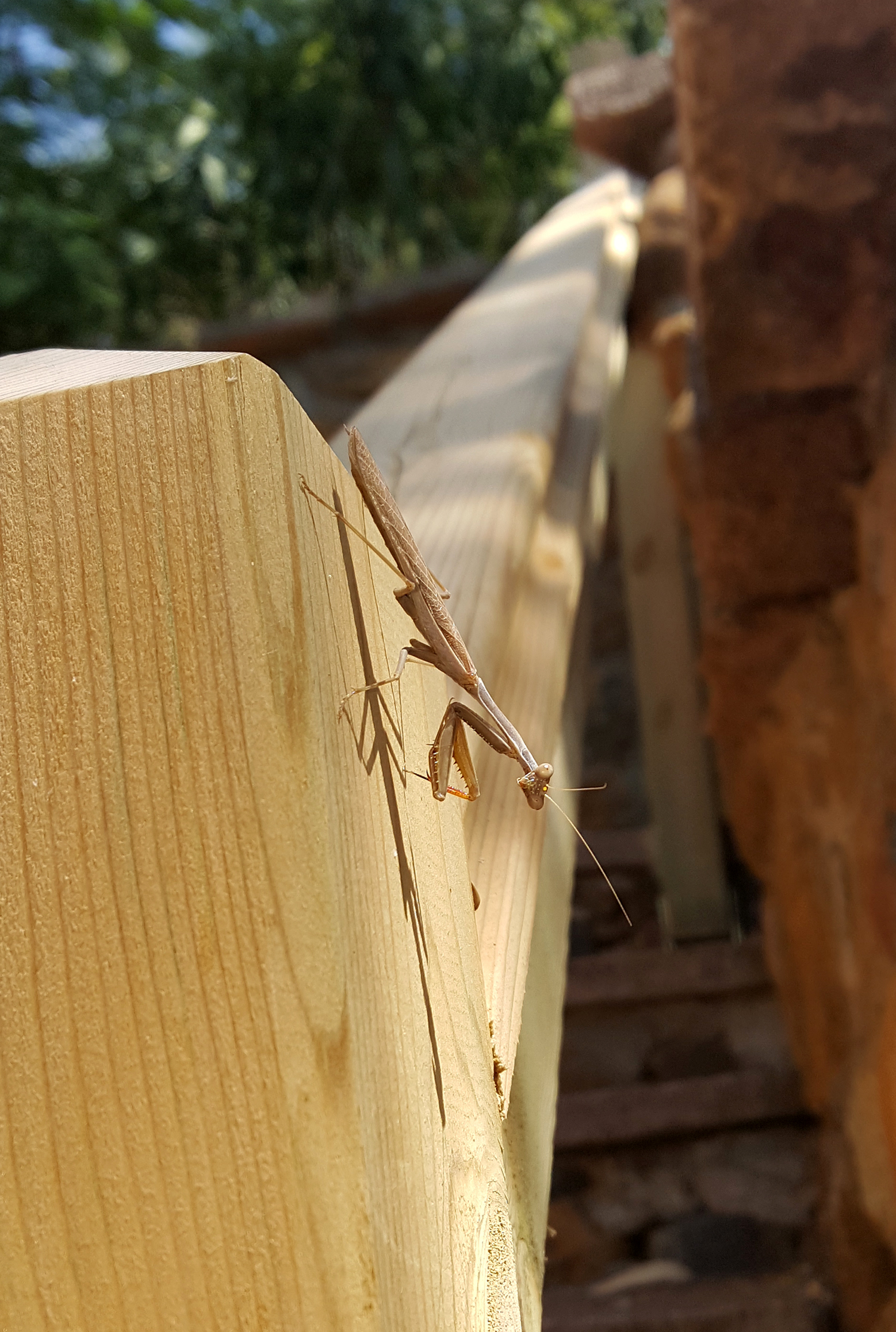
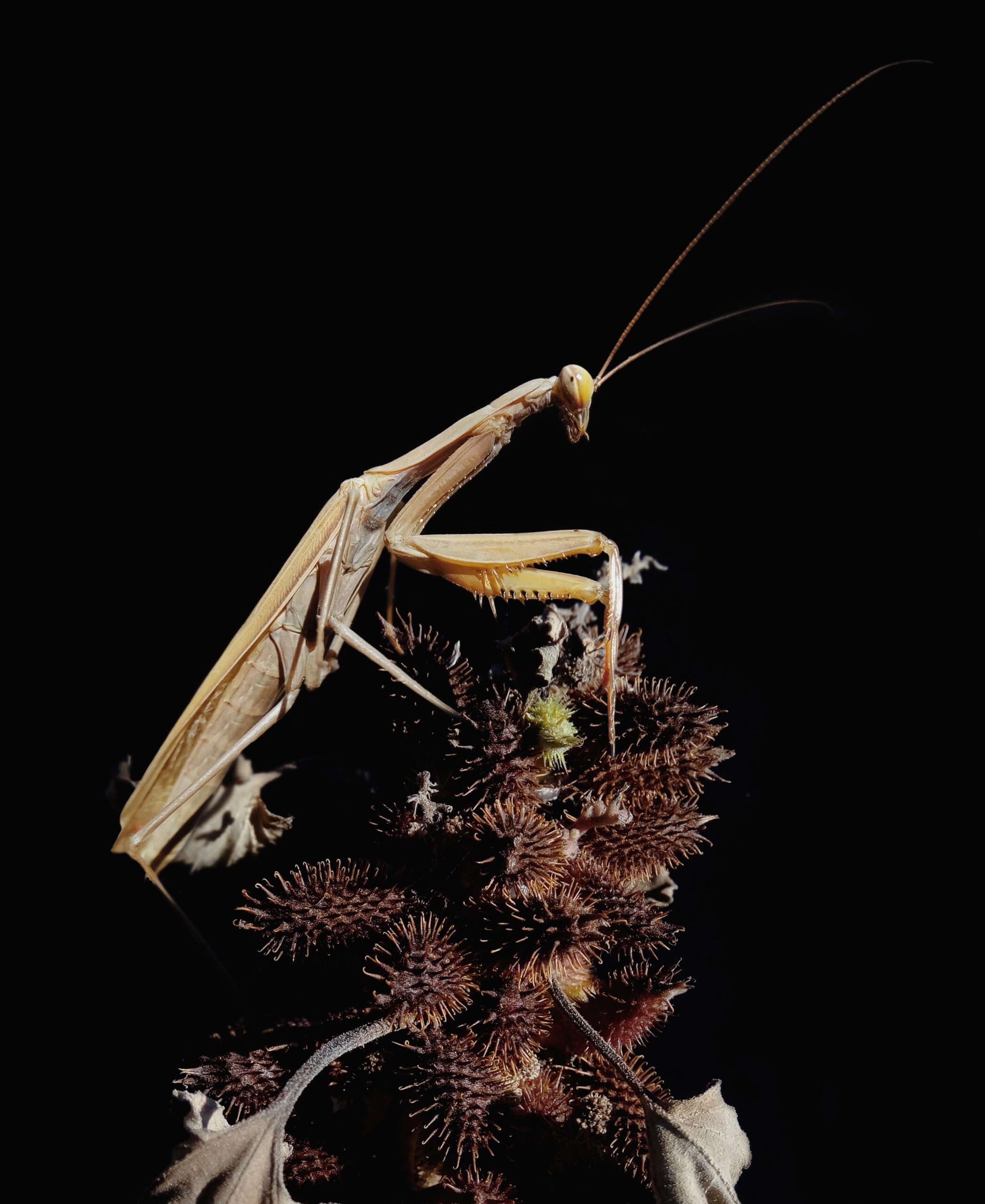
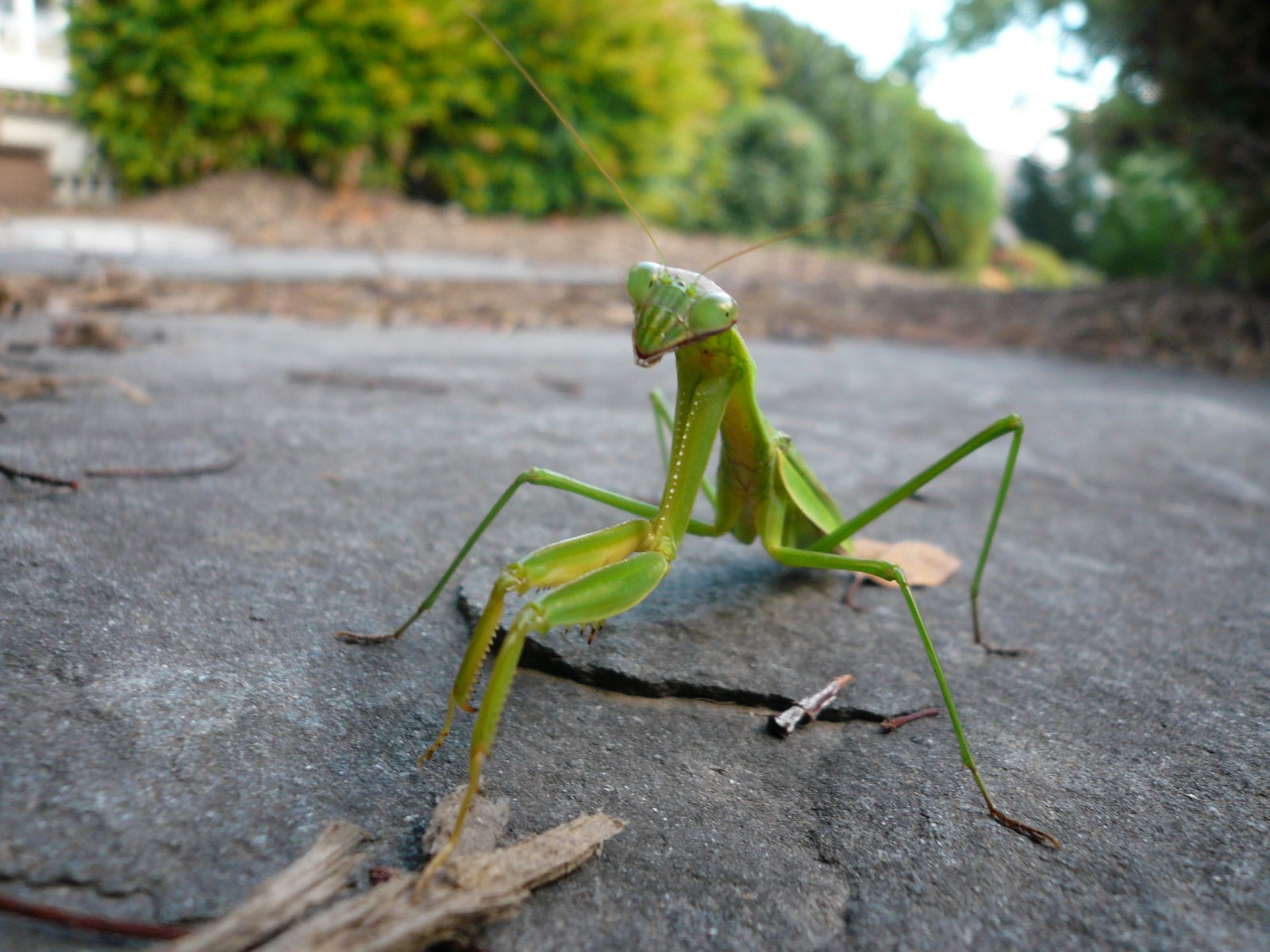
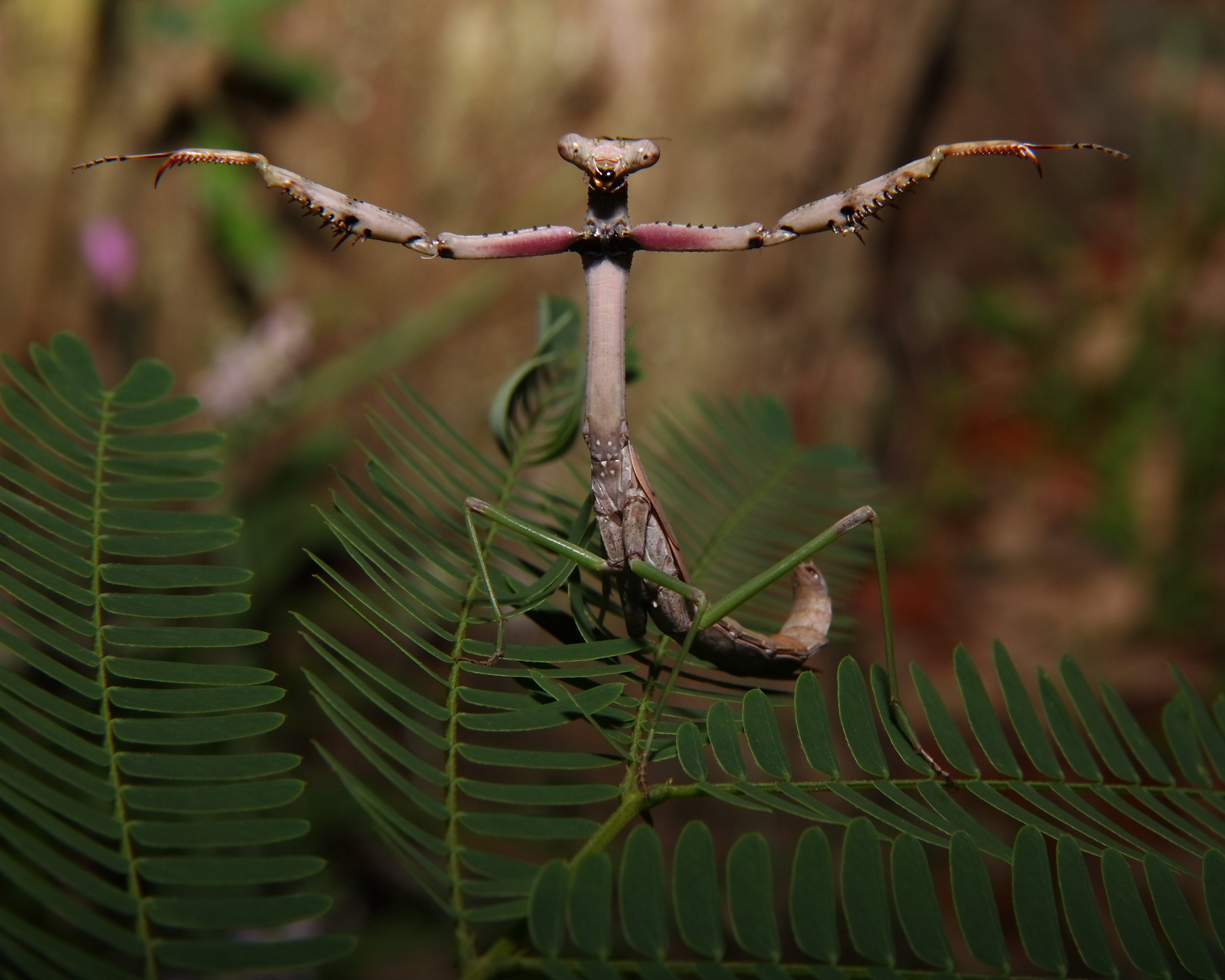
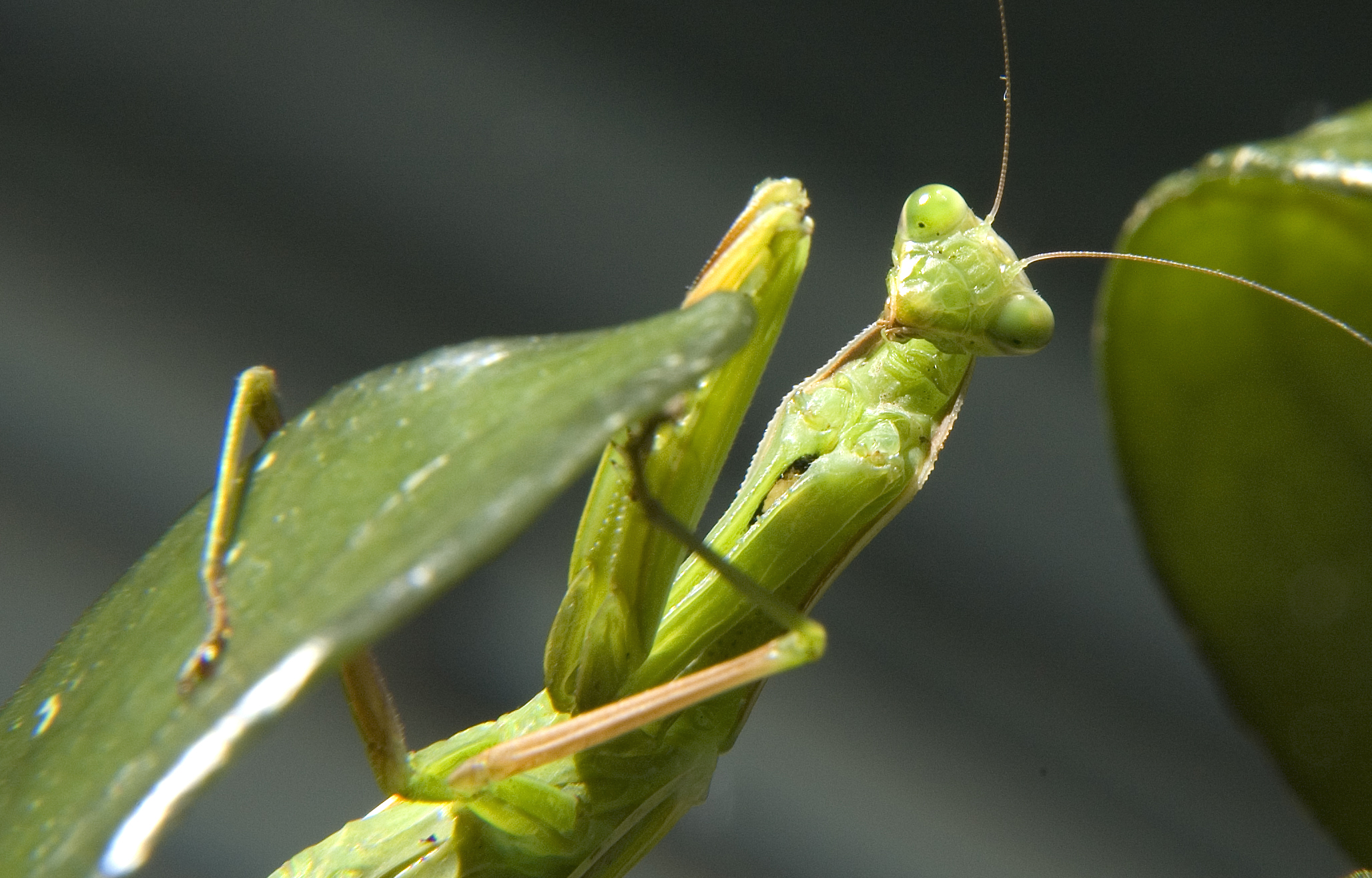
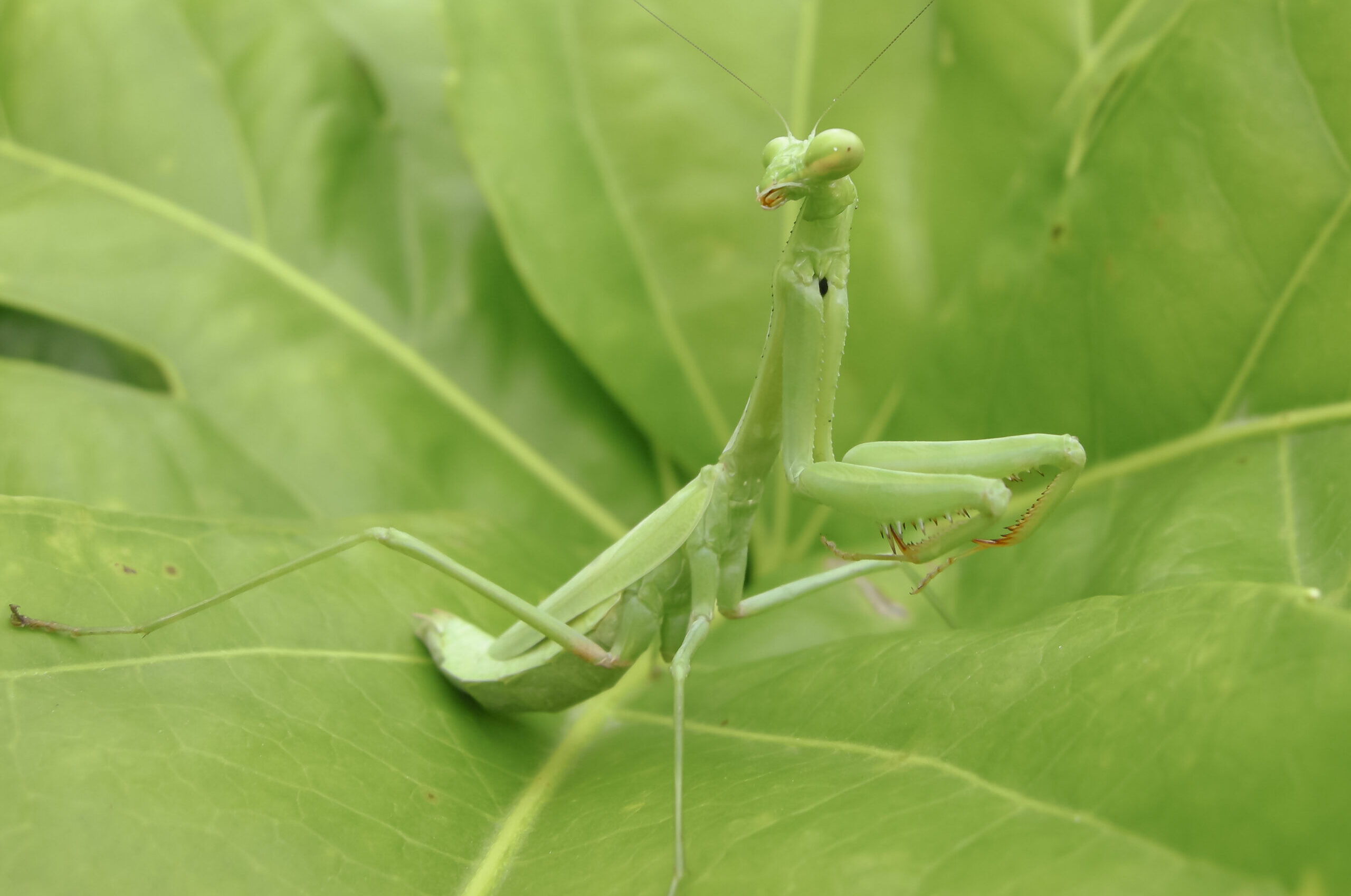
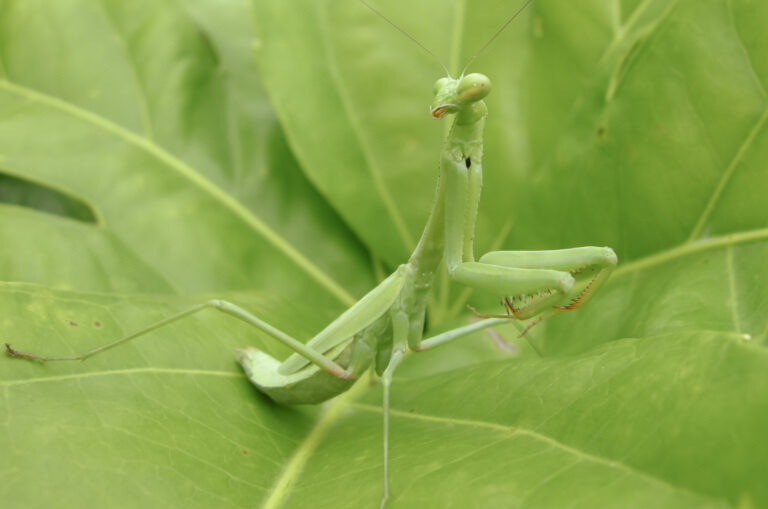
The Praying Mantis is an incredible insect that captures attention with its unique look and fascinating behaviors. Known scientifically as Mantodea Mantidae, they belong to the class Insecta and are part of a larger group called arthropods.
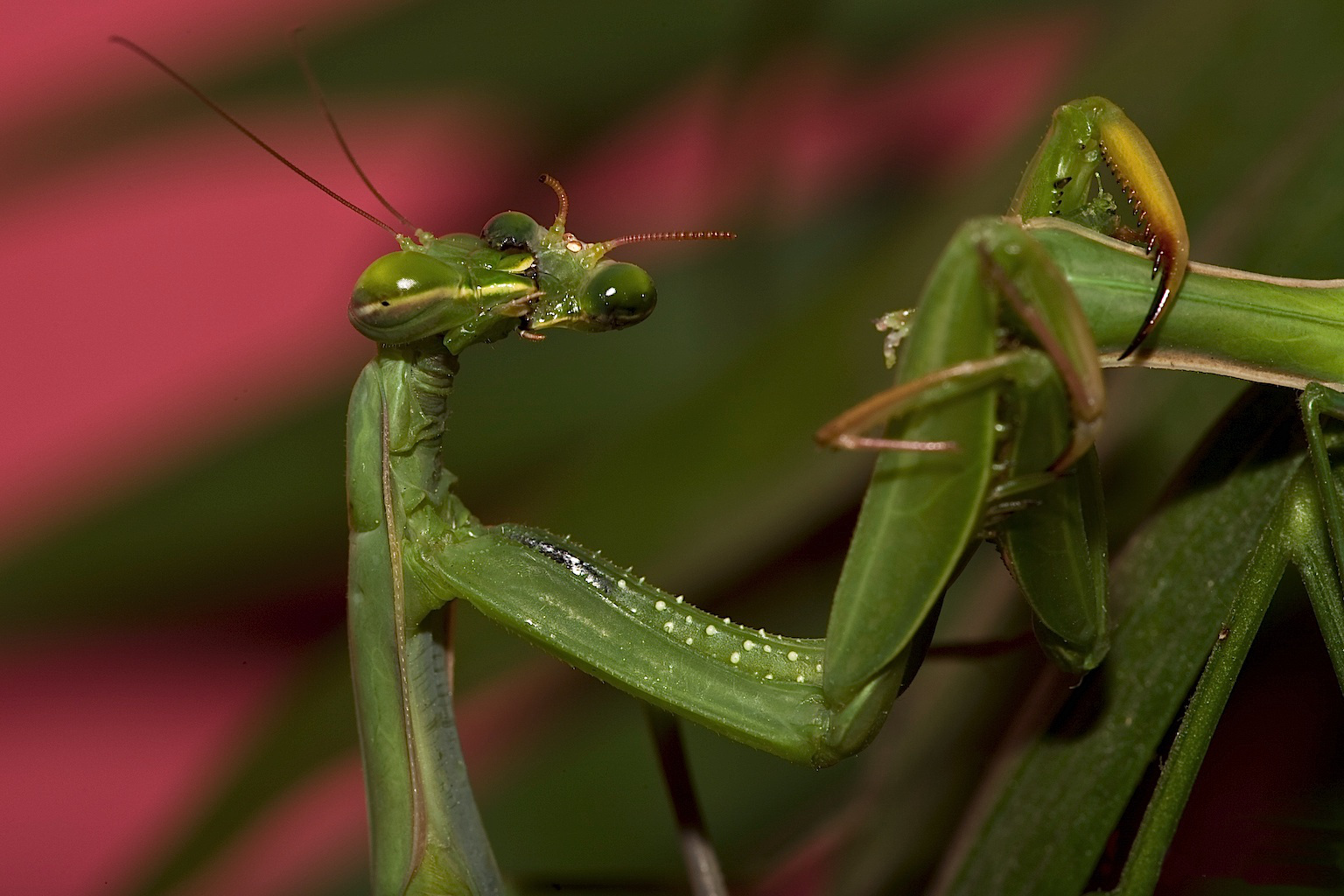
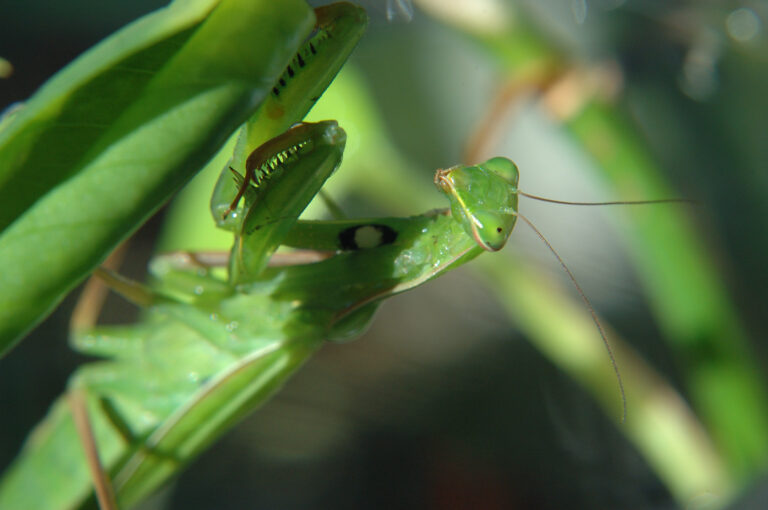
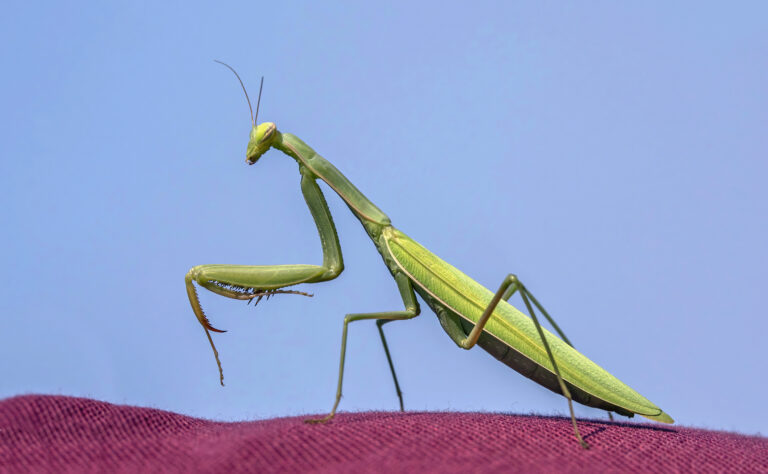
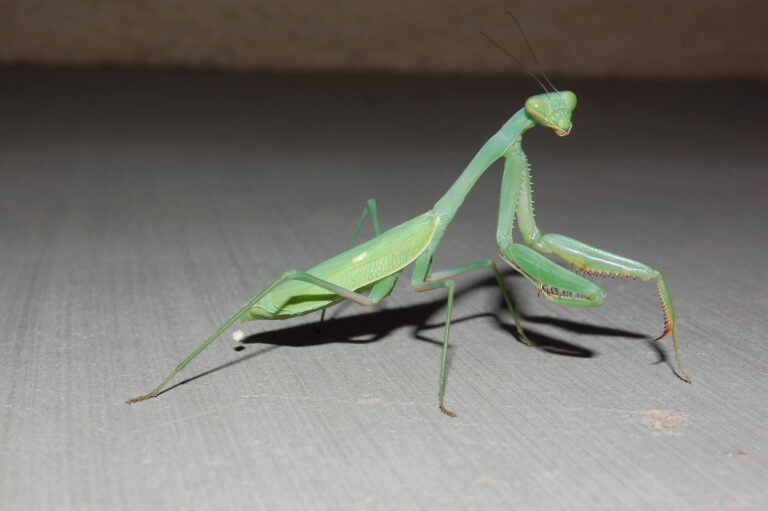
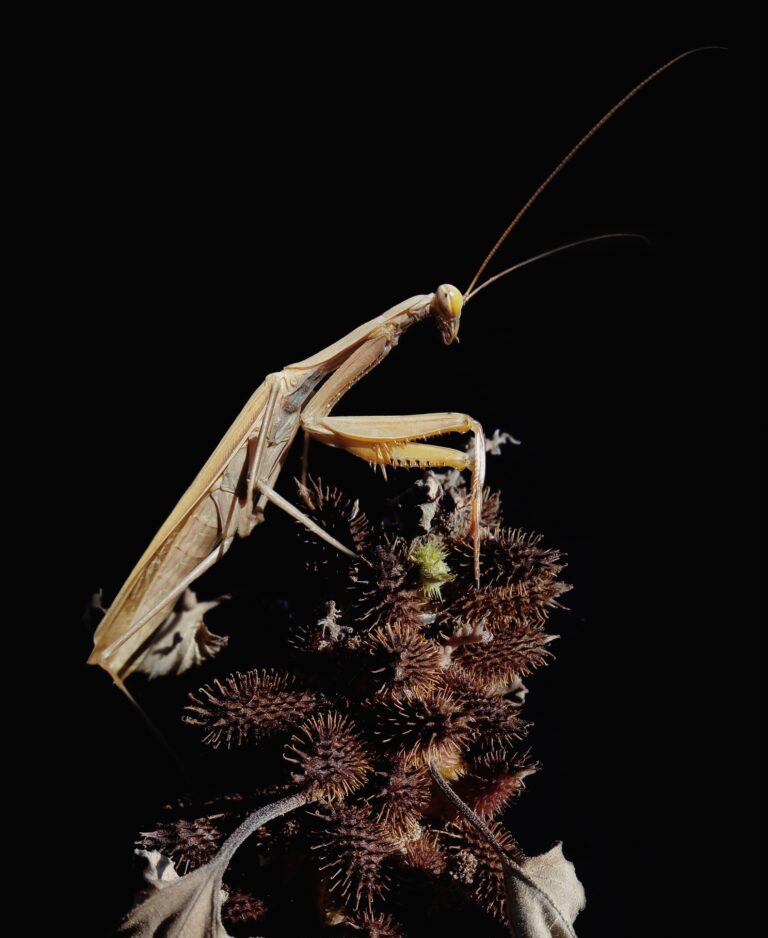
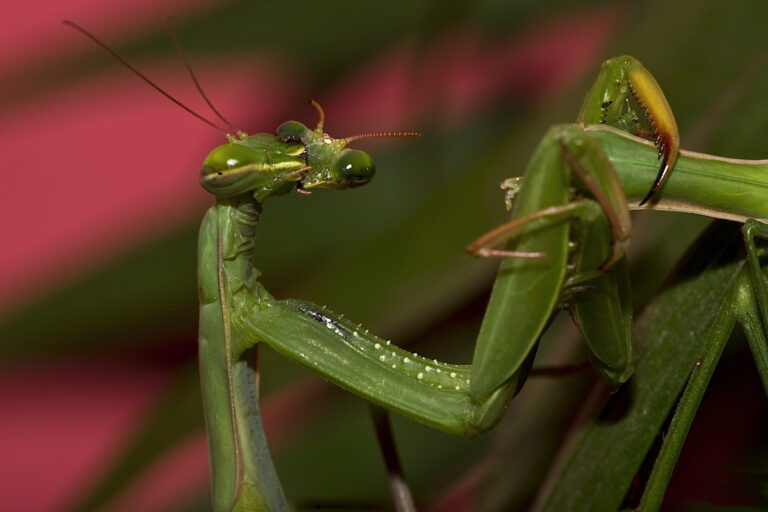
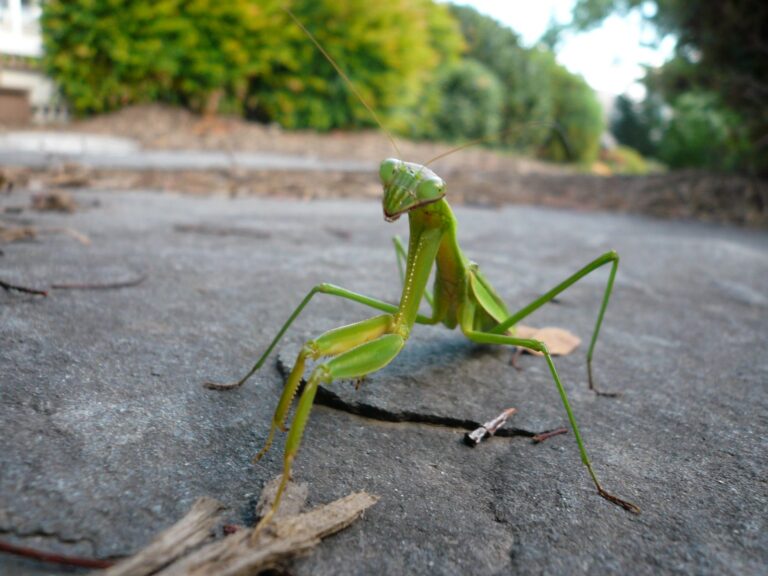
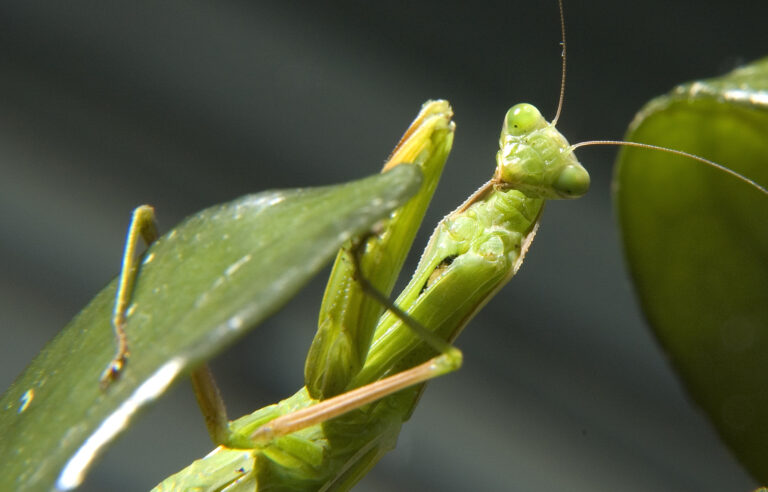
Praying Mantises generally measure between 5 to 13 centimeters long, which is about 2 to 5 inches. Their bodies feature a triangular head and long, flexible neck that can rotate nearly 180 degrees!
These crafty predators primarily inhabit warm regions like Africa. They feast on insects, small birds, and even frogs, using their powerful front legs to catch prey in a snap that’s faster than the blink of an eye.
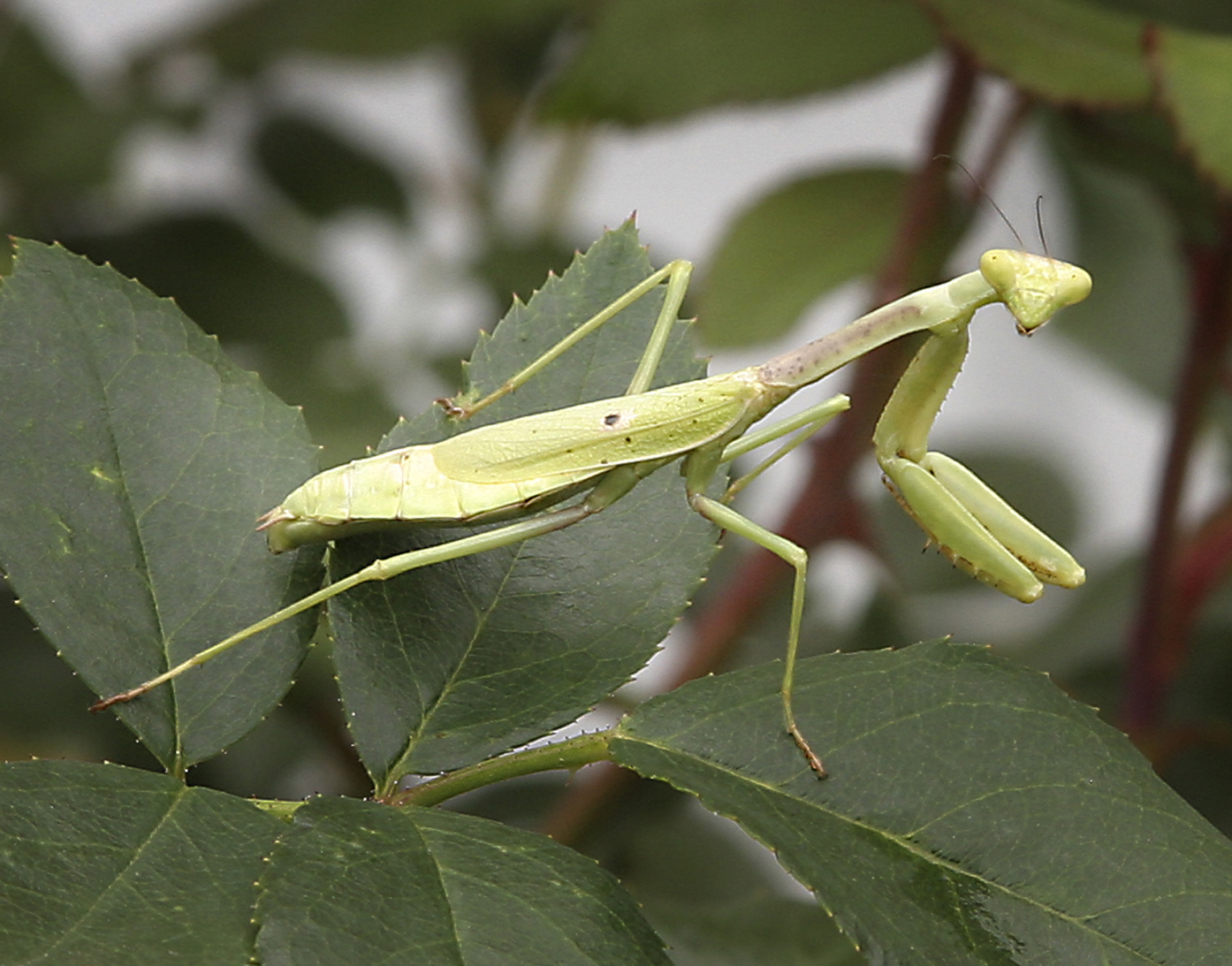
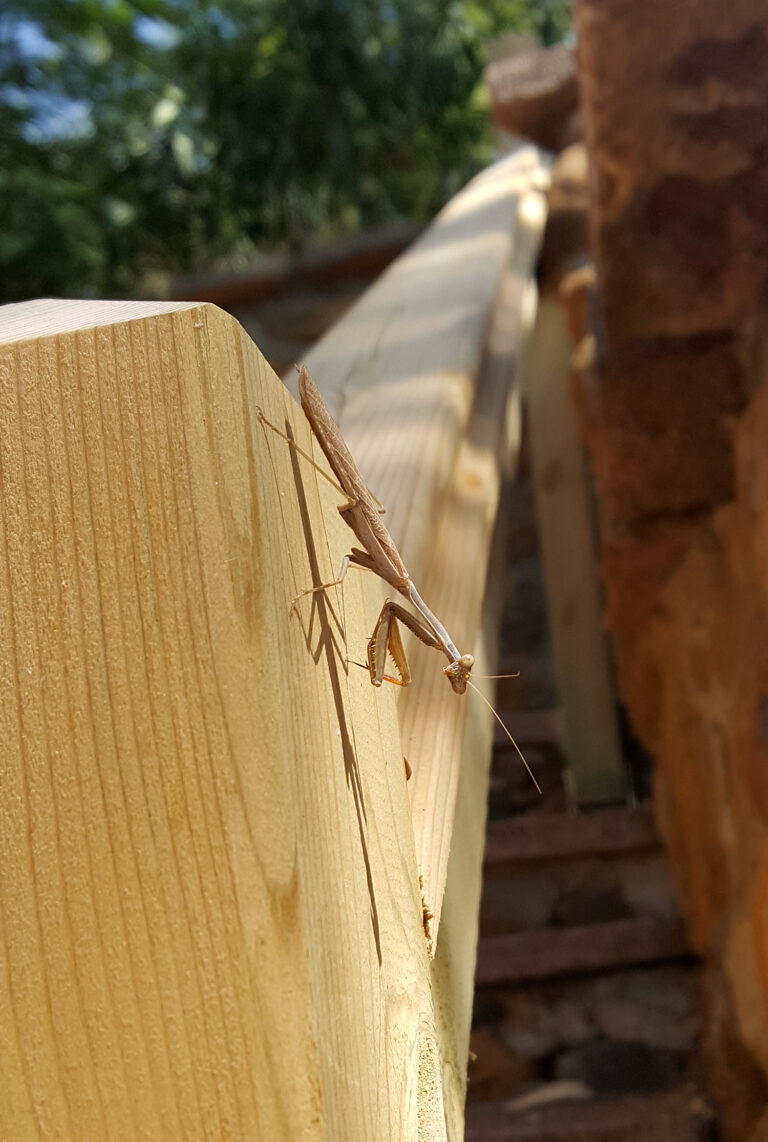
Praying Mantises have a life cycle of about one year. They spend their days hiding amongst leaves and flowers, and they often blend in so well that you might not even see them until they move!
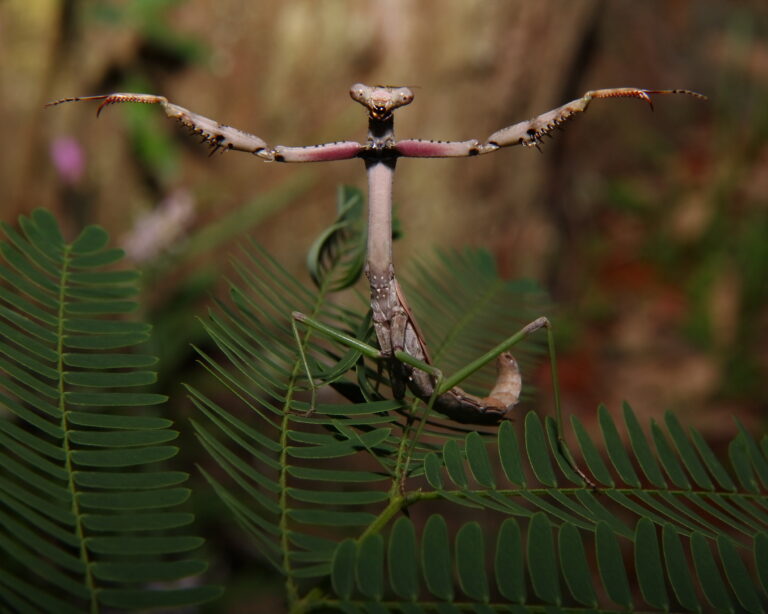
When they are not busy munching on their meals, Praying Mantises practice their ninja skills by standing still and waiting for the perfect moment to pounce. They may appear calm, but they are always on the lookout for tasty snacks!
These remarkable insects also display interesting behaviors during courtship. The female often eats the male after mating, which seems shocking, but it helps her produce more eggs!

Where can you find a Praying Mantis in the wild?
What does a Praying Mantis eat?
How big can a Praying Mantis grow?
How long does a Praying Mantis typically live?
What is the conservation status of the Praying Mantis?
What are the main threats to the Praying Mantis?
Fun facts
Praying Mantises have a superpower that lets them rotate their heads almost 180 degrees! This helps them see prey from many angles without moving their bodies.


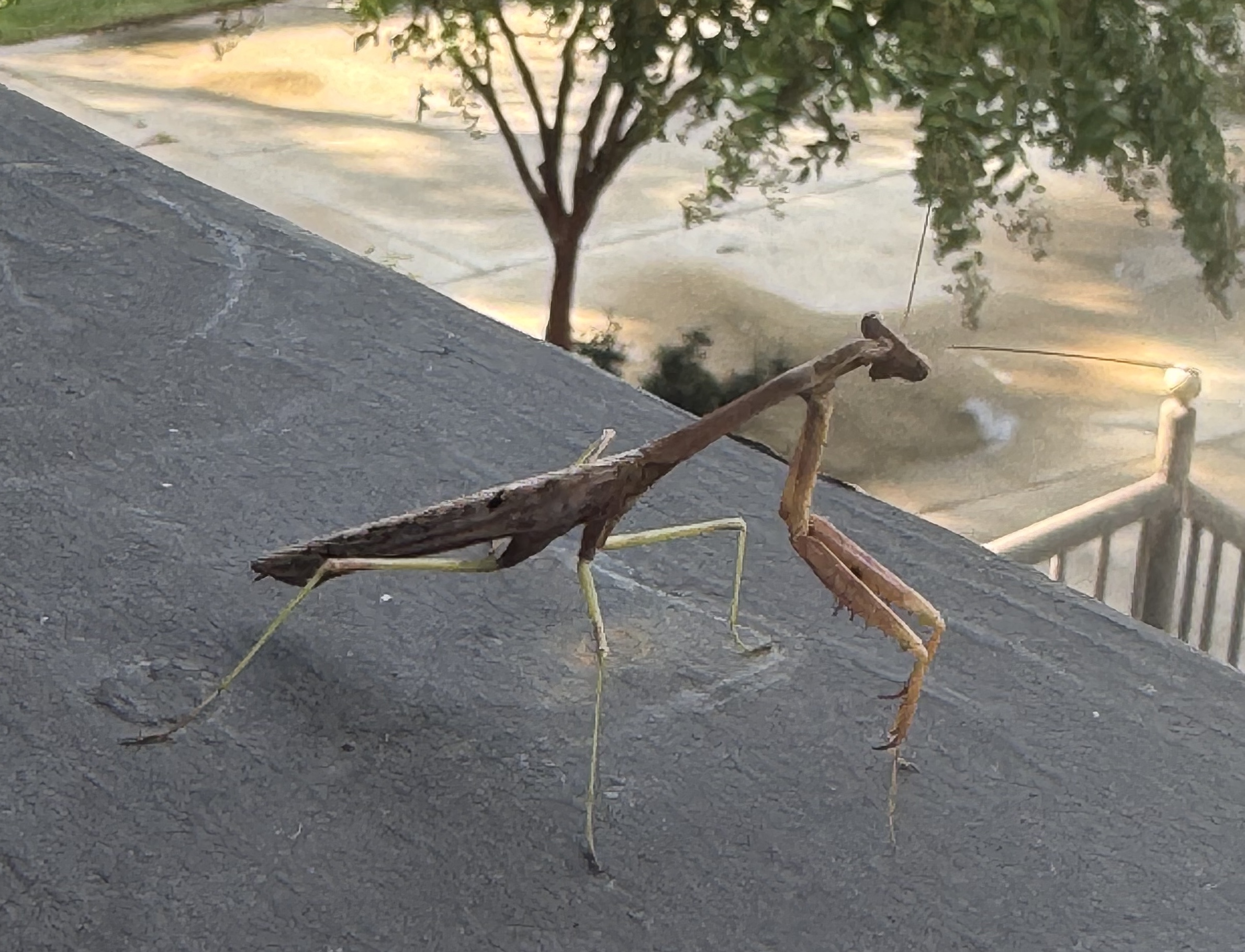
These clever creatures use camouflage like a ninja! They blend in with leaves and flowers, making it hard for their prey to notice them until it's too late.
A Praying Mantis can snatch its prey in less than a second - that's faster than you can blink! Their powerful front legs act like a catapult to catch insects.
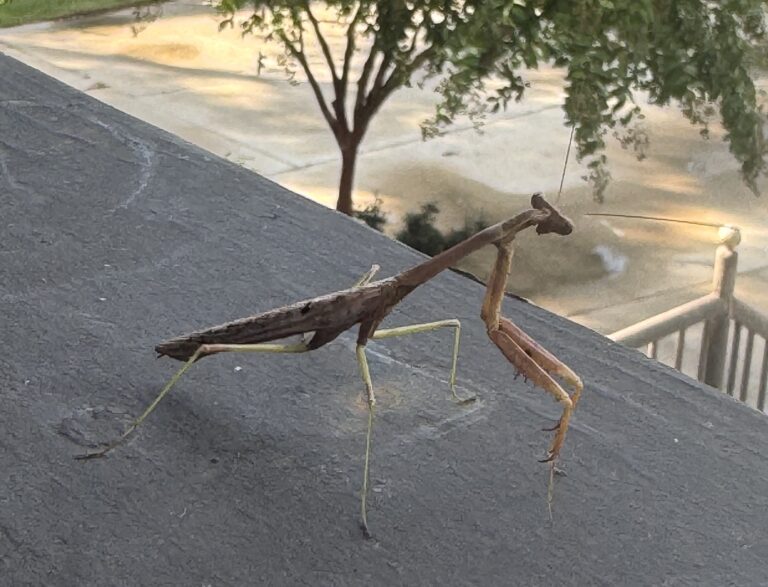
Some species of Praying Mantises can change color, allowing them to match their surroundings even better. They might look like a green leaf one moment and a brown twig the next!
During courtship, male Praying Mantises often dance to impress the females. This unique behavior helps them avoid becoming a post-meal snack!
Not only do Praying Mantises hunt with speed, but they also have amazing eyesight. Their large compound eyes give them a wide field of vision, making it easier to spot potential dinner.
Some Praying Mantises can even mimic the movements of plants swaying in the breeze to avoid detection. They pull off the ultimate disguise - the master of hide and seek!
People sometimes call a group of Praying Mantises a 'clutter.' This fun name shows just how interesting and unique these social butterflies can be, even among insects!
When a Praying Mantis isn't hunting, it can spend hours grooming itself. This keeps its body and legs clean and ready for action.
Praying Mantises can grow wings as adults, allowing some species to flutter from plant to plant. It's like their own personal magic carpet ride in the insect world!
Photos






The Basics


explore more
Amphibians
Arachnids
Birds
Cats
Crustaceans
Fish
Fish Pet Guide
Gastropods
Insects
Invertebrates
Mammals
Pet Fish
Pet Rodents
Plants
Reptiles
Roundworms
Sea Slugs