Successfully copied to clipboard!
Python
Meet the giant, flexible hunters of Africa's wild!
Let’s Explore
Overview
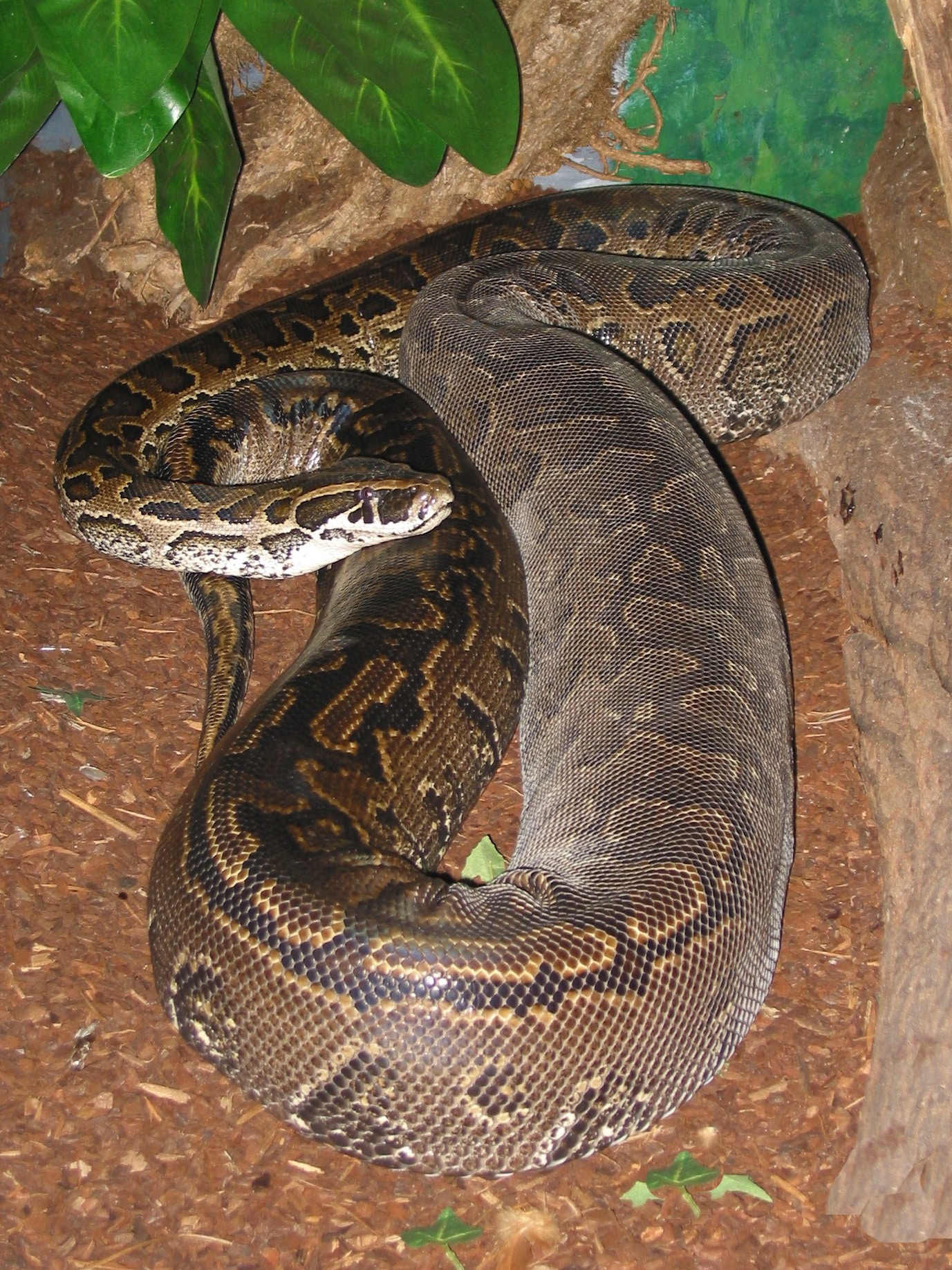
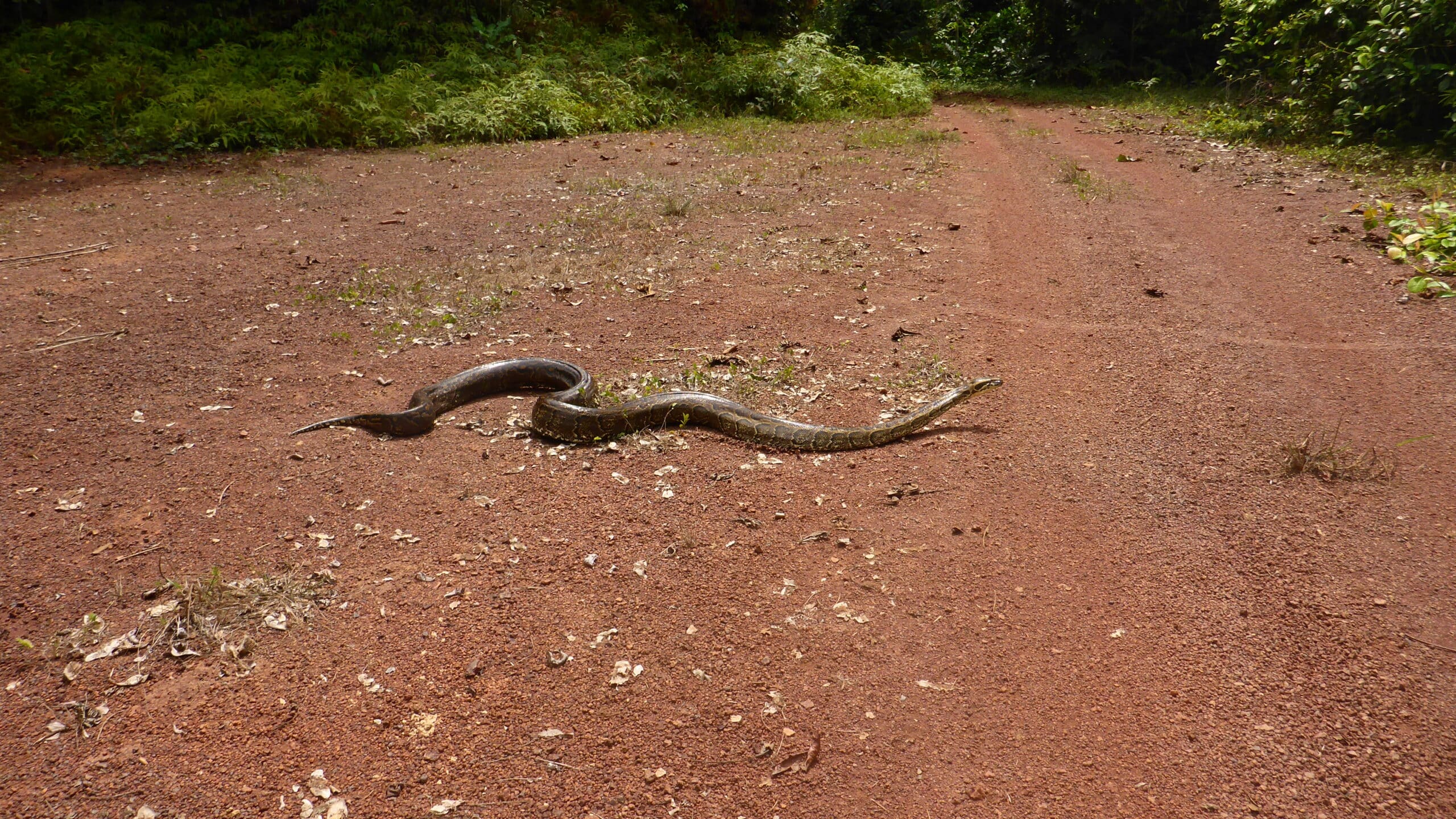
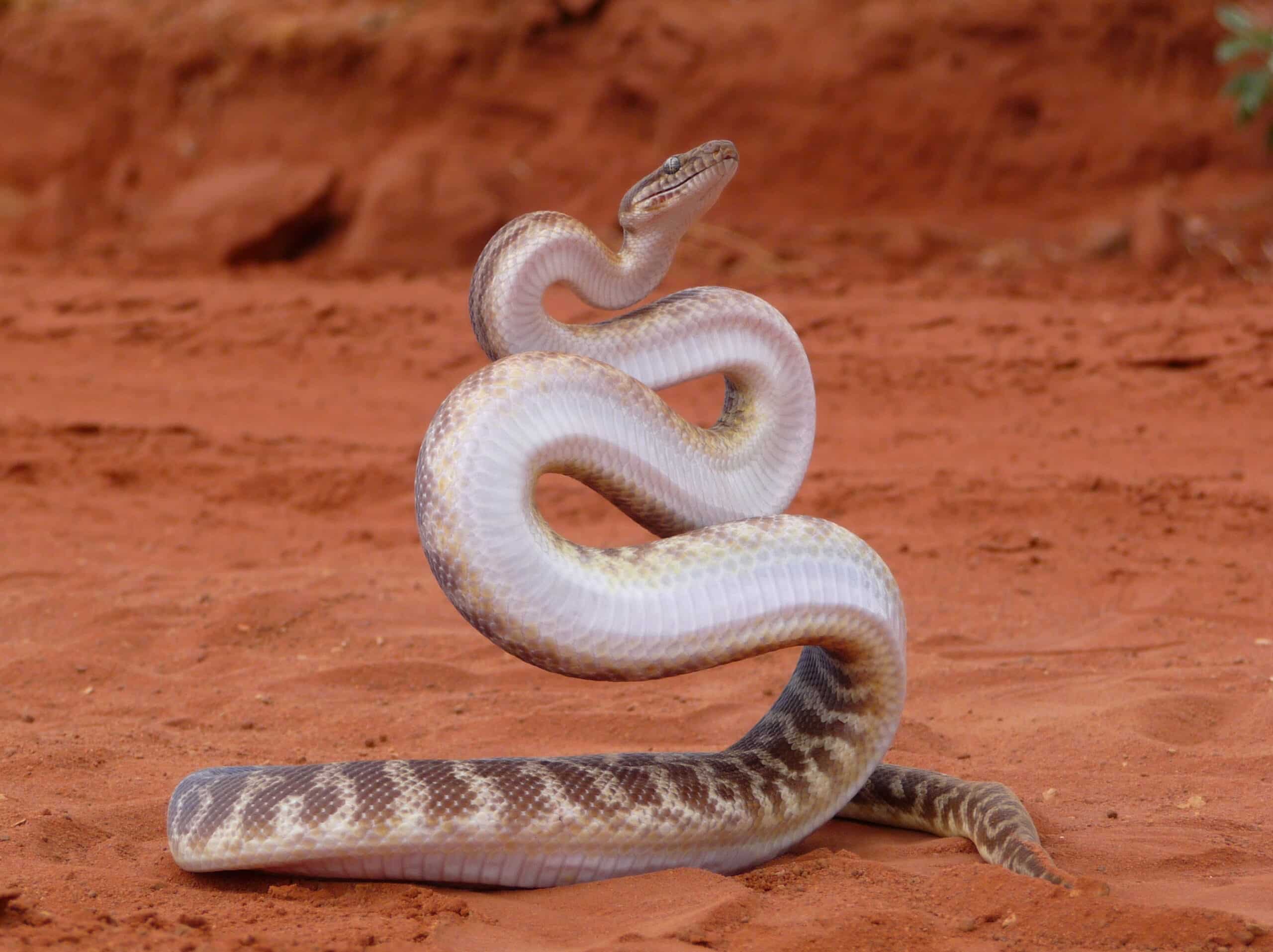
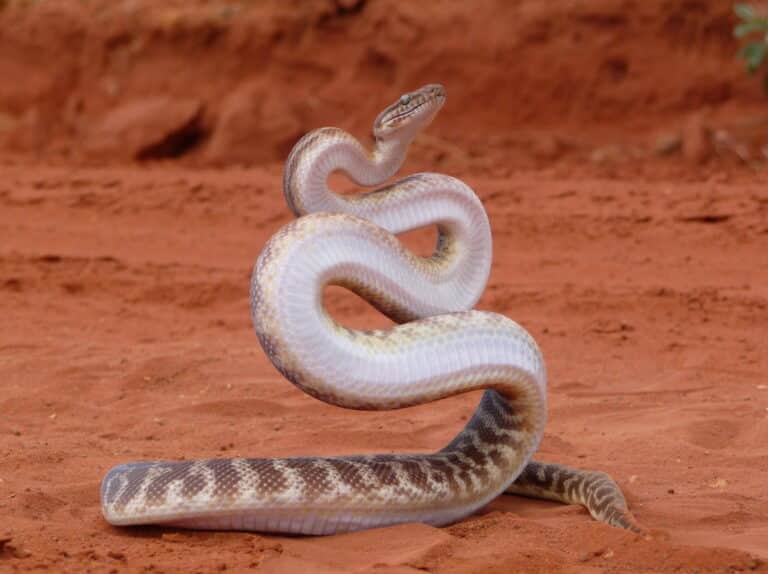
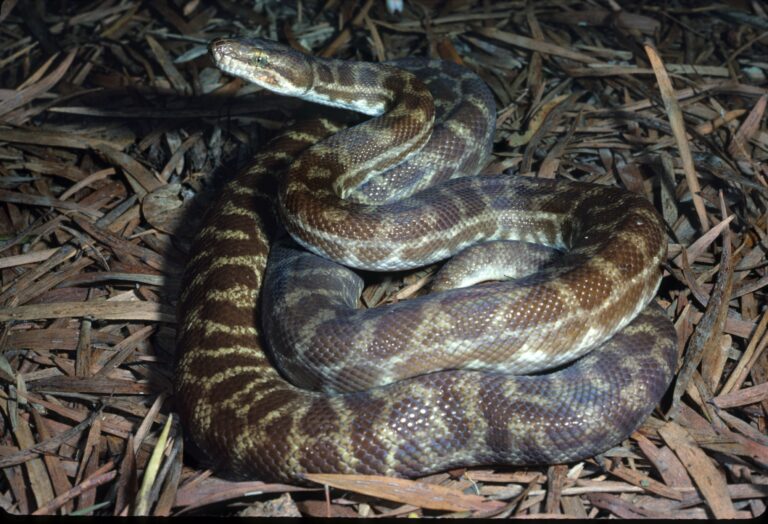
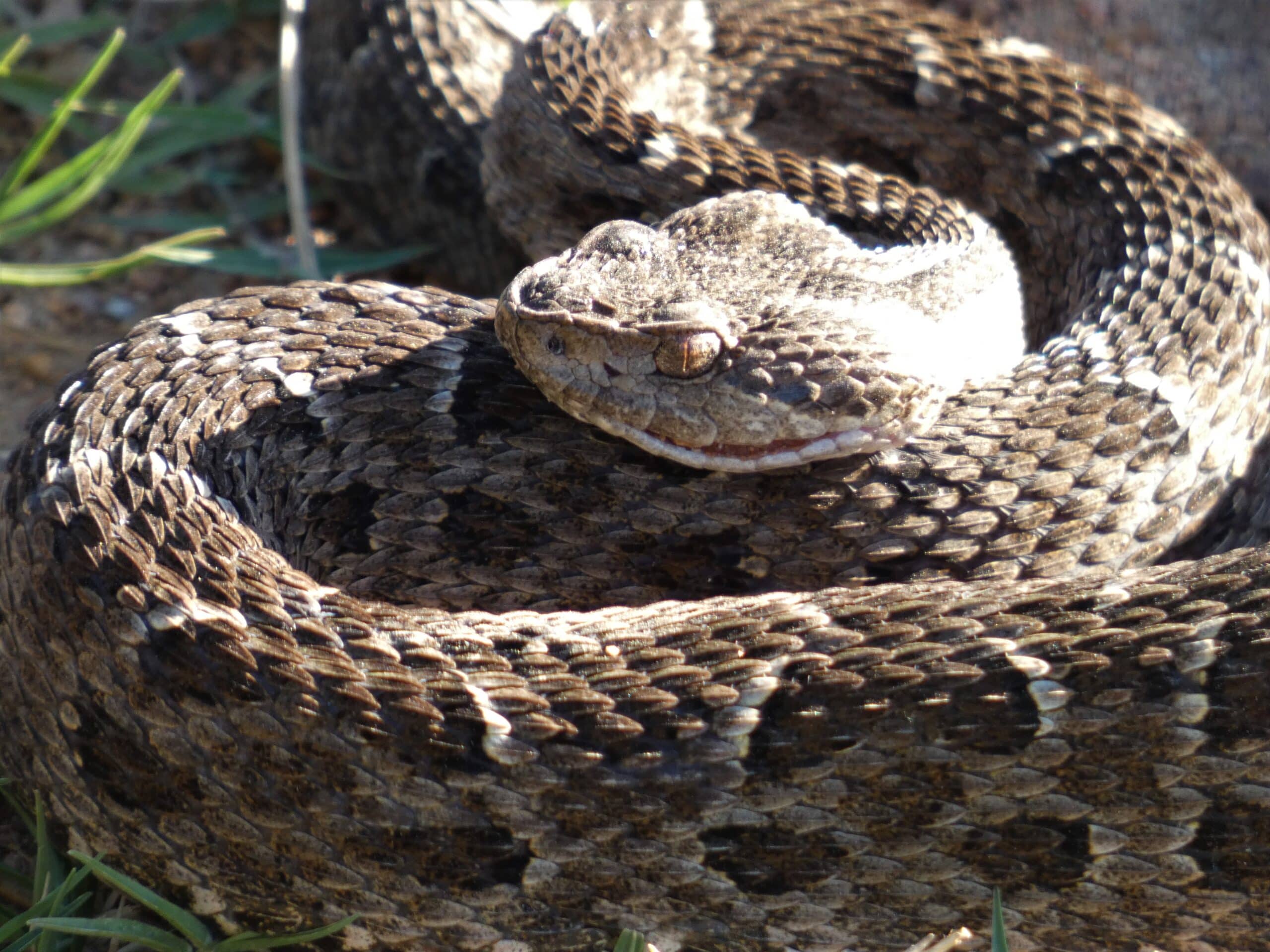
Pythons are magnificent snakes that belong to the family Pythonidae. These reptiles slither through various habitats in Africa and can reach impressive lengths of 3 to 6 meters (10 to 20 feet).
They are known for their robust bodies and stunning patterns, which help them blend into their surroundings while hunting. Pythons feast on mammals and birds, using their great strength to squeeze their prey before swallowing it whole!
With an average lifespan of 20 to 30 years in the wild, pythons can be long-lived companions in their natural habitats. Their slow metabolism allows them to go weeks or even months between meals!
Did you know that pythons are non-venomous? Instead of injecting venom, they use their powerful muscles to constrict their prey, making them expert hunters. They may not be big fans of exercise, but they sure know how to sneak up on a meal!
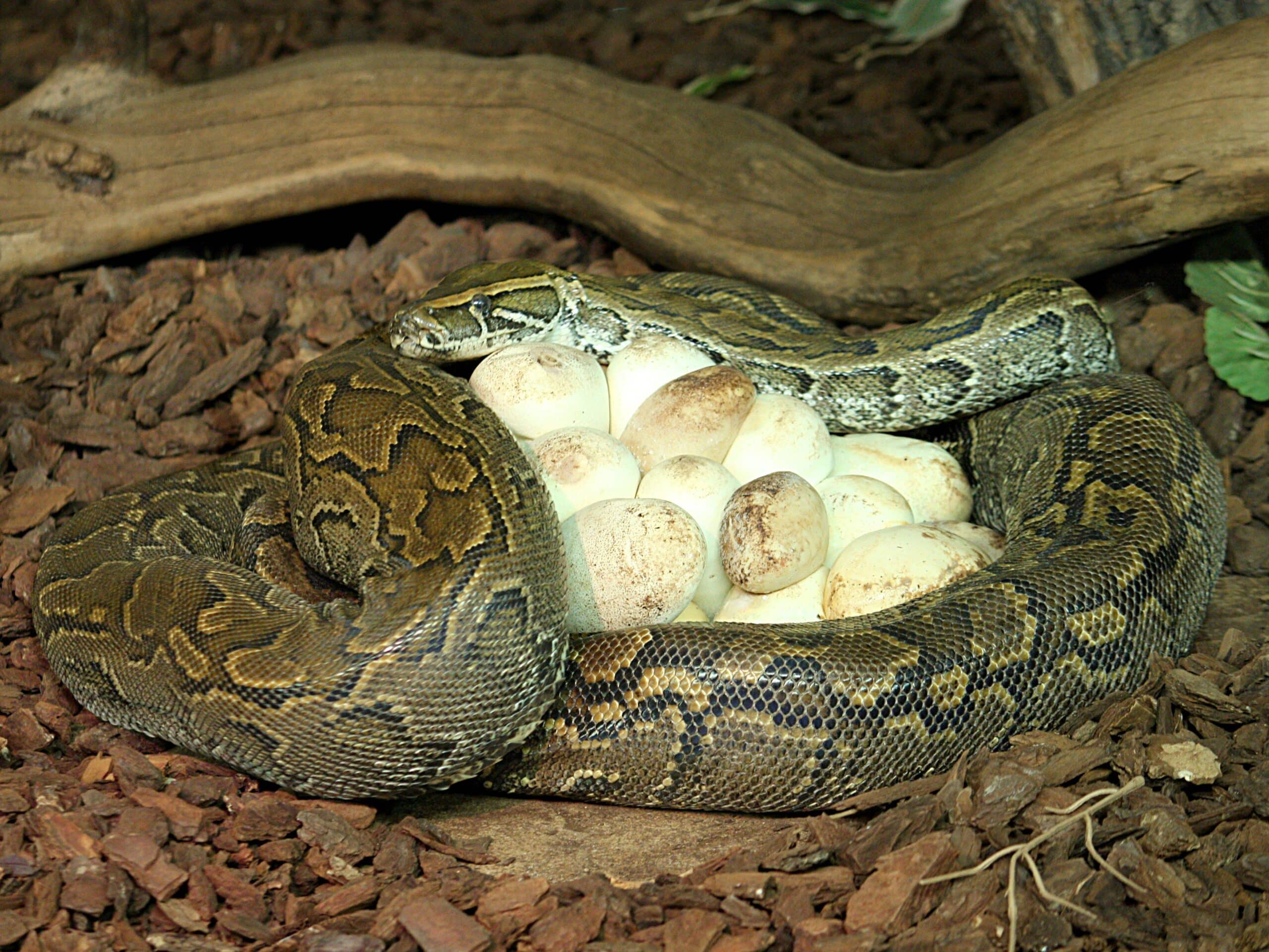
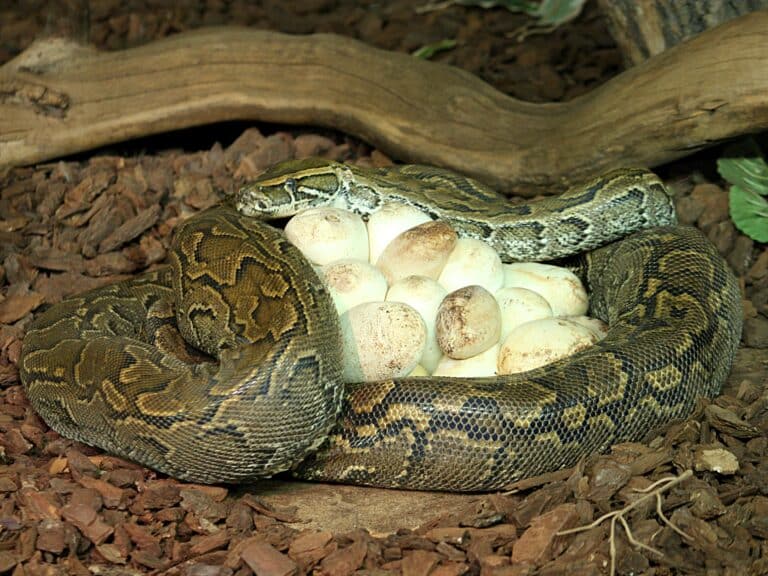
When it comes to life cycles, pythons are egg-laying reptiles. A female python can lay anywhere from 10 to 100 eggs in a single clutch, showing just how prolific these snakes can be!
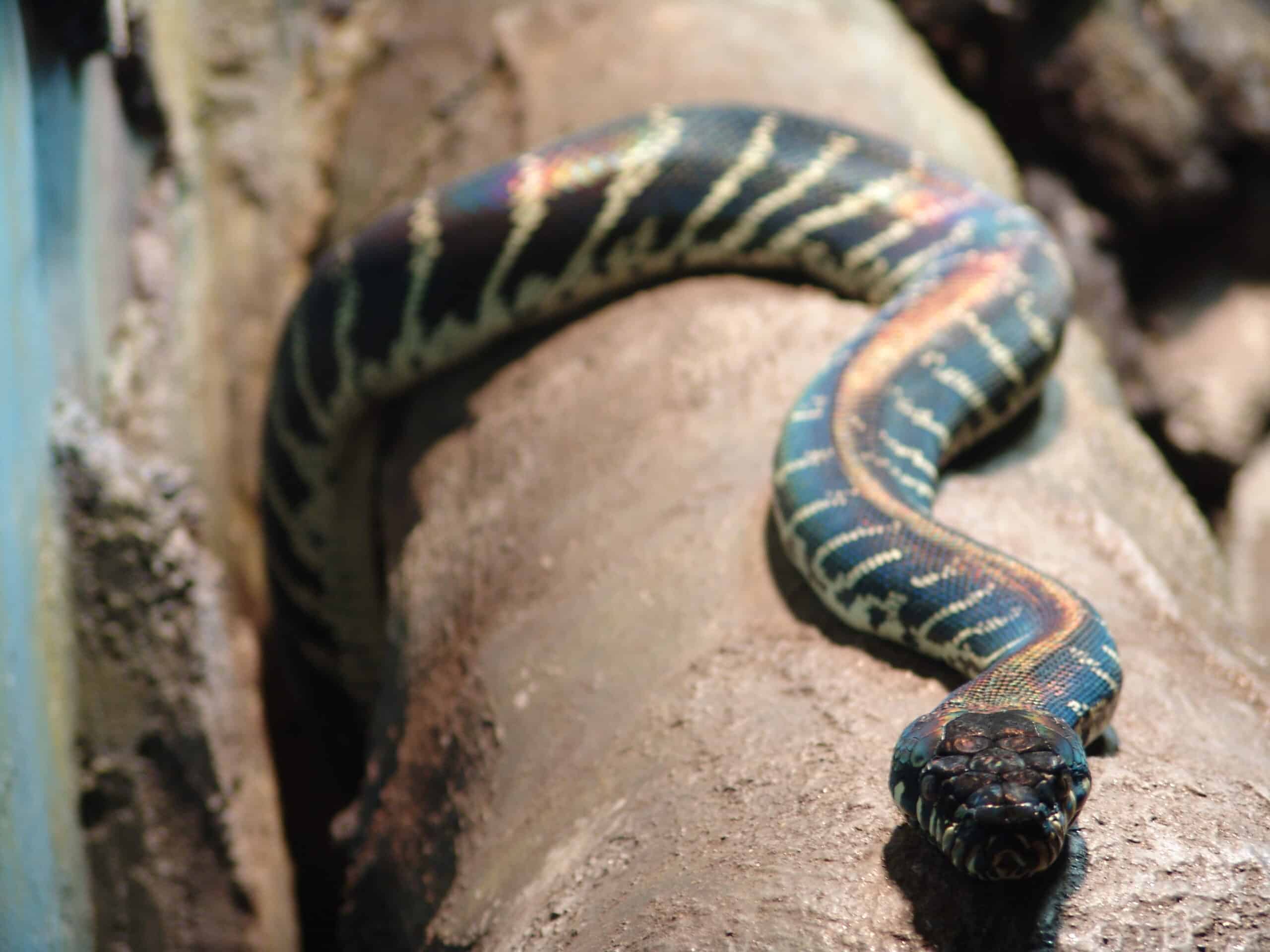
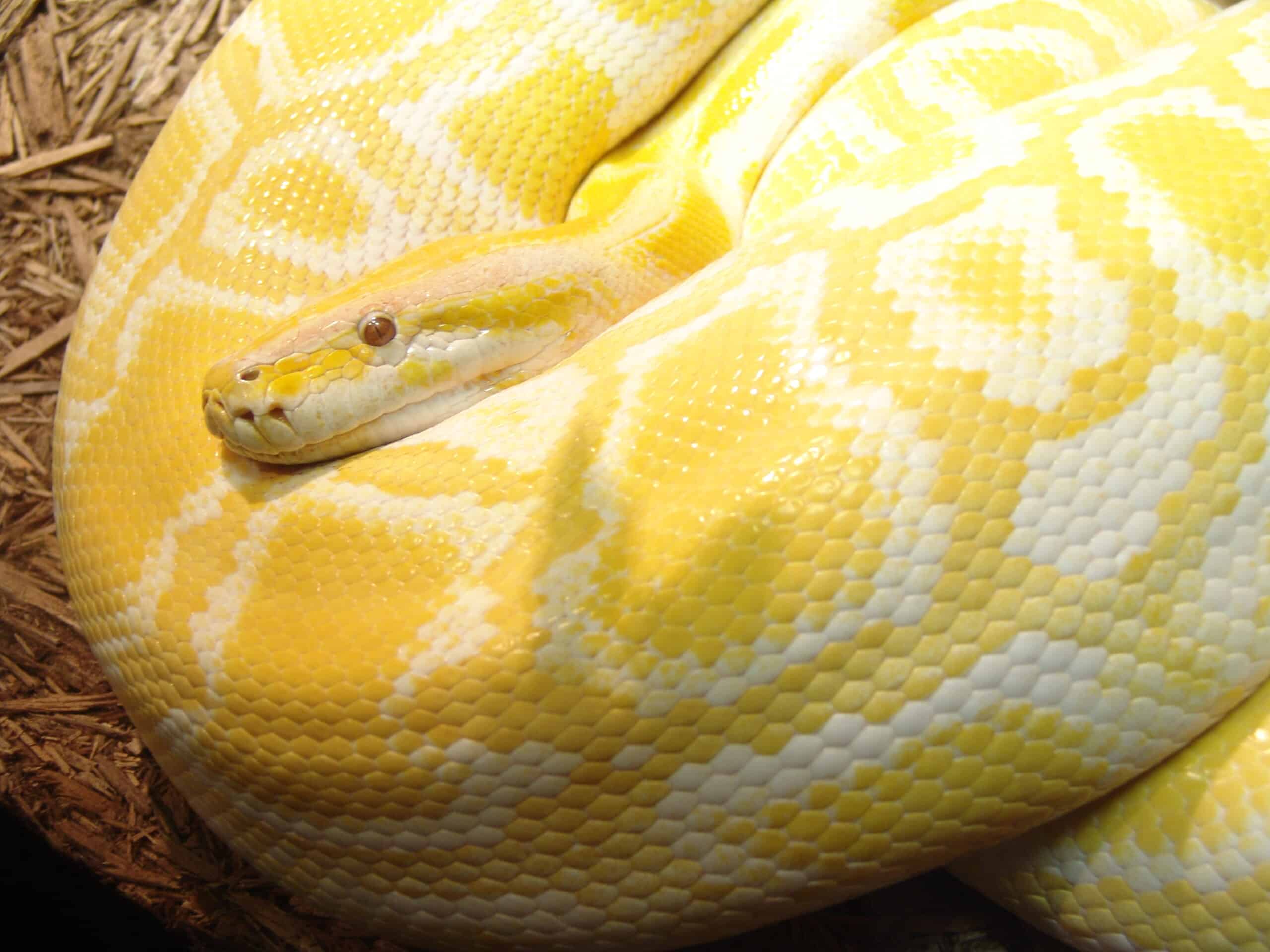
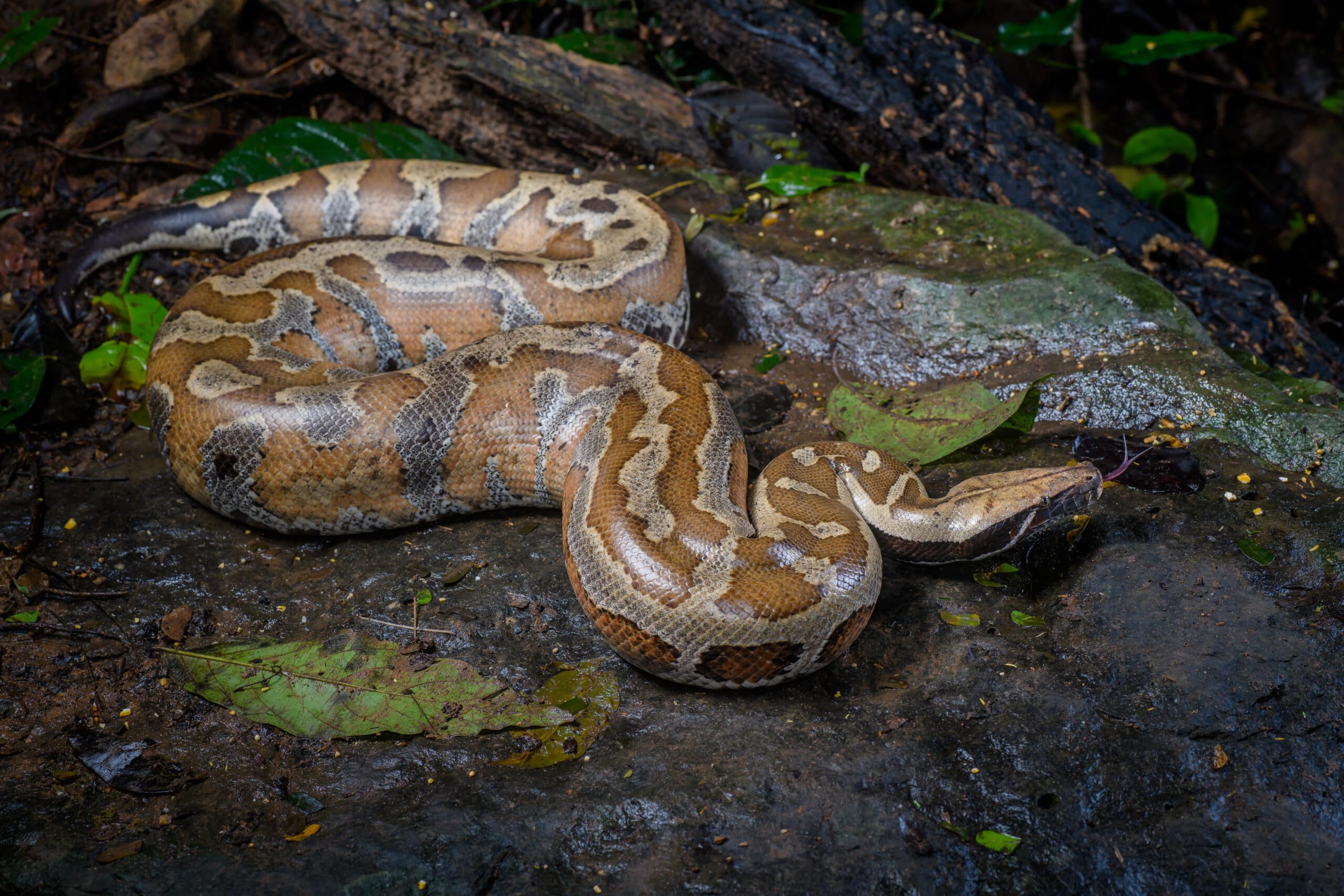
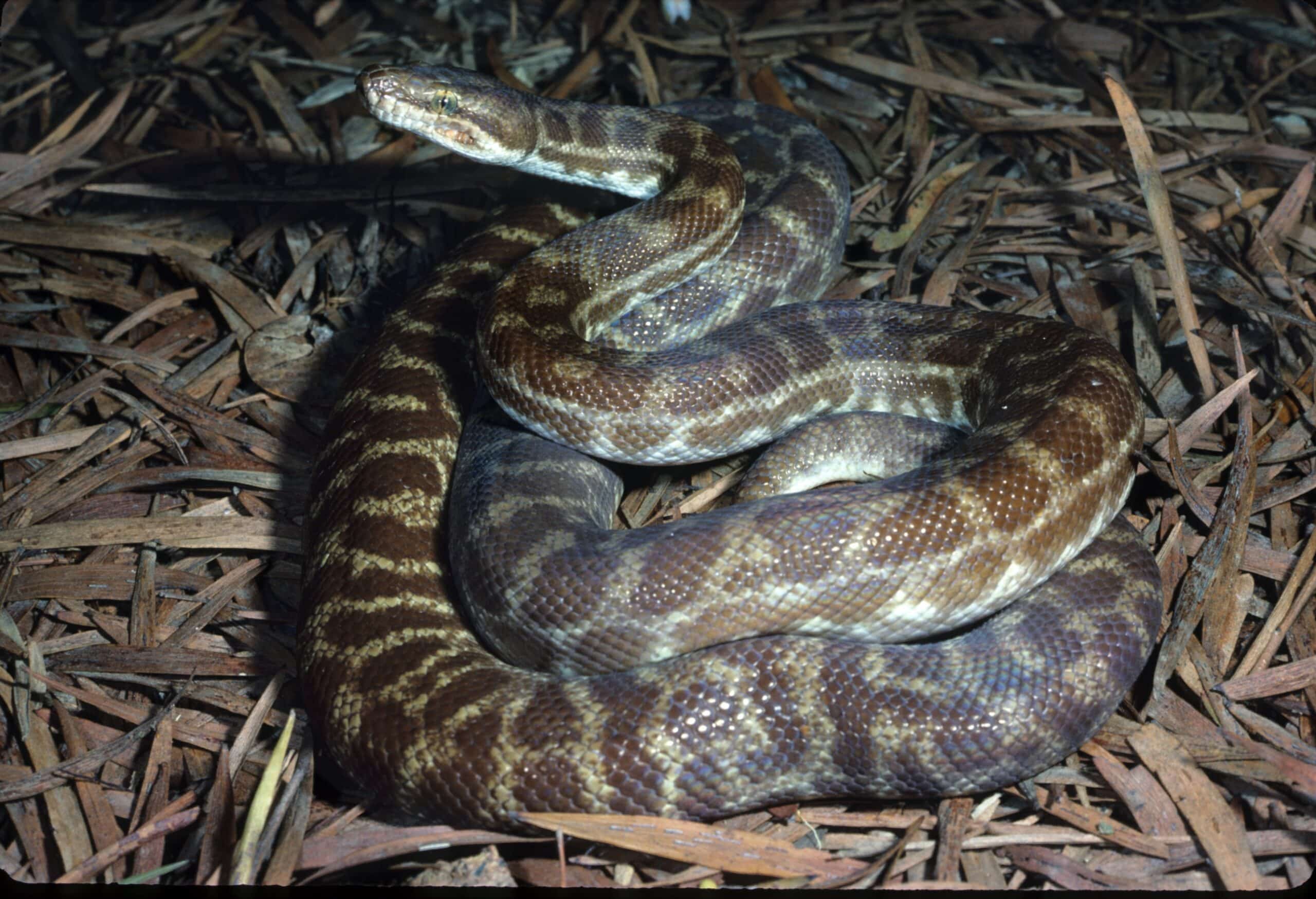
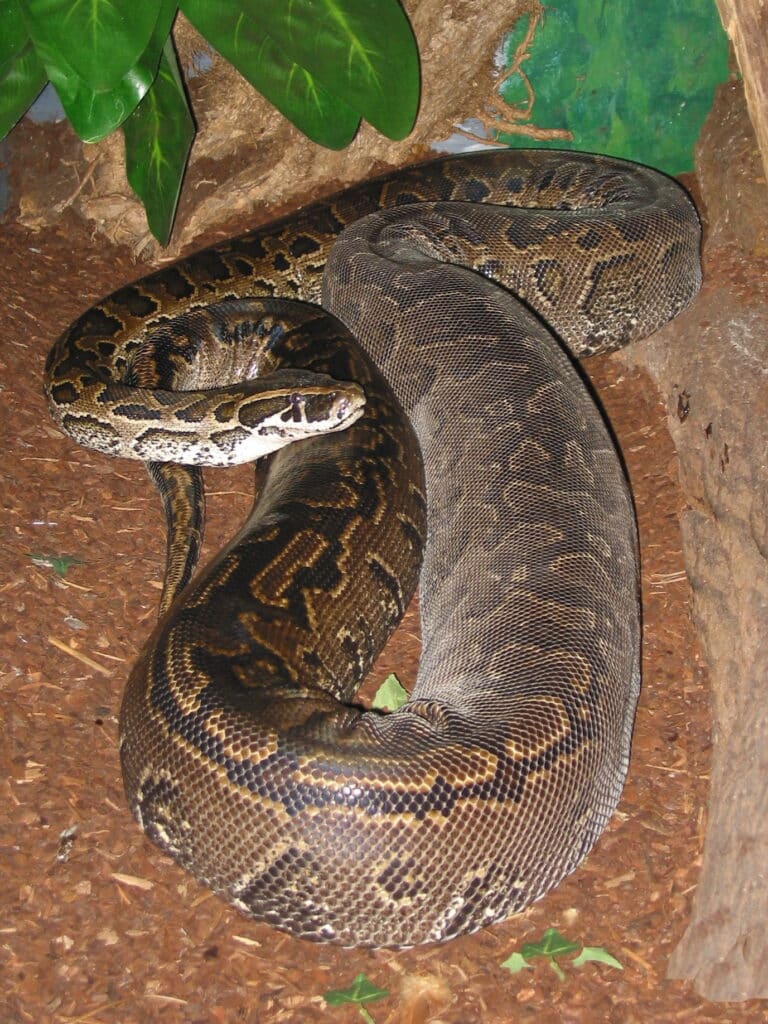
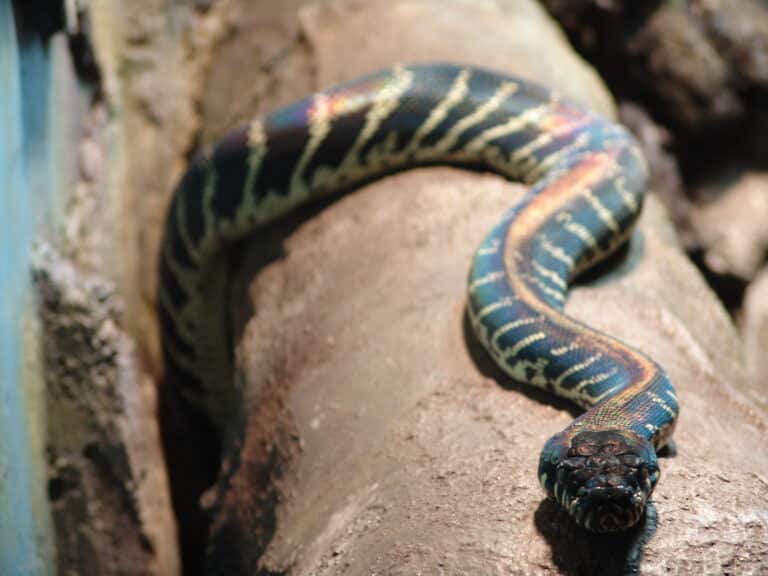
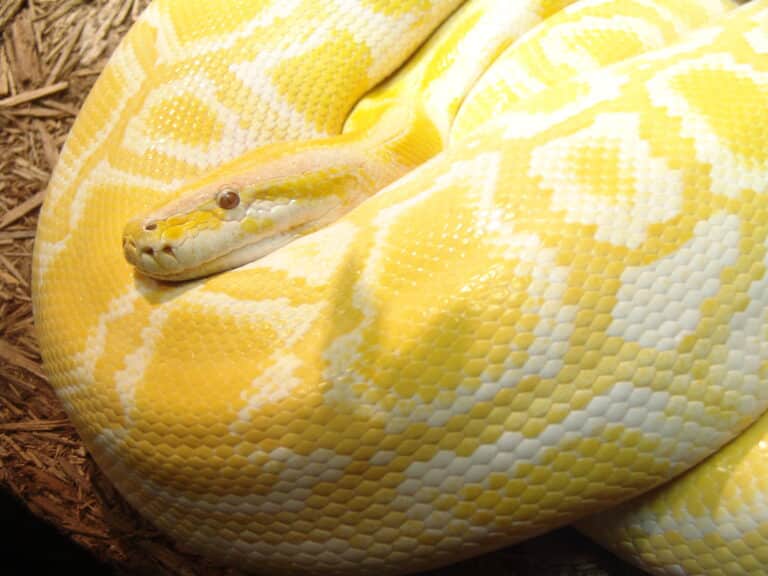
Each python has unique patterns on its skin, making them like nature's very own art gallery! From beautiful browns to striking yellows, pythons display a visual extravaganza that makes them stand out in the wild.
So, the next time you hear about pythons, remember them as gentle giants of the reptile world, with incredible adaptations and a fascinating lifestyle that keeps them living large!

Where can you find a Python in the wild?
What does a Python eat?
How big can a Python grow?
How long does a Python typically live?
What is the conservation status of the Python?
What are the main threats to the Python?
Fun facts
Pythons can actually sense heat with special pits on their jaws, allowing them to find warm-blooded prey even in complete darkness!


Some pythons can grow to be absolutely massive, with the largest recorded specimen reaching an astonishing length of 7.67 meters (25 feet)!
Pythons can unhinge their jaws to swallow prey much larger than their heads, giving them the nickname 'Ultimate Snackers' of the snake world!
Female pythons are dedicated moms! They can incubate their eggs by coiling around them and shivering to generate heat, keeping them warm until they hatch.
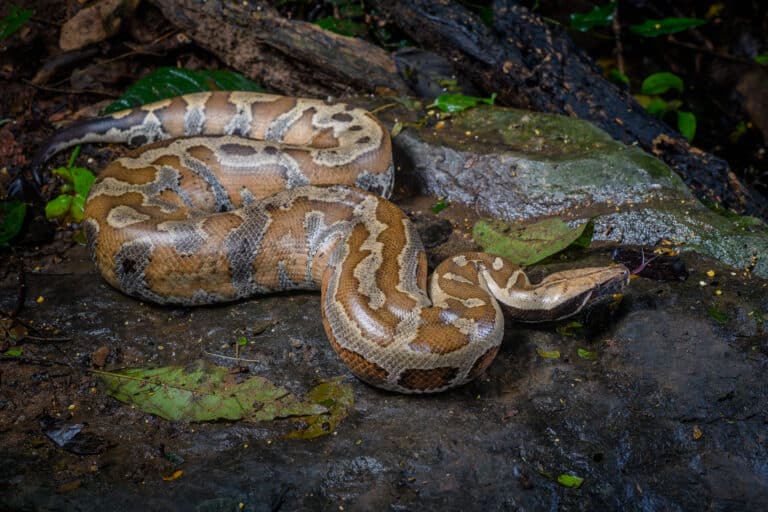
These sneaky snakes often camouflage themselves with their colorful patterns, resembling the leaves and branches around them, making them expert hide-and-seek players!
Pythons have a unique way of drinking water: they use their tongue to scoop it up rather than just slurping it like a traditional drinker.
In some areas, people keep pythons as pets. They can become quite attached to their owners, enjoying a bit of gentle handling and basking in the sun!
Pythons are not just good at being quiet; they can also make a loud hissing sound when threatened to scare off intruders!
Young pythons often hunt tiny insects as their first meals, proving that even the largest snakes start out small!
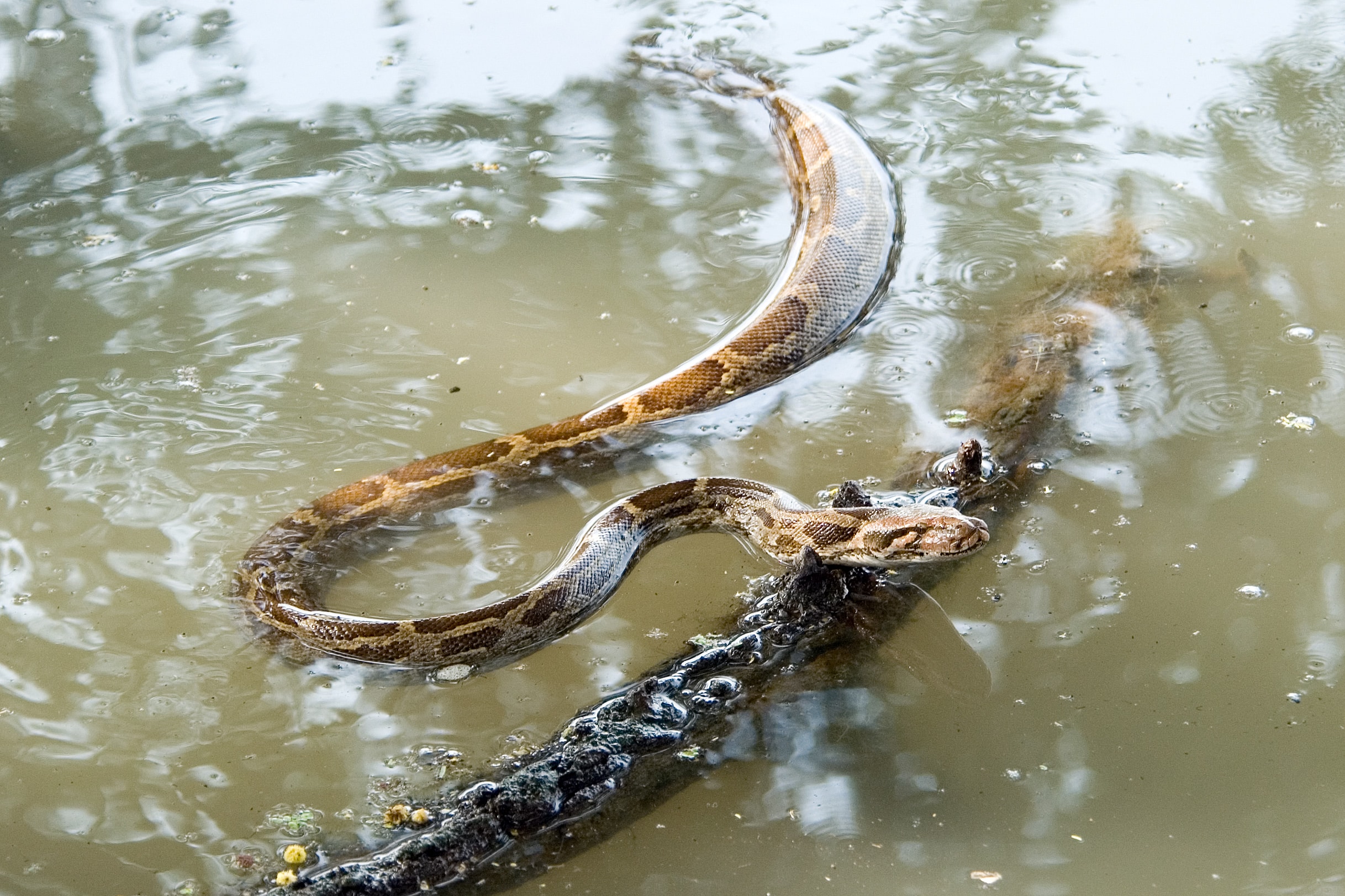
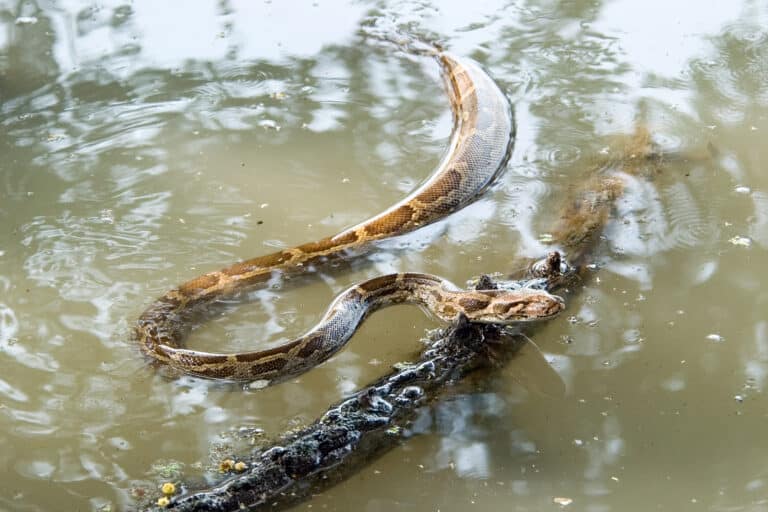
A python can hold its breath for up to 30 minutes while swimming, making them superb swimmers ready to chase prey in water!
Photos





The Basics


explore more
Amphibians
Arachnids
Birds
Cats
Crustaceans
Fish
Fish Pet Guide
Gastropods
Insects
Invertebrates
Mammals
Pet Fish
Pet Rodents
Plants
Reptiles
Roundworms
Sea Slugs