Successfully copied to clipboard!
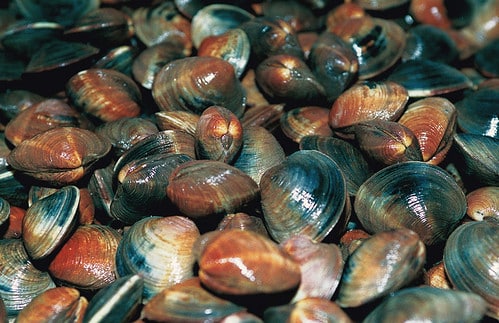
Quahog Clam
Uncover the hidden treasures of the sandy shores!
Let’s Explore
Overview
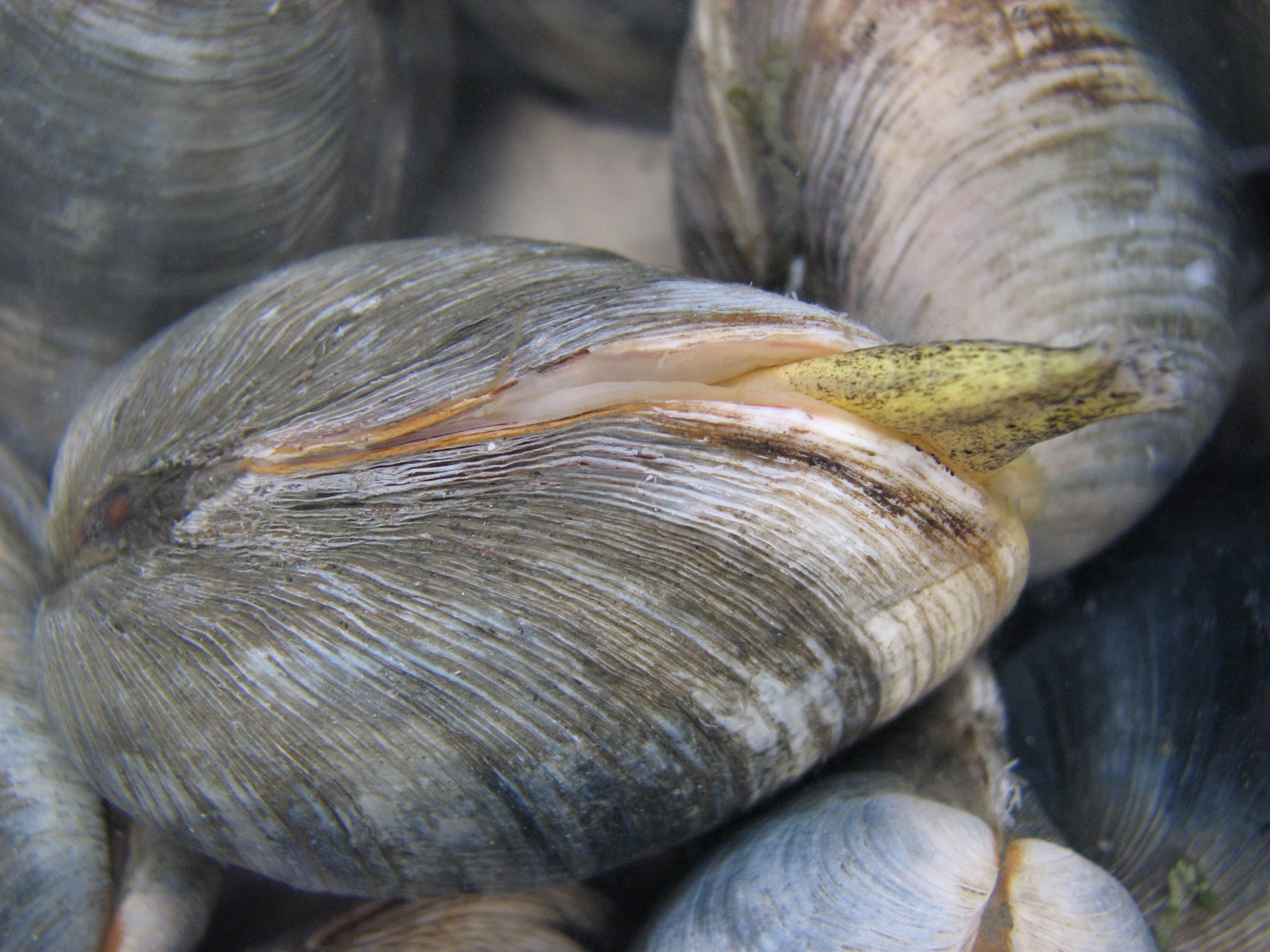
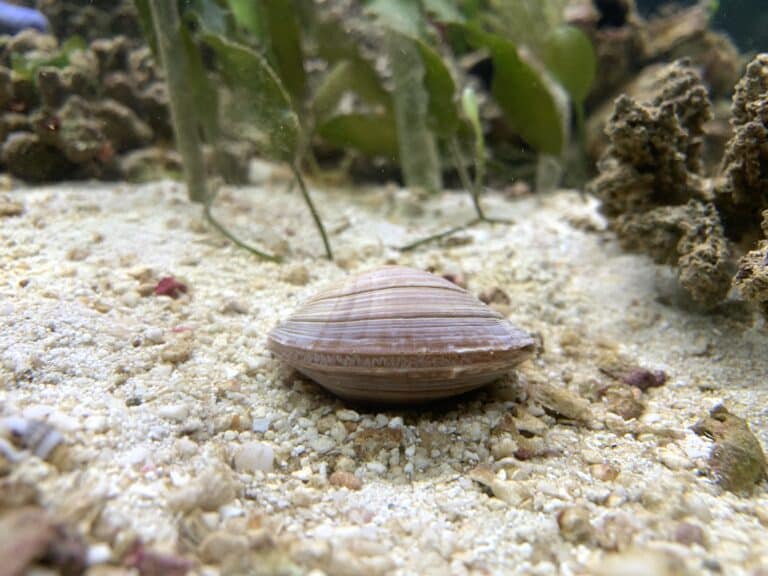
The Quahog clam, also known as Mercenaria mercenaria, lives in the sandy shores of Asia. These bivalves are a type of invertebrate and belong to the mollusk family, making them cousins to octopuses and snails.
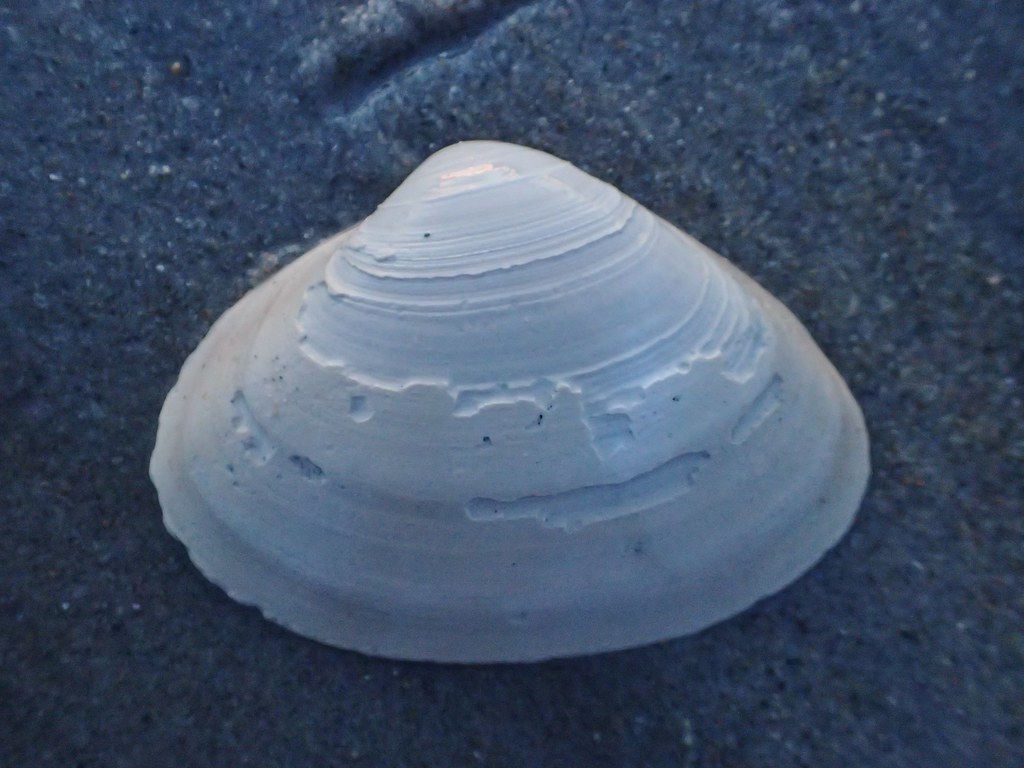
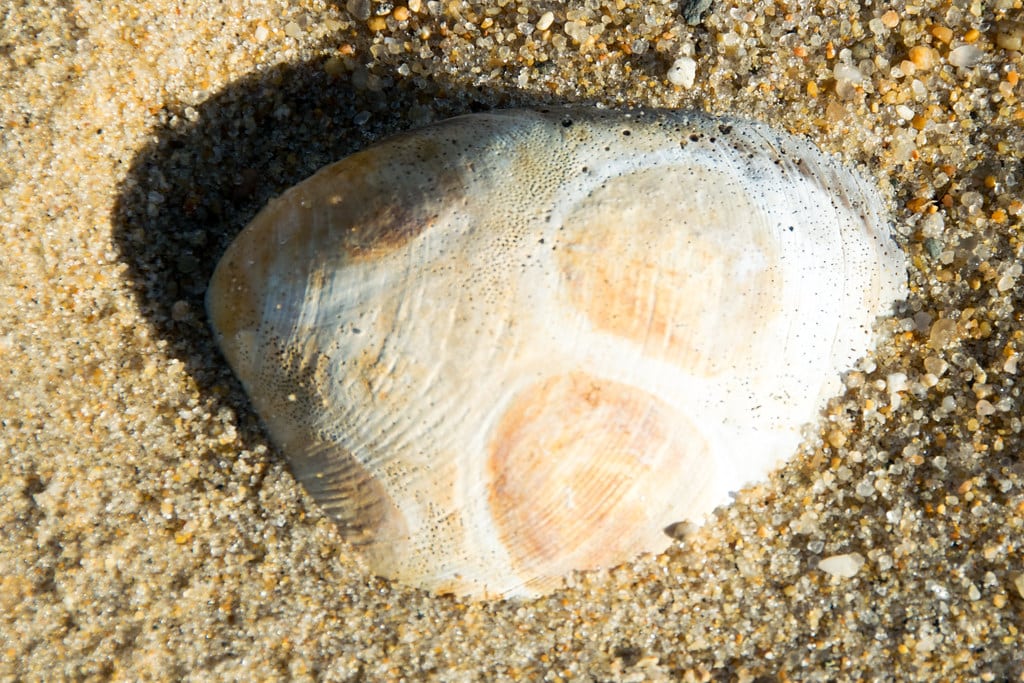
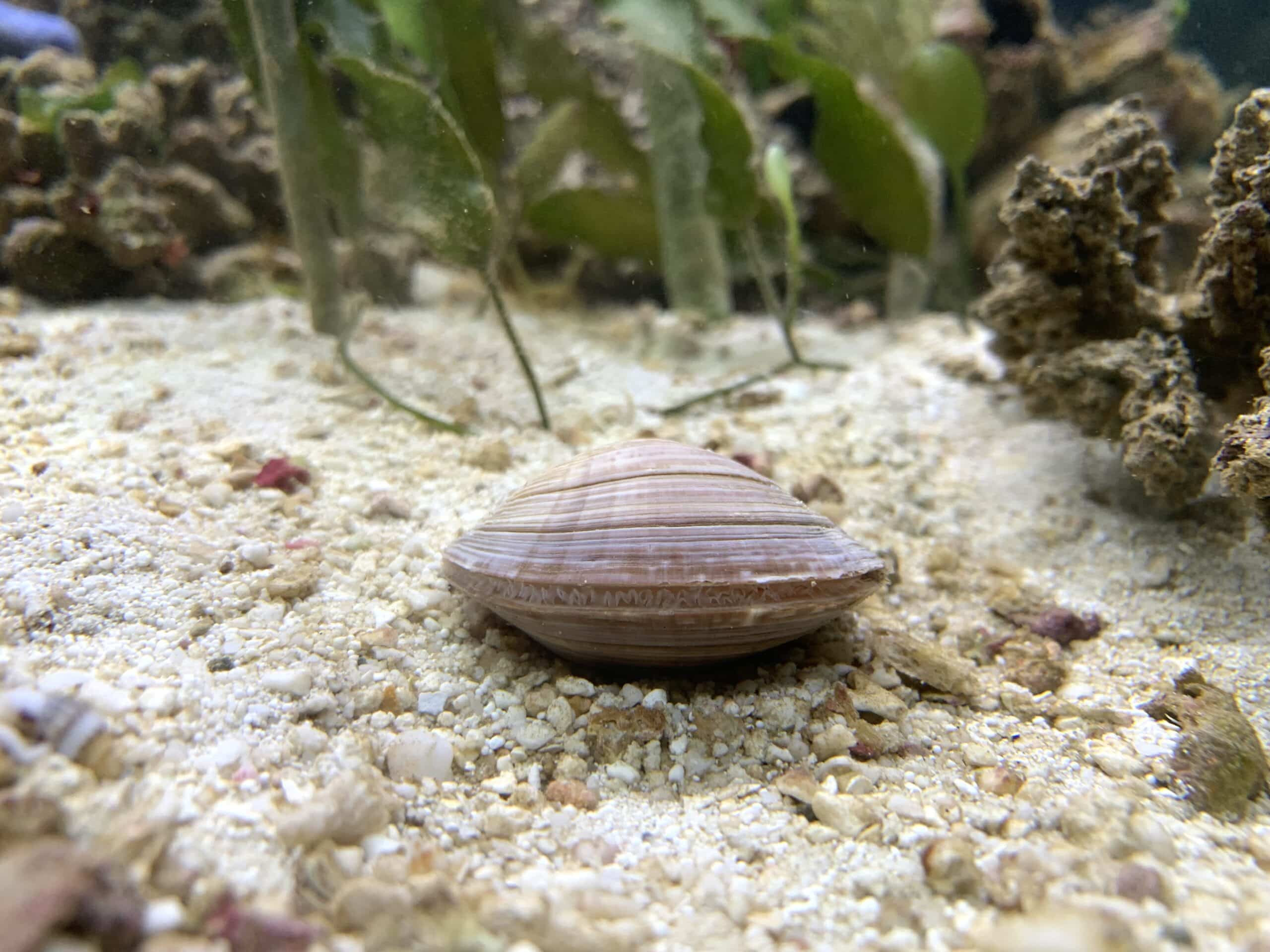
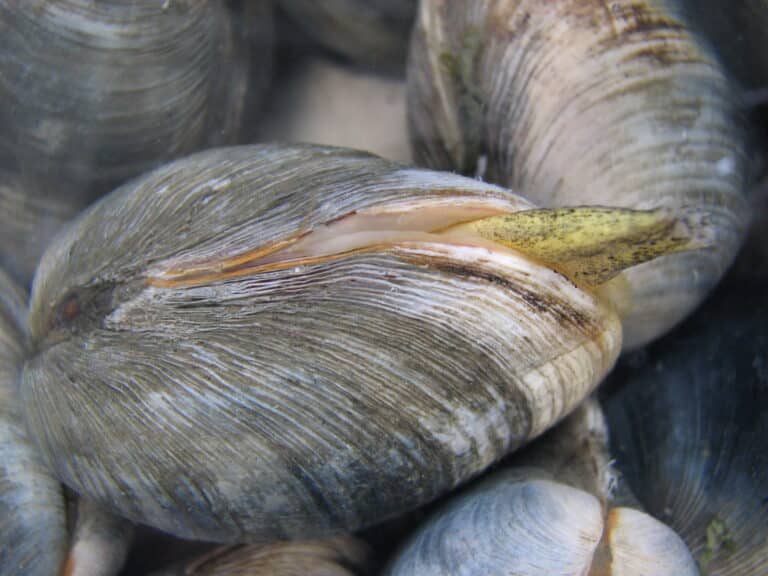
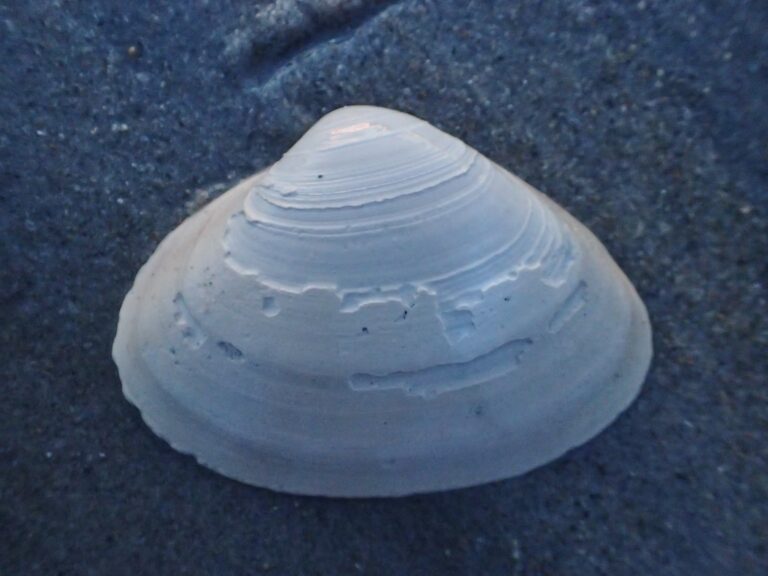
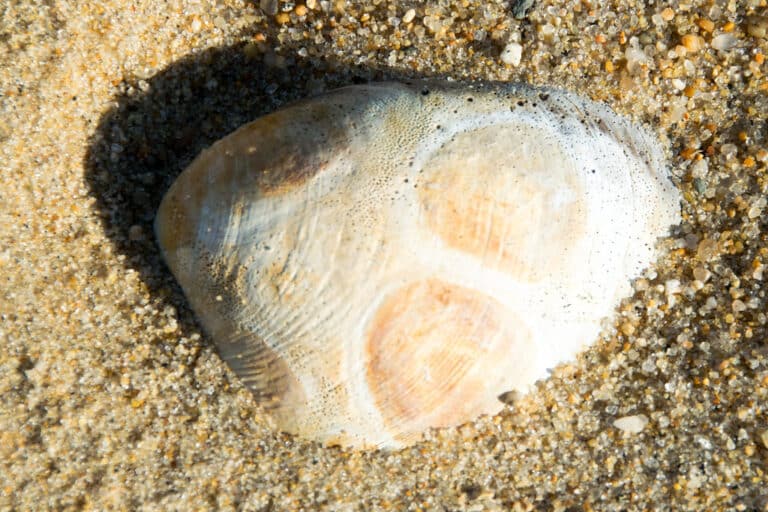
Quahogs can reach an average size of up to 10 centimeters (4 inches) long, making them a fun size to dig up at the beach. These clams have flat, rounded shells that can be gray, brown, or even purplish, and they come with a few stripes, giving them a stylish appearance.
Quahogs spend their days filtering plankton from the water, munching on tiny food particles like a buffet for one. They open their shells a little to let the water flow in, trapping delicious plankton as their natural snack.
These clever clams can live up to 40 years, which is longer than most kids have been alive! Their longevity comes from their hardy shells that protect them from predators in their sandy homes.
With their unique ability to burrow into the sand, Quahogs create their own cozy hideout. They can dig deep to stay safe, making them some of the most secretive clams on the coast!

Where can you find a Quahog Clam in the wild?
What does a Quahog Clam eat?
How big can a Quahog Clam grow?
How long does a Quahog Clam typically live?
What is the conservation status of the Quahog Clam?
What are the main threats to the Quahog Clam?
Fun facts
Some Quahog clams can actually change their shells' color slightly to blend in with their surroundings, providing them extra camouflage from hungry predators!


Quahog clams can produce a special kind of pearl called a "quahog pearl," which has a unique purple color. These pearls can be rare treasures for beachcombers!
When Quahogs feel threatened, they can quickly disappear into the sand by digging down as fast as a rabbit hops, showing just how speedy they can be!
These clams can be quite social; they might live near each other in large groups, making them the ultimate beach buddies in the sand!
During certain seasons, Quahogs release clouds of larvae into the water to help create new clam communities, showing that teamwork is key to their survival.
Some Quahog clams can release a cloud of ink-like substance when scared, creating a smokescreen to hide from predators, just like a ninja!
If you were to stack all the Quahog clams found in a busy beach area, they could weigh as much as a car, making them some of the heaviest residents of their sandy homes!
Quahogs have a special muscle that can snap their shells shut extremely fast, helping them escape predators like crabs in the blink of an eye!
These clams have very good taste in food; they can filter their water and choose the most nutritious plankton, like eating at a five-star restaurant!
Photos





The Basics


explore more
Amphibians
Arachnids
Birds
Cats
Crustaceans
Fish
Fish Pet Guide
Gastropods
Insects
Invertebrates
Mammals
Pet Fish
Pet Rodents
Plants
Reptiles
Roundworms
Sea Slugs