Successfully copied to clipboard!
Rat Snakes
Unleash your curiosity about colorful climbing reptiles!
Let’s Explore
Overview
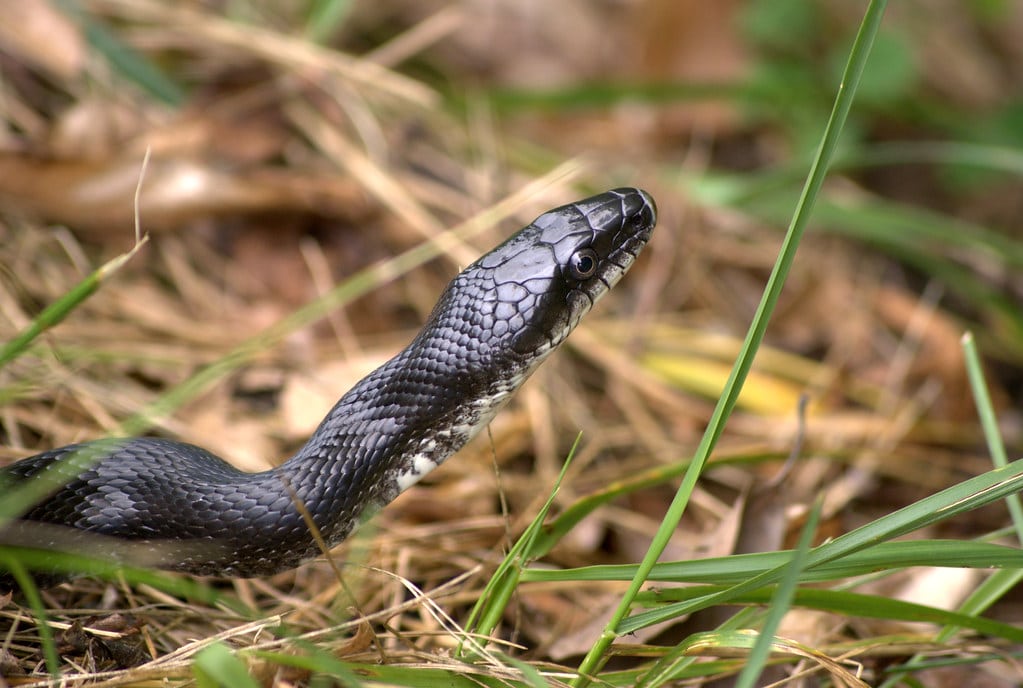
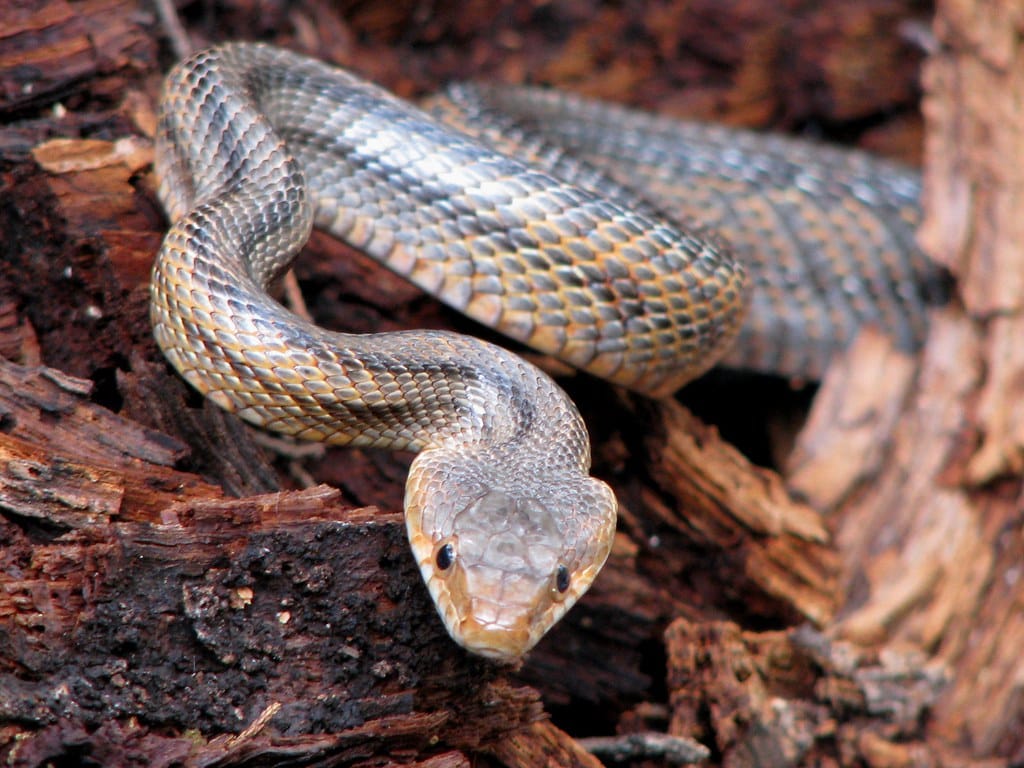
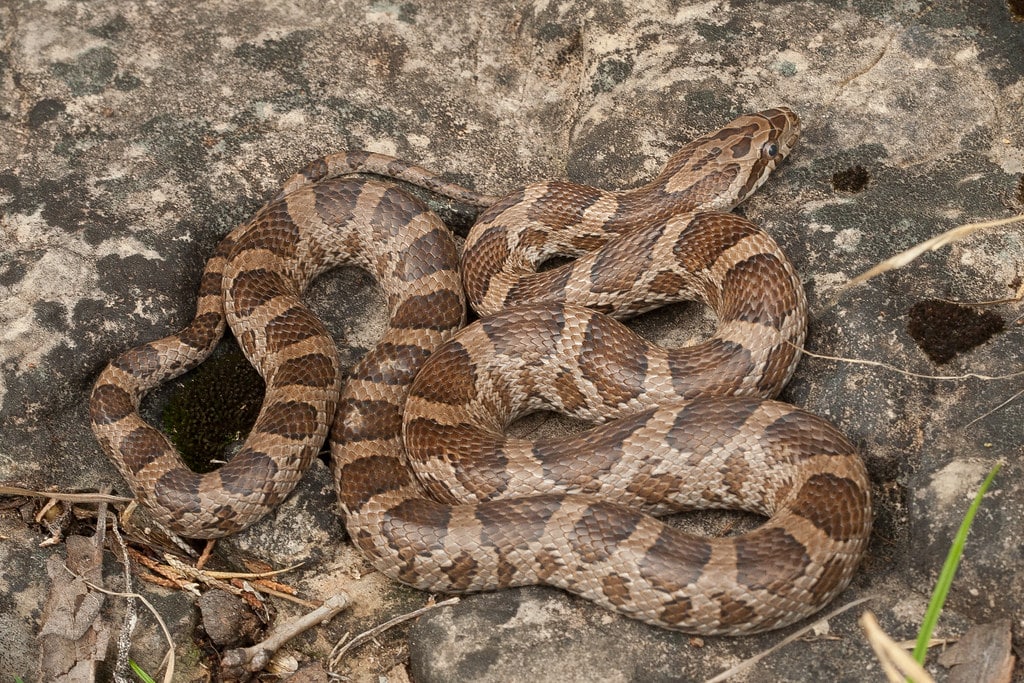
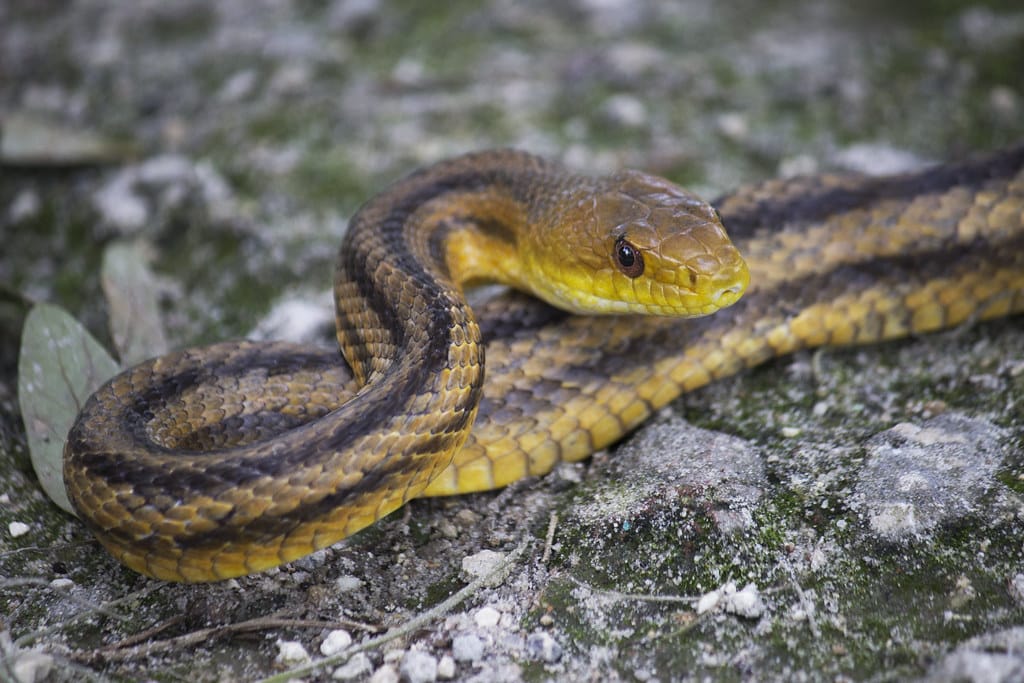
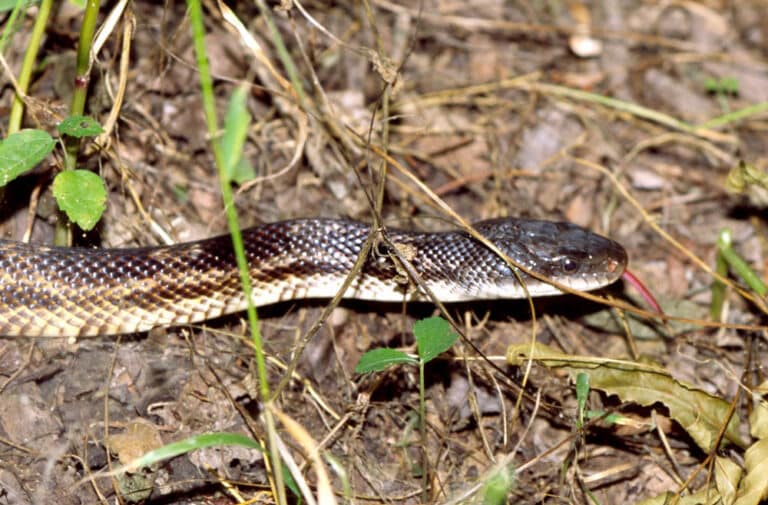
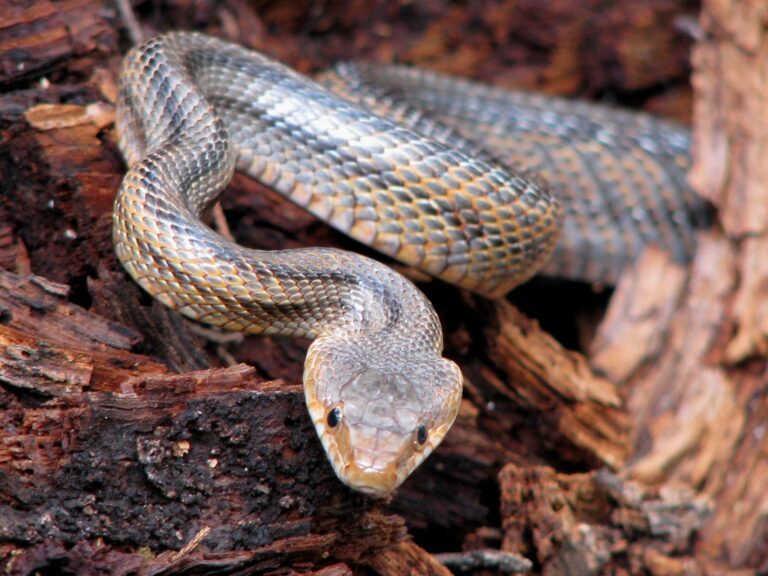
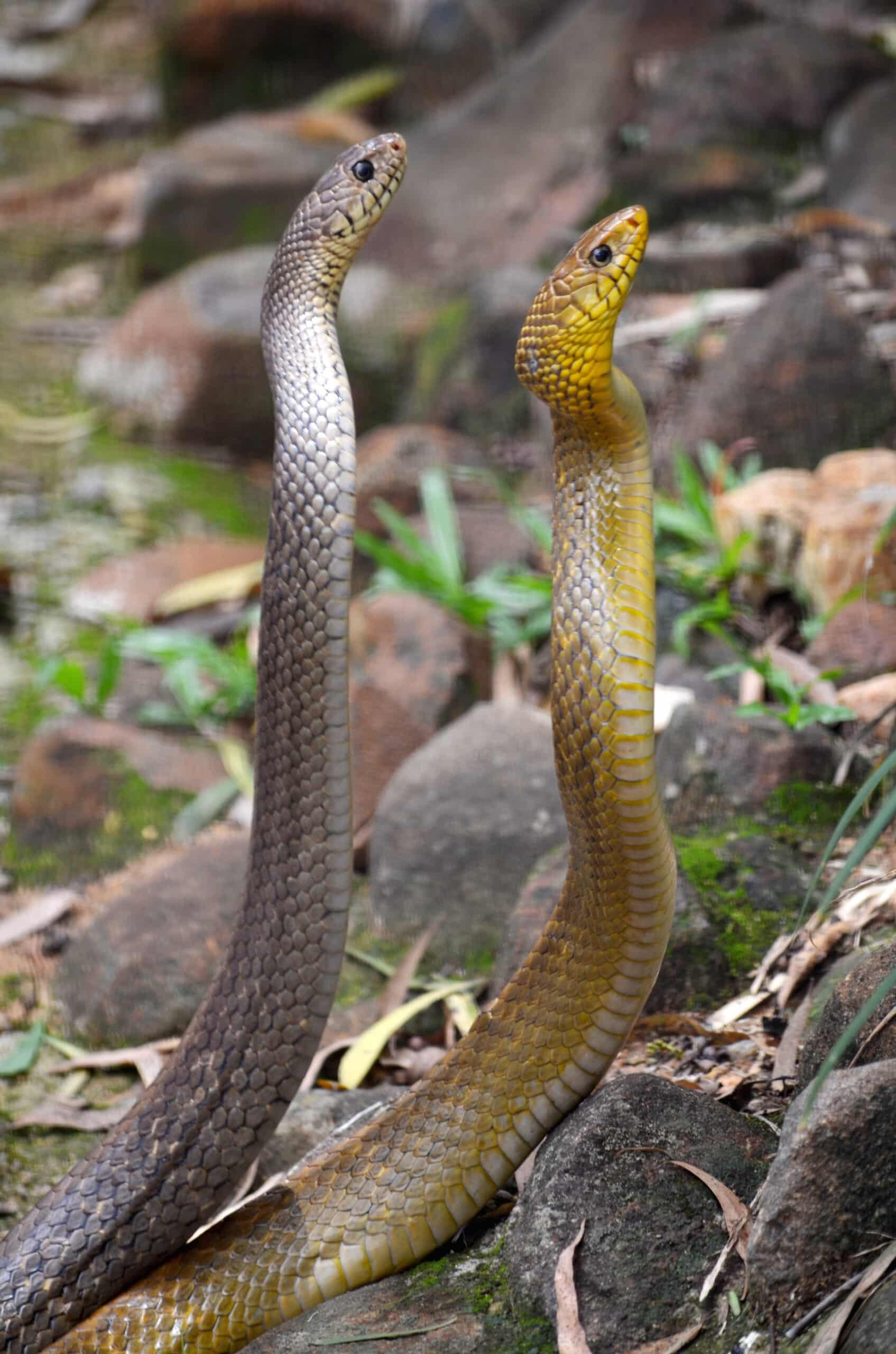
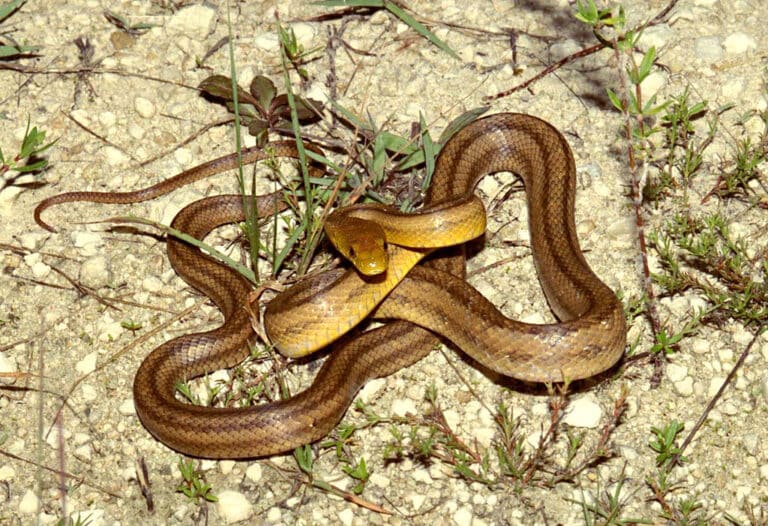
Rat snakes are cool reptiles that belong to the family Colubridae. They are known for their sleek, slender bodies and can grow to an average length of 3 to 5 feet (0.9 to 1.5 meters).
These snakes love to munch on rodents, birds, and even bird eggs, making them excellent hunters. Their hunting skills help keep the rodent population in check, which makes them very helpful in nature!
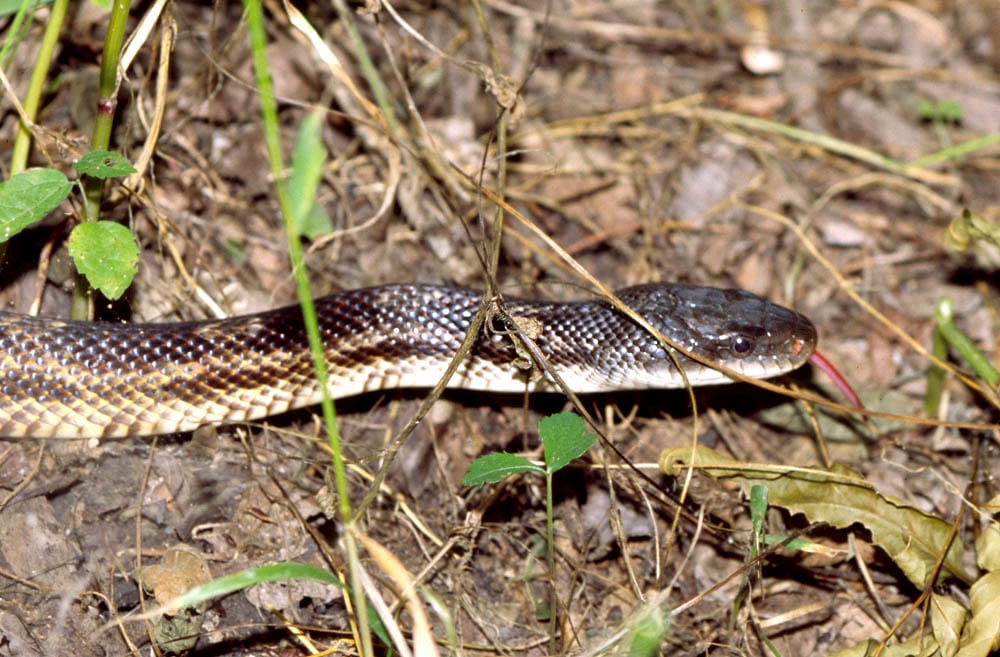
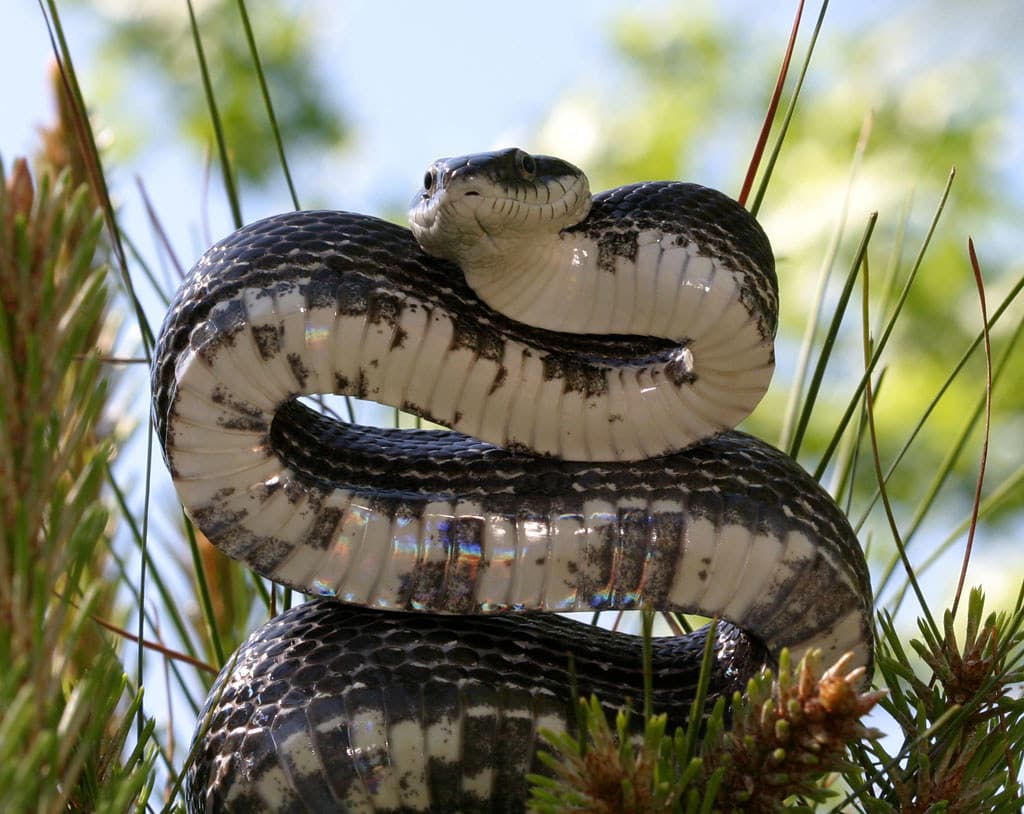
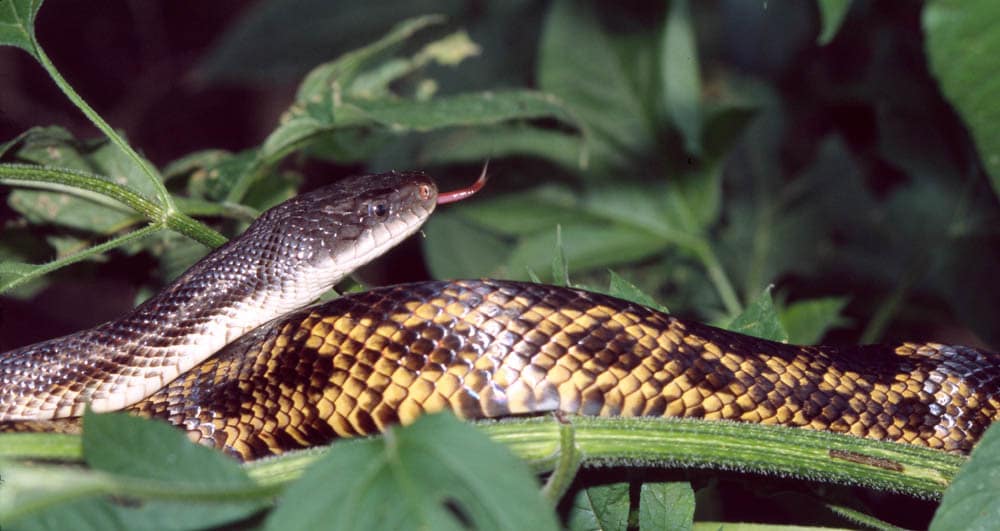
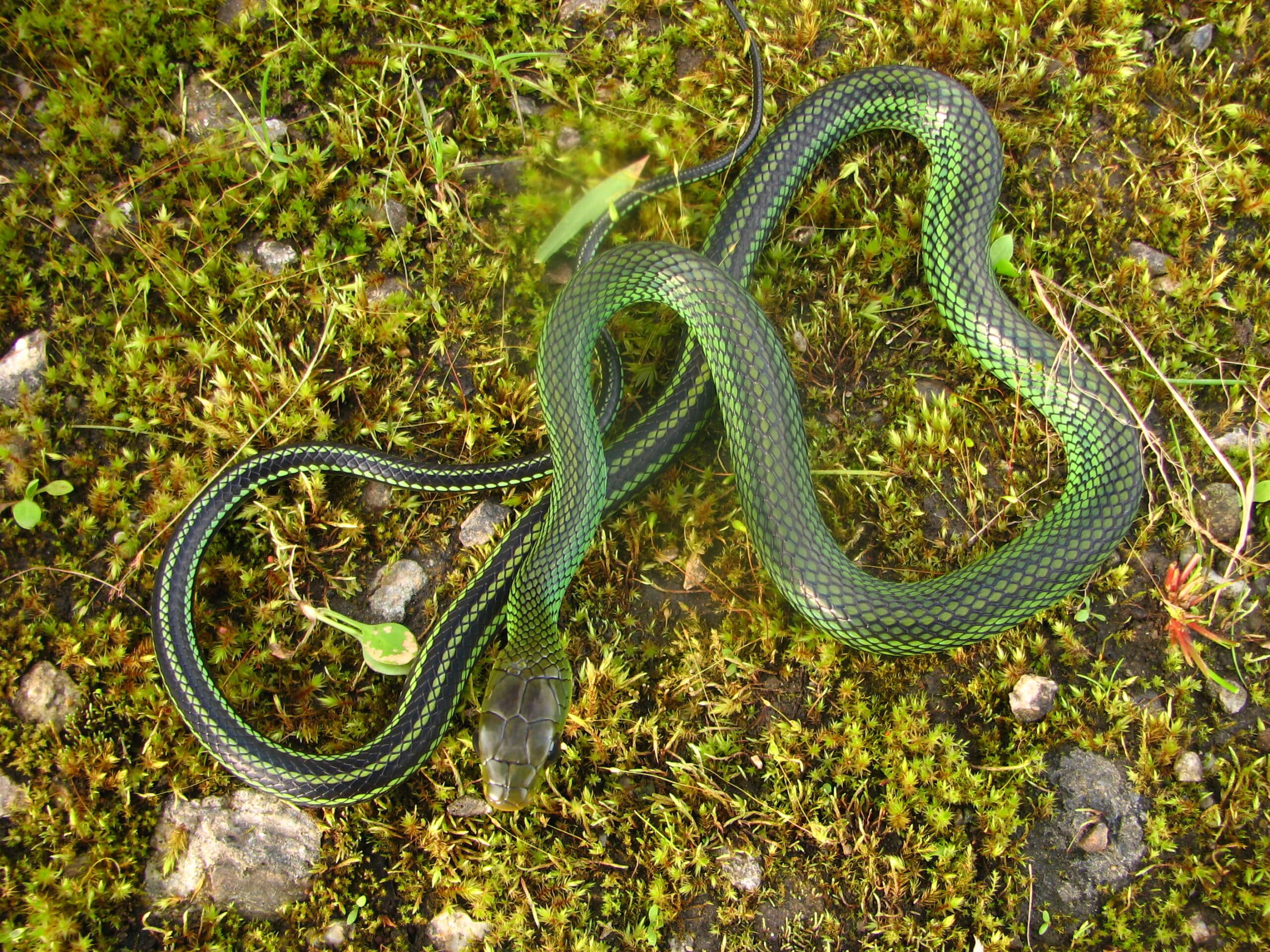
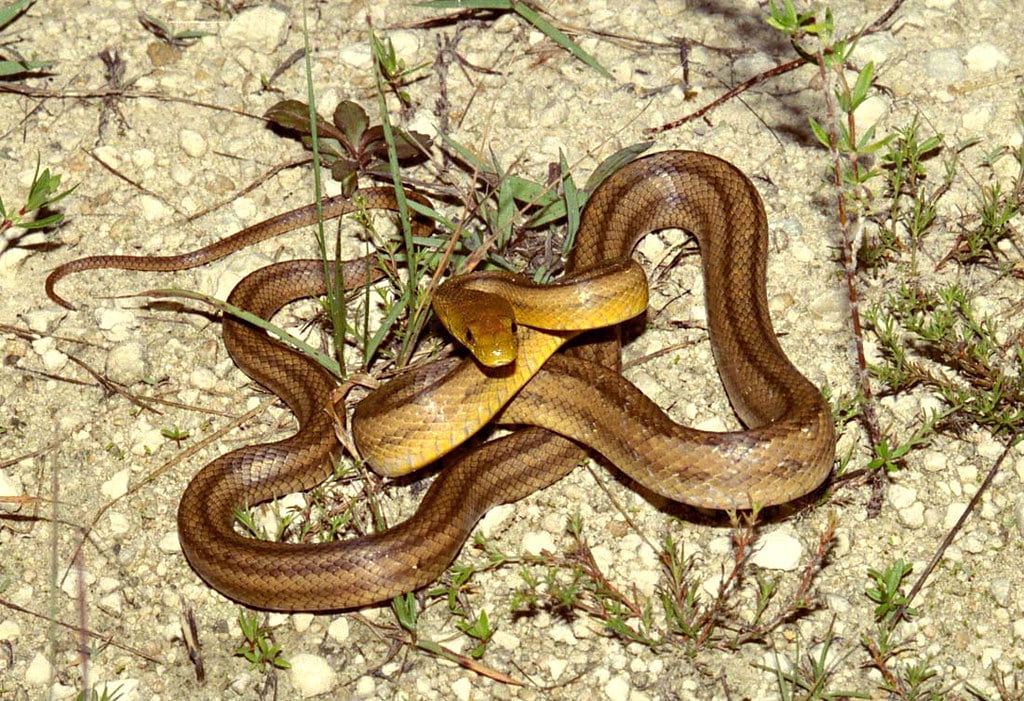
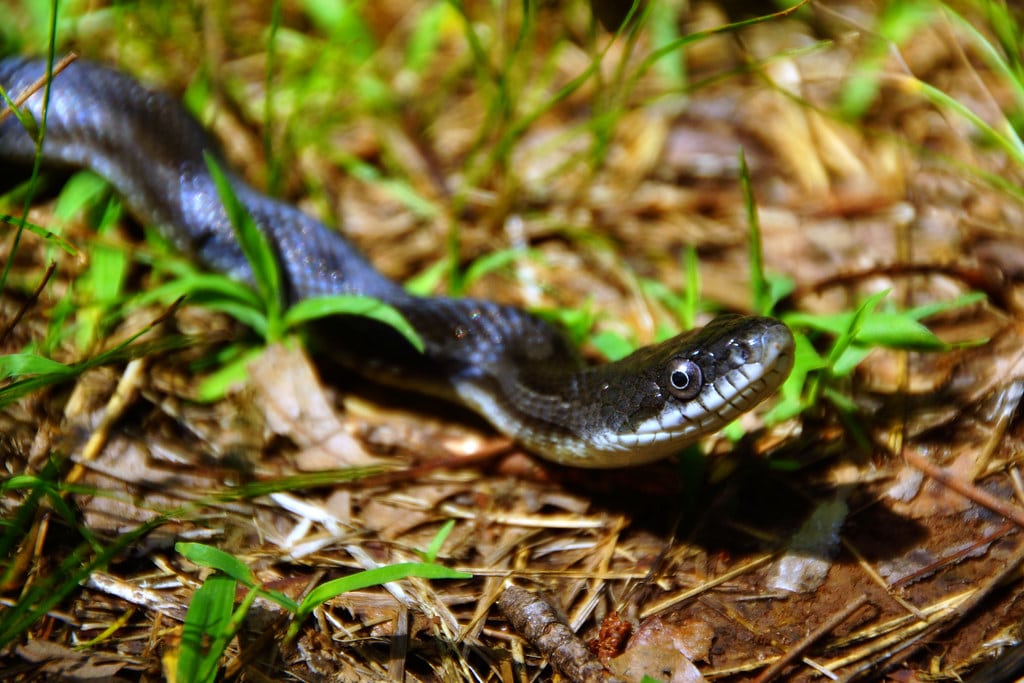
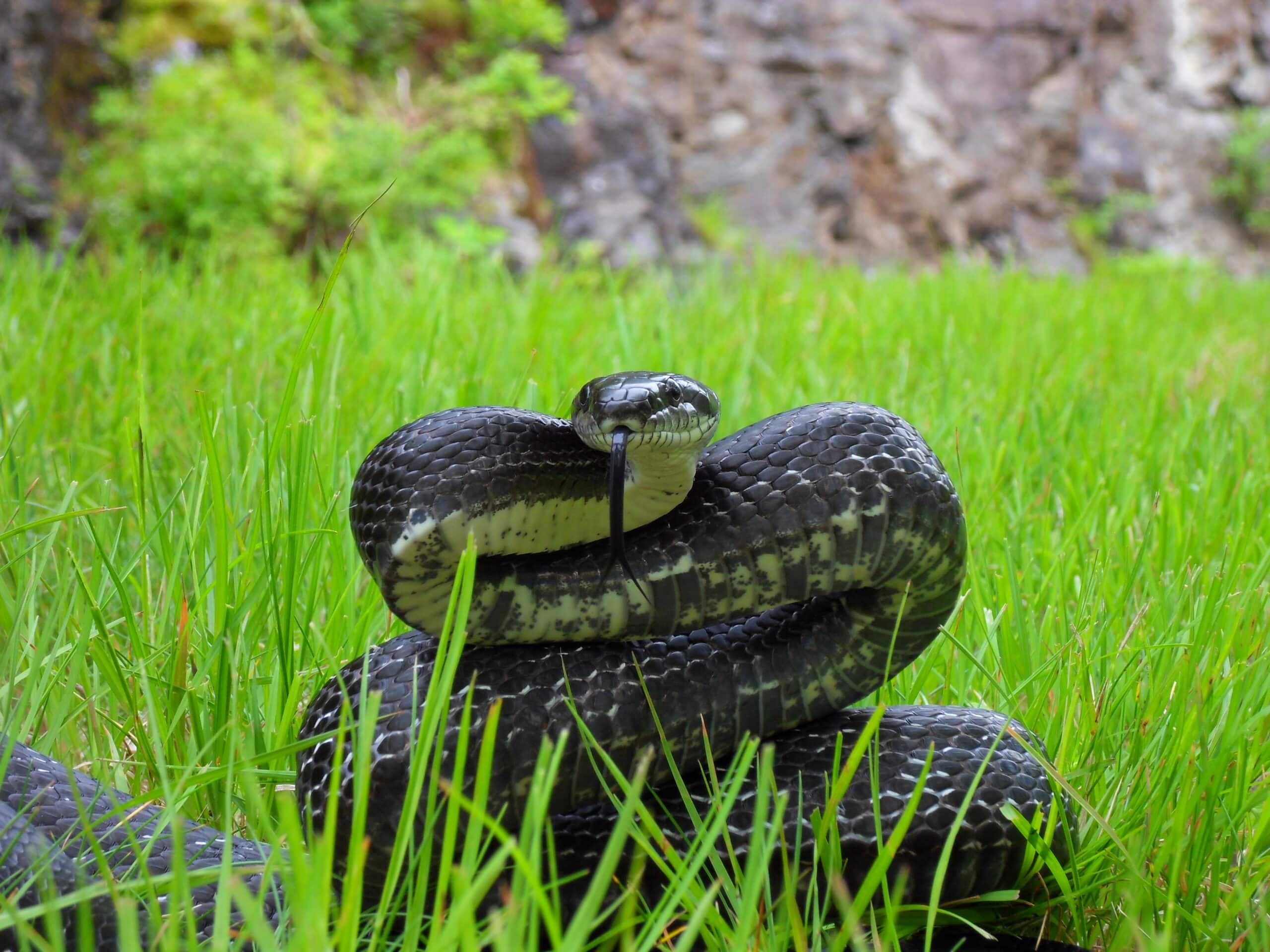
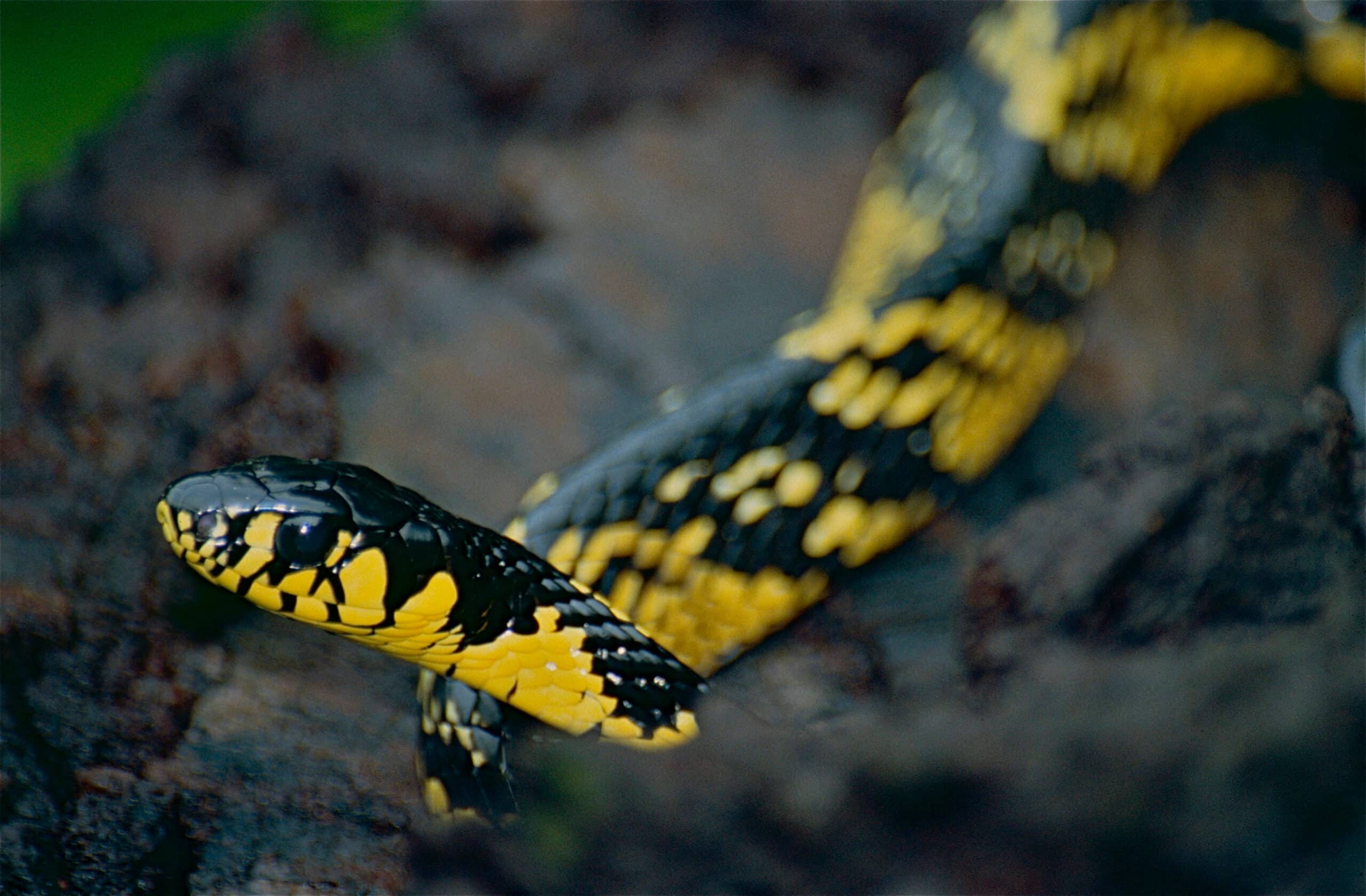
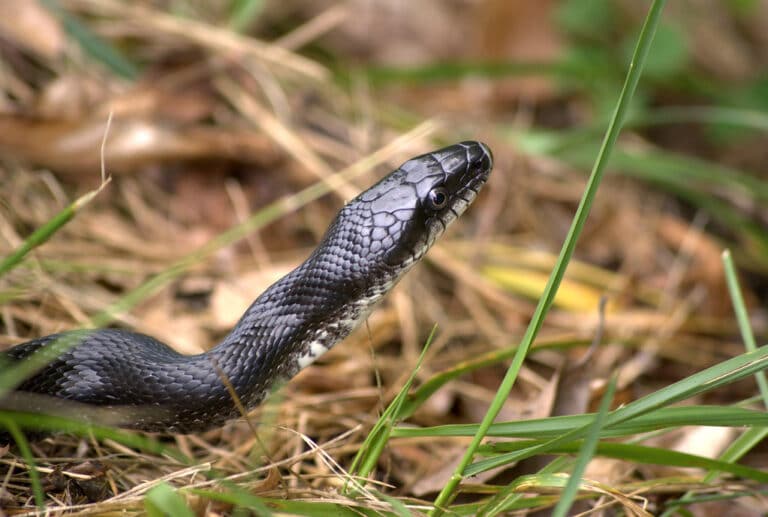
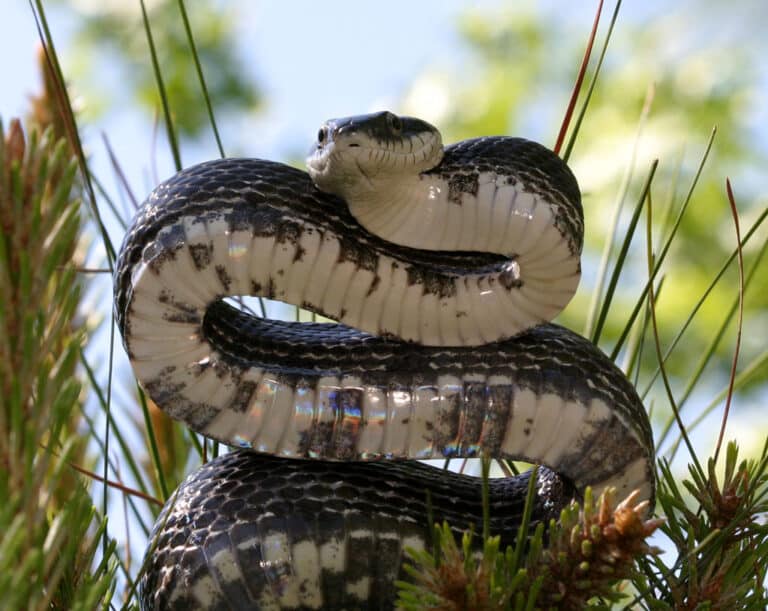
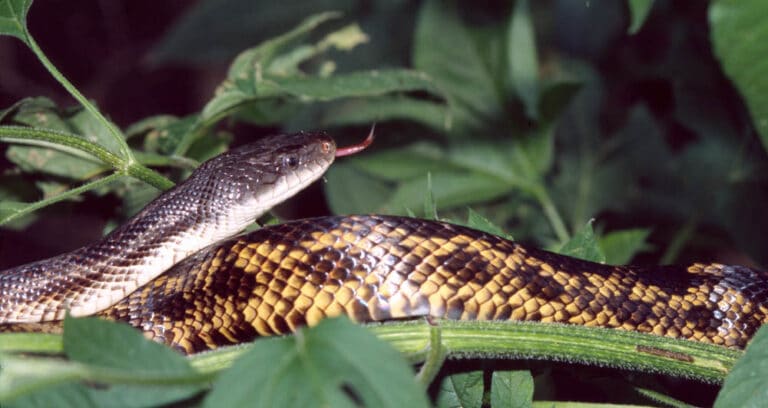
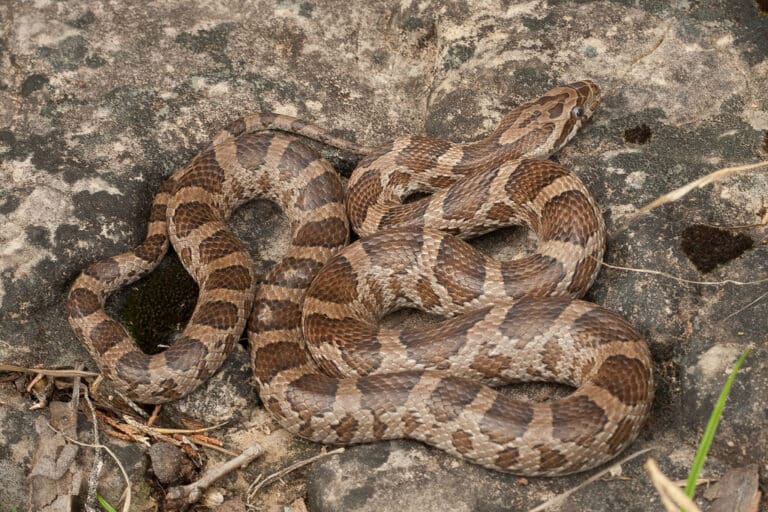
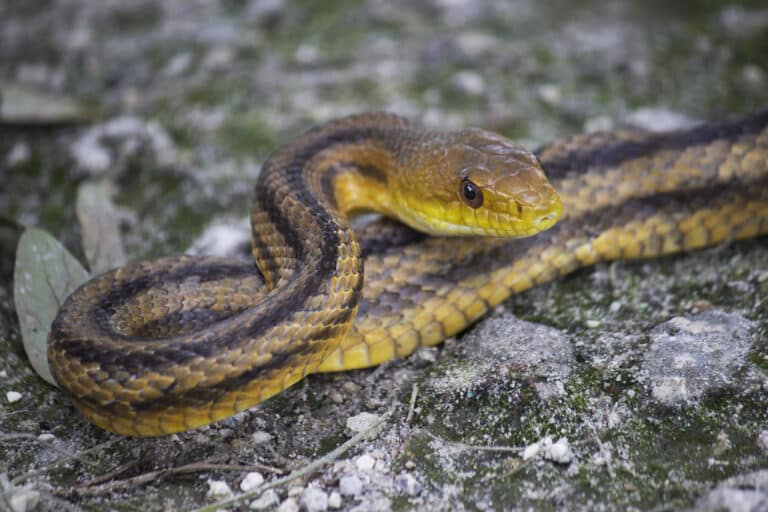
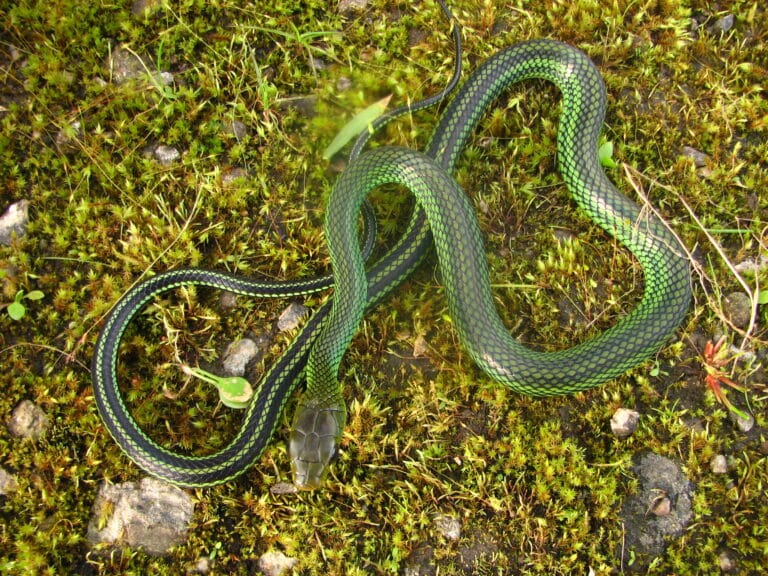
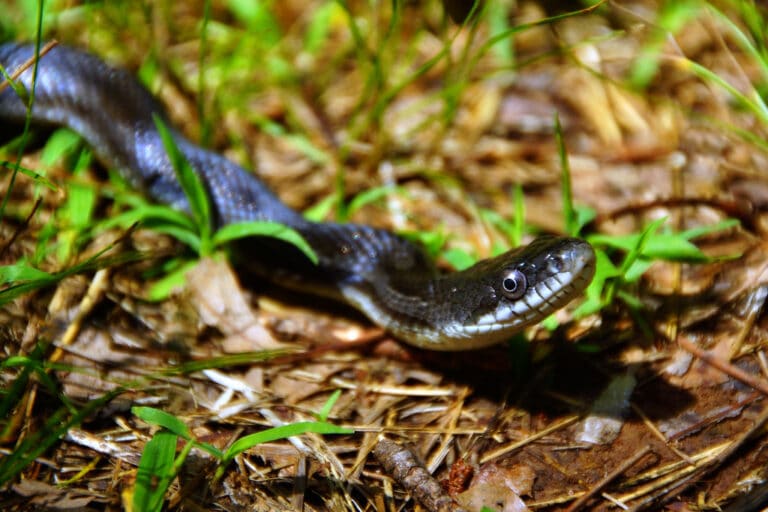
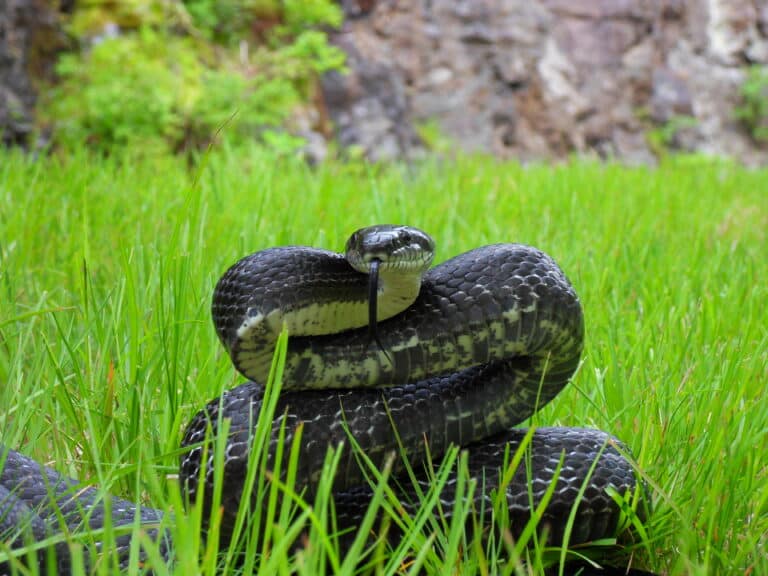
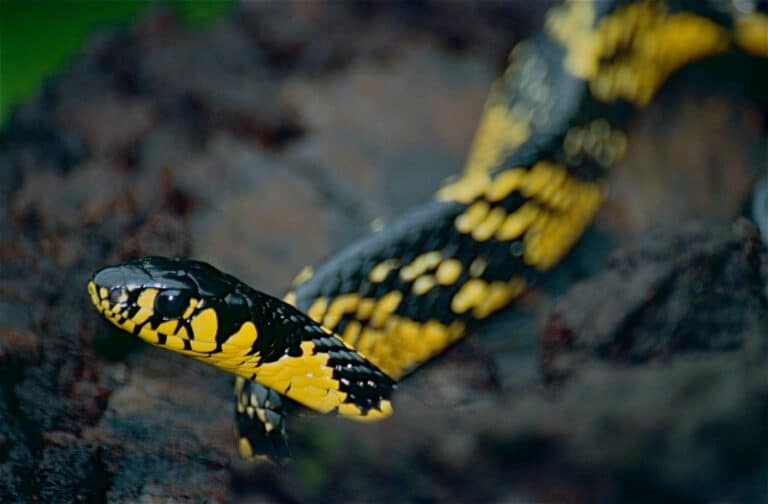
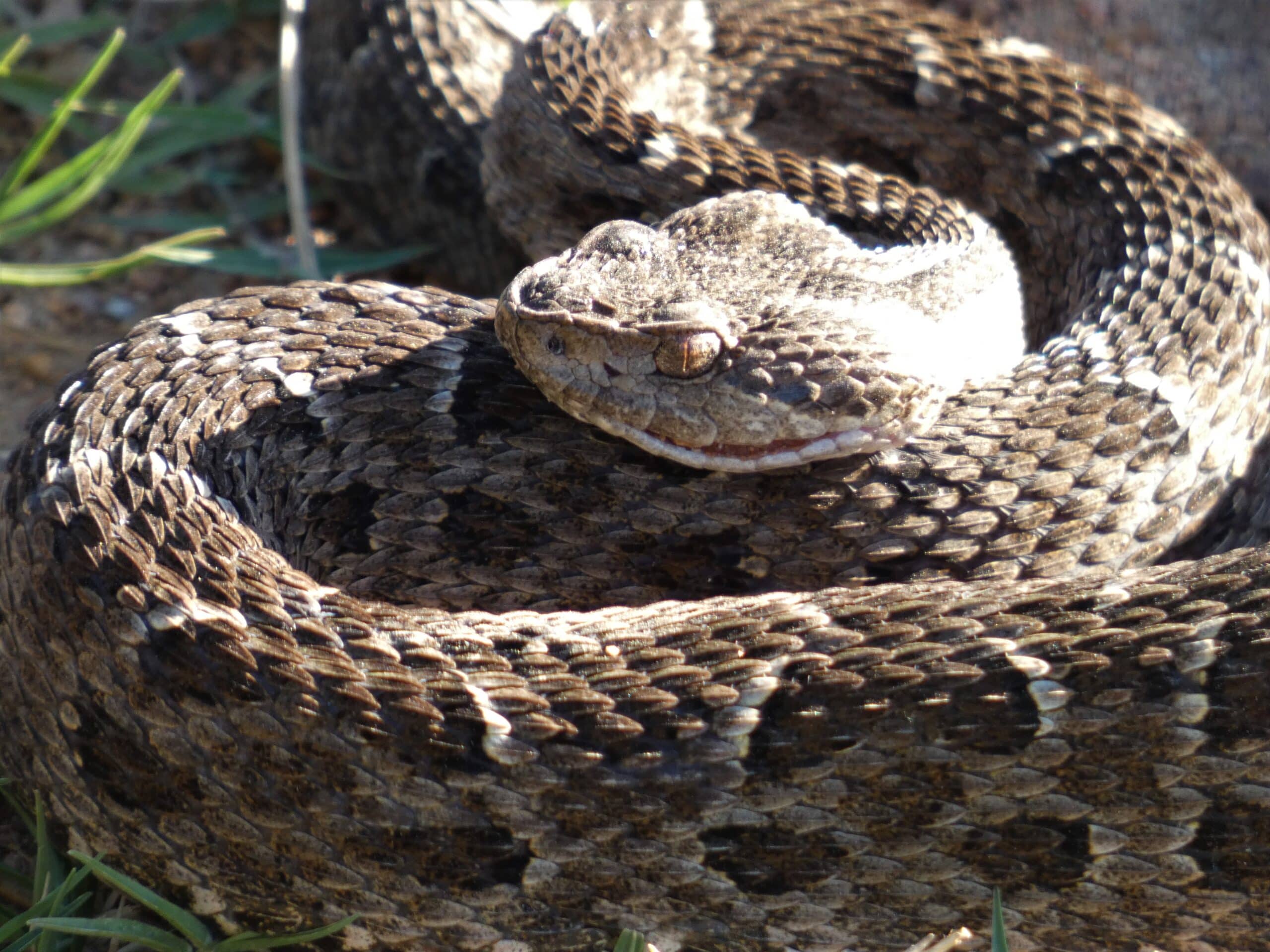
Rat snakes have some remarkable color patterns and markings. They can be found in various colors, including black, gray, and orange, making them sneaky and stylish in their habitats.
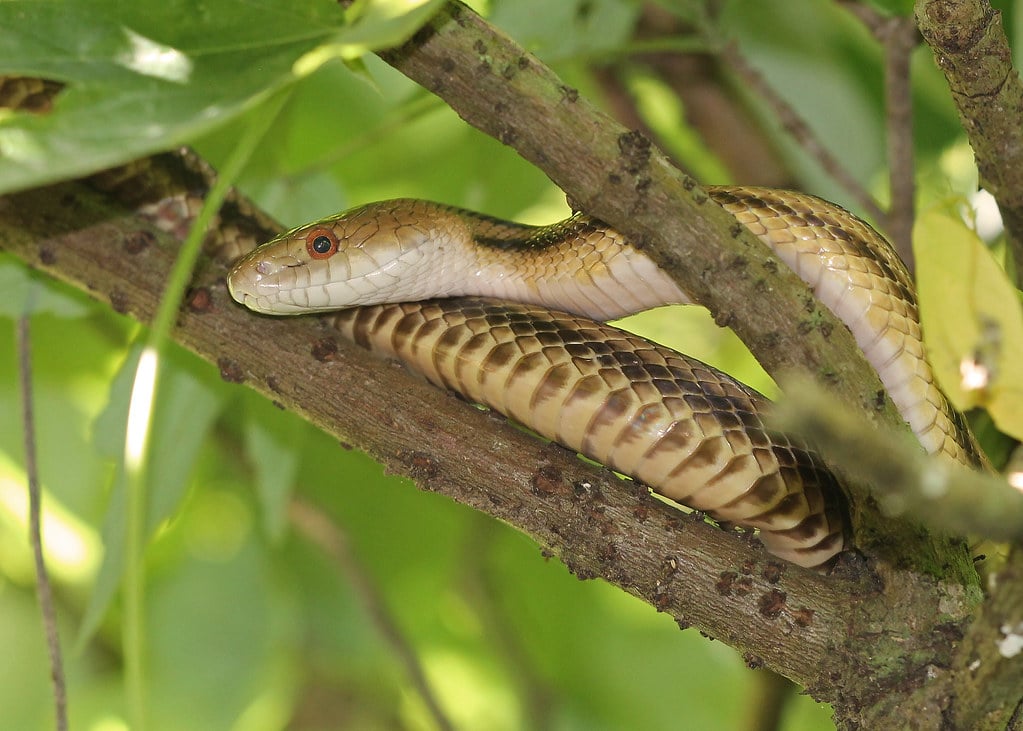
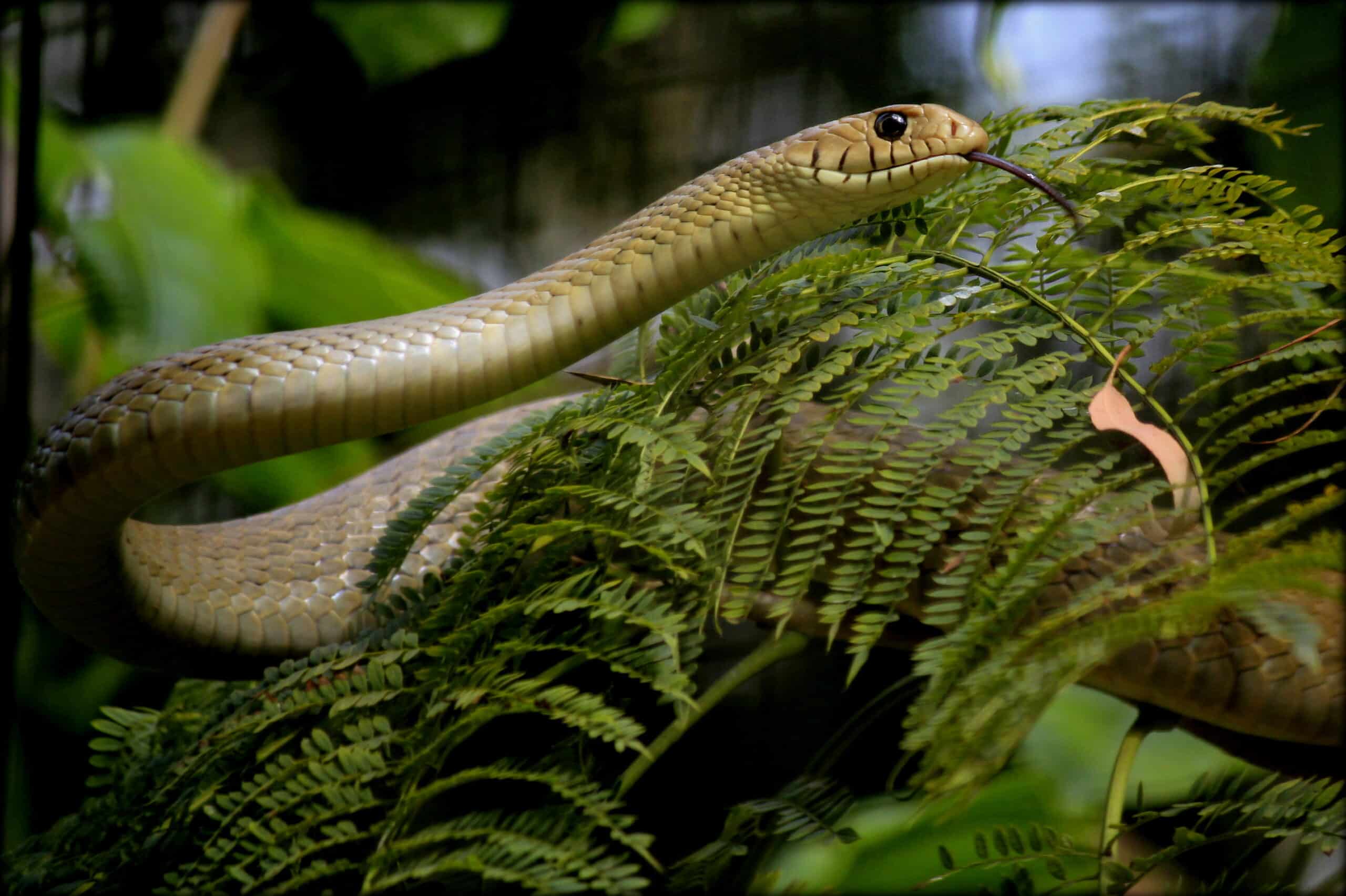
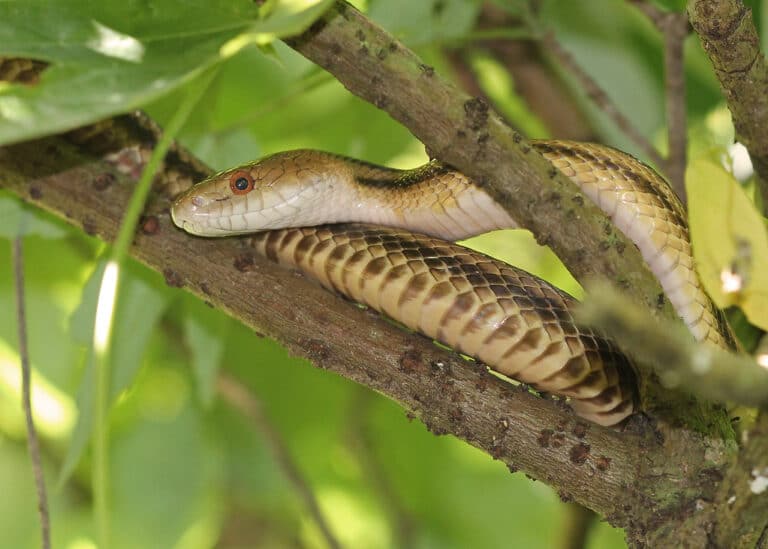
These clever critters are skilled climbers. They often scale trees and buildings in search of prey, which gives them a perfect vantage point over their lunch options.
Rat snakes can live a long time, with lifespans ranging from 10 to 15 years. That's a lengthy journey for these nimble neighbors of ours!
Kids often love to learn about these fascinating creatures. Rat snakes play a vital role in their ecosystems and remind us of the importance of every living thing!

Where can you find a Rat Snakes in the wild?
What does a Rat Snakes eat?
How big can a Rat Snakes grow?
How long does a Rat Snakes typically live?
What is the conservation status of the Rat Snakes?
What are the main threats to the Rat Snakes?
Fun facts
Rat snakes can change their colors slightly to blend into their surroundings, acting like little ninjas of nature!


When threatened, rat snakes often play dead by flipping onto their backs and remaining motionless. It's like their version of a magician's disappearing act!
These snakes can climb trees thanks to their specially designed muscles and scales, which give them grip as they slither up branches with ease!
Rat snakes have amazing vision that helps them detect movement even in the dark, making them nighttime hunters!
A rat snake's diet is like a buffet! They feast on rodents, birds, and eggs, but they can also go without food for months if they need to.
Some rat snakes can even mimic the color patterns of dangerous snakes, fooling potential threats into thinking they are something to avoid.
These reptiles use their tongues to smell! They flick their forked tongues in and out to catch tiny scent particles in the air.
Rat snakes are known for their loud hissing when they feel threatened, which can sound like a warning to potential predators - a way of saying, "Back off!"
In the wild, rat snakes sometimes hang out in groups, especially during cooler months, where they can cuddle up for warmth!
Some cultures believe that having a rat snake around is good luck, as they help keep the rodent population in check!
Photos


The Basics


explore more
Amphibians
Arachnids
Birds
Cats
Crustaceans
Fish
Fish Pet Guide
Gastropods
Insects
Invertebrates
Mammals
Pet Fish
Pet Rodents
Plants
Reptiles
Roundworms
Sea Slugs