Successfully copied to clipboard!
Rattlesnake
Unlock the secrets of nature’s stealthy rattlers!
Let’s Explore
Overview
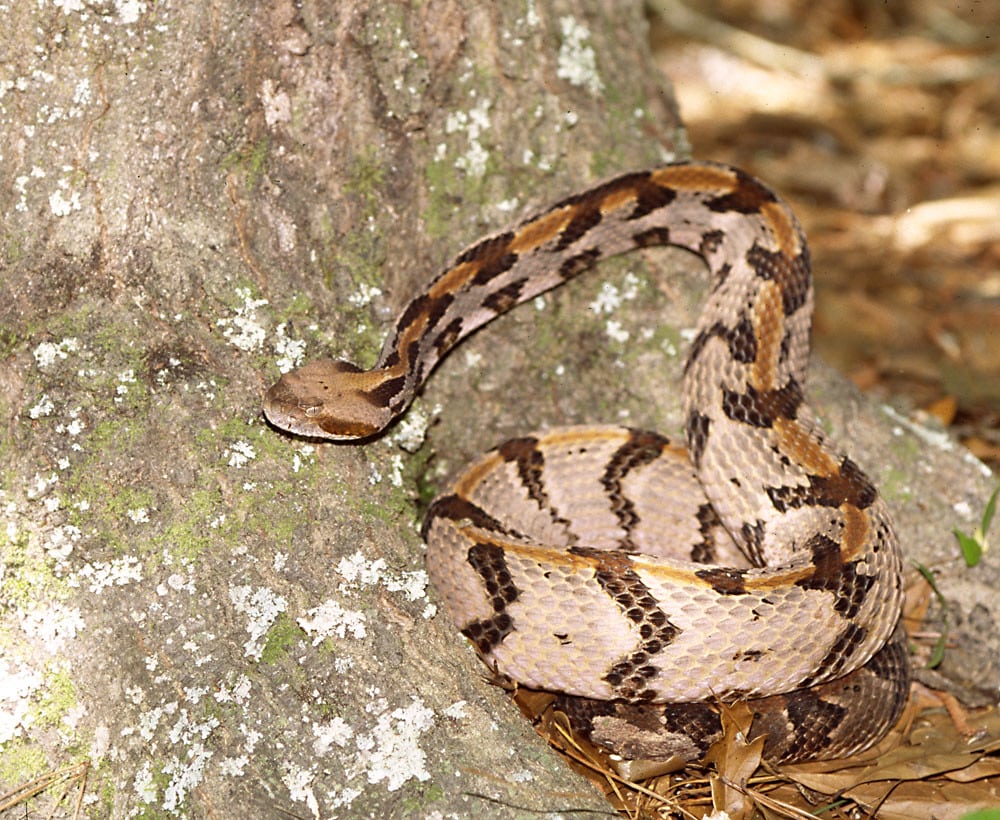
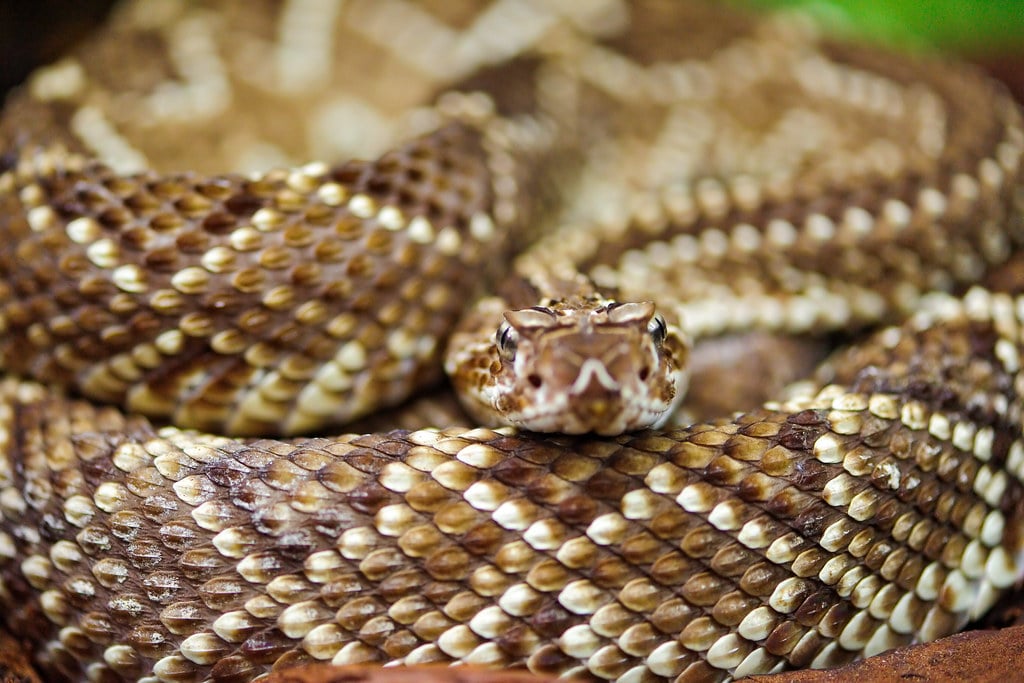
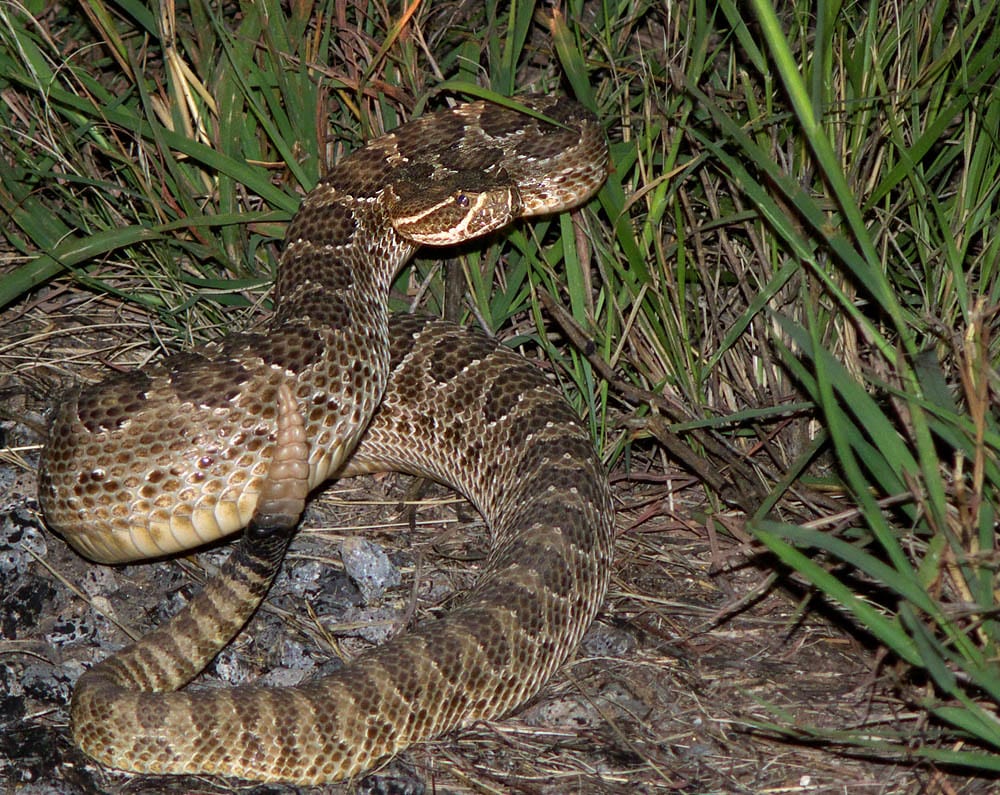
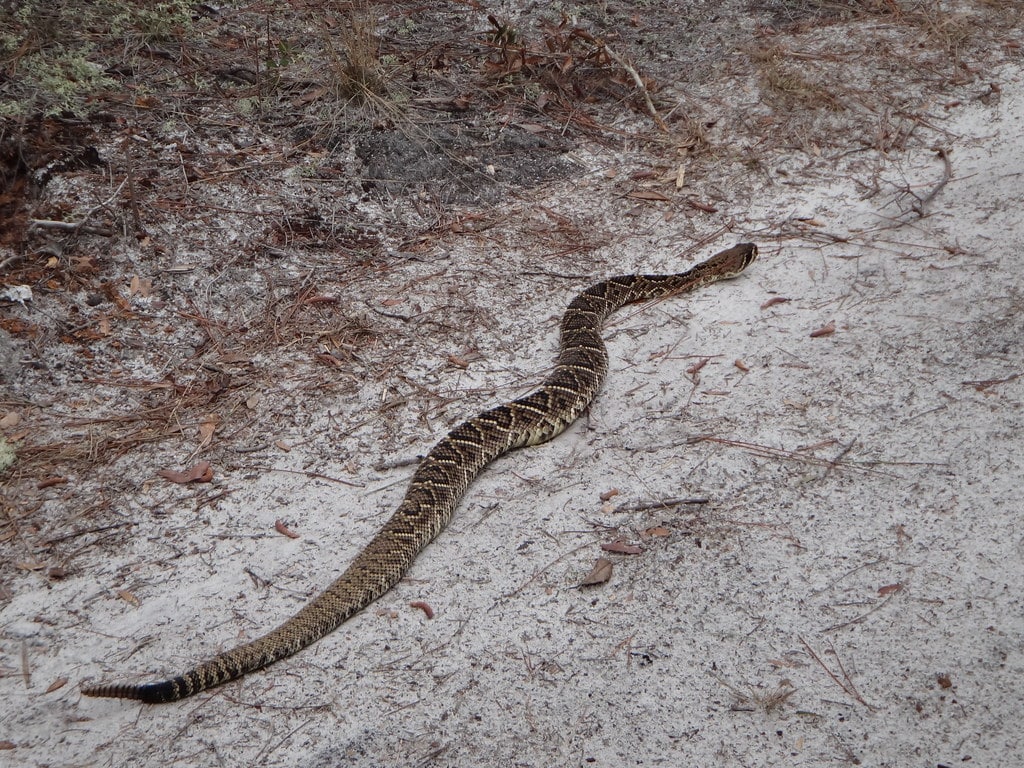
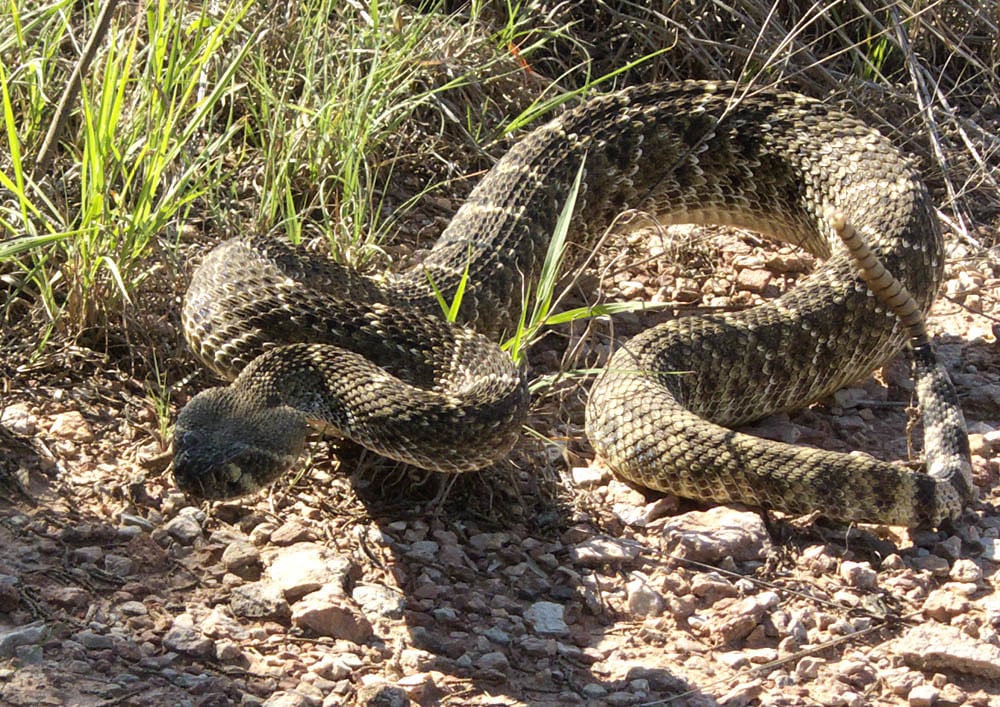
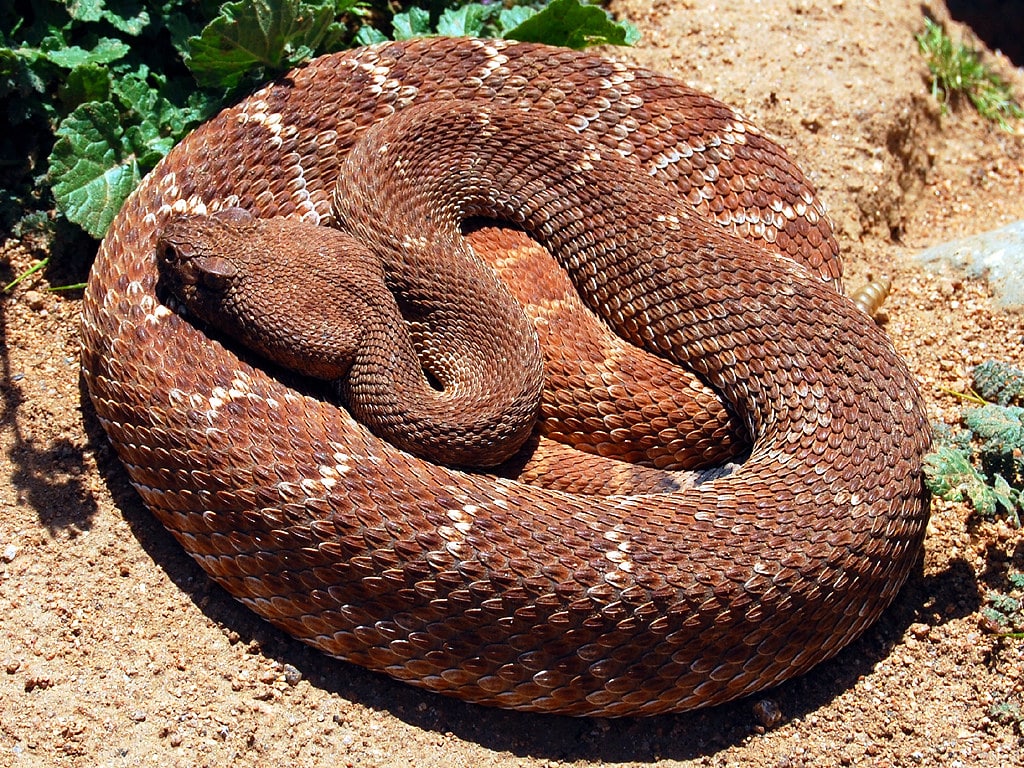
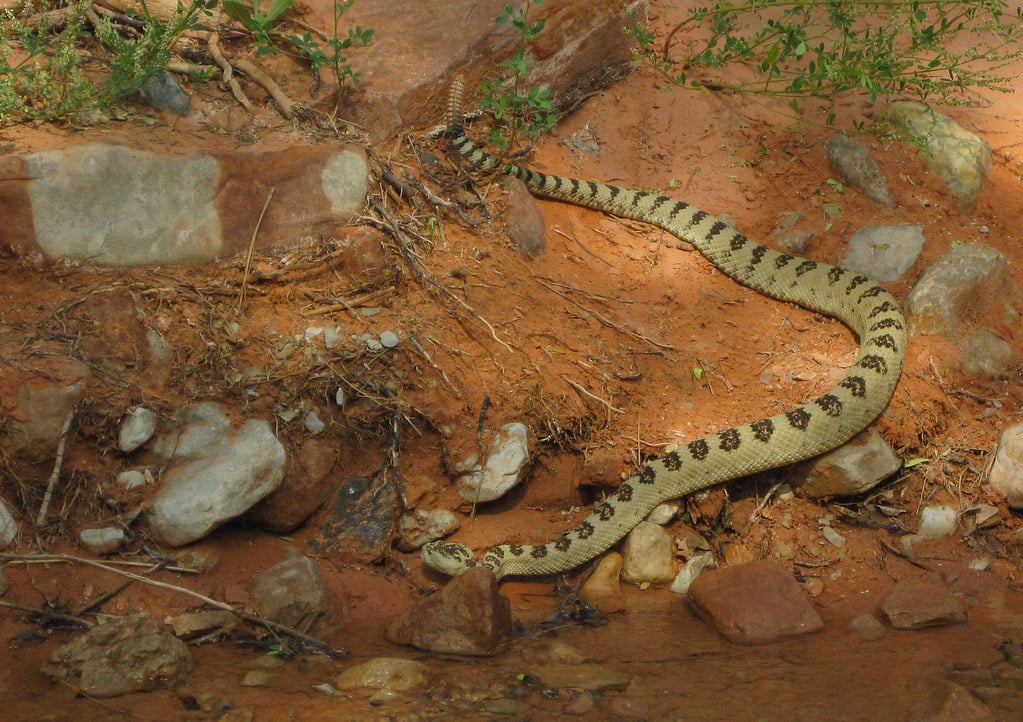
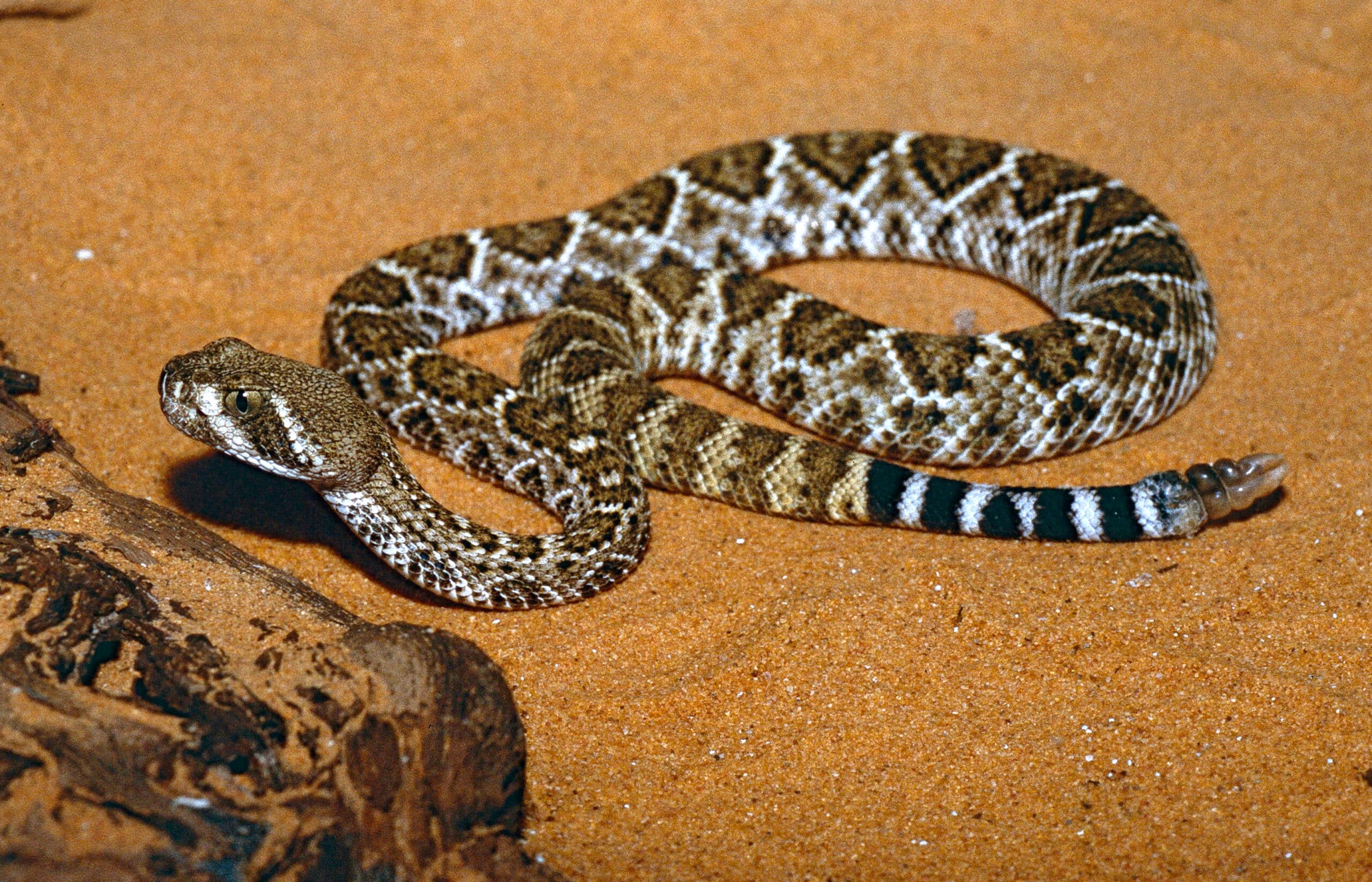
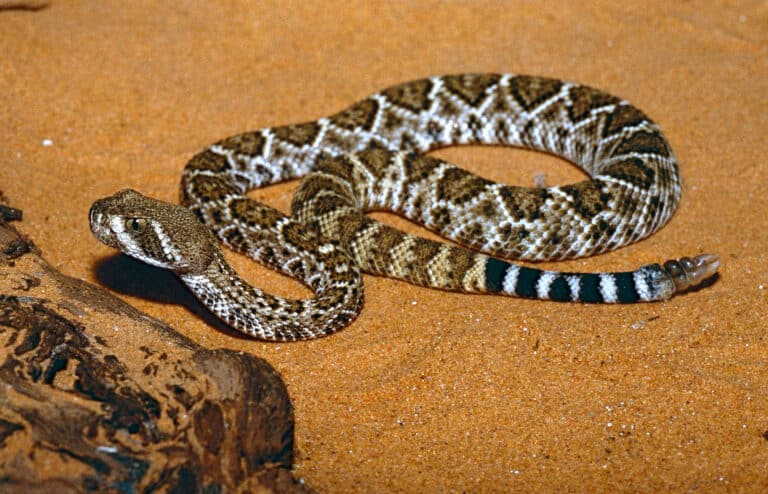
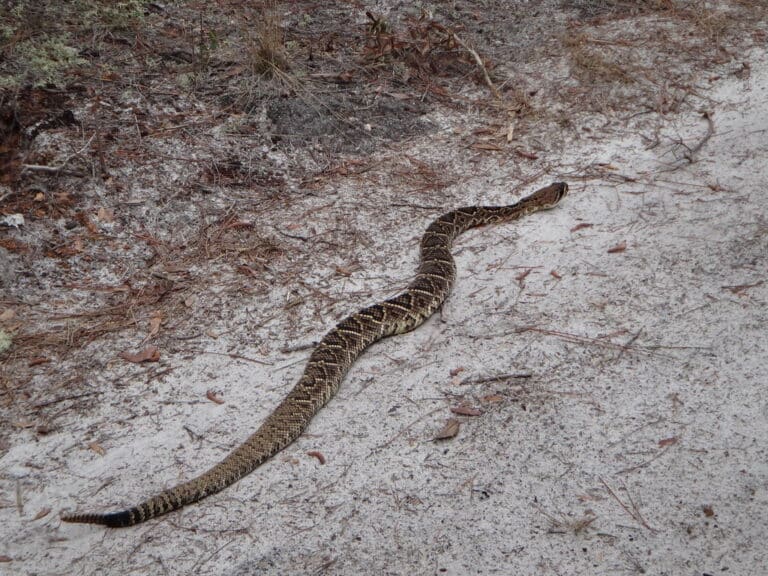
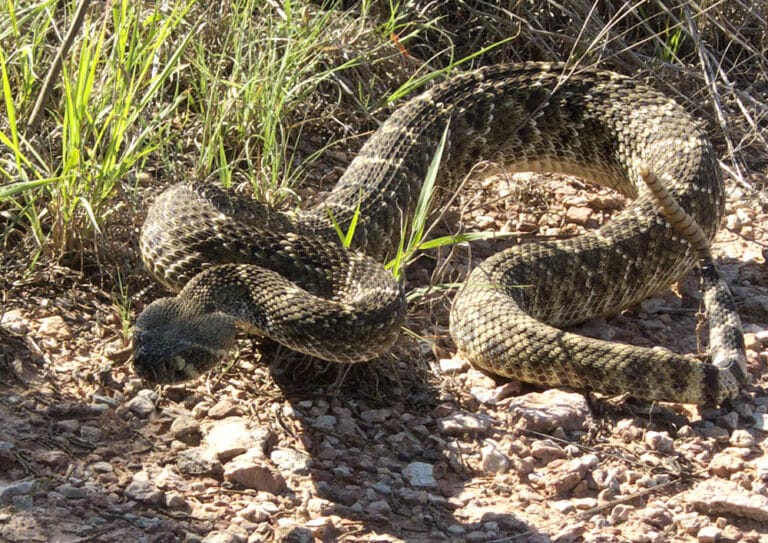
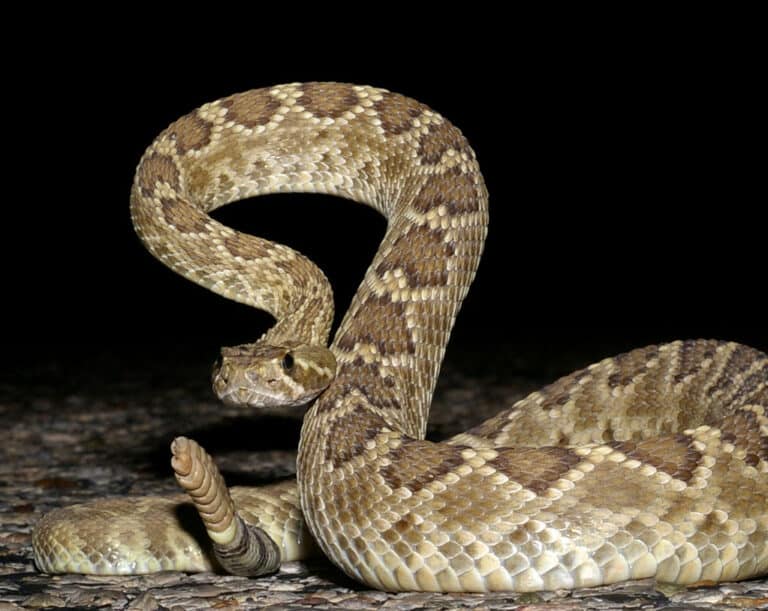
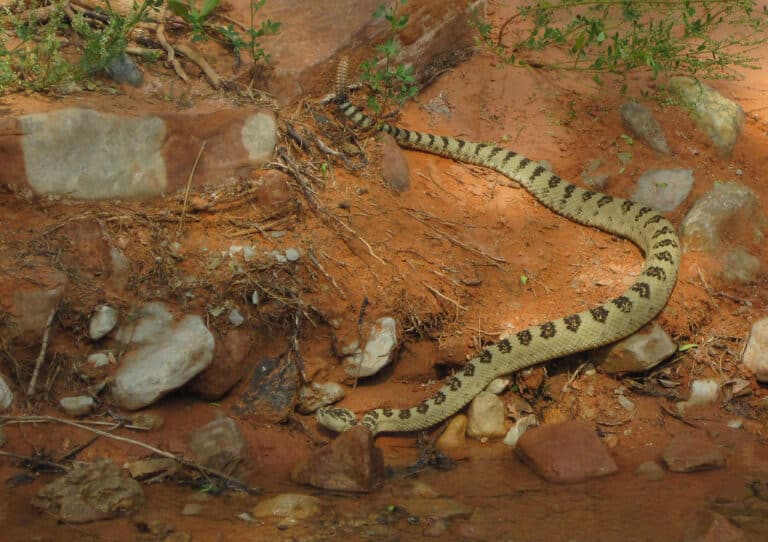
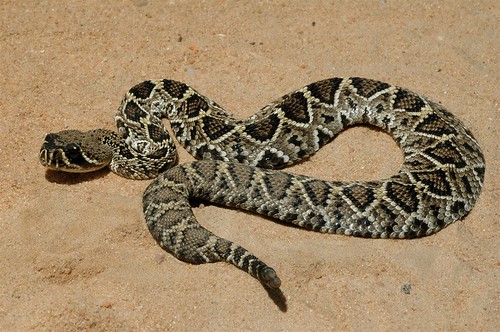
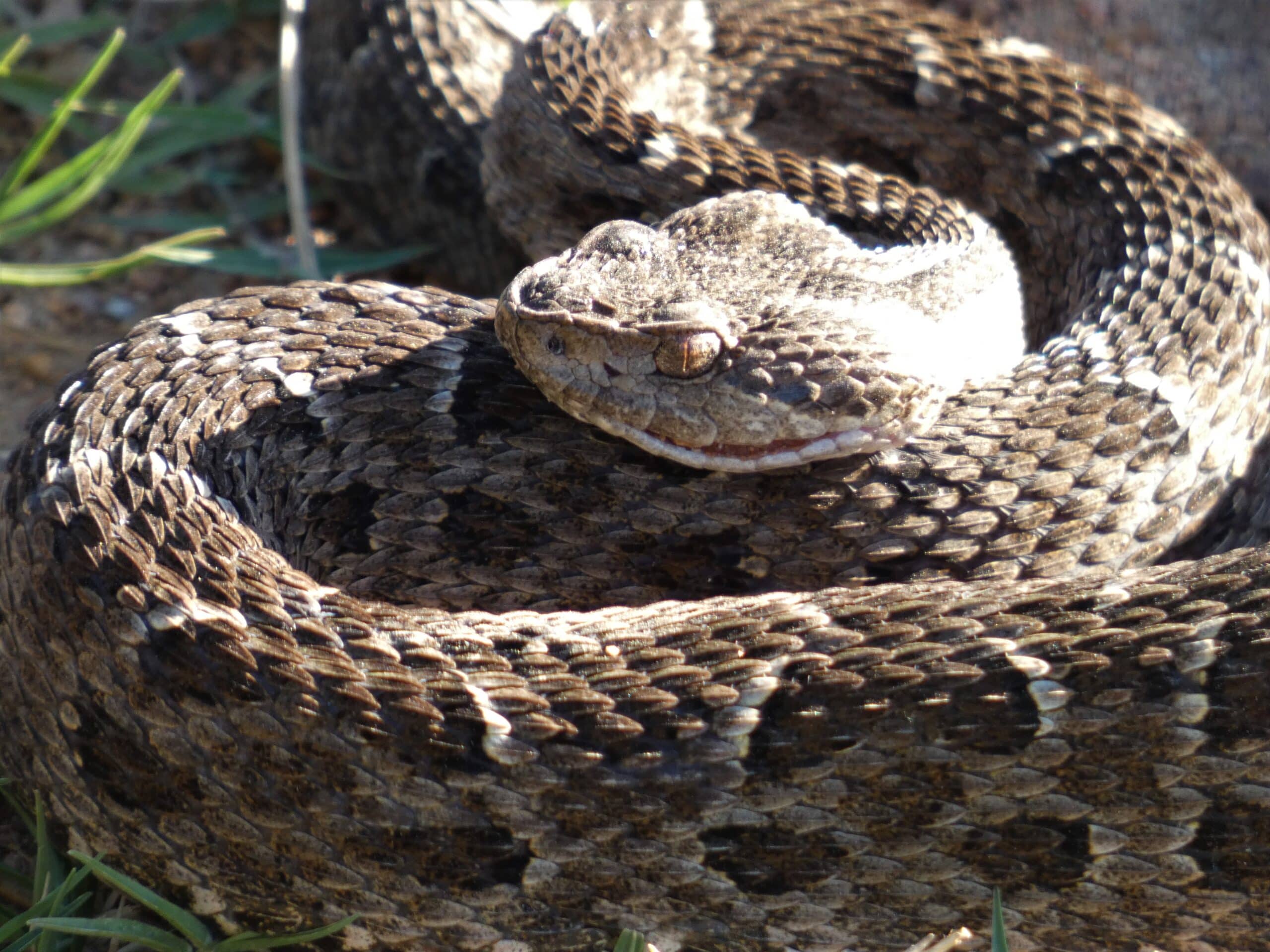
The rattlesnake is a cool reptile that belongs to the Crotalus family. This snakesational creature can grow between 0.6 to 2.4 meters (2 to 8 feet) long, making it quite a sight when it slithers through its habitat!
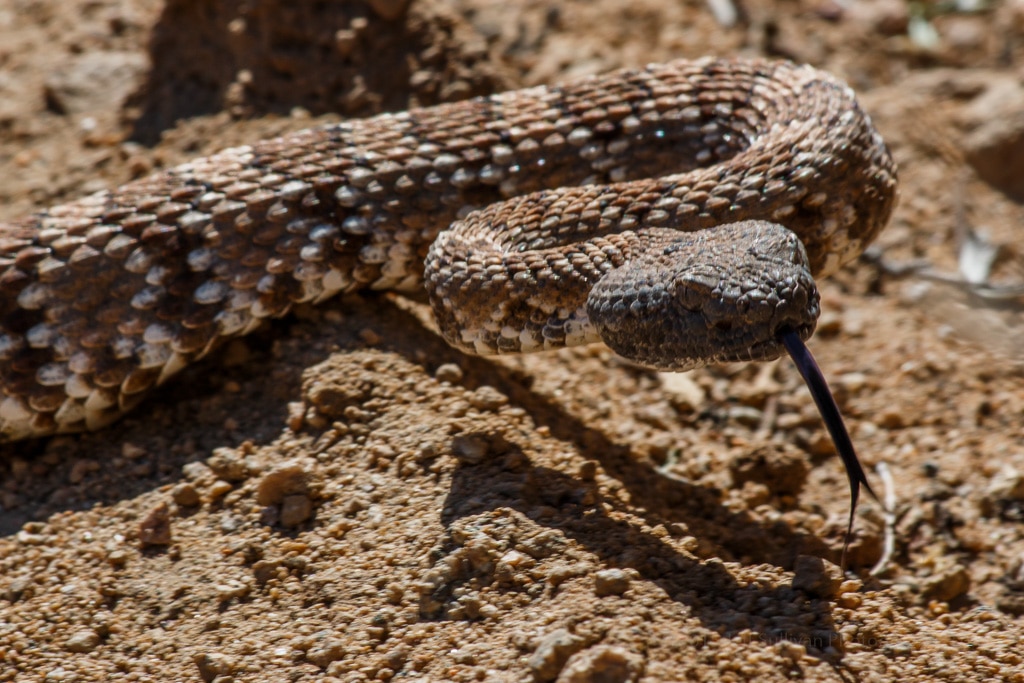
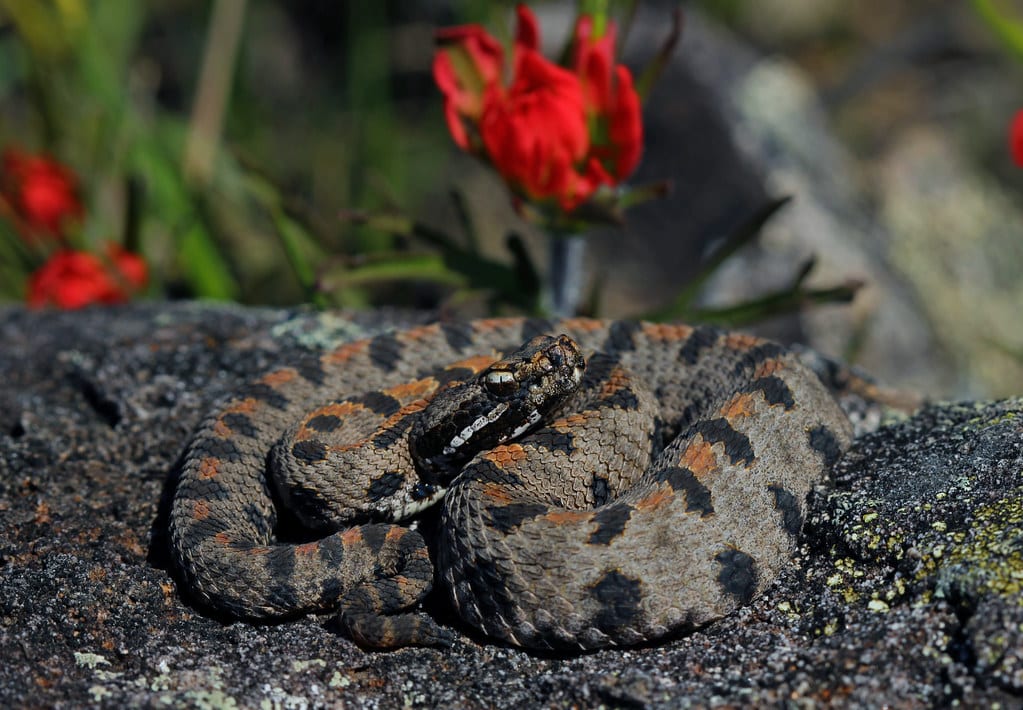
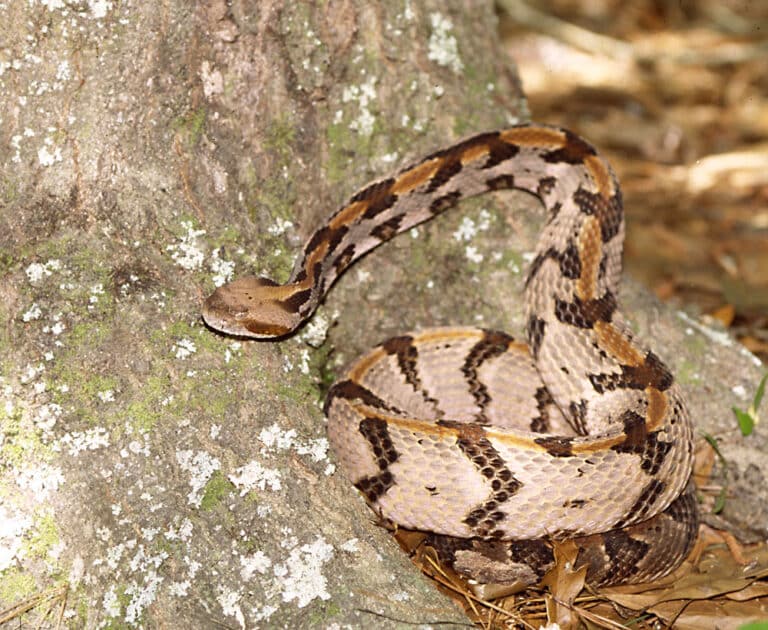
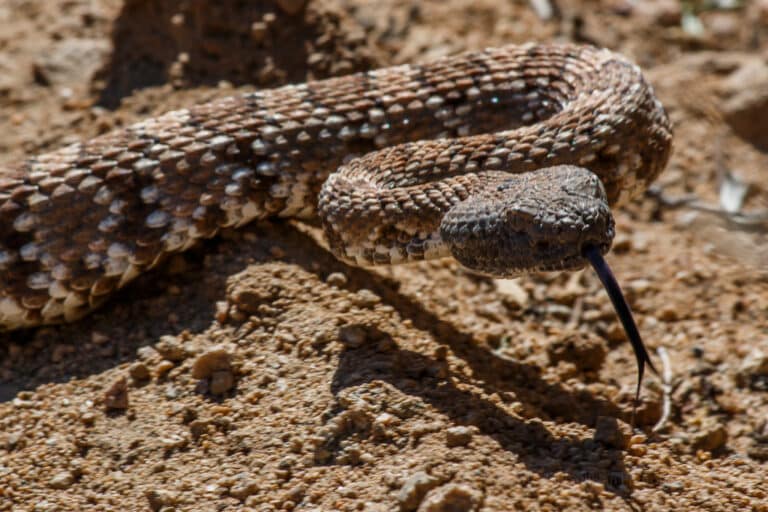
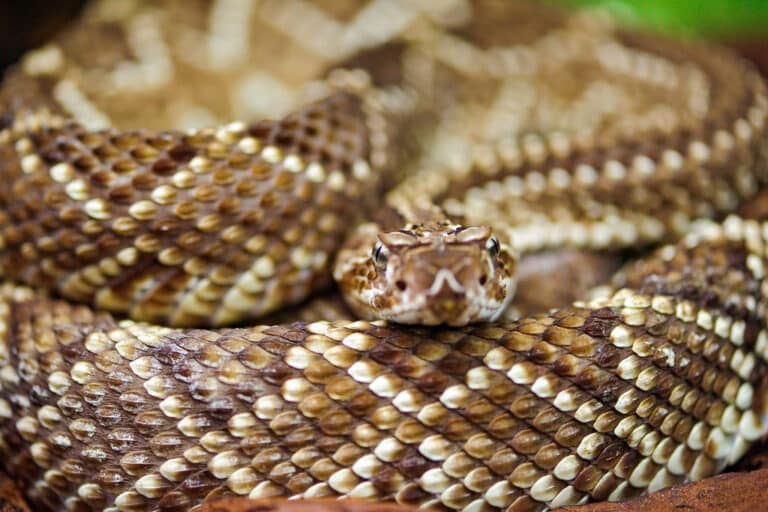
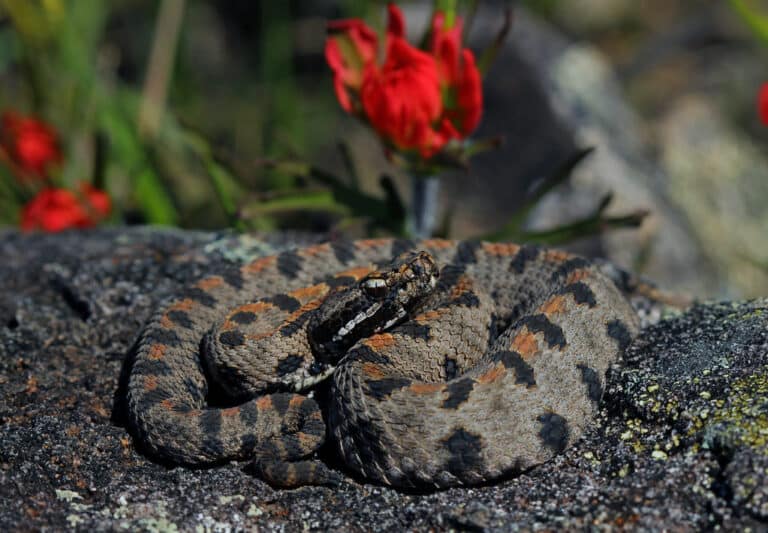
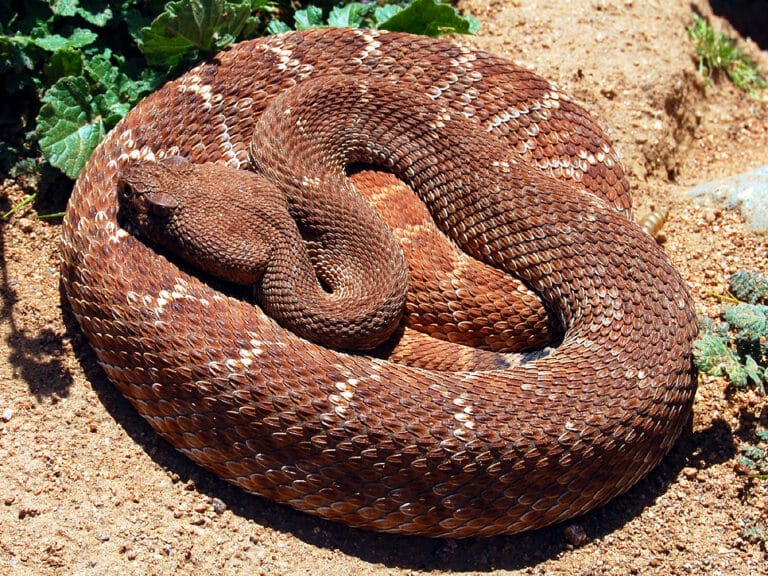
Rattlesnakes live mainly in Central America and enjoy a variety of homes like deserts, forests, and even rocky hills. They use their impressive camouflage to blend into their surroundings, making them stealthy hunters.
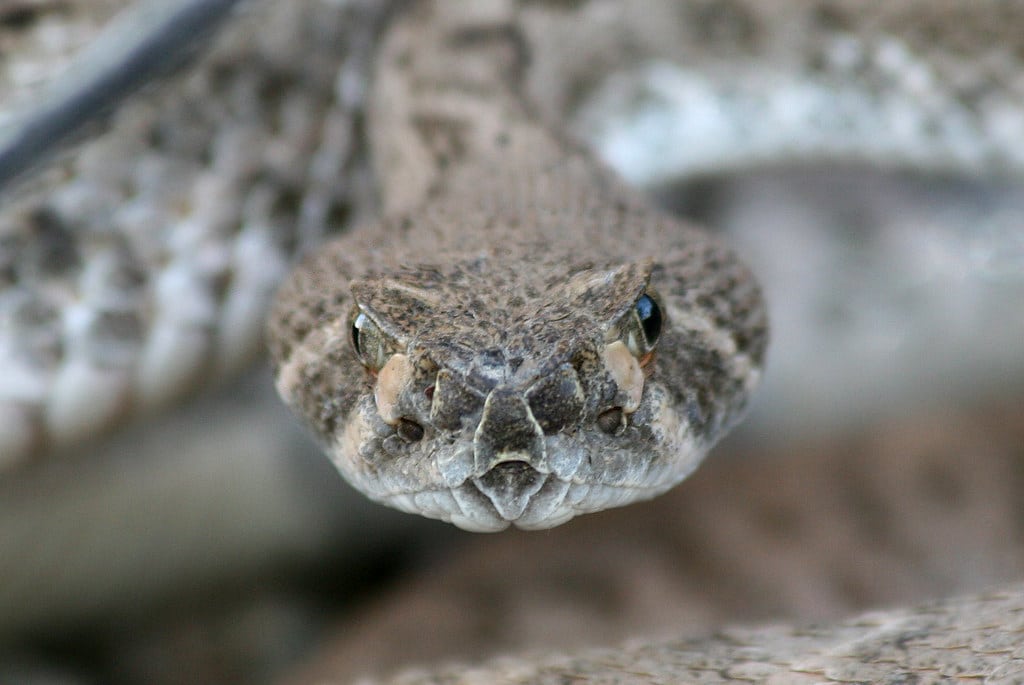
These fascinating snakes eat small mammals, birds, and lizards. Their special heat-sensitive pits help them detect warm-blooded prey even in the dark, just like having built-in night vision goggles!
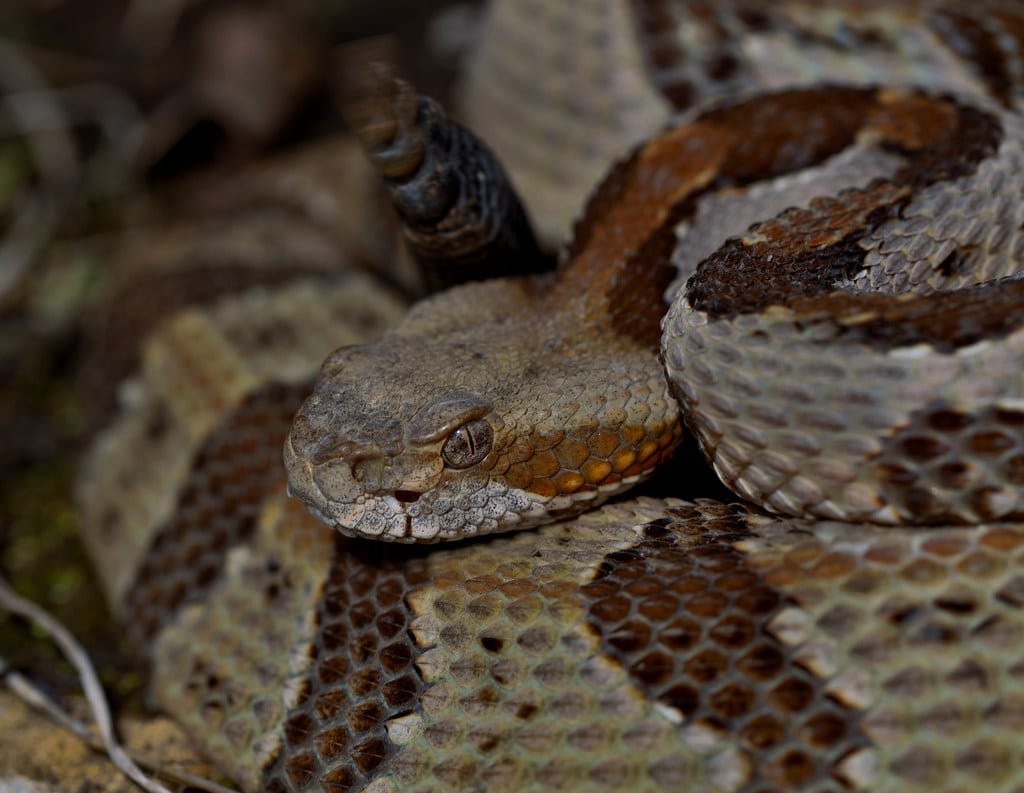
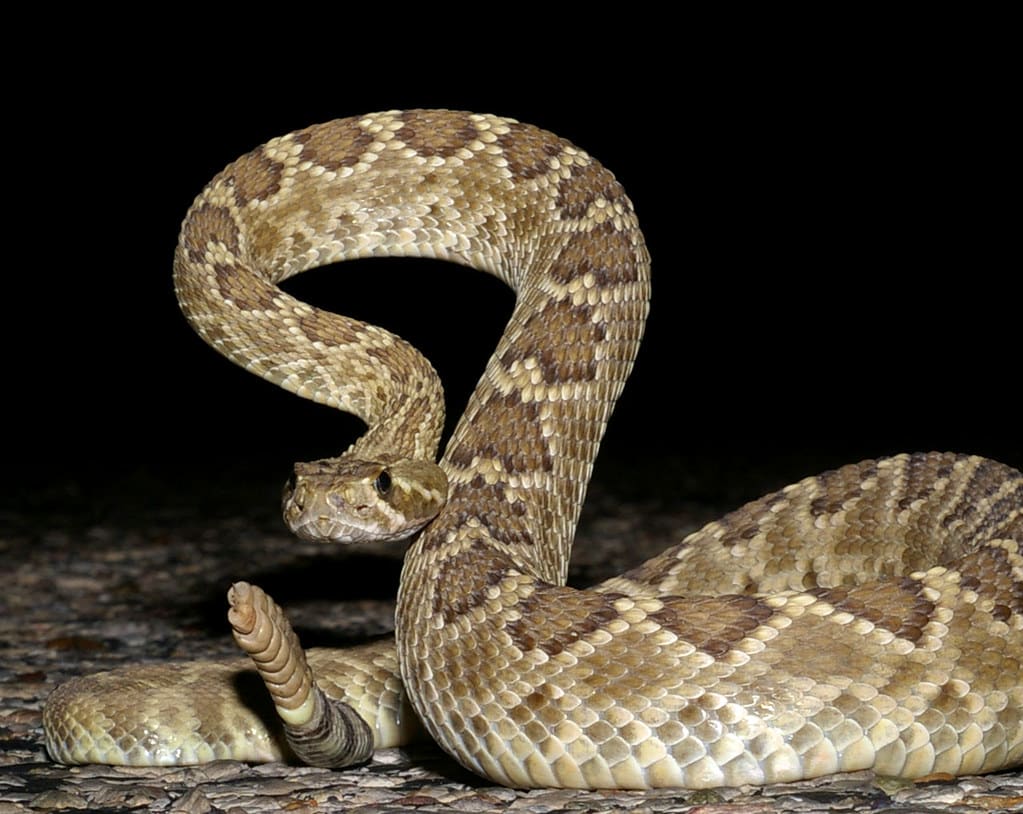
Rattlesnakes have a very unique way of saying hello. They shake their rattle, made of keratin (the same stuff as your hair and nails), to warn others to stay away. This warning helps prevent unwanted encounters, keeping everyone safe.
A rattlesnake can live for an impressive 10 to 25 years in the wild. That's plenty of time for these crafty reptiles to enjoy sunbathing and hunting in their territories!
Next time you hear that distinctive rattle, remember that it is just a friendly reminder to give these incredible snakes their personal space!

Where can you find a Rattlesnake in the wild?
What does a Rattlesnake eat?
How big can a Rattlesnake grow?
How long does a Rattlesnake typically live?
What is the conservation status of the Rattlesnake?
What are the main threats to the Rattlesnake?
Fun facts
A rattlesnake can strike its prey in just a fraction of a second, which is faster than a human can blink!


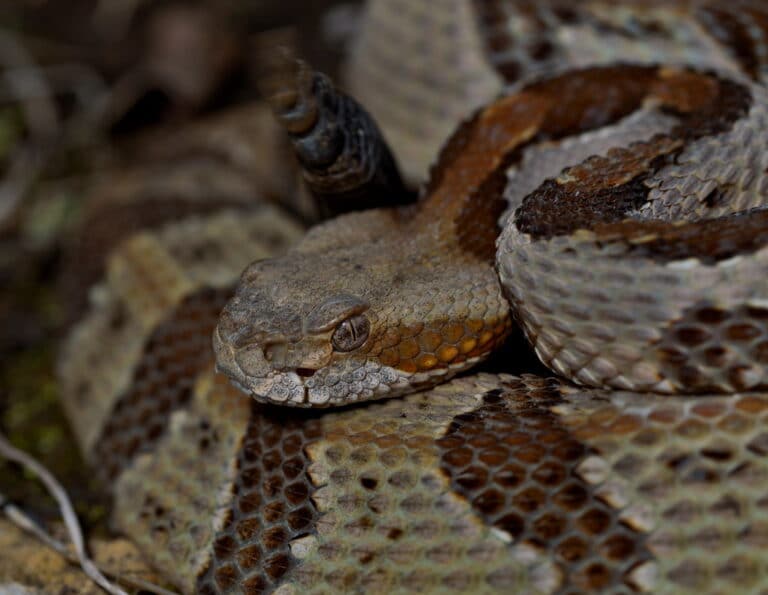
The rattle on a rattlesnake's tail grows each time the snake sheds its skin, adding a new segment to its rattle. Some snakes can have rattles with several segments, making their sound even more impressive!
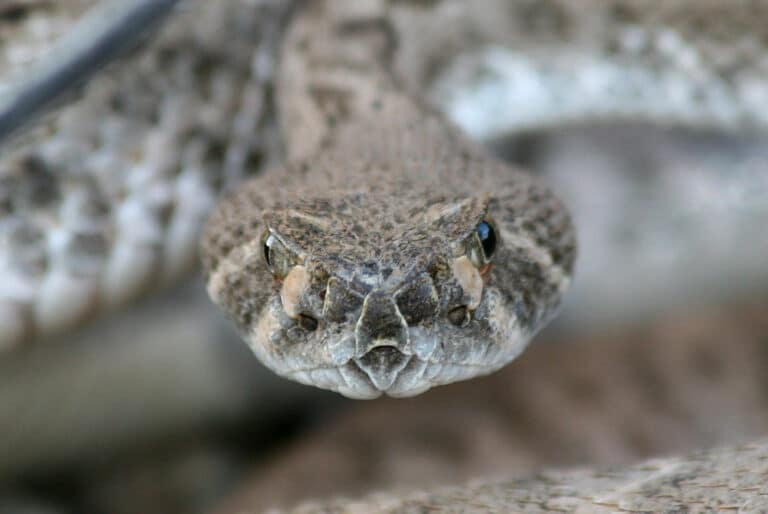
These reptiles have special sensors called heat pits that allow them to detect the body heat of their prey, making them expert night hunters!
Rattlesnakes can unhinge their jaws, allowing them to swallow prey much larger than their heads! Imagine fitting a whole sandwich into your mouth at once!
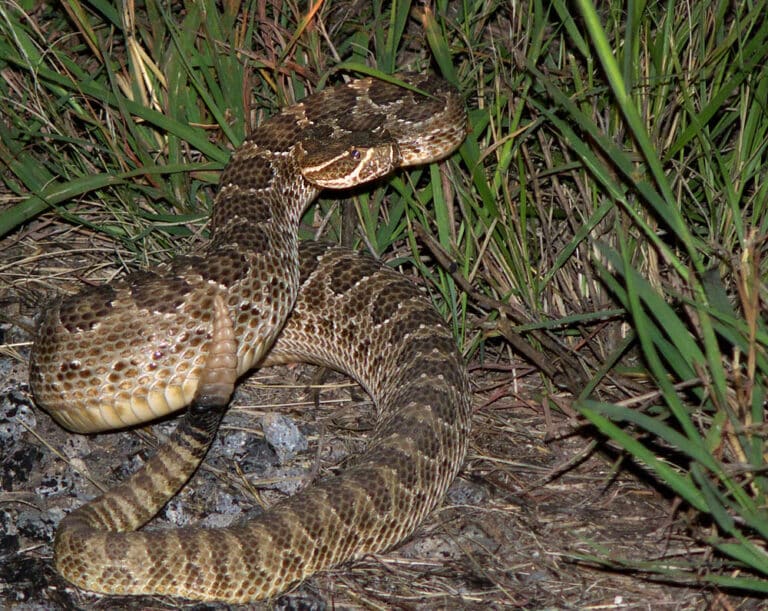
When a rattlesnake feels threatened, it does more than just rattle its tail. It may also flatten its body to appear larger and more intimidating!
Rattlesnakes are often born with a tiny rattle, but it does not make a sound until they shed their skin for the first time. So, baby rattlesnakes have to grow into their rattle fame!
Rattlesnakes can regulate their body temperature by basking in the sun or hiding in cooler areas, much like kids changing from outdoor play to air-conditioned indoors!
Some rattlesnake species can change color slightly depending on the season, helping them camouflage even better with their environment!
Rattlesnakes' venom serves as medicine in small doses, helping to create treatments for heart attacks and blood clots. Nature is quite the healer!
These snakes are helpful to the environment, controlling rodent populations and keeping ecosystems balanced. It’s like they act as nature's pest control!
Photos




The Basics


explore more
Amphibians
Arachnids
Birds
Cats
Crustaceans
Fish
Fish Pet Guide
Gastropods
Insects
Invertebrates
Mammals
Pet Fish
Pet Rodents
Plants
Reptiles
Roundworms
Sea Slugs