Successfully copied to clipboard!
Red Aphids
Uncover the tiny red critters that feast on plant sap!
Let’s Explore
Overview
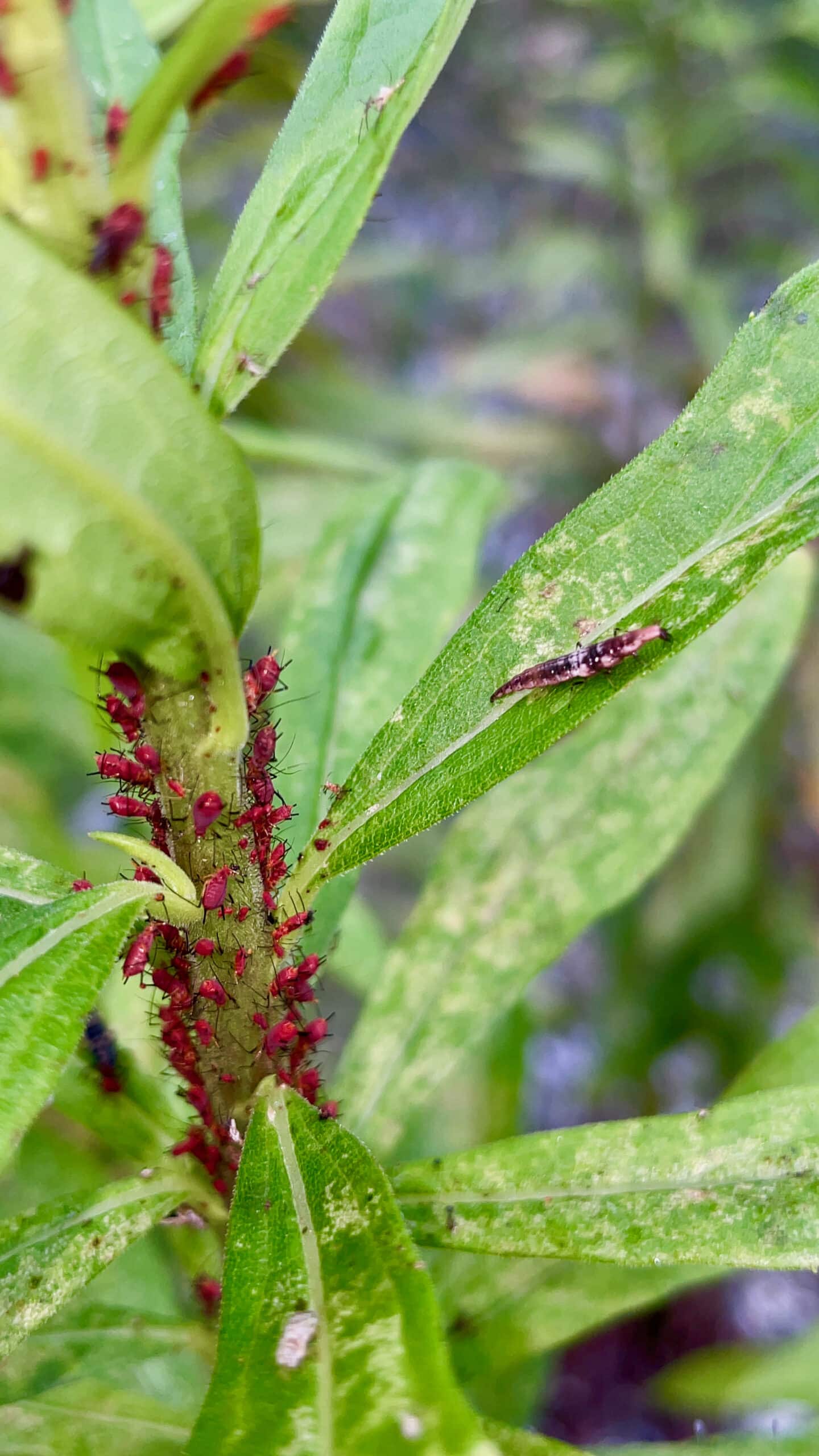
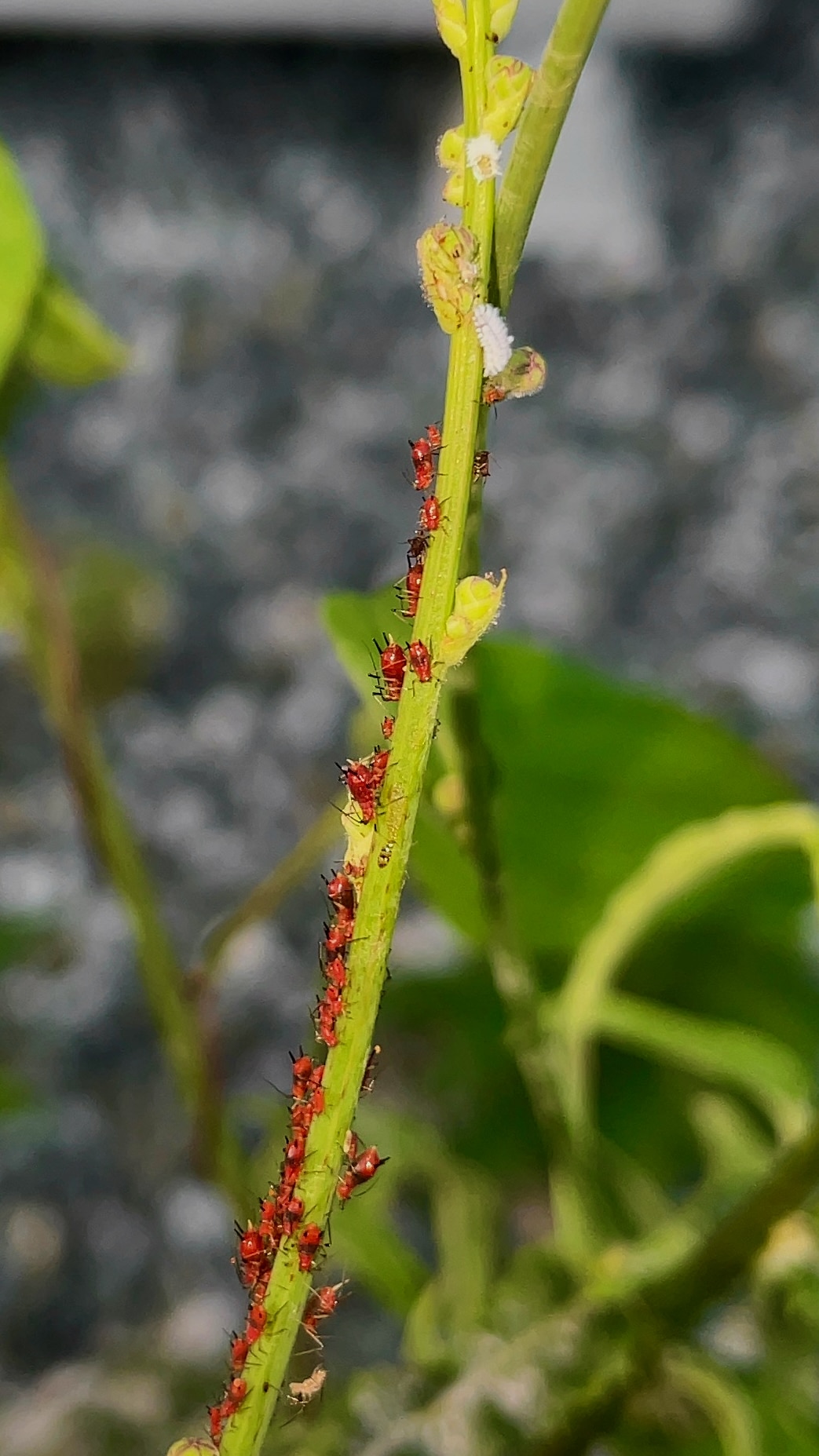
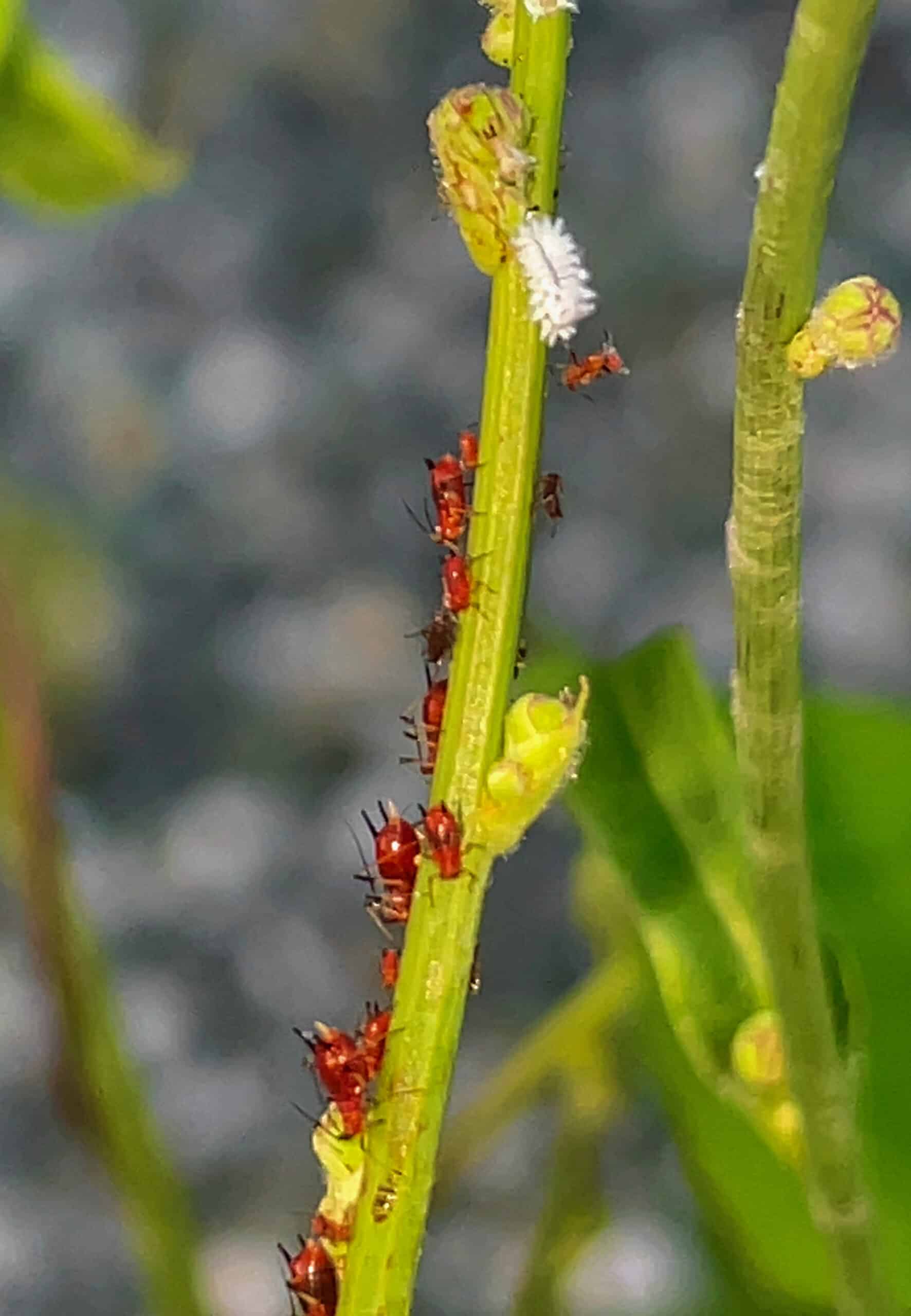
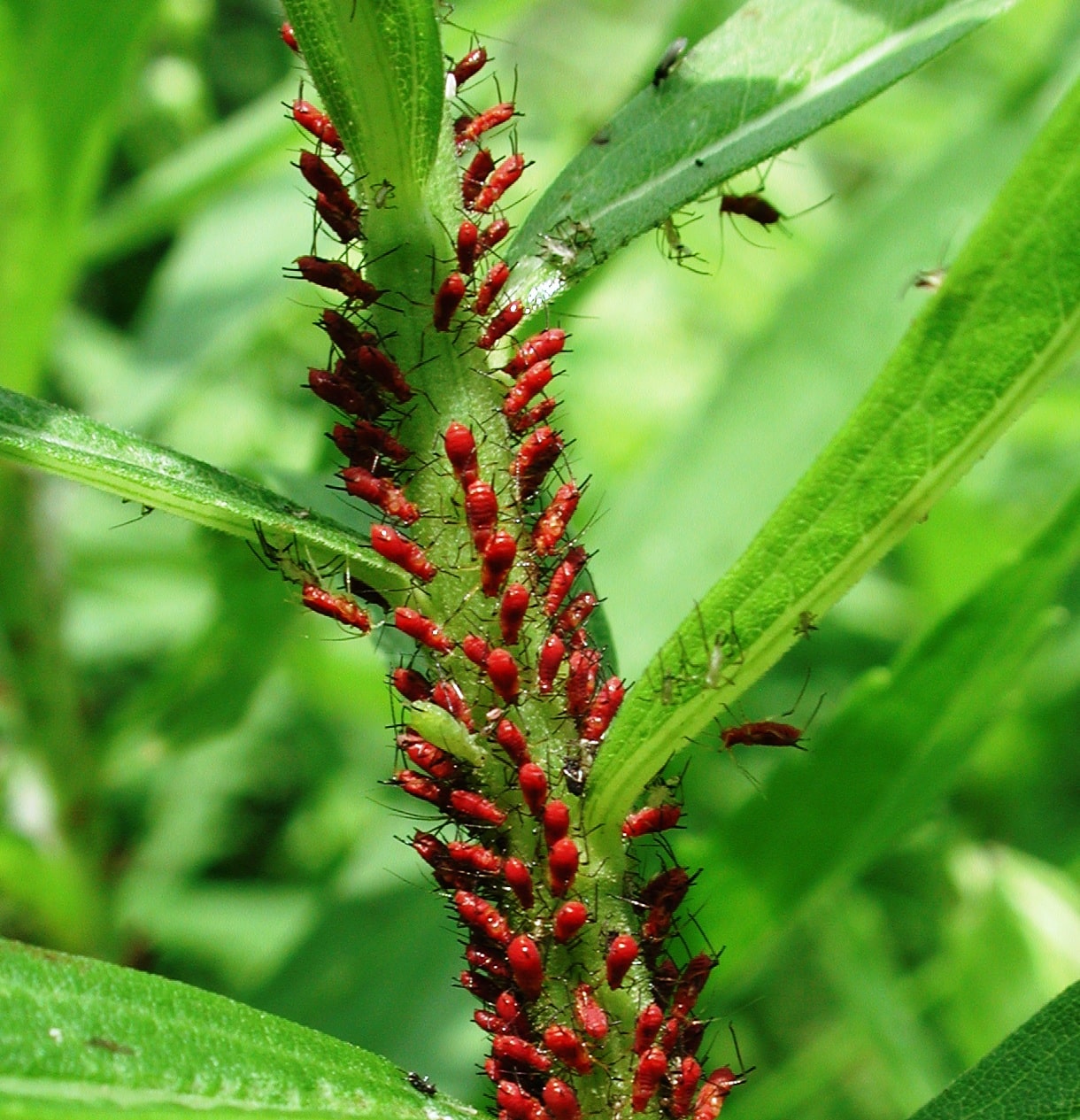
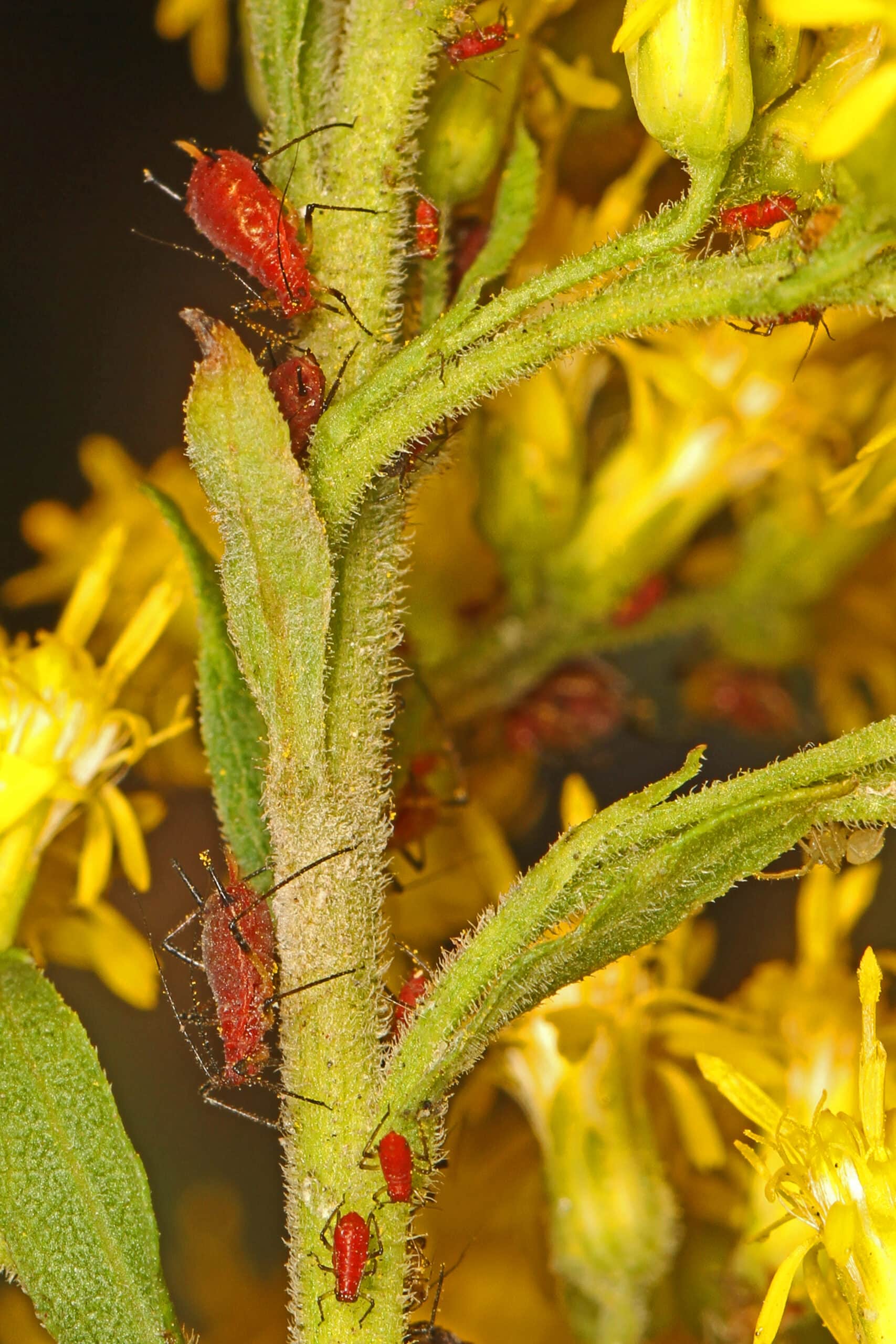
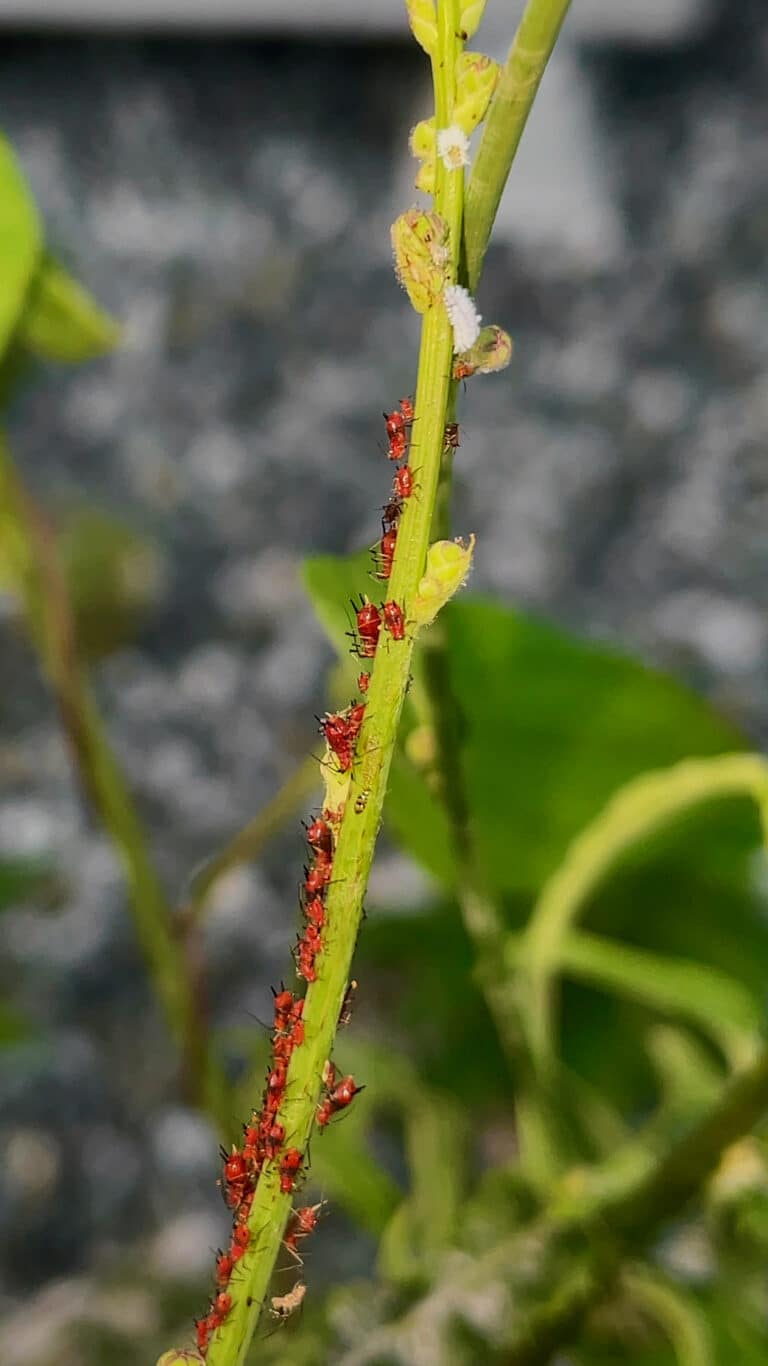
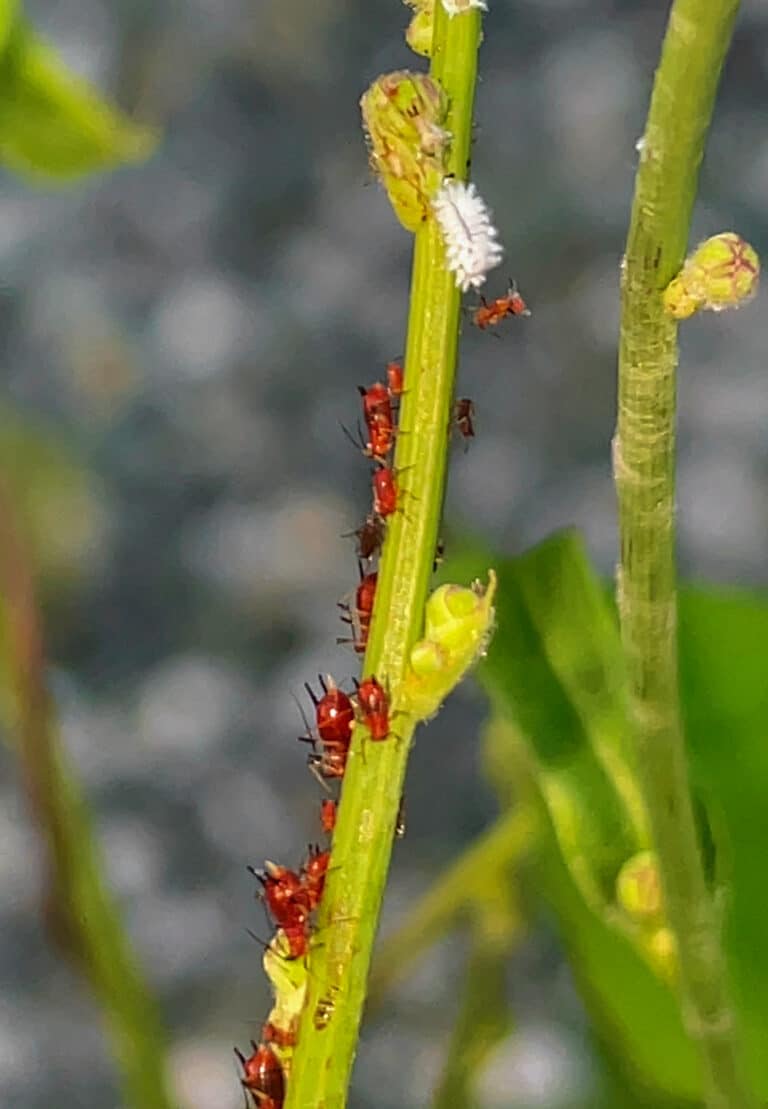
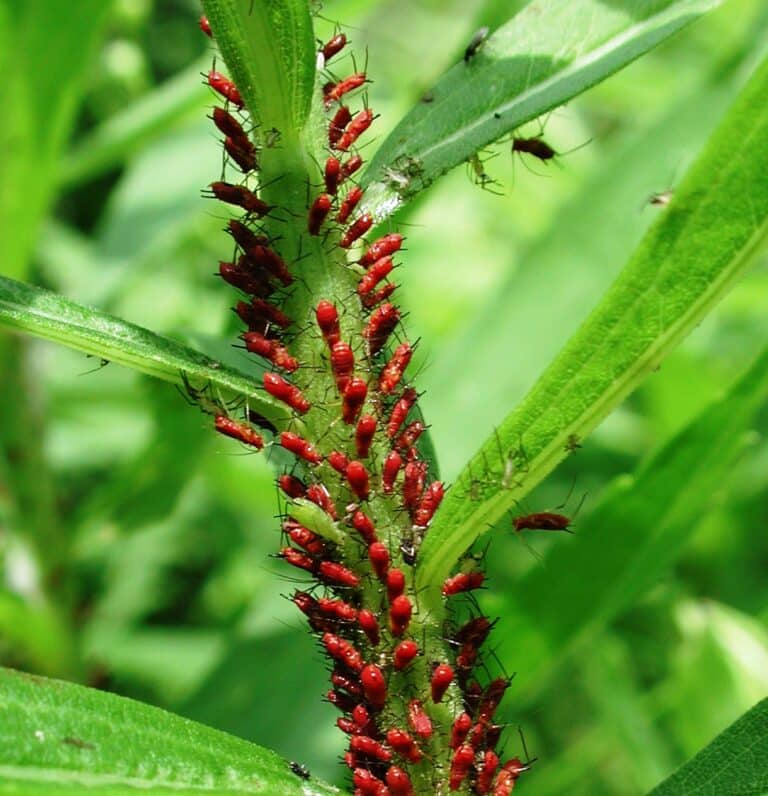
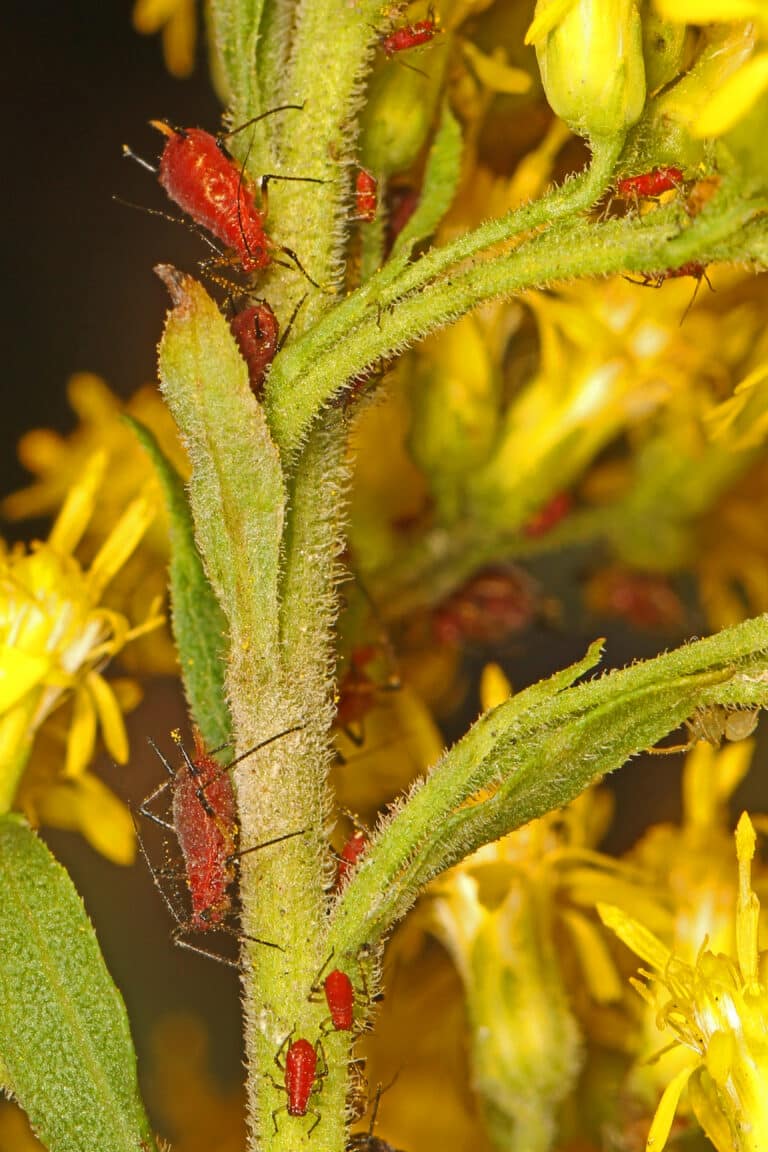
Red aphids, known scientifically as Aphis gossypii, are tiny yet mighty insects found primarily in Asia. These little critters measure up to 3 millimeters long, which is about the size of a pinhead, but they play an important role in ecosystems.
These aphids belong to the insect family and feast on the sap of plants. Their specialized mouthparts, called stylets, help them extract nutritious fluids from various plants, making them happy little sap suckers!
Red aphids live for about one month, but during their short lives, they can reproduce rapidly. One female can give birth to a staggering number of offspring, leading to large colonies that can appear on plants in a flash!
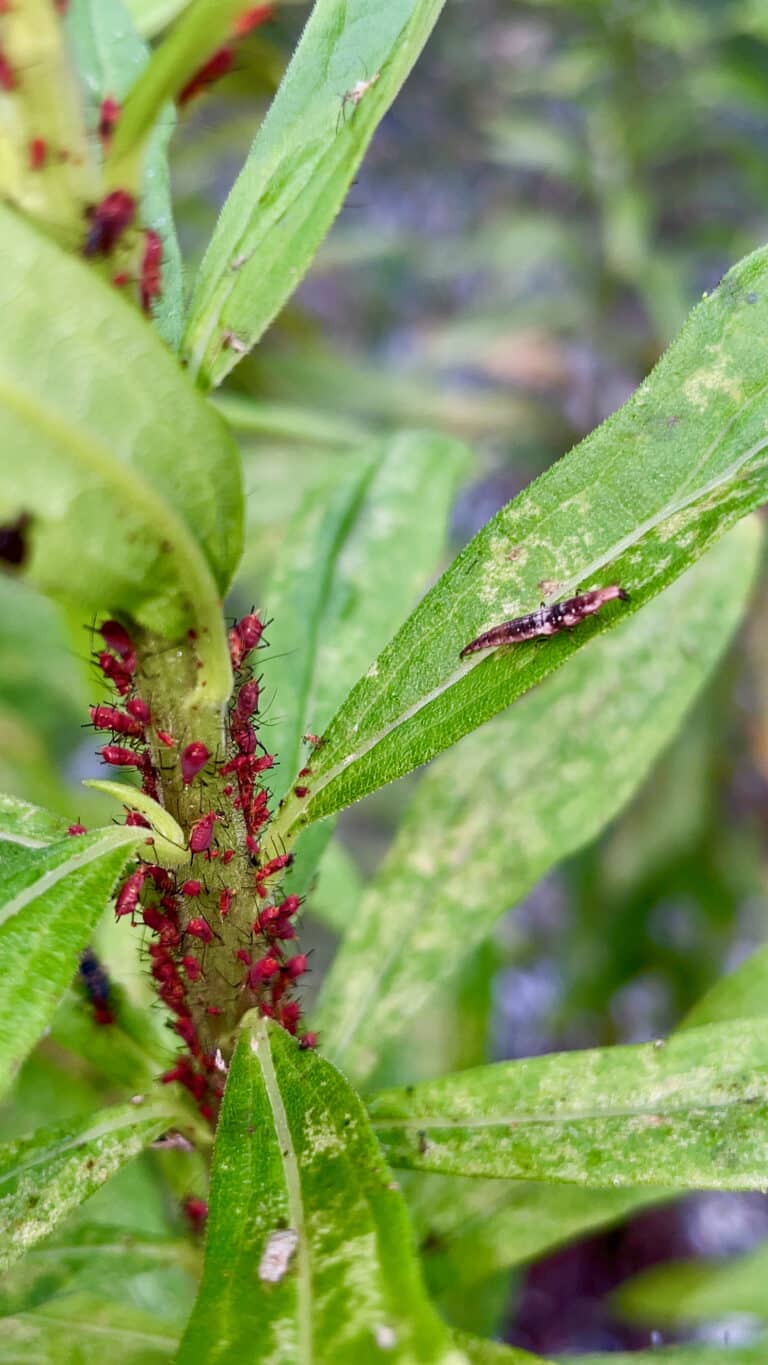
Despite their small size, red aphids are known to be a food source for many predators. Ladybugs, lacewings, and birds love to snack on these tiny pests, helping to keep their populations in check.
Red aphids also communicate using pheromones, which are special chemicals. They can signal danger to other aphids, helping them escape from hungry predators and live another day.
Next time you spot a plant covered with tiny red dots, remember that they are not just pretty little decorations. Red aphids help kids learn about the amazing world of insects right in their backyards!

Where can you find a Red Aphids in the wild?
What does a Red Aphids eat?
How big can a Red Aphids grow?
How long does a Red Aphids typically live?
What is the conservation status of the Red Aphids?
What are the main threats to the Red Aphids?
Fun facts
Red aphids are like nature's little superheroes with their incredible reproductive skills. A single female can produce up to 100 offspring in just a few days, creating a very busy colony!


These tiny insects have a built-in alarm system! When they sense danger, they release special chemicals called pheromones to alert other aphids to scurry to safety, like a secret code!
Red aphids are not just devourers of plant sap; they also form a sweet deal with ants! They produce a sugary substance called honeydew that ants love to eat, and in return, ants protect them from predators.
These bright little critters can change colors based on their environment! When they feel threatened, they sometimes turn darker to blend in and hide from hungry birds and other predators.
Red aphids can reproduce both sexually and asexually, meaning they can have babies without a partner! This amazing trick helps them bounce back quickly from tough situations.
These aphids have special mouth parts called stylets that work like tiny straws! They poke into plant tissues and sip up sweet sap like they are enjoying a delicious drink!
Red aphids can communicate using various body postures and movements, sending signals to each other to share news about food sources or dangers lurking nearby.
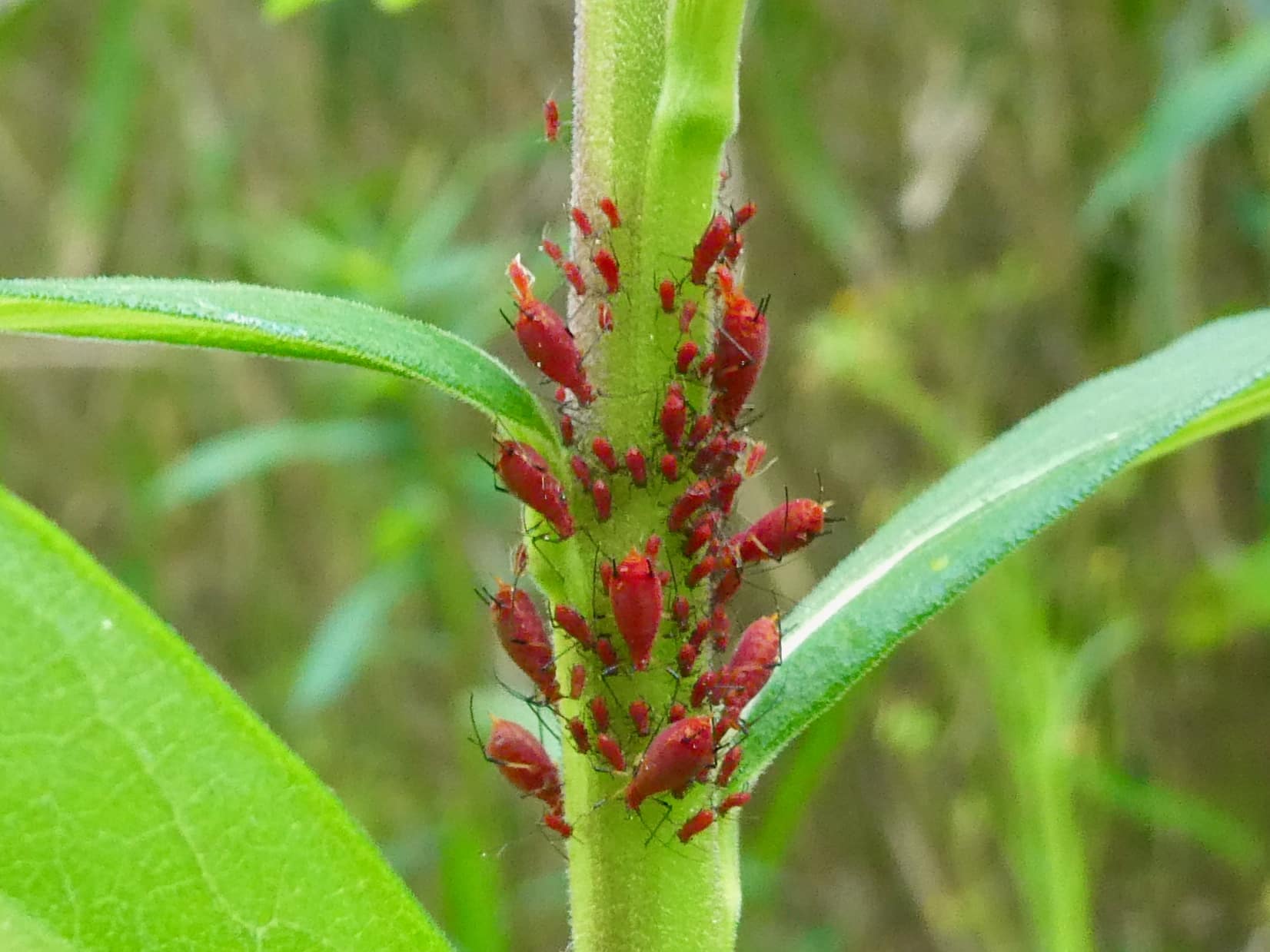
These little aphids often live in groups that can number in the thousands, creating a dazzling display of red on plants that looks like a painted canvas!
In colder climates, red aphids show their tough side by entering a state similar to hibernation. They can survive harsh winters by slowing down and hiding away until the sun warms things up!
Aphids have been on Earth for millions of years, proving they are true survivors! They adapt well to their surroundings and become friends with different plants to keep on thriving.
Photos





The Basics


explore more
Amphibians
Arachnids
Birds
Cats
Crustaceans
Fish
Fish Pet Guide
Gastropods
Insects
Invertebrates
Mammals
Pet Fish
Pet Rodents
Plants
Reptiles
Roundworms
Sea Slugs