Successfully copied to clipboard!
Red-Tailed Cuckoo Bumblebee
Uncover the vibrant life of a tiny, buzzing hero!
Let’s Explore
Overview
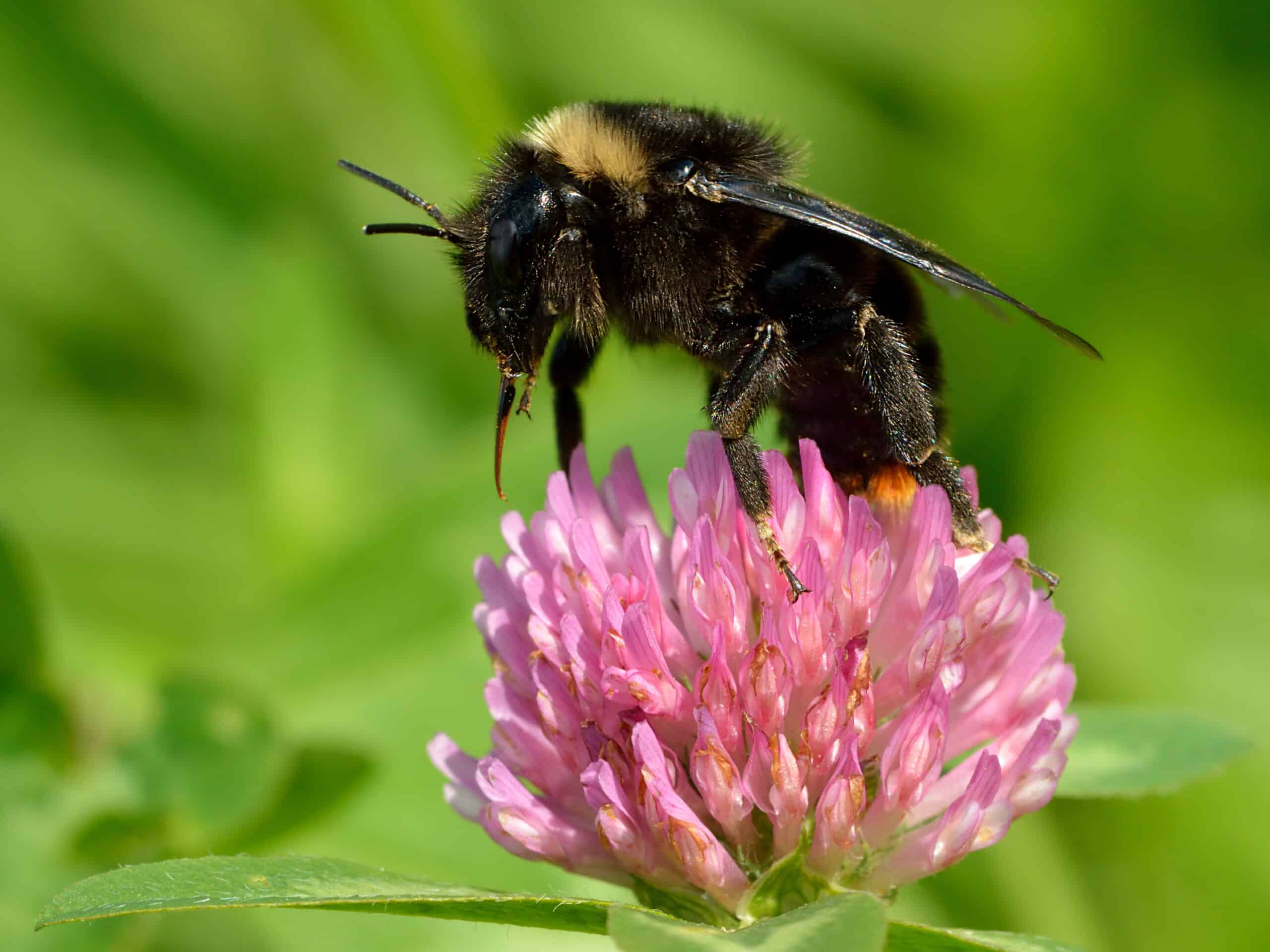
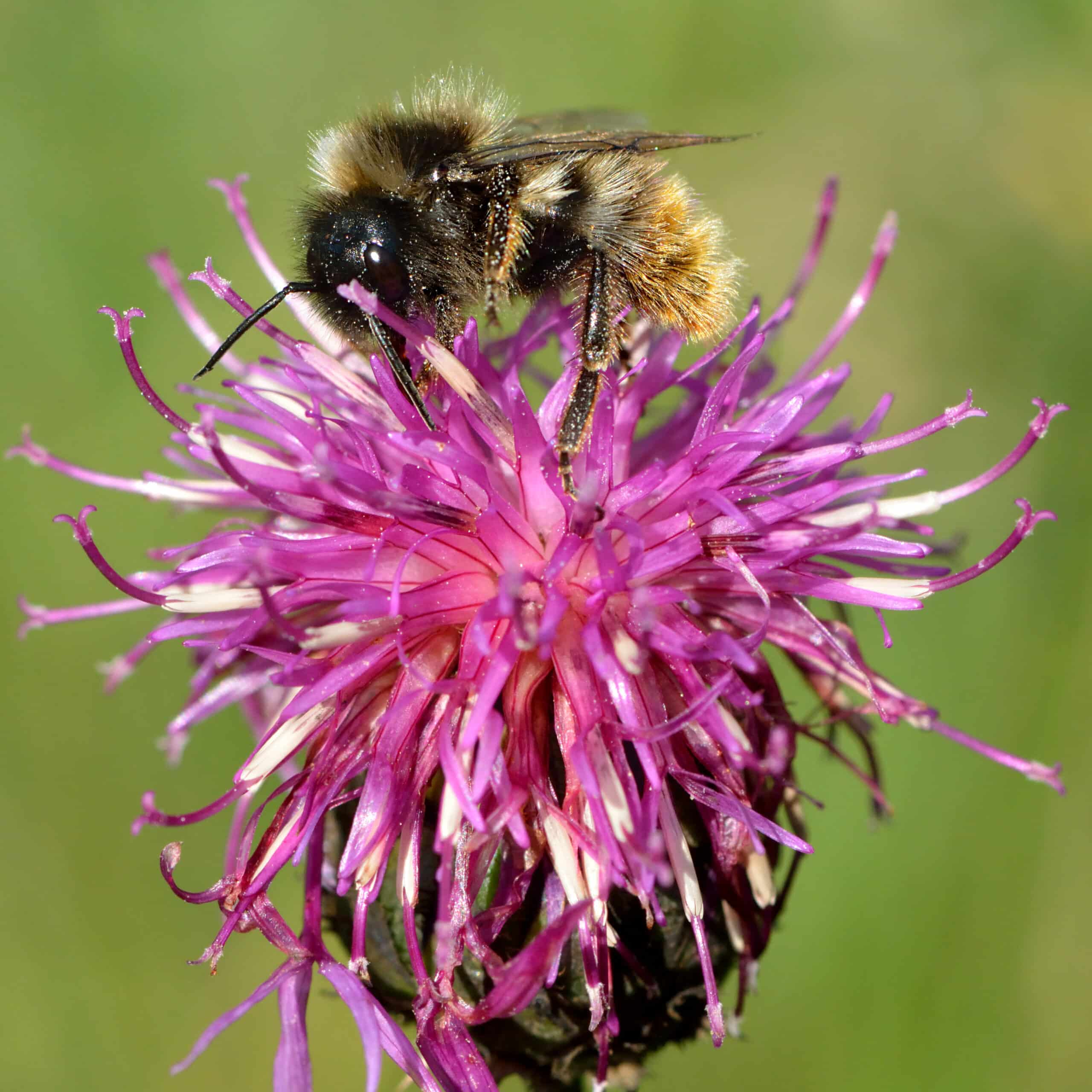
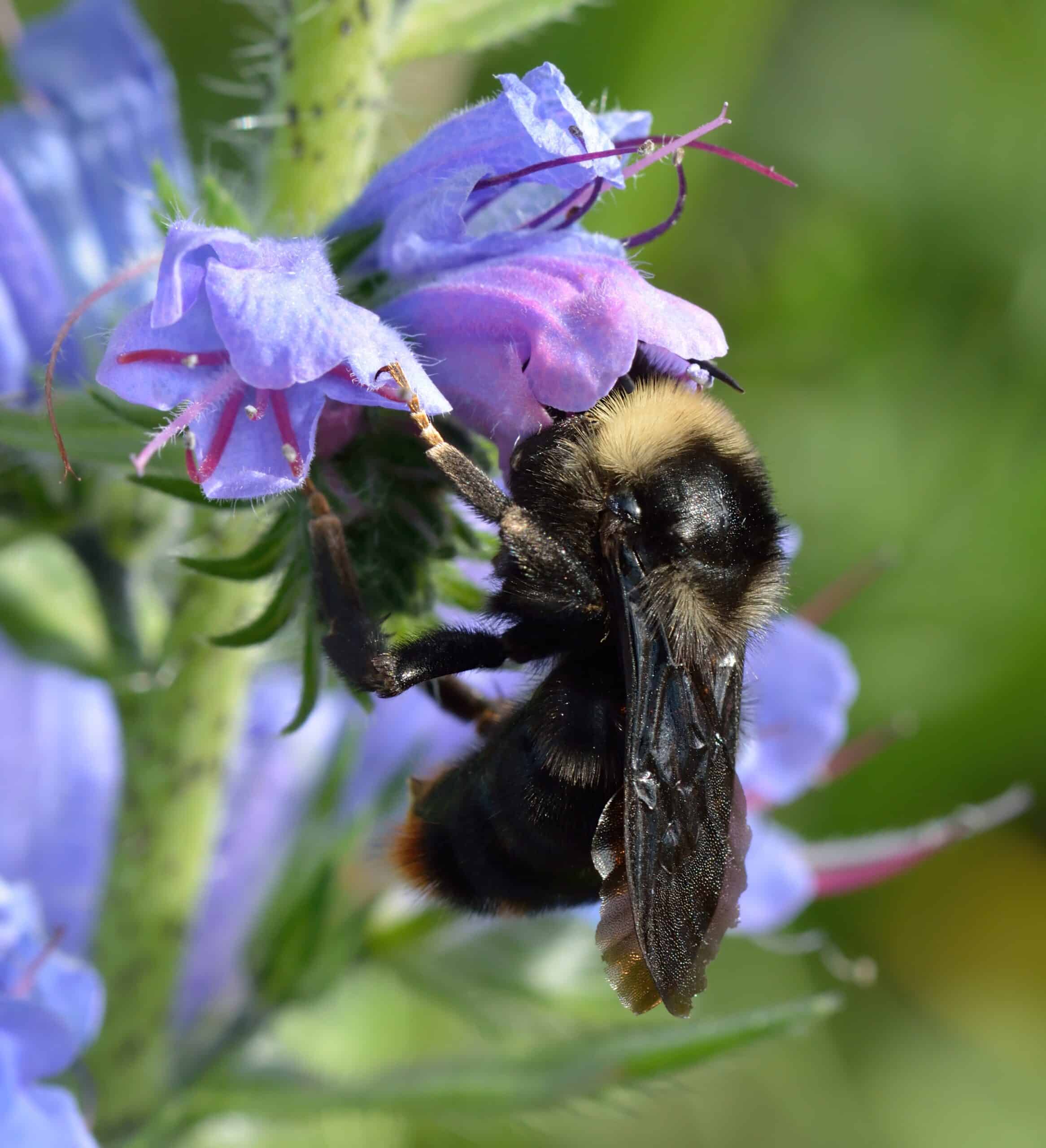
The Red-Tailed Cuckoo Bumblebee is a buzzing beauty found in Europe. Its scientific name is Bombus rupestris, and it belongs to the fascinating group of invertebrates known as insects.
This cheerful critter measures between 0.6 to 0.9 inches long, making it a pint-sized powerhouse in the world of pollinators. Like other bumblebees, it loves to sip nectar and munch on pollen, which helps plants grow and produces tasty fruits for humans.
The Red-Tailed Cuckoo Bumblebee has an interesting life cycle. It lives for around one year, playing a crucial role in its ecosystem as it helps many flowers bloom and thrive during its short but sweet life.
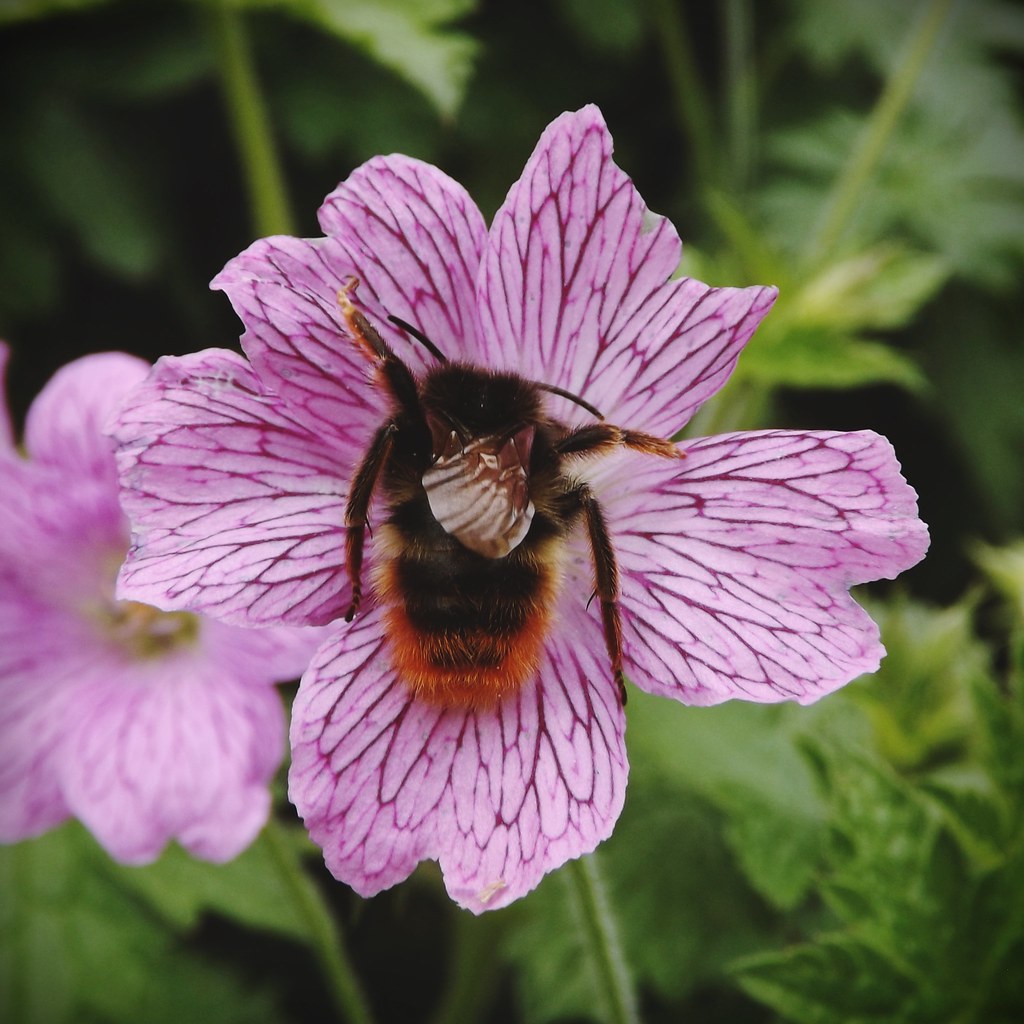
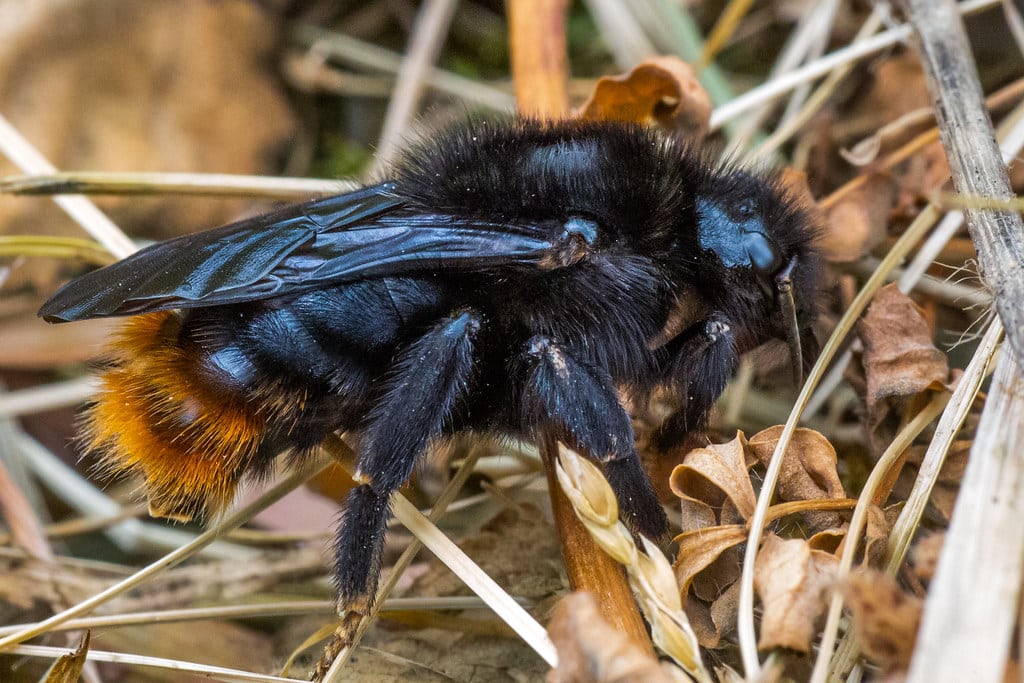
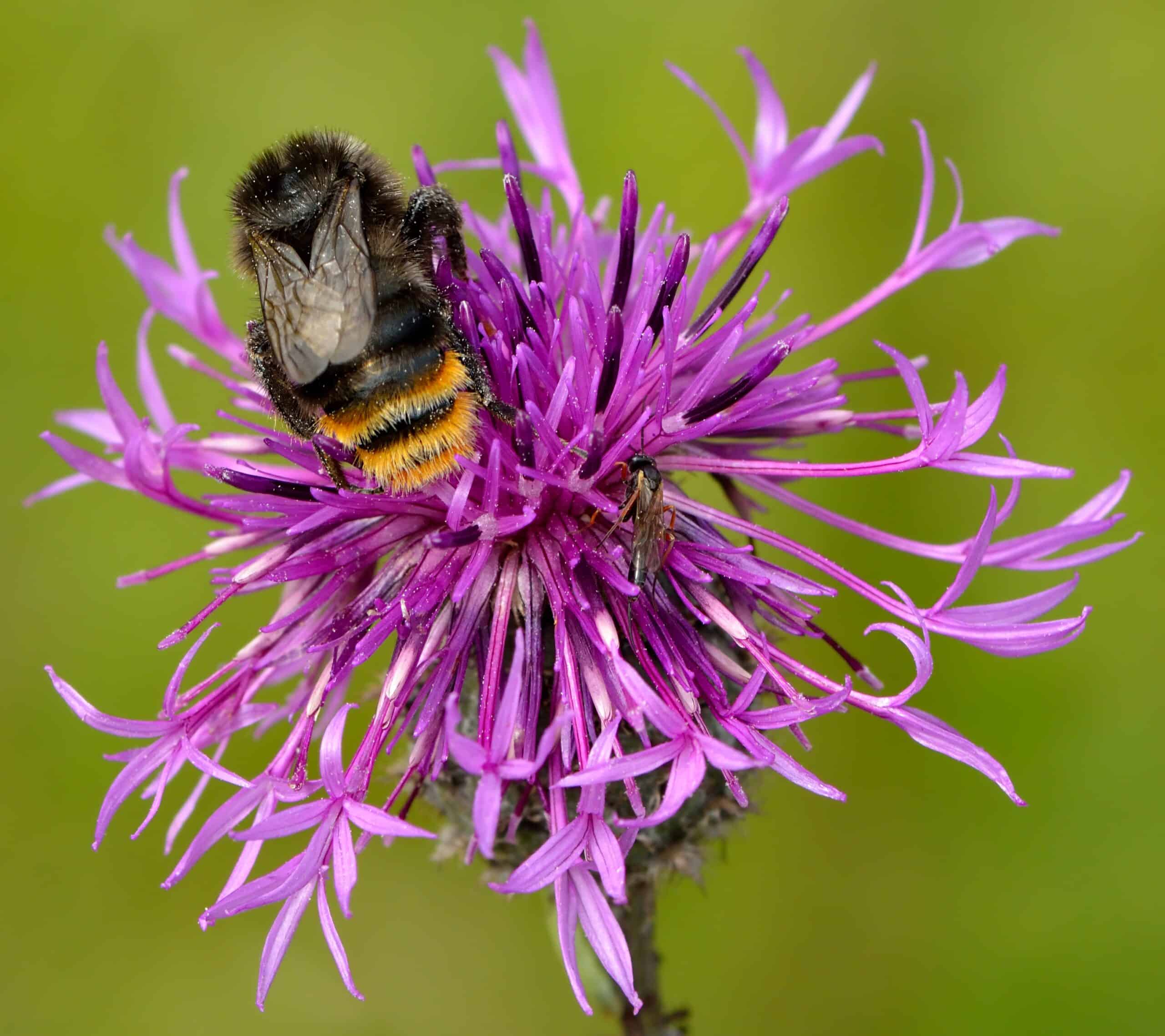
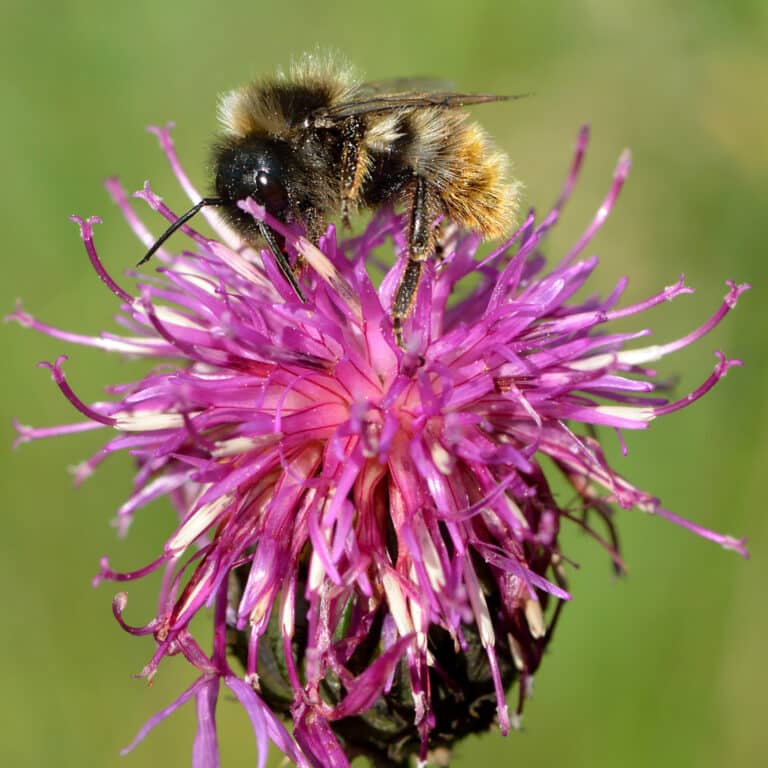
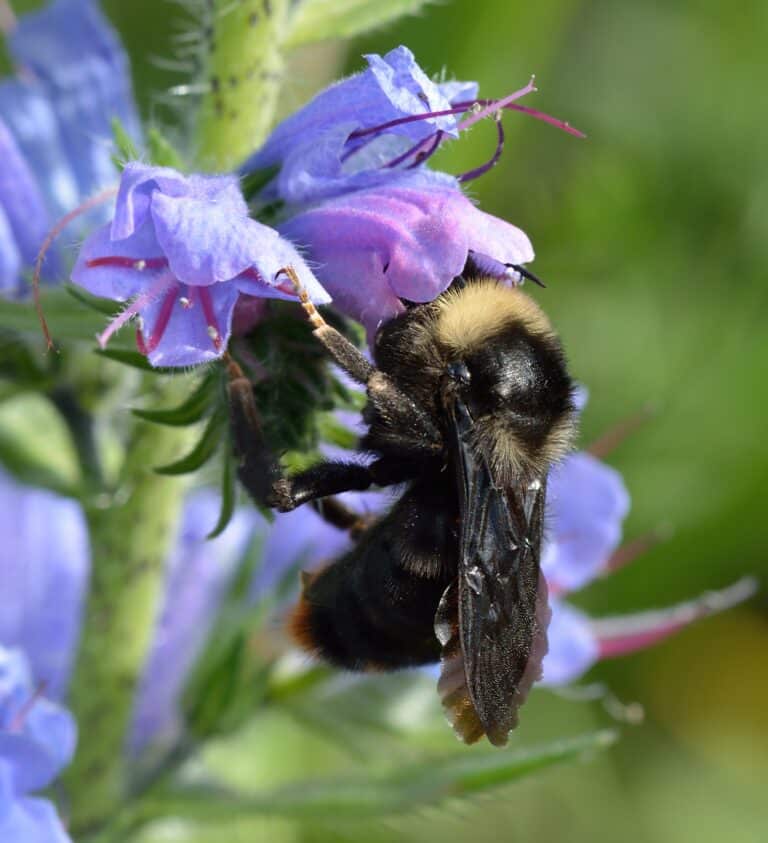
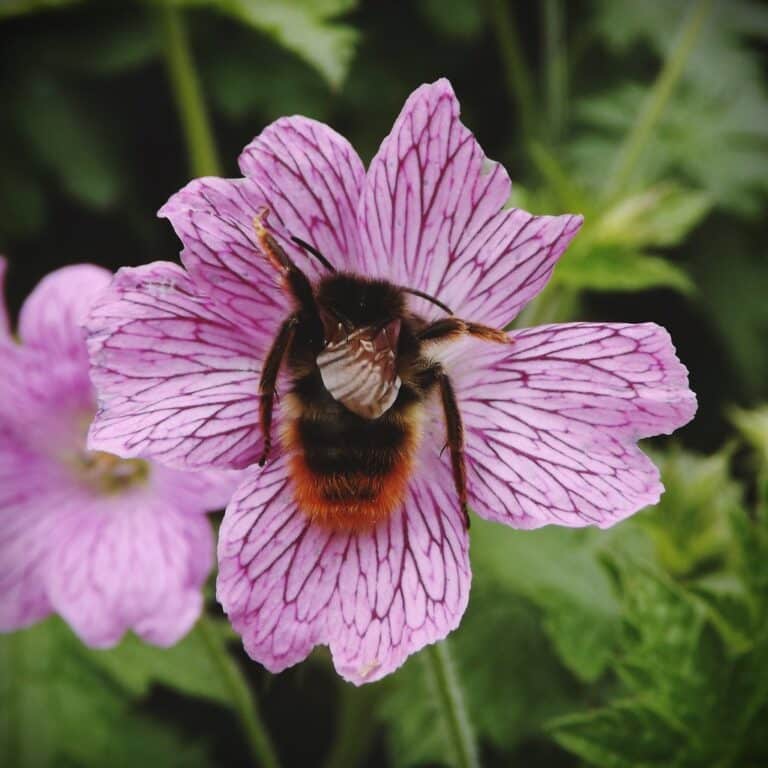
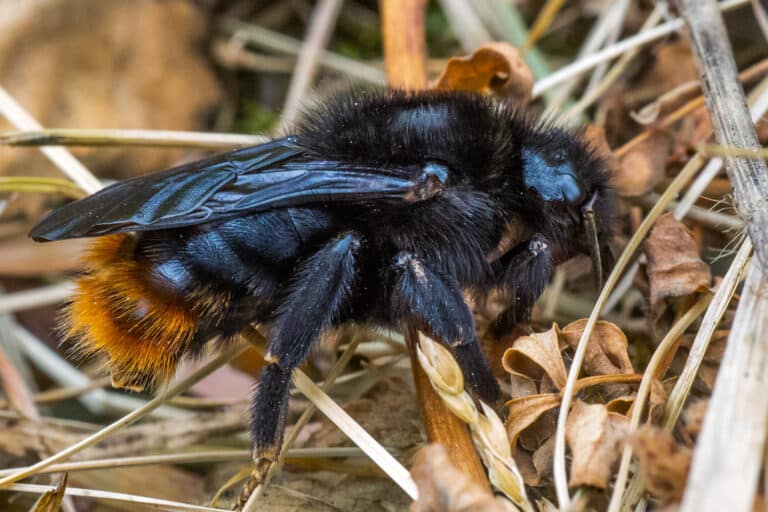
This bumblebee gets its quirky name from its striking red tail. This red patch makes it easy to spot as it flies around in search of flowers, pollinating everything in its path and helping nature bloom!
Red-Tailed Cuckoo Bumblebees are known for their curious nesting habits. They often take over the nests of other bumblebees, so you might say they have a

Where can you find a Red-Tailed Cuckoo Bumblebee in the wild?
What does a Red-Tailed Cuckoo Bumblebee eat?
How big can a Red-Tailed Cuckoo Bumblebee grow?
How long does a Red-Tailed Cuckoo Bumblebee typically live?
What is the conservation status of the Red-Tailed Cuckoo Bumblebee?
What are the main threats to the Red-Tailed Cuckoo Bumblebee?
Fun facts
The Red-Tailed Cuckoo Bumblebee gets its name because it often tricks other bumblebees!
The bee sneaks into the nests of other bumblebees and lays its eggs there, leaving the other bees to raise its young.


This bumblebee has a small body but a huge role in the ecosystem.
When it buzzes from flower to flower, it helps many plants produce seeds and fruits, making it a tiny gardener of nature.
Red-Tailed Cuckoo Bumblebees have a special talent for finding flowers.
Their excellent sense of smell lets them detect blooming flowers from quite a distance, almost like having a magical flower radar!
This buzzing creature has a unique method of feeding.
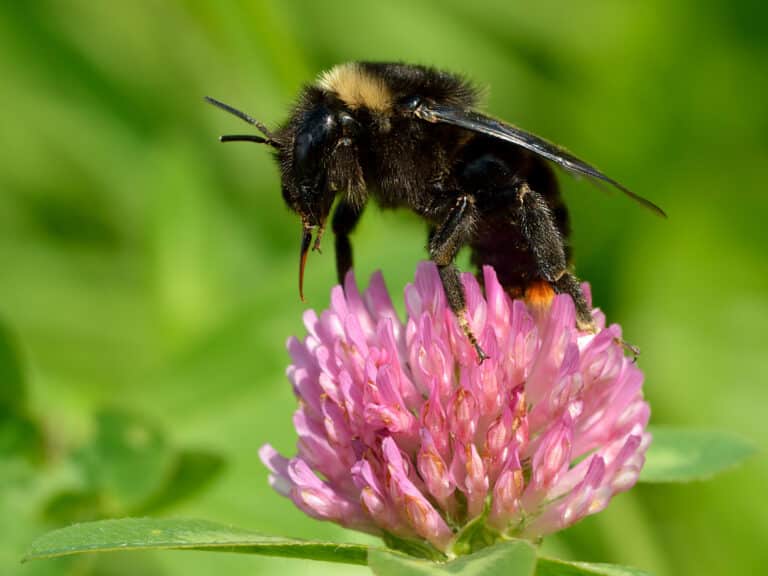
It can reach deep into flowers using its long tongue, like a straw, to sip up nectar that other insects might struggle to get.
Cuckoo bumblebees are known to be a bit lazy compared to other bees.
Instead of building their own nests, they prefer to sneak into others, allowing them to spend more time enjoying flowers.
The bright red tail of this bumblebee isn’t just for show; it serves an important purpose.
The striking color helps other bumblebees recognize it, which avoids fights in shared nests.
These bees are super pollinators, but they can also be picky eaters.
They prefer specific flowers, like certain clovers and daisies, to munch on, making them occasional food critics of the floral scene.
The Red-Tailed Cuckoo Bumblebee’s lifespan might be short, but it packs a lot of buzzing into its year.
It dedicates its life to foraging, mating, and laying eggs, all while making flowers bloom!
This buzzing beauty spreads joy while on the job.
When it visits flowers, it helps produce berries and fruits, giving us delicious snacks like strawberries and blueberries!
Red-Tailed Cuckoo Bumblebees show that even small creatures can have big impacts.
They might be tiny, but their pollination work keeps our environment beautiful and full of life!
Photos





The Basics


explore more
Amphibians
Arachnids
Birds
Cats
Crustaceans
Fish
Fish Pet Guide
Gastropods
Insects
Invertebrates
Mammals
Pet Fish
Pet Rodents
Plants
Reptiles
Roundworms
Sea Slugs