Successfully copied to clipboard!
Sand Crab
Uncover the hidden beach treasures that wiggle beneath your feet!
Let’s Explore
Overview
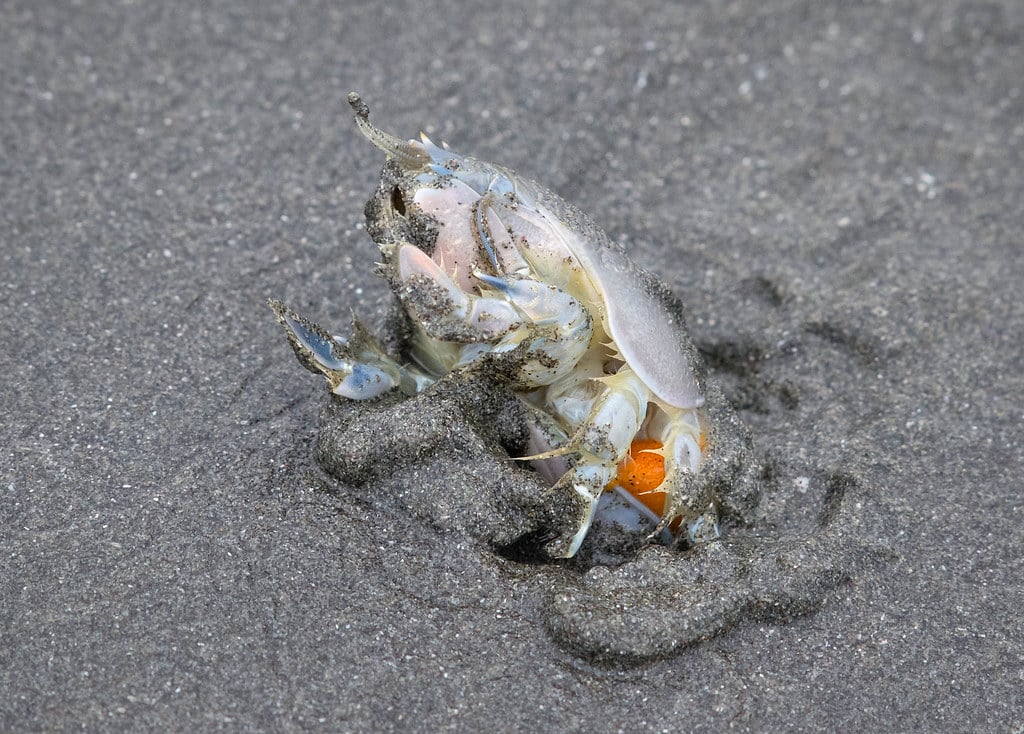
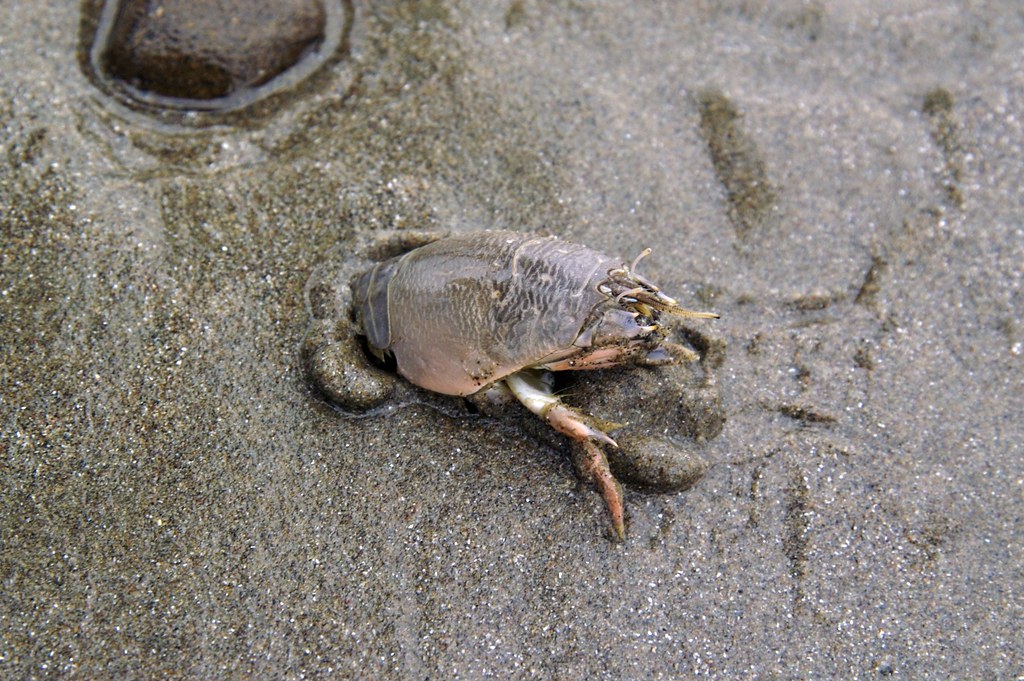
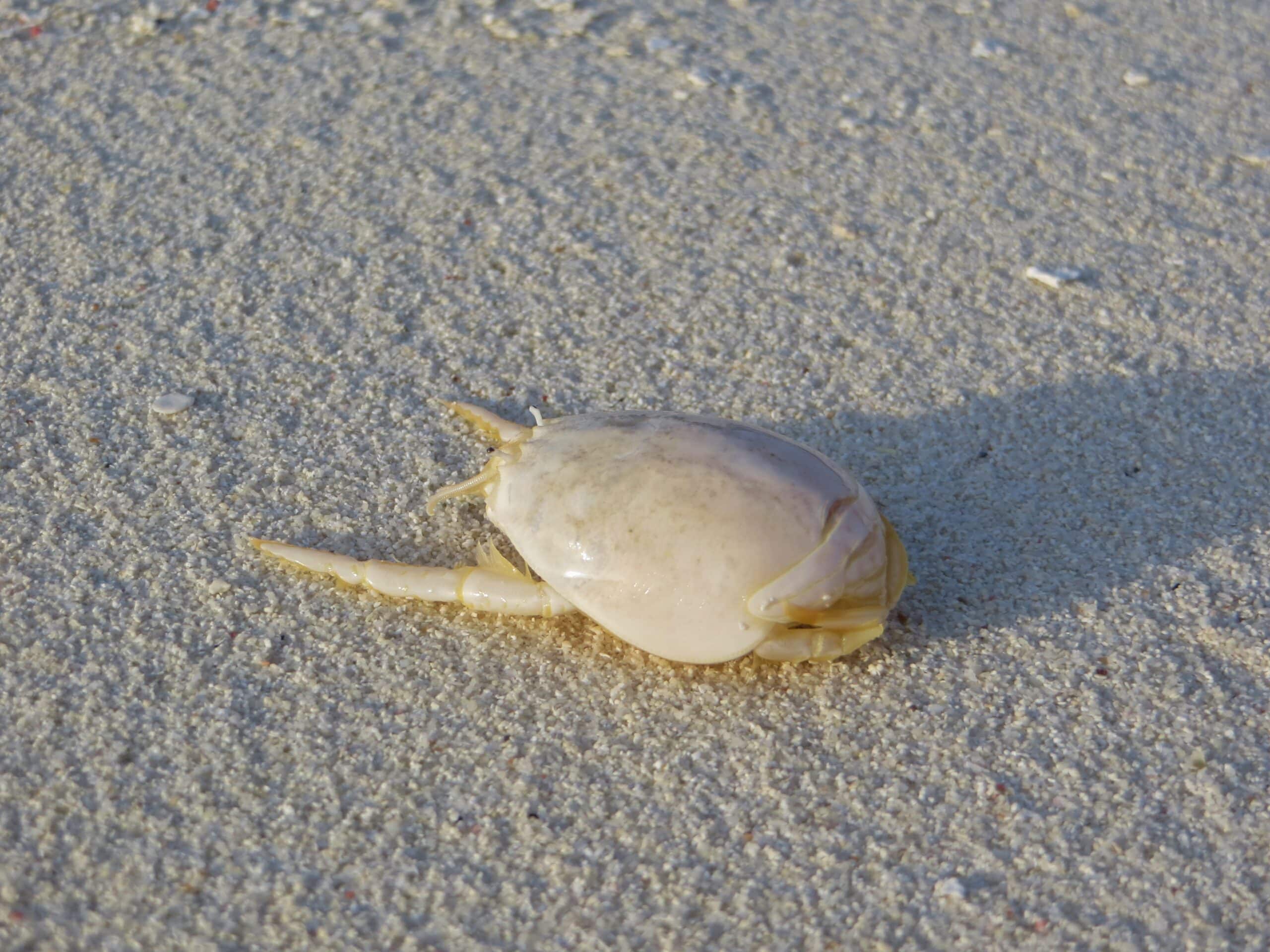
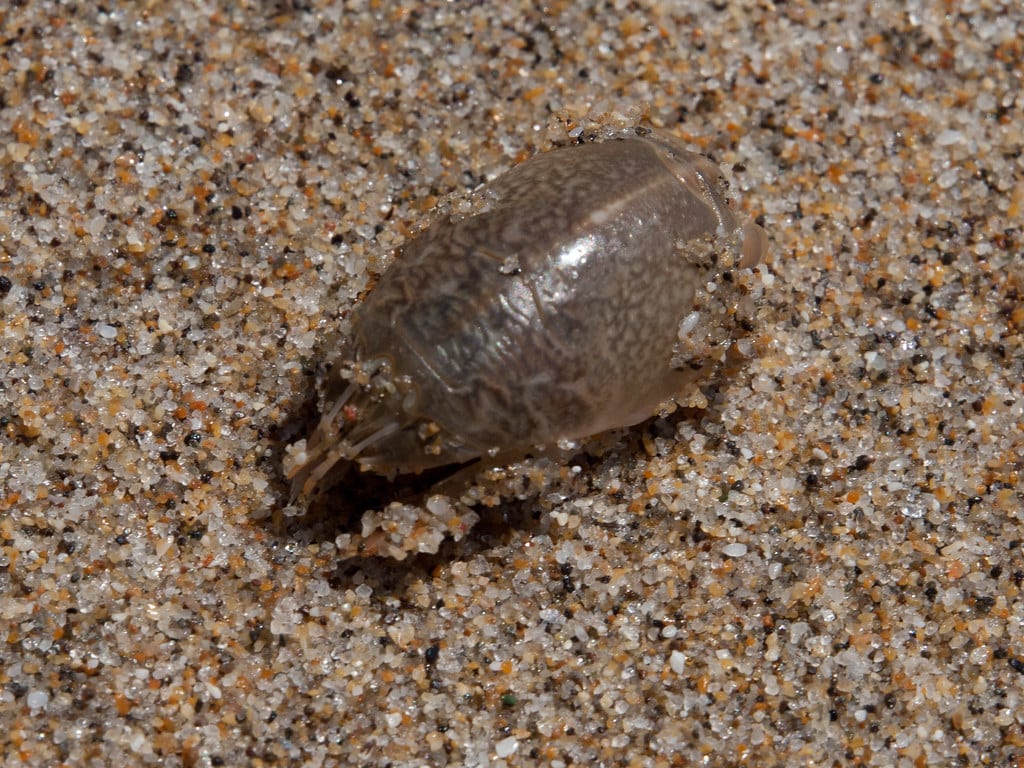
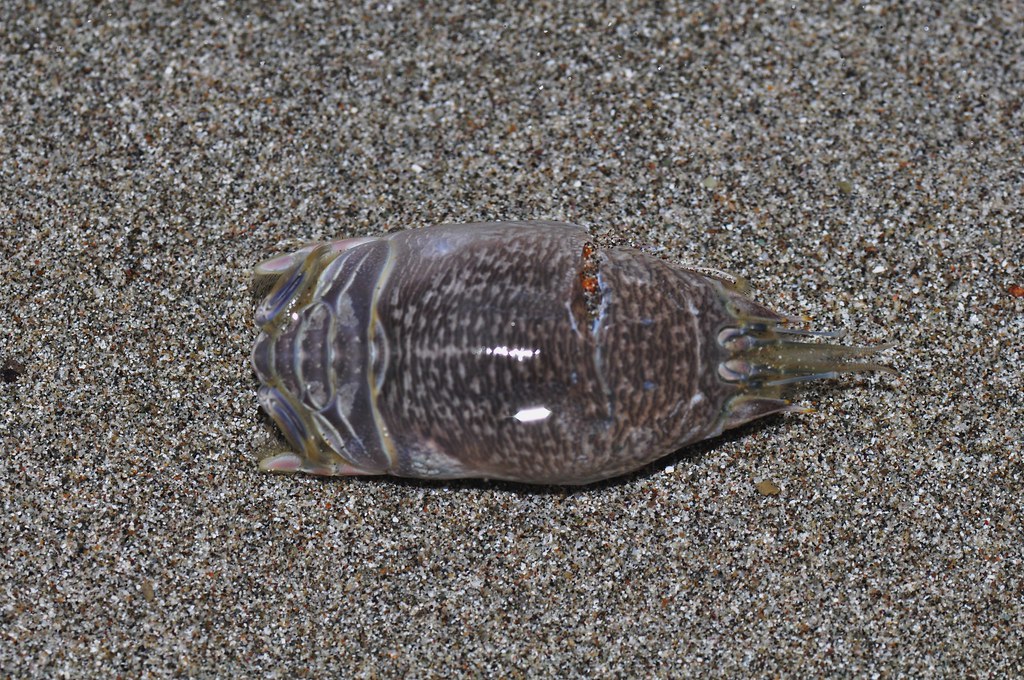
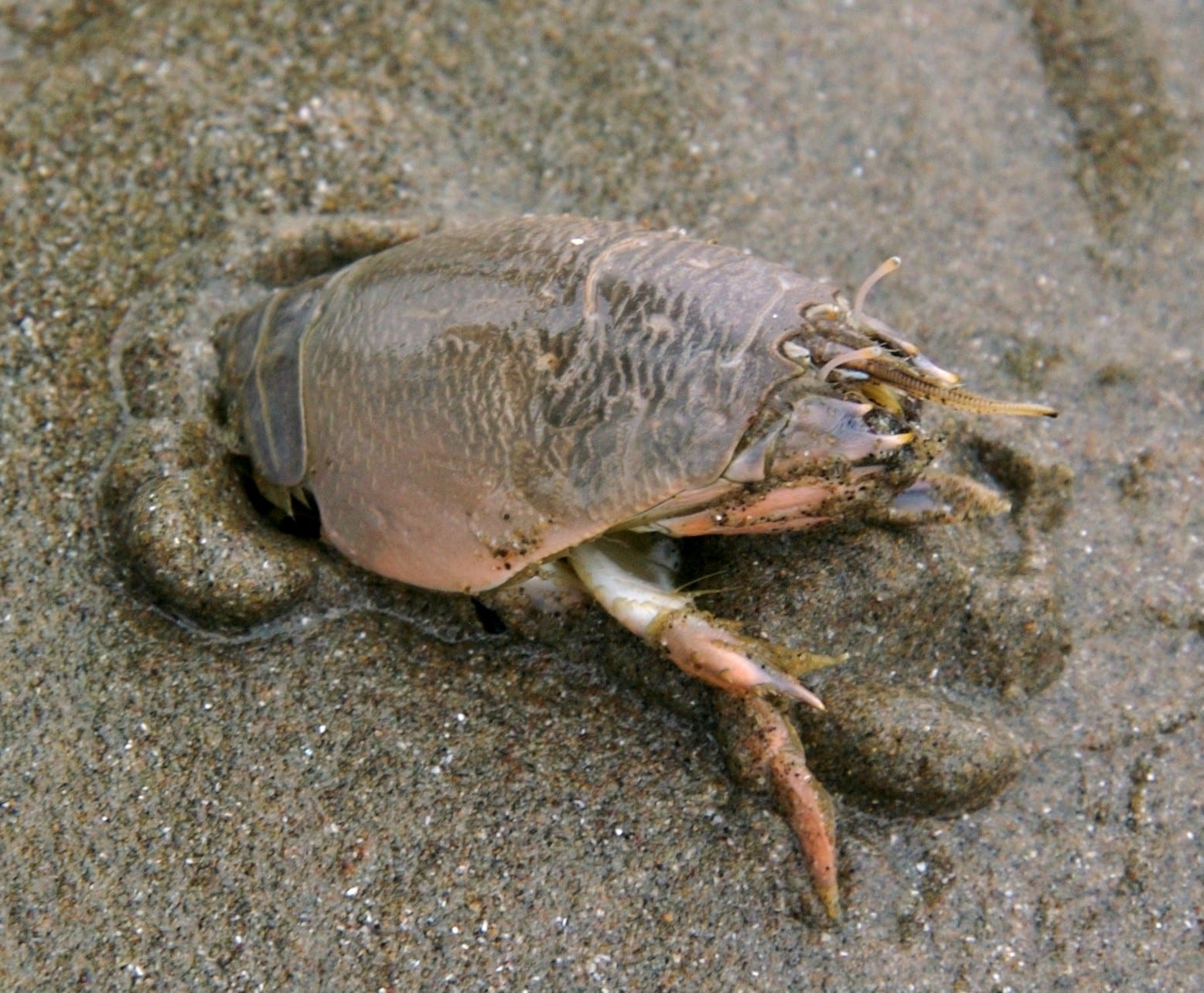
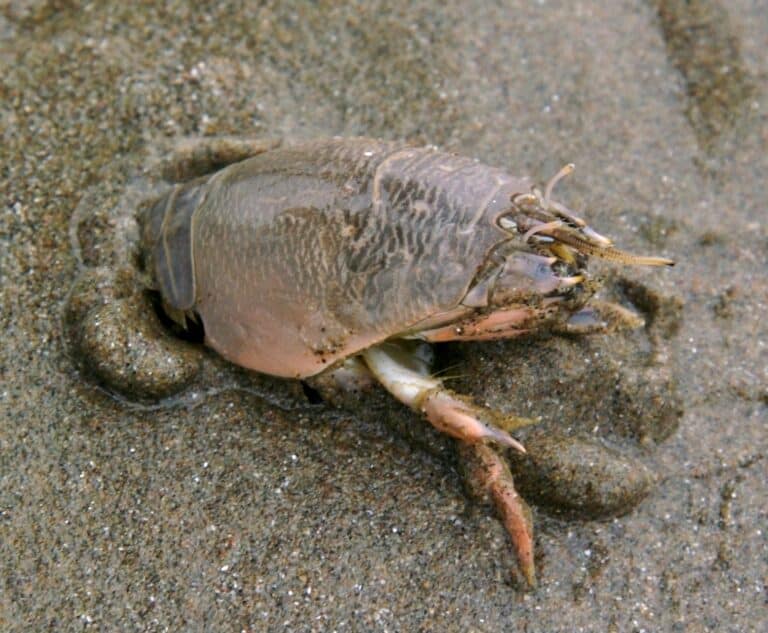
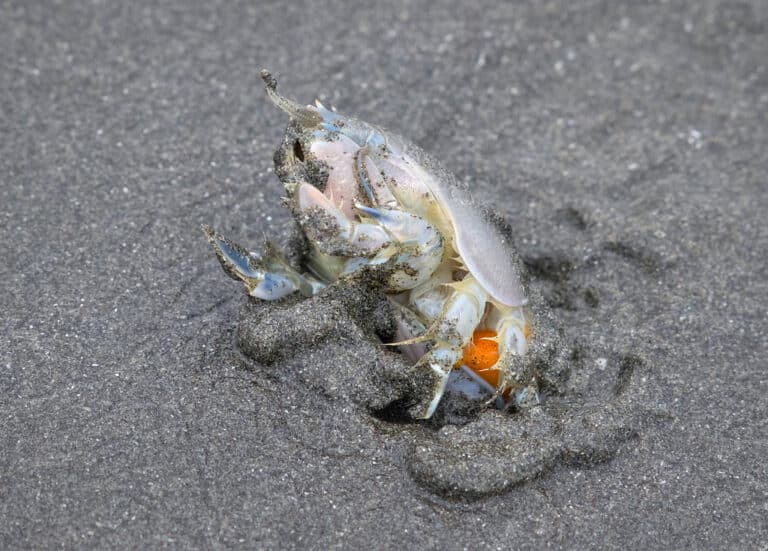
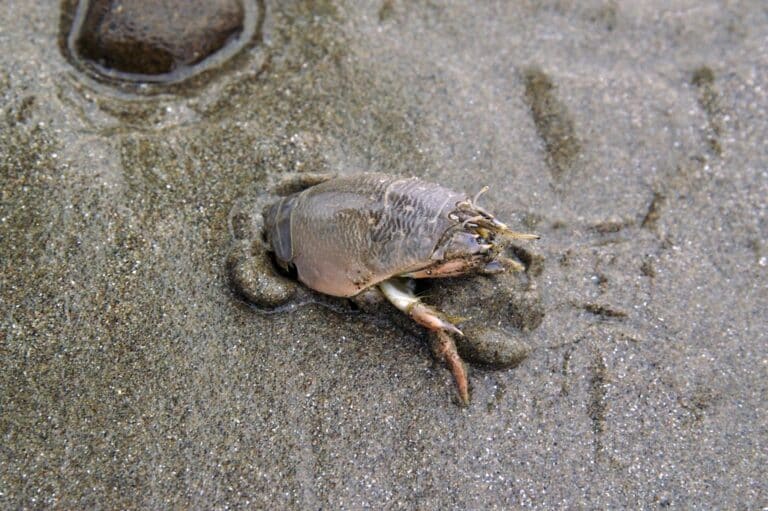
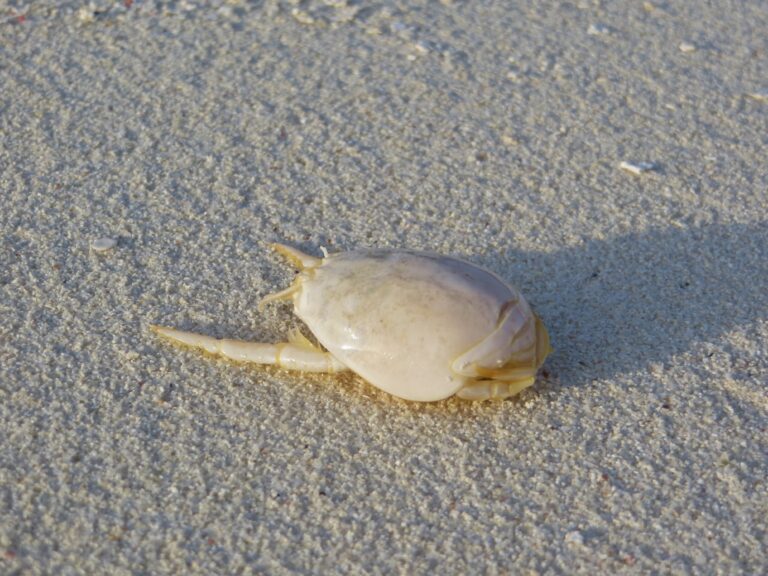
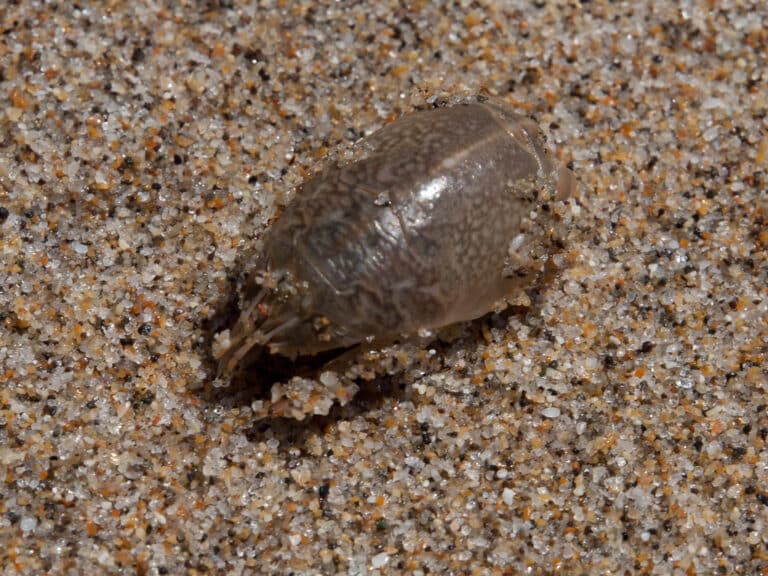
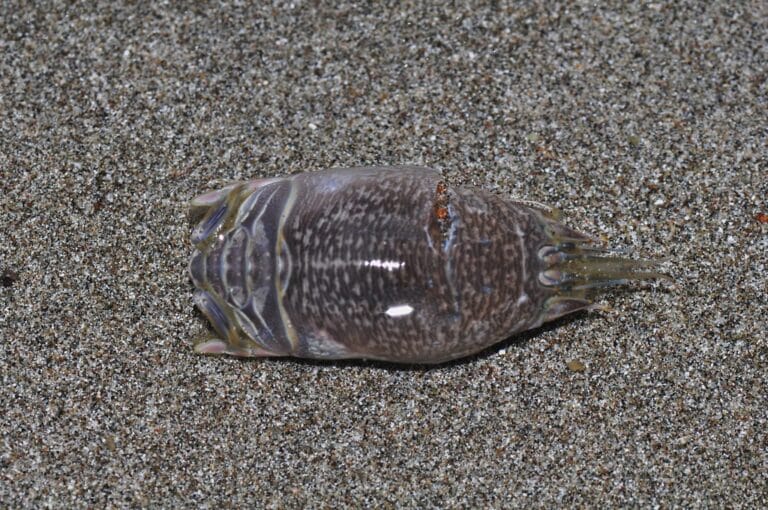
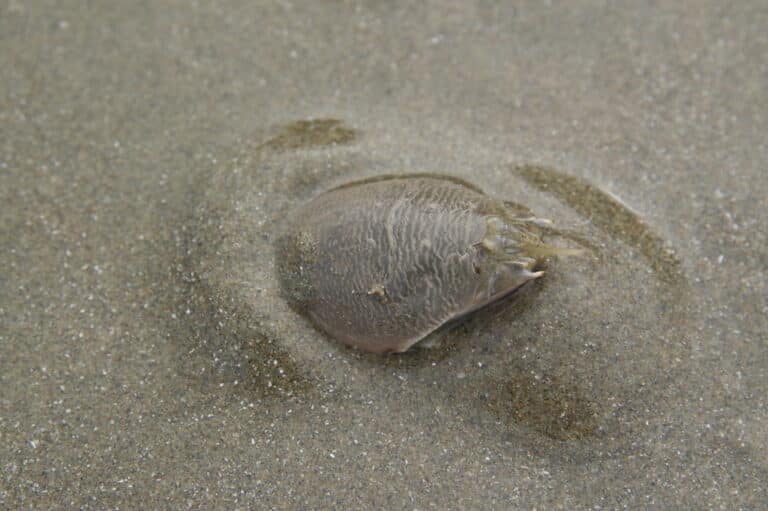
Sand crabs, scientifically known as Emerita, are fascinating creatures that scuttle along sandy beaches in oceans around the world. These little invertebrates belong to the class Malacostraca and are cousins to shrimp and crabs but have their own special charm.
Sand crabs usually measure between 1.9 to 3.8 centimeters (0.75 to 1.5 inches) long. Their size may be small, but they play a big role in the marine ecosystem as they dine on tiny plankton and help keep the ocean waters clear of small particles.
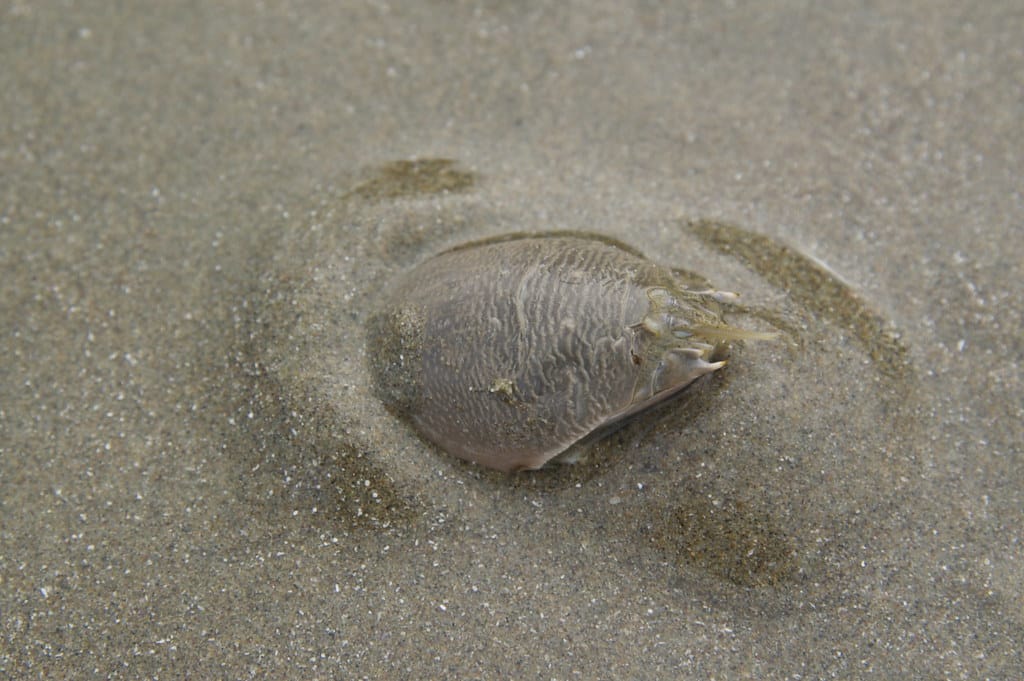
These critters have a unique way of moving through their sandy homes. They bury themselves in the sand with a quick wiggle, and this helps them escape predators while also staying close to their food source. Talk about being sand-tastic at hide-and-seek!
Sand crabs enjoy a short but thrilling life of about 2 to 3 years. They go through several stages of growth, transforming from tiny larvae into the playful beach buddies we see scurrying along the shore.
These little guys help support many species that rely on them for food, showing that even the tiniest creatures have important jobs in nature! Many seabirds and fish consider them a tasty treat, making sand crabs popular in the food chain.
Next time you take a stroll on the beach, remember these hidden gems beneath the sand. Sand crabs remind us that adventure awaits just beneath our toes!

Where can you find a Sand Crab in the wild?
What does a Sand Crab eat?
How big can a Sand Crab grow?
How long does a Sand Crab typically live?
What is the conservation status of the Sand Crab?
What are the main threats to the Sand Crab?
Fun facts
Sand crabs have a superpower of “wiggling” that allows them to disappear into the sand in just seconds, making them masters of hide-and-seek.


These clever critters can sense vibrations in the water, letting them know when a predator approaches, giving them just enough time to scurry and hide.
Sand crabs have a funny way of eating - they filter tiny plankton from the water using their legs, making them like the ocean's little vacuum cleaners.
When waves crash on the beach, sand crabs often pop up to the surface to feast on plankton blown their way, turning feeding time into a beach party!
Even though sand crabs are tiny, they can live in huge colonies, sometimes numbering in the thousands, which makes the beach seem like a busy city of little critters.
These little creatures go through astonishing transformations during their life cycle, starting as tiny larvae before becoming the playful sand crabs that wiggle around the beach.
Sand crabs have eyes on stalks that help them see all around, much like a cool cartoon character, making it easier to spot a predator or a big wave coming in!
During mating season, male sand crabs show off their skills by waving their claws in the air, kind of like a silly dance to attract female crabs!
These little invertebrates can live in sandy beaches across the globe, reminding us that even the most ordinary places can be home to incredible life!
In some areas, sand crabs have colorful shells that range from pale to bright hues, giving them a unique style while scuttling along the shoreline!
Photos





The Basics


explore more
Amphibians
Arachnids
Birds
Cats
Crustaceans
Fish
Fish Pet Guide
Gastropods
Insects
Invertebrates
Mammals
Pet Fish
Pet Rodents
Plants
Reptiles
Roundworms
Sea Slugs